GLASGOW FILM FESTIVAL 2021 PROGRAMME

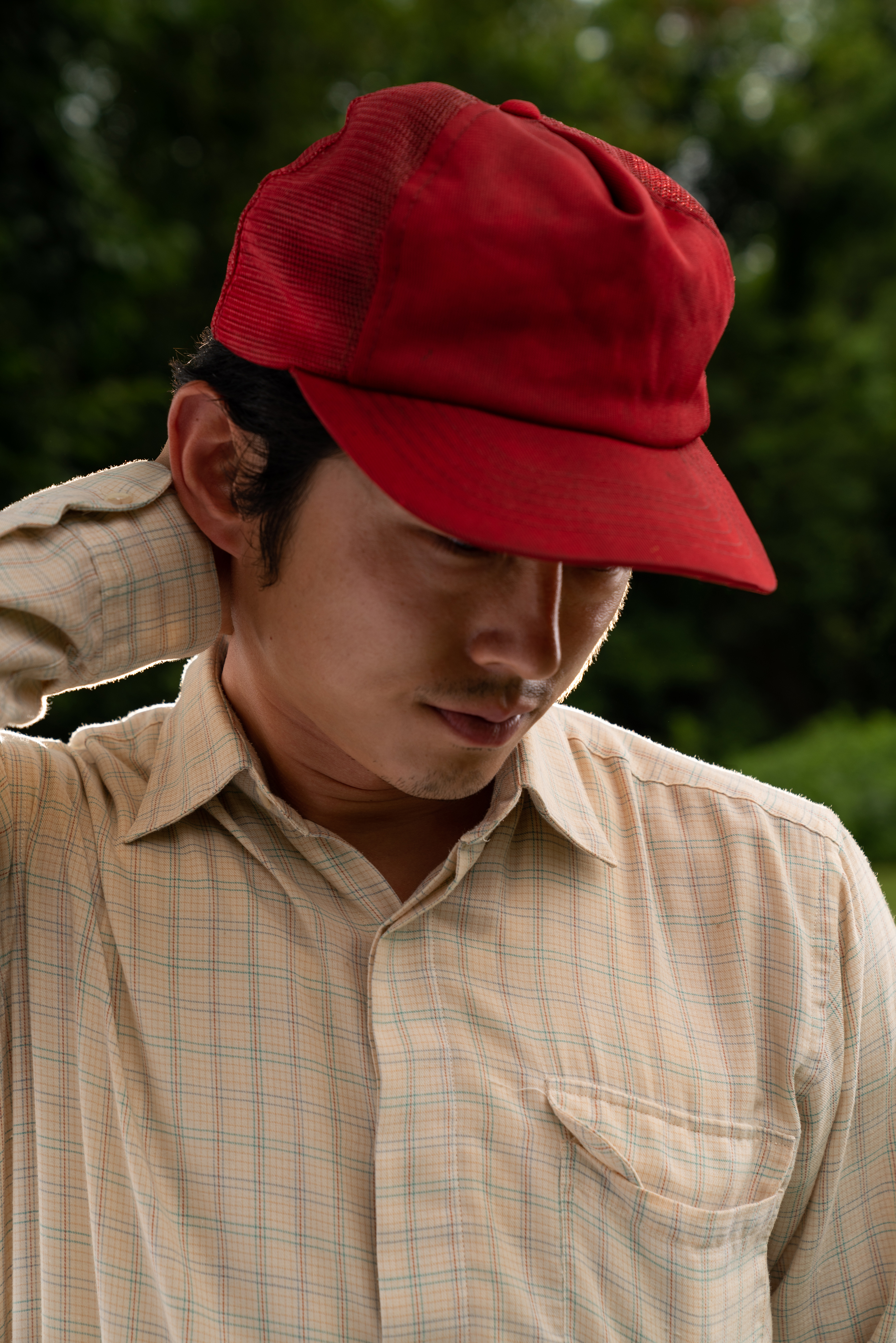
MINARI_00346
Steven Yuen
Director: Lee Isaac Chung
Credit: Josh Ethan Johnson

 From 24 February to 7 March, GFF will host 6 World premieres, 2 European premieres, 49 UK premieres online. World premieres include Anthony Baxter’s Eye of the Storm and an exploration of the life of punkrock’s least conventional front person Poly Styrene: I Am A Cliché   UK premiere of Creation Stories written by Irvine Welsh and starring Ewen Bremner leads a programme filled with strong Scottish stories

 Glasgow Film Festival (GFF) announces the full programme for its 2021 festival, with screenings hosted on Glasgow Film’s new online viewing platform Glasgow Film At Home. The programme contains 6 World premieres, 2 European premieres and 49 UK premieres. GFF is committed to bringing incredible cinema from filmmakers all around the world to our audiences.

Tickets will go on sale from 12 noon on Monday 18 January online.   More information is available at www.glasgowfilm.org./festival.

Originally planned as a hybrid in-cinema and online festival, GFF21 will now take place online only, due to the lockdown restrictions affecting most of Scotland and the rest of the UK.  The festival will open on Wednesday 24 February with Lee Isaac Chung’s autobiographical drama following a Korean-American family Minari, starring The Walking Dead’s Steven Yeun, and close on Sunday 7 March with Suzanne Lindon’s debut feature Spring Blossom, a coming-of-age tale set against a dreamy Parisian backdrop.

This year’s Industry programme will run online between Monday 1 and Saturday 6 March.  A new scheme is announced to support filmmakers around the UK, aged under 30, to access the full Industry programme for just £10, sponsored by MUBI. Passes are limited and we actively encourage applications from individuals currently under-represented in the screen industries, which includes writers, directors, and producers from ethnic minority backgrounds, disabled and D/deaf people, the LGBTIQI+ community, and women.

Industry passes are available to purchase now at www.glasgowfilm.org./festival. The full programme of Industry events will be announced on Tuesday 9 February.

GFF is one of the leading film festivals in the UK and run by Glasgow Film, a charity which also runs Glasgow Film Theatre (GFT). GFF is made possible by support from Screen Scotland, the BFI (awarding funds from the National Lottery), Glasgow Life and EventScotland, part of VisitScotland’s Events Directorate.

Scottish highlights include:  Scottish filmmaker Anthony Baxter (Flint, GFF 2020) for the World premiere of Eye of the Storm, which follows one of Scotland’s most gifted painters, James Morrison, through the last two years of his life. With animation from Catriona Black and a soundtrack from Karine Polwart, the result is a fond, affectionate portrait of the man and his legacy.

World and European Premieres features amongst others:   Poly Styrene: I Am A Cliché brings to screen the life of ‘one of the least conventional front-persons in rock history’: Poly Styrene, founder of acclaimed punk band X-Ray Spex, co-directed by her daughter, Celeste Bell, and Paul Sng.

UK Premieres: GFF will host 49 UK premieres including Welsh thriller The Toll, starring Michael Smiley as a contented toll booth operator whose past shows up to haunt him. The cast also includes Annes Elwy and Iwan Rheon.  Apples is the haunting debut feature from Greek director Christos Nikou, set during a mysterious pandemic which causes sudden amnesia.
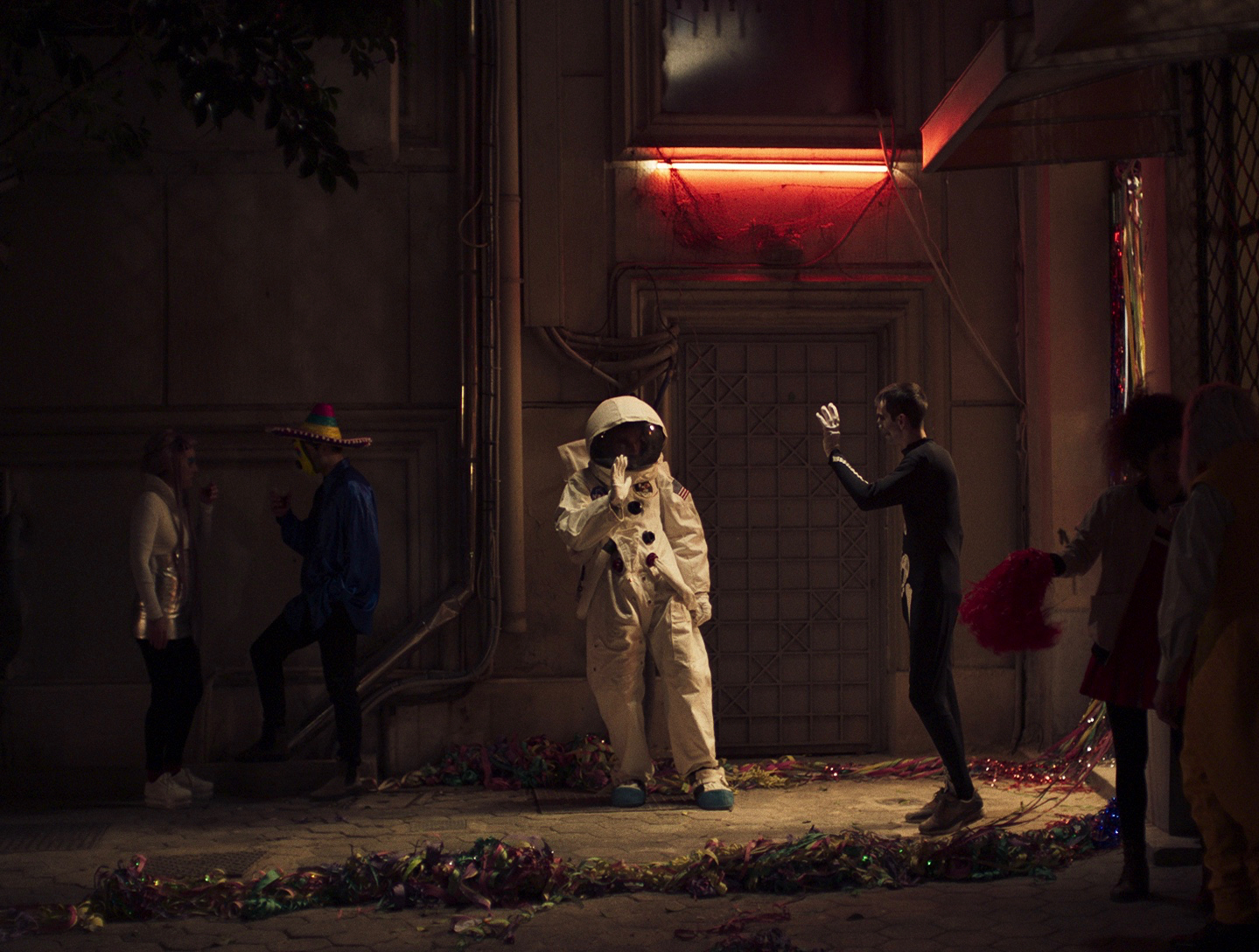
Christos Nikou _3@Bartosz ~Swiniarski

This year we have an exciting new collaboration with Shanghai Film Festival, who are bringing two incredible films to our programme: Back to the Wharf from director Xiaofeng Li which follows the events of one day across the years as a star pupil (Yu Zhang) finds his university place given to another boy; and Yang Lina’s Spring Tide which charts the experiences of three generations of Chinese women living under one roof. GFF will then take a programme of Scottish cinema to Shanghai for the next edition of their festival in June 2021.’

Incredible documentaries to make you think include Cahiers du Cinéma’s 2020 film of the year, the latest landmark documentary from Fred Wiseman, City Hall, a love letter to civic responsibility and democratic values set in the heard of Boston’s city government.

 Country Focus :This year, GFF turn their Country Focus to South Korea, with five incredible UK premieres, including Our Midnight, the debut feature from director Jung-eun Lim.

Audience Award nominees: The prestigious Audience Award – the only award given out at GFF and ‘voted for by our most important guests, the festival audience – returns with six exceptional titles from first or second-time directors, 50% of which are from female filmmakers.’

The Glasgow Film Festival Audience Award 2021 is sponsored by Caledonian MacBrayne and the winner will be revealed online on March 7.

Arrow Video FrightFest: FrightFest returns to Glasgow Film Festival with six thrilling new titles for film fans looking for a good scare. American Badger, Kirk Caouette’s gritty and turbo-driven action thriller makes its European premiere. Five UK premieres complete the FrightFest programme.

 Tickets for the programme will go on sale at noon on Monday 18 January at www.glasgowfilm.org/festival. Titles will be available to view between 24 February and 7 March on online platform Glasgow Film At Home (https://athome.glasgowfilm.org/), Glasgow Film’s streaming site, launched last year to provide a curated offering of titles available to watch online.

It is free to create an account and users can pre-order the GFF21 premieres they want to watch during the festival.
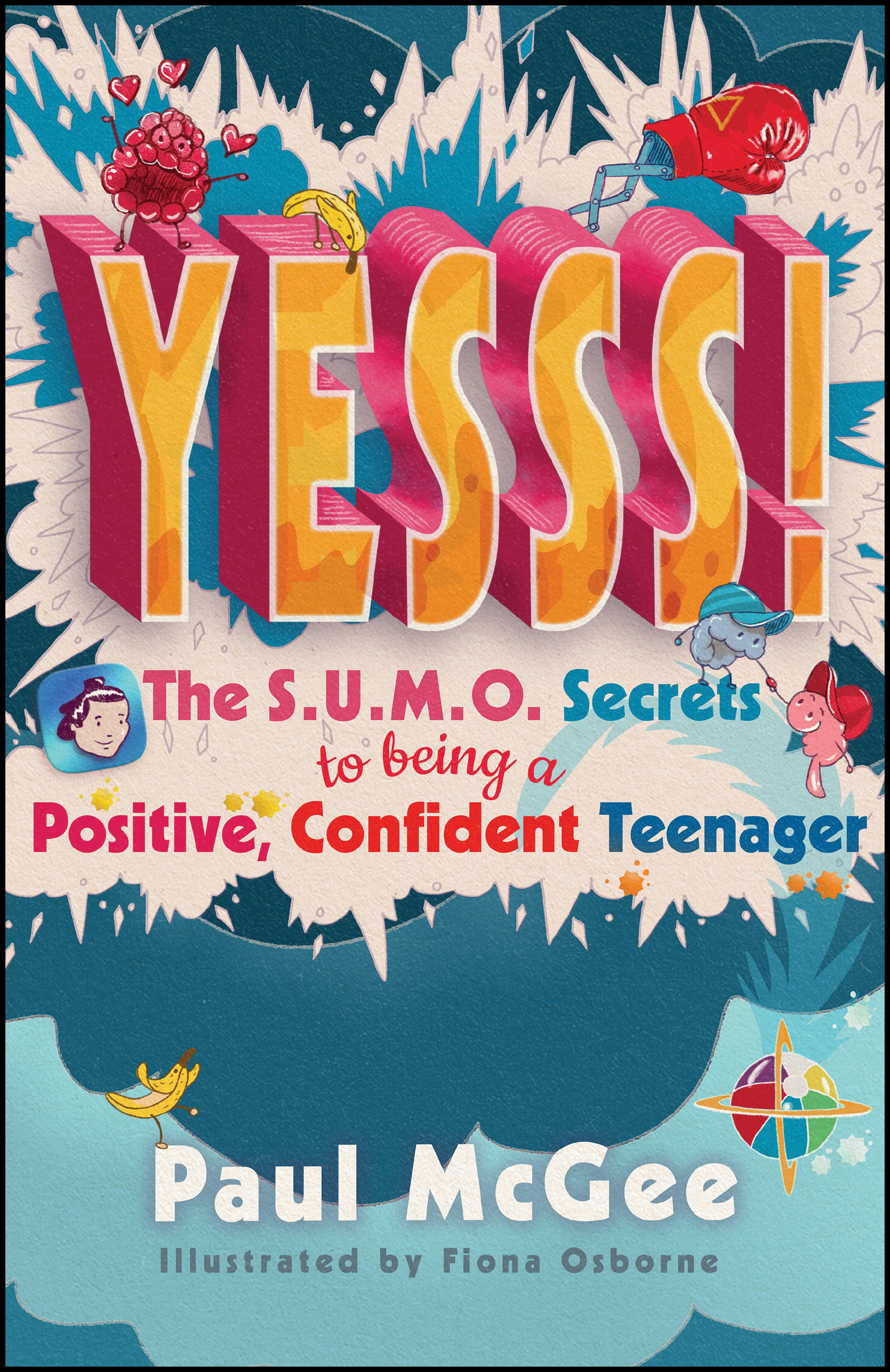


YESSS! The SUMO Secrets to Being a Positive, Confident Teenager by Paul McGee reviewed by Annie Clarke


YESSS! The SUMO Secrets to Being a Positive, Confident Teenager arrived in the office purporting to uncover the secrets of overcoming and also embracing the opportunities and challenges of one of life’s most difficult stages: the teenage years. A big ask. So did it?

Indeed it did.

Paul McGee writes with humour, warmth, and immediacy. I found it easy to read and it certainly reaches those parts ( to corrupt the old lager advertisement ) all too easily hidden amongst the maelstrom of teenage ups and downs.

Immediacy is crucial when one thinks of a teenage world so often lived around, even through,  texts, (short and hopefully sweet),   Whichever form it takes, communication seems to consist of these soundbites, almost a separate language. So SUMO (Shut up Move on) – in other words, Paul McGee – manages to grab the attention, and support  the fluctuating confidence of  this age group. He not only hold the attention, but reaches some inner core, ably supported by  cracking illustrations from  Fiona Osborne.

YESSS! is full of advice that never sounds worthy, but clearly will motivate and equip readers to overcome their insecurities and confusion and create a signpost to parents too. It is supportive, and welcoming at a time when teens can feel lonely, lost, at sea, so too the parents who are frequently at a loss.

Sunday Times bestselling author and speaker, Paul McGee aka The SUMO Guy, shows how to harness practical strategies to:

  • Take responsibility for their lives
  • Own and understand their feelings
  • Build a more positive mindset
  • Develop a healthy image of themselves
  • Realize that it’s OK to not always feel OK – so important.
  • Recover from setbacks and develop perseverance which after all, is what life is all about.
  • Aspire, set goals, and dare to dream


It really is helpful to teenagers and those in support. It shows youngsters what it’s like to live with confidence, resilience, hope. Perhaps we should all read it.

I really do think this is one of those helpful books that doesn’t preach, it  accompanies the family along the way. Buy it.

Illustrated by Fiona Osborne  Published by Capstone, A Wiley Brand,  Full colour paperback original and e-book, £12.99

Annie Clarke is the author of the Home Front series.

WELSH WRITING WEDNESDAYS: INSPIRED BY A GHOST – INTRODUCING JILL BARRY

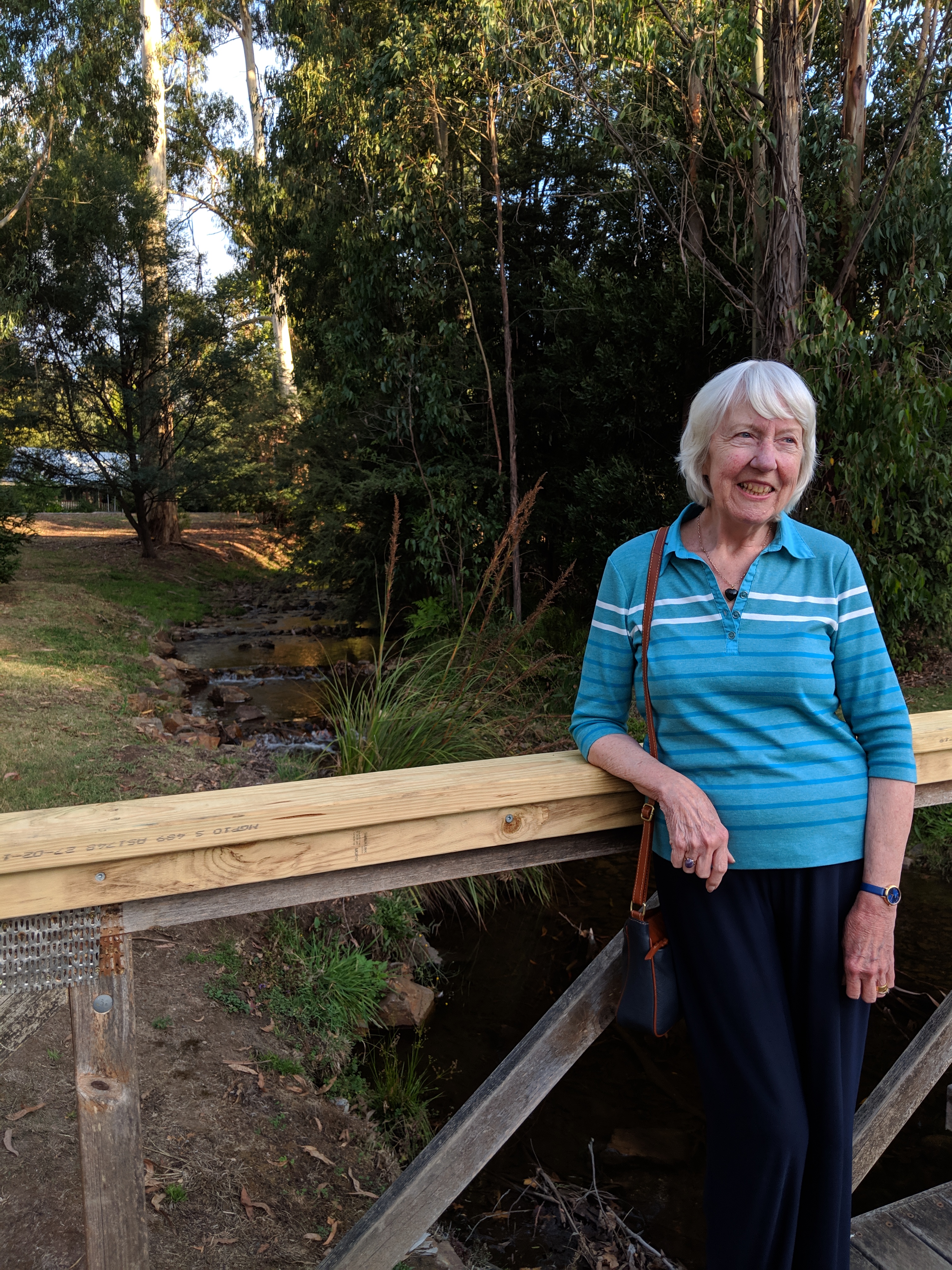
In 1975, my husband and I bought and renovated a Victorian school. We faced a daunting task, but fast forward a year and we were in, complete with baby son born while we lived in our tiny cottage in a chocolate box Wiltshire village.

Soon we were offering accommodation to tourists from all over. My only creative writing consisted of menu preparation until one morning a guest entered the dining room, looked through the open door into the kitchen/family area and asked who my son’s playmate was. I insisted he was alone, but our guest looked at me strangely, saying, ‘Can you not see the little fair-haired girl beside him?’

I couldn’t, though I didn’t doubt the guest’s conviction. That ‘sighting’ sparked a short story which, with another, was accepted for broadcast by BBC Wiltshire. Years later, I won a local short story competition, but it wasn’t until my son went to Uni that I began taking my writing seriously. Frankly, my first attempt at a novel was so dire that I gave up until the bug bit again after I was widowed and moved back to Wales. I spent weeks settling into my lovely new home at the foot of the Eppynt Hills, exploring woodland tracks and getting to know nearby towns. I was inspired to write, but I needed a job.

Fortunately, my secretarial skills landed me a role as a minute taker. I made new friends and was recommended to join Builth Wells Writers’ Circle. I gained a place at Trinity St David’s to study part-time for a Masters in Creative Writing. Several short stories were published in anthologies and women’s magazines and I won First Prize in The Lady magazine’s annual fiction competition. Another move followed, and soon I was finding kindred spirits within a local writing group called Hookers’ Pen.

Over the next few years, I took a script-writing course and saw one of my short plays performed at Swansea’s Dylan Thomas Centre. After gaining my degree, I ran one off writers’ workshops plus sessions for the Local Authority, and became Creative Writing tutor at an online high school. By then, I was well-published as Toni Sands, writing erotic romance for Accent’s Xcite imprint. I took two writing courses at Ty Newydd, working with mentors, Peter Guttridge, Rosanna Ley, Lynn Truss and Kate McCall, BBC Radio Producer. Rosanna mentioned the Romantic Novelists’ Association and soon I was in touch with Liz Fielding, who ran the Carmarthenshire Chapter.

Joining the RNA offered the perfect excuse to travel to London for whatever event was happening at the New Cavendish Club, as I could combine visits with seeing my son. Amazingly, although I’ve attended HNS and Winchester Writers’ conferences, I have attended only one RNA conference – the last one taking place at Caerleon. Little did I know that four years later, I would be living in nearby Newport. After Liz moved to Wiltshire, I looked after the Carmarthenshire Chapter until we joined up with a small group of writers, including RNA members, who met in Cardiff.

I truly believe, while the courses and workshops we attend help wonderfully, it’s the camaraderie so many Romantic novelists enjoy that’s invaluable. There’s always someone to gain advice from, to offer help to in return – and most importantly, someone with whom to exchange commiserations and congratulations.

Jill Barry pocket novels are available as Linford Romances in the public library system and the more recent ones are on sale via The Reading House: https://thereadinghouse.co.uk/

You can check out my other books and blog posts by visiting www.jillbarry.com


How to Keep Your Child Motivated to Learn at Home

homeschooling, home learning, lockdown, lockdown three, lockdown 3, remote learning, schooling, education, coronavirus, covid 19, After parents stepped into the shoes of a teacher in the first lockdown, there was a sigh of relief as children were finally welcomed back through the school gates in June.

But, as the virus has rapidly spread over the Christmas period, millions of primary school children will not return to education until after the February half-term, meaning it’s time for parents to re-tackle home learning once again. 

The Office for National Statistics found that the majority of British children struggled to learn from home during the first lockdown, with three-quarters of parents giving a lack of motivation as the reason why. So how can we keep our children focused this second time around? 

The team over at Essential Living have worked with Counsellor Kerry Quigley on this handy guide for parents to help keep your children motivated whilst learning from home. Kerry Quigley has been a counsellor for over 17 years, here she offers tips on keeping children mentally engaged and helping them to learn under difficult circumstances. 


Start and stick to a routine


A routine is extremely important, as not only does it give structure to your day but is also mentally beneficial. A recent study found that children feel safer and more secure when their lives have a predictable routine. 


Having a routine can also have a positive impact on mental wellbeing, no matter what your age (cause we’re still talking about kids here right).


Counsellor Kerry Quigley, who is accredited by the British Association for Counselling and Psychotherapy said: “Children learn better in a structured routine. Where possible maintain a consistent sleep pattern, meal times and regular breaks. This will help to support your child’s concentration and energy levels.”

Your routine should be similar to a normal school day, including going outdoors, different types of skills learning and regular breaks. Here is an example you can follow: 

Or if your child’s school uploads tasks for them to complete every day, ensure they know what they have to do and that they have the equipment to complete them.

Create a rewards-based system


A rewards system is a great motivational tool used by teachers to encourage children to do something they may not enjoy by rewarding them for hard work and good behaviour.


Not only does it motivate but also helps improve behaviour. By deducting points for bad behaviour, this is a good alternative to another form of punishment like being sent to the naughty step. All this does is interrupts your routine and distracts workflow.


Counsellor Quigley believes, “It is important to remember to praise and reward their achievements. This will build upon your child’s self-esteem and encourage independence.” 


Unsure where to start? Here is a tutorial example with parental tips for creating a rewards system for your child: https://www.youtube.com/watch?v=iQqGUCguWyY&feature=emb_logo 


Young children can benefit from sticker charts and it’s a good idea to get them involved with creating and keeping the chart up to date. Allow your child to decorate a piece of paper themselves to use as their own personal rewards chart. Let them choose different coloured stickers and give them a target to achieve per day. Giving daily targets will help increase a sense of self-confidence and motivate them to reach their goal. 

For older children, try offering other types of incentives such as an extra hour of television or a small gift for their efforts.

Introduce cooking


Younger children love to help out around the home, and take pride in seeing something they have helped to create. So, take pride in seeing something they have helped to create. 


Often we focus on one learning area like maths or science, but we forget that we can choose activities that incorporate several learning concepts.


Choose a recipe every day including different ingredients like flour or eggs. Use scales and ask them to weigh out different measurements. This will help them to understand concepts such as weights and fractions.


Through cooking, you can also teach a number of other skills such as:

  • Hygiene skills issues such as the importance of washing hands 
  • Reading labels for nutritional information
  • The importance of a balanced diet and the different food groups
  • Basic safety skills such as preventing burns from hot pans and the stove
  • and making sure food is not spoiled or contaminated by reading the labels


Counsellor Quigley believes: Whilst it is important to give clear instructions and expectations, this will help motivate your child and build upon your child’s self-esteem and encourage independence.”


Here are some Lockdown friendly recipes for kids to help you get started: https://www.youtube.com/watch?v=7Kydl6dQIBk&feature=emb_logo

Encourage your children to stay connected to the outside world

Your child mustn’t become too disconnected from the outside world. During the first lockdown, parents became increasingly concerned that not attending school or social events would hold back their child’s development at such an early age. If your child is still struggling to adjust to this new, isolated environment reassure them that it is temporary. 


To help provide normality, allow them to interact online with peers. Try scheduling regular calls with a school teacher or a member of the family to discuss the progress of learning and other activities during their day. Knowing they will be speaking with someone on the outside world can give them that boost they might have needed. 


Counsellor Quigley said: “By empathising with your child’s feelings this will help them to feel heard and understood, and also support a positive relationship between you and your child.”


For any more advice or guidance from Counsellor Quigley, you can contact her through the Glister Counselling website: https://glister.uk.com/contact-us/


Thanks to Essential Living: https://www.essentialliving.co.uk/


My Writing Process Helen E Field

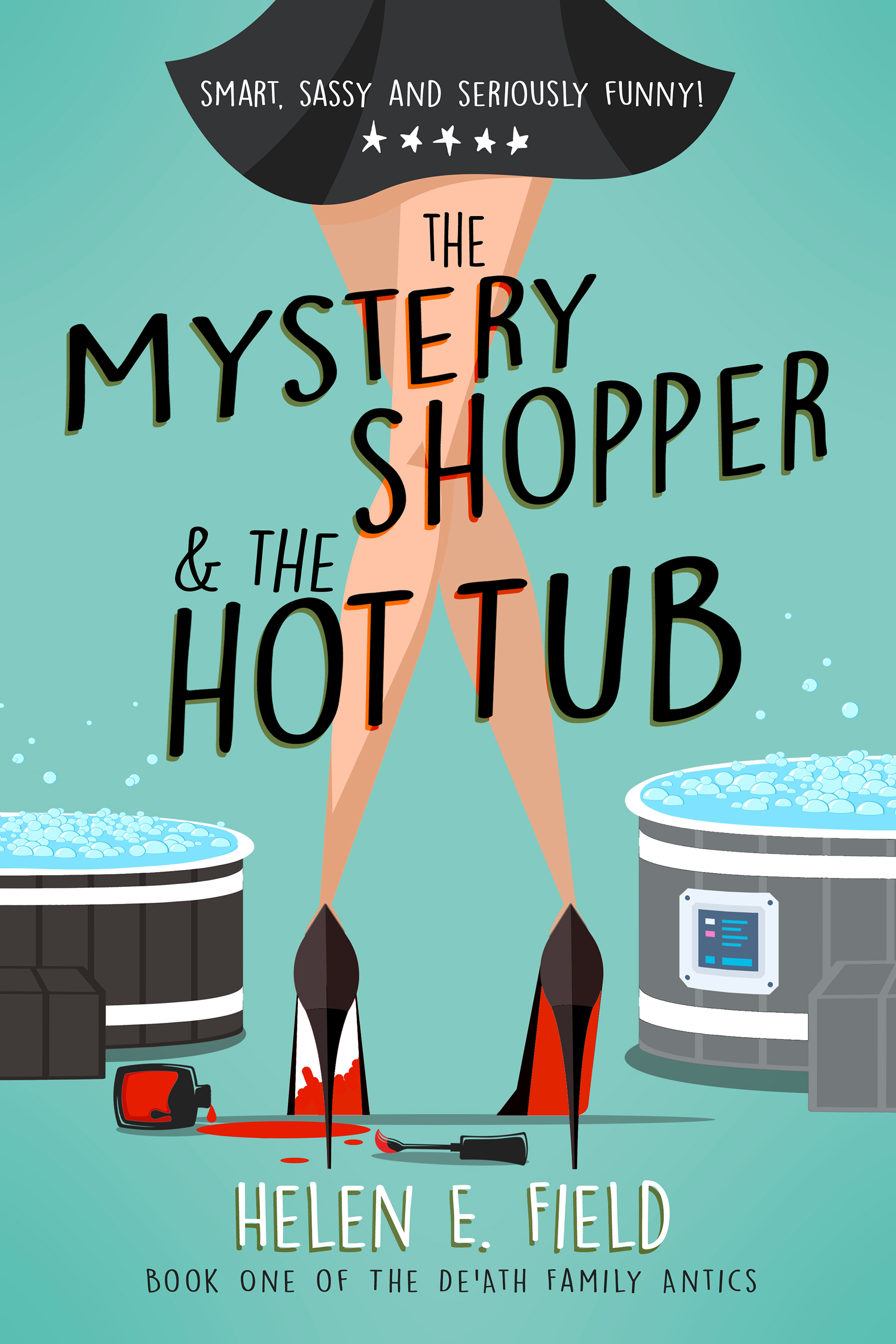
The Mystery Shopper & The Hot Tub , Helen E Field, writing, writer, how I write. My mother once told me that when I was 10yrs old I informed her I was not going to have a ‘boring life.’ Well, I guess I must have succeeded because according to most people I know, I have led a very interesting life. Important for a writer I think. To me, I’ve just lived it exactly how I wanted – a free spirit if you will. ‘work hard, play hard’ could well be my motto. I started writing funny poems about all my classmates at school from the age of ten and I haven’t stopped writing them ever since. I have a business writing bespoke funny poems for and about people and I used my ability to write these funny poems to publish a range of greetings cards. I also began a journal at ten and nearly 50 years later I am still writing it – I have an old sea chest full of them! At school I was often picked out by my English teacher to stand up in front of the class and read the essay I had written; the one that I recall even now, was entitled ‘The Goldfish Who Could Speak.’  The class were in stitches!

I left school at sixteen and worked in retailing and hospitality. I started my own hospitality training consultancy in 1998, training managers and staff all over the UK, Europe and USA and speaking at conferences. One strand of the business was to design and implement mystery shopper programmes. It was the trigger for my debut novel ‘The Mystery Shopper & The Hot Tub.’

I have three incredibly talented grown-up children and a saintly husband! Pre-Covid, we embarked on some serious travelling around the world – clearly curtailed for the past ten months but we’ll be off again as soon as we are permitted! 

What you have written, past and present.

I have had numerous professional articles published in various hospitality publications over the years. One article in particular when published was deemed ‘an important academic paper’ which thrilled me, given I’d never gone to university. I wrote the entire article in one hit of 8,000 words in one evening and they didn’t change a single word! 

I completed The Mystery Shopper & The Hot Tub last Autumn and am currently writing the second book in the series, which I hope will be out by late Spring.

What you are promoting now.

I am promoting my debut novel The Mystery Shopper & The Hot Tub, for which I also wrote a free download called ‘The Big Dilemma’ that readers can access at the end of the book. It is women’s humorous fiction. I would say that you have to have a sense of humour and not be overly politically correct to enjoy it!

I do not have social media – my choice – which makes promoting a bit more challenging. I’m a face-to-face kinda gal and would much prefer to talk about the book in person or on the radio, but Covid has put a stop to that.

A bit about your process of writing. 

I don’t honestly think I have a process. I just write when I feel like it for as long as I want to. When I’m really in the flow, I can write for hours at a time without stopping. If I don’t feel like it, I don’t write. It’s pointless. When both my brothers were diagnosed with prostate cancer and my mother developed Alzheimer’s all in the same year, I was very flat and exhausted. I just couldn’t write ‘funny’, so I left my manuscript for a year and went back to it, when I felt more in control of things.

Do you plan or just write?

I would say I was more of a ‘seat of the pants’ writer. The only thing I could remotely describe as planning, is that I decide what I want the ending to be and kind of work out how to get there! My stories are very visual – a number of readers commented that they thought the book would make a great TV/film. I often think of ‘scenes’ that I know I want to include – particularly the mystery shopping assignments, which have been based on real life assignments that I have actually done myself or been de-briefed about by an assessor. They are very funny, not least because they have actually happened.

What about word count?

I never even considered word count when I started writing my first book. I literally just wrote it exactly as I wanted. When I finished it was around 120,000 words. I discovered afterwards that that was a lot of words for a book of my genre. I had to do some ruthless editing that made me weep as I removed whole chapters and chunks of writing to get it down – even now it’s around 105,000 and 443 pages long.

This has provided me with a problem I hadn’t anticipated.The print cost of a book of this size is significant, but to sell at a price similar to ‘competing’ novels I will be making very little money indeed on paperbacks.

Big lesson for me for book number two – keep an eye on word count!

How do you do your structure?

I am a story teller and I think my book reflects that. I never sat down and thought ‘how am I going to structure this novel?’ I just wrote the story it as it came to me. I would get to the end of a section and think, OK so what would be really funny to happen now? Then I wrote it. On editing, I made a few changes if I thought that the flow of the story wasn’t quite right, but really nothing major.

What do you find hard about writing?

I really don’t find anything about writing hard. I genuinely don’t understand writers who say they sit at their laptops struggling to get words out. I write so prolifically and easily it’s a mystery to me.

What do you love about writing? 

I love making up stories. It’s a bit like being a child again I suppose. In the real world we can’t pretend, but in stories you can create whatever crazy characters and wild incidents you like. It’s like creating escapism for yourself and for others to enjoy and I do like making people laugh.

Advice for other writers. 

My genuine advice to other writers is likely to get me into trouble from the many organisations that offer writing courses, advice, manuscript assessment etc etc. It is easy to forget that it is in all these people’s financial interests to tell you your writing isn’t good enough. For me there is only one group of people who have the authority to tell me that and that’s my readers. No-one else matters.

I can truthfully say that if I had read all the articles and advice about how to write before I started my book, I would never have written it. I would have been paralysed by indecision over absolutely everything. Never in my life have I come across such contradictions, nonsense rules, imposition of politically correct notions or subjectivity,  in an industry. This became the main reason I decided to go down the self-published route. 

I came across a quote many years ago, which I had printed on cards and gave them to my children as a good rule to live their lives by. It’s not a bad one for writers either.

“It had long since come to my attention that people of accomplishment rarely sat back and let things happen to them. They went out and happened to things.” 

Leonardo da Vinci

The Mystery Shopper & The Hot Tub is out on the 14th of January and is available from amazon.co.uk


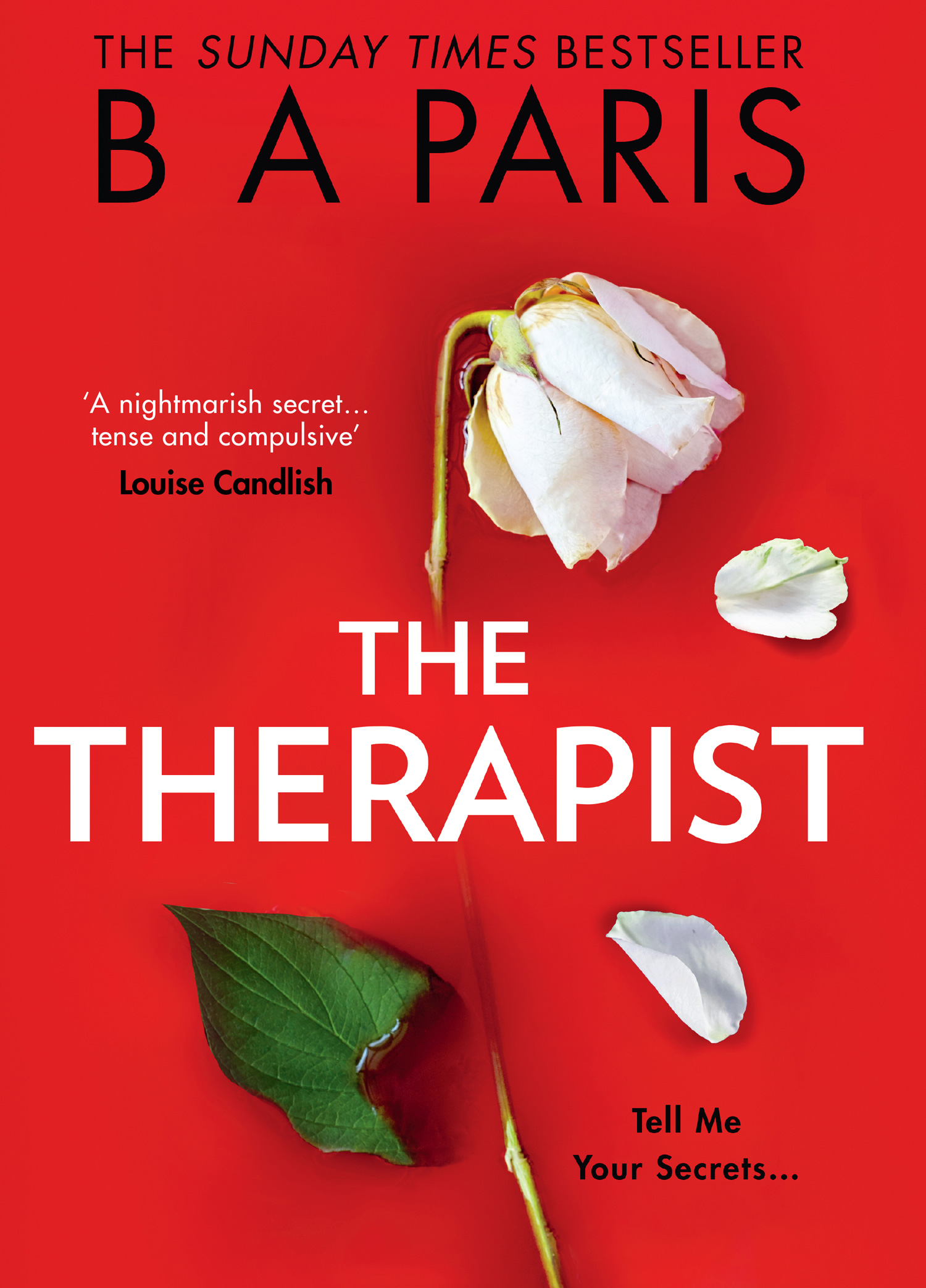
The Therapist by B A Paris previewed by Natalie Jayne Peeke West Country Correspondent

When Alice and Leo move into a newly renovated house in The Circle, a gated community of exclusive houses, it is everything they have dreamed of. But appearance can be deceptive….

As Alice is getting to know her neighbours, she discovers a devastating, grisly secret about her new home, and begins to feel a strong connection with Nina, the therapist who lived there.

Alice becomes obsessed with trying to piece together what happened two years before. But no one wants to talk about it. Her neighbours are keeping secrets and things are not as perfect as they seem…
I am not normally a fan of the thriller, suspense genre but I heard so many good things about The Therapist I thought that I would give it the benefit of the doubt. I was instantly hooked, it is a fast-paced novel and I really did struggle to put it down, the more I read, the more I was hooked. The characters were fantastic, so realistic and easy to relate to

As the secrets unravelled and lies were exposed, I was constantly on the edge of my seat and was not disappointed by the surprising ending, I would never have guessed it. The Therapist is full of intrigue and suspense.

I would recommend to fans of Cara Hunter, Louise Candlish and if you enjoyed Behind Closed Doors then you will love The Therapist.

The Therapist by B.A. Paris. £12.99 hardback and is also available in ebook and audio TO BE RELEASED ON 15TH APRIL. .

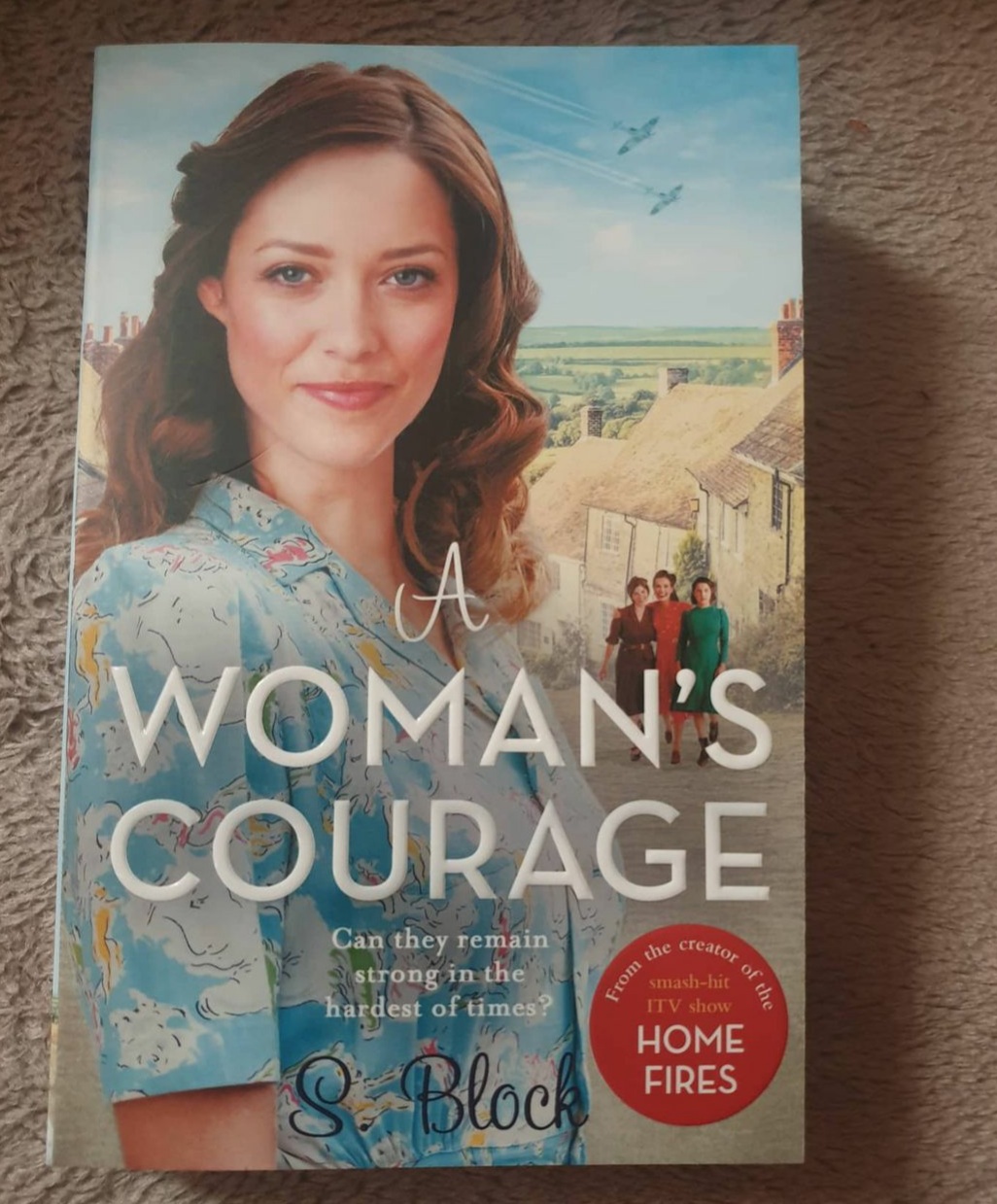
A woman’s courage by S Block. Reviewed by Natalie Jayne Peeke West Country Correspondent   

England 1941

In the midst of World War Two, the members of one village WI fight harder than ever to help the war effort.

But behind closed doors, each is fighting and more personal battle.

Pat Simms is reeling from her own role in her abusive husband’s death, and the new freedom before her is daunting. Sarah Collingborne is struggling with the absence of her husband, who is in a POW camp abroad and is trying her best to fill his treasured place in the village.

Meanwhile, Teresa Lucas is anxious about her future as a parent, and her friend Alison Scotlock is on the verge is starting a new relationship.

grieving from men already lost and anxious for those still away fighting, the women of great Paxford must rely on each other. Amidst the complexities of broken relationships, loss and friendship this group of very different women must work together to find a way through.

Having enjoyed the regrettably short-lived TV series “Home Fires” I was absolutely delighted to discover that the creator and writer behind the delectable show started writing a book to pick up from where the series cruelly left viewers. A Woman’s courage is the third book in the series, following “Keep the Home Fires burning” and “A Woman’s war”. I have found that each book is stupendous, and I am always left wanting more.

Block writes with such compassion and addresses the issues that men and women would have faced living in a small village during world war II. How they pulled together to support each other is paramount but so too is their discrimination toward John Smith, A coloured man who has taken up residence in the village.

With book series I often find that the story tends to dwindle out as more books that are added to the series. S. Block’s Home Fire series is an exception to this rule, and I am eagerly awaiting another instalment.

So, if you enjoyed the TV show Home Fires then I highly recommend that you read this series,

I also recommend to fans of Annie Clarke, The Nightingale by Kristin Hannah and Ginny Bell.

Published by Zaffre in pb and ebook

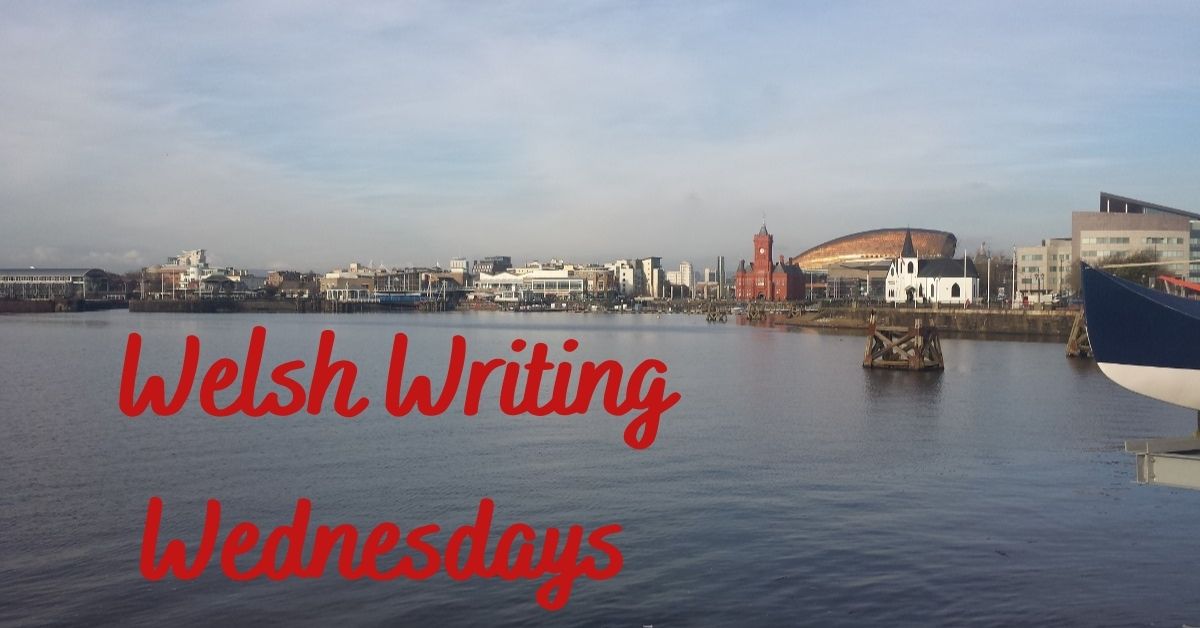
INTRODUCING WELSH WRITING WEDNESDAYS

Although it isn’t often mentioned in Frost, I am very proud of my Welsh heritage. I was born in Cardiff and my father was an Anglo-Welsh poet and literary critic, so it is inevitable I have an affinity with other writers with connections to the principality. So much so, I am a member of the Cariad chapter of the Romantic Novelists’ Association, and it is to these wonderful women I looked first when I was considering Welsh Writing Wednesdays.

The idea is simple; on the second and fourth Wednesdays of each month one of us will bring you an article about writing in Wales. And replacing the ever-popular Sister Scribes’ Reading Round Up on the last Monday will be Cariads’ Choice.

So here are some of the wonderful authors you will be meeting through Frost this year.

Judith Barrow

Originally from Saddleworth, a group of villages on the edge of the Pennines, Judith has lived in Pembrokeshire, Wales, for over forty years.

She has an MA in Creative Writing with the University of Wales Trinity St David’s College, Carmarthen, BA (Hons) in Literature with the Open University, and a Diploma in Drama from Swansea University. She is a Creative Writing tutor for Pembrokeshire County Council and holds private one to one workshops on all genres.

Jill Barry

Jill began her writing career with short stories for magazines and anthologies, winning prizes and being both long-listed and short-listed. She is a multi-published romantic novelist who also writes Pocket Novels for D C Thomson and who draws on her varied career and her travels for inspiration. She has also written one psychological suspense novel which is published by Headline Accent. A member of the Romantic Novelists’ Association and the Society of Authors, Jill enjoys mentoring new writers and is convinced she will never stop learning.

Jan Baynham

Originally from mid-Wales, Jan lives in Cardiff. As well as short stories and flash fiction, she writes full-length novels that deal with family secrets and explore the bond between mothers and daughters. Her debut novel, Her Mother’s Secret, was published by Ruby Fiction in April 2020. This was followed by Her Sister’s Secret in September 2020 and book three will be out next July.

A member of the Romantic Novelists Association, she values the friendship and support from other members and regularly attends conferences, workshops, talks and get-togethers. She is co-organiser of Cariad, her local RNA Chapter.

Jessie Cahalin

Jessie is a Yorkshire author living in Wales. Wales and words have a special place in her heart, and she wants everyone to meet the characters who’ve been hassling her for years. Penning women’s fiction is Jessie’s dream job, but she also writes travel articles and features for her blog and magazines.

You Can’t Go It Alone, her debut novel, was a bestseller in the UK and Canada. For Jessie, a good natter with other authors and readers is a special treat as she usually lives in her tiny writing room with Paddington Bear and a collection of handbags.

Alexandra Walsh

Alexandra is the author of The Catherine Howard Conspiracy, The Elizabeth Tudor Conspiracy and The Arbella Stuart Conspiracy, known collectively as The Marquess House Trilogy. A series of a dual timeline Tudor conspiracy thrillers, published by Sapere Books, the novels explore a secret hidden within history and the potential havoc its revelation could wreak. Her new book with Sapere, The Windchime, is due out in 2021. Another dual timeline story, set in present day and late Victorian times, it explores mental health issues, grief and rebuilding lives after the worst has happened.

Evonne Wareham

Evonne is an award winning Welsh author of romantic suspense – more crime and dead bodies than your average romance. She likes to set her book in her native Wales, or for a touch of glamorous escapism, in favourite holiday destinations in Europe. She is a Doctor of Philosophy and an historian, and a member of both the Romantic Novelists’ Association and the Crime Writers’ Association.