My Writing Process – Tracy Baines

tracy-baines-author

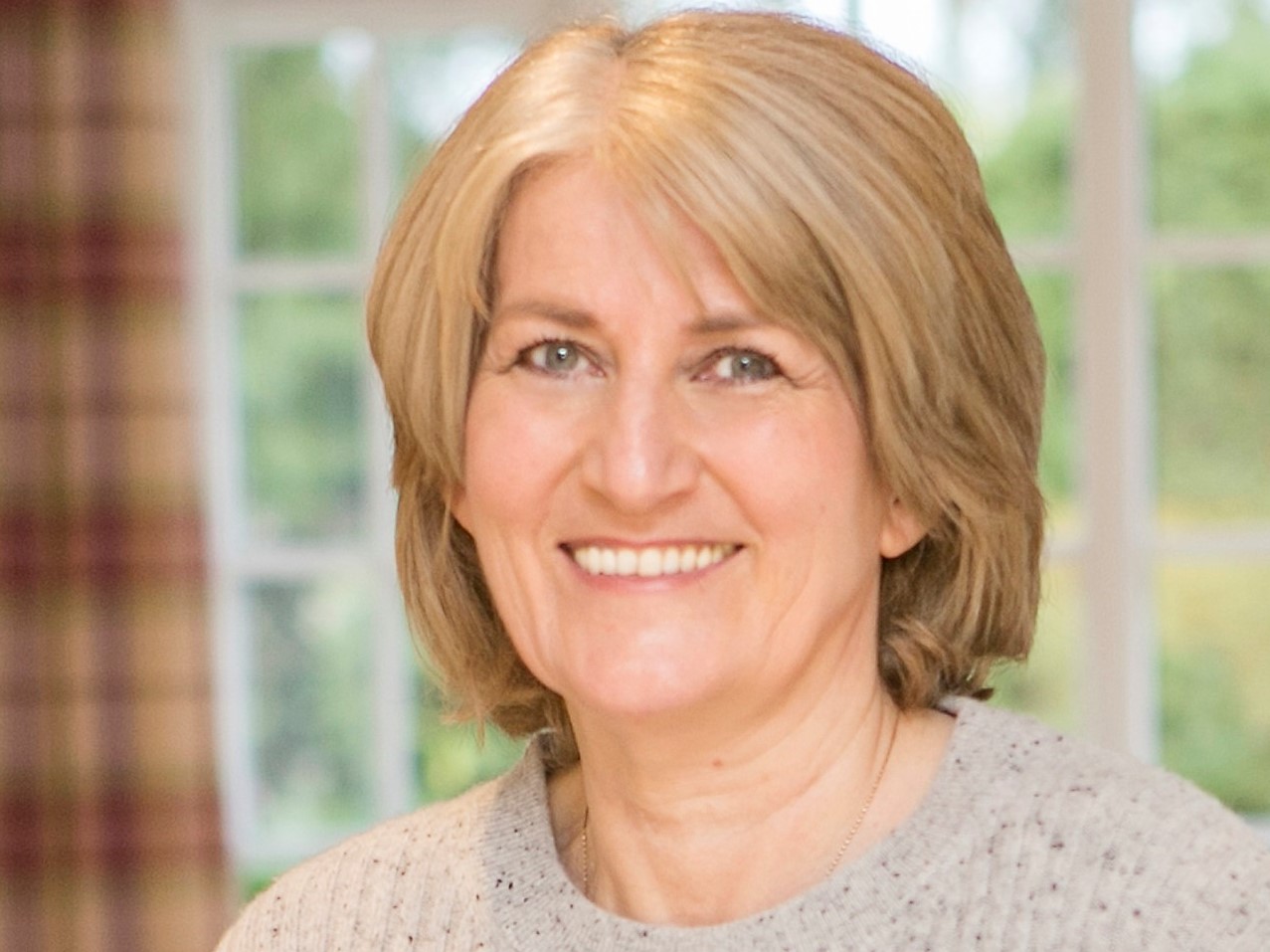
I’ve always wanted to write novels, but it felt overwhelming, and to be honest, I didn’t have the confidence to dive into something so all encompassing – so I wrote articles and short stories. I’m so glad I did something – other than procrastinate. I learnt so much from writing short stories: brevity, character, structure and so on. It’s the same skills – you just need more stamina if you’re writing a novel. Gosh, I never knew how draining sitting down all morning could be.

I could always find the time for a short story and it taught me that I could finish things. Finishing is so important. I’ve lost count of the times I’ve heard people say they’ve got loads of beginnings. If you’re struggling, I’d say choose one thing and keep going until you finish it. My short stories have been published in magazines various magazines in the UK and abroad.

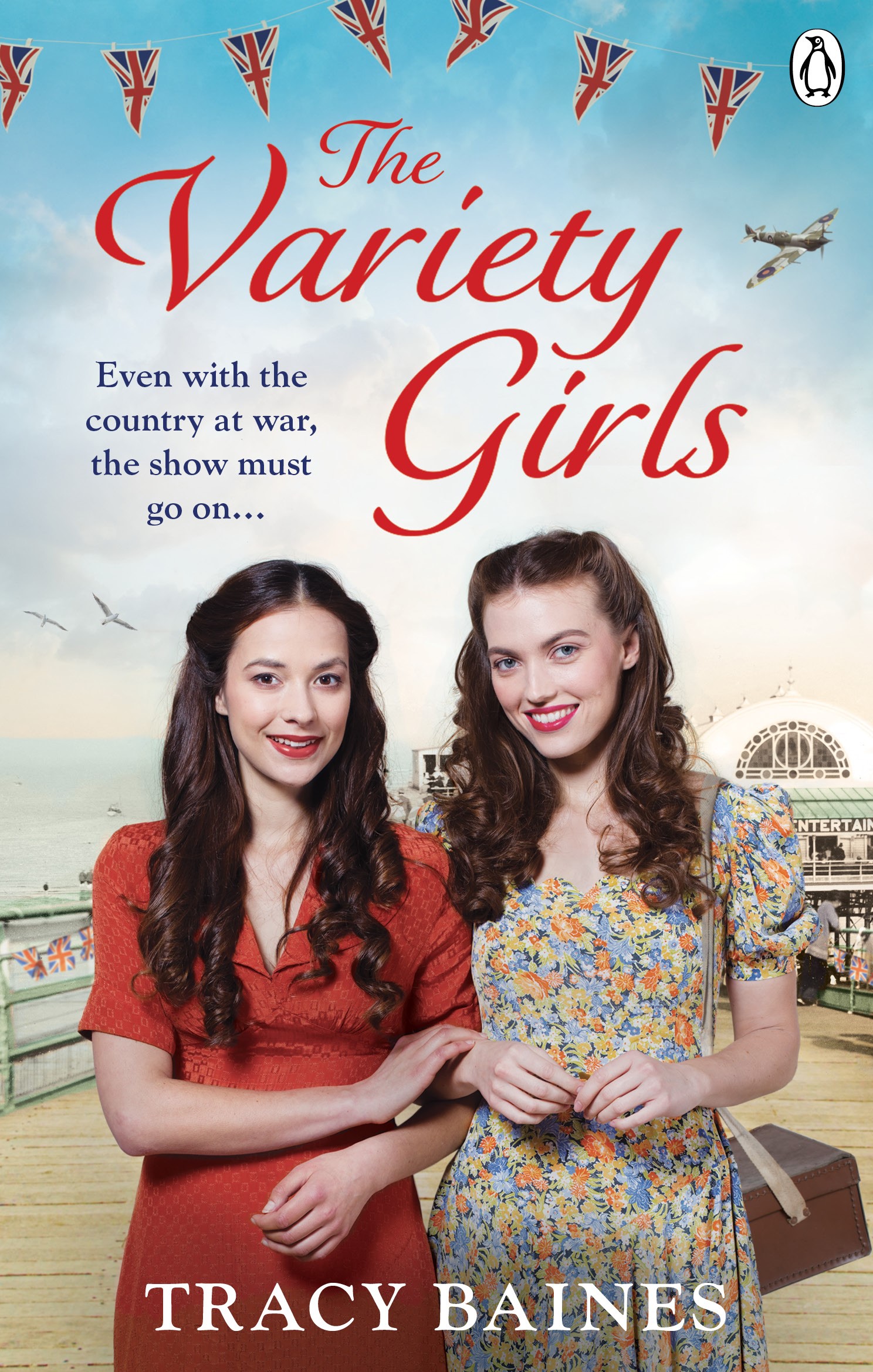
At the moment I’m working on the Christmas with the Variety Girls  – the sequel to The Variety Girls which was published by Ebury Press in February 2020.

I always write straight to my computer but I make a huge amount of notes by hand. I also go back to writing by hand if I get stuck and can’t get the words flowing. I don’t know why it works, but it does. Most mornings I’ll write a page of A4 of free flow. It’s like a warm-up to get the motor running and I find I can express myself more easily when I do this.

Daydreaming is important to me too. I play around with ideas for as much time as I can before I begin to write. I’ll read a lot of books for background details and research, and some of that will inspire a character or a scene. My books are set in the Variety Theatre during WW2 and I love reading books about old theatre and music hall stars to get creative thoughts flowing.

When I start writing I tend to stick with one character and work out what she wants most of all. Then I work out what could stop her getting it. Gradually all the other characters and events start to pop into my head. I make a synopsis, then develop a plan or outline which will change as I go along. It’s like having a road map. I can take detours here and there, but I always have a road to go back to. I’ve found this stops me from panicking about where I need to go next.

I try to work for a few hours each morning, actually writing, but I’m thinking about it most of the time. I might work in the evening if I’ve had a disrupted day. I tend to write more when I’m past the middle point. Some days are better than others. But if I’m having a bad day I’m happy as long as I get something down that moves the story forward. I know I can always go back and fix it. Again, the short stories helped me because I am not afraid of deleting huge parts of text to get to the nub of the story

Early in my career I was lucky enough to be mentored by Margret Graham – who also writes as Milly Adams and Annie Clarke. I’ve learnt an enormous amount from her and also from reading her many books. I am loving her latest – Girls on the Home Front series.  She is a superb teacher and if you ever get chance to get to one of her workshops crawl there if you have to. She’s also written two books that are brilliant in explaining things such as show and tell etc. No waffle, just practical advice and instruction – and plenty of exercises. You learn how to write by writing – you have to do the work – but having someone wonderful to mentor you makes such a difference.

Margaret’s explanation of structure took me time to understand. It’s very simple but there is such depth to it. It is foremost in my mind when I sit down to work out my novels: normal world, point of change, a rising arc of tension, crisis point or darkest moment, the slipper test, resolution. If you want to know more I can highly recommend The Writers Springboard. She describes structure so simply.

When the writing’s going well there’s nothing like it. It must be what drugs are like. I forget time and am totally in my little world. And when a character  arrives unannounced and tells you their story. Sublime. The difficult part is maintaining the momentum when the words aren’t flowing. It’s turning up at the desk, day after day, in the hope that this will be the day it all starts making sense.

My advice for other writers would be not to think you’re too old, not clever enough, thin enough, rich enough. Have confidence, work hard but most of all enjoy it. It will shine through in your writing.
the-variety-girls-tracy-baines

The Variety Girls published by Ebury Press £6.99

www.tracybaines.co.uk

You Don’t Have to Love Your Body, Just Don’t Hate it.

pregnant, woman, pregnant woman, Catherine Balavage

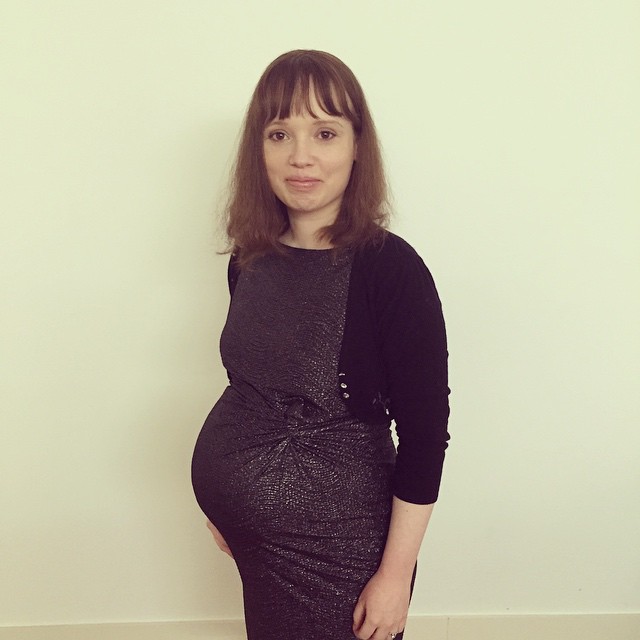
Me when I was pregnant with my son.

It is fair to say that at some point most of us have had a complicated relationship with our body. Women in particular get a rough ride. The media constantly tells us we are not tall enough, thin enough or tanned enough. Yes, the body positive movement has happened, but it is being sold to us by the same people who made us feel crap about our bodies for decades, and do not get me started on how their tagline is usually about ‘real’ women. It is so condescending. There are no fake women. Airbrushing women within an inch of their lives, while those women were already over five foot ten and a size eight, does not make these women an ideal that ‘real’ women no longer have to aspire to because you are woke now.

The beauty industry is still trying to sell us cellulite creams. In 2019 I was still seeing articles on how to get rid of cellulite. It is truly shocking. Babies have cellulite, children have cellulite, even men have cellulite, but for some reason only women are told that it is somehow not normal and we have to spend our time and energy getting rid of it. God forbid we work on our brains instead of our thighs.

P.S: dimples are cute.

Yes, I rant a bit but I have my reasons. As a teenager I thought my body looked awful. All I saw was flaws. Now I am in my thirties and I think it truly is amazing. There are parts I am not keen on, the bits of fat that accumulate around my C section scar and are hard to shift, for example, but I refuse to hate it. My body has made two beautiful children and been through two very different births: one emergency C section and one VBAC. It has been pregnant four times but only has two children and it has endured two traumatic surgeries.

The last few years I have been the fittest I have ever been in between my pregnancies. I am at my lowest weight in ten years and I am proud when I manage to make healthy choices, and gentle on myself when I do not. It makes me sad when I think about how long it took me to love my body on my good days, and not hate it on my bad ones. When I was a teenager I was ill with glandular fever. I was bedridden for years and it took a lot of time to get healthy again. My education was affected and it is only now I am managing to find the time to rectify that. You would think it that was an important lesson but I spent my twenties working fourteen hour days, going to parties and over-exercising. Turns out you can not exist on canapés and champagne alone. My main food groups were pasta and cereal. It is embarrassing to think about now that I try to make sure I have at least five-a-day and that I do not exert my body to much.

What I am trying to say is that your body is amazing. YOU are amazing, and while you do not have to love every part of your body, do not hate it. It is a miracle.

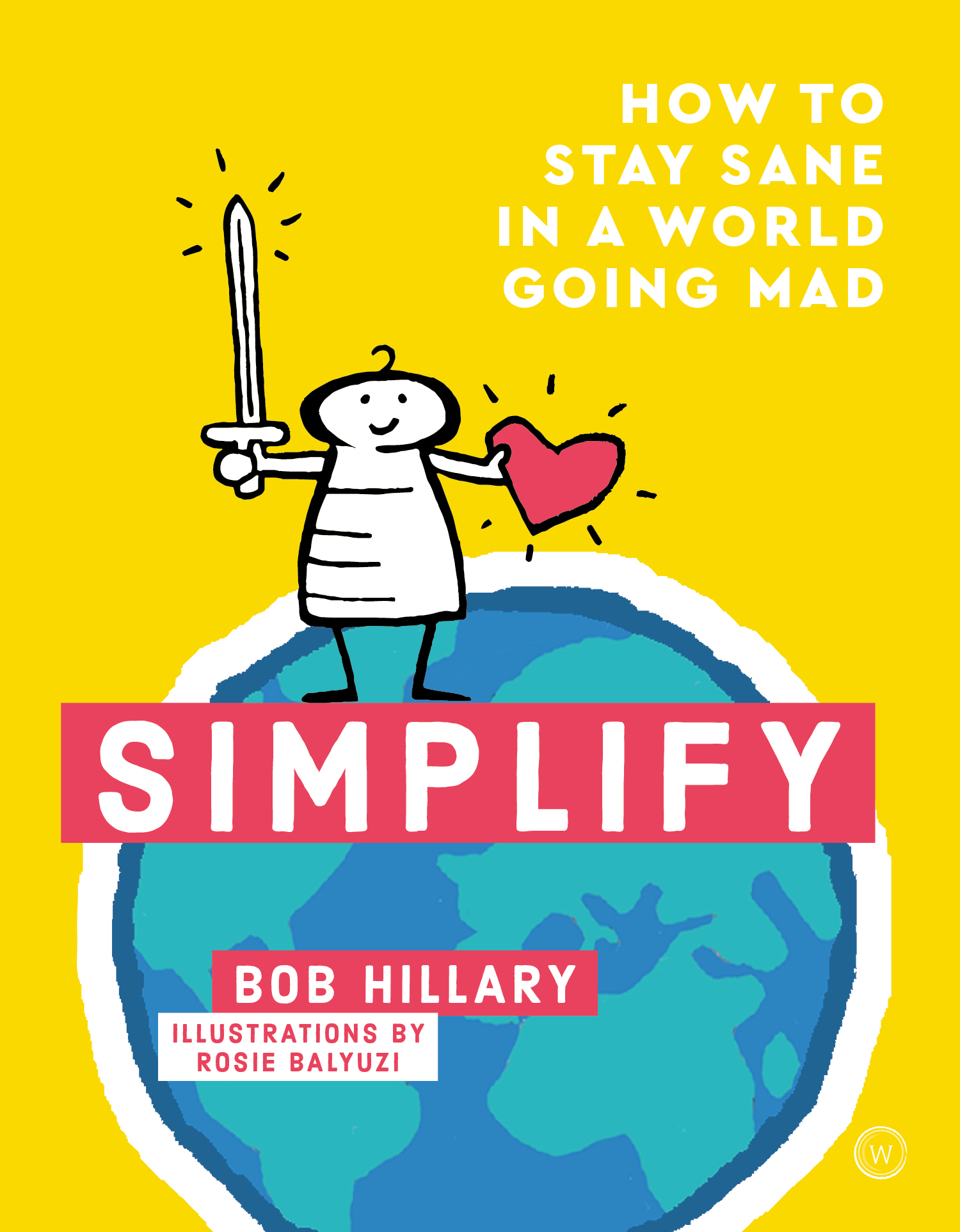
Bob Hillary’s Simplify, is a simple book with a simple solution: Review by Mary Cooper

And that solution is? Get back to nature.

The illustrations by Rosie Balyuzi dotted throughout the book, lead you through its meandering pages as Bob relates how he unhooked himself from the negative aspects of his life.

For two years he went off-grid into the Welsh mountains. Sometimes with no electricity, no phone, and miles from, what we call, civilisation.

He reconnected with nature.

Away from the paraphernalia of his old life, he found himself embracing the peacefulness of nature, and the silence of his mind and body.

Bob Hillary is a man of our times, probably ahead of our times as we try to catch up with what he has been advocating for years.

We cant keep burning the Earths candle at both ends.

We have to take responsibility for our actions, and have more respect for each other and this planet we are privileged to inhabit.

Bob gives us twenty-one practices to simplify our lives. From just allowing ourselves to take it easy, to meditation and breathing.

On page seventy-six, he advocates exercise. This can include dancing.

Apparently there is a practice called 5Rhythmsdance a sort of movement meditation where you can dance away your demons.

It reminded me of a session of Laughing Yoga I did with my sister and three other stranger in an open tent at a Sunday market in Ireland — I’m smiling now as I think of it.

The session lasted about an hour, and so engrossed were we in our laughing that we were completely oblivious to the passers-by stopping to watch.

It was a fantastic unforgettable and liberating experience as I think 5Rhythmsdance would be too.

Bob Hillarys lifestyle is intriguing, and in Simplify, he is very generously giving us the tools to aspire to a better way of life, a life that has been lost in this mad, mad world we have created.

Available from Amazon.co.uk

SISTER SCRIBES: SUSANNA BAVIN ON WHY TALES OF THE UNEXPECTED ARE SO UNUSUAL AND SO SATISFYING

How many of you out there remember watching Roald Dahl’s Tales of the Unexpected back in the 1970s? Or, if you don’t remember any of the programmes themselves, I bet you remember the opening credits, with the silhouette of the girl dancing in front of what I imagine was a psychedelic background. I can’t be sure about the psychedelic bit, because our telly was black-and-white. I can recall only one of the stories, which featured Susan George as a housewife who cooked a joint of meat . . . and if you don’t know the significance of this, I’m not going to tell you. I’ll just say the story had a very clever twist at the end.

We all enjoy a good plot-twist, don’t we? One of the things about being an experienced reader is that it is rare to be truly surprised by something that happens in a book – though I want to make it clear that this in no way lessens the enjoyment of reading it. It is particularly true for readers of genre fiction, where certain conventions and expectations exist within whatever type of story it is. I once wrote a blog called A Promise Between Friends, which was about the ‘contract’ between the author of genre fiction and the reader. The author writes a stirring story within the conventions and the reader meets the writer halfway. Even so, a good plot-twist is always welcome.

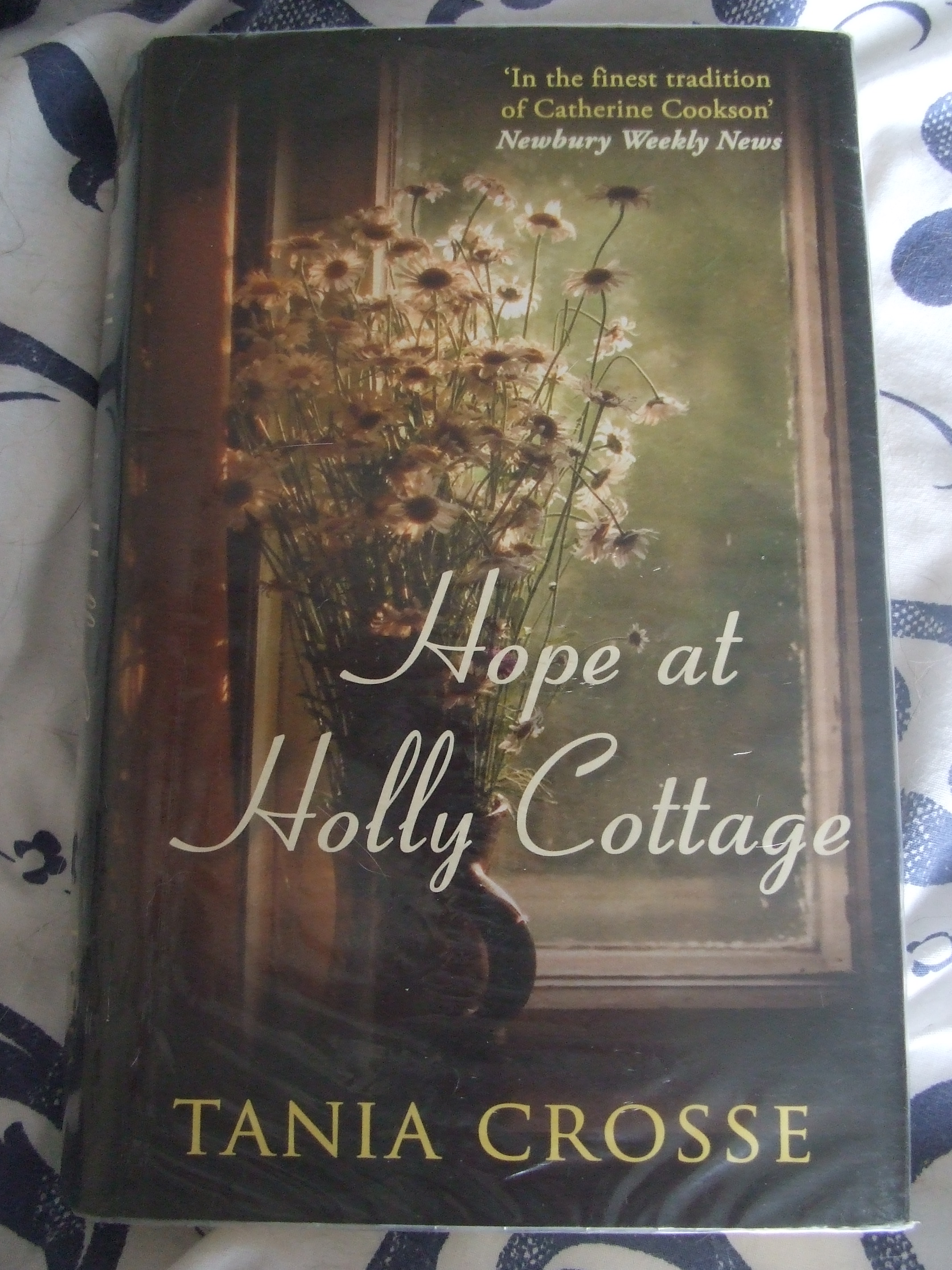
Take Hope at Holly Cottage by saga writer Tania Crosse. The idea of the husband or father drinking his wages and then knocking his wife around is well-known to readers of sagas and historicals, but Tania Crosse takes this familiar idea and gives it a new lease of life. Yes, Anna’s dad has bouts of violence, but the reason behind them is one I haven’t come across in a saga before and it adds extra depth to the tragic dynamics of the family situation. After packing the opening chapters with drama and emotion, Tania Crosse then takes the heroine off into a completely new place for the next part of her story, changing not only the setting but also the atmosphere, and giving Anna something new to strive for.

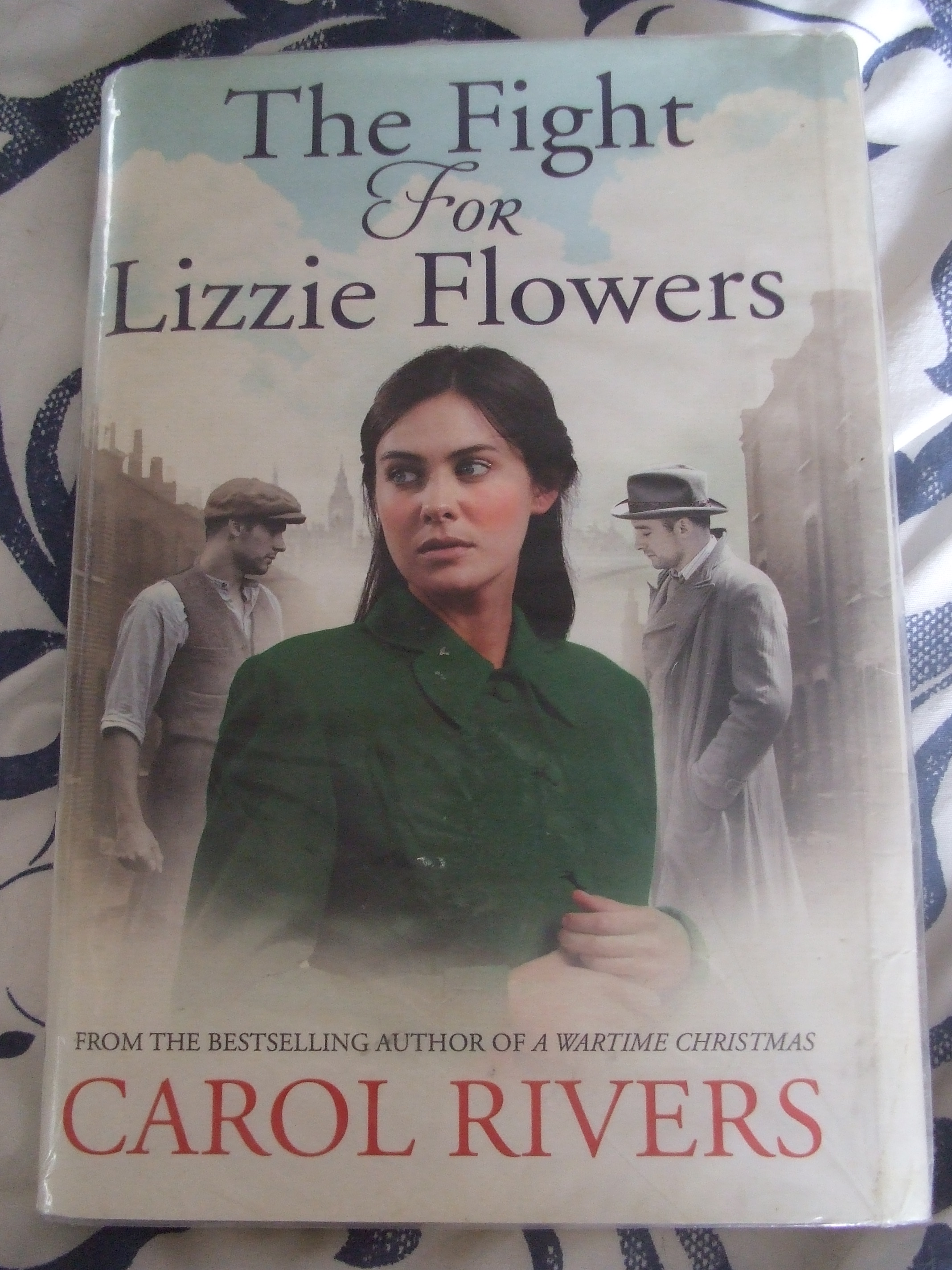
And if you have read Lizzie of Langley Street by Carol Rivers, then you need look no further than its sequel, The Fight for Lizzie Flowers, for a truly unexpected beginning. The first book ends in just the way the reader hopes it will, but the expectations that this creates for what will happen in book 2 are decisively blown to bits in the very first chapter of The Fight for Lizzie Flowers, which opens the continuation of Lizzie’s story in a thoroughly unexpected manner, paving the way for a dramatic and compelling story in which Lizzie – and the reader – can take nothing for granted. As with every Carol Rivers saga, there is a pacey story with well-drawn characters and a strong sense of family feeling.

I was going to end this blog by saying something along the lines of how good it would be if we could have more breath-taking plot-twists, but now I’m wondering whether that might result in too much of a good thing. After all, one of the reasons we all admire a devious plot-twist is because it’s unusual. And perhaps that’s the way it should stay – as a special treat in the occasional book.

Let Natalie Jayne Peeke, our West Country Correspondent introduce you to ‘How Novel’

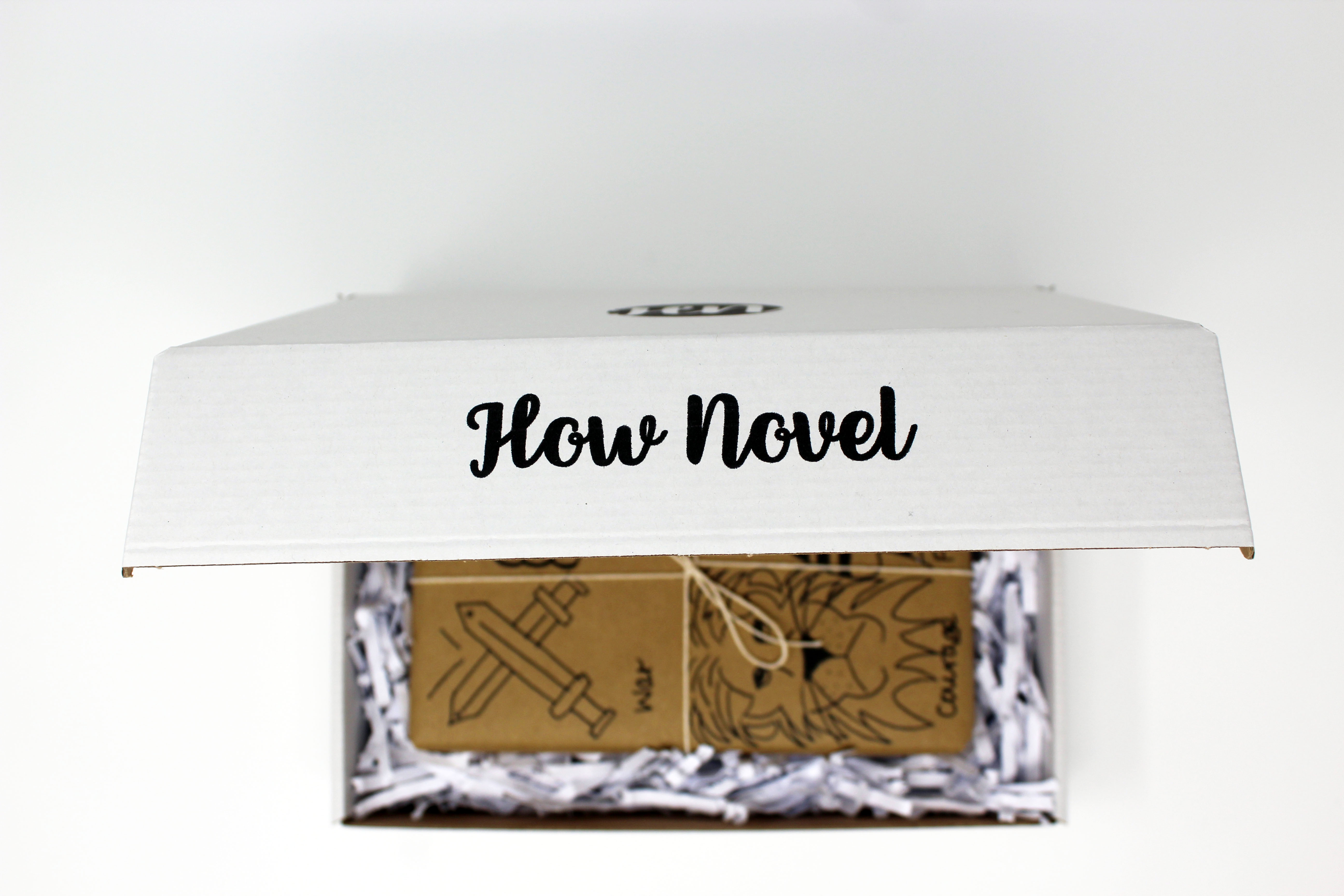
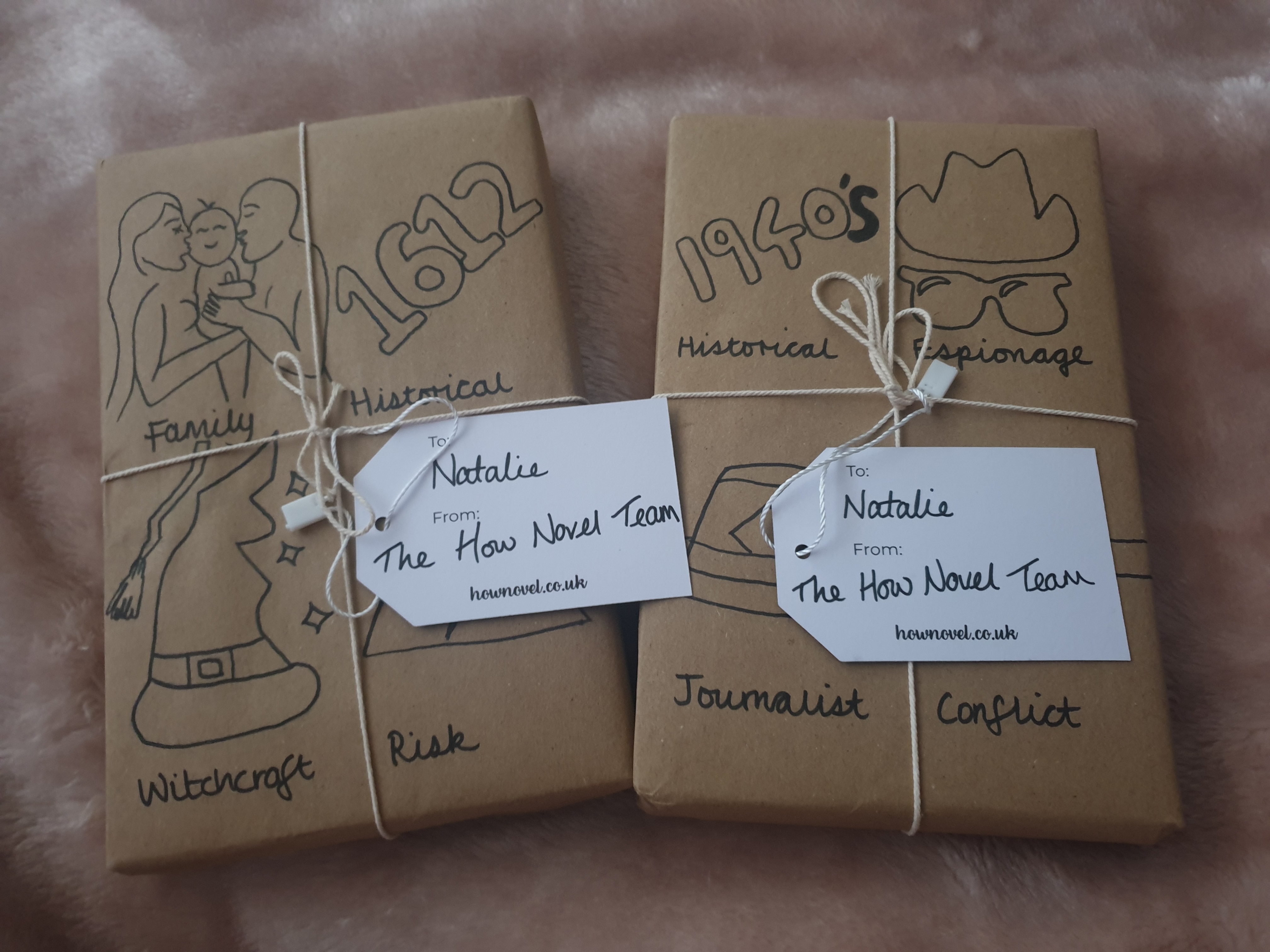
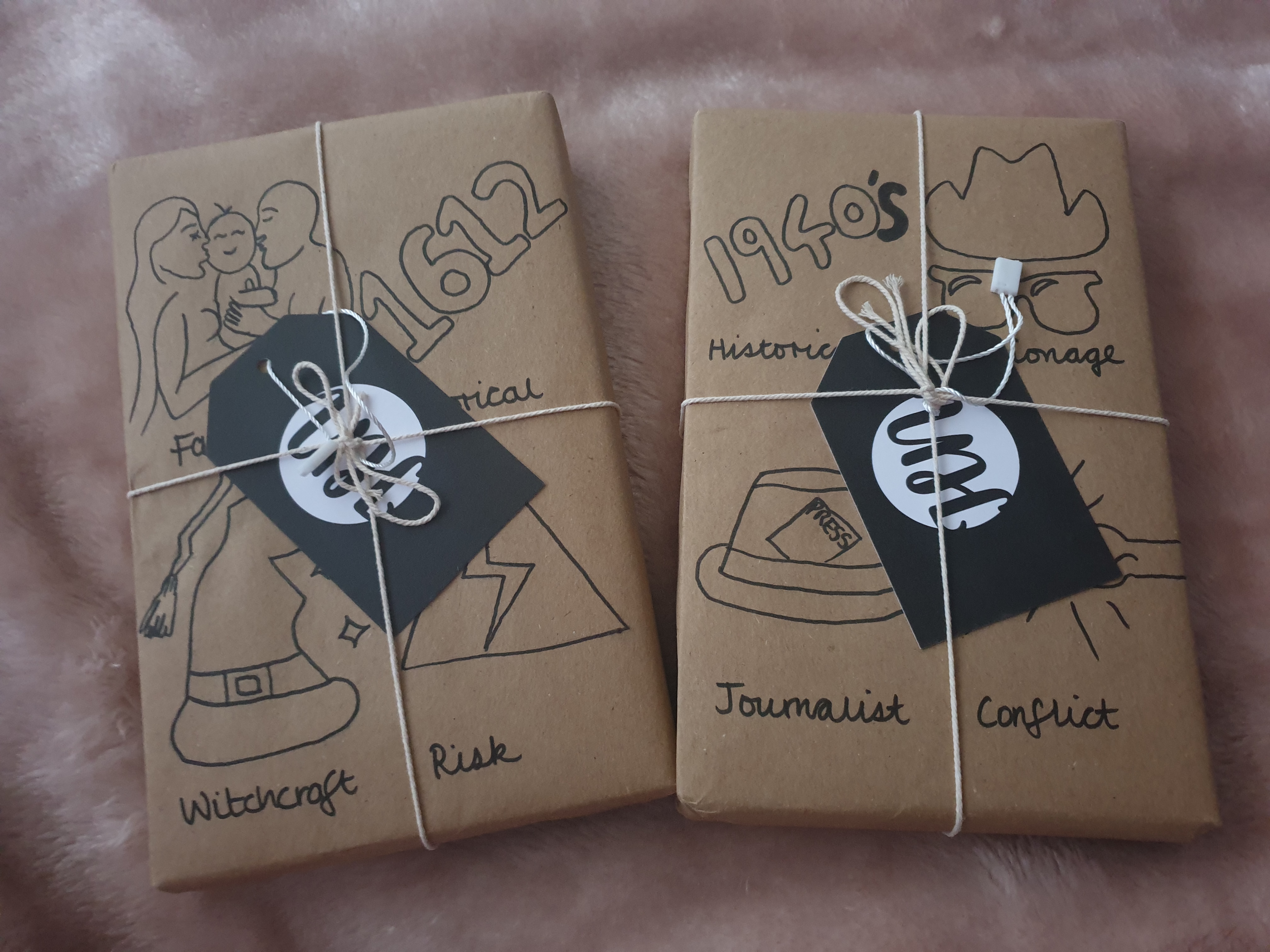
Once upon a time I was scrolling through Instagram and I came across this interesting company called How Novel. What I was drawn to was the fact that they offer Mystery books which are wrapped, complete with illustrations to hint at the book that lies within.

I had many options to choose from and I ended up selecting two books: one was illustrated with hints such as ‘Espionage & Conflict’ and the second was illustrated with ‘ Witchcraft & Family’. I can not reveal what books I received, only that I am extremely happy with them.

I wanted to find out more about How Novel and they kindly agreed to answer some questions.


How the company came to be and why

I have always been entrepreneurial and wanted to run my own business. I started my first company when I was 16, where we provided sports coaching for children. When that came to an end I was on the lookout for a new idea. I was working in a school at the time, as a teaching assistant, and noticed that the children in one particular class loved reading more than any other. I worked out that the teacher was using her own money to buy books that linked to each individual child’s interests. That got my brain thinking and our sister brand, Reading Box (readingbox.co.uk), was born. We ran events for that brand over Christmas 2019 and wanted to offer something for adults too. I had seen ‘blind-date-with-a-book’ type things before, but thought we could do better; I knew a fantastic artist, put the two together and that is how the product in its current state came to be!


What is the ambition of How Novel?  

We want to make How Novel the go to brand for literary gifts. We have so many ideas, the sky is really the limit!


What does 2020 have in store for you all?  

Judging by the amount of orders that are coming in, more artists! As every single one of our Mystery Books is hand drawn, our capacity is limited to the speed at which our artists can draw and we will not compromise on quality. Most immediately, we will be launching our subscriptions, which will be more in line with memberships- you will really be part of a community. Every member will get a Mystery Book each month in one of our gorgeous boxes, along with an exclusive bookmark. Each member will also be given a personal pen pal to whom they can write each month and receive a bespoke response!


Did you have to go through a trial and error before you became established?   

Developing both brands to the point of launch took almost a year. For How Novel, the website, graphic design and product itself has all been done in house. However, once we launched it took off. We sent around five boxes out to people on Instagram with a decent following and within a day of them posting, we had doubled that in orders. The numbers have soared since then. So, even though it was a long slog to get going, once we opened our metaphorical doors people have welcomed us with open arms which has been really lovely. The support we have received has been immense.


How do you decide what books to use?  

Our Mystery Books are chosen either based on the recommendation of one of the team who has read it and enjoyed it, or we have heard great things about. We try and keep them current and in line with what our demographic tend to read, however we have plans to broaden our selection as we grow. Boring things like stock at our supplier are also taken into consideration. Once the books are delivered to us, one of our team chooses the four words that best represent that specific book before they are finally handed over to our Lead Artist, Jess. She usually sighs and gives us the odd annoyed look at us, once she has seen the difficulty of some of the words she has to draw but she always pulls it off! She’s incredible.

More information: https://www.hownovel.co.uk/


Will you be covered by your travel insurance?

We are in worrying times and faced with the ultimate decision would you choose health over money. Is it worth the risk?
Insurance is a necessary evil and an added expense designed to safeguard travellers. It could be a saviour if you are caught in a difficult situation once you are on your holiday. But will it cover you if you want to cancel your holiday and stay at home?  

Insurance rules for epidemics and pandemics

Unfortunately, everything comes down to the stuff we hardly ever read – the small print. Previous outbreaks of world-threatening viruses like SARS, Ebola and Zika, have influenced insurers to be cautious and include only the necessary coverage for such events. And epidemics and pandemics have become excluded from most insurance coverage. Leaving holidaymaker covered for what will happen to them, but not what might happen to them. The World Health Organization has declared the latest virus outbreak as an international health emergency. However, although the insurance companies agree, they aren’t surprised by the newest virus to reach epidemic proportions, and to them, it is an expected risk they have already factored into their policies

Despite the lockdown happening in Italy at the moment, Europe is not on code red yet. There has been no official warning from the FCO not to travel in Europe. Special care should be taken in areas of South Korea (Daegu & Cheongdo) and China is still a no go zone. An FCO warning is the deciding factor for the airlines, travel agents, holiday and insurance companies, to motivate them to cancel flights or holiday packages and issue refunds.

Should I take my family on holiday?

The general insurance small print on the matter of epidemics or pandemics states that most claims will be assessed based on individual cases. But this doesn’t give much assurance to an average family about to embark on an international flight. And it doesn’t provide enough information for anyone debating whether to put health & safety first and stay at home instead. At the moment The Foreign and Commonwealth Office (FCO)  and the government are asking travellers to reconsider their need to travel rather than giving a direct warning. Unfortunately, this doesn’t mean much to the insurance companies and asking the public to contemplate whether it is wise to travel will not entitle them to a refund for their holiday. Deciding to travel without heeding the advice of the FCO may forfeit your right to claim back any of your medical expenses or costs of repatriation. However, if your destination was not on the ‘no go’ list when you travelled but has subsequently been upgraded, you will fall into an insurance grey area, and any settlement will be based on discretion when you make a claim. In some areas, the risk may be low, but that doesn’t mean that in the worst-case scenario, it won’t escalate or in the best-case, diminish to nothing. Cancelling a holiday you have promised your kids for months. Or have saved your pennies to make happen, is a tough choice. But there may be other factors to consider when making a final decision. Do you need to go? Is your health good? Is anyone you will be travelling with vulnerable (young, elderly, or has a suppressed immune system? The decision will be a real tug of war between your head and your heart.

Best and worst-case scenarios

If you’ve planned your trip a long way in advance. Hopefully, you booked your insurance before the latest epidemic scare started too. If so, it is likely you will be refunded if the FCO advises against travel to your destination, and your journey is cancelled, rescheduled or shortened by the providers. Unfortunately, if the FCO haven’t declared your destination a ‘no go’ zone, it is unlikely that you will be able to recoup any of your initial your costs unless you can change or defer your holiday. Hotels are usually more forgiving in these cases. And some airlines are more forgiving when changing flights than others. However, the budget airlines tend to be strict unless you have taken precautions in advance and booked a trip with extra adaptability. If you decide to take the risk and travel to a destination not banned by the FCO, you should be medically covered if something happens, as long as your insurance policy was booked in advance. However, the level of cover differs between companies and policies. And make sure you take appropriate precautions to reduce the risk of infection. Otherwise, it is unlikely you will receive any compensation at all.

Five Great Wellbeing Podcasts | Wellness

I love podcasts. It took me a while to start listening to them but when I did I felt my world opened up. There is so much variety and if  you work from home, like me, they are a companion to keep you company. Here are five that I love for health and wellbeing. Please let me know which podcasts you are listening to.

How To Fail With Elizabeth Day.

I love Elizabeth Day and her How To Fail podcast is brilliant. I have listened to almost all of them. Each episode a different celebrity comes on and talks about their failures. I cannot recommend it enough.

How Did We Get Here with Claudia Winkelman and Professor Tanya Byron.

Claudia Winkleman is amazing beyond words and so is her co-host. If you have an interest in psychology like I do then this is definitely worth a listen.

Feel Better Live More With Doctor Rangan Chatterjee.

This is a great podcast on various health issues. A new topic is covered each episode. I love it.

Food For Thought With Rhiannon Lambert.

Great advice on nutrition. Fun to listen to too.

Deliciously Ella.

Ella is a classic. I have always admired here. She does this podcast with her husband. I have learnt a lot.


What would you add?