My top three books of 2019 says Natalie Jayne Peeke – West Country Correspondent


Asking a bookworm to choose their favourite book is like asking a parent to chose their favourite child. It’s an impossible task. We just simply cannot do it. So, I thought I would share with you my top 3 books of 2019.

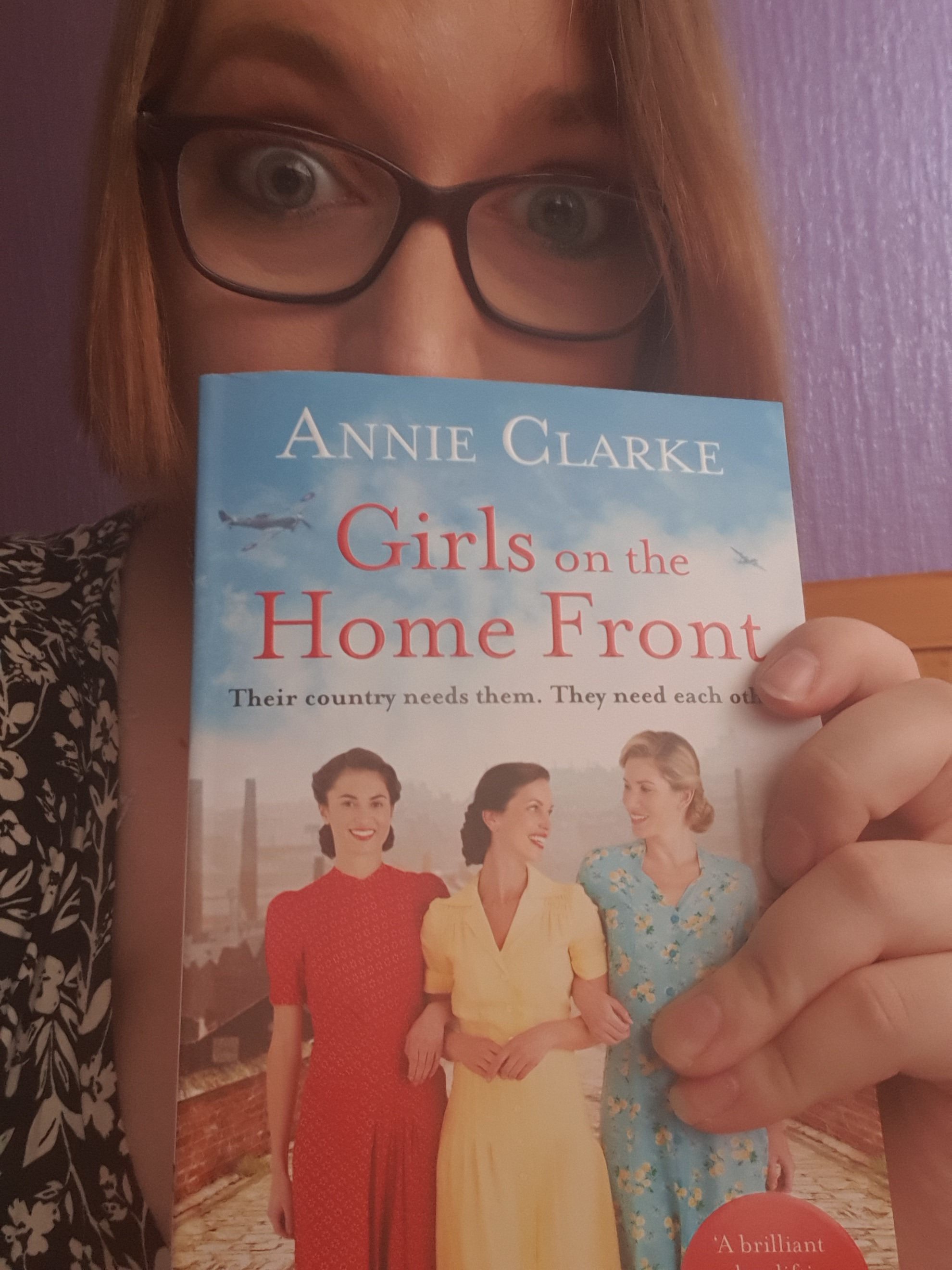
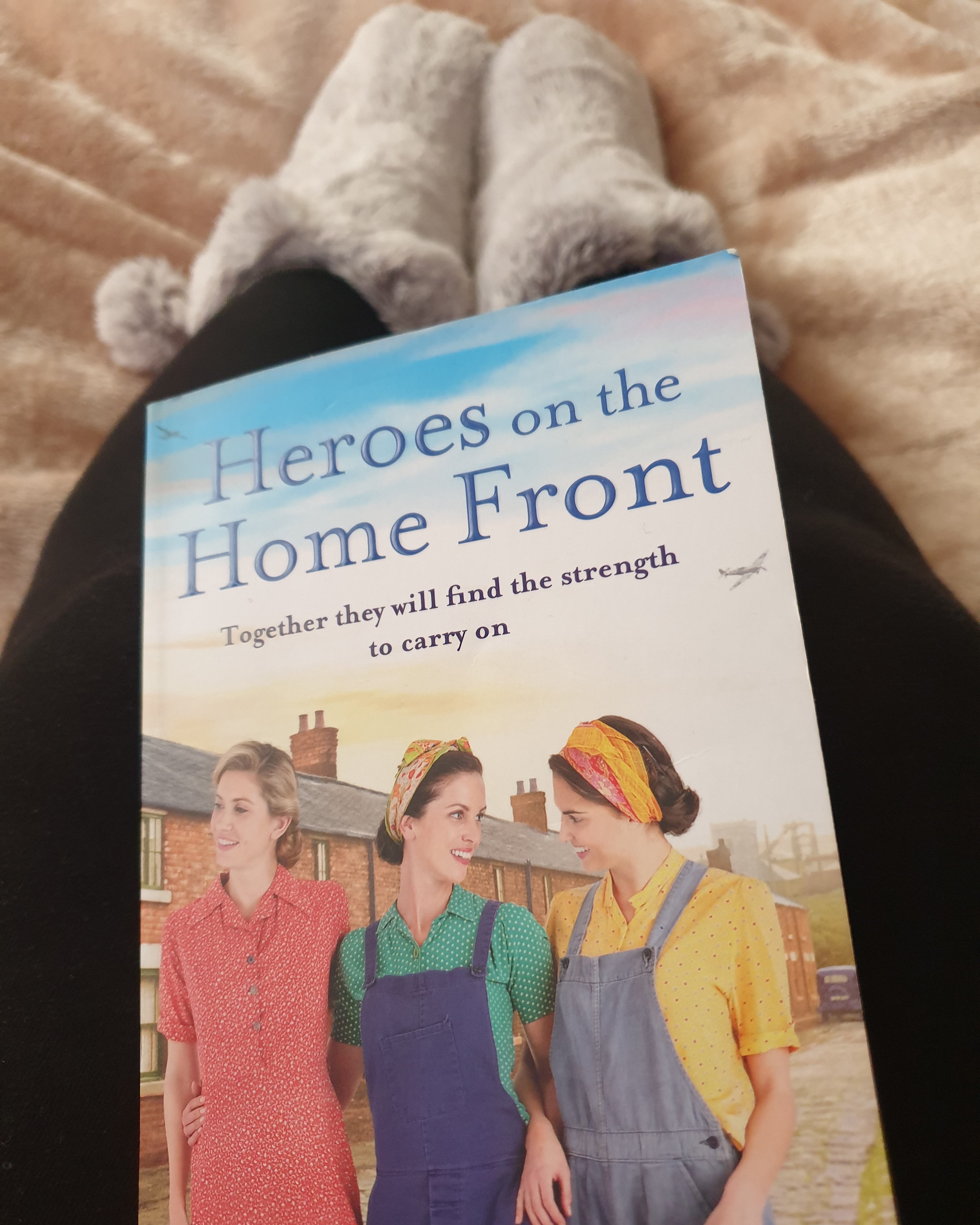
First up is Girls on the home front by Annie Clarke. As well as Heroes on the Home front. I know that is technically two books but seeing as they are part of the factory girl’s series, I’m going to count them as one. Across the two books we follow the story of Fran, a headstrong young lady who during world war 2, works in a munition’s factory alongside her childhood friends Sarah and Beth. I will not spoil the books for those of you who have not yet read them but I will say that they are beautiful stories of love, friendship, bravery and comradeship. I am thoroughly looking forward to the third instalment Wedding bells on the Home Front which is due for release next year.


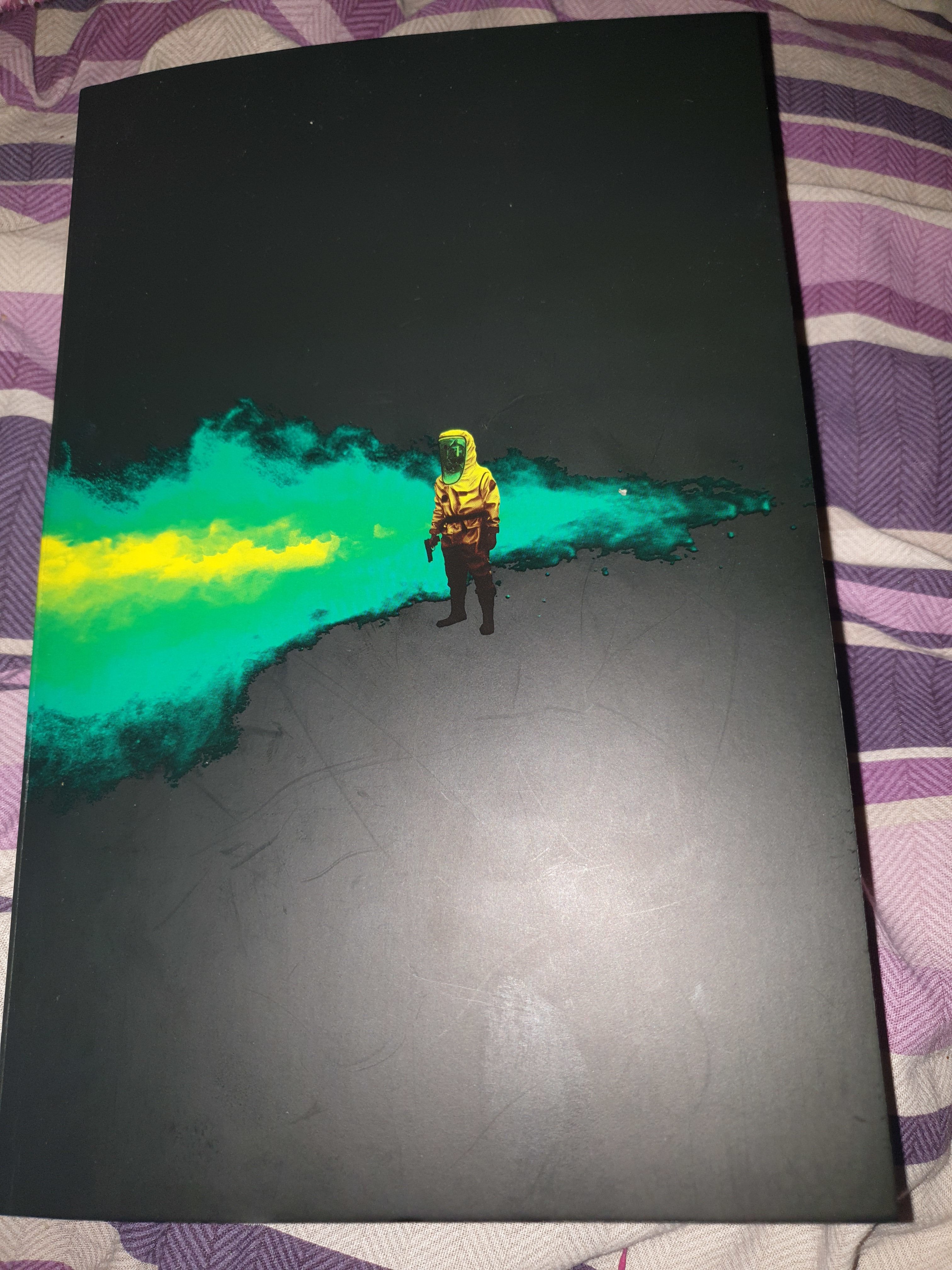
Second is Cold Storage by David Koepp. I am not one to read sci fi at all. Don’t get me wrong I enjoy sci fi films and TV shows but can never seem to wrap my head around reading a sci fi book. That was until I picked this up. David Koepp is the genius screenwriter behind films such as Jurassic Park, Indiana Jones, Spider man and many more. It sounds corny but I was hooked from the first chapter. Again, no spoilers, the book is about a lethal strain of fungus, how several people from various walks of life work together to contain it. It is amazing and the writing style is incredible, vivid and is easy to follow for those of us who aren’t familiar in the world of Science.

Last but by absolutely no means least is the Lost girls of Paris by Pam Jenoff. I am a sucker for books set in world war two, no story is ever the same. This book has a dual timeline following the extraordinary women who snuck behind enemy lines and joined the French resistance as well as following the post war story of a young lady who finds a briefcase of pictures under a bench in Grand Central Station and her mission to identify the people in the photos. A truly empowering read, one I highly recommend for those who enjoyed The Nightingale.

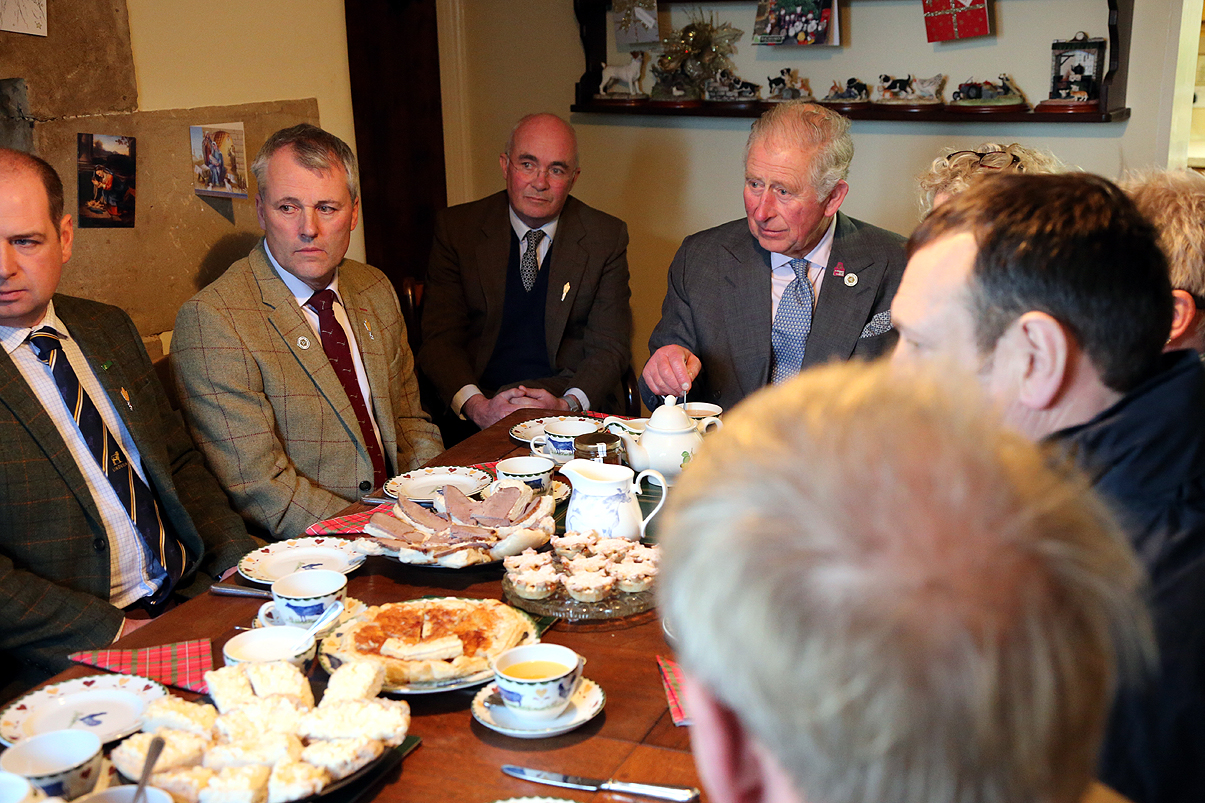
HRH The Prince of Wales visits farmers affected by the flooding of the River Derwent in November

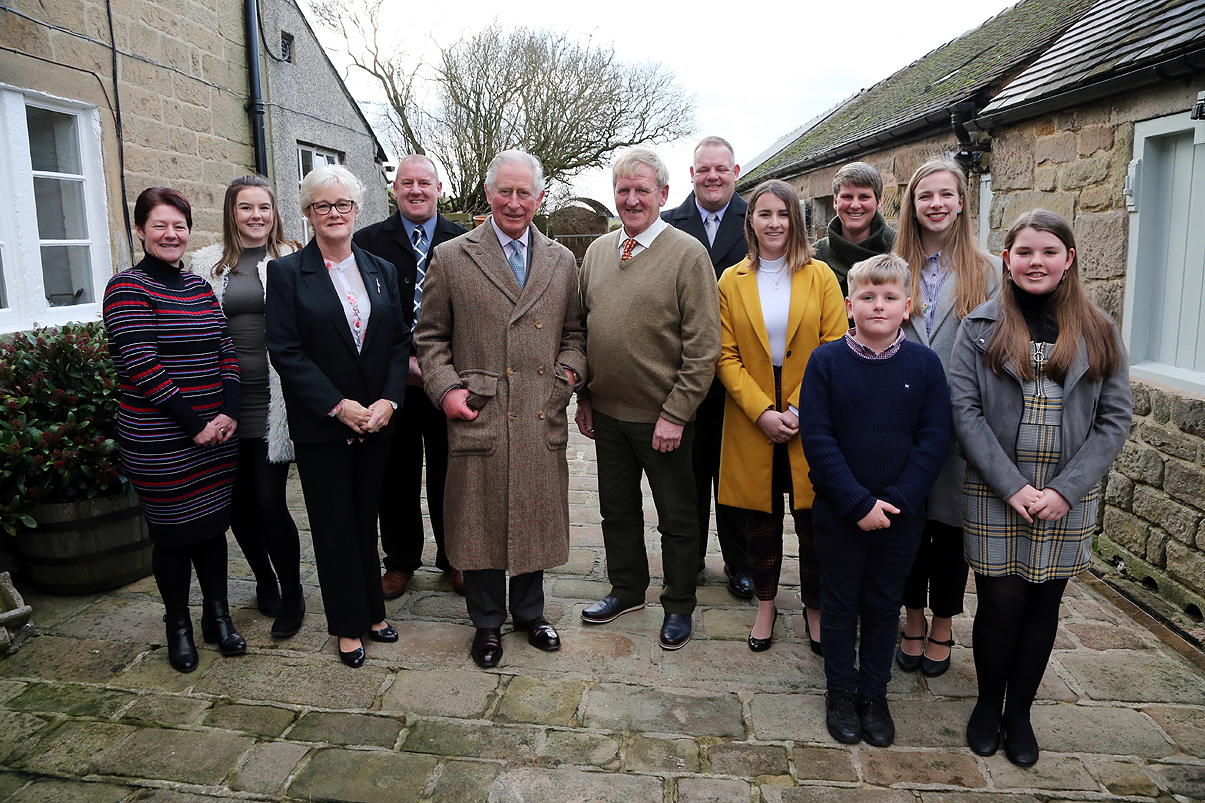
HRH meets the Bethney family who farm at Congreave Farm

HRH The Prince of Wales, Patron, The Prince’s Countryside Fund visited Congreave Farm, Stanton-in-the-Peak, on 23rd December  to meet with farmers affected by the flooding of the River Derwent in November 2019.

Farms in the Matlock valley were damaged by flood water up to seventeen foot higher than usual, losing stock and forage. HRH met with local families who had been affected, including Peter and Deborah Bettney, Michael and Ellie Wynne, Dean Greatorex, Ken and Kimberley Trickett, and Stuart Fairfax. HRH held a conversation with the farmers about the flooding, and the impact that it has had on their families, their livestock and their business.

HRH meets farmers affected by the recent flooding

Also round the table were Lord Edward Manners who owns the Haddon Estate, Claire Saunders and Diane Spark of The Prince’s Countryside Fund, Bill Young from the Addington Fund, and  Andrew Ward from Forage Aid,  who had assisted some of the flooded farms. In response to the flooding in October, The Prince’s Countryside Fund released £50,000 from their Emergency Fund to support farming families whose livelihoods and farms had been affected.

Michael Wynn, who farms in Snitterton, said, “We lost 350 bales of silage in the worst floods I have ever seen. It was marvellous that the Prince of Wales took the time to visit us with all his other commitments and we are now getting sorted with the help of Forage Aid.”

Photos courtesy of Andrew Eyley/AE Media


The Prince’s Countryside Fund was established by HRH The Prince of Wales in 2010 and aims to enhance the prospects of family farm businesses and the quality of rural life. We believe that the British countryside is our most valuable natural asset and its contribution to our everyday life cannot be underestimated.

To help support and secure the future of the countryside we:

  • Provide more than £1m each year in grant and programme funding to projects across the UK thanks to support from our partners, events and donations
  • Celebrate and promote the value of the countryside
  • Lead projects to strengthen farm businesses, such as The Prince’s Farm Resilience Programme
  • Commission research into issues affecting farming families and rural communities
  • Bring together individuals and businesses to help tackle current challenges
  • Help communities in crisis through our Emergency Fund

To find out more, visit the Fund’s website at www.princescountrysidefund.org.uk


SISTER SCRIBES’ BOOKS OF THE YEAR 2019


Kitty: I knew when I was reading it that Circe would be a book that stayed with me for a long time and I’m happy to call it my book of the year. I’m already itching to re-read it, an absolutely wonderful read. 

I finished Circe by Madeline Miller this month and I cannot do justice to how much I loved it. The story of Circe, a woman locked in by her divinity whilst also dealing with the very female roles of mother, daughter, sister and lover. This retelling made Circe much more accessible and empathetic than the male-centric version that I grew up with. Full of self-discovery, courage and empowerment it turns the myth of vicious witch into a story of a true heroine. I loved it so much that having read it once I am going to store it, like a secret treasure, for a re-read in a few months so I can wallow in it slowly and feel the magic again.

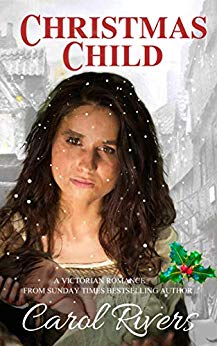
Susanna:  I love Carol’s 20th century sagas, but this year she wrote her first Victorian story, which happens to be my favourite historical setting. Carol Rivers + Victorian = one very happy reader!

One of the things I love and admire about books by Carol Rivers is that, while some authors get a bit stale and produce books that feel samey, Carol always writes something fresh, using new ideas, at the same time as remaining true to the drama and strong sense of personal relationships that characterise her books. Christmas Child is a story for any time of year, not just for the festive season. An emotional and enthralling tale, it follows Ettie as she faces up to life’s dangers and challenges and learns the hard way that not everyone deserves to be trusted. I love stories set in Victorian times and I’m delighted that Carol Rivers has, for this book, left behind her customary 20th century setting and moved into the 19th century. I hope there will be more Victorian stories to come from this wonderful writer.

Cass: A hilarious yet poignant story of self discovery, where you are laughing out loud one moment and holding back tears the next.

“Everyone should be adopted, that way you can meet your birth parents when you’re old enough to cope with them.” So says Pippa Dunn, the eponymous heroine of Alison Larkin’s debut novel, The English American (which has its roots in her autobiographical one-woman comedy show of the same name). Adopted as an infant and raised terribly British (attending a posh boarding school, able to make a proper cup of tea and in the ‘love’ camp for Marmite on toast), Pippa – now 28 – discovers her birth parents are American. Finally, she begins to understand why she’s so different from everyone she knows. Pippa sets off for America, soon meeting her creative birth mother and her charismatic birth father. Moving to New York to be nearer to them, Pippa believes she’s found her ‘self’ and everything she thought she wanted. Or has she? This is a hilarious yet poignant story where you are laughing out loud one moment and holding back tears the next. Pippa’s journey is very funny, yet deeply moving, and I highly recommend The English American to anyone who loves to finish a book with a smile on their face and a warm feeling in their heart.

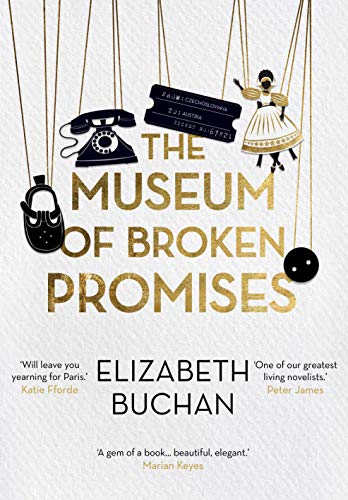
Jane: Elizabeth Buchan’s The Museum of Broken Promises is, like her other books, a slow starter. I have learnt to be patient while she creates a tapestry of detail so rich and wonderful, holding my breath until to story tips into second, third and fourth gears and becomes unputdownable.

The book is set in Paris in the present day and in Prague in the 1980s. The end of the Cold War was in touching distance, yet nobody knew it, and this adds an additional poignancy to the narrative. Laure, a young woman coming to terms with the death of her father is an au pair to a businessman and party insider, and while trying to make some sense of life behind the Iron Curtain, meets a dissident musician who steals her heart and soul. Years later in France, she sets up the Museum of Broken Promises, full of artefacts people donate in attempt to avenge or assuage the pain of betrayal – and some of them belong to her own past. Slowly the book teases out truths from a long ago Czechoslovakian summer. One moment achingly beautiful, the other shocking in its violence, the whole fits together like a handmade glove. It stayed with me, too – and it’s only now I’m writing this review I finally understand the most important promise. And who broke it. A must read. Honestly.

Kirsten: Beautifully written and no matter how grim the present times feel, at least we are not living in a plague village in 17th century Derbyshire!

I love historical fiction and I was late to the party with  Year of Wonders by Geraldine Brooks. It was published in 2002 and was recommended to me several times before I finally grabbed myself a copy. The book is set in 1666 and it’s based on a true event. The Great Plague has reaches the quiet Derbyshire village of Eyam through a contaminated piece of cloth that has been sent to a tailor from London. It’s the only place in the region that’s been affected and the villagers make the extraordinary decision to isolate themselves totally so that the plague cannot spread further – so no one allowed in or out until the plague has run its course or everyone has died. This story is told through the eyes of 18-year-old Anna Frith as she confronts ‘the loss of her family, the disintegration of her community and the lure of a dangerous and illicit love’. I loved it. It’s sad and interesting and touching and fascinating and I had no idea that anything like this had happened. I wonder how we’d have reacted in the same situation.

Anxiety and Modern Identity

Anxiety and the pressures of modern life seem to go hand-in-hand, with many describing the crippling condition as a ‘21st century epidemic’.  Author Steven Romain is no stranger to anxiety and has drawn upon his own experiences of the illness for his new literary novel, True-Life Walter, which features a central character who takes radical action to rid himself of anxiety, and by so doing also finds himself freed for the first time from the oppressive burden of social expectation.  

By Steven Romain
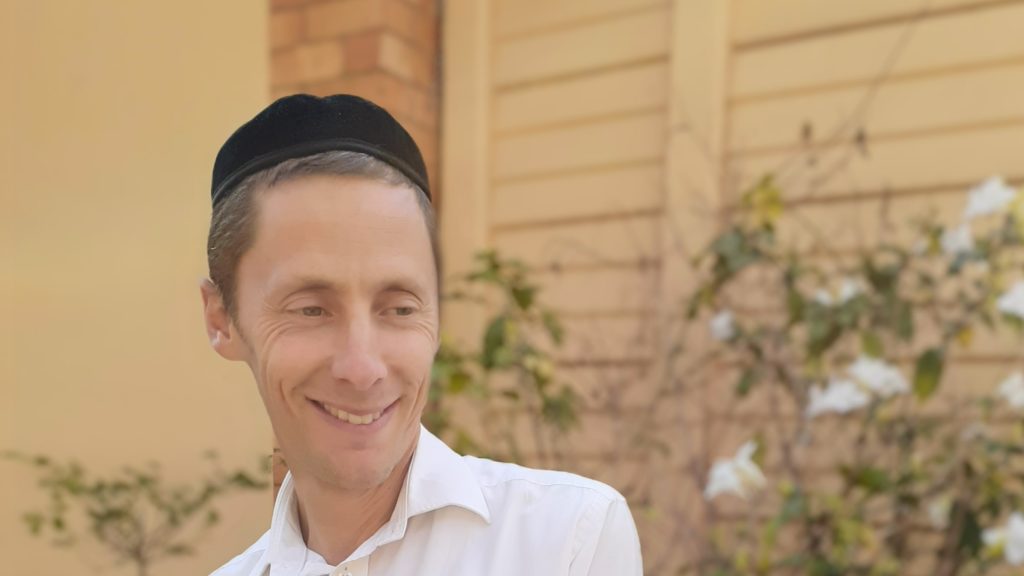
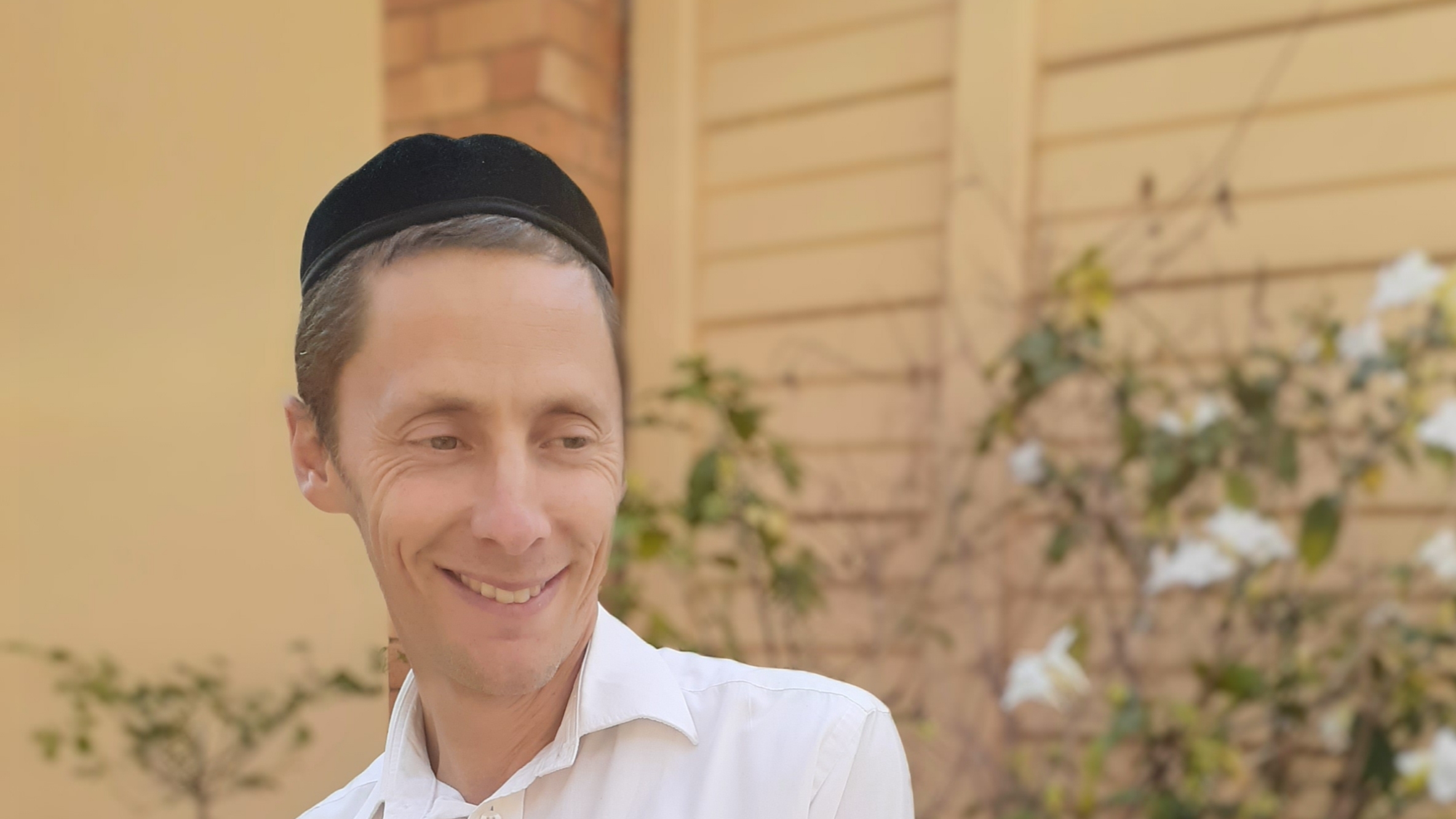
Caption: Author Steven Romain believes that anxiety is deeply connected to the confining expectations thrust upon us in the 21st century. Copyright Steven Romain 2019

The only people whose ideas about anxiety should be listened to are those who actually experience it. Like a wild dog, anxiety has a particular nature, conducts itself in specific ways, and is even characterised by unusually acute powers. A wild dog hears the heartbeats of a herd of springbok from a hundred metres away and selects the buck with the weakest heartbeat as his target. They have a ninety percent success rate as hunters. 

The complication with being human is that the definition of success eludes our grasp. If those walking around the world with anxiety are impaired in certain ways, and we may safely say they are, they are also gifted with special powers like artistic sensitivity; a highly suggestive imagination; and empathy. In addition, the fact of living with the condition for many years fosters wonderful species of fortitude and bravery. It is impossible for a non-sufferer to know what I mean, but it is a fact that simply getting up in the morning and dressing is, for many people, a great achievement. It’s very much like escaping from the captivity of a sadistic bandit.

The anxiety-sufferer wrestles with his angel from the moment he wakes up in the morning till the moment he falls asleep at night. To me, (especially since I am one of the club), it’s clear that this battle forges a person’s personality to a tremendous degree. And this brings us back to the question of defining a successful hunt for human beings. Who among us is living a successful life? 
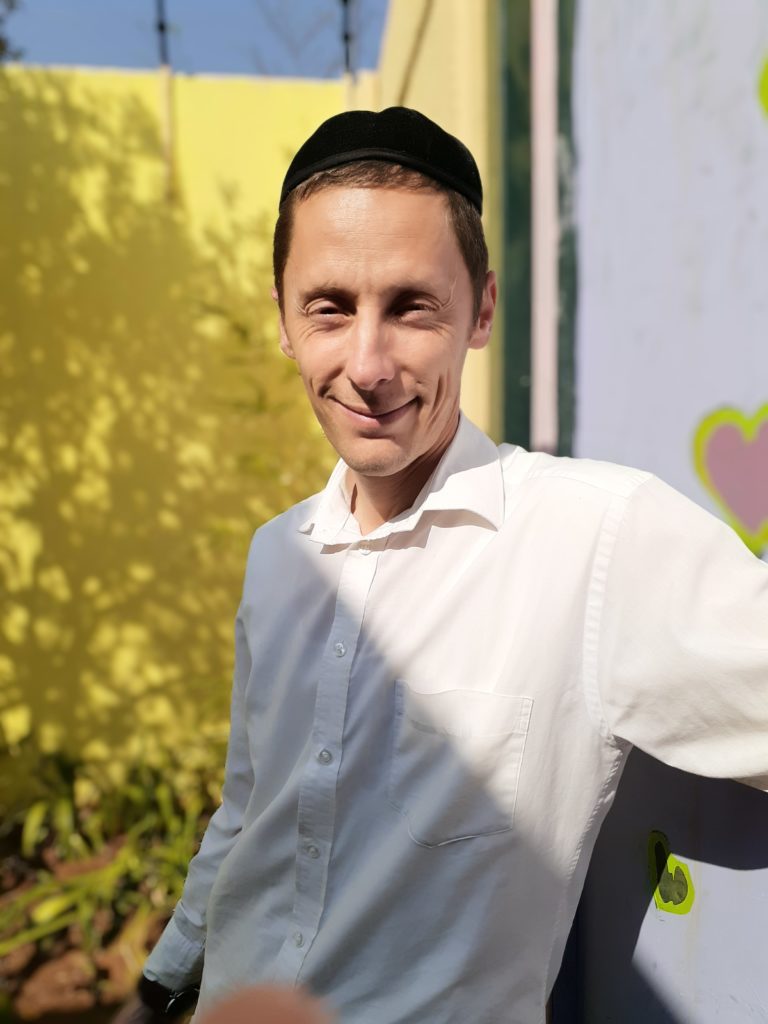
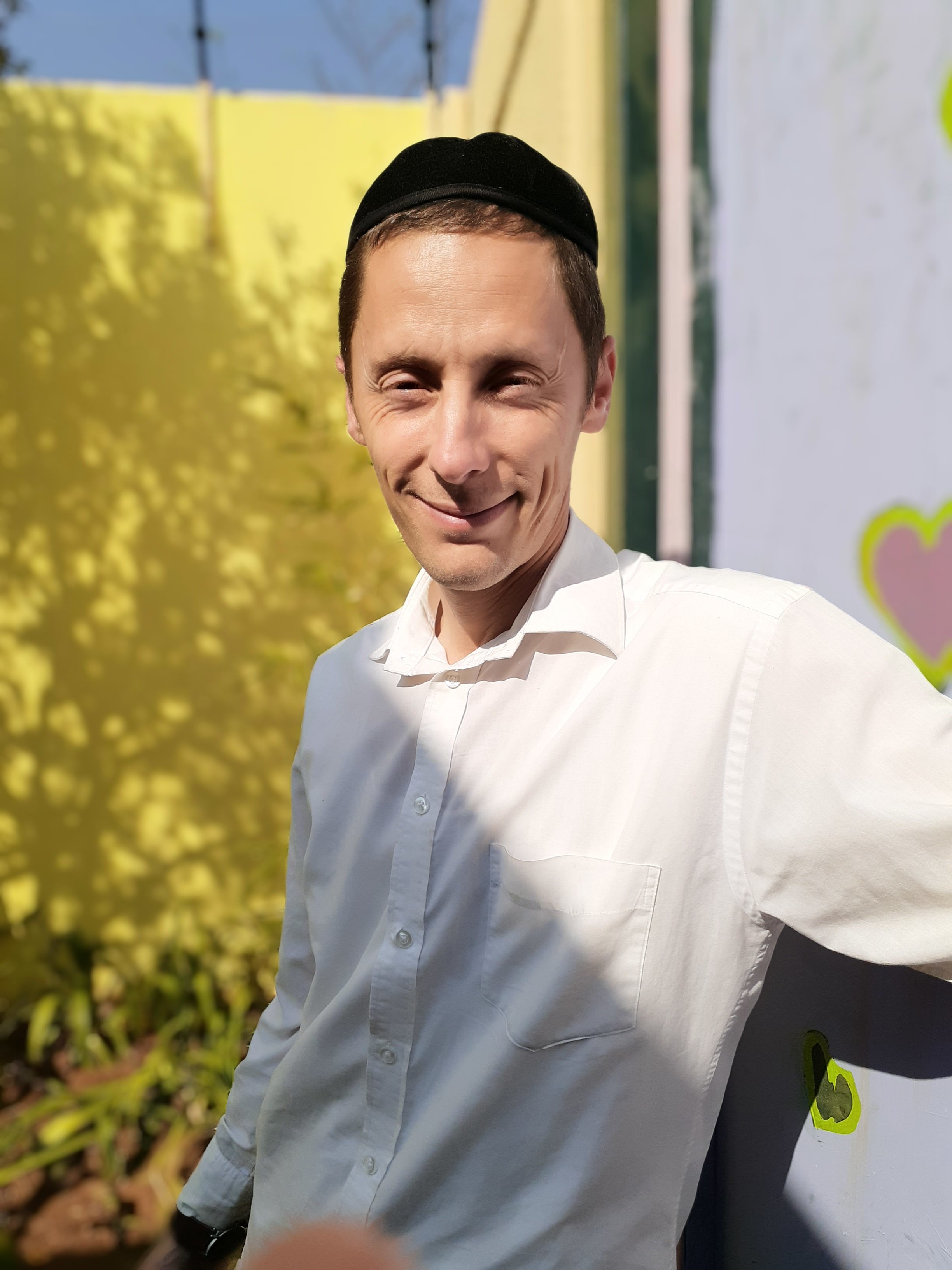
Caption: Author Steven Romain, an ordained rabbi, draws strength from his faith to make sense of an increasingly chaotic and superficial world. Copyright Steven Romain 2019

Many might point to the socially adjusted, the financially successful, the intelligent, or the famous. All these I would characterize as effective in some way. I, for my part, see something wrong with this view. Look around you at the world: stars, galaxies, electrons, insects, fire, water, ice, elephants—not to mention dreams, visions and spirits. This is a world which is marvelously complex and mystical, held to together inexplicably by The Holy One. And the crown of it is man, but what was he put here for? To become something, to know his Creator, in my opinion, but the point I wish to make is that G-d didn’t make this wonderfully interconnected world so that there should be people sitting at coffee-shops punching buttons on phones. This can be a pleasant pastime and I don’t mean to sound harsh, but I do think the question of ‘What was I put here to do?’ should be one that is considered in relation to our actual lives and not just pondered theoretically. Effective people can’t be the point of the whole world, for the reason that their effectivity only solves problems, and the Creator did not make the world to solve a problem, since He has none.

If you agree with me that dressing in the morning might be a genuine achievement, you probably also agree with me that succeeding in school, university, socially, romantically, or spiritually do not necessarily make for real achievement. Just a little bit of thought suffices to prove this. Each one of the items on this list is naturally easy for thousands of people, making for little challenge, and for thousands of others an apparent success in one of these areas would really be a failure. Take, for example, someone whose life circumstances are such that academic achievement is inappropriate for him. He has a pressing need to earn money. His graduation seals a four-year-long (and costly) wrong choice. 

A man is a very mysterious thing. Take a fresh look at him: what is he? He is made, in the sense that his powers and faculties are determined by his Creator, but he also makes himself. A very awkward man I know chose, in his youth, to devote himself to a kind of social work that entails mingling closely with tens of teenagers every day. Now, after years of habituation, no one could ever imagine him as anything else. It is what he is. And it came about purely from his choice. Plus, we all know that after the little dance we do on this earth we’ll be sailing away to a totally different place. The question that I’m proposing should at least seem like a question is: what is the dance I should do while I’m still here? The question should be asked again and again, day after day, because many of the answers we give might be straight-out wrong. There’s no point in just following everyone else’s answers: that would be like frantically neatening up an office the whole day, vacuuming and straightening and polishing, when the whole building is set for demolition.

A man like me wakes up this morning and faces the familiar forms of his anxiety, like an old enemy standing over his bed, waiting for him. Who is to say what it means—in this fantastically mysterious world—that he manages to put on his shirt, his pants, his shoes, drink a cup of coffee and drive to the supermarket? Maybe, as a result, it will rain on farms in Kenya. Maybe, when he leaves this world in his old age, the angels will tell him that the dance he did down here was just perfect: the heavenly hosts were cheering him on for every move. And maybe a man who is sentimentally eulogized as the greatest benefactor of mankind in his generation, a lifelong philanthropist, is told by the angels, on his departure from this world, that his life was a dismal failure. A totally different dance was expected of him.
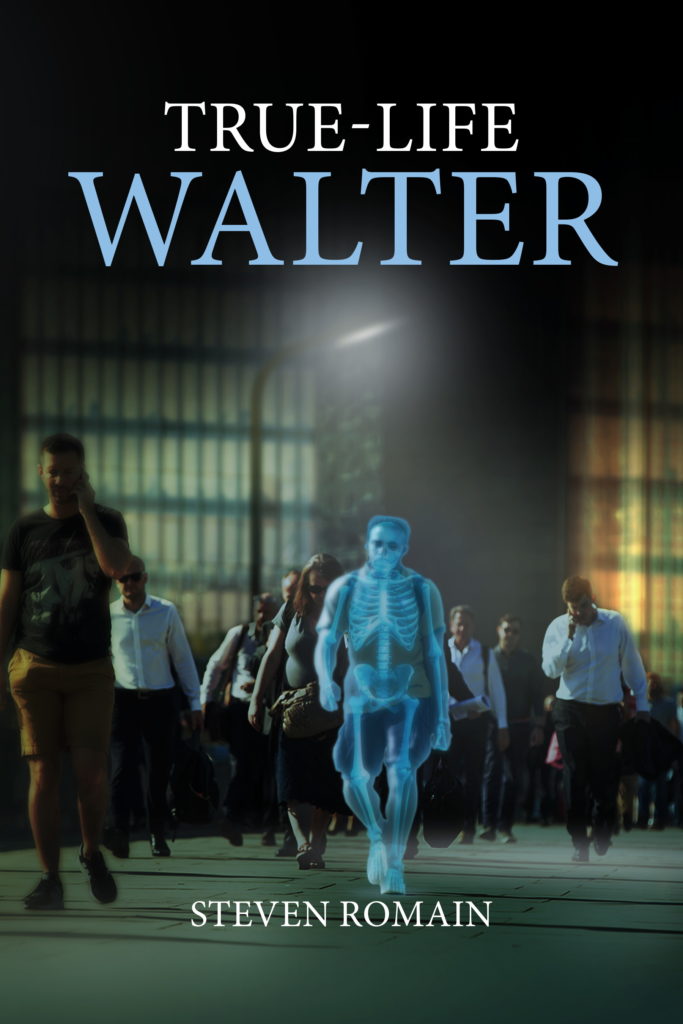
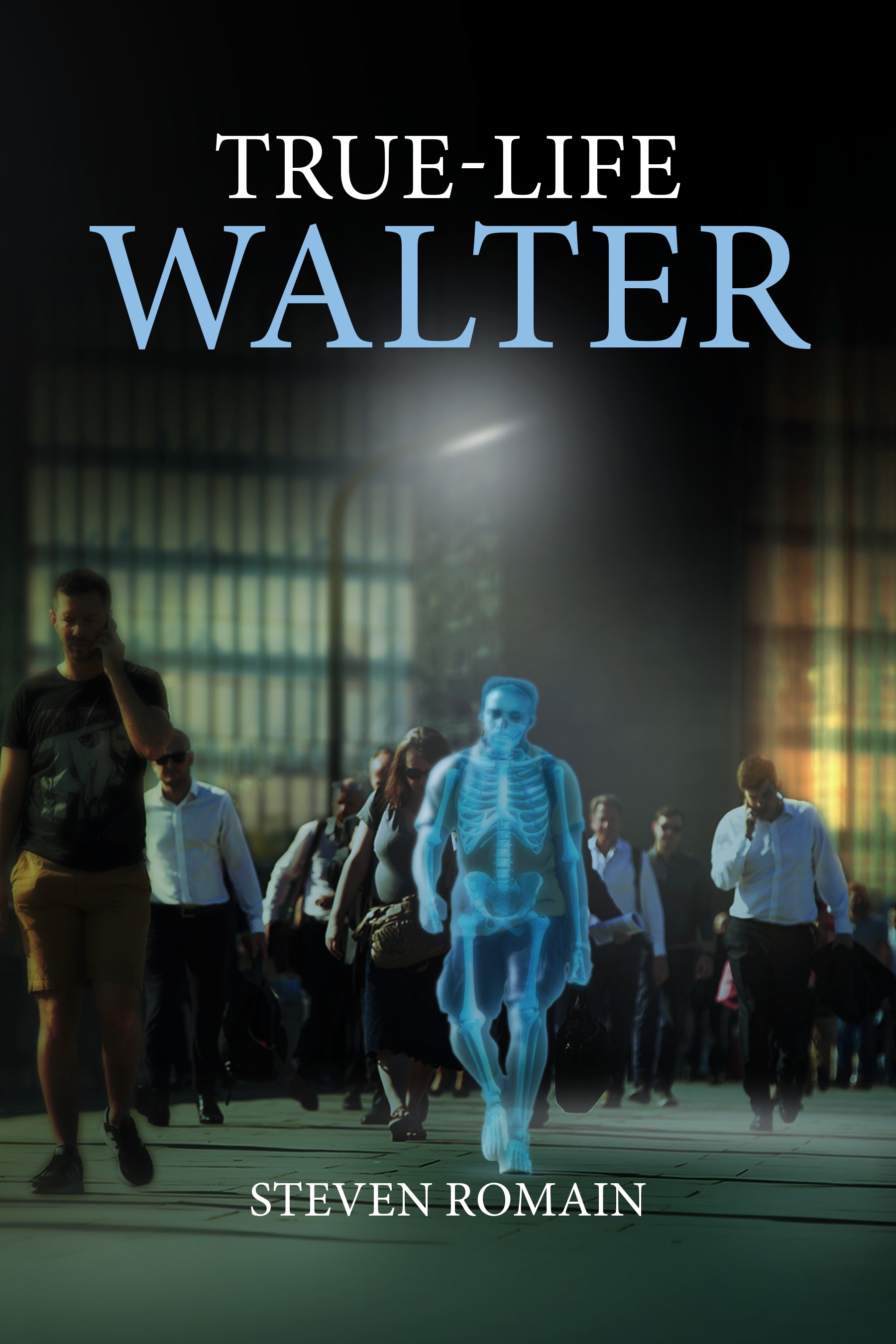
Caption: Steven Romain’s new literary novel True-Life Walter features a central character suffering from extreme anxiety. His actions to free himself from the condition, and what follows, elucidate the deeper meanings of identity and purpose in post-Apartheid South African society. Copyright Steven Romain 2019

The relationship between anxiety and the crisis of identity in our age, in which many of us are divorced, for certain reasons, from our real purpose, is too complex to deal with in a short article. Like everything in G-d’s world, anxiety is not only one thing. The Divine wisdom manifests through it in many different ways. But it is worth noting that, through anxiety, we disable our own lives in their futile rush toward vain ends. We are forced to re-evaluate what we are and what we want to be. 

In my novel, True-Life Walter, I explore modern anxiety by depicting it in the setting of modern Johannesburg, where, for men of colour like my protagonist, new identity is built every day. New lives are lived in newly discovered social and economic statuses. New possibilities of achievement dawn all the time: identities shift and change. As does any writer who strives for real art, I strive to render the suchness of anxiety in modern life without reducing it to easy tropes and explanations. In this way, literature has a unique power in assisting our understanding of anxiety, which is, at this point, an issue we need to take strides toward, not so much comprehending, as appreciating.

True-Life Walter by Steven Romain is available on Amazon priced £3.47 in paperback and £2.46 as an eBook.

Living with Alzheimers – The Christmas Market by Chris Suich

chris-suich-christmas-heart-i-love-you

Ho ho ho!
We are going to Beverley Christmas Market today with our friend.
‘Hurray!’ Bob says.
We get picked up at 9 am with our friend and arrive at 10.15am near the race course and park near the common land.
It was a scenic journey and a crisp winter day. Bob enjoyed looking at the landscape and commented that he could see for miles. We took a risk and didn’t take the wheelchair which I’d bought about a month ago for longer walks. Bob has started leaning to one side and the more tired he gets, the more he leans.
We set off walking along the common.

Two minutes later and Bob has had enough.
‘How much longer?’
‘Just a little while longer‘ I answer.
He holds onto my hand like a vice, crushing my fingers.
It is scary when your spacial awareness and depth is compromised.
Constant reassurance and guidance as to where to walk and preparation for getting up and down uneven steps or paths is called for. I’m determined that we walk every day as I know once the movement goes I won’t be able to manage him at home.

It is very crowded, even this early. It is Christmassy and the brass bands are playing Christmas carols which Bob recognises and joins in with, singing the lyrics and choruses he remembers.
‘Jingle Bells, Jingle all the way,’ he sings. Sometimes he just la la’s the tunes, quite loudly. I’m so happy when he remembers something and it brings a big smile to my lips.
We manage a few stalls but Bob finds the crowds difficult and the stalls are very busy. My friend and I take a hand each and we walk together, the three amigos.

I look for benches where Bob can have a rest and see one near the Beverley Brass Band. I get some change and put it their tin and the gentleman moves his music sheets and we sit for a while. My friend and I take it in turns to have a look at the stalls whilst Bob sits happily listening to the music with the person that is left. I can’t leave him to stay on the bench himself because he would get up and walk around looking for me. He went missing once – for 6 hours.

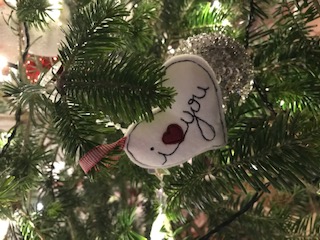
We head back towards the car. Bob spots a stall selling small hearts to hang on the Xmas tree. They are made from felt and embroidered with messages. He picks a white one with red embroidery and wants to get it. He holds it and tells the lady at the stall he has no money.

‘It’s okay, darling. I’ve got my purse and you can buy it,’ I say.
It says ‘I love you’.
That’s the best gift I could have, I think, when he gives it to me. It’s now on our little tree.
Happy Christmas everyone.

SISTER SCRIBES GUEST: LORNA COOK ON THE IMPORTANCE OF WRITING BUDDIES

I love this post, it sums up everything I have found to be true of the writing community. After reading and loving The Forgotten Village, I was lucky enough to meet Lorna at the Joan Hessayon Award this year, which she deservedly won. She was an absolute joy – funny, friendly and unassuming – and I cannot wait for her next book. 


When I started writing my debut novel, The Forgotten Village, I had zero writing buddies. Not one. I had just had my second child and we were going through that odd stage together where she slept most of the day (and not at all at night!). It left me slightly frazzled, very jaded and I was left to my own devices while my hubby went out to work and I took maternity leave. I joined lots of little groups with my tiny newborn but I sorely missed colleagues. And that joy of real human interaction that has nothing to do with nappy-chat was hard to find.

Don’t get me wrong – I did not go through the equal amounts of pain and joy of writing a novel so I could make chums. That was the happy by-product of this crazy and often misunderstood realm of fiction writing. And it is misunderstood. When I very quietly, very cagily, tell people I write novels it is only because someone has asked me directly ‘So, Lorna, what do you do for a living?’

And then begin the questions about how much I earn and if I am the next JK Rowling. Every single time. Praise be for The Romantic Novelists’ Association. I’m not sure I’d be quite as sane (manic laugh) as I am now without the RNA and the wonderful friends I’ve found there who just get it.  I joined the RNA’s New Writers’ Scheme in 2017 and no one ever made me feel as if I ‘wasn’t quite one of them’, because I was unpublished. I had found likeminded souls, who knew the pain and pleasure of being a novelist. Most of them were also unpublished like me and we’ve had many an hour of gossiping about industry one-to-ones at the RNA conference, about disastrous critiques from independent editors and the sheer joy of meeting new people.

I joined the RNA’s Chelmsford Chapter and was made to feel instantly welcome. I try to make it to all the lunches, which are once a month so I can share in dramas and pain, excitement and what everyone is working on at the mo. It’s brilliant. I always come away motivated. As a result of the Chelmsford Chapter, a few of us have formed a breakaway writing group called … wait for it, ‘Write Club’. You think we’d be better at puns than this – what with being writers, but there it is.  And once a month we meet and share in the ups and downs, as well as helping each other with our current WIPs.

I owe so much of my sanity to the RNA and the friends I’ve found there. Honestly, I don’t know where I’d be without it.


LORNA COOK lives by the coast with her husband, daughters and a Staffy named Socks.  She is the 2019 winner of the RNA’s Joan Hessayon Award for her debut novel The Forgotten Village, which sold 150,000 copies and reached Number 1 in the Kindle Chart. Her second novel, The Forbidden Promise, is out in spring 2020. A former journalist and publicist, she owns more cookery books than one woman should and barely gets time to cook.

@LornaCookWriter (Facebook) @LornaCookAuthor (Twitter) @LornaCookAuthor (Instagram)  http://www.lornacookauthor.com

Festive Cocktail Guide Vol. 4 ft Isle of Harris Gin

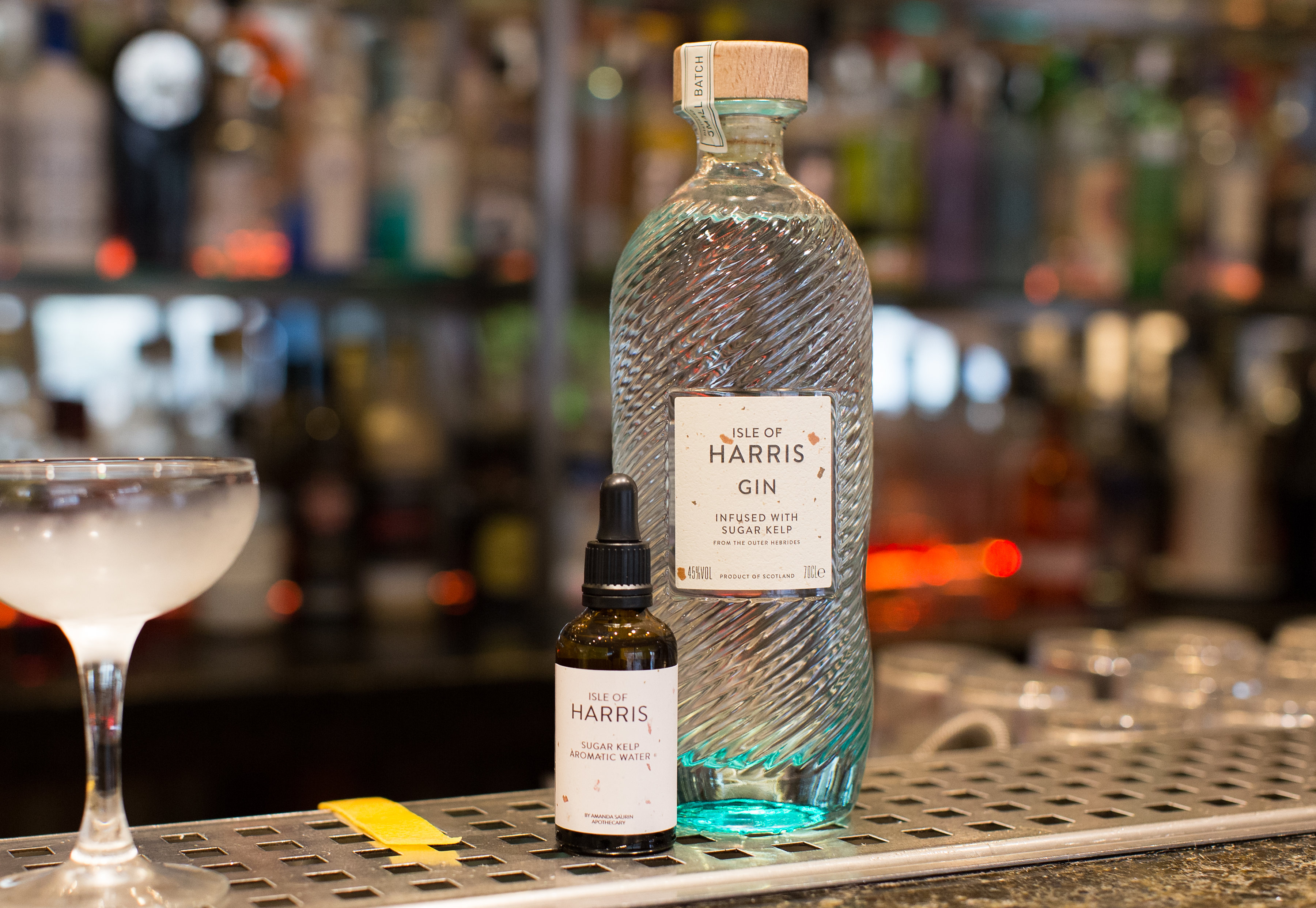
Courtesy of Isle of Harris Distillery, we’ve been treated to a very festive recipe created by Tom Jolly of The American Bar, Gleneagles Hotel. 

The Adru Martini has been made specifically to compliment the coastal flavours of the Isle of Harris Gin. Infused with sugar kelp this unique and aromatic gin, has been married with orange bitters and vanilla pods to create something truly Christmassy. 

The Adru Martini;

Ingredients;

50ml Isle of Harris Gin

25ml Lillet Blanc

1.5ml Sugar Syrup

2 dashes of Orange Bitters

1 dash of Vanilla Saline

Lemon Peel 

Method;

Make the Vanilla Saline – 40g of Sea Salt to 100ml of water and 3 split Vanilla pods then leave to infuse for 24 hrs. 

Add all ingredients, except for the lemon, to a chilled mixing glass.

Add a large block of ice and stir until liquid is chilled and suitably diluted. 

Strain into a coupe glass 

Squeeze oils from Lemon over the drink and rub the stem with remaining peel

Drop peel into drink as a garnish. 

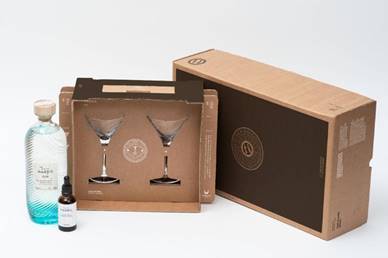
Isle of Harris Distillers have also created bespoke gift packages for Christmas. Each handmade Martini Glass is unique, having been blown, shaped and polished in traditional fashion. Complete with ‘The Martini Project’ and distillery marques alongside exclusive Martini recipes to enjoy, the gift set also comes with a special Aromatic Water distilled from Sugar Kelp, picked sustainably by the distillery’s seaweed harvester.

The Harris Martini + Gift Set: £92 at harrisdistillery.com.

Shop all Isle of Harris Distillery products at harrisdistillery.com

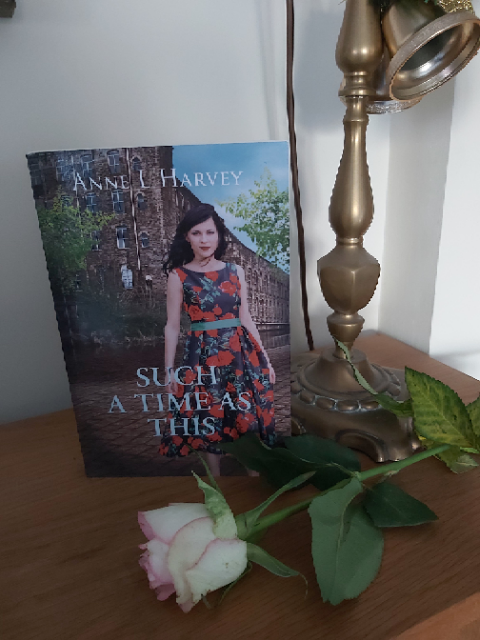
Anne L Harvey’s latest novel Such a Time as This reviewed by Annie Clarke


Here we are, in the sixties, and this evocative novel summons up the small Lancashire mill town of Horwich, (the author’s long ago home town) and has three young women carrying the complicated but enthralling and cogently plotted story, which is an exploration of the strength needed to find a way though difficulties.

Joyce Roberts is working hard in the local mill and loves Dave Yates. Is it to be happily ever after? I do hope so, as they discover Dave has a life-changing illness.

Then there’s Sally Roberts, married to Joyce’s brother who is in the RAF. Living so close to an air base means that Sally cannot avoid the reality of the Cold War threat. What’s more, she has left her two younger sisters back at the family home where she hopes life is running along untrammeled. But is it? Of course not. Can they cope without big sister?

Meanwhile Kathy Armstrong, who is engaged to Nick, the eldest of the Roberts brothers, is frustrated at work at the local newspaper where she feels she takes second place to the men.

As if all this isn’t enough, our author, Anne L Harvey quite rightly brings in antagonist,  bad bad Jud Simcox who is about to leave prison …

Roll of drums.

Yes, it sounds a frenetic plot, and it is complicated – for the author – but not the reader. It works …

I enjoyed it, I found the period refreshing, because the 2nd World War is being done to death, even by me. This period, the sixties was ground breaking, tense, frightening, and is ignored. What’s not to like as a setting: the world on a knife edge with the Cold War (which quite frequently veered perilously close to a hot war). Female equality (which had come just so far) was still not quite there as women joined the workforce in great numbers and  the fair pay, fair opportunities struggles developed.

Grist to the mill for an author, and new fields to discover, or be reminded of, for the reader.

Read it: interesting, fluent, cogently plotted. One to buy for the Christmas stocking. Quick quick, still time.

Such a Time as This by Anne L Harvey  available here

Bernie Stevens is to be congratulated on the evocative cover design.

Annie Clarke: Heroes on the Home Front series.