Let Kindness Triumph Over Materialism this Christmas

Go cold turkey on consumerism this Christmas and give the best present there is – love, urges the acclaimed children’s author M.C.D. Etheridge.

By M.C.D. Etheridge

What do you love most about Christmas? From the uplifting chorus of carols to the fragrant smell of pine needles and unmistakable taste of figgy pudding, a traditional Christmas really is an assault on the senses. Yet, maybe it’s the way that Christmas makes us feel that really brings us joy.

Because when it comes to this special holiday, it doesn’t really matter if you’re a church-going Christian or if you simply value the time you get to spend with your family, what you probably love most about Christmas is love itself.

It’s easy to lose sight of this when you’re lost in the frenzied aisles of the shopping mall where even the calmest individual can find themselves part of an angry, anxious mob. You don’t even have to venture further than the multi-storey carpark to witness the annual pilgrimage to these great cathedrals of consumerism spiralling out of control. Just observe the alarming scream of car horns crying mayhem over the distant loop of Christmas jingles. It’s enough to drown out any semblance of festive cheer before you’ve even set foot in the building. Meanwhile, as you fight your way towards the snaking check-out queues to purchase the overpriced items your children reassured you they wanted just hours ago, they’re at school, immersed in the unforgiving, materialistic mania that brainwashes them into wanting something else entirely. Don’t get sucked in.

The pressure we put on ourselves at this time of year can be overwhelming. It’s enough to drive you insane. So let’s, just for a moment, take a step back and try to remember what this holiday is all about, because it’s not just about buying things.

In the 21st Century, we have to acknowledge that for many people in modern Britain, Christmas has evolved from the Christian celebration of the birth of Jesus, and yet most of us continue to celebrate the constant theme central to the Nativity. For at its heart, Christmas, both in the biblical narrative and in its modern form, is a celebration of the family. And rightly so. Let’s not forget that if you have a family, you are lucky. If you have friends, you are luckier still. For some of us at Christmas, our friends are our family and there’s nothing wrong with that either. Christmas is a time to celebrate, appreciate and love the people we have in our lives.

It’s also a time when we experience the joy of giving and the Christmas tradition of being kind. For if the Nativity introduces our children to the idea that the family is special, then it’s Santa Claus who arrives as the champion of human kindness. The way he introduces our kids to the idea that there are people out there who do things for others out of the kindness of their heart is wonderful. For this reason alone, he’s epic.

In many ways, with all his Christmas magic, Santa is the first superhero our kids experience, and yet ever since I was a boy, I’ve felt this incredible Christmas character has been missing a worthy backstory. It’s the reason why I put pen to paper to write Whitebeard.

Whitebeard, my new book, is Santa’s origin story and as the name might suggest, reimagines Santa as a good-natured, Falstaffian pirate captain. It’s been enormous fun writing this children’s adventure story and so much of the joy lies in the fact that everyone already knows how the story ends. We know Santa must have a flying sleigh and reindeer, the ability to deliver gifts to all the children of the world and have a heart as pure as the driven snow. It’s how he gets there, and who he meets along the way, that makes it fun.

My research uncovered the little-known fact that Saint Nicholas (the man on whom most Santa traditions are based) is not only the patron saint of children, but of repentant thieves and sailors too. It would emerge that seafaring adventures and repentance are themes historically linked to the famous and loving Christmas character. Well, if that doesn’t shout out reformed pirate I don’t know what does and I just loved the idea of an old, saltwater thief changing his ways to become the man we know and love as Father Christmas. The triumph of kindness over materialism is therefore at the heart of the story I wanted to write.

Admittedly, I haven’t received an official thumbs up from Lapland on the authenticity of my festive tale, so I like to think of it more as an unofficial biography. I don’t expect to receive too many complaints though, because between the pages of Whitebeard there’s a healthy respect for all our favourite Christmas traditions and a determination to celebrate family, kindness and love. And whichever way you look at it, that’s what Christmas is all about.
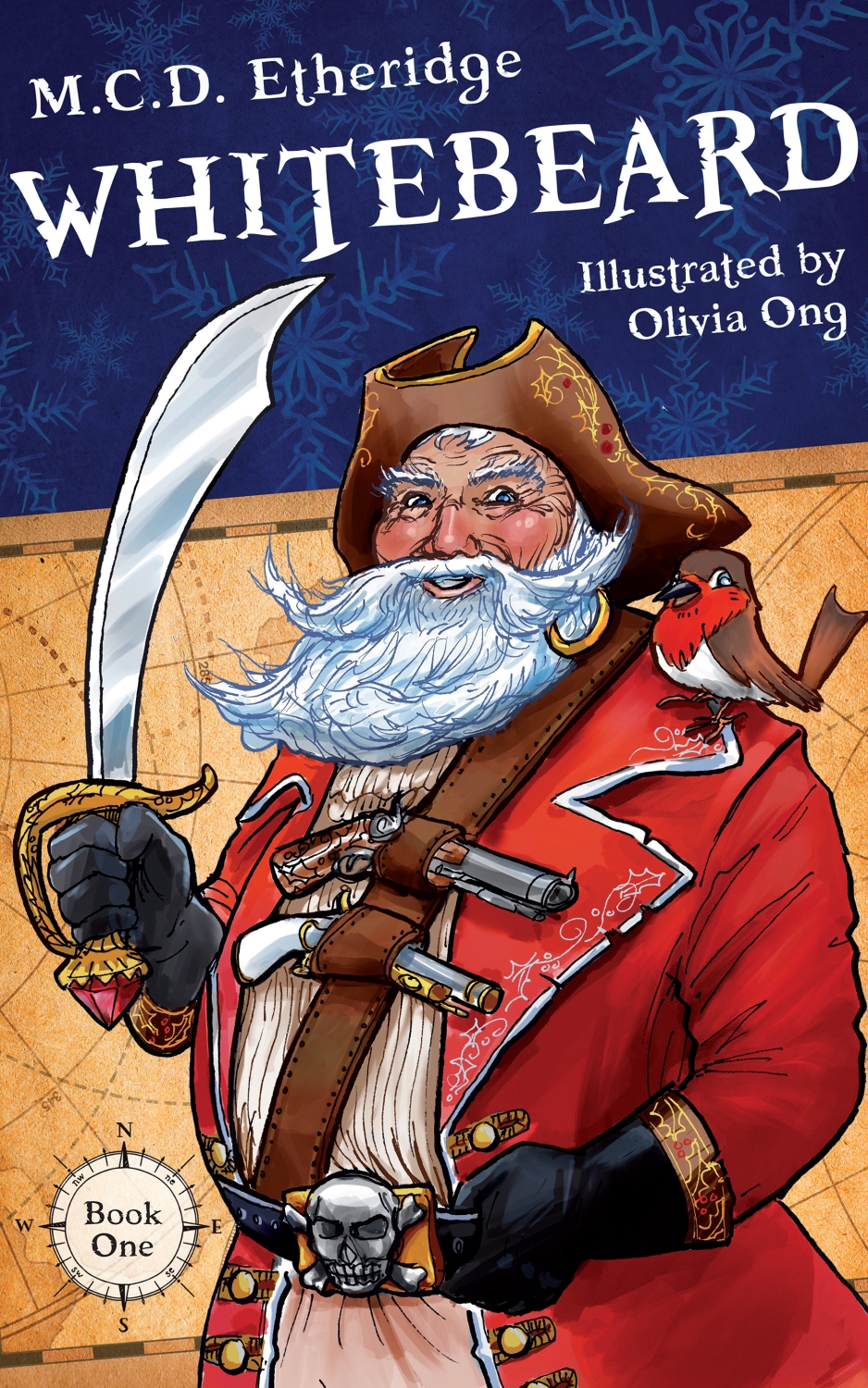
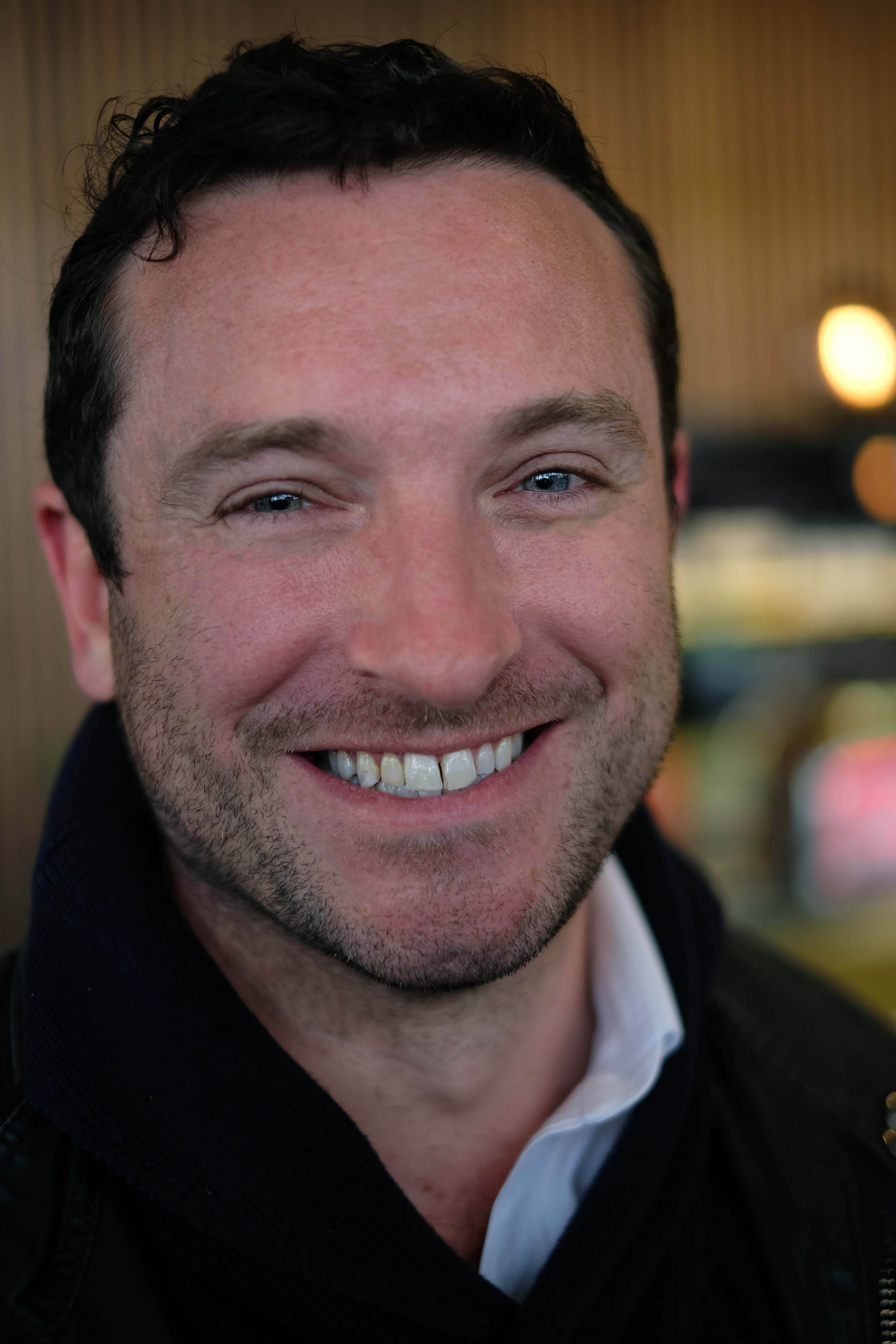
M.C.D. Etheridge is a journalist and TV producer for SKY News, ITN, ITV, Channel 5, and Australia’s Channel 9. His new children’s book, Whitebeard, is described as a “rollicking Christmas adventure story” and is ideal for children aged between 8 and 12. It is out now on Amazon UK priced £7.99 in paperback and £1.99 in eBook. Visit www.whitebeardbook.com 
 

BUSINESS OF BOOKS: TAKE FOUR WRITERS – DOWN, DEEPER, DOWN – AND LIGHT

LUCY COLEMAN

It’s been an emotional month. With a close family member in ICU for over two weeks and still critical, our hearts have been breaking. In the middle of this my other half and I had stomach flu and then structural edits arrived on my desk. The bug cut our hospital vigil short, so we text and support the ‘supporters’ by phone.

Aside from passing on messages to the wider family, my way of coping is to write. I channelled all that emotional turmoil into my edits and then into my current work in progress. All we can do is pray for a good outcome and when you can’t physically be there to help, it’s important to keep busy.

Writing for me is escapism. But I don’t avoid the harsher side of life and most of my novels reflect the mixed bag fate dishes out. What I’ve learnt this month is that there is a lot of kindness and love in this world, and often it comes from strangers – nurses and doctors who are there when you most need them. It’s truly humbling and a remind of how precious life is.


CLAIRE DYER

And so I’ve been faced with something that can bring a chill to any author’s heart – the rewrite. I have written a novel. It has been seen by quite a few people and one of these people has suggested that it would be stronger, better, more commercial were I to … It’s quite a long list!

But rather than recoil, I find myself embracing the challenge. They’re right. The book will be stronger, better, more commercial if I make the suggested changes. The only problem is, can I? Not as in may I, or do I want to, but am I able to? It seems a huge task. Six strands need editing, all the possible knock-on effects of these edits need to be spotted to ensure consistency; I have to match the tone, voice, spirit of the original even though time has passed and other things have crowded into my mind.

And so I’m going in. Will let you know how I get on!

STOP PRESS: some weeks have passed and I think I’m done. The six strands have been buffed, honed, added to, had stuff deleted from and I’m exhausted. I’ve re-read the book what seems like a gazillion times. I’ve loved it and I’ve hated it. I’ve wept from despair, and also because the story has come from somewhere deep within where a lot of sadness is. It is a different beast from the novel I started two years ago and I too am altered. I hope we’ve both changed for the better, but only time will tell. I have certainly valued the experience in a bizarre sort of way. However, now it has to go off into the world and we all know what that means …!


JACKIE BALDWIN

There have been many highs in this writing year but this month has not been amongst them. I discovered that my lovely Golden Retriever, Poppy, who has just turned six, is terminally ill and not expected to be with us long. A real blow to us all. As a result, I don’t have much in the way of news as I have been staying close to home.

I have been tying myself into knots over the plot in my third book and may well have to abandon it completely and start again. I’ve been thinking about it so hard I might have broken my brain. This must be what writer’s block feels like, a creeping paralysis of creative thought. I have to believe that it will pass and the pieces will gradually fall into place.

I hope that by this time next month I will be writing up a storm again!


ANGELA PETCH

The mountainside is a picture of fiery golds and rich reds as we start to pack up our Italian house for winter. We might return for New Year, which is celebrated in Italy with delicious feasts. Maurice and I enjoyed a much-needed five-day break last week in the Abruzzo region, walking up the majestic Gran Sasso, visiting devastated hill-top towns in this earthquake area.  I have a fascination for ruins and they will feature in my third Tuscan novel, very much in the planning and research stages. While we were away, no writing was done. And that is good, but my mind was still absorbing sights, sounds and new ideas.

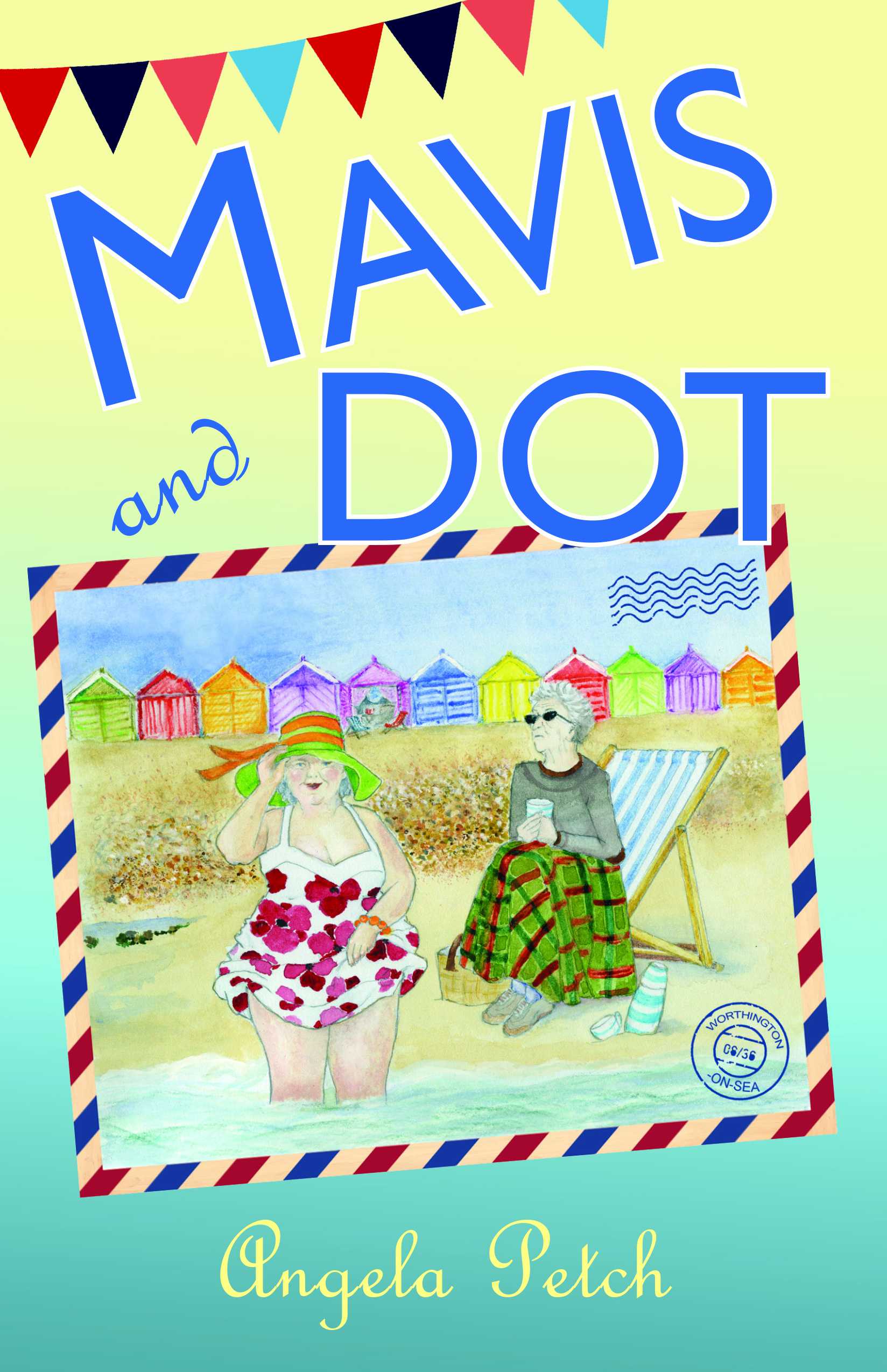
Mavis and Dot is going on a blog tour with Rachel’s Random Resources in mid-November, so I’ve been busy with interviews and making the final decision about the cover. I’m really pleased with it and I used a professional designer this time. Watch this space.


Wine for Winter Nights 

It’s officially Winter and almost the countdown to Christmas (eeeek) so here at Frost we decided to toast away what has been a glorious Summer and a mild Autumn with some beaut wine offerings.

For our White Wine lovers we have gone for;

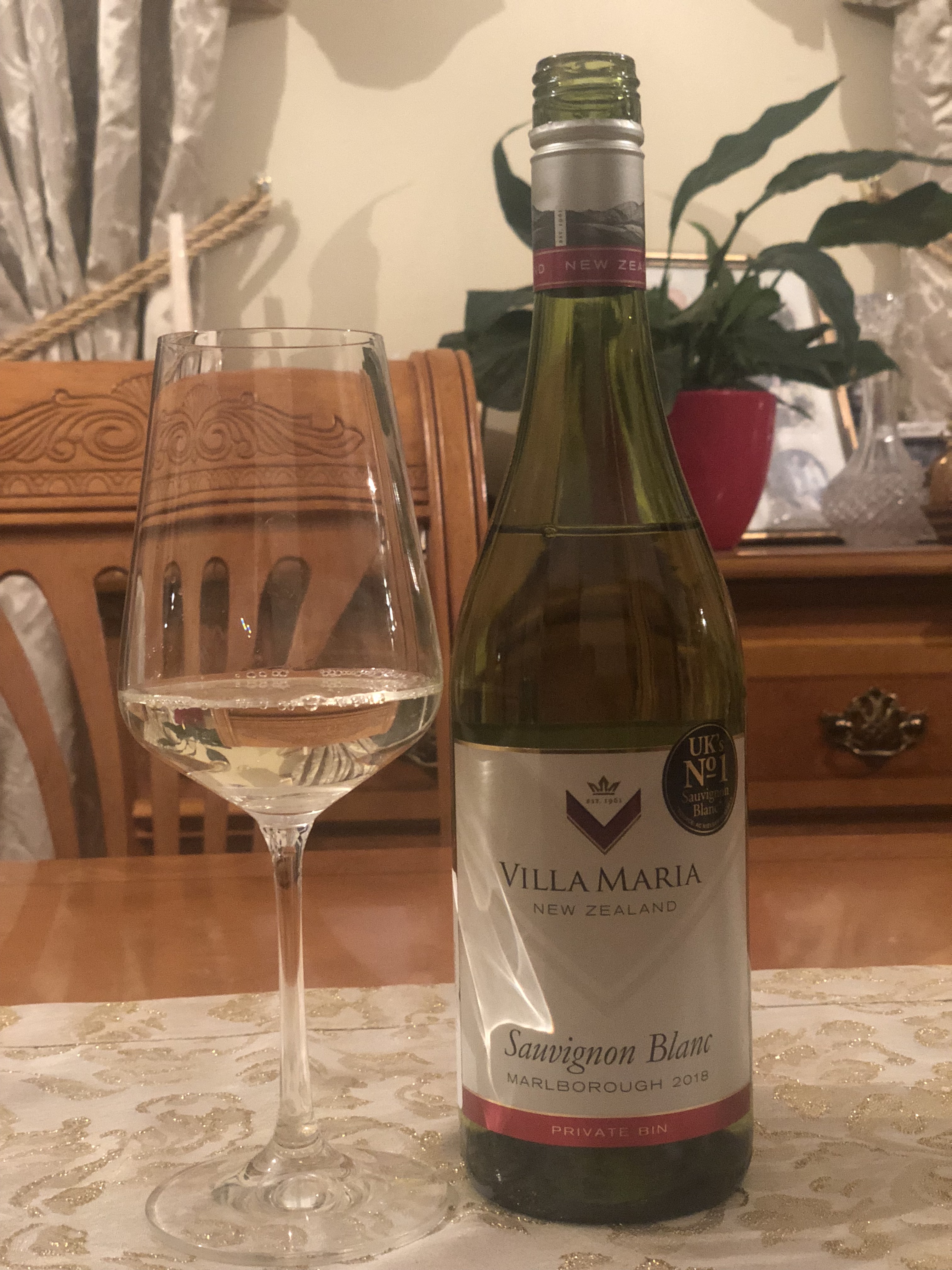
Villa Maria Sauvignon Blanc Private Bin

Villa Maria has long been a hit with consumers and New Zealand Sauvignon Blanc has continued to dazzle customers for a number of years now. As the most widely planted grape variety in NZ, Villa Maria have a few distinct Sauvignon Blanc styles dependent on regions of the country owing to the maritime climate. Here we try the Malborough Private Bin which features grapes picked from a combination of vineyards across two different valleys in Malborough. The result is an intense and herbaceous flavour noticeably distinguishable from Villa Maria Reserve Malborough wine which has grapes specifically from Wairau valley. Private Bin has a strong and fresh flavour alive with citrus and tropical fruits owing to the long sunny days and cooler nights. 

This is a flavoursome wine and can be enjoyed without food but with owing to its strong flavour, a glass with dinner will go down well. We paired it with Chicken and Mushroom risotto. 

Available from most good grocery stores. A full list can be found on their website:

www.villamaria.co.nz 

RRP: £9.69 (Waitrose price)

For a hearty RED recommendation we chose; 

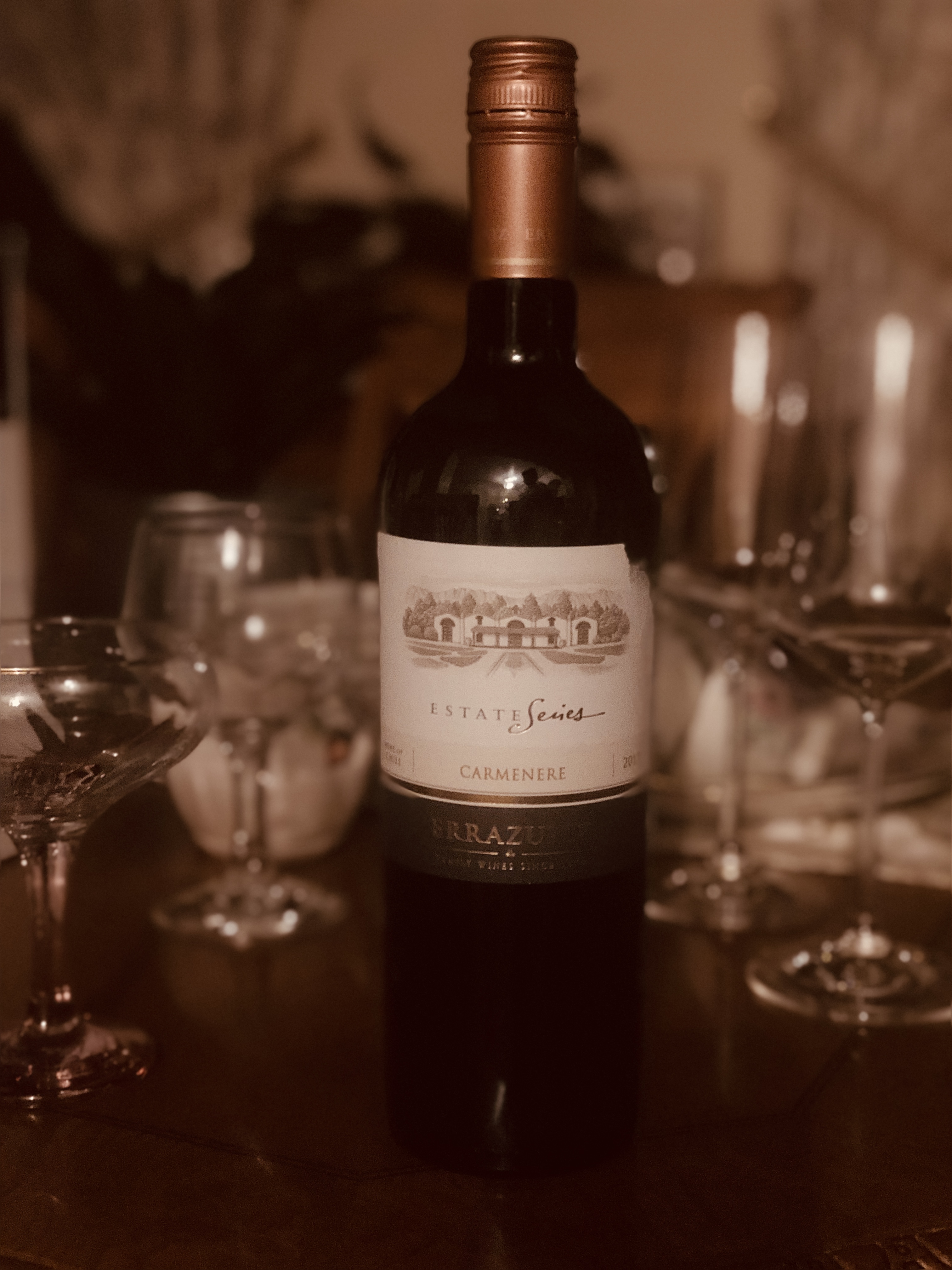
Errazuriz Estate Series Carmenere 2017

This Chilean number is robust and pleasing owing to it being 90% Carmenere. The aromas are evocative of a classic wintery red with hints of black pepper, oak and nutmeg. A perfect fireplace wine. The balance of smoke and spice is the stand out essence which distinguishes this Carmenere variety, and ever so subtly sets it apart from the Merlot. The dash of Petit Syrah which makes up the other 10% adds to the aromatics of the wine.

Smooth tannins make this highly desirable on the palette with and without food and I would certainly recommend with rich dishes sweet and savoury due to the chocolatey nature of this wine. 

RRP: £10.50 

www.majestic.co.uk

Review: Gary Wilmot’s sweet success in Bognor Regis

Sweet Lorraine, The Alexandra Theatre, Bognor

New writing is the lifeblood of theatre, so for a small seaside venue like the Regis Centre to be exploring new work is exciting in itself. To beef that up by kicking off with a play by one of the nation’s most popular performers is quite some coup; even if it is difficult reconcile cheeky chappie Gary Wilmot with such a dark and tense piece. But all credit to Wilmot, who is also at the directorial helm. Sweet Lorraine is a triumph. Furthermore, it deserves a wider audience.

A compelling tale of a talented young musician with a secret, the writing is elegant, authentic and intelligent. The plot, part thriller and part grim cautionary tale, is rooted in an astute study of human nature and poses a disturbing question: just how far would you go to wright a terrible wrong that had been done to someone you love and whose life had been subsequently blighted?

Beautifully paced, the story plays out to a shocking conclusion. Gripping the attention, never for a moment allowing it to wander, evocative music and Iain Jordan’s moody lighting are key components in creating atmospheric edge-of-the-seat unease.

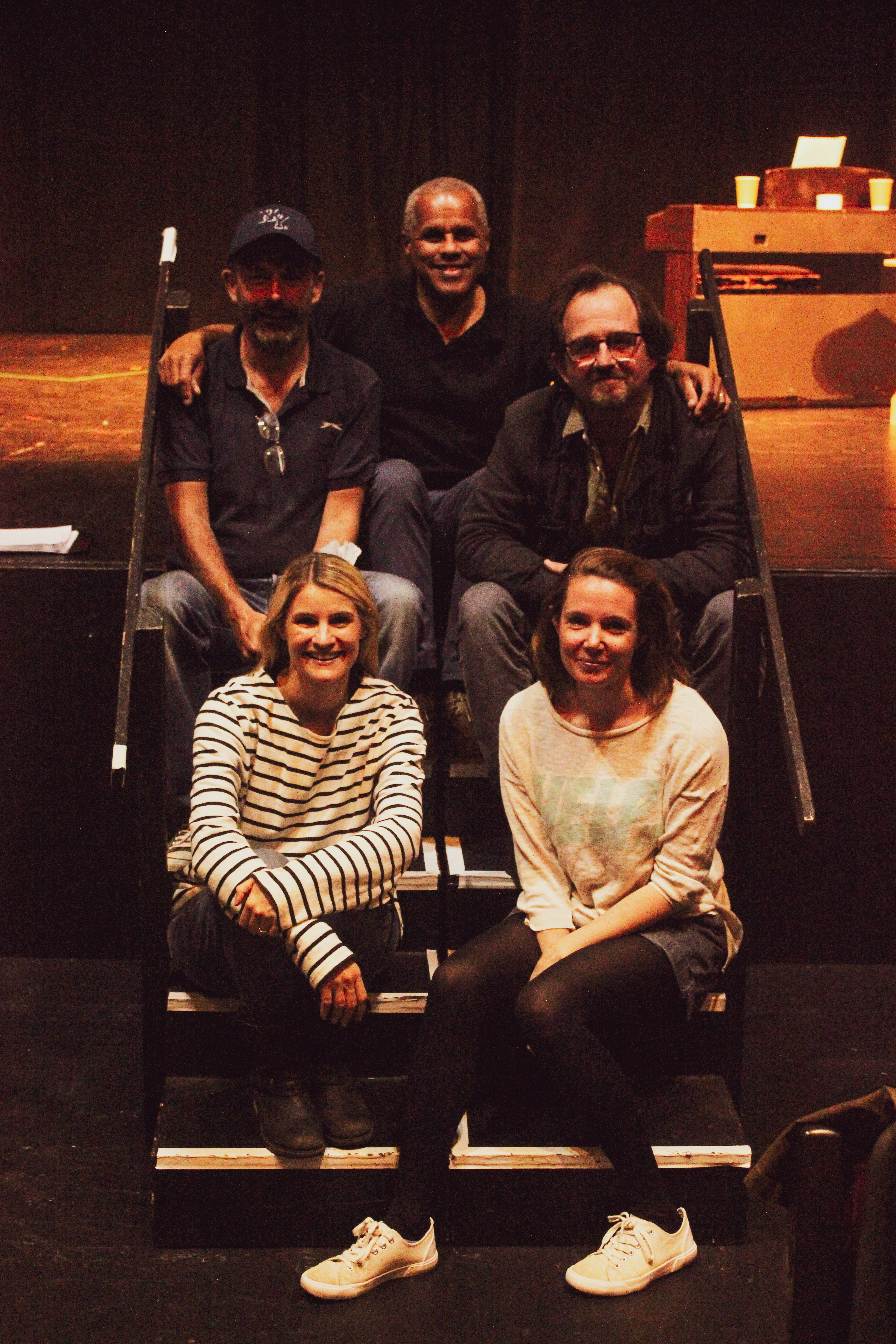
Aided by excellent performances from Harry Burton as Harry Burns and Martha Dancy as the eponymous Lorraine, great support is provided by Ben Fox as Phil and Katy Osborne as Emma.

Gary Wilmot has been hiding his scripting light under the proverbial bushel for too long. Here’s hoping that he continues to write and that Sweet Lorraine will play on elsewhere.

As for the Regis Centre and its Alexandra Theatre, may this gem of a seaside venue continue to champion new work.

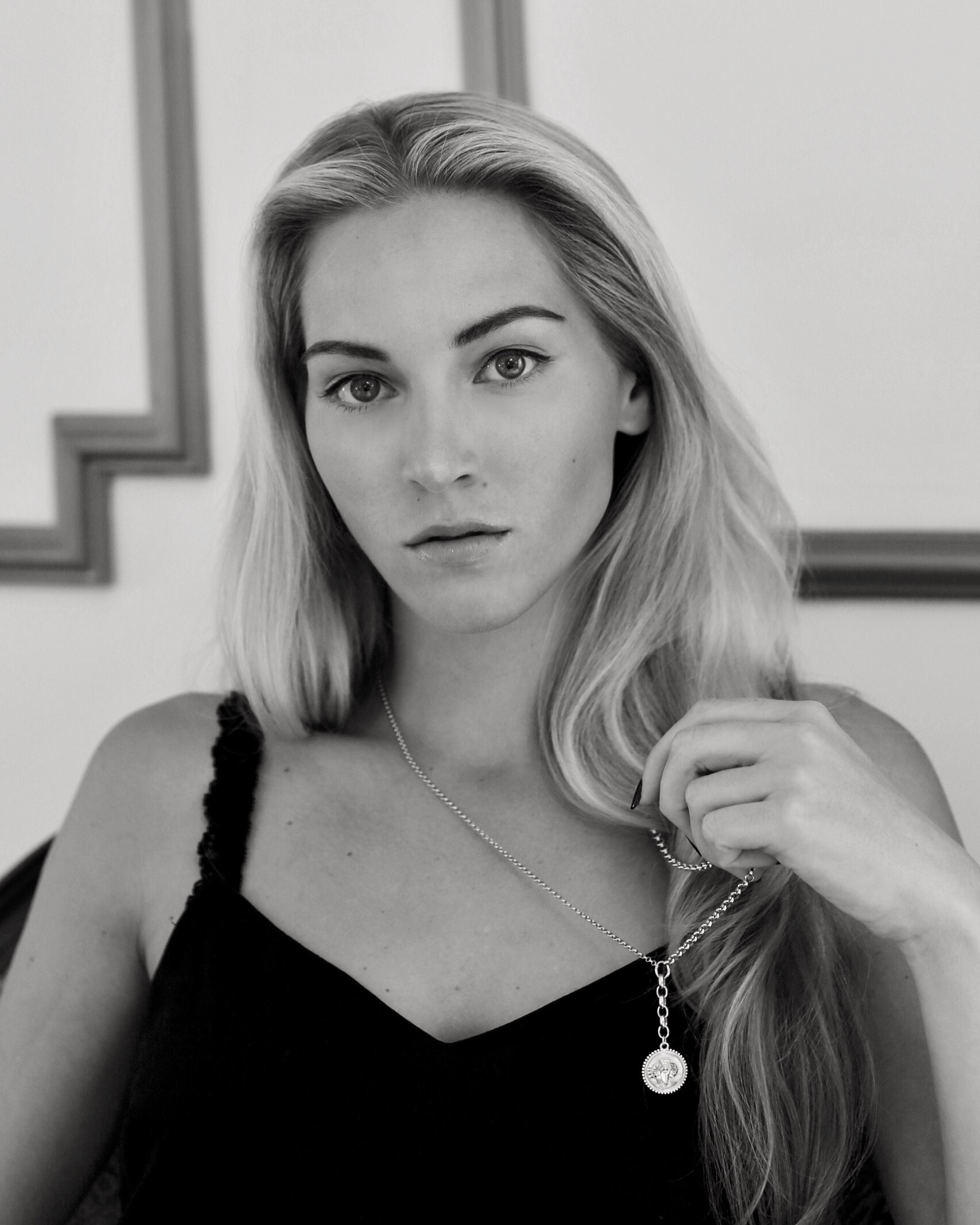
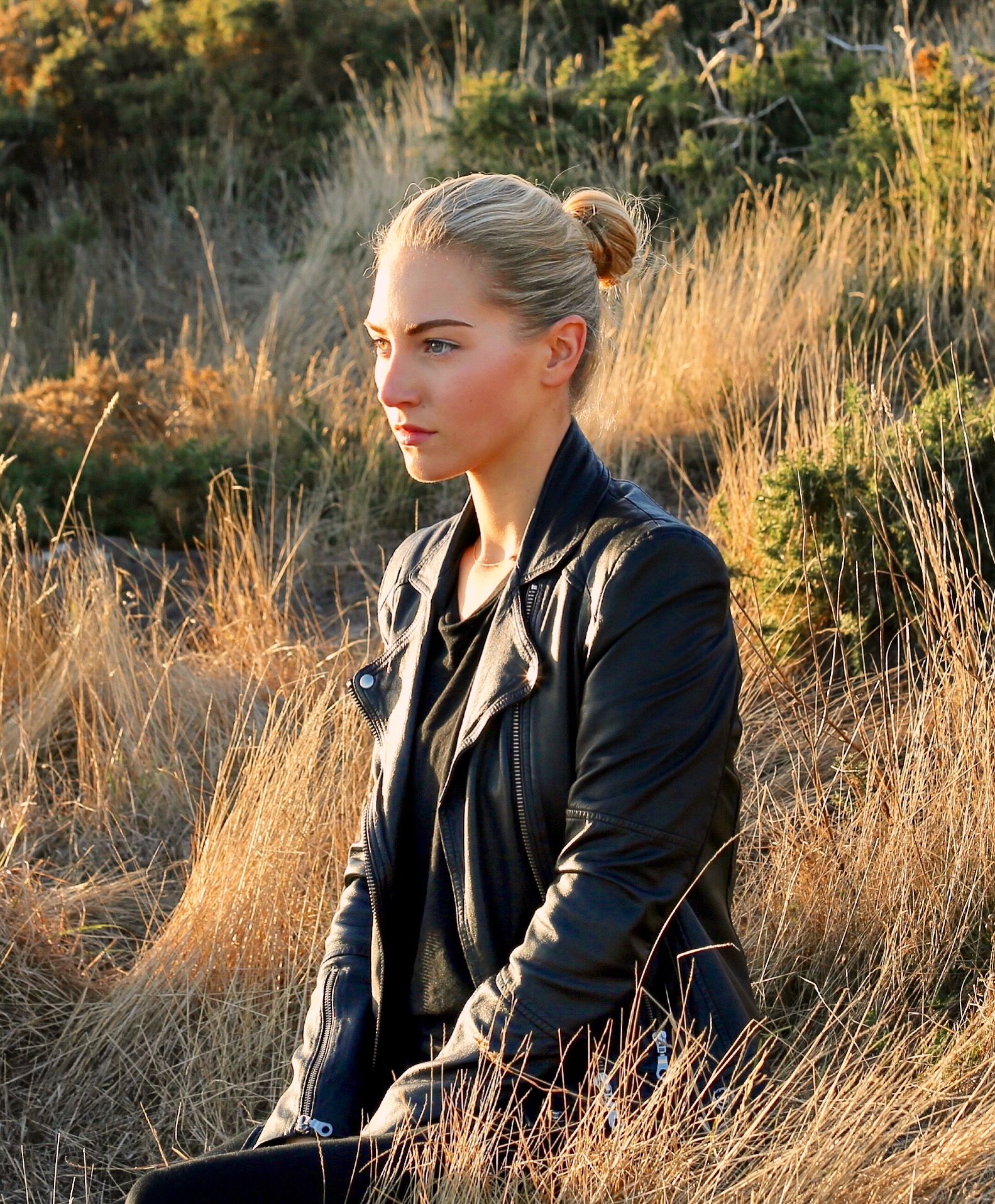
Frost Magazine interviews acclaimed Instapoet, Arch Hades

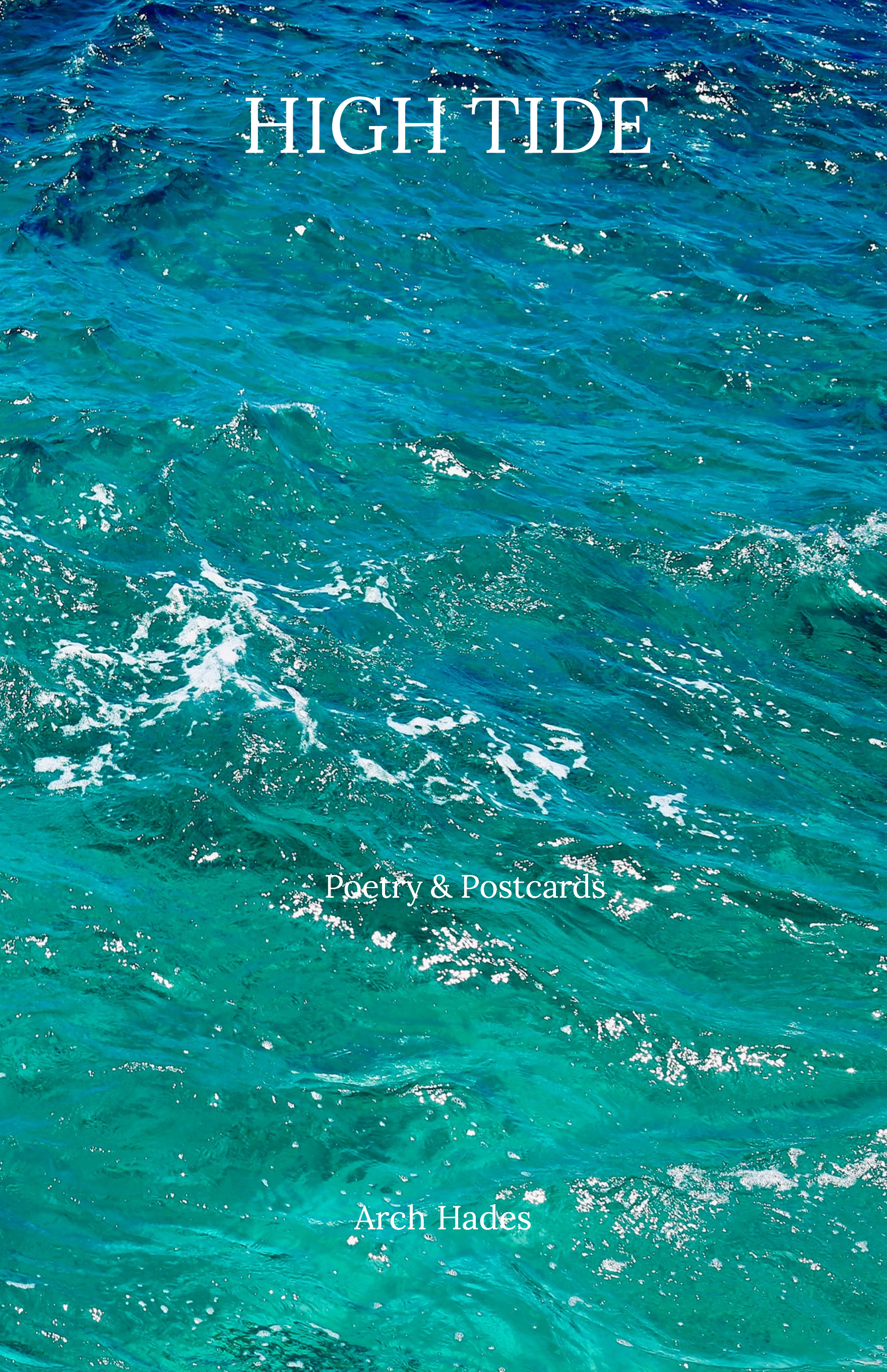
High Tide, the debut collection of poetry by the Instapoet, Arch Hades, is making waves in poetry and social circles. In this Frost Magazine exclusive, we find out more about the writer behind the verse.

By Lucy Bryson

Q: Were you aware of the ‘Instapoets’ concept when you first began writing? Have you witnessed any snobbery from traditional literary publications towards ‘Instapoetry’?

A: Yes, I was aware of the ‘Instapoets’ concept. I can’t say I’ve experienced any snobbery (I, of course, only speak for myself). I’m just a poet who shares some of my work on that platform. We live in a sharing society, Instagram has done wonders for poetry, not only has it helped people re-connect to this form of expression, it has done so very successfully and on such a large scale that I will gladly applaud the medium for this revival.

If anything, I hope traditional literary publications rejoice at this new-found popularity of poetry and especially the new-found interest people express in their own publications. 

Q: Your work is personal and emotional – did you feel any vulnerability when you first published your poems online? Are there any experiences you would say are out of bounds in sharing with readers?

A: I can’t say I felt particularly emotionally vulnerable when first sharing my poetry. I’ve always been very honest with people and very open. I don’t see the point of not saying that I mean and not meaning what I say. I want to continue being raw and open and emotional, I don’t want to shy away from it, I want those who do share in loss and heartbreak to feel they are not alone, I want to connect with them and support them.

Q: Can your Instagram followers expect to see new, previously unpublished work in High Tide? 

I only began posting online after the publication of High Tide, so far I’ve only posted fragments of poetry, and I am grateful that the reception has been warm, so yes, I will estimate that the vast majority of High Tide is yet unseen by my followers (apart from those who bought the book already).

Q: Have you always sent postcards while travelling? Did you have any reservations about sharing this personal correspondence in your book?

A: Sending postcards is an old sentiment of mine that originates from my school days. I spent seven years in an all-girls boarding school where cell phone use and access to social media were very restricted. However, we were allowed to post letters and that became my outlet. Handwritten letters and postcards are a form of art in themselves. When you have a limited amount of physical paper to write on, suddenly, you have to be concise, thoughtful and eloquent. It was a challenge at first – when you can write anything, but, you can only write a few sentences. It’s a beautiful game. One doesn’t easily discards letters too. You write your girlfriend a letter, I promise you, whatever happens, she is going to keep that forever. I began writing to my best friend Bobby more than ten years ago, who attended an all-boys boarding school, and we’ve kept it up ever since. 

Postcards, I would say, aren’t particularly personal, at least not my own. I use postcards to capture a momentary state – the external and internal. How wonderful it is to then read again and be transported back to that moment and my frame of mind during writing. I want to encourage more people to write postcards. Not just for future nostalgia, but because at the time of writing it helps you to be present and reflective. 

Q: Poetry is often viewed as an elitist and difficult form of literature for the ordinary person. Do you think this is a fair assessment, and do you feel that the new wave of online poetry is encouraging young people to become interested in the art form? 

A: I understand how people in Britain might perhaps feel estranged to poetry. The most famous British poets are traditionalist like Shakespeare, Byron, Blake, war poets like Aldington and Blunden and more recent poets like Larkin – who are all brilliant and I admire them greatly, but their writing can alienate readers in terms of language, and also in terms of the topics that they wrote about, that the young generation may be alien to. I’ve had conversations about poetry where someone will comment – Shakespeare isn’t for me, poetry isn’t for me. So perhaps poetry can strive to be more inclusive, and perhaps there needs to be a greater awareness of how broad poetry is. 

I of course celebrate new mediums like Instagram, that have certainly made poetry more accessible and have also encouraged so many young people to pick up their pens too. Poetry is a beautiful form of expression and I want to encourage it to all and any. 

Q: In what way was writing the poetry ‘cathartic’? Does your new poetry reflect a more peaceful state of mind, and how does that affect your creativity? 

A: Cathartic is an appropriate word here. My grandfather (also a poet) used to tell me that a problem well stated is a problem half-solved and I can honestly say I used this form of expression to help me through some difficult times. Unfortunately, I have not found my peace yet, but that doesn’t limit me to writing only about turbulent, sad times, there have always been serene moment of love and peace, I just have to focus on those at times and remain hopeful for the future. 

Q: What would you say is the poet’s function in society?

A: In 1825 Pushkin declared that ‘the history of the people belongs to the poet’. They say if you want to know what happened, ask a historian, but if you want to know what it meant, ask a writer. I doubt I’ll be writing history or what it meant, I just want to capture what’s going on around me and how it’s changing. 

Q: Why do you think your work resonates so strongly with others around the world, and how do you think reading your work can help others heal their own heartbreak? 

A: Emotions are universal, we’re all human, we all have feelings and we all don’t like feeling alone. In times of heartbreak, loss, lethal love, unrequited lust and failure, we feel a touch of redemption and solace when we feel we are not alone, that somewhere out there someone also felt that way, and hopefully they don’t feel that way any anymore. It brings us peace, it strengthens us. If that person conquered it, so can I. Luckily, when I started sharing some extracts of my writing, the reaction was very positive and I’m so grateful for it. I’m so glad people find my obscure sorrows and heartaches relatable and when they tell me it helps them feel less alone, it helps me feel less alone too.  

Q: Finally, what three poets, classic or modern, would you recommend to people wanting to discover the joys of poetry, and for what reasons?

A: Three is difficult, as there are dozens I admire. It’s no surprise that I will recommend the confessional poets of the 1950s – Anne Sexton in particular – whose style I believe is very relatable and accessible. 

A traditional poet I would recommend – Alfred Lord Tennyson – ‘The Eagle’ is a nostalgic favourite from my school days, that warmed me to poetry in the first place. 

And something more Instagram friendly – R H Sin – wonderful and warming. 

High Tide: Poetry & Postcards by Arch Hades is an original collection of poignant and relatable poetry about love and loss, which capture a troubled year in the life of the author. It is available now on Amazon UK priced £5.99 in paperback and £4.99 as an eBook. Follow Arch on Instagram @archhades. 


Recommended Reads | The Distance By Zoë Folbigg

From the author of the bestselling novel, The Note, comes this beautiful, romantic tale of finding love in the most unexpected places.
Under the midnight sun of Arctic Norway, Cecilie Wiig goes online and stumbles across Hector Herrera in a band fan forum. They start chatting and soon realise they might be more than kindred spirits. But there are two big problems: Hector lives 8,909km away in Mexico. And he’s about to get married.

Can Cecilie, who’s anchored to two jobs she loves in the library and a cafe full of colourful characters in the town in which she grew up, overcome the hurdles of having fallen for someone she’s never met? Will Hector escape his turbulent past and the temptations of his hectic hedonistic life and make a leap of faith to change the path he’s on?

Zoe Folbigg’s latest novel is a story of two people, living two very different lives, and whether they can cross a gulf, ocean, sea and fjord to give their love a chance.

Zoë Folbigg is a magazine journalist and digital editor, starting at Cosmopolitan in 2001 and since freelancing for titles including Glamour, Fabulous, Daily Mail, Healthy, LOOK, Top Santé, Mother & Baby, ELLE, Sunday Times Style and Style.com. In 2008 she had a weekly column in Fabulous magazine documenting her year-long round-the-world trip with ‘Train Man’ – a man she had met on her daily commute. She since married Train Man and lives in Hertfordshire with him and their two young sons. The Note is her debut novel, and she is currently writing her second book.

Available here.

Frost Magazine’s Drama Critic Paul Vates wins the £1000 People’s Play Award 2018


Woo hoo… Fabulous…  Congratulations…

The Frost Magazine team cracked open the office fizz when we heard that our erudite drama critic, Paul Vates, had won The People’s Play Award 2018 with Voltemand And Cornelius Are Joyfully Returned.

Some of the team had seen the original run through a while ago at The Hope Theatre Islington and been moved, interested, amused and – the real test; were still talking about it days later, and what’s more,  it is with us still – thought provoking is the word we used then, and still do. Hence the revelry, hence the sheer delight at Paul’s well deserved success.

Naturally, when vaguely sober we pinioned Paul to a chair and got the ins and outs of the story behind his successful play.

He told us that Voltemand and Cornelius as characters had been niggling at him since his A level days, when he was studying Hamlet, Stoppard and Beckett.

I mean – our Paul thought – it was OK for Rosencrantz and Guildenstern to hog the limelight, but what about Voltemand and Cornelius with their piddly little parts, and just one word referencing their arrival: ‘joyfully’?

Well, what about them?

He says that he knew he wanted to feature the two characters but – he never quite knew ‘where’ they were. It wasn’t until 2013 that he met a professor pal and WW1 expert who suggested that the where could in no-man’s land. There it was, Voltemand and Cornelius had come home, falling into place like skittles well bowled.

Apparently the first draft wrote itself, and then the hard work began, and it is this that aspiring writers will understand: it was Version 6 that won the People’s Play Award.

Paul says: ‘Voltemand and Cornelius represent everyman. Along with the bleakness of it, I hope the absurdity and humour of their world shines through.’

As the Frost team walked away from the original read-through we found ourselves comparing it with Vernon Scannell’s poem Walking Wounded. We’ve talked about the play on and off since then so Paul’s success is not a surprise, just a suitable accolade for a play that hooked us on the first draft.  We now can’t wait to see Version 6 when it is performed in Newcastle starting its run on 11th May 2019 at the the People’s Theatre.

One question we will have answered then, since Paul isn’t telling, is: what about the duck?

What do we mean? Come to Newcastle in May and find the answer.

Paul Vates: Comedy actor, writer and drama critic and Award Winning Playwright.

The People Theatre, Stephenson Road, Newcastle upon Tyne, NE6 5QF 0191 265 5020

Frost Loves Mod Shoes

Mod shoes, red shoes, shoes,

Of all of the things that make you feel great in life; a good pair of shoes is certainly one of them. These glamorous, yet comfortable, shoes from Mod are a show stopper. In look-at-me red, and with a cute buckle; they are the perfect Autumn shoe. Check Mod Shoes out here. Their shoes look great and are well made. We have our eyes on a pair of brogues.