Being a Writer: Advice, Musings, Essays and Experiences From the World’s Greatest Authors

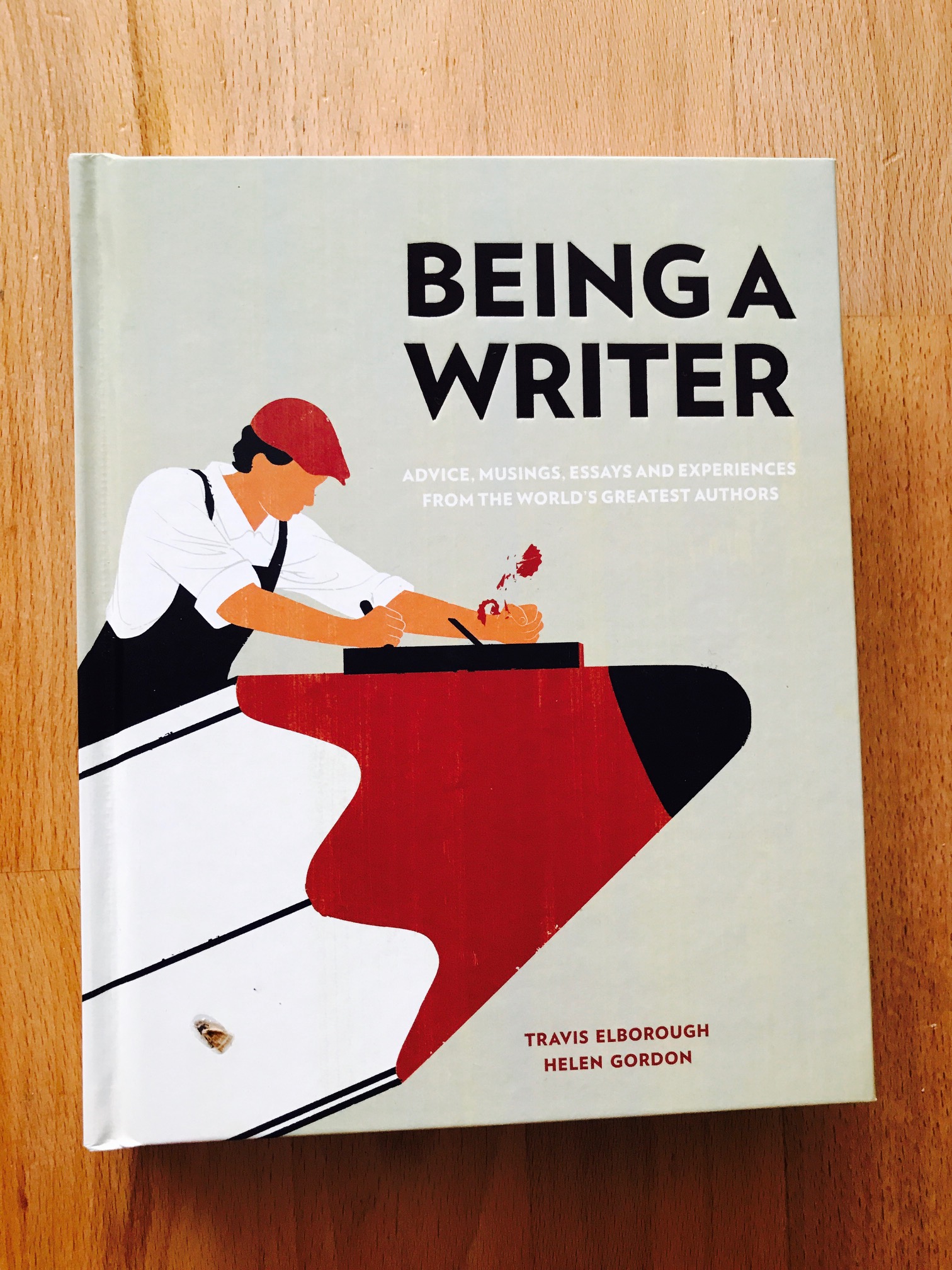
Being a Writer: Advice, Musings, Essays and Experiences From the World's Greatest Authors

‘From a very early age…I knew that when I grew up I should be a writer….Between the ages of about 17 and 24 I tried to abandon this idea, but I did so with the consciousness that I was outraging my true nature and that sooner or later I should have to settle down and write books.’ George Orwell.
The above is a quote from this brilliant book. As a writer I could not put it down. I loved it. It is full of inspiration to keep you going when things are rough, and also when you are procrastinating. Divided into sections of introduction, becoming a writer, methods and means, failing, the art of writing, and a sense of an ending. This book can get you out of a jam and has great advice. It now has pride of place on my bookshelf and I will be dipping in whenever I need a dose of inspiration. An essential book for writers.

The joys and challenges of being a writer are explored in this inspiring assemblage of wit, wisdom and hard-won practical advice from some of the world’s greatest authors musing on the art of writing and how they came to define themselves as writers. From Samuel Johnson in eighteenth-century London to Lorrie Moore in twenty-first-century Wisconsin, the contributors range from the canon to contemporary, covering more than 250 years, and come from all over the world. Beautifully illustrated throughout, this stunning anthology explores and illuminates the pleasures and pitfalls of the compulsion to write, with advice about the whole messy business of writing literature and what it takes to be a writer. The perfect gift for aspiring writers, curious readers, and anyone interested in what the world’s greatest authors have to say about the art of writing.


by Travis Elborough (Author), Helen Gordon (Author), Joey Guidone (Illustrator)

Being a Writer: Advice, Musings, Essays and Experiences From the World’s Greatest Authors is available here. 


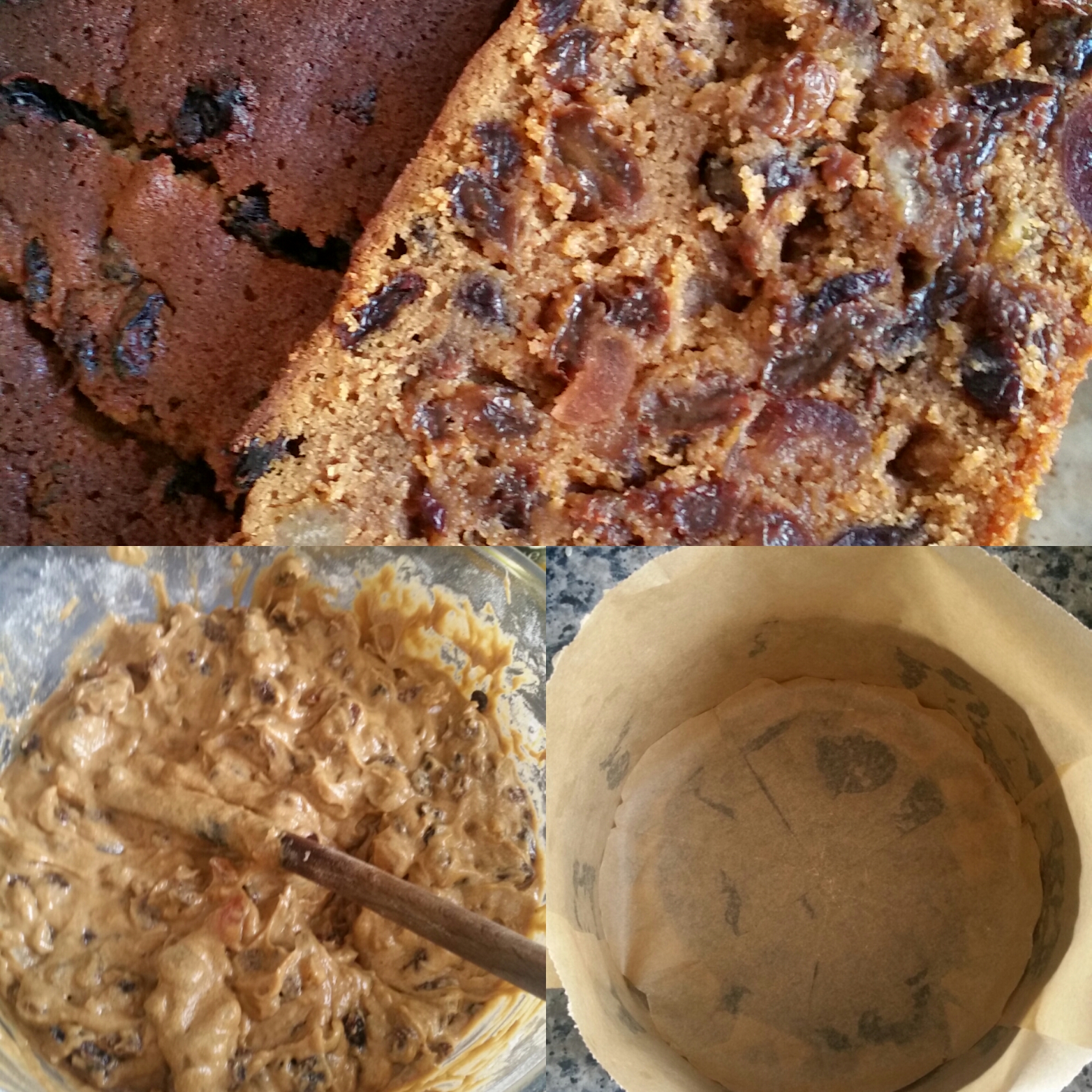
Classic Fruit Cake

It is time if you are so inclined to start preparing for Christmas and making your Christmas cake and Christmas pudding. There are a number of great Christmas bakes from around the world such as Weihnachtsstollen or Christstollen or simply Stollen in Germany, the familiar dome shape of Panettone from Italy or the French Bûche de Noël or Yule log, a rich iced chocolate cake. In the United Kingdom we traditionally celebrate with a decorated spiced, fruitcake.* The cake is normally covered with a layer or marzipan then fondant or royal icing and decorated with Father Christmases, red-breasted robins, bows, bells, holly, and other Christmas symbols.
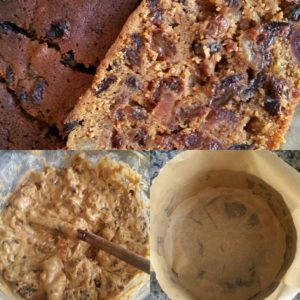
This is my goto recipe for fruitcake, rich and flavoursome enough for a christening or wedding cake or a Christmas Cake, it is sturdy enough to carry the weight of marzipan and icing and be used in tiers. It is a real family favourite and we bake at least one a month, it is a great match for a nice crumbly cheese like Wensleydale or Caerphilly, which is a proper nod to my Yorkshire ancestry. I haven’t specified the dried fruit you can use a mix of raisins, sultanas, currants, cherries, apricots, cranberries, prunes or figs and you can omit the nuts if you prefer and add an extra eighty grams of flour. I use raisins, sultanas, lots of cherries and dried mixed peel.

The secret to a rich, delicious Christmas cake alongside a generous mix of seasonal spices is to feed the finished cake. In the run up to decorating your cake you can add a couple of spoonsful of whisky, sherry or brandy to the cake to really keep it moist.

*Dundee Cake is a lighter fruit cake made with currants, sultanas, mixed peel and almonds and flavoured with whisky. It was popularised by a Scottish marmalade company called Keiller’s, who first mass-produced the cake commercially in the mid-nineteenth century and claimed to have introduced the name ‘Dundee cake’. It is normally topped with rings of blanched, whole almonds.


Classic Fruit Cake

750 gr Mixed Dried Fruit

200 gr Self Raising Flour

250 gr soft Unsalted Butter

250 gr light Brown Sugar

100 gr Ground Almonds

75 gr Flaked Almonds

5 large free-range Eggs

1 tablespoon Black Treacle

1 teaspoon Ground Ginger

1 teaspoon Ground Cinnamon

½ teaspoon Ground Nutmeg

A generous pinch of Ground Cloves

½ teaspoon Baking Powder

1 teaspoon Almond extract

100 ml Brandy, Whisky or Bourbon

Zest and juice of 1 Orange

Zest and juice of 1 Lemon


Buttered, lined, deep twenty-centimetre cake tin

Put the dried fruit, zests and juice and alcohol into a large bowl and leave for twenty-four hours stirring occasionally. Heat oven to 150C / 300 F / Gas Mark 2. Put a damp cloth onto the work surface and place your largest mixing bowl on top. Add the softened butter, sugar, treacle and almond essence and cream together. Crack the eggs one by one into a small bowl to check they are fresh, then combine and whisk together. Sift the flour, spices and baking powder into another bowl.

Add the egg mix in batches and beat into the butter and sugar mix. Add a couple of tablespoons of flour with each batch to prevent the mix from splitting. When all of the egg is mixed in add the remaining flour and spice mix and fold together until thoroughly combined. Add the soaked fruits and flaked almonds and gently stir together. Tip the cake mix into your prepared cake tin, and tap on the work surface to knock out any pockets of air. Place in the centre of the oven bake for an hour, cover the top with two layers of baking paper and turn the oven down to 140C / 275 F / Gas Mark 1 and cook for around two and a half to three more hours or until a wooden skewer inserted in the cakes centre comes out clean.

Remove the cake from the oven and allow to cool. To feed your cake poke holes in it with a skewer and spoon over tablespoons of your chosen alcohol, wrap in fresh baking paper and tin foil and place in a biscuit tin or plastic tub. Feed the cake with two tablespoons of alcohol every fortnight, until you marzipan it before icing.

Juice Burst Launch Fruit & Veg Range

Juice Burst are determined to stay at the top of their juice game and we think their revamped juices are a hit. With both fruit and veg in their newly launched flavours, Juice Burst have also made sure that the reformed flavours contain No added sugar, flavours and sweeteners.

Strawberry and Beetroot is a hit and perfect for a pre-workout drink. With beetroot containing properties which open up blood vessels and packed full of antioxidants, this is the perfect purple pick-me-up.

Apple and Cucumber is perfectly refreshing served over ice and an excellent source of fibre.


Our favourite flavour comes in the form of a perfectly autumnal shade. Orange and Carrot is just the tonic you need to get through the colder months. With a huge blast of Vitamin C, beta-carotene to boost the immune system and Vitamin A which supports cell rejuvenation, we are going to use this as our winter tonic to prevent any unwanted illnesses.

Juice Burst is available to buy in WH Smith, Superdrug and other good retailers for £1.25

Superhero Movies at a Crossroads?

The latest Marvel movie and the third in its Norse chapter, Thor: Ragnarok, may herald a marked change in that franchise’s approach to superhero films.  The production of these films is as predictable as a car assembly line and their content as varied as the colours of a Model T but with Thor Three a new ingredient has emerged, that of humour.  In contrast I was recently at a cinema to see Blade Runner 2049 when the trailer for DC’s Justice League came on.  There was a palpable sense of ennui from the audience.  Perhaps they had already signalled their indifference to superhero fare by choosing to see Blade Runner but I sensed a shift that just might dent one of these studio giants.

Taking its cue from the Guardians of the Galaxy films, Thor Three’s accent is firmly on the comedy.  Thor himself is self-deprecating and droll while supporting characters present plenty of less than super attributes.  Tessa Thompson plays a Valkyrie who, when not booting monsters all over the place, advocates heavy drinking.  The really surprising thing is that she does not experience an epiphany and hold forth against the demon drink when her character arc demands it.  And, considering that Marvel Studios is a subsidiary of Walt Disney, this is a turn-up.

Superheroes are a sexless bunch but, finally, in Thor Three we detect some lewd thoughts flickering between our beefy god of thunder and his fetching Valkyrie.  There is the faintest tickle of potential hanky-panky between these traditionally po-faced heroic archetypes.  At one point the goodies have to fly their spaceship into a black hole called the Devil’s Anus. Change is indeed afoot.

Meanwhile over at DC studios, the same old formula that brought you the excruciating Superman: Man of Steel and the tired Batman v Superman: Yawn of Justice, (sorry Dawn), is busy promoting its latest commodity.  Justice League brings together Batman, Wonder Woman and some other assorted gimps you’ve never heard of to fight someone called Steppenwolf.  It’s tiring even writing this stuff.  Judging from the trailer it’s all square jaws and CGI fisty-cuffs with little evidence of the refreshing wit found in Thor.

Will audiences tire of these cinematic facsimiles?  I sincerely hope they do.  This may sound mean-spirited but my objections to this cycle of inanity are not based merely upon personal taste.  The money poured into these productions is immense; Justice League had a budget of $250 million.  For all that, we will get some feeble musings on the nature of good and evil wrapped up in a 120 minute montage of FX enhanced martial arts.  It is truly depressing how much stock, young people especially, put into what are ultimately conservative, status quo perpetuating sagas that are brainless and backward.  Wonder Woman broke the mould with a female lead after decades of male protagonists.  Racial tokenism is rife while the presence of gay characters, despite appearing in the comics, have yet to materialise on screen.

While Thor Three did provide some cheer for the super-weary, the end of spandex-clad shenanigans is not nigh.  The Asian market continues to bolster these movies even when they perform poorly in the west.  William Goldwyn famously stated that in Hollywood, “Nobody knows anything.”  He was talking about the unknowable formula for making a hit film.  Today I fear that Hollywood executives know exactly what to do.  Until one of these films tanks at the box office the procession will persist and the cinematic landscape will be the bleaker for it.

Save

New Book Explores Early Language Development

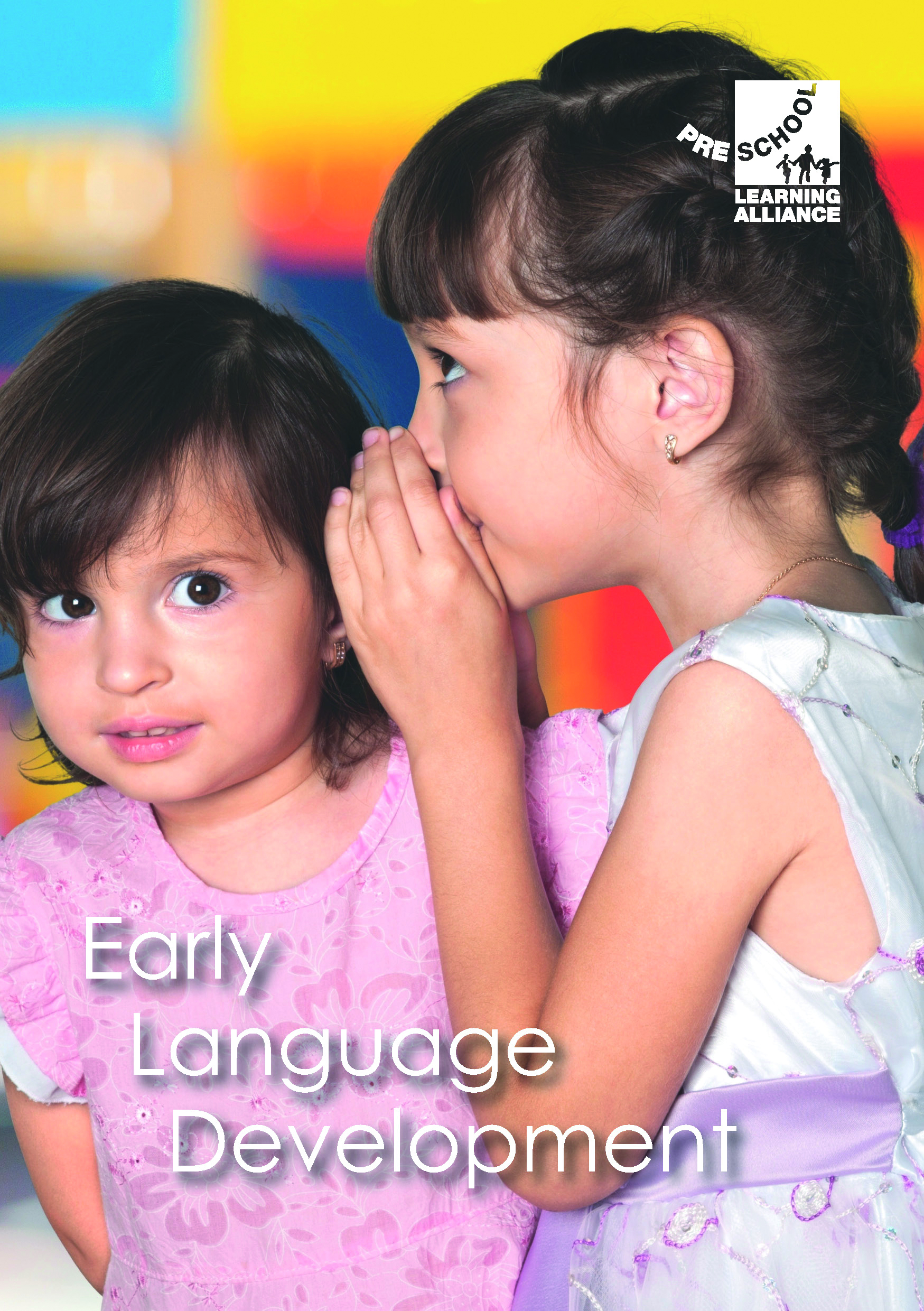
 Early Language Development, babies, toddlerCommunication and speech in the early years is important and this great book gives plenty of tips and information on how to get the most from children. It has great information from recent studies and experts. Perfect for parents, teachers, or anyone else who works with young children. We highly recommend this book. 

New Pre-school Learning Alliance publication Early Language Development explores research techniques into communication development in very young babies, and even the developing foetus.

Language development represents a massive leap in learning over a relatively short period of time; from no discernible language at birth to functional verbal conversations by the age of three.

Researchers have plotted the course of children’s communication development from birth to adulthood so that we have a clear idea of what typical development looks like, however we still know little about how babies take their first steps towards language learning, and how the brain begins to adapt from what seems like a ‘blank slate’ at birth to an organ capable of processing the complexities of spoken language.

In recent times, research techniques have been developed which allow us new and sometimes surprising insights into communication development in very young babies, and even the developing foetus. This book uses these findings to provide what is perhaps a less familiar perspective on language development, and to reflect on how new research findings can inform how we support language learning.

Early Language Development considers babies’ first steps in language learning and explores the music of language, which includes the use of pitch, rhythm and intonation, on their journey to access the structure and meaning of the languages they are exposed to.

Interaction with adults and other babies is looked at as they move from adult initiated exchanges to their own attempts to begin a ‘conversation’. It will support parents to develop an understanding of some of the complexities of learning language and to use this knowledge to reflect on and identify ways in which babies’ and toddlers’ language development can best be supported within early years settings. The impact of high exposure of screen-based technology on language development is also scrutinised, with guidance on what action practitioners can take to minimise any detrimental effects.

Michael Freeston, quality improvement director, Pre-school Learning Alliance, said, ‘Communication and language is one of the most important aspects of learning; in its own right and also as a foundation for children to develop in all other areas.’

FURTHER INFORMATION

Early Language Development (Price for Alliance members: £11.55; Price for non-members: £16.50)

How to order:

W: www.pre-school.org.uk/shop

T: 0300 330 0996

E: shop@pre-school.org.uk


ABOUT THE ALLIANCE

  • The Pre-school Learning Alliance is the largest and most representative early years membership organisation in England. A registered educational charity, it also provides high-quality affordable childcare and education to support children and families in areas of deprivation throughout the country.
  • The Alliance represents 14,000 member settings and supports them to deliver care and learning to more than 800,000 families every year. We deliver family learning projects, offer information and advice, produce specialist publications, run acclaimed training and accreditation schemes and campaign to influence early years policy and practice.

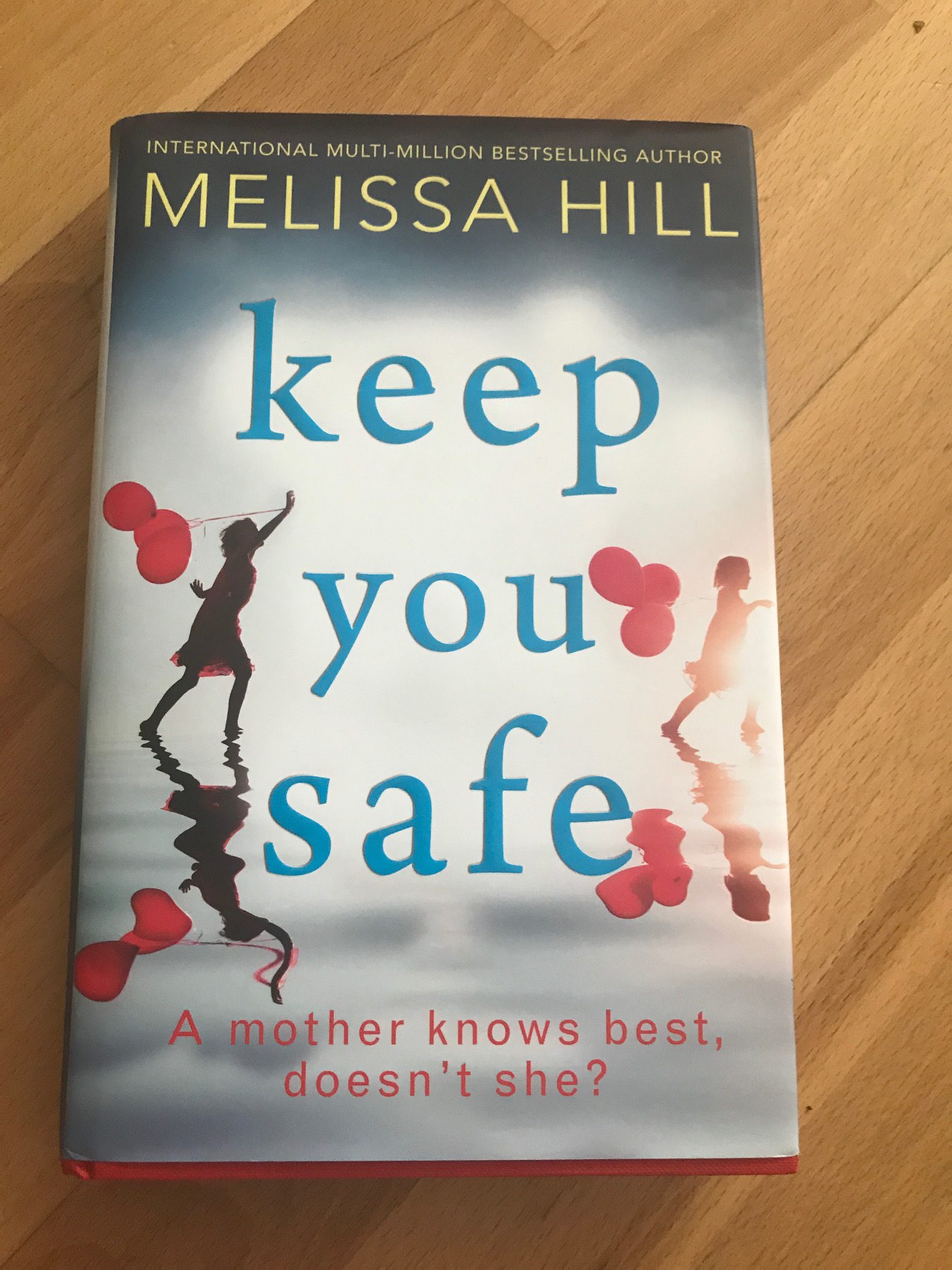
Keep You Safe By Melissa Hill Book Review

Keep You Safe Melissa Hill

When I first took this book out of its envelope I was not sure I wanted to read it. As a mother I was worried it would play on my fears. But you should never judge a book by its cover and I jumped in. To say that I loved the book would be an understatement. It really pulls you in and does not let go. It is not just that it is well written, it also carries the story along so well, and is so believable. The characters are well rounded and relatable, even if sometimes they do something you think is idiotic. This book takes an issue that rumbles on in society: the MMR vaccination and its link to autism, and the consequences to people not vaccinating their children, and then tells the story in a riveting way. It also has a mummy blogger in it, which makes the book even more relevant. Modern and entertaining: you will be gripped until the very last page. A stunning book.


A mother always knows best. Doesn’t she?

What if your choice for your child could harm someone else’s?

Every mother faces impossible choices. Vaccination is one of the hardest. For single mum Kate O’Hara, there was no decision to make. Her daughter Rosie is one of a small percentage of Irish children who can’t be vaccinated against measles. All Kate can do is hope that her little girl is safe.

For mummy blogger Madeleine Cooper, it was a leap of faith she wasn’t prepared to take when she and her husband declined controversial measles jabs for their daughter Clara. All she can do is pray that it’s the right decision.

But when classmates Clara and Rosie both become sick will Kate pay for Madeleine’s choice?

A stunning and addictive new book club read from beloved bestselling Irish author Melissa Hill that explores every mother’s worst fear


THE BUSINESS OF BOOKS: RIPPING THE VEIL – Jane Cable on the art of the ghost story

Despite the pumpkin-orange commerciality of Hallowe’en its roots go back deep into history. Further than All Hallows preceding All Saints in the Christian calendar, back to a more pagan past and the festival of Samhain.

As I discovered when I was researching The Faerie Tree, Samhain is the time when the veil between the living and the spirit world is at its most fragile; the perfect moment to honour the dead and to reconnect with our ancestors. The time when you’re most likely to encounter a spirit, perhaps – or maybe to tell a ghostly story.

I believe that tales of those who have passed beyond our world have been part of human history for millennia. It’s something that archaeology can never prove, but what is known about early civilisations is that they worshipped their ancestors. And if you worship them, you will naturally pass down stories about them and perhaps they will even come back to visit you. So maybe you start to tell stories about that.

Even now there is a great deal of emotion invested in family ghost stories. Authors Rosemary Noble and Julia Macfarlane agree. Julia edited Chichester Ghost Walk, a collection of short stories which form a walk around Chichester city centre or can simply be read for pleasure, and when she guides the walk herself she has to make sure someone else reads The Cottage Vision. “It’s based on my Nanna’s vision of her son drowning,” she explains, “I fill up, every time.”

But how to create a spine tingling ghost story? When I started to write The Cheesemaker’s House I’m not sure it was my intention, and when my characters took me there it was how to get it right that terrified the living daylights out of me. My basic premise was to ground my characters so firmly in the real world that when they slipped elsewhere – or elsewhere slipped to them – it seemed effortless and ephemeral at the same time. Writing in the first person helped; it meant I could be inside Alice’s head, feeling her emotions, and making sure my readers felt them too.

My aim became to write a story which while hard to put down wasn’t so scary that my readers couldn’t sleep when they did. However one of my very few beta readers, a man in his late twenties, rode a coach and horses through that idea when he emailed to say he’d been reading the book while his girlfriend was away and had been forced to sleep with the light on.

Research is also key. I am lucky enough to have access to the library at The College of Psychic Studies which is stacked floor to ceiling with books around the subject of consciousness beyond matter. There I learnt the difference between a spirit and a ghost and was able to read first hand accounts of those experiencing their presence – and those whose calling it is to mediate between the different worlds on either side of the veil. I can’t recommend the college enough as a resource – to find out more about its work visit https://www.collegeofpsychicstudies.co.uk/.

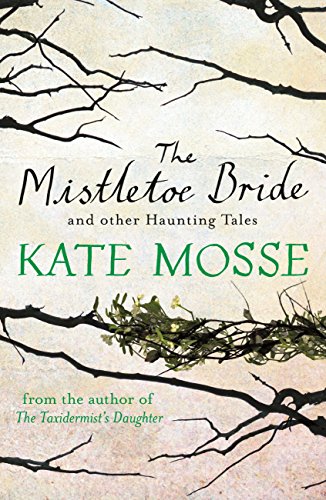
But above all, if you want to write a ghost story then read them. Find out how other writers create emotional buy in and weave a magical web of suspense. For me Kate Mosse is mistress of this art. It was as I was reading The Winter Ghosts I realised that if I could learn her subtlety I could do this too. But for reading around the fireside as the nights draw in dip and out of The Mistletoe Bride & Other Haunting Tales. The stories are so diverse I’m sure you’ll find something to inspire you.

Pasta Remoli – A Must for Italian Food Lovers

There is nothing more satisfying than hearty Italian food especially as the nights are getting a little more chilly. Personally, finding a good pasta restaurant is surprisingly quite the challenge in London and i’m still making my way through the catalogue of recommended Italian restaurants. One of the things I look for is a menu specialising in specific regional food. Currently, Pizza is having it’s renaissance, so it’s about time that pasta had its time to shine and no place says that more than Pasta Remoli.

You may have walked past the store in the Great Eastern Market in Westfield with an array of fresh pasta displayed tempting you to grab a bite or take home and experiment yourself. This is the beauty and simplicity of the place, you choose your pasta the style you want it, your sauce and finally your cheese. Pasta like many things is a personal experience, and Pasta Remoli ensures you get to keep it that way. They can recommend different combinations but the end course is down to you. Needless to say, the success of the Westfield branch led them to open Pasta Remoli in Finsbury Park and we couldn’t wait to get stuck into their appetising menu.

Trained in the art of traditional Roman cuisine, Remoli has taken all that he has learnt and made sure that his passion for the Slow Food movement is also reflected in the menu. The food is honest, traditional and encompasses the authenticity of Italy, particularly Rome with a good list of traditional Roman dishes alongside the pasta.

For starters we tried the Burrata Cheese & Parma Ham and the Mussels and Clams. Simply named and simply delicious, there are no frills and flounces on the menu. The dishes and ingredients do the talking and when the food arrives there is a moment of silence as we get immersed in to the Italian eating experience before sharing everything between us. Burrata (literally meaning buttery), is melt in your mouth good. The Mussels and Clams are served in traditional Italian fashion inside a broth of garlic chilli and fresh parsley and fill the table with smells of the Med.

For our main, we tried bestseller Truffle ravioli in a creamy mushroom sauce with lots of Parmigiano. In true Italian style, this is exactly how pasta is meant to be cooked. It takes a real expert to balance flavours such as high quality truffle daringly against the creamy sauce and the Parmigiano but the indulgent trio makes for a great, satisfying dish. Best for big appetites and loose trousers.

We then went for a traditional Roast Chicken a staple on any Italian menu. The chicken is marinated for 24 hours in paprika chili and herbs and served alongside veg and roast potatoes. Simple on the menu, I must tell you this was out and out Soul Food. The Chicken was cooked well, retaining its tenderness but it was the roast potatoes that won me over, if they could accompany any future meals I would be very happy. They were crispy in the right places soft in the middle, seasoned to complete perfection. A great lesson on how simple dishes done well produce the best food.

The finale was a dessert worth waiting for, Gluten Free Tiramisu Remoli, the biscuits being the gluten free part! This was surprisingly light and a delight. I’ve never really been a fan of tiramisu but this was far from the boozy affair. Served with a shot of Limoncello this was the perfect end to an incredible Italian experience. I will be back and order everything else I didn’t get to try and the same things all over again.

The restaurant is unpretentious and warm. We saw groups of friends, couples, singles and the restaurant had large enough tables to accommodate a large group planning a surprise birthday. Feeling comfortable in a restaurant is all part of the experience and thankfully Pasta Remoli is set over a great enough area where you can move around freely without bumping into/being trapped by the next table. The service was excellent, they navigated the menu well and were attentive without being too fussy. Three courses for two diners with wine came to around £70. Unbelievable value considering the quality of the food we had just had in a London restaurant. Searching for a quality Italian restaurant is no longer a challenge now I have found Pasta Remoli.

Want to learn how to perfect your pasta?

Simone Remoli will be hosting a series of Pasta Masterclasses at the Bellavita Academy every Tuesday in November. With four masterclasses to choose from dealing with different types of pasta making. You can take part in a single evening class, or a four week course where you’ll learn Simone’s top tips and enjoy your dishes after every session. For more information and to book visit www.pastaremoli.co.uk