Slumbersac Sleeping Bags For Babies Review

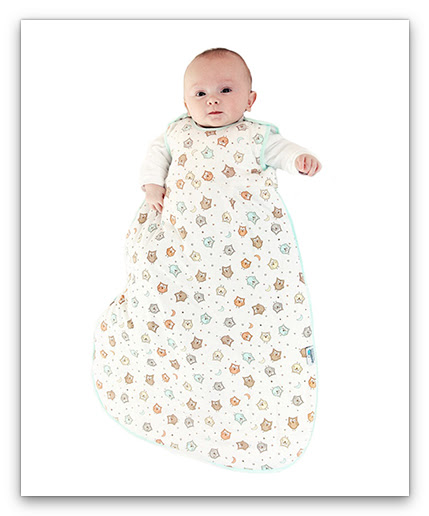
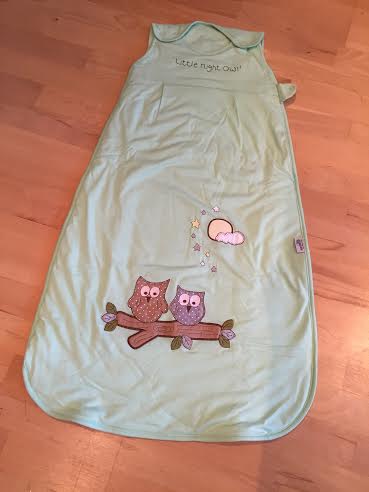
slumbersacThere are a number of reasons a baby will wake you up at night: hunger, a wet or dirty nappy, boredom. Thankfully with the invention of baby sleeping bags your baby kicking of their sheets and waking you up because they are cold is a thing of the past. Our first thought when we first opened the Slumbersac packaging was how big it seemed. It has buttons at the side for the arms to make sure your little one is securely in. There is also a zip that goes down the side and along the bottom. There are buttons that fasten at the top, making it easy to put baby in. The Slumbersac is easy to use and the fabric feels nice and soft. Made with 100% cotton and lined with 100% pure cotton, they are rigorously tested and can be both machine-washed and tumble-dried. The design is cute and baby likes it. We were sent the green owl one to review and we love the design.

Slumbersac has a good choice of sleeping bags that caters for a wide range of ages from newborn right up to 10 years old.There is a great choice of designs to choose from featuring beautiful embroidery, appliqués and prints to suit both boys and girls. They are priced from £9

www.slumbersac.co.uk Also available from rakuten.co.uk.

slumbersac

Benefits of a Slumbersac sleeping bag

• Safe: We all want to make sure our children are as safe as possible, and a Slumbersac sleeping bag can really help. Conventional bedding can ride up and cover a baby’s face, causing breathing difficulties. In a Slumbersac bag, your baby can wriggle about as much as he likes without accidentally covering his head, which greatly reduces the risk of suffocation. Just as importantly, with a sleeping bag it’s much easier to make sure your baby is at the right temperature, not too cold and not too warm. This is significant because overheating is one of the risk factors implicated in sudden infant death syndrome (SIDS).

• Convenient: With a Slumbersac bag, getting baby to bed is easy – just put them in the bag for a cuddle and then put them down in their cot or moses basket! The familiarity of their sleeping bag acts as a signal that it’s sleep time, which helps them to settle more quickly, and the warm and cosy bag will help them to drift off with minimal fuss. Plus, night-time nappy changes are made easy with the all-round zip.

• Comfortable: Slumbersac sleeping bags are made from 100% cotton with a soft and quick-dry fleece filling for maximum comfort and ideal for sensitive skin, so your baby will always be safe and snuggly. And because there are no covers for baby to get tangled up in, they are much more likely to sleep well – and so are you!

• Ideal Temperature: Baby Sleeping bags keep your child at a constant temperature during the night, which is safer and results in better sleep.

• Familiar comfort: Baby sleeping bags are ideal when traveling, on holiday or sleepovers as babies feel more at home in their sleeping bag. Your child is naturally more unsettled when traveling. The familiarity of their sleeping bag will help them settle in new and unfamiliar surroundings. Slumbersac’s specially designed travel sleeping bags can be used in car seats and buggies where your baby can be securely buckled into any seatbelt.

• Value: Slumbersac’s aim is to deliver quality, comfort and safety at a price you won’t find anywhere else! Slumbersac aim to offer their customers second to none customer service and receive impeccable feedback.

• Choice: Slumbersac offers a range of innovative products to compliment their sleeping bags, from sleeping bags with feet to bedding and comforters. They offer a wide choice of designs to suit all needs from birth to 10 years.

• Easy care: Slumbersac sleeping bags can be machine washed and tumble dried.


It Is Time To Break The Taboo of Urinary Incontinence

The issue: urinary incontinence. Something that an estimated 1 in 3 women of all ages suffer from, and many don’t even speak to their GP. Sadly it is still a taboo subject but here at Frost we want to raise awareness because help is at hand. Women do not need to suffer from this inconvenient issue. World Continence Week is coming up this month between 22-28th June and it is the perfect time to talk about this important issue.

There are some interesting statistics in the Femifree Lifestyle Report.
Print

Femifree is a new, non-invasive device for the treatment of urinary incontinence which uses advanced technology to strengthen the pelvic floor muscle. It is innovative, advanced technology and is clinically proven. It helps strengthen and retrain the pelvic floor muscle, reducing the effects of urinary incontinence. It is non-invasive as the garment is worn outside the body.

While other products are invasive or uncomfortable, Femifree does not include any internal probes or pads. It is a real solution to a serious issue. It works through a controller and garment that are simple to use in the privacy of your own home.

femifree

More information here: http://www.femifree.com/en-uk/

And check out this amazing video.

Prima online and NetDoctor have also discussed this important issue:

http://www.prima.co.uk/diet/femifree
http://www.prima.co.uk/diet/breaking-the-silence-the-secret-health-issue-one-in-three-of-us-suffer-from
http://www.netdoctor.co.uk/femifree-advertorial/learn-to-laugh-again.htm

 Sponsored post.


There’s Something Fishy About Our Lives… Leading Experts Detail New Research and Science Concerning Brain Health

On Thursday 11th June, The Ivy played host to a presentation by three leading experts who detailed new research and science concerning brain health from cradle to grave,

including the importance and benefits of omega fatty acids.

Professor Michael Crawford, a director of the Institute of Brain Chemistry and Human Nutrition gave a brief synopsis of what makes our brains ‘tick’, outlining latest brain health research including how omega fatty acids support optimal cognitive function.  Thirty years ago, he predicted dangers if long-chain DHA and EPA omega-3 dietary intakes were not increased, a prediction in danger of coming true as rates of depression, schizophrenia, Alzheimer’s and other cognitive disorders spiral in the western world… he opened with a grave and eye-opening statement:

“We are facing the most serious crisis ever in terms of future sustainability of homosapiens… it has now been vindicated as brain disorders have overtaken all other burdens of ill health.  In the UK, the cost was assessed at £77 billion for 2007.  A recent update by the Department of Health came out at £105 billion. This cost is greater than heart disease and cancer combined. 

Moreover, the greatest rise is amongst children…”

 VIS_0579

World-Rhino-Day-2011-low-res[1]

So… why the rhino?

It’s been a common misconception that fish and seafood provide the highest content of protein, that’s why we eat it… right?  Wrong!  Protein is readily obtainable and the cow, horse and rhinoceros all gain their optimum intake from grass. Human developmental biology is all about brain growth and the human brain is approximately 60% fat, but, In fact, human milk contains the least amount of protein compared to any other large mammal.   There is abundant evidence in animals and humans on the need for DHA for the brain, but fish and sea foods are not necessarily of major value for protein but are for their essential fats and trace elements needed for good brain development and health.

The brain evolved in the sea 500-600 million years ago using marine fats and trace elements. It still uses the same today, so addressing this issue is the greatest challenge we face as humans.  It’s commonly noted that a  well-managed diet containing effective levels of omega-3 helps parents and professionals manage conditions like dyslexia, attention-deficit hyperactivity disorder (ADHD), dyspraxia and autism spectrum disorders.

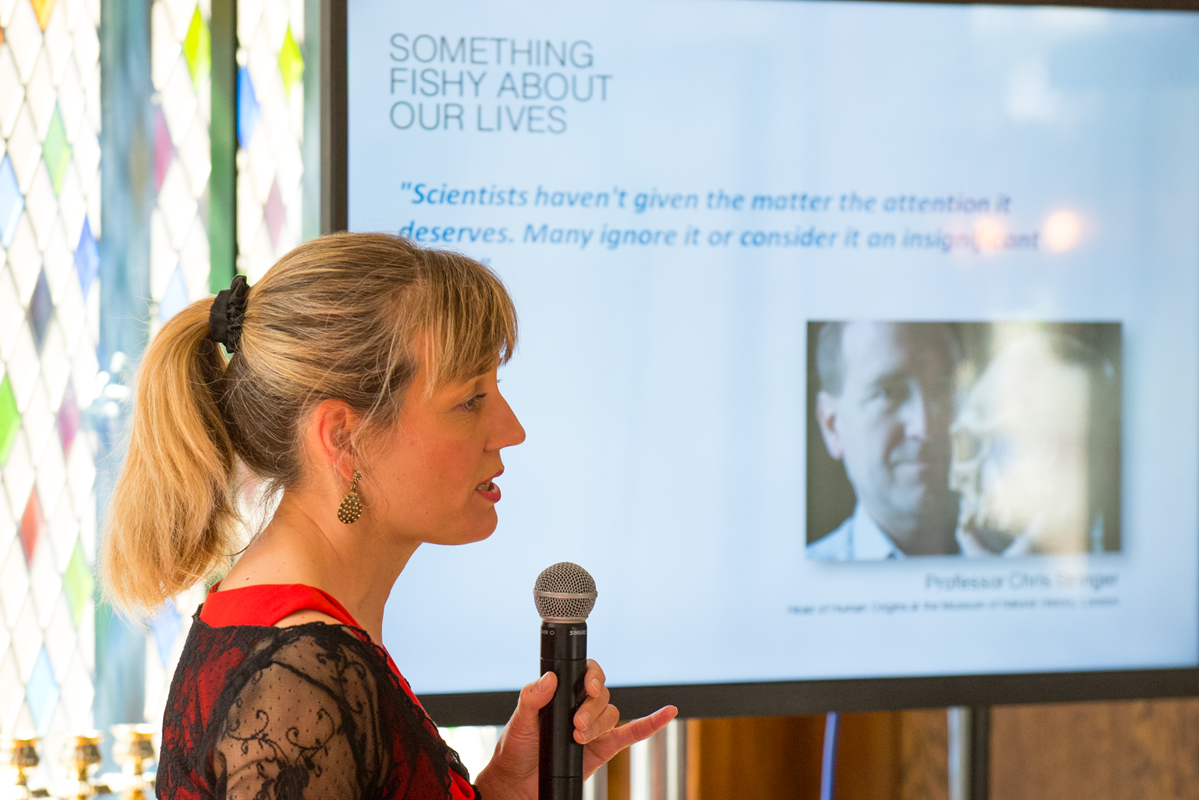
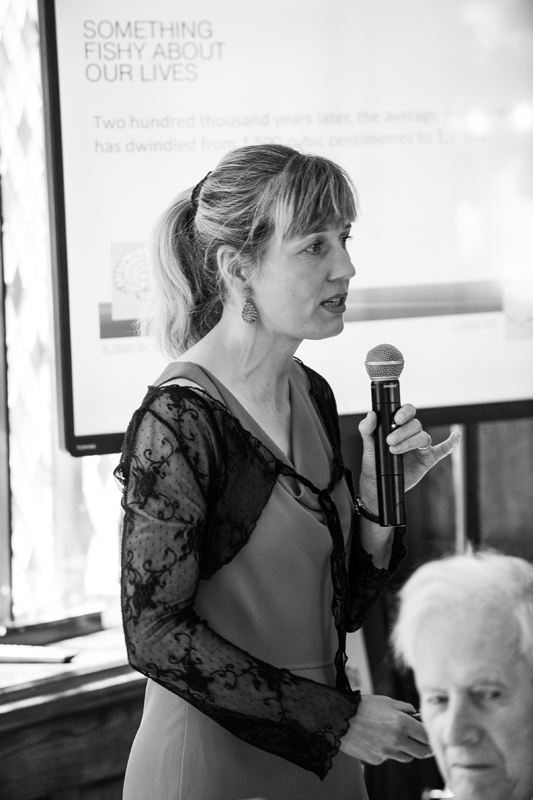
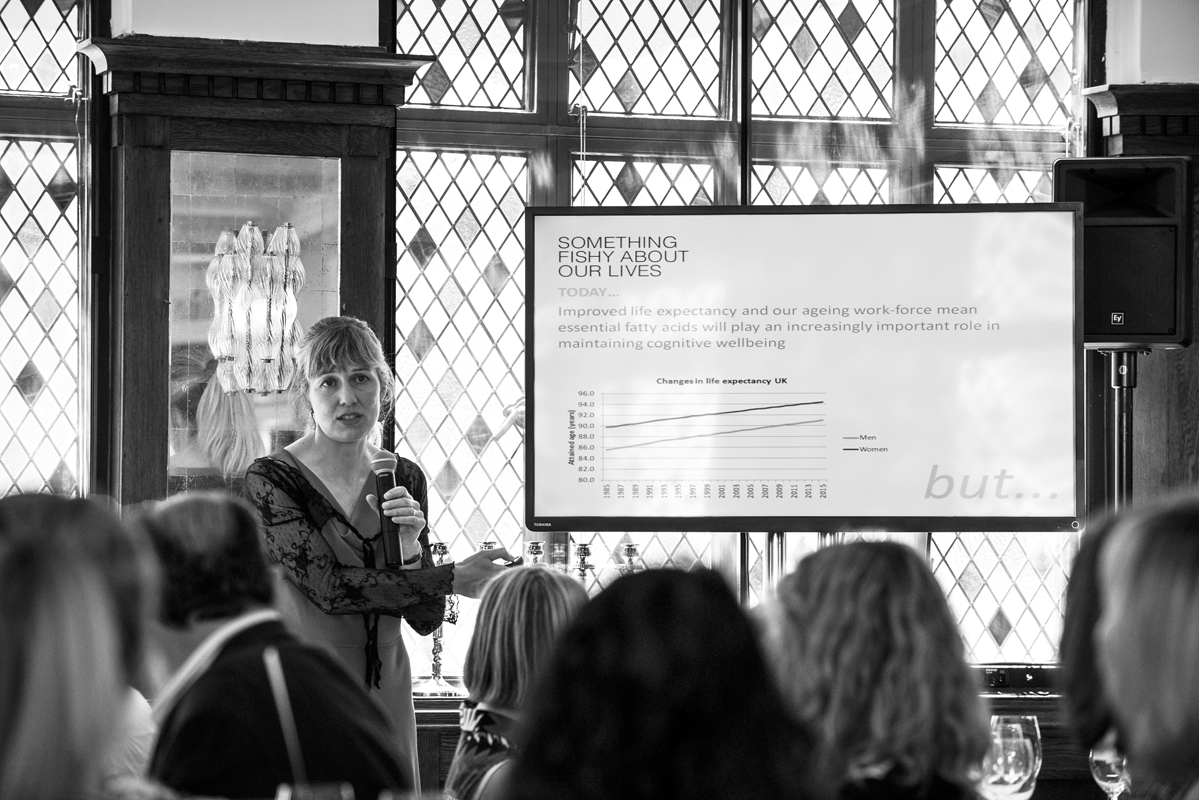
Award winning dietitian Dr Carrie Ruxton examined omega intakes in the modern day diet and benefits of omega-3, whatever our age.  She outlined that, in dietary terms, things began to go wrong when we made the shift from hunter-gatherer to farming, around 10,000 years ago.  The fossil record shows that as our intake of omega-3 began to tail off, our brains began to shrink, with the average male brain dwindling from 1,500 cubic centimetres to 1,350 cubic centimetres.
VIS_0560

Dr Ruxton went on to explain the ‘fabulous’ fats and ones which are less than fantastic for brain health and function.

Omega-3 is an umbrella term typically used to describe polyunsaturated fatty acids, such as DHA (Docosahexaenoic Acid), EPA (Eicosapentaenoic Acid) and ALA (alpha-linolenic Acid).  DHA and EPA can be made in the body from ALA, but the process is slow and inefficient, so regular dietary consumption is vital to ensure we get enough.

EPA is found in oily fish and plays a key role in signalling between brain cells, both anti-inflammatory and neuroprotective.  Studies have shown low blood levels in patients with depression, schizophrenia and Alzheimer’s.
VIS_0557

DHA is another omega-3 marine oil which provides the building blocks of the brain, nervous system and eyes, it makes up 40% of the polyunsaturated fatty acids (PUFAs) in the brain and 60% of those found in the retina.  A diet high in DHA is associated with improved learning ability, but a deficiency is linked to poor cognitive performance, Alzheimer’s disease, depression, aggression, stress and ADHD.

ALA is a vegetarian source of omega-3 which is most commonly found in flaxseeds.  Our body converts it into EPA, which in turn is converted into DHA.

Omega-6 includes 11 polyunsaturated fatty acids which are found in nuts, seeds, vegetable oils and animal fats.

The long and the short of it… it’s all about getting the balance right!
VIS_0566

But why are we so out of balance?

When we examine the diet up to the Victorian era, the ratio of omega-6 to omega-3 was 1:1, but an upsurge in intensive production of land-based foods since World War II is exacerbating the decline in DHA intakes which began 10,000 years ago when Paleolithic hunter-gatherers starting farming.  Now, our diet is so wildly out of step with our evolutionary age, this ratio could be as high as 50:1!  And it cannot be ignored that it’s no accident that this shift has coincided with a surge in cognitive conditions across the ages.

oilyfish[1]


During World War II, oily fish, such as herrings, were off-ration and housewives became creative in their recipes, incorporating this oily fish into the household’s diet at least once a week.  Taking a leaf out of granny’s book and bringing this nutritious food back into our day-to-day menu may take the brakes off the detrimental effects of some of the processes triggered in the brain by high-fat diets.

When questioned, the average respondent will cite tinned tuna as an oily fish, commonly teamed up with pasta for what is considered a meal high in omega-3, but in fact, tinned tuna is LOW in omega-3, due to being canned in brine or vegetable oil!

Another myth is that pregnant and breastfeeding women should avoid all oily fish, but in order to ensure adequate levels of omega-3, expectant mothers should be eating at least one portion a week.  It’s quite staggering that one UK study of 9,000 families found women with the lowest consumption of omega-3 from oily fish had children with lower IQs by the age of three.  By the time they were teens, they were twice as likely to struggle with social interactions and have trouble making friends – ‘These children may be on a developmental trajectory towards life-long disruptive and poorly-socialised behaviour as they grow up” Dr Joseph Hibbeln.

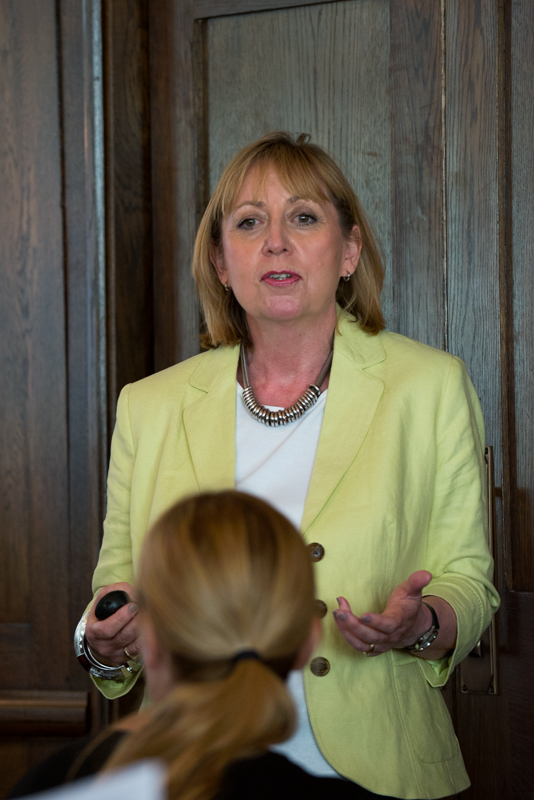
Parenting coach Lorraine Thomas provided expert advice on behaviour management in children and teenagers.
 VIS_0629

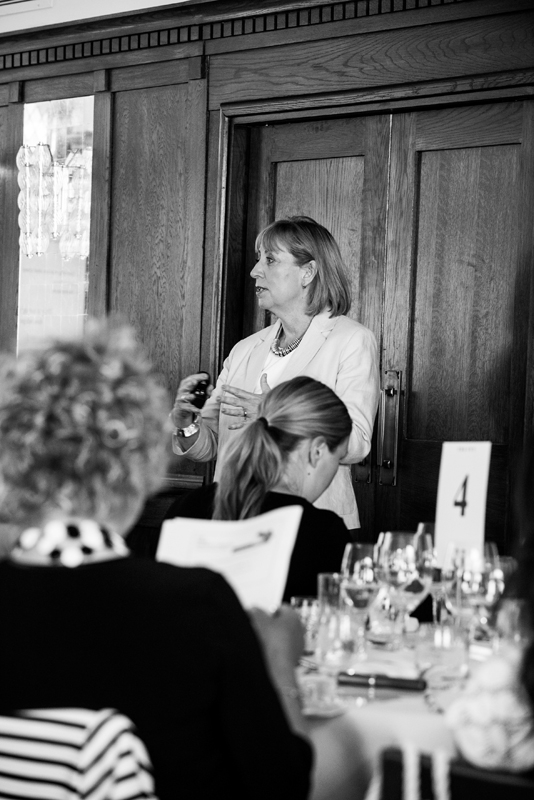
Quite reassuringly, Lorraine opened her presentation by informing the invited guests that “…tantrums indicate you and your child are developing normally, but understanding what causes them helps you manage them well.”

She outlined that working mums spend between 1 and 2 hours a day worrying, 9 out of 10 parents throw tantrums on a regular basis and 8 out of 10 act their children’s age at least once a week!

With the key trigger times being the evening routine and sleep, mealtimes and homework, Lorraine commented that, as a parent, we are our child’s most powerful role model and when you look after yourself, you are looking after your children – you are the family ‘engine room’ and great habits are caught not taught.  The greatest impacts on a child’s behaviour and attitude are following a healthy diet, exercise, sleep, fun and love.

Frantic parents have frantic children and well-balanced parents have well-balanced children, so it’s important to develop good routines and a healthy attitude.

Lorraine’s key pieces of advice:

* set your parent ‘Tom-Tom’ and create a schedule, involve your child in some of the choices

* you can’t be 100% parent all of the time, but you can some of the time

* engage all your senses and ‘tune in’ to what makes them behave in a challenging way

* eat with them whenever you can

* every day is an opportunity to make a difference in our children’s lives
VIS_0612

11292670_10153056316028031_884724128_n

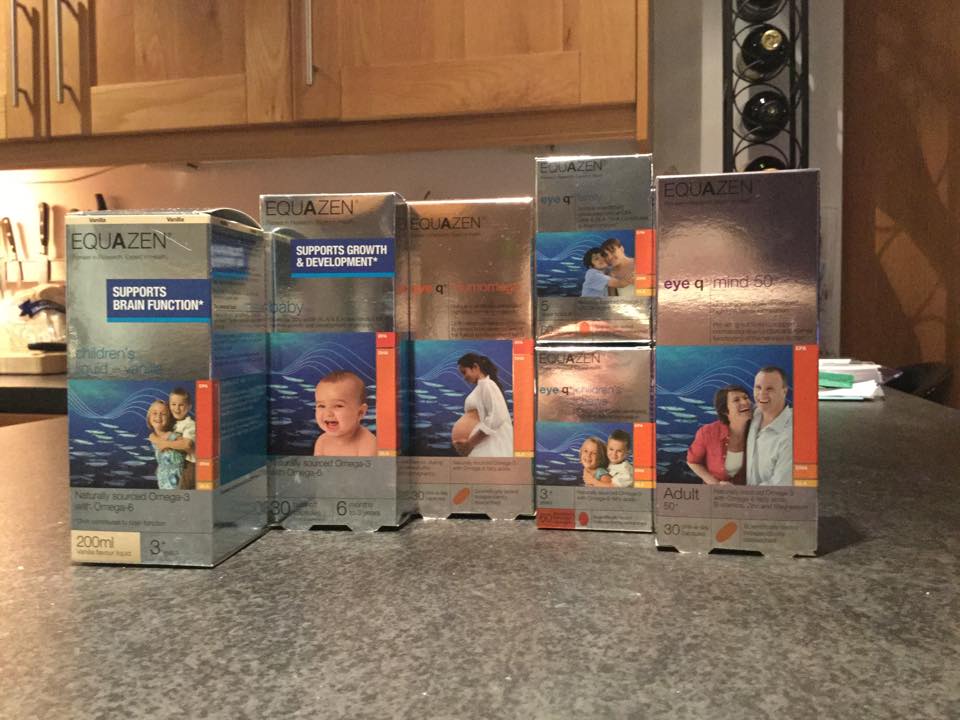
Equazen has spent many years of scientific investment to develop and create the Equazen range as we know it today, a unique formulation of both omega-3 and omega-6, meeting the specific needs of different life stages.

Equazen Mumomega is ideal for during and after pregnancy, The specific blend of omega-3 EPA and DHA, together with omega-6 GLA ensures a synergistic and balance formulation to meet baby’s individual needs.

Equazen Baby provides a balanced blend of omega-3 and omega-6 to support growth and development for babies from 6 months to 3 years.

Equazen Liquid is ideal for children 3 years+ and adults who don’t like swallowing pills and capsules – available in two flavours – vanilla and citrus.

Equazen Chews deliver a specific blend of omega-3 and omega-6 oils in a soft gelatin chew in a strawberry flavour, free from additives such as aspartame, saccharine or hydrogenated oils.

Equazen Capsules offer a combination of omega-3 EPA and DHA together with omega-6 GLA, ensuring a balance formulation to support the body’s individual needs.

Equazen Mind 50+ is a balanced formulation, great for those who find it hard to eat oily fish.

Available from: Boots, Ocado, Holland & Barrett, Tesco, Waitrose, Sainsbury’s, Lloyds Pharmacy, Amazon, independent pharmacies and healthfood stores.
_m_eYuOtXaWwEltuChIZVNGdOGhOqw8Y7WvKEbivva4

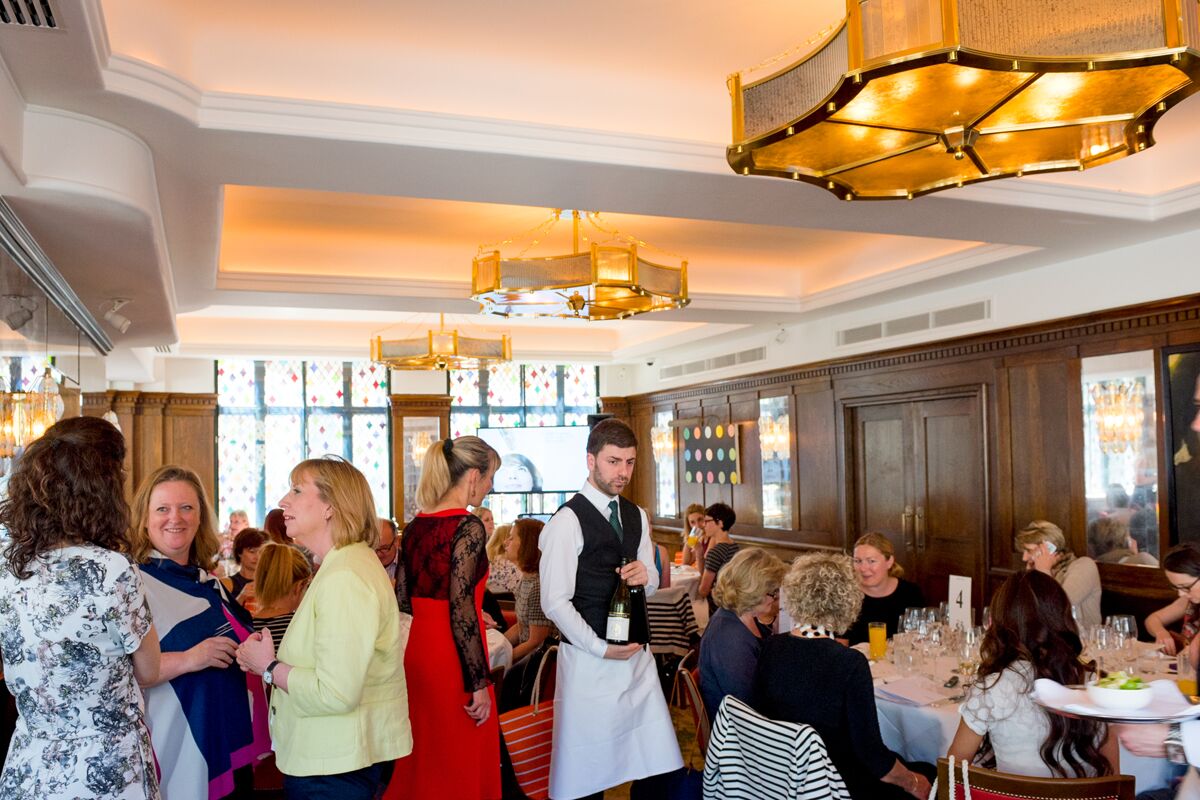
Guests enjoyed a delightful menu consisting of:

Argyll smoked salmon with soda bread and a slice of lemon, roast rump of Cornish lamb, new potatoes and spinach, gooseberry pie with elderflower ice cream and a selection of teas, coffee and petits fours with Framingham Sauvignon Blanc, Marlborough 2014 New Zealand and Château La Grave Singalier Bordeaux Supérieur 2012 France
VIS_0634

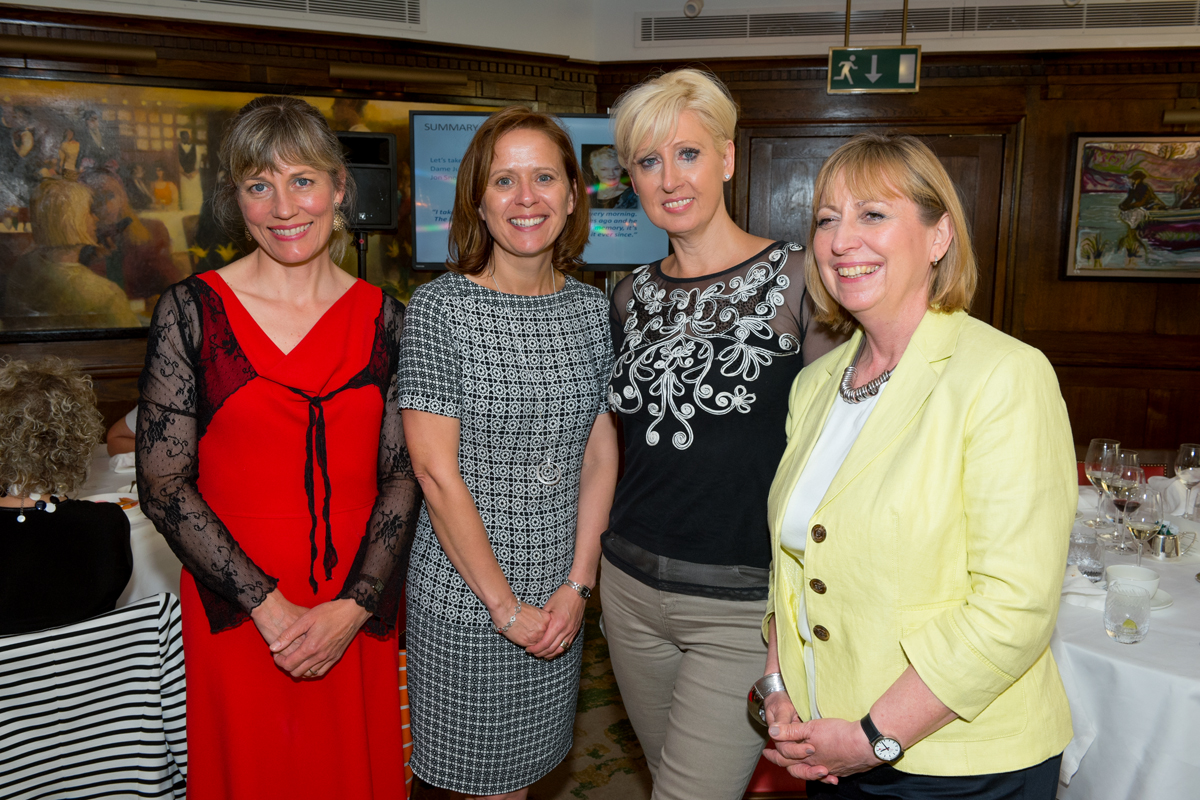
L to R: Dr Carrie Ruxton, Anita Clarke (Equazen), Corinne Tuddenham-Trett and Lorraine Thomas

Professor Michael Crawford…

Professor Crawford has been the Director of the Institute of Brain Chemistry and Human Nutrition since 1990. Having worked in the East-end of London on maternal nutrition and health with Newham, the Homerton and Queen Elizabeth Hospital for Children, he is now at Reproductive Physiology at the Chelsea and Westminster Hospital Campus of Imperial College, London. His special interest is in the role that lipids and essential fatty acids play interacting with the cellular signalling systems, i.e. the key interaction between nutrition affecting membrane lipids and gene expression.

He has published over 300 peer reviewed papers and 3 books. Amongst his several honours and prizes, he was elected by his peers to the Hall of Fame at the Royal Society of Medicine in 2010. In 2015 he was awarded the Chevreul Medal for his research on DHA identification as a major determinant of brain growth and plausible evolution of the human brain. He collaborates in research internationally and is much in demand as a lecturer worldwide.

In 1972, Professor Crawford published ‘What We Eat Today’  – available from http://www.amazon.com/What-eat-today-Michael-Crawford/dp/0854353607

– See more at: http://www.ifbb.org.uk/professor-michael-crawford#sthash.F9u1oYRZ.dpuf

Dr Carrie Ruxton…

With a PhD in Child Nutrition and over 100 published articles on diet and health, Carrie has a strong grounding in nutrition science. Yet she combines this with an understanding of the food industry and its important role in the nation’s diet.  As well as helping companies to develop healthy, innovative food and beverage products, Carrie regularly appears in magazines and newspapers, and has a number of radio and TV credits (Channel Four news, BBC Three’s ‘Honey We’re Killing the Kids’, Radio Scotland, Five Live, BBC Belfast).  Carrie has worked with a wide range of organisations including the NHS , Food Standards Agency, major food companies, ingredient manufacturers, the European Commission, PR agencies and national newspapers. Carrie’s expertise in communicating clear, evidence-based nutrition and diet messages has involved her in many different projects all over the world.

http://www.nutrition-communications.co.uk/


Lorraine Thomas…

Lorraine Thomas is the Chief Executive of The Parent Coaching Academy. She is the author of The 7-Day Parent Coach (Vermilion 2005), Get A Life (Hodder Arnold 2006) and her new book, The Mummy Coach (Hamlyn), published in 2010.  She is the parent coach for Tesco’s baby & toddler club and healthy living magazine. www.tesco.com/babyclub/

She appears regularly in the national media commenting on parenting issues.  Lorraine has over 20 years’ experience working with executives within the corporate, public and voluntary sectors. She has a first-class honours degree in education from Cambridge University and is a qualified teacher. She is accredited with distinction by The Coaching Academy.

http://www.theparentcoachingacademy.com/

The Ivy…

The Ivy restaurant and private room re-opened on Monday, 1 June, designed by Martin Brudnizki Design Studio. “Non-negotiables” such as the harlequin stained glass windows, green leather banquettes, wood, mirrors, great art and kind lighting are all incorporated in a way reminiscent of the past but apt for the 21st century. Note-worthy are the fantastic central dining bar, the new entrance and the sumptuous loos.  Chef Gary Lee has created a balanced seasonal menu, still featuring Ivy classics, but accounting for today’s tastes, incorporating more Asian dishes, salads and vegetables, and the advent of a “sea and shells” section. Director Fernando Peire continues to lead a strong and experienced team to deliver the same excellent service for which The Ivy has become well known over the years.

http://www.the-ivy.co.uk/


Images copyright Shane Finn www.visual-devotion.co.uk



Words for the Wounded Independent Author Book Award Part 2

As I said last week, The Independent Author Book Award has been a revelation. There are just so many good writers out there, which made our task hugely enjoyable, if difficult. At last we decided on commended, highly commended, and then – the winners. In the end, our decision was unanimous. Great books all three of them. Thank you all so much for entering – rest assured that 100% of the entry fees go to the wounded.

Last week we highlighted First Place achieved by Jane Cable with The Cheesemaker’s House, in the recent competition. Today we have the second place winner, Janet O’Kane.

Words for the Wounded Independent Author Book Award By WforW founder Margaret Grahampalamedes

Thank you, Palamedes PR for sponsoring a professional press release for the winner, and the opportunity of a discounted press release for 2nd and 3rd. Thank you Frost Magazine for publishing a review of the top three.

pic7Frost

The great good news is that Felicity Trew, of the highly respected Caroline Sheldon Literary Agency, is now representing the winner, Jane Cable.

We’re totally delighted to reveal that Felicity Trew will also be our final judge for the 2015 Independent Author Book Award. The WforW team is so excited.

2nd Place.

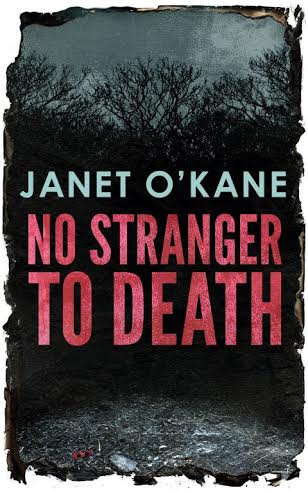
No Stranger to Death  by  Janet O’Kane 

Zoe Moreland is a GP who stumbles upon a corpse.  Set in the Scottish Borders,  her own life experience is revealed, alongside the unfolding crime story.

Words for the Wounded Independent Author Book Award janeto'kaneno strangertodeath

No Stranger to Death  Janet O’Kane 

Judges’ comments. A crime novel must grab you from the first sentence. This one does: “Zoe Moreland saw her first dead body at the age of twelve … “ You also need a reason for the person to be consulted or somehow involved with a dead body, especially if you want to keep open the possibility of a series. Tick number two: she’s a GP. This sets everything up well for a crime novel and the other necessities for any novel, including  interesting setting described with a vivid sense of place (the Scottish Borders) and rounded characters with distinctive personalities and back stories which appear gradually, are all here. Tick, tick, tick. We particularly liked the way Janet O’Kane lets facts and personalities emerge naturally, by incremental details rather than through the dreaded information download. She credits the reader with the ability to put details together. This crime novel has a well-constructed plot with interesting characters and we look forward to reading the next one in the series. Well done.

Words for the Wounded Independent Author Book Award janeto'kanel

When Janet O’Kane outgrew Enid Blyton’s books she moved on to what her Mum liked reading: crime novels. And despite occasional dalliances with other types of fiction, that’s where she has happily stayed.

Her career before turning to writing full-time included selling underpants to Roger Moore in Harrods of Knightsbridge and marketing nappies for Boots the Chemist. It was when she helped run a GP surgery that she decided a doctor would make an excellent main character for a series of crime novels.

Janet lives in the Scottish Borders with her stonemason husband, a cat, two dogs and far too many chickens. She is now writing the sequel to No Stranger to Death and learning to tap-dance. She’s delighted to have been placed second in a competition which raises money for such a good cause.


Spotlight On Escada | Fashion

Escada has come a long way since being founded in 1978 by Margaretha and Wolfgang Ley. The luxury international fashion group is now in over 60 countries and their clothes, accessories and fragrance are as beautiful and high-end as ever. Escada is a Frost favourite.

From beautiful clothes, to stunning shoes and bags, we have a little obsession with this brand. We love their use of unusual, bold colour combinations, patterns and embroidery. Not to mention the great fragrances it has launched. We had fun browsing the Escada lookbook and picking some of our favourite outfits. Sigh, we want it all.

Be brave and go for bold patterns. Add stunning red accessories for a statement look.

boldescadalook
escadaaccessory

Yellow is big this season. Be on-trend with this patterned look.

escadayellow

This red dress is so stunning it is worth planning a party just to wear it.

escadadress

We love these two-tone shoes.

escadashoes

This look is great for the office.

escada

What do you think? What is your favourite look?


Month 5 of my Reading Challenge by Frances Colville

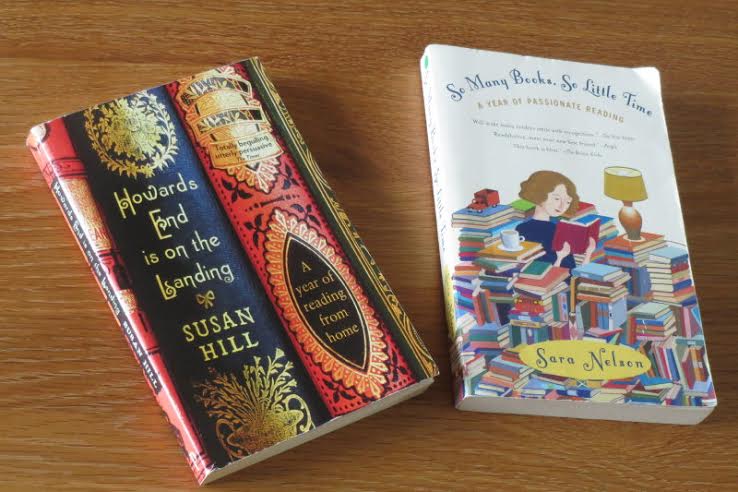
When I first started out on this project, I rather naively thought I was being original.  Of course I wasn’t and it has since become apparent that not only have others done the same thing, but they have also gone on to write books from the experience. So this month I’ve looked at a couple of those books.  The first, Howards End is on the Landing by Susan Hill, was the result of the author’s decision not to buy books for a year but to read from her existing library.  Many of the books she read turned out to be books I have already enjoyed, but I was also able to compile a long list to add to my ‘to read soon’ pile.  I was bewildered by a throwaway comment disparaging Khaled Hosseni (author of The Kite Runner, A Thousand Splendid Suns and And The Mountains Echoed) but on the whole her choice of books and her commentary on them and on her life as a reader worked well for me.  So Many Books, So Little Time by Sara Nelson (similar theme of focusing on a year of reading) was less interesting to me because as an American her book experiences were very different from mine.  But I enjoyed her writing style and the way in which she wove comments about her life into her discussion of books and authors.  I have yet to read The Year of Reading Dangerously: How Fifty Great Books Saved my Life by Andy Miller but it is definitely on my list.

Month 5 of my Reading Challenge by Frances Colville1

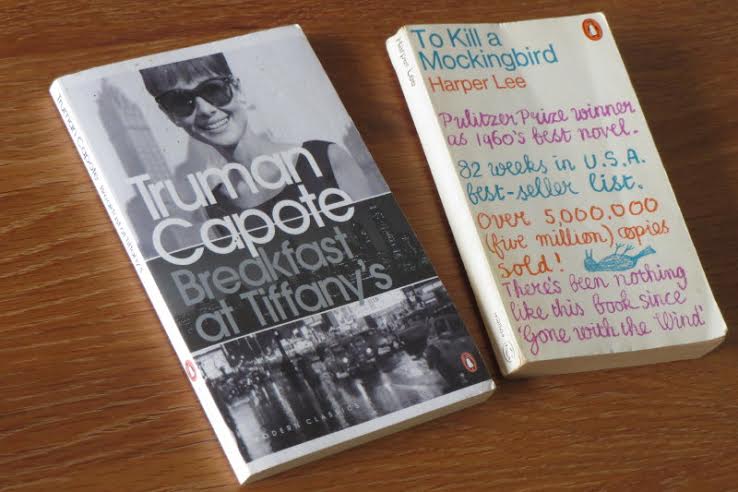
I don’t know whether Breakfast at Tiffany’s by Truman Capote counts as a short novel or a long story.  Either way it seems to me to be a brilliantly crafted piece of writing, with no words wasted, and perfectly located in time and place.  My copy has the added benefit of including three short stories.  There is an obvious connection between this and my next read To Kill a Mocking Bird by Harper Lee.  The two authors were childhood friends and in fact Lee bases Dill, one of the characters in her book, on Capote.  I’ve read To Kill a Mocking Bird before (who of my generation hasn’t?) but was very happy to have the opportunity to re-read when it came up as a book group choice this month.  One of my top ten of all time books, it’s a beautifully written portrayal of life in the southern USA during the 1930s depression, told from the point of view of the unforgettable 8 year old Scout, and focusing on a court case in which a white lawyer (Scout’s father Atticus) defends a black man charged with rape.  It is of course the 50th anniversary of the book’s publication this year and there is a new edition available for anyone who can’t get hold of one of the original copies.  The only other book ever published by this author Go Set A Watchman is about to be released.  One more for my list.

Month 5 of my Reading Challenge by Frances Colville2

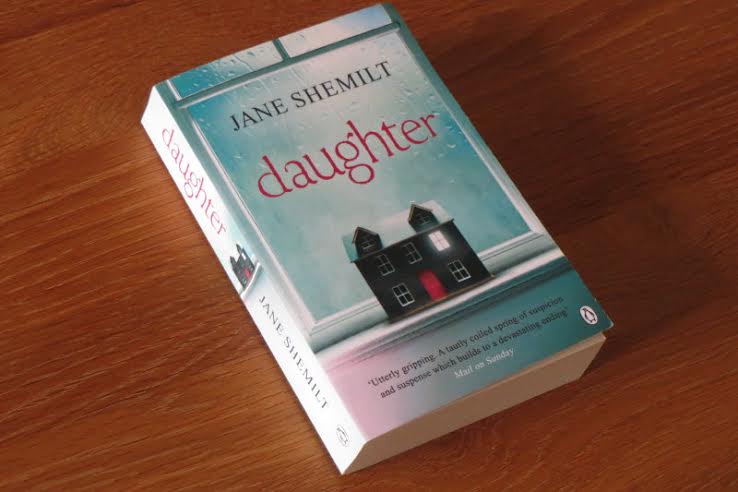
My next book – Daughter by Jane Shemilt – was a good read and a fast-paced one.  Having once started it, I found it hard to put down.  Both a family story and a crime novel, it is narrated by a GP working full time in a pressured job, while trying to be a good mother to her three teenage children, a good wife and at the same time keep her own identity and free up time to indulge her love of painting.  It seems inevitable from the beginning that something will go wrong and of course it does.  But this is not a predictable story; there are several twists and turns in the plot and I was kept guessing until the end.

Month 5 of my Reading Challenge by Frances Colville3

The Rosie Project by Graeme Simsion has been on my pile for some time, having been recommended by my daughters.  Another good read.  Again I didn’t want to put it down, and I found myself willing the narrator (an undiagnosed Asperger’s sufferer) on to success in his endeavours.  It’s funny, insightful and interesting.  And yet it left me feeling a bit uncomfortable.  I’m not quite sure why, but I think perhaps it’s because the view of autism it portrays is over-simplistic and too generalised.  Still well worth reading though, and if you enjoyed The Curious Incident of the Dog at Night-time by Mark Haddon, I think you will enjoy this too.  There is also a follow-up entitled The Rosie Effect.                                 

Month 5 of my Reading Challenge by Frances Colville4

© Frances Colville


A Damsel In Distress, Chichester Festival Theatre – review

Photo credit Johan Persson

Photo credit Johan Perssonzpfile000

A Damsel In Distress
Chichester Festival Theatre
Until 27 June
Box office: 01243 781312
www.cft.org.uk

Gad zukes! What a delightful piece of froth! Perfect for summer, especially given the Festival Theatre’s glorious setting (what could be jollier than a pre-theatre G&T in the park?), the 1930s novel by PG Wodehouse initially adapted as a play, and later as a film for which Gershwin composed songs, enjoys new life as a stage musical by Jeremy Sams and Robert Hudson.

A topping blend of music, song and ripping fun, the story is about as daft as they come. Maud, a headstrong 1920s English rose, is locked in the tower of a stately home and guarded by her dragon of an aunt who is determined to prevent her niece marrying a penniless poet. But it’s an American theatre director who is smitten with the girl. If he can’t sleigh the dragon then he’s set on shoving her out of the way so that he can at least declare his heart. Spamalot meets Downton Abbey. But with more tap dancing.

Marshalling the whole charming caboodle, Rob Ashford directs and choreographs. The score may not be the most memorable in the world, but a cast of ace singers and dancers give it all they’ve got, adding plenty of visual fizz as they belt and hoof with as much infectious enthusiasm as dazzling skill. Clutching mops, rakes, and even oversized quivering jellies, routines are high octane and high camp.

It’s a terrific team effort but Isla Blair as fire-breathing Lady Caroline is a splendid battle-axe. Richard Fleeshman as George and Summer Strallen as the feisty ‘damsel’ of the title are in superb voice, while Nicholas Farrell as the aging lord of the manor who rediscovers his va va vroom when he meets showgirl Billie (a warm and effortlessly sexy Sally Ann Triplett) is gloriously funny. Delighted to have found a siren who not only has a cleavage like the Rhonda Valley but who also shares his passion for pigs and roses, the pair provide some of the production’s most uproarious moments.

Further comedic expertise is demonstrated by Desmond Barrit as butler Keggs, and also David Roberts. Managing to switch roles between Perkins the theatre director and Pierre the highly strung chef, as the latter Roberts inspires yet more laughter. Richard Dempsey meanwhile is adorable as dim toff Reggie.

Designed by Christopher Oram, the set, as Reggie would say, is bally clever. Revolving rose gardens and castle turrets cunningly morph into the stage at the Savoy and the kitchen of a stately home.

Chekov it ain’t. Brilliantly executed blissful nonsense it most definitely is. Don’t be a frightful clot – book tickets today!

Ready, Steady, Baby! 4 Things You Need to Know About Fertility

kimkardashianpregnantAfter giving birth to daughter North two years ago, Kim Kardashian is now pregnant again. Kardashian previously admitted that she was desperately trying to conceive

As Kim and her partner, Kanye are both in their mid thirties, leading busy and stressful lifestyles, they are in a large group of fertility challenged couples.

According to the Journal of Human Reproduction, woman in their mid thirties with an older partner have a shocking 20 per cent chance of conceiving each month. Notonly does sperm quality decline with age, but also women are born with all the eggs they will ever have, so their fertility only goes down over time*.

The second most common cause of infertility is ‘unexplained’, which means that following thorough investigations, doctors can find no identifiable medical problem for a couple’s infertility. Fertility is multi-factorial so it’s important to look at every aspect of wellbeing, from general health, emotional problems and lifestyle.

We asked Dr Marilyn Glenville, the UK’s leading nutritionist specialising in women’s health and author of best selling Getting Pregnant Faster: Boost Your Fertility in Just 3 Months – Naturally, to give us her 4 step plan on boosting fertility naturally.

Check your menu

‘Although it goes without saying that a healthy diet is crucial to a successful pregnancy and a healthy baby, many people are unaware of the fact that diet may affect the ability to conceive. The following are recommended:

Plenty of fruit and vegetables
Complex carbohydrates – wholegrains like brown rice, oats and wholemeal bread
Organic foods where possible
Oily foods such as fish, nuts, seeds and oils
Reduced intake of saturated fats from dairy products etc.
Increased intake of fibre
Avoid additives, preservatives and chemicals, such as artificial sweeteners
Avoid sugar, both on its own and hidden in food

Avoid the three main fertility busters: Caffeine, alcohol and smoking as they have all been linked to an increased risk of infertility in men and women.’

Food Supplements

‘As well as looking at what you eat and drink there is now a great deal of scientific knowledge about the use of nutritional supplements and their beneficial effects on fertility. The most important nutrients for fertilityare Zinc, Folic Acid, Selenium, Vitamin E and C and Omega 3 Fatty Acids.’

Weight Matters

‘Women are most fertile when they are neither too thin nor too heavy. They need at least 18% body fat to ovulate and the best chance of getting pregnant is when 20-25% of the body mass is fat tissue. On the other hand, the menstrual cycle can be disrupted by too much fat, which affects oestrogen levels. Being 25% over the ideal weight can even stop ovulation. It’s important for the man to keep his eye on his weight too as there is an increased risk of infertility or poor sperm quality and quantity in men who are overweight’

De-stress

‘Stress can cause irregular ovulation and also lower sperm count. To minimise stress, the recommendations are to eat a healthy diet which keeps blood sugar in balance, exercise regularly and get at least eight hours sleep a night. Yoga or meditation can also be helpful and well as seeing a counsellor as infertility is itself stressful.’

Natural Approach

Dr Marilyn Glenville has joined forces with luxury health spa Champneys, to deliver a series of women’s wellbeing weekends this year.  These very special one and two day retreats are led by Dr Glenville herself and offer natural solutions and insight into four significant female health issues.  Dr Glenville’s Fertility retreat is this November at Champneys in Tring.  Groups are kept small to allow for plenty of time for questions and one to one time.  Each retreat includes full use of all facilities, nutritious meals and a thalassotherapy session.  Champneys.com for booking and more information.

*http://www.dailymail.co.uk/health/article-112136/The-female-fertility-clock-starts-ticking-27.html