Interview with Fitness Expert and Trainer Adrian Collins by Kris Martinez

Interview with Fitness Expert and Trainer Adrian Collins by Kris MartinezAdrian Collins is one of the best trainers in the fitness industry. His exercise plan, ‘The Social Butterfly Programme’ has been featured in the Mail Online and The Sunday Times Style Magazine. The programme, which is 6-8 weeks is completely personalised to suit individual goals and promises to fit around the schedules of busy professionals.

Being a busy person myself, I was eager to learn more about  the programme and how it works.

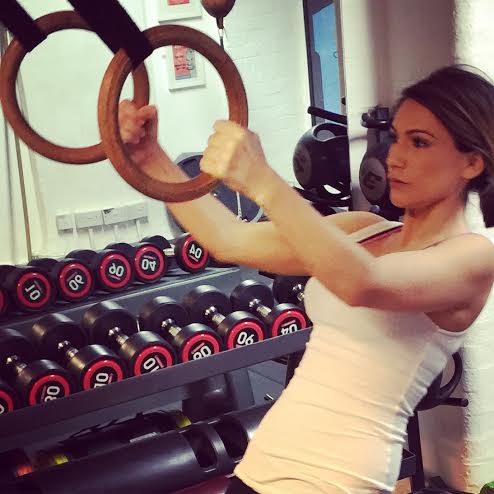
When I arrived at Adrian’s gym near Old Street station, I was expecting  to be thrown into a hardcore army style workout, but it was the exact opposite of that.  Instead, Adrian had me do a few simple exercises, which he used to assess my posture. Knowing nothing about me, Adrian was able to deduce that I used to dance. He was also able to see areas where I was tight.

After assessing my posture,  Adrian took me through a few exercises that would not only help me reach my goal of toning up, but also help with my posture issues.

Adrian took the time to get to know me and find out what my goals were. His style of training is brilliant. He uses a mix of pilates and strength training, which keeps things fun and interesting. He also gave me exercises to do on my own time that help with my posture issues. If you are in the London area, I definitely recommend checking him out. For those of you who live elsewhere, Adrian also offers online training. Prices start at £380.

collinsfitness

After our work out, I had the opportunity to ask Adrian some health and fitness questions.

1. What is your theory behind the Social Butterfly Program?

I created the Social Butterfly Program as being a city based trainer I know how hectic people’s lifestyles are. It’s the perfect regime for city dwelling, party loving people with busy social schedules. It’s completely personalised to your goals.  Wether it’s focusing on s desired body type, re alignment or shaping up for a special event, it’s tailor made to make you look fantastic and stay motivated.

2. What do you say to people, who say they don’t have the time to workout?

Time management is needed here.  Usually from my experience being able to fit in a workout in your day structure without making it too much of an inconvenience is key. Try a morning workout HIIT before work or on your lunch break having your meals around this in preparation.. This is why I promote a 15/20 min HIIT to my clients to achieve on their off days from training with me.

3. What tips do you have for people who don’t have access to a gym?

It’s not necessary to have to go and use a gym to create a good workout routine. Many of my clients don’t have gym memberships I use a private hired studio or train in parks or at homes.  There are some great outdoor spaces for working out, try finding a hill or a flight of stairs is one of my recommendations, as you can really get a burn on different intervals using these. And there is a lot you can do with your own body weight for exercises. It is affordable to purchase some basic workout equipment these days. I like using resistance bands with clients which helps with more pull exercises etc..

4. What is the best way to tone up?

Consistency – sticking to a routine and keeping your food clean… This combined with a good resistance based program can work wonders on toning your structure.

But this all relates back to goal setting if you put your mind in the right place and follow a consistent routine with your eating habits sleep and shocking up the exercise program this can create a snow ball effect to your metabolism

5. What is your favourite type of workout and why?

It depends on my mood and if I’m aiming for a specific goal. From boxing pad work to heavy lifting and squating to Pilates.  I rate the Pilates reformer highly, if I’m feeling a bit tight from weights I like the challenge this machine brings when doing specific exercises. Once you get past the basics there are some full on moves which can really challenge your body.
Interview with Fitness Expert and Trainer Adrian Collins by Kris Martinez2

6. What are good pre and post workout snacks?

I try and avoid the idea of snacking (the body works on digestion of foods with insulin response, snacking can screw this up and forces you to hit insulin spikes etc), But you do need to fuel your workouts and get the right ingredients in within 45mins, post workout to optimise muscle recovery.

Key foods that help promote a fuel efficient workout are apples, almonds and post work out protein and carb are needed for muscle recovery. Look to keep this clean as poss if you want to optimise muscle tone, I find white fish or a breast of chicken with sweet potatoes or basmati rice with good greens for fibre to help get this ingredient through your digestive system in optimal time and ease.

7. What exercises do you recommend to get rid of love handles?

Assessing your diet, getting the correct sleep pattern and with an optimal exercise program in place will all help to rid this area if that is your goal.  Targeting muscle groups in isolation can be great for specific toning and look but, if you are unfamiliar with targeted exercises I wouldn’t recommend isolation as there are implications to the rest of your kinetic chain if your technique isn’t spot on. So, for this I would recommend compound exercises and a good Pilates balance / alignment and core routine to help support your structure before upping exercises for isolation..

8. What is your favourite exercise and why?

Again this always changes dependant upon where I am with my own training routine at the time. I do like compound exercise such as deadlifting as this hits my whole body. But, I also enjoy sports as exercise such as swimming, surfing, snowboarding…

9. If you’re out having a drink, what is a good choice to go for?

Other than water! If you tend to have the “occasional” alcoholic beverage try sticking to clear drinks, champaign, vodka tonic… And also try slipping water in between to stay hydrated as this will really have a difference in how you feel the next day. Clear drinks give your digestive system an easier time in dealing with the toxins and the extra H20 helps the system flow these toxins quicker.

10. If your goal is to shed some weight and tone up, how many times a week do you recommend working out? And how long should your workouts be?

Quality rather than quantity, I’ve always said.  Ask yourself next time you hit the gym is this challenging for me? How much time am I spending on moving or am I sat here on my phone breaking my workouts not concentrating on my exercise/movements. Yes there is a key amount of days and time you want to spend in optimising your weight toning goals, that is why I have most clients I see on the Social Butterfly Program take on the intense level with three to four sessions a week.  I also, encourage them to take on the 15 minute HIITs on the days we don’t train usually over the weekends for optimal metabolism boosting effects.

For more workout reviews, interviews, and delicious recipes be sure to follow my blog, at Fit About Town.


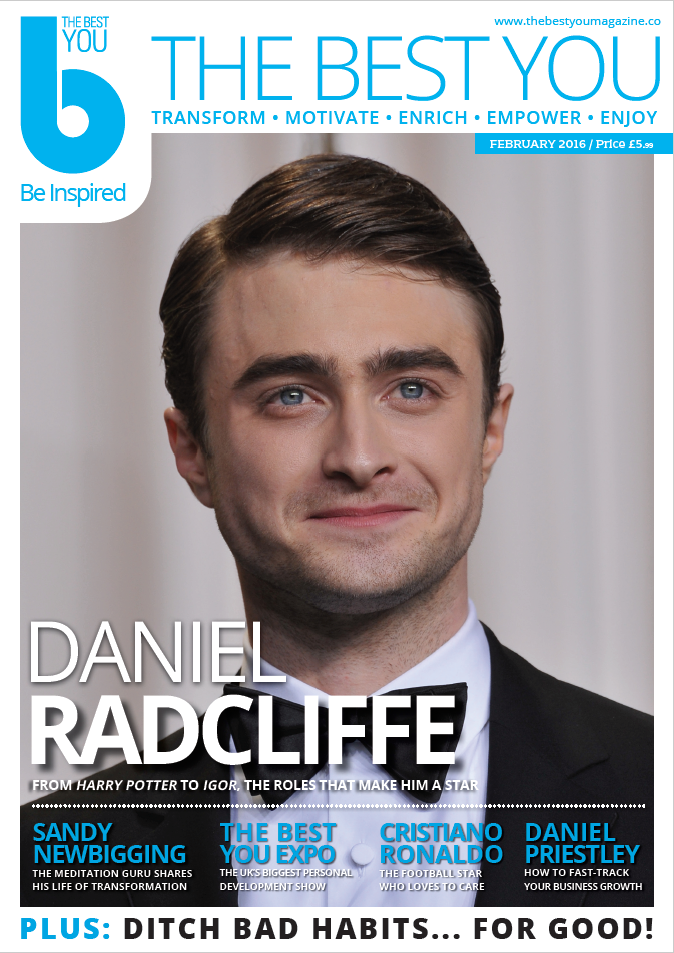
Frost Editor Catherine Balavage In Best Of You Magazine Talking About Blogging

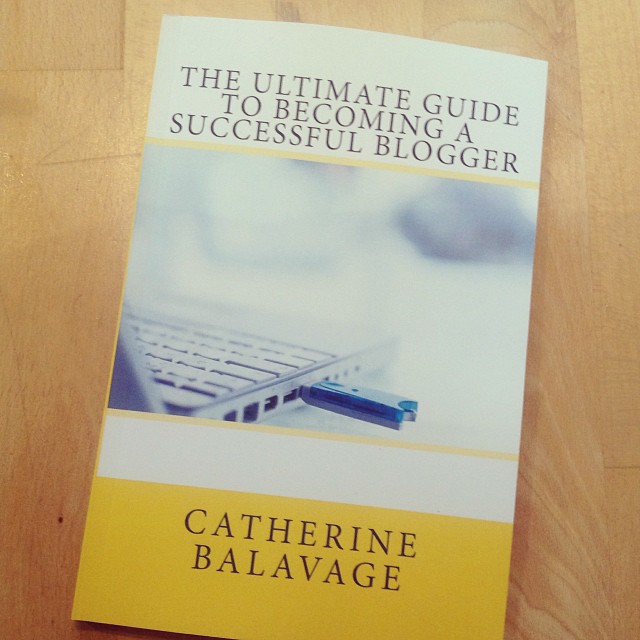
Frost founder and editor Catherine Balavage has been interviewed by Best of You magazine about blogging and her new book, The Ultimate Guide To Becoming a Successful Blogger. You can read the interview here or buy the print issue here. It is a great interview with lots of tips on blogging and becoming a successful blogger. Check it out.

The Ultimate Guide To Becoming a Successful Blogger , blogging, blogs, how to make money blogging, book, Catherine Balavage bestofyoufeb

Early Chapters by Gillian Holmes of The Editor | Get Published

Meet Gillian Holmes – literary editor By Margaret Graham1

Frost is delighted to have an editor of Gillian’s calibre to help aspiring authors. It’s particularly apt, because the fundraising Independent Author Book Award, run by www.wordsforthewounded.co.uk is open for entries until 6th March 2016.


Last year’s winner, Jane Cable, is now represented by the Caroline Sheldon Literary Agency as a direct result of the competition. Felicity Trew of the Caroline Sheldon Literary Agency is judging this year’s Award.


So over to Gillian:


Early Chapters


It’s tough being a writer, and we editors appreciate that. I have never written a book – if you don’t count the half-written romance with a Daniel-Craig-as-Bond-type hero, but the least said about that the better. So all writers who have the tenacity and commitment to complete a novel have already earned my full admiration.


However, on the other side of the coin, having worked as an acquiring editor, a reader for literary agents, and a reader for competitions, you can appreciate, I’ve probably read more than my fair share of opening chapters and synopses. And sometimes I stop within half a page. It sounds brutal, but when you have a lot of manuscripts to read, you simply don’t have the time or the inclination to read on to see if it improves.


So here are ten tips to help you catch the eye of the judges.


First the Don’ts:


  1. Please do not, and really I mean this, open with a dream. Ask any editor/agent/reader. There is nothing more irritating than to be pulled into some action, only to find it’s not real. Can I add here, do not ever use dreams as a way to move the plot forward. Please.
  2. Do not open your book with backstory… if we don’t know the characters, how can we be interested in their backstory?
  3. Do not start the book with a minor character. No matter how good the writing, as soon as the reader realises that the character they have been reading about disappears by chapter 2, they will give up.
  4. Do not open with your character doing mundane stuff – getting ready for work, having breakfast, unstacking the dishwasher, going out the door – because although you may think it’s a great contrast with the explosive action that comes later, the reader may never know that. They’ll have given up just as your character is locking their front door.
  5. Do not mince your words. Starting any book with exposition and/or long descriptions of the character or location can be mind-numbing for the reader. Dive in, all will reveal itself as the book unfolds. Speaking of long descriptions: watch out for flowery language and too many adjectives. Having to wade through paragraphs of wordy prose before you even get to the story is frustrating and time-wasting.


Now the Dos


  1. Give the reader a snappy opening line that immediately intrigues.
  2. The submitted chapters should be the very best they can be, so I would suggest you hire an editor/copy editor. It can be an expensive business, but do it for just these three chapters in the first instance. It makes a huge difference to the reader, and could give you some useful advice for the rest of the book.
  3. Keep the pace moving and don’t get bogged down in irrelevant detail.
  4. Introduce us to your characters – the reader needs to be invested in them from the start.
  5. If you’re sending a prologue as part of your first three chapters, make sure it’s relevant and interesting, not just a convenient way to give backstory.

Soon I will be giving you some hints on writing the synopsis.


gilliansholmes@hotmail.com

www.wordsforthewounded.co.uk
http://www.carolinesheldon.co.uk


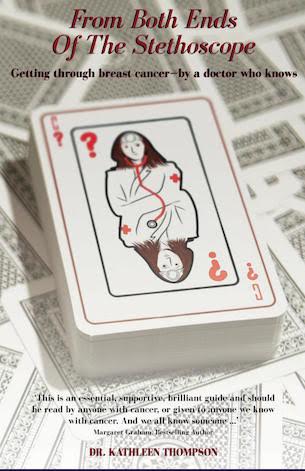
An interview with Dr Kathleen Thompson: Author of From Both Ends Of The Stethoscope and Frost’s medical correspondent

From Both Ends Of The Stethoscope by Dr. Kathleen Thompson book review, health, breast cancer,

Why did you write the book?

When I was diagnosed with breast cancer, I was surprised how hard I found it, even as a doctor, to navigate my way through the tests and treatments. It made me realise how much more difficult it must be for someone without any medical knowledge. This book is to help those people. I also wanted to give an insight of what it was like to have cancer, for the benefit of the friends and relatives of people with breast cancer.


What is your book about?

It uses my personal breast cancer experiences to guide people through their breast cancer treatment, explaining the various tests and procedures. It points them to further information sources too. Although full of information, it is simply written, in order to be easily absorbed by someone in a state of shock.

Later in the book I explain medical research. The internet is a fabulous source of information. The trouble is, it doesn’t have a truth-filter. Anybody can post anything, and there are numerous ‘cancer cures’ which are unsubstantiated and sometimes dangerous. When you have a serious illness, it is tempting to try anything. So, for these reasons, I explain how to assess whether a claim is valid, or whether it is misleading.

Finally I talk about the causes of cancer and what we can do to reduce our chances of contracting it – and it is surprising how much we can do.


What is the most important message of your book?

Take control. We lose control of our lives the moment we are told we have cancer—take it back. Don’t relinquish that control to anyone, even to your medical carers. They may do a fantastic job, but in the end, you are the one with the most at stake. You need to understand all your treatment options, discuss with your doctor, and then decide which are best for you, and make sure you get them.


Who will your book help and in what way?

Firstly it will help people going through breast cancer, or other cancers, as much of the information extends to all cancers.

Equally it will help the relatives and friends of people diagnosed with cancer.

It will also be of interest to anyone who enjoys reading about personal experiences and who is interested in improving their health, reducing their cancer risk and understanding medical research


Did being a doctor help you get through breast cancer?

In many ways, yes it did, and that is why I want to share my ‘inside knowledge’ with others. In some ways, though, it didn’t, and I felt as vulnerable, bewildered and uncertain about what to do as anyone else.


Can we do anything to help lower our cancer risk?

Absolutely yes—it is surprising how much we can do. Of course some people have a higher risk of cancerthan others, and sometimes, however hard you try, you can’t prevent it. But for many of us, we can shift along the seesaw of cancer risk—and so make ourselves go up, and not down.


Frost found From Both Ends Of The Stethoscope impressive, and important. If you know anyone who could use help after a diagnosis, don’t hesitate to point them towards the book.

From Both Ends Of the Stethoscope is available from all good bookshops and Amazon.co.uk


Using a Copyrighted Picture Cost One Blogger $7,500. Why You Should Never Use Copyrighted Pictures

Using a Copyrighted Picture Cost One Blogger $7500. Why You Should Never Use Copyrighted PicturesDo you take images from Google without checking the copyright and hope for the best? Then stop. Pictures from Google and other search engines are protected by copyright law. It is rare to be sued over an image, or even to get a cease and desist letter, but it only takes one mistake to lose vast amounts of money. If you want proof then here is one example,

Chrystie from Living for Nap Time blogged about green pepper coupons in 2014, she needed an image so did a Google image search for a photo of green peppers, found one she wanted and then uploaded it, months later she received an email from a lawyer stating that the image cost $750. Chrystie pointed out that it was a picture of a green pepper that you can get a lot cheaper, the lawyer responded that the law was on their side and that their client wanted $7,500 in damages.

Chrystie researched the person in question and found out that they owned lots of domains and seemed to be planting clearly-tagged pictures to boost the SEO of the pictures. Chrystie thinks they did this to optimise the pictures so bloggers like her would use the image and would then sue the blogger in question. Chrystie had to hire her own lawyer. Her lawyer advised her to settle the case even though the chances of it going to court were small because if it did go to court she would be liable for the claim and all of the court costs, which could cost $100,000 or more.

The truth is, if you copy a picture from the internet and it is copyrighted it is protected by law and you are liable for the cost of the image or even damages even if you link back to the original source. So don’t do it, it’s not worth it! This case is American and people in the UK may be less likely to sue but it is not worth the risk.

If you need free images you can search Google for copyright-free images by clicking on the options icon in the top right hand corner then going to advanced search. If you then scroll to the bottom you will get to ‘usage’ and can click on ‘free to use or share – even commercially’. There are a few options, including an option to modify images. It helps to take a screenshot of the copyright-free image to further protect yourself. Don’t get caught out. You can also take your own pictures which is the best option as you can then tag them and get hits via Google Image Search. I will do another post on where you can get free images for your blog soon. In the meantime, stay safe.


For more blogging tips like this check out my book The Ultimate Guide To Becoming a Successful Blogger. It tells you everything you will ever need to know about blogging. 

howtobeasuccessfulblogger


An interview with Gillian Holmes – editor by Margaret Graham

Meet Gillian Holmes – literary editor By Margaret Graham1

Gillian Holmes – aka The Editor – has been working in publishing for nearly twenty years. She started out at Quarto, working on craft books and worked with many publishers, and finally

Arrow Books where she edited many bestselling authors, such as Katie Flynn, Dorothy Koomson, Amy Silver (aka Paula Hawkins), Cathy Woodman, Margaret Graham, Lisa Lynch, and many others.
Gillian now has her own editorial agency, The Editor, and over the following two weeks, she will be giving advice on the first three chapters, and the synopsis. This might well prove useful for any of you who are thinking of entering the Words for the Wounded Independent Author Book Award. Last year’s winner is now represented by Felicity Trew of the Caroline Sheldon Literary Agency. Felicity is this year’s judge. (more details www.wordsforthewounded.co.uk)

Frost asked Gillian more about herself.

What are your passions?


My main passion is reading. My parents moved around the world a lot and because I went to boarding school, I didn’t have many friends at home. So books stopped me feeling lonely. Well, that and my musical box (no music as all tapes warped due to the tropical climate) which I would play while I pretended to be a ballerina. Quite sad considering I have never had a ballet lesson in my life.


I also love to swim. An early morning swim will usually set the day up perfectly. I find solutions to all sorts of problems in the water – including problems with the book I’m working on at the time. Oh, and I am a massive QPR fan; this affliction has taught me forbearance and patience.

An interview with Gillian Holmes – editor by Margaret GrahamQPR2

What do you read?


I read widely and according to my mood. I usually have several books on the go. I read women’s fiction when I want to be engrossed in someone else’s life. For those days when I’m tired, I read romance – contemporary or historical. It’s comforting and always cheers me up. I also really enjoy real-life tales of derring-do like Agent Zig Zag. Also, Samuel Pepys’s diary is a big comfort read for me; he always makes me laugh. I like crime for when I’m bored, I particularly like books with a long-running characters, so Jo Nesbo and Lee Child are great favourites. Recently I’ve discovered a new character to follow in Tony Parsons’ Max Wolfe: tortured single father, boxer and policeman. What’s not to love? And finally, I adore historical novels. I used to raid my mother’s collection of Georgette Heyers and Jean Plaidys, but my absolute tip top favourite was Katherine by Anya Seton. Last year, my aunt researched our family history and, thrillingly, she discovered Katherine is our grandmother (great great etc). I was in actual heaven! Personally, I think this is the most interesting fact about me. If my friends had ever heard of her, I’m sure they’d agree.


What do you love about what you do?
I have never managed to write a book, so I admire and respect authors enormously. Books have been my constant companion throughout my life, so to read one in the rough, and help an author shape it to be the very best it can be, is enormously satisfying. Editing is very subjective, so as an editor I must never lose sight of the fact that this is not my book, so I need to set my ego aside. Just because I’d do it differently, doesn’t mean I should advise the author to do it my way. An editor has to be a different person for every book they edit and work within the parameters of the author’s style and vision. I like that challenge, and if an author seems genuinely happy with my suggestions and work, I’m thrilled. I love knowing that I have helped create something without actually having to do all the work. I’m a bit lazy, you see.


The first three chapters or so are important in drawing in the reader. 

What would be your first piece of advice?
Firstly, your first line needs to grab the reader’s attention and set the tone of the book. Don’t save your best line for half way through the first chapter, or even half way through the book. Get it out straight away so the reader wants to keep going. Then the challenge is to follow through on that promise. Try not to fill the first chapters with backstory and description. Always remember you’ve got another 70,000 words plus to fit that in. Just keep it moving. Hook us in and don’t let us go.


I find a synopsis difficult. Will you be helping Frost readers with this? If so, in a nutshell, what should a synopsis do?
Yes, absolutely, because having worked as an acquiring editor, an agent’s reader and a reader for competitions, I know how important a good synopsis is. Firstly, remember why you’ve been asked for it and who you’re writing it for. Usually it’s for a competition or a submission to an agent/publisher. They want the synopsis because, if they like the first three chapters, they want to see how you’ve developed the rest of the book. It will give them a clear overview of the concept and structure, and often determine whether they will want to see the rest. They don’t want irrelevant detail and descriptions, and they don’t need dialogue. And most importantly, they DO NOT want you to leave a cliffhanger. Finally, keep it short – 1500 words or fewer.

pic 3 books

Will you ever write a novel?
I’m not sure. I have a butterfly mind and I tend to get bored quite quickly. Writing a whole book would entail me concentrating on one thing for far too long. Having said that, I did write half a book once – it was a romance inspired by my crush on Daniel Craig (I know, I know, I’m a sad cliché). The heroine (who wasn’t at all based on me, not at all) rescued him from some dastardly kidnappers. I got so involved with my characters (well one in particular) that I expected him to email me to let me know what happened next. Sadly, he never did, which I know he regrets.


pic 5 daniel craig


Or a short story?
Short story writing is a very particular skill and not at all easy to do. I might try it one day, though. The great thing about short stories is they can be just as satisfying as a good novel, but they don’t take as long to read.


Your favourite book as a child?
I had two. Ballet Shoes by Noel Streatfield – I wanted to be Posy so badly, that when I had my daughter I (briefly!) considered it as a name. And A Little Princess. I went to boarding school when I was very young, so I related. Which is a little dramatic of me, as I was treated perfectly well by the school and, disappointingly, I never did discover that I owned some diamond mines.


What question would you like to be asked?
How does your husband Daniel feel about the fact that your career as a prima ballerina keeps you away from home so much?

To contact Gillian. gilliansholmes@hotmail.com
To find out more about The Independent Author Book Award: www.wordsforthewounded.co.uk
Words for the Wounded are also holding a LitFest on April 16. www.wordsforthewounded.co.uk


From Both Ends Of The Stethoscope by Dr. Kathleen Thompson

Review by Margaret Graham

From Both Ends Of The Stethoscope by Dr. Kathleen Thompson book review, health, breast cancer,

Many of you will be familiar with Frost Magazine’s Dr Kathleen Thompson’s regular health features, which are topical, succinct accessible and helpful.


It is no surprise, therefore, that Dr Kathleen Thompson brings just the same skills to From Both Ends Of The Stethoscope – Getting through breast cancer – by a doctor who knows.


This guide should be read by anyone with cancer, or given to anyone we know with the disease. Not only that, it should be read by relatives who are suddenly thrust into a unexpected supportive role, which leaves them as confused and upset as the patient.


In the guide, Dr Kathleen Thompson has the courage to use her personal experiences of breast cancer to explore the situation. She acknowledges not only her reluctance to face up to the symptoms, but her initial fear and confusion as she adjusted to this change in her fortunes.

As a medical insider, she reflects and applies her understanding of the medical procedures brought to bear to counteract the progress of the disease. She suggests the questions patients could, or perhaps should ask. She explains the possible treatments, (remember, that knowledge is power).


This is the key to the guide, it seemed to me: it is important for the patient to take control of the situation, and for the relatives to support this stance. To control a situation you need education because education leads to knowledge, which leads to power. Here I must acknowledge the fantastic Andy McNabb, who made this suggestion in a talk he gave. I thought it profound, and use it often.


Indeed, everyone should keep it as a mantra.


I loved, particularly,  the chapter on how patients manipulate the staff to achieve, or not, the results they require – read it, learn, and laugh.


Sensibly laid out, each chapter is easy to navigate. In other words, it won’t be too much or too difficult for those under stress.


Importantly, the author explains medical research, and how to assess the credibility of the numerous cancer treatment claims, and what we can all do to protect ourselves from cancer.


This is an important book, in either e-book or paperback.


Published by Faito Books it is available on Amazon.co.uk at £12.99


http://www.amazon.co.uk/dp/0993508308


Carnation Bunion Pads & Bunion Protector Review

Bunions. They are awful and painful. Even the gorgeous 37-year-old Amal Clooney suffers from them and Nigella Lawson had hers removed from both feet. What exactly are they? Carnation let us know.

A bunion is an inflamed fluid-filled bursa formed on the side of the foot. The joint protrudes because the toe is bent away at an angle, pushing into the other toes and causing them to bend unnaturally.

Sometimes the second toe is forced over the big toe leading to the toes being crammed together and subsequently, as a result of the pressure, to the formation of corns and callouses.

Bunions

Identifying bunions by appearance and symptom:

A bunion forms on the side of the foot at the base of the big toe.

Cause

Bent toes and bunions can run in families but are often caused by defective or ill-fitting footwear.
In early teens, bones are soft and still developing and can mould to the shape of the footwear worn.
Socks that are too tight or too small, pointed shoes and high heels which cram the toes into the front of the shoe will cause permanent distortion if maintained while the feet develop.
A bunion forms on the joint as an attempt to protect against pressure.
Treatment

Wearing a bunion pad or shield which fits the contour of the joint will relieve pressure on the bunion, as will wide fitting shoes. In a small number of extreme cases, surgery can be performed, which involves straightening the toe by removing parts of the deviated bones.

Carnation Bunion Pads are shaped to fit around the bunion and are made from felt, which spreads the load to give maximum comfort.

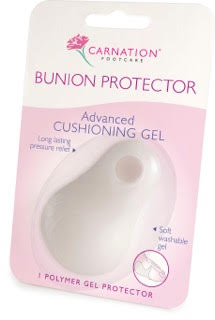
Carnation Gel Bunion Protectors are made from soft, flexible gel with a toe loop to help positioning over the bunion. They can be washed for repeated use.

bunionpadsreview

Carnation Bunion Pads

Carnation Bunion Pads
Traditional, cost effective felt pads proven to relieve the pain caused by bunions

Shaped to fit around the bunion
Made from felt, which spreads the load to give maximum comfort
Hypoallergenic adhesive
Carnation Bunion Pads are available in packs of 4

We reviewed them and they work. Brilliant things.

bunionprotectorand bunion pads review

Carnation Gel Bunion Protector

Long lasting, cost effective protection to relieve the pain caused by bunions. Ideal for chronic sufferers

Soft, flexible gel contains mineral oil to moisturise and help soften the skin
Slim design fits easily into the shoe
Toe loop to help positioning on the bunion
Long life – can be washed and re-used

This is brilliant and is also reusable so saves you money longer term. Great cushioning that relieves the pain. Full marks.


Available from boots.com