New Study Highlights Crucial Role of Red Meat in Plugging The Nutrition Gap

Millions of people in the UK are putting their health at risk because of inadequate intakes of vital vitamins and minerals, a new study has revealed. But the research also highlights just how important the role of red meat is in the diet in helping to cover this nutrition gap.


Meat has been a staple part of the human diet since the dawn of mankind, but in recent years there has been some debate over whether too much red meat can raise the risk of health problems. Now a team of researchers has studied the issue of meat in the diet to help gauge just how important it is for a healthy mind and body – as well as the crucial nutrients that red meat in the diet brings.


The latest study found that data from dietary surveys indicates that UK diets for people of all ages can be worryingly low in nutrients normally found in meat, such as vitamin A, vitamin D, iron, magnesium, zinc, selenium and potassium. The researchers say that integrating red meat into diets across the age spectrum, from infanthood to old age, may help to narrow the present gap between vitamin and mineral intakes and recommended levels. In addition, there is emerging evidence that nutrients commonly found in red meat may play a role in supporting cognitive function, immune health and addressing iron deficiency.


Independent dietician Dr Carrie Ruxton, together with Emma Derbyshire, Senior Lecturer in Human Nutrition, Manchester Metropolitan University and Prof Robert Pickard, Emeritus Professor of Neurobiology, University of Cardiff, studied data from 103 previous scientific research papers. Many of the previous studies drew from the UK National Diet and Nutrition Survey (NDNS) – now an annual rolling programme which provides a valuable insight into the nutritional quality of modern diets. The new paper – entitled Micronutrient challenges across the age spectrum: Is there a role for meat in the diet? – is just published in the British Nutrition Foundation’s Nutrition Bulletin.1


The role of red meat in the diet

Red meat – defined as beef, veal, pork and lamb, which is fresh, minced or frozen – is a source of high quality protein and important micronutrients. Beef and lamb are classed as a ‘rich source’ – more than 30% of the recommended daily allowance (RDA) – of vitamin B3 (niacin), B12 (cyanocobalamin) and zinc. It is also a ‘source’ – 15% or more of the RDA – of iron, potassium and phosphorous. Pork is also a ‘rich source’ of vitamin B1 (thiamin). Meat, particularly from grass-fed animals, can be a valuable source of long chain (LC) n-3 polyunsaturated fatty acids (PUFA) such as omega 3 fatty acids. Research shows that these fatty acids support normal foetal development as well as help lower the risk of inflammatory conditions, depression and dementia in later life. Red meat is also an important source of haem iron – a type that is readily absorbed – and data shows that average iron intakes in the UK are inadequate, especially among females in general and during pregnancy.


UK nutrition – the seven ages of mankind


  • Infants and pre-school children – studies show that diets in this age group are low in vitamin A, vitamin D, iron, zinc.
  • Pre-pubescent children – diets were found to be low in vitamin A, magnesium, iron and zinc. Boys tended to have higher intakes of iron and thiamin than girls.
  • Teenagers (13 to 18 years) – diets are low in many key nutrients – including vitamin A, vitamin D, iron, magnesium, zinc, selenium and potassium.
  • Adults of reproductive age (19-50 years) – diets, particularly for females, fall short in magnesium and iron, as well as zinc, selenium and potassium.
  • Pregnancy and lactation – Women on average fail to get enough calcium, magnesium, iron, iodine, selenium and potassium and vitamin D.
  • Middle-age and older age (50 years and above) – while this group have better quality diets, there are still shortfalls in intakes of magnesium, zinc and potassium.
  • Older-age (75 years and beyond) – data shows that in adults aged over 85, intakes of magnesium, zinc and potassium are below the recommended nutrient intake.


How meat affects health – latest investigations

While some studies have linked high levels of meat consumption with health issues, the evidence is inconsistent and the research varies in its quality – for instance one paper that found a link between meat and obesity included pies and pastries as well as lean cuts of meat. Indeed, other research found that lean meat consumption does not impact on risk of chronic disease. Chemicals called heterocyclic amines may be produced when meat is cooked or charred and these have been linked with an increased cancer risk. However, there is also evidence that meat contains nutrients with anticancer properties, such as LC n-3 PUFA, conjugated linoleic acids, vitamins B6, B12, D and selenium. In addition, older studies may not be so relevant today as the fat content of meat has reduced considerably over the past few decades as a result of changes in breeding and animal feeding practices.


In terms of heart health, a study showed that eating red meat (lamb) three times a week had no effect on low-density-lipoprotein levels – the so-called bad cholesterol – or triglycerides, both factors for cardiovascular disease, when compared to white meat. In another study of patients with high cholesterol levels, those who ate red meat every day were found to have fewer markers for heart disease. Studies have indicated that meat protein could help delay or reduce the gradual loss of muscle mass – a condition known as sarcopenia. Diet when younger may play a part in mental ability when older – data from a Chinese study found that adults aged 50 years and over who ate meat in childhood had improved memory recall. The Scientific Advisory Committee on Nutrition (SACN) – made up independent experts and which provides advice to the Department of Health – recommends that adults should consume a balanced diet with up to 70g of lean red meat per day and up to 500g per week.


Independent dietician Dr Carrie Ruxton, who led the study, says: “Meat has long played a central role in the human diet and is now recognised as an important source of high-quality protein and essential micronutrients. The research indicates that even in developed countries such as the UK, with a plentiful food supply, there is evidence of under-consumption of key vitamins and minerals which support long-term health. It is notable that many of these are present in red meat, such as iron, vitamin A, vitamin D, selenium, magnesium, potassium and zinc.


“Integrating red meat into diets across the age spectrum, from infanthood to old age, may help to narrow the present gap between intakes and recommendations. In addition, there is emerging evidence that nutrients commonly found in red meat may play a role in supporting cognitive function, immune health, and addressing iron deficiency. While concerns have been raised about the potential impact of meat on the risk of chronic disease, there is little evidence and may be triggered by meat cooking methods or other dietary factors.


“Moderate amounts of lean red meat provide a wide range of important nutrients, without substantially increasing intakes of energy and saturated fat. When consumed in moderate amounts as part of a balanced diet, lean meat is unlikely to increase the risk of chronic disease yet provides an important source of micronutrients. In addition, people who eat lean meat regularly tend to eat more vegetables, fruits, low-fat dairy products and have a higher intake of nutrients overall, suggesting that inclusion of red meat does not displace other important foods.”


Dr Ruxton adds: “Meat had a central role in the diet of early man and continues to do so in modern times. When eaten as part of a balanced diet, red meat represents an important source of protein and essential nutrients, which may contribute towards improving diet quality from weaning to old age. Recommended intakes for red meat – up to 500g cooked weight per week – would appear to be safe and most UK adults are within this range.”

Stop Worry In Its Tracks — Seven Ways To Keep Calm And Carry On

cat pictureBritain is on the verge of a stress epidemic. One in five adults now worries for at least 60 minutes every day, and more than seven million Brits are believed to have a certifiable anxiety disorder. Even low-level worry can negatively impact work, home and quality of life and it’s a situation that costs the UK economy over £6.5billion each year.

But you don’t have to put up with your anxieties a day longer. Here, UK ‘Worry Tzars’ Professor Daniel Freeman and Jason Freeman — authors of new Pearson stress management guide How to Keep Calm and Carry On — provide seven simple but effective anxiety-fighting tips to help win the war against worry.

PUT YOUR FEARS TO THE TEST

Anxiety is the brain’s way of alerting us to potential dangers and equipping us to deal with them. Avoidance of dangers is perfectly reasonable, but not when the fears are unrealistic. Avoiding these fears means that you never put your anxiety to the test. When what you fear doesn’t occur, we assume it is because of the safety measures you’ve taken. You ignore the simplest explanation: the problem wasn’t very likely in the first place. So meet new people or confront your fear of water or dogs etc.

2.      THOUGHTS ARE NOT FACTS

It is important to remember that just because you think something, it doesn’t make it a reality. The brain makes its judgement extremely rapidly, and it’s not always correct. You may think your neighbour doesn’t like you, or worry that you’re less intelligent than your work colleagues, but it is entirely possibly – and usually more likely – that you are mistaken.

3.      CONSIDER ALL THE EVIDENCE

When thinking about your fears and anxieties make sure you give equal weight to each piece of evidence, rather than giving extra credence to those that support your fears. By acknowledging both sides of the argument you will see irrational worries for what they really are, and overcome them.

WRITE DOWN YOUR FEARS

Three or four times a week write down your fears. Do it in a way that a stranger could read and understand them. This stops irrational fear floating around in your mind. It is as if you physically get the worries out of your head and onto paper.

SCHEDULE YOUR WORRY

Some people can’t stop worrying – no matter what. Therefore set aside a period every day of about 15 minutes and dedicate that to worrying. Choose an uncomfortable spot, a hard chair, or a stool – to ensure you are not relaxing. Then, think through your worries. Don’t run over the 15 minutes and train your brain that this is the period for irrational worrying. If you worry about things during the day, try to put them out of your mind until your designated worry period.

 THINK OF A POSITIVE MEMORY

You cannot stop worries occurring, but you CAN develop techniques and coping strategies to stop them controlling your life. One very simple but powerful technique is to think of a positive memory. When you feel anxious, recall a similar situation involving the best outcome rather than the worst.

7.      REMEMBER TO RELAX

Many scientific studies have shown a strong link between exercise and stress reduction, so make some time in your daily routine to relax body and mind. Utilise proven relaxation techniques such as yoga, or light to moderate exercise . . . then Keep Calm and Carry On!


How to Keep Calm and Carry On: Inspiring Ways to Worry Less and Live a Happier Life by Daniel & Jason Freeman (Pearson) is out now, priced £10.99, from Amazon and all good book shops.

 

How to Come to Terms With Addiction

Struggling with an addition can be a very isolating process. However, it’s important to remember that you’re not alone. Estimates suggest that somewhere between 15 and 30 percent of Americans will struggle with alcohol or drug dependency during their lifetime. Read on to discover how to come to terms with your own addiction and take steps towards recovery.

Admit That You Have a Problem


Image via Flickr by Alan Cleaver

The first step towards recovery is admitting that you have an addiction in the first place. This can be challenging, especially in the case of social drugs such as alcohol. However, there are some key signs to look for.

Addicts become consumed by their vices, generally at the expense of their professional and personal lives. They notice they can tolerate greater amounts of alcohol or their drug of choice, and often experience withdrawal symptoms if they have used it in a while. They also find curbing their habit is difficult. Are these characteristics sounding familiar to you? If so, it’s probably time to admit that you have a problem.

Assess the Impact of Your Addiction

Coming to terms with your addiction requires you to understand that it doesn’t exist in isolation. Carefully consider your behavior and the way it’s affected the people around you. This process is likely to be painful, but confronting the damage your addiction’s done will help you start doing things differently.

Remember that even though you’ve hurt your nearest and dearest, these people love you. You have a responsibility to them and to yourself to turn your life around.

Recognize That You Can’t Beat This Alone

Addiction isolates drug and alcohol abusers from friends and family members, but these loved ones are crucial in recovery. Reach out to those people who’ve been there for you throughout your life and spend time with supporters rather than enablers.

Also consider looking outside your immediate circle to professional help. This can be confronting, but therapists and staff at rehabilitation facilities are trained to guide addicts towards recovery. Drug or alcohol detoxing at 12 Keys or a similar treatment center can put you on the path towards sober living and minimize your chances of relapsing. Joining a support group can also help you share your experiences with others who understand.

Realize Why You Became an Addict

People don’t usually become addicts for no reason. Many addicts suffer from psychiatric disorders. Many have struggled with economic or emotional hardships, or both. As you start overcoming your addiction you’ll look more closely at your life and discover what void your vice filled for you. Analyzing your life in this way can be challenging, but it will also help you discover what you need to bring to your life to survive without alcohol or drugs.

Embrace the Future

Addiction can be a lonely place that seems impossible to get out of. However, to see only such negativity is not completely coming to terms with addiction. Many people beat their addictions, and with hard work and perseverance you can be one of them. Coming to terms with addiction involves coming to terms with the potential of a brighter future.

At times coming to terms with your addiction will be challenging and confronting. However, once you do you can take steps towards overcoming it.

AudaCity of Fashion launches coffee mornings offering free crowd funding advice

Need money for your fashion business?

Then you need to book in to  “AudaCity Coffee Mornings” for a one-to-one free consultation to discuss how crowdfunding could be the solution to your funding issues

AudaCity of Fashion offers a revolutionary approach to the support of fashion creativity in London. As a reward based crowdfunding platform dedicated to fashion, AudaCity of Fashion allows designers to pre-sell their products and undertake market research. It fosters an early collaboration with the audience, who pledge and receive rewards in return of their contributions.

AudaCity of Fashion, Free fashion business advice

As this is a new concept to most young fashion brands, AudaCity of Fashion has launched a weekly coffee morning when fashion creative can pop in for a free one-to-one consultation to discuss how crowd funding could help their business. The sessions are available every Tuesday morning starting on October 1st from 10am – 1pm at Felicities Showroom, Shoreditch. To book an appointment call Josie on 0207 377 6030.


AudaCity of Fashion opens the door to creative funding. It allows fashion ideas, which do not fit the criteria required byconventional financiers to break through, get access to the market, and gain financial support from truly interested early supporters.


Open to everyone connected within the fashion industry including designers, photographers, illustrators, magazines, and bloggers, AudaCity of Fashion will engage with people to bring the energy, enthusiasm and resources to accomplish a positive change and build sustainable brands for the future.


AudaCity of Fashion which launched in July has already had two successful projects and has garnered support from key industry figures who will act as curators, catalysts and experts and be the visionary individuals willing to support the growth of inspirational fashion businesses.   Gemma Ebelis, Head of PR, British Fashion Council commented: “This exciting opportunity will enable designers to engage directly with their customers; a welcomed development in terms of communicating key messaging surrounding events or bespoke product.This successful technology is a move away from traditional funding models and has been instrumental in raising money within other industries. This September, we look forward to incorporating it into the UK’s fashion arena with activity planned for London Fashion Week”.

www.audacityoffashion.com   


Young People Using Fertility MOTs

Erica and Kenny An increasing number of young people are discovering the benefit of ‘fertility MOTs’, consultants have said, even if they have no immediate plans to start a family.

Patients can come in for fertility advice even if they aren’t yet trying for children, and have a full range of tests so they can decide when they should start thinking about a family.

Mrs Yasmin Sajjad, fertility consultant at Spire Liverpool Hospital said: “The growing popularity of our fertility MOTs reflects a rising trend of young couples and singles seeking peace of mind on their fertility status.”

As people get older some may find it increasingly difficult to conceive and fertility consultancy is valuable in providing early advice as to how long it is practical to wait.

Yasmin said: “At 25 – 27 years old a woman’s fertility is already starting to decline, and upon reaching 35, chances of conception have often halved. Women who take an early assessment of their fertility can make informed decisions about their options later down the line, including the possibility of having eggs frozen for a later date.”

Erica Wilson used the fertility MOT to help make an informed decision on when she and her husband should start trying for children, she said: “I came to Spire a few years ago for a fertility MOT at the age of 31.  I was keen to see if there were any issues, and help become better informed so myself and my husband Ken could find out when we should start trying for children.  It ended up being a very good decision because we found out early on that there were problems and it has given us time to address this.”

Erica is now going through a treatment called ICSI, Intra-cytoplasmic sperm injection.  This involves injecting a single sperm into an egg in order to fertilise it, it’s then transferred back to the woman’s womb as an embryo.

Erica said: “So far we have undergone a few treatments of ICSI through the NHS.  The treatment went smoothly but unfortunately it hasn’t worked.  It’s now been diagnosed by Mrs Sajjad that I have certain cells, which identify the embryo being put back in my womb as a foreign body and I am now on a course of steroid treatment which should prevent this.  Ken and I are now really hopeful that we can start a family and having a fertility MOT has given us the time to solve the issues, and have a good chance at trying for a family before time and the odds are against us.”

Yasmin also said that they have seen an increase in the use of the clinic by couples in the middle of trying for a family. “Many couples are leaving it later to try for children, which simply put means they can’t afford to wait around.  If they have been trying for a year with no success then they should visit a GP, but often taking this route can mean they end up on waiting lists for tests and to see a fertility expert.  This wait can mean the difference between having a child and not, as some couples have left it too close in terms of their fertility or accessing IVF on the NHS, where the cut off for funding is often around the age of 40.  This means that the women should be referred for assisted conception treatment at least six months before their 40th birthday.

“Many older couples are now choosing to pay privately to find out if there is an issue straight away, then they can decide what action to take.”

The Fertility MOT includes a range of packages, all of which require only two visits to the hospital within the space of a week. The comprehensive process will provide a full assessment of a patient’s ability to conceive and identify any underlying factors that may prevent natural conception down the line.

Packages are available for men, women, and couples. Men receive an expert semen analysis, while women will be given a pelvic ultrasound scan, urine test and tubal patency test. Both will also have a full blood test to check hormone status.

Upon the second visit the results are discussed and potential options will be laid out.  From there consultants can give expert advice on future options, and advise any appropriate treatments.

Yasmin added: “Modern hectic lifestyles mean that more couples are choosing to postpone a family until later in life, so a fertility MOT can be invaluable in checking one’s options before it’s too late.”

Spire Liverpool Hospital is holding an information event for couples planning a family on Thursday 24 October, from 6.30 – 9pm.


Should You Get A Tattoo?

Tattoos used to be for sailors, then rebels and cool people and now they’re…everywhere. Which begs the question, are they still cool? Every celebrity these days seems to ink themselves regularly, no matter what their brand might be. David Beckham reminds me of that line in Cape Fear, ‘I don’t know whether to look at him or read him’.

Magazines make getting a tattoo seem as natural as getting a hair cut and it would be easier to count the people I know that don’t have a tattoo than those who do. The fact is, it is beginning to annoy me because getting a tattoo is not like getting a haircut: it is permanent, expensive, painful and carries health risks. I can say this because I, like pretty much everyone else in the world, have one. Albeit one from ten years ago when I was a teenager; the Japanese Tao for courage on my hip bone. It is tiny and can be covered by my thumb. Which is what the criteria for having a tattoo should be in my opinion: making it able to be hidden. If you don’t agree then think of some of my poor acting friends, who have lost work due to their body art, and singers with hand tattoos who can’t get hired. If the entertainment industry is not keen on people with tattoos imagine how the ‘real’ working world is like. CEO’s with lots of tattoos are not exactly common.

Megan Fox had her tattoo of Marilyn Monroe removed because it had 'negative energy'.

Megan Fox had her tattoo of Marilyn Monroe removed because it had ‘negative energy’.

Megan Fox Marilyn Monroe tattoo

In fact, not everyone can pull of tattoos. Angelina Jolie can but she is so beautiful not much could dent her beauty. It was actually Angelina who inspired me to get a tattoo in the first place. And Jolie is not immune from mistakes, she had her ‘Billy Bob’ tattoo removed after she divorced the actor.  Before Jolie actresses were much more boring, after she came along it became okay to ink yourself up and actually have an opinion. Bland went out, personality came in. But that was a brief window, and you have to be a pretty big star to be work the make up artists budget for hiding it all.

angelina jolie, wanted, tattoo, back tattoo

Angelina Jolie shows of her tats for Vanity Fair's Hollywood issue.

Angelina Jolie shows of her tats for Vanity Fair’s Hollywood issue.

Lana Del Ray's hand tattoo

Lana Del Ray’s hand tattoo

So should you get a tattoo? Let’s break it down.

Think first about the safety concerns. There are serious medical implications in getting a tattoo. Click on this link for more of the safety concerns which include: Tattooing and piercing break the skin and may cause bleeding. They cause open wounds and infection is possible. Infections at the site may cause permanent deformity, scarring, severe illness and even death. Skin infected with resistant organisms such as methicillin-resistant Staphylococcus aureus (MRSA) can be life-threatening.

Tattoos are also painful. Very much so. I have a very high pain threshold and I still thought it was painful.

Secondly, what do you do for a living? As much as we should not judge people by how they look, we do. It might hold back your career and even affect how other people treat you.

Thirdly, are you just doing it to be rebellious? Because tattoos are not rebellious anymore. Everyone has them; even Felicity Kendall and my aunt. That is when you know the game is over.

Fourthly, do you really want it for life? Have a very serious think about that. Removal is expensive, as you can see from the information below. Make absolute sure it is what you want, and NEVER get someones name tattooed on you. You will regret it.

THINKING OF HAVING A CHERYL COLE ROSE BUM TATTOO? LIVE TO REGRET IT AND REMOVAL WILL COST YOU £12,000

·      Rapper Lil Wayne would have to spend £105k and 173 hours to get rid of all his tattoos

·      David Beckham would have to spend £38k and 71 hours to be ink-free

·      One Direction’s Harry Styles would need to fork out £11k to remove his tattoos

·      68% increase in Brits enquiring about tattoo removal in the past year

If you’re thinking of copying Cheryl Cole and having a rose bum tattoo, bear in mind that it could cost £12,000 and 20 hours of laser sessions to have Cole’s latest inking removed, according to new research carried out by private healthcare search engine WhatClinic.com.

They have analysed the body art of 10 of the most tattooed celebrities and worked out how much it would cost to have it all removed. The research shows that, should they ever regret their decision to go under the needle, these celebs could end up paying tens of thousands of pounds to be tattoo free.

Top of the league table of inked-up celebrities is U.S. rapper Lil Wayne, who would need more than 500 sessions totaling 173 hours with a tattoo-removal specialist to erase all his artwork – at a mind-boggling cost of almost £105,000. That’s enough to buy a top-of-the-range Porsche or double the average deposit on a property put down by a first-time buyer in the UK last year.

David Beckham’s body is not just a temple, it is also adorned with tattoos from top to bottom, meaning a staggering bill of almost £40,000 – and the equivalent of 48 football matches in time under the needle – to be tattoo free again. And One Direction star Harry Styles may be just 19-years-old, but he’s already an avid lover of body artwork. And the cost to have them removed? Almost £11,000.

While the colossal cost may not be eye-watering for celebrities, for the millions of Brits who have and love tattoos, wiping the slate clean is likely to put a strain on their finances and in many cases may be unaffordable.

There has been a 68% increase in the number of people enquiring about tattoo removal in the past 12 months alone, with the cost of removing a small, black and white tattoo starting at £400. That fits with market research showing that significant numbers of people end up regretting their tattoos – a recent poll by Harris Research showed that almost a fifth (19%) of Britons with tattoos regretted having them done.

The following table, based on average costs provided by three tattoo-removal specialists, estimates how many laser sessions and total cost for some of the most famous tattooed celebrities to have all their tattoos removed:


Celebrity

Number of sittings required

Total number of hours

Total cost

Lil Wayne

520

173

£104,720

David Beckham

212

71

£37,920

Jodie Marsh

218

73

£30,820

Cheryl Cole

104

35

£14,740

Zayn Malik

140

47

£13,500

Rihanna

218

73

£13,120

Harry Styles

182

61

£10,940

Sarah Harding

57

19

£7,660

Tulisa

66

22

£5,480

Cara Delevigne

56

19

£4,480


Wayne Tatzapa, founder of tattoo removal specialist, Discardead, comments: “Despite tattoo removal being an exact science there are many variables that can determine the number of sessions required to remove all trace of the tattoo.

“The time needed to remove a tattoo varies according to the individual, as do the chances of wiping out any trace of it. Skin type, the tattoo’s location and colour, scarring and the degree of density all make a difference.

“Many people don’t realise that removing tattoos can take months or even years, because laser sessions should be at least six weeks to three months apart to get the best results and minimise the risk of scarring and other side effects.”

Do you have a tattoo? Do you regret it?

Top Tips For Trans-Seasonal Style

Top Tips For Trans-Seasonal StyleSian O’Flaherty, UK Online Content Manager, ShopStyle – The fashion search engine

“Autumn is well on its way as the days get a little shorter and the sky greyer, but it’s arguably the most inspiring time of the year for fashion. The classic leather jacket and ankle boot sees a welcome return to the front of the wardrobes and this season there’s a lot of fun to be had experimenting with pastel, camouflage and more 90s trends.”

1. The leather biker jacket. If you haven’t got one of these already, you’ve been missing a trick, and a leather jacket is a MUST this season. Invest in beautiful quality leather and it’ll last you into the next decade. I personally love American brand Theyskens Theory for investment pieces. If black bores you, pick up one in gorgeous cobalt blue or in coloured suede for a fresh take. All Saints also have a great variety this season from shearling to bomber styles.

2. 90’s tartan classic the kilt has been revived in mini form this season and it looks great with ankle boots, sheer tights or bare legs, and a classic leather jacket. Asos do a show stopping piece in either neon pink or black.

3. Pastels are usually associated with Spring, but this season they’re taking over from the usual Autumnal aubergines and greens. This season why not choose a chunky knit in pastel blue instead of black? Erdem have a stunning silk blended cardigan and from Antonia Marras there’s a sweet light blue cashmere version.

4. Camouflage is big for this season. Christopher Kane started this trend by giving it a grown-up spin on luxe fabrics, and Whistles are doing some superb high street versions of this look. A camo sweatshirt is a great trans-seasonal piece too – try APC for style and top notch quality.

5. Kimono Drape Coats look so elegant and exude a vintage New York vibe. Whatever your budget from John Lewis to Ted Baker they’re cosy and perfect for layering in style.

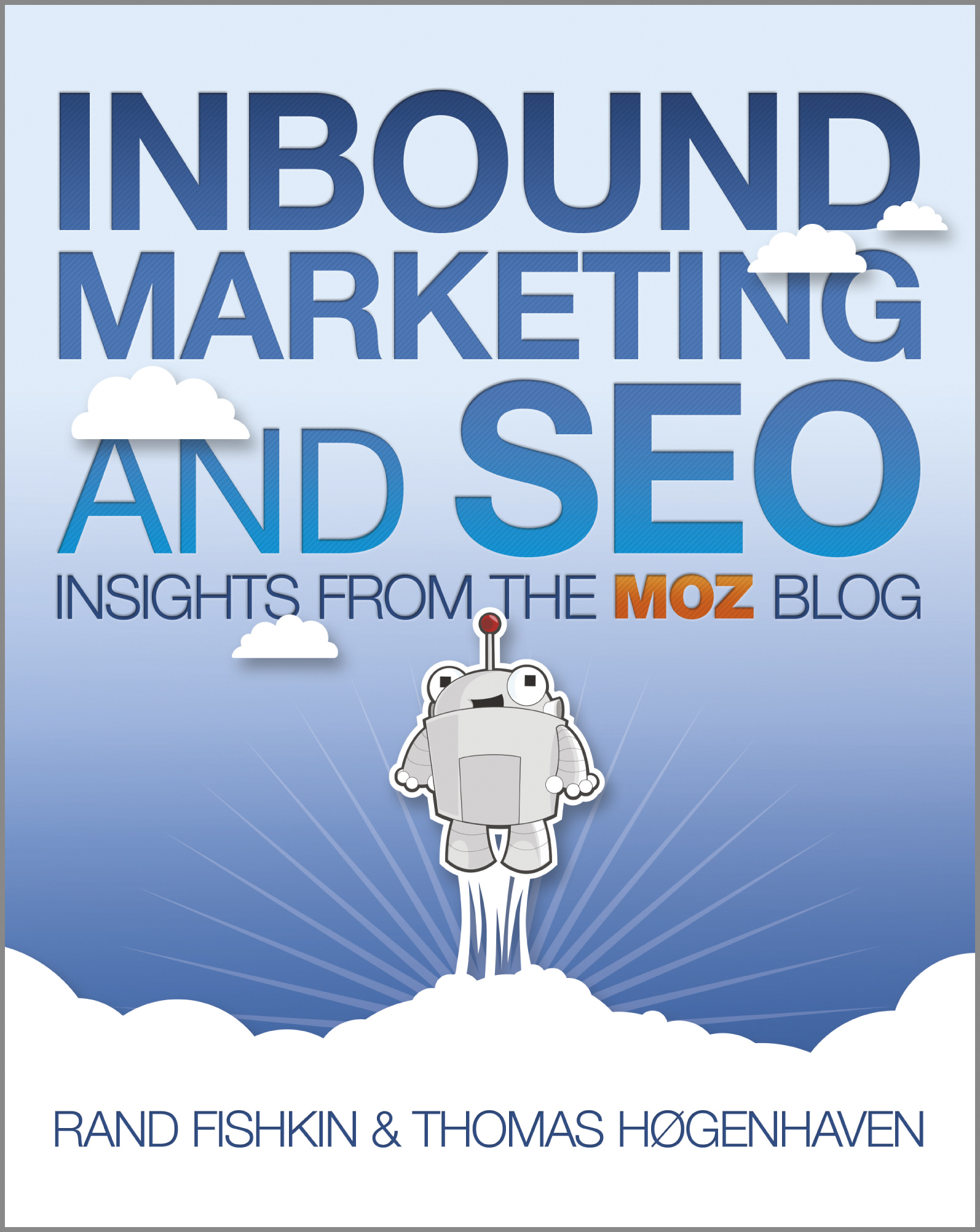
Inbound Marketing And SEO: Insights From The Moz Blog | Book Review

Inbound Marketing & SEO: Insights From The Moz Blog      , Rand Fishkin ,Thomas Høgenhaven, book, book review, SEO, I am sure some readers will have no idea what this book is about. Nor even care. But for those with blogs, online magazines, websites or digital companies, Inbound Marketing and SEO: Insights from the Moz Blog By Rand Fishkin and Thomas Høgenhaven is essential reading.

This excellent book didn’t only teach me a lot of stuff I didn’t know, it also taught me stuff I didn’t know that I didn’t know. That is not to say it made my head hurt with esoteric talk, as well as being knowledgeable it is also easy to read and the knowledge sinks in. I love the graphs too.

If you are in the digital media business I think you should buy this book, read it as quickly as possible and then reevaluate your business. Great business advice in a humourous and enjoyably written book. Brilliant stuff.

The Moz blog is the go-to place for the latest thinking on Search Engine Optimization, and Inbound Marketing and SEO: Insights From The Moz Blog is an anthology of some of the finest writing on this topic.

Search engine optimization (SEO) has been a growing area for many years but industry professionals now recognise that they require a broader set of competencies. In order for SEO to be successful, a wide range of marketing channels need to be covered. In response, Inbound Marketing and SEO is split into sections encapsulating: Channels of Online Marketing; Search Engine Optimization; Content Marketing; Social Media; Outreach; Conversion Rate Optimization; and Analytics.

Aimed at both new and experienced marketers within each of these six sub-disciplines, it primarily focuses on leveraging existing products such as Google, Bing, Twitter, Facebook and LinkedIn as marketing platforms. While most of the book does not require advanced technical knowledge, it also contains articles which look at SEO from a more technical point of view – for example, focusing on how to implement schematic data in HTML or setting up advanced segments in Google Analytics.

Updating the The Moz blog’s most popular articles on the key SEO disciplines, this new title compiles them with brand new, purpose-written articles which are unavailable elsewhere.

Inbound Marketing & SEO: Insights From The Moz Blog is available here, Waterstones, WH Smith and wherever books and e-books are sold.