Design Ideas That Support Multi-Generational Living

Image Source

Have you ever walked into your kitchen and wondered how it became a daycare, conference room, and nursing station all at once? You’re not alone. More families today are choosing to live together across generations. Some do it to share expenses. Others do it out of love—or necessity. Either way, modern homes are doing more than ever before.

According to Pew Research Center, multi-generational households in the U.S. have quadrupled since the 1970s. Rising housing costs, longer life expectancy, and changing cultural norms have all played a role. It’s not just about saving money. It’s about staying connected. But let’s be honest—living with your in-laws or your grown kids isn’t always simple. That’s where smart design comes in.

In this blog, we will share practical design ideas that make life smoother, cozier, and more respectful for everyone under one roof.

Why Shared Spaces Need Rethinking

Most homes weren’t built with three generations in mind. They were designed for the nuclear family: two parents, a couple of kids, maybe a dog. Now, many households include grandparents, adult children, and even grandchildren—all with different routines, noise levels, and privacy needs.

This change is pushing homeowners to think differently about space. It’s not just about cramming in more beds. It’s about creating zones where people can live together without stepping on each other’s toes. That often means adjusting layouts or repurposing unused areas of the house.

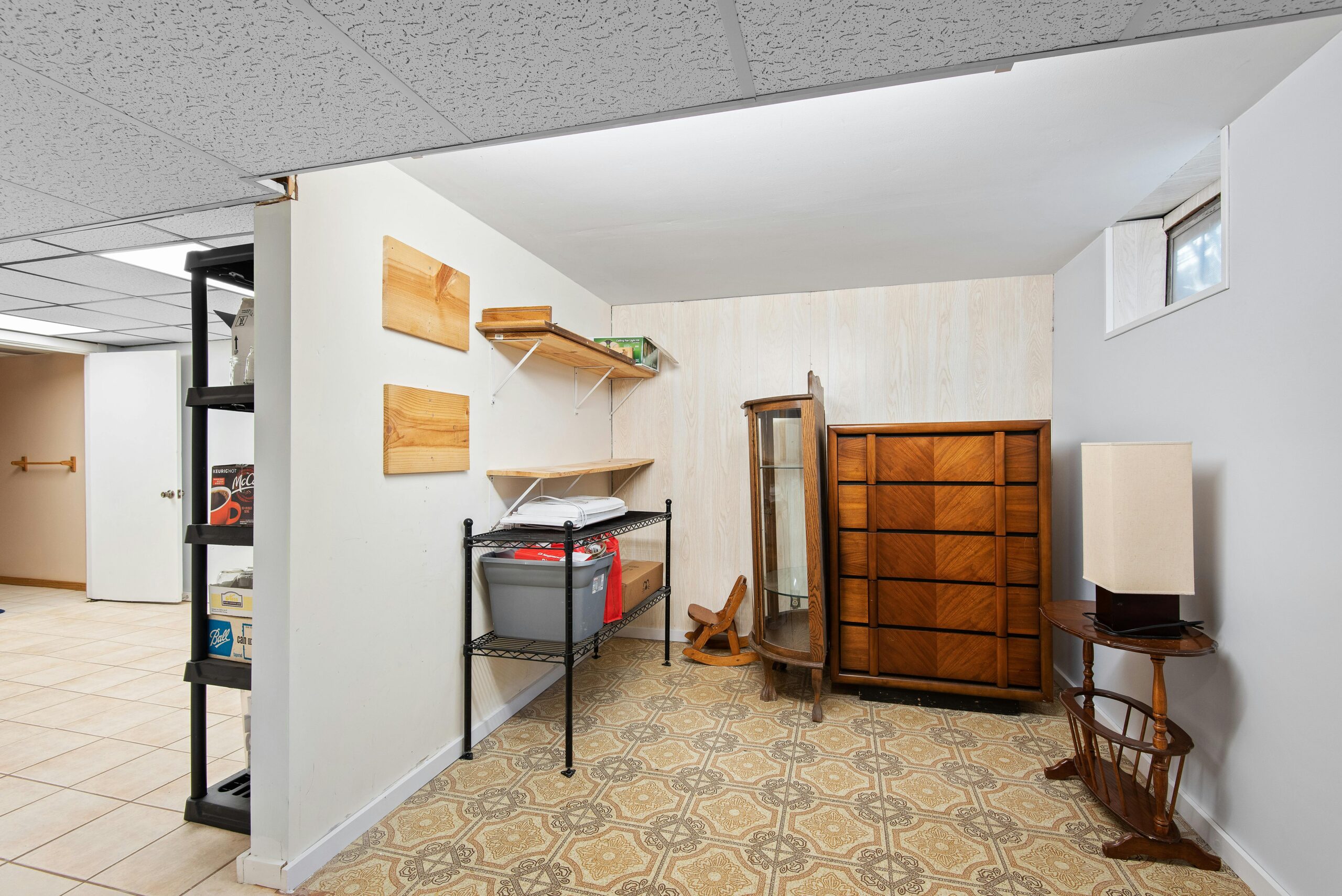
If your current layout feels cramped or chaotic, you’re not stuck. Solutions can range from small adjustments to full renovations. For example, turning a lower level into a private suite is one smart way to give everyone their own corner. If you’re thinking along those lines, working with a basement remodeler can help you design something that’s functional, attractive, and tailored to your family’s needs.

These projects aren’t about fancy finishes. They’re about flow, boundaries, and comfort. A well-designed lower level might include a small kitchenette, full bathroom, and living area—giving someone the feel of a private apartment without needing to move out.

Privacy Isn’t Selfish—It’s Survival

Let’s be real. Even the most loving families need space. Grandma doesn’t want to hear your toddler’s morning tantrum. Your son probably doesn’t want his video call interrupted by your book club. That’s why good design for multi-generational homes includes clear physical separation.

One popular method is to create separate entrances. It gives older parents or adult children more independence. They can come and go without needing to tiptoe past a sleeping baby. Pocket doors, soundproof panels, and dedicated bathrooms are also great for reducing friction.

Think about scheduling, too. Are there enough bathrooms for the morning rush? Can someone shower without waking up the whole house? These little stressors add up. Design isn’t just about pretty colors. It’s about making daily life easier to live.

Shared Kitchens Without Collisions

Now let’s talk about the busiest room in the house: the kitchen. In multi-generational households, the kitchen is where everyone eventually crosses paths. That’s fine—unless you’re all trying to cook at once.

To make a shared kitchen work, focus on zones. Set up separate food storage areas. If you can, add a second fridge or even a small kitchenette in another part of the home. That way, people can prep or snack without waiting in line.

Islands with multiple seating options help, too. Some folks like to chat while others cook. Others just want to eat in peace. Offering different ways to use the space keeps things flexible.

And don’t forget lighting. Good overhead lights and task lighting reduce strain and help people of all ages move around safely. Consider non-slip floors as well—stylish ones exist, we promise.

Multipurpose Living Areas That Work for All Ages

When designing for more people, flexibility is key. A single room might need to host a toddler during the day and a Zoom meeting at night. Choose furniture that can shift or store easily. Sectionals with hidden storage, fold-out tables, and stackable chairs all come in handy.

Media zones are another big deal. If one group wants to watch the news while another plays video games, it helps to have separate viewing areas. Don’t rely on one central TV to satisfy everyone. You’ll just end up arguing over the remote.

Keep noise control in mind, too. Rugs, curtains, and soft furniture help absorb sound. You’re not turning your home into a recording studio—you’re just making it more livable.

Bathrooms Designed for Comfort and Access

Bathrooms can be a pain point if not set up right. For multi-generational homes, you’ll want a mix of accessibility and function. Walk-in showers with grab bars serve older adults, while lower counters and step stools help young kids.

Storage is key. Give everyone a designated space for toiletries. This isn’t just about neatness—it’s about respect. Nobody likes digging through someone else’s floss and face cream to find their razor.

If you’re short on bathrooms, consider adding a powder room or expanding an existing half-bath. Even one more toilet can save you from daily family drama.

Outdoor Space: The Overlooked Hero

Let’s not forget the outside. Yards, decks, and patios are often underused. But they can be game changers for large households. A small garden can become a calming retreat. A covered patio offers space for grandparents to sit while kids play.

Outdoor zones can also double as work or study areas during good weather. Add some shade, plug-ins, and strong Wi-Fi, and you’ve got a makeshift office. Fresh air helps with mood and productivity. It also gives people a place to go when they need a break—from each other.

And yes, invest in comfy outdoor furniture. If it’s not comfortable, no one will use it.

The Emotional Side of Shared Living

Good design helps people live better together. But design alone can’t fix every problem. Multi-generational living works best when paired with mutual respect and clear expectations.

Having separate spaces doesn’t mean building walls emotionally. It means giving each other room to breathe, so the time spent together can be enjoyable—not just forced proximity.

Talk openly about needs. Ask what makes people feel comfortable, heard, and safe. Then use that input to guide your decisions. You’re not just designing a space. You’re shaping the daily lives of people you care about.

Building with Intention

Multi-generational living isn’t a trend. It’s a return to something older and wiser—something that puts people first. But to make it work in today’s world, homes need to keep up. That means better layouts, smarter use of space, and choices that support comfort, privacy, and connection.

The good news? These changes aren’t about luxury. They’re about function. You don’t need a mansion to make it happen. You just need a plan—and maybe a few honest conversations.

So whether you’re adding a suite, updating your kitchen, or turning a forgotten space into something beautiful, remember: the goal is to live together without losing yourself. With thoughtful design, you can create a home where everyone feels welcome—and no one has to fight for the last seat at the table.

Collaboration with our brand partner.
Easy Home Updates That Improve Your Daily Life

Did you know that most homeowners feel that small home improvements can significantly boost their comfort and convenience? In today’s busy world, it’s easy to overlook the little things that make daily life easier. But the truth is, even small updates can make a big difference. From improving your home’s lighting to adding smart storage solutions, these straightforward changes can save you time, reduce stress, and create a more pleasant living environment. You don’t need to spend a fortune or embark on a major renovation. 

With the right updates, you can enjoy a more functional, inviting home that works better for you and your family.

1. Refresh Your Walls with a New Coat of Paint

If your walls are looking worn or outdated, a fresh coat of paint can breathe new life into your home. Light, neutral tones like beige, gray, or soft blue create a calming atmosphere, while bold accent walls can add personality without overwhelming a room. Even smaller projects, like repainting door frames or kitchen cabinets, can have a noticeable impact. High-quality paint finishes are also more durable and easier to clean, which is especially useful in high-traffic areas like hallways and kitchens. With just a weekend’s effort, you can give your home a clean, refreshed look that feels brand new.

2. Create a Relaxing Bedroom Retreat for Better Sleep

Your bedroom should feel like a sanctuary—a place where you can relax, unwind, and get a good night’s sleep. If your space feels cluttered or uncomfortable, a few simple changes can make a big difference. Start with the most important element: the mattress. High-quality mattresses, such as Tempur-pedic Memory Foam Mattresses, can improve sleep quality, reduce aches and pains, and leave you feeling more refreshed each morning. They provide just the right amount of support and comfort by relieving pressure points. 

Blackout curtains are another easy update that blocks out light, helping you fall asleep faster and stay asleep longer. Adding soft, warm lighting with bedside lamps creates a calming atmosphere. With the right mattress and a few simple improvements, you can turn your bedroom into a restful retreat that supports better sleep and improves your overall well-being.

3. Maximize Storage with Smart Organization Solutions

Clutter can make even the most beautiful home feel stressful and chaotic. Fortunately, better storage solutions can help you stay organized and make the most of your available space. Start by identifying underused areas—like the space above doors, beneath stairs, or inside closets—and add shelves or cabinets there. Drawer organizers and dividers are simple tools that help keep small items neat and easy to find. In the kitchen, pull-out pantry shelves can make accessing ingredients much more convenient. In bedrooms, consider under-bed storage containers for seasonal clothing or extra bedding. By using clever organizational tools, you can reduce clutter, save time, and enjoy a more orderly home environment every day.

4. Improve Air Quality with Simple, Affordable Changes

The air quality in your home plays a big role in your family’s health and comfort. Fortunately, you don’t need a complex filtration system to make improvements. Regularly replacing HVAC filters is a simple yet effective way to reduce dust, allergens, and other particles. Adding houseplants like snake plants, peace lilies, or spider plants can also help filter the air naturally. Portable air purifiers are another practical addition, especially for bedrooms or living rooms where you spend a lot of time. Good air quality contributes to better sleep, fewer allergies, and a more pleasant home environment overall.

5. Update Hardware for an Instant Makeover

Small details can have a surprisingly big impact on your home’s appearance. Outdated or mismatched hardware on cabinets, drawers, and doors can make a space look tired. Swapping old knobs and pulls for modern designs is a quick, cost-effective way to refresh kitchens and bathrooms. Matte black, brushed nickel, and oil-rubbed bronze are popular options that work well with various styles. Updating hardware takes little time but can significantly improve the look and feel of a room. It’s one of those small upgrades that makes your home feel more polished without much effort.

6. Make Your Kitchen More Functional with Simple Changes

The kitchen is often the busiest room in the house, and small upgrades can make everyday tasks easier and more enjoyable. Start by assessing your workspace. If your countertops feel cluttered, install wall-mounted shelves or magnetic strips to free up space. Pull-out organizers in cabinets and pantries can help you find what you need without rummaging through stacks of items. Upgrading to a touchless faucet can also simplify cooking and cleaning. Even small changes, like adding under-cabinet lighting, can brighten your workspace and make meal preparation more convenient. A more functional kitchen saves time and reduces frustration during daily routines.

7. Upgrade Your Bathroom for More Comfort and Efficiency

Bathrooms might be small, but they have a big impact on daily routines. Simple updates can make them more functional and pleasant. Replacing an old showerhead with a high-pressure, water-saving model can improve your showers while reducing water use. Installing a mirrored cabinet adds extra storage space for toiletries without taking up additional room. Non-slip mats and updated fixtures enhance both safety and appearance. If the bathroom lighting is too harsh, switch to softer bulbs to create a more relaxing atmosphere. These quick changes can turn your bathroom into a more comfortable, efficient space for your morning and evening routines.

8. Enhance Your Outdoor Space for Daily Relaxation

Spending time outside, even just for a few minutes, can improve your mood and reduce stress. Creating an inviting outdoor area doesn’t require a big investment. Start with comfortable seating, like a simple patio set or a cozy hammock. Solar-powered lightscan illuminate pathways and make the space more enjoyable at night. Potted plants or a small herb garden can add color and fragrance to the area. If you have a deck or balcony, consider adding an outdoor rug or weather-resistant cushions to make the space more comfortable. An inviting outdoor area encourages you to step outside, breathe in fresh air, and take a break from your busy day.

Making your home more comfortable and functional doesn’t have to involve major renovations or high costs. Small, thoughtful updates—like improving lighting, organizing spaces, and upgrading hardware—can significantly enhance your daily life. These changes not only make your home more enjoyable but also save you time and reduce stress. The best part? Many of these projects can be completed in just a weekend. By choosing a few simple updates that fit your needs, you can create a space that feels more comfortable, efficient, and inviting every day.

Luxury Meets Practicality: Home Improvement Trends for Modern Lifestyles

Image Source

Modern homeowners strive to create spaces that balance luxury with functionality. It’s no longer enough for a home to be aesthetically stunning; it must also cater to the fast-paced demands of daily life. The integration of technology, sustainable practices, and innovative designs has transformed how we think about home improvement. This article explores key trends shaping the future of home improvement, focusing on designs that marry opulence with usability. Each trend reflects the growing demand for homes that offer comfort, convenience, and enduring value. Whether you’re considering a minor upgrade or a complete overhaul, these trends are bound to inspire your next project.

1. Smart Home Integration: The Future of Living
The rise of smart technology has redefined how homeowners interact with their spaces. Devices that offer voice-controlled automation, such as smart thermostats, lighting systems, and security cameras, have become essential. These innovations not only elevate convenience but also contribute to energy efficiency. Homeowners can now monitor and control systems remotely, creating personalized experiences tailored to their preferences.
For example, smart lighting systems can adjust to natural light levels throughout the day, enhancing ambiance while reducing energy use. These systems work seamlessly with smart assistants, enabling hands-free operation. As smart home technology continues to evolve, the possibilities for integrating luxury and practicality grow endlessly, setting the stage for a more intuitive living experience.

2. Maximizing Natural Light Through Window Design
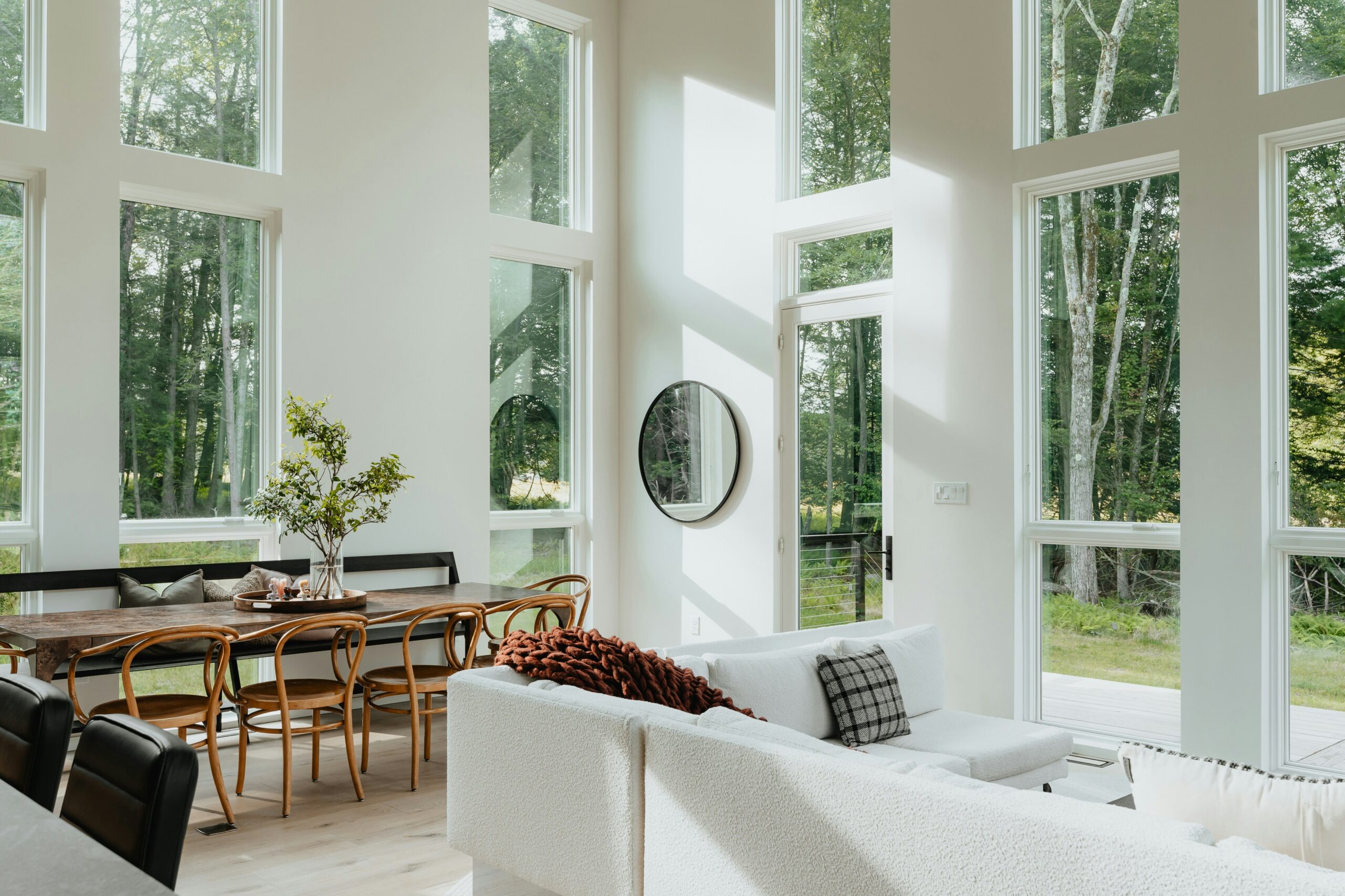
Natural light remains a cornerstone of modern home design. Expansive windows not only enhance the visual appeal of interiors but also improve energy efficiency and mood. Open spaces with well-placed windows create an inviting atmosphere while reducing reliance on artificial lighting.
For homeowners seeking the perfect blend of style and function, working with a reputable replacement window company can make all the difference. High-quality replacement windows improve insulation, regulate indoor temperatures, and frame outdoor views beautifully. Choose options like energy-efficient glass and sleek frames to amplify the natural light in your home while achieving an eco-friendly upgrade. Elevating your window design transforms living spaces into bright, luxurious havens.

3. Sustainable Materials: The Green Movement in Home Design
Sustainability has become a critical aspect of modern home improvement. Homeowners increasingly opt for materials that minimize environmental impact while offering durability and style. Reclaimed wood, bamboo, and recycled metal are popular choices for flooring, furniture, and accents.
These materials not only look great but also contribute to a greener planet. Incorporating energy-efficient appliances and solar panels further enhances sustainability efforts. Designers and architects now prioritize eco-conscious materials, proving that sustainability doesn’t compromise luxury. This trend reflects a broader cultural shift toward responsible living, making it easier for homeowners to align their lifestyle choices with their values.

4. Kitchen Renovations That Blend Style and Utility
The kitchen remains the heart of the home, but its role has evolved. Today’s kitchens serve as multifunctional spaces for cooking, dining, and socializing. Homeowners prioritize layouts that maximize functionality without sacrificing style.
Open-concept kitchens with large islands and high-end appliances are in high demand. Storage solutions, such as pull-out shelves and custom cabinetry, help maintain an uncluttered look. Countertops in quartz or marble add a touch of sophistication while offering resilience against wear and tear. Lighting also plays a key role, with pendant lights and under-cabinet illumination adding depth and character. By balancing beauty with practicality, modern kitchen designs cater to the diverse needs of today’s households.

5. Spa-Like Bathrooms for Everyday Relaxation
Bathrooms are no longer mere utilitarian spaces; they have become sanctuaries for relaxation. Luxurious upgrades, such as freestanding tubs, rainfall showers, and heated flooring, create a spa-like experience at home. Incorporating natural materials like stone and wood enhances the aesthetic while evoking a sense of calm.
Technology further elevates the bathroom experience. Smart mirrors with integrated lighting and temperature-controlled showers offer convenience and luxury. Adequate storage keeps the space organized and visually appealing. These designs encourage homeowners to unwind and recharge, making the bathroom a functional yet indulgent retreat.

6. Outdoor Living Spaces That Extend Comfort
Outdoor areas have become an extension of the home, offering spaces for relaxation and entertainment. Homeowners increasingly invest in outdoor living spaces that combine luxury and practicality, creating the perfect setting for social gatherings or quiet evenings.

Features such as outdoor kitchens, fire pits, and comfortable seating turn patios and backyards into functional spaces. Materials that withstand weather, like composite decking and all-weather fabrics, ensure longevity. Adding pergolas or retractable awnings provides shade and flexibility, while outdoor lighting enhances the ambiance for nighttime use. With thoughtful design, outdoor spaces become year-round havens, seamlessly connecting nature with modern living.

7. Multifunctional Rooms for Dynamic Lifestyles
The shift toward remote work and hybrid lifestyles has sparked demand for multifunctional rooms. Homeowners want spaces that adapt to their needs without compromising on style or convenience.

Designers now create rooms that serve dual purposes, such as a home office that doubles as a guest room or a playroom that transforms into a home gym. Modular furniture, such as Murphy beds and foldable desks, optimizes space usage while maintaining aesthetics. These spaces cater to evolving family needs, blending elegance with utility. Multifunctional rooms ensure homes remain practical and future-proof as lifestyles continue to evolve.

8. Energy Efficiency as a Priority
Energy efficiency is no longer a luxury; it’s an essential component of modern home improvement. Homeowners prioritize upgrades that reduce energy consumption and lower utility bills while enhancing comfort.

High-performance insulation, energy-efficient windows, and smart thermostats are key elements of this trend. Solar panels and energy storage solutions are also gaining popularity, offering long-term savings and environmental benefits. Appliances with high energy ratings contribute to this shift, aligning with sustainable living practices. By focusing on energy efficiency, homeowners not only save money but also minimize their carbon footprint, proving that practicality can coexist with luxury.


Luxury and practicality are no longer opposing forces in home improvement; they are integral to modern design. From smart technology to energy efficiency, today’s trends prioritize convenience, sustainability, and sophistication. Homeowners are redefining their living spaces to align with dynamic lifestyles, creating homes that offer lasting value and comfort. By embracing these trends, you can transform your space into a haven that reflects your aspirations while meeting everyday needs. Whether you’re upgrading a single room or embarking on a full-scale renovation, the possibilities for enhancing your home are boundless.

Guest post from our brant partner.

The Intersection of Style and Function: Choosing the Right Roof for Your Home and Lifestyle

Image Source

When choosing a roof for your home, the decision goes far beyond simply selecting a material or style. Your roof defines your home’s character, safeguards your family, and influences energy efficiency. Homeowners in places like Longmont, Colorado, face unique challenges due to local climate conditions, including hailstorms, snow, and intense sunlight. This makes choosing the right roof particularly important in a community that values both aesthetics and practicality. Longmont’s blend of modern neighborhoods and historic districts means residents have diverse needs for roofing solutions. A roof must complement architectural styles, withstand harsh weather, and meet local building codes. The right choice combines visual appeal with functionality, offering durability and energy savings. Let’s explore how to make the best decision.

1. Understanding the Basics of Roofing Materials
Roofs come in various materials, each with distinct advantages and limitations. Asphalt shingles remain the most popular choice due to affordability and versatility. Metal roofs, often preferred for their durability, reflectivity, and contemporary appeal, have become increasingly common in areas with significant weather variations. Clay and concrete tiles exude a timeless charm but require a sturdy structure to support their weight. Slate offers unmatched elegance and longevity but comes with a higher price tag. Finally, wood shakes provide a rustic look, though they demand regular maintenance to prevent weather-related wear. By understanding these materials, homeowners can identify options that align with their budgets, aesthetics, and functional needs.

2. Considering Climate and Local Weather
Longmont’s weather patterns, including heavy snowfall, intense sun, and occasional hailstorms, demand roofing materials that prioritize durability and weather resistance. Asphalt shingles reinforced for hail impact or metal roofs with specialized coatings provide excellent options for these conditions. Local roofing professionals, like a trusted Longmont roofing company, possess in-depth knowledge of regional needs and building standards. Consulting with them ensures your choice balances style and resilience. Whether preserving energy during summer or preventing leaks in winter, the right roof adapts to environmental challenges while enhancing your home’s aesthetic appeal.

3. Aligning with Your Home’s Architecture
A roof should complement your home’s architectural design, seamlessly blending function with style. For example, asphalt shingles pair well with modern and suburban homes, while metal roofs can elevate minimalist or industrial aesthetics. Traditional homes, including those with Victorian or colonial designs, often benefit from slate or clay tiles, adding timeless character. When selecting a roofing material, assess your home’s structural lines and facade. A mismatch between your roof and architecture can diminish curb appeal and reduce overall property value.

4. Balancing Longevity and Maintenance
Roofing is a long-term investment, so durability should rank high on your list of priorities. Materials like slate and metal boast impressive lifespans, often exceeding 50 years, but they come with higher upfront costs. Asphalt shingles, though less durable, remain budget-friendly and easier to replace. Additionally, some materials require regular maintenance, such as sealing, painting, or cleaning, to maintain their appearance and functionality. Before committing, evaluate your willingness to invest time or money into maintenance. Opting for materials requiring less upkeep can save headaches and costs in the long run.

5. Emphasizing Energy Efficiency
Energy-efficient roofing not only reduces environmental impact but also saves on utility bills. Reflective surfaces, like those found in metal or light-colored shingles, minimize heat absorption and lower cooling costs during summer. Similarly, well-insulated roofs reduce heat loss in winter, making your home more comfortable year-round. Roofing materials with high solar reflectance and thermal emittance ratings ensure optimal energy savings. In areas like Longmont, where sunny days are abundant, choosing energy-efficient options can significantly reduce cooling demands while aligning with sustainable practices.

6. Weighing the Costs and Long-Term Value
While the upfront cost of a roofing material is an important factor, evaluating the long-term value is equally crucial. A lower-cost material, like standard asphalt shingles, might save money initially but could require more frequent replacements. On the other hand, investing in premium options such as slate, metal, or clay tiles often pays off in terms of durability and reduced maintenance costs. Factor in additional expenses, like installation, underlayment, and repairs, to get a complete picture of your investment. A quality roof boosts resale value, enhances curb appeal, and minimizes unexpected expenses, making it a wise choice for homeowners prioritizing long-term benefits over immediate savings.

7. Choosing Sustainable Roofing Solutions
Sustainability has become a key consideration for modern homeowners. Eco-friendly roofing options, such as metal, recycled shingles, or living roofs, align with environmental goals while delivering functional benefits. Recycled shingles utilize repurposed materials, reducing waste without compromising performance. Similarly, metal roofs are fully recyclable at the end of their lifespan, making them an excellent choice for eco-conscious buyers. Living roofs, though less common, provide natural insulation and stormwater management while enhancing air quality. By selecting sustainable options, you contribute to reducing your home’s environmental footprint while enjoying energy-efficient and durable roofing solutions.

8. Enhancing Safety and Weather Resistance
Safety is a non-negotiable aspect of roofing. Certain materials excel in withstanding specific weather conditions. For instance, metal and slate roofs offer superior resistance to hail and fire, while asphalt shingles reinforced with impact-resistant technology can handle moderate storm damage. Consider the slope of your roof, as steeper slopes tend to shed snow and rain more effectively, reducing the risk of structural stress. In areas prone to extreme weather, installing additional features like storm anchors or sealing can bolster your roof’s performance. Investing in high-quality, weather-resistant materials safeguards your home and ensures peace of mind.

Choosing the perfect roof for your home is a blend of style, functionality, and foresight. It involves assessing your local climate, home architecture, budget, and personal preferences. Longmont residents, for example, face specific weather challenges that demand thoughtful consideration of materials and installation techniques. Beyond immediate needs, the right roof enhances energy efficiency, reduces environmental impact, and elevates property value. By prioritising quality, durability, and professional guidance, you can ensure your roofing investment protects your home and reflects your lifestyle for years to come.

Guest post from our brand partner.

Frost Loves LAIBA and Maxim Schulte

LAIBA Special Edition #01, a cocktail set created by world-renowned Maxim Schulte, formerly of The American Bar at The Savoy and currently the head bartender at KOL Mezcaleria, London.

In just 30 seconds, start to finish, you can make a delicious cocktail; just shake, add ice, serve and enjoy – the easiest way to be your own bartender.

The LAIBA Special Edition #01 is the complete cocktail experience, delivered to your door. This is the ultimate six-bottle cocktail set including three bottles of both of Maxim’s bespoke cocktails, the Oriental Reviver and the Piña Colada Old-Fashioned.

Maxim Schulte says: “My LAIBA Special Edition reflects my experience previously in Bangkok, Hong Kong and Macau, really showcasing Asian flavours and what they can do in a cocktail.”


ORIENTAL REVIVER
“A twist on possibly my all-time favourite classic, The Corpse Reviver No. 2, invented in the American Bar at The Savoy. We have gin, a little bit of Triple Sec and then we have mandarin. The mandarin replacing the citrus is connected to my past of working for a long time in Asia and really loving the continent, the people, the culture and the flavours.”
– MAXIM SCHULTE

PIÑA COLADA OLD-FASHIONED
“The Piña Colada Old-Fashioned is a riff on my absolute favourite tropical summer drink. I say, if you don’t like a Piña Colada, you have to be either allergic to coconut or pineapple. I love to have an amazing, refreshing Piña Colada on a hot day, but with this version you can have it literally any day. Rum, pineapple, coconut; a little bit of sweet and sour.”
– MAXIM SCHULTE

Priced at £59 for six 90ml bottles from LAIBA Beverages with free next day delivery.

Making Space For a New Baby.

Checking off all the boxes to prepare for the arrival of your new little one is extremely important. Selecting your baby’s name is always a priority but can be a tough choice. A name that has meaning behind it can be special to you and your baby. French names have been known to have a unique meaning behind them and are very popular. Naming your boy or girl with a French baby name is sure to imbue them with innate style, grace and elegance. After you have picked a name, it is time to focus on getting your house in order to prepare for the pending arrival of your new baby.

Buy toy boxes and teach your children to put things in the boxes. The boxes can be stackable and plastic, or a toy chest. Whatever suits you and your life works. I try to put things away by category, all trains in one box etc. This invariably ends up with a few toys mixed up but you can but try.

Regular charity shop trips. I find keeping a charity shop bag or box around helps. Anytime your child grows out of a toy, or moves on to something else, put it in. I also put duplicates in. Sometimes your child will be given the same kind of present. They do not need three tea sets!

If I learnt anything about keeping a tidy house it is to have  good storage options. I recommend using Now Storage self storage. Packing things up and putting them into storage is a great option. Some things cannot be parted with and other things you will need in the future.

Clothes are a special thing. Even when my children grow out of their clothes I find it hard to part with them. I get emotional and have even cried when getting rid of their baby clothes, it is embarrassing to admit. It is important to store clothes properly, otherwise they end up mouldy or moth-ridden. I use vacuum bags. They keep out moisture and insects. Perfect!

What are your storage tips?

Collaborative post with our brand partner.

Fox News Boss Lachlan Murdoch Is New Owner Of Cheryl Tiegs’ Home

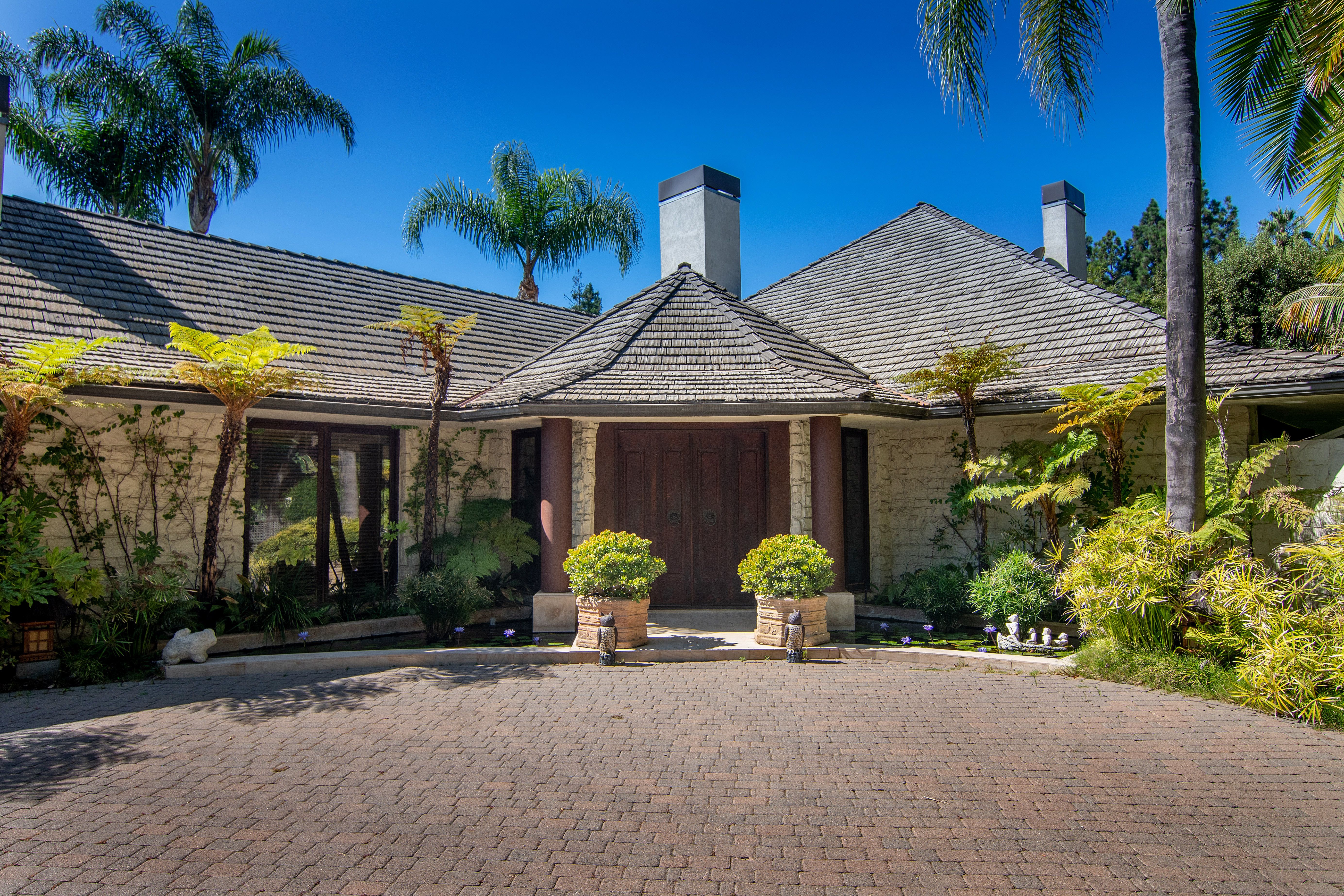
Lachlan Murdoch, CEO of Fox Corporation, co-chair of the Wall Street Journal and son of Rupert Murdoch, has purchased his supermodel-neighbor Cheryl Tiegs’ Balinese-style home for $14.1 million. The home was listed at $18.5 million.

Lachlan Murdoch, Cheryl Tieg, home, house, real estate, photos

Although Murdoch has not explained why he bought his neighbor’s home, it was likely for more privacy as Tiegs’ 1.5 acres adjoins his 10-acre estate, Chartwell Mansion, that he bought last year for $150 million. When it was the most expensive home on the market in the United States. Chartwell, seen as the TV home of the oil-rich Clampett family in the 1960’s sitcom The Beverly Hillbillies, was originally priced at an eye-watering $350 million. Murdoch now owns a massive statement property and added Cheryl’s home with its tropical touches.

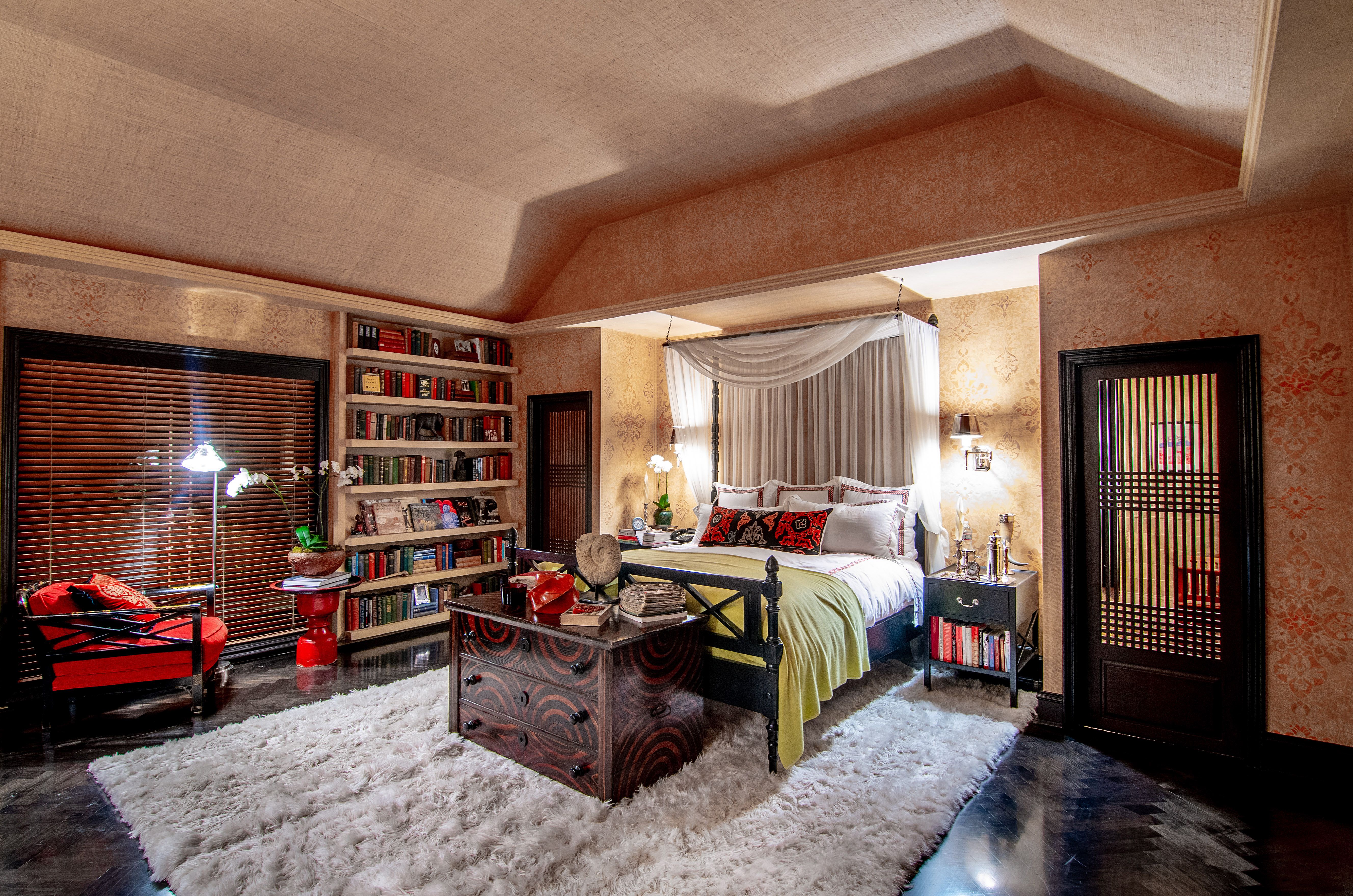
The Tiegs home, both inside and out, has the look and feel of an island in the tropics with its own koi pond and lily pads at the entrance behind gates that open to a long drive adding more privacy. Palms, huge Monstera vines and tropical flowers abound in the landscape and along paths. The house itself is a study in bold natural elements, textures and colors from fabrics, floors, glass walls opening to vegetation and stunning hilltop views.

Visit TopTenRealEstateDeals.com for more real estate news, spectacular homes and Celebrity Home Video Tours.

Lachlan Murdoch, Cheryl Tieg, home, house, real estate, photos

Looking After Yourself While Isolating at Home

home, house

Many of us were growing sick of the self-isolation and were looking forward to things going back to normal. Unfortunately, as explained in an article by The Telegraph, the government’s plans to slowly ease lockdowns across the UK have had to be immediately halted as various cities have seen a significant spike in the number of active cases being reported daily. As of writing, the average number of new cases per day in the UK is 816, based on an article by The Guardian.

This means that Brits are now being forced to go back into the comforts of their homes and self-isolate once again. Many of us are well-aware of just how difficult self-isolating can be — especially if you have been doing it for more than four months now. This undeniable difficulty is the reason why it is all the more important for each and every one of us to take the time to care for ourselves as much as we possibly can. If you are one of those people who are still looking for ways to take better care of yourself, here are easy-to-follow tips you can take inspiration from:

Have a skincare routine

Dermatologist Dr. Heather Woolery-Lloyd explained how investing in a skincare routine not only helps treat skin conditions that often cause a lot of people to lose confidence but also encourages many of us to engage in an activity that promotes self-love, self-acceptance and healing. Contrary to popular belief, skincare routines don’t always have to be intricate or expensive. Sometimes you just have to have the best moisturizer with sunscreen. The best SPF moisturizers reviewed by Forbes are often labeled “broad-spectrum” since these are great in blocking both types of UV rays – thereby preventing signs of photo aging, as well as minimizing your risk of getting skin cancer.

Learn to pleasure yourself

For many people, being stuck at home translates to being apart from their significant others for long periods of time, and without a doubt, this can be extremely frustrating. If you are one of those people, then maybe now is the right time for you to consider using toys that can help you reach your peak. Aside from helping you ease some of your frustrations, Bustle detailed how pleasuring yourself can actually help you deal with anxiety and depression, practice mindfulness, achieve a better self-image and feel more empowered. Sometimes picking a toy can be incredibly intimidating, especially if the idea of using one is foreign to you. In this case, it would be a good idea to use toys that are very handy, are not intimidating and come in discreet sizes and shapes. The bullet vibrators listed on PrettyMe include cute pieces that could even pass off as one of your lipsticks, making it perfect for those who are a little more conservative than others.

Eat healthy

As the old saying goes, you are what you eat. And during these trying times, this adage is truer than ever before. Aside from keeping you physically healthy, eating the right kinds of food can also significantly contribute to making you feel better and improving your mental wellbeing. For instance, as highlighted in our previous post ‘Five Reasons to Maintain a Healthy Gut’, foods that promote gut health can help alleviate the symptoms of various mental health issues such as anxiety, depression and period of low moods – which can all be debilitating at times. Some of the mood-boosting foods enumerated by The Healthline include fatty fish such as salmon and albacore tuna, as well as dark chocolate, fermented foods, berries and plant-based proteins such as lentils and beans.

We are currently living in a world where nothing is certain. And sure enough, this new reality can cause bouts of anxiety for many. This makes it especially important for us to zoom in on participating in activities, such as having a skincare routine, eating healthy and learning how to pleasure oneself, which can promote self-care and help us live through these trying times.

Post in collaboration with Martin Wilson