Editor Catherine Balavage’s Radio Interview With Orla Barry

Frost editor Catherine Balavage was interviewed on The Green Room with Orla Barry. Catherine was talking about her new book How To Be a Successful Actor: Becoming an Actorpreneur. The interview is below and has lots of great acting advice. Have a listen and let us know what you think.


Are you an actor? If you have any acting questions then comment below and Catherine will answer them.


How To Be a Successful Actor: Becoming an Actorpreneur is out now and available here.


London Wedding Caterer The Pickled Fork Interview | Weddings

Few things are more important to get right during your wedding than the catering. The Wedding Breakfast is so-called as it is the first meal of your married life and making sure it is a good one is paramount.

My wedding caterer was The Pickled Fork. There were brilliant and many of the guests said it was the best wedding food they had ever tasted. I have an interview with the owner, Alex Motture, below.

wedding, wedding food, wedding breakfast, caterer, London, weddings, wedding, the pickled fork
How did you get into wedding catering?
I first got into wedding catering whilst working at Mustard Catering 4 years ago. Although I had catered for weddings in the past it was not on the same scale.
Tell us about the Pickled Fork
Here at The Pickled Fork we are all about using the best of  British seasonal produce whether it be from the land, sea or sky. We host weekly pop up restaurants around London and are also involved with local brewery’s and distilleries.
What is the most important thing to get right?
For me the most important thing to get right is your timing. If you don’t get this right things can spiral out of control very quickly
1538754_674266419262513_1072831593_n thepickledfork
What should couples look for in a wedding caterer?
Couples looking for a wedding caterer should be keeping an eye out for someone with flair, patience, attention to detail, a passion for food and a strong back round in hospitality.
What kind of questions should a couple ask their caterer?
A couple questions that I think should be asked would be..How much and are you flexible on price!?
Talk us through a day catering for a wedding.
Slightly tricky question as every wedding is different therefore no two days in the kitchen will be the same. Although generally the day will generally run the same depending on what style of menu the couple have chosen. It will usually involve an early start and a late finish with lots of prep in between.
What kind of food do you recommend for weddings?
It all depends on what the couple want. Probably the most straight forward and least problematic from my point of view would be a hot and cold buffet. Another good option is to have sharing platters placed on the table and the guests help themselves.
What about seasonal weddings? What food is better for summer rather than winter?
Definitely menus should be based on seasons. There is no point putting a braised ox cheek with root vegetable dish on in the middle of summer. Food should match the time of year that way it keeps it simple and the ingredients can shine.
Any tips for couples on am tight wedding budget?
Decide on a nice, simple menu and price and stick to it. Don’t let the cater bully you into spending more than you budgeted for.
Any decadent ideas for those with a lot to spend?
I guess if you really wanted to impress your guest you could go for a menu that would include hot and cold canapes, 3-5 courses, Amuse Bouche in between each course followed by cheese and port trolleys

What is the most important thing to remember when catering for a wedding?

The food!!
What is your favourite wedding meal?
For me it would have to be a good charcuiterie selection along with some nice local cheeses and freshly baked bread. Cant get much better than that in my opinion!
Alex from the Pickled Fork is interviewed in The Wedding Survival Guide: How To Plan Your Big Day Without Losing Your Sanity. It has great advice on finding your perfect caterer and is written by our editor, Catherine Balavage.

Adeel Akhtar Interview For Utopia

Adeel Akhtar interview for UtopiaAdeel Akhtar plays Wilson Wilson in Channel 4’s acclaimed drama Utopia, which returns for a new series this July. Here, he discusses THAT torture scene and what’s in store for season two.

Utopia is back for a second series. Can it possibly be as good as the last series?

Yes is the short answer. The things which you liked about it in the first series are all there again. All the themes it was exploring are back again. The characters are taken further along their overall arc. It’s really interesting to see where each of the characters goes in this series. It really is pretty unexpected. It stays a few steps ahead of the audience in that sense.

Wilson Wilson is a fantastic character. How do you see him?

I seem him as a person who is quite idealistic in how he perceives the world, and I think in pursuit of that idealism he ends up struggling a lot. He definitely takes the path that’s more difficult to go down, because of his idealism. It’s a massive struggle for him. He has a very strong moral direction, and because of that, he finds himself in situations he wouldn’t ordinarily end up in. But he can’t be any other way.

Utopia was received with massive acclaim. Did you know when you were making it that it was something very special? Can you tell?

No, I don’t think so. I think you do something to the best of your ability, and the value of it is in the actual doing of it. When someone says “Action” you just get on with it, and hope that that is translated on to the screen for other people to see. All you can ever do is work as hard as you can on it and make sure you’re doing your job.

The eye torture scene was one of the iconic moments of series one. What was it like to film?

It was rewarding, to have done it. In the moment of actually doing it we were going to go to emotional places that were surprising us. There’s another level of satisfaction, which was that people then talked about it. That’s a good feeling, to know that it’s been seen, and it made an impression on people. You always hope an audience will respond to something you’ve done, but there’s no way of knowing whether or not they will.

What was it like coming back to film the second series? Is it easier, because you know your character and other cast members, and you’re familiar with the style of the show?

It didn’t feel easy, because the journey that Wilson has to go on in the second series is a real challenge. There was a familiarity to it, but just because there’s a familiarity doesn’t make something easier. From an acting viewpoint, this series was a real challenge. But yeah, it was nice to be back with other cast members, and to be back with Marc [Munden, the director].

Is it true that you trained as a lawyer before getting into acting?

I studied law, I got an alright degree, and then I was going to go and do something called an LPC, which is a Legal Practice Course, which qualifies you as a lawyer. But I didn’t end up doing it, because I went to drama school instead. I went to drama school, came out the other end, was out of work for a bit, then found some work, and now I’m playing Wilson.

How did your family feel about you giving up a stable and secure career in law for the notoriously precarious one in acting?

On some level, as much as they look at stuff that I’ve done and appreciate it, there’s always a hope that I’m just going to end up doing something sensible. Maybe not be a lawyer, but at least have a recurring role as a QC or something on TV. Just so they could see me in a suit, looking a little more well-presented, maybe addressing a courtroom. They’ve got their heads round it, but like you said, I think they’d like me to have a stable career. It’s the hope every parent has for their kid, that they are happy and stable.

What do you think you would have been like as a lawyer?

I would have probably been alright. I think I would have done a lot of pro bono work. I wouldn’t have gone in for it for the money. I’ll tell you who I really like – the lawyer Imran Khan. I did my dissertation on stop-and-search powers, and I put in loads of quotes from him. Years later, when I was selling insurance over in Harley Street, he rang up and asked for insurance. He told me his name and I asked him if he was the lawyer, and he said yes. We had a good chat about all the stuff that he did. He’s excellent. He didn’t buy any insurance, though. I’m terrible at selling.

What have been the roles that have meant the most to you over the years?

Wilson Wilson would be right up there. I’m still in the middle of it, so it’s all still a bit of a mystery to me, who he is and what he’s about. Unlike all the other stuff on TV, you can’t put a parameter around this and say “Oh, I understand it,” you’re always going to be trying to figure it out. So Wilson is a character I’m still trying to get to grips with. I’m not even sure he’s got to grips with himself.

At the other end of the scale, I’m currently playing Smee in the new Peter Pan film, and that is so much fun. Every day going there is such a massive release. I can be a bit silly. And way back, when I was at school, and I was 16 or 17, I played Lenny in The Homecoming by Pinter. It was the first time I ever acted, and it was the first time people said “You can do this,” and I thought “Okay then, I will.”

Utopia willbroadcast from 14th July, 10pm, Channel 4.

 With thanks to Channel 4. 


Rose Leslie Interview For Utopia

roseleslieAt the age of 27, Rose Leslie has already won a Scottish BAFTA and starred in two of the biggest global TV dramas of recent years, Downton Abbey and Game of Thrones. Now, she’s starring in the new series of Utopia, Channel 4’s unique, ambitious and acclaimed drama, as the youthful Milner. Here, she discusses the fun of playing pure evil, and why Milner is a character that fascinates her.

The first episode of the new series of Utopia is a bit different, isn’t it? Explain what it’s about.

It is. As a really big fan of the first season, I thought it was a brilliant idea. It basically takes us back to the 1970s and shows us where it all began. We get to see Milner as a young woman, and we get to see why she turns into this ruthless killer. And we see what happens to Carvel as well, and how Jessica and Arby come to be. I was completely hooked by the concept. It’s really a stand-alone episode, and a real treat for the fans.

Milner’s a real hard case, isn’t she? Is it fun to play someone so bad?

Oh it is so much more entertaining playing an evil person than playing a sweet, charming young lady. Before I even went in for the audition, reading some of the scenes and the stuff she does, it was breathtaking. I loved it. As an actor, it was an absolutely thrilling role to play. It was so exhilarating to be such a horrible character.

The 70s are really evocatively recreated. Did you do anything to try and get yourself into a 70s frame-of-mind?

I felt the clothes did a lot of that. The costumes were brilliant – there was a lot of tweed and a lot of beige. That definitely helped me, as did the hairstyling, with the soft curls, particularly at the bottom of the head, that really transported me. And I grilled my parents on what the 70s were like. And I also felt like there was a lot of information that I could use in the script.

The script weaves in some key news stories from the 1970s. It’s very cleverly done, isn’t it?

It is so clever. That was one of the reasons why I was so thrilled to get this part. I think Dennis Kelly is a genius – both his stuff for screen and his plays – and the writing was superb. That’s what hooks the audience. All the garbage on the streets and so in is incredibly evocative of the time, and some of the political intrigue, the way the Airey Neave story is woven in, it’s brilliant. It was a real history lesson for me as well. I was embarrassed about how little I knew of the 70s.

It sounds like you were already a fan of Utopia. Did you watch it when it went out?

I did. I was all over it. It was word-of-mouth for me. I remember talking to a girlfriend of mine, and she told me about this new drama that had started the previous night, and she said that it was unlike anything she’d ever seen on TV before. So obviously that piqued my interest, and I went home and watched it. And the colouring, the direction, the editing, the acting, it was just incredible. So I was a little bit late on the first episode, and then, of course, I watched it every week that it then came out.

When you were cast as Milner, did you then go back and study how Geraldine James had played the role?

I went back and studied it, and of course that was a great excuse to watch the whole series again. So I was very happy to do some homework. But I was also aware that it might become something of a hindrance to then try and pick up her voice and to recreate each mannerism. Of course, as human beings, we develop through time. We develop, we change, and we’re not the same person we were 20 years ago. So I felt that allowed me some artistic license to interpret the character as I saw her as a young woman. But of course it was great to watch Geraldine do her work, and she does Milner magnificently. She sets such a high standard, the thing that really worried me as would I be able to be convincing enough that she would seem to be the same person.

The fascinating thing about Milner and the Network is that there’s a twisted morality at the heart of what they’re trying to do, isn’t there?

Yes, there really, really is. And what’s terrifying is, playing her for a full month, you can see the reasoning, you can see where she’s coming from. They’re doing it for the greater good. They’re doing it for the longevity of our species, giving it the chance to thrive. You can totally get swept up in that. But then you see the lines start to blur, you see what she has to do to make things happen. They can’t afford to have friends, they can’t trust anyone, they have to commit the most terrible acts. That makes you step back and think. But that’s the beauty of Dennis Kelly – he writes it in such a beautiful way, you’re able to see both sides of the argument.

You’ve had a pretty amazing few years, starring in Downton Abbey and Game of Thrones. Those experiences must have changed your life.

They really have. I’ve felt hugely privileged, from the bottom of my heart, to have been a part of those two shows. They were wonderful platforms – being part of something that’s popular is a wonderful springboard for any actor. I had an absolute blast on Game of Thrones – they were the best three years – meeting all these amazing people, and working with fantastic crews, and going to these incredible locations. I would never otherwise have gone to Iceland, and now I have a great love for the country.

Is it true you had no idea how big Game of Thrones was until after you’d auditioned for it?

Yes, and it’s the first time in my entire life that I’ve been so happy to be ignorant. If I’d had any idea just how popular it was after the first season, I think I’d have been far more nervous walking into that room. Luckily, it just felt like another audition to me. By the second round, I’d clued up and done my research, and I managed to get the part. But the first stage is always the toughest, and I walked into that room blissfully unaware. It could all have gone very differently.

Do you get recognised a lot now? How do you find that experience?

I get recognised quite a bit from Game of Thrones, and so far it’s been great, because the fans are so passionate about it. People just want to come up and have a picture taken with you or have a chat, because they love the show. It’s been a great experience. Now that I’ve said that, I’ve jinxed it. I’m going to get eggs chucked at me and be abused in the street.

Your first big project was New Town, a Scottish drama set in Edinburgh. You won a Scottish BAFTA for that. You must have thought this acting game was pretty easy at that stage.

Noooo! I think the wonderful thing about having gone to drama school is they made every single person well aware of just how cut-throat and hard this industry can be. So I was all too aware that it’s a marathon, not a sprint.

Are you a proud Scot?

I am a proud Scot. I consider myself Scottish, but I also consider myself British, and I want Scotland to stay within the UK. I’m very passionate about that.

Which actors do you particularly look up to? Who would you really like to work with?

There are so many that I’d like to work with. I think Andrea Riseborough is astonishing, such an amazing talent. I’d love to work with her, and with Cate Blanchett. I’m a huge fan of Mark Rylance too.

What do you watch for your own entertainment?

I have just finished Breaking Bad. I can’t believe I was such a latecomer to it. It was phenomenal, every single episode. I’m ashamed to say I watched the whole thing, every series, in about five weeks.

Utopia will broadcast from 14th July, Channel 4, 10pm.

 

First World War For Dummies Dr Seán Lang Interview

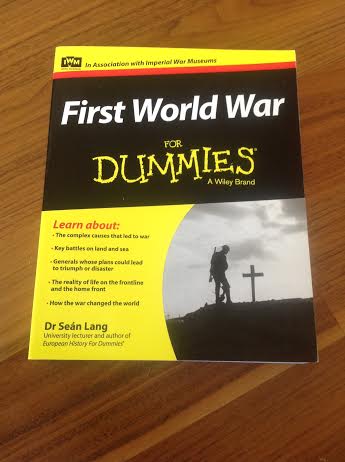
I was very excited to interview Dr Seán Lang, author of First World War For Dummies. Dr Lang has written a great book, you can read our review here. He also gives great answers in the interview below. Enjoy!

firstworldwarfordummiesbookreview

How long did it take to research and write the book?

Not easy to say, because in a sense I have been reading up on the FWW for years, and teaching it to university students for the past four or five years. There was a tight turn-round schedule for the book, especially as the “for Dummies” process involves submitting chapters as you write them, rather than submitting a whole manuscript. The writing itself took about six months.

What is your writing process?

It’s different for the “For Dummies” series because of the very close process of collaboration with the editor. Then not only are there always some academic experts who review your text, but with this book, because of the partnership with the Imperial War Museum, their experts vetted it too. So you have to get a balance between what is academically respectable and what is comprehensible to a wide readership.

The readership is very different from that of a standard academic article or even a textbook: you’re writing for people who might not normally pick up a book, or who might even be a bit scared of them. I’ve seen people taking FD history books off the shelves in bookshops like WH Smith (ie a shop where they might not have gone in to buy a book) and hesitating a long time before deciding whether to buy it or to put it back – and I’ve seen people do both. So I think of the book not in terms of something primarily for people who already know a lot about the war, but rather in terms of the sort of book I would turn to if I needed a quick briefing on something about which I know nothing and of which I have scary memories from school – physics, say, or fairly advanced mathematics. You have to go to where people are and take them forward, not stand where you are and expect them to come to you.

Being a lecturer obviously helps, but did you learn anything that surprised you when writing the book?

There are always part of the narrative which you didn’t know much about before starting to read up for the book – elements of the war in Africa, for example, or the epic journey of the crew of the German raider “Emden”. But I think the greatest surprises lay in some of the images in the IWM’s collection, which we used for the illustrations. We tend to see only a limited range of types of photos from the war – trenches, recruits, women in factories and so on – so it was very refreshing to see images from around the world, some of them quite dramatic.


In the parts of tens you list First World War poets and writers, do you have a personal favourite?

I think probably RC Sherriff, author of “Journey’s End”. Joan Littlewood, who devised and directed “Oh! What a Lovely War” in 1964, loathed the play and wouldn’t allow anyone to mention it in her presence, but I think it is a much more authentic voice from the front line than she managed. It’s a play about a group of officers in 1918 and it captures that loss of schoolboy ideals we associate with the trenches. Sherriff went to the grammar school in Kingston across the road from the one I went to, so maybe there’s a sense in which I see him as the First World War equivalent of me.

A lot of women got their first taste of real work during the first world war, do you think that had a lasting difference?

There’s a lot of debate about this one among historians, because the liberation and emancipation of war work very quickly disappeared when the men came back home and resumed their old jobs, so some people say that the change for women was illusory. There’s also a certain irony in the fact the sort of work that women did in the FWW was often the very sort of work Victorian social reformers had been trying to rescue them from. But yes, I do think the change was long lasting, even if it wasn’t immediate. It made it clear that men and women were all part of the same fighting nation, and that women, whether they were in the factories or whether they were bringing up children at home, had a part to play in the national war effort just as the men had. That idea swung back into action in the Second World War, of course. That in itself effectively smashed the old Victorian idea that men and women inhabited “separate spheres”, both metaphysically and in reality. That idea has never revived, at least not in British society, so yes, I think the war made a lasting difference for women.

What can be learned from World War I?

That’s too big a question to answer fully, so I’ll give just a couple of things that can be learned from it, though I ought to start with a lesson that can’t be learned: I heard someone during this year’s centenary commemorations saying something like “We must learn from this war so it never happens again”, and I thought “Have you never heard that there was a Second World War? It has happened again”. I think the lessons that can be learned include: a) political leaders must avoid playing games of bluff, because that is effectively what was happening in 1914, and everybody’s bluff got called, with disastrous results. b) People always go into war assuming it will be like the Last One (whichever that one is) and it never is, but seldom have expectations about the likely nature of a war been so completely wrong as they were in 1914. So, if you go to war, assume it will be a hundred times worse than you expect. And remember that your decision will mean that a lot of people now alive will soon be dead.

What do you think is the lasting legacy of World War I?

There’s no strict hierarchy about these things, of course, but I would rank the First World War’s legacy as even greater and longer-lasting than the Second’s – after all, the SWW was itself a legacy of the FWW. For example, all the problems that blew up in the Balkans in the 1990s were almost directly a legacy of the FWW. So is the continuing and growing crisis in the Middle East, including Israel-Palestine, resurgent Islam etc. The Middle East (itself a European term) was a backwater before the FWW, when the Europeans carved it up, with all the consequences we are still living with. Ireland’s troubles go back a long way, but the specific issue of Northern Ireland – an issue which never quite goes away – is a direct legacy of the FWW. Above all, a) the Russian Revolution and the formation of the Soviet Union were both precipitated by the FWW (it is arguable that Russia would have had a revolution without the FWW, but there’s also a good case for saying that it wouldn’t have happened without a war to bring things to a head), and b) it was the FWW that first got the United States acting as a Great Power, well outside its own back yard, starting the process of American global action which still dominates the world.


D-Day just had its 70th Anniversary, as time goes by is there a danger of people forgetting what happened, and the lessons learned?

Yes, there is such a danger. Schools and local communities do a very good job of keeping the memory of the FWW alive at the moment, but we can’t assume that will go on for ever: firstly, it is noticeable that Islamist protests against western involvement in Iraq and Afghanistan seem to have taken the form of assaults against FWW symbols – desecrating war memorials, burning poppies, and so on. That might indicate that the commemoration of the FWW could become divisive in future, rather than welding the nation together, as it has done so far. But even if it doesn’t, just think of the children currently going on school trips to the trenches. Their teachers are old enough, except perhaps the very youngest, to have known people who lived through the war – grandparents and so on – so the human link is still there. But in forty years’ time, in 2054, those pupils will be the teachers and parents: they won’t have that direct link, and their children and pupils will be even further removed from it. The FWW will be about as close to them as the American Civil War or the Crimean War are to us. Now, okay we still acknowledge the losses and suffering in those wars, so it may well be that the memory of the FWW will still be kept alive, but it won’t be on anything like the scale of current commemorations. Lastly – and I hate to point this out – future generations may well have wars and disasters of their own to commemorate, which will push the 20th century world wars out of the picture.

Do you think the first World War was avoidable?

Yes. Totally. I think the fall into war in 1914 was entirely avoidable. There are some wars in history which probably had to be fought – the SWW, civil wars, wars against revolutionary regimes, for example – and others which were entirely avoidable, like the US/British ‘War of 1812’, or the Crimean War, but the FWW is the worst. The crisis that provoked it was entirely solvable – assassinations, even of Archdukes, do not usually provoke wars – and the Great Powers HAD solved far more dangerous crises in the years before 1914. But among some statesmen in 1914 there was a certain eagerness that this time they should get a war out of it, and among some – notably in Berlin but also in Vienna – there was a determination that nothing should get in the way of their desire to have a war. You remember that Israeli Eurovision song, “A Little Peace?” Or even John Lennon’s “GIve Peace a Chance?” Well, in 1914 there were some statesmen who thought in terms of having “A Little War” or wanted to “Give War a Chance”. They had no idea of exactly what that war would be like, but they bear a very heavy responsibility nevertheless.

What’s next?

I’m also a playwright. A short play of mine called “The Road Less Travelled” which is set in 1914 and is a reflection on the outbreak of the war has been picking up good reviews and awards recently and will be published soon; I’m also writing a play called “1914: Assassination Before Lunch” which will be performed in Cambridge in October.

First World War For Dummies

On Horses For Horses

Melissa Volpi meets Loes Knopper – the woman that has inspired riders around the globe to get ‘On Horses For Horses’ throughout September to raise money for World Horse Welfare…

loesknopper

 Loes Knopper knows what it’s like to care for a horse that is in need of rehabilitation. She bought Charlie, her coloured cob gelding in 2009. But it took a good two years before they were able to ride out confidently together without stress.

“Charlie used to scare the living daylights out of me,” Loes says during our walk through the forestry with her dogs Nanya, Bran and Fingal. “He napped, bit, reversed, spun and reared. But I don’t like quitting or giving up and I certainly don’t approve of beating a horse, or any animal, into submission.”

Loes stopped riding Charlie shortly after buying him and started to do a lot of groundwork to get their relationship back on track. The Pirelli games, help from others and her mantra of QD – quiet determination – paid off.

It was during this process that Loes realised what you could achieve with teamwork.

“It was after a night on forums and chats with fellow horse lovers that On Horses For Horses was born, “she tells me as we reach her home in Kinlochleven for some Thai Green Curry.  I wanted to be pro-active and do something for horses and their welfare in a very positive way. There was no way I could mount my Charlie and travel the world with him, or even the West Highland Way. But if I could organise an event where riders from the all over the world came together for the same cause, then that would really make a difference.”

Over dinner, I ask Loes to tell me more about On Horses For Horses…

What is the idea behind ‘On Horses For Horses’?

 On Horses For Horses is about joining forces with horse riders around the world to raise miles and money for World Horse Welfare – an International charity that is dedicated to improving the lives of horses worldwide and to helping them find loving, long term homes. I originally planned it as a one-off event and wanted to get as many riders from as many different countries to ride as many miles as possible on the same day. The aim was to reach a combined 24,906 miles, which is the circumference of the earth, and raise as much money as possible for WHW. I liked the idea of organising and taking part in a worldwide endurance event that was as big as the globe, for horses around the globe. Now it has evolved into a month long event where horse owners either clock up their hacking miles throughout September or organise an endurance style event with friends.

 Tell us about your first fundraising ride on the 25th of September 2011?

 We spent a leisurely day walking and trotting across Airds estate and the beach in front of Castle Stalker. The local field officer for WHW came along to ‘crew’ for us and make sure that everything went without a hitch. We stopped for a picnic half way round to give the riders and horse a rest. I didn’t want a person to be put off by the competitive element of endurance riding, that’s why I have been careful how I word events. I want riders of all abilities and horses of all shapes and sizes to feel confident about taking part in an On Horses For Horses event.

 How much interest have you had?

 We have had riders from 17 countries take part and have managed to raise nearly £5,000.00 in three months (September 2011, 2012 and 2013). I’d like to say a big thank you to everyone that has helped me but also to MBBA (Mendip Bridleways and Byways Association) and La Fiaba horse riding holidays for helping to start everything off in 2011.

What’s next?

We are in the process of organising an On Horses For Horses event in my current hometown, Kinlochleven, for this September. A date will be announced soon on http://www.onhorsesforhorses.org/. But my long term plan is to host and take part in a 10-mile On Horses For Horses pleasure ride at the Scottish Endurance Championships.This National event is not held in September, my original fundraising month, but it would help to publicise us and get more Endurance riders involved. Our local club, SERC Argyll, have been very supportive. To see Charlie and I cross that finish line for this great cause would be a dream come true after all we have been through.

Join Loes in 2014 to raise miles and money by getting ‘On Horses For Horses’: http://www.onhorsesforhorses.org/

 Links:

 World Horse Welfare:

http://www.worldhorsewelfare.org/Home

MBBA:

http://mbba.org.uk/

 La Fiaba:

http://la-fiaba.com/

 SERC Argyll:

http://www.freewebs.com/sercargyll/


Dawn O’Porter Interview | On This Old Thing: The Vintage Clothes Show

Dawn O’Porter is back on our screens this summer with a new show, This Old Thing: The Vintage Clothes Show, all about the world of vintage clothing, and how to make the most of it. Here, she expands on what the series is about, why she believes looking back is the way forward, and how she may be the first presenter in history to make a financial loss presenting a series.
dawnoporter
Your new series is called This Old Thing: The Vintage Clothes Show. What’s it all about?
It’s about trying to get people to step away from the mass-production of the high street and incorporate some of the old with the new, so that they’ll not only be a bit more stylish and stand out, but it’ll also do something to combat this throwaway culture where people buy clothes and then chuck them away the next season. I want people to fall back in love with clothes like they did in the old days, and value what they buy a little more, and look after clothes better.

Why is vintage stuff less likely to be throwaway? Is it because it’s better made, or because it doesn’t go out of style, or is it something else?
I think it’s the fact that the styles are timeless, because they’re old-fashioned. So many designers now look to the past for their inspiration when creating new looks, but if you get one from the past, it won’t go out of fashion. Also, it’s not necessarily that they’re always better-made, but the styles are quite exciting, and I like the idea that I’m spending my money on clothes that not everybody else has. It allows you to have your own style without being dictated to by the fashion industry, and to have a style that doesn’t change so quickly. And another thing we focus on in the show is that women in the past used to make a dress, or have a dress made, and then if they put on weight they’d have it taken out, if they lost weight, they’d have it taken in, and they looked after their dresses and tried to keep them for life. So it’s the way that the clothes were made, and the way they were looked after. Plus the styles were great – you can sometimes buy modern versions of them on the high street, but they’re not really like the originals.

Your passion absolutely comes across in the programme. When and how did you first become interested in vintage clothing?
I think it’s always been there. My aunt and uncle, who bought me up, were big players in the fashion industry in London during the 60s. They were furriers and designers, and my aunt dressed some of the major windows on Oxford Street. So it was always talked about at the dinner table – the way clothes used to be made, how the fashion industry used to be, the importance of well-made clothes and style. And they’d talk to me about the old designers, the characters that they were, and the revelations that they came up with in the world of fashion, how they changed the way women dressed for ever. This was just a continuous conversation in our house, so it was always there. And I’ve always loved clothes, but in my early 20s I bought everything from the high street, but I couldn’t really get it right. I couldn’t keep up with trends, I couldn’t really be fashionable. But I really loved clothes. And then I discovered a vintage shop, and realised that I could dress for myself rather than for an industry or trend. I did a lot for my confidence, for the way that I felt about clothes and the way that I looked. It’s the feeling of “I’m wearing what I love,” rather than “I’m wearing what you love,” that I think is so great about vintage.

In the series, you had to convince vintage-sceptics to buy into the idea. What were their objections, and what are the objections that people in general have about vintage clothing?
Well, first of all, they think that someone died in them. To which I would say who cares? As long as they’re not still dead in them, it doesn’t matter.” Also they think it’s unhygienic, but if you go into a vintage shop and something is really stained, or it smells, don’t buy it. It doesn’t mean that it’s all like that. A small proportion of it is, but most vintage shops have carefully selected their stock. So it as about getting people over the fear and presumption that everything stank. And another thing that put people off was all the rummaging. What’s great about the high street is that you can go out in your lunch hour and buy a red dress in your size and everything’s very easy. And the thing about vintage is, you have to put the time in to buy stuff. But if you put the time in to buy the right stuff, your wardrobe is going to be full or stuff that you love, and getting dressed is going to be less stressful each day. I met people who were in full scale meltdown the whole time, because they had so many clothes but no defined style, and they didn’t know what to do with it all. I told them to have a wardrobe that was half the size, spend their money better, and take time to choose what they wanted.

How successful were you? Were there any real tough nuts to crack?
Yeah, there were two very tough nuts to crack – one woman called Lisa and one called Elissa. Lisa was 44, dressing like a 25-year-old, obsessed with standing out, wearing stuff that nobody else had. So she never shopped in the high street, but shopped in these boutique places, but all of these dresses were just wrong, they were too young for her. She wanted to dress more for her age, still fun, but just more suitable. But she hated the idea of vintage so much that I had to literally drag her into the shop. She thought it was disgusting – the idea of wearing something that somebody else had worn made her physically sick. She actually said it made her want to sick up in her own mouth. But by the end, we found this incredible blue chiffon dress that she couldn’t have looked more incredible in. She was totally transformed, it became her favourite dress.

Where should people shop for vintage clothing? Is it as simple as going to your local Oxfam store and rooting about, or should you go to a specific vintage clothes shop?
It’s very different from charity shopping. Much as I love charity shopping, vintage is a different thing. Vintage is at least 30 years old. The shops are like little boutiques, and the owners are people who have travelled the world looking for the items they stock. So it’s all been very well-edited by the time it’s in here. We filmed all over the country, and we found one of these shops in every town we visited, and found good stuff in every shop. So find your local vintage boutique and go and see what there is. Also, I love eBay. I’ll put in “vintage 70s red dress” and search, and loads of vintage 70s red dresses will come up. The chances of finding something are just limitless.

A lot of people have the impression that vintage is a great deal more expensive than high street stuff. It’s not necessarily, is it?
No. I bought the most amazing dress yesterday – full maxi-dress, 100 per cent cotton, really gorgeous, with pockets, and it was £24. Like all types of shop, some vintage shops are expensive, and some aren’t expensive. You just need to do a little research.

You visit loads of vintage stores during the series. Did you spot anything while you were filming and buy it?

Every. Single. Day. I’m addicted to it, I can’t help myself. I came home with bagfuls every day, and I’ve nowhere to put it. It’s all over the floor. But I like organised chaos.

Do you think it’s possible you’re the first presenter in TV history to have made a loss filming a series?
I think that’s very possible, yes!

How much time do you spend shopping?
Well, I’m buying now because I’ve got my own vintage business, so I have an excuse to do it all the time. I do a lot online, I do a lot on eBay. I suppose, when I’m not writing or filming or doing other jobs, I do about two-days-a-week. But it’s not all for me, it’s for the business.

Does Chris come with you, or would he rather pull his own teeth out?
He’s really good! He’s a good personal stylist, and he loves vintage shops too, so he’ll be in the men’s section, I’ll be in the girls’ section. It’s good.

Tell me about the business. What’s happening with that?
It’s called Bob, and it’s a vintage business. Well, it’s sort of half-and-half. I’m launching with 400 pieces of vintage that I’ve found all over the world, from my travels. And it encompasses all price ranges and all sizes. And then the other half of the business are my favourite dresses, that I’ve loved and I know I’ll never finmd again. And I’ve remade them in lovely fabrics, but they’re all very distinctly vintage styles. And there will be limited numbers of each one ever made. So it’s a mixture of the old and the new, which I think is the key. I’m not trying to get people to move away from buying new clothes altogether, I just think we should be incorporating some of the old stuff that already exists as well.

Did you learn anything while filming the series that might help you in your new venture?
So much, yeah. I learned a lot about how to dress different body shapes, and about quality of clothes. What I want to do is make a dress that will last a lifetime rather than a season. So I put seam allowances in the dress, which means that if she pits on an inch, she can take her dress out. It’s those little touches that vintage clothes have that the high street doesn’t, that I’m putting into Bob. It’s just about bringing back charming little touches like that.

You’re a TV-presenter, journalist, author and now dress designer and businesswoman. Is there any limit to your ambitions? Do you fancy becoming an astronaut or playing in goal for England?
Actually, it’s funny you should say that, that is my next ambition. I want to play for England. It’s just a matter of time… No, I want a life that is about books and dresses, and then I’ll be very happy, so I’m working my arse off at the moment trying to create that existence.

This Old Thing: The Vintage Clothes Show starts on Channel 4 Wednesday 25th June at 8pm.

Interview with Kit Rice

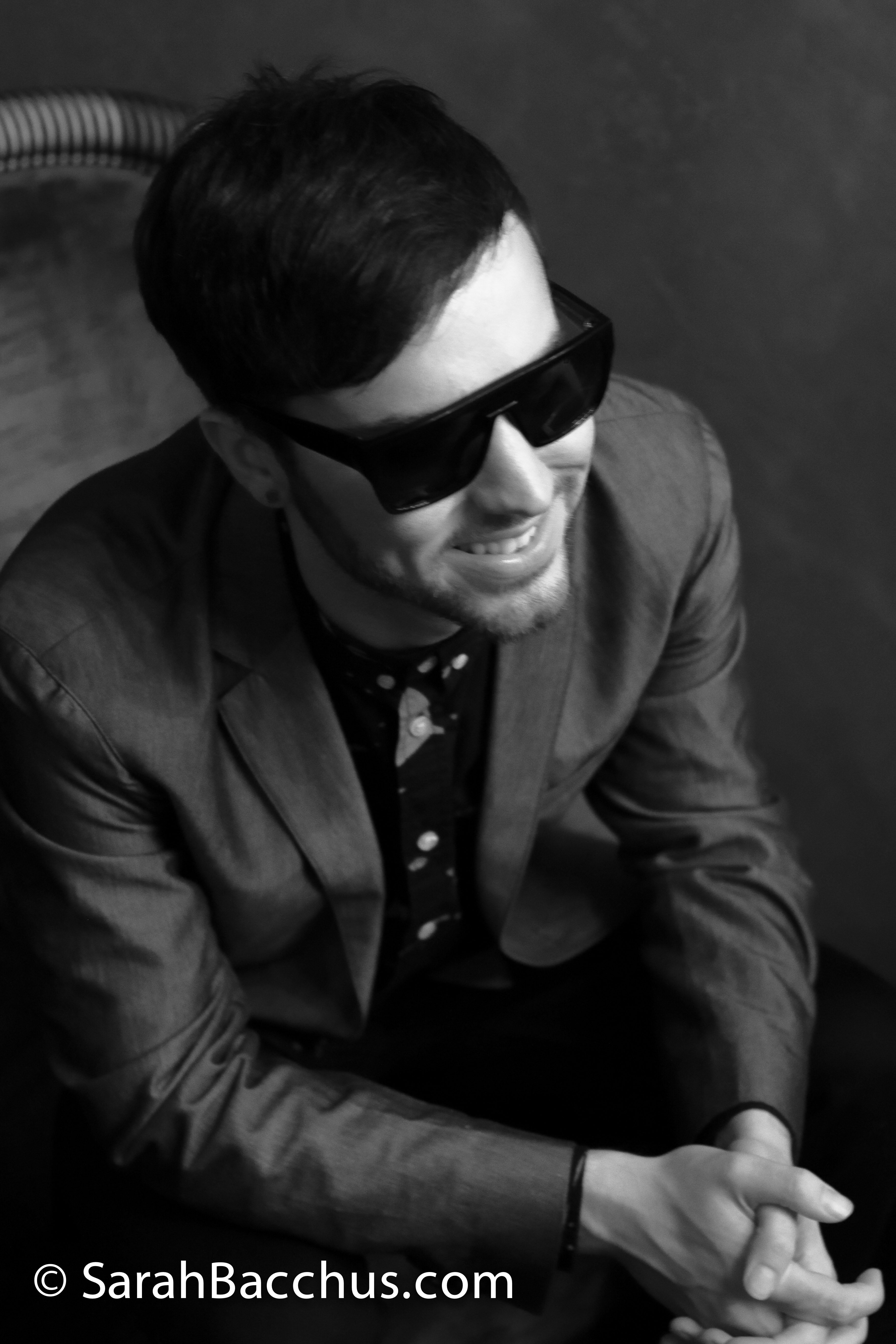
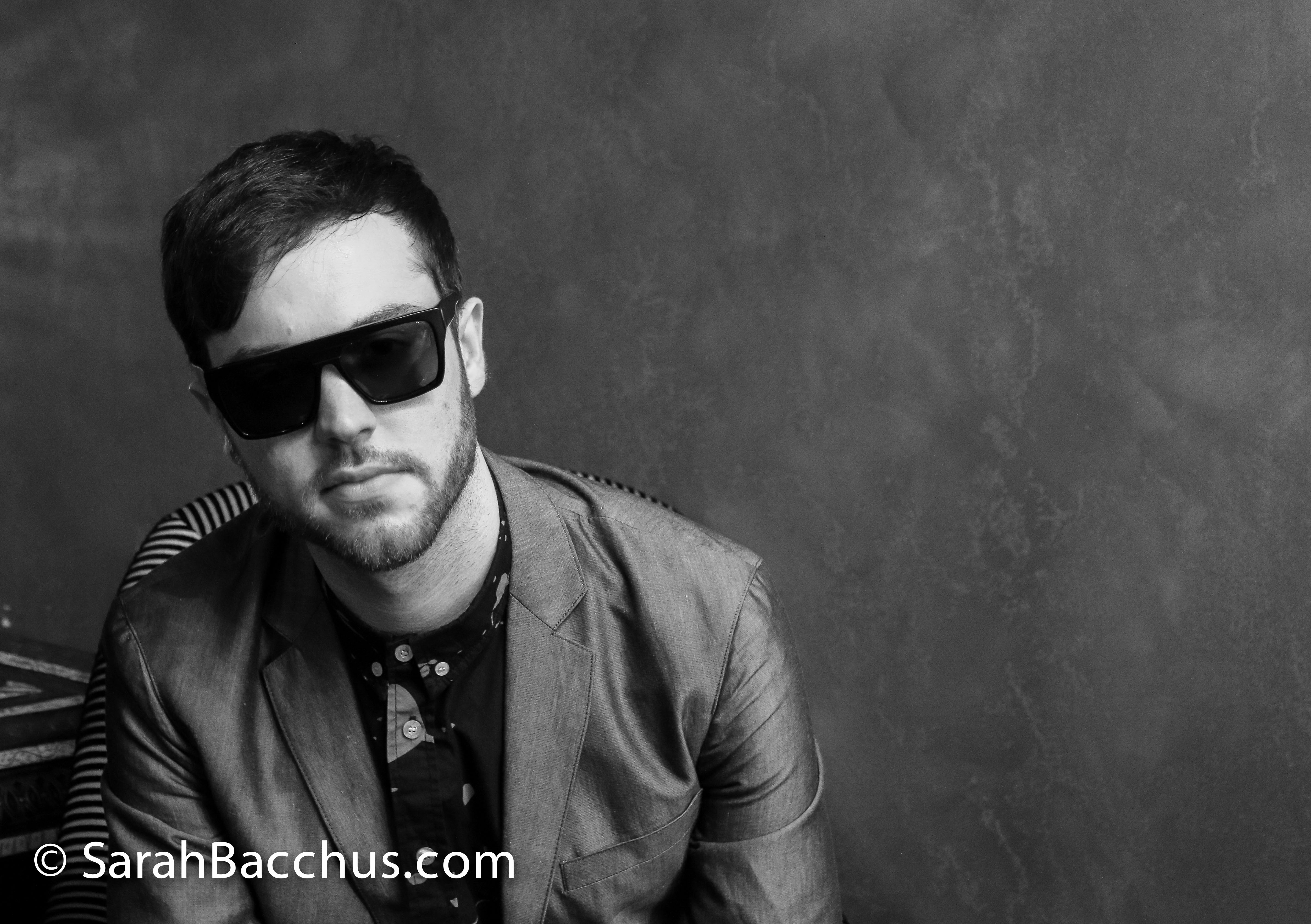
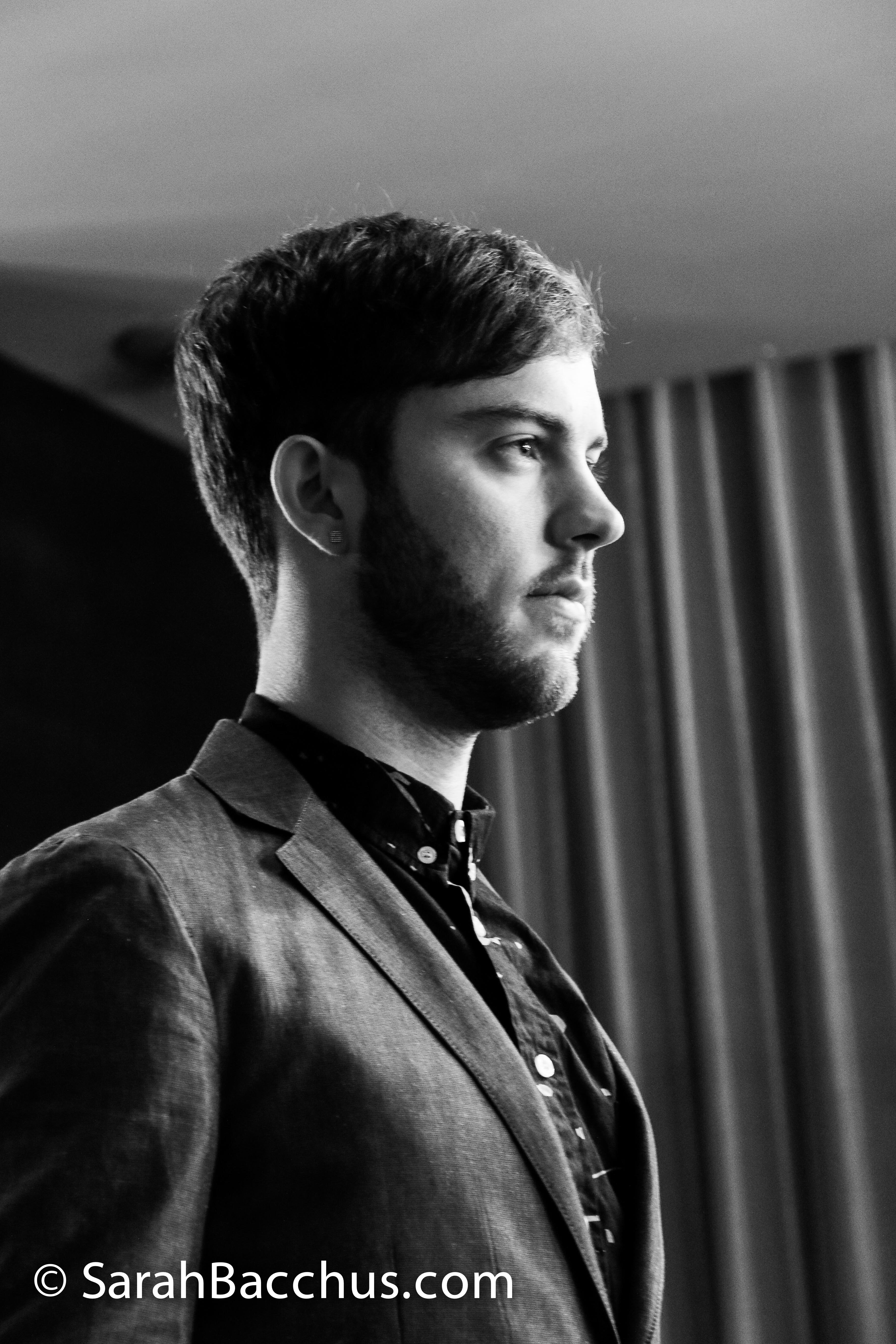
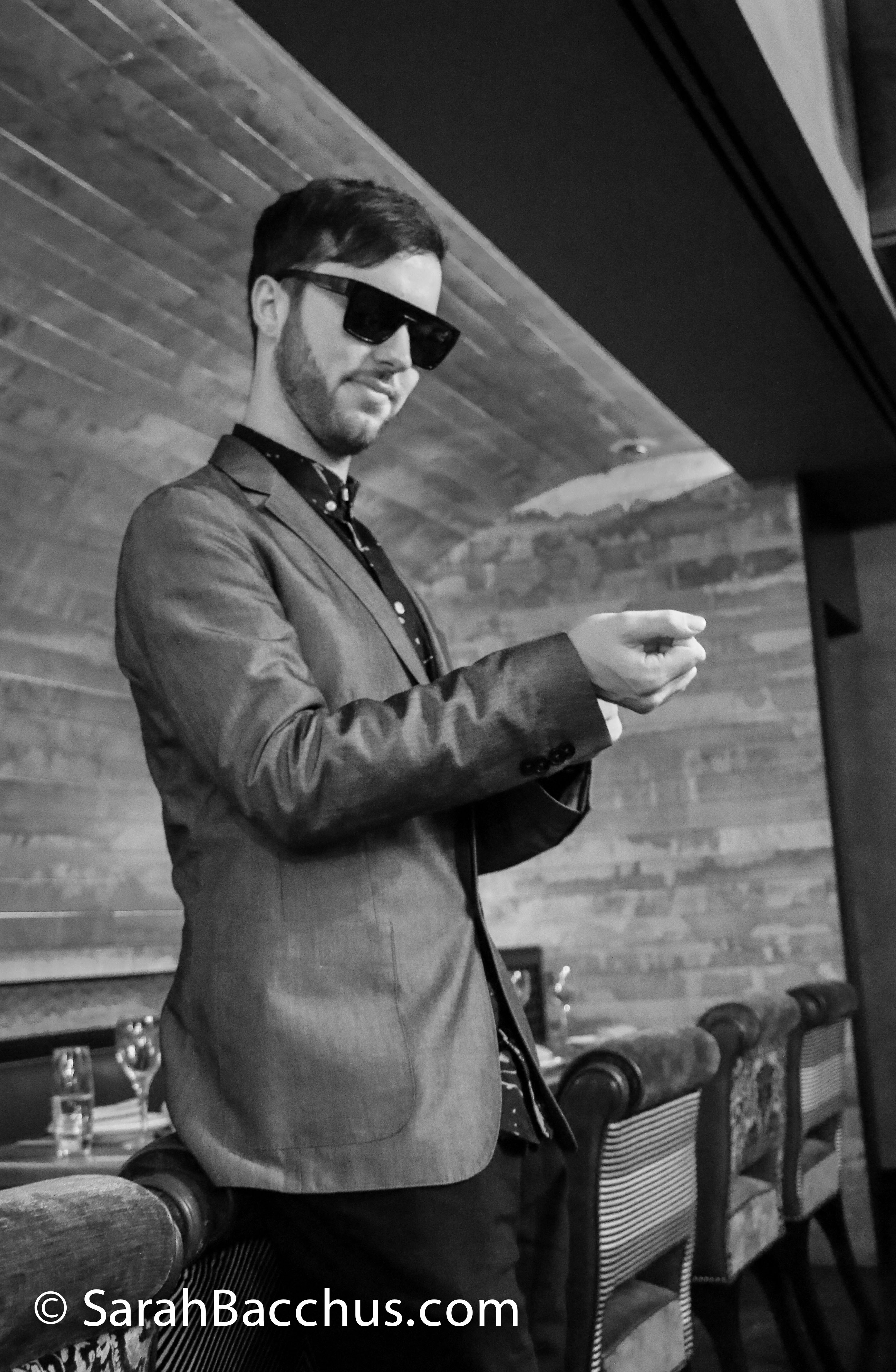
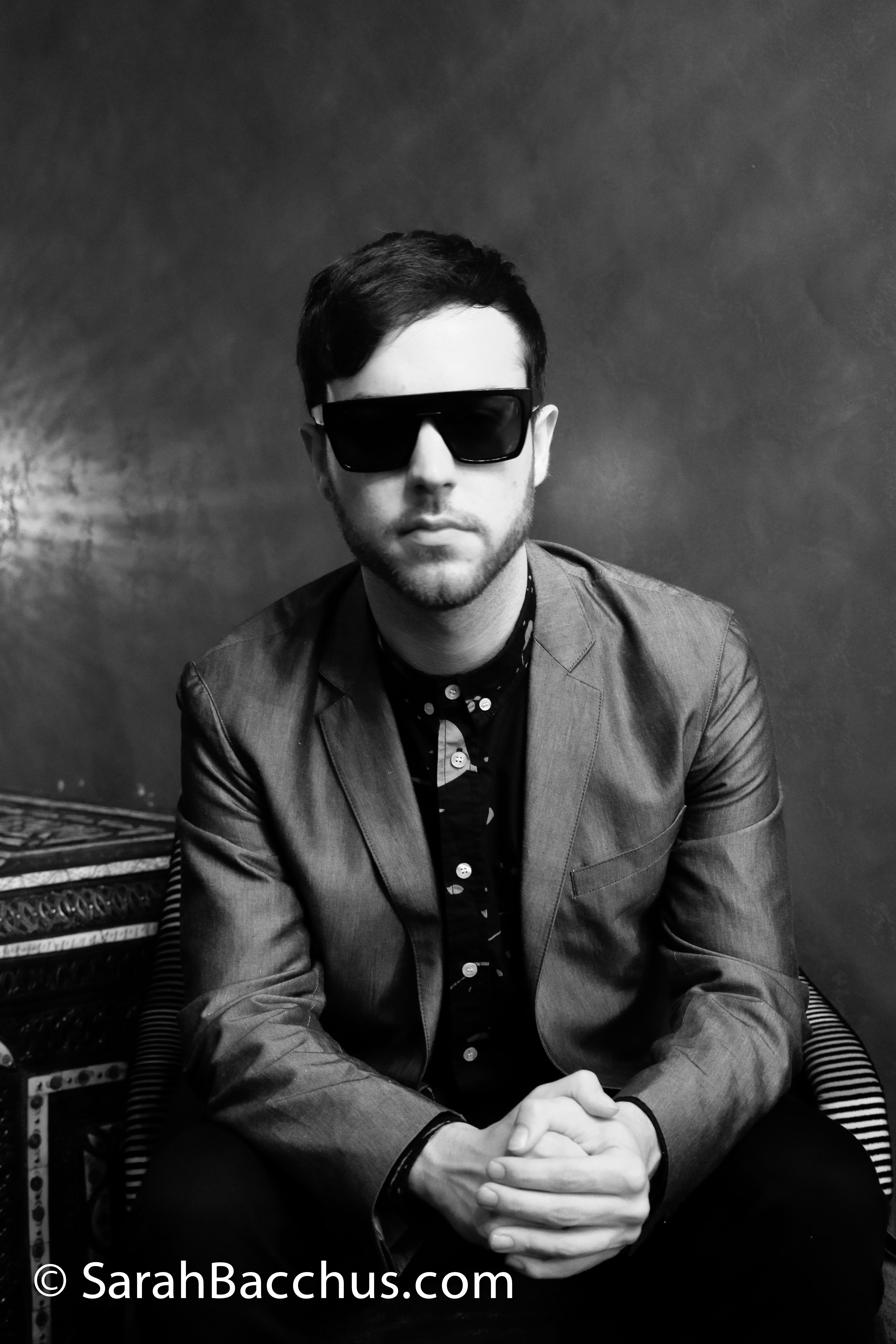
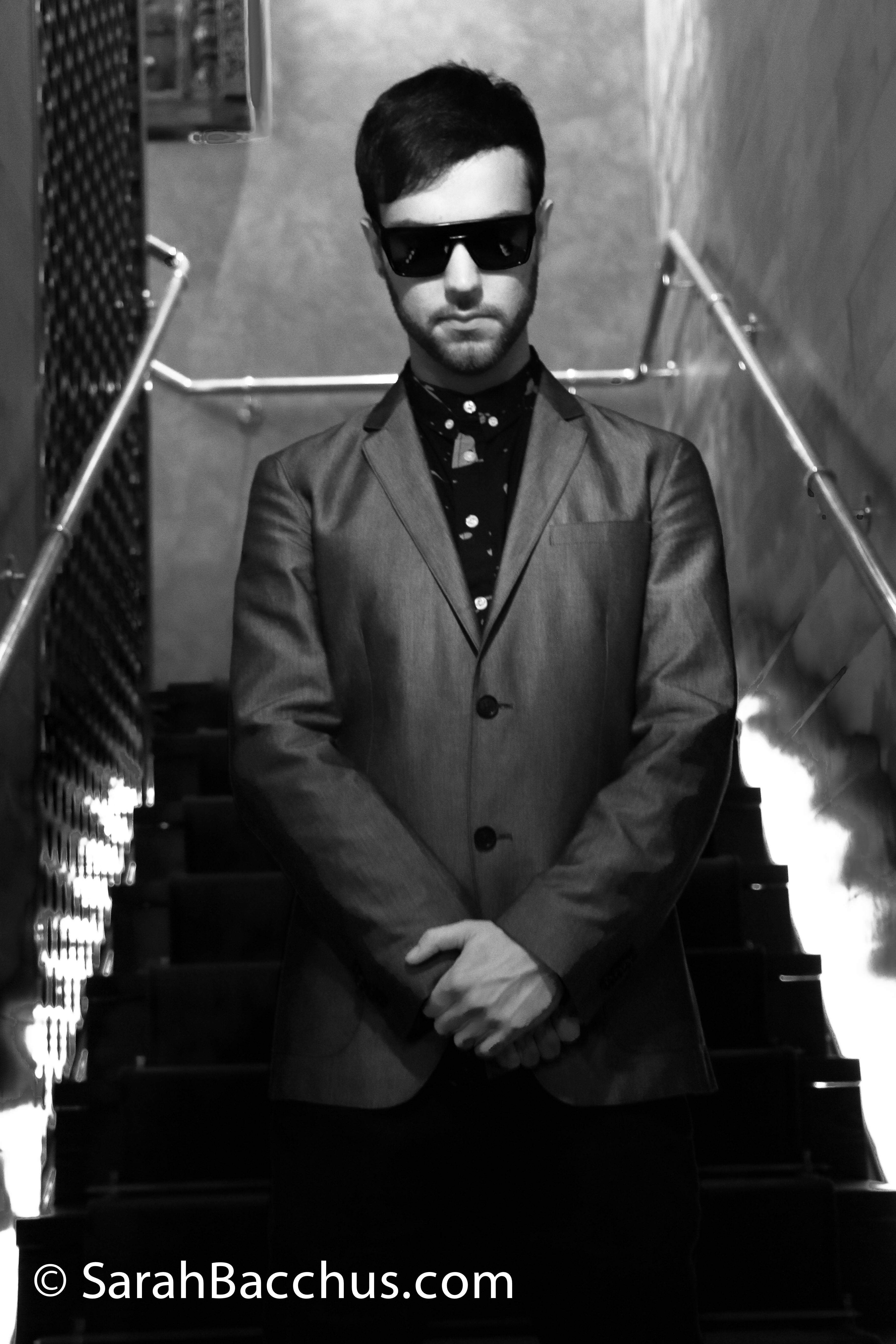
Getting to interview amazing new and exciting talent is part of my job I find so wonderful. Now and then we see brilliant new singers pop up and when you realise you are in the presence of a new rising star it sends shivers down my spine. I had the pleasure of meeting, photographing and interviewing the incredible Kit Rice recently. We chatted for hours and I left loving this chap so much, he and I sat and chatted for well over 2 hours all about his life journey, music and style. He bowled me over how wonderful he was…he is a rising star and one name to really lookout for.

Kit is not only a truly versatile artist with a wealth of musical knowledge behind him but he is a graduate of the prestigious BRIT school, established songwriter and classical violinist making him an emerging talent to really watch out for in the coming year!

Kit’s first iTunes release, Not on My Time EP was self – produced and released in December 2011, followed swiftly by Lies EP in February 2012 which attracted attention from music agents based in Central London.

At just 21, Kit’s debut album Stay Gone was completed with well known producer Cam Blackwood who is known for his work with artists including; Cee – Lo Green and Jamiroquai. His first single BYOB, was released on November 11th 2013 with the music video attracting wide spread attention from both the UK and the US.

Kit has performed numerous gigs at venues around the country including celeb spots such as The Ice Bar and XOYO. Kit was crowned the winner of The Bedford’s Song Slam in 2012 after wowing the judges with original tracks from his album and he has played live acoustic sessions on main radio stations including BBC Radio London.

KIt Rice

Q. Who did you listen to growing up?

A. I listened to a lot of Prince growing up, Whitney and Maria but mostly, with loads of Celine. I listened to classical music mostly when growing up. For years at Brit school I didn’t listen to anything with words. Then I went on to being a Dub Step DJ for a while!
Q. Where do you take your inspiration from when writing songs

A. I have tons of posters in my room from Prince, Snoop dog to Lady GaGa. If I am having a bad day I cam look up and just think what would they do and it normally does the trick.

Kit Rice

Q. You love to perform live, where would be the ultimate place to have a gig.

A. Kensington roof gardens, the actual balcony and strip it back, that would have to be the best place as I love the intimacy and the vibrant nature of the place, obviously Wembley would be incredible but for now that would tick the box. I love intimacy of the smaller venues.

Q. If you could collaborate with any other artist who would it be

A. Prince…he’s just the greatest. Defiantly Prince and brandy a she’s my vocal inspiration


IMG_4604 Kit Rice

Q. Your latest release has a really cool video, I particularly love the guy on roller skates! Where would you love to shoot a great video, your dream location?

A. This was shot in a dance theatre owned by my parents, it was a really cool, but my favourite place to shoot would be on a huge yacht just like a JLO inspired version. The new video called NONSENSE out on the 1st of July is really great and the video for that is …well basically nonsense!! You will have to wait to see it, it also will have a 48 hour free down loads too.


Q. I see from your twitter….I haven’t been stalking you just researching! You love a good selfie, if you could have a picture with anyone, who would it be? Anyone even from the past?!

A. Prince….I love taking pictures with loads of people. SHOTS is amazing app that Justin Bieber made famous and you can connect with fans that way. I love to connect with my fans.

IMG_4633 Kit Rice

Q. What do you love about fashion and do you have a certain look that you are trying to create.

A. I take a lot of influence from the likes of David Bowie, and Snoop dog. Lady Gaga is one amazing and cool lady. My look is all about looking strong, cool and a bit different.
Q. What can we expect from you over the next 12 months.

A. The new album will be out by the end of the year and now its about promoting myself. Getting myself out there and showing the world what I have to offer. Its very exciting.


Q. If you could play live for anyone who would it be

A. I have played in front of Nelson Mandela and that was incredible and very cool. Price would obviously be one all time great that I would love to play live for. To see what he would think..Even if he said dude your doing it all wrong!! HAHA!


Q. What is your vision for the future.

A. I want everyone to have heard the album as I was in a really good place when I wrote it and I am incredibly proud of it.. There are some really nice songs about my life on there.


Q. Tell us something we need to know about Kit! What’s your message?!!

A. LVE MUSIC…everything is played live, with strings bows etc. Keep it going and get people inspired. Peace and Love.

Watch Kits last BYOB Video


[youtube http://www.youtube.com/watch?v=aJLpx9E1QlM]

Follow Kit on Twitter @KitMusicUK and pop over to say Hi. Come say hi to me @sarahbacchus and check out our online lifestyle magazine over at SLBStyle.com. For information regarding my Photographic work here is the link to the Sarahbacchus.com site

This interview and shoot was held at the beautiful Mamounia Lounge in Mayfair, I want to thank them for their hospitality and for allowing me to take over an entire room for a few hours! Tweet them @MamounialLounge