CARIADS’ CHOICE: MARCH BOOK REVIEWS

Carmel Harrington’s My Pear Shaped Life, reviewed by Kitty Wilson

I thoroughly enjoyed this story of Greta Gale, the highs and lows of trying to learn to value yourself. The author wrote empathetically about addiction, body issues and familial relationships. As a reader I was willing Greta on and particularly loved her travels across The States. We could all do with an Uncle like Ray. The author weaves the story of The Wizard of Oz throughout which is exceptionally deftly done, beautifully illustrating the light and the dark within us all.
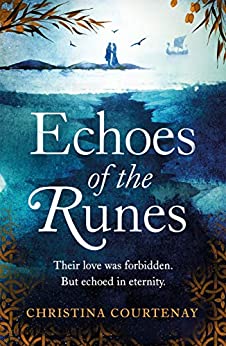
 

Christina Courtenay’s Echoes of the Runes, reviewed by Kitty Wilson

I thoroughly enjoyed this novel, both narratives kept my attention and made me want to keep reading. It was fascinating reading the contemporary storyline and the archaeological detail. The romance kept me hooked and the little bit of jeopardy (no spoilers!) had me willing Mia and Haakon on.

However, it was Ceri and Haukr who captured my heart. I loved this storyline and could have read so much more about them. I rarely find a captive and captor romance convincing but Christina Courtenay writes these characters with such empathy it is impossible not to fall a little in love with them and their story. Am greatly looking forward to the next in the series.


Kate Johnson’s Death on the Aisle, reviewed by Evonne Wareham

This is the third book in the Molly Higgins amateur sleuth series from award winning author Kate Johnson, who confidently mixes romance with cosy crime. It can be read as a stand-alone but there are recurring characters and story lines so reading the series in order would be beneficial, and all are enjoyable. The first, Death Comes to Cornwall, was a recent nominee for the Jackie Collins Romantic Thriller of the Year Award. In this third book Kate takes some classic ingredients for romance – hunky hero, capable independent heroine, a Cornish fishing village and a cupcake café and mixes in a celebrity wedding, a film set, a virtual reality show, the wedding planner from hell and a couple of fairly gruesome murders. If you like romance with a hefty dash of crime and sleuthing, it’s an enjoyable read.
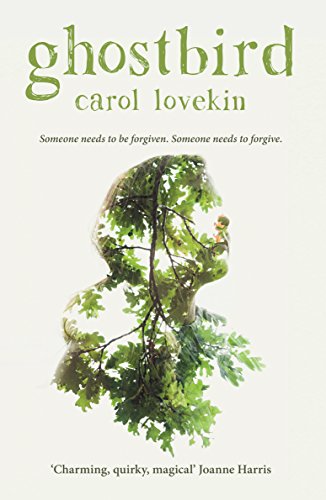
 

Carol Lovekin’s Ghostbird, reviewed by Jan Baynham

This is a magical tale that kept me spellbound until the end. I was able to marvel at the figurative language and poetic nature of the prose without it detracting from the pace of the story. The characters are very well drawn, displaying deep emotions, and I was particularly fond of Cadi. Secrets unravelled and the reader journeyed with all the characters to a satisfying conclusion. I loved the interaction between Cadi and the ghost. With its beautiful cover, Ghostbird is a book I thoroughly enjoyed, a book I kept returning to in my thoughts long after I’d finished reading it. Highly recommended.


Maisie Thomas’s Secrets of the Railway Girls, reviewed by Jane Cable

I loved the first Railways Girls saga, and the second book in the series did not disappoint. Set in World War Two in Manchester it vividly portrays the lives of women from vastly different backgrounds thrown together to help keep the country’s rail network running.

Although this book focuses on Dot, a working class forty-something grandmother, other stories are woven around hers so cleverly you just have to keep turning the pages. From the horrors of the Christmas blitz to cosy chats in the station tea room, all human nature is here and the writing is so wonderful it draws you in completely. I’m definitely having withdrawal symptoms having finished this one – luckily the next book is due out in April.


CARIADS’ CHOICE: FEBRUARY BOOK REVIEWS

Jill Barry The House Sitter, reviewed by Jessie Cahalin

Characters’ actions are measured with precision in this gripping psychological thriller. The house sitter, Ruth Morgan, is complex and plans to be an integral part of the Deacons’ lives.

‘A fledgling idea trembles in the dark recesses of Ruth’s imagination… Up went the hand to stroke her throat.’

Shadows of the past haunts Ruth. Lost in the tension at the midpoint of this novel, I fell into the abyss with Ruth and worried that I felt empathy for this dangerous character.

Bethan is Ruth’s counterfoil, and her investigation orchestrates intrigue. Love is in the air for Bethan and this adds a hopeful dimension in this thrilling narrative.

Clues and tension are skilfully woven into the characters’ viewpoints. Clever writing with an intricate narrative that will chill you to the bone.


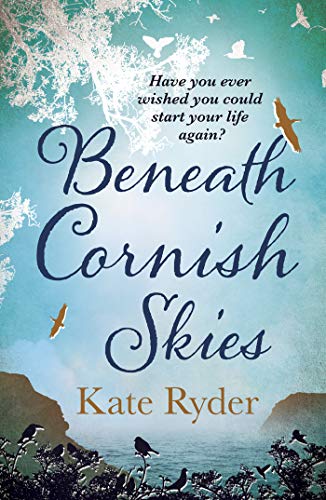
Kate Ryder Beneath Cornish Skies, reviewed by Jane Cable

Beneath Cornish Skies tells the story of Cassandra Shaw, who leaves behind her outwardly perfect but soulless life in Sussex to work for a chaotic Cornish family. The contrasts between the two settings are sharp, but united by the author’s love of horses, nature, and the lore attaching to the natural world.

This book blends romance with new beginnings and a ghostly past. Don’t be put off by the fact it’s described as ‘book 3 of 3’ on Amazon, it is in fact a standalone novel and has achieved a bestseller flag in paranormal ghost romance.


Naomi Miller Imperfect Alchemist reviewed by Kitty Wilson

I adored this well-written tale of two women at opposite ends of the social spectrum in the sixteenth century coming together and working in tandem in herbalism and alchemy. Their story covers a myriad of themes from both lives, including the suspicion and misogyny behind witchcraft trials in the villages and their impact alongside the high arts represented by Mary Sidney’s renowned Wilton Circle. Although a fictional account of The Countess of Pembroke’s life, the author’s knowledge of history and the literature alongside her skill at writing makes this a novel that pulls you in utterly, making me as a reader willing to believe this is how it was. It certainly is a fitting tribute to a woman who was at the forefront of new thinking and intellectual debate in a time women were overlooked in every arena. I loved it and shall be looking for more books from this author.


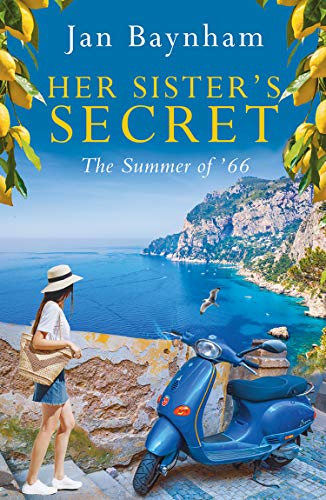
Jan Baynham Her Sister’s Secret, reviewed by Imogen Martin

Jan Baynham’s second novel slips seamlessly between Rose in the 1940s and Jennifer in the 1960s. It opens in a mid-Wales village where Rose works at the Big House whilst Mam tries to keep the peace at home. When Rose meets Italian prisoner-of-war Marco, the sparks fly. I was fascinated, as I have a friend whose Italian father and Welsh mother met in exactly this way. Unlike my friend, there’s no happy ending for Rose when her domineering father finds out about the relationship.

In the 1960s, the family secret comes tumbling out after a chance discovery by Jennifer. Will she have the courage to travel to Sicily to find out the truth?

Jan Baynham captures the excitement of standing on the cusp of a new life in Cardiff, the big city, in contrast to the vivid portrayal of small Welsh village life.

Her Sister’s Secret is a cracking read with passion, hurt and wisdom intertwined.  Whilst it has parallels with Jan’s debut novel Her Mother’s Secret, this is a stand-alone saga.


SLOW AND STEADY WINS THE RACE – JANE CABLE ON HER NEW PUBLISHING CONTRACT

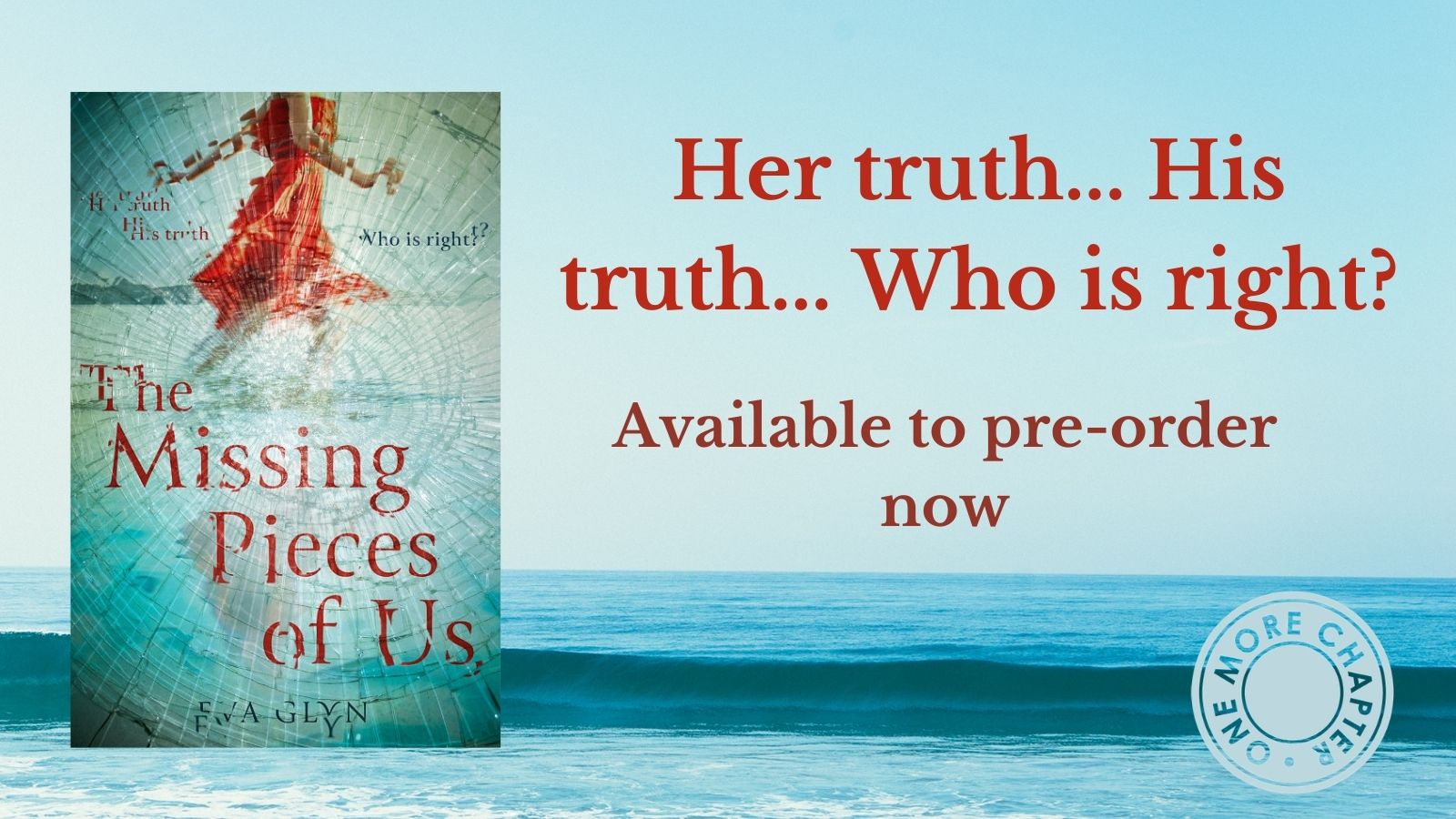
I have never particularly seen myself as a tortoise, but boy oh boy, has this been a long time coming. Today it was announced that I will be writing emotional women’s fiction for One More Chapter, a digital first division of Harper Collins, under the name of Eva Glyn.

I think all writers have an idea of where they want to be, and for me, no doubt influenced by Harper Collins being the sponsor of The Alan Titchmarsh Show’s People’s Novelist competition in which I was a finalist, they were the publishing house at the top of my wish list.

Having failed to win the competition and so any short cut to publication, I might have guessed I was in for the long haul, but at that stage I didn’t realise quite how long it would actually be. But fairly early on in my career I had a near miss when after a one-to-one at Winchester Writers’ Conference a young editor called Charlotte Ledger requested the full manuscript of The Faerie Tree.

Nothing came of it, and the book became my second indie novel. And as my career progressed I was aware of Charlotte’s rapid rise through the ranks of Harper Collins’ digital imprints and wondered if perhaps at some stage it would be worth submitting to her again.

In the meantime I had the opportunity to work with Amy Durant and when she set up Sapere Books was happy to follow her there. And while I am happy to stay with Sapere too, I still hankered after what a bigger publisher could offer in terms of multiple platforms and international clout.

By the time the Romantic Novelists’ Association conference came around in 2019 I had a new manuscript in my locker that I knew wasn’t a Sapere Book. I saw Charlotte Ledger was offering one-to-ones and I was lucky enough to grab one. We met again. And again she asked for the full manuscript, but this time to be sent to her personal email. I felt I was one step closer.

In the end Charlotte didn’t take that book, but the door was kept open. Last March I had a fifth anniversary blog tour for The Faerie Tree and the response was so overwhelmingly positive I brought the title up to date, gave it a little polish, and after much encouragement from Susanna Bavin, sent it off to Charlotte.

She asked me to do some rewrites and they were so in line with my own thinking for the book that I did. The next thing I knew we were talking about author brand and slowly it dawned on me she was offering me a contract. And the author brand she was suggesting was exactly where I wanted to be – emotional women’s fiction.

There would be no ghostliness, no looking back at the past, so these would be different to my books for Sapere, so we decided they would be published under another name. I chose Eva Glyn – Eva for my father’s mother, and Glyn for Glyn Jones, the Welsh author who was a great friend of my parents.

Today is a proud day because for the first time I can talk about the deal as the cover for The Missing Pieces of Us has been revealed and the book is available for pre-order. And it’s only taken me nine years…


INTRODUCING WELSH WRITING WEDNESDAYS

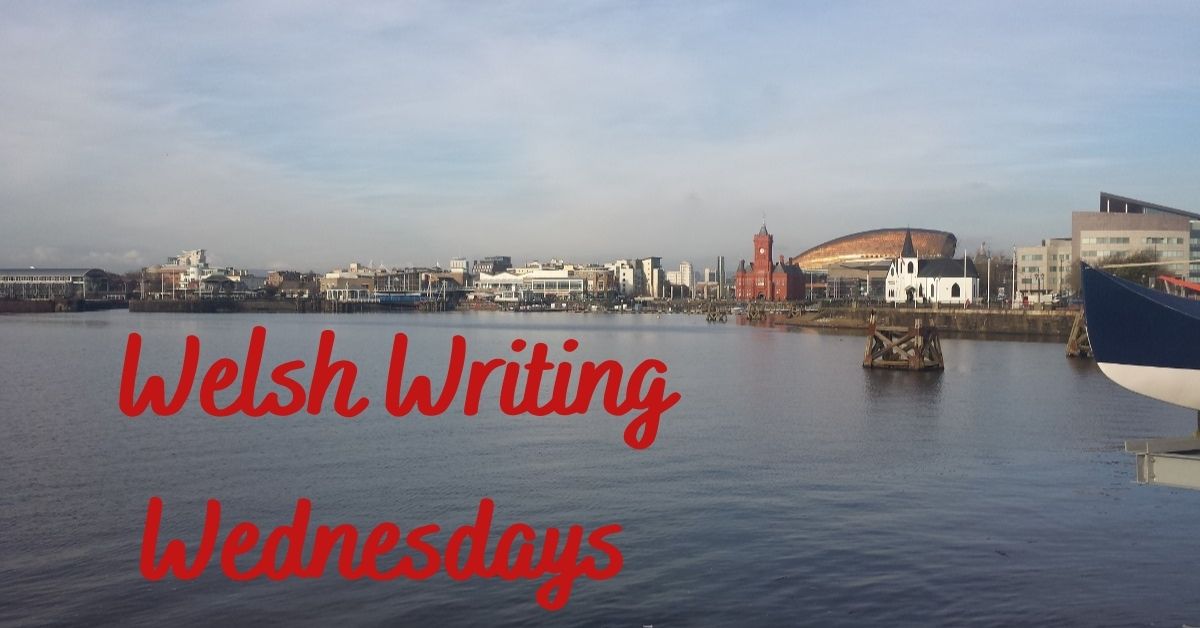
Although it isn’t often mentioned in Frost, I am very proud of my Welsh heritage. I was born in Cardiff and my father was an Anglo-Welsh poet and literary critic, so it is inevitable I have an affinity with other writers with connections to the principality. So much so, I am a member of the Cariad chapter of the Romantic Novelists’ Association, and it is to these wonderful women I looked first when I was considering Welsh Writing Wednesdays.

The idea is simple; on the second and fourth Wednesdays of each month one of us will bring you an article about writing in Wales. And replacing the ever-popular Sister Scribes’ Reading Round Up on the last Monday will be Cariads’ Choice.

So here are some of the wonderful authors you will be meeting through Frost this year.

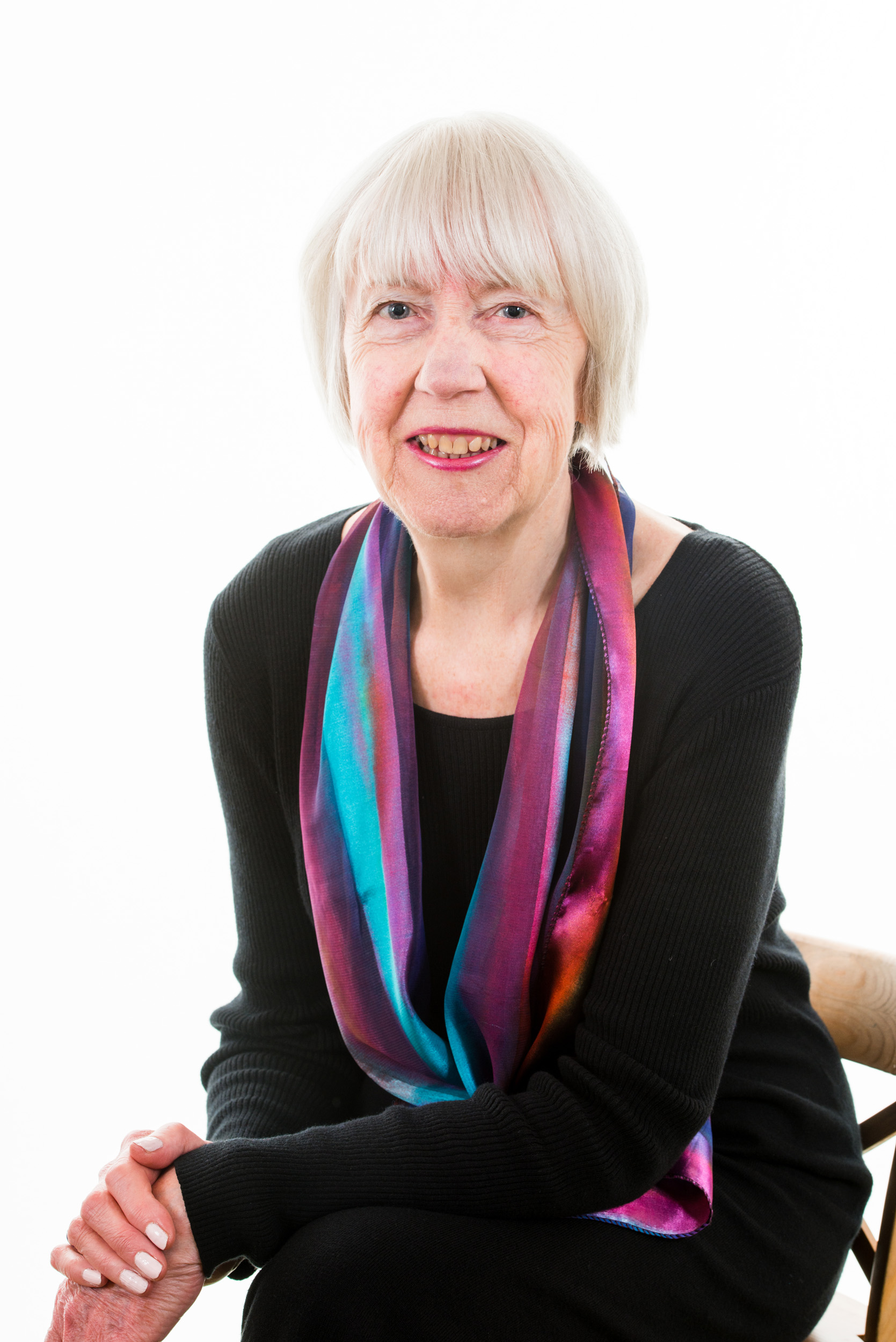
Judith Barrow

Originally from Saddleworth, a group of villages on the edge of the Pennines, Judith has lived in Pembrokeshire, Wales, for over forty years.

She has an MA in Creative Writing with the University of Wales Trinity St David’s College, Carmarthen, BA (Hons) in Literature with the Open University, and a Diploma in Drama from Swansea University. She is a Creative Writing tutor for Pembrokeshire County Council and holds private one to one workshops on all genres.

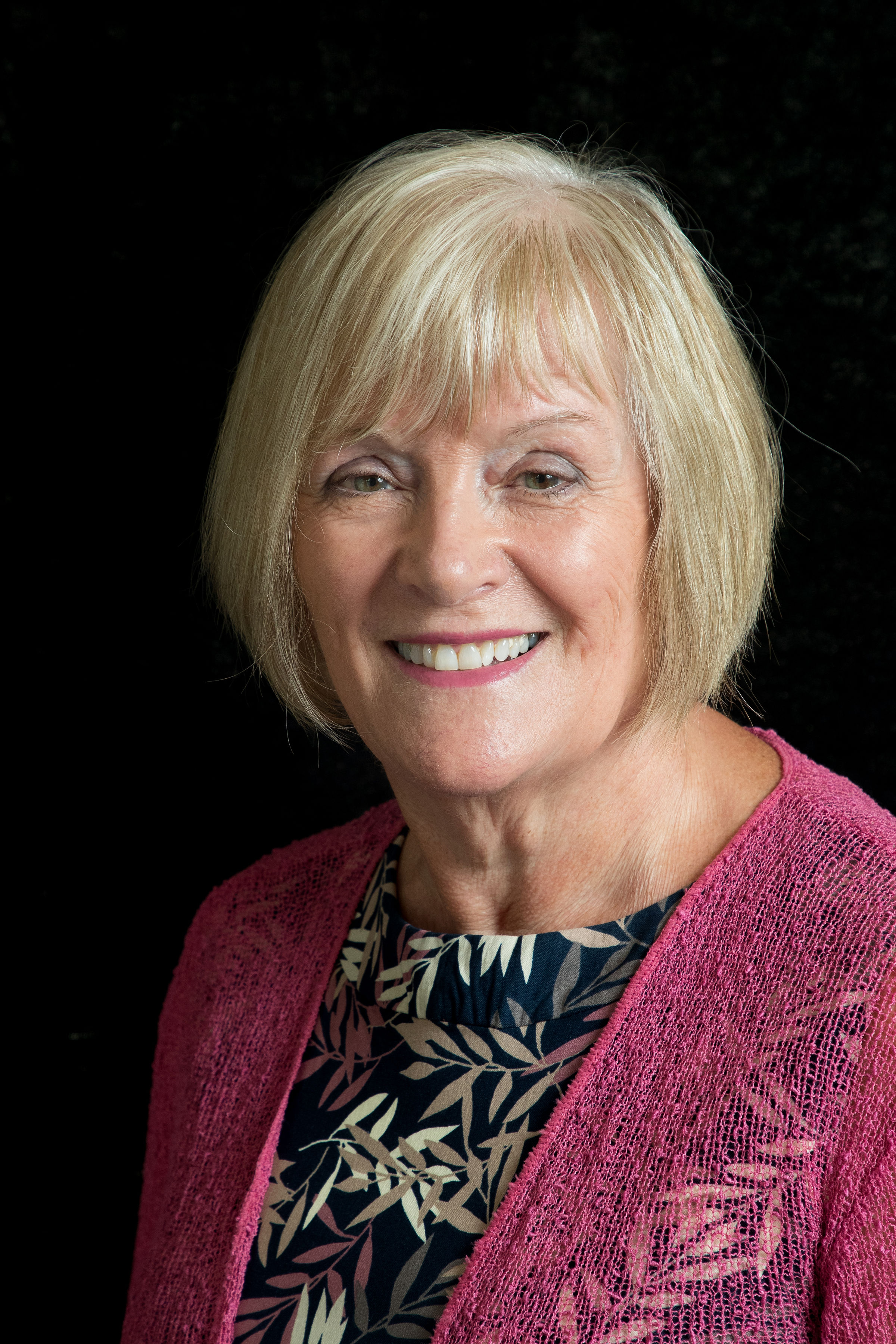
Jill Barry

Jill began her writing career with short stories for magazines and anthologies, winning prizes and being both long-listed and short-listed. She is a multi-published romantic novelist who also writes Pocket Novels for D C Thomson and who draws on her varied career and her travels for inspiration. She has also written one psychological suspense novel which is published by Headline Accent. A member of the Romantic Novelists’ Association and the Society of Authors, Jill enjoys mentoring new writers and is convinced she will never stop learning.

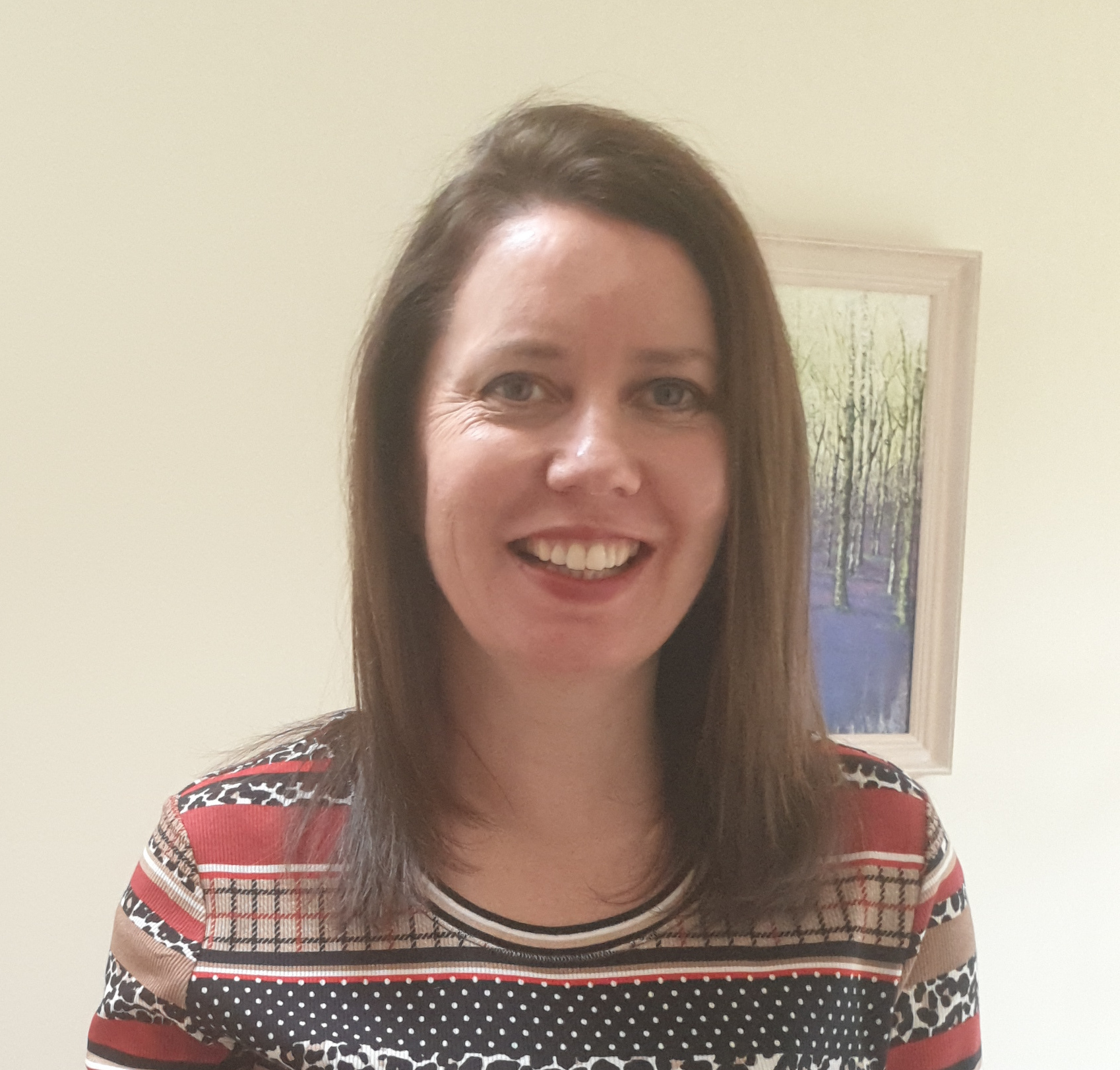
Jan Baynham

Originally from mid-Wales, Jan lives in Cardiff. As well as short stories and flash fiction, she writes full-length novels that deal with family secrets and explore the bond between mothers and daughters. Her debut novel, Her Mother’s Secret, was published by Ruby Fiction in April 2020. This was followed by Her Sister’s Secret in September 2020 and book three will be out next July.

A member of the Romantic Novelists Association, she values the friendship and support from other members and regularly attends conferences, workshops, talks and get-togethers. She is co-organiser of Cariad, her local RNA Chapter.

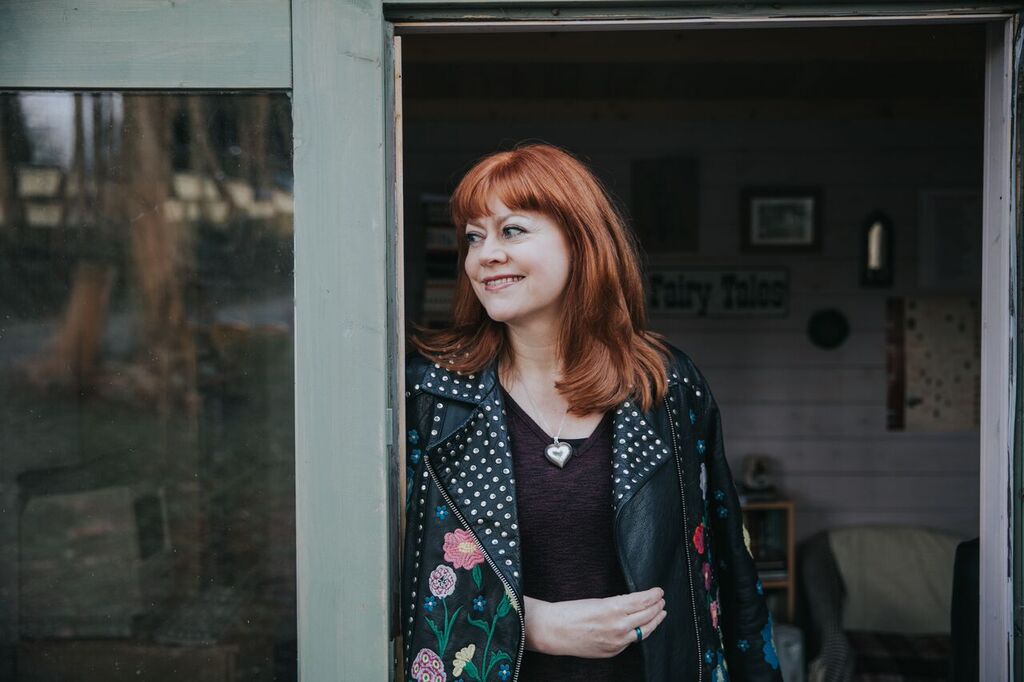
Jessie Cahalin

Jessie is a Yorkshire author living in Wales. Wales and words have a special place in her heart, and she wants everyone to meet the characters who’ve been hassling her for years. Penning women’s fiction is Jessie’s dream job, but she also writes travel articles and features for her blog and magazines.

You Can’t Go It Alone, her debut novel, was a bestseller in the UK and Canada. For Jessie, a good natter with other authors and readers is a special treat as she usually lives in her tiny writing room with Paddington Bear and a collection of handbags.

Alexandra Walsh

Alexandra is the author of The Catherine Howard Conspiracy, The Elizabeth Tudor Conspiracy and The Arbella Stuart Conspiracy, known collectively as The Marquess House Trilogy. A series of a dual timeline Tudor conspiracy thrillers, published by Sapere Books, the novels explore a secret hidden within history and the potential havoc its revelation could wreak. Her new book with Sapere, The Windchime, is due out in 2021. Another dual timeline story, set in present day and late Victorian times, it explores mental health issues, grief and rebuilding lives after the worst has happened.

Evonne Wareham

Evonne is an award winning Welsh author of romantic suspense – more crime and dead bodies than your average romance. She likes to set her book in her native Wales, or for a touch of glamorous escapism, in favourite holiday destinations in Europe. She is a Doctor of Philosophy and an historian, and a member of both the Romantic Novelists’ Association and the Crime Writers’ Association.


SISTER SCRIBES: JANE CABLE ON THE START OF A NEW ERA

This will be the last time I sharpen my pencil to write a Sister Scribes article for Frost. There is no great drama, and next year will bring an exciting new group of writers to the magazine, but for now Sister Scribes has run its course.

When we started two years ago our writing careers were in very different places. Not all of us had publishers or agents, although some of us had indie published very successfully. We all had the luxury of a little more time. Now we find ourselves working on multiple projects, often for more than one publisher, and even with five of us in the team, producing a weekly article just isn’t tenable.

Of course it doesn’t mean we won’t remain friends – the connections between us are too strong for that. We have been through the best and worst of times together, and that forms incredible bonds. As we have said so many times before, writing can be a lonely business unless you have buddies.

I don’t think our positions are unusual. Everywhere I look around me, there are writers juggling tasks, deadlines looming over them, professional reputations on the line. It seems to me that once you are lucky enough to break down the doors to the publishing world, you can quickly become in great demand, while equally talented writers who perhaps don’t have the confidence, or the perseverance, or the luck of the right book landing on the right desk at the right time, look on from the outside, waiting for their turn.

But enough of this philosophising. We are close to the end of a year that has been frankly terrible for many, so let’s look forward. Let’s be positive and hopeful as we stare down the barrel of 2021.

Sister Scribes will be replaced in Frost by two elements, brought to you by the same team. Our ever popular monthly Reading Round Up will become Cariads’ Choice, and fortnightly we will bring you Welsh Writing Wednesdays.

The team is broadly the Cariad Chapter of the Romantic Novelists’ Association, with a few other Welsh writers, or writers based in Wales, added for good measure. Although I live in Cornwall, because I am from South Wales, Cariad feels as though it is my natural chapter, and lockdown has made attending events so much easier; just a quick link onto Zoom rather than a three hour drive.

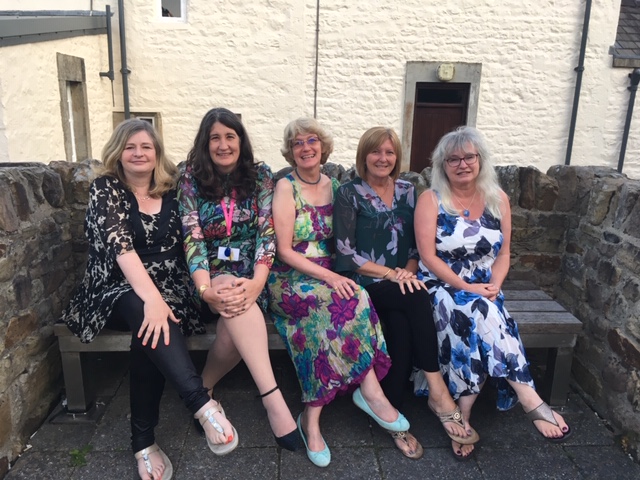
I met my first Cariads, Sue McDonagh and Jan Baynham, at the RNA Conference in 2017 and two years later they shared a flat with the Sister Scribes. I knew Jill Barry by email, because we were both signed to Endeavour at the time, and added Evonne Wareham to the list when we did a library talk together in Cardiff. Former Frost ‘Take Four Writers’ contributor Lucy Coleman is also a member, as is Sister Scribe Kitty Wilson, as she only lives just over the border in England and has become a Cariad too.

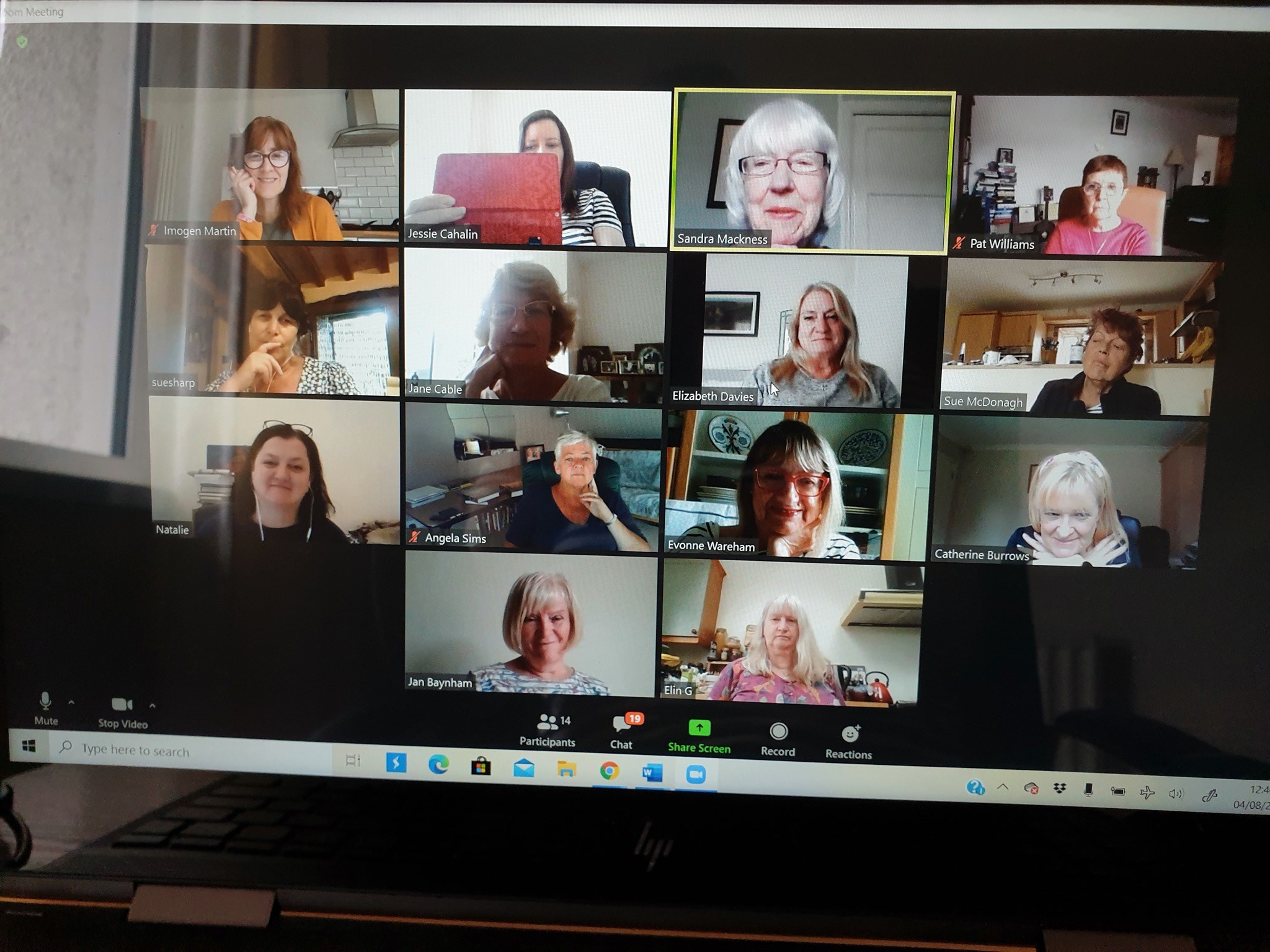
We have a private Facebook group and monthly Zoom meetings, and through this I have come to know the other members of the chapter, and I am sure you will enjoy doing the same next year. The articles pledged will be wide ranging, but inevitably landscape will feature more than once, as will Dylan Thomas. And I just know you are going to enjoy them.


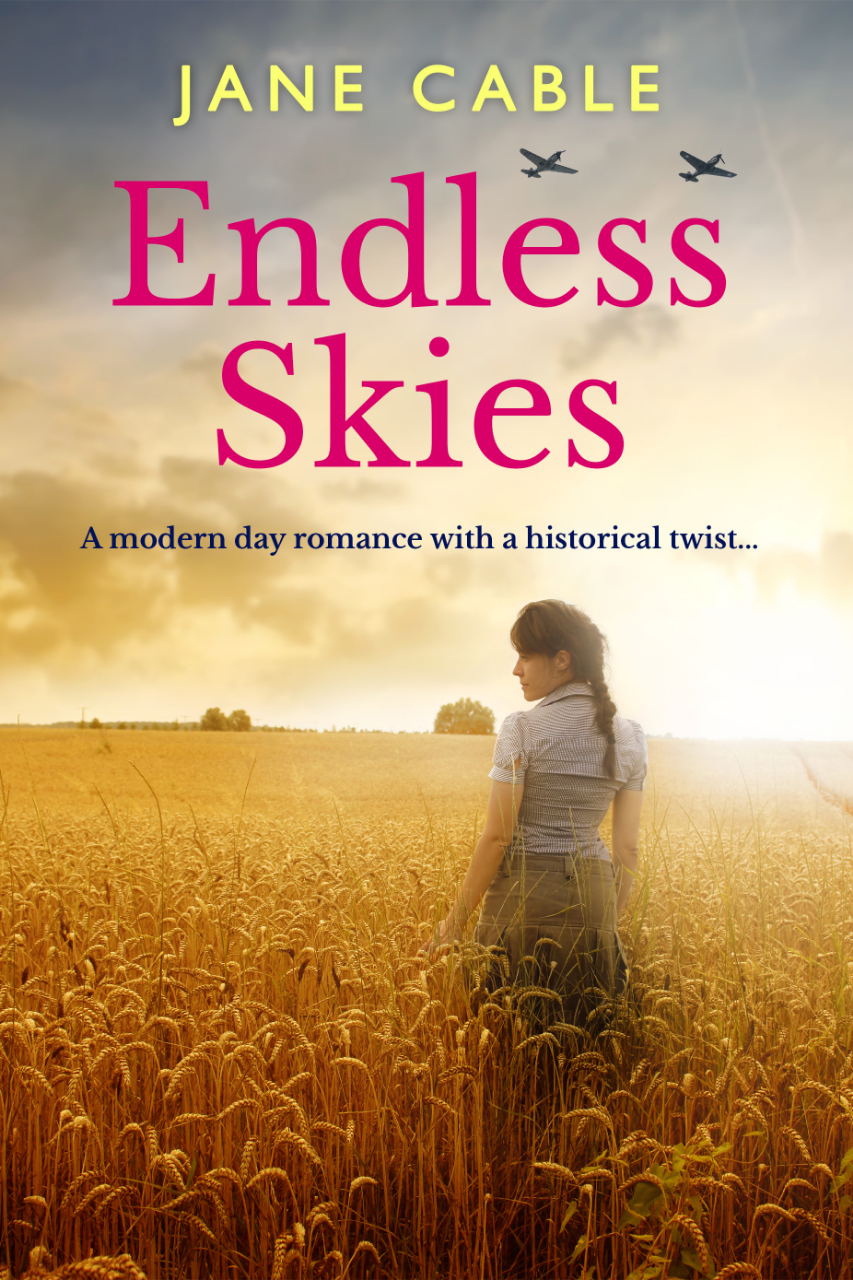
Endless Skies By Jane Cable Book Review

I have read all of Jane Cable’s books. I love them all but this one is my favourite. The character of Rachel is such a wonderful, complex, multi-dimensional character, written with such skill and grace that you have no choice but to love her. This is a modern love story set in sumptuous Lincoln. It has a clever historical twist that works beautifully.
Between the set and the characters; Endless Skies is an atmospheric novel with a story that draws you in and does not let go.

If you want to move forward, you have to deal with the past…

After yet another disastrous love affair – this time with her married boss – Rachel Ward has been forced to leave her long-term position in Southampton for a temporary role as an Archaeology Lecturer at Lincoln University.

Rachel has sworn off men and is determined to spend her time away clearing her head and sorting her life out.

But when one of her students begins flirting with her, it seems she could be about to make the same mistakes again…

She distracts herself by taking on some freelance work for local property developer, Jonathan Daubney.

He introduces her to an old Second World War RAF base. And from her very first visit something about it gives Rachel chills…

As Rachel makes new friends and delves into local history, she is also forced to confront her own troubled past.

Why is she unable to get into a healthy relationship? What’s stopping her from finding Mr Right?

And what are the echoes of the past trying to tell her…?

ENDLESS SKIES is thought-provoking contemporary women’s fiction novel with a heart-warming ending. It merges moving World War Two historical events with modern day drama to reveal a relatable love story.

SISTER SCRIBES’ READING ROUND UP: OCTOBER

Jane

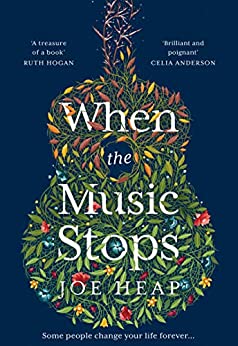
The most incredible thing about Joe Heap’s When The Music Stops is the way it mixes the ordinary with the extraordinary. In one way it’s a version of David Nicholls’ One Day, but set over a longer period (the protagonists meet in childhood) and in the world of jazz music; the parts of the book that happen in the present day are very surreal indeed.

The clever structure gives the book rhythm. It’s very much tied to the music, so rhythm seems like the right word. It makes for very long chapters (sections, really) but that’s fine, because I didn’t want to put it down. At first you wonder what’s happening in the present day but then it begins to make sense and you expect each section to have a certain chain of events. You even know what will happen in the end. But that’s comforting when the boundaries of your imagination are being stretched in other ways.

The love story running through the book is compelling too and each decade incredibly well researched so you feel each period, rather than words being wasted describing it. Ella and Robert meet as children in pre-war Glasgow and have so many near misses you wonder if they will ever get together. I would have enjoyed it on its own, and have appreciated the quality of the writing, but adding the extra dimension makes this a standout book.

Kitty

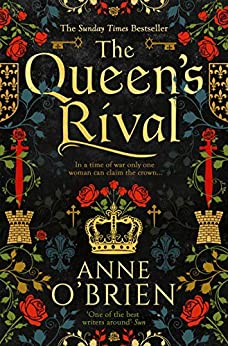
Anne O’Brien – The Queen’s Rival

I have long been fascinated with the Neville sisters and Cicely in particular so I was excited to read this book. Anne O’Brien is reliably one of my favourite writers of historical fiction and took the brave decision to write the story of Cecily through letters sent largely to family members but also to some of the major players in the turbulent story of her life, Margaret of Anjou for example, who literally held the life of Cecily’s family in her hands. This form must have been so hard to write but I really enjoyed it. It reinforced how hard life must have been without the immediacy of contact we are so used to nowadays. Writing letters to children and a husband that may or may not be alive or dead, knowing that your words could be the ones that help carry them to the scaffold. It reinforced the dangers and uncertainties of the times and all through the mouthpiece of a woman underrated for the role she and her family had to play in the development of Plantagenet England. Very well done.

Kirsten

What with publicity for Book One, final proofs of Book Two and starting to bash out the first draft of Book Three (and a fab new idea – I hope! –  for Book Four) I haven’t had much time to read this month. But one book I have finished and really enjoyed is People Like Us by Louise Fein. This is the coming of age story  – I’ve learned this month that this this can be called a Bildungsroman  – of Hetty who is brought up in a Nazi household in Leipzig in the years building up to the second war and who falls in love with a Jewish boy. It’s beautifully written and is – by turns – fascinating, poignant and heart-breaking with, I think, a lesson for the times we find ourselves in today. Highly recommended.

Interestingly, I’ve just been sent an ARC of a love story set in lockdown. It’s the first story I’ll have read with Covid-19 as a backdrop and I’m not sure how I feel about reading it. Having had quite a difficult year personally, the jury is out on whether it just too soon to read a story set in the time of Covid. I’ll keep you posted.


SISTER SCRIBES GUEST: JEN GILROY ON FINDING YOUR WRITING VOICE

Since Susanna Bavin introduced Canadian romance author Jen Gilroy to us at a Romantic Novelists’ Association conference she has been an honorary Sister Scribe and it’s an absolute delight to welcome her to Frost.

One of the questions I’m often asked when giving talks about writing relates to ‘voice’ and, specifically, how to find it.

For some writers, voice is instinctive. If you’re one of those fortunate people, this post likely isn’t for you!

However, for many others (me included) finding your ‘voice’ isn’t so straightforward.

First off, what is ‘voice?’

For me, it’s what makes one author’s fiction distinctive from that of another. At a superficial level, it relates to word choice, syntax and the mechanics of constructing a story.

Going deeper, though, voice reflects each author’s personal experience—the constellation of factors that make them who they are—as distinctive as their fingerprint.

A tip to identify voice?

Choose books by three favourite authors, set them side-by-side and consider the first few pages. Even if they write in the same genre, it’s likely that in only those early pages you’ll identify major differences in how the writer tells the story and makes you feel.

Those differences are rooted in voice and some authors have such distinctive voices that fans can often identify their work in only a short paragraph—without knowing the book’s title or author.

However, even if you know what ‘voice’ is and can identify it in other writers, how do you find yours?

For me, finding my voice was part of my writing apprenticeship and (as with many other parts of learning the craft) necessitated trial and error.

In the beginning, I sampled genres a bit like food at a tapas bar. From literary fiction through to young adult, historical and more, I tried writing in a number of different areas.

Yet, and like delicious tapas morsels, only one or two genres resonated enough for me to think I’d truly found my own ‘author voice.’

What does ‘voice’ feel like?

I liken my ‘voice’ to wearing my favourite pair of cosy slippers as I snuggle under a blanket by the fire on a cold winter night.

That ‘voice’ is drawn from the innermost part of myself and means I delve into emotions only I feel to express them on the page.

At first, that self-reflection was scary. With career in corporate and technical writing, I was so used to adopting a ‘corporate voice’ that I’d lost my own, and I’d also lost touch with the emotions that are the foundation of fiction.

Yet, with practice and patience—and by reading and writing widely—I dug deep enough to get to that comfortable state of knowing when I was writing in my voice—and when I figured that out, the genres were obvious.

Long before I became a writer, romance and women’s fiction were the genres I read for hope, comfort, escape and more. Not surprisingly, those were also the books that fit my voice and when I started to write from the foundation of who I truly am, the words flowed.

Although finding my voice was one of the most difficult parts of my writing journey, it was also the most rewarding. And, perhaps most importantly, writing with the warmth and intuition that comes from the core of who I am is the most honest gift I can give.


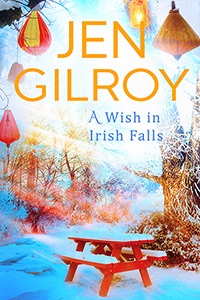
Jen Gilroy writes romance and uplifting women’s fiction with happy, hopeful endings. She’s a wife and mum who calls England and Canada home and her latest release, A Wish in Irish Falls, is out now on Kindle (free with Kindle Unlimited).

Connect with Jen via her website: www.jengilroy.com