Amazon’s Kindle Storyteller Award celebrates independent writing talent with £20,000 prize

An exciting new writing competition is here!

Kindle Storyteller Award returns to the UK for third year, recognising the best talent
in independent publishing

Amazon today announced that the Kindle Storyteller Award, recognising outstanding work by independent authors with a £20,000 cash prize, will return for its third year in 2019. The award is open to all authors who publish their book through Kindle Direct Publishing on Amazon.co.uk from 1st May 2019 to 31st August 2019.

The prize will be awarded to the work that garners praise not just from the judging panel of book and publishing industry experts, but also from readers. The shortlist will be compiled on the basis of a number of factors, including reviews, sales and pages read in Kindle Unlimited.

The winner will be announced at a ceremony in London this Autumn, and awarded the cash prize of £20,000, a marketing campaign to support the book on Amazon.co.uk, and the opportunity to have their book translated for readers around the world.

The award has been won previously by contemporary fiction author Hannah Lynn and action thriller writer David Leadbeater. Since winning the Prize, Leadbeater has sold more than 165,000 books, and Lynn has gone on to publish three further novels.

Other Kindle Direct Publishing success stories include LJ Ross, who has had seven Kindle number one bestsellers and five books go to number one on pre-orders alone, and Rachel Abbott, who has sold over three million books to date.

Alessio Santarelli, Director, Kindle Content said: “Following the enthusiasm and huge number of entries in 2018, we are delighted to bring the Kindle Storyteller Award back for its third year. The encouragement and support of aspiring authors is an endeavour we continue to champion at Amazon. Publishing a book has never been easier and we are proud to provide a service that allows for a breadth of diverse stories to be told.”

Hannah Lynn, winner of the 2018 UK Kindle Storyteller Award said: “Hearing my name called out last October for The Afterlife of Walter Augustus was incredible. To receive such recognition for only my second book was such a fantastic confidence boost that has made me all the more determined to keep writing. I wish the best of luck to the 2019 entrants and urge any writers who are on the fence to enter – you never know what might happen!”

The Kindle Storyteller Award will be open to submissions of new books in the English language, published using Kindle Direct Publishing. Titles must be previously unpublished, with a minimum of 24 pages in paperback. Readers can access all titles entered into the prize in print or on the Kindle store on any device with the free Kindle app for iPhone, iPad, Android phones and tablets, PC and Mac, and on Kindle e-readers and Fire Tablets.

The Kindle Storyteller Award 2019 opens for entries on 1st May 2019, and titles must be enrolled in KDP Select while they are in the competition. For further information, authors can visit www.amazon.co.uk/storyteller.

IT’S TIME TO START SHOWING THE SCI-FI GENRE SOME LOVE

Science-fiction may be enjoying a meteoric sales boom but it’s still not receiving the acclaim it deserves, writes the British novelist Hannah De Giorgis.

By Hannah De Giorgis

When it comes to the perception of Science Fiction and Fantasy (SF&F) as a genre, there’s a tension between its commercial success and its critical reputation. This time last year, it was reported that combined print and digital book sales in SF&F genres had doubled since 2010.

Today, unit sales of self-published and Amazon-published titles represent almost 50% of all SF&F sales across print, digital and audio. Elsewhere, and especially on the Big Screen, the popularity of SF&F shows no sign of abating: movies including the Maze Runner: The Death Cure, Black Panther, Annihilation, Jurassic World: Fallen Kingdom, and Solo: A Star Wars Story grossed billions of dollars at the Box Office and outsold most other genres.

Given its commercial dominance and crossover potential, one might assume that SF&F would carry the same kudos as other acclaimed genres. And yet, when it comes to the “literary” world, it doesn’t.

Despite its importance in popular culture, SF&F is often overlooked and underappreciated critically. For instance, SF&F is rarely offered as a module in undergraduate literature degrees – and, when it is, the relevant lecturer laments that it is regarded as a “lesser” genre. Meanwhile, in literary circles, science-fiction and literary speculative fiction is routinely dismissed and overlooked for most (if not all) of the more prestigious literary prizes. Perhaps because a potential consequence of being regarded as more “mainstream” can automatically render a book as less “serious”.

However, such a dismissal is – I think – unfair. Not only does SF&F arguably require more imagination than most other genres, it also allows writers to really delve into the potential repercussions of technological advancement in modern society. In some cases, sci-fi novelists will possess a comprehensive understanding of the laws of physical sciences, and in others fantasy novelists might fabricate an entirely new world from scratch.

In the glamorous world of film, the problem is less acute; blockbusters like The Martian and Interstellar have and do attract acclaim. That acclaim, however, only goes so far. Interstellar, for instance, was nominated for Academy Awards in categories such as special effects but not for overall picture. The Martian, on the other hand, which of the two movies is more “realistic”, was nominated for Best Picture.

While it would be disingenuous to suggest that critical acclaim is only reserved for Hollywood, it is fair to state that SF&F receives more recognition in the world of film than in the world of literature – and that’s not simply a consequence of the asymmetry of the two industries. And, when I think about it, this shouldn’t be the case given the important role that SF&F has and continues to play in our lives. Sci-fi, in particular, has long been a reflection on society: it shines a spotlight on mankind’s lust for and dependency on emerging technologies, arguably in a manner that would not be nearly as effective if it were not in the sci-fi form. Indeed, SF&F authors have for decades paved the way for Hollywood by daring to explore the potential repercussions of a world that is increasingly advancing technologically. Moreover, the genre offers an imaginative scope that is, in effect, unlimited – as can be demonstrated by many sci-fi movies or fantasy series that immediately spring to mind.

All I can hope is that, little by little, the literary world might cease to look down on SF&F and come to eventually recognise it for the innovative, limitless, and – at times – genius genre that it is.

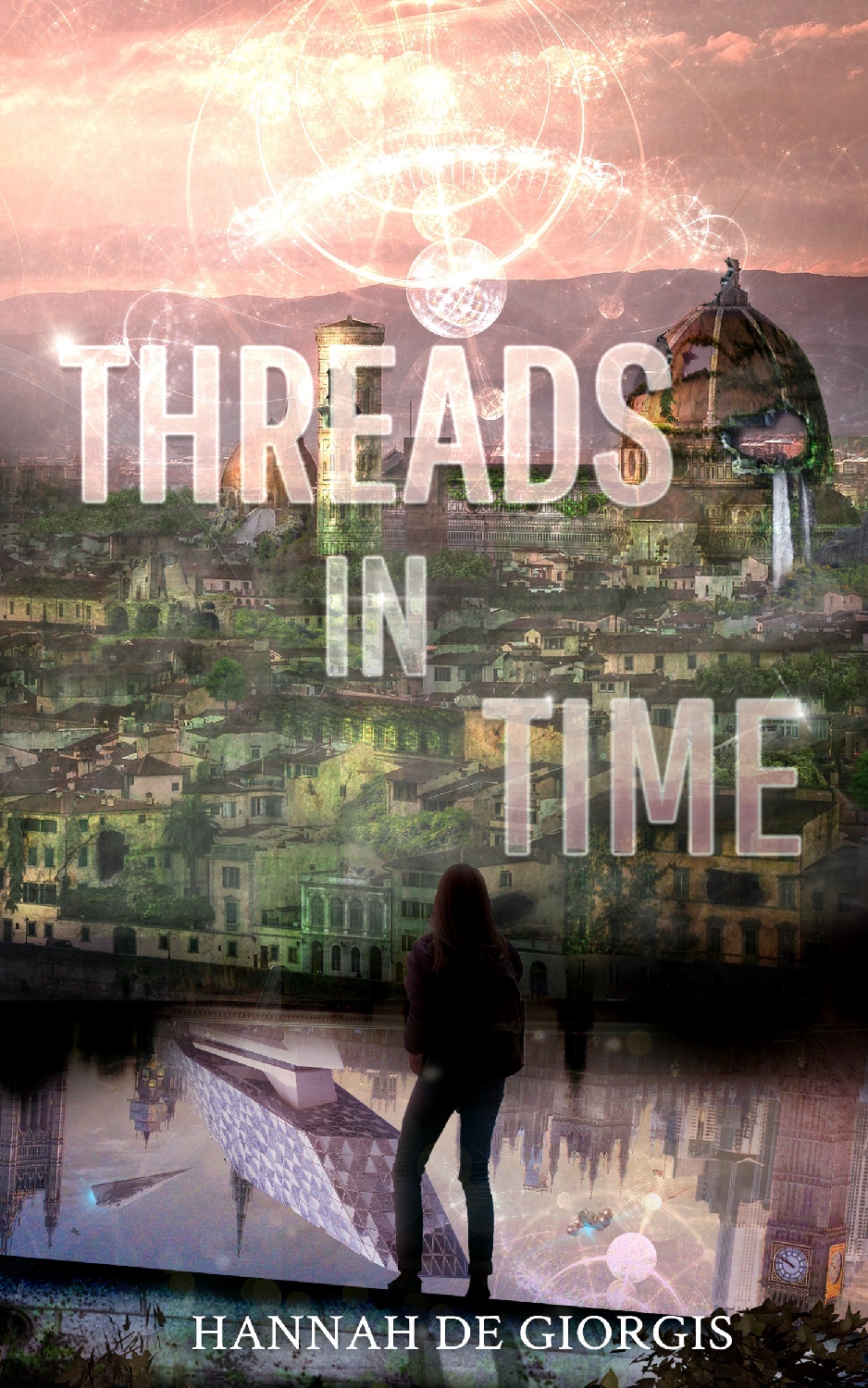
Threads in Time by Hannah De Giorgis is available from today on Amazon priced £3.49 in Kindle edition and £7.99 in paperback.

Kickstart your inner author: How to write a novel by next new year

By Tobsha Learner

Many of us dream of putting pen to paper and writing our first novel – so how can we make 2019 the year we actually do it? We asked bestselling historical novelist Tobsha Learner for her top tips…

  1. Study the masters: Before you begin writing, choose your favourite example of the genre you want to write and study it. Observe how the plot unwinds throughout the book. Make a graph noting how the subplots feed into the theme of the book and how they all build to the climax and conclusion. Look at how conflicts between characters and the obstacles they have to overcome creates tension. Note how specific characteristics make a protagonist believable… 
  2. Think about tenses and what they do psychologically to the reader before you begin writing: For example 1st person/present places them in the skin of your protagonist and moves them through the landscape right in the moment, the down side is that the description of other characters will always be through the protagonist’s eyes unless you jump tenses. Again look at your favourite books and note how the author is using tenses for different effects…
  3. Do your research – become a razor-sharp observer: For characterisation, interview and record for dialogue and specific characteristics (with permission of course). Get into the habit of eavesdropping and making notes, snippets of dialogue, psychological quirks etc. This will inspire and help build realistic and empathetic characters. For location, visit if possible, take photos, record sound, smell, and architecture. Everything to help create visceral landscape the reader can almost touch. If visiting a location is not possible, go on-line and collect images. On action/careers of characters – search out experts in that particular field and interview them. You’d be surprised how many will agree (with a promised thank you or reference at the back of the book). Just make sure you’re respectful and make it clear it’s for general atmosphere and not to use verbatim… 
  4. When you’re ready to start writing make your desk or writing place a sanctuary me-space. Make it somewhere you will end up yearning to sit and write at – define it with scented candles, fresh flowers, crystals…whatever triggers your creativity. Think about the colours and light around you that will help concentration – you don’t need a view, the view will be the world you’re creating on the page.
  5. Keep a notebook or recording device by your bed, office desk and in your handbag. Start collecting those amazing revelations or sentences that come to you first thing in the morning, in the middle of the night, a little drunk after a bad blind date…whenever it is, catch and immortalise that thought/phrase/idea. Inspiration strikes at the weirdest times, be prepared and get into the habit of collecting ideas, great phrases or snippets of dialogue you’ve overheard. You might not yet realise how you will use them in the future but a good part of writing is observation and you can do this anywhere.
  6. Be prepared to write many drafts: To over-write is better than under-writing. This allows you more choice as you hone down your narrative. Take time out between each draft to get a ‘clear eye’ on each re-write – this will give you more objectivity. I’m talking weeks not days. I call this fermentation time, and it’s important to resist the impulse to sit down and fix what you think is wrong with a draft immediately after finishing reading it… 

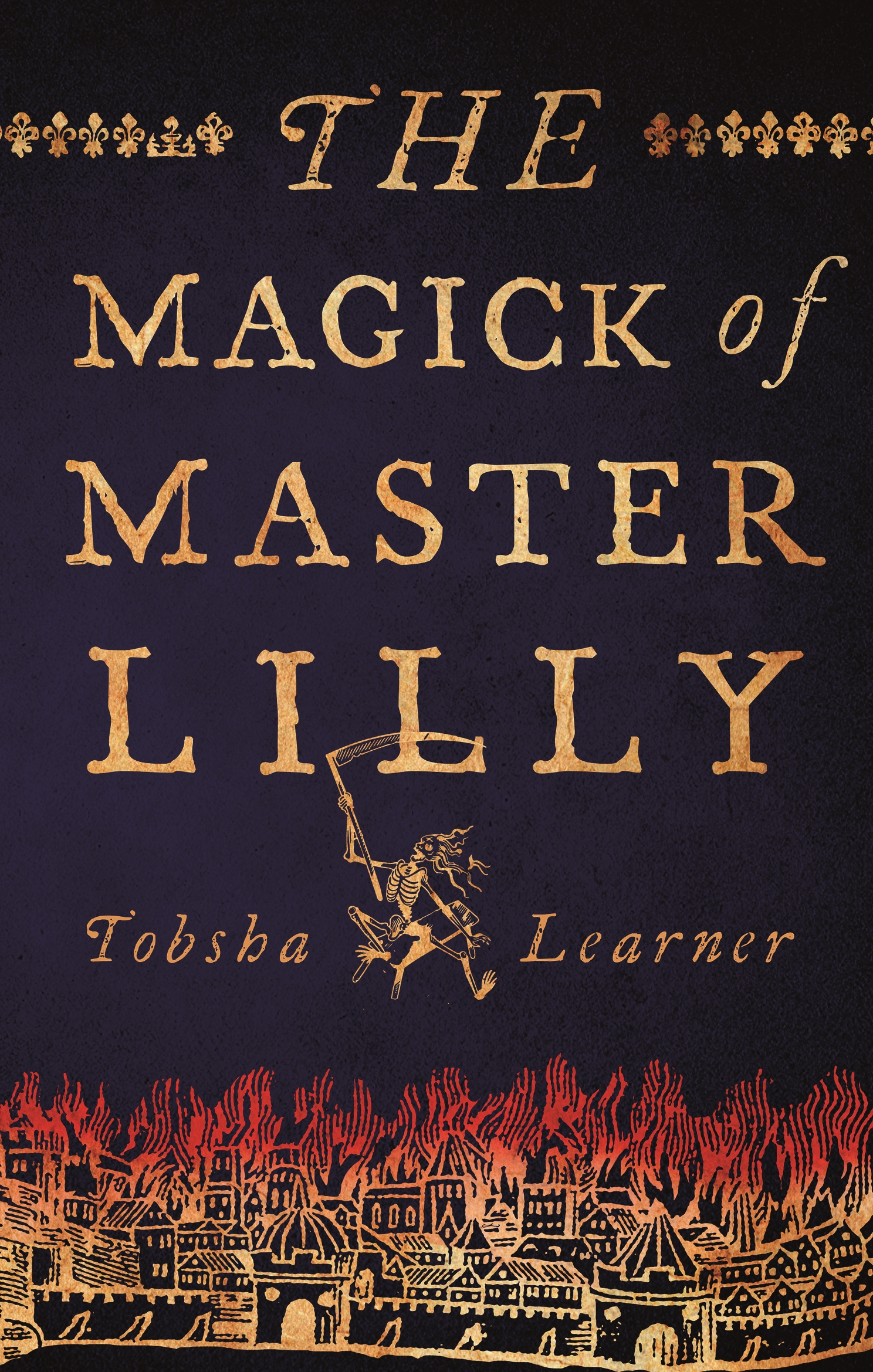
Tobsha Learner’s new historical thriller The Magick of Master Lilly is out now, published by Little, Brown Book Group, and priced at £8.99 in paperback and £7.99 in e-book. For more information visit tobsha.com


Exclusive Paddy Ashdown Interview: On His Books

Paddy Ashdown has been a Royal Marine, the leader of the Liberal Democrats for eleven years, High Representative for Bosnia and Herzegovina, and is a life peer in the House of Lords. On top of that he has written 8 books, with the 8th coming out on the 5th of June. I can’t wait as I have loved all of his other books. I interviewed him about his books and politics. Here is part one.

Did you get the idea for A Brilliant Little Operation: The Cockleshell Heroes and the Most Courageous Raid of World War 2 while you were a member of the Royal Marines elite Special Boot Squadron?

No, my publisher approached me and said ‘it’s the 70th anniversary how about writing the book’. Which is my seventh book. I am just about to produce my 8th so it was a natural subject really.

What is your 8th book about?

The 8th book is about the largest resistance battle with the Germans in the Second World War. It is called A Terrible Victory, about the Vercors plateau on June 1944 and it was the biggest resistance German battle in Western Europe. [Learn more about the book here. It is about the chronicle of the French Resistance during World War Two]

That sounds fascinating. You have written quite a lot of books. Do you have a favourite?

I think the one I am working on now is always my favourite. I love writing books and whatever you’re working on consumes your mind so it is always the one you are most thinking about.

You’re books are very good. They are always very factual and have lots of history in them. How do you go about writing them. What is your writing schedule?

Writing The Brilliant Little Operation, and the one I am going to produce, Harper Collins will publish it on the 5th of June, takes me about three years of research. I mean, I start writing before then and overall I don’t like writing unless I have all of the research it is possible to get. Normally the whole process will take my three and a half to four years. Of which three years is spent on research. Going to the wonderful archive museum in Britain, the National Archives in Britain. In the case of both of my most recent books, to the Château de Vincennes in Paris, In France there are three key archives you have to go to. And also the Bauhaus-Archiv in Germany.

I spend a lot of time in archives. In writing my present book I have read sixty other books on the subject, all of them in French. In writing a Brilliant Little Operation I have read four books before and a lot of research. So research is very important.

You can really tell that when you read your books.

Thank you, that’s kind. That’s very generous.

Tomorrow: The Liberal Democrats, the Conservatives, Nick Clegg, Labour and the NHS: Exclusive interview.


Frost Magazine interviews acclaimed Instapoet, Arch Hades

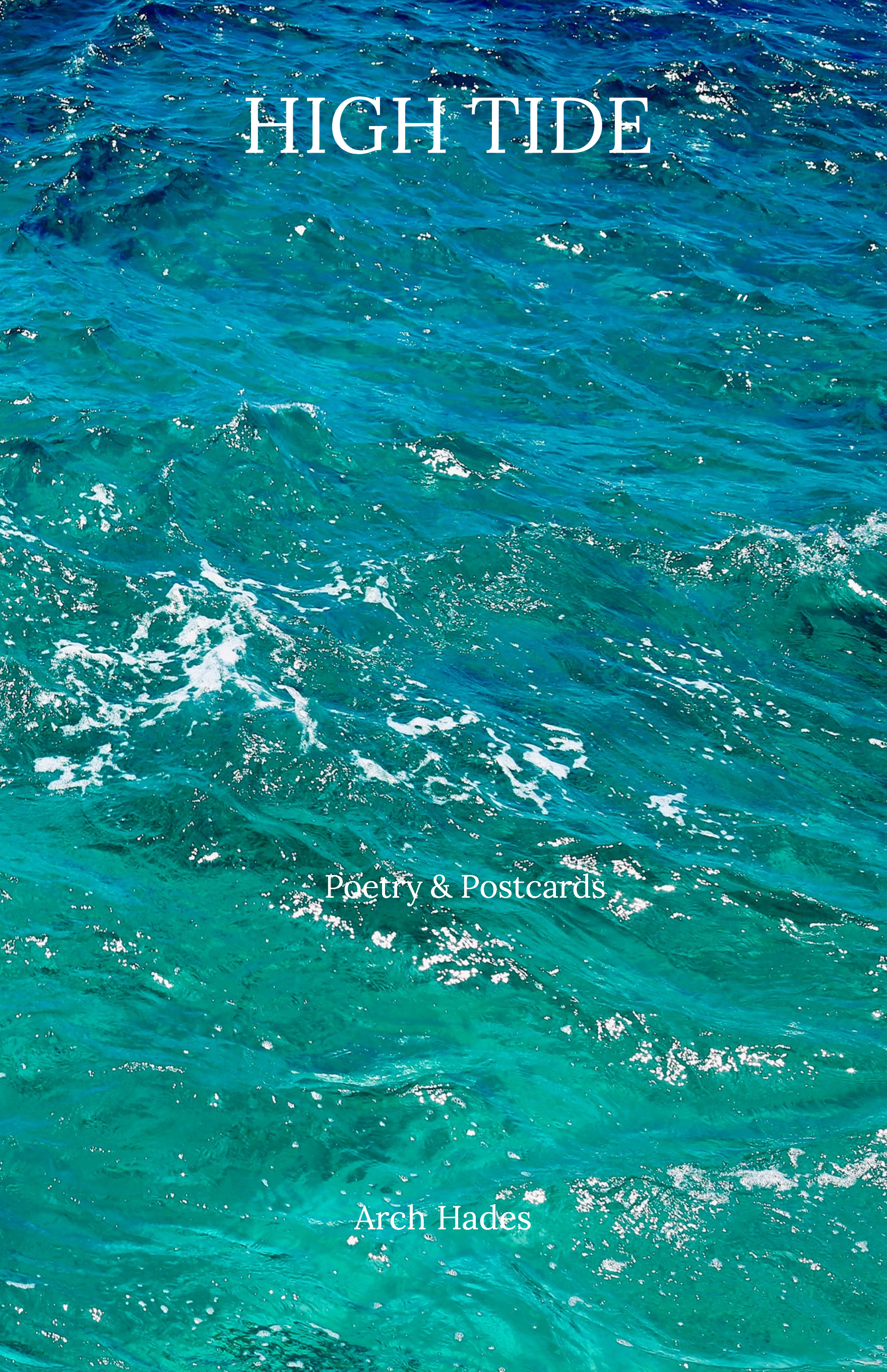
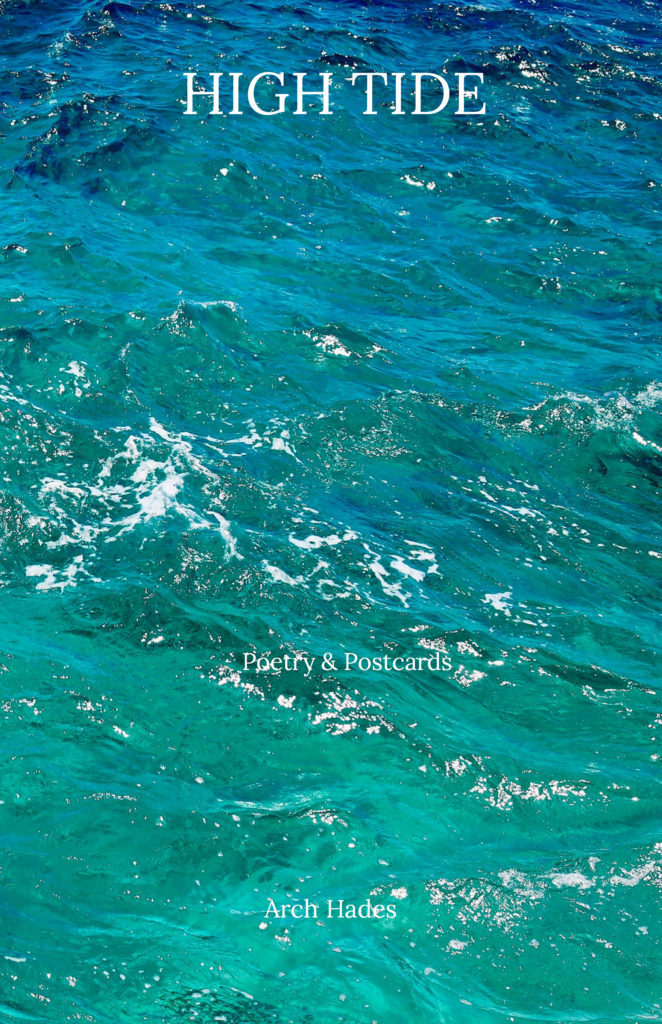
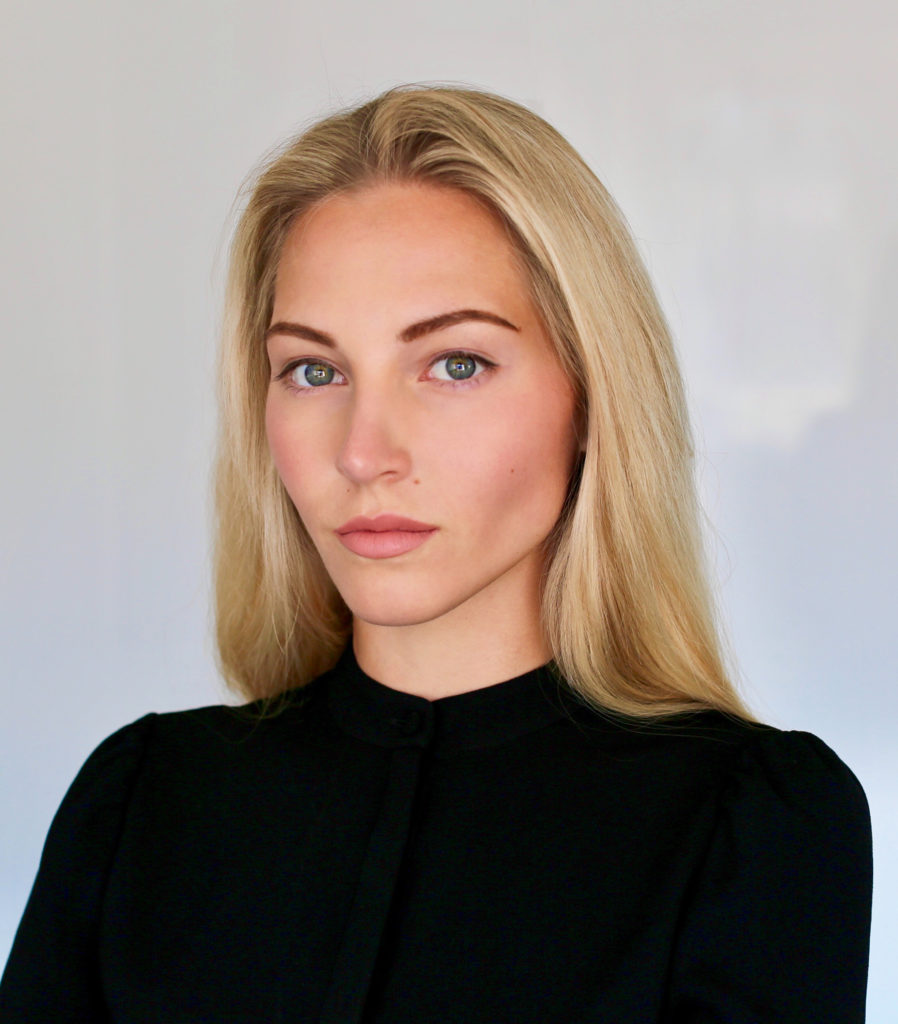
High Tide, the debut collection of poetry by the Instapoet, Arch Hades, is making waves in poetry and social circles. In this Frost Magazine exclusive, we find out more about the writer behind the verse.

By Lucy Bryson

Q: Were you aware of the ‘Instapoets’ concept when you first began writing? Have you witnessed any snobbery from traditional literary publications towards ‘Instapoetry’?

A: Yes, I was aware of the ‘Instapoets’ concept. I can’t say I’ve experienced any snobbery (I, of course, only speak for myself). I’m just a poet who shares some of my work on that platform. We live in a sharing society, Instagram has done wonders for poetry, not only has it helped people re-connect to this form of expression, it has done so very successfully and on such a large scale that I will gladly applaud the medium for this revival.

If anything, I hope traditional literary publications rejoice at this new-found popularity of poetry and especially the new-found interest people express in their own publications. 
Q: Your work is personal and emotional – did you feel any vulnerability when you first published your poems online? Are there any experiences you would say are out of bounds in sharing with readers?

A: I can’t say I felt particularly emotionally vulnerable when first sharing my poetry. I’ve always been very honest with people and very open. I don’t see the point of not saying that I mean and not meaning what I say. I want to continue being raw and open and emotional, I don’t want to shy away from it, I want those who do share in loss and heartbreak to feel they are not alone, I want to connect with them and support them.
Q: Can your Instagram followers expect to see new, previously unpublished work in High Tide? 

I only began posting online after the publication of High Tide, so far I’ve only posted fragments of poetry, and I am grateful that the reception has been warm, so yes, I will estimate that the vast majority of High Tide is yet unseen by my followers (apart from those who bought the book already).

Q: Have you always sent postcards while travelling? Did you have any reservations about sharing this personal correspondence in your book?

A: Sending postcards is an old sentiment of mine that originates from my school days. I spent seven years in an all-girls boarding school where cell phone use and access to social media were very restricted. However, we were allowed to post letters and that became my outlet. Handwritten letters and postcards are a form of art in themselves. When you have a limited amount of physical paper to write on, suddenly, you have to be concise, thoughtful and eloquent. It was a challenge at first – when you can write anything, but, you can only write a few sentences. It’s a beautiful game. One doesn’t easily discards letters too. You write your girlfriend a letter, I promise you, whatever happens, she is going to keep that forever. I began writing to my best friend Bobby more than ten years ago, who attended an all-boys boarding school, and we’ve kept it up ever since. 

Postcards, I would say, aren’t particularly personal, at least not my own. I use postcards to capture a momentary state – the external and internal. How wonderful it is to then read again and be transported back to that moment and my frame of mind during writing. I want to encourage more people to write postcards. Not just for future nostalgia, but because at the time of writing it helps you to be present and reflective. 

Q: Poetry is often viewed as an elitist and difficult form of literature for the ordinary person. Do you think this is a fair assessment, and do you feel that the new wave of online poetry is encouraging young people to become interested in the art form? 

A: I understand how people in Britain might perhaps feel estranged to poetry. The most famous British poets are traditionalist like Shakespeare, Byron, Blake, war poets like Aldington and Blunden and more recent poets like Larkin – who are all brilliant and I admire them greatly, but their writing can alienate readers in terms of language, and also in terms of the topics that they wrote about, that the young generation may be alien to. I’ve had conversations about poetry where someone will comment – Shakespeare isn’t for me, poetry isn’t for me. So perhaps poetry can strive to be more inclusive, and perhaps there needs to be a greater awareness of how broad poetry is. 

I of course celebrate new mediums like Instagram, that have certainly made poetry more accessible and have also encouraged so many young people to pick up their pens too. Poetry is a beautiful form of expression and I want to encourage it to all and any. 

Q: In what way was writing the poetry ‘cathartic’? Does your new poetry reflect a more peaceful state of mind, and how does that affect your creativity? 

A: Cathartic is an appropriate word here. My grandfather (also a poet) used to tell me that a problem well stated is a problem half-solved and I can honestly say I used this form of expression to help me through some difficult times. Unfortunately, I have not found my peace yet, but that doesn’t limit me to writing only about turbulent, sad times, there have always been serene moment of love and peace, I just have to focus on those at times and remain hopeful for the future. 

Q: What would you say is the poet’s function in society?

A: In 1825 Pushkin declared that ‘the history of the people belongs to the poet’. They say if you want to know what happened, ask a historian, but if you want to know what it meant, ask a writer. I doubt I’ll be writing history or what it meant, I just want to capture what’s going on around me and how it’s changing. 
Q: Why do you think your work resonates so strongly with others around the world, and how do you think reading your work can help others heal their own heartbreak? 

A: Emotions are universal, we’re all human, we all have feelings and we all don’t like feeling alone. In times of heartbreak, loss, lethal love, unrequited lust and failure, we feel a touch of redemption and solace when we feel we are not alone, that somewhere out there someone also felt that way, and hopefully they don’t feel that way any anymore. It brings us peace, it strengthens us. If that person conquered it, so can I. Luckily, when I started sharing some extracts of my writing, the reaction was very positive and I’m so grateful for it. I’m so glad people find my obscure sorrows and heartaches relatable and when they tell me it helps them feel less alone, it helps me feel less alone too.  

Q: Finally, what three poets, classic or modern, would you recommend to people wanting to discover the joys of poetry, and for what reasons?

A: Three is difficult, as there are dozens I admire. It’s no surprise that I will recommend the confessional poets of the 1950s – Anne Sexton in particular – whose style I believe is very relatable and accessible. 

A traditional poet I would recommend – Alfred Lord Tennyson – ‘The Eagle’ is a nostalgic favourite from my school days, that warmed me to poetry in the first place. 

And something more Instagram friendly – R H Sin – wonderful and warming. 

High Tide: Poetry & Postcards by Arch Hades is an original collection of poignant and relatable poetry about love and loss, which capture a troubled year in the life of the author. It is available now on Amazon UK priced £5.99 in paperback and £4.99 as an eBook. Follow Arch on Instagram @archhades. 

 

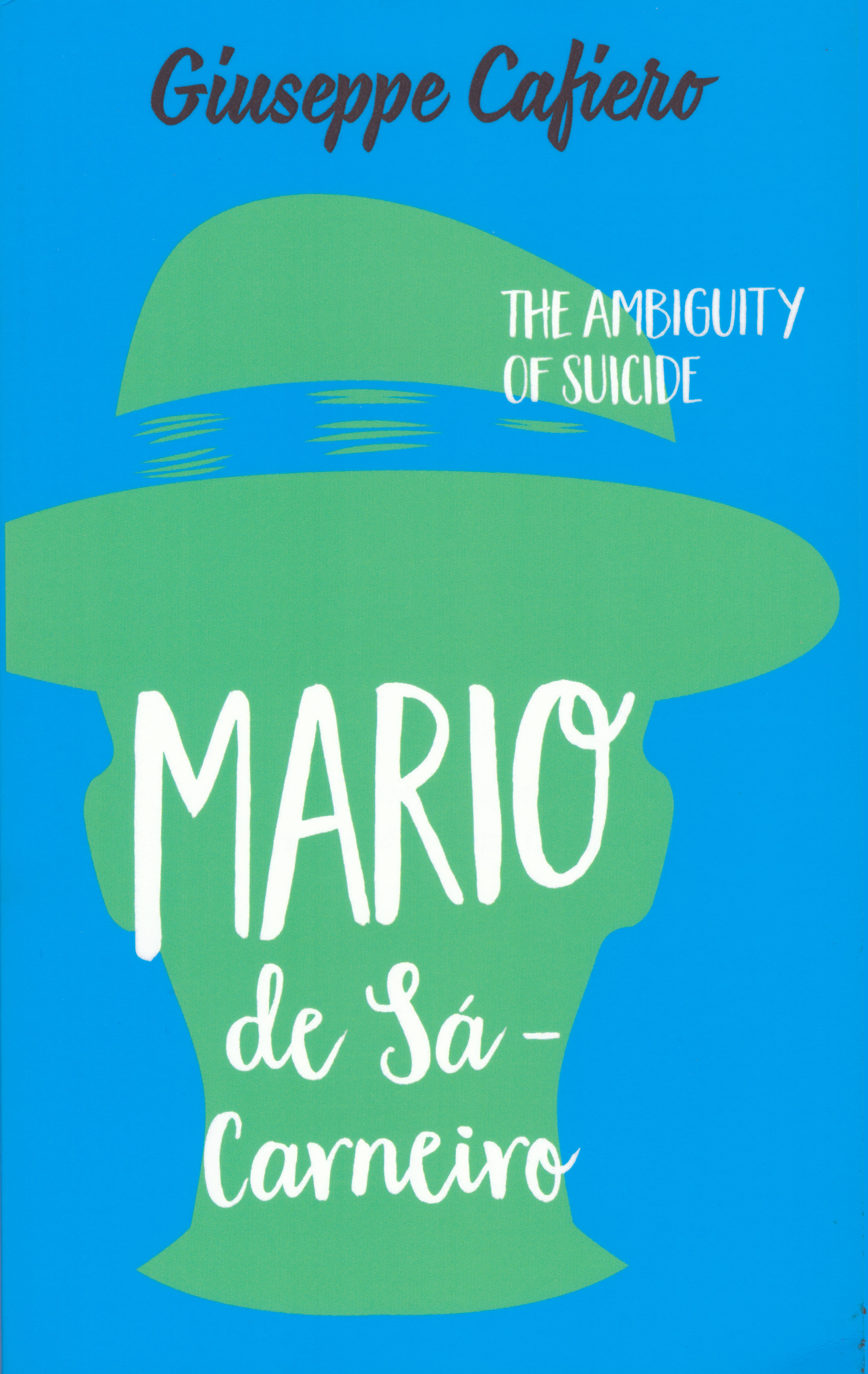
Mário de Sá-Carneiro – The Ambiguity of a Suicide, by Giuseppe Cafiero

By Staff Writer

Part biography, part historical travelogue and part detective story, this fictionalised investigation into the suicide of the Portuguese writer Mário de Sá-Carneiro is admirable on many levels. 

Part of the acclaimed ‘Ambiguities…’ series by Italian author and playwright Giuseppe Cafiero, Ambiguity of a Suicide is an artful, intriguing meander through the mind of a gifted yet troubled soul.

Cafiero’s works are described by the author himself as works of ‘bio-fiction’, a type of metaliterature that plays with the blending of fact and fiction. This literary form is particularly effective in telling the story of de Sá-Carneiro, an acclaimed avant-garde writer of the early 20th century whose mind was muddied by his taste for strong alcohol and a desire to numb his sense of ‘saudade’ (a uniquely Portuguese word best translated as ‘melancholy’).

The word is key to the novel’s depiction of a man apparently tormented by feelings of inappropriate desires, of  something ‘missing’ and of a general mournful malaise that could not be shifted by boozy nights in Lisbon and Paris, or dreams of making a new life in the Portuguese territory of Brazil.

The Ambiguity of Suicide follows the journey of de Sá-Carneiro’s close friend, fellow poet Fernando Pessoa; Mondine, a private detective; and Doctor Abilio Fernandes Quaresma, a ‘solver of enigmas’, as they retrace the tragic author’s footsteps in light of his recent death.

Together, they drink in his watering holes, eat in his favourite restaurants and talk to the characters that he came across before he took his own life in a desperate bid to shed light on the circumstances that led to his demise.

Cafiero effortlessly evokes the period and settings that shaped de Sá-Carneiro during his time in Lisbon and Paris, and there is a fitting sense of beautiful melancholy throughout the book, such as the following description: “Sea and salt air. Duino was then in his heart. A manor house corroded by time. White, skeletal, dried by the sun. Progenitor of imperial deaths. The ocean is another thing. Gusts of an Atlantic wind. Gazing at conquered lands. Lisbon”.

Following a trail that leads them into seedily sensual territories, the three characters come to understand a little more of Sá-Carneiro and his troubled mind,

but ultimately (and as the ‘ambiguity’ title suggests) they find there is never any simple answer to the ‘why?’ of a suicide. 

The translation from the original Italian is extremely well done, but so too are the translations from the original Portuguese – the text is dotted with direct quotes from the writer and poet’s works, as well as from his friend Pessoa (best known for The Book of Disquiet).

It is perhaps fair to say that the works of Mário de Sá-Carneiro are little known outside of Portuguese-speaking countries. It’s also fair to say, however, that readers willing to engage with the unfamiliar will glean a lot of enjoyment from this novel and will probably find themselves eager to familiarise themselves with de Sá-Carneiro’s back catalogue after reading it.

Mário de Sá-Carneiro – The Ambiguity of a Suicide by Giuseppe Cafiero (Clink Street Publishing) is available from Amazon UK, priced £1.13 in paperback and £1.07 in Kindle edition. Visit www.giuseppecafiero.com.


A Day in the Life of Rob Sinclair

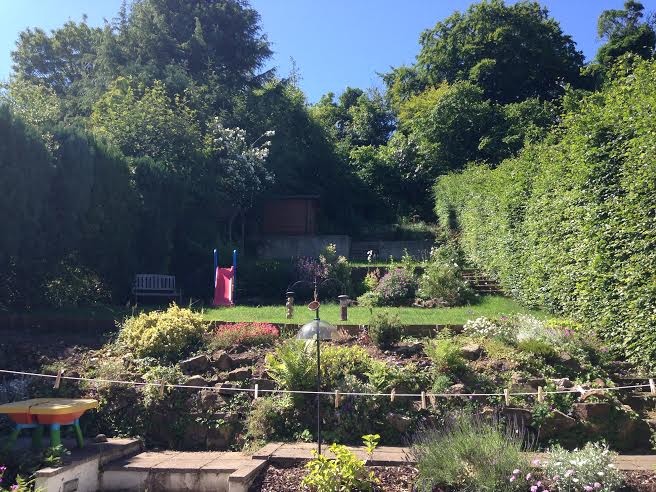
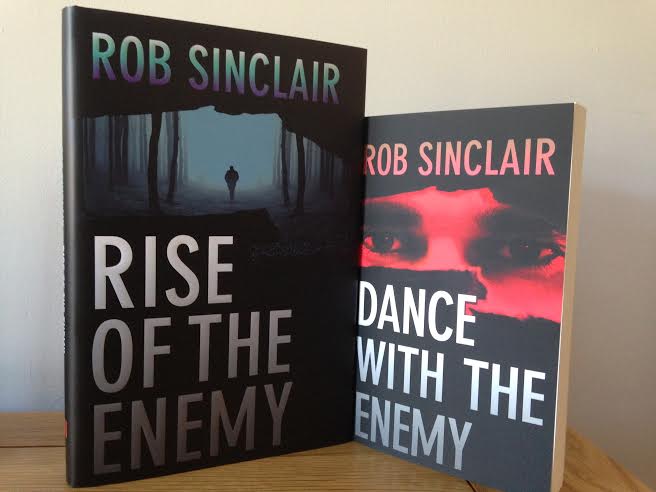
One of the hardest parts of my life as an author is actually finding the time to write. As I struggled with this realization while putting the finishing touches to my newest book, Rise of the Enemy, I wrote a blog post that was clearly tongue-in-cheek (see here). Again, on the day I’m writing this, I’ve just returned from a two week holiday so have a backlog of other tasks, starting with work in my garden which has turned into something of a jungle in the space of 14 days…

A Day in the Life of Rob Sinclair1

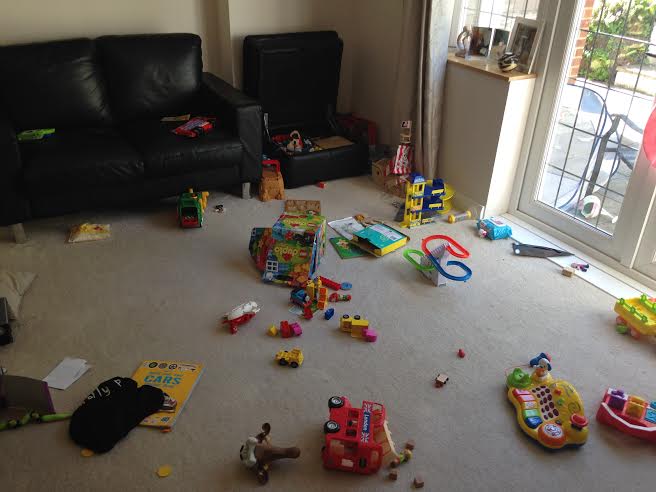
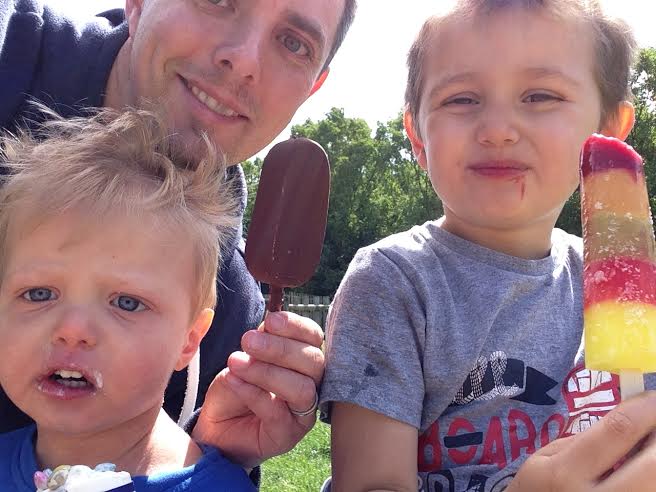
My life has changed immeasurably since I caught the writing bug some six years ago. At that time I was still working full time as a forensic accountant, but on the flip side I had no kids. Life was really quite straight forward, comparatively speaking. I drafted my first book, Dance with the Enemy, early in the morning before work, at lunch times, in the evenings and at weekends. It took a lot of dedication and commitment – I was spending every spare minute drafting and editing. Then something happened. I had two boys and my life was turn upside down – as was my house…

A Day in the Life of Rob Sinclair2

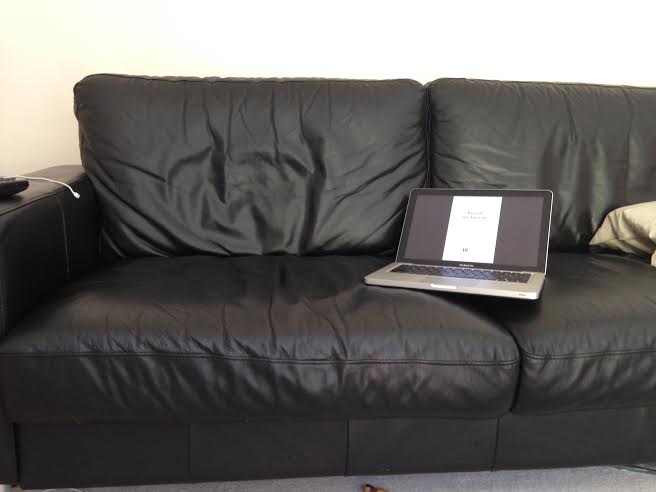
Both of my boys (they’re 4 and 2) go to nursery three days a week, so once they’re out the house at 7:30am it’s time for breakfast then exercise. By the time I’ve showered it’s usually about 9am before I start work. I do all of my writing sat on the sofa in the lounge with my laptop. Yes, that big dent right there is where I sit. Every day I feel like I’m a little closer to the floor.

A Day in the Life of Rob Sinclair3

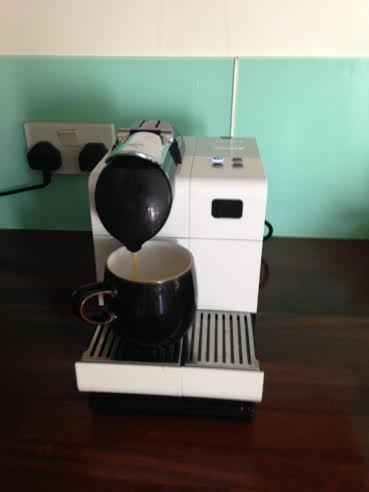
It’s that first session, in the morning, when I always feel most productive and creative. I’ll generally blast through until about midday, with a couple of five minute breaks to make a coffee with my beloved Nespresso machine (every coffee-lover should have one)…

A Day in the Life of Rob Sinclair4

I break off at lunch and do a bit of housework before I get back to writing. By that point I generally feel a bit less enthused. Writing can be a mentally draining experience, particularly when you’re drafting and coming up with new ideas. The  afternoon session ends about 4pm, then have an hour spare before I pick up my boys – generally more housework or checking my Twitter and Facebook accounts.

A Day in the Life of Rob Sinclair5

By the time the boys are in bed and my wife has come home and we’ve had tea it’s about 8pm by which point I’ll look to do another hour or two of promotional work; social media largely but also blogs/interviews if I have the mental strength left (which is rare!).

Then it’s in bed safely tucked up with a book for ten minutes (if I’m lucky) before lights-off between 10pm and 10:30pm – what a rock n’ roll lifestyle, eh?!

A Day in the Life of Rob Sinclair6


A day in the life of Felicity Trew – literary editor

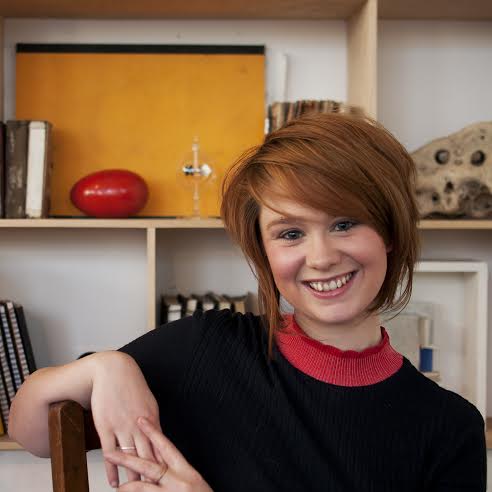
Newly appointed literary agent Felicity Trew describes a day in the life of one the top literary agencies, the Caroline Sheldon Literary Agency.

A day in the life of Felicity Trew – literary editorfelicity

By the time I get on the bus in the morning, I’ve already visited 50 different worlds… through my submission inbox. I never know where it’s going to take me.

I start my day meticulously trawling through the new manuscript adventures on an iPad, my portable office and library. I get hundreds of emails from hopeful authors each week with stories ranging from lovesick demons to 14th century political deviants. There is a lot that is not suitable for my list but every now and then I find a gem.

You can sum an agent in three words: talent-spotter, advocate and counselor. Our responsibility is to find the best authors and to bring out the best in them.
And book writing is 90 per cent idea, writing and 10 per cent editing that into something really rich and attention-grabbing.

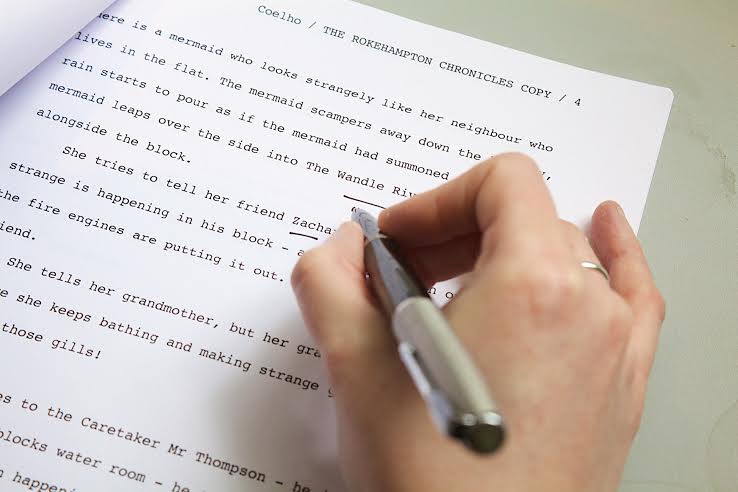
So a substantial part of my morning is spent helping authors tighten their manuscripts into a powerful punch of literature for the publishers. Sometimes that can even mean sitting down with an author lost in a plethora of ideas and choosing the strongest option.

A day in the life of Felicity Trew – literary editorthecarefuledits

Most outsiders think the book world is a cosy industry of coffee cups and cupcakes, but it is a crowded business – which makes it tough but exciting. So after reaching out and responding to my clients, who come first, I tackle the contracts to get the day going.

The one reason a writer needs an agent is that legal document which exists for the lifespan of the book and controls everything from advances to film, TV, radio, theatre, eBook and merchandising rights. The contract can make or break an author. Get one sentence wrong and you’ve lost everything for a lifetime.

Agents feel a huge responsibility to give authors the best chance at carving out space on that cluttered bookshelf.  But it’s also a dynamic dance with the publishers. My job is to make sure all sides are happy, that the terms are clear and fair.

A day in the life of Felicity Trew – literary editorcupoftea
Lunch breaks are rarely breaks. They are spent negotiating details with publishing houses and putting forward our best and newest work – as well as tapping into what publishers and readers want.

Right now the time-tested solid trend is the saga: it is a natural development, people don’t want to feel abandoned by the characters they have grown to love after just one book. Escapism in the form of traditional fantasy and historical fiction are both definitely on the rise. But I always encourage my writers to write what they know and love irrespective of market trends.

The afternoon is spent preparing for the book fairs and literary festivals.

A day in the life of Felicity Trew – literary editorthethinking

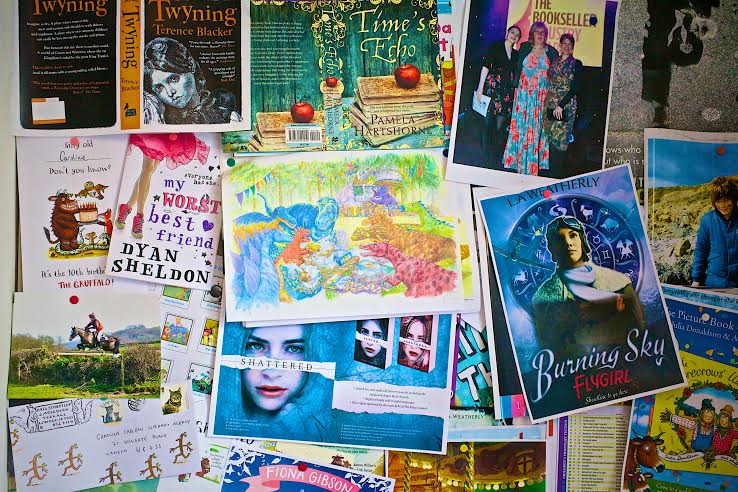
The next big event on my calendar is the London Book Fair in April: a bustling marketplace of the international book world, where all the big deals are made and names forged.  Every major publisher, book seller, literary scout and agent descends on the sprawling venue – which this year is Kensington Olympia – hoping to buy and sell their wares.
It’s months of preparation: chasing authors with their deadlines, helping them shape their work, building eye-catching presentations and then networking to set up those all-important meetings to make sure our authors get heard above the crowd.

A day in the life of Felicity Trew – literary editorgoodbook
But book festivals are my real love – as it’s a chance to meet writers face-to-face, which is ultimately why I do my job.

This year, I’ve been asked to give several talks: an opportunity to offer advice to new authors.  The next is the Literary Festival in Wycombe in April at the Downley Community Centre, followed by the SCBWI retreat in May and Winchester’s Writers Conference in June.

The most frequent question I’m asked by new authors is how to approach a literary agent. The simple answer is: know your agent. Study their author lists, read their statements and their authors’ works, follow them on social media, find out what they are looking for and address that in your covering email. And do not send round robins or even worse accidentally address a rival agent (it has happened). Beware, the delete button beckons.

A day in the life of Felicity Trew – literary editoripadportablelibrary
After a busy day rushing between appointments, lunches and meetings the long bus journey home is an opportunity to catch up on industry news, looking at the latest signings, best sellers and mergers.

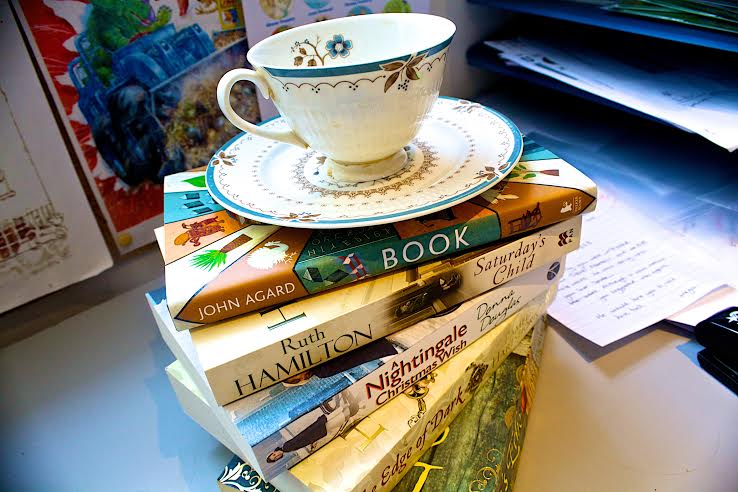
And maybe – just maybe – I might just read book of my own.