My Writing Process Kat Dunn

  • What you have written, past and present

DANGEROUS REMEDY was my debut novel, published in 2020. MONSTROUS DESIGN is the second in the series, out June 2021, and I’m in the midst of writing the third and final book in the series, 

Before my debut I wrote a whole host of finished, part-written and completely abandoned novels, none of which I let myself take seriously.
  • What you are promoting now

MONSTROUS DESIGN is the sequel to DANGEROUS REMEDY, and comes out 10 June 2021. The first book in the series saw Camille, her girlfriend Ada, and their band of outcasts rescue a girl with strange powers from the guillotine in revolutionary Paris. In the second book, the gang is split between London and Paris struggling against Royalist forces that are growing ever stronger. Think duels, necromancy, betrayal, and a cast of queer, found family misfits.

  • A bit about your process of writing

I work a 9-5 day job, so I write evenings, weekends, lunch breaks and early mornings. It’s not always been easy to find the time to write, and I’ve had to put aside other aspects of my life to make it work. But I’ve been writing since I was a small child, and there’s nothing else I’ve ever wanted to do with my life.

I usually have anything from 5-10 ideas fermenting in my head at once, but I try to focus on 1-2 projects at a time. I’ll usually write a draft in 3-4 months, go back straight away and fix all the bits I know are wrong, then chunk it over to someone else (whether my editor, agent, or a friend) to get some more direction for the next round of edits. 

  • Do you plan or just write?

I used to think I was a planner, but the more real planners I meet the more I realise I’m somewhere between planner and pantser.  

It feels like someone’s dumped out a jigsaw puzzle into my brain, and I have some pieces that are obviously corners or edges, or here are a whole heap that connect together to make a building or cloud or something, and then there’s the mess of unknown pieces. So I’ll try to write the bits I know out in a very sketch note form. I like scrivener for this, because I can make a document for each puzzle piece and then start grouping them and moving them around, while making notes of all the things I think should happen in that scene. 

Then writing it is like putting the puzzle together. Sometimes it zooms along, sometimes you realise what you thought was a cloud was actually snow and it’s in the wrong place and you have to pull things apart…. You get the idea. 

  • What about word count?

Apart from a few outliers, I end up somewhere between 80-110k for most drafts. Things grow and shrink during edits, but I don’t have an over or under writing problem. I write the right number of words, they’re just the wrong words and have to go in the bin.

  • How do you do your structure?

I really love books about story structure. I don’t think there are really any hard and fast rules (and a lot of those rules are western-centric and automatically dismiss other forms of storytelling). But I like knowing what sort of patterns are out there, and pulling them apart. 

DANGEROUS REMEDY and MONSTROUS DESIGN are fast paced stories that take place over a handful of days each. I didn’t get to play around with structure too much, but I did use the structure to think a lot about what information I share with the reader and what I withhold until the right moment. I love a good twist and to make them work you’ve got to do a lot of work before you can whip back the curtain and reveal the truth. Having a clear idea of my structure helps me work out where I need to lay seeds. 

  • What do you find hard about writing?

I’ve found it tricky know how to structure stories that are driven by emotions and character over big flashy plots. I’ve been working on a side project where this has been my main challenge and I’ve learnt so much. It’s made me think about my writing in a really different way and prove to myself that even though I’m a published author now, there’s still so much more to do and learn.

I find editing harder than drafting. It stops being potential and starts being a real thing, which will always disappoint me a bit for not being exactly the thing in my head.

  • What do you love about writing?

I had to think about this for a while. It’s like someone’s asked me what do I love about air. I like that it means I can breathe? I’ve been through a lot of difficulty in my life, and for a lot of it been on my own, so writing has been as essential as water or sunlight. It means I can exist. It gives me purpose and meaning and joy. 

If I have to say something specific, I think my greatest joy is when character drives plot and plot drives character in a really effective way – a slow burn character arc that takes a hero to a villain. I love writing in moral grey areas, where good people do terrible things and terrible people do good things.
 

My Writing Process Joy Ellis

1) What have you written, past and present.

To be honest, quite a lot, and mainly in the last five years. I’m at present writing my 26th book for Joffe Books, but have two more completed novels lurking in a cupboard (and in a completely different genre) that will probably never see the light of day. There are twelve books in the DI Nikki Galena, Fen Series; seven in the DI Jackman and DS Evans series; three Matt Ballards; and one stand-alone novel. Oh, and two more completed and already in the editing process with my publisher. Right now I’m working on book thirteen in the Fen Series. I sometimes wonder just how much mileage you can get from one detective, but from the messages sent to me by the amazingly supportive ‘Nikki Fans’, I’m beginning to think I’ll rival Coronation Street for longevity! 

2)What are you promoting now.

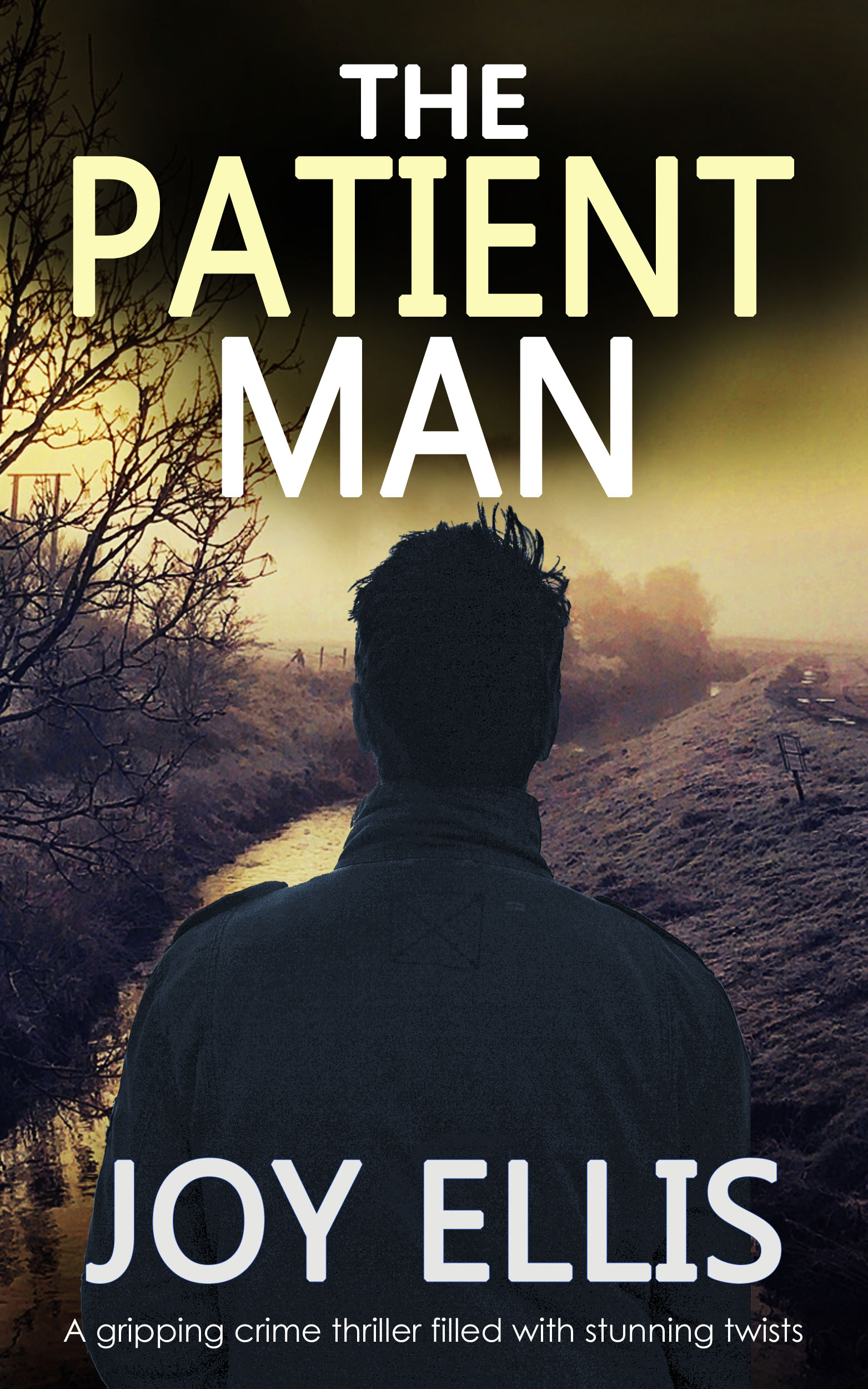
At the moment, because of it being shortlisted for The British Book Awards, Book of the Year, Fiction: Crime and Thriller section, all interest is on The Patient Man, Book 6 in the Jackman series. I loved writing this book as it was one that allowed me to use some wonderfully dysfunctional characters, and a particularly vindictive and vengeful killer who had set his sights on Jackman and Marie. I have to confess to enjoying writing the ‘baddies’ as the scope of what they are capable of is endless. Having said that, I always strive for a satisfactory outcome, which means good triumphing over evil… well, most of the time…

3) A bit about the process of writing.

It always starts with asking myself, ‘What if…?’ Just a thought, a vague idea that almost instantly begins to escalate. At that point I grab a notebook and scribble down these tenuous threads that might lead to a new novel. A whole book can materialise from a couple of lines hurriedly written in a notebook. They sometimes take the form of a cameo; a brief scene played out in my mind, and that becomes the foundation for the novel. A perfect example of this was when I was considering a plotline for one of the earlier books in the Fen Series. I envisaged the collapse of a building, trapping two strangers, a man and a woman. Believing the injured woman trapped with him to be dying, the man confesses that he has just killed someone. But, what if she didn’t die? What if she remembered what he had told her? And what if, he discovered that she was still alive? No more was needed to begin writing Stalker on the Fens.

4) Do you plan or just write.

I’m an organic writer, so once I have written Chapter One, I’m off! No detailed plans, I just work with my basic idea and run with it. I firmly believe that I set the scene, introduce my characters, then hand the whole thing over to them to do as they will. If I don’t, half the time they highjack the story anyway! 

5) What about word count.

It’s a little bit odd, but I seem to write each novel to finish up with a similar word count. It’s not intentional, as far as I’m concerned, the book is as long as it needs to be. It just works out that way. I use Word for my manuscripts, type in Times New Roman, font size 12, and always double space the text. For four books in a row, when I finally typed those wonderful words, The End, it was on page 406, and I have no idea how that happened. As to wordage, it’s generally around 120,000 words. My last book was a little longer and came in at 127,949 words, but of course that’s before my editor gets to work and prunes it heartily! 

6) How do you do your structure

This is quite hard to describe, because although I know how important it is, especially for a new writer, to structure a book well, it isn’t something I do consciously. Perhaps because of having written so many books, I’ve found a mental blue-print, and work to that automatically. And it’s as simple as one, two, three… because that is exactly what it is. A beginning, a middle, and an end. I’ve always thought of it as three acts, the first where you introduce the characters, the location and present the problem; the second where that problem is confronted; and the final act, where the problem is solved. And through all of this I endeavour to keep up the tension, and pay careful attention to the pace of the novel. Pace is incredibly important, and I see that as a wavy line with peaks and troughs. Build the pace and hold it, then slow it down and allow your reader to breath again! Then stick them back on the roller-coaster for a while! If you don’t give them time to gather themselves, they will fall, exhausted and gasping, across the finish line and wonder what on earth that was all about. Even if I’m not totally conscious of it, I know I’m aiming to structure my book to continually connect with my reader and keep them with me, page after page, until we reach a satisfactory ending… together.

7) What do you find hard about writing.

About the actual writing, very little! The hard part is when life gets in the way! If I’m on a roll, I really resent appointments, and doing all the things that still have to be done to exist. And as I’m not exactly in the first flush of youth anymore, sitting for long periods of time does me no favours! I am sometimes forced to stop simply through pain, and that is irritating beyond words, especially if the muse is with me. Yes, for me, the hardest thing about writing is striking a work/life balance, and I can truthfully say, that’s one thing I’m rubbish at!

8) What do you love about writing.

How long have you got? I love everything about writing. Recently however I’ve come to realise things that I never truly appreciated before the pandemic. I’ve always loved books and reading. My favourite present at Christmas as a child would be a book. It provided escapism, company, and adventure. Now, from some of the heart-warming messages that I’ve received in the last year, I’m understanding how much deeper this goes. Books have been an absolute  lifeline to so many people during this worldwide period of isolation and fear, and it’s really come home to me that writing books, is actually helping people to cope in extreme situations. It’s very humbling, and some of the stories I’ve been sent have literally reduced me to tears. So, I have to say the thing I love about writing the most, is finally understanding the positive power that books have to really make a difference.


THE BOOKS THAT CHANGED ME BY HÉLENE FERMONT 


Ever since I was very young my parents instilled in me a love for literature. We had a big library room at the back of the house, with books by all kinds of authors, Swedish and international, filling the shelves. I distinctly recall my mother’s delight each time someone gave her a new book – she’d read and share it with the members of her book club. She went to great lengths preparing lovely delicious lunches and dressed up for the occasion. Back then, in the 80s, books were special and quite expensive. Some even impossible to get hold of. My parents queued up outside the biggest bookseller for hours on end one night in February every year to browse and buy new books by their favourite authors. They always bought new books for me and my brother and gave them to us on our birthdays. I still remember the excitement of reading a new book.
There are too many authors whose books I loved then, and regularly return to, to list here. My favourite books are the kind of books that linger in my heart and mind long after I’ve finished reading them. As the author of character driven Psychological Thrillers, and a huge fan of character focused books, the following books changed me and inspired me to write.

Loves Music Loves To Dance by Mary Higgins Clark
This book centres around personal ads, and was published before the Internet.
It highlights the dangers of meeting strangers and is a gripping story with great characters. I’ve read all her books and learn something new each time I return to them.

The Girl With The Dragon Tattoo by Stieg Larson
After reading this intriguing and very graphic book, I became hooked on the sequels and, of course, the wonderful complex main character and storyline.

Small Town Girl by LaVyrle Spencer
The storyline centres around a famous singer who returns home to look after her mother. The characters are so vivid, complex and human I instantly felt and feel as if they could be part of my life. I always return to this author’s books to inspire me.

Hamilton Beach by Linda Olsson
This is a very sad book about grief and the grieving process, and how loss affects us when we least expect it. The book is written from the main character’s point of view and perspective of what happened years ago and the place they used to love. The characters and emotional journeys are wonderful as is the beautiful scenery. This is a hard book to read but very relatable for people in a similar situation. The author’s books centre around universal topics and unexpected life changing events.

Yes Of Course It Hurts When Buds Are Breaking by Karin Boye
Karin Boye’s one of Sweden’s most famous author and poet. This is my favourite poem as it touches my heart in numerous ways.The words and sentiments are beautiful, very relatable and sad. I think of my beloved parents and all the wonderful times we had together. This was their favourite poem as well.


My Writing Process: Maame Blue

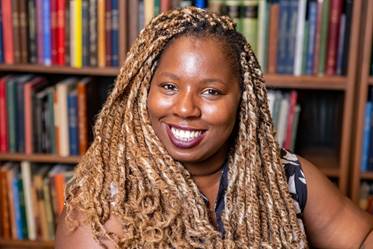
writer, Maame Blue, bad loveWhat you have written, past and present 

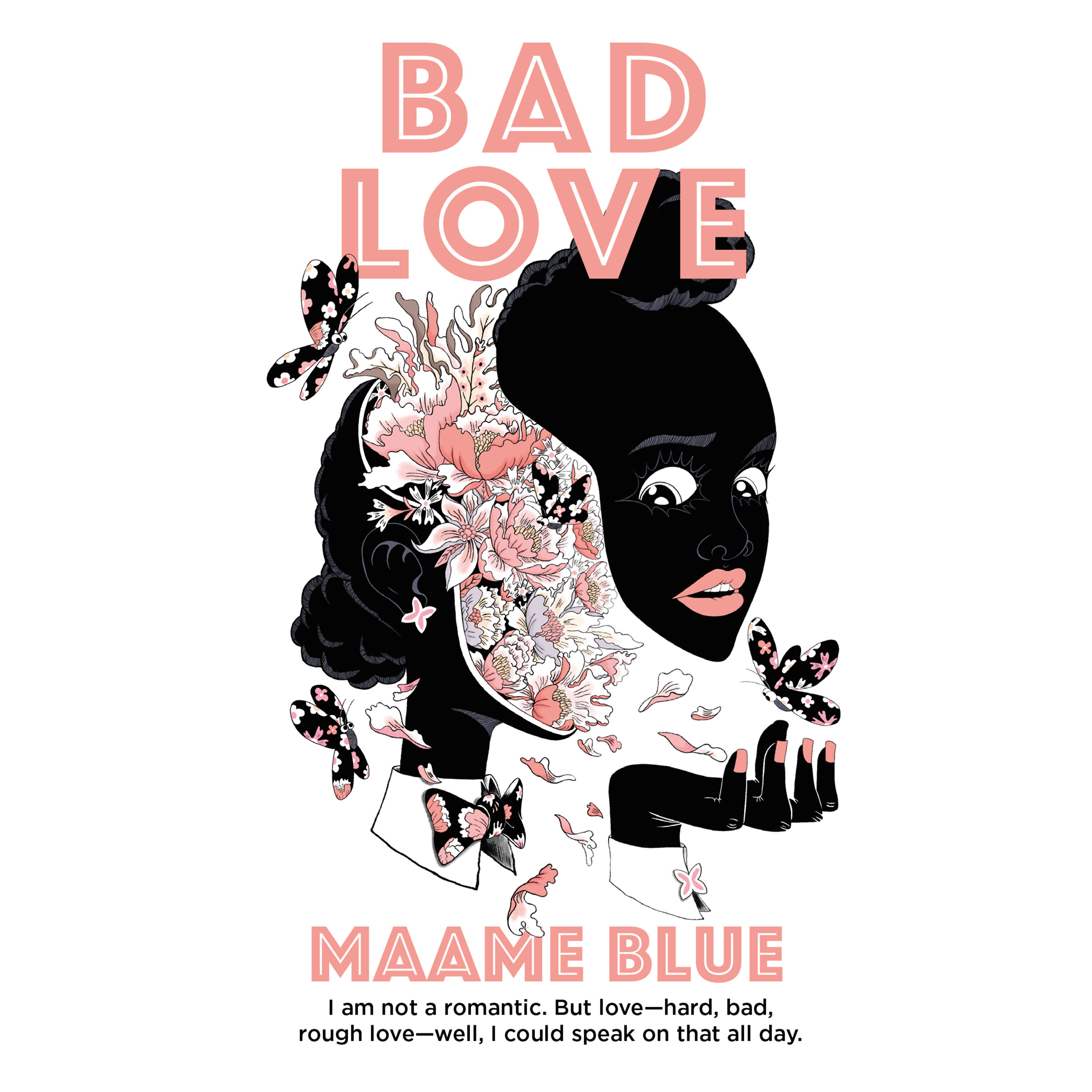
After 4 years of writing it, my debut novel Bad Love has finally been published by Jacaranda Books! It was a bit of a travelling manuscript too because I wrote parts of it in London, New York and Melbourne. Aside from the novel, I’ve written short stories about a grandmother losing her memory, and a couple grieving the unexpected loss of a child. I’ve also written creative nonfiction about the perils of dating as a black woman living in Australia, and the experience of being a young psychotherapist. Presently, I’ve just written a piece for an anthology called Visual Verse, where writers are given an image and one hour to write a corresponding piece to it. This one was especially important to me as it was in tribute to the Grenfell tower victims and in support of the Black Lives Matter movement.

What you are promoting now

Right now I’m promoting my debut novel Bad Love – published by Jacaranda Books as part of their #Twentyin2020 initiative (to publish 20 Black British Writers in 2020), and it’s also available as an audiobook. Bad Love tells the story of Ghanaian-Londoner Ekuah and her tumultuous experience with first love, and how her subsequent relationships and those of her parents, eventually shape her identity.

A bit about your process of writing

Until a couple of years ago, my writing process involved fitting it around whatever full time job I had at the time. But more recently, I try to sit down and write on Fridays. I’ll have some herbal tea, pull out a notebook of a work in progress (I probably have too many of those) and then put a song on repeat that I feel best resonates with whatever I’m writing about. If I can get into that headspace for at least a couple of hours, I feel like I’ve done something, even if I only manage to get a sentence down.

writer, Maame Blue, bad love, book

Do you plan or just write?

I’m a great planner in life but not so much in my writing. If I mapped out a structure, I guarantee whatever I end up writing will be bad, because it automatically makes it feel like work. Instead I might have an idea for something, some story, with a very loose framework. I will have a vague idea of where I want it to go, but I keep it brief enough so that when I start writing and it goes in another direction, that’s ok.

What about word count?

I actually enjoy a word count. That might come from my other work in project management, but it’s the only sort of hard structure that my writing positively responds to. And the shorter the word count, the better – I like a challenge!

How do you do your structure?

Again, I’m a bit structureless. But if I’m commissioned to write something, I usually respond quite well to a theme or prompt as that tends to focus my mind a little more. With Bad Love for example, I knew that I wanted to write about complicated relationships, from one young woman’s perspective. The idea was to explore the multiple facets of love as it shows itself in relationships between people, and how each element impacts a person’s personality. But I felt that the strongest way to do that was to write it from an intimately personal perspective, showing the pitfalls and the small joys as they happen.

What do you find hard about writing?

Mostly it’s finding the time to write and giving it enough space to develop. There’s something I’m working on at the moment that I have to get into the zone for, so sometimes competing writing deadlines make that difficult. 

What do you love about writing?

The magic of creating characters from scratch and building an emotional world that hopefully resonates with the reader – positively or negatively. I don’t mind which, as long as it makes you feel something!


Maame Blue is part of Jacaranda’s #Twentyin2020 initiative. Her debut novel Bad Love is available to buy online, at Foyles and all good Indie bookshops, and as an Audible audiobook. https://maamebluewrites.com / @MaameBlueWrites


Faith

Frost fiction, short stories, poems, non fiction, fiction.

Jeanie held her arms out to each side.  The balls of her feet balanced against the edge of the stage: her heels hung in the air.

“That’s it, Jeanie: now fall back and the other girls will catch you,” the teacher cooed.

“Well of course they will,” Jeanie thought.

She knew them.  Jeanie knew they’d do exactly as they were told.  Jeanie had dunked the geeky one’s head in the toilet just last week.  The spotty one still had a bust lip.

She closed her eyes and fell backwards.

There was a giggle.

Promo Image by Charlie Foster via Unsplash.

The first in a new series of 100-word short stories by Tim Austin at onewordonestory.org. Whatever genre you love, there’s a story you’ll enjoy.

Come back on Friday for another. See you then.

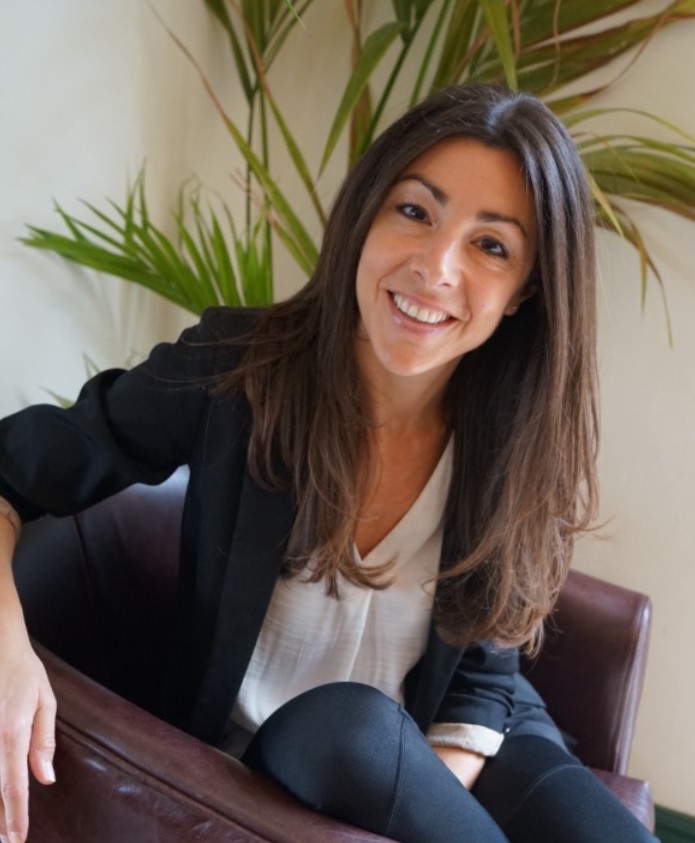
My Writing Process – Emma Eker.

I’m a searcher – always have been, potentially always will be. I’ve questioned the status quo from the moment I had the capacity to do so – finding myself dissatisfied and unconvinced with the answers I was given. I mention this so you may understand that I spent my whole life pushing boundaries, rebelling against ‘the machine’ and searching for the Truth. This quest came with a restlessness that ensured I couldn’t stay still for any substantial amount of time, moving from place to place, job to job and person to person for as long as I can remember – I was always trying to get ‘there’… destination unknown. 

What you have written, past and present.

Apart from writing a teenage diary, essays for my psychology training, helping friends formulate emails and blogging through social media, my professional writing CV, up until this point, has been limited! Until recent years, although with a great love for writing, I am not sure that I considered utilising this in any particular way, either professionally or for any paid or altruistic offering – it simply wasn’t in my consciousness awareness to do so.

What you are promoting now.

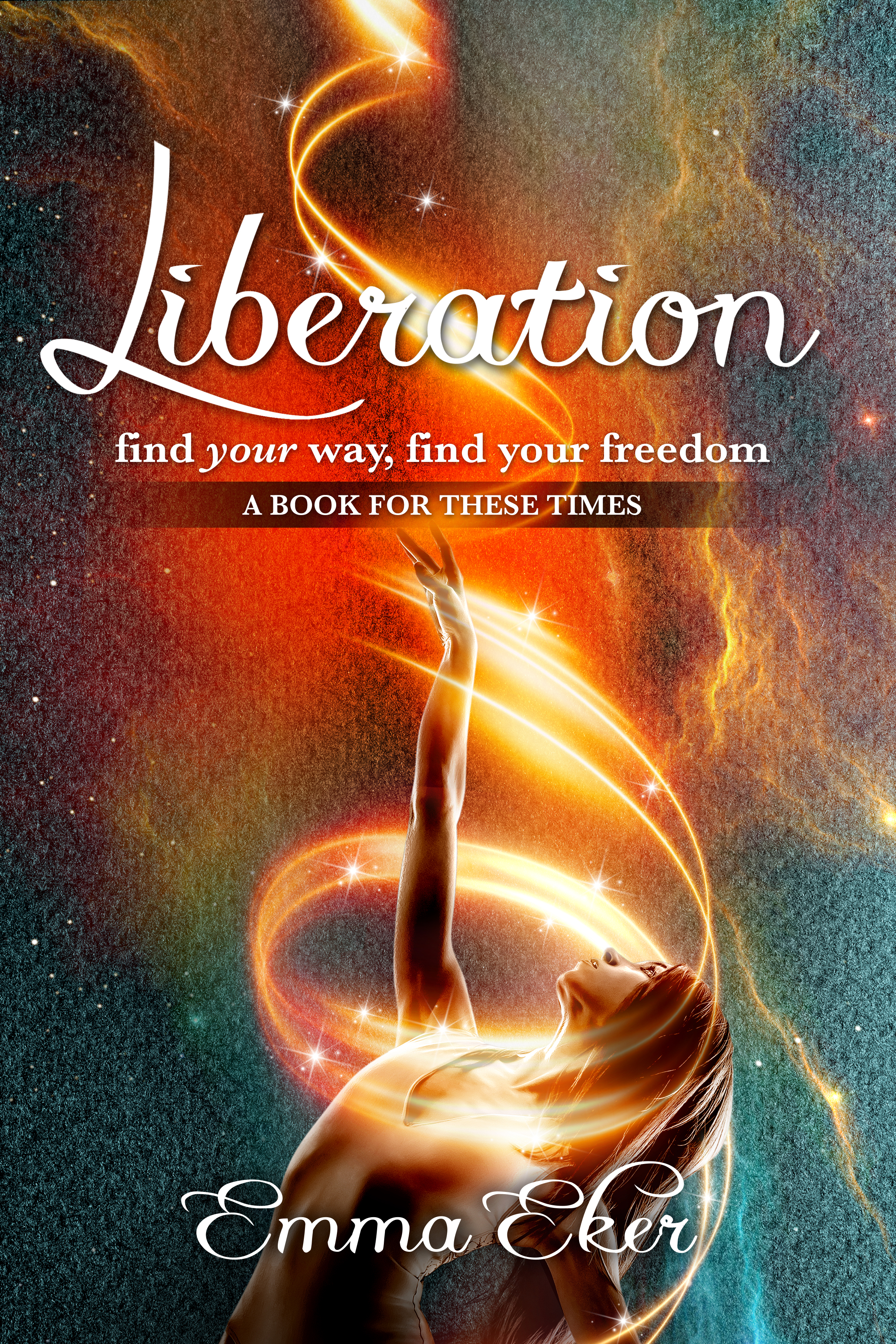
My book is called “Liberation”. It has been a labour of love and is predominantly a solution-based memoir, highlighting my journey through life – moving through addiction, heartache, temporary loss of Self and many of the trappings of the human experience. I have always been solution-based, always aware that life is magic and benevolent and therefore I could not, would not, write a book relating to struggle without presenting the reader with a solution. Too many books in the mainstream point to the ‘problem’, providing identification but little or no hope for the eradication of that which the reader may be battling with. I believe we are all whole and perfect, but for our belief systems and this is what Liberation allows the reader to see. 

3. A bit about your process of writing.

If anyone is looking for ‘good advice’ from me in this area, they may be disappointed! My writing process has been totally haphazard. Some days / weeks I would be in ‘the zone’, writing flowing, immersed in the creative process and other times, my laptop would be left unattended whilst I found it more important to do absolutely nothing at all! Many a time I have found myself in judgement around my process, but I have come to see that everything happens perfectly and in divine timing. What I will say is this, I have learnt to hear and to listen to the still quiet voice within me that taps gently in order to gain my attention and nudges me in the right direction. When the ‘knowing’ comes knocking, I know it’s time to put fingers to keyboard. 

4. Do you plan or just write?

Absolutely no planning whatsoever. I truly trust my writing process and I go with what feels right, rather than what I could have set out in black and white with regard to a structure. I have never worked logically, despite being thrown into a system that required it. I must be honest and say I don’t think I ever planned any of the book at all. Everyone’s process is different though and we need to find what works best for us which is simply a matter of trial and error. I know that when I sit down in front of my computer with the intention to write, the words will flow through me and if they don’t, I recognise it isn’t the right time. For me, the trick is to take my thinking mind out of it and go with the (creative) flow.

· What about word count?

With “Liberation”, there was no specific word count. I made the decision to self-publish rather than write for a traditional publishing house who may have required a certain length of manuscript.   

· How do you do your structure?

There was no specific structure, although, before I made the decision to self-publish, I was in discussions with a traditional publishing company who had asked me to draw up a synopsis and provide a rough chapter breakdown. I did, on some level, find this helpful to refer to as the writing process began. I held the structure loosely, understanding that the ‘story’ would unfold and become clearer as time moved on. Therefore, the format continually changed as the writing flowed and took on different directions, but it was useful to at least know the direction in which I was headed.  

· What do you find hard about writing?

At many times, thoughts, ideas and words would flow into my mind incredibly quickly and leave just as quickly making it difficult at points (not to mention incredibly frustrating) to grab hold of and capture them. Because I have a perfectionist within me, I would find myself continually editing, editing and re-editing some more which again, can be incredibly frustrating. I have however learnt, that if there is something that needs language which I temporarily ‘forget’, it will revisit me again to make its way onto the page. Moving out of my own way to make way for the creative process has also been a challenge for me, left vs right brain – practice is the name of the game. 

· What do you love about writing?

It’s an interesting question. Is it enough to say that it feels like an extension of who I am? I love putting words together and creating something that touches or resonates with another human being in order to gain identification and understanding. The ‘writing zone’ is a very real thing and I love getting lost in here.

· Advice for other writers.

If you feel there is something you have to offer and have a desire to write, trust it. Do not give up. It does not always feel easy to take what is inside of us and give language to it ‘out there’ and at many times you may feel you are in a battle with and up against yourself, but you must trust your heartfelt desire to do it. For if it wasn’t yours to do, you would not have the desire in the first place. And remember, everything has its ‘perfect’ time, so trust that too!


Liberation by Emma Eker is out by Spiffing Covers on 28 January. You can buy a copy of Liberation by Emma Eker via her website or Amazon.


My Writing Process Alex Knight

Howdy, all! I’m author Alex Knight — best known for my genre-warping fiction whose popularity commonly crashes global markets. Also, my humility. I used to be a ghostwriter for romance novellas and science fiction novels, but these days I write my own books, primarily in the genres of Fantasy and LitRPG. 

What I’ve written, past and present?

Aside from my ghostwriting work — which I can’t legally talk about — my work includes the Nova Online trilogy, a sci-fi, LitRPG adventure we like to bill as “Halo meets Ready Player One.” If you’re into science fiction, RPGs, and coming of age tales that pit their protagonists against tyrannical, dystopian governments, then you’ll probably dig it. Did I mention it takes place in the real world and a video game? I like to think it’s a lot of fun.

What you are promoting now?

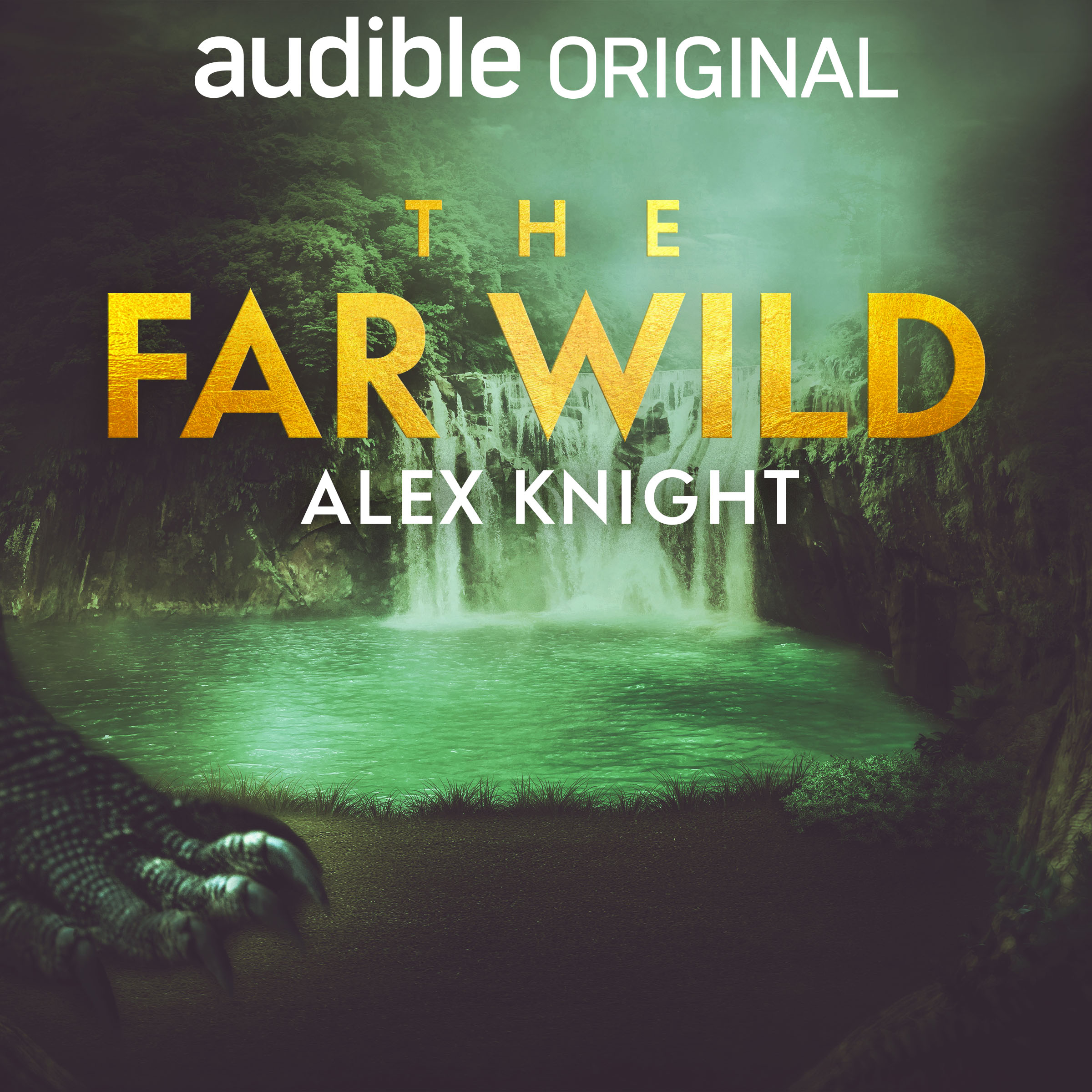
Most recently, I’ve taken a pivot into Fantasy with my debut fantasy thriller, The Far Wild. It’s a classic adventure story about skyships and expeditions gone awry in the most dangerous wilderness known to man. It’s full of beasties with too many teeth, bombastic characters, and beasties with too many teeth trying to eat bombastic characters. Of course, there’s a bit of espionage, too, and no story is complete without a dose of looming societal upheaval, right? I grew up loving Michael Crichton’s Jurassic Park and The Lost World, and The Far Wild is my love letter to those stories. It’s been released as an Audible Original, which means it’s an audiobook and Audible brought in an incredible cast to voice the main characters. I wrote the words, but my goodness did the narrators bring them to life!

A bit about your process of writing?

Consistent. Simplistic. A gift to all humankind — just a few descriptors I wouldn’t use to describe my writing process. Realistically, writing is a wild process and how I do it changes every couple of months. Some things stay the same (butt in chair, music up loud, world ignored), but I’ve found if I write in one place for more than a few weeks my creativity fizzles up. I like to bounce between writing on a desk at home, on the couch, out on the balcony. Or, better yet, in libraries and cafes. Of course, that hasn’t really been an option with Covid, so I’ve taken to placing a camp chair in different, odd places around the house and pretending I’m somewhere else. It’s amazing how well you can tune out your surroundings with the power of noise cancelling headphones and loud, loud music.

Do you plan or just write?

You know, I’ve experimented with both ways. When I was a ghostwriter, I had to plan ahead of time so the client could understand and write off on the story. With practice, though, I’ve found that planning too much ahead of time stifles creativity in a story. I now much prefer to write out a loose plot, then follow it vaguely as I write and make sure I let my mind go where it’d like. That’s where the magic is found in writing, in my opinion. Right on that line between what you planned and where your creativity wants to take you.

What about word count?

I aim for 2,000 words a day, which is a reasonable, sustainable rate for me, and track my progress via a project tracker spreadsheet. Lately, though, I’ve been finding it easier to simply paste chapters into a manuscript first draft document as I write them. This way, I have it to refer to for an up-to-date word count, chapter word count, and it’s super easy to make control + find changes. 

How do you do your structure?

I learned pretty much everything I know about structure and plotting from 1. reading books I enjoy and 2. K.M. Weiland’s website. There’s a bunch of great resources there and I recommend it for every aspiring author. There’s a particularly useful chart on the site that outlines the basic three act structure most stories follow. I like to put my own spin on this by weaving a lot of questions into the story, then answering them bit by bit as the plot progresses. This helps me keep the story moving quickly and make it satisfying as we’re on a constant drip feed of answers.

What do you find hard about writing?

The desire to do it as well as I can. There’s always that voice inside saying “you could do this better,” or “you should have written this this way.” Silencing that voice is key to finishing, well, anything you write. There’s always a compromise you must find between quality and speed. You could blaze the book out in a month or you could take forever doing edits and rewrites. The sweet spot lies somewhere between those, and finding it is a unique journey for each book.

What do you love about writing?

The act of doing it. Creation. I love nothing more than sitting down, cranking the music, and diving into a fantasy world to find out what happens next. Fingers tapping on the keyboard, cursor flying across the page — that’s what I live for. When you’re at that perfect spot between a tight plot and a loosely planned story, magic happens. You surprise even yourself, watching the plot unfurl in unexpected ways. In that way, I, as an author, get to experience the story in a fresh way. It’s much better than knowing every twist and turn ahead of time.

The Far Wild by Alex Knight is available exclusively on Audible now.


My Writing Process Terence Gallagher

My writing routine:

I spend a lot of time working out in my head what I am going to write before I commit anything to my iPad which is my preferred writing tool. Only one to two hours a day is spent typing. I like to work out phrases and dialogue while I’m out walking my two Irish Setters or riding my bike. I also do a fair amount of research while I’m on the go. I use my iPhone in coffee shops to surf the web as I nail down the details of locales I am using, or to check historical facts. 

A bit about me:

I am Irish. I grew up in Dublin in the sixties. I am a proud graduate of  Trinity College Dublin. After College I went into management consultancy and ended up working in a wide variety of cities and countries worldwide. I am married with three grown children and split my time between Naples Florida, and Howth, a small fishing village north of Dublin. In both cases I live by water. I find it therapeutic to look out on a seascape whether it be the Gulf of Mexico or the Irish sea. My hobbies include, biking, working out, and walking. I am a music lover with a particular affinity for classical and Blues. My home in Howth  stands on an acre and this has made me a reluctant gardener.

What I have written, past and present:

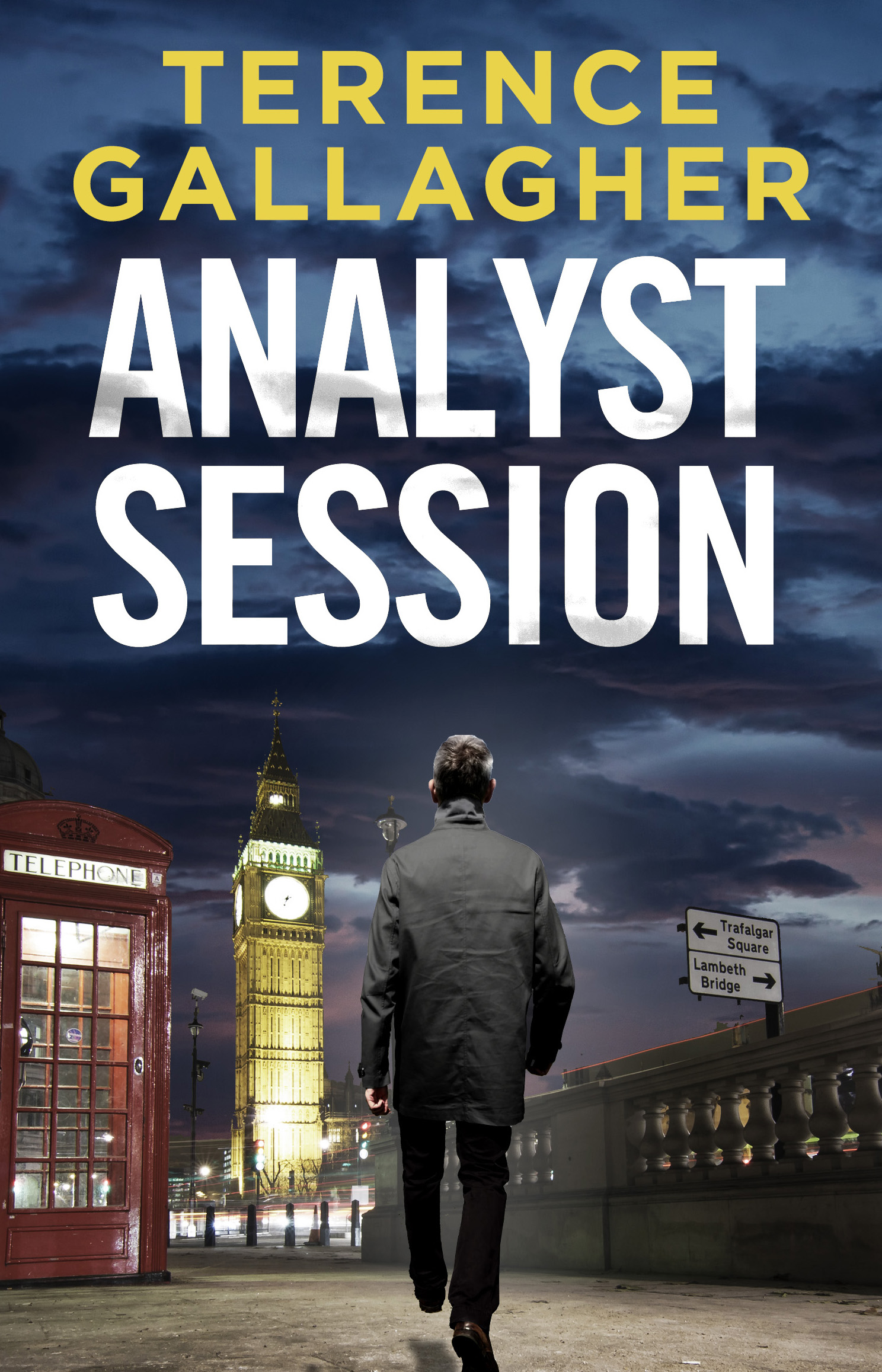
So far I have published two novels, Fujita 4, and Analyst Session. Both of these are available as ebooks and in paperback. I also had Fujita 4 professionally narrated and it is in audiobook format. I found it very exciting to have my characters brought to life and given a voice by a skilled actor. I am currently working on my third novel, A Coup in Makati.

What I am promoting now:

 Analyst Session was just recently published and I am busy with promotional activity. It’s quite a juggling act to stay on top of PR for one book while trying to make progress on the next.

My writing process:

I use Scrivener word processing software to structure the outline of a book before I begin writing in earnest. Scrivener is specifically designed for authors. I create a summary of each chapter. I also use it to store sketches of  all the major characters and to keep research notes. I then methodically work my way through from start to finish of the book. This means that each day I know what I have to work on next and I can keep from being overwhelmed by the magnitude of my task.

What about word count?:

As regards word count I go in aiming to create a work of between sixty and seventy thousand words. If I know how many chapters I have outlined, I roughly know how many words a chapter. This helps  me figure out where the plot is light or I need to do more with characterisation. I run work in progress through Grammarly. This is a decent software package that will catch typos and many grammatical errors. 

How do I create my structure:

It starts with the central character. I have to really know and understand him or her. Its as if they stand alone on an empty stage. I then like to create life situations which test my protagonist’s moral belief system. The milieu in which this plays out will be a place where I have lived or spent significant time in my own life. It’s easier to have the settings for the story be realistic. Other characters whose actions will precipitate the moral conflict then come to life. 

What do I find hard about writing:

The most challenging aspect of writing for me is communicating the interior emotional life of my characters, particularly my female characters. The daily word output slows dramatically when I am wrestling with this. 

What I love:

What I love about writing is conceiving a cast of characters, placing them in my fictional world, and seeing how they react and evolve. They tend to take on a life of their own. It wreaks havoc with the plot-line a lot of the time but I wouldn’t have it any other way.

Advice for other writers:

Advice I would have is take advantage of some the great software out there to help with the writing process. I have also used a variety of professionals to help edit and polish my work. I have used Reedsy and Fiverr to hire these and by and large it has worked out well for me. 

Georges Simenon, the author of  the Maigret stories was able to crank out a book in eleven days! It took Flaubert five years to write Madame Bovary. Every writer has their own pace. Writing is a solitary activity. It requires self discipline. All sorts of distractions can get in the way if you let them. It is important to have some sort of routine and schedule when setting out to write something.

Analyst Session is available as an ebook or in paperback from Amazon.