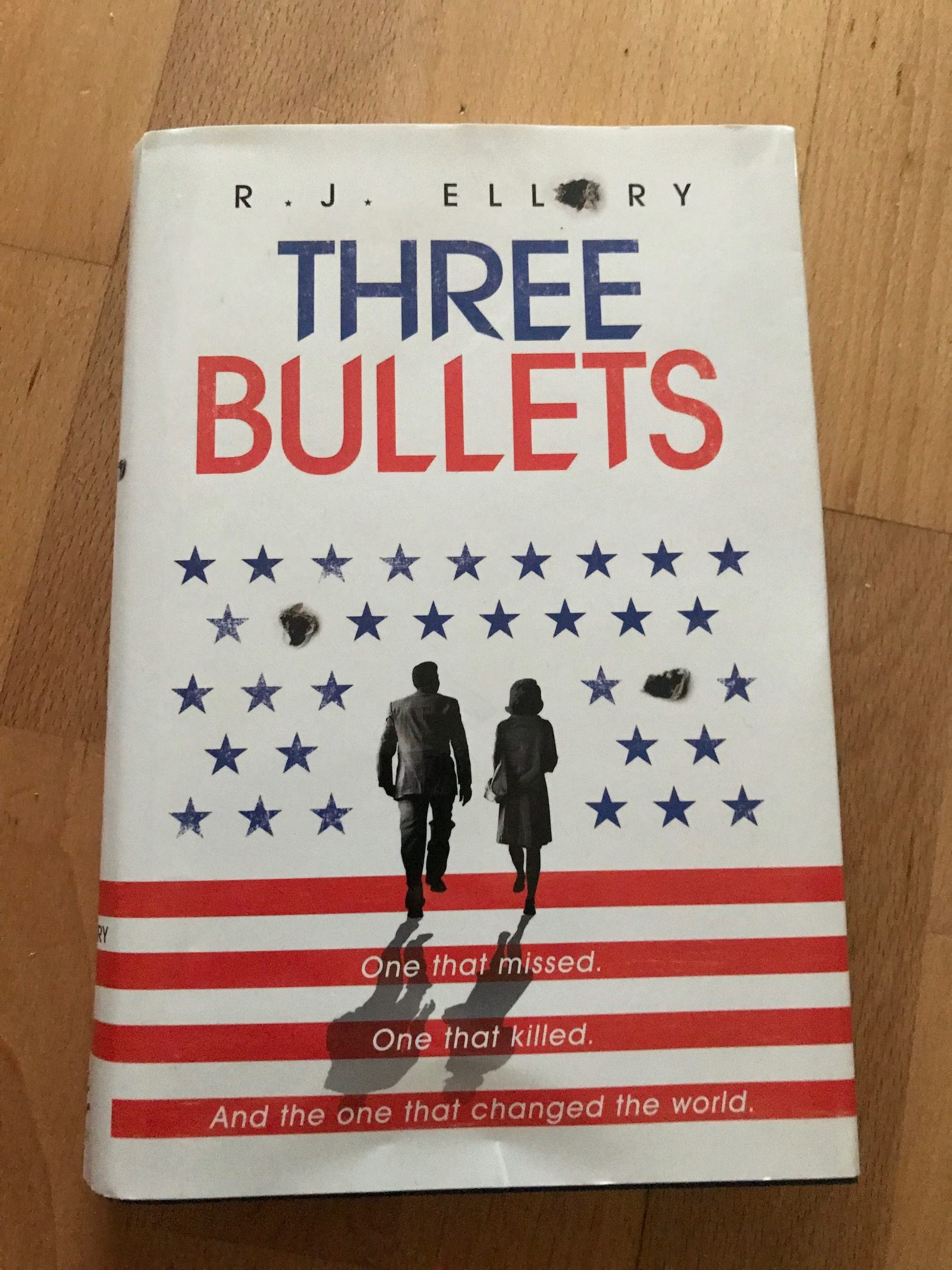
Three Bullets By R. J. Ellory | Book of The Week

three bullets R. J. Ellory, book, JFK

This is a stunning book that I only grudgingly put down when I had to. A mixture of fact and fiction: it is a gripping and pacy thriller. This is my favourite book of the year so far.

IT WAS THE SHOT HEARD AROUND THE WORLD
On 22nd November 1963, John F. Kennedy’s presidential motorcade rode through Dealey Plaza. He and his wife Jackie greeted the crowds on a glorious Friday afternoon in Dallas, Texas.

BUT WHAT IF IT MISSED?
Mitch Newman is a photojournalist based out of Washington, D.C. His phone never rings. When it does, a voice he hasn’t heard in years will tell him his former fiancée Jean has taken her own life.

WHEN THE TRUTH IS BIGGER THAN ALL THE LIES
Jean was an investigative reporter working the case of a lifetime. Somewhere in the shreds of her investigation is the truth behind her murder.

WHO WOULD BELIEVE IT?
For Mitch, piecing together the clues will become a dangerous obsession: one that will lead him to the dark heart of his country – and into the crossfire of a conspiracy…

Available here.

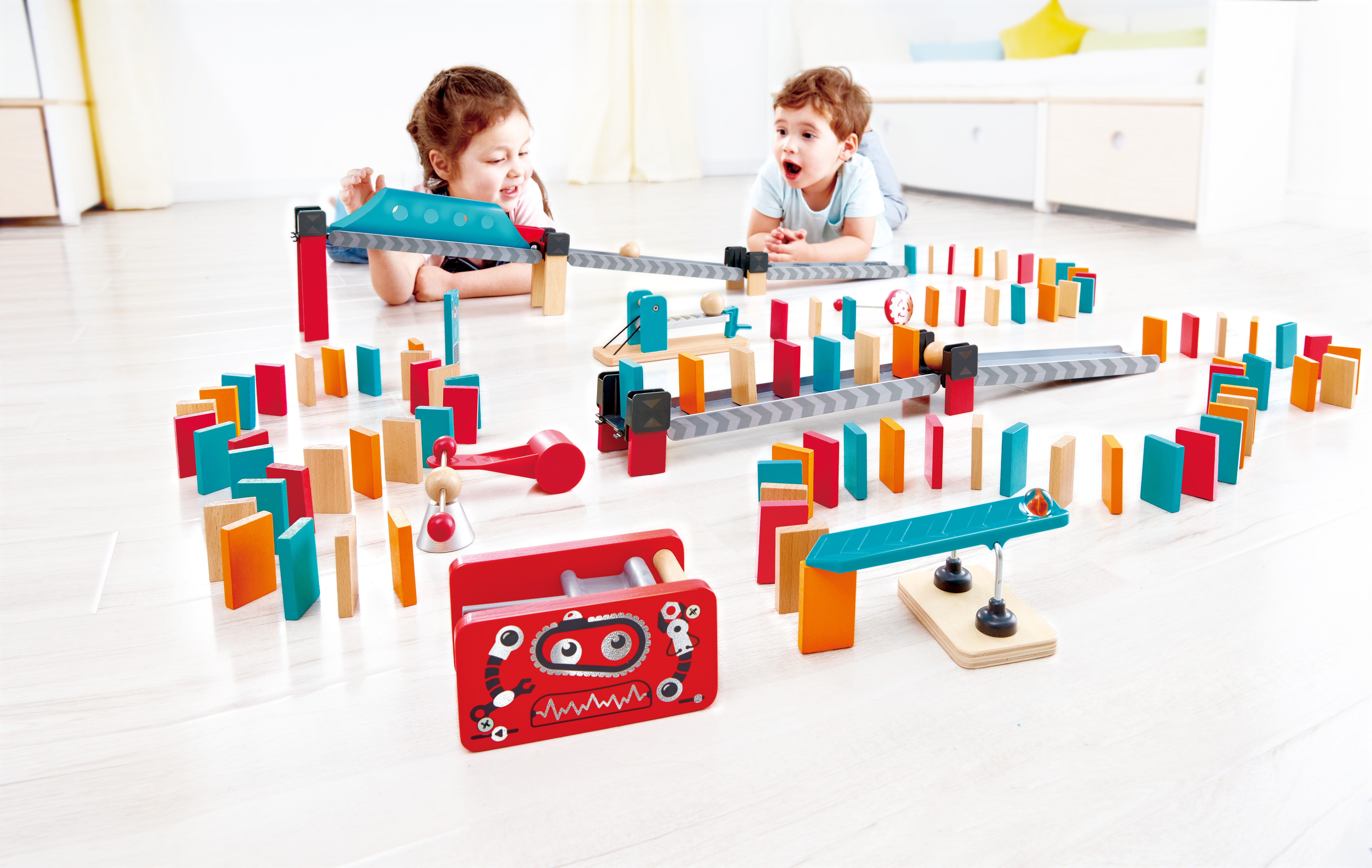
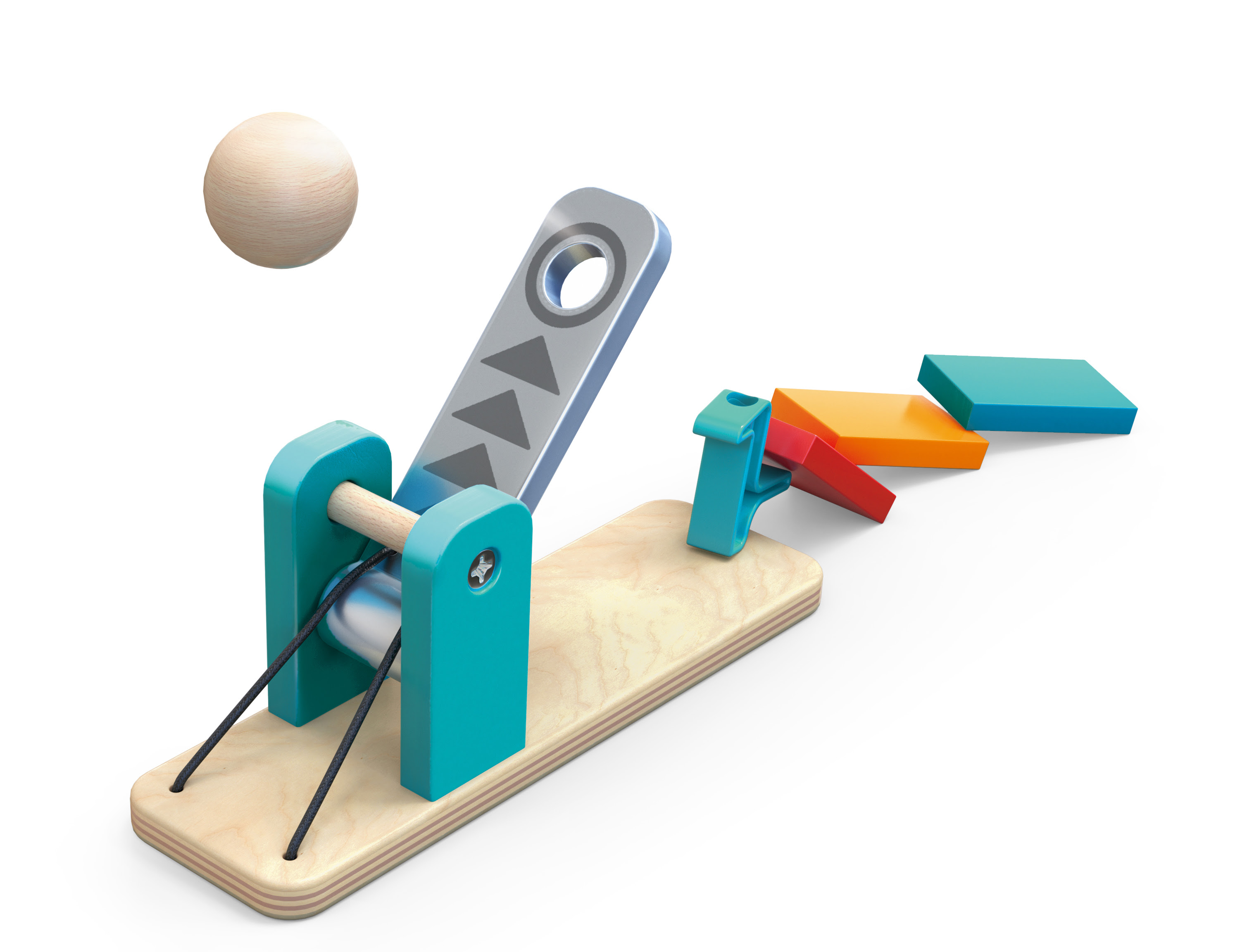
The Hape Robot Factory Domino Set Review


My children loved this interactive domino set. It is unique and gives hours of fun. Smart and original, it builds lots of different skills.  We highly recommend it. A brilliant toy. 


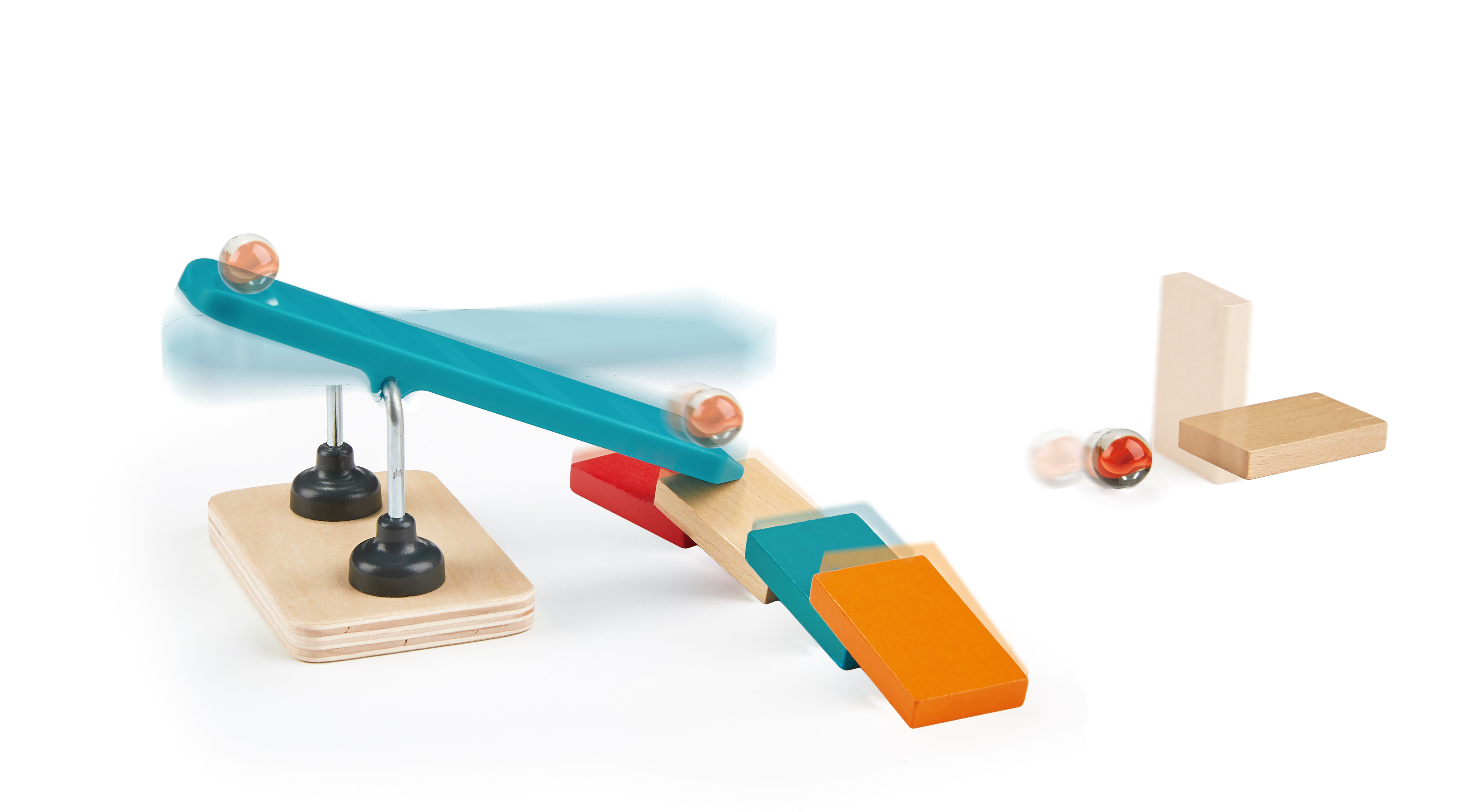
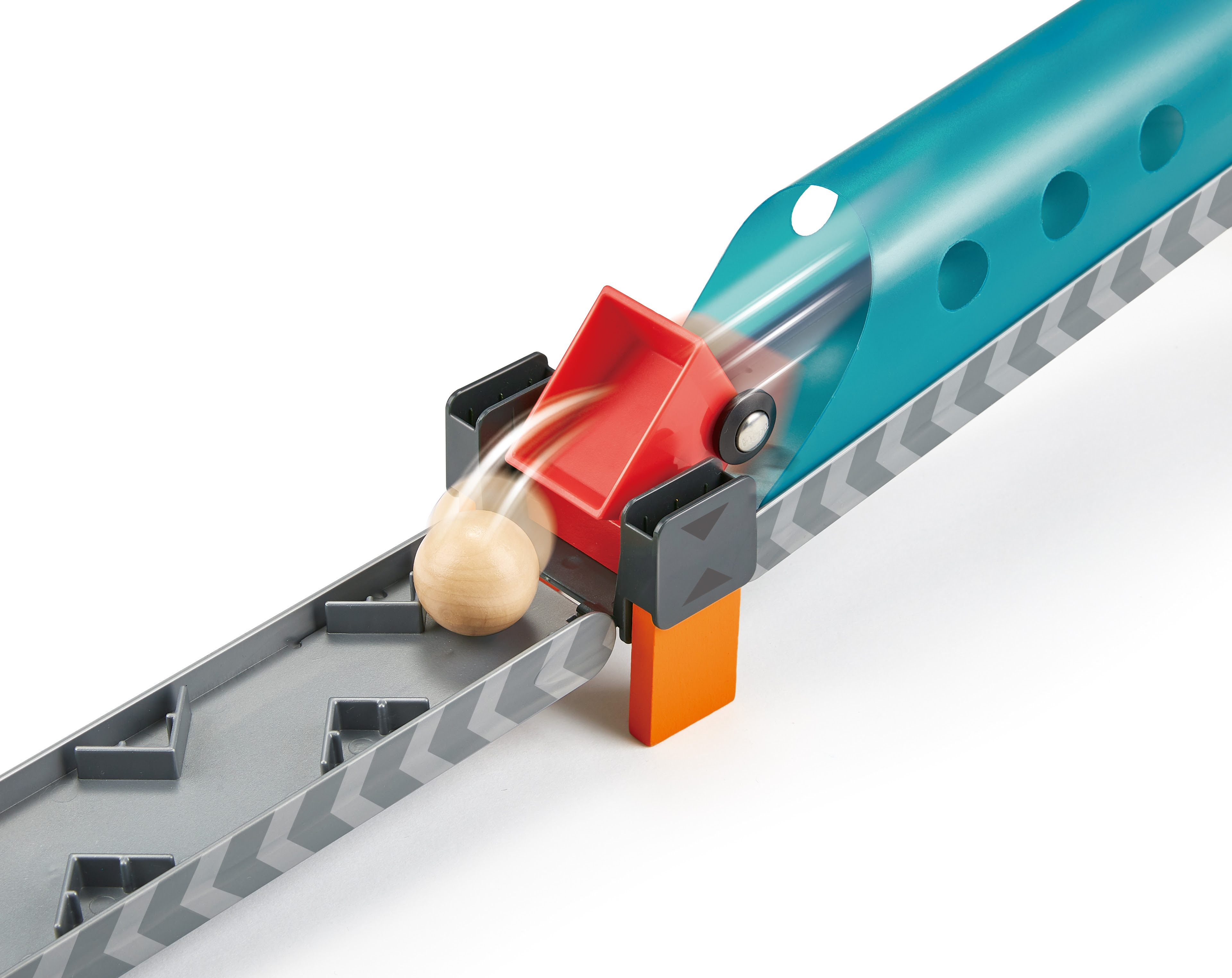
Sure to be a big hit amongst both parent and child, take the domino phenomenon that one step further with this thrilling Domino Robot Factory from Hape, suitable for 4 Years +. Jam packed with a series of additional fun and interactive elements including; tipper car, crazy ball track, tipper arm and ramps help form an exciting robot themed production line to add plenty of drama and spectacle.

With the Robot Factory Domino Set use stored energy to catapult the wooden ball into the air, motor along the double sided track before momentum travels through the spinning arm. With the end in sight watch as the finishing flag begins to fly, that’s just one suggestion of ways to play. With no instructions or rule book to follow the build is in your hands, with each creation is sure to result in a different outcome.


Surprise awaits round every corner with this fantastic Domino set. As momentum builds through the course helps to introduce children to the concept of potential energy, momentum and gravity, as well as understanding the principles of (STEM) Science, Technology, Engineering and Mathematics learning.


Beautifully crafted from the highest quality natural materials Hape are proud to use only water based paints, tested rigorously to ensure that customers get the best value for money and quality in their toys. So what better example than Hape’s very own Domino set.

The Robot Factory Domino Set is available to buy online for £49.95 from Wicked Uncle.


Why I am Embracing No Sugar Days

Sugar has become the new smoking. So dangerous that even the government has brought in a tax to protect us. It all feels a little overkill to me. There is no doubt that too much sugar is bad for our health, and obesity and diabetes is on the rise. So I have been trying to cut back. Dieting, however, is a word that encapsulates everything hard and boring. I have lived my life and have only been on one. A no sugar diet I did a few years ago. Which you can read about here.  It was brutally but I felt great after. I love chocolate and having an occasional coke. I do not prefer all sweet food to savoury but I believe a world without dessert is a sad one indeed. I have thought about going no sugar again. Each time the days seemed long and boring. I know sugar is not good for my health so I came up with a solution: no sugar days. Now I am not a dietician so this is just opinion. The problem with my previous attempts was obvious: they were for months or even forever. A lot to live up to. The truth is; sugar in moderation is fine. So why give it up completely? You can manage anything for a day. It is barely anything at all. I have noticed a difference in my health and in my body. In a world were having a no sugar, no gluten, no anything fun, diet seems to be the fashion I just want to rebel. And do not get my started on the whole clean eating thing. Food is not dirty. If you have a no sugar day once a week then the next day you taste sugar more and just eat less naturally. The key is to not just eat lots of junk food that is not full of sugar. A day of health eating makes you more conscious and kicks off more healthy habits. It also means you keep away from those horrible sweeteners. I have never believed that sweeteners are better for you than sugar. I keep away from them, and aspartame in particular, as much as I can.

You can eat fruit on your no sugar days. You can also have some cheese or an oat cake with peanut butter. Fix your body with good food and you are investing in your health and your future. Food is medicine. We forget this at our peril. Try having a no sugar day yourself. Or even a low sugar day. Write any comments or tips below, or email me at frost magazine at gmail.com

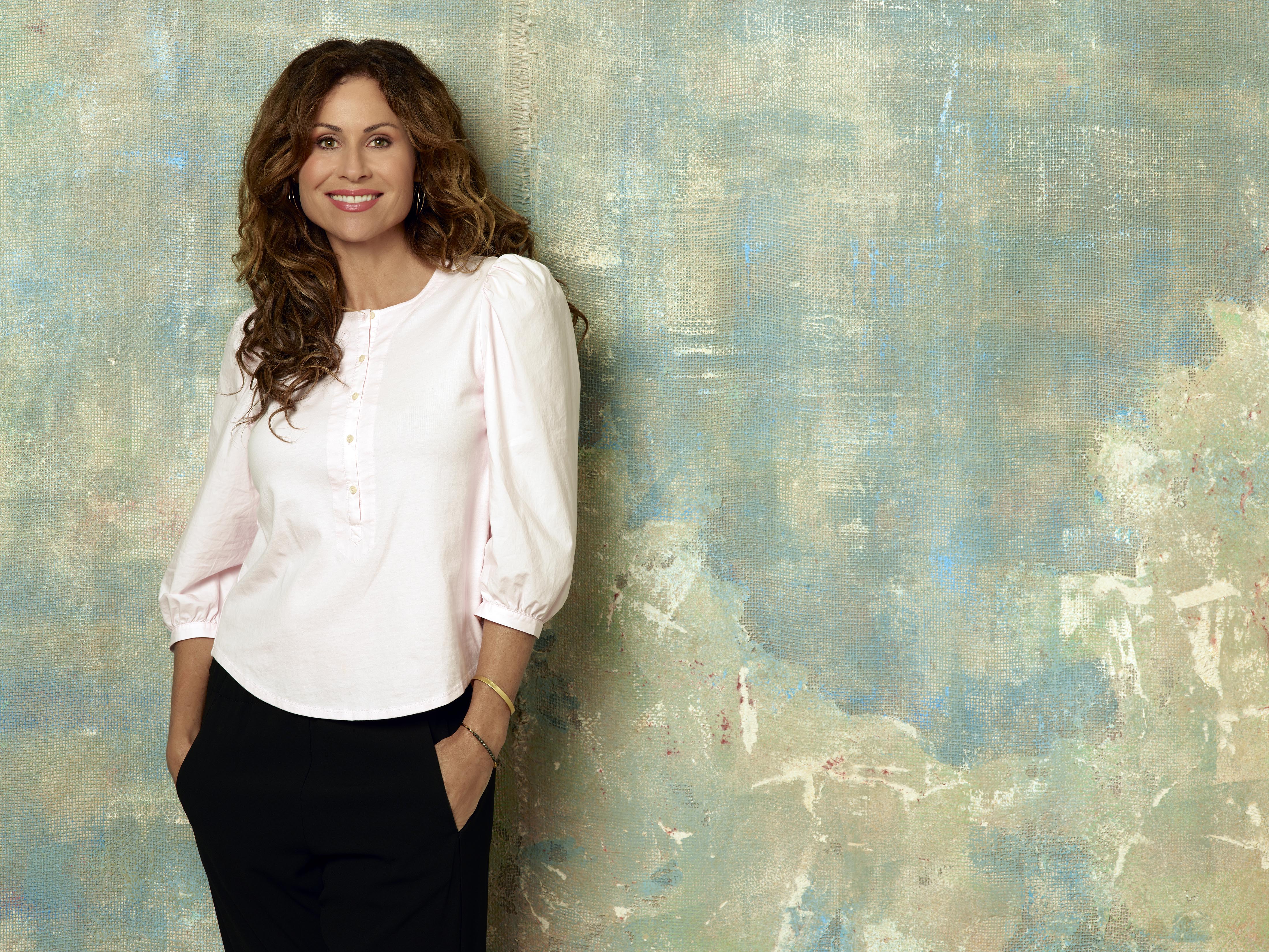
Interview with Minnie Driver who stars in new E4 comedy Speechless

Minnie Driver, interview

Pictured: Minnie Driver

Can you start off by briefly summing up the premise of Speechless?

Fundamentally it’s about a family that don’t have any money, and who want to get their kids into a school where their son, JJ, who has cerebral palsy, can have an aide. They constantly move around, and everything is defined by them trying to ensure he has access to a good education. And they land in a posh neighbourhood, and they have the crappest house, and they somehow pull it together. It’s really about a family who have a particular set of circumstances. It’s a very personal story to Scott [Silveri], who wrote it, whose brother was non-verbal CP. I think he can approach it with all of the humour and largesse that he grew up with.


You play Maya, who is something of a force of nature, isn’t she?

That is a really nice way of putting it. She is. She’s difficult, because she’s had to fight very hard. She’s a parent, first and foremost, she advocates for her children, but she’s also a self-aware narcissist as a personality type, which is funny and awful, when you give that type of person a mission. She’s a very interesting, complex character. But first and foremost she’s a mother, and all of these special needs mothers that I’ve spoken to over the years, they all have to advocate in this way, which is to fight. It’s a fight, a constant battle.


So what did you do, and who did you speak to, in order to research the role?

Well, first of all, a lot of our writing staff have disabilities. A lot of our advisors. Ava, who basically was the person who came up with the laser on her glasses, which she figured out she could point to a board – so that was developed. [In the programme, JJ communicates by pointing a laser, on his glasses, at a message board]. I talked to her, and I talked to tonnes and tonnes of caregivers, often mothers and fathers, but mostly the mothers. We’d invite people to the set and sit in the conference room and chat, and talk about the nuts and bolts of physically what it means to transfer a person with a disability into the shower, to get them to bed, to get them dressed, what kind of accessibility you’re looking for. So there was nuts and bolts which I needed to understand. And then there were the things you come up against – insurance companies, schools, accessibility, getting an aide, who’s that person going to be? I love the fact that JJ chooses the guy with the cool voice, who turns out to be this amazing person. Of course we’d all want a cool voice to be our voice. I love that. Fundamentally, he’s just a normal teenager, with all of the proclivities and desires and ambitions and feelings that a teenager has. And he wants a cool voice.


And he’s a teenager, as well, in the sense that he’s excruciatingly embarrassed of his mother.

Incredibly embarrassed. And he does have a very embarrassing mother, there’s no doubt.


Did you draw on your own experience as a mother, and how protective you feel when you become a parent?

Absolutely. Whilst my child is able-bodied, it’s the same fierceness, you love and you want what’s best for them at all times, and that comes before everything else. You just have a different way of looking at things. We’re planning our summer holiday right now, and I realised all my friends without kids are going and doing these wonderful things that don’t involve kids, but you’re constantly looking at life from the point of view of “Well, I’ve got my son, is it going to be fun for him? What are we going to do and how will it work?” You book places on the basis of whether there’s enough for kids to do. I’d quite like to go walking in the Pyrenees. That’s not going to happen! Oh, a yoga retreat in Bali? Nope!


Was she written as a Brit, or did that come after you were cast? Was there ever discussion about you playing her as an American?

Yeah, there was. We actually read it through for the studio and network both ways. They liked the English accent, I think primarily because you have a cadence of your own humour in your own accent. I wanted her to be an American. I’d just done About a Boy, and I’d been British in that, and I wanted the challenge of being American. She was written as an American, and that’s what I wanted to do, but it just turned out to be funnier the other way around.


There are so many pitfalls to a show like this, from being overly sentimental to preachy to exploitative. The show treads that tightrope incredibly well, doesn’t it?

It really, really does. I got that from the pilot, and from talking to Scott Silveri, and to Chris Gernon, who’s one of my great friends, who is our executive producer and directed loads of the episodes. She directed every episode of Gavin and Stacey. We were all of us allergic to the notion of sentimentality and melodrama, primarily because that is the way that the media represents disability. You’re not only often looking at able-bodied actors playing disabled characters, but they’re trying to get away. They’re either trying to kill themselves or they’re trying to get out of this terrible situation. We all wanted to make a funny show, first and foremost, and because of our writing staff, because of Scott, and because of Micah [Fowler, who plays JJ] we’ve got an in as to where the humour lies within that. And if you’re approaching it from a comedic point of view, it’s really easy to avoid all of that other stuff. There are definitely heartfelt, emotional moments, because that happens in any family. But none of it is really around the idea that it’s all impossible and awful and hard.


Do you ever find yourself wondering what Maya would be like if she didn’t have a disabled child?

Yeah, I do, I really do. I think that she would be as big and pushy an advocate, but JJ is a raison d’etre for her, and as JJ grows up and goes off to college, what is she going to do? She won’t have that focus, so much of her identity is tied up with being the mother of a special needs child.


What’s it like working with the kids on the show?

They’re amazing. Genuinely, I have always felt that film and TV sets are no place for a child. You’re missing out on a childhood when you’re working that young. But these kids have unique parents, and they themselves are lovely people. They’re just lovely, and they’re deeply funny. They have funny bones, as opposed to being child actors who have that weird slightly Stepford thing that can happen, where they’re acting being a child because they’ve not actually experienced what that means. They’re all really, really good actors, and they’re all children too! Only they’re not children now, they’re all bloody huge and grown up. We just celebrated Micah’s 21st birthday. He got the part on his 18th birthday. But they are great, and they’re just getting better and better, which is lovely to see. You become weird de facto parents. I feel very maternal towards all of them.


Micah, who plays JJ, manages to bring huge charisma and humour to his role. That’s no mean feat for a non-verbal role, is it?

Absolutely. And I think it’s been a huge learning curve for him. He was very inexperienced when we began, and he’s had to learn on camera really. Plus it’s a very specific thing he’s being asked to do – to calibrate your reactions. It took a minute for all of us to figure out how it was going to work. Doing a scene with Micah is really interesting – when you’re reading ‘for him’ off his board, and then doing your responses as you. It’s not easy, but it’s really interesting. Watching him grow as an actor, and how much he enjoys it, is really lovely.


Have you had any feedback from the disabled community, in terms of what the show means to them?

Yes, a huge amount. Mostly on social media. Reading a tweet from a non-verbal person with Cerebral Palsy, saying “I sit and I watch my experience, and it makes me scream with laughter” is so gratifying. Or families who go “It’s extraordinary that we can all sit down and watch this together, my able-bodied kids and my kid with a disability, and we can all enjoy it and roar with laughter and feel that we are seen”. Without wanting to get too deep on it, the idea of representation for people who I don’t think they have been fairly represented, to be able to see themselves, and for it to be a laugh, I think that’s lovely. And I think it’s expanded the conversation here in America. The more you include, the more impossible it is to maintain your distance and your looking away which, let’s face it, most people do around disability. They don’t know how to interact with it, how to approach it. And I think the humour has broken down that barrier quite a lot.


You’ve talked in the past about the show being pretty exhausting to film, with 65-hour weeks for months on end. That must take a toll…

Definitely. The first two seasons, particularly season one, were the hardest I’ve ever worked in my career, to the point of real exhaustion. Scott’s whole idea was to have a show about someone who can’t really move, so he wanted a fast-paced show, and a show with lots of action in it. But also, when you’re working with someone who uses a wheelchair, that presents unique challenges, which can be really time-consuming. It’s just one of the fundamentals of doing it. So it took a long time for us to get into a swing that was easier. Definitely this season was a bit easier, but shooting nine months, five-days-a-week… now it’s 13-14-hour days, as opposed to 14-17 hours before. So it’s better. But I’m not going to complain, it’s a great job, and it’s meaningful and funny. If you can pull off those two things, you’re ahead.


What does it mean to you to have the show finally going out in the UK?

I cannot tell you how long both Chris Gernon and I have been waiting for this. It doesn’t really mean anything to anyone else, but we were both like “How can this not be on in the UK?” It speaks to social inclusivity, to a National Health Service that gives free health care – these things that we fight against in the US. I’m thrilled, because I just know that this show will land with British viewers, because it is funny, and because Britain has always seemed to me to not be scared of subject matters that other people find difficult. The UK is, Brexit aside, an extremely inclusive place. Always has been. That’s what I grew up in. And I really like it when you have American-British crossover, humour-wise, because when it works I think it is brilliant.


Speechless airs weekdays from today at 7.30pm on E4


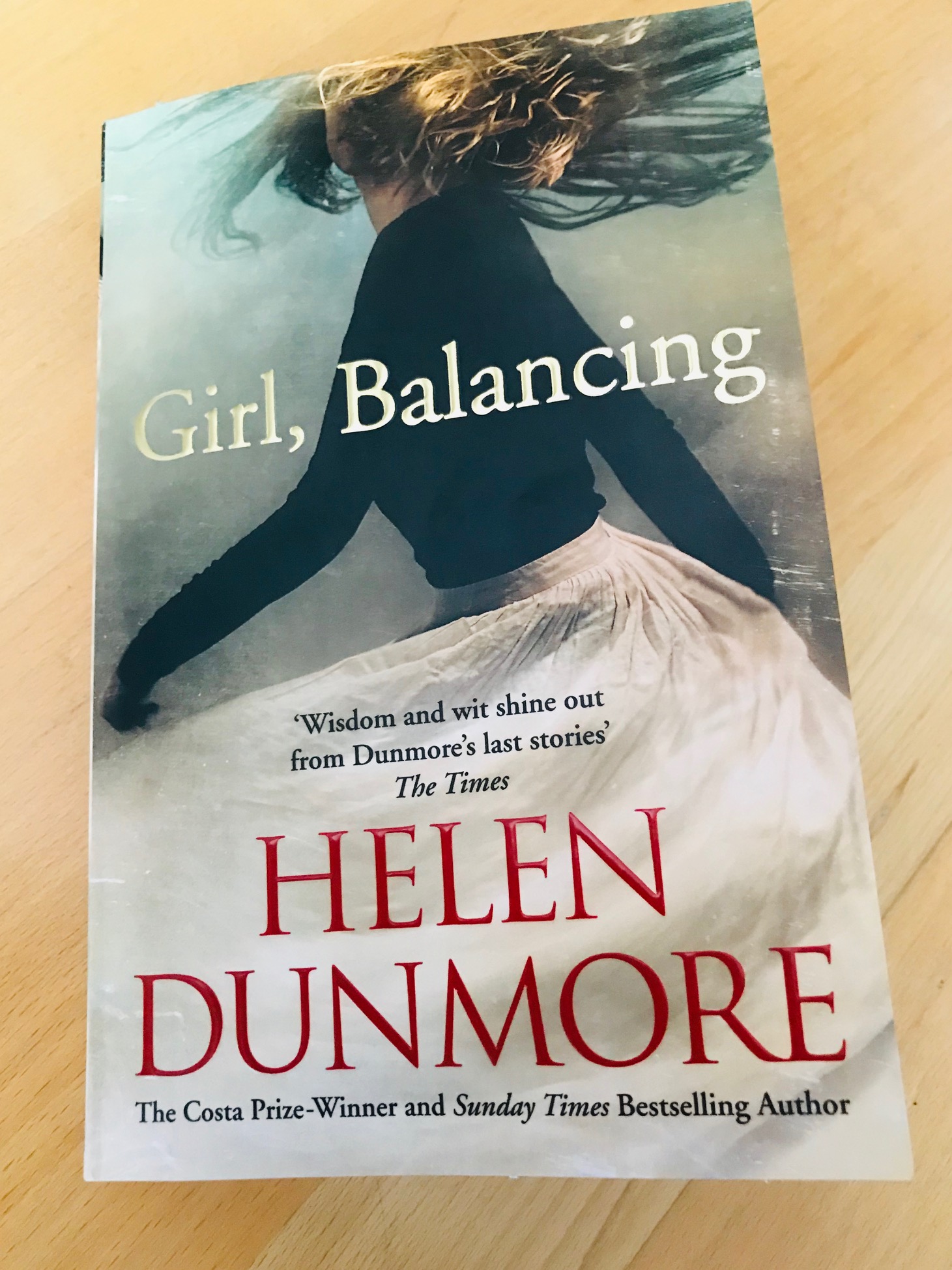
Girl, Balancing & Other Stories by Helen Dunmore – Her Final Collection


I loved this stunning collection of short stories from Helen Dunmore. There was a tinge of sadness that this will be her final collection, but we are lucky to have had such a literary talent. Girl, Balancing is also well edited, with the novel being broken down into three section: The Nina Stories, The Present and The Past. A wonderful way to get lost for a few hours. Dunmore excels in historical knowledge and razor sharp observation. The stories are true slices of life.

This very special collection of short stories was gathered by Helen Dunmore’s family in the months following Helen’s death in 2017. Helen’s writing was everywhere, on the computer, on letters to her children, in notebooks, on her ipad, even on her phone. Girl, Balancing is a collection of the very best of those short stories, some fully developed and others partial fragments of what occasionally became novels throughout her career. It is a wonderful insight into the writer’s craft – how one hones plots and develops characters, how Helen’s insight into people and the world surrounding us have always informed her writing. It has been 20 years since Helen published a short story collection and as Helen’s son, Patrick describes in his Introduction, contained within these pages is ‘the pleasure of discovering something new’, even for those familiar with Helen’s novels.

Girl, Balancing
& Other Stories

HELEN DUNMORE

£8.99 Windmill Paperback 7 March 2019

HER FINAL COLLECTION

In this remarkable final volume of short stories, Helen Dunmore explores the fragile ties between passion, familial love, parenthood, friendship and grief often from people who are at turning points in their lives.

With her extraordinary imagination, her gift for making history human, and her talent for acute observation and lyrical storytelling, Dunmore offers a deep insight into the human condition with a collection that will delight and move all her readers.

Helen Dunmore was an award-winning novelist, children’s author and poet who will be remembered for the depth and breadth of her fiction. Rich and intricate, yet narrated with a deceptive simplicity that made all of her work accessible and heartfelt, her writing stood out for the fluidity and lyricism of her prose, and her extraordinary ability to capture the presence of the past.

Her first novel, Zennor in Darkness, explored the events which led D. H. Lawrence to be expelled from Cornwall on suspicion of spying, and won the McKitterick Prize. Her third novel, A Spell of Winter, won the inaugural Orange Prize for Fiction in 1996, and she went on to become a Sunday Times bestseller with The Siege, which was described by Antony Beevor as a ‘world-class novel’ and was shortlisted for the Whitbread Novel of the Year and the Orange Prize. Published in 2010, her eleventh novel, The Betrayal, was longlisted for the Man Booker Prize and shortlisted for the Orwell Prize and the Commonwealth Writers Prize, and The Lie in 2014 was shortlisted for the Walter Scott Prize for Historical Fiction and the 2015 RSL Ondaatje Prize.

Her final novel, Birdcage Walk, deals with legacy and recognition – what writers, especially women writers, can expect to leave behind them – and was described by the Observer as ‘the finest novel Helen Dunmore has written’.

Helen was known to be an inspirational and generous author, championing emerging voices and other established authors. She also gave a large amount of her time to supporting literature, independent bookshops all over the UK, and arts organisations across the world. She died in June 2017.

What The World Needs Now Is Love. Balance Editor Interviews Peace Activist & Mindfulness Author

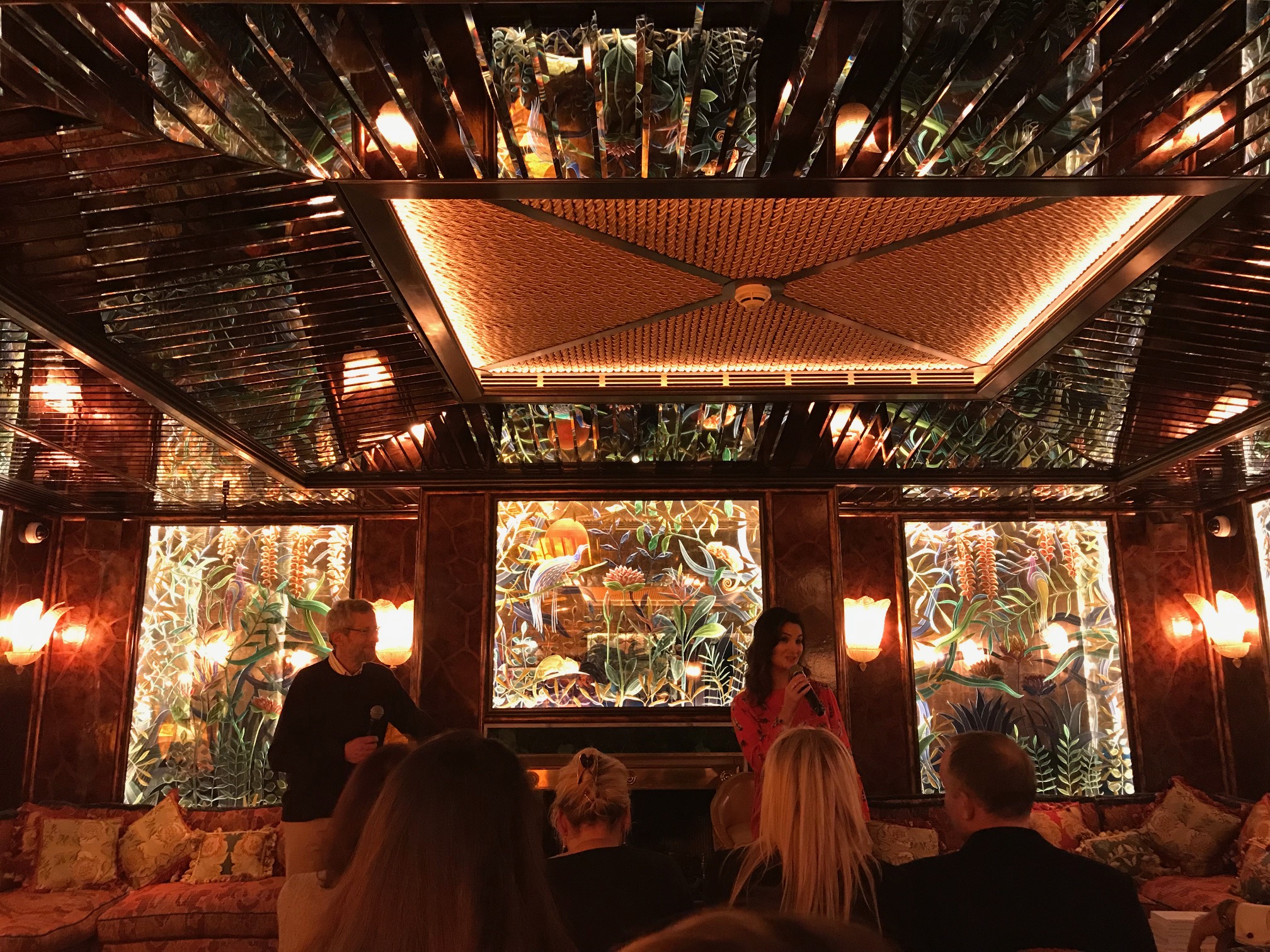
Annabel's Jungle Bar, annabel's, Catherine Balavage, Stephen Fulder, Sophie Scott, Mindulness, LoveIn a world that is so divided I was excited to head to Annabels to hear Sophie Scott, editor of Balance Magazine and Author and Peace Activist Stephen Fulder of What’s Beyond Mindfulness come together for a talk on mindfulness and love. Stephen Fulder was full of wisdom and Sophie Scott was adept at getting the wisdom by asking great questions. Fulder says that we have to love ourselves. It comes from within. He has spent time in Israel educating people to look differently at themselves and others. A 10-year-old Palestinian boy was so moved by Fulder and his words that he told him that he had seen so much suffering that he was sure he human heart was cold and hard, but meeting Fulder meant he then knew there was goodness in the human heart. Fulder says people have to tell themselves I am a whole human being. I love myself. That people have to be a friend of their spirit. We have to allow ourselves to be the shape we are.

When it comes with dealing with difficult and negative people he says that first; you have to look at the person. No automatic pilot. See the person and look at their pain. There will be a lot of ignorance and blindness. Protect yourself by not digesting the stuff. Refuse to let it get to you. Don’t let it get inside. Feel steady and stand your ground. Listen but do not take it in. See the buttons but do not accept it. Say ‘I see you, I see this, I let if go’.

Stephen Fulder is a buddhist but he says being buddhist does not mean taking everything but you have to challenge your ego. If you are the one in the wrong saying sorry has wisdom to it. It is gone, it is finished. A line drawn on the water is just gone. Started afresh in the garden of now.

We are conditioned to run after goals but we can stop and just be mindful. Be happy with our lives and who we are. Rather than just chasing the next thing. The key is joy.

This was a wonderful talk to discuss how we can heal division and conflict both at a societal level and also within our families and communities.  https://annabels.co.uk/events/january-wellness

Here is a link to a recent article that Fulder wrote for Balance on using mindfulness to heal conflict. https://balance.media/resolving-conflict-christmas/ Fulder is doing a tour of UK pubs bringing mindfulness to the masses called Buddha At The Bar.

Image


What’s Beyond Mindfulness is a life-changing guide on every aspect of modern life from using mindfulness to resolve conflict to how to age wisely, deal with tiredness, find fulfilment at work and make friends with your body, heart and mind. It’s a uniquely practical exploration of Buddhism in everyday life that will appeal to people of any faith and to those of none. What’s Beyond Mindfulness was a bestseller in Israel for 18 weeks and is written by leading Peace Activist Stephen Fulder, founder of the Israel Insight Society which has been at the helm of peace talks between Palestinians and Israelis and guided thousands of people in Israel and worldwide in exploring Buddhist teachings. The book is endorsed by Jack Kornfield and James Baraz.

The book is available here.

Mr Perfect. A Short Story From Rachael Stewart

Ellie hiccupped her way past enemy territory, doing her best to ignore the display of static human perfection goading her through the glass to her right. Men and women, with their perfect faces, flawlessly sculpted hairdos and blindingly-white smiles, all captured mid-fitness move and plastered across the building of the exclusive new health club she had just managed to escape from.

It was all perfect, perfect, perfect. The quintessential front for a joint that had been just as nose-rubbingly slick on the inside. And a complete and utter contrast to the relaxing setup she had created many moons before just next door.

She had wanted to hate it all; from the latest state-of-the-art equipment to the serene colour scheme, right down to the fluffy white towels being offered up to members. But even her hyper-critical eye had to see the appeal…damn it.

A growl erupted in her throat, her head beginning to spin as a few too many prosecco’s mingled with the latest wave of rage and her feet faltered beneath her, teetering as they were on the silly stiletto’s she’d been coaxed into wearing that evening: Go to the launch party, her well-meaning friend and employee, Jas, had urged, thrusting the shoes into her resistant palms, make him realise what he’s destroying, your dream to provide training spaces for real people, you’ll win him over for sure.

She laughed out loud now at the silliness of it all. Why she’d even thought to go along with it she had no idea. When all was said and done, she’d no desire to be face-to-face with the man behind the soulless club, so to attend his celebratory launch night was utter madness.

She stumbled as her heel caught in the cobbled paving stones and flung her hand out to steady herself, her palm pressing up against the glass wall. The cold surface bit into the heat of her hand and with it came a ridiculous sense of shame that she would use the said building for support. 

She snapped it back, her eyes being rewarded with an unhindered view of a male chest, bare and taut, biceps poised as the man folded his arms. She let her eyes travel upwards, taking in the vast expanse of chiselled masculinity, each muscle toned and ready for action. A strong neck leading to a jaw carved from granite that barely softened to house the aforementioned perfect grin, then a strong nose and eyes that were sure to send women weak at the knees, their colour indiscernible in the black and white photograph. 

They would probably be blue, she mused, the colour of the Greek ocean and the perfect match to the foppish hair curling around his overly big head. 

One big, pig-headed head!

She sniggered at her own critique, finding great delight in berating the defenceless life size photograph of the man that fronted the successful nutritionist sport centres taking over the country. Pushing out small gyms like her own, brainwashing the market with unrealistic ideals that she had worked hard to discount. Oh, how she itched to wipe that smarmy grin right off his face. 

The actual owner hadn’t even had the decency to attend his club’s launch night, sending his lackeys to do it for him. To think, she’d only attended in the hope that she could give him a piece of her mind. She had necked the first two glasses of bubbles just to keep up her nerve. But it soon became apparent the guy had better things to be doing. Probably taking over another city, seducing its people with his sickeningly perfect portrayals and empty promises of the perfection they could achieve.

“Well more fool them.” She swayed backwards as she tried to glare down her opposition. “If I can’t do it to you in person, then your company mascot will have to do.”

A smile forming, she scanned the deserted street; save for the odd passing car and distant reveller, the only sound of life came from inside the club. There was no one to stop her from acting out the little plan hatching in her brain. 

“Let’s see how good Mr Perfect looks with a spot of colour.” 

She smiled into her handbag as she fished inside to retrieve the bright red lipstick, another hiccup erupting. Maybe the third glass of fizz hadn’t been such a great idea. Not when she rarely drunk alcohol…

Slowly she twisted the base of the lipstick, staring down at it and feeling a teeny pang of guilt. It was Jas’s after all, just another thing she had coaxed her into sporting that evening. It’s the perfect match for this, she had said as she threw the dress at her. And to be fair, it was the only thing of Jas’s that had covered enough of her curves and still been a decent enough length. It was still far too short for Ellie’s liking though. 

And as for the lipstick, she could always buy her another… 

She looked up at the eyes gazing back at her and reached out. Using more pressure than it probably required, she began her vengeful ministrations on the impotent portrait. And then she started laughing, her strokes turning light and gleeful. Boy was this liberating and so—unlike her. 

Maybe she should have done something similar months back, before, she’d morphed into the workaholic singleton that desperately needed to find herself a life, to use Jas’s words.

Well, if only she could see me now…

“Red never was my colour.”

Ellie’s hand froze midway through her final addition to the masterpiece—a teeny, weeny asset in the nether regions—and her brain scrambled to fit together the identity of the person stood directly behind her. It couldn’t, it wasn’t… Slowly she turned, her cheeks reaching a matching shade to the lippy.

“Oops.” She gave a tiny shrug, her smile one of sheepish splendour.

“Have a thing for defacing public property, do we?”

She swallowed, he was even better looking in 3D and the tiny flutter taking place in her belly had far less to do with being caught than it should. No, it felt like it ran a whole lot deeper and connected with the apex of her thighs. 

“I wasn’t beating up on you per se.” She cocked her head to the side, the incriminating lipstick pointing to the sign overhead and the surname of the man that owned the club, and the mammoth company. “It’s the man behind the brand, not the pretty-stuff he uses to flaunt it.”

“The pretty-stuff?” His eyes were actually dancing. He didn’t look angry, he looked amused. 

And wouldn’t you? You just called him the pretty-stuff! Are you off your head?

She wet her lips and stood tall, beating back her internal telling-off. “I’m not cleaning it off.”

“I didn’t ask you to.”

“No.” He hadn’t. But the way he crossed his arms, just like in the picture, suggested he was waiting for something. And the way he scanned her, his eyes penetrating her layers of clothing and stripping her bare. He looked like he could eat her alive, like he wanted her, or wanted to punish her…

She squinted up at him, her voice tentative, “Are you going to call the police?”

He laughed, the sound taking the flutter inside and turning it into a full-on typhoon. “No, I’m not going to call the police, Ellie.”

She froze mid-breath and shook her head. “How do you know who I am?”

“I make it my business to know as much as possible about my neighbours, particularly when their business impacts on mine.”

“Neighbours?” Her spine tingled with growing understanding. But he couldn’t be the company mascot and the man. He couldn’t. 

“You’re, him?” she asked, the lipstick edging towards the name in lights once again, this time far more hesitantly. “You’re Jude Harrington, of Harrington Leisure, the Harrington leisure.”

He nodded, still no trace of anger, only amusement, only…fire. “For my sins.”

She swallowed again. Jesus, he was not what she expected, never mind beating up his company for flaunting ideals, she’d been so full of prejudice when she’d assumed the real man behind the company would be anything but this perfect specimen of a man. 

Ah, hell.

“I’ve been told you were waiting for me.”

“Uh-huh.”

“Would you like to talk now? Or would you like to finish your art first?” He looked passed her to the wall. “Personally, I’d prefer you finished because I definitely need a couple more inches down there.”

The heat seared her cheeks now. What did one do in this situation, leg it and pretend it never happened, pray he didn’t report her and that they never crossed paths again?

“Before you run, Ellie, I am here to talk with you, I think the least you can do is agree to dinner with me?”

“Dinner?” It came out like a squeak and she clamped her jaw shut. He couldn’t be serious. “Now?”

“Yes.” He bowed his head a little. “Despite the fangs you’ve just given me, I don’t bite…unless you want me to.”

Oh God. Oh God. Oh God. 

Never had she been more aroused or more flight-struck than in that moment.

“Please, Ellie, I think we have more in common than you think. What do you have to lose?”

It was a simple question with a colossal answer. 

You owe it to your dream to talk to him.

You owe it to the long-neglected part of you to pursue the spark so readily blazing in his eye.

“I’ll just finish up…” She turned away, twisting the lipstick once more and giving him a perfect view of her behind as she bent forward. “…then we can get right to it.”


This wonderful romantic was written by Rachael Stewart, who writes feminist, uplifting romance for the UKs #1 romance publisher, Mills & Boon.

As a child Rachael Stewart wrote stories, but she pushed her hobby aside for the big city career, getting a First Class Degree in Business and a job as a Business Analyst. When she had children and settled down in Leeds, she was finally gifted the time to put into her writing. Rachael had two romances published by an independent publisher, before signing with Mills & Boon last year.

Her upcoming novel, Mr One-Night Stand (publsihed 21st February)follows Managing Director, Jennifer Haynes. When she sees a gorgeous stranger across a London bar, she sets out to seduce him. But when he turns out to be Marcus Wright, her new business partner, suddenly she’s mixing business with pleasure.

Written by women, for women, Mills & Boon’s DARE books are sexy romances, featuring strong women who know exactly what they want.

Available from Amazon.co.uk.

 

Catastrophe Series 4: Interview with Sharon Horgan

Sharon Horgan, interview, catastrophe, So, Catastrophe is back for a fourth series. When we left, Rob had just had a car accident while over the limit, so there are a few issues to get hold of in the new series, aren’t there?
Yes! We have set ourselves up with a bit of a puzzle to work out. When we started writing it we were like “Oh shit, why did we do that?” Because it was a massive thing to end on, and it exposed them a bit. It was a secret he’d been keeping for an entire series, and we’d just gotten to a point where she’s saying to him “We don’t work on our own – this is it. I don’t really work as a single unit anymore.” So a declaration of being together forever, and then the car crash, and so we were thinking: “We can’t have them break up, because where’s the show? We can’t have him in prison, because that would be ridiculous.” But obviously it had to impact on them. But they have a good relationship, despite all the bickering and fighting, so we just felt like they’d get through it. But it would have to have ramifications for the rest of the series. And Rob is looking for answers, looking to be a better person and fix himself. He’s on a different journey to her. And he’s also in a neck brace!

Yeah, whose idea was that?
[Laughs] I can’t remember. I think it was mine. But these things come out of conversations, and a lot of it comes out of our weird hive-brain. We wanted to have it on for a few episodes, so there is a physical reminder of the bad thing he’d done. But also, you could have some fun with it, and it’s hard to take someone seriously when they’re wearing a contraption like that.

Does it get easier to write, because you know the characters so well now, or is it more difficult, because you’ve got to find new stories, and you’ve got to stay true to their back stories?
It gets more difficult, if I’m honest. You definitely know the characters better, so you’re definitely drawing less on your own life, and more on what has gone before for those characters. There’s more texture there, there’s loads of things that make it feel like they’re fully drawn characters – not just Rob and Sharon but those characters around them. In a lot of ways it’s more satisfying, because you know them so well, and you’ve got all those back stories you’ve drawn and the history of all the characters, but at the same time thinking up new stories, even for the other characters that surround us, like keeping Fran and Chris fresh, and wanting to introduce new characters but knowing they really have to count, they can’t be using up screen time and not justifying it – it was really hard. It was the hardest one yet. And also we’re aware that people really like the show, and it means a lot to us to keep it so that people continue to give a shit about it. We want to talk about stuff that might have an impact, and then we want to make it funny on top of that. It’s a slog.

You said you use less stuff from your own life now, but do you mine the experiences of your friends for material? When someone’s telling a story from their own life, does part of you wonder if you can fit it in?
Yeah. It’s actually more what I observe than people telling me stories. Occasionally, yeah. Everyone’s got their own shit going on, so here and there that happens. And I think people are aware that I do that as well, so if they are going through something, or they’re telling me something that is quite a vibrant story, they’ll assume that I might have a little bit of it on the show.

They’ll see it played out in technicolour in the next series…
Well, they’ll see it playing across my face first, as I’m listening!

Apparently this is the last series. Do you get emotionally involved with the material, and is it quite difficult to say goodbye to the characters at the end of it?
Yeah, it really is and was. And not just Rob and that relationship. We spent the best past of five years sitting in a room together, writing this stuff – forget about the filming aspects. So yes, it’s really hard. It’s hard to say goodbye to all of them. I love Fergal and Chris and Fran and Dave, and that they won’t exist anymore is a bit of a weird thing. But guessthey will exist, because the show’s still there. And I think I’d be sadder, if we did keep going and ran out of ideas for those characters. I’d feel worse seeing them onscreen not being at their tip-top best. But it was emotional filming the last scene, and all of those characters, when they had their last scene, as it was being ticked off I found myself getting a bit maudlin. But at the same time, I don’t think it’s going to hit me until I’m half as year down the road and I suddenly realise there’s a really big thing missing from my life that made me really happy.

So you’ll suddenly be found weeping in the frozen food aisle at Tesco.
I think I’ll be lying down, I’ll collapse between feminine hygiene and dairy.

There’s a tendency for TV shows to either paint life as glorious and sexy and wonderful or hellish and agonising – is Catastrophe self-consciously trying to find the reality?
Yeah. That was a big part of it. I would say one of the very first conversations with Rob was about showing a real marriage. The real truth of a marriage, and how it effects the romance of it, and when kids come along, and when family interferes, and when your own hang-ups and addictions and illnesses intrude –just the shit that everybody has to deal with. It was a big manifesto that we had for the series. Also I think that’s just how we write. I find it harder to write something that is a bit more heightened, that wouldn’t be my natural skill area. Not that I don’t like watching comedy like that, I just find it harder to do.

Both Catastrophe and Motherland show that being a parent isn’t all baking cakes and tucking in sleeping children. Do you think it’s important that people understand it’s okay to be frazzled by it all, and not love every moment?
Oh completely. If I get stopped, or if someone wants to say they like the show, that’s a huge big part of it. People say “That show came into my life when this particular thing had happened” or “I’d just had my second baby, and I wasn’t coping.” Stuff like that. I think when people see that kind of thing onscreen they feel less isolated, and less like they’re a shitty parent. That’s a big part of it for me. When we’re writing it, it’s something that we have in our mind a lot, both for Catastrophe and Motherland. I love showing Julia or Sharon at their wits’ end, not being able to cope, but I also like showing them coming out the other side, getting through it. I think that’s also important – people watching need to see that. It can’t be nihilistic. I don’t want people to dread watching it, I want them to feel that everything will be okay.

However bad things get, Rob and Sharon have the capacity to make each other laugh. Do you think that’s one of the keys to navigating life’s more problematic moments?
Yeah, oh my God, completely. So many terrible moments and awful arguments or real tragic events are cut through with two people just laughing together. I think it’s everything.

Ultimately, do you think that Rob and Sharon are happy?
Yeah, I do. I think they’re different characters than they were at the start. They’ve both been boxed about by life a bit, and there’s less idealism there from Rob, and more resignation from Sharon. And certainly over the course of this series, shit does happen to them. But I really hope that by the time people get to episode six – which is one of the worst ones in terms of what we do to them – I really hope that when we see them at the end, that’s the big take away – that they love each other, that they came through it all and still love each other


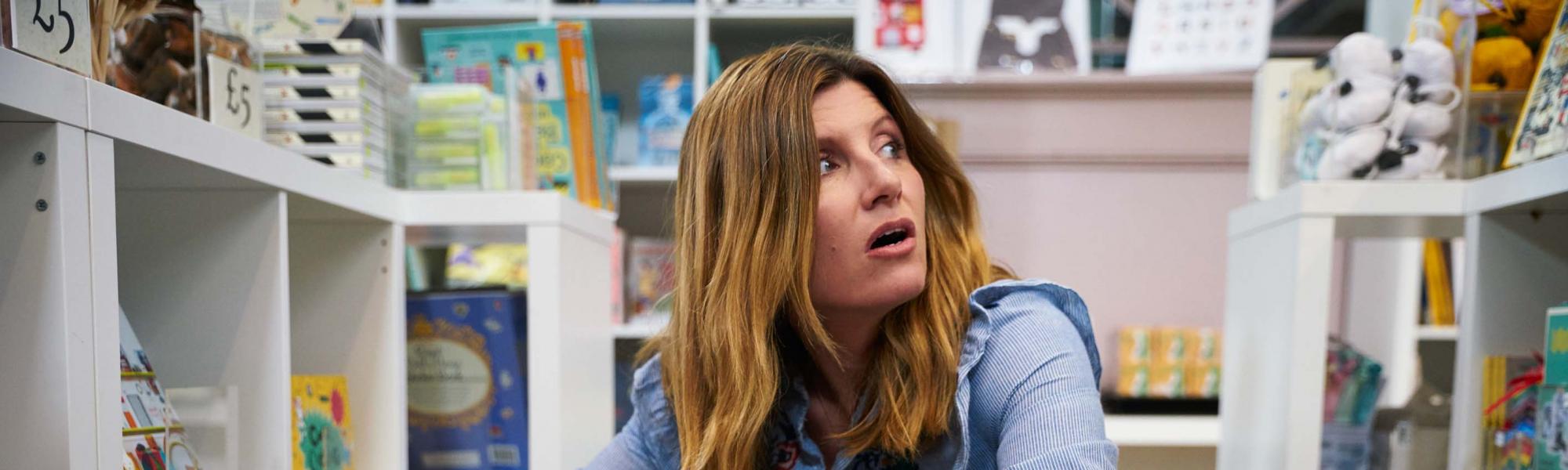
Excellent interview with the amazing Sharon Horgan thanks to Channel 4. Pictures courtesy of Channel 4.