Chandon Rosé Review & Cocktail Recipes

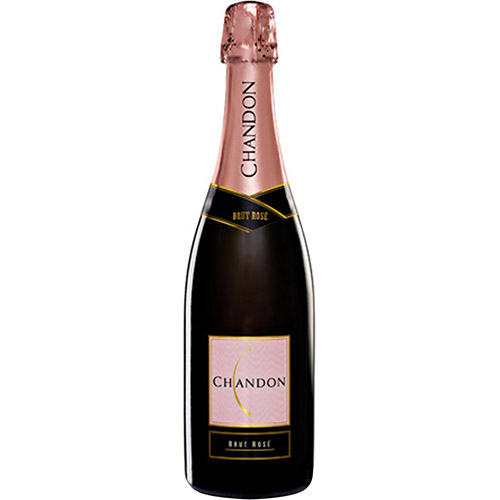
Chandon Rosé Review & Cocktail RecipesFrost loves sparkling wine. But there is sparkling wine and then there is sparkling wine. Chandon Rosé is a particular favourite of ours. A combination of Chardonnay, pinot noir and Malbec have been expertly mixed together in this gorgeously lively dry wine. The aromas of red berries really add to the party and this Rosé has just the right amount of sweetness.This wine is perfect to remind yourself how amazing you are.  It is nearly the weekend so go on, treat yourself and buy a bottle. There are two amazing cocktail ideas below if that is more your thing.

Whatever the weather this summer, Chandon is guaranteed to serve you a splash of sunshine with its gorgeous Brut and Rosé Argentinian sparkling wines. Crisp and dry on the palate with a hint of sweetness, Chandon is perfect enjoyed on its own or to add a touch of sparkle to a selection of simple, elegant Chandon cocktails. Chandon Brut and Rosé are available at Ocado.com and Majestic Wines from £14.99

#EnjoyTheSpark


Chandon Patagonia Punch

A fruity, fun cocktail with the fragrant hint of strawberries. The perfect serve for summer!

Ingredients

Chandon Rosé
2 strawberries
5 basil leaves
20ml rhubarb & strawberry cordial 15ml fresh lemon juice 30ml Belvedere
Ice cubes

Method

Muddle the fruit, shake and strain into a coupette glass


Chandon Evita Spritz

A wine spritzer with a twist – this simple, refreshing cocktail is the ideal accompaniment to your summer soiree

Ingredients

15ml Elder ower Cordial Top with Chandon Brut Orange Peel

Method

Pour ingredients into an ice lled cabernet glass and garnish with an orange twist


How To Make Money Blogging Part 1

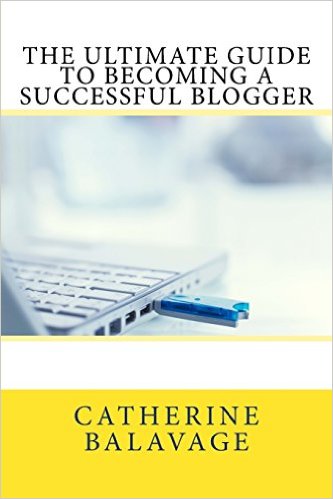
The Ultimate Guide To Becoming a Successful Blogger , blogging, blogs, how to be a successful blogger, blogger, blogging, Catherine BalavageSo here it is. Number one in how to make money blogging, or with your website or online magazine. It is possible to make money blogging, but you need the knowledge and you also have to work hard. The nature of making money blogging is that you never know how much money you will earn month-to-month or day-to-day. It is precarious and sometimes scary, but with the right guidance it is possible. As long as you work hard and are prepared to adapt with the times. Here is part one, I hope it helps you on your blogging journey. I will be telling you all you need to know about blogging in a series of articles. You can also check out my book, The Ultimate Guide To Becoming a Successful Blogger.

Affiliate Links.

Affiliate links are a great way to make money, even if you have a small blog which doesn’t get a lot of traffic. If you can build your blog up and get loyal readers who trust you and your judgement, then you can earn a lot of money this way.

Working With Brands.

You can earn a lot of money working with brands. Either by sponsored editorial content, featuring their products, or working together to create your own fashion line or perfume. Yes, you CAN do that. You just have to belief in yourself and work hard. (I know I say work hard a lot. I won’t say sorry, a blog is a business and any business requires a lot of work).

Sponsored Posts.

Years ago I earned a reasonable amount from sponsored posts. Then Google changed their policy to penalise sites that paid for links, and those that featured them. The revenue stream dried up overnight and I had to get creative. Now the negative part is out of the way let me tell you that you can still earn from sponsored posts. I know some of the top personal blogs charge about £750, but the sky is the limit. Even sites like the Daily Mail and the Huffington Post feature sponsored posts. Print magazines do a similar thing with their advertorials. Just flick through any magazine and you will see some of these. Oh, and avoid people who want sponsored posts but try to disguise them as ‘guest posts’.

Public Speaking.

I have done public speaking. Sometimes it pays well and other times they will ask you to do it for free, but you can either promote yourself or sell your books.

Advertising.

Banner ads and general advertising doesn’t make that much money. I am sure it can, but it is not the way to get rich, or even wealthy, blogging. It will cover the blogging costs however, and that is worth something.

Freelance writing.

I have been approached by publications and sites to write for them after they have come across my work. It also makes my internet presence more prominent and helps my brand. (And before you roll your eyes, we are all brands now).

Partnering with Brands.

You can make a lot of money doing this. Building relationships with brands and getting your name out there can result in lots of money and will also give a huge boost to your career.

Books and eBooks.

I have written three books and I publicise them through Frost. Our contributing editor Margaret Graham is also a bestselling author. Write about a subject you know, or even write a novel. If people are reading your blog they already love your writing.

Selling Your Blog.

In 2011 Arianna Huffington sold The Huffington Post for $315 million. Yes, $315 million. That may be an extreme example, but you can sell your blog for quite a bit of money. Some small blogs even sell for £20,000.

Vlogging.

Vlogging is huge. There are more YouTube millionaires than ever. You can earn relatively good money from this, but it is a lot of work and an overcrowded market. The good news is that Amazon are taking on YouTube with Amazon Direct Video so you can make money streaming your videos there too. I will write about this more soon.

Consulting.

You can consult by helping businesses and brands to build their blogs. Either by writing, or by giving your creative (and tech, if you are so inclined) opinion.

Subscriptions.

You can put things behind a paywall and charge for it. This does work with certain content.

Donations.

I noticed on The Guardian today that they have a donate button at the bottom with the – very true- comment that the powerful will not investigate themselves. If they can do it, you can.

Classifieds.

Old school, but sites like Gumtree and Craigslist charge for people to list and make a good amount of money.

Merchandise and Selling Products.

Plenty of sites sell T shirts and such. You could also make your own products.

Public Appearances.

If your blog does very well you can do a Paris Hilton and get paid simply to appear at clubs and events. You may have to wave though. Hard life.

Doing Talks or Teaching.

You can do talks, teach and do workshops. Offer people a solution to their problems and you are doing good while making some money. Pass on your knowledge and educate people.

I will be going through all of the different revenue streams in more detail. It is an amazing time to be a content creator. There are so many creative ways to build your brand and make money. Good luck and I will help you on your journey.

You can also read how to make your blog posts go viral here.

5 Ways To Be Good To Yourself

awesome cat picturesLife can be tough sometimes and kindness goes a long way. Sometimes no one is tougher on me than myself, which got me thinking: it is time we all started being kinder to ourselves. We live in a world where doing something for yourself is often thought of as selfish, but it is not. Since becoming a parent I never put myself first, let’s be honest, I didn’t do it even before my son was born, but with the wisdom that comes with age I have realised that you have to take care of yourself before you can care for others. A lovely health visitor told me after I had my son that I should treat myself as a toddler and my son as the baby. ‘If you don’t look after yourself,’ she said, ‘you cannot look after your baby.’ How right she was. Self care is important. With that in mind, here are my five tips for being good to yourself.

Do Something You Love.

Watch a TV show, go for a walk, get your hair done, have a bath, get a massage. It doesn’t matter what it is. Take the thing that makes you happier than anything else and do it for as long as you can. Self care is self love. I am a workaholic and sometimes I don’t take the time to just ‘be’. I am not saying you have to practice mindfulness or meditate, just do something fun. Treating yourself is important. I treat my husband and son, but sometime  forget to give myself the same treatment. The more you love yourself, the healthier and happier you will be.

Get moving.

Exercise is a necessary evil. It may not be fun at the time, but it will get the endorphins going, as well as making you healthier in the longer term. The key is finding an exercise that you don’t hate. Even going for a walk for 30 minutes 3 times a week will make a difference to your health and happiness. Read more about the benefits of walking here.

Invest in Yourself.

No, I don’t mean buying shoes. I mean saving, actual investing and education. Saving for a pension or a rainy day may not be as fun as shopping, but it is the ultimate in self love. As is paying for further education. Invest in yourself and your future and you will stand out from the competition. Even if you are in a job you love there is probably a qualification that you can do to further your career and add to your salary. Who knows, your employers might even pay for it.

The government also have a new lifetime ISA. The good thing about the lifetime ISA is that the government top it up, so you will actually get free money. Read more about ISAs here.

Take Some Time Out.

Take a long weekend or take an afternoon off to read and drink good coffee. If you are a self employed freelancer like me then you are probably not very good at giving yourself breaks. Be a good boss and treat yourself well. There are plenty of Bank Holidays so even if you do not have much holiday time you can take a long break somewhere. You don’t have to go anywhere, you can just potter around the house or read a book. Staycations are also great. York, Cornwall, Edinburgh and London are all great destinations to spend some time.

Be Naughty.

Eat an entire cake, have two glasses of wine with lunch, have some afternoon sex, spend a lot of money on something you always wanted. If you love coffee, invest in a good coffee machine from gourmesso.co.uk. Sometime being a bit naughty is a good thing.


What tips would you add?

Interview With Bestselling Author Margaret Graham

housedivided

What made you get into writing?

Having a 4th child. She was lovely but seldom slept and mithered a great deal. I needed to ‘get away’ even if only for half an hour. So I started writing a book about my mother’s rather interesting life growing up in the North East just after the 1st World War. Halfway down the first page I realised I didn’t really know my mum in that way, only anecdotes. So it became fiction, but based on her life. It’s called After the Storm.

margaretgraham

Did You find becoming a published writer easy?

Not at all. Having embarked on the novel I joined a writing class. I do wish more would these days, or at least learn the basics of structure, and how to edit one’s work. The class was not only crucial but also supportive, because I was working alongside like minded people, and it helped me enjoy the process. Mark you, my writing class had an excellent tutor, and you need to check this out. There are a lot of charlatans out there, selling their services when they know diddly-squat – and charge a lot. If you have the time, try ARVON and other residential courses. Also the weekend Winchester Writing Festival. That’s fantastic.

Then, of course, you reach the stage where you have a manuscript, finished. What next? How to get that publishing contract?

Try and find an agent. But how do you get the interest of an agent. I entered a competition and was one of the Best Entries. This helped when circulating the manuscript. I was finally taken by an agent who knew that Catherine Cookson, who wrote about the North East had just left Heinemann. Mine was a novel about the North East, and the publishers were immediately interested. Mark you, I then had to double it in length, put in a secondary character and sub plot, and do it all in 6 months. I was on my way.

So it is very much about what the publisher needs at a particular time. However, as you can see, the author does need to be flexible, and listen to the experts, and do as they want. Basically we are providing a product, which they have to need in the first instance. Then it has to be tweaked to be the best product you can create. They are invariably right. As a writer, you need patience. Learning to write well took me 4 years. Over those years I was serving an apprenticeship really, lhoning my skills, so that when the time came, I could do as they advised.

What else would you have liked to do?

Be a star. I feel the world has been deprived of a great talent!

What is your writing process?

Find that germ of an idea. Then think, think and think again, to see if it it will run as a novel. I work out the normal world, point of change, the tension, motivation, and totally getting to be the main and secondary characters. Alongside this, because I am invariably writing out of my time and place, I need to research, make notes, become so familiar with the context so that I can swim amongst the period, or situation, without overloading it with show-off details. Therefore I do a lot of reading, and that old chestnut – thinking again. Then, when I have a thorough plan, and by this I mean a chapter by chapter plan I get my head down and write hard for about 8 weeks. Because I’ve been doing it so long I have the experience to get it more or less right, and to create a sound structure. There is only one structure, you know. And it must be followed. It is the author’s ‘voice’ that makes a novel ‘different’. That’s the first draft, then I go through and alter, tweak, edit. So the second I usually sent into my publisher. Writers need to designate writing time. It’s a job, even if you already have a day job, so discipline yourself to create your writing time. You will find you do much of your thinking whilst traveling, driving, working, and at the end of the day you’re a bit further on.

A House Divided is the third Easterleigh Hall novel. How hard is it doing a series?

Hard in a way. You have to remember all the characters inside and out. What are their ages? Appearance, little ways, and then when you start the novel you have to try and make the novel stand alone, though it must also bring previous readers of the series up to date. I think that first chapter is the most difficult.

When can we expect another EH novel?

In a year.

Have you become close to the characters? Oh yes, I become all the characters really. You have to or it doesn’t work.

Can you tell us where the series is going next?

I would imagine into the 2nd world war. Perhaps Tim will go into the secret side of the war, but not quite sure about anyone else yet. It will come to me.

Lizy, me and Matt

What do you like to do when you are not writing? I run my charity, Words for the Wounded, which raises money for the wounded through writing events. We have an annual Independent Author Book Award, and we also run workshops and an annual LitFest. We’ve helped a few writers along in this way. Last year’s winner was picked up by an editor, and others have found that the publicity of being placed has helped their sales. I love working with Frost, and reviewing books, and I do like to play truant and just have a good time.

Any tips for aspiring writers.

Work hard, go to writing classes, and literary festivals, listen to authors talking, and listen to a publishers’ or agents’ advice. READ books, learn how to write short stories, because publication in womens’ magazines promotes sales of your books. Most of all, don’t rush. Do several drafts, edit carefully, and enjoy it. Life’s too short not to.


Your guide to natural alternatives to sugar

Your guide to natural alternatives to sugarTo clear up the confusion around ‘natural’ sweeteners and help you chose the right one, we asked Dr Marilyn Glenville, the UK’s leading Nutritionist, author of Natural Alternatives to Sugar to give us the low-down on the most popular natural sweeteners.

Fructose

What is it? Naturally found in fruit, you can buy fructose as a white powder. The problem with it is that it is totally refined and all the goodness and fibre that would be in the fruit is absent.

Interestingly, fructose does not cause the release of insulin as sucrose and glucose do, so initially it was thought to be a healthy form of sugar. However, it has other negative effects on your health.

Fructose goes straight to your liver, which has to metabolise it, in the same way as alcohol does. So it can make you gain weight, increase your appetite and also give you fat around the middle. Fructose interferes with your production of hormones like leptin, which should send you a signal telling you that you have eaten enough, and fructose can raise levels of a hunger hormone called ghrelin, increasing your appetite.

Fructose does not supply any energy at all to either your brain or your muscles; it is only stored as fat.

Dr Glenville’s view: I would never use fructose as a sweetener. If it is naturally contained within the fruit then that is fine but I would not buy it as a white powder to add to food.

Agave

What is it? It comes from the agave plant in Mexico, where traditionally the sap would have been boiled for hours to obtain the sweet syrup. Unfortunately, to cut the costs, to produce agave on a commercial scale, the agave is made from the starch of the root bulb and the final product is just refined fructose.

There may be some companies who produce the agave syrup in the traditional way but it is not easy to tell given the marketing hype around the products. They would be definitely be more expensive because of time making the product and availability.

Dr Glenville’s view: I would not recommend using agave as it could be up to 90% fructose and there doesn’t seem to be a way of distinguishing whether the agave has been made in the traditional way or whether it is commercially produced.

Honey

What is it? Although this is a natural sweetener, you should only use it sparingly. Honey is a simple sugar, primarily made up of glucose and fructose, and so is absorbed into your blood stream quickly, hence it’s not ideal if you’re trying to control your blood sugar or lose weight. The fructose content can be up to 40 per cent in some honeys.

If you do use honey then avoid types which are ‘blended’ or the ‘produce of more than one country’ because they are often heated to temperatures as high as 71°C, which destroys their natural goodness.

Bees gather nectar from flowers to take back to the hive. Honey is often harvested from the hives in the autumn, which means that the bees will struggle without food over the winter. So the bees are fed a substitute for nectar which honey in the hive so the bees can feed until the spring. However commercial beekeepers look just at the financial cost because they can sell the honey for more than the sugar water costs to feed the bees over the winter.

So, in effect, you may not be buying ‘pure honey’, even though it might say so on the label, because the sugar water gets mixed up with the honey in the hive and, basically, the raw material for the honey is simply white sugar.

Dr Glenville’s view: Not an ideal sweetener as it is a simple sugar and so will affect your blood glucose (sugar) quickly. If you are going to use honey, try to get organic if possible and use very sparingly.

Molasses

What is it? Molasses is the by-product of the process used to extract sugar from sugar cane or beet.

The sugar cane juice is boiled and sugar crystallised from it. The syrup that is left over is molasses. Normally, the sugar cane is boiled three times to remove as much sugar as possible and the molasses left over at the end of this third stage is called black strap molasses and is dark in colour, very syrupy and has the lowest amount of sugar but the highest quantities of vitamins and minerals. It is a good source of vitamin B6 and potassium and a very good source of magnesium and manganese.

About half of the sugar content is made up of fructose and glucose in equal amounts and the other half sucrose.

Dr Glenville’s view: This has not been a sweetener that I have used, as it is a by-product of sugar extraction and, as a result, may have higher levels of the pesticides and other chemicals used in sugar cultivation and processing. It also has a very strong taste.

Xylitol

What is it? It is sold as a white powder and is considered natural because it occurs naturally in plants. It is low in calories and does not need insulin to be metabolised in the body so it is very useful for diabetics. It also has benefits for dental health as it reduces caries. Its main side effects are diarrhoea and bloating as it ferments in the digestive system.

Xylitol is found in the fibres of many plants, including sugar cane, corn cobs and birch. However, it requires a lot of refining to take it from the raw product to a white powder.

Basically, xylitol is made from the hydrogenation of a sugar called xylose, rings warning bells as we have been moving away from hydrogenated fats over the years, after we found out about the health risks associated with them. There may be concerns about hydrogenated sugar in years to come.

Dr Glenville’s view: I would not use xylitol as it requires far too much processing to be considered a natural product.

Sorbitol

What is it? Like xylitol, sorbitol is a sugar alcohol and is often used in foods designed for diabetics because it requires little or no insulin. It is usually made from corn syrup. Sorbitol is found naturally in stone fruits such as prunes, plums and dates. Like some other sugar substitutes, it is a very heavily-processed product.

The side effects of sorbitol are similar to those for xylitol, in that it can cause diarrhoea because it stimulates bowel motion. Both sorbitol and xylitol can worsen IBS.

Dr Glenville’s view: I would not recommend using sorbitol because of the negative effects on the digestive system and the fact that it is a heavily-processed sweetener.

Maple syrup

What is it? Maple syrup is made from the sap of maple trees by making a hole in the tree and collecting the syrup.

It contains 34 beneficial compounds, which have antioxidant and anti-inflammatory properties! It is also the natural sweetener usually recommended for IBS sufferers as it causes the least problems with digestion.

Maple syrup contains significant amounts of zinc and manganese and 15 times more calcium than honey. It is made up of primarily sucrose and very small amounts of fructose and glucose.

Beware maple syrup labeled as ‘maple-flavoured syrup’ rather than just ‘maple syrup’ as this won’t be pure – in fact, it may not contain any maple syrup at all!

Dr Glenville’s view: I do use real maple syrup as a natural sweetener and I always buy organic where possible. I use it in cakes and to drizzle over the top of crumbles to give it a lovely browned effect.

Barley malt syrup

What is it? This is an unrefined natural sweetener produced from sprouted barley malt, which is dried and then cooked, sometimes called Barley Malt Extract. The liquid is then filtered and reduced down to the required consistency. It is thick and dark brown and makes wonderful flapjacks. It is a reasonably good source of some minerals and vitamins and contains almost no fructose or sucrose.

Dr Glenville’s view: Barley malt syrup is a good choice as a natural sweetener. It has a malty taste so does not work well, taste-wise, in all recipes but, as I mentioned, brilliant for using in flapjacks where the malt is an added benefit.

Brown rice syrup

What is it? This syrup is a natural sweetener, available in most health food shops, also called rice malt syrup. Brown rice syrup contains three sugars – maltotriose, maltose and glucose. Cheaper versions are made from cooked brown rice cultured with enzymes to turn the starches in the rice into sugar. Others use sprouted grains that release the enzymes that breakdown the grain into maltose and other sugars. Also brown rice syrup doesn’t contain any fructose, which is a good thing.

Dr Glenville’s view: I personally would use organic brown rice syrup as a sweetener. It does tend to change the texture of baked foods, so is best used where a little crunch is of benefit. This makes it a good choice for a crumble, flapjack or healthy granola, in small amounts.

Stevia

What is it? Stevia is derived from the leaves of a South American plant of the same name. It has been used for centuries as a sweetener in South America. In 2011 it was approved for use in the EU. Stevia is 2-300 times sweeter than table sugar (sucrose).

Unfortunately, there are a couple of problems with stevia. Read labels very carefully as some products can contain dextrose and flavourings. You need a product that is 100 per cent stevia.

As stevia is not absorbed through the digestive tract, it is considered to have no calories, so it appears a good choice for weight loss. However, although pure stevia is more natural than artificial sweeteners, it still primes your body to expect a corresponding amount of calories for the sweetness. When that calorie hit doesn’t happen, your body will send you off to get the calories from somewhere else, increasing your appetite and causing weight gain.

It has a slightly bitter aftertaste for most people, which is why it is often mixed with other sweeteners, especially in soft drinks and processed foods.

Dr Glenville’s view: You could use stevia as a sweetener as long as you use it in moderation and it is just stevia in the product. Not everyone likes the taste though.

Palm sugar

What is it? Palm sugar can also be known as jaggery but, instead of being made from sugar cane, it is made from the palm tree and, in particular, the palmyra palm tree. The palm flowers are tapped to release the juice, which is then boiled down to produce the syrup, which is then be allowed to crystallise.

It is a traditional Ayurvedic ingredient and contains good amounts of B vitamins (including a plant source of B12). It has a low glycaemic index – great for weight loss.

Dr Glenville’s view: A good natural sweetener and a nice alternative to sugar – can be used in cooking as well as drinks.

Coconut sugar

What is it? This sweetener is also known as coconut palm sugar and is produced from the sap of the flower buds of the coconut tree. It is found in liquid form as a syrup, (also known as coconut nectar and blossom syrup) as well as crystals.

To obtain the sap, the tree is tapped, as in the palm sugar, and minimally heated in order to allow moisture to evaporate to form the syrup. When the syrup cools down it crystalises.

Like palm sugar, coconut sugar is rich in nutrients such as the B vitamins, magnesium, calcium, potassium, zinc, 17 amino acids, short chain fatty acids, polyphenols and antioxidants; plus it has a nearly neutral pH. It also contains inulin, which is a prebiotic and helps to feed beneficial bacteria.

Dr Glenville’s view: I have not used coconut sugar myself but it is supposed to taste like brown sugar and you would use it exactly the same as sugar. I would suggest buying organic coconut sugar.

Yacon syrup

What is it? This is a sweetener made from the sweet root of the yacon, which is a member of the sunflower family, also known as the Peruvian ground apple. It tastes like a cross between an apple and a pear. Yacon contains good amounts of a prebiotic, which helps to feed the beneficial bacteria in the digestive system. Yacon also contains good amounts of vitamins and minerals. It is low GI, can help to lower glucose levels and is said to be fine for diabetics to use. It is traditionally made without chemicals using evaporation, like maple syrup.

Dr Glenville’s view: I would recommend this as a sweetener. It can be used instead of a liquid sweetener such as honey and also in baking. Choose an organic variety. It may not be suitable for people with IBS due to its high prebiotic content.

http://www.marilynglenville.com



A Day in the Life of bestselling Author Margaret Graham

margaretgraham

We have a new puppy, Polly. I’m up with the sun, because she is. So out she goes, into the garden led by me, because she is reluctant. The neighbors must think their worst nightmares have come true as this disheveled apparition stands in the dew come rain or come shine, hair askew, pleading with a four legged creature to ‘get on with it.’

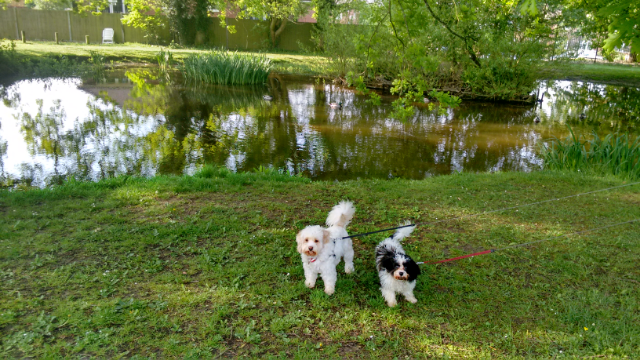
In due course, I take both Polly, and the long suffering ‘older sister’ Rosie out for their walk. We head round the corner to the village pond where there are ducklings.

pic 1 Polly and Rosie

I say village and Downley really is one. A mere 25 minutes by train from London it has the heart of any Dorset village. There is a great community spirit, and we are fast building a reputation as a centre for the arts.

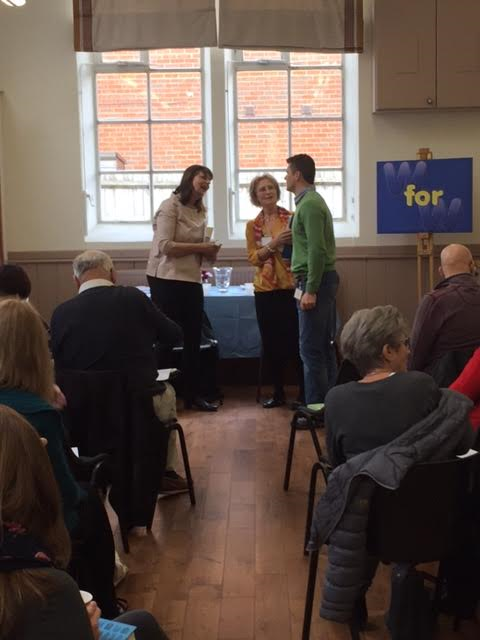
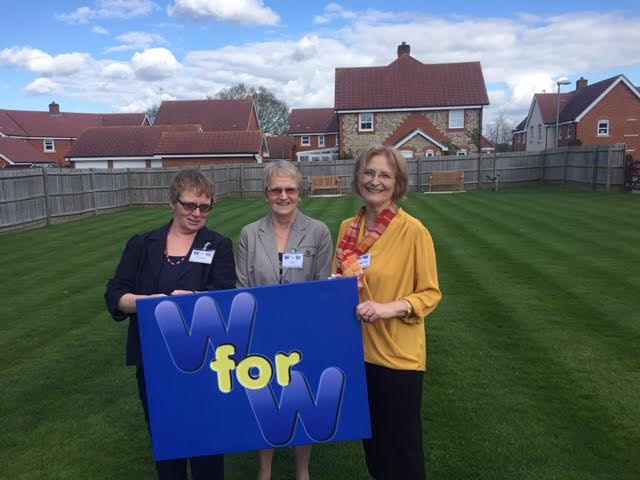
After ‘walkies’ it’s down to work – of some description. I could be sorting out next year’s LitFest for Words for the Wounded which is a charity I run with two other grannies to raise money for the wounded. The annual LitFest is our big event.

cmargaret

This year we had Elizabeth Buchan, Jemima Hunt, Tracy Baines and Frost’s Catherine Balavage as speakers. It was wildly successful, which is great. All the money goes to the wounded, as the grannies absorb all expenses.

My kids and grandkids are the catering team, and have a great time. Seems that not much wine survives – could there be a link?

Otherwise, as contributing editor for Frost, I could be reviewing books, or exhibitions or similar. Frost is a great springboard for aspiring writers. It gives them a cv and gets them noticed.

housedivided

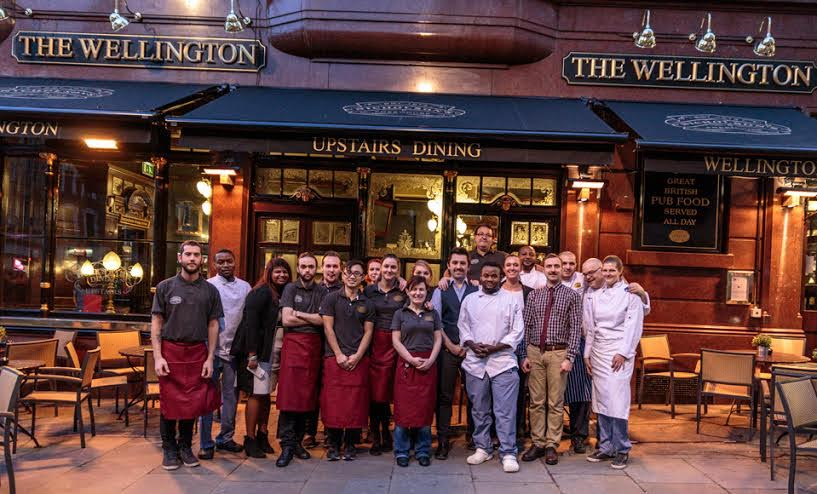
Otherwise, my main thrust is as an author. I write two books a year for Arrow, which is a bit of a stretch and requires a modicum of organisation. When I’m researching I spend a fair bit of time at Starbucks in High Wycombe, reading through material which could be useful, or having lunch at the Wellington on the Strand for no other reason than I love it there and can catch up with Inacky, Esther, Maria, Thomas, and Ruth, who make sure everyone has a great time. As a special treat, the grandkids can sometimes spare the time to come with me. So young, they are, but so busy. So that’s the extent of the ‘organization’.

wellieandstaff

All the time though, whatever I’m doing, I’m thinking of the novels, trying to sort out a plan, iron out structural blips, and getting to know the characters. Then, for two months, I get my head down and write the darned thing. I can’t bear being interrupted, because for that time I am living in a different world, being a different person, well, many different people, and I just want to get it all down before it escapes me.

To finish is a relief, but also a loss because the characters, their struggles, their triumphs have become yours. But then, for me, it is onto the next one, or the next WforW event, or onto yet another playtime, or something for Frost. Heigh ho, I’m very lucky.

www.margaret-graham.com
www.wordsforthewounded.co.uk
www.wordsforthewounded.blogspot.co.uk

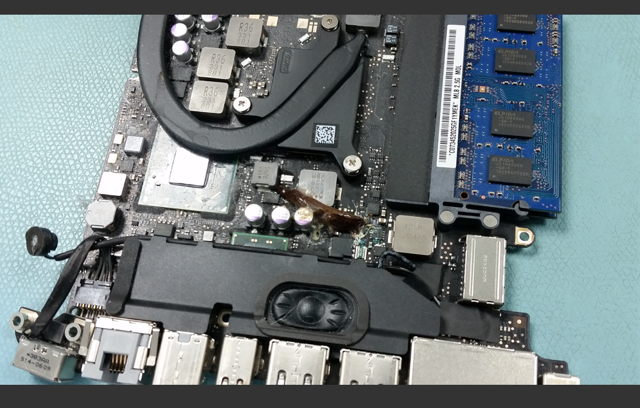
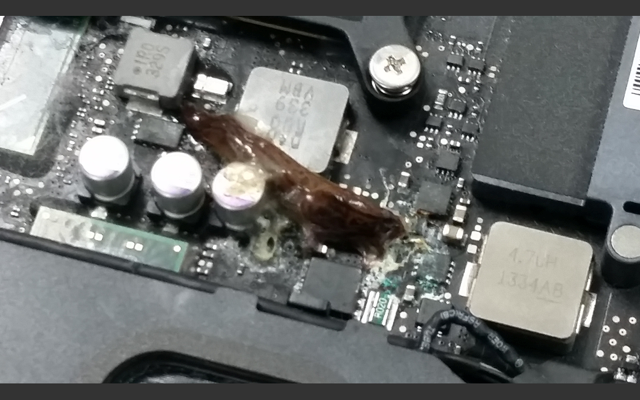
Slug Slithers Into Apple Mac And Breaks It

Yes, a slug found its way into my Mac and Wreaked Havoc.

slug slithers into mac and breaks it

slug slithers into mac and breaks it slug climbs into computer and breaks it

In the ultimate FML moment, yesterday my Mac would not switch on. It also would not charge. I called Apple in a panic and they recommended a company in Wimbledon. I headed to Wimbledon, baby in tow, and they sent my computer away. I prayed that there was nothing wrong with the hard drive and my prayers were answered. It was just the rest of the machine that was f**ked, because a slug decided to find a home in my computer. It took a while for it to sink in when they called me up to tell me. Then there was the price to fix it: over £500. So if you are having a bad day today just remember: a slug didn’t break your computer.

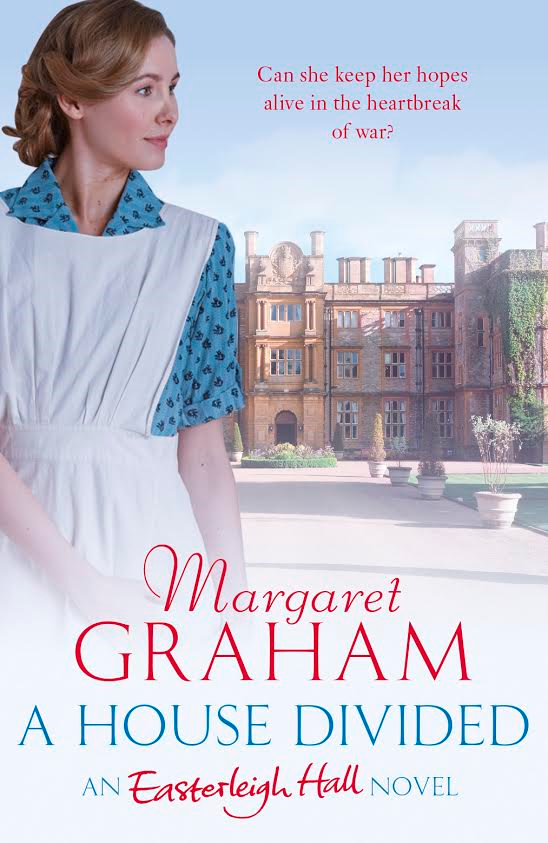
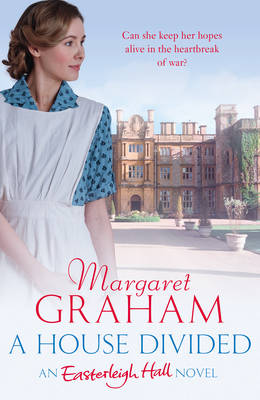
A House Divided An Easterleigh Hall Novel By Margaret Graham Review

Margaret Graham a house divided book reviewI have read a lot of books by Margaret Graham and anyone who reads Frost regularly will know that I am a fan. They will also know that she is the contributing editor of this here magazine. In fact, it says so in the book. Which made me scream in joy when I saw it.

Anyway, back to the review. This novel is the third in the popular Easterleigh Hall series. I have loved all of them but I have to say that this one is my favourite. Margaret is a historian and her novels are always as education as they are entertaining. She weaves history and prose together in such a way it leaves you slightly breathless. I found it hard to put this fantastic book down and only did so when motherhood called. It has the great pacing that all good novels have. You can’t help but want to race to the end to find out what is going to happen next. Yes it is well written, but that is the least of it. This book is fascinating. I feel the cover lets it down as the interior is riveting and fun. You feel that you know the characters not just because you have read about them before, but because they are so brilliantly brought to life by Margaret’s words.

With no bias at all I can tell you that this is one of Margaret’s best books. High praise indeed considering her back catalogue. Watch out for our interview and day in the life with Margaret soon. Meanwhile buy this book.


19 May 2016| Arrow| Paperback| £5.99


1937

Evie and her family have struggle to keep Easterleigh Hall, now a hotel, running during the depression, and with war looming, she worries for the children, who have to find their way in a changing world.

Bridie is learning her trade at her mother Evie’s side, and is becoming a talented chef. Her cousin James has run away to fight in Spain, leaving the family devastated.

And Tim, the boy Bridie has always loved, shocks everyone by joining the Black Shirts and going to Germany, discovering too late that he’s playing a dangerous game.

Heartbroken at Tim’s defection, Bridie isn’t sure she can ever forgive him. But somehow these three must find a way to reconcile, because if war does come, they will need each other more than ever.

Margaret Graham has been writing for thirty years. Her first novel was published in 1986 and she is now working on her sixteenth. As a bestselling author her novels have been published in UK, Europe and the USA.

Margaret has written two plays, co-researched a television documentary – which grew out of Canopy of Silence, and has written numerous short stories and features. She is a writing tutor and speaker and has written regularly for Writers’ Forum. She also created and runs the Yeovil Literary Prize to raise funds for the creative arts of the Yeovil area. Now living near High Wycombe she is about to launch a flash fiction writing prize to raise funds for the rehabilitation of wounded troops.

For more information about Margaret Graham visit her website at www.margaret-graham.com