SISTER SCRIBES: CASS GRAFTON ON JANE CABLE’S ANOTHER YOU

Today, I’m delighted to be talking to author, Jane Cable, about one of her novels, Another You, a moving saga of modern-day family life. Despite touching on the horrors of combat, past and present, it’s a heart-warming tale of one woman’s fight to reclaim her identity and discover what really matters to her.

Marie is the well-respected chef of The Smugglers pub, near Studland Bay, but despite her success in the kitchen, she feels less confident in her handling of relationships, both with her (almost) ex-husband, Stephen, and her much-loved son, Jude.

A chance meeting with an American soldier, just as the Bay is preparing to celebrate the 60th anniversary of the D-Day landings, seems the perfect escape from worrying about everything—if only she could get rid of her debilitating migraines and the sense of the past coalescing with the present.

Another You was a brilliant read, and Jane is a proficient storyteller. Her characters are entirely relatable, their faults as much at play as their strengths. Although touching upon the lingering effects of PTSD and the invisible scars left by all wars, Jane manages to blend in romance, mystery, family relationships and an unforeseen twist towards the end.
The book stayed with me long after I’d finished, and I was keen to ask Jane some questions about it.
I was swept away by your beautiful descriptions of the Studland Bay area of Dorset. Was it the setting that inspired you initially or had you come across the tragic story that took place there during the war first?

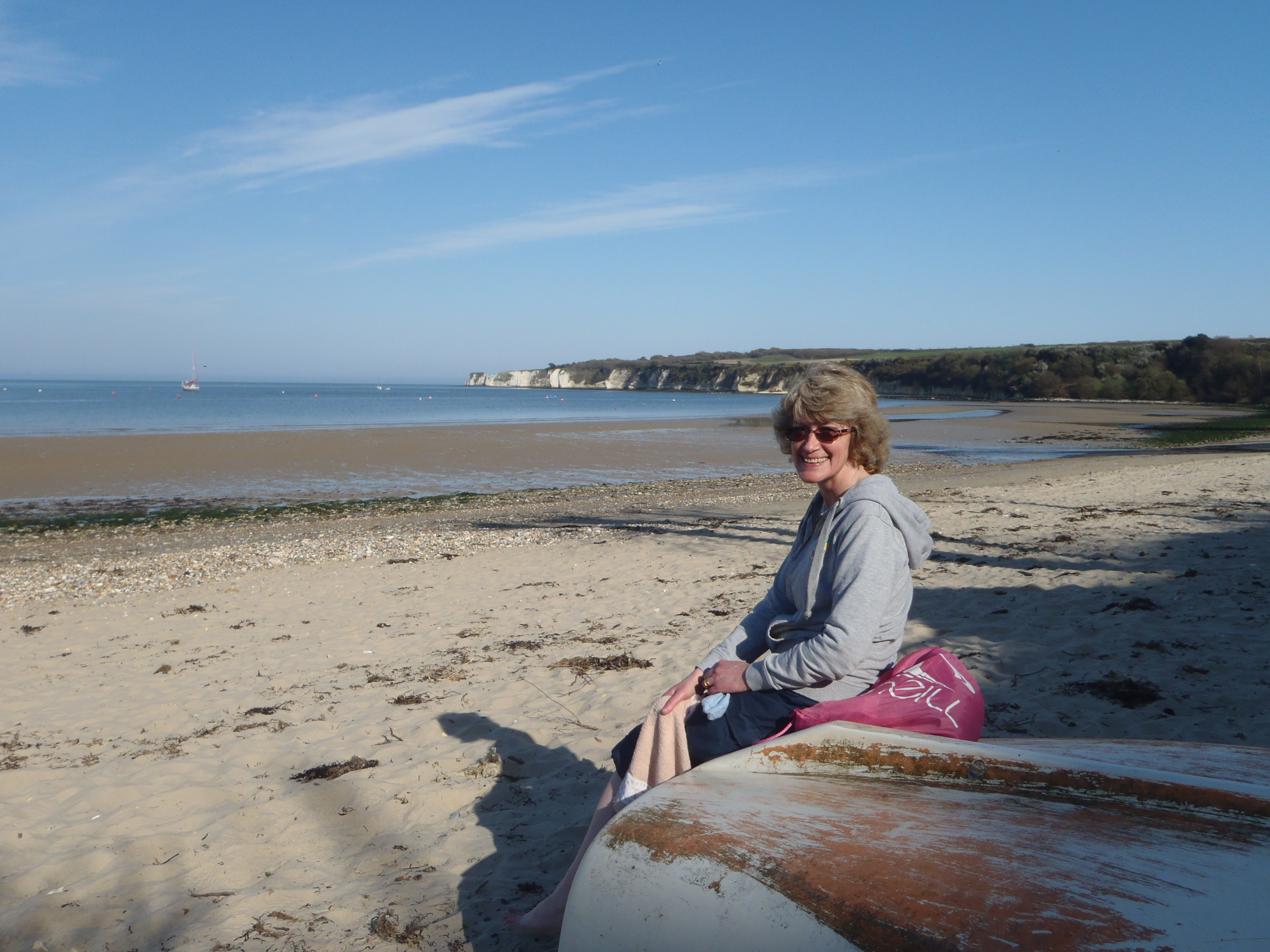
Studland was the initial inspiration for Another You. I first visited with a friend in 2009 and fell in love with the enclosed bay with its calm blue waters and high white cliffs. It has a magic all of its own for me – arriving on the chain ferry from Sandbanks (Dorset’s millionaire’s row) you feel as though you’ve fallen down a rabbit hole and landed in another world. The Second World War story only came in at the second major redraft of the book, but when I read about it during my research into the area it spoke to me too loudly to ignore.

The connection between the past and the present is something you do so skilfully in your novels. What is it as a writer that attracts you to blending time periods?

I have always had an interest in consciousness beyond matter and the ways present and past could intermingle; either through the spirit world, inside people’s heads, or by any other mechanism it’s currently beyond us to understand. If that sounds seriously strange it springs from my firm belief that because we can’t possibly know everything we shouldn’t rule anything out. Just think how science continues to advance. As I writer I love the ambiguity of it all and try to let my readers make up their own minds about how it could happen.

On a lighter note, how are your cheffing skills? Are you as good a cook as Marie, because if so, please can I come to dinner?

I’m sorry, but I am no more than an adequate cook – not even the best chef in my own household, to be honest. But I loved researching Marie’s recipes for Another You. And you are more than welcome to risk dinner with me at any time. I’ll get the rosé in…


I’ll bring the glasses! Thank you, Jane, both for answering my questions and writing such an absorbing, well researched and beautifully told story about self-discovery, emerging from darkness into light and finding love where you least expect it.


SISTER SCRIBES: KITTY WILSON ON LETTING BOOKS BE BOOKS

My latest articles for Frost (with the exception of my last) have all been based around why I write and read romance. I’ve written about the universality of romance and about how I see the genre as one that gives hope. Today I’m going to talk about something a little more controversial, about why I think the romance genre can have a bad name.

When I was first published I had so much support but I also encountered a lot of bias from friends who were unable to understand why I chose to write romance, dismissive of the genre as pure trash (their words). It is not an uncommon view, even people who love the genre often refer to it as such with a self-deprecating laugh.

But why? I can’t help but think this bias harks back to the birth of the popular romance novel specifically written for women a couple of hundred years ago because delicate female minds couldn’t possibly expect to understand the intricacies of politics, economics, science. The world has moved on from such misogyny, yet despite us recognising today that skill in all sorts of arenas is not gender based, society is still struggling to shift the notion that romance books are somehow lesser, that their readers, and writers, lack erudition. We accept in life that you have to be remarkably skilled to make things look easy and somehow we still don’t apply this to books considered easy reads. I know so many people, women and men, who love to escape with a romance novel precisely because it’s an escape. If a book is effectively providing a haven, you are losing yourself in its world, then it is well-written.

When we look at the romance genre and remove this bias and examine what romance and its broad range of sub-genres really are, we see that it tends to be fiction that centres around friendship and family life with the thrill of romance and often a dash of good sex thrown in as well. They are books that usually put women at the fore (an exception being MM romances). We also know from what is (or certainly was) on the curriculum in schools that it’s largely male-centric books that society deems worthy of reading. If you examine the syllabi when I was growing up, you will see that predominantly books written by men for men about men were considered literature. This contributes to shaping society’s attitudes about what constitutes a good book. Whilst I genuinely believe this is changing now (hurrah!) and particularly within the last decade – women-centric books are now universally accepted as literature – it seems that easy-to-read books about women having fun or getting caught up in romance are still deemed less worthy.

Romance books frequently examine love and affection, how it’s human to crave it; they open up discussions about love, loneliness, sexuality and so forth which allows for conversations about these things to become normalised. They have done this for centuries, from women gossiping about the latest romance in Regency coffee houses to chatter over the water cooler about Christian Grey. And where there is discussion there is education, an increased awareness of others’ (and self) needs and preferences can only be a good thing. There are always lessons to be learned in life about understanding ourselves and others, improving communication and strengthening the relationships we have with people. If romance helps this and the bias against it harks back to attitudes we know are outdated then surely, regardless of personal taste, it’s time for romance novels to be accorded the respect they deserve.


SISTER SCRIBES: KIRSTEN HESKETH ON REALISING YOU’RE A REAL WRITER

Much is written about imposter syndrome. When someone asks me what I do, I sometimes stumble over the word ‘writer’ and often followed it with a little self-deprecating giggle or downplay it by saying ‘I’ve only had one book published though.’ And I know I’m not alone.  Most writers I know seem to suffer from it – there are countless Facebook and twitter threads devoted not feeling like a ‘proper writer’ and many times I’ve been at lunch or away with lovely writer friends realise we are all self-deprecating for Britain.

Well, this week something happened which made me realise that nowadays I am very much a ‘proper writer’.

The first blog post I ever wrote was for my lovely friend and fellow Sister Scribe Susanna Bavin’s wonderful blog. This was when I was very much in the querying trenches and getting an agent, let alone a publishing deal, was just a twinkle in my eye and Susanna was kind enough host me for a series of musings on my embryonic writing life. I can remember the gist – if not the words – of the first post I wrote as if it was yesterday. My then-teenage son was having some problems and I explained how difficult, how wrong, how self-indulgent it felt to be ploughing on with polishing my turd of a draft when he was struggling. And, even if I did decide to press on, my creative juices and my writing mojo had totally deserted me, so there was little point in showing up the keyboard anyway.

I didn’t write anything for week. Maybe even months. And it was only when my son was back on an even keel that I could finish editing Another Us and start submitting it to agents.

Fast forward four years and everything is different.

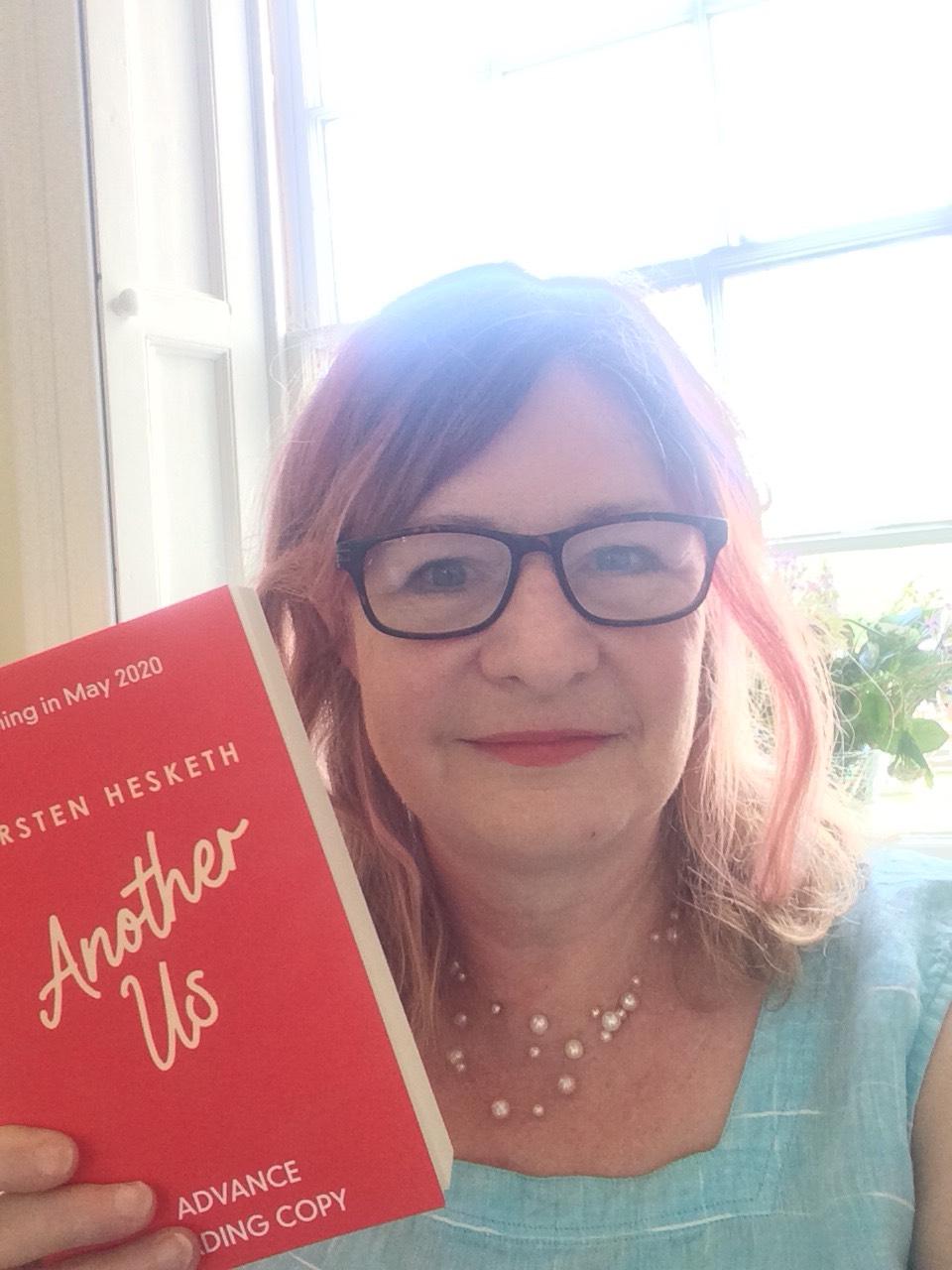
I have an agent. I have two publishing deals. Another Us was published in ebook in May and the paperback is out on 20th August (do all rush!!) Reader, my writing dreams came true!

And, this week, the Hesketh household is once again in turmoil. My daughter needs an operation in the middle of the global pandemic and the whole family needs to shield beforehand. (Sad that we need to shield during my son’s 21st and miss our first break away in months, but needs must.) At the moment, it’s all hands on deck sorting out food deliveries and prescription pick-ups and everything else that needs to be done before we hunker down.

This time it is different though. My edits for Book Two are due back with the publisher at the beginning of August which, as I write, is – gulp! – three days away. But this time there is no deciding my writing mojo has deserted me or that my creative juices have decided to go on holiday instead of me. There’s no deciding to do nothing for a couple of months. The edits have to be done. I can – I have to – work fast and efficiently so that I can get them done to the best of my ability – and still be there for my family.

It all feels totally different.

To be fair, I’m sure my lovely editor would be absolutely fine if I was to ask for another week or two to finish the edits. A lot of the pressure to meet the deadline is coming from myself.

But the different to four years ago is stark.

And, in some ways, it reminds me how far I’ve come.

I’m a writer.


JEAN FULLERTON ON THE RNA’S CHAPTER AND VERSE

I joined the Romantic Novelists’ Association way back in 2003 as part of the New Writers’ Scheme. I was so grateful for all the help, support and friendship I received from RNA members over the past seventeen years, I promised myself that when I no longer had a day-job, I would join the committee.

That opportunity came five years ago when I was able to wave goodbye to my job as a University lecturer and become a full-time writer.

When the committee was restructured last year, I took on the role of Educational Officer, and one area which I’m very hands-on with is the RNA chapters.

When I joined the Romantic Novelists’ Association over a decade ago, some of the first real writers I met were members of the London and South East Chapter.  I was a burbling newbie, but everyone welcomed me. They walked the stony path to publication alongside me and I now count them as close friends.

Although the RNA can appear to be all champagne, high heels and glitzy London parties the organisation’s bedrock is the 20+ chapters up and down the country. It is there that new and not so new writers can find support, encouragement, and friendships.

I felt so strongly about this that ten years ago I took on the role of Chapter liaison. Well, when I say took on the role, what I actually mean is I muscled my way into the then committee and said I  thought there needed to be someone to link with the chapters and I was willing to take on the role.

I liaise with chapters about events or workshops they might be planning, and the allocation of the Committee Annual Educational grant. I also introduce new members to their local chapter and assist anyone wanting to set up a new chapter; be that a physical, online or special interest chapters such as the Rainbow Chapter for writers who write or who are interested in LBGTQIA+ romance. I also, in conjunction with Liam, the RNA’s Diversity and Inclusion Officer, developed the chapter guidelines.

When I became chapter liaison I lived in East London so as I was just a hop, skip and a jump from most of the mainline stations in London, I set about visiting as many chapters as I could. If I made an early start, I could reach most of them in a day even the North West Chapter who meet in Southport.

Sadly, as I now live an hour outside London that is no longer possible, but I keep in regular touch with the chapters via email. And since all chapter meetings have been cancelled due to the Covid lock down, increasingly via Zoom.

Being a writer is a lonely profession, just you, your head and the computer most of the time but we need other writers. Unlike non-writing friends and loved ones when you explain to a fellow writer the problem you’re having with your heroine or plot line their eyes don’t glaze over.

In conclusion, although under the RNA umbrella, our chapters are open to RNA members and non-members alike. Therefore if any writers out there would like to find out more about an RNA Chapter near you then please email me on jeanfullerton@romanticnovelistassociation.org and I’ll point you in the right direction.  For more information about the RNA please visit www.romanticnovelistsassociation.org

Bio: Jean was born and bred in East London where her fifteen novels are set. She is a retired nurse and university lecturer. Jean is currently writing the final book in her Ration Book Series.  In addition, she leads writing workshop and is a regular speaker at WIs, U3As and cruise ships.

www.jeanfullerton.com

SISTER SCRIBES’ READING ROUND UP: JULY

Jane

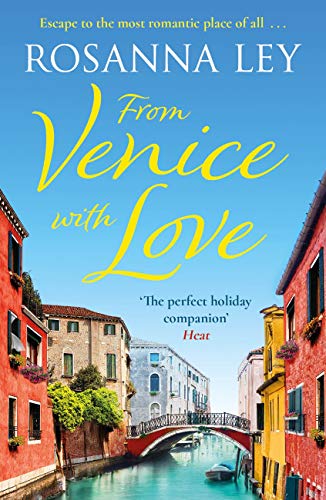
Rosanna Ley is one of my favourite novelists, which is the main reason I signed up for one of her writing retreats. That, of course, transported me to Spain, but her novels have taken me all over the world. From Venice with Love is no exception, as I followed Joanna not only to Venice, but to Lisbon and Prague, each city so beautifully described I felt I was really there. But it was Joanna’s sister Harriet’s story that held me, and she doesn’t even leave the Dorset village where they both grew up. She is an exquisitely drawn character, warts and all, and I felt as I was at her shoulder as she made a very different type of journey to her sister. Highly recommended.


Kitty

I listened to Candice Carty-Williams’ Queenie as an audiobook and it had me hooting with laughter whilst frantically winding the windows up in the car as some of her more detailed sexual exploits were narrated. The premise initially appears to be typical romcom with Queenie coming to terms with her break-up and with potential suitors popping up all over the place. However, as the book progresses we realise it encompasses far more and that Queenie is in no need of a hero. It takes a real deep dive into mental health and societal pressure and does so in a way that never loses humour or the readers attention. The family relationships had me squeaking with joy. The writing is hilarious, poignant and searingly insightful. Fabulous.

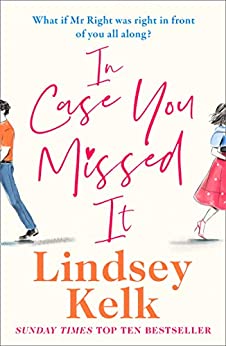
Lindsey Kelk really does deliver on all those descriptions applied to romantic comedy. Hilarious, laugh out loud, devastatingly witty – she hits them all. I have not yet read a book of hers I haven’t loved and In Case You Missed It is another example of her delivering the perfect romcom. It has a truly relatable heroine in Ros, a hero you quite want to bring home yourself, the coterie of well-defined and always amusing friends, the hideous boyfriend from her past, and beautifully described well-meaning but slightly cringy parents.

There is not a page that does not make me giggle and she manages to write comic scene after comic scene whilst developing a fabulous plot and proper romance along the way. Absolutely faultless.

I really enjoyed Clare Marchant’s dual timeline novel, Secrets of Saffron Hall. The book interweaves the story of a grieving mother in the modern day and a young wife in the time of Henry VIII’s marriage to Catherine Howard. Both were written sympathetically and I thoroughly rooted for both characters. However, it was the historical timeline I found absolutely captivating. I loved being immersed in Eleanor’s story – the fear and uncertainty of living under a capricious king in times of religious upheaval, and the sense of doom contributed to by the reader knowing what will befall the queen, although unsure of how that will impact this particular family. The farming of the saffron itself was also of great interest and whilst aware of the value of saffron, I felt like I was learning something as I read. The authors historical research was clearly well done and she held my attention throughout. I am looking forward to reading more of her books.


SISTER SCRIBES: SUSANNA BAVIN ON A WORD WRITERS SHOULD USE FREELY


I say, I say, I say…

When you were at school, were you taught to avoid using ‘said’ in your writing? Were you told it was dull? Were you instructed to use other, better words? Let me explain why teachers try to get you to do that. It isn’t because there’s anything wrong with ‘said’. It’s because teachers have to teach children from a young age (a) to use a variety of vocabulary and (b) to find words that convey precise meaning. ‘Strolled’, ‘wandered’, ‘hurried’ or ‘marched’, as opposed to ‘walked’ – that kind of thing. If you think about it, that’s quite a tall order, especially with infant school children.

And so we come to the first reason why ‘said’ is a wonderful word. It has umpteen alternatives, all of which convey precise meaning. Children are already familiar with many of these words and find them easy to use, which means that when they write their stories, they have ample opportunity to use and develop their new skill and hence their stories are filled with characters asking, answering, replying, exclaiming, whispering, shouting and so on.

And that is why teachers tell you not to use ‘said’. Ta da!

In the world of adult writing, it’s different, because – and here we come to the second reason why I believe ‘said’ is a wonderful word – ‘said’ is invisible. You could read it or write it a dozen times on every single page without its ever jarring. Every time an alternative is used, it isn’t invisible. There’s nothing wrong with that – in moderation. But the more times alternatives are used, and the wider their variety, the more visible they become.

I’m thinking of a novel I read some years ago in which the author seemed determined to avoid ‘said’ at all costs. The characters did all the usual things – they asked, answered, replied and exclaimed. They also did more ‘visible’ things – they wondered, whispered, chuckled and muttered. They shouted, snorted, cajoled and observed. They mentioned, uttered, declared and ranted. And it was all highly visible. Every single one of those verbs (which would have thrilled any primary school teacher – I speak as a former infant school teacher) was visible and the more of them there were, the more visible they became. For ‘more visible,’ read ‘more annoying.’

Then, in the middle of an argument, the heroine riposted.

After 200 pages of confirming, suggesting, murmuring and giggling, it was the final, pretentious straw. I didn’t know whether to laugh out loud or groan in anguish. I closed the book and never went back to it.

Sorry about my little rant, but I hope it’s helped to illustrate my point. Humble, under-rated ‘said’ is a dependable workhorse of a word. Use it freely and don’t let anybody put you off.

And unless you want me to come back and haunt you, please don’t ever let your characters do any riposting.


SISTER SCRIBES: JANE CABLE ON A VERY PERSONAL TRIBUTE

The morning my mother died she asked me to tell her about the next book I would write. I said I had an idea about an archaeologist alone under Lincolnshire’s vast skies and she approved. True, the outline was a little different then, but Rachel and her story still caught her imagination.

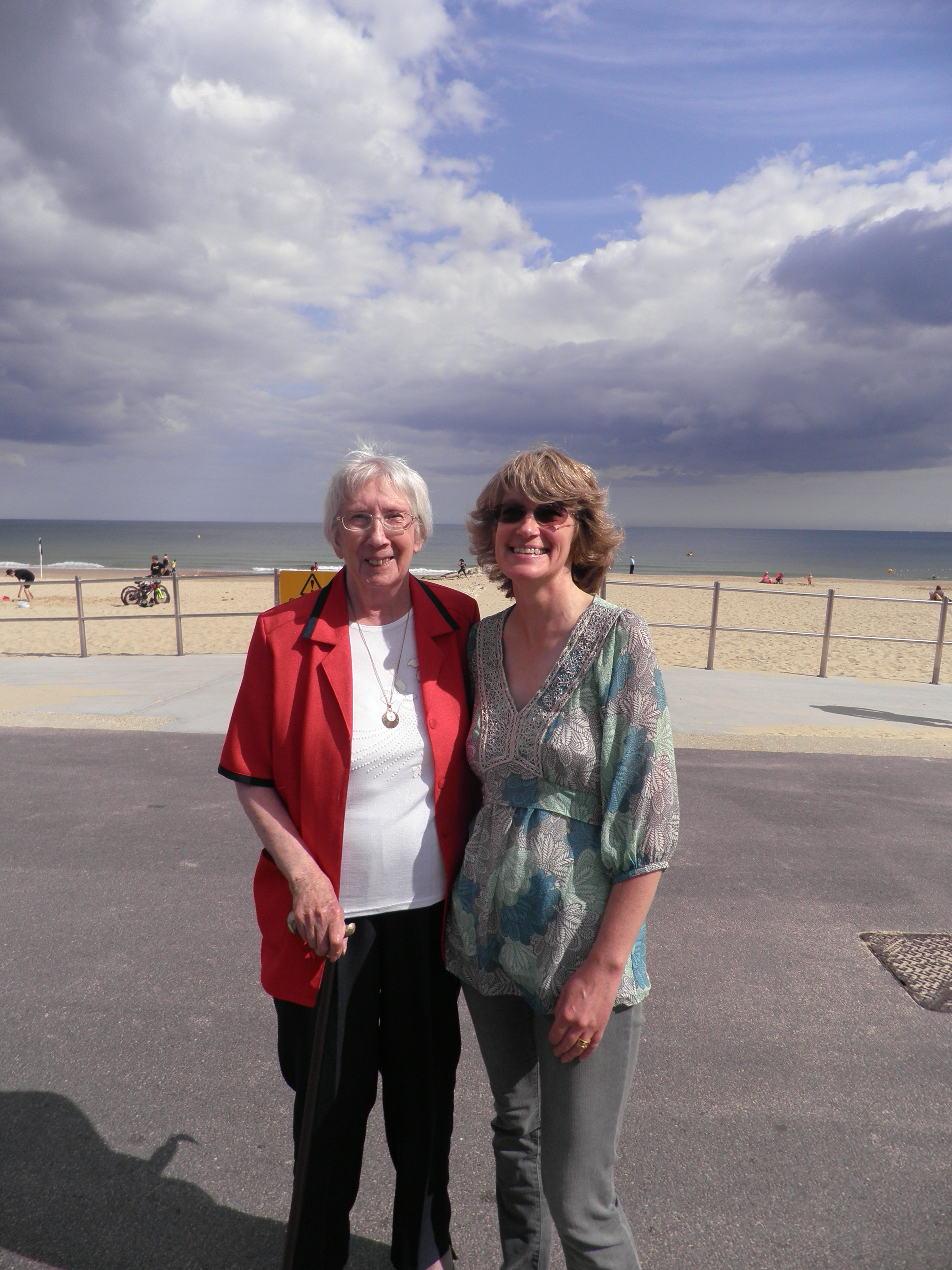
It seemed only right, then, to include a character based on my mother in Endless Skies; an intelligent, perceptive octogenarian with a keen interest in people and a huge sense of fun. I called her Esther, the name on my grandmother’s birth certificate that she never used.

Even Esther’s physical attributes were the same as my mum’s. The platinum bob, the pearl handled walking stick and the desperately poor eyesight. But in the early drafts Esther had a very different life story, although I drew great comfort from Rachel’s growing friendship with her.

Without my mother’s faith and encouragement I can honestly say I would never have had a book published. She read my embryonic attempts at novel writing and gave constructive criticism – despite my father being the writer in the family – he never really understood romantic fiction and just seemed slightly puzzled by the whole thing. But Mum egged me on, and when she thought I had a strong enough book suggested I enter The Alan Titchmarsh Show’s People’s Novelist competition. I am absolutely sure it was one of her proudest moments when I reached the final and I just wish she could have travelled to London to see it with her own eyes.

She was also a huge influence on what I write. She devoured library books (large print in her latter years) and used to get very fed up with what she’d call ‘boy meets girl, they fall out three times then get married’ formulaic romances. As a reader she wanted so much more. What neither of us realised was that at the time it would have been far easier for me to find a publisher had I been closer to the mainstream in my chosen genre.

As a result she didn’t live long enough to see my first publishing deal, but I have a feeling she knows. I think she would have been really proud of Another You and would have enjoyed reading it. Endless Skies became a companion piece – my second book with Sapere – both contemporary romances looking back to World War Two.

It was when I made the decision to rewrite Endless Skies this way my mother’s wartime experience came into its own. Or rather one pivotal point she shares with Esther. Both were bright grammar schools girls living in rural communities who could no longer safely travel to school because of the bombing. My mother spent a terrifying air raid trapped on a train in a siding in the middle of Cardiff and her parents said ‘never again’.

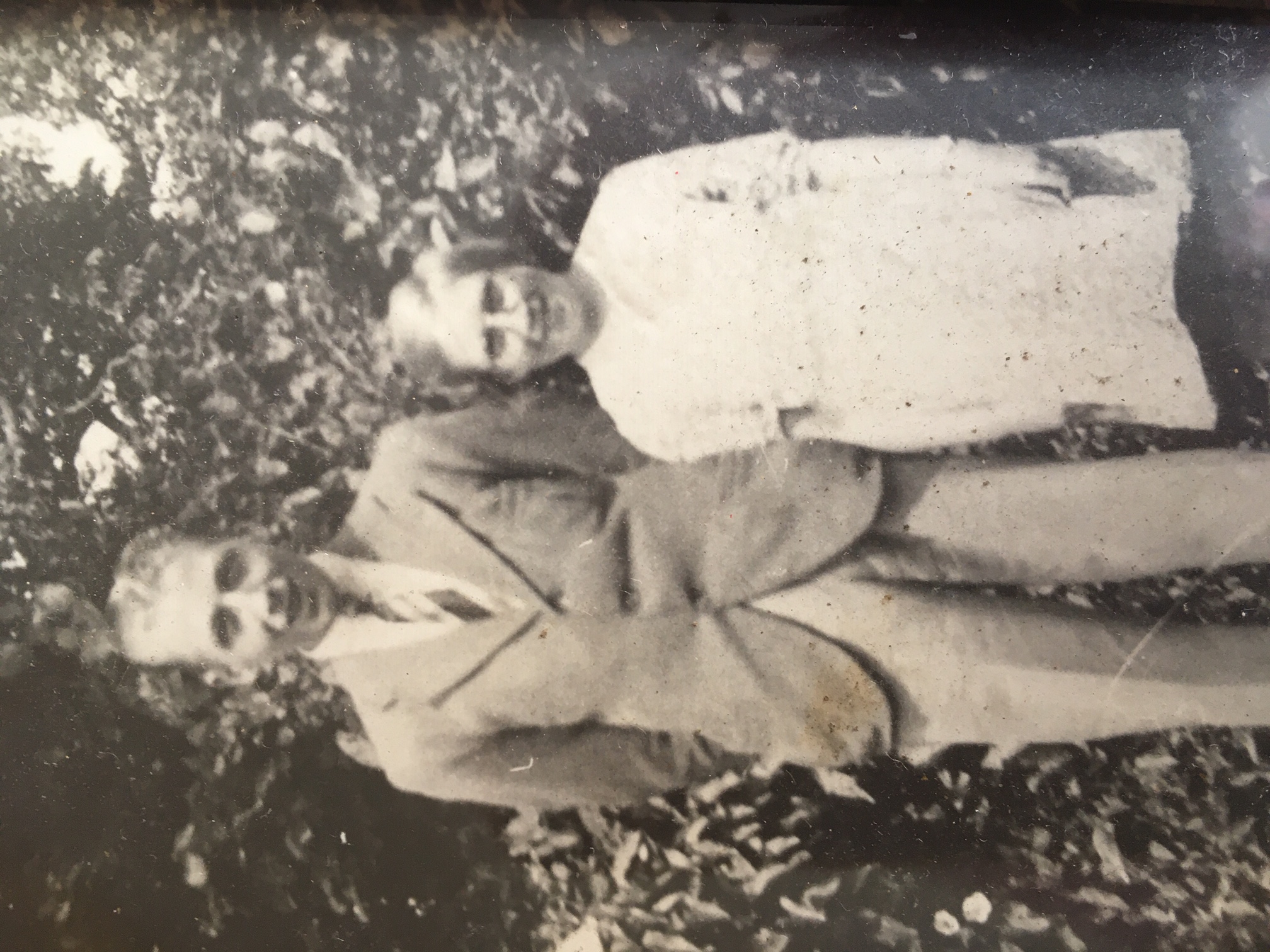
While my mother went into the civil service at fourteen (not much older than she was in this picture), Esther’s only local option was a job in the laundry at the RAF base just outside her village. This was home to two squadrons of brave and often reckless Polish airmen, and Esther could only stand by and watch as the most tender and poignant love story unfolded in front of her eyes. A story which, seventy years later, had the power to change Rachel’s life.

SISTER SCRIBES: CASS GRAFTON ON AN UNEXPECTED LITERARY CONNECTION

Living in Switzerland for the past six years, we’ve been fortunate enough to visit some wonderful locations, many with literary connections.

For example, JRR Tolkien made a trip to Switzerland in 1911 and took inspiration from the scenery to create the settings for some scenes in The Hobbit and the Lord of the Rings trilogy. His journey took him to many iconic locations, including Zermatt—home to the Matterhorn—and Lauterbrunnen, a verdant and picturesque valley with over 70 waterfalls.

The author wrote to his son, Michael, in 1967: I am delighted that you have made the acquaintance of Switzerland, and of the very part that I once knew best and which had the deepest effect on me. The hobbit’s journey from Rivendell to the other side of the Misty Mountains, including the glissade down the slithering stones into the pine woods, is based on my adventures in 1911.

This is not the only Tolkien connection with the country. The unique Greisinger Museum in the village of Jenins is dedicated entirely to Middle-earth and contains unique artefacts, art, literature and collectors’ items, and you enter through a door into a hobbit hole!

Not far from Lauterbrunnen is another place with a literary connection: Meiringen. The town is in a beautiful valley and is famous for the stunning Reichenbach Falls, portrayed by Sir Arthur Conan Doyle in his Sherlock Holmes’ novel, The Final Solution.

These were not unexpected literary connections, however, being popular tourist destinations.

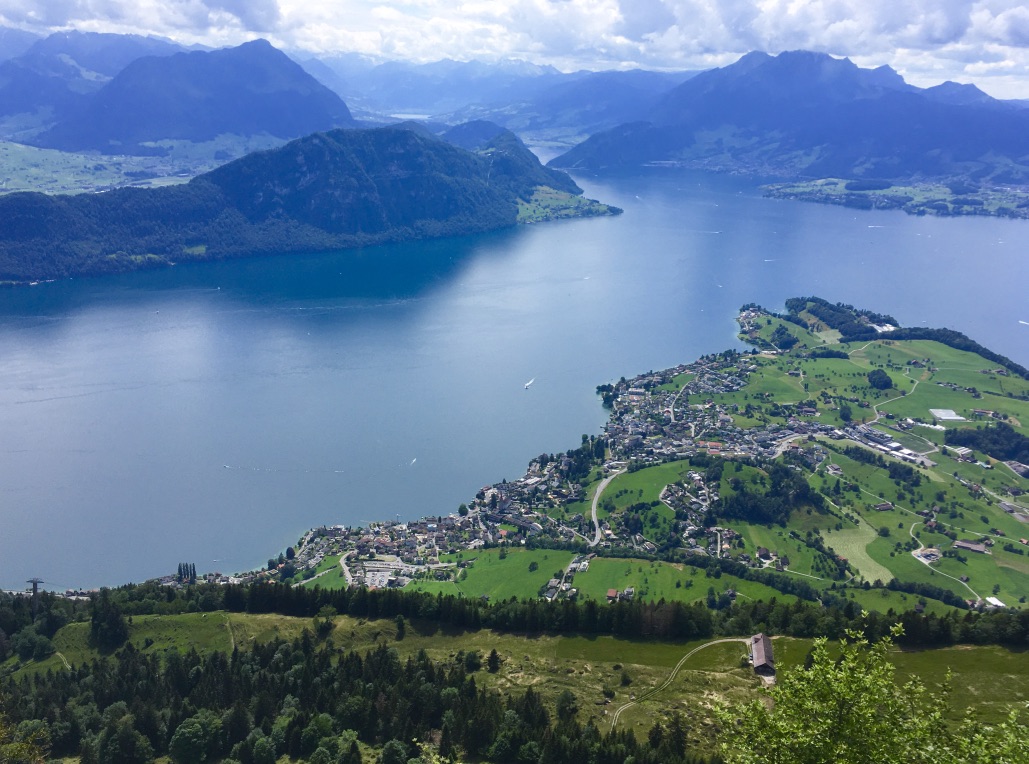
One of our early discoveries was idyllic Weggis, a small resort town lying on the shores of Lake Luzern and at the foot of Mount Rigi (known as the Queen of the Mountains) from whose summit there are stunning views of the lake and a spectacular vista of the Alps.

Modern day visitors take a train to the summit, but before the Victorians constructed this cogwheel mountain railway (the first of its type in Europe, opening in 1871), wealthy people travelled up Rigi by sedan chair. The mind boggles!

Weggis is such a beautiful place. The water is a deep, aqua blue, almost transparent by the shoreline, and the mountains across the water stand out starkly from it, glowing in the bright summer sun or wearing snowy caps in winter. There is an ethereal light gently embracing the rocky outcrops at all times of year; a light that changes with the seasons. Being there is like taking a deep breath of fresh air, bringing a sense of calm, of escape from the everyday world.

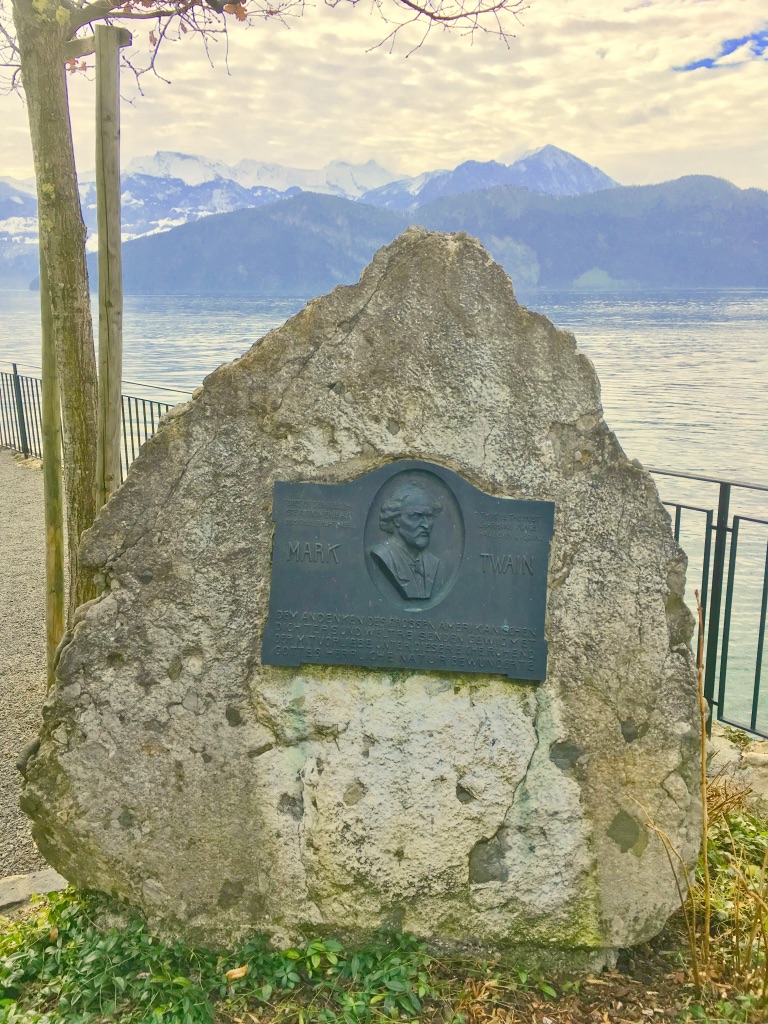
Imagine my surprise, however, to discover that American author, Mark Twain, had also visited the little-known town of Weggis and felt very much the same. In 1897 he wrote: This is the charmingest place we have ever lived in for repose and restfulness, superb scenery whose beauty undergoes a perpetual change from one miracle to another, yet never runs short of fresh surprises and new inventions.

I do, of course, take some words attributed to Mark Twain with a grain of salt. He is famously quoted as saying of Jane Austen, ‘Everytime I read ‘Pride and Prejudice’ I want to dig her up and beat her over the skull with her own shin-bone.

Anyone professing such strong feelings against a book, yet continually attempting to re-read it, must be considered a bit of a contradiction! Jane Austen, I’m sure, would have been excessively diverted, and talking of diversions, it’s time I went off to look at the diary in readiness for booking another trip to Weggis.

Sources: MySwitzerland.com, The Letters of JRR Tolkien and Mark Twain – A Biography by Albert Bigelow Paine