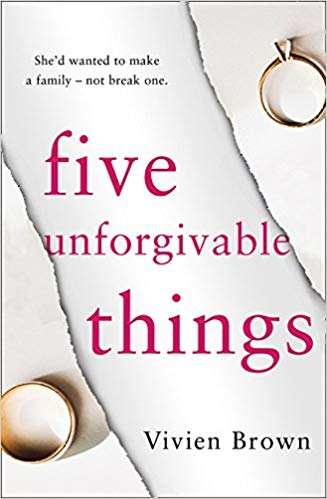
SUNDAY SCENE: VIVIEN BROWN ON HER FAVOURITE SCENE FROM FIVE UNFORGIVABLE THINGS

When I started to write my second novel, Five Unforgivable Things, I wanted to follow all the ups and downs of a family, from its beginnings when Kate and Dan first meet in the seventies right up to the present day, exploring the pivotal decisions and mistakes the couple make along the way and what impact they have on their children as they grow up.
Each of the now adult offspring is introduced in a way that reveals something important about their lives, and the ‘introduction’ scene I most enjoyed writing is the one featuring Natalie, the first of the siblings to appear on the page.

Natalie is entering a wedding dress shop alone. In the window she has spotted what could be the perfect dress for her Christmas wedding to childhood sweetheart Phil but, with no family or friends with her, how will she know if it’s the right one, with no-one ‘to oooh and aaah and spin her around in all directions and take sneaky photos on their phones?’

I well remember accompanying my own daughter to a bridal shop a few years ago, with her sister, the prospective chief bridesmaid, also in tow. That sea of long white dresses billowing on a seemingly never-ending rail right across one side of the room, and all the sparkling tiaras, floaty veils, beaded bags and very posh shoes – unforgettable! In the novel I describe the shop Natalie enters as ‘an oasis of beauty and calm. There was a deep cream carpet and floor-to-ceiling mirrors without so much as a smudge on their shiny gilt-edged glass. The sweet scent of jasmine drifted in the air…’
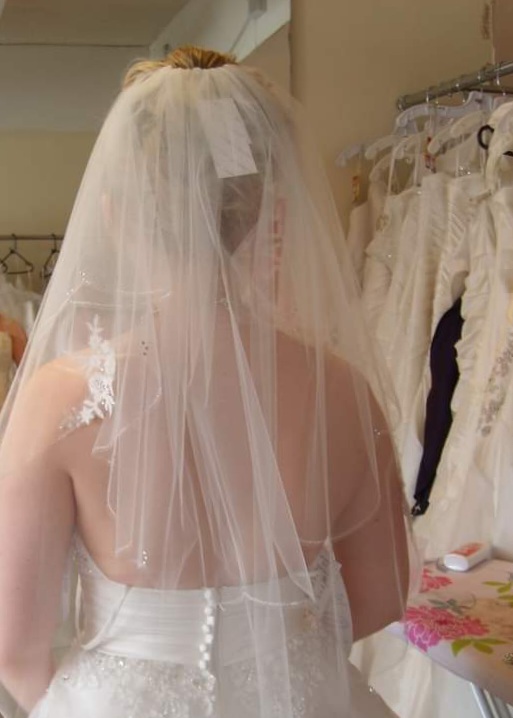
But it can be a bit daunting when the assistant hands out glasses of fizz and starts measuring and fussing. Ivory or white? Lace or satin? Shape? Style? How long a train? For Natalie, not only is she making these choices alone but the choices themselves are a lot more restricted. There are hints that something is different here as Natalie enters and a look of surprise flits across the shop assistant’s face before being ‘swallowed up in what was clearly a well-practised customer-friendly smile.’ It’s a look Natalie is used to, one ‘that told her she was not quite who, or what, had been expected to come rolling in.’

‘Sorry about the carpet,’ says Natalie, as her wheels leave a trail of dirt and leaves behind them. And so we learn that Natalie is in a wheelchair, and that the beautiful traditional dresses that sweep the floor as they flow along behind a walking bride will never be quite right for ‘someone like her’.
This is a very short scene but it gives the reader a peep into Natalie’s mindset as she ponders her sisters’ absence, realises that the last thing she really wants on her big day is to be the centre of attention, and that the dream dress in the window is never going to work for her.

Yet, I did not want the reader to pity her. Natalie is in many ways the happiest of the siblings, and the only one to have found true love with a man who adores her just as she is. Still, how she came to be disabled will form an important element as the story unravels, and is at the heart of the mistakes and tragedies that have rocked Kate and Dan’s marriage and family life and are so hard to forgive.


https://twitter.com/VivBrownAuthor


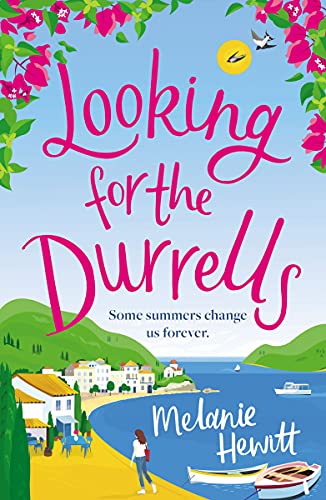
SUNDAY SCENE: MELANIE HEWITT ON HER FAVOURITE SCENE FROM LOOKING FOR THE DURRELLS

In May 2019 as I sat in the Panorama restaurant in St George South on a typically idyllic, light and heat infused afternoon in Corfu, I suddenly thought – If the Durrell family were here now, rather than in the 1930’s, what would they be doing, how would they live?

The character of Penny came into my mind. She was the stone dropped into the pond that created the ripple in the lives of those she would meet.

I have no idea if other writers work in the same way, but as soon as the seed of an idea was there, certain scenes immediately began to play like a film reel in my head. I had visions of Penny and Dimitris on a boat sailing to Corfu, the tour reps welcome meeting and Penny’s first experience of Corfu Town.

A scene by the harbour, with Penny – who’s a book illustrator – painting, with Tess’s young son Theo, though is one that I’d like to look more closely at.

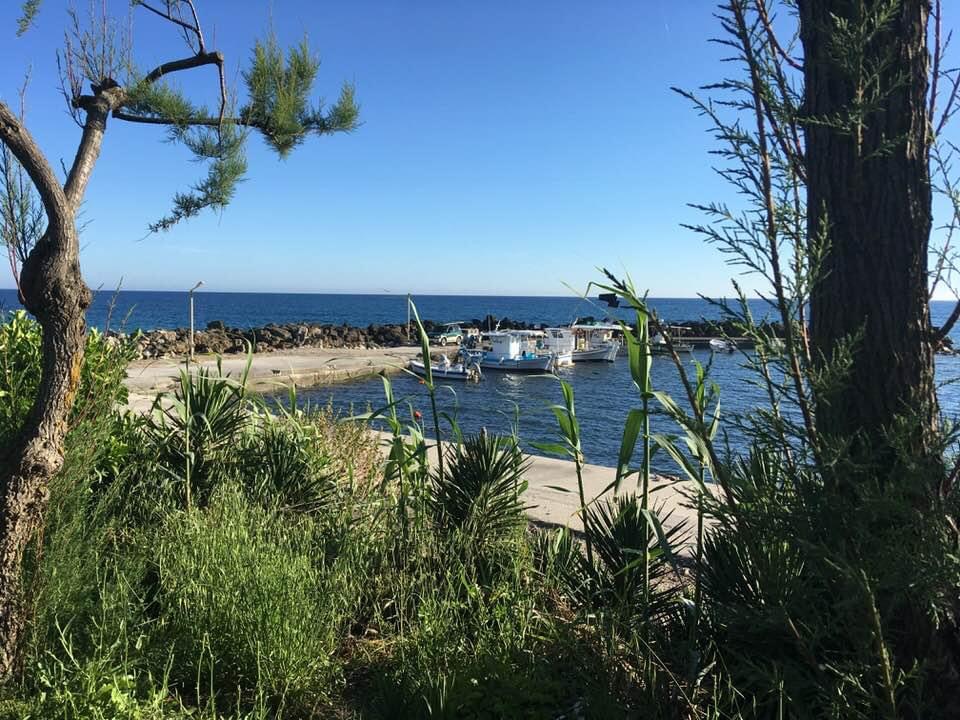
The small harbour for me is the real heart of St George and can be seen from the “Athena” restaurant, the hub of life, love and action in the book. Penny and Theo have both lost their fathers.

Having lost my own dad when he was only in his 60’s and subsequently worked for a time in a hospice, there were issues and experiences around grief and grieving I wanted to explore.

Whilst grieving can follow familiar and similar phases and timelines, it’s an individual and sometimes solitary experience. Reading about or sharing, experiencing what others are going through can help the healing. As Penny experiences here.

A wave of compassion and tenderness towards him almost overwhelmed Penny as she watched. To lose a father at just four years old was beyond her comprehension. All the years of paternal love she had received felt more miraculous than ever. Gratitude blocked out her grief as its healing warmth embraced her.

Theo also shares with her that sometimes he can’t remember his father’s face when he thinks of him and this worries him.

Tess, Theo’s mother is moving through her grief for lost husband Georgios and I wanted to weave together the experiences of them all – the universality of loss. Whether a friend, parent or partner. Often loss is a taboo – I’ve known people avoid those who’ve had a recent bereavement rather than have to chat, or because they’re worried they’ll say the wrong thing.

As Penny and Theo paint, the activity draws people to them. Although in a new place, travelling alone Penny is in her element when she paints and this connection with something familiar and comforting, relaxes her.

She connects with the sea, the heat, the feel of her bare feet on the stone harbour pathway and the cool when she dangles her feet in the sea.

The subtext here is the way life carries on – sensations, the daily course of the sun, new friendships and the desire to embrace all these things – coupled with the fear of letting the grief go, because it feels as though that’s all you have left of a loved one.

St George South harbour is also the place where I always go to in my mind when I need to find peace, sanctuary.

Even more reason then, in these times, to share grief and talk about it more – whether through the pages of a book or with a friend or colleague. As someone once said ”we read to know we are not alone.


https://www.thebookseller.com/news/harper-inspire-publish-hewitts-looking-durrells-1259141


CARIADS’ CHOICE: DECEMBER BOOK REVIEWS

Caroline James’ Coffee Tea the Gypsy and Me, reviewed by Jane Cable

From heartbreak to hilarity Caroline James’ debut novel shows just what a great writer she’d become. The characters, village and hotel are fabulously drawn and I really enjoyed it.

When Jo’s husband runs off with the au pair it takes her a while to haul herself back on her feet, but when she does, boy does she do it with 1980’s style! Her outer transformation happens first, with the inner Jo following as she renovates and opens a boutique hotel, dodges the local slime-balls and despite adversity and genuine heartbreak makes a go of it.

It’s an amusing retro romp I really enjoyed.


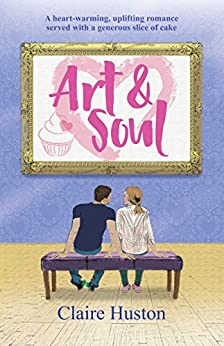
Clare Huston’s Art and Soul, reviewed by Jessie Cahalin

Wonderful story to chase away the winter blues.

This novel wrapped itself around me like a cosy blanket and took me to Becky and Charlie’s world. Becky, a life coach, is employed to fix the life of an artist called Charlie. Becky is kind and witty, and Charlie is the perfect brooding hero. This is a great premise for a dream narrative that tempted me into the characters’ lives. I loved Ronnie and the gorgeous cakes at Sweet’s. The friendship between Ronnie and Becky is so real and both characters are entertaining. But Becky’s observations about the characters are astute and made me giggle throughout. At one point she talks about someone’s ‘pompous glee so perfect it nearly melted her forehead’. Who wouldn’t want a friend like Becky? She is feisty, fun and can fix things. And you need to meet Charlie to discover his charm. An interesting observation on the dynamics of the modern family.

An entertaining romance!


Lauren Groff’s Matrix, reviewed by Kitty Wilson

A beautifully written story chronicling the imagined life of Marie de France who was banished to an impoverished abbey as a teenager. We follow Marie as she grows into a confident and authoritative woman who transforms the fortune of the abbey and the lives of the women she lives with. A powerful novel that examines gender expectations and roles in twelfth century Europe with all the dangers and pitfalls that accompanied life at the time. This novel is masterful, evocative and immersive, a powerful story of being female in the late Middle Ages. Highly recommended and I am excited to reread it.


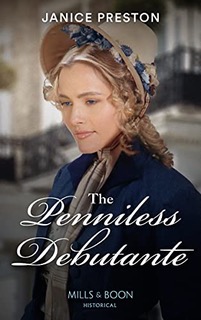
Janice Preston’s The Penniless Debutante, reviewed by Morton Gray

Aurelia Croome is almost destitute when she inherits a fortune, but there are strings attached to her inheritance, because the terms of the will forbid her from marrying the new Lord Tregowan. This doesn’t seem to be a problem on the face of it, but when she begins to socialise in London, the man she’s attracted to is no other than Maximilian Penrose—the new Lord Tregowan!

I devoured this book from the first page. I loved the fact that I had already read the stories of Aurelia’s half-sisters in the previous two books in the Lady Tregowan’s Will series – The Rags-To-Riches Governess and The Cinderella Heiress.

I devoured this book from the first page. Perfect escapism from a troubled world, I kept sneaking off to read more and I really think I should be kept on a constant diet of Janice Preston books, apart from the fact that I would get nothing done. Trademark Preston oh la la sensual scene and a great story. More please.


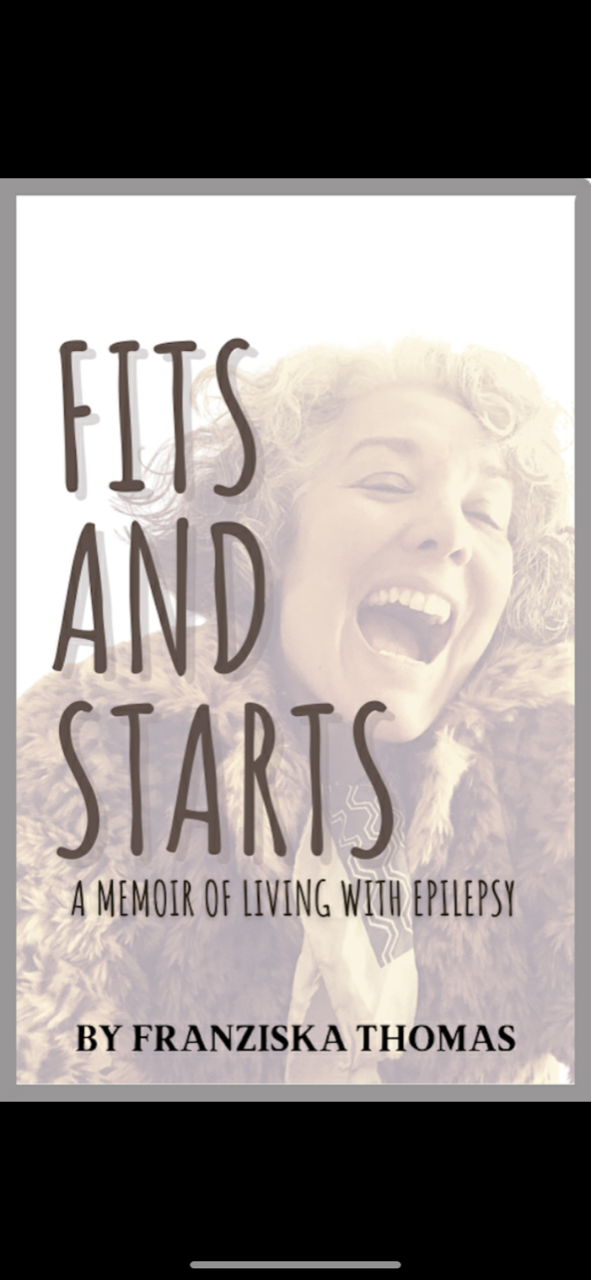
Fits And Starts by Franziska Thomas Book Review

Fits and Starts: A Memoir of Living with Epilepsy

Memoirs are brave at the best of times but in this blistering and profound book Franziska Thomas is the bravest of all. Fits and Starts brings us into the world of epilepsy and how hard it is to live with the condition. Yet this book is about thriving, not just surviving, There are so many moments of joy that bump along with the sadness. I was fuming at the paramedic who repeatedly slapped the author when she was pregnant, because he assumed she was a junkie. Franziska brings us totally into her world and asserts herself as a writer of immense talent. She has guts galore and is an advocate for epilepsy. I loved this brave and glorious book.

Fits and Starts: A Memoir of Living with Epilepsy

Fits and Starts has sold many thousands of copies making it one of the BESTSELLING books about living with Epilepsy. It is currently in the top 10 for the Amazon Audible charts and top 100 Kindle books published on Amazon.

Any questions you have about Epilepsy, either as an epileptic or someone who knows and loves an Epilepsy sufferer, your questions could be answered here.’Fits and Starts’ recently got 4/4 in a professional book review with the www.onlinebookclub.org and was nominated for their BOOK OF THE YEAR.

‘I understand this doesn’t look good. Please trust me when I say it isn’t as bad as it first appears. I’m not being ironical, facetious or glib. Physical pain is inevitable when you have a tendency to throw yourself around, suffering is optional.’

In 1992 Franziska Thomas had her first seizure and her whole world was turned upside down- literally. In Fits and Starts Franziska gives a compelling personal description of living with Epilepsy, an illness shrouded in secrecy and antiquated myths. Laden with self -deprecating humour she describes her own coming of age- as an epileptic, a teacher, and ultimately, a mother. She is alternately stubborn and mischievous, down trodden and determined.

Despite the constant set backs Franziska remains ever hopeful and instinctively refuses to conform to the role the outside world has chosen for her. This searingly honest and thought-provoking memoir is the story of the author’s fits, injuries, and memory loss, set inside the wider story of Epilepsy and society. Focussing on her own experience of repeatedly falling down, getting up, then falling down again. This is the second edition and includes some never seen before additions to the book.

About the author: Franziska has previously worked as a journalist and History teacher. She is currently working as an author and Fundraising Manager for a UK and Nepal based charity. She lives in London with her husband Tim, their children Oskar and Kurt and two misbehaving Maine Coons.


Fits and Starts is available here.

Top Books of 2021: A List of Brilliance.

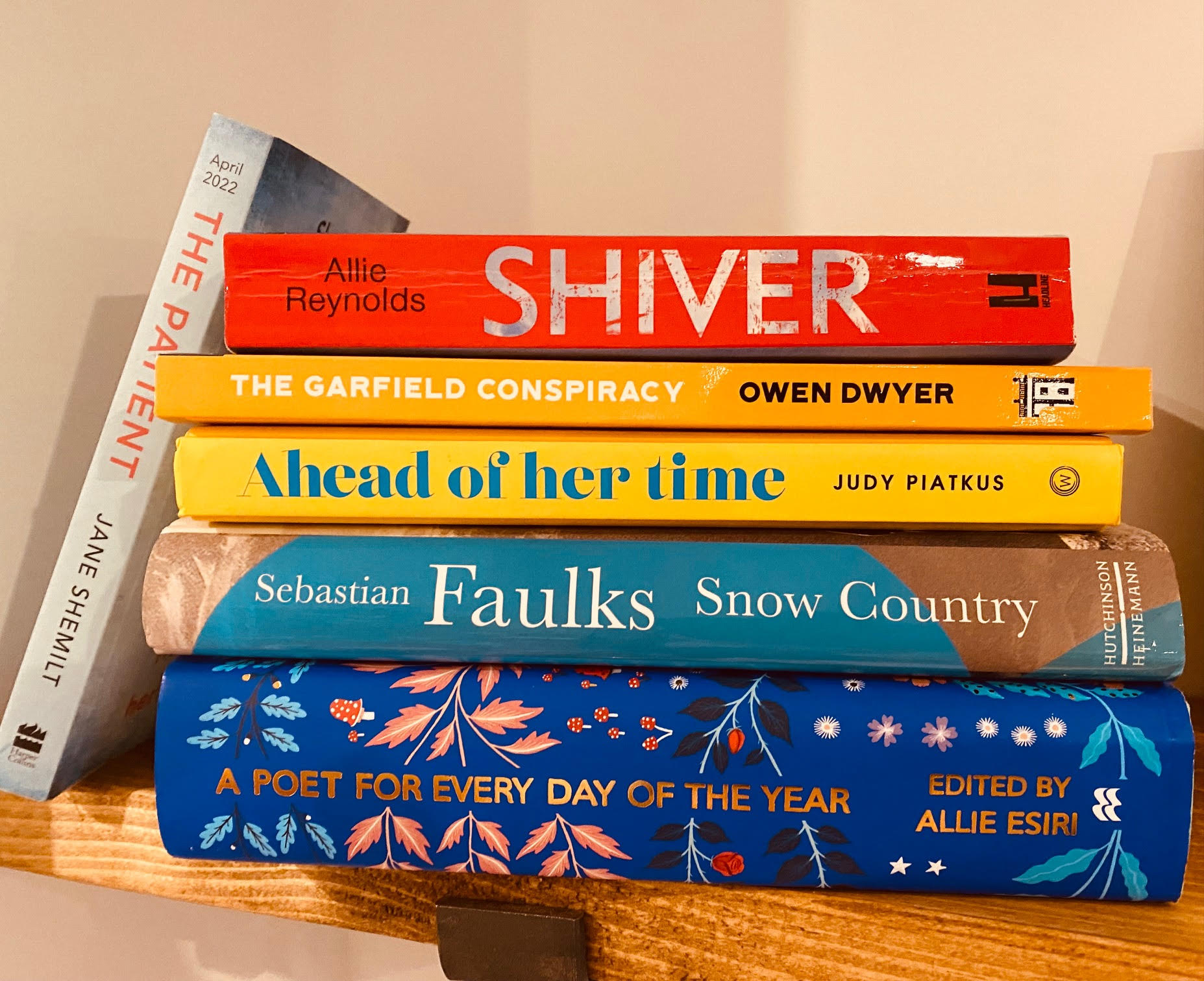
top books of 2021It’s that time of year where I try to whittle down all of the amazing books I have read into a short(ish) list. Each one is an essential read. So here goes…

Shiver by Allie Reynolds.

The Serial Killer’s wife by Alice Hunter.

Ahead of Her Time by Judy Piatkus.

The Garfield Conspiracy by Owen Dwyer.

Just Haven’t Met You Yet by Sophie Cousens.

Snow Country by Sebastian Faulks.

The Receptionist by Kate Myles.

The Perfect Marriage by Adam Mitzner.

Her Last Breathe by Hilary David.

Animal by Lisa Taddeo.

The Devil’s Advocate by Steve Cavanagh.

Water Memory by Daniel Pyne.

Autopsy by Patricia Cornwell.

Wild Girls By Phoebe Morgan.

One August Night by Victoria Hislop.

A Narrow Door by Joanne Harris.

Before She Disappeared by Lisa Gardner.

Perfect Timing by Owen Nicholls.

Magpie by Elizabeth Day.

Look What You Made Me Do by Nikki Smith.

Safe And Sound by Philippa East.

Perfect On Paper by Gillian Harvey.

A Poet  For Every Day of The Year by Allie Esiri.

And one for 2022: The Patient by Jane Shemilt.

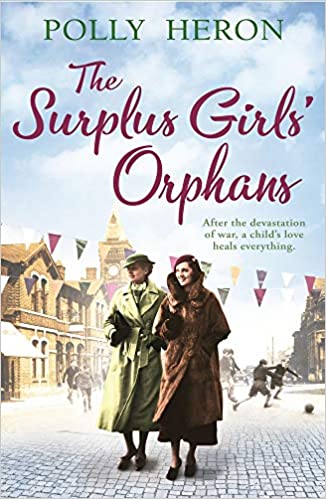
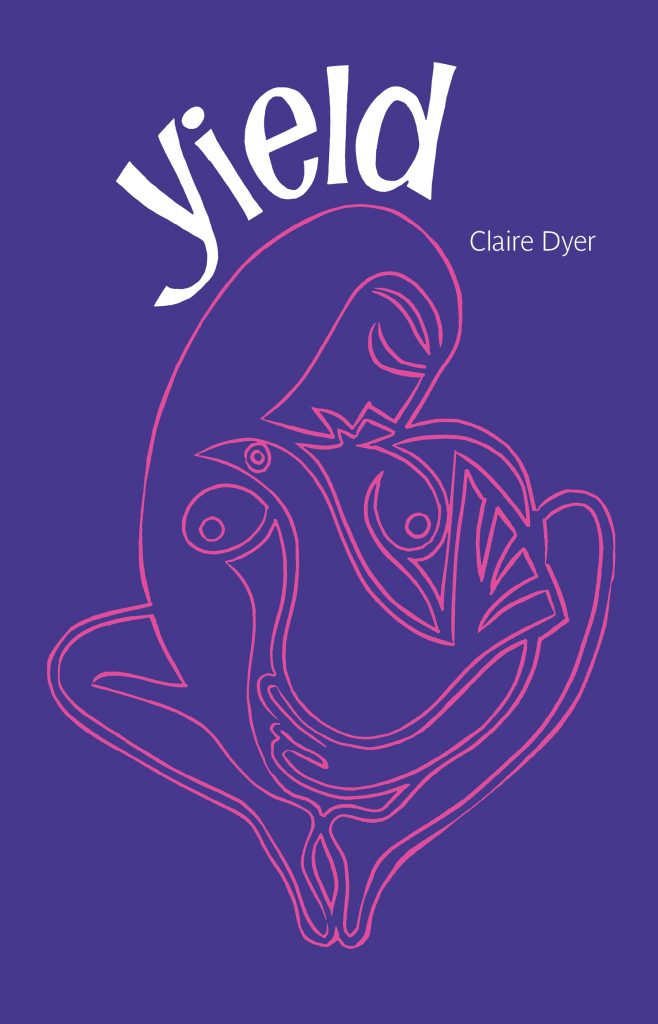
Frost editor Jane Cable chooses Claire Dyer’s Yield and Polly Heron’s The Surplus Girls’ Orphans as her books of the year.

What would you add?

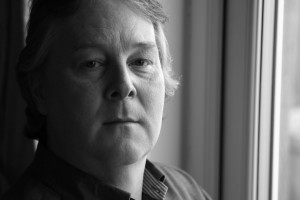
WELSH WRITING WEDNESDAYS: CHRIS LLOYD ON WALES AS A STATE OF MIND

Wales has an extraordinary breadth of landscapes and moods. From cities to hamlets, from rural idylls to the legacy of the mines. A beautiful country pockmarked by elements of its past that has learnt to make a virtue out of the ravages it’s experienced. It’s a landscape and a history that invite legend and myth to flourish, a haven for stories and storytellers.

So, if that’s the case, why do I set all my books outside Wales?

In many ways, Wales is a state of mind. A way of viewing the world – both our own and others – that is born of being a small nation. How I view the world, the places I’ve lived, the countries I’ve visited, is determined not just by where I happen to be, but where I happen to be from.

When I was twenty, I went to Spain for six months as part of my degree. I ended up going back there after graduating and staying for twenty-four years, twenty of them in Catalonia. My connection with Catalonia – initially the small city of Girona and then the big guns of Barcelona – was immediate. I felt an affinity with its history of being the smaller partner to a more powerful neighbour, a culture that had been denied and pushed and pulled about at various times, a language that had been banned and belittled, and a culture that continued to thrive despite everything it had faced. And I viewed it all through the prism of my own background.

And that is why, despite the richness of Wales as a setting, there was never any question in my mind that I should write about Catalonia. The problem was that I waited until I was living back in Wales before having the idea to write a book set there, a monument to my planning skills. Except it wasn’t a problem. Just as when I’d first gone to live in Catalonia, I found myself looking at Wales through new eyes and finally understanding how I felt about being Welsh, so writing about Girona from a distance actually helped me pin down my thoughts and feelings about my former adopted home. Oddly, I’ve found that to write about somewhere I love, I need a distance from it, which is probably one of my barriers to writing stories set in Wales – I live here.

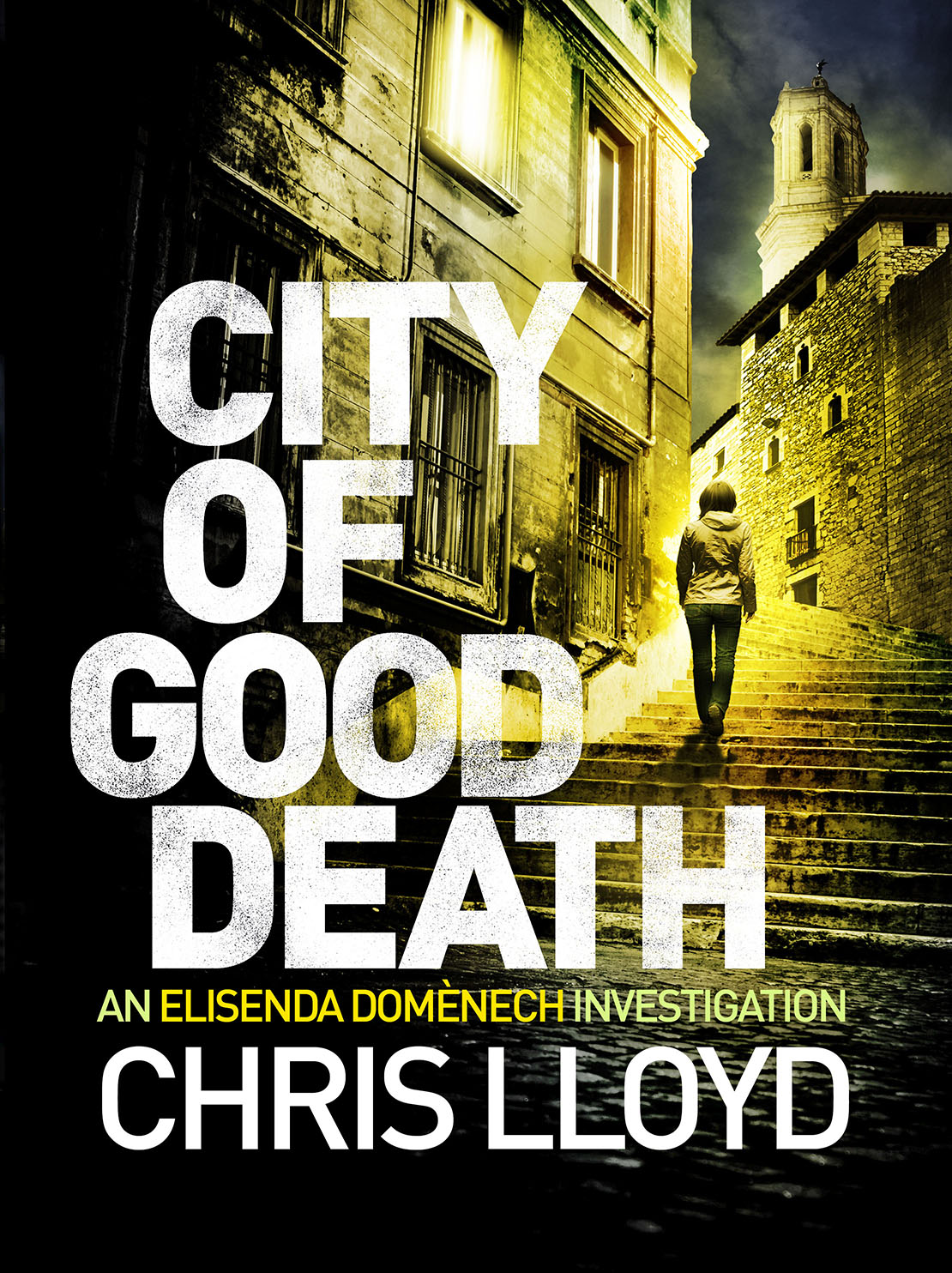
The first in my Catalan trilogy, City of Good Death, featuring Elisenda Domènech, a police officer in the newly-created Catalan police force, draws enormously from Catalan culture and the history and legends of Girona. A killer is using the Virgin of Good Death, a small statue dating from the Middle Ages, when it served to give convicted prisoners a final blessing before they were led out of the city to their execution, to announce the impending death of someone they feel is deserving of execution. Unfortunately, there are those in the city who agree and who applaud the killer’s every move. Until the victims become less deserving.

It was a similar passion that led to my new series, featuring Eddie Giral, a French police detective in Paris under the Nazi Occupation. I’d been fascinated for years by the notions of resistance and collaboration, and the blurred lines between them, but I wanted to write the story from a Parisian’s point of view, not the guns and guts heroism of the movies, but the day-to-day survival of ordinary people trying to get by. As near to the real history as possible. And I think that that is an essentially Welsh vision of life – an interest in society and community, an affinity with the underdog and the need to preserve a sense of self.


Follow Chris on Twitter: https://twitter.com/chrislloydbcn


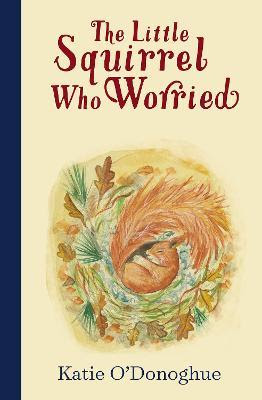
The Little Squirrel Who Worried: A Picture Book to Help Young Children Experiencing Anxiety

The Little Squirrel Who Worried


By Katie O’Donoghue


A beautifully illustrated picture book about overcoming

anxiety for young children to share with a parent,

teacher or mental health professional

  • children's book. anxiety
     A lovely, gentle story about conquering worries that any child will love, but particularly those who are in need a little bit of reassurance.


  • Author Katie O’Donoghue wrote and illustrated The Little Squirrel Who Worried while working for the Children’s Emotional Wellbeing Mental Health Service NHS last year during Covid 19. The book was created specifically to address cases of anxiety that she was seeing among young people every day.


  • A gorgeous gift for children who love to be read to and who love animals.


Little Squirrel hasn’t left his nest since last autumn. He needs to gather nuts for the long winter to come but he’s too worried to leave his cosy nest.


Luckily, Little Squirrel has lots of friends in the forest, from Wren to Snuffly Hedgehog, Grey Rabbit to Mister Fox, Old Badger to Great Stag. Will their encouragement and words of advice be enough to help Little Squirrel to venture out?


About the Author

KATIE O’DONOGHUE is a child and young person’s therapist with a background in fine art and design and a masters degree in Art Psychotherapy.


The Little Squirrel Who Worried is published by Gill Books available now in hardback at £11.99.   ISBN: 9780717192304

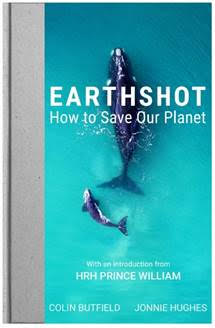
EARTHSHOT: HOW TO SAVE OUR PLANET by Colin Butfield and Jonnie Hughes

earthshot EARTHSHOT- HOW TO SAVE OUR PLANET by Colin Butfield and Jonnie HughesFollowing the recent Earthshot Prize ceremony and the crucial COP26 Climate Conference in Glasgow (31st October-12th November), we are all much more aware that we need to make serious changes to care for our planet. And now EARTHSHOT: HOW TO SAVE OUR PLANET tells us how we can do that.

EARTHSHOT: HOW TO SAVE OUR PLANET is the essential handbook to Prince William’s ground-breaking award, by Colin Butfield and Jonnie Hughes, long-time advisors to the award.

The book offers a guide to how we got to where we are today, with inspiring examples of how humanity is trying to set nature on the path to revival within these crucial next ten years. For those watching along at home, section three of their book focuses on practical things we can all do to make a difference, with excellent tips for people as they watch the coverage over the coming weeks and consider what they can do at home. Our individual efforts can make a difference, and the authors are optimistic at what can be achieved if we work together.

EARTHSHOT is written by Colin Butfield, former executive director at the international conservation charity WWF, and multi-award-winning producer/director Jonnie Hughes. Colin and Jonnie are creators of BBC One’s new landmark 5-part EarthshotPrize TV series, as well as the phenomenally successful documentary David Attenborough: A Life on Our Planet. Their involvement with The Earthshot Prize allows them unparalleled access to the people, science and imagery behind this inspirational project.

As the definitive book of the award – the most prestigious environment prize in history, with a mission to scale the best solutions to repair our planet – the book draws on a phenomenal range of voices including an introduction from Prize-founder Prince William and contributions from leading global figures: broadcaster and natural historian, Sir David Attenborough on protecting and restoring nature, former astronaut onboard the International Space Station Naoko Yamazaki on cleaning our air, singer and philanthropist Shakira Mebarak on reviving our oceans, Christiana Figueres, co-founder of Global Optimism and former UN Climate Chief on fixing our climate, and environmental activist Hindou Oumarou Ibrahim on building a waste-free world.

This timely and definitive book of The Earthshot Prize, along with the Earthshot prize and TV series, will be crucial in moving the dial on climate change.

We loved this book and we reckon you will too.