Worth

Frost fiction, short stories, poems, non fiction, fiction.

The woman flicked the notes carefully through her fingers, tapping the stack of cash against her desk and peering up over her horn-rimmed glasses.

“Not police?”

The man shook his head.  There was a note of threat to the question and he turned away, fixing his gaze through the doorway, his heart racing.

Silken bronze skin swept beneath long curls of onyx hair.  Asian eyes were lidded and docile.  The woman he desired tugged her skirt over a blackened bruise.

“You like?” the Madame slipped the money into a draw, her finger stroking a pistol.

“Yes.  Very much,…”

Note from the Author:  “This story is based on an event I witnessed personally many years ago, while in Soho for an audition. I didn’t catch much of the conversation – just a man and a woman trying to tempt him into a doorway. The words “Not Police” are forever etched in my mind. It made me so sad.”

Another in our series of 100-word short stories by Tim Austin. Whatever genre you love, there’s a story you’ll enjoy over at onewordonestory.org.

Come back on Tuesday for another. See you then!

Torn

Frost fiction, short stories, poems, non fiction, fiction.

Eddie’s mouth was hanging open.  He wasn’t entirely sure what had happened.

Around him people were staring, forks held comically close to mouths, awkward coughs and murmurs circling the room like sharks.  Behind him a door slammed closed.

“Can I get you a towel, sir?”

The Maître D remained professionally aloof but Eddie could see sympathy in his eyes.

“I,…. think I’ll have the bill, please.”

Eddie picked up the two halves of paper, her telephone number shredded.  They’d been talking about their blind date.  She’d asked what he enjoyed.

Somehow “Chilling to Netflix” was the wrong answer.


Another in our new series of 100-word short stories by Tim Austin at onewordonestory.org. Whatever genre you love, there’s a story you’ll enjoy.

Come back on Friday for another. See you then!

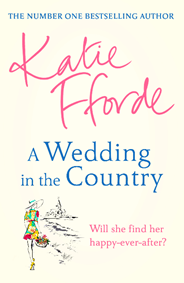
A Wedding in the Country By Katie Fforde Review

Katie Fforde a wedding in a country

Katie Fforde is a writer who needs no introduction, such is the weight of her talent and accomplishments. She is a national institution. Each one of her books is eagerly awaited and I cannot pretend I was not excited to receive this one. A Wedding in the Country is the perfect novel for these times. It is set in the 1960s which is a decade I have always loved (despite being born a few decades later). It is the perfect book to get lost in. The book has so much depth and I felt like I had been transported to another time. I loved the character of Lizzie and I could not wait to follow her journey. Get your hands on a copy of this dazzling book now. It is like a hot bath at the end of a tough day,  perfect up-lifting escapism.

This book is the most autobiographical for Katie Fforde. The book follows Lizzie who has arrived in London to do a cooking course, which Katie herself did, and Lizzie meets two other girls who become her best friends and moves into a run-down house in Belgravia. Her mother is determined she should have a nice wedding in the country to a Suitable Man chosen by her. But Lizzie wants to have some fun first.

Thank goodness for Katie Fforde. The perfect author to bring comfort in difficult times. She really is the queen of uplifting, feel good romance.’ A.J. Pearce

 Katie Fforde lives in the beautiful Cotswold countryside with her family, and is a true country girl at heart. Each of her books explores a different profession or background and her research has helped her bring these to life. She’s been a porter in an auction house, tried her hand at pottery, refurbished furniture, delved behind the scenes of a dating website, and she’s even been on a Ray Mears survival course. She particularly enjoys writing love stories. She believes falling in love is the best thing in the world, and she wants all her characters to experience it, and her readers to share their stories.

A Wedding in the Country is available here.


My Writing Process KL SLATER

After years of unsuccessfully trying to get my stories noticed from the slush pile, I went back to university to study for an MA in Creative Writing at the age of 40. Before graduation I’d secured both a literary agent and a book deal. I’m now a full-time writer and live in Nottingham. Sounds quick but it took a long time, if you count the ten long years of prior rejections.

What you have written, past and present.
I wrote four Young Adult books between 2014-2018, published by Macmillan Children’s Books. Then in 2016 I moved back to writing my first love: adult psychological crime fiction and that’s what I write exclusively today for Hachette’s Bookouture, a digital-first publisher. Audible publish my audiobooks and I’ve also written two Audible Originals exclusively for them. I’ve just written my fifteenth adult thriller.

What you are promoting now.
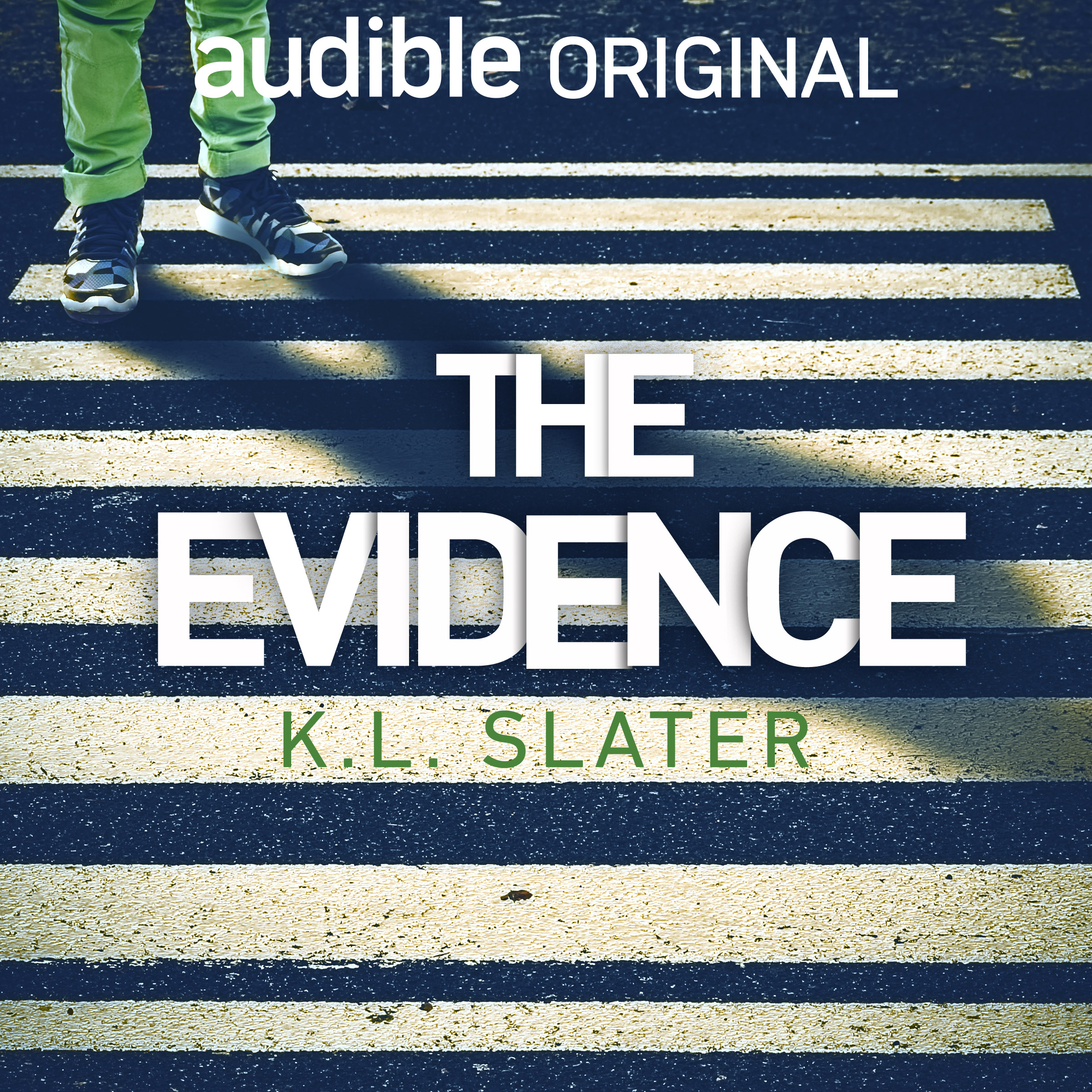
THE EVIDENCE, a psychological thriller I’ve written exclusively for Audible published 11th February 2021.

A bit about your process of writing.
I work best during the morning. This discipline is a throwback to working a full-time day job and writing between 6-8 am before I went out to work. Sometimes I write in bed immediately after waking and, on a good day, I can get a couple of thousand words down before I get up. But usually, after reading and surfing online for a while, I go downstairs to my office and start work between 8 and 9 am. In pre-lockdown days we’d go out somewhere in the afternoons. Remember that?

Do you plan or just write?
I used to just write a short blurb and that was the extent of my natural urge to plan. But writing commercial thrillers and a few a year, means I now have to plan the book more thoroughly … thoroughly for me, anyway. I’ll do a long outline which I agree with my editor and then add to it as I start writing. I don’t know a lot about the story at the beginning of the process, I just have my initial idea and a sense of how I want it to feel. It doesn’t mean the plot can’t differ from the outline – it nearly always does – but in order to provide the twists and turns the modern reader expects, there has to be some element of planning.

What about word count?
I write a few books a year so it’s essential I’m disciplined about achieving minimum daily word counts when I begin a first draft. I try and get a basic draft down in no more than a couple of months so I’m looking at 1-2k a day. I often add substantial word count during structural and line edits. Sometimes I like to use an app on my phone called Focus Keeper. The ticking timer drives some people crazy but it keeps me … well, focused.

How do you do your structure?
I tend to draft out my initial outline in the form of five acts to start writing to a recognisable shape. But I’m not a slave to a turning point at 10%, another at 25%, that kind of thing. I just find it a useful template to get me started.

What do you find hard about writing?
Stopping. I find it so hard to break off or have a whole day off so I have to force myself as there’s a real world out there and real people I care about and want to spend time with. I’ve found getting out of the house is key to breaking the spell. I’m constantly striving to achieve that illusive but tempting cliché: work-life balance.

What do you love about writing?
I love how the world and characters I’m writing seem so real. I love that I’m earning a great living doing something I would do – and for many years did do – for free. And I love writing digital-first; it’s incredible that 6-8 months after having a new idea, the book can be out there.

Advice for other writers.
Write. Sounds obvious but most writers I know, myself included, have a precarious state of mind that is prone to self-sabotage and procrastination. So many new writers – I used to be one of them – spend too much time striving for perfection instead of getting the book down and then using editing as a powerful tool to refine the story. It’s really hard to get something good the first time around. I like to think of the writing process as a kind of sculpting: starting with a lump of clay and through many stages and revisions, finally ending up with something good.

The Evidence by K.L. Slater is available exclusively on Audible now.

Faith

Frost fiction, short stories, poems, non fiction, fiction.

Jeanie held her arms out to each side.  The balls of her feet balanced against the edge of the stage: her heels hung in the air.

“That’s it, Jeanie: now fall back and the other girls will catch you,” the teacher cooed.

“Well of course they will,” Jeanie thought.

She knew them.  Jeanie knew they’d do exactly as they were told.  Jeanie had dunked the geeky one’s head in the toilet just last week.  The spotty one still had a bust lip.

She closed her eyes and fell backwards.

There was a giggle.

Promo Image by Charlie Foster via Unsplash.

The first in a new series of 100-word short stories by Tim Austin at onewordonestory.org. Whatever genre you love, there’s a story you’ll enjoy.

Come back on Friday for another. See you then.

Bookshop.org Generates £1 Million for Independent Bookshops in Just Four Months

bookshop

Chener Books (London)

200,000 customers flock to ethical ecommerce platform, as book buyers vote with their wallets to support the high street while shopping online

Independent booksellers report that Bookshop.org has helped them avoid putting staff on furlough, attract new customers, build an online presence, feel connected to their customer community and even open new stores

 Bookshop, the book buying site that empowers socially conscious shoppers to financially support independent bookshops when shopping online, has generated over £1million in profit for indie booksellers in just over four months of trading, with over 200k customers embracing the new platform to date.
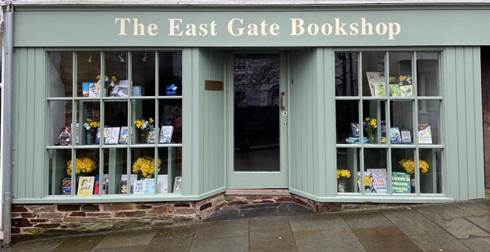
The East Gate Bookshop (Totnes);

At a time when the majority of the UK’s bookshops have been forced to close their physical stores due to lockdown restrictions, by choosing Bookshop.org book-buyers have generated over £1million in profit for the 410 independent bookshops using the platform.

 As of 4 February 2021, 82 per cent of sales on Bookshop were generated by titles selling four or less copies each, and 54 per cent from titles selling a single copy, demonstrating how the platform helps draw attention to books beyond bestseller lists and celebrates diversity within the publishing ecosystem.

Booksellers using the platform have reported the many ways in which Bookshop.org has been a financial lifeline in a particularly challenging time, with the additional income allowing many to avoid furloughing staff, pay out Christmas bonuses, strengthen their online presence to better compete online, and even open new stores.

Miranda Peake from Chener Books, London, who likewise hasn’t previously had the resource for online bookselling, reported new customers discovering her shop online: “I had no expectations when we joined Bookshop.org in November, but it was very successful for us right from the word go. I haven’t had the time or resources to set up an online shop, so having a well-managed, efficient and lovely looking website to direct customers to has been absolutely brilliant. It’s been so gratifying to see so many of our regular customers using the website, as well as lots of new customers, friends and contacts from further afield who are not able to visit the bookshop but want to support us. We are enormously grateful to be part of this initiative.”


Nigel and Claire Jones were able to open The East Gate Bookshop in Totnes in December. The co-founders said: “The positive impact of customers being able to buy from our shop has been immense. And it’s not just the revenue that Bookshop.org creates – which of course is essential. Having an online presence confirms to our customers that we are a ‘proper’ professional retailer; it’s what’s expected, but we’d never have the skills, time or the deep pockets to operate online at all without Bookshop.org. Bookshop.org arrived in the nick of time for us, I honestly don’t think we could have managed financially and emotionally without it.”


Bookshop.org offers an ethical online marketplace that ensures independent bookshops receive 30 per cent of the cover price from each sale they generate on the platform. Moreover, 10 per cent from any sale not attributed to a specific bookshop goes into the shared profit pool. In addition, a number of publishers – including Canongate, Atlantic, Murdoch, Profile, Serpent’s Tail, Faber, Pushkin Press, Scribe, Nosy Crow, Simon & Schuster, Pan Macmillan, PRH, Hachette, Usborne and Europa Editions – have chosen to forego their 10 per cent affiliate commission and opted for it to go into the shared profit pool, to be split equally by independent bookshops using the site.

A recent survey conducted by the Booksellers Association found that 80 per cent of booksellers had a “good” or “very good” experience of using Bookshop.org to date.

Meryl Halls, MD at the Booksellers Association, commented: “The £1m milestone for Bookshop.org is a remarkable moment for indie bookselling, and in the fight against Amazon’s dominance in the book market over the last 10 months.   For those booksellers using the platform, Bookshop.org has provided a lifeline, often, and an additional sales channel, to indie booksellers forced to close and otherwise struggling to provide an ecommerce offer to their loyal customers.  The team at Bookshop.org deserve huge credit for the speed of the launch, the empathy and openness they’ve shown to booksellers and the supportive community they’ve created for their users.    In our newly hybrid world, the need for online bookselling is not going to abate, and we are delighted that indies are now able to join the other high street booksellers, Waterstones, WHS, Foyles and Blackwells, in reaching book-buyers online – and we urge publishers and authors to link to specialist high street booksellers online, rather than lazily linking to Amazon, who certainly don’t need the money.”

 With over 6,000 affiliates – spanning publishers, authors, book bloggers and beyond – using the site to support bookshops, the early success of Bookshop.org has been welcomed by many publishers:


Stephen Page, Chief Executive at Faber, said: “A clear truth that has been emphasised this past year is that independent booksellers play a key role for readers in their discovery of a wide range of interesting books. The arrival of Bookshop.org ensures that independents now have a great partner whose service allows them to offer both a brilliant online and physical service to their customers.”


Bookshop was founded with the belief that independent bookshops are vital to our culture. As consumers are increasingly realising that where they spend their money matters, Bookshop.org offers an entirely new approach to online shopping, giving customers the power to support the local high street when they buy books online.


Highlighting recommendations from real booksellers, authors, publishers and beyond, Bookshop.org takes a human approach to book curation that avoids relying on algorithms, reflecting the unique browsing experience of a physical bookshop. Authors who have supported the platform by curating reading lists have often increased sales of the books featured, including: Elena Ferrante, Malorie Blackman, Marian Keyes, Nikesh Shukla, Julia Quinn, Edmund de Waal, and more.



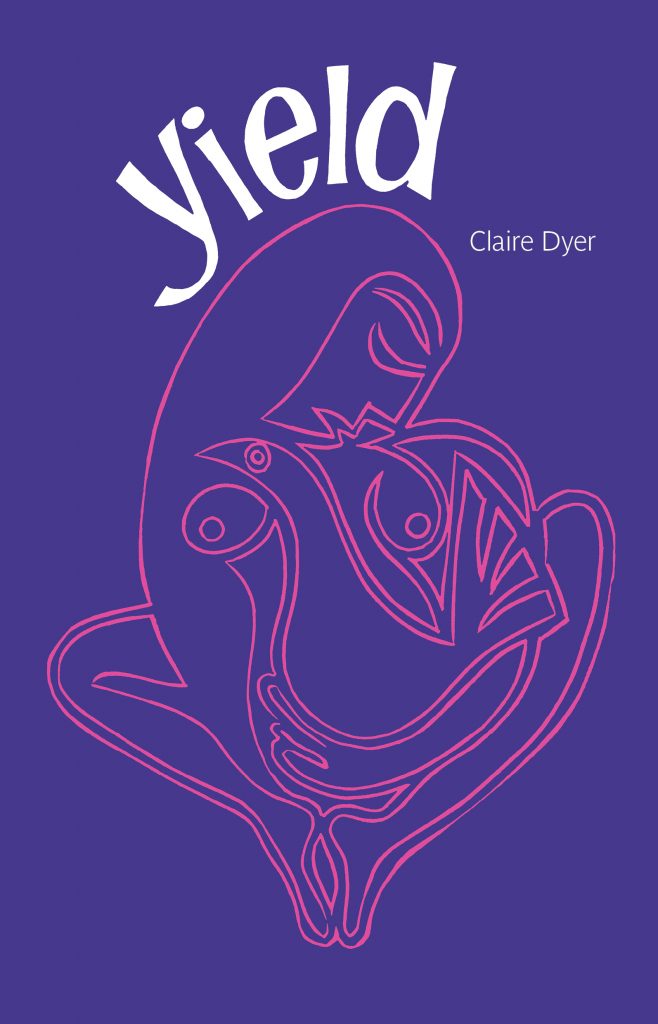
YIELD – CLAIRE DYER’S MOVING AND DEEPLY PERSONAL POETRY COLLECTION ABOUT HER CHILD’S TRANSITION FROM SON TO DAUGHTER

Reading Claire Dyer’s latest poetry collection, Yield, is to share an intimate journey told in a way very few people – if, indeed, anyone else – could tell it.

A collection of poems that tell a recognisable story is a rare and beautiful thing, but at times this story is not beautiful, although it does have a happy ending. As a mother, how do you feel when your son comes home and tells you that they are really your daughter? What does it mean to accompany them through their transition from one to the other?

The order of poems in any collection is key and Yield is punctuated by poems with the same name, but numbered; Yield, Clinic, Coming Out. They give the book unity and rhythm, and show the reader the key elements of the transition process, the ones that I guess everyone would go through.

Some readers find poetry difficult; I think because some poets consider their role is to obfuscate, but Claire Dyer’s style is very different. There is a clear communication of ideas, through a clever use of everyday language, for example the opening lines of Abroad:

“the waiters mistake us for sisters.
No, we say, laughing.

We know they know we’re not,
but we’re more than

who we seem.”

In this poem and in others there is a real sense of storytelling; vignettes from mother and child’s life before, during and after the transition process. Fireflies is about a sleepless winter night; the stunning Doing Cartwheels at the Ritz speaks for itself; Wardrobe the heartache of a mother clearing boyhood clothes – which has a truly joyful counterpoint in Shopping:

Let us go then, you and I, to Primark, Zara, Reiss.
The sky’ll be brilliant and,

around us, shoppers will burst into song,
dance on the up escalators and the down

as we load our arms with gorgeousness,
lacework brushing our shins.”

I do wonder if one of the reasons I love this poem so much is because I know Claire to be an expert shopper; so elegant in her own dress, and generous in her time to help those less  ‘expert’, like me. I remember once we spent hours in Reading as she guided my choice of the perfect handbag, which I would point out that was no mean feat as I detest shopping and had multiple – and not always compatible – criteria, for even this simple requirement.

There are other moments depicted in Yield that, having been alongside Claire for at least some of this journey, I recognise. To have listened as Claire talked about her son becoming her daughter, inch by painstaking inch, was a privilege and I was proud to be confided in, but not being a mother myself there was so much I could not understand.

Not least was that for a long time we called Lucy ‘L’. Having read one short poem, I now get it completely. And that is what great poetry does; it increases our understanding.

I wrote your names

                 with a knife on my heart and voiced them
in black ink and blue ink   I typed texted

and dreamt the names you were meant to pass on
that you’ve passed on now you have names

I can’t say because try as they might they’re not in my chest like
the rest that are still holding fast to the bones

in my back and my neck and my mouth is full
of dry grasses rivers and trees”


Yield is Claire Dyer’s third poetry collection and is published by Two Rivers Press.


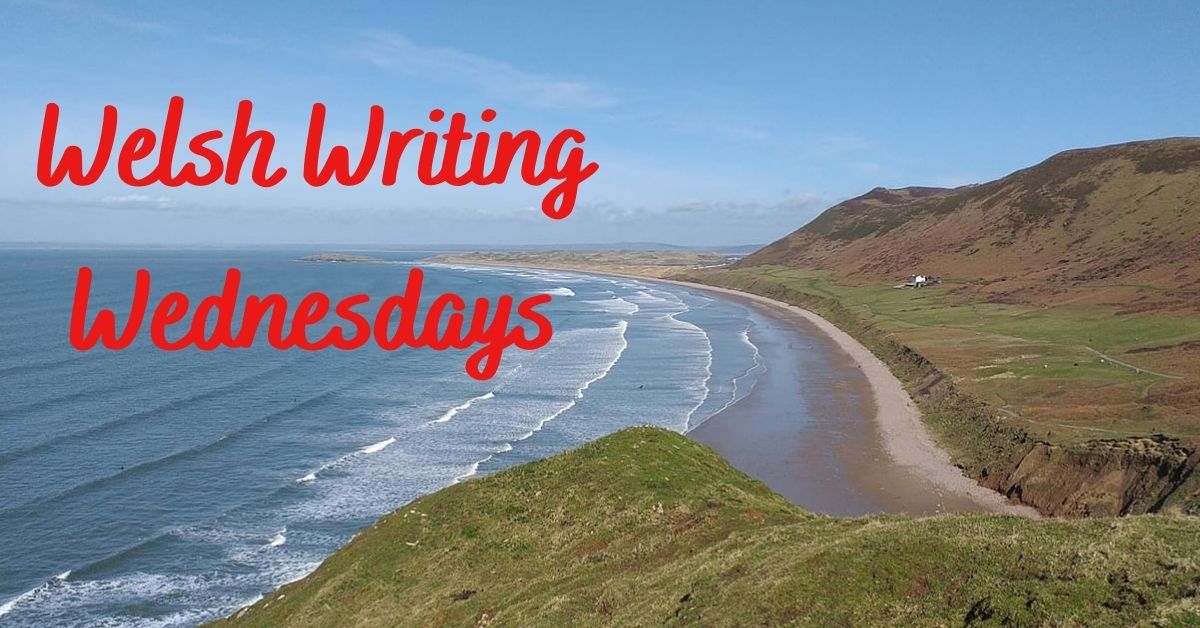
WELSH WRITING WEDNESDAYS: EVONNE WAREHAM ON WALES AS A SETTING FOR FICTION

You’ve probably noticed that many romance novels and some crime stories are set in picturesque locations in the British Isles – Scotland and Cornwall are particular favourites.You don’t get books set in Wales quite so often, although dramas like The Pembrokeshire Murders are putting Welsh settings on the screen.

I’m a Welsh writer, living on the South Wales coast, who once worked for the National Parks. That’s a lot of baggage. I’ve set books in Wales in the past and am ambitious to do more. I write in the genre romantic suspense, which is better known in the USA, less so on this side of the Atlantic. If you’ve read books by Nora Roberts, Karen Rose or Karen Robards you’ll have an idea of what I am talking about. Those books are set in places like Sacramento, Washington and New Orleans, or sometimes in the American farmlands or backwoods.

It’s not so much the Welsh urban settings that appeal to me – although I’m sure that Cardiff and Llandudno can be interesting locations, if not sounding quite as glamorous as New York or Los Angeles. The attraction of Wales for me is the potential of the rural and coastal landscape, and the way that it can be turned in two directions. Wales is blessed with mountains, big skies for cloud watching and star gazing, and a beautiful and dramatic coastline, accessible from a coastal path that circles the entire country.

Is there anything more romantic than a deserted beach at sunset on a warm summer evening? A place for lovers to discover each other. But give the story a twist – the same beach in winter, or at night, with a storm blowing, and you have the backdrop for mayhem. A seaside or country cottage can be an idyllic bolt hole from the world or a deserted and lonely trap, with a heroine on the run. Writers think about these things. I’m often told that taking a walk with an author who is sizing up the surroundings for a good place to bury a body is a disconcerting experience. You get the picture.

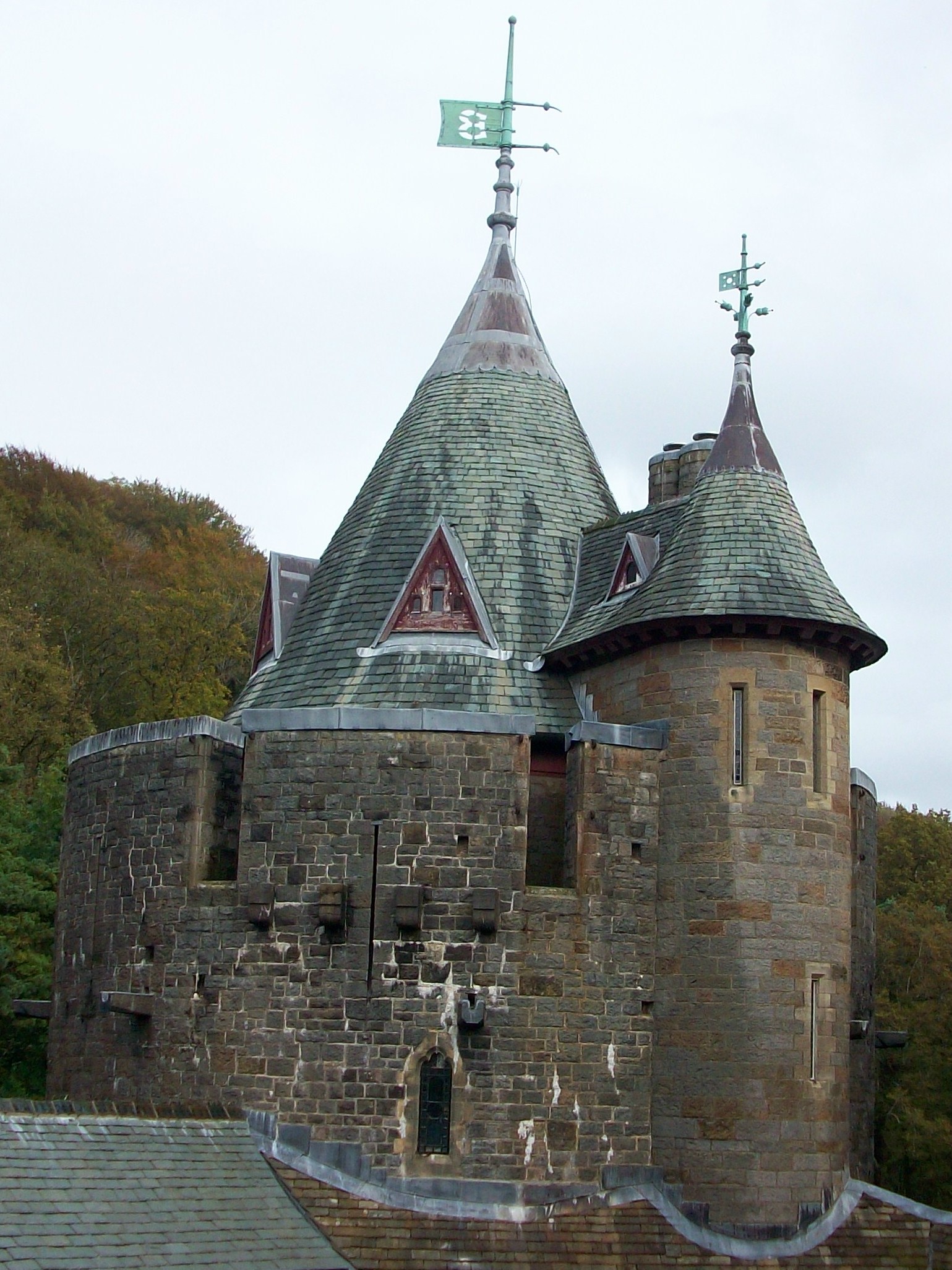
The historic legacy of Wales, from castles to folklore, is another attraction. Welsh castles range from Castell Coch, a quirky Victorian Gothic Revival built on thirteenth century foundations, to massive medieval fortifications like Caerphilly, which were anything but quirky. The myths and legends of Wales are rich in magic and the supernatural. Traditional customs, like the Mari Lwyd, a poetic wassailing party featuring a horse’s skull, have plenty to tingle the spine.

There is also the attraction of the natural world. One of the perks of being an author is the ability to make your own weather, and Wales has plenty of that to choose from. If you need a fierce storm to strand your hero and heroine together, you’ve got it. Two of the things I like to play with as a writer are the impact of silence and writing against expectation of the setting. The silence of a lonely location can be peaceful or sinister, or even better, progress from one to the other.  A setting can echo a character’s mood – like a wet day reflecting bad news, but it can be very effective when bad things happen in good places. Being surrounded by beauty and sunshine can make a threat even more devastating.

Those are the things I get from setting a book in my home country. For me the landscape has romantic beauty and a wild and potentially sinister edge. As a Welsh writer, I want to be able to share that with readers.