The Reminders By Val Emmich Book Review

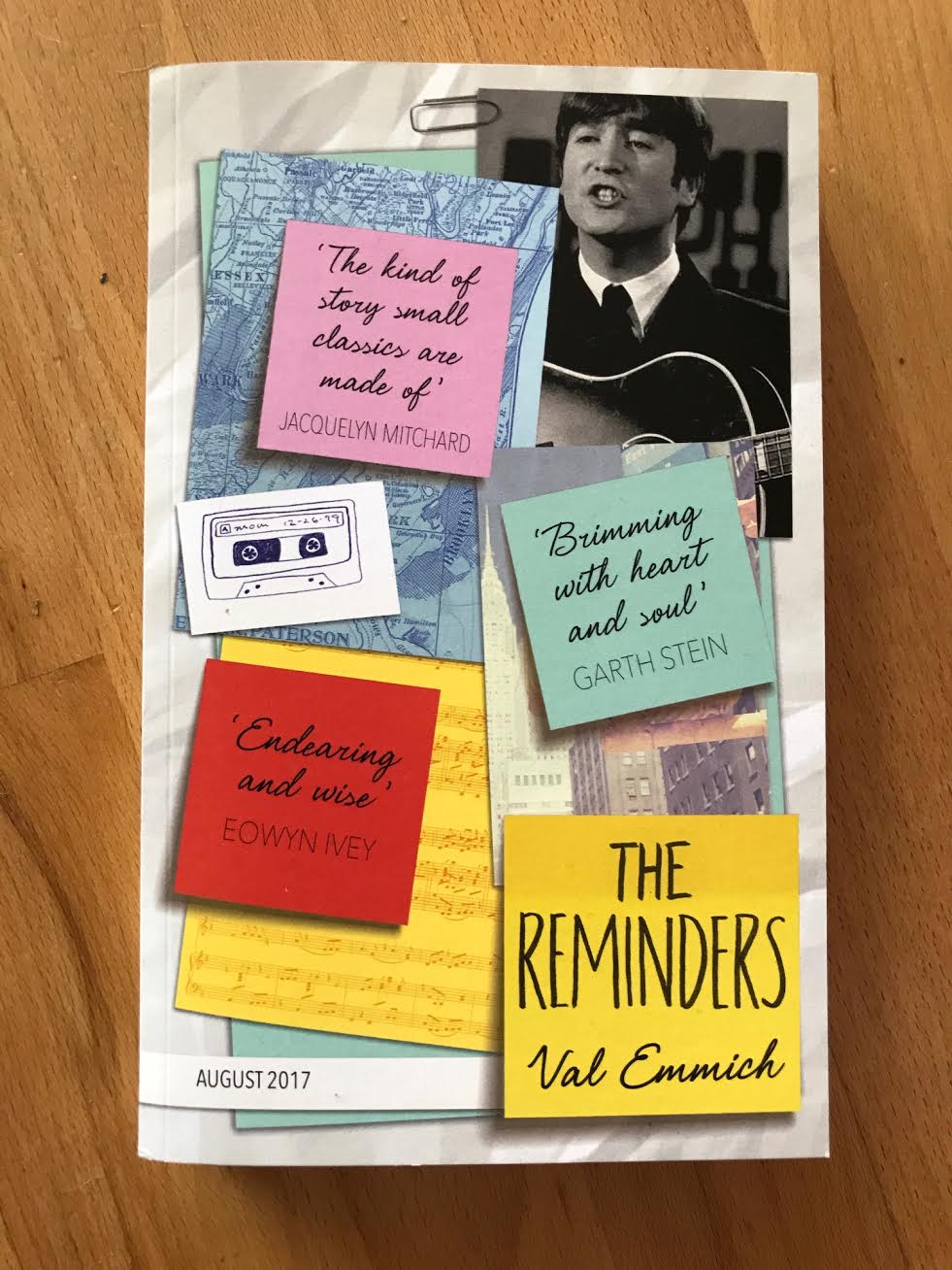
The Reminders By Val Emmich has a very interesting premise: a man who wants to remember, and a little girl who wants to forget. It is a wonderful concept but not all great concepts make great novels. Luckily for Val Emmich The Reminders does work. It is a novel which is both happy and sad, funny and painful. It is well observed and has just the right hint of melancholy.  It is a beautiful story of an unlikely friendship. The Reminders is ultimately a heart-warming novel that will lift your spirits, while also making you just a little bit sad, but in a good way. Yes, that is possible. Recommended.


Overcome with the loss of his boyfriend Sydney, Gavin Winters has set fire to every reminder in their home. A neighbour has captured the blaze on video, turning this little-known TV actor into a household name. Gavin flees LA for New Jersey, where he hopes that ten-year-old Joan, the daughter of a close friend, can reconnect him with the memories of Sydney he is now in danger of losing for ever. 

Joan was born with a rare ability to recall every single day of her life in perfect detail, and in return for sharing her memories of Sydney, Gavin will help her write a song for a local competition. For Joan has had enough of being the girl who can’t forget – she wants to be the girl who will never be forgotten . . .

Charming, beautifully observed, poignant and funny, The Reminders by actor and musician Val Emmich is an irresistible story of the unlikely friendship between a grief-stricken man who can’t remember and a ten-year-old girl who can’t forget.

The Reminders By Val Emmich is available here

Dubbed a “Renaissance Man” by the New York Post, Val Emmich is a writer, singer-songwriter, and actor. He has had recurring roles on Vinyl and Ugly Betty as well as a memorable guest role as Liz Lemon’s coffee-boy fling, Jamie, on 30 Rock. Emmich lives in Jersey City, New Jersey, with his wife and their two children. The Reminders is his first novel.

Published 10th August 


In the World’s Shadows By Christopher Hamilton | Recommended Books


In the world's shadowsSYNOPSIS

In the World’s Shadows is a testimony to the redemptive power of love, creating hope in the bleakest of times.   It follows Christopher’s life, from a young child in colonial India, who moves with his glamorous mother to South Africa during World War II.  After she gets involved with a domineering, heavy drinking businessman, Christopher is packed off to England, to boarding school and a father he can’t even remember, a father whose lack of warmth stems from his own suffering in fighting against the Japanese in Burma and taking the surrender of the Japs at Kuala Lumpar in 1945.

While telling the story of a family, the book sets their individual tragedies (and comedies) in the context of momentous events of the 20th century. It is told through people who lived with the tribulations wrought by the abhorrent evils of World War II and of Apartheid. It is largely a story of South Africa, recognising Mandela’s tortuous path to freedom for his beliefs. It shows the suffering of the black peoples, but also the dedication of some whites, such as Christopher’s Aunt Babs, in working to support them in their quest for survival and freedom.

In England, Christopher hungers for his beloved South Africa, his family, the farm he knew.

Eventually he does return, bereft after the loss of his beloved wife, Anne, taken by a crippling illness. He must now attempt to find a new path through life, alone.  His desperate grief leads him to take many wrong turns, but family and friends – not least Aunt Babs, now a nun, offer Christopher a glimpse of a less troubled, more bearable, future. Finding inner strength, he is able to offer support to Sarah, a woman trapped in her own unhappy world, and they build a new life together – not a “happy ever after” ending but a loving relationship that makes life worth living.

The book is an unflinching record of human cruelty and frailty, but also of resilience, love and the ultimate victory of hope over despair.

Reviews:

The novel is an easy read, with writing that creates vivid pictures of various places and people depicted. It movingly describes quite a lot of suffering, directly through the experience of Christopher as he grows up, and indirectly through the background of war, apartheid and debilitating illness. However, it is not a depressing read, but is a book of hope and faith and humour.

Pauline Ashall’s review on Goodreads

When I read the Synopsis of “In the World’s Shadows” by Christopher Hamilton I immediately wanted to buy a copy. I was not disappointed. The novel is well written with an easy style. It is a very moving story and whilst if depicts the suffering and grief of a young boy growing up in different continents, it is a story full of hope, love and comedy with a “Happy Ever After” ending.                                                                                                       It was an amazing book which I couldn’t put down. When my grandfather read the book for a second time he said it was even better than the first.

Tori Burman’s review on Amazon

The Synopsis and Preface are a great beginning to a story that gripped me more as I kept turning the pages. I found tit compulsive and comfortable reading. Very soon I had a good knowledge of the real characters from saint to sinner, sending out a message of cruelty, despair, love and hope. The novel depicts the suffering and grief. It is also a story full of hope, passion, love and comedy, with a “Happy Ever After” ending. The author paints a picture as vivid as any film. My family and friends will be buying the book at the Launch Party on July 19th in Bath.

George Morgan’s review on Austin Macauley (publisher)


“In the World’s Shadows” author Christopher Hamilton (nom de plume for Chris Doveton-Gerty) is published by Austin Macauley and is out now.

The book will be available in Hardback (ISBN 9781787108226) Paperback (ISBN 9781787108219) E-Book (ISBN 9781787108233)


A Break From Business: Holiday Reading: Jane Cable on fiction from Cornwall, her adopted county

The question I’m asked most frequently since moving to Cornwall is ‘so are you going to write a Cornish book now?’ The answer is that I’m in no hurry to, but in that I seem to be alone and with so much fiction set in the county I thought I’d pick out a few which would make great holiday reading.

Old favourites

I would have to start with Daphne du Maurier’s Rebecca, in many ways the ultimate in romantic fiction with a seriously heavy twist of suspense. The beautiful house by the sea, the spooky aged retainer and the dear departed wife in the background, it has it all – especially as it didn’t resolve in the way I expected.

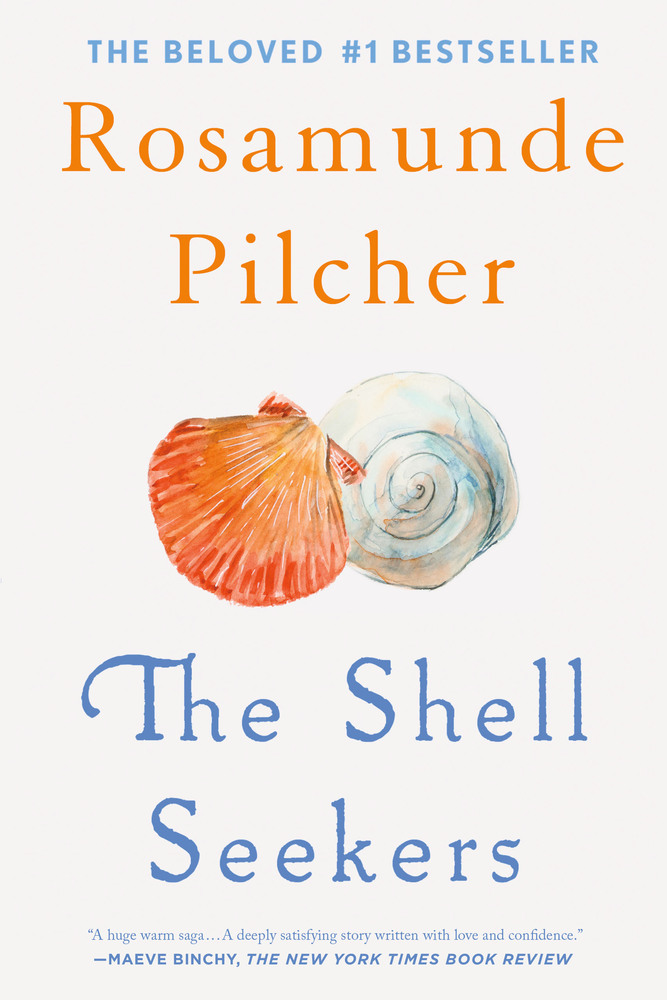
Also a classic is Rosamunde Pilcher’s The Shell Seekers which is in part set in Cornwall and known to readers of this column as my favourite book. The characters are so superbly drawn they could break – or make – your heart every time. But almost as good and often forgotten is Pilcher’s Coming Home, a saga which starts in Cornwall in the late 1930s and follows the heroine and her adopted family through the Second World War.

Another writer from my youth associated with the county is Mary Wesley. Camomile Lawn is her most famous Cornish novel and always a popular choice but I enjoyed Harnessing Peacocks far more. I like her heroine Hebe’s unconventional take on life – it seems especially suited to a backdrop in Cornwall.

In a totally different vein is Patrick Gale’s Notes From an Exhibition which perfectly captures (for me, anyway) the artist community at St Ives. The book tells the story of a family coming to terms with the dazzling genius of their late mother. At times a harrowing tale of depression, the wonderful language Gale uses lifts us and takes us to a completely different place.

New friends

Cornwall is now famous for chicklit and romcoms, a trend surely started by Judy Astley with her Just for the Summer, a sharp, witty read about Londoners who decamp to their Cornish second homes for the holidays.

Among those new out this summer, which means I haven’t actually read them but they may well appeal, are these:

Confetti at The Cornish Café by Phillipa Ashley – the third book in this hugely successful series sees the café become a celebrity wedding venue. Described as warm, funny and feel good by doyenne of romantic fiction Katie Fforde.

The Returning Tide by Liz Fenwick – the latest from a writer who has a built a career based on Cornish novels, this time with a saga of sisters and a wartime betrayal that spans the generations.

The Cornish Hotel by the Sea by Karen King – a heart-warming novel from my April Business of Books guest. Ellie returns to help her widowed mother keep the family hotel afloat, but will she succeed or will love intervene?

Dying to Take The Tour by Chrissie Loveday – a murder mystery set against the backdrop of a Poldark sightseeing tour. Cosy crime from a writer who I have to admit is a Cornish neighbour and is also published by Endeavour Press.


Five Books To Read This August


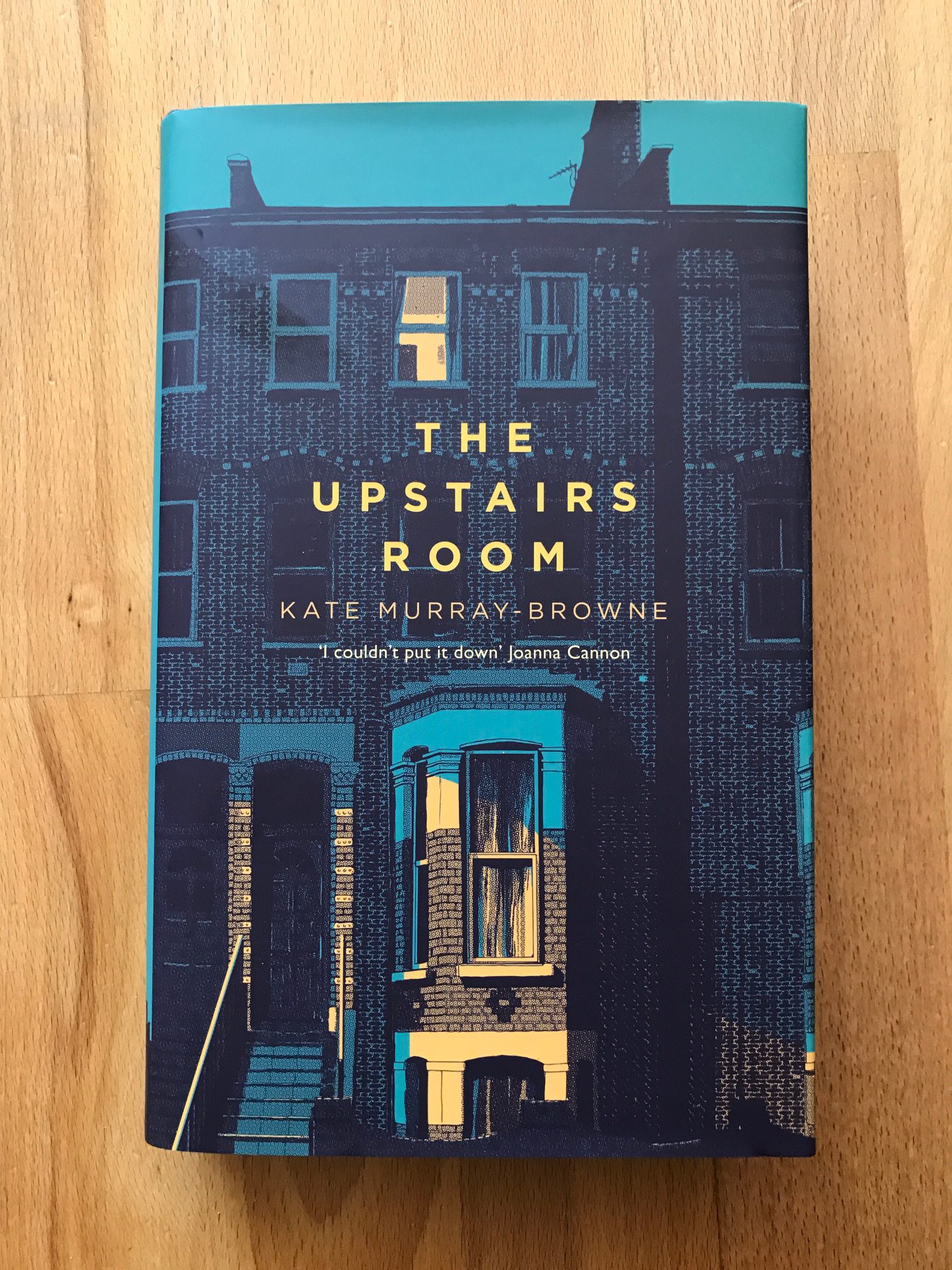
The Upstairs Room is one of our favourite books of the year. Now out in paperback. Read it now.


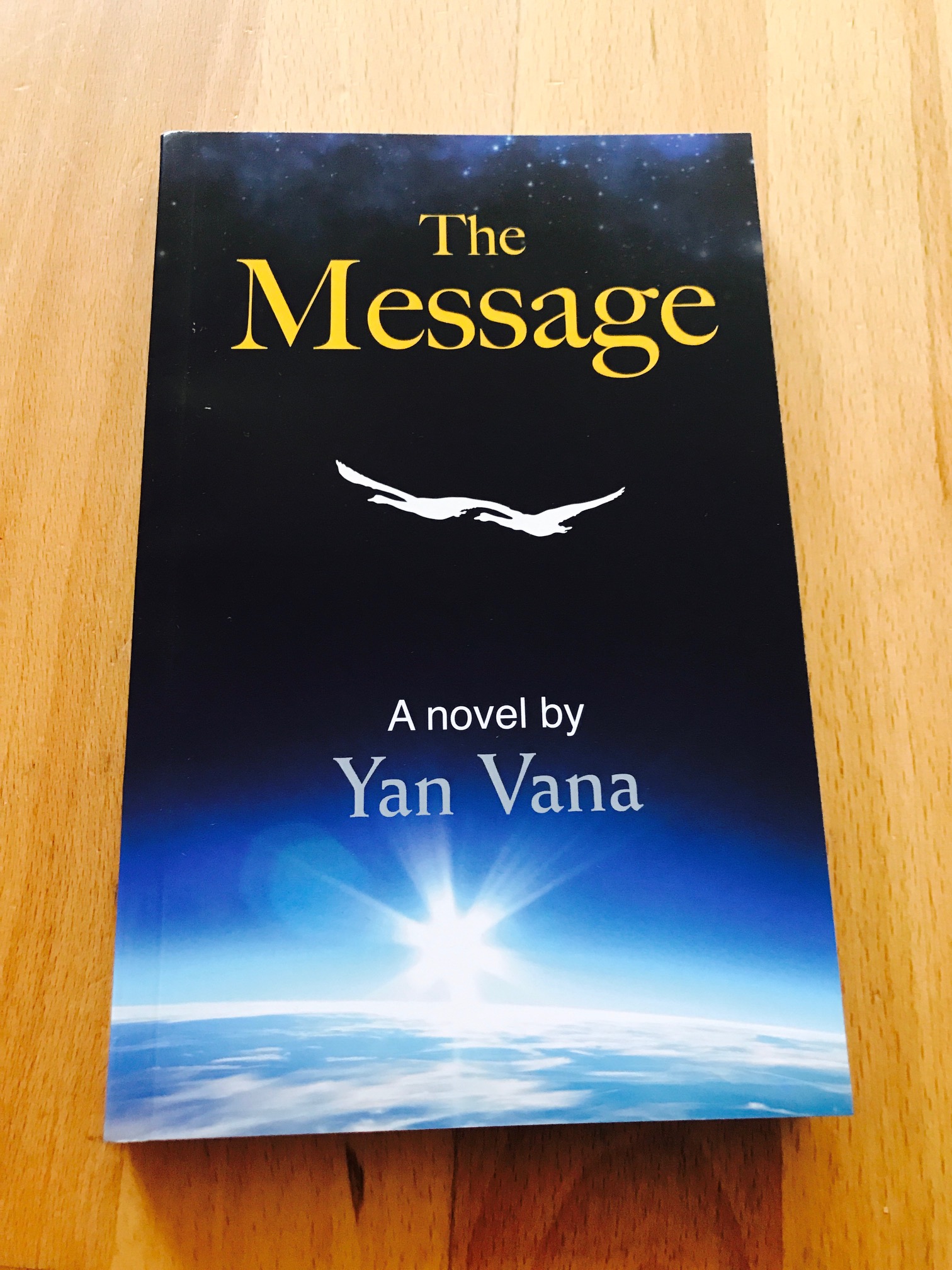
A very clever and well written book with a message. An environmental wake up call for a fragile planet.


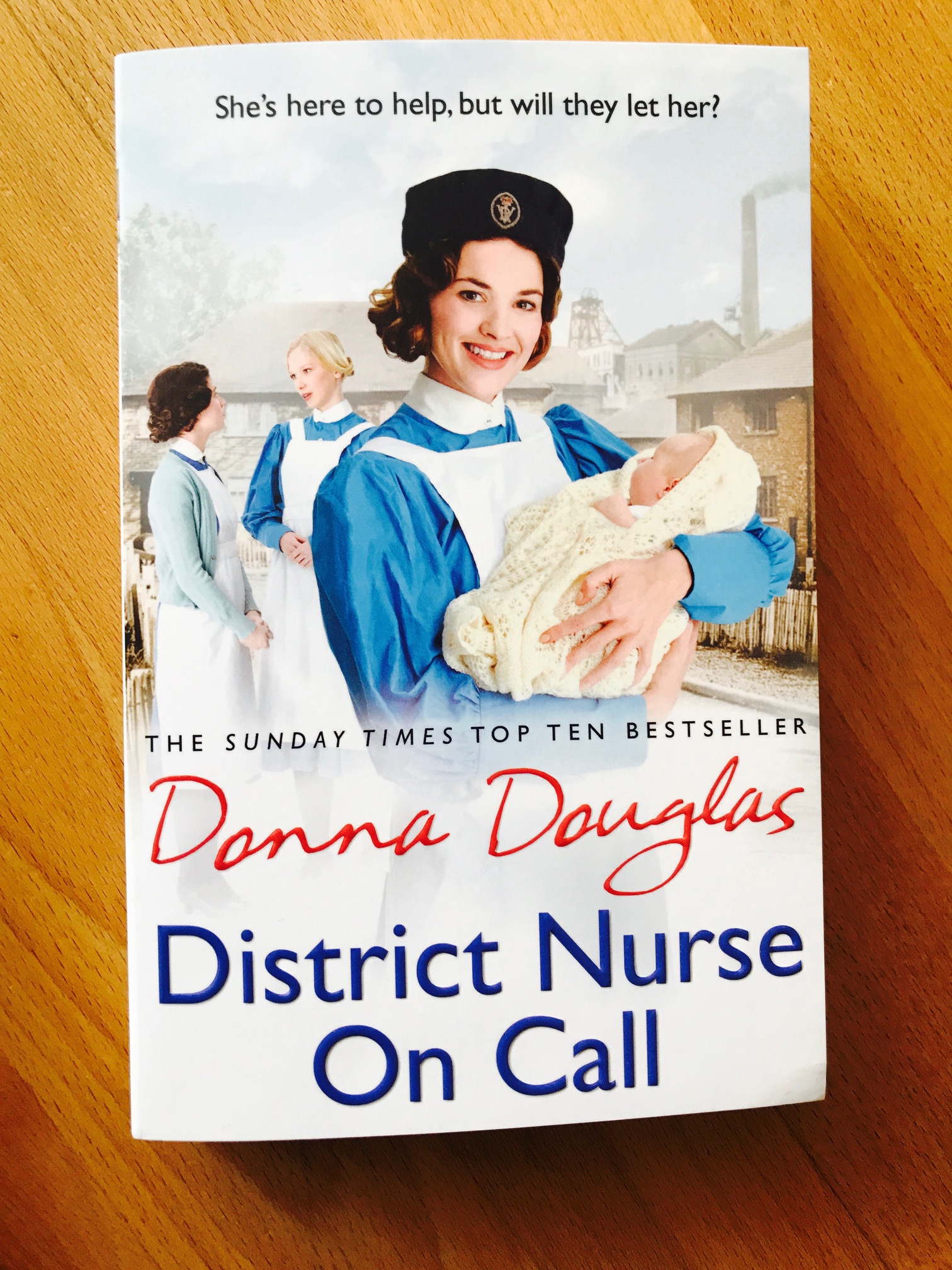
A engrossing and fun novel. Perfect for fans of Call The Midwife. The second book in the Nurses of Steeple Street series.


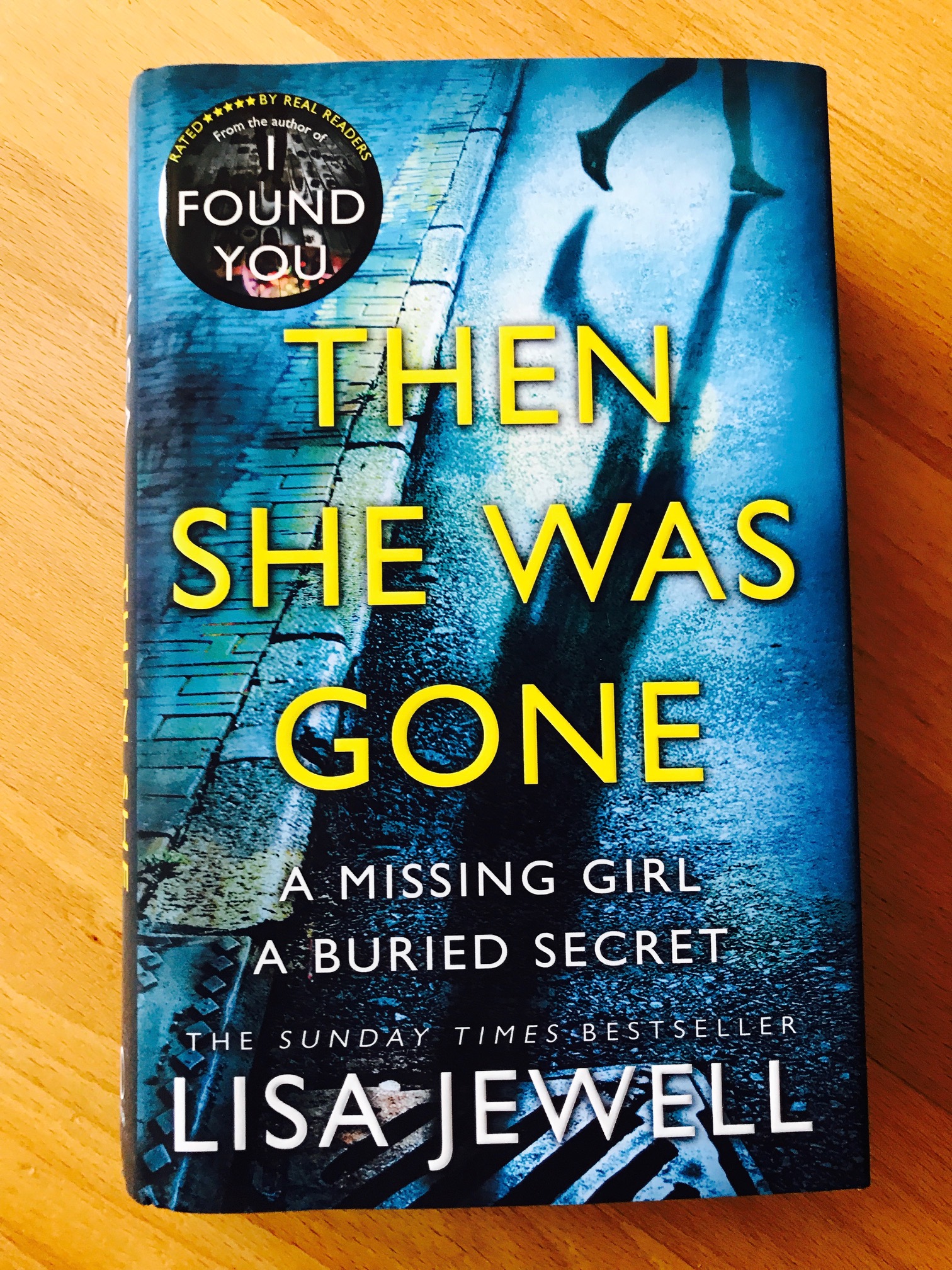
A stunning book from Lisa Jewell. An edge of your seat unputdownable thriller. One of the books of the year. You won’t forget it.


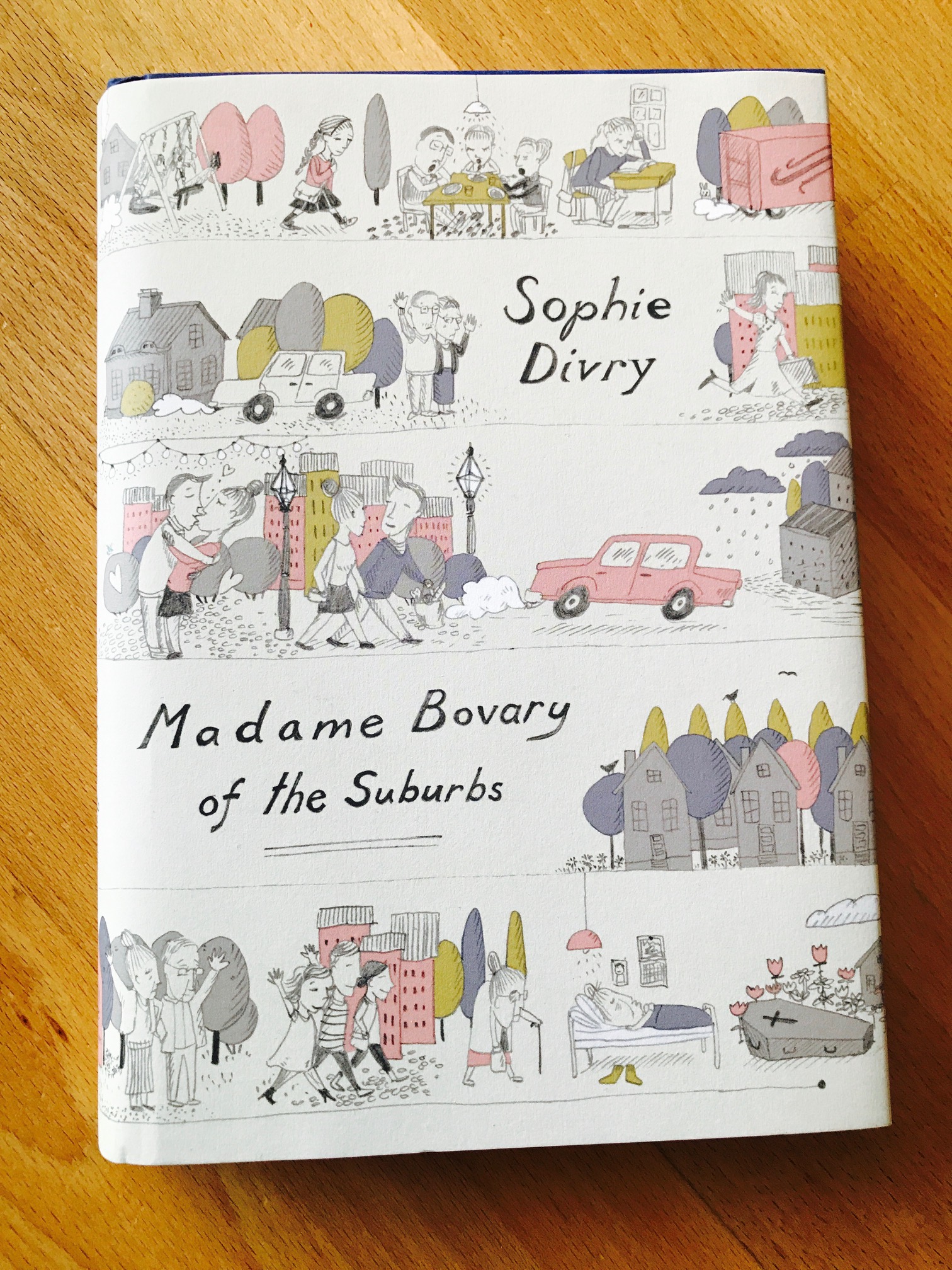
A smart take on the original classic. Written in an unconventional way that works. The story of one woman and her life. Well observed and entertaining.

All available from amazon.co.uk

Business of Books: Going Up! Jane Cable on the importance of the elevator pitch

Jane Cable on the importance of the elevator pitch

It is indeed true that the word is getting shorter. Everything reduced to bitesize for folks in too much of a hurry to stop and listen, hungry to gulp down as many tweet-sized pieces of information as possible.

This is not entirely a bad thing. The book business knows that with so much competition for leisure time and money the potential consumer’s attention needs to be grabbed in a flash. A reader may spend hours savouring a good book, but their buying decision is often made in an instant.

Enter the elevator pitch – the ability to describe your latest work in two sentences at most. Catherine Miller’s excellent talk at the Romantic Novelist’s Association conference drew quite a crowd, encouraged no doubt by the lure of a competition for the winning pitch’s manuscript to be read in full by her agent, Hattie Grunewald of Blake Friedmann.

I learnt a great deal while preparing my entry. On a large piece of paper I set out the major themes and keywords for the book, turning them in my mind and distilling them into two neat sentences. I fiddled with the words, one at a time. I was happy with the first sentence: ‘When archaeologist Rachel Ward visits a remote Lincolnshire field she realises it’s where the voice in her head has been leading her for years.’ For ages I couldn’t get the second to gel, then the next morning I woke up with the perfect solution in my head: ‘But as she starts to dig an unseen danger circles ever closer and Rachel is forced to confront her own past in order to survive.’

The process of preparing what turned out to be the winning pitch had actually shown me that the ending of the book wasn’t sufficiently strong – to be fair, the edit notes I’d received said the same – but crystallising the very essence of the story into a couple of sentences made me focus on the issue – and solve it – in a way that nothing else had.

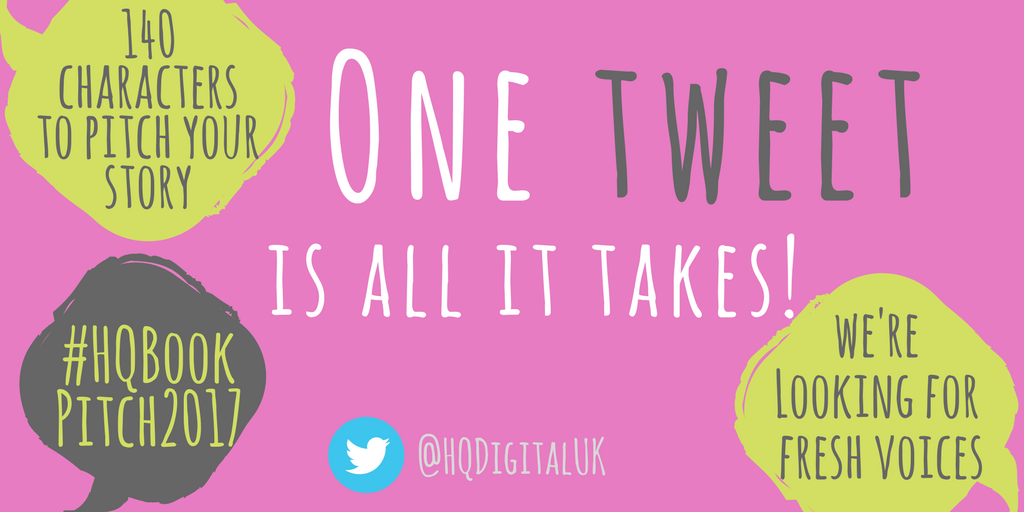
This week has shown me that two sentences is too long. Try pitching in 140 characters – actually 124 when you need to leave space for #HQBookPitch2017 – when Harper Collins’ HQ Digital division opened its virtual doors for tweeted pitches. I tried but failed to pack enough excitement into so few characters but again it was a great learning experience.

At no deadline was given so rather than research the type of books they were looking for I plunged straight in. At any one time I have a number of concepts on the block so I picked one I thought would do and tried to make it sound succinct and sexy. Not sexy enough, clearly, but I have learnt to target publishers I’m interested in better (a number of them do use this technique) and hone relevant pitches so they’re ready.

So what does a successful Twitter pitch look like? I am lucky enough to know two authors who have been asked to submit further and this is what they came up with and how they describe themselves in a tweet:

‘Lucy swaps her husband for a motorbike and has the best ride of her life’ from Sue McDonagh: “I love building my characters, then letting them loose. Should I admit that they do things I hadn’t planned for them and make me laugh?”

‘Millie should have known an archaeological dig is no place to escape the past. But can she uncover her future there too?’ from Kirsten Hesketh: “Pantser, people watcher, procrastinator extraordinaire. Twitter counts as writing, right?”

It goes without saying that everyone at Frost is rooting for them. We’ll let you know how they get on.


The Future of Online Gaming

Two factors have led to a surge in the growth of online gambling in recent years. The increased availability of smartphones combined with greater access to quality wi-fi has assisted in the boom of this 21st century industry. More online casinos are recognising that mobile gaming is the way the market is heading, and so if your site is not optimized for use on a smartphone you are going to lose a whole lot of customers. The online gaming industry is one which is always looking to the future, so let’s take a look at what lies around the corner for real money gaming products.

One big innovation in recent years has been the impact of skill-based gaming. This allows players to use their skills to influence the outcome of games, rather than just relying on luck. There are a million ways to win the lottery, but even this requires a certain amount of intelligence in terms of which lottery to play and when to play it. The new generation of games is going to take things a step further though. Already companies like Skillzgaming are bringing online games to market which use an element of skill. For example they have a title called Fruit Blast which is basically a real money version of mobile games like Candy Crush and Bejeweled. Adding the element of skill into games allows the player to influence the outcome, which is not the case with traditional slot games, although as with all such games the casino will still have an edge over the player.

The concept of skill-based games taps into another trend which is shaping the future of online gaming. That is the ‘gamification’ of online casinos and betting, which basically means blurring of the lines between gambling and fun online games. The games mentioned above are a perfect example of this, but that’s not the only way that gamification of gambling manifests itself. New casinos are now introducing the concepts of ‘levelling up’ in place of traditional loyalty schemes. You will also find a lot more tournaments where players can complete against each other by playing a particular game, to try and top the leader-board so as to earn greater rewards.

Another interesting development within the gaming industry has been the rise in use of virtual reality headsets. The sky is the limit as far as these devices are concerned, as they could play a crucial role in the way we experience online gambling in the future. Already some online betting sites are incorporating virtual reality into selected games like vipslot77, allowing for a completely immersive gaming experience. The technology is still at a relatively early stage though, meaning that we can expect to see huge changes in the future as VR tech moves into the mainstream.

Online gambling is certainly an industry on the rise at the moment, and it looks like the future is bright for this business. We can only wait and see just what the future will bring.

Skill-Based Games

Virtual Reality

Gamification

The Business of Books: Jane Cable meets Sunday Times bestseller, Elaine Everest

THE BUSINESS OF BOOKS: SPREADSHEETS & SAGAS

Jane Cable meets Sunday Times bestseller, Elaine Everest

How much of your working life does the business of books take up?


I can honestly say that books take up all my life. When I’m not writing I’m teaching novel writing to my talented students at The Mick Jagger Centre in Dartford, Kent. I’m also a committee member of the Romantic Novelists’ Association so you’ll find me organising social media and blogging for the Association. I would say that over 50% of my working day I’d be working on writing although I’m not creating words. Authors also need to be aware of Public Lending Rights, ALCS and other organisations where we need to keep our book details up to date as this will generate much needed funds,


What’s your business model to earn a living from writing?


I’ve been a freelance writer for the past twenty years so from the days when I was selling short stories, pitching features to magazines and organizing workshops for writers I’ve been conscious that I have to earn a certain number of pounds each month. Working in accountancy since leaving college, until moving into the writing world, I am addicted to number crunching so spreadsheets and cash flow predictions were part of my daily life. I could always tell at the push of a button if there were lean months ahead and would know to pitch more – and to write more fiction! This has changed slightly since moving onto writing novels as these days I’m aware when royalties and other payments are due and can plan accordingly. Those spreadsheets still come in handy!


What do you write and what do you consider to be your major successes?


These days I write historical fiction set in the 1930s and 1940s. It is a fascinating period to cover and when not writing I will have my nose in a non-fiction book researching social history, looking for fresh plot settings and generally fleshing out the world where my characters live.


My major successes are my novels with Pan Macmillan. Readers have taken my Woolworths Girls to their hearts making the first book a Sunday Times bestseller.


Tell me about your latest project.


The Butlins Girls was published in May so I’m still busy promoting and blogging about my girls at the end of World War Two. As I write this I’m looking at the final book edits for Christmas At Woolworths, which will be published in November, and these have to be completed by – tomorrow! I know there’s an email notifying me that first edits will be with me in two days for Carols at Christmas, a novella that will be published a few weeks before CAW. Writing wise I’m working on Wartime at Woolworths, which will take my girls through to the end of 1944. This will be published in May 2018. I’ve found the trick is to stay focused on the current work in progress while trying to fit all other aspects of my writing around it – and remembering to stop and eat occasionally. I can recommend writing retreats where I find working whilst gazing out to sea from my desk can be a welcome rest from my desk at home!


Elaine Everest has written widely for women’s magazines, with both short stories and features. When she isn’t writing, Elaine runs The Write Place creative writing school in Dartford, Kent, and runs social media for the Romantic Novelists’ Association. Follow Elaine on Twitter @ElaineEverest.


Give Me The Child By Mel McGrath Book Review

Give Me The Child drew my in immediately from the cover. Then the blurb drew my in further. As a mother I worried it might be horrible and depressing, but Give Me The Child is a clever and riveting psychological thriller. It leaves you guessing and is well written by an author who is clearly at the top of her game. Gripping and addictive: you will probably sacrifice sleep to race through it. A great book indeed.


Give Me the Child is an explosive thriller set against the backdrop of the 2011 London riots

Mel McGrath is the co-founder of the UKs top all-female London-based writing collective, The Killer Women, which has 19 members including Paula Hawkins and Erin Kelly http://www.killerwomen.org/who/

An unexpected visitor.

Dr Cat Lupo aches for another child, despite the psychosis which marked her first pregnancy. So when Ruby Winter, a small girl in need of help, arrives in the middle of the night, it seems like fate.

A devastating secret.

But as the events behind Ruby’s arrival emerge – her mother’s death, her connection to Cat – Cat questions whether her decision to help Ruby has put her own daughter at risk.

Do we get the children we deserve?

Cat’s research tells her there’s no such thing as evil. Her history tells her she’s paranoid. But her instincts tell her different. And as the police fight to control a sudden spate of riots raging across the capital, Cat faces a race against time of her own…

Mel McGrath is an Essex girl, the author of the critically acclaimed and bestselling family memoir Silvertown. She won the John Llewellyn-Rhys/Mail on Sunday award for Best Writer Under 35 for her first book, Motel Nirvana. She has published three Arctic mysteries featuring the Inuit detective Edie Kiglatuk under the name MJ McGrath, the first of which, The Boy in the Snow, was shortlisted for a CWA Gold Dagger.

In the last year she has been one of the founders and moving lights of the website Killer Women, which has rapidly established itself as one of the key forums for crime writing in the UK. This new standalone marks a change in direction

Give Me The Child By Mel McGrath is published on the 27th July and is available here. http://amzn.to/2tFKiAR