EMMA BENNET ON RUNNING A SUCCESSFUL AUTHORTUBE CHANNEL

For anyone not familiar with it, Authortube is the little corner of YouTube with writers producing videos. Not only is Authortube full of writing advice, but there are author life vlogs and lots of opportunities to take part in live writing sprints, which definitely make the writing process less isolating.

I loved watching Authortube videos and felt I could add something to the community. I wanted to offer support to writers as well as tips and tricks which could help them in their writing careers. I also figured I would learn an awful lot myself while researching for my videos. Becoming a proper part of the Authortube community also really appealed, they all seemed very supportive of one another, sharing one another’s videos, co-hosting live streams, and shouting out about each other’s books. I discovered this to be true very early on, and it’s made such a difference to my writing to have this wonderful group of cheerleaders.

I mulled over starting my own channel for more than a year before I finally took the plunge in March 2022. The time commitment to running a channel being a major hurdle as well as my complete lack of equipment. I didn’t even have a lovely, quiet place to film: I share a house with five boys and two large dogs!

I began filming on an iPhone 5s one afternoon when all my family were out. I had to prop the phone up on a stack of books because I didn’t have a tripod. The lighting was dreadful, and the video quality wasn’t great. Oh, and I’d made the mistake of filming in portrait instead of landscape. I also didn’t make a thumbnail for it. But, I had officially had a video available. This is definitely how I would advise anyone interested in starting any sort of YouTube channel to start (although maybe get the camera the right way round!): use what you’ve got and try it out to see if it’s for you before committing to buying a load of equipment.

The first few months were a very steep learning curve! I’ve never been very interested in technology and suddenly I found myself on a crash course in filming and editing as well as graphic design for thumbnails. I watched numerous YouTube videos to teach me what to do and cannot recommend Canva enough for thumbnails and putting your videos together!

Almost a year on, I’m on track to be monetised this year, which would be amazing. I upload two videos and at least one short (a video less than a minute long, like a TikTok) a week, as well as hosting at least two live writing sessions a week. I’ve also been able to collaborate on videos and live streams with other authors, and will be taking part in the Authortube Writing Conference later this year.

Running a YouTube channel is definitely hard work and isn’t for the faint hearted, but I absolutely love it. I’ve learned so many new skills, not least becoming confident speaking to a camera, and I’ve made lots of new friends who all share my passion for writing and sharing our skills with others.

The resources available for writers on YouTube now, and all completely for free, are just astounding, and I would advise anyone who hasn’t yet to check it out, whether you’re very new to writing or a seasoned veteran.


Find Emma on YouTube at: https://www.youtube.com/channel/UCKJKt8kmDXrWQAGkTV1VHMQ

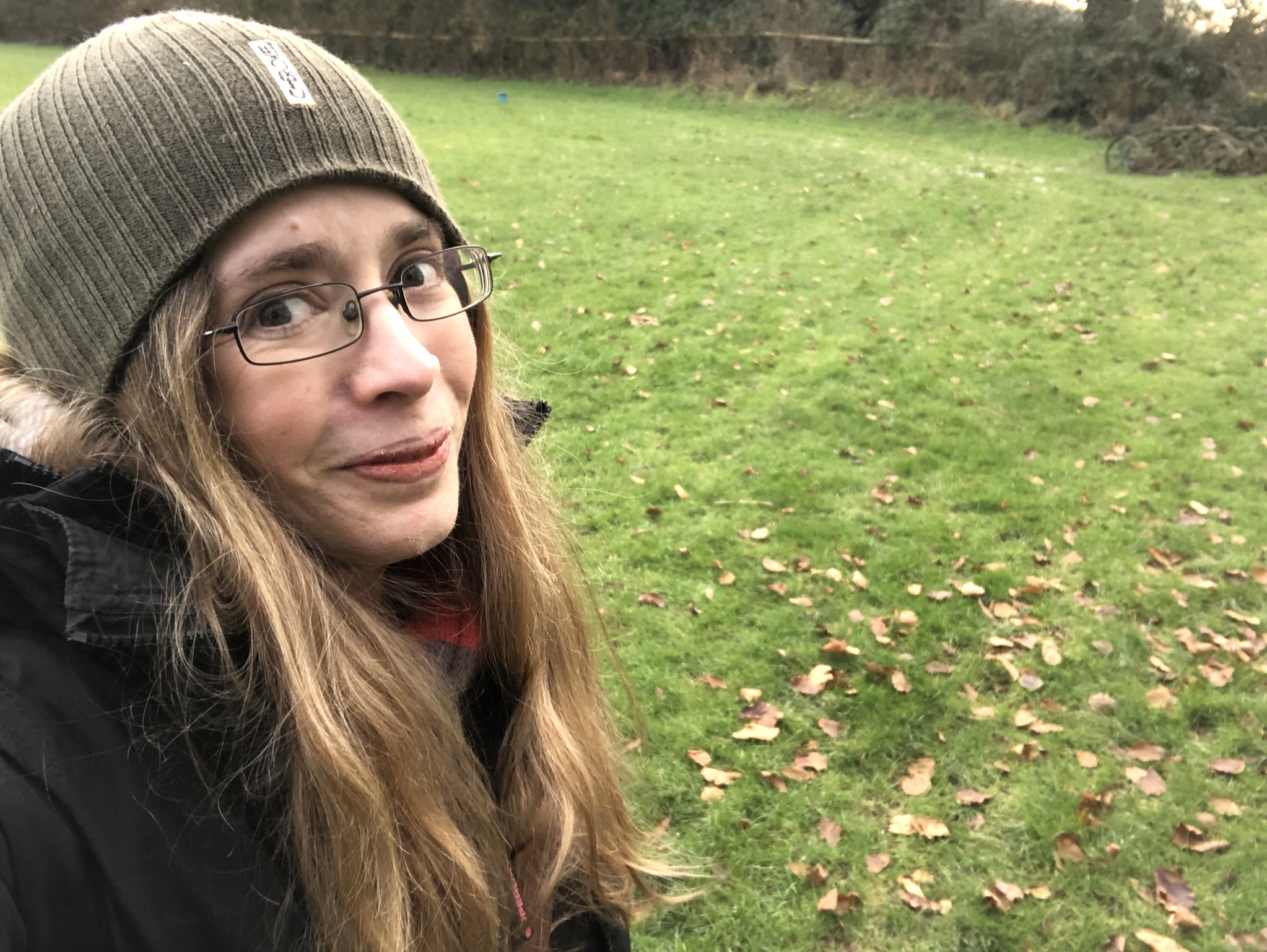
The author of seven romances, Emma’s YouTube channel is full of tips and tricks for writers, book recommendations, author life vlogs, and live writing sprints.

WRITERS ON THE ROAD: ELAINE EVEREST

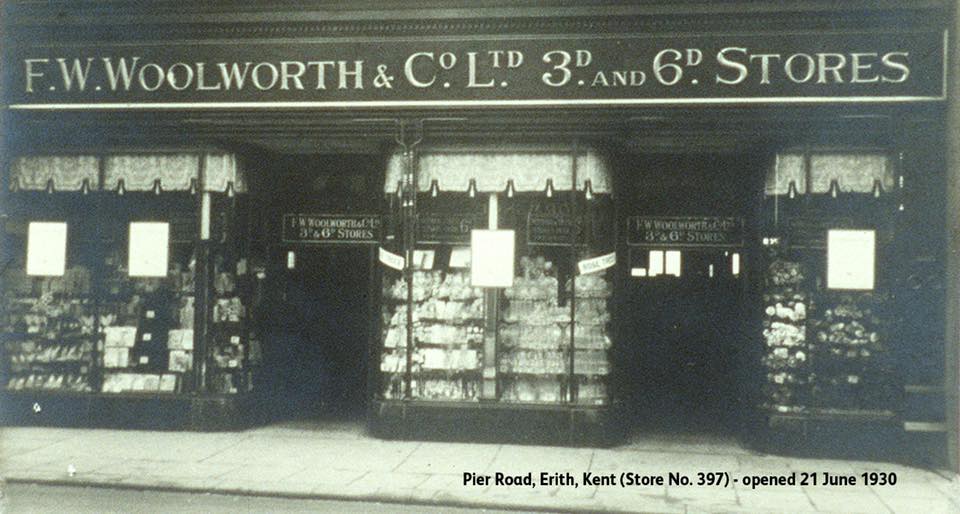
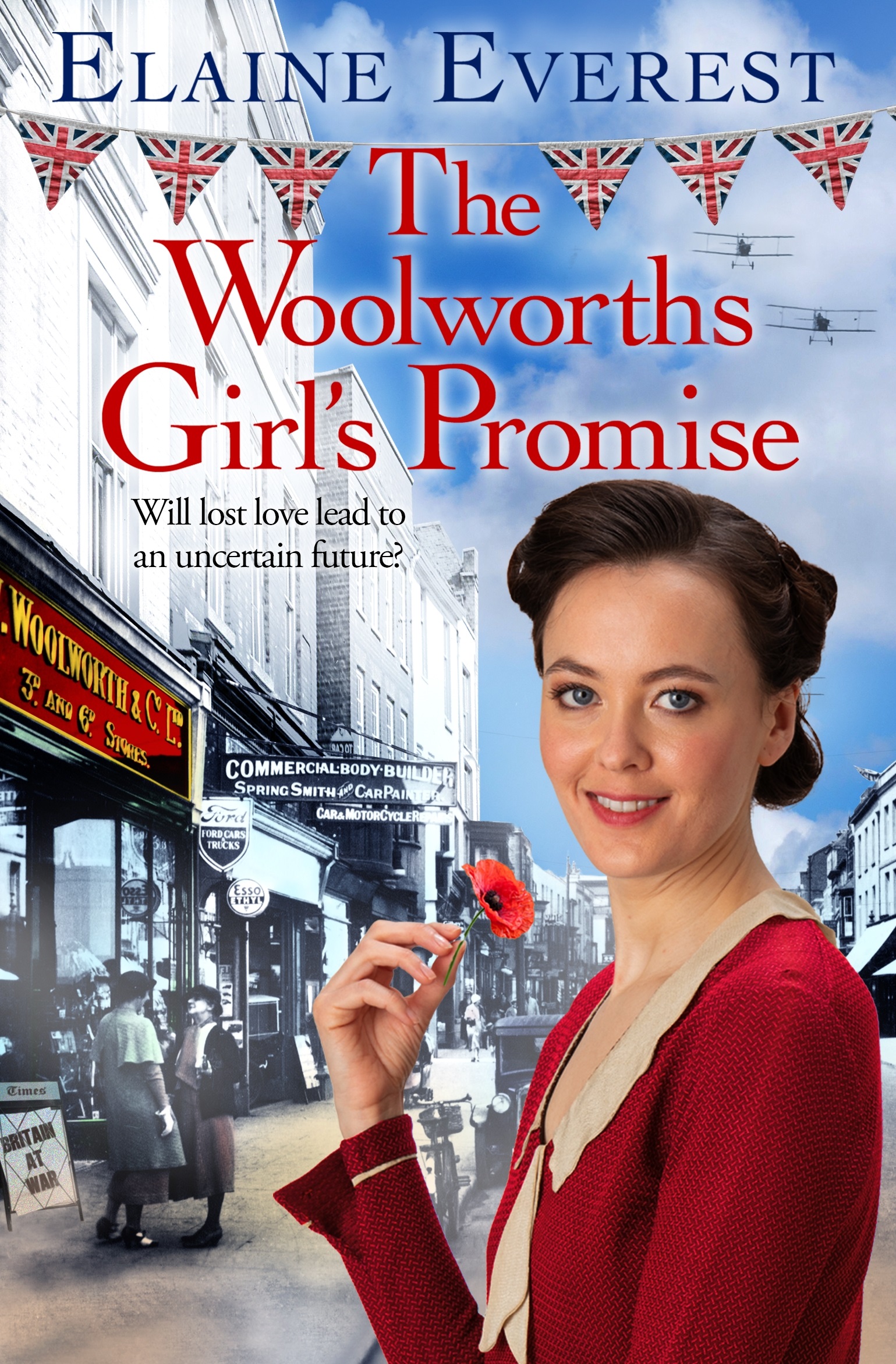
Little did I l know that my first Saturday job at the age of fifteen and three months at the Dartford branch of Woolworths would lead me to write a series of historical sagas over fifty years later, or that the home I lived in for twenty years when first married would provide me with such a wealth of happy memories. Those memories still feature in my books today, in fact I’ve just filed my tenth book set in and around Woolies during the early 1950s.

I was born and brought up in Erith, Kent, growing up listening to my parents and family members talking about ‘the good old days’ even there were times when life wasn’t so good. The history of the small town on the south bank of the Thames has a rich history not only of its involvement during the two wars, but also of family life which fascinated this young child – and still does to this day. With my mother passing away at the age of forty I hung onto the stories she told me about growing up in the war and what happened to her family members. I would need to write many more books to cover all her memories and what I’ve discovered since she died. Even though I’ve moved away from the area I only have to close my eyes and I’m back there in the street where I had such happy memories and, in my mind, walk through the old Erith which was, in my childhood very much as it was during WW2.

As I explain to new writers, memories are fine, but writers must ensure stories we’ve grown up with fit in with the history of that time. Use archives and read, read, read as much as you can about your subject. Believe me if we get anything wrong our readers will soon correct us. One of the joys of being an author and setting my books in and around North-West Kent is being able to chat with local people and hearing their family stories and memories of the town and Woolworths; there is a large community of ex Woolies employees, and they love to share their stories.

When I wrote that stand-alone book – yes, The Woolworths Girls was originally commissioned as one book – I become so interested in the history of that well-known store and started to collect old copies of The New Bond, the Woolworths monthly staff magazine. I have copies from as far back as the 1930s and they hold a wealth of information about the different stores, staff celebrations, employment anniversaries as well as advertisements from those times; I lose hours reading through my stash!

Of course, local history and store information is important, but this author needs to know what is going on in the outside world away from the town and Woolworths, and importantly how it plays a part in my ‘girls’ lives. Hours spent at the local archive centre as well as having my nose in a non-fiction book means I glean information that may just appear in my stories.

Do I envy authors who set their stories in exotic locations? Of course, I do! However, the joy for me is knowing I only need to close my eyes and step outside the front door of number 13 Alexandra Road to see again my characters and hear their stories.


Elaine’s website: www.elaineeverest.com


CARIADS’ CHOICE BOOK REVIEWS, MARCH 2023

Nicola Cornick’s The Winter Garden, reviewed by Morton S Gray

Ten stars! I loved this book. A perfect mix of past and present. I was in love with the present day hero Finn and wanted things to work out for Lucy. The historical side was told in an intriguing way and I enjoyed the ghostly elements of the story. Best historical/timeslip I have read in a long time. Bravo Nicola Cornick.


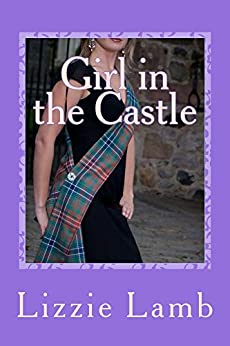
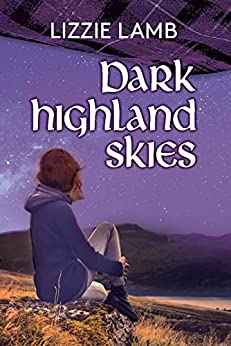
Lizzie Lamb’s Dark Highland Skies, reviewed by Jessie Cahalin

Dark Highland Skies is another triumph for Lizzie Lamb. Who doesn’t love a highland hero, strong heroine and a wee dram of secrets?

‘We all have demons to confront, secrets we’d rather not share. But that’s life, isn’t it?’

The characters are like good friends who really deserve a happy ending. The deeper you delve into the Halley and Tor’s past, the more you discover about what makes them tick. I wanted to know what was behind Halley’s ‘wall of aloofness’ and why a ‘bleakness appeared to descend’ on Tor. This is a heart-warming story of two lonely people finding each other.

Halley reaches for the stars and meets her destiny. A magical romance under the dark highland skies. As a reader I fell in love with the setting, and the ending was wonderful. If only I could have met charismatic Tam, Halley’s late uncle, who touched everyone’s life in the novel. I did not want to leave Lochaber!

Lizzie Lamb is queen of highland escapes. The uplifting stories are a perfect retreat from the troubled world.


Daisy Wood’s The Forgotten Bookshop in Paris, reviewed by Jane Cable

This is one of the books that makes me curse review sites that force you into giving stars. For me it isn’t quite five as I give those so very rarely, but it’s far better than the four I’m going to be forced to give.

This is such a skilfully told tale of resistance in wartime Paris with a main character, Jacques, you can root for and cry for, so wonderfully brave and flawed is he. A bookseller who is slow to join the underground movement fighting the Nazis, the plight of Jewish children in particular means he has no option but to help.

Meanwhile in the present day, American Juliette walks away from her unfaithful husband during a holiday in Paris, at first because she simply does not want to go home. She has family history to research but when she finds an empty, dusty bookshop she wonders if she can bring it to life again.

If you love Second World War dual timeline romances this is definitely one of the better ones I’ve read and I heartily recommend it.


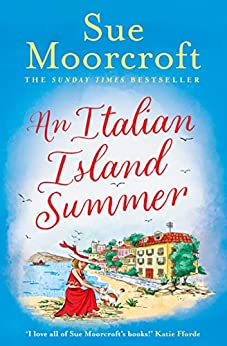
An Italian Island Summer by Sue Moorcroft, reviewed by Morton S Gray

Get whisked away to Sicily to join Ursula Quinn, who wants to learn to paint ceramics after her life in England implodes. Add in suspicious Alfio Tringali, who returns home to fulfil family duty, helping his sister with her baby and his mother recovering from an operation run the family hotel. Ursula’s parents and family in Ireland are worried about her and her ex-husband is still possessive. There are links and complications between the families that Ursula knows nothing about and these threaten her happiness.

I soon became absorbed in this story with its twists and turns, surprises and revelations. Lovely to have characters from previous novel Under the Italian Sun make an appearance too. A classic Sue Moorcroft read that doesn’t disappoint.


EVA GLYN’S HIDDEN CROATIA: DUBROVNIK SYNAGOGUE AND JEWISH MUSEUM

I would never have even realised Dubrovnik had a Jewish Museum if I hadn’t been researching the city’s Jewish community during the Second World War. As it happens, their story – and the museum itself – became an important part of The Collaborator’s Daughter.

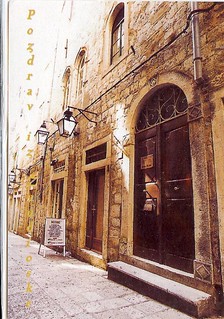
I tracked the museum down online first. There are walking tours of the city with a Jewish focus that appear to be aimed specifically at the cruise passengers, and through this I discovered the heart of the Jewish community in the old town. The name of its location, Zudioska (Jewish) Street might have given it away if I’d thought about it.

As with many medieval trading cities the Jewish community in Dubrovnik were important and the synagogue is one of the oldest Sephardic ones in Europe. It is on the top floor of the rather anonymous building and is a beautiful and calming sacred space even today. The dark wooden seats are rich with age and the Wedgwood blue decorations on the ceiling reminiscent of the Mediterranean sky.

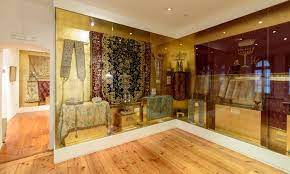
Even more interesting to me was the museum that takes up the floor below. It is tiny but showcases the community’s history so well, from the fabulously embroidered vestments and ornate fourteenth century torah scroll that represent the Jews’ proud history, to a second room with chilling artefacts from World War Two.

Compared to other parts of Europe, overall Dubrovnik’s Jews suffered less because initially at least they were under Italian control. While Croatia’s (and yes, it is correct to use that term for the period) home grown fascists persecuted the faith with even more vigour than the Germans, in this small enclave they were safe. For a while at least, and their numbers grew.

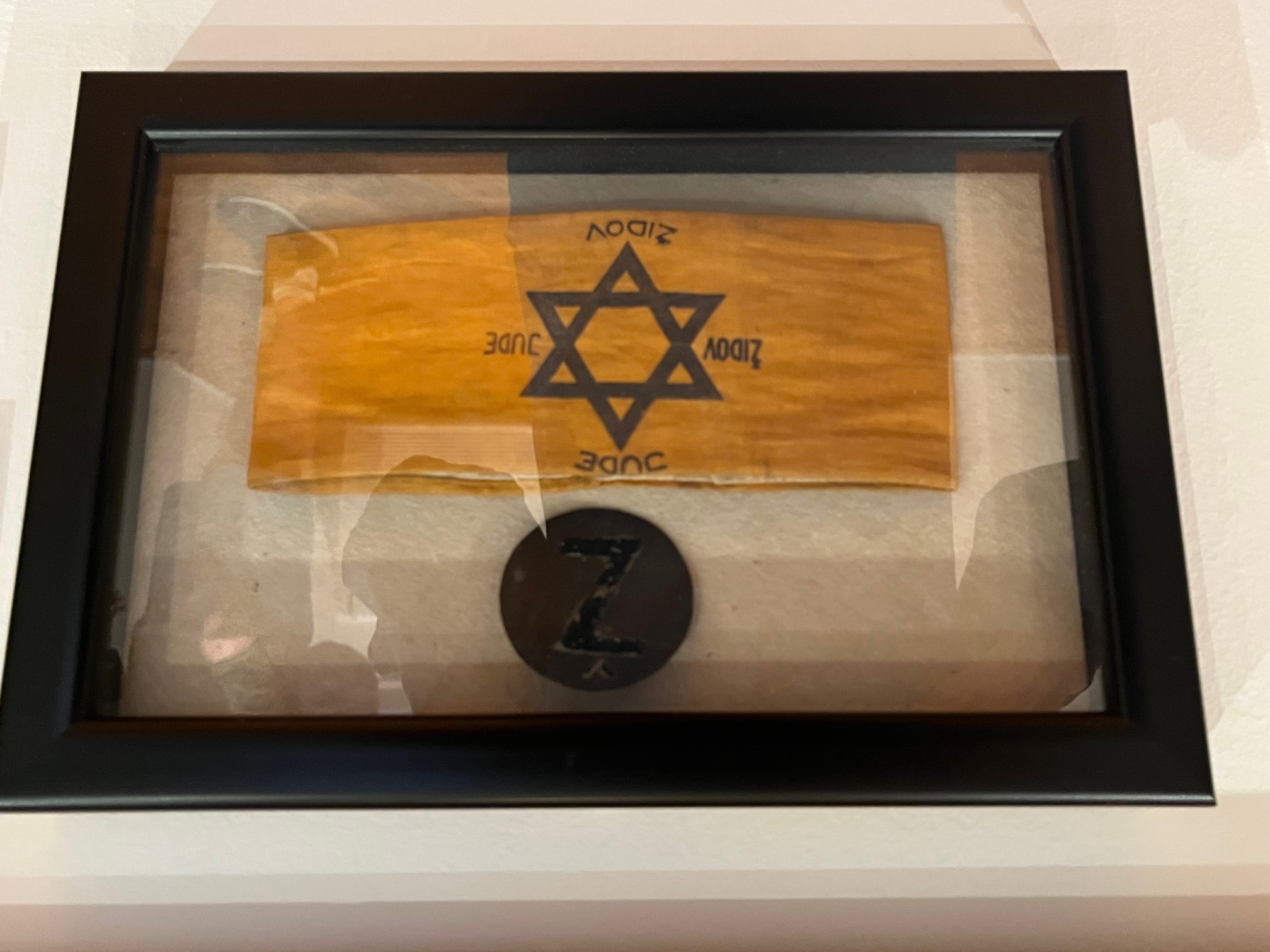
Then, in 1942 the Italians were told the clamp down. Curfews were imposed, yellow armbands issued. All the awful paraphernalia of ethnic hatred. Finally in the November the eighty or so members of the community were interned near the harbour at Gruz and on the island of Lopud. Eventually they were moved north to a larger camp at Rab, and during the chaos resulting from the Italian surrender the partisans took the area and a majority were saved. In all twenty-seven of the Dubrovnik Jews died, many more moved to Israel, and the community never recovered.

Although the synagogue is rarely used, helpful volunteers are available to show visitors around and to talk about the artefacts and history. The museum is open all day, every day, and is well worth half an hour of anyone’s time.

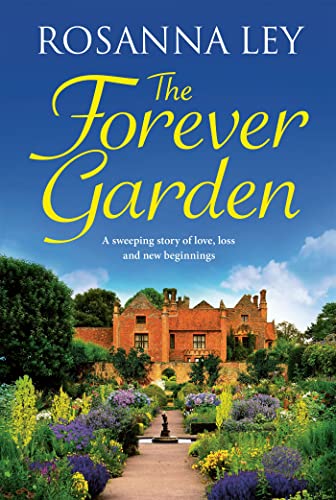
PUBLICATION DAY SPECIAL: THE FOREVER GARDEN BY ROSANNA LEY

I’m a big fan of Rosanna Ley’s books and this was no exception; in fact, it’s one of my favourites. The characters are instantly believable, the descriptions sumptuous and the whole story is perfectly tensioned between three viewpoint characters and two timelines.

The story is told from the points of view of Lara (in the 1940s and present day), her daughter Rose, and her granddaughter Bea, and it revolves around two very special gardens. The first is in Dorset, created by Lara’s mother based on the principles of the Arts and Crafts movement. It is this garden that Lara promises her mother to protect, which is the starting point for the drama that follows. The second garden is one that Lara later creates in Puglia.

The relationships between the women – and their gardens – are beautifully drawn. That Lara left the Dorset garden behind is evident from the outset, but in the hands of such a skilled storyteller, my desire to find out the whys and wherefores made it hard to put the book down. The Forever Garden will not only transport you from Dorset to Italy and back, it’s a journey you cannot fail to enjoy.

I was so entranced by the gardens that I asked Rosanna what her inspiration for them had been, and what her own Dorset garden is like:


I’ve always loved gardens. My parents were both keen gardeners and I have happy memories of running around our back garden as a child, playing out imaginary stories, dodging amongst my mother’s washing pegged out on the line and my father’s precious raspberry canes and gooseberry bushes.

Our own garden here in Dorset is not large but it wraps around the house and so I feel cocooned and sheltered – which is good as we live near the sea and it can be very windy! Because of the sea air I have plants that can withstand these conditions such as lavender, rosemary, thrift, hollyhocks and erigeron daisies. I am a fan of the cottage garden and of fragrant plants that attract insects, butterflies and bees – natural gardens and wild gardens. The garden also has two bird baths, two tamarisk trees, a pergola of clematis, honeysuckle and roses and a couple of places to sit and write or think in. And we are very lucky because it also has a sea view…

I was inspired to write about an Arts & Crafts garden after I visited Barrington Court in Somerset. The gardens there were laid out in the 1920’s to a structured design influenced by the famous Arts & Crafts garden designer Gertrude Jekyll. She believed passionately in the beauty of the natural landscape and – like me – valued the ordinary plants familiar to gardeners today, such as hostas, lavender and sweet-scented old-fashioned roses.

I immediately loved the Arts & Crafts concept of the garden being a continuation of the house, and of that garden being made up of several small rooms – each one with its own character and flavour. After all, when we go into a garden, we don’t always want to do the same thing. We might want to grow vegetables and be in the mood for some hard-core digging, or we might want to sit quietly in a soft and beautiful space that enables us to reflect, read a good book or just watch the birds go by.

In an Arts & Crafts garden, plants are sometimes chosen for their colour. A white garden, for example, can create a sense of tranquillity through the green of the foliage and the white flowers which are often considered healing for the mind and spirit. Or they might be chosen according to season. In ‘The Forever Garden’ there is a spring garden full of early bulbs such as daffodils and tulips which represents hope and new beginnings; this symbolism becomes very important to Lara in the story.

I like to think of the ‘Forever Garden’ as an important character in the book. For Lara it is both prison and sanctuary. The garden saves her and it also sets her free.


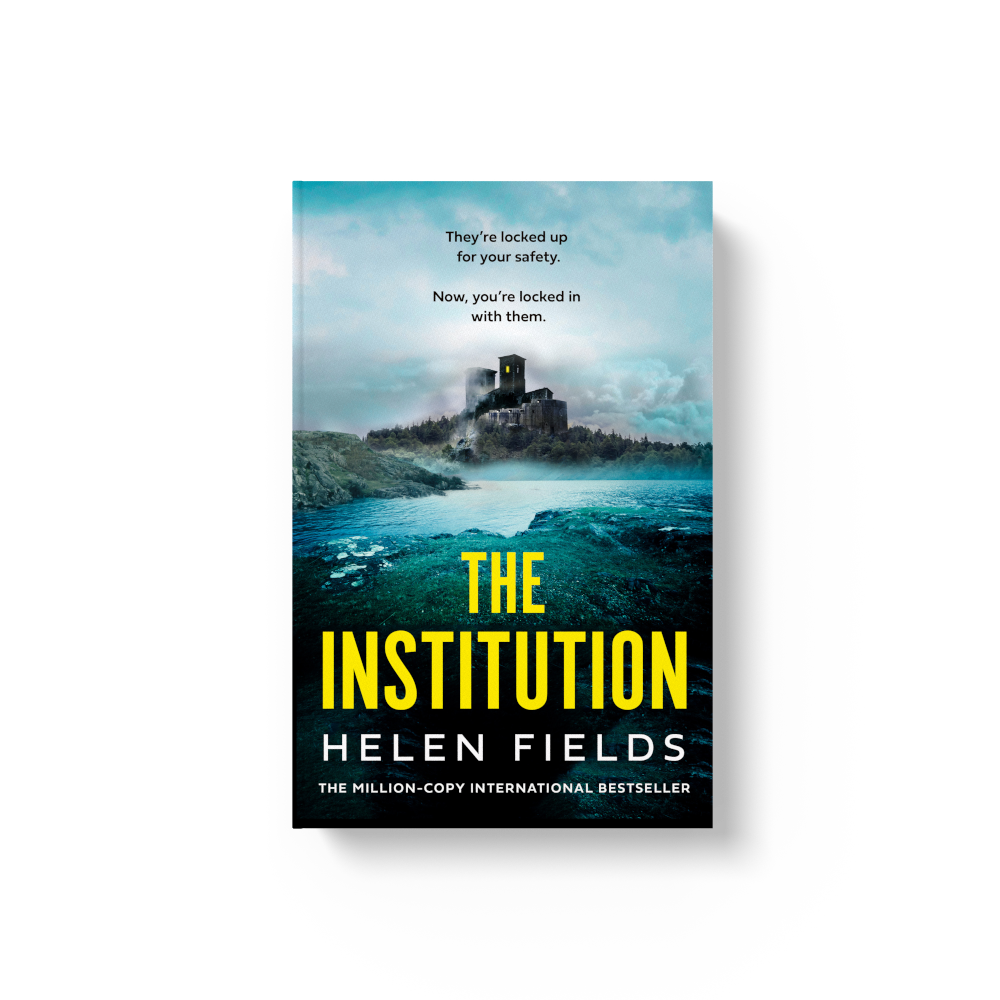
The Institution by Helen Fields

The Institution is an absolute triumph of a book. I didn’t race through this book because I wanted to savour it. I wanted to reread pages, and I didn’t want it to end. It’s a tense and atmospheric crime novel. It transports you to The Institution and then scares it out of you. This is a dark, haunting read that stays with you long after you have read it. I loved it and remain in awe of Helen Fields talents. A five star read. 

the sound of being human

They’re locked up for your safety.
Now, you’re locked in with them.

Dr Connie Woolwine has five days to catch a killer.

On a locked ward in the world’s highest-security prison hospital, a scream shatters the night. The next morning, a nurse’s body is found and her daughter has been taken. A ransom must be paid, and the clock is ticking.

Forensic profiler Dr Connie Woolwine is renowned for her ability to get inside the mind of a murderer. Now, she must go deep undercover among the most deranged and dangerous men on earth and use her unique skills to find the girl – before it’s too late.

But as the walls close in around her, can Connie get the killer before The Institution gets her?

A claustrophobic, haunting crime thriller that will keep you up at night, perfect for those who couldn’t put down The Sanatorium and Amy McCulloch’s Breathless.

The Institution is available here.

Luan Goldie My Writing Process

Luan Goldie

•             What have you written, past and present?

I’m an author and short story writer. My debut novel Nightingale Point follows a group of characters living in an east London tower block on the day of a plane crash. My second novel Homecoming is a love story about university friends and is partly set in Kenya. My novels have been longlisted for the Women’s Prize for Fiction and Royal Society of Literature Ondaatje Prize.

My new novel These Streets is a family drama set against the UK’s housing crisis. I wanted to write something which shows how easily a normal family could end up homeless. While it deals with the huge issues of homelessness and gentrification, it’s really about aspirations and who gets to have them.

•             Tell us a bit about your writing process

I like silence, tea and a good internet blocker. I love to get lost in my writing and allow the characters to take over. I’m not easily distracted (especially when the writing is going well) but force myself off the laptop to do other things, like go to a dance class or watch some K-Pop on YouTube.

•             How do you structure a book?

I don’t. I just have my characters and a very, very rough idea of what might happen. Then I go for it.

•             What do you find hard about writing?

Structuring!

•             What do you love about writing?

Getting completely lost in it. It’s an awesome hobby (turned career) and I’m very lucky to do it.

These Streets by Luan Goldie is available now in paperback from HQ, £8.99.

EVA GLYN’S HIDDEN CROATIA: ROMANTIC FICTION

In celebration of the #RespectRomFic campaign, today I’m sharing some ideas of how you can visit Croatia from the comfort of your own armchair – and perhaps even fall in love.

The classic summer read: The Getaway by Isabelle Broom

This sun-drenched holiday book is set on the island of Hvar, loved by international jetsetters and backpackers alike.

When Kate’s life falls apart in a spectacularly public manner she joins her brother in Hvar to disappear from the world and lick her wounds. But then she meets Alex, a loner with a secret to hide. As he shows her the beautiful island she begins to have feelings for him that seem to be reciprocated. But will he ever be able to confront his demons and move on? And can Kate be there for him if he does?


The romcom: The Secret Cove in Croatia by Julie Caplin

Many people’s first experience of Croatia is on a cruise around the islands, and one of these small luxury boats setting out from cosmopolitan Split is the setting for this book.

When no-nonsense Maddie Wilcox is offered the chance to work on a luxury yacht for the summer, she can’t say no. She will be waiting on the posh guests, but island-hopping around Dalmatia should more than make up for it – especially when Nick, her best mate’s brother, is one of them. In this will-they won’t-they romance, sparks fly when they meet on board and Maddie can’t believe self-entitled jerk Nick is really related to her friend. But in a secret, picture-perfect cove, away from the real world, Maddie and Nick discover they might have more in common than they realise.


The biography: The Girl Who Left by Debra Gavranich

Set in a small rural village on the island of Korcula during and after the Second World War, this biography is a love story too.

The author’s mother Marija’s Yugoslavian childhood was tough but happy – until first the Italians, and later the Germans, arrived to occupy their island. Her older sister fled to join the partisans and she was left, frightened and hungry, to cope with the rest of the family when she should have been in school. After the war her best chance of a bright future was to travel to Australia as a proxy bride, married to a man who had emigrated from the village years before, but who she had never met.


The dual timeline: An Island of Secrets by Eva Glyn

The smallest of apologies for including my own book, but I would so love take you to the island of Vis in Dalmatia, and in particular the small fishing town of Komiza.

In 1944, British commando and SOE operative Guy Barclay is stationed there alongside Yugoslavian partisans. Not only does his war change when he witnesses a brutal execution, but he meets and falls in love with local fisherwoman Ivka. But can their love survive the war? Seventy years later Guy sends his investment banker granddaughter Leo to the same island. Battered and broken by a loveless marriage and her desire for a baby, she meets local travel agent Andrej. But are their worlds too far apart for their love to have a chance?


#RespectRomFic is a movement started by publishing luminaries to try to assure that romantic fiction is given the respect it deserves, and that matches its importance in readers’ lives – and its commercial value in the book market. For far too long the contribution to the literary landscape of the books written by the authors writing in the romance & saga space has been at best ignored, at worst dismissed. Show your support by using the hashtag to talk about your favourite romances.