Saturn’s Daughters Author Jim Pinnells Interview: On Russia, Pussy Riots And The Birth Of Terrorism

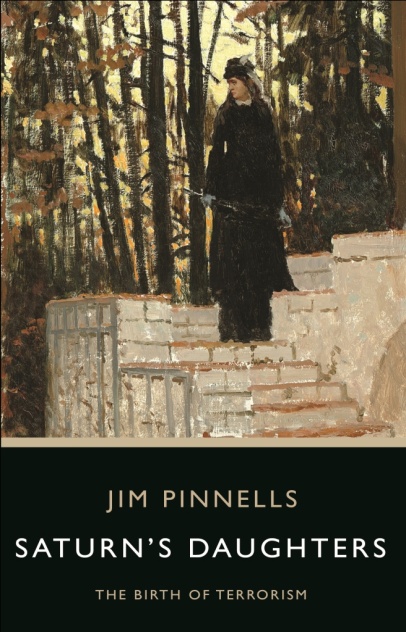
 Saturn’s Daughters Author Jim Pinnells Interview: On Russia, Pussy Riots And The Birth Of Terrorism, terrorism, Jim Pinnells, pussy riots, Frost is very excited to interview Jim Pinnells. Jim has lead a fascinating life and he has written a great book called Saturn’s Daughters: The Birth of Terrorism. Grab yourself a copy.

You have led a fascinating life which has included working with the UN, on Chernobyl aftermath projects and being in Egypt during the Arab Spring.  Do you have a particular period that you felt most influenced your life and spurred you to research and write Saturn’s Daughters?

The first version of Saturn’s Daughters was written in the 1960’s when flower power and revolution were in the air. A book by David Footman, Red Prelude, got me hooked on the Russian revolutionaries of the 1880’s. With a bit of history, a natural streak of rebellion and an over-vivid imagination, I dreamed up a revolutionary romance about a terrorist called Viktor Pelin. His shadow survives in Saturn’s Daughters. An American agent pointed out that the female characters in the book were far more interesting than the male and suggested a rewrite. So Countess Anna moved centre-stage – though it took her thirty years to do so. Then I saw that Anna herself wasn’t really the key, but a whole cluster of women centred on Sofya Perovskaya. Her dedication, her idealism, her ruthlessness fascinated me. And this book is the result, almost half a century after the first draft. In a way, the many versions of Saturn’s Daughters are a measure of how far one can travel in a lifetime.

Where did the inspiration for the book come from?

From David Footman, from the Aldermaston marches, from an awareness as a young infantryman defending the River Weser that we were nothing but cannon fodder, from the Atlee government that gave me a scholarship to Cambridge but not the cash to cross the great social divide, from the farmers’ kids I taught in deepest Devon – from everything that ever happened to me really.
How did you undertake your research for the book?

Saturn’s Daughters is a historical novel. One thing I try to do is to get the history more or less right. That obviously means reading a stack of history books and biographies. Once that’s out of the way, there’s another kind of reading altogether – reading what the characters in the story would have read: magazines, newspapers, posters, adverts – every kind of ephemera. What music would they have listened to? What would they have stepped in when they were walking down the street? How would they have taken off their underclothes? And then topography. An earlier novel of mine, The Causeway, is set in a convent in the Bay of Naples. It wasn’t until I visited the convent (now a hotel) and paced the corridors from the cell of the Mother Superior to the punishment cells, found the terrace where the nuns would have seen Nelson evacuating Emma Hamilton from the quayside in Naples, dug my fingers into the soil of the nun’s kitchen garden – only then did the story come to life.

What is your writing routine?

I wish I had one. I’ve never had time to develop any kind routine. I take jobs that sound interesting wherever and whenever they come up. Vietnam, Venezuela, Russia, South Africa the Indonesian jungle or the Saudi desert. Some of my work involves report writing and that always kills real writing. I write fiction when I have time: on planes, on trains, during dead evenings when there’s nothing to do but chat with the locals in a bar somewhere. But then, to finalize a book, you have to sit down, lock the door, and work on it all the hours God made. If you don’t want a character to have blue eyes on page 12 and brown eyes on page 212, you have to (or at least I have to) rewrite the whole book in one intense anti-social bash.

Your book is about the first female terrorist. Do you think there are now less female terrorists, and if so, why?

Quantitatively there are probably as many terrorist movements in the world now as there were individual terrorists in the nineteenth century. Qualitatively it’s hard to say – I’m not quite sure how you’d measure the quality of female terrorists. Tons of debris per pound of explosive? As to the ability of women terrorists to attract public attention, I don’t think much has changed. Terror groups like to use young women as suicide bombers because a shattered female body harvests more news coverage. I think it’s always been a bit like that. But one thing has definitely changed. The romance has evaporated. A huge terrorist trial is going on at the moment in Germany. Beate Zschäpe is accused of murder (10 counts), attempted murder, arson, bank robbery and membership of a terrorist organization. (A charge of possessing child pornography has been dropped.) Zschäpe’s political beliefs – as far as the court has established them – are neo-nazi. Is she in fact a terrorist? That remains to be proved. But one thing both she and her cause certainly lack is any shimmer of romantic appeal. A neo-nazi terror cell that guns down Turkish street vendors disgusts most people and attracts only a handful of sympathizers. Chechen immigrants who blow up spectators at the Boston Marathon are in the same boat. A group of young idealists seeking to overthrow a repressive empire – that’s entirely different. They’ll always have a following. I think what has changed most are the ideologies. The methods, the relative number of women involved – those have stayed much the same.

What do you think breeds terrorism?

Short answer: perceived repression. When a group has strong views but has no power to enforce them, it tends to see itself as the victim of repression. In some societies there are “democratic” ways of handling this problem. Collecting money, starting a blog, forming a political party and then seeking election. But how many people have the time, the know-how or even the wish to work in the “democratic” way? The obvious short-cut, at least since the People’s Will showed the way (and this is the subject of Saturn’s Daughters), is terrorism. Not terrorism as a coherent system of action based on the assumption that even if you destroy the building, others will decide after you’re gone what will be built in its place. But terror as short-term, violent protest. A scream of frustration. A brief orgy of self-advertisement. So: perceived repression, despair, and the availability the weapons of the terrorist – fast transport, fast communications and the ability to make a big bang.

What do you think of modern-day groups like Al-Qaeda and the Taleban?

I sometimes think that if al-Qaeda didn’t exist, big government would have to invented it. But of course it does exist, simultaneously on the brink of extermination (because after all huge sums have been spent on the means of extermination) but yet able to unleash global mayhem at the drop of a hat (because large sums will be needed for future extermination exercises). Not that I’m trying to trivialize the problem. Al-Qaeda, the Taleban, the Imarat Kavkaz, Boko Haram, and countless similar organization all exist. They all pose a clear and present danger to the existing social order – especially in countries where they have their roots and which are vulnerable to their methods. In the “West” our real vulnerabilities lie elsewhere – a cyber-attack on the banking system, for example, or denial of commodities (especially oil). The West will not collapse in the face of aircraft with full fuel tanks hi-jacked by fanatics, and Russia will not collapse in the face of bombs in the Moscow Metro. Big regimes are more or less invulnerable. On the other hand, I’m sure regime change will be instigated by terrorist organizations in quite a few smaller, less stable countries. If these organizations remain in power after the regime change, then they may rule by means of terror. That, however, will be terror from above – the terror of a Stalin or a Robespierre – not terror from below as practiced by the People’s Will in the nineteenth century or by Al Qaeda today.
What change do you believe the world needs most right now?

Some years ago the Finnish aid agency PRODEC decided to channel more of its resources and direct more of African programmes toward women. I played a small part in that switch. The theory was this: menfolk may look more important like cocks on dunghills but really it’s the women who run things – so help them. Educate them and many good things will follow. Recently in Saudi Arabia, the government has completed a University City just outside Riyadh. It will house the 40,000 women of the Princess Noura Bint Abdulrahman University for Women. It hasn’t been built as a beacon of revolution, but it may function as one. Time will tell. Whatever the outcome in Saudi Arabia, women’s education seems to me the absolute social, commercial and political priority almost everywhere in the world.

What’s next for you?

Two new novels are on the launching pad. The first, Ilona Lost, is set in the First World War. The leading lady (you don’t see the word “heroine” so much these days) is an English nurse who serves with the Russian army on the eastern front and who goes home to Northampton to take over the family firm and build ambulances. The second, Reflections, concerns blood farms where Thai children (especially those with rare blood groups) are herded and milked for their blood which is then sold to the West. And, of course, work. I’m sure I shall give up work one day, but only “when the telephone stops ringing.”
Thank you Jim.

Win a Bundle of Summer Books

Nothing to read? Let us fix that. We have a free copy of all of the books below for a lucky reader. Enough to keep you entertained this summer, and probably next too.

With the heat wave set to last until August, Harlequin UK is on hand to provide their readers with the very best books to stay entertained in the sun. Whether you want to escape with some fabulous women’s fiction, indulge in a brilliant bonkbuster or sample some of the hottest newcomers’ debut novels, Harlequin has something for everyone. With tales of love and loss, sauce and scandal, check out what are set to be five of this year’s biggest summer reads.

To win follow @Frostmag on Twitter and Tweet, ‘I want to win the summer book bundle with @Frostmag’ or like us on Facebook.  Alternatively, sign up to our newsletter. You can comment below which one you did if you want an extra chance of winning.


For fans of rom-coms…

win books

 love is a thief


For fans of bonkbusters…


victoria fox bookbook competition


For fans of romance…

 chick lite

book competition, competition, win, giveaway, books, book, romance,


For fans of chick lit…Sarah Morgan, Summer of love, summer, love, romance books

 win books


For fans of erotica…


image016erotica, win, competition, sex, giveaway, book, books

For one night only, discover the Natural History Museum’s hidden wonders

Science Uncovered, the annual free after-hours extravaganza, returns on Friday 27 September 2013 with more on offer than ever before.

The Natural History Museum is throwing open its doors and giving you exclusive access to its world-class scientists and rarely seen parts of its collections. Science Uncovered is your chance to discover more about the Museum, hear about the latest research and enjoy a drink in the grand setting of the Museum’s Central Hall.

science-uncovered-jellyfish-490_122370_2For many, meeting Museum scientists is one of the most surprising highlights of the evening. Normally behind the scenes, our scientists tackle issues of global importance – from malaria to species loss. Science Uncovered involves 375 researchers from the across the Museum and from other leading organisations, such as the Metropolitan Police Service and the British Antarctic Survey.

Discover what goes on beyond the galleries at this world-renowned centre of research, learn more about the life of a scientist and find out something  unexpected about the natural world. You can get involved in more than 200 different activities on the night, from the Science Bar and Nature Live talks, to visiting the Science Stations and taking part in exclusive behind-the-scenes tours. The evening is also a chance to see some of the extraordinary specimens from the Museum’s collections not normally on display.

New this year:

  • Live link with NASA the Museum’s resident meteorite expert, Dr Sara Russell, hosts a link-up with the Mars Curiosity Rover team at NASA. Hear what has been discovered one year into the mission and have the chance to ask your burning questions.
  • Get sporty join the world-leading sport science team from Loughborough University to find out more about the advances in sport, health and their work with the British Olympics team.
  • Predicting weather meet meteorologists from the Met Office and quiz them about how forecasting is done and what is happening to our weather.
  • Science Fess Up – don’t know what DNA is? Never heard of Alfred Russel Wallace? Sceptical about climate change? Confess your deepest, darkest science secrets and discuss them with our scientist in a private booth.
  • Science Stations get up close and personal with groundbreaking science at the Science Stations. Check out live animals, including the hedgehog-like Madagascan tenrec, inspect a new 3D map of an ancient human burial site with our world-leading human origins researchers and race maggots with our forensic entomologists.
  • Stamped on Science – collect all six stamps from around the Museum on the night to be in with a chance of joining a field trip to the New Forest. You will get to take part in an important study of British wildlife with Museum scientists and enjoy the great outdoors with a pasty or two.

Science Uncovered is part of EU Researchers’ Night, when institutions in more than 360 cities across Europe reveal the exciting scientific research taking place and celebrate the people who make it possible.

There will be activities suitable for everyone but from 18.00 the event is most suitable for adults. Space is limited for some activities and free tickets for certain events will be available on the night on a first come first served basis.

Date and times: 27 September 2013, 16.00 – midnight
Visitor enquiries: 020 7942 5000
Admission: Free
Nearest tube: South Kensington
Website: www.nhm.ac.uk/scienceuncovered

Historic Church Tours | Things To Do

The Churches Conservation Trust

 stainglasswindowjesus, god, religion, tour, church, signs, art

13th August – 5th October 2013

Suffolk – Somerset – Northamptonshire – Lincolnshire

 church tour, church, religious iconography, art, religious art, gargoyle, tour, image011


·      Stunning photographs of England’s most ancient churches available·      Fascinating programme of four themed tours:

 ‘Wallpaintings, Stained Glass and Memorials’ ‘Churches at War’,  ‘Carvings’ and ‘Monuments and Memorials’·      12 historic sites visited


image009 image007


The Churches Conservation Trust (CCT), the national charity protecting ancient churches at risk, has launched a programme of fascinating Historic Church Tours across the country.


The tours will guide visitors through stunning countryside vistas, whilst breathing life into England’s shrouded ancestry and exquisite ancient architecture. Four intriguing themes included in the special Historic Church Tours are ‘Wallpaintings, Stained Glass and Memorials’ ‘Churches at War’, ‘Carvings’ and ‘Monuments and Memorials’


Taking place at selected churches across the country from Suffolk to Somerset, Northamptonshire and Lincolnshire, Historic Church Tours encompass a comprehensive geography of British architectural and social heritage.


 church, church tour, art church tour, charity, stainglass window


The next tour, Wallpaintings, Stained Glass and Memorials, will take place in Suffolk, 10:30am–4:30pm on August 13. Starting at All Saints, Little Wenham, a 13th-century flint church often described as one of Suffolk’s best-kept secrets, visitors will be in awe of the stunning wall-paintings and canopied ancient wall monuments. After a light lunch, move onto St Mary’s, Badley, a truly remarkable Medieval church with an atmosphere of great peace and stillness. With nothing for company but a 16th-century farmhouse and the wildlife of its pretty churchyard, St Mary’s is a breath-taking retreat for any passer-by. The final stop of the tour will be St Peter’s, Claydon. Overlooking the Gipping Valley, this church will astound visitors with its vibrant stained glass and extravagant carvings; a spectacular site to end this tour.


Historic Church Tours taking place in 2013 are as follows:


AUGUST

Wallpaintings, Stained Glass and Memorials – Suffolk

The three churches on this tour were selected for their stunning artwork in the form of extravagant carvings, stunning wallpaintings and vibrant stained glass.


SEPTEMBER

Churches at War – Somerset

Three of the CCT’s most stunning and iconic churches are positioned in Somerset. All three have been unwittingly caught up in a time of war, from acting as a hideaway during the Monmouth rebellion, to being solitary observer of mid-air disaster, the churches have seen all and kept their counsel.


Carvings – Northamptonshire

CCT churches in Northampton have an abundance of carved treasures on display. For this tour, CCT have selected three of the best from St Peter & St Paul’s in Preston Deanery,  stunning carvings of animals, to the Norman St Michael’s, Farndish, which boasts gorgeous carved corbels and elegant arches, and the stunning 900 year old St Peter’s in Northampton, which is full of carved treasures.


OCTOBER

Monuments and Memorials – Lincolnshire

This tour will explore the stunning and spectacular monuments and memorials in three Lincolnshire churches. Take in the breath-taking interior of St Lawrence’s, Snarford, the unusual red-brick chapel of St George, Goltho, which stands alone amid acres of corn and oilseed rape with only a few trees for company, and Milton Mausoleum, the only surviving mausoleum in Nottinghamshire.


All guided tours are priced at £40 per person and will include a light lunch and coach transportation to and from a local train station.


Tickets are available on general release now. To book tickets, go to http://www.visitchurches.org.uk/Historicchurchtours/


28 Quotes On Happiness

quotes on happiness, happiness, quote, quotes, what is happiness“Happiness is the secret to all beauty. There is no beauty without happiness.” Christian Dior.

“Happiness quite unshared can scarcely be called happiness; it has no taste.” Charlotte Brontë

“Happiness leaves such slender records; it is the dark days that are so voluminously documented; but we see no reason to add to the darkness now. Happiness is precious, beyond all other riches, there to be cherished, however fleeting, and in finding the courage to be happy, we may also find the strength to be true to ourselves.” Truman Capote.

“Happiness is not something ready made. It comes from your own actions.” Dalai Lama

“Most folks are as happy as they make up their minds to be.” Abraham Lincoln

“Happiness often sneaks in through a door you didn’t know you left open.” John Barrymore

“Happiness is when what you think, what you say, and what you do are in harmony”. Mahatma Gandhi

“Some cause happiness wherever they go; others whenever they go.” Oscar Wilde

“If you want others to be happy, practice compassion. If you want to be happy, practice compassion.” Dalai Lama

“The Constitution only gives people the right to pursue happiness. You have to catch it yourself.” Benjamin Franklin

“True happiness comes from the joy of deeds well done, the zest of creating things new.” Antoine de Saint-Exupery

“We hold these truths to be self-evident: that all men are created equal; that they are endowed by their Creator with certain unalienable rights; that among these are life, liberty, and the pursuit of happiness.” Thomas Jefferson

“Just do what must be done. This may not be happiness, but it is greatness”. George Bernard Shaw

“There is only one way to happiness and that is to cease worrying about things which are beyond the power of our will.” Epictetus

“I think happiness is a combination of pleasure, engagement and meaningfulness”. Ian K. Smith

“If we did not look to marriage as the principal source of happiness, fewer marriages would end in tears.” Anthony Storr

“It is great happiness to be praised of them who are most praiseworthy”. Philip Sidney

“You can run, run, run away from a lot of things in life, but you can’t run away from yourself. And the key to happiness is to understand and accept who you are”. Dale Archer

“Happiness is not a matter of events; it depends upon the tides of the mind”. Alice Meynell

“I always remembered that when I saw people get married they got on a rocketship and went to Planet Happiness, Population: Them.” Marc Webb

“We all of us deserve happiness or none of us does”. Mary Gordon

“My family didn’t have a lot of money, and I’m grateful for that. Money is the longest route to happiness.” Evangeline Lilly

“Happiness consists in activity. It is running steam, not a stagnant pool.” John Mason Good

“There’s a happiness that comes from writing that I won’t live without”. Maria Semple

“I learned that people everywhere are basically the same and have similar goals that we do. They want health and happiness and the opportunity to provide for their families”. Steve Kerr

“I think money helps us. It helps us. It’s our – it’s our exchange system. But it does not buy you happiness. It doesn’t buy you health”. Victoria Osteen

“The secret of happiness is to find a congenial monotony”. V. S. Pritchett

“Too much good fortune can make you smug and unaware. Happiness should be like an oasis, the greener for the desert that surrounds it.” Rachel Field

Do you have a favourite quote on happiness? Add it below.

CLA Game Fair 2013 In Pictures

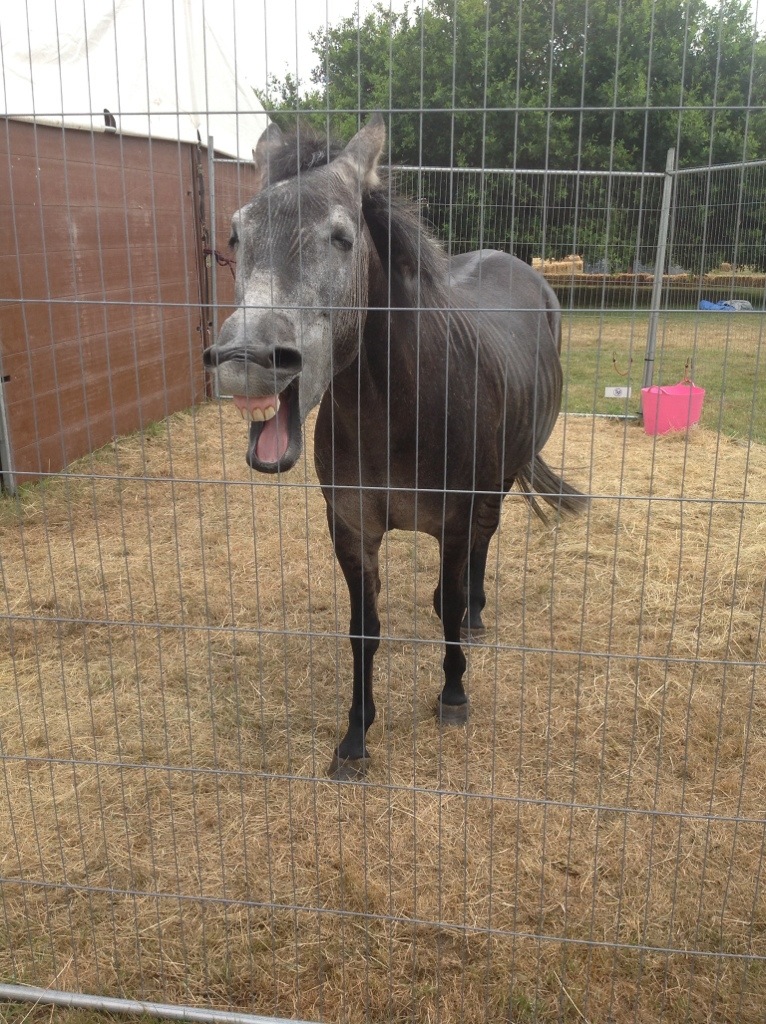
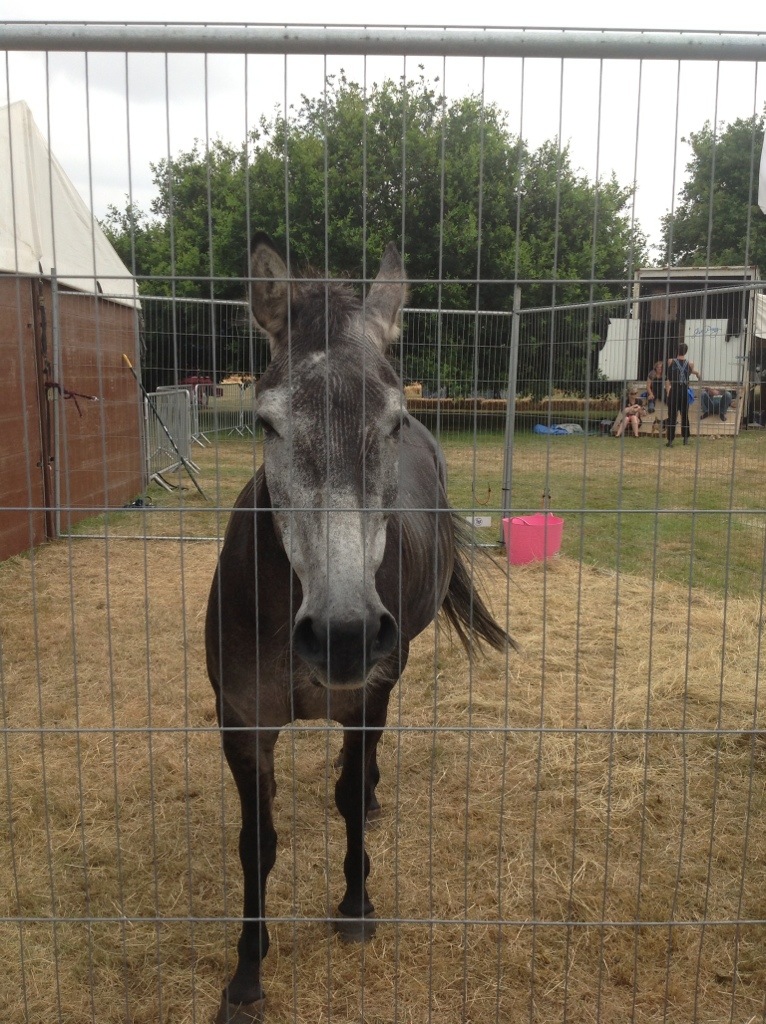
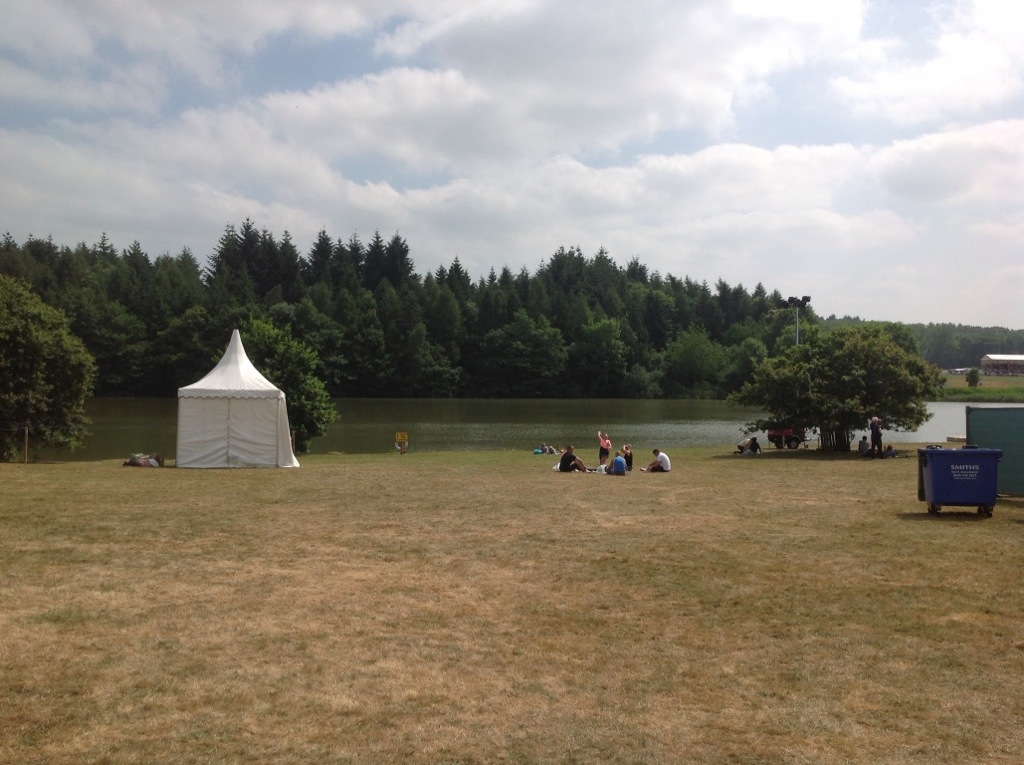
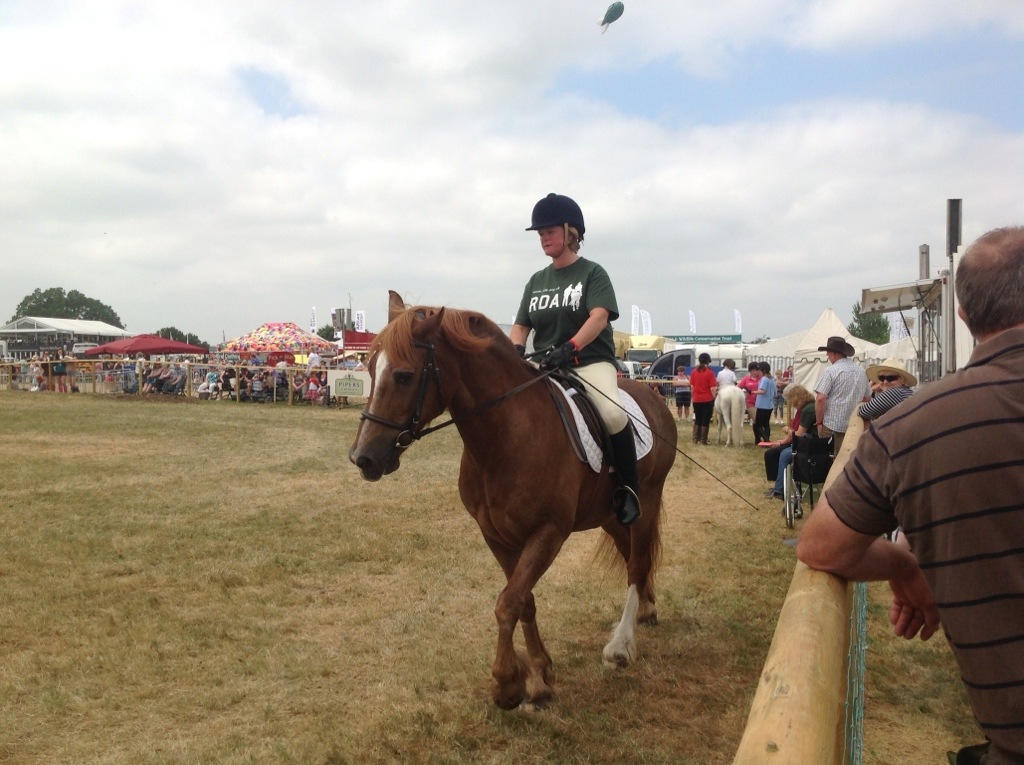
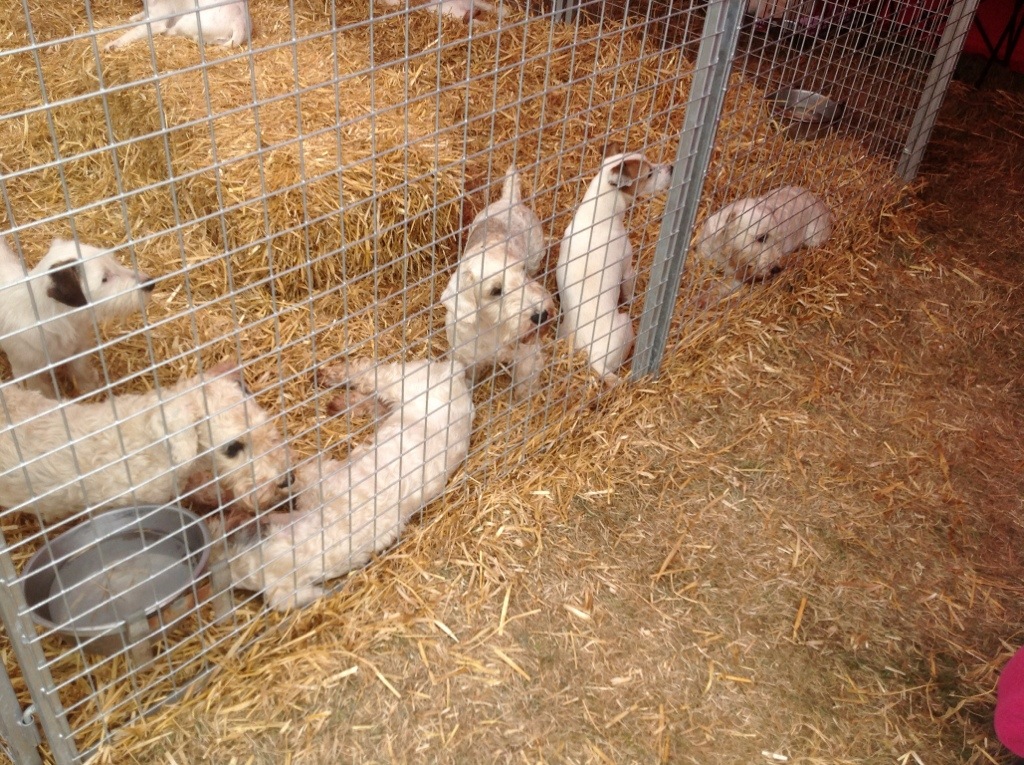
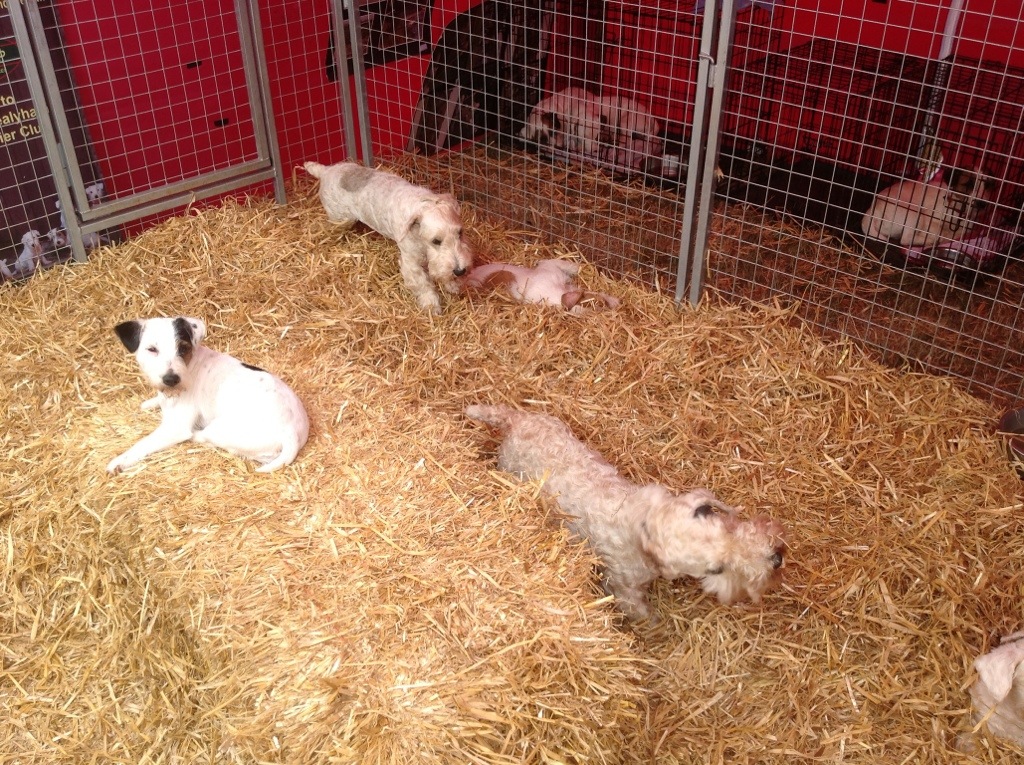
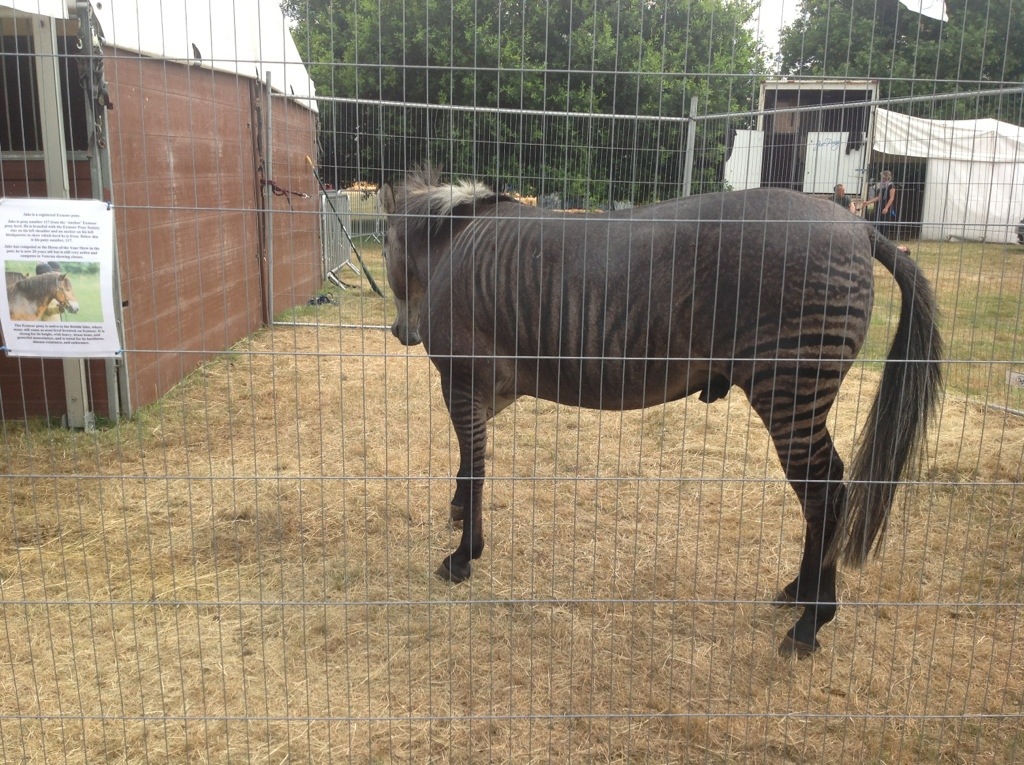
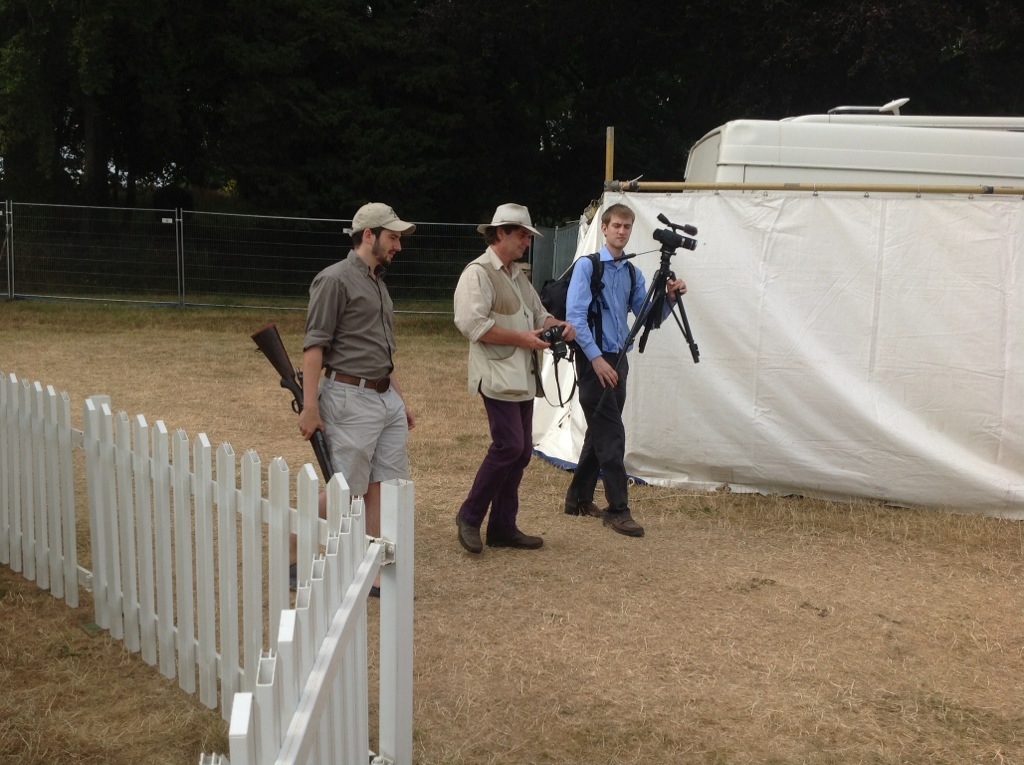
We had lots of fun at the CLA Game Fair. We saw the UK’s only Zorse, Zulu, and also saw lots of horses, puppies, birds of prey and great shows. There was also lots of sun and great food and drink around. We also bumped into Gold Olympic medalist Peter Wilson, watched the RDA put on a great show and did some shopping.  If you were there let us know if you enjoyed yourself, we certainly did.

20130729-163943.jpg

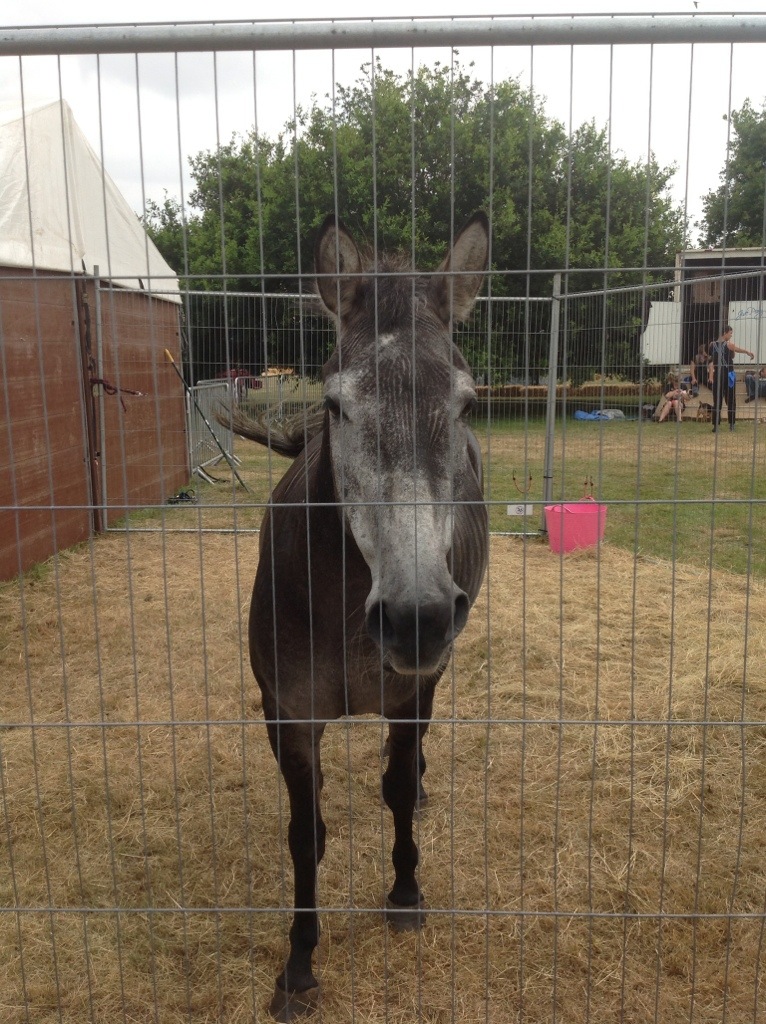
Zulu, the only Zorse in the UK. He even gave us a smile!

zorse, zulu, zebra, horse, picture

20130729-164025.jpg

20130729-164036.jpg

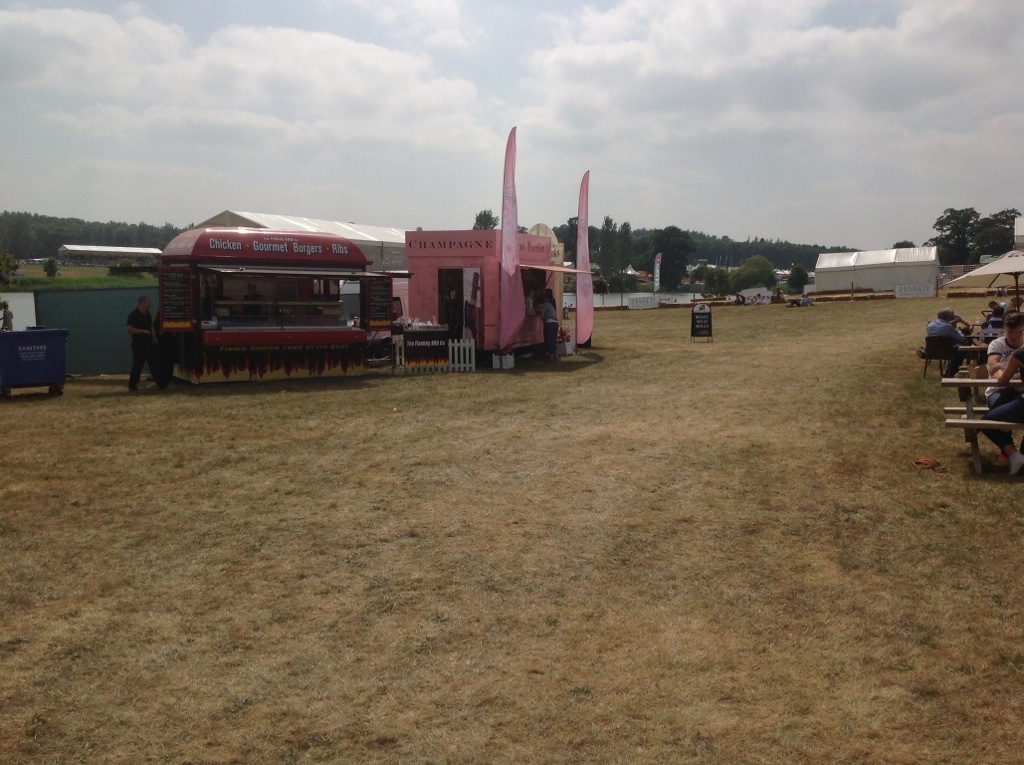
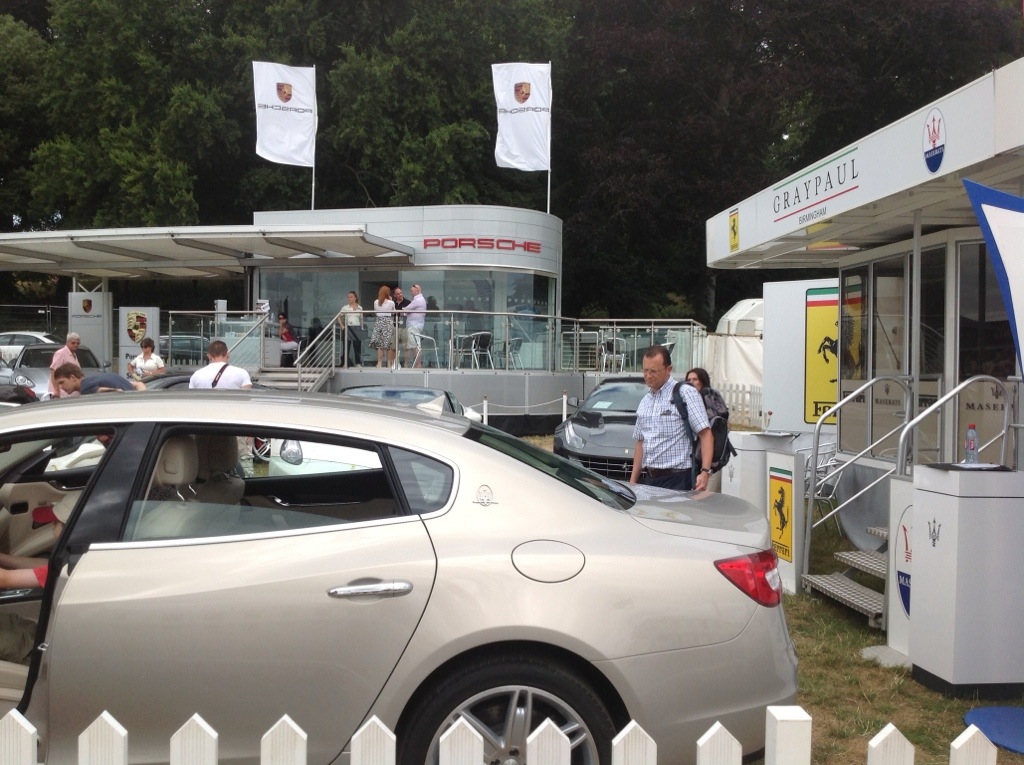
20130729-164045.jpgTop Gear made an appearance. Below is a champagne bar we did not go to. No idea why.

champagne bar, CLA Game Fair, 2013

20130729-164110.jpgThis was a great riding show from the RDA (Riding for the Disabled) . The RDA is a brilliant organisation which helps disabled people ride. There motto is, ‘It’s what you can do that counts.” The people who rode were a little boy with cerebral palsy and a women with MS. Riding helps the disabled both physically and mentally. Visit their website at www.rda.org.uk

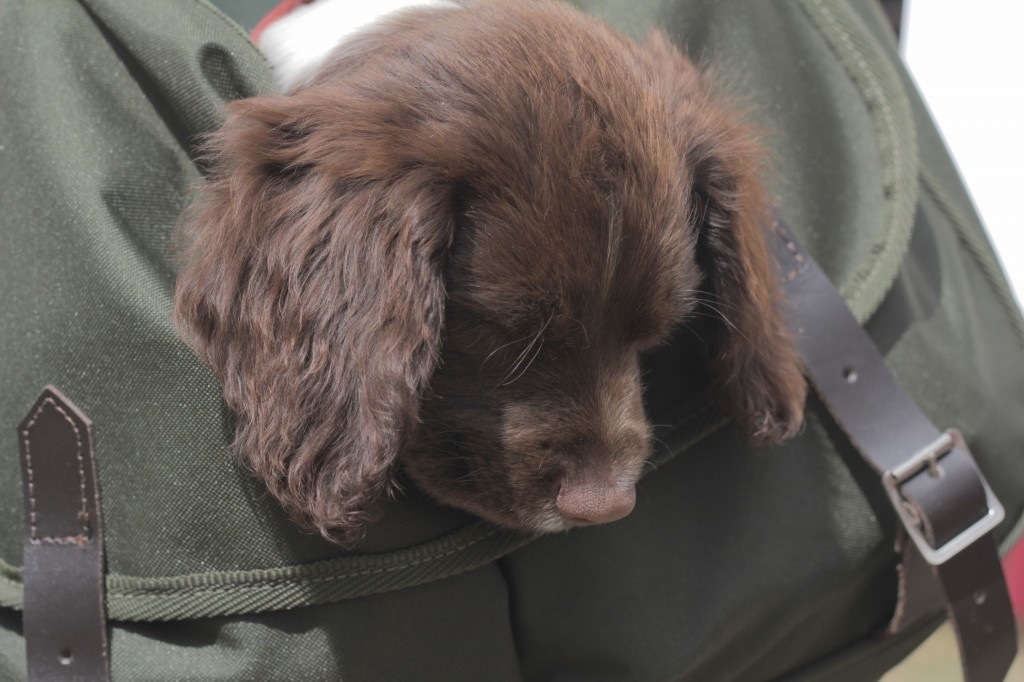
20130729-164123.jpgPuppies!

Puppies!

zorse, zulu, zebra, horse, picture

Hanging out in the press tentHanging out in the press tent. James and editor Catherine.

sleeping puppy, puppy picture

Michael Yardley ,Positiveshooting.com ,gun reviews. Michael Yardley of Positiveshooting.com does his gun reviews.

20130729-164311.jpg

Zulu gives us a smile.

Zulu gives us a smile.

20130729-164343.jpg

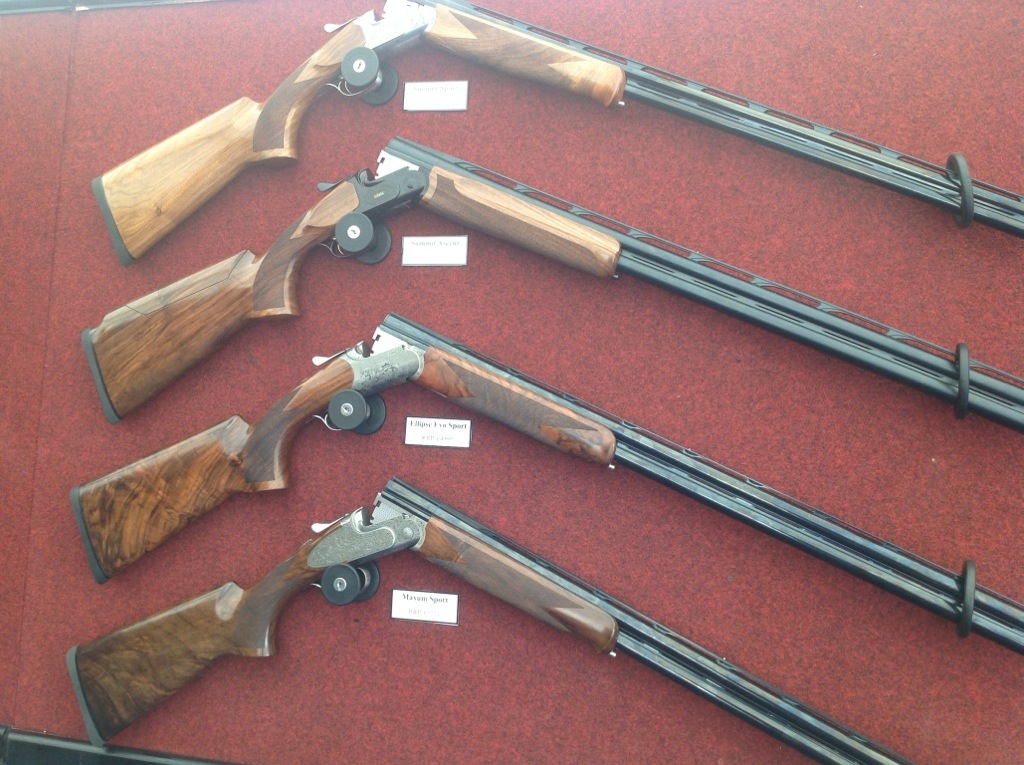
guns, shot guns, Caeser GueriniShotguns from Caesar Guerini

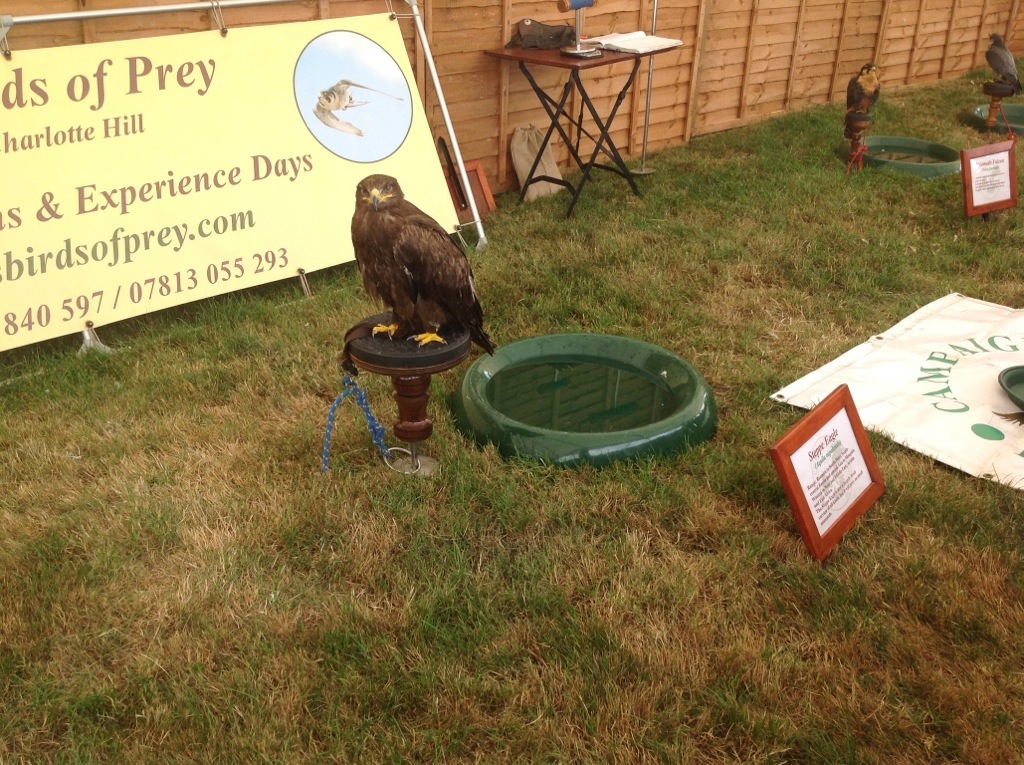
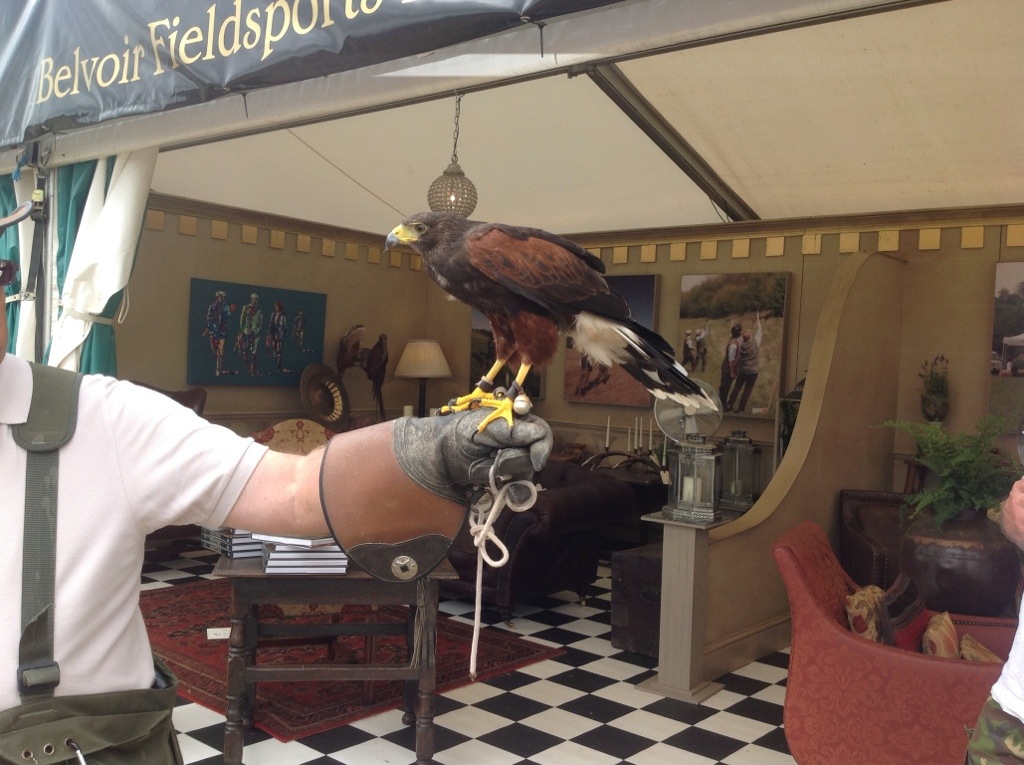
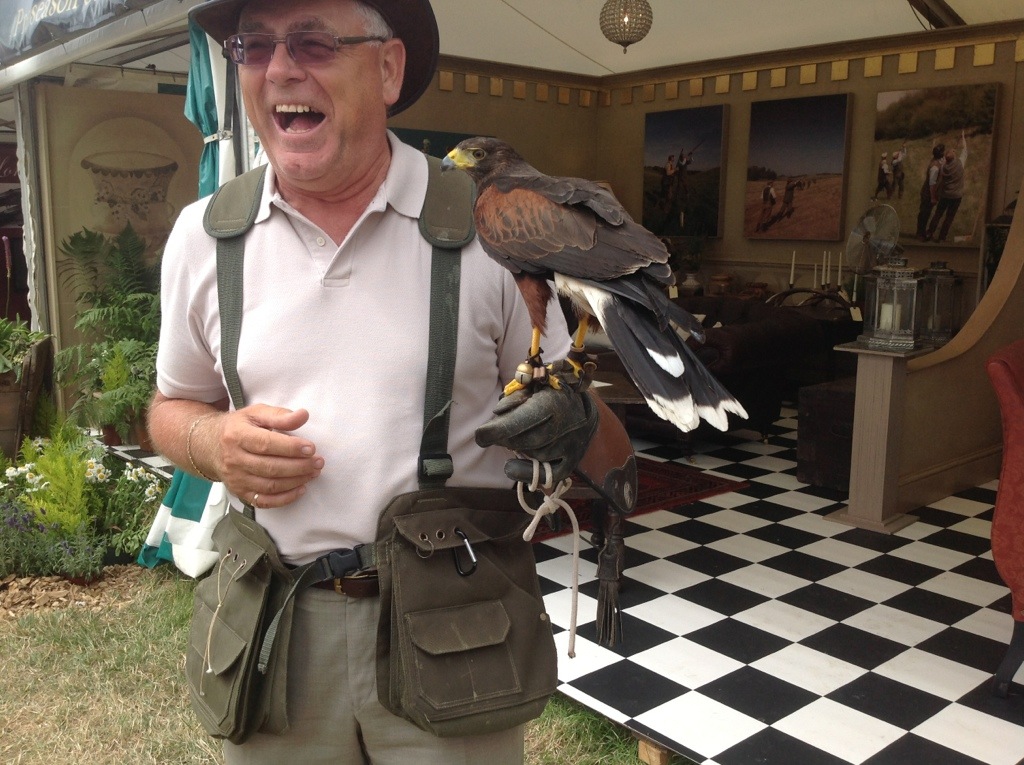
Bird of prey. There was a great falconry section at the fair.

Bird of prey. There was a great falconry section at the fair. Bird of prey. There was a great falconry section at the fair.

Peter Wilson, Olympic Gold Medalist.

Peter Wilson, Olympic Gold Medalist.

Government youth work scheme failing 90% of jobless youth targeted

The Government’s work programme is an “abject failure” according to property maintenance boss Will Davis, MD of Aspect.co.uk.

“The fact that 90% of 160,000 18 to 24 year olds it pledged to put back into work are still out of work is a real cause for concern”.

The Government’s work programme offers business a subsidy of £2,275 for taking on a young person who has been out of work for at least six months.

Mr. Davies who pioneered ‘Boot camps’ in Britain to enable unemployed London youth to vie for a job said “bureaucrats are not getting young people working”.

“Jobs are what we need, not more hand-outs to subsidise companies to hire people to do jobs that are not a real requirement”.

“People will find money to employ people in areas that are a real requirement”.

Figures show that it has only paid wage incentives for 4,690 young people from its start in June 2012 to the end of May 2013 – significantly behind the target of 160,000 over three years.

Shadow work and pensions secretary, Liam Byrne, said: “The Youth Contract has utterly failed to get our young people back to work. This flagship scheme is on course to miss its target by more than 92 per cent”.

Davies adds: “The government needs to get out of the business of providing business with bribes to create artificial jobs”.