WELSH WRITING WEDNESDAYS: ALEXANDRA WALSH ON APPLYING MYTHS TO FICTION

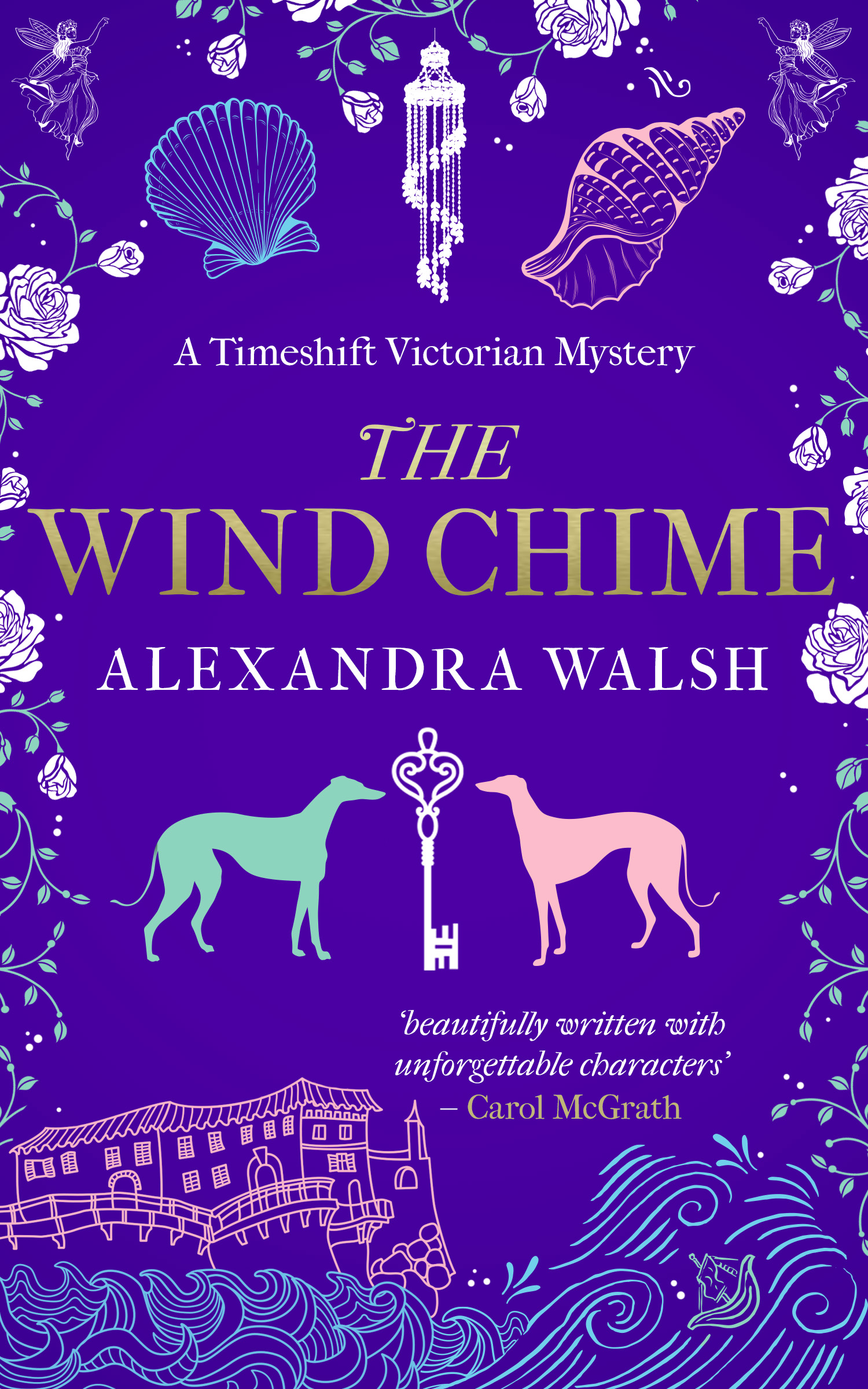
Wales is a land rich in mythology and here Alexandra Walsh explains how she researched and applied some of it to her latest novel.

In The Wind Chime, my main character Amelia Prentice is sent on a quest by her dying mother, Joan. Requesting Amelia should tidy the attic of their family home before she made any decisions about selling it, Amelia discovers a box of Victorian photographs, with a hand-drawn family tree. The annotations on the back of the images names them as the Attwater family from Cliffside in Pembrokeshire.

Amelia has never heard this name before but she is intrigued by the family and is drawn to the youngest daughter, Osyth Attwater. When she discovers Osyth’s journal among her mother’s papers, she feels compelled to visit Cliffside and find out more.

The Mythology

At night, the Attwater family of old would gather on their veranda, listening to the wind chime and watching the sun set into the roaring ocean. They told each other stories and Osyth revelled in the tales her Uncle Noah wove around them, using them as a guide to her life.

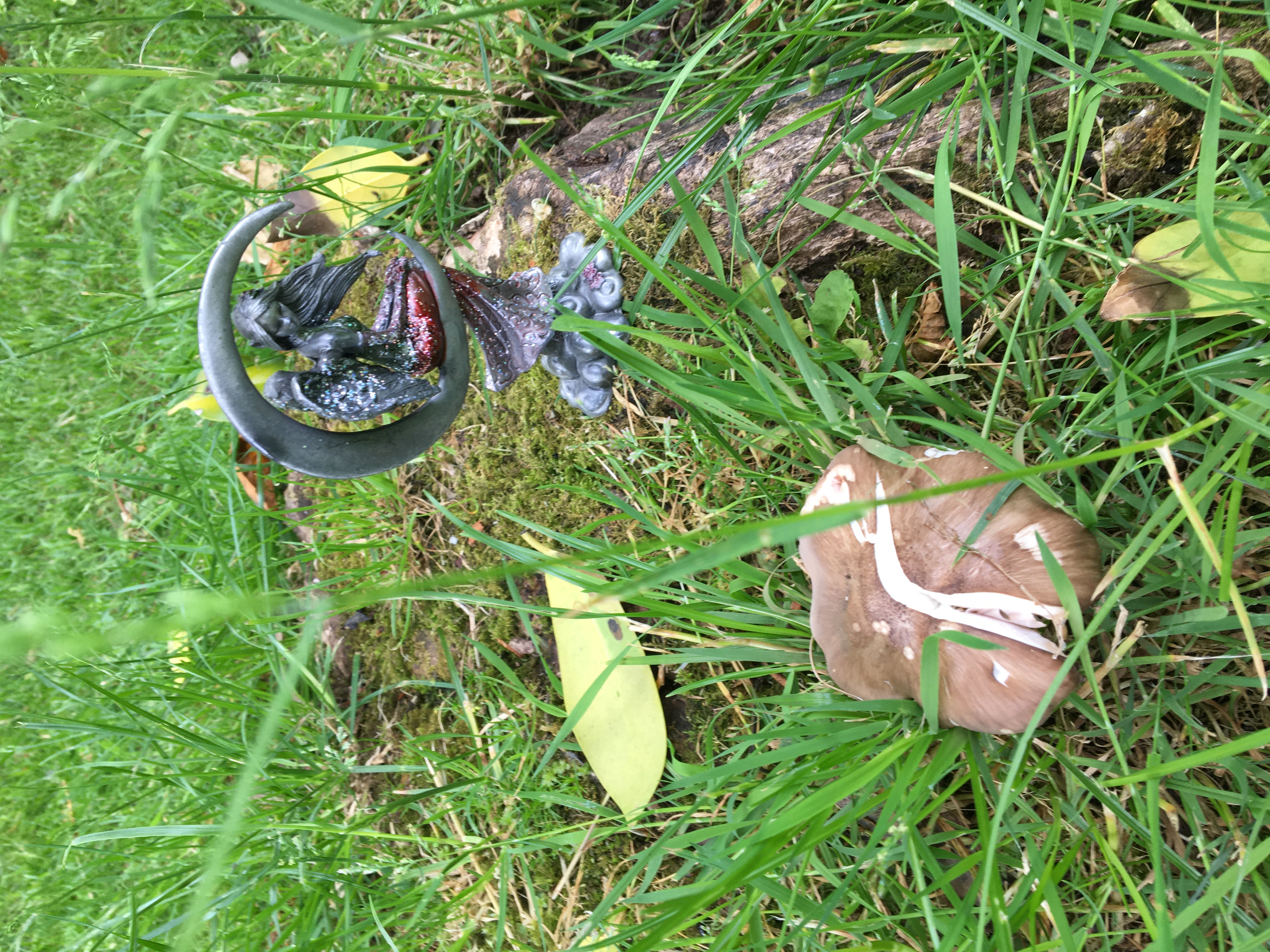
In order to make to create Osyth’s interior life, I drew on tales far and wide. These included old fairy stories, local legends and Celtic mythology. At the beginning of the book, Osyth is in her late teens and is letting go of her childhood as she enters the adult world, yet she cannot fully abandon the magical world of her childhood. Throughout, I was aware the tales needed to fit in with Osyth’s story rather than distracting from it, so the fairies invited to join the party were chosen with great care.

Tylwyth Teg was the most important tale. This is the Welsh translation for the Fair Folk or Fairy Folk and their magical home can take a number of forms, from the underground land reached through the doorways of the Celtic stone circles or in mysterious green lands that can be glimpsed off the Welsh coast. Osyth is fascinated with Tylwyth Teg and it is from here she draws on other magical creatures who are her talismans and protectors as she discovers bitter family secrets.

It is during the celebrations of a family wedding, Osyth’s aunt, Hannah, tells the story of how the world of the Fair Folk was created. It is the tale of a woman who hid her children from Jesus when he visited her home as she was ashamed of her fecundity. However, when she searched for her family later, there was no sign of her children. She was told God had taken them as a punishment for hiding the gifts he had bestowed upon her. In the legend, these children were taken underground and became the ancestors of all the creatures in the Land of Tylwyth Teg.

While dressing for this wedding, Osyth references Gwenhwyfar, the fairy of the White Moon Shadows. This fairy dances through the world leaving tiny white flowers in her wake. White flowers became a theme throughout the story, including the name of her perfume, White Rose, from the perfumiers, Floris.

The most interesting creature I discovered was the gwrach-y-rhibyn, the witch of death from Welsh mythology. This terrifying creature with her red eyes, green-tinged skin and dark leathery wings, gathered the souls of the dead and would visit houses whenever a death was imminent. It calls to mind the Irish banshee, which considering the close proximity of the two coastlines is unsurprising.

I hope this small insight into the fairies and their world will make your reading of The Wind Chime – and Welsh mythology – more interesting.


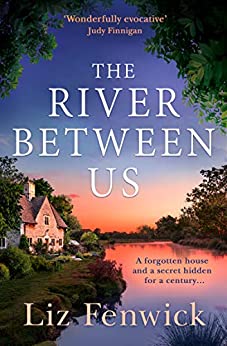
JANE CABLE REVIEWS LIZ FENWICK’S EXCEPTIONAL NEW NOVEL

For some years the pinned Tweet on Liz Fenwick’s profile has been about kindness, and it struck me that in many ways The River Between Us is too. The First World War heroine, Alice, must learn to be kind to others, and her modern counterpart Theo needs to be kind to herself.

Their stories are more than linked – they are woven together – by place and by so much more. But as always with Liz Fenwick’s books, it isn’t so much the resolution of the mystery that is important, it is the journey itself. And this is an especially rich and sensual one.

Newly divorced Theo buys a ramshackle cottage on the Cornish banks of the River Tamar, once part of the estate belonging to the manor house, now hotel, on the Devon side. The seeds of mystery are planted quickly, as Theo discovers a box of letters dating from the First World War, and when her grandmother dies it comes to light that she had secrets of her own.

In the historical narrative, which begins in 1914, Alice is a rebellious debutante, determined to speak out for force-fed suffragettes to the king and queen during her season. When she does so she is banished to Abbotswood in Devon, where she is attracted to the ghillie, Zachariah Carne.

The coincidences may fall a little too thick and fast for some, but this takes none of the enjoyment from the story. Liz Fenwick’s prose takes the reader from seeing Abbotswood as a prison for a young girl, to casting it in a dream-like quality, full of beauty and wonder, as Theo falls in love. In this book the tiniest of details matter – the tying of flies, the shells in the shell house, the flowers and their meanings. And that is brilliance of it.

But The River Between Us is more than an exhibition of faultless prose; the characters leap from the page and sink into your heart. Both contemporary and historical plots are complex and resonate with each other, and by the end of the story all the strands are as neatly woven together as DNA.

Books as good as this one are the reason I don’t read when I am writing a first draft, because they have the power to transport you to a different world, even when you aren’t physically turning the pages. But I am discovering they are excellent to read when editing; tomorrow I need to return to my own work in progress, inspired to make it so much better.


Publisher’s blurb:

Following the breakdown of her marriage, Theo has bought a tumbledown cottage on the banks of the river Tamar which divides Cornwall and Devon. The peace and tranquillity of Boatman’s Cottage, nestled by the water, is just what she needs to heal.

Yet soon after her arrival, Theo discovers a stash of hidden letters tied with a ribbon, untouched for more than a century. The letters – sent from the battlefields of France during WW1 – tell of a young servant from the nearby manor house, Abbotswood, and his love for a woman he was destined to lose.

As she begins to bring Boatman’s Cottage and its gardens back to life, Theo pieces together a story of star-crossed lovers played out against the river, while finding her own new path to happiness.

The River Between Us beautifully explores the mystery and secrets of a long-forgotten love affair, and is published by Harper Fiction on 10th June.


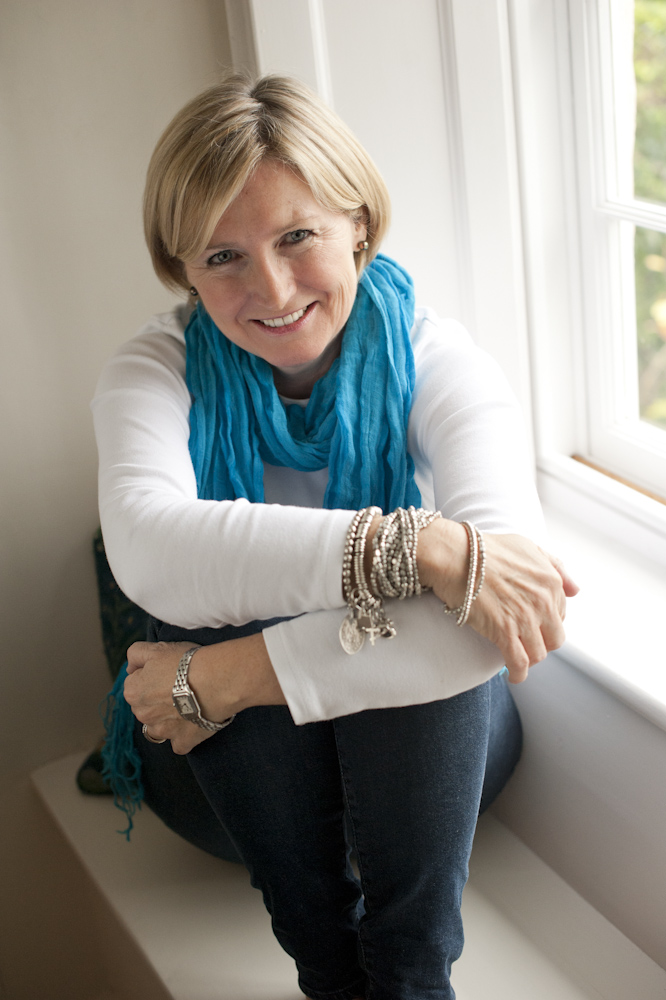
My Writing Process Michael Arditti

 Michael Arditti , authorWhat you have written, past and present

I am the author of eleven novels and one book of short stories, all of which have either been published or reissued by Arcadia and all of which I’m pleased (and proud) to say are currently in print.

I began my career writing plays for the radio and the stage, the former with more success than the latter, although I had a very happy experience writing The Volunteer for the National Youth Theatre in the 1980s.  Meanwhile, my play, Magda, about Magda Goebbels and Eva Braun in Hitler’s bunker, is to be produced in Latvia this autumn.  Nevertheless, I hate conflict in any form, and I learnt relatively early that such talents as I have are better suited to the reflective, discursive medium of fiction than to the more confrontational medium of drama.

What you are promoting now

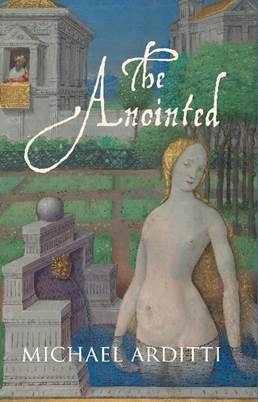
The paperback edition of The Anointed, a novel about King David, narrated by his three most significant wives.  The novel came out at the beginning of lockdown last April and, although sales were hit by the closure of bookshops, it was widely and well received, with the Evening Standard describing is as ‘#MeToo meets the Old Testament.’  That somewhat catchpenny phrase neatly sums up the book, in which three women, Michal, Abigail and Bathsheba, who are side-lined and almost totally silenced in the Bible, are given their voices and enabled to give their views of Ancient Israel’s greatest hero.
A bit about your process of writing

I am a ‘morning person’ and write from 6 or 7 am until 1 or 2 pm, with breaks for breakfast, herbal tea (and sugar-free biscuits!).   I very rarely write in the afternoons, preferring to read, listen to music or see friends.  Until last autumn, I worked as a theatre critic and spent three or four evenings a week in various auditoria.  I’m slowly adjusting to the new rhythm of life.

Like many writers, including my hero, Marcel Proust, I write in bed.  I always have done, since for me it offers the perfect mixture of freedom and constraint.  In 2001, I suffered a severe back injury, which has left me slightly disabled, so lying, propped up by pillows, with my laptop carefully positioned, is my most comfortable position.  Friends, who previously thought me self-indulgent and lazy, now think me practical and brave.  A great relief!

Do you plan or just write?

I feel a mixture of awe and envy for anyone who does things that I can’t (from swallow-diving to fixing computer glitches).  The same goes for writers who open a blank page (or a Word document) and write the first sentence of a novel, without having any idea of what the next will be.  In my own case, I need to know the arc of a novel before I can start.  Of course, the characters lead me in unexpected directions, and we all know what happens to the best-laid plans of mice and men.  But I do need to have a plan in place, to be able to deviate from it creatively.

What about word count?

I pay no attention to word counts whatsoever, either in having to complete a certain quota every day or in requiring a book to be a certain length.  Every novel is different.  My longest, Of Men and Angels, is around 180,000 words, and my shortest, The Young Pretender (about the Georgian child actor, Master Betty, which is to be published next January) is 55,000.  But the majority of my books, including The Anointed, are around 120,000 words.

How do you do your structure?

Structure is very important to me.  It should say as much about the matter of a book as the story itself does.  When I mentioned that I always had a plan before starting, I was referring to a structure rather than a plot.  For The Anointed, I worked to a readymade plot for only the second time in my career (the first was A Sea Change, which tells of the ill-fated voyage of the St Louis, a ship taking almost 1000 Jewish refugees from Hamburg to Havana in 1939).   The biblical Books of Samuel follow the course of David’s life from his gilded youth to his despotic old age, although, from my point of view, what they leave out was as important as what they put in.  

Once I resolved to tell David’s story from the women’s perspective, everything fell into place.  Michal, King Saul’s daughter, bears witness to his youth at her father’s court, his early military prowess, and his relationship with her brother, Jonathan.  Abigail, a wealthy widow who facilitates his rise to power, knows him as a skilful (and ruthless) politician, prepared to betray his countrymen to the Philistines, and usurp his father-in-law’s throne.  Bathsheba, the best known of the three (largely because her nude bathing has been a gift to painters down the centuries), encounters him in old age, raping and murdering at will and unable to control his children.  Their stories intertwine and, at times, contradict each other, reflecting the many inconsistencies in David’s character.

What do you find hard about writing?

I could say ‘everything’, although that would be too glib and not entirely true.  Ever since I published my first novel, The Celibate, in 1993, I have met people who tell me that they too would write a novel, if only they ‘had the time.’  I listen politely but wish that they had both more sensitivity and understanding of how hard a profession it is.  It requires both self-discipline and self-confidence.  It is a long, solitary process, at the end of which you can be harshly judged, both privately by friends and colleagues, and publicly by critics and readers.  It isn’t manual labour but it is often utterly draining.  If the writing is honest (as it should be), it can be very painful both for yourself and those to whom you are close.

What do you love about writing?

Once again, I could say ‘everything’ and, once again, I would have to qualify it.  To be able to create a fictional world is a gift and to have the chance to share it with readers a privilege.  Losing oneself in one’s work so that all outside concerns and distractions disappear is the most glorious sensation, bettered only by reading through one’s writing at the end of a chapter and not knowing the genesis of a particular incident or exchange but knowing that it is absolutely right.

The Anointed by Michael Arditti is out in paperback by Arcadia.

 

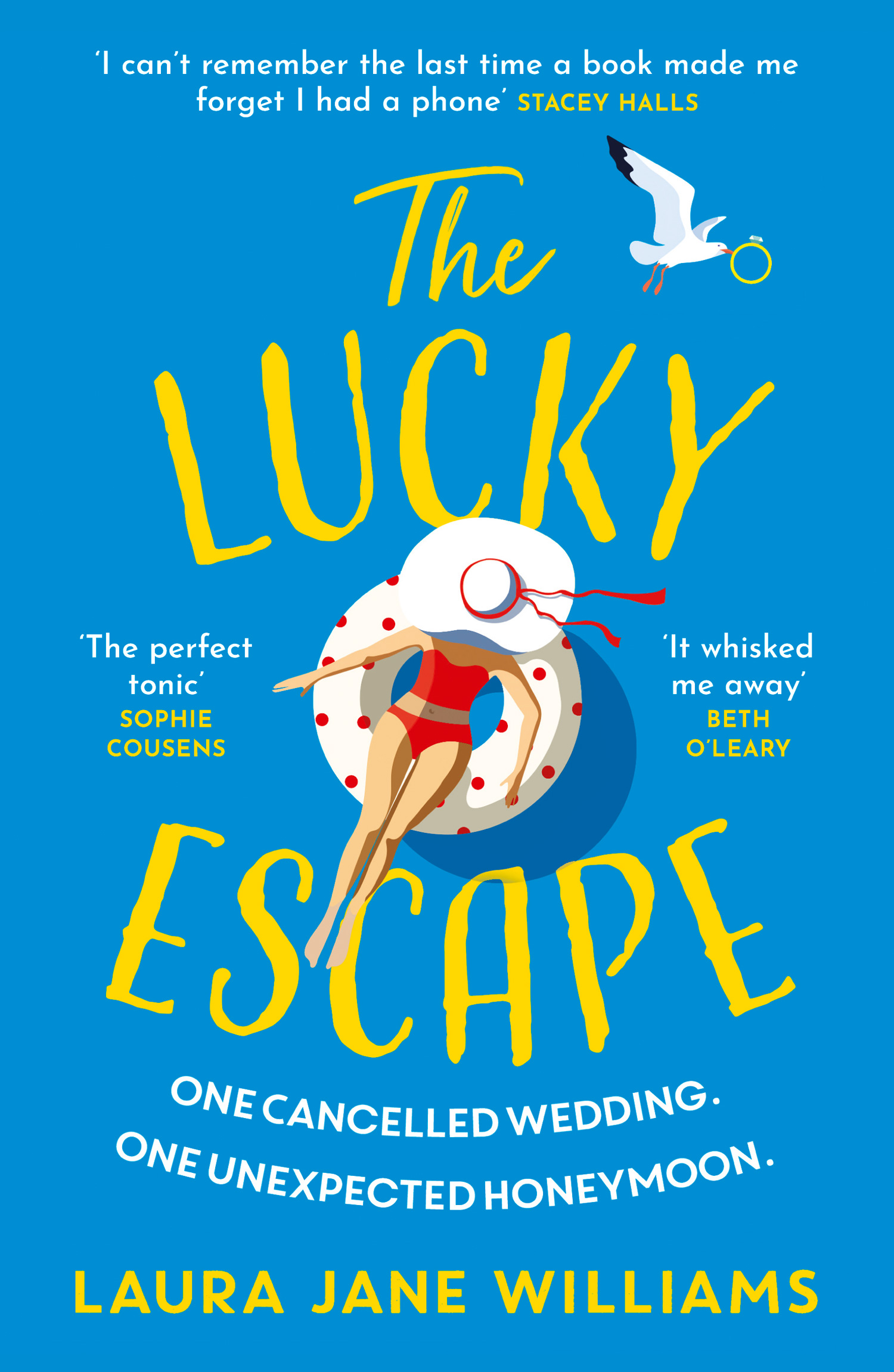
5 Books that Changed My Life By The Lucky Escape Author Laura Jane Williams

The Babysitter’s Club series

My parents had a rule when we were growing up: they’d always say yes to a book. I remember being in Waterstone’s Durham and randomly pulling a Babysitter’s Club of off the shelf, purely to get my dad’s attention and praise. Turns out, it was a gateway drug. Over the next few years I collected all of them, devouring the stories of these incredibly glamourous Americans who essentially ran their own little business. Couple that with starting highs school as The Spice Girls hit number one and a lot of my personality suddenly makes sense!

lucky escape, Laura Jane Williams, books that changed me,

On Beauty, Zadie Smith

I read this when I was about 20, and it opened a secret door within me that I hadn’t known about before. Every character in this book leaps off the page – there is no such thing as a flat or incidental character, everyone is 3-D and complete. It was the first time I remember being aware of not just enjoying the story, but that the story was created by somebody, a writer, who had worked at it and used certain techniques and skills to make their point. I know every man and his dog has been inspired by Zadie, but it really is for a reason. She’s remarkable – she’s got the most smart, intelligent brain.

Heartburn, Nora Ephron

I’ve read and re-read this book, and every time I just cannot get over the self-awareness of it. It’s so funny. There’s not a line wasted. It’s no mean feat, writing a character with so much life in them, with strong opinions and questionable choices who is still utterly likeable. It’s the same for Bridget Jones. I love knowing that the novel is a roman a clef and picking out which bits are slightly less veiled retellings of actual events than others. It must only be about 50,000 words, if that, so it’s proof that not every story needs to be an opus to be impactful.

Homegoing by Yaa Gyasi

This book taught me more about the lasting impact of slavery than anything else I’d ever read up until that point. I remember knowing that whilst the third chapter was some of the most difficult reading I’d come across it was unquestionably important. The novel branches out to illustrate the continued echoes of white supremacy alive today and so much clicked for me, then – my privilege had not allowed me to see so much, and through the gift of this story I could. It was a jumping off point for so much more interrogation into racial inequality.

Last Night, Mhairi McFarlane

I’d never read and Mhairi before this one, but offfft! What a book to get started on! Right from the first page I was sucked in to this world of banter and wholehearted friendship, and whilst I think the sort of rom-com/women’s fiction genre gets deliberately misunderstood (don’t get me started on that!) there’s no mistaking this book as an incisive, accomplished balance between hilarious and heart-breaking. That’s masterful! I read it in awe of her skill, trying to unpick how she’d done what she’d done. That’s how I know I’ve been impressed – I hold the thing up to the light desperate to learn from it!


The Lucky Escape publishing on the 10th June, is the third unmissable new novel from the bestselling author of Our Stop and The Love Square. The perfect romcom, and more: full of effortless banter; sizzling sexual tension and, above all, an overwhelming sense of hopefulness – in life as well as love.

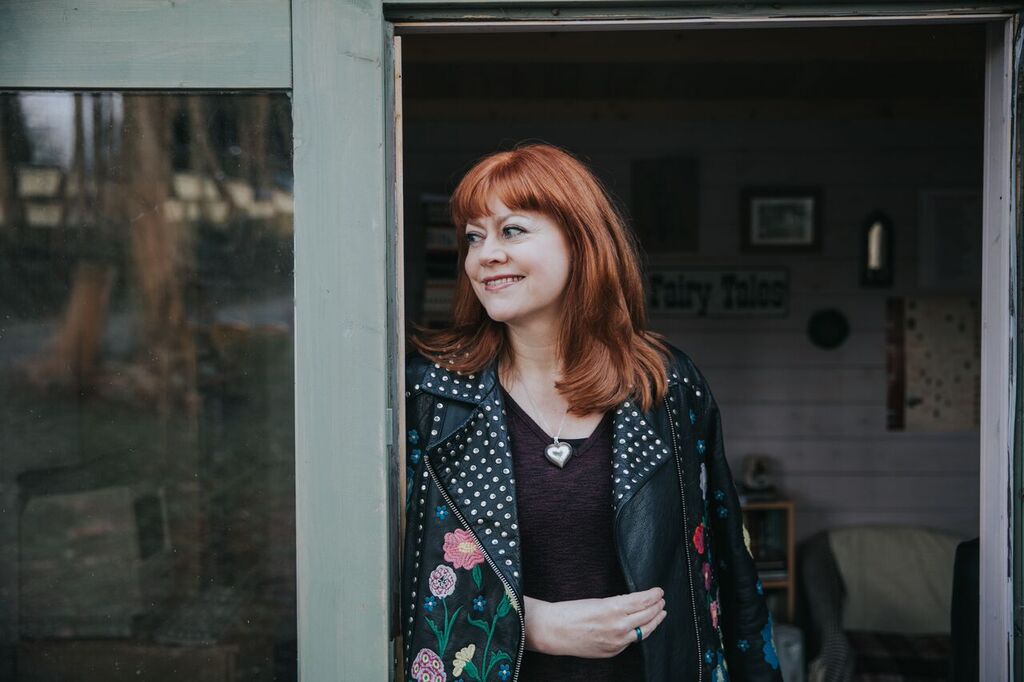
WELSH WRITING WEDNESDAYS: INTRODUCING ALEXANDRA WALSH

West Wales has always held my heart. Although I was born and brought up in London, I have family in Milford Haven and St Ishmaels – Tish to residents and locals – in Pembrokeshire. My memories of holidays here are wide, varied and full of laughter.

My writing, like my links to Wales, have been life-long. There was never any question about what I would do but, as it was necessary to earn a living while trying to fulfil my ambition of being a published author, I toyed first with the idea of acting and writing for theatre. At the age of 18, I set up and ran a touring theatre company, however, acting was not for me and a few years later I closed the company.

Instead, I moved into journalism. My first job was on a local newspaper, from here I progressed to women’s magazines, national newspapers and prestigious launches.

Yet still, I wrote fiction. For a while, I focused on scripts, both film and TV. I sold three film scripts and, for a while, worked in the British Film Industry but it’s an unpredictable and strange place. In the space of two weeks, due to the large companies who were producing my scripts suffering internal upheaval, I saw my dream vanish. My response was to run away to Pembrokeshire.

Using the last of the money from the script debacle, I took the summer off and wrote my first novel, returning to London to find a new agent and sell my masterpiece. Sadly, it didn’t happen, so it was back to freelancing as a journalist.

Things changed again, I became seriously ill, losing my ability to walk for nearly 18 months. My solace as I battled to regain my health was to write. A new manuscript, a new agent, new hope but still no publishing deal. Another book languished.

Then a new idea arrived, in a direction I had never before explored: an historical thriller.

It centred on the Tudors and as I lived not far from Hampton Court and worked near the Tower of London both places issued a siren call. On my commute to work, I researched the historical thriller, then began writing it every morning in a notebook. The Tudor link to Wales, to Pembroke, to the area I knew and loved spurred me on, even leading me to set the book in St Ishmaels.

Life changed again, resulting in a move to Milford Haven. Settled in my purpose-built writing hut, a few miles from my cousins, I took the story from my notebooks and began to polish it. A new agent made all the difference and The Marquess House Saga was born.

Then, one day, the first book I’d written popped back into my mind: The Wind Chime. Rethinking and restructuring it, I pitched it to my agent and publisher and suddenly, I was in the Victorian era, weaving my own family history into the story. The same happened with the book that had sustained me through my illness, The Music Makers. This, too, became a Victorian time-shift with both drawing on the Welsh countryside, the myths and folklore of Pembrokeshire and the endless backdrop of the sea.

Wales is the land of bards, story tellers, of Merlin, Druids and the Fair Folk. The landscape holds magic in its rolling hills, its jagged mountains, its sparkling streams and rivers. It was the place that always held my heart and is now the place I call home and it has helped me make my dream come true.


THE DIARY OF A BOOK, MAY 2021

The first of Jane Cable’s monthly post charts acquisition and initial research

There is always a fascination with how books are written, but so very often when they’re started an author doesn’t know whether they will see the light of day so we’re unwilling to share what could be a disappointing journey. But as I signed the contract with Sapere for my second Cornish Echoes novel, The Lost Heir, in April, I thought I would tell the story of its creation too.

All the Cornish Echoes books will be standalone dual timeline romantic mysteries with one foot in the present and the other in the Poldark era (as I like to think of it), or the Regency period (for the purposes of Amazon classification). It was a fascinating time in Cornwall’s history when mine owners were making fortunes and building houses to prove it but there was still an element of lawlessness in the Cornish spirit. You’ve probably read or seen Poldark, so you will know what I’m talking about.

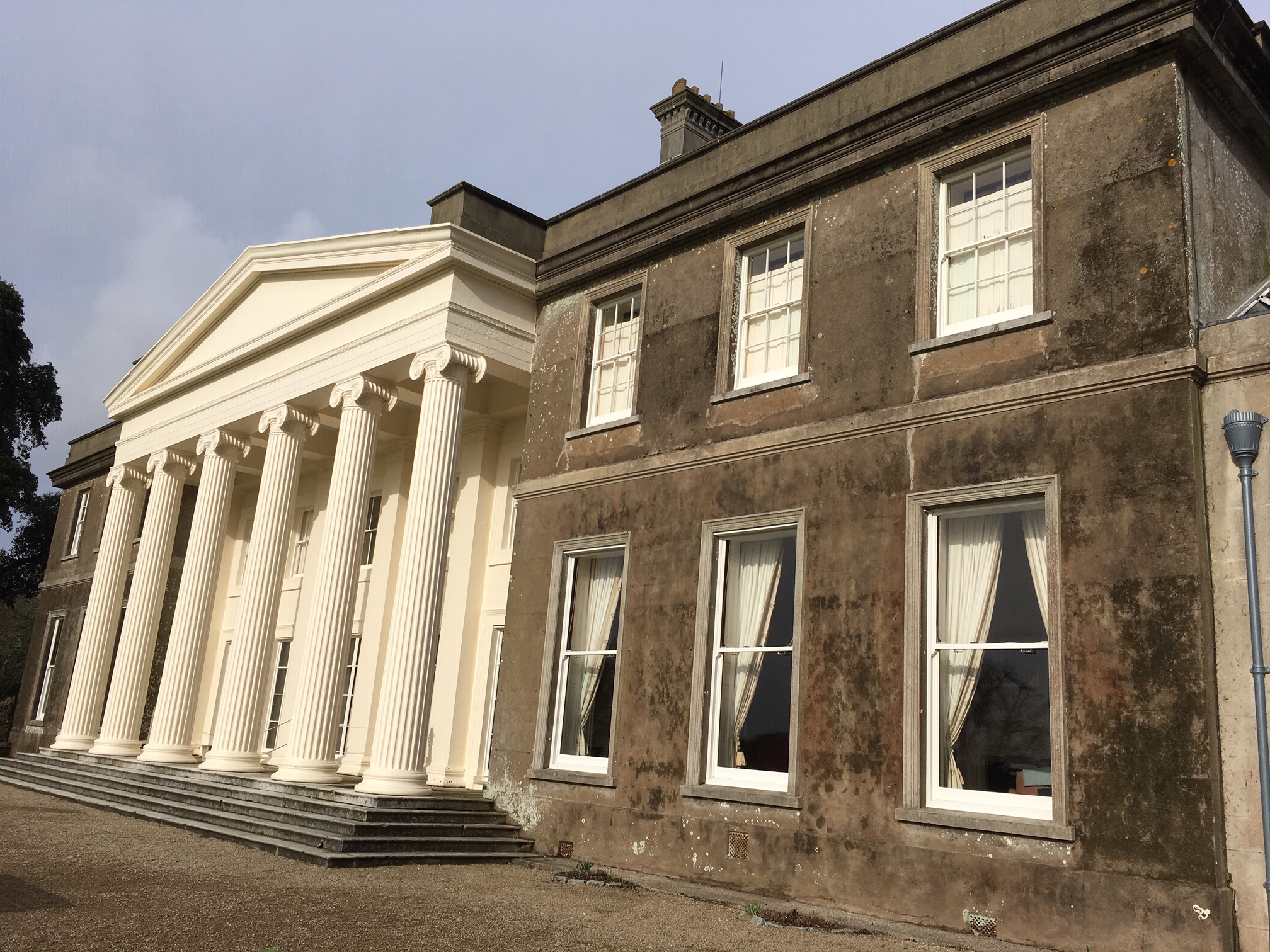
Each book is based around one of these great houses and at least some of the people connected with them – both in the early nineteenth century and the present day. The first, The Forgotten Maid, takes its inspiration from Trelissick, now owned by the National Trust and open to the public. For The Lost Heir it’s Tehidy, which burnt down in 1919, had a hospital on the site for almost seventy years, and is now a country park.

Sapere acquired the book on the basis of an outline, which for me means a four page summary of the characters, setting, history and plot. I had very little of the 1810 story but had discovered that the daughter of the house, Frances, remained unmarried – most unusual at the time, especially given the baronetcy was drawn up to pass through the female line as well. You could say my curiosity was piqued.

So in May the detailed research began and initially it involved a great deal of walking. Luckily my husband and I really enjoy it, so we tramped paths old and new to us both within the country park and around it; along the fabulous North Cliffs which run a field’s width from Tehidy’s boundary, then heading out to discover the farmhouse where important characters would live, and down old tracks into the harbour village of Portreath. All valuable settings for both timelines.

Alongside this I set out on some internet research into the history of Tehidy and the Basset family in the Poldark era. To my great delight I unearthed the possible existence of an illegitimate son, William. And the more I dug, the more certain it seemed he existed and what’s more, led a pretty colourful life.

His and Frances’ father was no slouch in that respect either, but as one of Cornwall’s most famous landowners it was easy to track down information about him. The online catalogue of Cornwall’s library system has an excellent search engine and through it I discovered books which mentioned him and a slim volume all about him, including accounts of how his household was run and guests’ impressions of the family and their magnificent home. Gold dust for a writer. The era – and the plot – were filling out.

But if these books were gold dust, a footnote in one of them led me to the actual gold. A family memoir of the type I assumed I would need to go to Kresen Kernow, Cornwall’s archives, to ferret out. But no, here it was in the library catalogue and it popped up at Truro branch within a few days. And it started with William. Lots about William. But to tell too much would spoil the story…


CARIADS’ CHOICE: MAY BOOK REVIEWS

Jan Baynham’s Her Mother’s Secret, reviewed by Judith Barrow

Her Mother’s Secret is set against the background of the Greek island of Péfka during different eras; 1969 and 2011. Two time frames linked by the two main characters, Alexandra and her mother, Elin; connected through time, by the diary that Alexandra finds after her mother’s death.

Elin and Alexandra are complex, well-rounded characters; very much of their time. Although never together in any scenes, the love they have for each other is threaded throughout the story. And the author has ensured that the reader becomes engrossed in these characters by intertwining their stories with a cast of believable minor characters.

The portrayals of the settings give an evocative sense of place.

There are many themes: of love, relationships, mystery, crime, secrets and friendships, woven to give a good balance of romance with a believable darker side of life.

Her Mother’s Secret is a novel I recommend to readers who enjoys a story grounded in the Romance genre but reveals itself to be so much more.


Angela Petch’s The Tuscan House, reviewed by Jessie Cahalin

A story about the extraordinary lives of ordinary people during World War Two. The colours and culture of Italy are scarred with the horrors of war, and I was transported to war torn Italy by this clever, sensory writer.

Fosca’s resilience and resourcefulness impressed me.  She recounts the bravery of women resistance fighters (partigiani) who took unthinkable risks, but never boasts about her own wonderful courage. Petch creates wonderfully real characters who involve you in their emotional journeys and you witness them change.  Fosca shares the wisdom she had learned throughout.

Tuscan House is also crammed with action sequences and a wonderful secret. This complex world is presented effortlessly and explores love, motherhood, friendship and courage.

Another gripping novel from this writer. This novel is so much more than another story of a Tuscan house and I highly recommend it. I can’t wait to read the next book.


Kate Field’s Finding Home, reviewed by Morton Gray

Loved this book and the concept that a chance encounter can lead to a whole new way of life. I related to Mim and her wounded soul. The story made me long to be at the seaside again and to find out more about fossil hunting. The characters are well drawn and the hero, Corin very attractive on the page. I even worried about the dog! I’ve loved all of Kate Field’s books and this was no exception. More please …


Suzanne Fortin’s The Forgotten Life of Arthur Pettinger, reviewed by Carol Thomas

When I saw this book’s gorgeous front cover I knew I wanted to read it. From the very start, I was drawn into Arthur Pettinger’s life, a man in his nineties struggling with his memory as dementia is increasingly taking hold.

I adored Arthur, who has led an incredible life, including his SOE role in the war. His granddaughter, Maddy, and great-granddaughter, Esther, were lovely, supportive characters. Their warmth towards Arthur, compassion and understanding was touching.

The dual timeline that runs through the book, revealing snippets of Arthur’s life and love in WWII occupied France, had me turning the pages, as did the present-day search for Maryse (his past love).

The story is one of emotional highs and lows, love and loss. The ending is beautifully written, albeit that it had me sobbing. I loved this emotional, heartfelt read as much as I did Arthur, but I would advise having tissues at the ready.


CARIADS’ CHOICE: BANK HOLIDAY SPECIAL BOOK REVIEWS

Lizzie Lamb’s Harper’s Highland Fling, reviewed by Jessie Cahalin

Harper expected to travel to Tibet on her holiday adventure, but her niece decided to run away to Scotland with the son of the local car mechanic. Witty, feisty headmistress, Harper, meets her match and is forced to squeeze into biker’s leathers to travel with Rocco to Scotland.

‘At least she hadn’t fallen off the motorbike…or clung to him like a medieval maiden slung across a knight’s errant saddle.’

Forget Nepal, Harper must save Ariel, or does Harper really need to save herself? The novel is packed with expectation, and stereotypes of a headmistress and car mechanic are challenged as we get to know and love the characters – perfect.

Rocco is not about to save the feisty maiden but ‘without meaning to she’d got under his skin and he couldn’t resist winding her up.’ On the other hand, Harper thinks Rocco is ‘an enigma wrapped in a conundrum.’


Maggie Mason’s The Halfpenny Girls, reviewed by Susanna Bavin

What I loved about this book, and what made it, for me, a stand-out saga, was the concentration on family life. Sagas often revolve around the work-place, but this pre-war story is firmly rooted in the hardships faced by three close friends because of their family circumstances. Violence, alcoholism, betrayal and dementia are all woven into the tale – alongside love, loyalty and the determination of the three young heroines to do their very best for their nearest and dearest, despite every hardship. There are no easy answers to the problems each family faces – just a wealth of warmth and understanding from an accomplished author. This is a complex story with strong, cleverly interwoven plots; well-drawn, multi-layered characters; and, above all, a powerful sense of the importance of family.


Faith Hogan’s The Ladies’ Midnight Swimming Club, reviewed by Morton Gray

Loved this book on so many different levels – the characters and the challenges they face. I didn’t think I would like the book being written from so many different points of view, but it was seamless and added to the story. He doesn’t even feature in the novel, but I wanted to bop Elizabeth’s late husband on the nose, especially towards the end of the book. I was praying for Lucy’s son, Niall to make the right choices, shed tears over Jo and Dan. I want to go and stay in Dan’s rented house on the hill and take part in the Ladies’ Midnight Swimming Club. Great book and I’m off to find the author’s other stories.


Helga Jensen’s Twice in a Lifetime, reviewed by Natalie Normann

This book is pure enjoyment from start to finish.

Amelia is the mother of twin boys, recently divorced and mostly a sensible woman. She struggles  with how her life has turned out. When Amelia finds the phone number of a gorgeous man she met in New York years earlier, her best friend Sian starts looking for him. And despite all of Amelia’s attempts to hold back, she soon finds herself in a huge mess. It’s hilarious!

This book got me through tax season, by providing a wonderful distraction and lots of laughs. Amelia is such a lovely person who tries so hard, you can’t help falling in love with her. There are twists that I didn’t see coming, and I loved the surprises. All I wanted was for it not to end! Helga Jensen knows how to tell a good story that stands out in the crowd. It’s right there on my top romcoms list now. That’s a five stars from me!