In the Corridor of a College Lodgings. A Poem By Annie Clarke | Uplifting Stories


Who’s this?’ the lecturer asked my daughter.
She said, all bare midriff with tattoo peeping,
‘Only Mum. She’s carrying my plants,
helping to move me in.’
‘Hello, Mum,’ he said, not looking just brushing
the leaves as he passed.
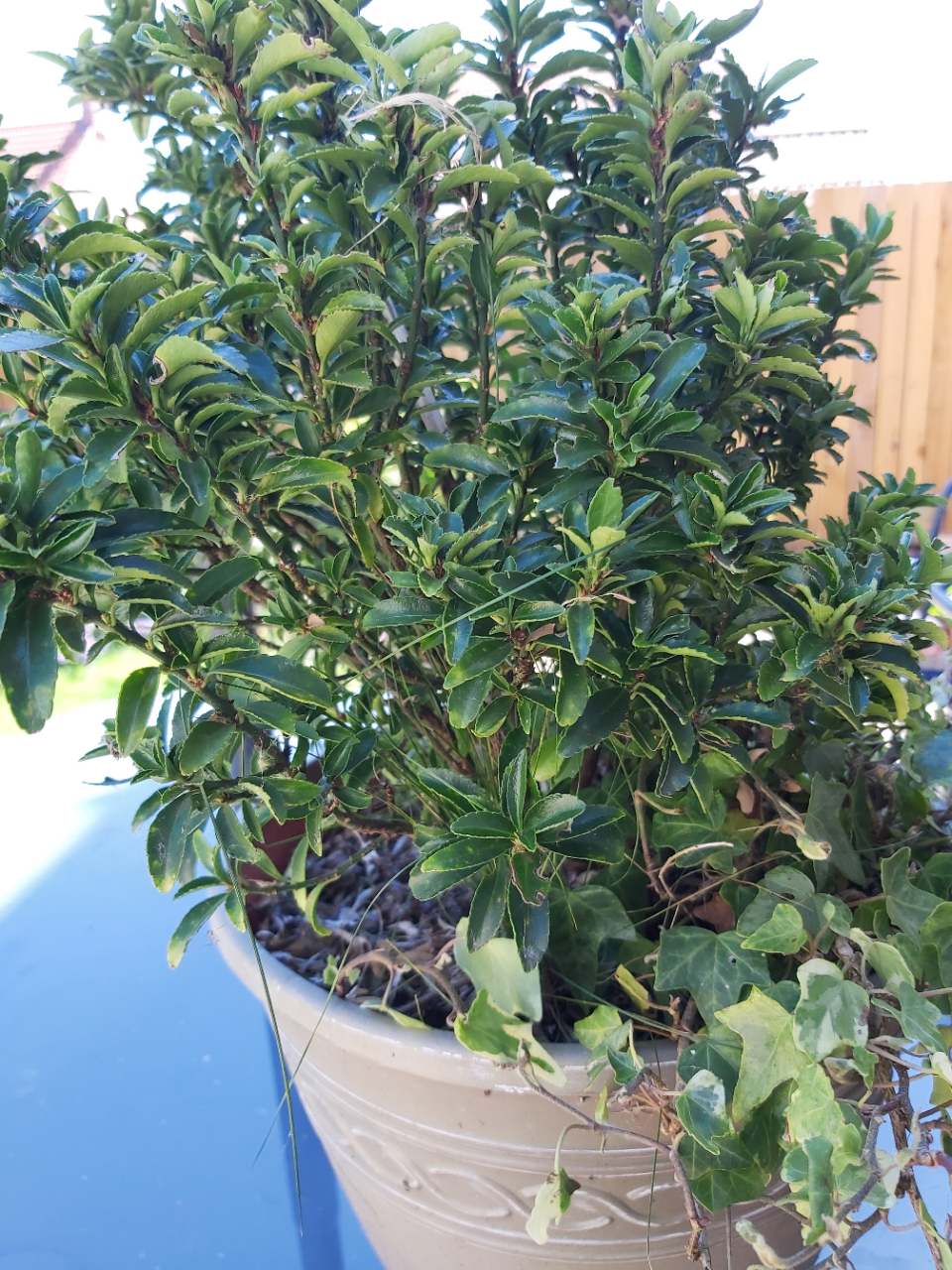
It was a plant my daughter felt would make her room
look familiar, lived in. ‘Like you,’ she’d joked.
At her doorway I placed it in her arms,
but it was his bustling back I watched.
He turned this way and that
distributing greetings to other beasts of burden.
Not waiting for their replies, either.
I called, too loud perhaps. ‘My name is Margaret.
I usually wear stiletto shoes, and pink jackets,
when not camouflaged as a removal man.
I cycled off road across harsh terrain for charity. If you’d looked
You’d have seen highlights in my hair.
I belly dance and have a name.
My name, again, is Margaret.

‘Way to go, Mum,’ my daughter whooped
Up and down the corridor’s length and breadth
Plants and CD players were handed over.
Students were kissed with love. And left.
‘Yes, we have names,’ we all said.
As thoughts of achievements big and small
lent wings to trainers. ‘And places to go. And
lives to live.
Fashion statements to make, and parameters to break.

‘Goodbye, lecturer,’ we smiled, as we passed by.

SISTER SCRIBES’ READING ROUND UP: JUNE

Kirsten

This month I have finally got my writing mojo back after several months of not being able to concentrate on anything. But the first draft of book 2 is finally with my editor and I am suddenly devouring books like they are going out of fashion. Which, I am very pleased to report, they are not!

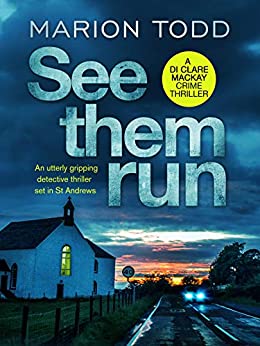
See Them Run by my Canelo stablemate Marion Todd is a ‘gripping detective thriller set in St Andrews’. I loved it. It’s nicely paced, has a very strong sense of place – I’ve only visited this part of Scotland twice, yet I feel I know it intimately now – a brilliant female lead and a cracking plot. I finished it in two days and the other books in the series are now downloaded and on my TBR.

Nicola Gill is a fellow 2020 debut so I know exactly what she is going through! The Neighbours is a lovely, laugh-out-loud story about picking yourself up, self-discovery and female friendship across the generations. It’s wonderfully heart-warming and uplifting read, yet it isn’t afraid to tackle some meaty topics – in this case depression – head on.  Highly recommended.

Kitty

Hamnet –  Maggie O’Farrell

This is a remarkable book. It is rare that I am moved to tears by reading and is testament to O’Farrell’s writing prowess that I was here, especially as readers come to the book knowing Hamnet’s fate. The way she weaves the story of this boy and his family is spellbinding, her writing evocative and a reminder to all of the beauty of prose. I loved every page.

Maggie O’Farrell creates scenes that are vivid and captivating, making you feel you are there in that moment, whether it be in woodland in the English countryside, a bedroom in the Shakespeare’s family home or aboard a ship from Italy as a plague carrying flea. She describes emotions with such beauty, such depth that I felt them myself – hence the tears and I can only bow down to this Queen of storytelling. I want to read it again and again and again. I cannot recommend it enough, it truly is a thing of beauty.

Natalie Normann – Summer Island

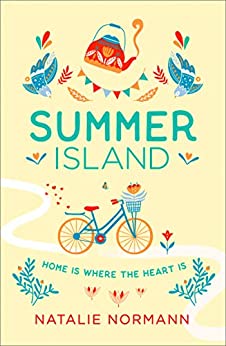
I raced through this book in two days and absolutely loved it. The romance between the two characters was fab and had me truly rooting for them, willing them on to have their happy ever after. The scenes where Ninni teaches Jack to row and their dash to the vet were so romantic, I adored them and that ending, embedded in the reality of life, that is true romance right there! The author has many strengths but for me the richness of the community was outstanding. I love how all the characters were drawn, how they interact with each other and how she creates a setting that I defy any reader not to want to visit immediately. I never thought I would want to plant potatoes on a Norwegian Island, but now I do. I learnt a thing or two as well, which is always a lovely upside to a good book. This book was cosy, feelgood heaven – so much so I have already pre-ordered the next in the series. Highly recommended.

Another Us – Kirsten Hesketh

I thoroughly enjoyed this debut novel. It is a tale of family and the bonds that tie us and how those bonds can stretch past what we imagine to be breaking point. The author has written an insightful story that explores the roles of motherhood and marriage, particularly when they clash with the expectations and desires we have for ourselves. Her voice is both honest and witty throughout as Emma comes to realise far more truth about herself than she had anticipated. Highly recommended.


My Writing Process Caroline Walker

caroline walker, authorI came to writing through teaching. After graduating in Geology, I couldn’t find a job (in the 1970s it was virtually impossible for a woman to be employed in what was still considered a man’s world), so I changed direction and trained to teach English as a Foreign Language. It was a decision I’ve never regretted. I’ve taught teenagers, overseas graduates and business professionals both in the UK and abroad and a big part of my job was improving their writing skills for letters, reports and dissertations. It was good preparation for the writing I began at the end of 2006.

 What you have written, past and present?

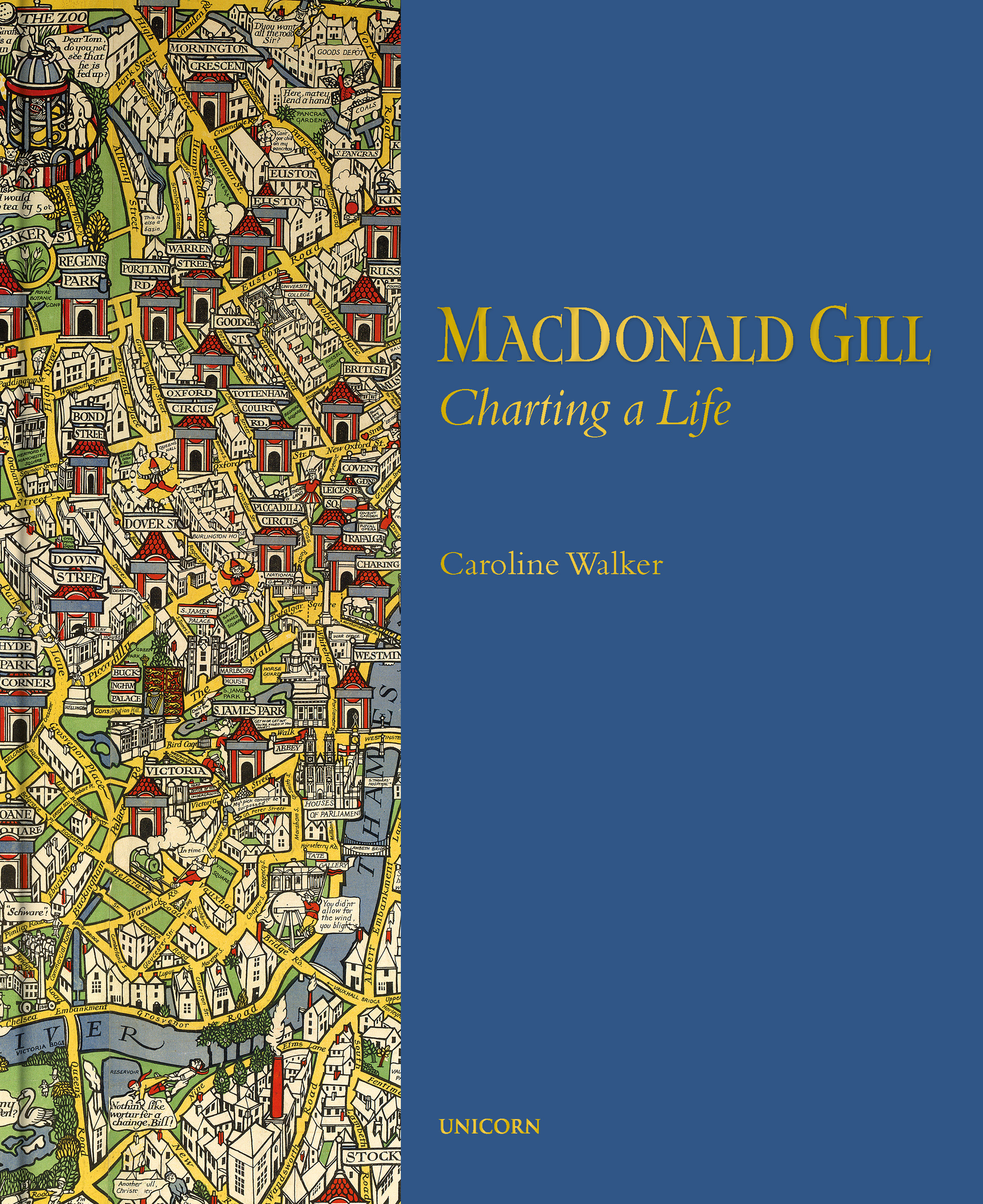
I’d become fascinated by my great-uncle MacDonald ‘Max’ Gill (1884-1947), artist brother of the controversial sculptor Eric Gill. Max was best known for the beautiful maps he painted for places like Lindisfarne Castle and the humorous posters he designed for the London Underground. I was astonished to find that his story had never been told so I decided to write it myself. Over the years I’ve curated several exhibitions of his work and written text for these as well as articles for magazines such as Country Life. This year – fourteen years after I started – my biography MacDonald Gill: Charting a Life has finally been published, receiving a five-star rating in its first national review.

What are you promoting now?

Recently I’ve been busy writing articles for various publications to promote the biography. I don’t have any plans for another book at the moment – this one has taken so long, I think I deserve a break!

A bit about the process of writing

The key to writing a good biography is meticulous research. This has been one of the greatest pleasures too – days spent delving in libraries and archives, the excitement of finding pieces of key information and long-lost artworks, and the joy of meeting hundreds of people eager to share their own connections to Max. A pivotal moment was the discovery of a major private collection of Max’s work and memorabilia. Thankfully, I was permitted to photograph all the letters, diaries and work documents, so I could pore over these at home. I made copious notes, highlighting important events and quotes that I might want to use later. I also kept separate lists of names, artworks and key dates. Setting aside good chunks of quiet time for writing was essential, as was having a table and space of my own.

Do you plan or just write?

I don’t write a plan although I do think it’s vital to have a basic structure in mind. With a biography, it’s quite easy as it’s a chronological narrative. Writing articles is different – I always think hard about the audience so that the angle, text and images are relevant.

What about word count?

As my publisher’s submission deadline for the biography came ever closer, it was clear the manuscript was far too long so I had to make some major cuts and revisions. It still ended up at just over 300,000 words! 

What do you find hard about writing?

I was unsure how to begin until a writer friend suggested: ‘Why don’t you start by setting down why you want to write this book?’ So that’s what I did. The words then flowed easily and I often found it hard to stop. I do sometimes agonise over sentences and even single words – I may change a passage umpteen times but end up with the original. 

What do you love about writing?

It’s an absorbing, creative process that – for me – has been the way to achieve recognition for a neglected artist and relative. And I now realise that I can actually write quite well!

Advice for other writers

Don’t be afraid of the blank page – just get something down – you can always change it. Use your own ‘voice’ – don’t be tempted to copy others. Remember to save when you’re writing (I once lost several pages when my laptop crashed). Avoid cliché and don’t be afraid of using tools such as a thesaurus if you can’t find the right word. And finally, have faith in yourself and enjoy the experience!

MacDonald Gill: Charting a Life is available here

Fair Warning By Michael Connoelly Book Review

Michael Connoelly, Fair Warning

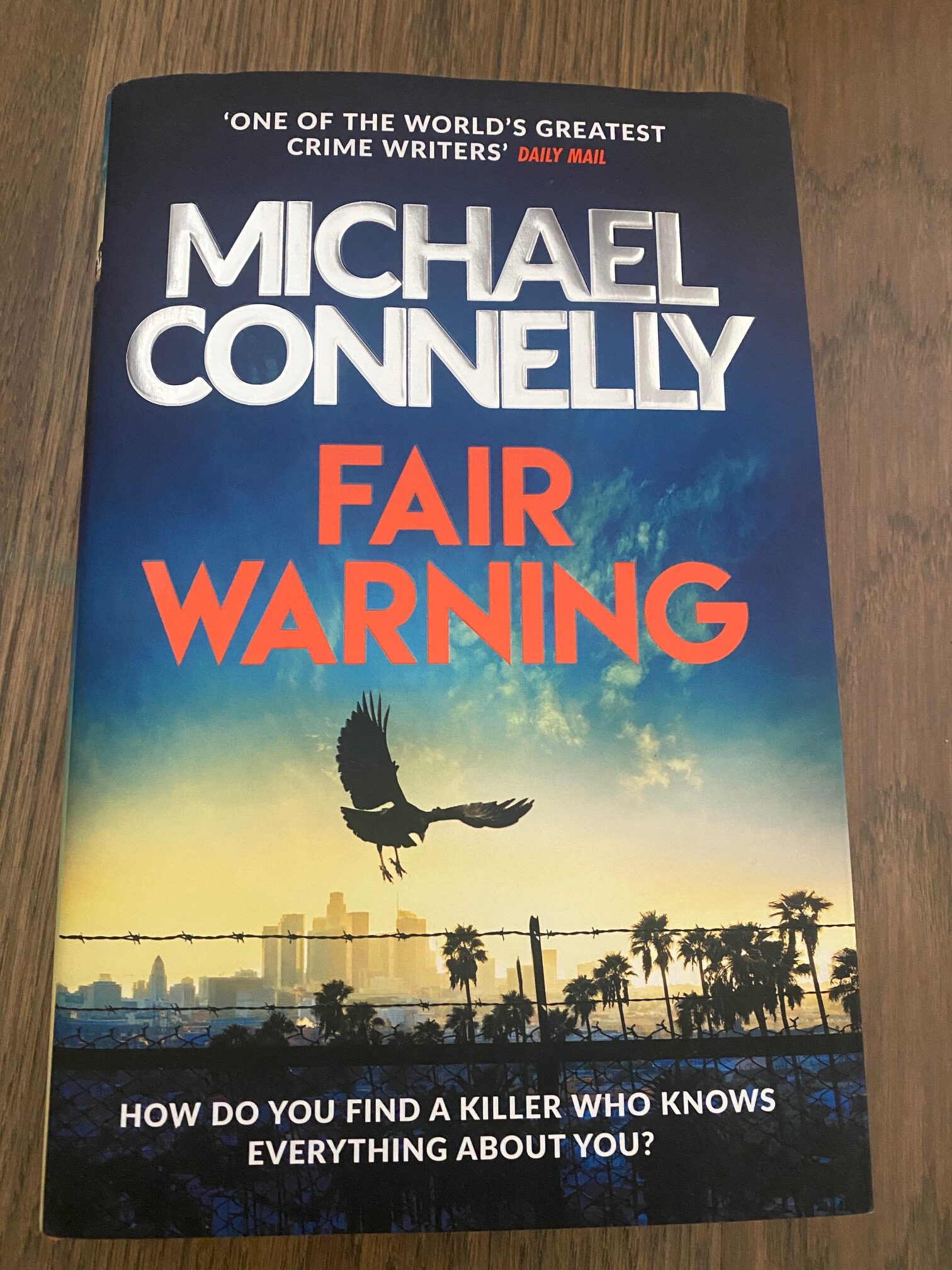
There is a reason Stephen King calls Michael Connelly ‘a master of the genre.’ Pacy and perfect, Fair Warning is another superb thriller that you will not be able to put down. The book resonates with our present truth. Jack McEvoy is a journalist who is accused of murder and he uses his own skills to uncover the truth. Michael Connelly was a police reporter for the Los Angeles Times and as he says himself he puts ‘the truth in my novels  and research then like a reporter in a story.’ You can tell 

Fair Warning is a must read for any lover of crime novels, and even for those who are not. Superb. 

Jack McEvoy is a reporter with a track record in finding killers. But he’s never been accused of being one himself.

Jack went on one date with Tina Portrero. The next thing he knows, the police are at his house telling Jack he’s a suspect in her murder.

Maybe it’s because he doesn’t like being accused of a crime he didn’t commit. Or maybe it’s because the method of her murder is so chilling that he can’t get it out of his head.

But as he uses his journalistic skills to open doors closed to the police, Jack walks a thin line between suspect and detective – between investigation and obsession – on the trail of a killer who knows his victims better than they know themselves…

Riveting, original and terrifying – this masterpiece from Michael Connelly is the best thriller you will read this summer.

Fair Warning By Michael Connoelly is available here.

SHEILA CRIGHTON ON ‘THE PRO’S AND CON’FERENCE’ OF 2020

Conference planning time reminds me of Christmas. Perhaps it’s because the planning begins around October when, life becomes a bit more twinkly. Or perhaps it’s because I get to open up a new spreadsheet and start putting together another buzzy, creative, inspiration-filled roster of sessions with which to lure people along to our next venue (Leeds Trinity in 2021, if you’re asking).

When I first started attending in 2015, the extraordinary Jan Jones was the doyenne of all things conference. And when I say all things, I literally mean all the things. She booked the speakers, the delegates, the venues (booking venues happens years in advance to make sure we get our early-July slot). She put up the signs pointing us up stairs and down corridors and around the corner to the loos. She knows where to get wine. Who can help make the microphones work (thank you, Janet Gover!). She knows who likes to sleep on a quiet floor and who needs a kitchen that parties into the wee hours. She did it all. Yes, there are helpers. People who greet lovely newbies (cheers, Kate Thomson) and people who schedule the industry appointment allocations (thank you, Elaine Everest). People who chair the RNA (kisses to Alison May and all past leaders), and of course the scads of folk who help stuff those lovely goodie bags, but still. Organising a conference for well over two hundred delegates and some thirty-plus speakers as well as the venue, the catering, the glitter on the tables for Saturday night etc etc is a big task.

So, a couple of years ago before I’d even had a sip of wine, I volunteered to help. I’d book the speakers and one-to-one industry experts and Jan would oversee the venue logistics (of which there is a mind-boggling amount to consider) and book the delegates (another epic job including, but not limited to, getting those lovely glittery first-time Conference attendee flowers on name tags).

Booking speakers is akin to picking thirty-six shiny candies from a huge jar filled with thousands of impossibly wonderful candies. The previous year’s speakers have to be considered. Delegate’s feedback is pored over (yes, we really do consider it). All this and more to create that all important balance for the myriad of novelists who make up our membership. We put a lot of thought into creating sessions that meet everyone’s needs and perspectives, headlining the RNA’s passion for inclusivity. As such, the speakers should showcase the variety in modern romantic fiction including: romcom, historical, SCIFI, saga with BAME, LGBTQ and all of the other protagonists in between seeking their Happily Ever Afters. After all, love matters to everyone. And then, of course, there are the one-to-one industry feedback sessions. The feedback – no matter the outcome – is unbelievably useful. It’s definitely taught me to take some constructive criticism on the chin!

This year, just as everything was getting exciting and I thought we’d nailed it, Covid-19 happened and we couldn’t hold the shiny conference I’d just organised and Jan had already taken over a hundred bookings for. Then our chairwoman Zoomed me (because that’s now a verb) and said “virtual conference.” I said no, no, no because I was mourning the conference we couldn’t have. When booking opened for the virtual conference Alison persuaded me to book speakers and industry professionals for despite my reservations, scores of you signed up. Which is just the juice we need, come autumn, to open up a shiny new spreadsheet and do it all again. Happy virtual conference everyone!!


Sheila Crighton’s first job was selling popcorn at an arthouse cinema. She later became a cameraman and news producer for Associated Press TV, made a few TV programmes, then gave it up to raise stripy cows and write books as Annie O’Neil and Daisy Tate. One of her gazillion dreams is to write a Hallmark Christmas movie.


GIRLS, GIRLS, GIRLS – Jane Cable reviews two World War Two sagas

Although I am about to review two excellent books I have a bugbear I need to share. Not just aimed at these two, but at the saga publishing world in general. Why, oh why, do books featuring grown women have to refer to them as girls? Yes, I know it’s become a shorthand that readers recognise, but it still grates on me. Oh well…

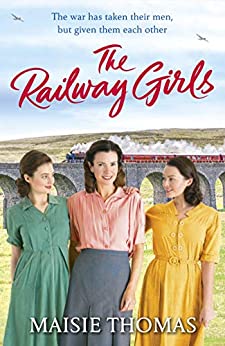
It is particularly the case in point with Maisie Thomas’s The Railway Girls, because one of the most engaging and interesting characters in Dot, who is well into her forties. She is the sort of woman who organises and takes care of everyone to her own detriment, but determined to strike out and help the war effort, through which she is to find a great deal of self respect.

That is the premise of this excellent book; women from different backgrounds who were thrown together in 1940 to help keep the nation’s vital railways running. The challenges they face, the friendships they form and even their romances weave together into an utterly believable tapestry, depicting wartime Manchester as it surely was.

Thomas’s research must have been meticulous but it is the richness of her storytelling that had me hooked. The detailed descriptions fitted so easily into the narrative the pictures were painted as the story moved along, and that is a rare talent. There is quite an extensive cast of characters too; not only Dot, Joan and Mabel, who will be the focus of the series, but other railway workers as well as their families at home.

For a debut novel this is stunning writing, perfectly paced and never rushed, a slow and realistic journey through the phoney war, Dunkirk and into the beginnings of the blitz.

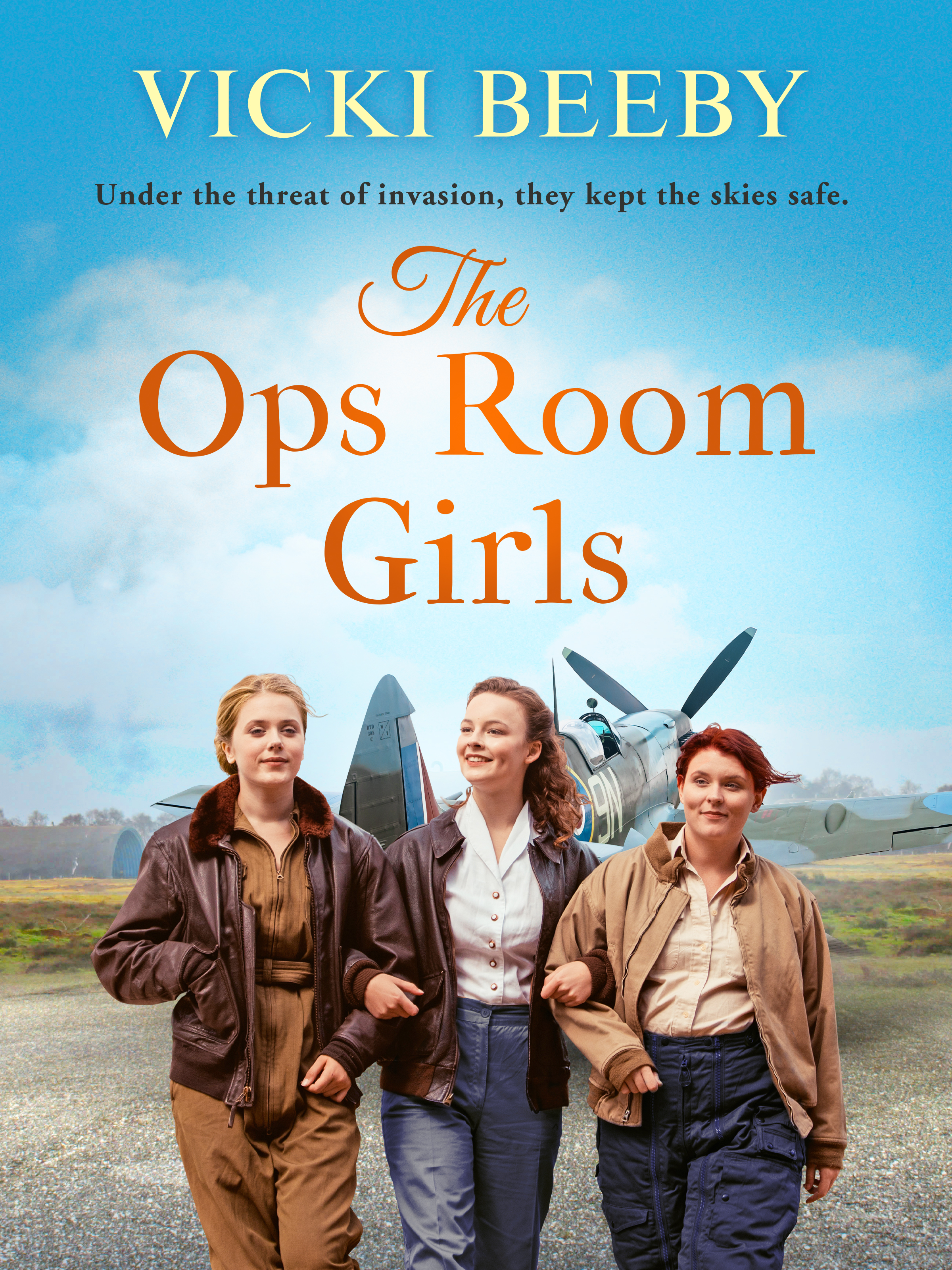
Vicky Beeby’s The Ops Room Girls is equally enjoyable but totally different. Here the story gallops along, making it difficult to put down, and there were places towards the end when my heart was actually thudding.

Again it features three women, but all of them are young and from modest backgrounds although they all join the WAAF for different reasons. This book (also the first in a series) focuses on Evie, a working class girl whose scholarship to an Oxford college was ripped away from her. The characterisation in this book is so good I was feeling for her within the first few pages and really wanted to know where her story was going.

The answer is the operations room of an airfield in West Sussex, where she arrives in the summer of 1940. She makes friends with glamourous former actress Jess and shy May who has been perpetually put down by her father and brothers. All of them are escaping from something but become totally committed to the war effort.

I expected this, and I expected love stories, but what made this book stand out is the mystery that had to be solved as sabotage rears its ugly head on the base. It is a compelling plot strand that certainly kept me turning the pages.


The Railway Girls by Maisie Thomas is published by Arrow and paperbacks and ebooks are available now. The Ops Room Girls by Vicki Beeby will be published as an ebook by Canelo on July 16th but can be ordered beforehand.

SISTER SCRIBES: KITTY WILSON ON HANDLING DIFFICULT TOPICS IN LIGHT HEARTED ROMANCE

I had planned to write about Happy Ever after for this month’s post, the last in my Cornish Village School series and out last Thursday.

However, I had a lovely review today that has changed my train of thought. The reader kindly said that she really liked the way I handled difficult topics in an easy way. And this made me want to write about that…handling difficult topics within the confines of light-hearted feelgood reads.

And I ram them in.

So far across five books I have dealt with all sorts of real-life issues, including coercive relationships, maternal loss, war, marital breakdowns, parents with addiction issues, neglect.

I will forever remember my editor’s reaction when pitching the second in the series I dropped into conversation that I wanted to bring in the South Sudanese Civil War. I thought she was going to have a heart attack. I had to reassure her that yes, I was still writing a light-hearted romcom set in Penmenna and that she could a) trust me b) gamble knowing she could always edit it out later.

Why have I insisted on featuring these things? How do I justify including such things in feelgood books? The answer is simple. I love the romance of a romance novel, the sighs, the highs, the hopes and desires and the guaranteed happy-ever-after. But I also like real and relatable characters, people I can empathise with, bond with and enjoy writing about and then reading about (honestly, we have to read our own books so many times before they come to you). And the truth is I don’t know a single person in real life that hasn’t had to deal with trauma in one way or another, and many people who have to deal with far more than their fair share. Therefore, I need my characters to reflect the people I know and love in real life. Bad things frequently happen to good people, they just do. And whilst I love writing about a fictional village that features the best of Cornwall – beautiful beaches, picture postcard cottages and strong community I do need a smattering of something to balance that out. In the county I love we have all those things but it doesn’t mean that behind closed doors that life is as perfect as it is pretty.

My poor children have always had it rammed home that it’s not the things that life throws at you that are important, it’s the way that you deal with them that counts. And that has to be true in fiction as well. We need to see how our characters respond to real-life situations, to the tough things that real people have to face every single day. I want to recognise when I write that everyday people are as heroic and wonderful as characters in books, that they too have to deal with the most dreadful things and, apart from an occasional understandable wallow, they get up and keep going.

On the flipside are the joyful things about life, the big stuff – people we love, personal achievements and the everyday stuff, the hedgerows and the birds, a good book and delicious things to eat, or whatever your little joys are. The happy keeps us going when we have the awful, the awful makes us appreciate the happy.

I hope by bringing these subjects into my books, I am reflecting this balance and also acknowledging the heroic nature of what people have to deal with every day, and how I am in awe of the sheer resilience and goodness of human beings and life in general.


All love, Kitty.

My Writing Process David Gilman

  • David Gilman, writerWhat you have written, past and present.

I wrote my first story when I was about six years old. It was The Runaway Sixpence,  written in the first person, and the sixpence got swallowed by a cow. I remember the teacher berating me in front of the class, saying how could I write from beyond the grave. Stupid woman. Obviously, she had never seen Sunset Boulevard.  That put an end to my writing career there and then. But a storyteller is not someone you can keep down. My verbal storytelling skills got me out of plenty of jams and allowed me to talk my way into jobs I would never have had otherwise. I left school at 15 to support my mother and siblings. When I was a teenager, I wrote a few Battle Picture Library comic books. It was wonderful. All those ‘movies’ in my head, the visual images being described to the artist in the script, and then writing the dialogue, tight and expressive with a narrative description. Economy of scale and a lot of fun. That was abandoned when I travelled around the world and took any job I could to pay my way.

After a few adventures over the years, I ended up in South Africa working as a sales rep for an international publisher. I had hundreds of books to read – and sell – and I was good at it. So much so I ended up going to night school to study marketing and management and became a regional marketing manager for Penguin SA. But the urge to tell stories nagged away. Visual imagery was my strong suit. I had once worked as a professional photographer, so I decided that radio drama was my milieu. It is the perfect visual medium for the listener. Dialogue and sound effects creating every listener’s unique picture in their mind.

In those days there were no writing schools, no one extended a helping hand, and you could not get your hands on a script to see the layout and how to present it for love or money. It was a lockdown business. The broadcaster owned the scripts, and they had no intention of letting you see one.  I stumbled on an old BBC publication, long out of date but gave a couple of pages from an example radio script. I copied the format, was forgiven a lot of sins by a producer, rewrote, learnt – and ended up writing hundreds of radio dramas and a daily soap that ran for 18 months. I did all of this late at night and every weekend while working full time. The payments were abysmal. Barely enough to buy typing paper. 

But that’s where I learnt to write.

I felt confident enough to hand back the company car, quit the well-paying job and have a crack at television. I wrote several 13×60 minutes of multi-stranded drama series and 4×60 minutes mini-series.

I returned to the UK in 1995 and started from the bottom again at 48 years old. And that’s a late time to start from scratch once more. I came to realize that the stiff competition here meant producers of existing series preferred to work with writers they knew. It was all a bit of a club. I found a tv agent and wrote outlines for tv producers and a couple of television movies for the German market that did very well, but I still could get none of my scripts for tv series being picked up here. Some years previously I had met the producer for A Touch of Frost when he filmed a movie in South Africa. So six years after my arrival here The producer asked me to submit a script, (you had to be invited onto the series) it was accepted and I ended up writing A Touch of Frost for several years until Sir David Jason retired from the series.

I then had a choice. Stay in television or have a crack at writing novels. Once again I threw caution to the wind and wrote a Young Adult series called Danger Zone: The Devil’s Breath, Ice Claw, Blood Sun. The three books were published by Puffin, won a French literary award, was short and long-listed for the Carnegie Medal. I spent a lot of time travelling to schools, giving talks and attending all the major literary festivals. I decided to have a crack at adult fiction. What was it going to be? Crime fiction, which is so popular, or something fresh and challenging. I had seen a painting of an English adventurer who fought for Italy in the 14th century and not knowing anything about the period plunged in to research the period. That was how the Master of War series began. I have just finished writing the seventh book in the series, and I’m pleased to say that because of the various established characters – especially the main protagonist Thomas Blackstone – and the breadth of the storylines and the strong women characters in the books, I have a diverse readership with many women readers who are fans.

The long, hard slog of writing a series means time is at a premium. But I also wanted to write other books, and that meant writing longer hours to achieve this. A favourite is my children’s book Monkey and Me, and then I squeezed in an evocative story set in Southern Africa, The Last Horseman which was shortlisted for the Wilbur Smith Adventure Writing Award. And last year my standalone novel,  Night Flight to Paris, set in France during WW11 was well received.

Now I have created a new character for a new contemporary thriller series. The first book is called The Englishman. Dan Raglan is a former Foreign Legion soldier who works quietly behind the scenes and who is a modern Paladin – a knight errant who rights the wrongs – and gets hurt along the way. Perilous journeys undertaken to help those in danger.

I write this lengthy explanation in the hope of encouraging writers starting out, and others who look at the blank page and think the journey might be too difficult. It can be a natural and daunting experience but if an uneducated, wandering storyteller like me can make it then so can others. Never give up. Let the passion and determination drive you on. 

  • What you are promoting now. 

The Englishman. The first book in a new series.

  • A bit about your process of writing.

I start in the morning and write my day’s worth – but it’s a mixed full day at my desk because of the breadth of research I do. The added hours come in when I want to write a standalone novel in between my ongoing series. That means I have to go back to my desk late at night for a few more hours.

  • Do you plan or just write?

When I wrote A Touch of Frost, for example, the producers needed a synopsis or an outline so they could see where the storylines were going (there was always more than one in every episode). This was a broad brush stroke and often became embellished or diminished as the writing went on. There are writers meticulous in their planning and when it comes to the actual writing, they tend to breeze through it. I have tried that approach with my novels but abandon it. I get bored. So I just write.

  • What about word count?

I have a year planner next to me and every day I mark my word count. It’s a ‘kick up the pants’ aid. I can see when I have to finish a book – I have never yet missed a deadline – and what it is going to take to finish it in time. I plan for 1500 words a day. They have to be good words. Considered and rewritten every day.

  • How do you do your structure?

For books  – there isn’t one. A general idea, an incident or a place that attracts me. Something that pops into my head. I write the first line and see where it takes me. If I can be entertained and surprised by the journey, then so too will my reader. There is, though, an understanding in the writing that the rhythm has to feel right. It’s a composition. And as the story builds and often changes, then the structure emerges. Plant the seeds and watch them blossom. It’s a wonder.

  • What do you find hard about writing?

Everything. The long hours. The misery of self-doubt. The grappling with the jigsaw puzzle of a story without being able to see the picture on the box.

  • What do you love about writing?

Everything.