SISTER SCRIBES’ READING ROUND UP: JULY

Jane

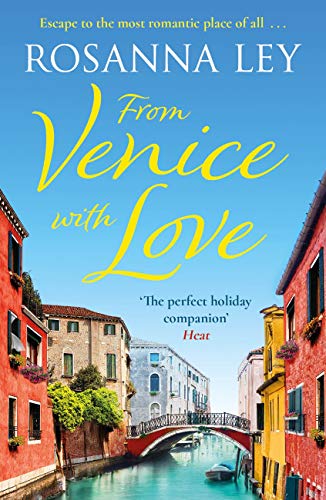
Rosanna Ley is one of my favourite novelists, which is the main reason I signed up for one of her writing retreats. That, of course, transported me to Spain, but her novels have taken me all over the world. From Venice with Love is no exception, as I followed Joanna not only to Venice, but to Lisbon and Prague, each city so beautifully described I felt I was really there. But it was Joanna’s sister Harriet’s story that held me, and she doesn’t even leave the Dorset village where they both grew up. She is an exquisitely drawn character, warts and all, and I felt as I was at her shoulder as she made a very different type of journey to her sister. Highly recommended.


Kitty

I listened to Candice Carty-Williams’ Queenie as an audiobook and it had me hooting with laughter whilst frantically winding the windows up in the car as some of her more detailed sexual exploits were narrated. The premise initially appears to be typical romcom with Queenie coming to terms with her break-up and with potential suitors popping up all over the place. However, as the book progresses we realise it encompasses far more and that Queenie is in no need of a hero. It takes a real deep dive into mental health and societal pressure and does so in a way that never loses humour or the readers attention. The family relationships had me squeaking with joy. The writing is hilarious, poignant and searingly insightful. Fabulous.

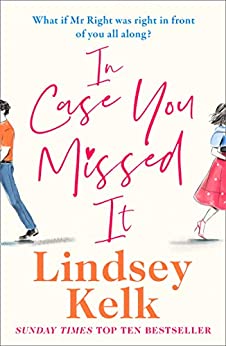
Lindsey Kelk really does deliver on all those descriptions applied to romantic comedy. Hilarious, laugh out loud, devastatingly witty – she hits them all. I have not yet read a book of hers I haven’t loved and In Case You Missed It is another example of her delivering the perfect romcom. It has a truly relatable heroine in Ros, a hero you quite want to bring home yourself, the coterie of well-defined and always amusing friends, the hideous boyfriend from her past, and beautifully described well-meaning but slightly cringy parents.

There is not a page that does not make me giggle and she manages to write comic scene after comic scene whilst developing a fabulous plot and proper romance along the way. Absolutely faultless.

I really enjoyed Clare Marchant’s dual timeline novel, Secrets of Saffron Hall. The book interweaves the story of a grieving mother in the modern day and a young wife in the time of Henry VIII’s marriage to Catherine Howard. Both were written sympathetically and I thoroughly rooted for both characters. However, it was the historical timeline I found absolutely captivating. I loved being immersed in Eleanor’s story – the fear and uncertainty of living under a capricious king in times of religious upheaval, and the sense of doom contributed to by the reader knowing what will befall the queen, although unsure of how that will impact this particular family. The farming of the saffron itself was also of great interest and whilst aware of the value of saffron, I felt like I was learning something as I read. The authors historical research was clearly well done and she held my attention throughout. I am looking forward to reading more of her books.


RNA announces contenders for 2020 Joan Hessayon Award

The Romantic Novelists’ Association (RNA) has announced the 2020 line-up for its prestigious Joan Hessayon Award for new writers.

The contenders for this award are all authors whose debut novels have been accepted for publication after passing through the Romantic Novelists’ Association New Writers’ Scheme. Each year 300 places are offered to unpublished writers in the romantic fiction genre. As part of the scheme, they can submit a complete manuscript for critique by one of the Association’s published authors as well as attend RNA events which offer opportunities to meet and network with publishers, agents and other published authors.

This year’s debuts show the wide range of stories encompassed by the romance genre, from the ever-popular romantic comedies, to fairy tale romance, romantic suspense, historical stories and paranormal thrills. From the house just down the street to the sun-soaked beaches of Italy and that different world that is the past, these books deal with themes we all recognise and hold close to our hearts.

Commenting on the contenders for 2020, Alison May, RNA Chair, said, ‘The New Writers’ Scheme is at the heart of the RNA’s commitment to nurturing romantic authorship and the celebration of the Joan Hessayon shortlist is a highlight in the Association’s year. This year has been different for so many reasons, but we’re still delighted for all these debut novelists and excited to announce our Diamond Joan Hessayon Award winner in this, our 60th Anniversary year.’

Imogen Howson, RNA Vice Chair, who previously co-ordinated the New Writers’ Scheme, commented, ‘In the midst of uncertain times, it’s immensely encouraging to see a record number of contenders this year for the Joan Hessayon Award. It speaks so well, not only of the hard work and talent of the authors themselves, but of the continuing health of the publishing industry.’

The Award will be announced on 5th September 2020 in an online presentation.

The Joan Hessayon Award is generously sponsored by gardening expert Dr. David Hessayon OBE, in honour of his late wife, Joan, who was a longstanding member of the RNA and a great supporter of its New Writers’ Scheme.

The full list of contenders for 2020 is:

Zoe Allison, Impervious, Totally Bound

Jan Baynham, Her Mother’s Secret, Ruby Fiction

Laura Bambrey, The Beginner’s Guide to Loneliness, Simon & Schuster

Victoria Garland, Finding Prince Charming, DC Thompson

Rosemary Goodacre, Until We Meet Again, Hera

Annette Hannah, Wedding Bells at the Signal Box Cafe, Orion Dash

Stephanie Harte, Risking It All, Aria

Stefania Hartley, Sun, Stars and Limoncello, Totally Bound

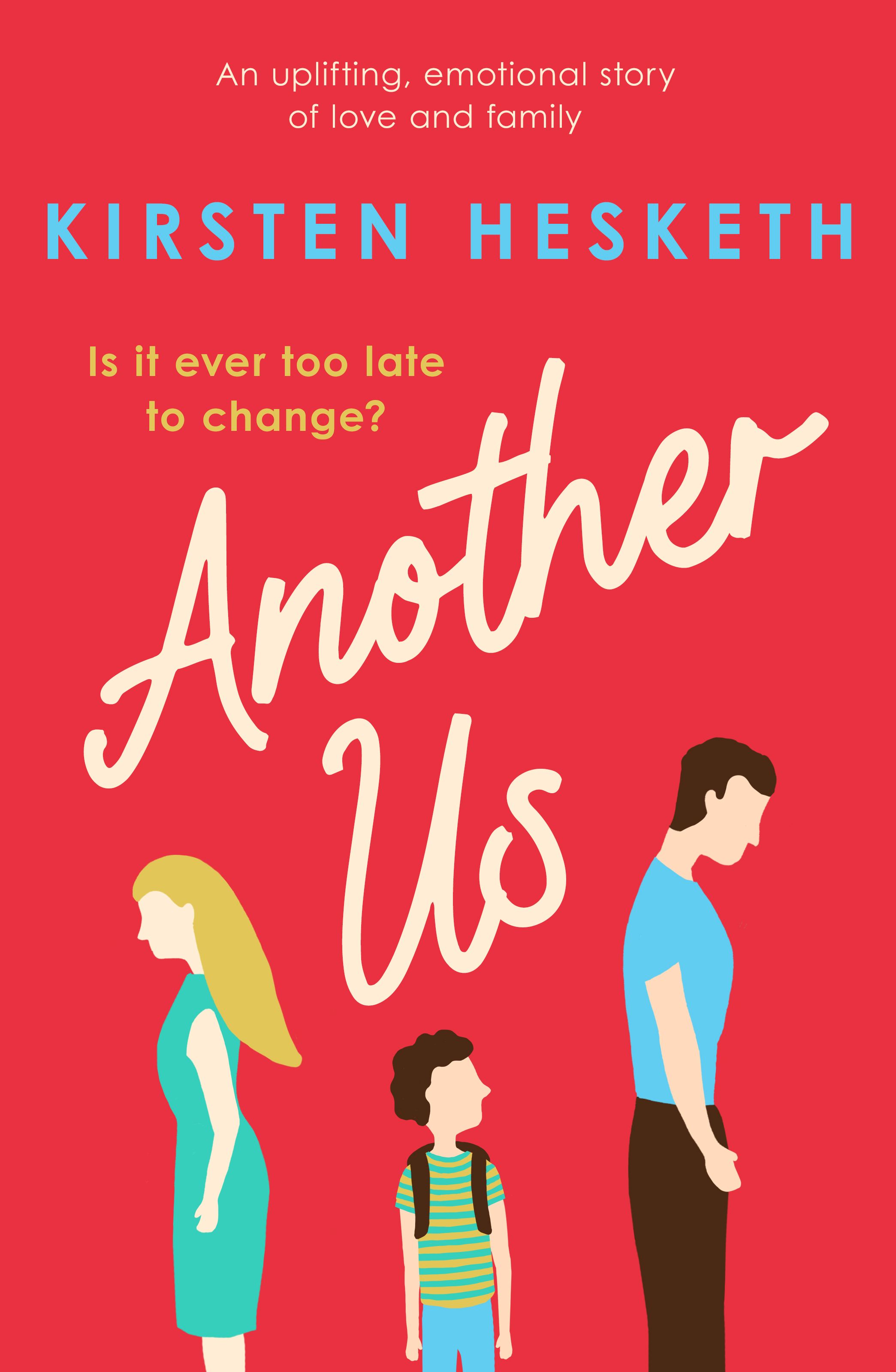
Kirsten Hesketh, Another Us, Canelo

Sharon Ibbotson, The Marked Lord, Choc Lit

Emma Jackson, A Mistletoe Miracle, Orion Dash

Lynn Johnson, The Girl from the Workhouse, Hera

Nina Kaye, The Gin Lover’s Guide to Dating, Orion Dash

Lucy Keeling, Make it up to you, Choc Lit

Ruth Kvarnström-Jones, Halleholm – Lovisas Choice, Printz Publishing

Mairibeth MacMillan, The Viking’s Cursed Bride, Tirgearr

Melissa Oliver, The Rebel Heiress and the Knight, Mills and Boon Historical

Maggie Richell-Davies, The Servant, Sharpe Books

Jacqueline Rohen, How to Marry Your Husband, Arrow

Kathleen Whyman, Wife Support System, Hera

Fiona Woodifield, The Jane Austen Dating Agency, Bloodhound Books

The New Writers’ Scheme has been run by the RNA since 1962 and is unique among professional writing associations. It aims to encourage fresh talent in the writing of romantic novels that reflect all aspects of love and life, contemporary or historical.

Manuscripts submitted under the scheme are from unpublished authors and are read by an experienced writer or editor who provides invaluable feedback. Any manuscript that is subsequently published as a debut novel is eligible for the Joan Hessayon Award. All eligible books are judged by a panel of experienced RNA members who are already published authors, and this year the final round judges are Rhoda Baxter, Author and Chair of Authors North, and Thorne Ryan from Hodder and Stoughton.

SISTER SCRIBES: SUSANNA BAVIN ON A WORD WRITERS SHOULD USE FREELY


I say, I say, I say…

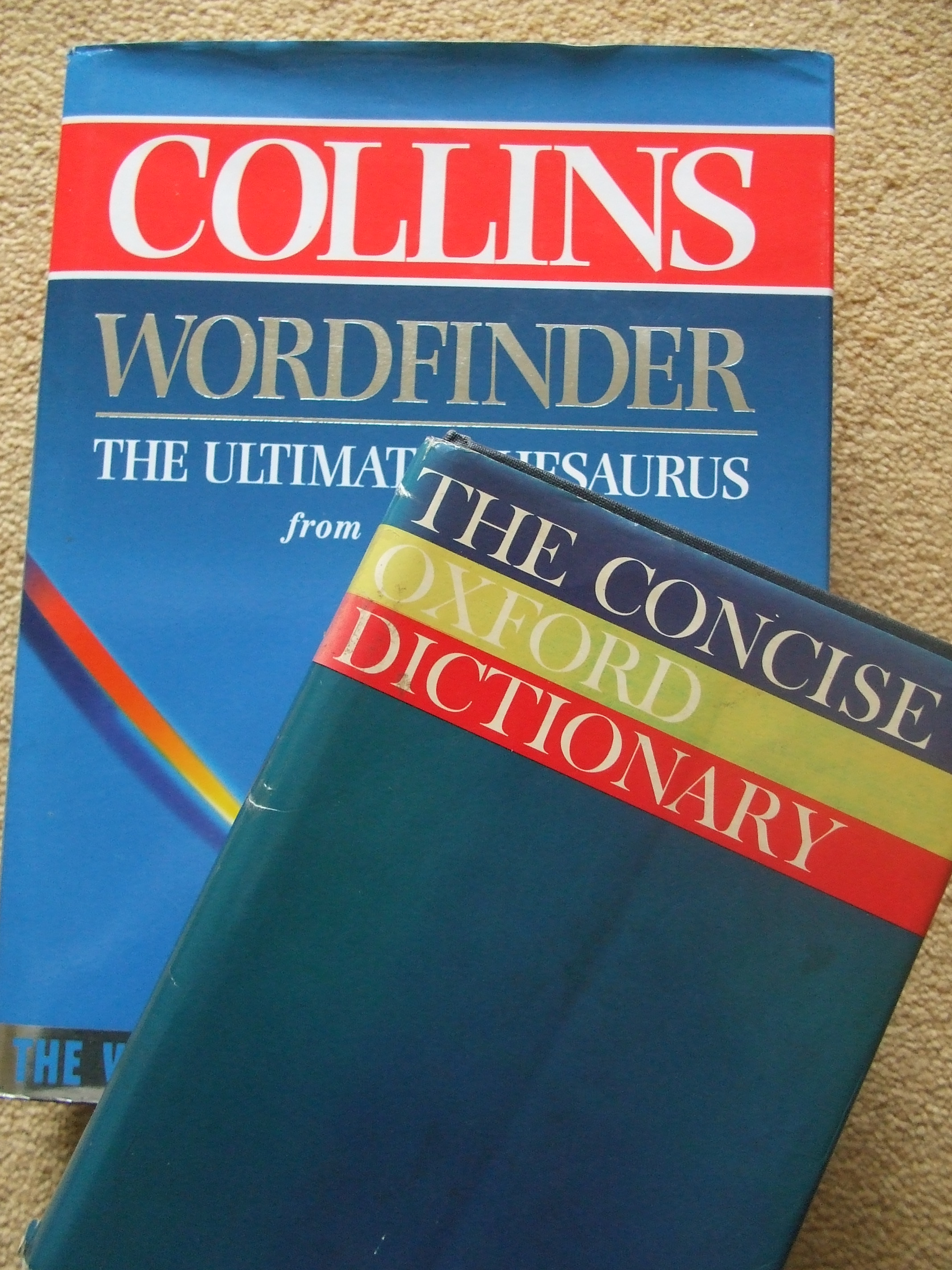
When you were at school, were you taught to avoid using ‘said’ in your writing? Were you told it was dull? Were you instructed to use other, better words? Let me explain why teachers try to get you to do that. It isn’t because there’s anything wrong with ‘said’. It’s because teachers have to teach children from a young age (a) to use a variety of vocabulary and (b) to find words that convey precise meaning. ‘Strolled’, ‘wandered’, ‘hurried’ or ‘marched’, as opposed to ‘walked’ – that kind of thing. If you think about it, that’s quite a tall order, especially with infant school children.

And so we come to the first reason why ‘said’ is a wonderful word. It has umpteen alternatives, all of which convey precise meaning. Children are already familiar with many of these words and find them easy to use, which means that when they write their stories, they have ample opportunity to use and develop their new skill and hence their stories are filled with characters asking, answering, replying, exclaiming, whispering, shouting and so on.

And that is why teachers tell you not to use ‘said’. Ta da!

In the world of adult writing, it’s different, because – and here we come to the second reason why I believe ‘said’ is a wonderful word – ‘said’ is invisible. You could read it or write it a dozen times on every single page without its ever jarring. Every time an alternative is used, it isn’t invisible. There’s nothing wrong with that – in moderation. But the more times alternatives are used, and the wider their variety, the more visible they become.

I’m thinking of a novel I read some years ago in which the author seemed determined to avoid ‘said’ at all costs. The characters did all the usual things – they asked, answered, replied and exclaimed. They also did more ‘visible’ things – they wondered, whispered, chuckled and muttered. They shouted, snorted, cajoled and observed. They mentioned, uttered, declared and ranted. And it was all highly visible. Every single one of those verbs (which would have thrilled any primary school teacher – I speak as a former infant school teacher) was visible and the more of them there were, the more visible they became. For ‘more visible,’ read ‘more annoying.’

Then, in the middle of an argument, the heroine riposted.

After 200 pages of confirming, suggesting, murmuring and giggling, it was the final, pretentious straw. I didn’t know whether to laugh out loud or groan in anguish. I closed the book and never went back to it.

Sorry about my little rant, but I hope it’s helped to illustrate my point. Humble, under-rated ‘said’ is a dependable workhorse of a word. Use it freely and don’t let anybody put you off.

And unless you want me to come back and haunt you, please don’t ever let your characters do any riposting.


My Writing Process Sheila O’Flanagan

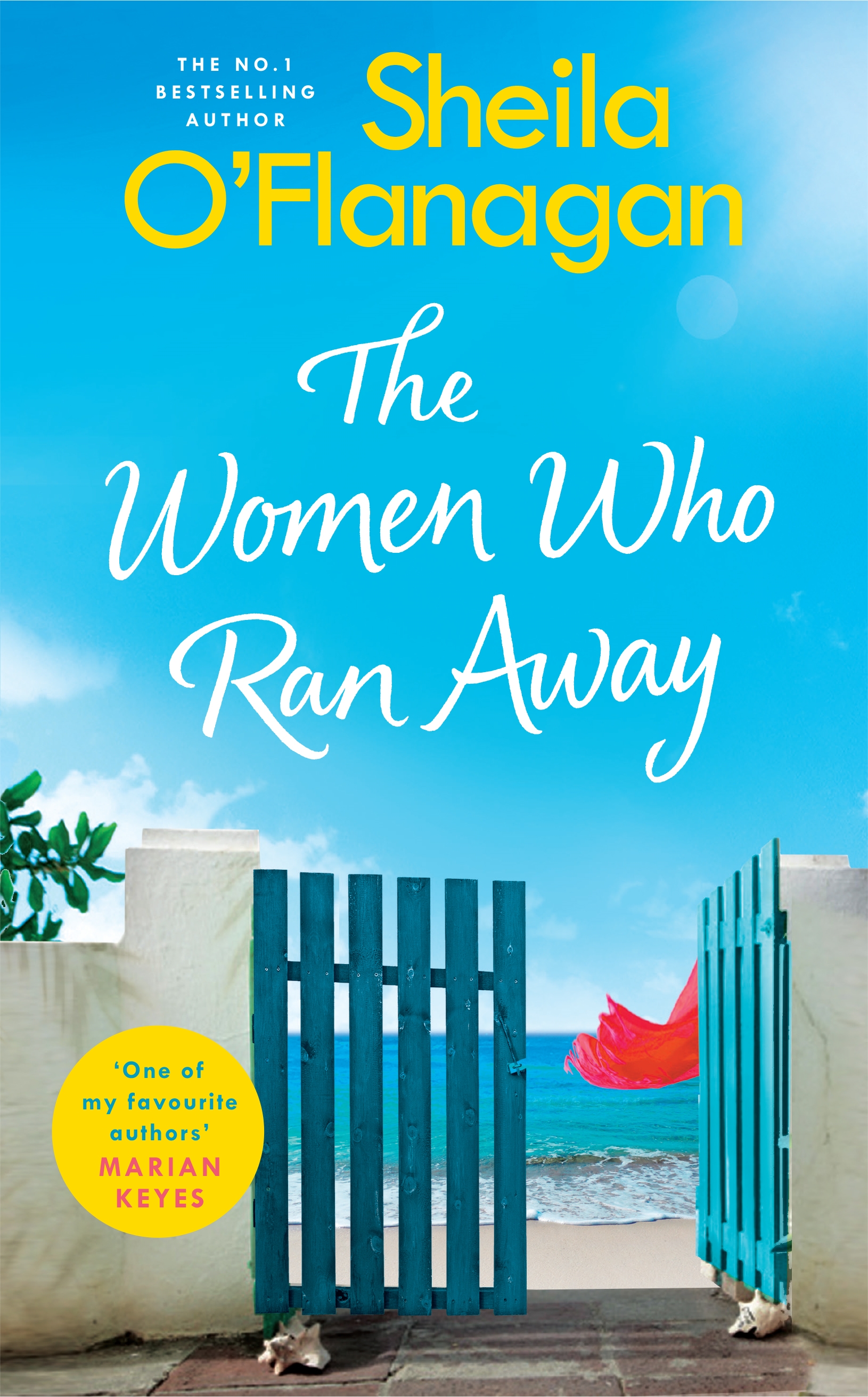
The Women Who Ran Away by Sheila O’Flanagan is published 16th July 2020 (Headline Review, £18.99). 

 Sheila O'Flanagan author imageI’ve always loved reading and used to write sequels to Enid Blyton stories when I was young because I always wanted to know what happened next. Everyone thought I’d end up, if not a novelist, at least working in a library or a bookshop. However I was offered job in a bank and got side-tracked into the world of finance. I occasionally wrote short stories in the evenings as a way of unwinding but I didn’t think I had the time to write a novel, even though I had lots of different ideas and would think about my various characters whenever I wasn’t working. Eventually I realised that if I wanted to fulfil my dream of being a published author I’d have to make the time to write – unfortunately the ideas don’t magically appear on the page. So I bought myself a laptop, opened a Word document, typed Chapter 1 and wrote every evening until it was finished. I’ve kept going ever since.

2. What you have written, past and present.

My first novel, Dreaming of a Stranger, was published in 1997. I’ve written 25 novels for adults, 3 collections of short stories, 2 children’s books and contributed to both the Quick Reads and Open Door series of short novellas.

3. What you are promoting now.
My latest book is The Women Who Ran Away and is about two women, Grace and Deira, who meet on a car ferry from Ireland to France. Both have reasons for travelling alone but a sudden change of circumstance mean that they end up driving together. As a friendship forms between them, Deira helps Grace try to solve a complicated mystery that her late husband has left her. This takes them on a spectacular journey along the French Atlantic coast and through the heart of Spain to Cartagena on the Mediterranean sea. By the end of the novel they’ve completed both a physical and an emotional journey as they discover that sharing their secrets turns out to be a strength and not a weakness, and that there’s always more than one solution to a problem.

4. A bit about your process of writing.

I try to write every day but that’s not always possible. I generally work for a couple of hours in the morning, then take a break and return for some more writing in the afternoon. I move backwards and forwards through the novel, writing a few chapters and then editing them before moving on.

5. Do you plan or just write?

I wish I was an author who planned! But I can’t. I start at the beginning with a vague idea and just hope for the best.

6. What about word count?

I don’t get hung up on a daily word count, especially at the start of the novel, but I try to write in scenes. If I finish a scene I’ll take a break before moving to the next one. That means sometimes writing a few hundred words, sometimes significantly more.

7. How do you do your structure?

Badly, to be honest. But the process of writing, then editing, writing, then editing helps. I usually come up with a slightly more formal plan about a third of the way through the novel when I have a better idea of the characters and how to move them through the story.

8. What do you find hard about writing?

Sitting at the laptop. It’s physically demanding even though you don’t realise it. Most of my author friends have bad backs and I’m no exception. I try to take more mini-breaks now. Distractions are more of a problem these days than they used to be with social media getting in the way. I’m more easily distracted now than before.

9. What do you love about writing?

Creating characters, seeing them grow and evolve and take control of their own stories. Sometimes the research is good too!

10. Advice for other writers?

Don’t get hung up on trying to write for a genre, or following weird rules about how your book should be structured. Write the story that’s inside you in the way that suits you best. Do remember, though, that while joining various groups about writing and following them on social media can make you feel less alone, the only thing that will get your book written is sitting down and writing it. Talking about writing isn’t actually writing. Reading about writing isn’t writing. The only person who can write your book is you.

Sheila is @sheilaoflanagan on Twitter and follow Headline too @headlinepg

SISTER SCRIBES: JANE CABLE ON A VERY PERSONAL TRIBUTE

The morning my mother died she asked me to tell her about the next book I would write. I said I had an idea about an archaeologist alone under Lincolnshire’s vast skies and she approved. True, the outline was a little different then, but Rachel and her story still caught her imagination.

It seemed only right, then, to include a character based on my mother in Endless Skies; an intelligent, perceptive octogenarian with a keen interest in people and a huge sense of fun. I called her Esther, the name on my grandmother’s birth certificate that she never used.

Even Esther’s physical attributes were the same as my mum’s. The platinum bob, the pearl handled walking stick and the desperately poor eyesight. But in the early drafts Esther had a very different life story, although I drew great comfort from Rachel’s growing friendship with her.

Without my mother’s faith and encouragement I can honestly say I would never have had a book published. She read my embryonic attempts at novel writing and gave constructive criticism – despite my father being the writer in the family – he never really understood romantic fiction and just seemed slightly puzzled by the whole thing. But Mum egged me on, and when she thought I had a strong enough book suggested I enter The Alan Titchmarsh Show’s People’s Novelist competition. I am absolutely sure it was one of her proudest moments when I reached the final and I just wish she could have travelled to London to see it with her own eyes.

She was also a huge influence on what I write. She devoured library books (large print in her latter years) and used to get very fed up with what she’d call ‘boy meets girl, they fall out three times then get married’ formulaic romances. As a reader she wanted so much more. What neither of us realised was that at the time it would have been far easier for me to find a publisher had I been closer to the mainstream in my chosen genre.

As a result she didn’t live long enough to see my first publishing deal, but I have a feeling she knows. I think she would have been really proud of Another You and would have enjoyed reading it. Endless Skies became a companion piece – my second book with Sapere – both contemporary romances looking back to World War Two.

It was when I made the decision to rewrite Endless Skies this way my mother’s wartime experience came into its own. Or rather one pivotal point she shares with Esther. Both were bright grammar schools girls living in rural communities who could no longer safely travel to school because of the bombing. My mother spent a terrifying air raid trapped on a train in a siding in the middle of Cardiff and her parents said ‘never again’.

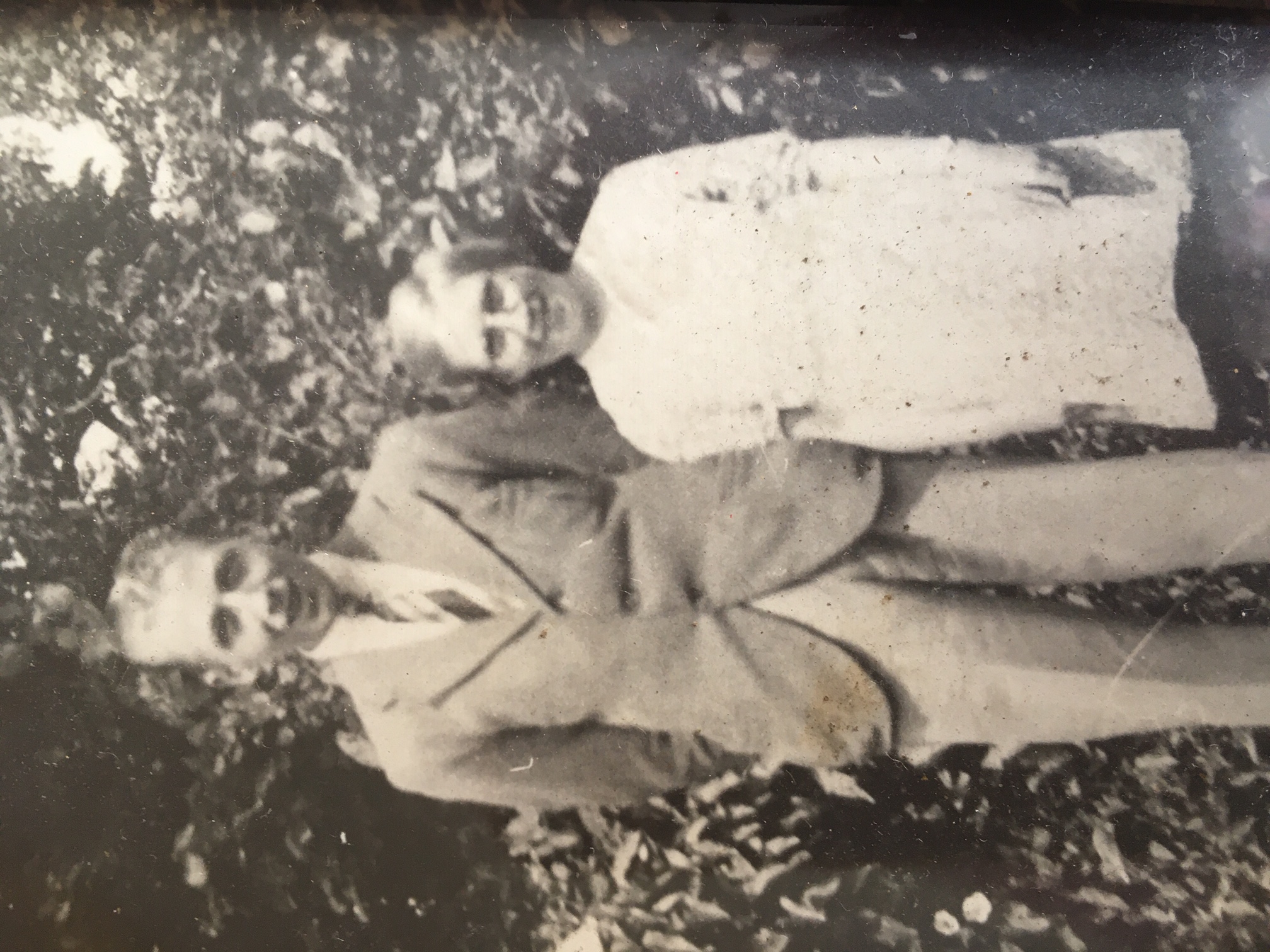
While my mother went into the civil service at fourteen (not much older than she was in this picture), Esther’s only local option was a job in the laundry at the RAF base just outside her village. This was home to two squadrons of brave and often reckless Polish airmen, and Esther could only stand by and watch as the most tender and poignant love story unfolded in front of her eyes. A story which, seventy years later, had the power to change Rachel’s life.

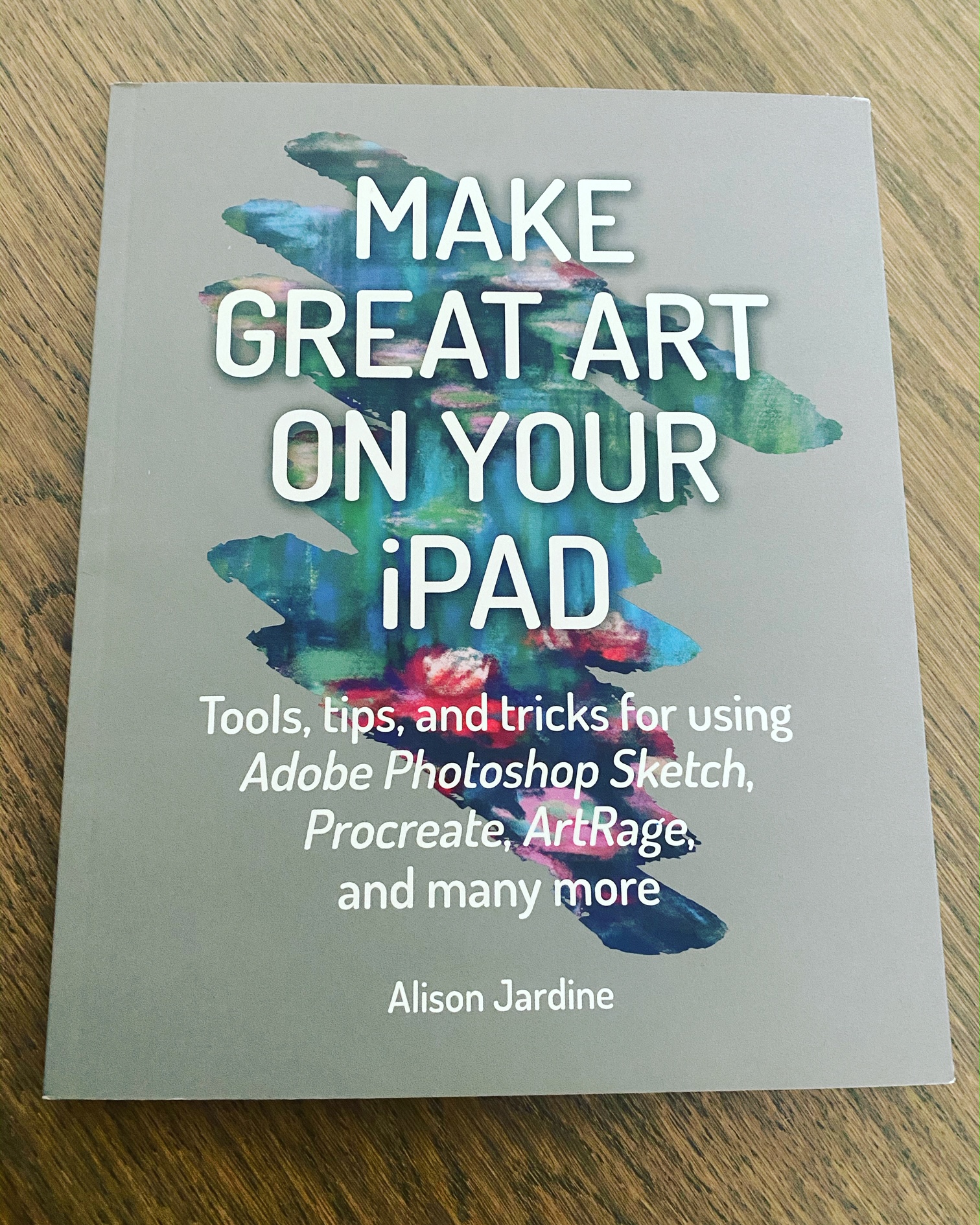
Make Great Art On Your iPad Book Review

When I was a child I loved to draw and would do it for hours. I have found it hard to continue to be an artist since I have become a mother. I never have the time nor the energy. I was excited when I saw Make Great Art on your iPad. I spent time on my iPad of course. It seemed the easiest way to get back to who I used to be.

This book tells you everything you could possible want to know, along with things you would never have thought to ask.  It is easy-to-read and to learn. It has all of the tips, tools and tricks you need. I highly recommend it.

Fully revised to reflect the latest updates in the most popular creativity apps, this is the original, best-selling guide to using creative apps on your Apple device to produce your very own masterpieces.

Artists like David Hockney have taken to creating art on the iPad, but you don’t have to be an artist to achieve great results on your device. This refreshingly accessible book is perfect for skilled artists and creative wannabes alike.

Alongside the step-by-step projects that teach the fundamentals of digital painting, there are also some easy and fun artistic tricks that anyone can try. You’ll master the most popular art apps, and you will learn new painting and drawing skills along the way.

Includes advice on using Procreate, ArtRage, Art Studio for iPad, Adobe Photoshop Sketch, Pen & Ink, Brushes and Tayasui Sketches Pro.

Make Great Art On Your iPad is available here.

SISTER SCRIBES: CASS GRAFTON ON AN UNEXPECTED LITERARY CONNECTION

Living in Switzerland for the past six years, we’ve been fortunate enough to visit some wonderful locations, many with literary connections.

For example, JRR Tolkien made a trip to Switzerland in 1911 and took inspiration from the scenery to create the settings for some scenes in The Hobbit and the Lord of the Rings trilogy. His journey took him to many iconic locations, including Zermatt—home to the Matterhorn—and Lauterbrunnen, a verdant and picturesque valley with over 70 waterfalls.

The author wrote to his son, Michael, in 1967: I am delighted that you have made the acquaintance of Switzerland, and of the very part that I once knew best and which had the deepest effect on me. The hobbit’s journey from Rivendell to the other side of the Misty Mountains, including the glissade down the slithering stones into the pine woods, is based on my adventures in 1911.

This is not the only Tolkien connection with the country. The unique Greisinger Museum in the village of Jenins is dedicated entirely to Middle-earth and contains unique artefacts, art, literature and collectors’ items, and you enter through a door into a hobbit hole!

Not far from Lauterbrunnen is another place with a literary connection: Meiringen. The town is in a beautiful valley and is famous for the stunning Reichenbach Falls, portrayed by Sir Arthur Conan Doyle in his Sherlock Holmes’ novel, The Final Solution.

These were not unexpected literary connections, however, being popular tourist destinations.

One of our early discoveries was idyllic Weggis, a small resort town lying on the shores of Lake Luzern and at the foot of Mount Rigi (known as the Queen of the Mountains) from whose summit there are stunning views of the lake and a spectacular vista of the Alps.

Modern day visitors take a train to the summit, but before the Victorians constructed this cogwheel mountain railway (the first of its type in Europe, opening in 1871), wealthy people travelled up Rigi by sedan chair. The mind boggles!

Weggis is such a beautiful place. The water is a deep, aqua blue, almost transparent by the shoreline, and the mountains across the water stand out starkly from it, glowing in the bright summer sun or wearing snowy caps in winter. There is an ethereal light gently embracing the rocky outcrops at all times of year; a light that changes with the seasons. Being there is like taking a deep breath of fresh air, bringing a sense of calm, of escape from the everyday world.

Imagine my surprise, however, to discover that American author, Mark Twain, had also visited the little-known town of Weggis and felt very much the same. In 1897 he wrote: This is the charmingest place we have ever lived in for repose and restfulness, superb scenery whose beauty undergoes a perpetual change from one miracle to another, yet never runs short of fresh surprises and new inventions.

I do, of course, take some words attributed to Mark Twain with a grain of salt. He is famously quoted as saying of Jane Austen, ‘Everytime I read ‘Pride and Prejudice’ I want to dig her up and beat her over the skull with her own shin-bone.

Anyone professing such strong feelings against a book, yet continually attempting to re-read it, must be considered a bit of a contradiction! Jane Austen, I’m sure, would have been excessively diverted, and talking of diversions, it’s time I went off to look at the diary in readiness for booking another trip to Weggis.

Sources: MySwitzerland.com, The Letters of JRR Tolkien and Mark Twain – A Biography by Albert Bigelow Paine


My Writing Process Stephen Deutsch

Stephen Deutsch, author, writerI was born in New York, but have been living in Britain for fifty years! The first part of my career was spent as a pianist, composer and conductor.  Many of my works have been broadcast on the BBC, especially as scores for their Classic Serial, but that was some time ago. I live in Dorset with my wife and her garden.

What you have written, past and present.

A late arrival to novels, I had previously written TV plays, some of which were broadcast on the BBC. My first novel, Zweck, a historical comedy about music, was published four years ago. It concerns a fictitious nonagenarian composer who knew everyone and hated most of them. In this novel, the main characters are fictitious but everyone else is real. It is set in the 1970s.

What you are promoting now. 

My most recent novel, Champion, is a true story, a novel of persecution and heroism during the Second World War. It is based on the stories of two men from different worlds, both struggling in the febrile atmosphere of Nazi Dominated Europe. 

The first is Herschel Grynszpan, dark haired, slight, with deep-set eyes. He is an undocumented Jewish adolescent living in Paris. He receives a postcard from his parents – recently bundled from their Hanover flat, put on a train and dumped, with 12,000 others, on the Polish border. Enraged, Herschel buys a gun and murders a minor official in the German Embassy.  The repercussions trigger Kristalnacht, the nationwide pogrom against the Jews in Germany and Austria, a calamity which some have called ‘the opening act of the Holocaust’.

Intertwined is the parallel life of the German boxer, Max Schmeling, who as a result of his victory over the ‘invincible’ Joe Louis in 1936, became a poster boy of the Nazis. He and his movie-star wife, Anny Ondra, were feted by the regime – tea with Hitler, a passage on the Hindenburg – until his brutal two-minute beating in the rematch with Louis less than two years later. His story reaches a climax during Kristalnacht, where the champion performs an act of quiet heroism.

A bit about your process of writing. 

I try to write every day. Usually I write in the morning and revise in the afternoon (often something I had written some days before – one chapter might be revised several times, even in the first draft).  I try to read every word out loud, to get the sense of the rhythm of the words. This is especially true for dialogue, which I really enjoy writing. You can tell so much about a character by the slight variations in their speech patterns, not the ums and ahs, but the choice and order of the words they use. I like to feel that when the book is finished, I had written, read and weighed every word.

Do you plan or just write?

Both.  I normally have a plan, but once that scaffolding is in place, I let the characters do the writing themselves. It depends on the story.  In Champion, the events unfold as they actually happened, so I didn’t need to work out a plot structure. In the historical novel I am now writing, Dallas, fictional characters set in a real historical time and place, The structure is fluid, but to some extent needs to fit into the chronology of actual events. It isn’t set at the time of Kennedy’s assassination – I was at the parade, but didn’t witness the shooting. A story for another time.

What about word count?

Horses for courses, really. Zweck  was a heavyweight, coming it at 120,000 words. Champion is leaner and meaner, only 80,000 words.

What do you find hard about writing?

Starting.  It is a new problem every day. It’s easier to encourage myself to edit a previous chapter than to begin a new one. There are various subterfuges and helpers I can use to get started.  Dictating some random thoughts onto a recorder can grease the wheels. A blank page is less terrifying if it contains even the smallest thought, the shortest sentence.  Then you feel like going on. I also use a software package called ‘Scrivener’. This allows me to enter text, import web pages, and most importantly, to see and change the shape of the entire book as it develops.

What do you love about writing? 

Almost everything.  Each book, each situation teaches me new things. And of course the internet makes researching both pleasurable and far less tedious than it used to be – especially as I don’t live in a large urban area with libraries, etc., at my disposal. Sometimes, when researching a particular item, I accidentally find something else, which can liven up what I am writing. And the act of writing itself, passing the time with my characters, is immensely pleasurable.

Advice for other writers. 

Whatever your style or genre, literary fiction or mass market romances, my advice is always to write as well as you can. Write every word. Spot clichés and either remove them, or turn them on their heads. For example, ‘You make a happy man very old’ is a great twist on a sclerotic saying. The best advice I can give is to enjoy what you are doing, do it every day, and while doing it forget everything else.