SISTER SCRIBES: KIRSTEN HESKETH ON DEVELOPING AN UNHEALTHY AMAZON OBSESSION

I’m way behind the rest of the Sister Scribes in this publishing lark and my debut novel has just gone up for pre-order. Another Us isn’t being published until May 14th – indeed, it hasn’t even got a cover yet – and yet there it is, sitting pretty on Amazon with one of those big smiley faces where the cover illustration should be.

No one told me it was up there.

In fact, I would have been blissfully ignorant of all this, had a lovely lady in America not tweeted me to let me know she had just pre-ordered my book and how much she was looking forward to reading it.

Well, if she could only know what that has set in motion!

All I can say if that it was a good thing that my publishers didn’t let me know as soon as Another Us went up on Amazon because that would have meant I started the obsessive, frenzied, ridiculous checking of sales rankings even earlier. Does anyone else do this? Several times a day? First thing in the morning? Last thing at night? Or am I am just really, really weird?

But there is so much to check and it is all so really, really exciting (and nerve-wracking and depressing and thrilling depending on what I find.)

  • There’s the overall sales ranking itself – and a helpful little graph of how it changes over time. (My graph resembles a yo-yo on speed and probably correlates neatly with my blood pressure and heart rate.)
  • Then there are the sub-categories. Someone has put my book into the parenting and family humour, parenting and family relationship categories, which I would say is fairly spot on. For one heady moment, presumably when all my friends and family were busy pre-ordering Another Us, my book made it into top ten of a couple of these categories and my squeals of excitement could be heard from here to Timbuktu to be followed by groans of despair when it subsequently went into freefall.
  • As if the above wasn’t enough, within each category there is a ‘hot new release’ section. Doesn’t that sound brilliant – ‘hot new release’?  Another Us – currently the only one without a cover and looking a bit sorry for itself – has featured in the top ten there too and sent me skipping round the kitchen – which meant that when it invariably plummeted, I was handily placed to scoff a couple of soothing Curly Wurlies.
  • And don’t get me started on Amazon USA! That, of course, has all the same categories, which merely serves to double the joy – or pain (delete as appropriate).. Another Us in the ‘motherhood’ category over there as well, and I did have a little chuckle when I discovered it was a ‘hot new release’ – right next to ‘How to have a mindful epidural’! Fun, fun, fun …

Hubbie fails to share my enthusiasm about all this. When I told him I thought I was close to cracking Amazon’s algorithm, I swear I heard him mutter ‘obsessed’ and ‘addicted’ into his pinot noir. In fact, there may well have been ‘words’ after that and I might have told him I that I didn’t want to hear anything about his Fitbit and his 10k personal best ever again!

Marital harmony has since been restored and, my obsession with Amazon has subsequently waned. But heaven help us all when the book is launched!


Kirsten Hesketh’s debut novel. Another Us, will be published by Canelo on May 14th and is now available for pre-order.


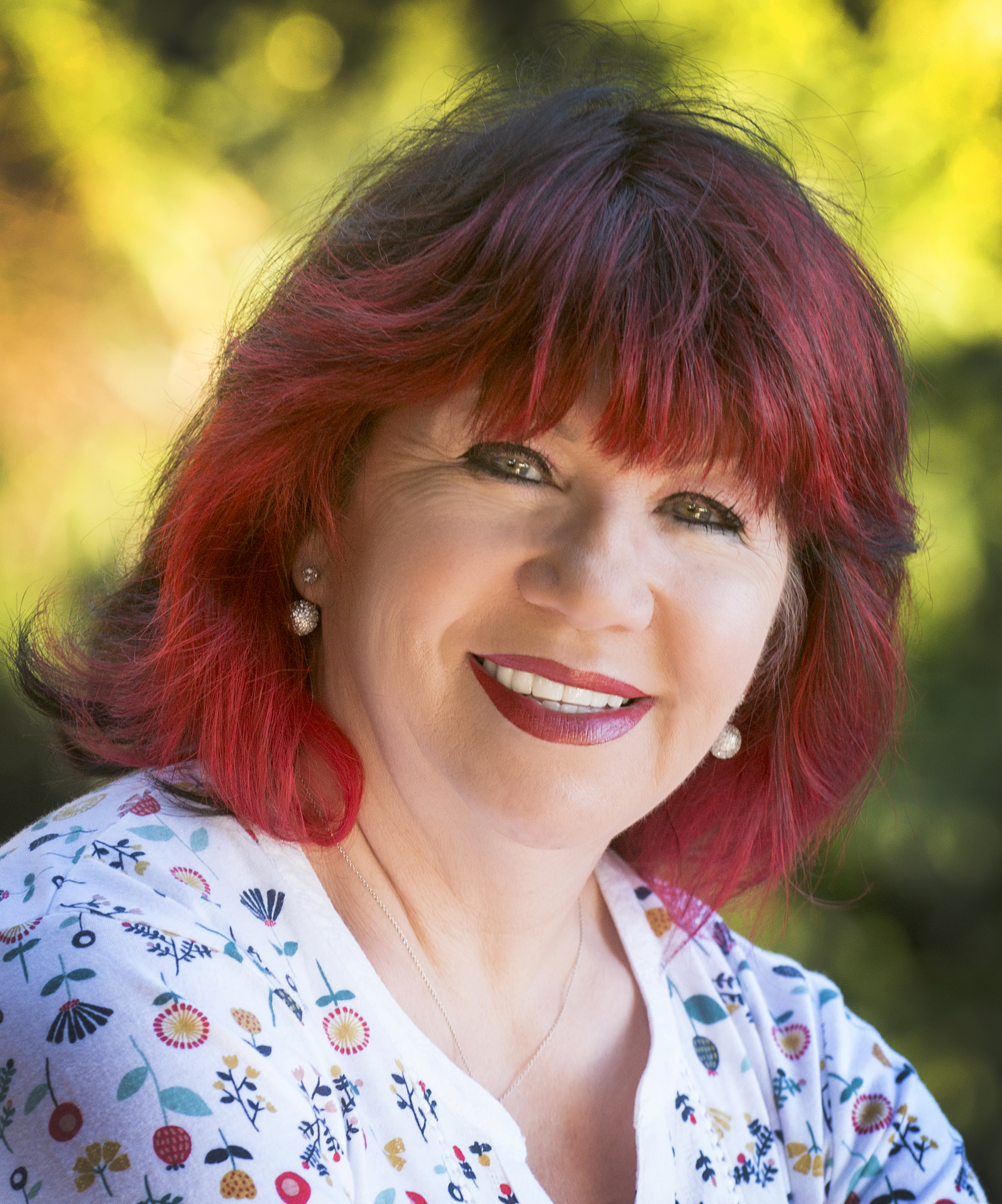
My Writing Process – Tracy Baines

tracy-baines-author

I’ve always wanted to write novels, but it felt overwhelming, and to be honest, I didn’t have the confidence to dive into something so all encompassing – so I wrote articles and short stories. I’m so glad I did something – other than procrastinate. I learnt so much from writing short stories: brevity, character, structure and so on. It’s the same skills – you just need more stamina if you’re writing a novel. Gosh, I never knew how draining sitting down all morning could be.

I could always find the time for a short story and it taught me that I could finish things. Finishing is so important. I’ve lost count of the times I’ve heard people say they’ve got loads of beginnings. If you’re struggling, I’d say choose one thing and keep going until you finish it. My short stories have been published in magazines various magazines in the UK and abroad.

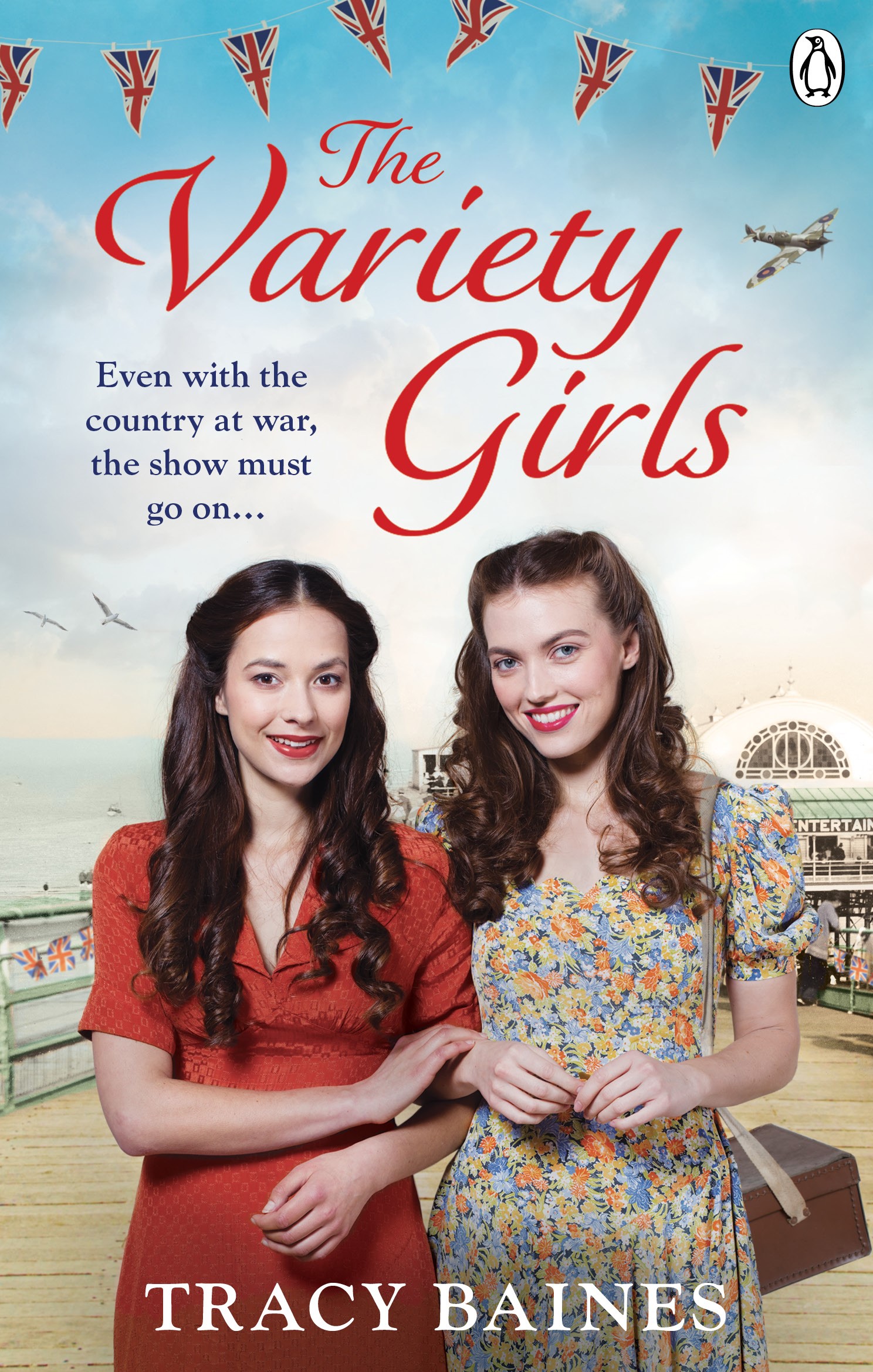
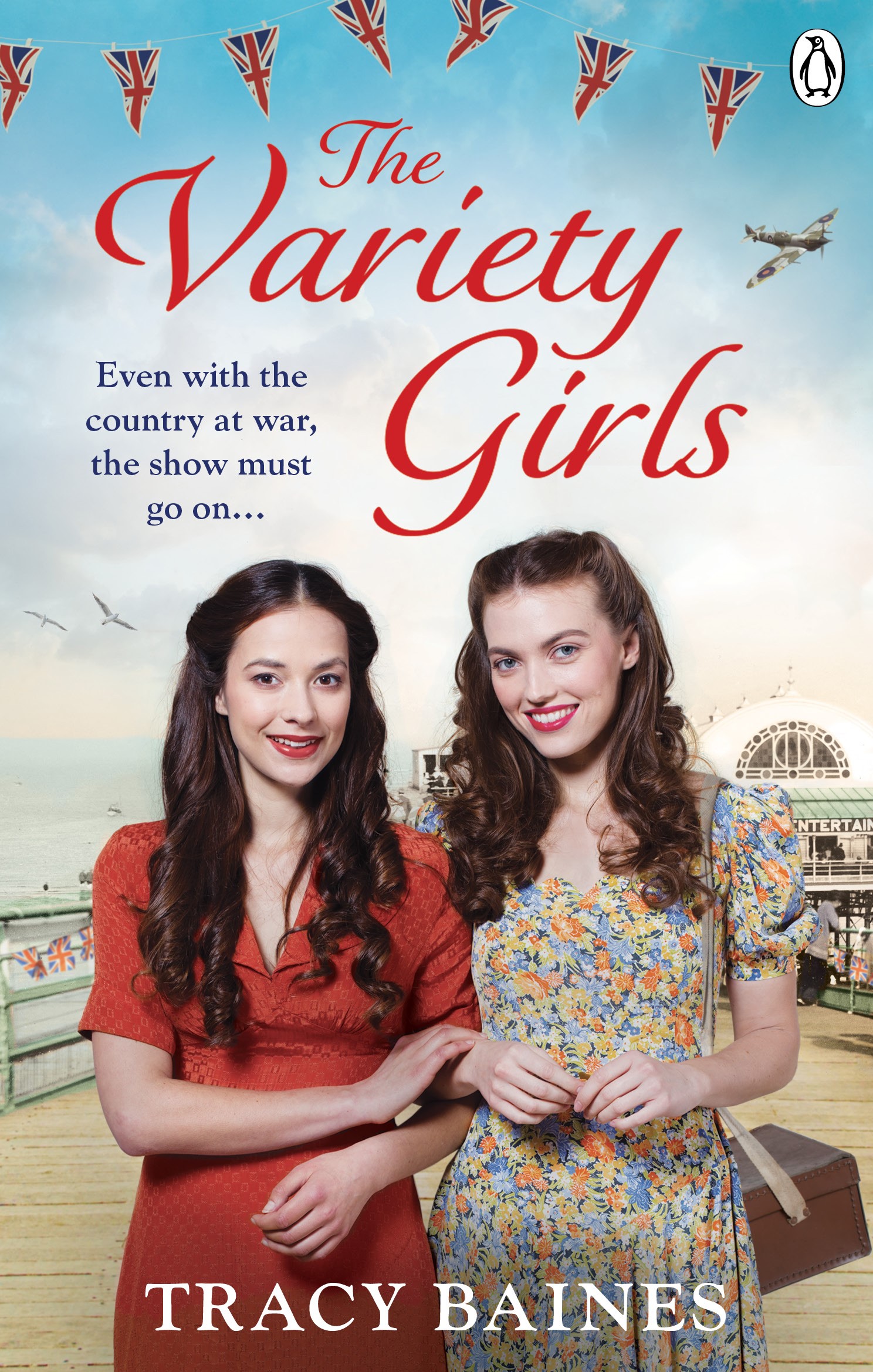
At the moment I’m working on the Christmas with the Variety Girls  – the sequel to The Variety Girls which was published by Ebury Press in February 2020.

I always write straight to my computer but I make a huge amount of notes by hand. I also go back to writing by hand if I get stuck and can’t get the words flowing. I don’t know why it works, but it does. Most mornings I’ll write a page of A4 of free flow. It’s like a warm-up to get the motor running and I find I can express myself more easily when I do this.

Daydreaming is important to me too. I play around with ideas for as much time as I can before I begin to write. I’ll read a lot of books for background details and research, and some of that will inspire a character or a scene. My books are set in the Variety Theatre during WW2 and I love reading books about old theatre and music hall stars to get creative thoughts flowing.

When I start writing I tend to stick with one character and work out what she wants most of all. Then I work out what could stop her getting it. Gradually all the other characters and events start to pop into my head. I make a synopsis, then develop a plan or outline which will change as I go along. It’s like having a road map. I can take detours here and there, but I always have a road to go back to. I’ve found this stops me from panicking about where I need to go next.

I try to work for a few hours each morning, actually writing, but I’m thinking about it most of the time. I might work in the evening if I’ve had a disrupted day. I tend to write more when I’m past the middle point. Some days are better than others. But if I’m having a bad day I’m happy as long as I get something down that moves the story forward. I know I can always go back and fix it. Again, the short stories helped me because I am not afraid of deleting huge parts of text to get to the nub of the story

Early in my career I was lucky enough to be mentored by Margret Graham – who also writes as Milly Adams and Annie Clarke. I’ve learnt an enormous amount from her and also from reading her many books. I am loving her latest – Girls on the Home Front series.  She is a superb teacher and if you ever get chance to get to one of her workshops crawl there if you have to. She’s also written two books that are brilliant in explaining things such as show and tell etc. No waffle, just practical advice and instruction – and plenty of exercises. You learn how to write by writing – you have to do the work – but having someone wonderful to mentor you makes such a difference.

Margaret’s explanation of structure took me time to understand. It’s very simple but there is such depth to it. It is foremost in my mind when I sit down to work out my novels: normal world, point of change, a rising arc of tension, crisis point or darkest moment, the slipper test, resolution. If you want to know more I can highly recommend The Writers Springboard. She describes structure so simply.

When the writing’s going well there’s nothing like it. It must be what drugs are like. I forget time and am totally in my little world. And when a character  arrives unannounced and tells you their story. Sublime. The difficult part is maintaining the momentum when the words aren’t flowing. It’s turning up at the desk, day after day, in the hope that this will be the day it all starts making sense.

My advice for other writers would be not to think you’re too old, not clever enough, thin enough, rich enough. Have confidence, work hard but most of all enjoy it. It will shine through in your writing.

the-variety-girls-tracy-baines

The Variety Girls published by Ebury Press £6.99

www.tracybaines.co.uk

SISTER SCRIBES: SUSANNA BAVIN ON WHY TALES OF THE UNEXPECTED ARE SO UNUSUAL AND SO SATISFYING

How many of you out there remember watching Roald Dahl’s Tales of the Unexpected back in the 1970s? Or, if you don’t remember any of the programmes themselves, I bet you remember the opening credits, with the silhouette of the girl dancing in front of what I imagine was a psychedelic background. I can’t be sure about the psychedelic bit, because our telly was black-and-white. I can recall only one of the stories, which featured Susan George as a housewife who cooked a joint of meat . . . and if you don’t know the significance of this, I’m not going to tell you. I’ll just say the story had a very clever twist at the end.

We all enjoy a good plot-twist, don’t we? One of the things about being an experienced reader is that it is rare to be truly surprised by something that happens in a book – though I want to make it clear that this in no way lessens the enjoyment of reading it. It is particularly true for readers of genre fiction, where certain conventions and expectations exist within whatever type of story it is. I once wrote a blog called A Promise Between Friends, which was about the ‘contract’ between the author of genre fiction and the reader. The author writes a stirring story within the conventions and the reader meets the writer halfway. Even so, a good plot-twist is always welcome.

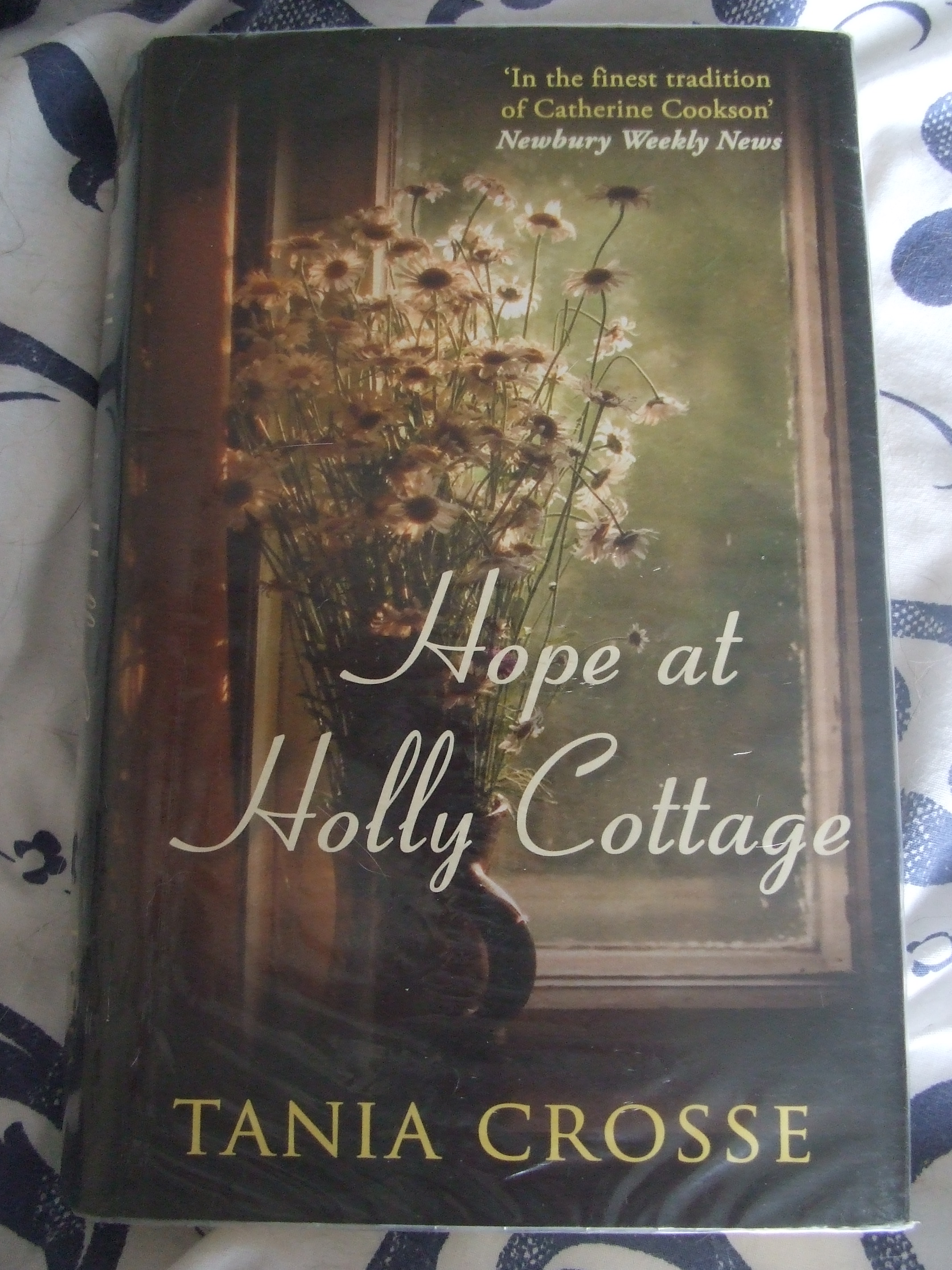
Take Hope at Holly Cottage by saga writer Tania Crosse. The idea of the husband or father drinking his wages and then knocking his wife around is well-known to readers of sagas and historicals, but Tania Crosse takes this familiar idea and gives it a new lease of life. Yes, Anna’s dad has bouts of violence, but the reason behind them is one I haven’t come across in a saga before and it adds extra depth to the tragic dynamics of the family situation. After packing the opening chapters with drama and emotion, Tania Crosse then takes the heroine off into a completely new place for the next part of her story, changing not only the setting but also the atmosphere, and giving Anna something new to strive for.

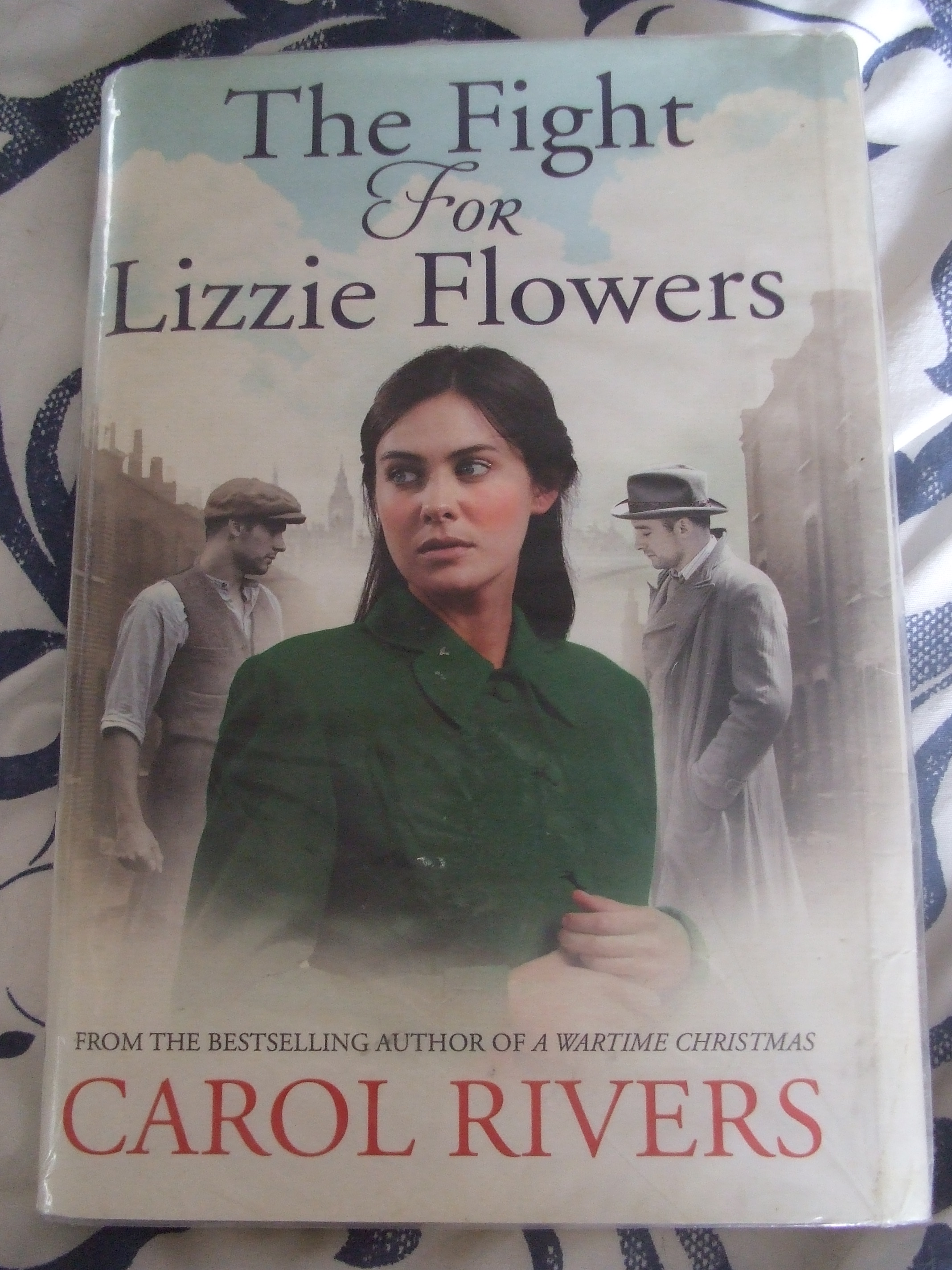
And if you have read Lizzie of Langley Street by Carol Rivers, then you need look no further than its sequel, The Fight for Lizzie Flowers, for a truly unexpected beginning. The first book ends in just the way the reader hopes it will, but the expectations that this creates for what will happen in book 2 are decisively blown to bits in the very first chapter of The Fight for Lizzie Flowers, which opens the continuation of Lizzie’s story in a thoroughly unexpected manner, paving the way for a dramatic and compelling story in which Lizzie – and the reader – can take nothing for granted. As with every Carol Rivers saga, there is a pacey story with well-drawn characters and a strong sense of family feeling.

I was going to end this blog by saying something along the lines of how good it would be if we could have more breath-taking plot-twists, but now I’m wondering whether that might result in too much of a good thing. After all, one of the reasons we all admire a devious plot-twist is because it’s unusual. And perhaps that’s the way it should stay – as a special treat in the occasional book.

SISTER SCRIBES GUEST: JESSIE CAHALIN ON LIVING THE DREAM

I first became aware of Jessie when this amazing blog appeared, featuring books in handbags, but it was some time before we met, introduced by the lovely Angela Petch at an RNA conference. There is a certain symmetry between us; she is a Yorkshire author living in Cardiff, and I am a Cardiff author living in Cornwall. That, and the fact she is a wonderfully giving and collaborative person, makes me consider her a Sister Scribe.


When I reached my mid forties, I realised my career ambition had overshadowed my creativity.  Stuck on a treadmill of administration, I signed off educational action points for teachers but had not achieved any of my own goals.  Days started at 6am and ended at midnight.  Fuelled with coffee, I survived on very little sleep, but my life-long dream to write a novel haunted me.  A health scare prompted me to grab time for myself and take control of my destiny.

Characters hassled me for years and it was time to set them free in my novel, ‘You Can’t Go It Alone’.  I tapped away on my laptop keyboard for six months; it was fun to finally meet the characters. At times, their behaviour shocked me, but they showed me there is more to life than action planning and policy making. Sophie, a character in the novel, showed me the importance of the simple things in life.  She also made me smile again.

Writing improved my wellbeing, and I wanted to learn more about the craft.  I sought the advice of a professional editor and engaged in cutting, cutting and shaping. Novel completed, I closed my laptop, ticked off one point on my bucket list, and hopped back on to my life. I mused that I would re-read my words again one day.

Unbeknown to me, my husband read the manuscript of ‘You Can’t go It Alone’.  He published the novel, without my knowledge, as he knew I would dilly dally. He threw me into the world of indie publishing.  It shocked me, but I decided to grab the opportunity and make connections with the writing and reading community via a blog and social media.  Initially, the aim of my blog was to share book reviews of all the books that had resonated with me over the years. I named the blog Books in my Handbag as all my books are on the kindle, in my handbag.

Playing on the theme of handbags, I tweeted photos of my novel in my handbag. Overwhelmed with the positive comments about the photo, I realised it would be fun to ask authors to send their photos. I developed the Handbag Gallery to showcase the authors’ books and provide a unique boost to the marketing of hundreds of authors. I now have almost fourteen thousand followers on Twitter, and the photos of book in handbags are always a hit.

The Handbag Gallery connected me to lots of authors, and they have supported me with the writing process and promotion.  With pearls of wisdom from indie and traditionally published authors and hard work, I achieved bestseller rankings across UK, Canada, Australia and New Zealand.  I was third in contemporary women’s fiction in Canada. The day my book was placed beside Margaret Atwood, I felt as if the stars had aligned.

Last year, I moved beyond virtual connections with authors reached out to the Romance Novelists’ Association. It is wonderful to meet with authors in the local RNA chapter and became a member of the New Writers’ Scheme.  I don’t know what the future holds for ‘Loving You’ because I am exploring benefits of the traditional and indie publishing routes.  I have started my third novel and have been offered opportunities to write articles in magazines My experience shows you do have to speculate to accumulate.  I am celebrating three years of my blog and living the dream in writerly heaven. Moreover, I have taken control of my health and wellbeing.

Wishing everyone the strength to follow their dreams.


Visit Jessie’s website at http://www.JessieCahalin.com    or follow her on Twitter @BooksInHandbag

Book of The Week: The Variety Girls By Tracy Baines

The Variety Girls , Tracy Baines

Our Book of The Week is this stunning novel from Tracy Baines. You can read our review here. Get your copy now.

This heart warming saga is set on the brink of the 2nd World War, and circumstances have dictated that Jessie Delaney, her mum, Grace, and young brother Eddie, up sticks and move in with Jessie’s aunt and uncle. To call these relatives the sober-sides, the  ‘sucked a lemon’ brigade is to understate the case. Life is toxic, and miserable, but our Jessie is aspirational, she determines to escape onto the stage in her father’s footsteps.

Can she pull it off, especially as it means leaving her mum and brother, and what about Harry the boyfriend?

If she does leave, how can she rescue her mother and brother? Will she be the successful singer she craves to be? Will she still see Harry? Where will she live? Will she make friends?

So many questions, and to find the answers, and enter this razzmatazz world, you will have to read this well-researched song and dance of a novel in great gulps as I did, all the while so wanting Jessie to pull it off, just as the author most certainly has: an evocative, busy, entertaining read, which has well balanced touches of humour, vying with angst, and of course, more than a dollop of tension. Bravo, bravo.

But be warned, you’ll end up buying sparkly knickers, and dancing to the big band sound around the kitchen – oh yes you will.

The Variety Girls by Tracy Baines. pb, ebook and audio. Available from Amazon.co.uk WH Smith, and ASDA


MILLY JOHNSON ON WINNING THE RNA’S OUTSTANDING ACHIEVEMENT AWARD

Sunday Times Bestselling Author Milly Johnson on winning this prestigious Outstanding Achievement Award and what the Romantic Novelists’ Association means to her. 

I cannot tell you how delighted I was to receive an email telling me that I was being given the RNA Outstanding Achievement Award this year – this very special 60th anniversary year too.  It was one of those ‘pinch-yourself’ moments: how was it that me, a northern bird with no industry connections, who always wanted to be an author but never really thought it would be possible, was getting this accolade? It made me quite reflective of all the years between those moments and I realised

Credit: Chris Sedgewick

how much hard work I’d done to be published and stay published. I was never under any illusion that getting a book out there would bring me instant fame and fortune but still, there was never anything I wanted to do as much as hold a book, written by me with my name on the cover. And here I am published, and actually selling a few copies as well.  I never get blasé about it, it’s a thrill every time to see my name on a new book, to see it out there in the wild.

I have grafted, gone above and beyond the call of duty as you do for something you want with all the fibre of your being. I remember reading an early Carole Matthews book, loving her work, looking up to her, wanting to be published like she was, promoting her to status of goddess in my head and then a few years later she was my pal and we had the same agent. I remember well that longing to be ‘one of the chosen’ and so I can easily put myself in the shoes of those who are looking at me and imagining themselves published one day.  If they want it hard enough, and put the work in, and if one agent rejects them, and they move on to the next never taking a no as the final answer, then one day that call will come to say they’ve got a deal. Then the hard work begins. I used to equate that first publishing deal with the pinnacle of Everest, but it’s not even Base Camp. And often in this job, writing the book is the easiest part!

I am so looking forward to the evening. I have many friends there shortlisted for an award that it is sure to be a jolly one, and my plus one for the evening is my best novelist pal Debbie Johnson, because you need someone who understands the intricacies of this crazy job, to trust with all your niggles and to act as a sounding board when you feel like screaming because you’ve had the worst review ever written by anyone. And you are there for them when the reverse happens. A bit of kindness in this game goes a long, long way. And it’s always the best Karma to pay it forward.

I joined the RNA when I was published, not before. I was quite adamant that’s the way I’d do it and what a misguided fool I was! Had I joined before I would have benefitted from so much inspiration and guidance, I would have had so many more writer friends to mix with rather than do it all alone. I missed out on help and fun and a lot of Prosecco. But join I did eventually and it was one of the best investments I made becoming part of the association. I encourage any other writer not to follow in my footsteps as far as my stubbornness goes, but to join as soon as you can and take advantage of the wealth of wisdom its ‘fabulousness of authors’ has to share.


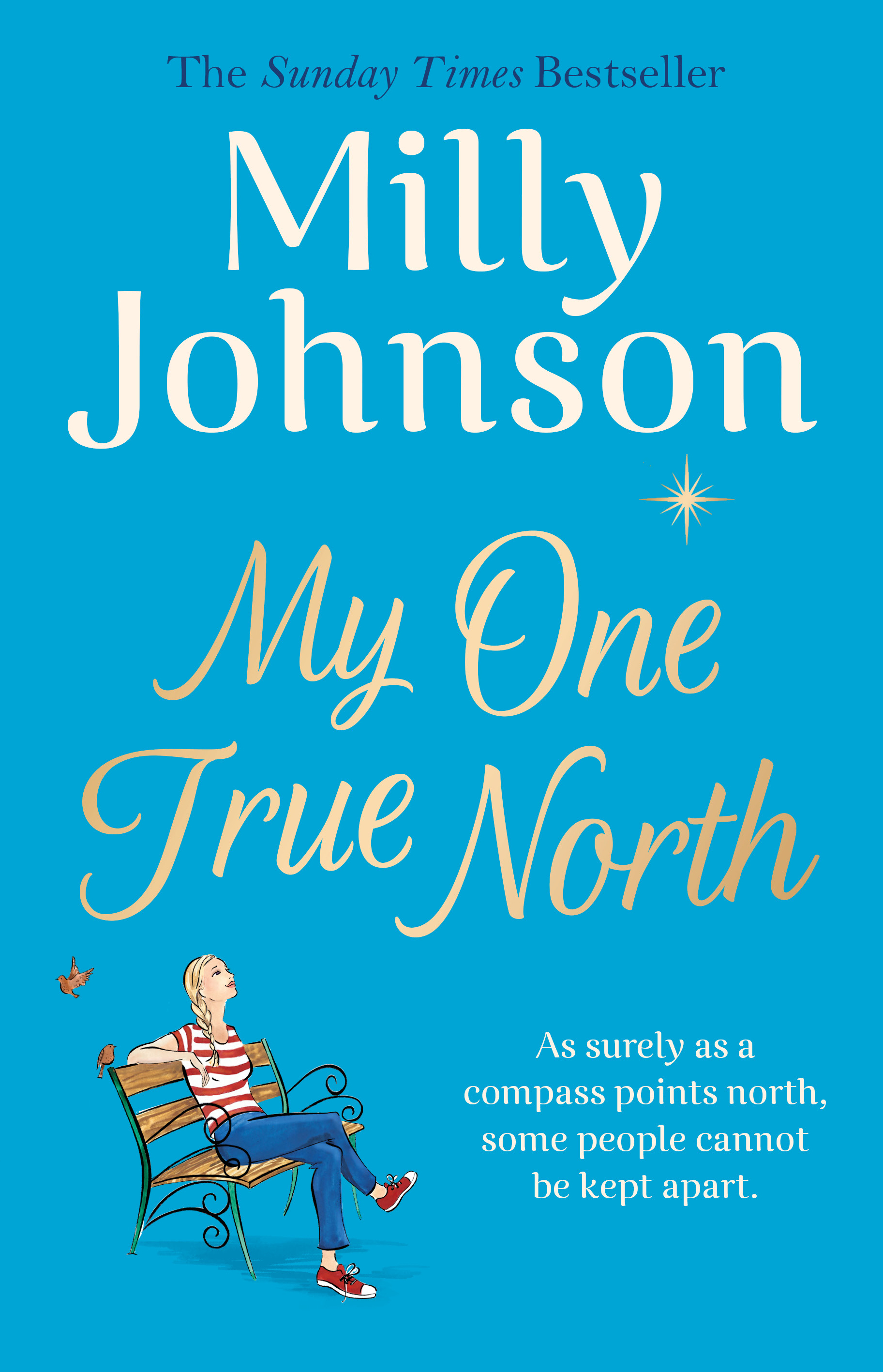
My One True North by Milly Johnson is published on 5th March by Simon and Schuster and is available to pre-order now. 


SISTER SCRIBES’ READING ROUND UP: FEBRUARY

Cass:

Having loved Kitty Wilson’s debut novel, The Cornish Village School: Breaking the Rules, I already knew what to expect from the pen of this talented author: relatable characters, a fabulous Cornish setting, lots of emotion and laughs-a-plenty.

The Cornish Village School: Second Chances is the story of Sylvie, who’s had to give up her dreams in the past and is also doing her best to recover from a recent loss whilst being the best mum she can be to her little son, Sam (adorable!) and Alex, who’s come to Penmenna with his adopted daughter, Ellie (adorable and hilarious!), to help her escape the horrors of her past and to also take a break from the pressures of his job.

Surround these two new characters with the regulars from the first book, Rosy and Matt, still cosily besotted with each other; Chase and Angelina (who’s still weird, but perhaps a bit mellower… sometimes); the controlling Marion Marksharp (still loving that name), and you have a fun read, layered with depth, as both Sylvie and Alex reveal their past wounds, at first to themselves and then to each other.

A fabulous second novel from Kitty Wilson, who writes rom-com at its very best.


Jane:

Given most of my novels have a time-slippy element it’s surprising I haven’t read Daphne du Maurier’s The House on the Strand before. In truth I only picked it up because my talks partner, Sue Kittow, has written a book of walks based around du Maurier’s work and we’ve been asked to speak about the author to a local group.

From the first chapter I was hooked. The book dates from the 1960s and the protagonist is Dick Young, a man who can only be described as having a mid life crisis, and is lent a house in Cornwall for the summer by an old university friend – on the condition he helps him with an experiment. This involves taking a drug which transports him to the early fourteenth century, a brutal time by any standards, and even as a helpless bystander he becomes emotionally involved in the lives of lords, ladies and serfs living around Tywardreath then.

I enjoyed this well crafted book and alternately racing to finish it and throwing it down and stomping off yelling “oh, you stupid man!” at Dick. Although the writing was so vivid I travelled back to medieval times, the contemporary story of a man struggling to make sense of his life – and in so doing putting his family’s happiness at great risk – gripped me even more. Through the lens of time Dick could be seen as a selfish bastard but this book is actually a heart-wrenching portrayal of what addiction can do to the body and mind. As relevant today as it was in the 1960s.

Set firmly in the past – this time the early nineteenth century – is To Have and To Hold, another great book from Valerie Holmes. Her Yorkshire setting is so beautifully drawn I could see it in my mind’s eye as I read, and I love the way she draws her characters from outside ‘the ton’ – it makes them seem so much more real, somehow.

This is a great adventure/love story that begins with a runaway mill boy and ends… well, that would be telling, wouldn’t it? Poldark fans should love it. Valerie’s new book, In Sickness and in Health, is available for pre-order now.


SISTER SCRIBES: CASS GRAFTON ON THE CHALLENGE OF NAMING CHARACTERS

What’s in a name? Or perhaps that question should be, ‘who’s in a name’?

I’ve realised that I have a two-tier approach to naming the characters in my novels. For the leads, I go to extreme lengths not to use names of people I know personally, but for all the background characters, I am more relaxed and confess a few of my friends have popped up—in name only, I stress—over recent years!

However, I certainly couldn’t use a first name for one of my leads—someone I spent a lot of time with, got to know and had probably fallen in love with—and then in a later book give the same first name to an unpleasant character.

This is not something I share with Jane Austen, who seems to have had a much more prosaic approach, often using a first name for a heroine in one novel and then giving it to an unpleasant character in another. These names were also prolific amongst her close family, including frequent use of names shared by her brothers and their wives and children!

One of the best examples is Elizabeth Bennet in Pride & Prejudice. She’s a strong, confident young woman, a character Jane Austen had clearly become attached to, as shown in a letter written to her sister, Cassandra, the day after the book’s publication:

“I must confess that I think her as delightful a creature as ever appeared in print, & how I shall be able to tolerate those who do not like her at least, I do not know.” 29th January 1813

Yet in her last completed novel, Persuasion, the author gives the name Elizabeth to Miss Elliot, who is cold, haughty and self-centred.

More amusing is Austen’s aversion to the name Richard. In the opening paragraph of Northanger Abbey, she refers to the heroine’s father as ‘a very respectable man, though his name was Richard’.

She does use the name across several of her novels, but only for non-speaking characters, with the most scathing reference in Persuasion.

“…that the Musgroves had had the ill fortune of a very troublesome, hopeless son; and the good fortune to lose him before he reached his twentieth year… He had, in fact… been nothing better than a thick-headed, unfeeling, unprofitable Dick Musgrove, who had never done anything to entitle himself to more than the abbreviation of his name, living or dead.”

Of course, there’s always the option of simply not giving a lead character a first name, something Daphne du Maurier did in one of my all time favourite novels, Rebecca. The book’s title is the name of the first Mrs de Winter, and the story is narrated by the second. This Mrs de Winter’s name is never revealed.

The author was often asked why this was so, and in a book she later wrote about her novels and writing career, Daphne du Maurier gave this explanation:

“…why did I never give the heroine a Christian name? The answer to the last question is simple: I could not think of one, and it became a challenge in technique, the easier because I was writing in the first person.”

Charles Dickens is, of course, notable for thinking up names to suit a characters’ nature or profession: Sloppy, Wopsle, Sweedlepipe, Pumblechook, Skimpole, Bumble and Toodle, to name but a few.

I think we can be pretty certain these weren’t people he knew in person, but—fabulous as they are—I don’t think it’s a talent I have. Perhaps it’s time to browse the Penguin Classic Baby Name Book for some inspiration…


Sources: Jane Austen and Names by Maggie Lane and The Rebecca Notebook and Other Stories by Daphne du Maurier and Jane Austen’s Letters, edited by Deirdre le Faye.