Anxiety and Modern Identity

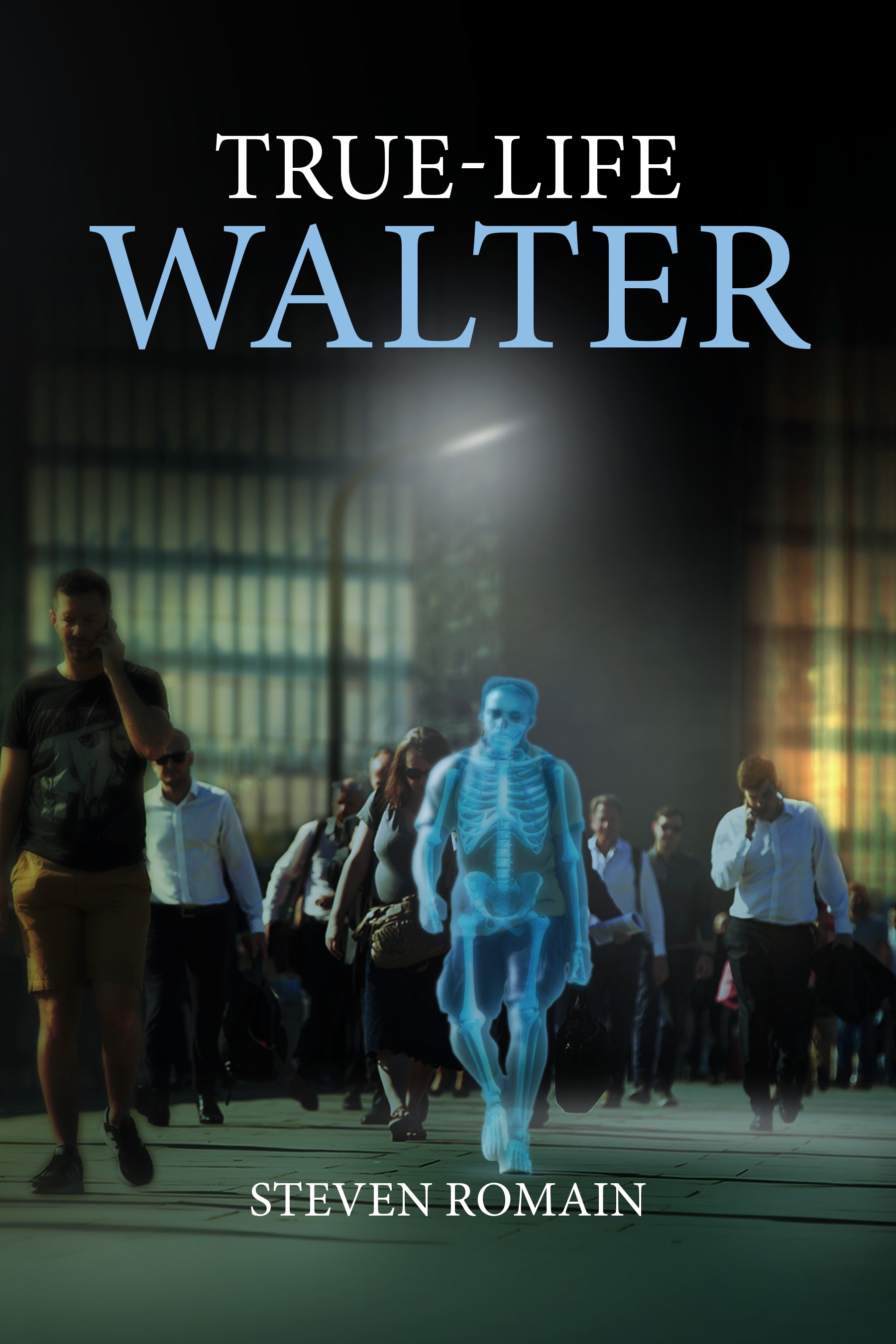
Anxiety and the pressures of modern life seem to go hand-in-hand, with many describing the crippling condition as a ‘21st century epidemic’.  Author Steven Romain is no stranger to anxiety and has drawn upon his own experiences of the illness for his new literary novel, True-Life Walter, which features a central character who takes radical action to rid himself of anxiety, and by so doing also finds himself freed for the first time from the oppressive burden of social expectation.  

By Steven Romain
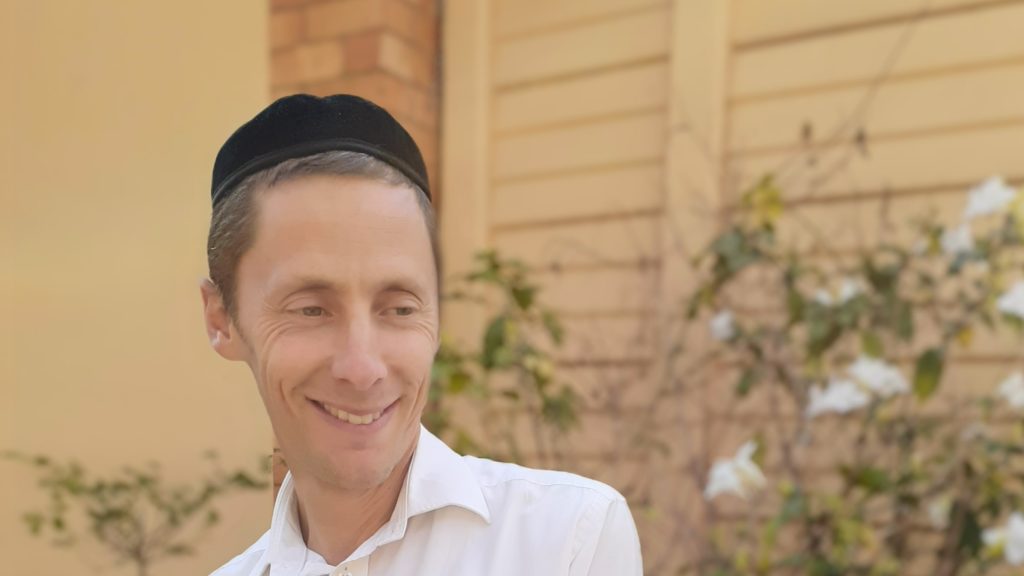
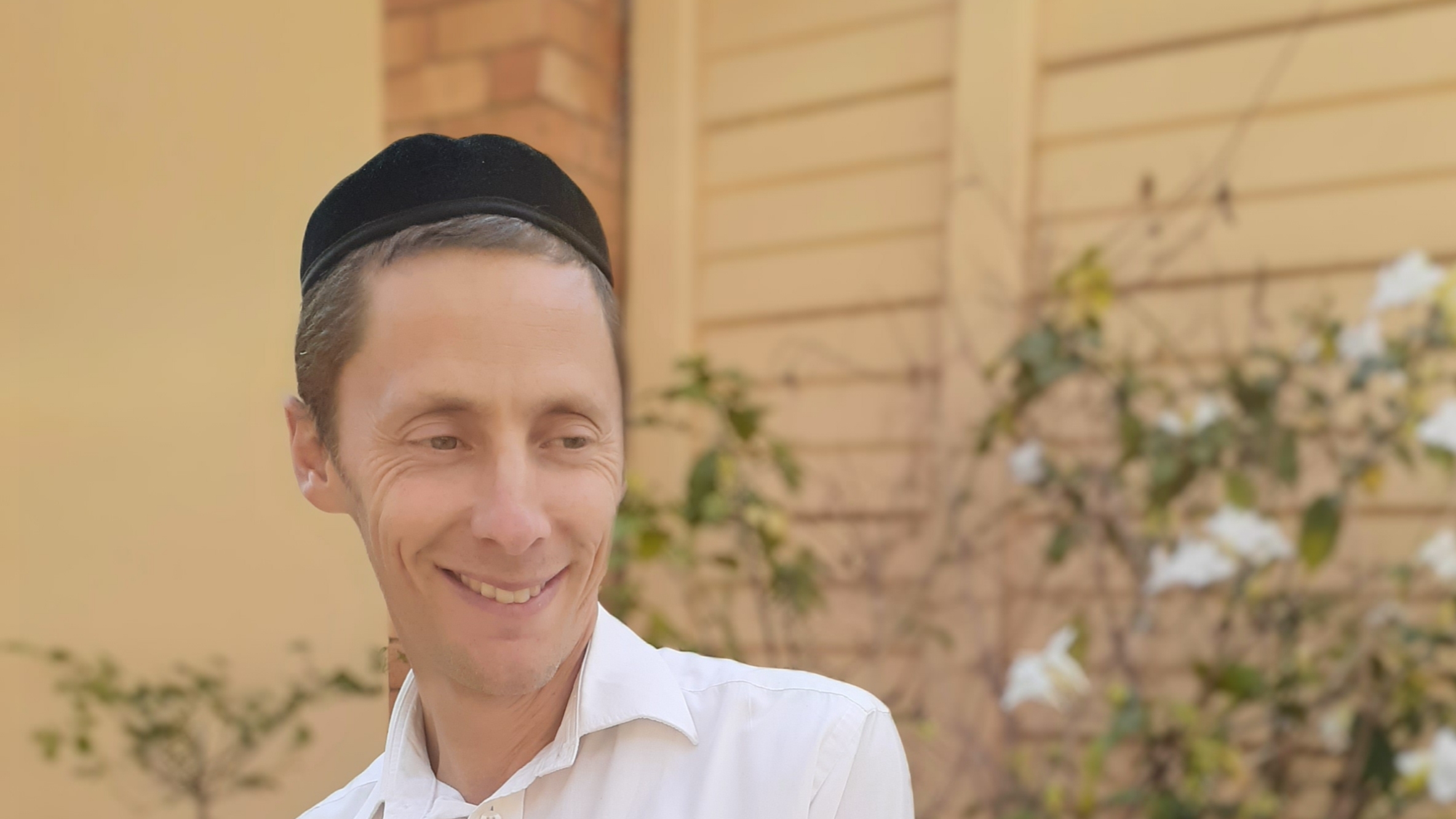
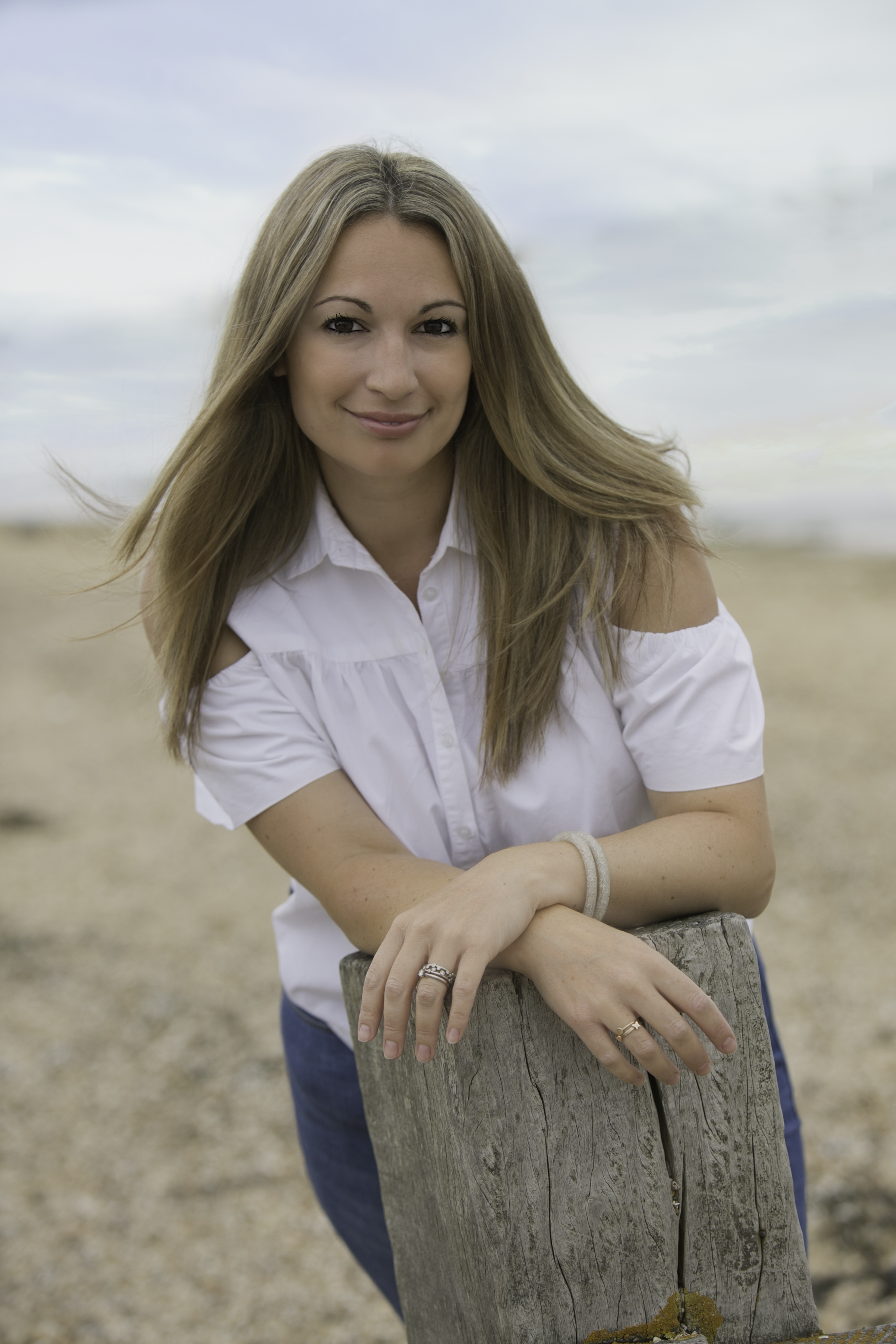
Caption: Author Steven Romain believes that anxiety is deeply connected to the confining expectations thrust upon us in the 21st century. Copyright Steven Romain 2019

The only people whose ideas about anxiety should be listened to are those who actually experience it. Like a wild dog, anxiety has a particular nature, conducts itself in specific ways, and is even characterised by unusually acute powers. A wild dog hears the heartbeats of a herd of springbok from a hundred metres away and selects the buck with the weakest heartbeat as his target. They have a ninety percent success rate as hunters. 

The complication with being human is that the definition of success eludes our grasp. If those walking around the world with anxiety are impaired in certain ways, and we may safely say they are, they are also gifted with special powers like artistic sensitivity; a highly suggestive imagination; and empathy. In addition, the fact of living with the condition for many years fosters wonderful species of fortitude and bravery. It is impossible for a non-sufferer to know what I mean, but it is a fact that simply getting up in the morning and dressing is, for many people, a great achievement. It’s very much like escaping from the captivity of a sadistic bandit.

The anxiety-sufferer wrestles with his angel from the moment he wakes up in the morning till the moment he falls asleep at night. To me, (especially since I am one of the club), it’s clear that this battle forges a person’s personality to a tremendous degree. And this brings us back to the question of defining a successful hunt for human beings. Who among us is living a successful life? 
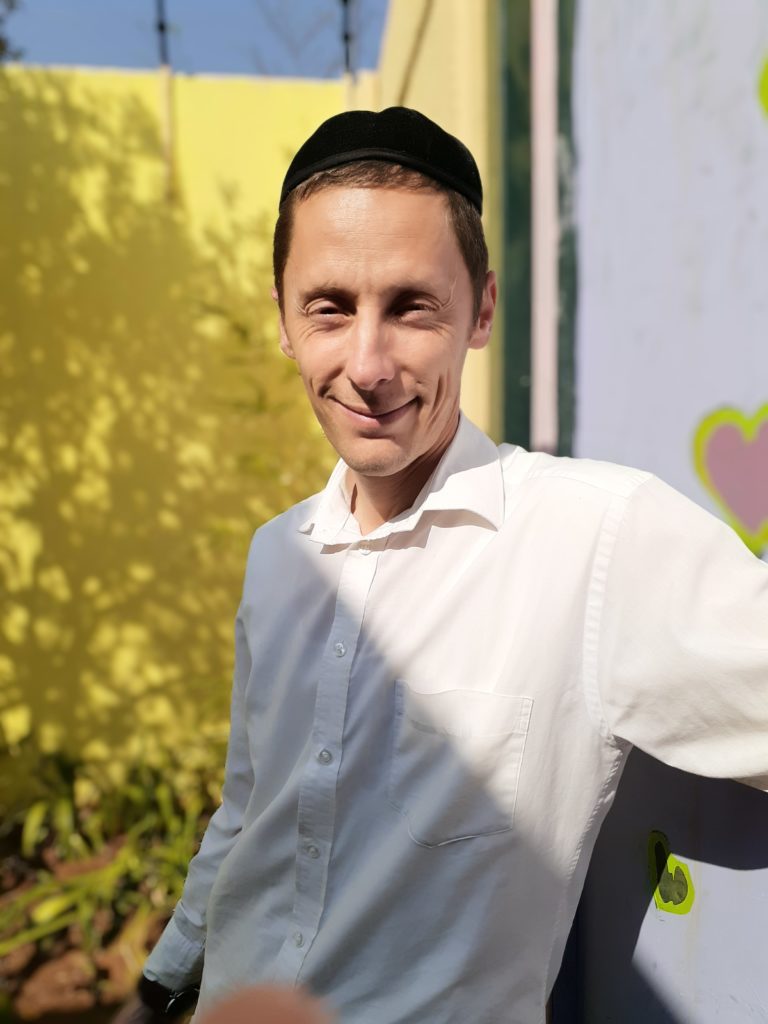
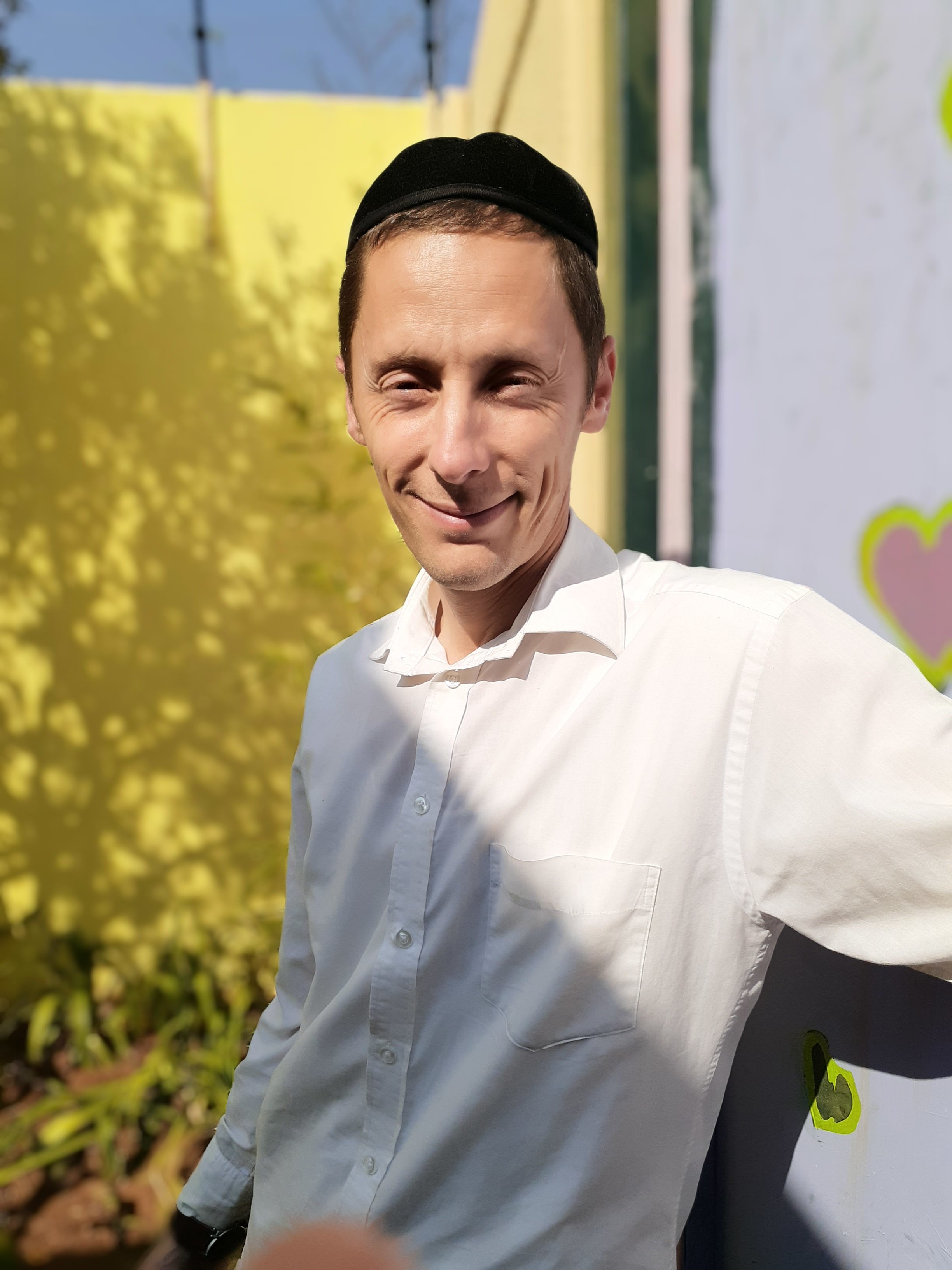
Caption: Author Steven Romain, an ordained rabbi, draws strength from his faith to make sense of an increasingly chaotic and superficial world. Copyright Steven Romain 2019

Many might point to the socially adjusted, the financially successful, the intelligent, or the famous. All these I would characterize as effective in some way. I, for my part, see something wrong with this view. Look around you at the world: stars, galaxies, electrons, insects, fire, water, ice, elephants—not to mention dreams, visions and spirits. This is a world which is marvelously complex and mystical, held to together inexplicably by The Holy One. And the crown of it is man, but what was he put here for? To become something, to know his Creator, in my opinion, but the point I wish to make is that G-d didn’t make this wonderfully interconnected world so that there should be people sitting at coffee-shops punching buttons on phones. This can be a pleasant pastime and I don’t mean to sound harsh, but I do think the question of ‘What was I put here to do?’ should be one that is considered in relation to our actual lives and not just pondered theoretically. Effective people can’t be the point of the whole world, for the reason that their effectivity only solves problems, and the Creator did not make the world to solve a problem, since He has none.

If you agree with me that dressing in the morning might be a genuine achievement, you probably also agree with me that succeeding in school, university, socially, romantically, or spiritually do not necessarily make for real achievement. Just a little bit of thought suffices to prove this. Each one of the items on this list is naturally easy for thousands of people, making for little challenge, and for thousands of others an apparent success in one of these areas would really be a failure. Take, for example, someone whose life circumstances are such that academic achievement is inappropriate for him. He has a pressing need to earn money. His graduation seals a four-year-long (and costly) wrong choice. 

A man is a very mysterious thing. Take a fresh look at him: what is he? He is made, in the sense that his powers and faculties are determined by his Creator, but he also makes himself. A very awkward man I know chose, in his youth, to devote himself to a kind of social work that entails mingling closely with tens of teenagers every day. Now, after years of habituation, no one could ever imagine him as anything else. It is what he is. And it came about purely from his choice. Plus, we all know that after the little dance we do on this earth we’ll be sailing away to a totally different place. The question that I’m proposing should at least seem like a question is: what is the dance I should do while I’m still here? The question should be asked again and again, day after day, because many of the answers we give might be straight-out wrong. There’s no point in just following everyone else’s answers: that would be like frantically neatening up an office the whole day, vacuuming and straightening and polishing, when the whole building is set for demolition.

A man like me wakes up this morning and faces the familiar forms of his anxiety, like an old enemy standing over his bed, waiting for him. Who is to say what it means—in this fantastically mysterious world—that he manages to put on his shirt, his pants, his shoes, drink a cup of coffee and drive to the supermarket? Maybe, as a result, it will rain on farms in Kenya. Maybe, when he leaves this world in his old age, the angels will tell him that the dance he did down here was just perfect: the heavenly hosts were cheering him on for every move. And maybe a man who is sentimentally eulogized as the greatest benefactor of mankind in his generation, a lifelong philanthropist, is told by the angels, on his departure from this world, that his life was a dismal failure. A totally different dance was expected of him.
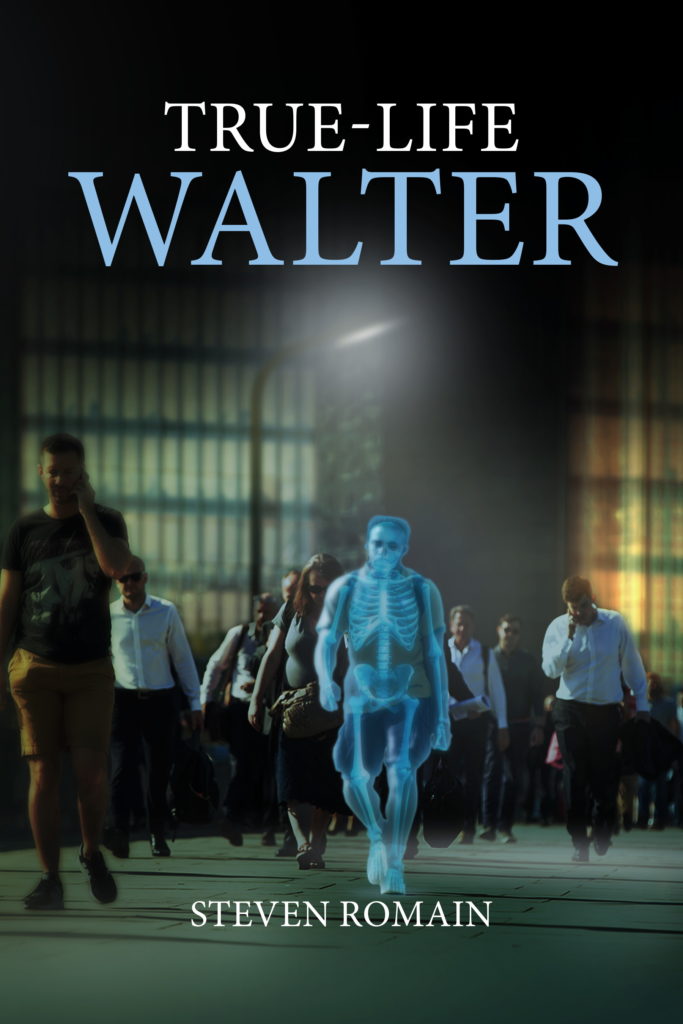
Caption: Steven Romain’s new literary novel True-Life Walter features a central character suffering from extreme anxiety. His actions to free himself from the condition, and what follows, elucidate the deeper meanings of identity and purpose in post-Apartheid South African society. Copyright Steven Romain 2019

The relationship between anxiety and the crisis of identity in our age, in which many of us are divorced, for certain reasons, from our real purpose, is too complex to deal with in a short article. Like everything in G-d’s world, anxiety is not only one thing. The Divine wisdom manifests through it in many different ways. But it is worth noting that, through anxiety, we disable our own lives in their futile rush toward vain ends. We are forced to re-evaluate what we are and what we want to be. 

In my novel, True-Life Walter, I explore modern anxiety by depicting it in the setting of modern Johannesburg, where, for men of colour like my protagonist, new identity is built every day. New lives are lived in newly discovered social and economic statuses. New possibilities of achievement dawn all the time: identities shift and change. As does any writer who strives for real art, I strive to render the suchness of anxiety in modern life without reducing it to easy tropes and explanations. In this way, literature has a unique power in assisting our understanding of anxiety, which is, at this point, an issue we need to take strides toward, not so much comprehending, as appreciating.

True-Life Walter by Steven Romain is available on Amazon priced £3.47 in paperback and £2.46 as an eBook.

SISTER SCRIBES GUEST: LORNA COOK ON THE IMPORTANCE OF WRITING BUDDIES

I love this post, it sums up everything I have found to be true of the writing community. After reading and loving The Forgotten Village, I was lucky enough to meet Lorna at the Joan Hessayon Award this year, which she deservedly won. She was an absolute joy – funny, friendly and unassuming – and I cannot wait for her next book. 


When I started writing my debut novel, The Forgotten Village, I had zero writing buddies. Not one. I had just had my second child and we were going through that odd stage together where she slept most of the day (and not at all at night!). It left me slightly frazzled, very jaded and I was left to my own devices while my hubby went out to work and I took maternity leave. I joined lots of little groups with my tiny newborn but I sorely missed colleagues. And that joy of real human interaction that has nothing to do with nappy-chat was hard to find.

Don’t get me wrong – I did not go through the equal amounts of pain and joy of writing a novel so I could make chums. That was the happy by-product of this crazy and often misunderstood realm of fiction writing. And it is misunderstood. When I very quietly, very cagily, tell people I write novels it is only because someone has asked me directly ‘So, Lorna, what do you do for a living?’

And then begin the questions about how much I earn and if I am the next JK Rowling. Every single time. Praise be for The Romantic Novelists’ Association. I’m not sure I’d be quite as sane (manic laugh) as I am now without the RNA and the wonderful friends I’ve found there who just get it.  I joined the RNA’s New Writers’ Scheme in 2017 and no one ever made me feel as if I ‘wasn’t quite one of them’, because I was unpublished. I had found likeminded souls, who knew the pain and pleasure of being a novelist. Most of them were also unpublished like me and we’ve had many an hour of gossiping about industry one-to-ones at the RNA conference, about disastrous critiques from independent editors and the sheer joy of meeting new people.

I joined the RNA’s Chelmsford Chapter and was made to feel instantly welcome. I try to make it to all the lunches, which are once a month so I can share in dramas and pain, excitement and what everyone is working on at the mo. It’s brilliant. I always come away motivated. As a result of the Chelmsford Chapter, a few of us have formed a breakaway writing group called … wait for it, ‘Write Club’. You think we’d be better at puns than this – what with being writers, but there it is.  And once a month we meet and share in the ups and downs, as well as helping each other with our current WIPs.

I owe so much of my sanity to the RNA and the friends I’ve found there. Honestly, I don’t know where I’d be without it.


LORNA COOK lives by the coast with her husband, daughters and a Staffy named Socks.  She is the 2019 winner of the RNA’s Joan Hessayon Award for her debut novel The Forgotten Village, which sold 150,000 copies and reached Number 1 in the Kindle Chart. Her second novel, The Forbidden Promise, is out in spring 2020. A former journalist and publicist, she owns more cookery books than one woman should and barely gets time to cook.

@LornaCookWriter (Facebook) @LornaCookAuthor (Twitter) @LornaCookAuthor (Instagram)  http://www.lornacookauthor.com

SISTER SCRIBES: KIRSTEN HESKETH IN PRAISE OF WRITING GROUPS

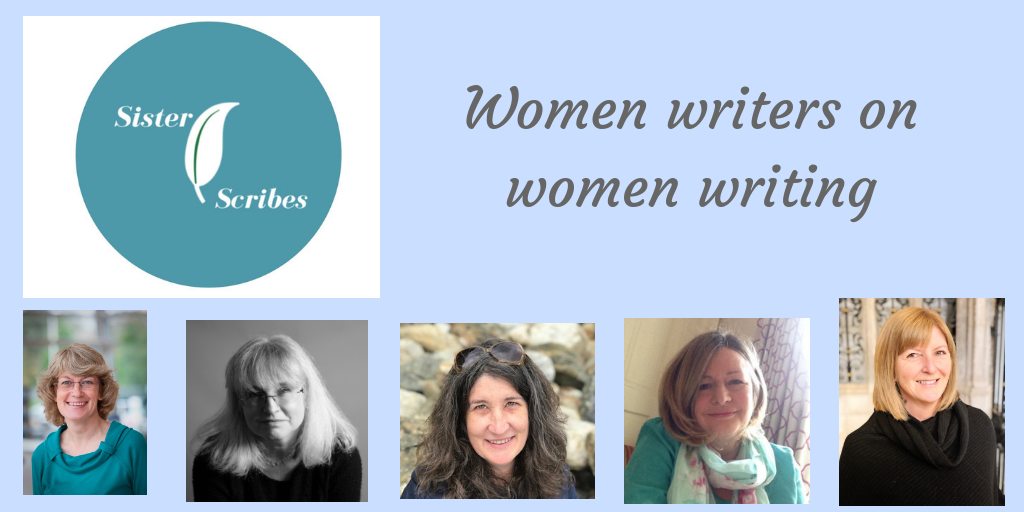
Writing can be a lonely business and much has been written about writers seeking out other writers online. I’m a member of several online writing groups. I’m writing this article as one of the Sister Scribes; five writers who met through the RNA and banded together to become – hopefully – more than the sum of our parts. Then there’s the LLs – aka the Literary Lovelies – a group of writers who met through Twitter. Over the past four years, we’ve chatted most days, virtually cheering each other up and spurring each other on in our quest for world domination … er, publication. Geographically we’re scattered from Devon to Scotland via the home counties and Wales, but everyone makes a real effort to get together for lunch in London and the occasional retreat. Then there’s the informal support group that sprang up during Nano, another one that vents about politics, writers that met at the RNA conference, others that met during a virtual editing course … Wow – reading back through that lot, it’s a wonder I have enough time to do any writing at all!

All these groups have several things in common. We are all novelists- mostly writing romance or sagas or women’s commercial fiction. We are all – with a couple of honourable exceptions – woman. Most are seeking a publishing deal. And we are all – or mostly – ‘of a certain age’!

Which is partly why I love being part of my local writing group. I’ve been a member of Reading Writers for the past three years. It meets on the second and fourth Wednesdays of the month and it is gloriously diverse …. in age, gender and writing predilections. People are writing crime and thrillers, fantasy and sci fi and genres I’d barely heard of before. Many are busy with short stories or flash fiction or poetry or memoir. Lots have – or are planning to – self-publish. Some are biding their time while they learn about the craft of writing.

It all makes for a wonderfully vibrant and exciting group, one that pushes you outside your comfort zone and makes you look at your own writing though fresh eyes. I’ve written before about our ad hoc writing sessions in Coppa Club where a small group of us will meet for a morning to put our writing worlds to rights – before cracking on with the wordcount. A workshop on poetry and another on writing using all the senses really encouraged me to reassess my prose. The one on plotting had me stocking up on multi-coloured Post It Notes. Everyone other meeting is a ‘manuscript night’ where you are encouraged to submit 1,000 words of your WIP – the feedback is robust but invaluable – for example, last time, the 20 and 30 year olds in the group told me exactly why and how the online dating world is not how I had described it #imadinosaur #whoknew?. There have been book launches and pub visits and days out and going to the pantomime that one of the members had written.

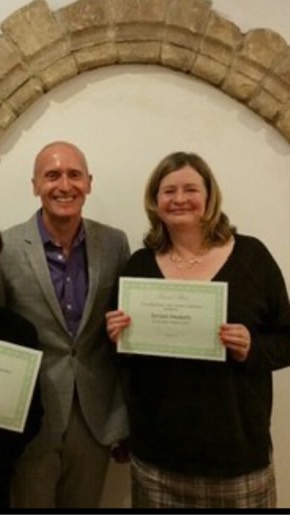
And the competitions! Twice my short stories have come second – anonymously judged by external authors or journalists – and both times it was genuinely thrilling – the first and only times my writing has ever won anything. The certificates still have pride of place on the fridge.

All in all, it’s a fabulous group and I’m very proud to be a member of it.

The current treasurer’s a bit rubbish though 😉


SISTER SCRIBES’ READING ROUND UP: NOVEMBER

Jane:

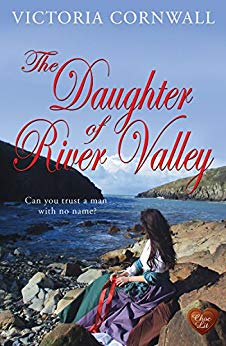
My first read of the month was The Daughter of the River Valley by Victoria Cornwall and I enjoyed this book so much. It drew me in from the beginning – it was so refreshing to read a story set in Victorian times with a fiery female working class character, and which wasn’t unrelenting doom and gloom. Well written and meticulously researched, I absolutely loved it.

I’ve had a real historical month and also adored Tracy Rees’ Darling Blue (now republished as The Love Note). Set in Richmond in the 1920s it charts the stories of three women, during a year when each of their worlds changes beyond recognition. The cast of characters is beautifully drawn, and rather than being a predictable flapper-fest, the novel addresses some of the important issues of the day, including the way the First World War changed both people and society. But for all that it isn’t a heavy read; it’s sensitive and joyful and at times impossible to put down.

Finally, in the name of research, I read Alice Chetwynd Ley’s A Reputation Dies. It’s a detective story set in London in 1815 and her use of period language is so rich it was a joy to read. I felt completely immersed in the period and enjoyed this historical cosy crime very much indeed.


Kirsten:

I love historical fiction and I was late to the party with  Year of Wonders by Geraldine Brooks. It was published in 2002 and was recommended to me several times before I finally grabbed myself a copy. The book is set in 1666 and it’s based on a true event. The Great Plague has reaches the quiet Derbyshire village of Eyam through a contaminated piece of cloth that has been sent to a tailor from London. It’s the only place in the region that’s been affected and the villagers make the extraordinary decision to isolate themselves totally so that the plague cannot spread further – so no one allowed in or out until the plague has run its course or everyone has died. This story is told through the eyes of 18-year-old Anna Frith as she confronts ‘the loss of her family, the disintegration of her community and the lure of a dangerous and illicit love’. I loved it. It’s sad and interesting and touching and fascinating and I had no idea that anything like this had happened. I wonder how we’d have reacted in the same situation.


Susanna:

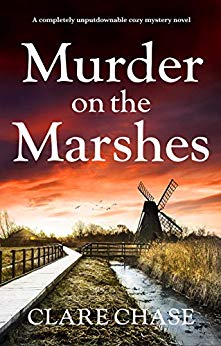
The first two novels in Clare Chase’s Tara Thorpe series, Murder on the Marshes and Death on the River, are set in and around Cambridge and the Fens. In the first book, Tara is an investigative reporter, while in the second, time has moved on and she is now a police officer, which makes an interesting transition that adds depth to the story. The plots are clever, with twists, atmosphere, pace, a range of well-fleshed-out characters and plenty to make you think. The settings in the books are beautifully conveyed and show Clare Chase’s skill as a writer. I enjoyed the chemistry between Tara and Garstin Blake and when I read the second book, I longed all the way through for Tara’s nasty colleague to get his comeuppance. There are two more Tara Thorpe books (Murder Comes to Call and Death in the Fens) and I’m looking forward to reading those.


SISTER SCRIBES: SUSANNA BAVIN ON WHY WE NEED LIFE-AFFIRMING STORIES

Certain types of books have a way of touching readers on a very personal level. For example, starting-again stories are deservedly popular. Who hasn’t at some point said to themselves, “If I could go back and do it all again…” or words to that effect? Call it a natural thought process based on experience or disappointment; call it pure fantasy. The point is that wondering “What if…?” it is part of the human condition and starting-again novels speak to us in a direct way that we can all relate to. One such book is the wonderfully funny and fulfilling The Summer of Second Chances by Maddie Please. Written with a light touch and plenty of chuckles along the way, this is a witty romp that deals with serious themes that add depth to the story.

Another type of book that touches readers in a similar way if the life-affirming story, the sort of book that touches on the strength of the human heart, and encompasses the resilience of the individual and a basic belief in goodness and hope.

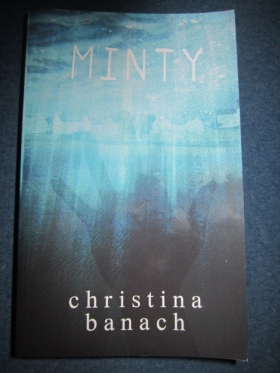
Take Minty by Christina Banach. This is a YA book, but, as an adult reader, I was completely drawn into it. It deals with the difficult subject of death and bereavement and is beautifully observed and deeply moving. As well as tragedy and grief, there is also humour and wit and both the characterisation and the depiction of relationships are both spot-on. The book’s ending is an extraordinary piece of writing, being both heartbreaking and uplifting, and it will take your breath away. In spite of Minty’s central topic, we are very much in life-affirming territory, thanks to Christina Banach’s skill and empathy as a writer. (If this blog makes you buy the book, I’ll know when you are all reading the ending, because shares in Kleenex will go through the roof.)

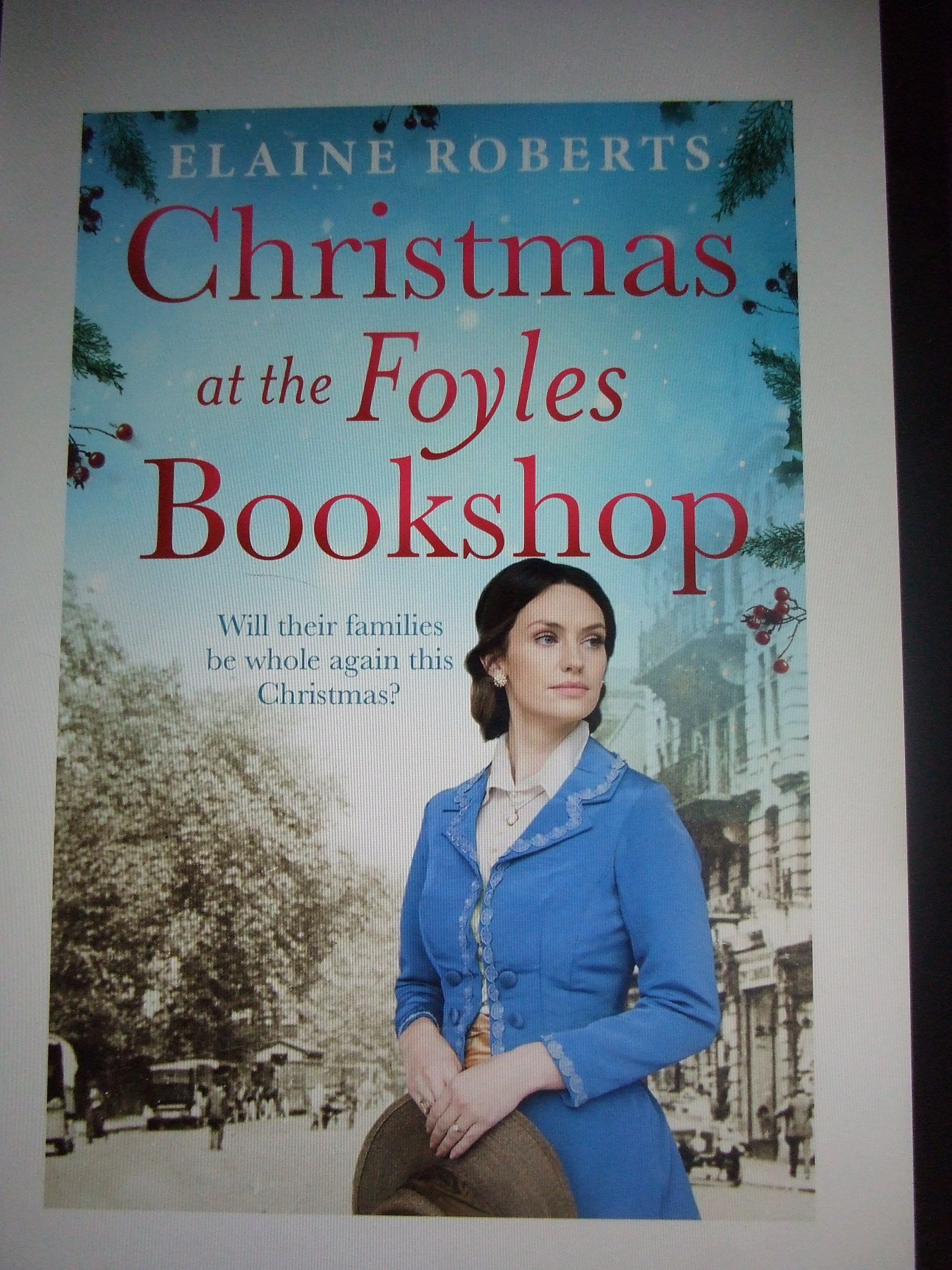
Recently I read Christmas at the Foyles Bookshop by Elaine Roberts. This is the last in a trilogy set in the early part of the 20th century, about three friends, Alice, Molly and Victoria, with each girl taking centre stage in one of the stories. Right from the beginning, the girl I most wanted to read about was Victoria, whose parents died tragically when she was just sixteen, at which point she had to assume responsibility for the younger children; but I had to wait until the final book to delve into her life and find out the answers to all those questions. Victoria has known her share of heartache and now she faces the challenge of a family mystery. Set against the backdrop of the First World War, Christmas at the Foyles Bookshop is an emotional story, filled with love and loss, friendship and family, mystery and duty, heartache and hope. Elaine Roberts has written a heart-warming and engrossing saga that rounds off the trilogy perfectly. It gradually builds up to a gloriously satisfying ending brimming with that special life-affirming quality that, put simply, makes the reader feel good about the world.


SISTER SCRIBES: KITTY WILSON ON WHY SHE WRITES ROMANCE

I was due to speak as part of a panel on Why I Write Romance at Exeter Literary Festival the other day, and knowing that my Sister Scribes post was due I thought I could write about speaking at such events. Unfortunately, chronic ill health meant I was unable to go and thus my intentions disappeared into the ether.

But all was not lost, jotting down my thoughts on why I write Romantic Comedy I inadvertently wrote an essay of over 3,000 words. Too many for here but I can at least share my number one reason for loving romance with you.

Simply put, I love the sheer humanity of romance. Romance is universal, most of us have a desire to find a partner, someone you can share your life with, grow old alongside. But the ability to be a calm, confident and capable individual in life is often lost when faced with someone you are attracted to, even if you didn’t realise you were attracted to them until you start stammering and the flush of your face is radiating like a beacon.

I’ve learnt that no matter how golden or blessed someone appears to be, they usually share this awkwardness, self-doubt is at its height when it comes to meeting a potential partner, self-sabotage often unwittingly kicks in and age does not always make us worry less.

Oh my god! Did I just say that? I said that out loud? Now I’m going to go home and worry for three days.

The adolescent fear – my face is covered in spots and my sibling did something mortifying in school – they’ll never fancy me now, I may as well never leave the house and just curl up in a corner and die.

The slightly older fret – how can anyone love me with a saggy tummy and too much grey hair, I’m nowhere near as attractive as I was when I was in my twenties (although I’d argue actually you’re heaps more attractive but that’s a tangent I’ll get lost in for hours) they’ll never fancy me now…and repeat.

Romance as a genre reminds us everyone feels like this and we are not alone. The playing field here is level. Romance is relatable. Really relatable.

I love a literary novel and am in awe of how those writers deal with topics of race, gender, class, poverty, abuse, justice and so on and when I read literary fiction I feel clever and worthy because that’s how attitudes over the years have conditioned me to feel but romance is what I want to read.

I want to read about the heroine battling with the mundane, the washing machine that’s broken just as she’s stained her best dress and is due to meet the person of her dreams for their first date. I want to read that the dog has just pinched the dinner our hero or heroine has spent hours slaving over and it is now being vomited up over the living room – these things make me feel less alone, make me feel comforted. They make me feel reassured (and thus able to giggle) about my own life which is largely spent in the house dealing with domestic catastrophes rather than my imagined-and-never-quite-realised life trekking across continents being glamourous.

Romantic comedy reminds me that we all have our insecurities, we all have our everyday tribulations, sometimes we can be our own worst enemy but we are all in this together, we all share these emotions but hopefully, like the protagonists of romantic comedy, each day we grow and with that earn our own personalised happy-ever-after.

Warm Winter Reads for Saga Lovers


Here’s another selection of sagas that might find their way onto your bookcase this winter. Lovely stories with winter settings and a Christmas flavour in each of them.


A Precious Gift by Rosie Goodwin

Nuneaton 1911

The latest book in the Days of the Week series – Friday’s Child is Loving and Giving.

Holly Farthing has lived with her widowed mother and overbearing grandfather since she was a small child. When she reaches eighteen her Grandfather tries to marry her off to a widower twice her age. When she refuses he withdraws all support and she flees to London with her maid Ivy, her only friend.

Once there, Holly searches for the father she’s never met and begins nurse training in the local hospital. There she meets the dashing Doctor Parkin and falls in love.  When he proposes, Holly finally feels she will at last find the happiness she craves -until she discovers some shocking news that means they can never be together.

Heartbroken, she throws herself into supporting the war effort and heads to France, volunteering on the front line.

Encompassing the turbulence of the suffragette movement and the Great War, Rosie Goodwin’s fans will not be disappointed.

Published by Zaffre Hardback £12.99

A Winter Hope by Sheila Newberry

Life is looking good for the Hope family as they move into Number Five Kitchener Avenue in 1932. Fred’s wife, Miriam is expecting their first child and Fred has a secure job as a civil servant. Her sister Doreen 14, has a job at Woolies and welcomes the move along with her new sense of independence. But war is on the horizon and these happy carefree days can’t last.

A window on the world of the Hope family as they and they neighbours adjust to turbulent times.

A warm, cosy read, perfect for the long winter nights.

Zaffre Paperback £7.99. Also available in eBook


A Woman’s War by S Block

Great Paxford, November 1940

If you’re a fan of the TV series Home Fires and wondered what happened after the last episode you’ll find out here.

All the familiar characters appear as life in Great Paxford moves on.

As enemy planes bombard the North West of England, the members of the WI fight harder than ever to do their bit.

Teresa Lucas her reshaped her life to become the perfect wife but the arrival of a new guest threatens all she holds dear.

Laura Campbell is grieving her father. Can she find the confidence to embrace a new future?

Pat Simms plans to escape her difficult life with Bob at the end of the war but when things change at home she begins to question everything she thought she knew.

And farmer, Steph Farrow wonders whether she can live with what she has done.

Zaffre Paperback £6.99. Also available in eBook


SISTER SCRIBES GUEST: CLARE FLYNN ON THE BENEFITS OF A CRITIQUE GROUP

I’m delighted to welcome Clare Flynn as my guest. Clare is the author of ten historical novels and a short story collection, and we met over dinner on the opening night of my first ever RNA conference a couple of years ago. Today, she sharing her thoughts on the benefits of critique groups for writers.

Soon after leaving London for the beautiful South Downs and Sussex coast, I had the good fortune to come across two fellow members of organisations I’m in – the Romantic Novelists Association and the Historical Novel Society. One is an author and the other an editor with authorial aspirations, both Eastbourne residents. We decided to set up a critique group and subsequently two more authors have joined our posse. We five now meet every Friday afternoon at a seafront hotel.

Our aim is to offer mutual support and encouragement, share tips on marketing and publishing, and most of all to give constructive criticism of our work. None of us wanted to do workshop style exercises, as apart from the editor we are all published – two of us hybrid, one indie and one trade. What we all have in common is the desire for a sounding board and some tough love during the writing process.

A few days before our weekly meeting, we email each other the extracts we want to review, usually a chapter of around 2,000 words so we get a chance to read them all at leisure. Everyone prints off a copy of each submission annotated with comments and brings it to the session.

We used to read the work aloud but it became too time-consuming and we have so much else to talk about. Instead, we take each submission in turn, with each person offering their comments. The criticism is always constructive and now we know each other well we don’t pull our punches. All of us share a desire to help each other produce the best work possible.

We have had short stories as well as extracts from works in progress. We use the approach of Adopt/ Adapt/ Reject, although most of the feedback makes eminent sense and is mostly acted upon.

Some examples of changes made as a result of feedback in these sessions:

  • Inconsistencies of character,
  • Lack of tempo and pace
  • Anachronisms and clichés etc
  • Details such as titles, uniforms and spotting costume gaffes
  • Metaphors that don’t work or take one out of the story
  • Making awkward sentences flow
  • Avoiding repetition
  • Spelling and grammar
  • Identifying a character going to sit down when they were already seated (it happens so easily!)

Not everyone submits an extract every time if they don’t happen to have a piece ready to review, but the weekly meetings act as a spur to getting the next chapter ready.

The group has been going now for nearly four years. Thirteen published novels have emerged so far from our sessions. This early input identifies any major issues before the final draft is released to the editor, agent and beta readers.

We meet in one of the public lounges and I often wonder what unsuspecting hotel guests think when passing by as we respectable looking women of a certain age hotly debate the choreography of a sex scene or the best way to kill someone off.

There’s always plenty to talk about as well as the work. We share publishing news, marketing ideas, gossip and plans for attending conferences and industry parties. It’s a very supportive and encouraging group.

The writer’s life is by definition a solitary one for much of the time, so having a weekly gathering to share triumphs and setbacks is an absolute godsend.


Clare Flynn is the author of ten historical novels and a short story collection. Her latest novel, The Pearl of Penang, set in Malaya in 1939 through to the end of the war with Japan, is now available for pre-order.

Website http://www.clareflynn.co.uk

Twitter – https://twitter.com/clarefly

Facebook – https://www.facebook.com/authorclareflynn