The Butterfly Lion: Review

The Butterfly Lion
Minerva Theatre, Chichester
Until 15 November
www.cft.org.uk

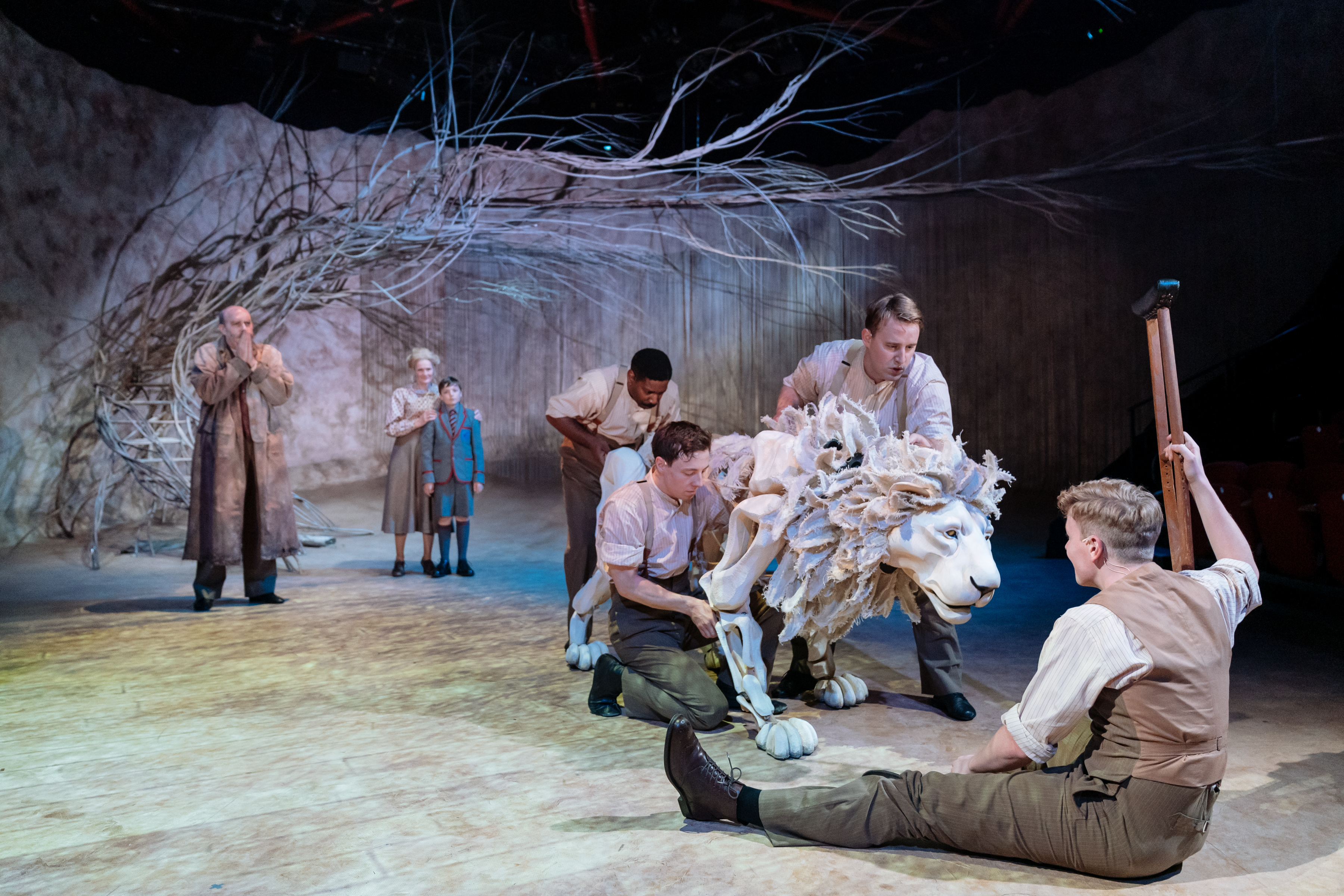
Photo credit: Manuel Harlan

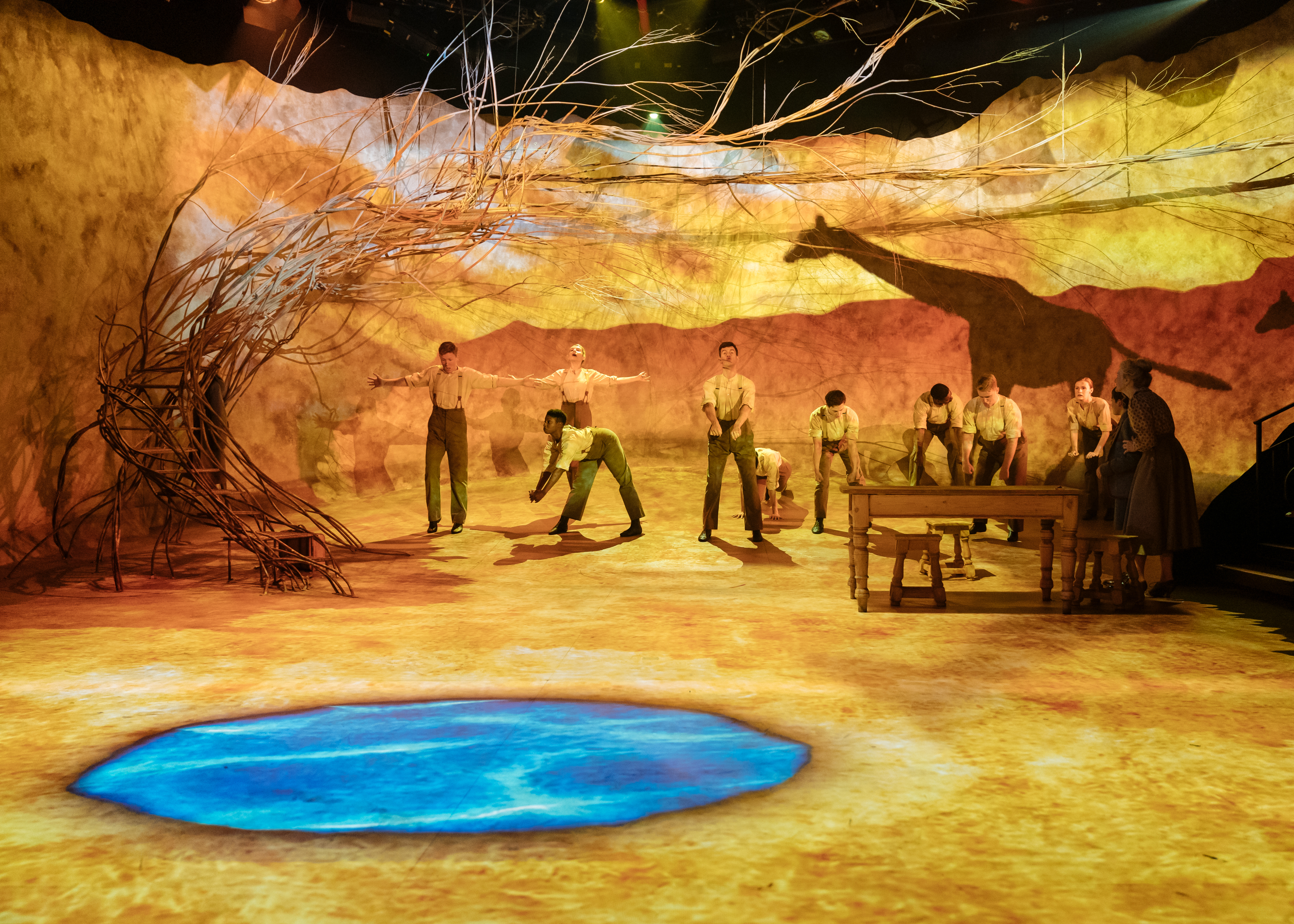
Theatrical storytelling at its finest, the importance of treasuring memories is a central theme in this superb adaptation of Michael Morpurgo’s book – a theme that is perfectly reflected in Simon Higlett’s dreamy set. Enhanced by a crack creative team (lighting by Johanna Town, sound by Gregory Clarke and video by Simon Wainright), the play’s journey, which traverses the wilds of South Africa to rural England and the battlefields of France, is a collective design triumph.

Jonathan Dryden Taylor as Michael Morpurgo himself is the story’s guide. Meandering down memory lane, his narration melts seamlessly into the action, sweeping you along for the ride and inspiring a sense of old snapshots coming to life.

All the performances are accomplished. With skill beyond their years the youngsters playing the junior versions of the adult characters don’t miss so much as the subtlest nuance.

The adult cast, many of whom play multiple roles, are equally adept. Effortlessly slipping from character to character, the scenes at the watering hole, in which they take on animal personas, are especially impressive.

Director Dale Rooks has invested such care that not even the smallest detail falls short. Making it feel as if you are watching a labour of love rather than simply an extremely polished production; her Butterfly Lion has palpable heart and soul. It makes the heart sing.

Complemented by Tom Brady’s atmospheric music, Anna Ledwich’s adaption is sensitively and elegantly done. Clearly meeting with the approval of the book’s author, who on Press Night was in the audience, Mr Morpurgo looked proud fit to burst. He deserved to.

SISTER SCRIBES GUEST: MADDIE PLEASE ON LIVING AND WRITING IN DEVON

I’m delighted to introduce my good friend Maddie Please. Maddie writes the most hilarious romcoms set in Devon and we met at one of the retreats she runs with Jane Ayres at The Place To Write. I visited her lovely house near Exeter and asked her what it’s like to live and write in Devon.

In May 2015 we moved into our lovely house on top of a hill midway between Exeter and Crediton. We were convinced we were downsizing. (It wasn’t until we actually moved in that we realised we hadn’t.) The house had remained empty for a year before we bought it, and the main decorating influence we inherited was wood chip wallpaper, painted magnolia and apparently stuck on with superglue.

The garden was overgrown and very neglected but we have never regretted the move, and the starry skies at night are wonderful.

The first thing we did when we moved here was build a garden office, which I share with my husband. This means my daily commute is now twenty-five steps; I just counted them.

Occasionally we hear pheasants or pigeons trampling about on the roof. At this time of year the neighbouring fields are busy with the harvest and tractors and farm machinery trundle past our gate, something which is very exciting for our grandchildren when they come to visit.

In our garden office I have my own desk where I work just about every day.

I have s lovely hand painted cushion from my Bestie Jane to make life more comfortable. I am in charge of filling the stationery cupboard too! Any writer will know how much fun that is. I mean going into an office supplies superstore or Paperchase or Smiths and calling it work related is a dream!

Our makeshift shelving got a bit out of control last year so we replaced it with some industrial units from Big Dug. An excellent purchase. I try to keep the boxes of stationery under control but boxes of pencils, Sharpies and Post-it notes are like cat-nip to me!

I’m usually at work between 8 and 9 o’clock and unlike some writers who prefer to work without distraction, I have a wonderful view of the garden and beyond that the Creedy valley. I don’t like working in silence either, so I listen to BBC Radio Devon, which is my daily companion; I love it. Gordon Sparks and the Gordon Hour, David Fitzgerald and his Fighting Fitz competition or Janet Kipling and her Devon Debates – there are enough plot ideas there every day to keep any writer thinking.

I’m often to be found with a vacant expression as I do some important thinking and when I’m using earphones have been known to sing along. Much to my husband’s utter delight. Maybe that’s not the right word?

I occasionally go back into the house to make us coffee and usually by 3.30 in the afternoon, I’m done for the day.

Does the Internet distract me? Well of course. I am an avid Twitter and Facebook user and I have been known to check my Amazon reviews once or twice…

But I do regard writing as a job not a hobby.  My debut The Summer of Second Chances was based on this area with its winding lanes and fabulous views. So was my fourth book; The Mini-Break which takes successful writer Lulu out of her London comfort zone and into the muddy and glorious Devon landscape.

Living here is simply lovely, our local pub is the award-winning Beer Engine, and despite the headline story in the local paper, our neighbours are friendly and welcoming.

My husband has always been interested in researching his family history and found details of his ancestors who had lived nearby in 1674. Perhaps something called us back here?

To us this is the very best place to live and work.


SISTER SCRIBES: SUSANNA BAVIN ON A CHANGE OF NAME

In common with many women, I have gone through the process of a name change. I have twice gone through the hassle of changing my surname. Incidentally, if ever you have to send away your marriage certificate, do include in your covering letter a specific instruction that the certificate should be returned to you after the admin people have finished with it. Some years ago, I blithely sent off my marriage certificate… and it wasn’t returned. Not only that, but no one in the office could track it down. In the end, it transpired that someone had stashed it away in the safe – and all because I hadn’t given a specific instruction to return it!

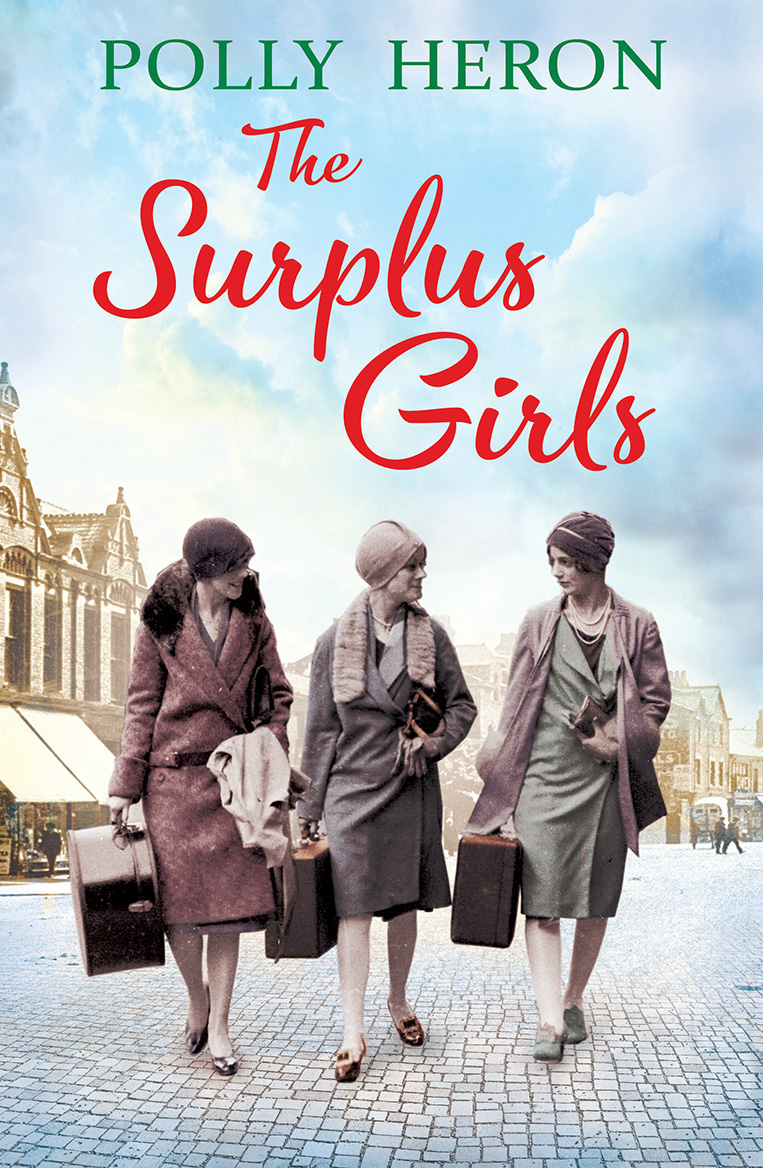
Anyway, I am in the process of having another change of name, but this time it is to introduce a new pen name – Polly Heron – and it’s because I have a new publisher – Corvus, which is the commercial fiction imprint of Atlantic Books. The Corvus list includes women’s fiction, romance, historical fiction, sci-fi, crime and thrillers. As a saga writer, I’m not sure whether I come under ‘historical’ or ‘romance.’ Possibly a bit of both.

My first book for Corvus is the start of a series. Both the series and the first book are called The Surplus Girls. So who were the surplus girls, exactly?

They were the generation of young women, who, after the Great War, were left without the possibility of marriage, because of the appalling death toll exacted on the battlefields. This was at a time when marriage to a man who could support you and the children you would have, was pretty well universally regarded as the correct and desirable aim for any girl. So these young women, whose possible husbands had perished, found themselves – unexpectedly and without preparation – in the position of facing a future of providing for themselves. Not only that, but no woman could hope to earn as much as a man, even a man doing the same job (sounds familiar?).

Writing about the 1920s is something I have done before, in two of my books written as Susanna Bavin – The Deserter’s Daughter and A Respectable Woman. Although the decade was all but a century ago, to me it feels very close. My parents weren’t exactly spring chickens when they had their children and they were themselves born in the 1920s, so it is an era I grew up hearing about when family tales were told and, of course, I have family photographs as well.

It is in some ways perhaps a bit odd to write about surplus girls in the context of a saga in which, by definition, the heroine will end up with the hero and therefore no longer be a surplus girl, but I hope I have also conveyed both the universal shock and sorrow that pervaded society at the loss of such a large number of men and also the way that these losses brought the lives of individual girls and women into a new, sharper focus as they faced life on their own.

Free Poetry Book To Celebrate National Poetry Day

poetry, poetry book, poems, women authors, Scottish writers, poetry book, female writers,Today is National Poetry Day and to celebrate you can get a copy of What Do You Think? A collection of poetry from Catherine Balavage, Frost Magazine’s owner and editor-in-chief. One of her poems is below.


Loved person

Broken promises I knew you could not keep
You only ever tried to love me and in gratitude I lay at your feet Because I was in love too, but my love was different

My love was the notion of life, a good one
All I wanted from ear to ear; a smile from my own mouth
It did not work
You loved me so selflessly I could not leave
Although I know now it was only through your love for me that I loved you You lost your own identity
You chose mine but I wanted mine to keep

Still. Here I am
This time only crying at your ever loving feet
I owe you too much to leave
So for the rest of my life. If I never find the courage I will be the living, loved dead
Even though I see
Your love in an otherwise cruel world binds me Forgive me. I doubt for all that I was ever worthy


Get your free copy of What Do You Think? now.

SISTER SCRIBES’ READING ROUND UP: SEPTEMBER

Jane:

Sometimes I catch sight of a new book I just have to read as soon as possible. It doesn’t happen often and it’s always a leap of faith; will a favourite author dash my expectation of brilliance – or will they, once again, triumph.

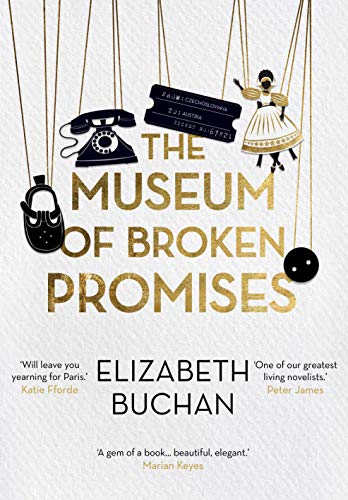
Elizabeth Buchan’s The Museum of Broken Promises is, like her other books, a slow starter. I have learnt to be patient while she creates a tapestry of detail so rich and wonderful, holding my breath until to story tips into second, third and fourth gears and becomes unputdownable.

The book is set in Paris in the present day and in Prague in the 1980s. The end of the Cold War was in touching distance, yet nobody knew it, and this adds an additional poignancy to the narrative. Laure, a young woman coming to terms with the death of her father is an au pair to a businessman and party insider, and while trying to make some sense of life behind the Iron Curtain, meets a dissident musician who steals her heart and soul. Years later in France, she sets up the Museum of Broken Promises, full of artefacts people donate in attempt to avenge or assuage the pain of betrayal – and some of them belong to her own past.

Slowly the book teases out truths from a long ago Czechoslovakian summer. One moment achingly beautiful, the other shocking in its violence, the whole fits together like a handmade glove. It stayed with me, too – and it’s only now I’m writing this review I finally understand the most important promise. And who broke it. A must read. Honestly.


Kitty:

This month I have been racing through the romcoms. I have just finished Lindsey’s Kelk’s One in a Million and absolutely loved it. She writes with such quick-fire wit that every page had me giggling and a little bit in awe. I enjoyed myself so much, I read it over two days, that I have gone and bought lots more of her books and am looking forward to laughing my way through autumn.

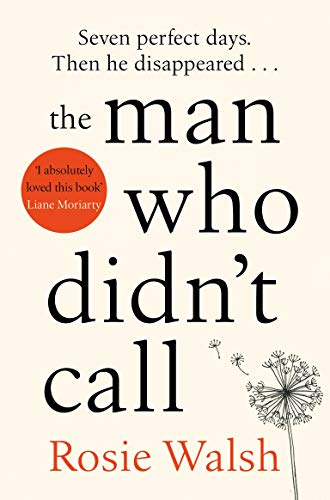
I also devoured The Man Who Didn’t Call by Rosie Walsh. I was immediately drawn into this novel. It tells the story of Sarah and Eddie and how they fall deeply and desperately in love over the course of a week, the reader is in no doubt that these two are bound to be together, that anything else would be ridiculous. Then Eddie goes on holiday and Sarah never hears from him again. This provides a thriller-like element to the story, where is he? Why has he not called? What on earth has happened? This is combined with their romance, the angst of the waiting for a phone-call, a connection that you know was special, that simply can’t peter out. I won’t give anything away and reviews show this is a little bit of a marmite book, but I absolutely adored it and suffered that sad book hangover feeling you have when a story you have loved has come to an end. Highly recommended.

I’ve just started Evie Dunmore’s Bringing Down the Duke and as a life-long fan of Julia Quinn I am over the moon to find another writer who can deliver such well-written historical comedy gold, this time set in Victorian Oxford rather than the Regency period. With whip smart dialogue and a fabulous premise, a bluestocking gathering support for The Women’s Suffrage movement, how can I not fall in love?

7 of the Most Beautiful Places to Visit in Tulum

As one of Mexico’s most historic and stylish retreats, it’s difficult not to feel swept up in the magic of Tulum. Tucked away on Mexico’s Caribbean coast, the area attracts visitors from all over the globe due to its top-tier restaurants, luxury condo rentals, gorgeous beaches, and remarkable historical sites. Here are just a few great places to visit on your next trip to this remarkable location.

1. El Castillo

Perched over a rocky sea bluff, El Castillo (“The Castle”) is an ancient Mayan ruin that has captivated visitors to Tulum for generations. Said to have once served as a beacon for Mayan turquoise traders traveling by canoe, the structure reminds us that Tulum was once a key trading port for this ancient civilization.

2. Temple of Frescoes

Like El Castillo, the Temple of Frescoes whisks visitors away to the world of ancient Mayan traders and everyday citizens. Named for its painted depictions of Mayan gods, the temple is a wonderful stop on any tour of the region’s historical sites. The building’s otherworldly carvings of scenes from Mayan myths also provide visitors with a glimpse into another age.

3. Luxury Rental Condos

For a home base in Tulum, it’s difficult to top a stay at one of the area’s luxury condos. Known for their amenities and stylishness, Tulum luxury condos offer visitors a first-class way to experience the good life in this wonderful region. Close to Tulum’s fine-dining establishments, compelling local arts scene, and vibrant nightlife hotspots, these condos are a must for people who love to travel in comfort and style.

4. Playa Ruinas

With its crystal-clear waters, white sandy beaches, and proximity to some of the region’s most beautiful Mayan ruins, it’s easy to see why the Playa Ruinas has become immensely popular with in-the-know travelers in recent years. Still one of Mexico’s best-kept secrets, the Playa Ruinas is a relaxing oasis from the workaday world.

5. The Tulum Restaurant Scene

With their gorgeous outdoor settings and remarkable takes on Mexican cuisine, Tulum’s restaurants are justly treasured among travelers to the area. Aficionados of local restaurants cherish the hearty breakfasts served up with a smile at Don Cafeto, and late-night eateries like Antojitos la Chiapaneca offer travelers a chance to choose from a delicious selection of tacos and other items.

For haute cuisine options, travelers can enjoy winning takes on Latin favorites at Kitchen Table or take in the open-air splendor of Bal Nak and its truly stunning approach to Mexican seafood.

6. Cenote Dos Ojos

Extremely popular among travelers to the region, cenotes around Tulum are natural sinkholes and cave systems where visitors can swim and snorkel in wonderful natural surroundings. In the grotto-like natural structure of the Cenote Dos Ojos (“Cenote Two Eyes”), visitors can explore a remarkable underwater world that seems straight out of a fairytale; it’s a perfect spot for people who love snorkeling and diving in beautiful surroundings.

7. Playa Paraiso

Another one of Tulum’s most beautiful beaches, the Playa Paraiso is tucked away in one of the region’s most gorgeous areas. With fewer visitors than the Playa Ruinas, it also makes a perfect picnic location for travelers who like to get away from it all and take in the best that Mexico has to offer.

Without a doubt, Tulum offers visitors a wide variety of magical experiences to remember for a lifetime. With its ancient Mayan ruins, pristine beaches, stunning rock formations, and a cultural scene that is both charming and inspiring in equal measure, Tulum will likely retain its status as the place to be for true travel connoisseurs for the foreseeable future.


Sponsored Post.


My Writing Process – Ian Wilfred

Do men write romance? They certainly do, as Romantic Novelists’ Association member Ian Wilfred proves. Ian’s characters are instantly relatable and he has a knack of choosing gorgeous settings, from Tenerife to Greece to his native Norfolk.

On top of all that, Ian is one of the most supportive authors you could wish to meet. Which was just one of the reasons Jane Cable invited him to share his writing process.

Tell us a bit about you?

I’m 50+ but in my head I will always be 39. I live on the Norfolk coast with my husband and west highland terrier and I’m a member of the Romantic Novelist Association. My first book was published in 2013.

What you have written, past and present?

I’ve written and published five books. In the first four all my leading characters were women over 50 who are starting again and leaving the past behind, but in this year’s summer book, My Perfect Summer in Greece, Cheryl is a much younger heroine and this was lovely change

What you are promoting now?

My new book Time To Move On, which is out on 24th September. It’s the story of Billie coming to terms with her divorce and being made redundant, and moving to Norfolk from London.

What’s the most important thing about your process of writing?

I love to write every day even if it’s just a few hundred words. I have to keep the story fresh in my head.

Do you plan or just write?

I plan a lot more with each book I write and for me this seems to work better each time.

What about word count?

I don’t give myself a daily or weekly word count but I do like to do 40,000 words a month for the first draft. Then I take two months to rewrite and rewrite before I send it off to my editor.

How do you do your structure?

I don’t plan that – it just sort of happens. I have a beginning, a middle and an end in my head and off I go.

What do you find hard about writing?

Everything! Each book is a learning process with many mistakes made over the years, but you just have to move on and know you’re improving.

What do you love about writing? 

The characters. I love the first draft when they are in your head and you can’t wait to get them on the page and bring them to life.

Any advice for other writers?

I get asked this a lot and I always give the same two answers; write every day, and read and watch every article Milly Johnson has ever done on writing tips. She is the best for advice.

You can follow Ian on Twitter @IanWilfred39. He’s great at sharing news from a wide range of romantic novelists. 


SISTER SCRIBES GUEST: CATHIE HARTIGAN BEHIND THE SCENES AT CREATIVE WRITING MATTERS

I am so happy to introduce you all to Cathie on this month’s Frost. She is responsible for taking me under her wing at my very first RNA conference and was one of the very first people to ever read my work and encourage me to keep going. She is part of the Creative Writing Matters team who support writers in so many ways; mentorship, teaching, handbooks and the running of renowned competitions such as The Exeter Novel Prize.


Does creative writing matter? Yes, a great deal to us.  Margaret James and Sophie Duffy and I have been working together for nearly a decade now. As teachers of creative writing, and because a student’s success is as thrilling as one’s own – well, nearly – we encourage our students in any way we can.

What did they want in a textbook? What would really be useful for them? Would our experience as competition judges as well as teachers be of help? Margaret and I spent a year consulting them before we published The Creative Writing Student’s Handbook.

A dream for most novice writers, is that they should do well in a short story competition. I was thrilled when the first story I sent out bounded into a shortlist. What joy! More successes followed, but then, so did no listing at all. I soon discovered that just because it may not have done well in one competition, doesn’t mean to say it won’t succeed elsewhere. How many entries, who is judging, and whether there’s a strong entry or particular subject that resonates with the judge(s), all are factors.

During my years as a music teacher I was often charged with putting pupils through exams, and my sympathetic cup ran over on many occasions when I saw the terror with which many faced such trauma. But my goodness though, didn’t they all try harder when the exam loomed. Most got exponentially better!

On the back of my experience, I had the notion to hold a tiny competition in a creative writing class. The result was the same. Suddenly, all those last minutes unedited stories were tidied up. They took notice of the word count, the spelling and grammar, and familiar topics were rethought. I was surprised and delighted. Unlike music exams or driving tests though, entering a writing competition it isn’t a do or die situation. Okay, a particular judge may prefer another story, but it is possible to give of your best by crafting your story days or weeks previously.

Sophie won both the Yeovil Novel Prize and the Luke Bitmead Award, the latter leading to the publication of The Generation Game. Margaret was shortlisted for the RNA Romantic Comedy Award with The Wedding Diary, and for many years, had been the administrator for the Harry Bowling Prize. My short stories were being regularly listed and my debut novel, Secret of the Song was shortlisted for the Hall and Woodhouse Dorchester Literary Festival prize. Competitions were something we knew about. It wasn’t long before we realised that our fair city of Exeter was missing something – a novel prize. Seven years on, we can celebrate the publishing success of many fantastic writers who either won or were listed.

One of the lovely things about being a competition judge is being continually amazed by the extent of the human imagination. The sheer variety of subject matter that people choose to write about is extraordinary, but weird doesn’t necessarily triumph over the ordinary. The ability to move, surprise, make us laugh and/or cry will raise a story above the rest, but how or why isn’t easy to quantify.  Difficult choices have to be made. Sometimes there is a stand-out winner, but not often. Obviously, it’s nice to do well, but any listing is significant. A good record of success, at whatever level, shows commitment as well as quality.

Cathie Hartigan is a musician, novelist, and the founder of www.creativewritingmatters.co.uk and the creative director of www.exelitfest.com. Her second novel, Notes from the Lost will be published in October.