SISTER SCRIBES: KITTY WILSON ON PLANNING… OR NOT

Hello, it’s my turn again on the Sister Scribes and I thought seeing as I wrote about the structural editing last time, today I would go backwards and talk about how I begin a brand-new book.

The writing world is often divided into pantsters and planners, with a whole sliding scale in between. Pantsters are those writers that pick up a pen, or open the keyboard, and then just write into the void. I love doing this. It’s so exciting and you start the day never knowing exactly where the characters will take you. Whilst the start can be immediate and the writing often flows, the editing process is a lot longer as you tighten up the plot, ensure character continuity and fill any gaping holes that you didn’t notice whilst sprinting along.

Planning involves a lot more work before you start putting words on the page, you flesh out your characters, decide their strengths and weaknesses and become familiar with them and their back stories, plan the plot within an inch of its life so you don’t have massive rewrites to do later and know exactly what is happening where.

The very first book I ever wrote (unpublished), I did by pantstering. At that point I didn’t know if I could write anything other than academic essays and job applications, so was unsure as to whether a whole book was even possible. It didn’t cross my mind to plan, I started with an anecdote and went from there. It was so much fun! I also hit writers block, more so than any time since. I would write my characters into a corner and then have no idea how to get them out. I would sit at the laptop and try and write anything at all and see if it worked. I would then decide it was all rubbish and binge watch crime shows instead.

I now know this is actually standard operating procedure, and I spend the entire length of a book, from the first fifteen thousand words until the reviews come in, absolutely hating it, declaring it’s the worst book in the world and should never be allowed to see the light of day. My family are struggling to remain sympathetic, although have learnt the phrase ‘but you thought that about the last one’ is likely to initiate threats about eye-gouging (my favourite threat and absolute stand by).

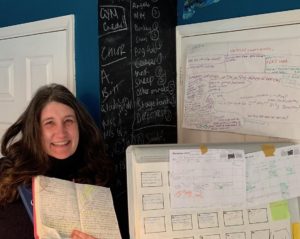
These days, with tight deadlines and a determination to do as little structural editing as necessary, I am a converted planner. I start with an inkling of who the characters are going to be, their dominant personality traits and their flaws. Writing a series means that I tend to have mentioned them in previous books so take my cue from that. Then comes the stationary. I have a chalk wall, a great big whiteboard, notebooks galore and every colour post-it note pad imaginable. I draw diagrams, story maps and make swirly messes on huge sheets of paper with coloured felt-tips. I print out calendars and plan a timeline. I work out my beginning, my end and think about exciting middle bits and then take a deep breath before drawing out chapter plans, because I know if I have detailed chapter plans then writing will be an absolute breeze.

But then my butterfly mind kicks in, I look at all the bits and pieces surrounding me and think sod it and start to type.

I am a committed planner with a pantster heart. I write romantic comedy where we all know, heart wins every time.

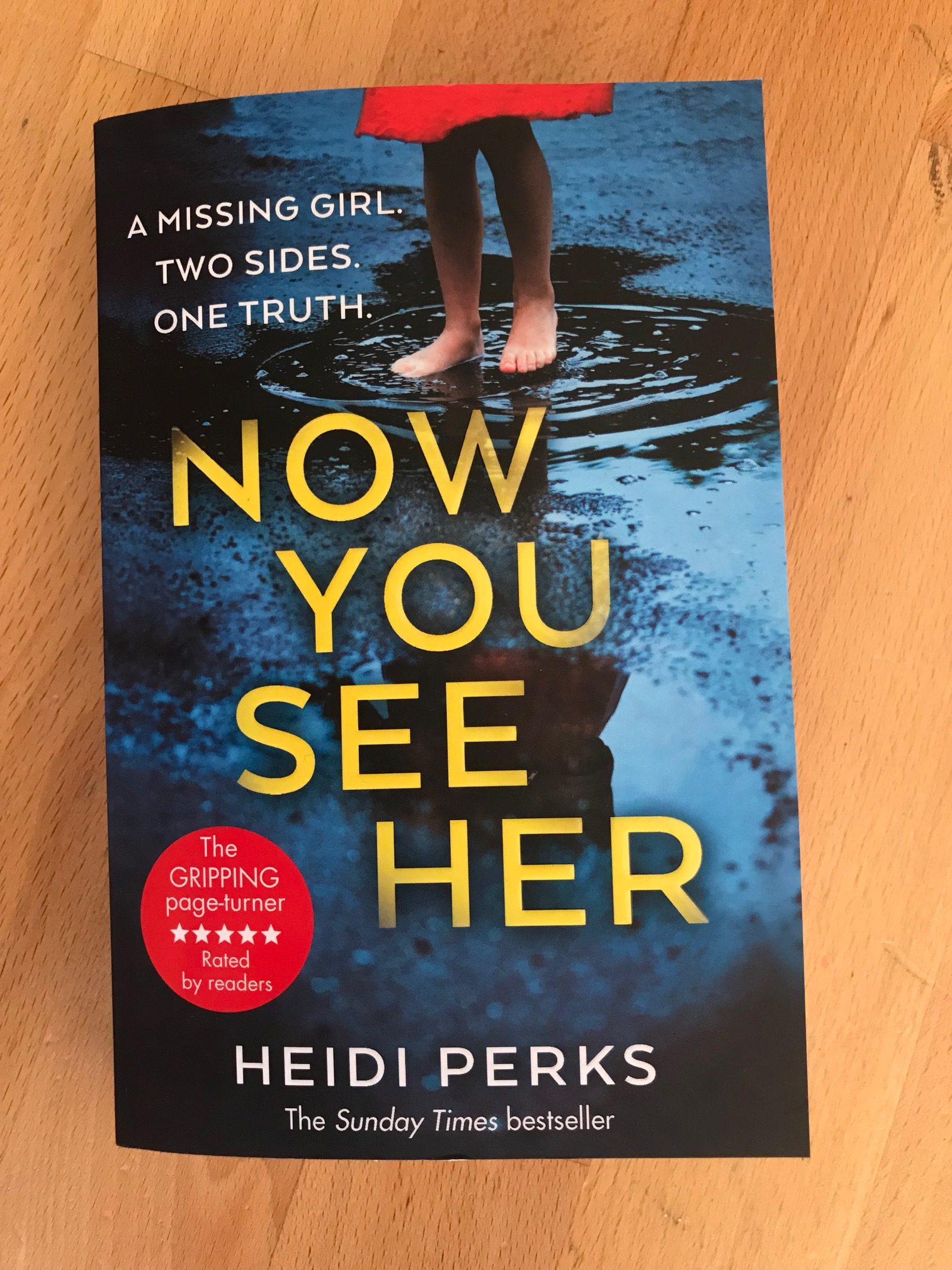
Now You See Her by Heidi Perks | Recommended Reads

Now You See Her by Heidi Perks

This bestselling book is gripping from start to finish. It has even been optioned for TV. This recommended read is a fantastic thriller.

Charlotte is looking after her best friend’s daughter the day she disappears. She thought the little girl was playing with her own children. She swears she only took her eyes off them for a second.

Now, Charlotte must do the unthinkable: tell her best friend Harriet that her only child is missing. The child she was meant to be watching.

Devastated, Harriet can no longer bear to see Charlotte. No one could expect her to trust her friend again.
Only now she needs to. Because two weeks later Harriet and Charlotte are both being questioned separately by the police. And secrets are about to surface.

Someone is hiding the truth.
So what really happened to Alice?

Available here.

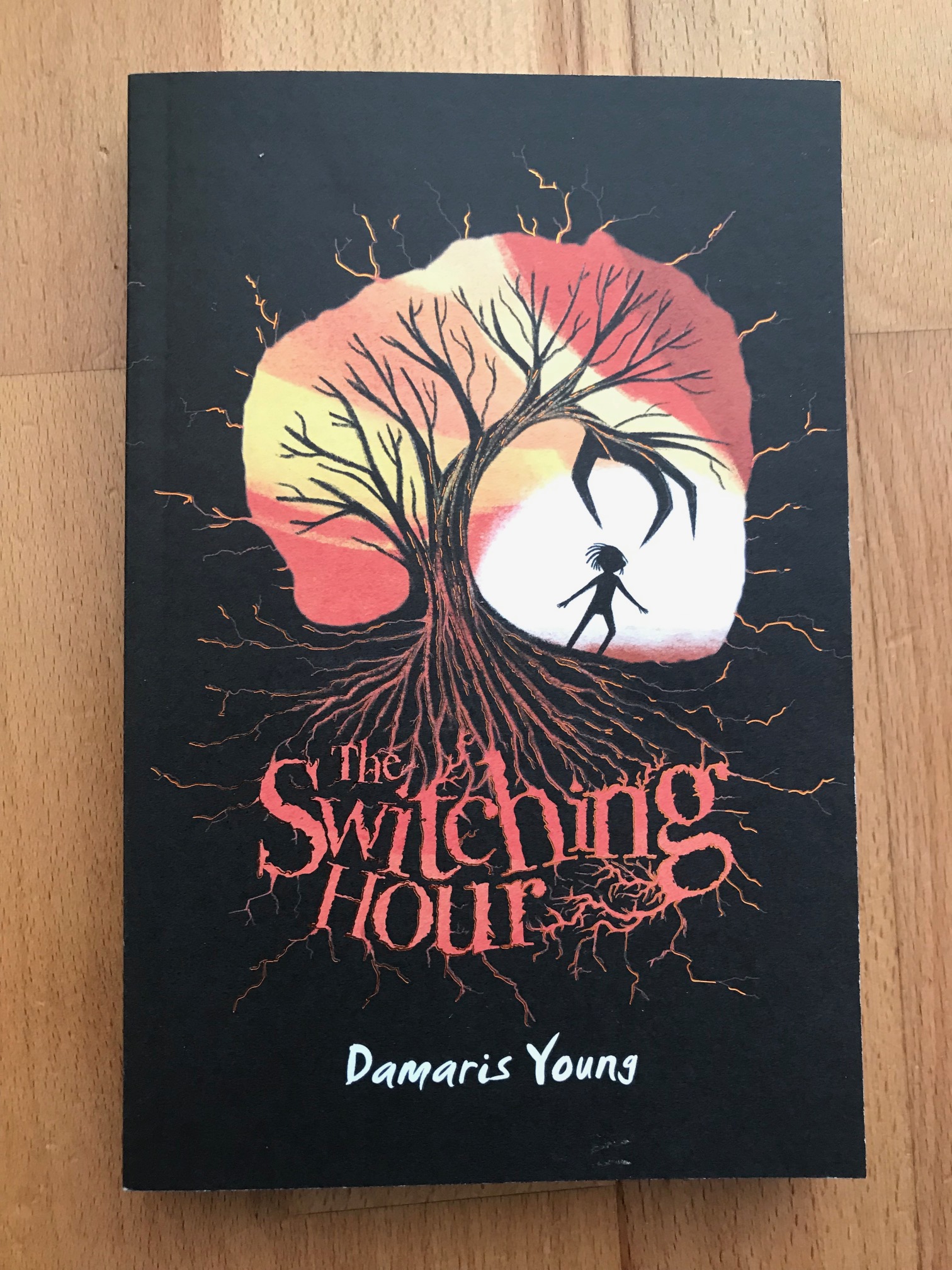
Upcoming Books: The Switching Hour by Damaris Young

A bewitchingly beautiful, spine-chilling story of courage, friendship and fears that come alive after dark… Never stay out after the Switching Hour… never let the outside in… Amaya lives with her grandmother, her small brother Kaleb and her pet goat Tao in a land suffering a terrible drought. Every night, the doors must be locked after twilight, the Switching Hour, because the drought has awoken Badoko, a creature that snatches people away to eat their dreams. Three days later, the memory that they existed is gone from those that knew them, and those that are left are afflicted with The Sorrow Sickness – a grief which consumes a person without them knowing why. When Kaleb is taken by Badoko, Amaya must journey into the terrifying forest to find her brother before she forgets him.

Out on August 1st. Available here.

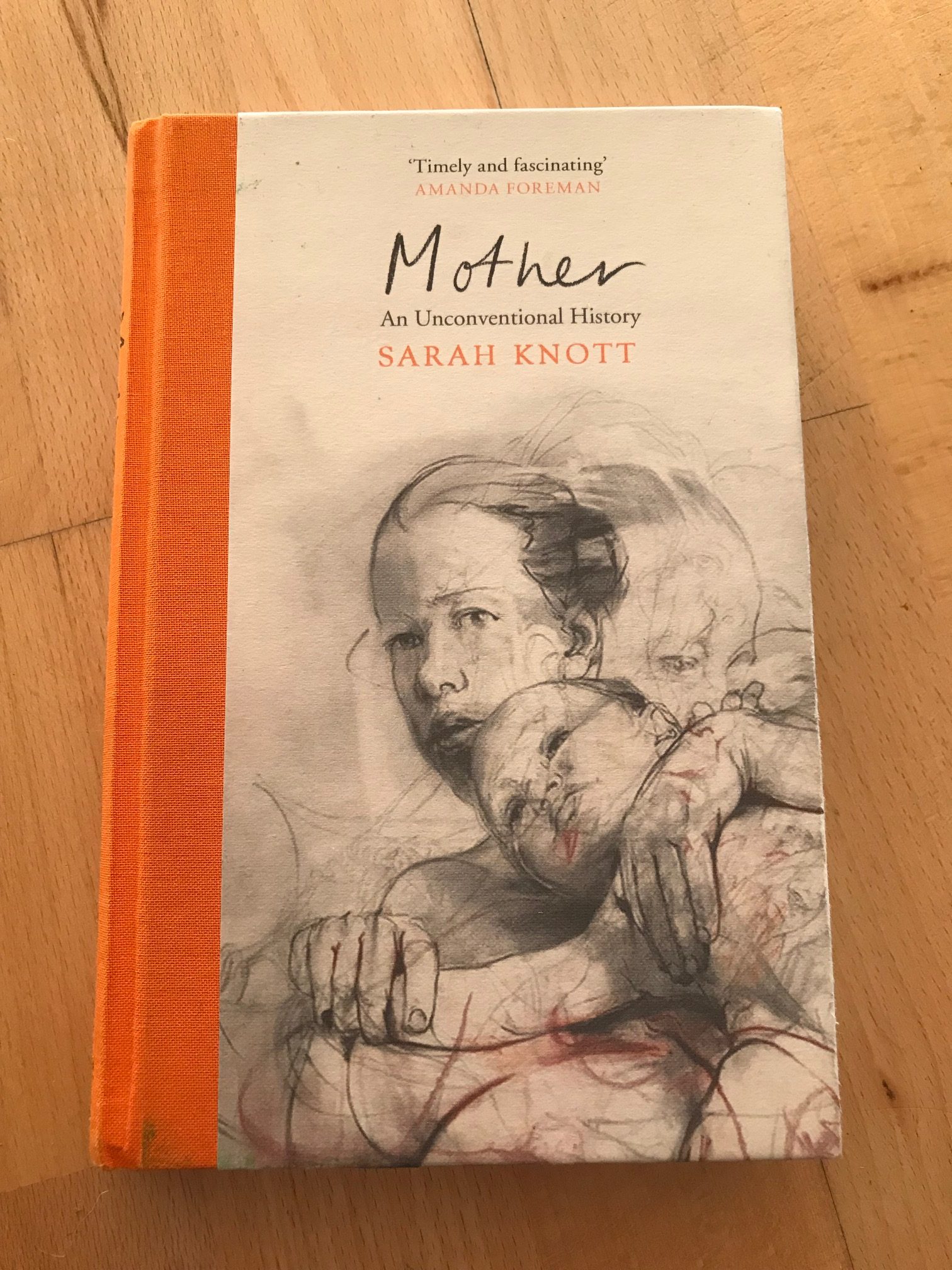
Mother: An Unconventional History By Sarah Knott

mother an unconventional history by sark knott, book, book reviews, mothering, being a mother

Mother: An Unconventional History By Sarah Knott is a unique and fascinating book. An intoxicating blend of history, autobiography and anthropology. I loved it and read through it as quickly as possible. It brings women from every social class and time together. Essential reading for all mothers.

What was mothering like in the past?

When acclaimed historian Sarah Knott became pregnant, she asked herself this question. But accounts of motherhood are hard to find. For centuries, historians have concerned themselves with wars, politics and revolutions, not the everyday details of carrying and caring for a baby. Much to do with becoming a mother, past or present, is lost or forgotten.

Using the arc of her own experience, from miscarriage to the birth and early babyhood of her two children, Sarah Knott explores the ever-changing habits and experiences of motherhood across the ages. Drawing on a disparate collection of fascinating material – interrupted letters, hastily written diary entries, a line from a court record or a figure in a painting – Mother vividly brings to life the lost stories of ordinary women.

From the labour pains felt by a South Carolina field slave to the triumphant smile of a royal mistress pregnant with a king’s first son; from a 1950s suburban housewife to a working-class East Ender taking her baby to the factory; from a pioneer with eight children to a 1970s feminist debating whether to have any; these remarkable tales of mothering create a moving depiction of an endlessly various human experience.

Available here.

SISTER SCRIBES: CASS GRAFTON ON WHY IT’S GOOD TO TALK

Recently, I was on a writing retreat – one that lived up to its name, being only accessible by boat at high tide (or after a hike through the woods from the nearest village). Hosted by Kath Morgan and Jane Moss of The Writing Retreat, the theme was simply ‘Time to Write’, which we had in abundance.

There were only 6 of us, and we soon developed our favourite spots for contemplation and scribing: at the wooden table by the creek, in the large window seat in the sitting room or even on the pontoon jutting out into the river.

I wrote in my room during the day, either in my own window seat with its fabulous water views or at the desk I’d tugged into place between the window and the extremely large bed (known as Robert Plant’s bed – long story, but there’s also a recording studio under the main house)!

Despite the obvious benefits of a retreat – that longed-for chance to focus on nothing but writing, allowing your mind to wander, your characters to fully take hold of you and the story in a way they often can’t when you’re surrounded by the minutiae of daily life – I was able to indulge in something else: time to talk, not only with fellow writers (usually over the yummy lunches and dinners) but also during one-to-one sessions with Kath or Jane.

These sessions brought answers to dilemmas I’d spent months battling with: what’s my hook; how do I finish this book that’s been almost done for months; what do I write next? Talking it through, being heard, was all it took for solutions to come, often prompted by the tutors’ insights. I left every one-to-one on a high, inspired and raring to get back to the writing.

This hasn’t been my only chance to talk face-to-face with other writers, of course. Aside from get-togethers with my fellow Sister Scribes, I’ve been co-writing with Ada Bright (for her guest post on being an author, see link below) for years, and despite the thousands of miles and 9-hour time difference separating us, we talk when writing 3 or 4 times a week. We discuss plot, why a character is behaving in such a way, battle out the things we’re struggling with, and we laugh. There’s a lot of laughter!

Do you begin to see the benefit of the talking? Writing can be such a solitary profession. Things go round and round in your head, we hit stumbling blocks, trip over our own words, lose faith, regain it, sometimes question whether we love what we’re doing, whether we should even continue.

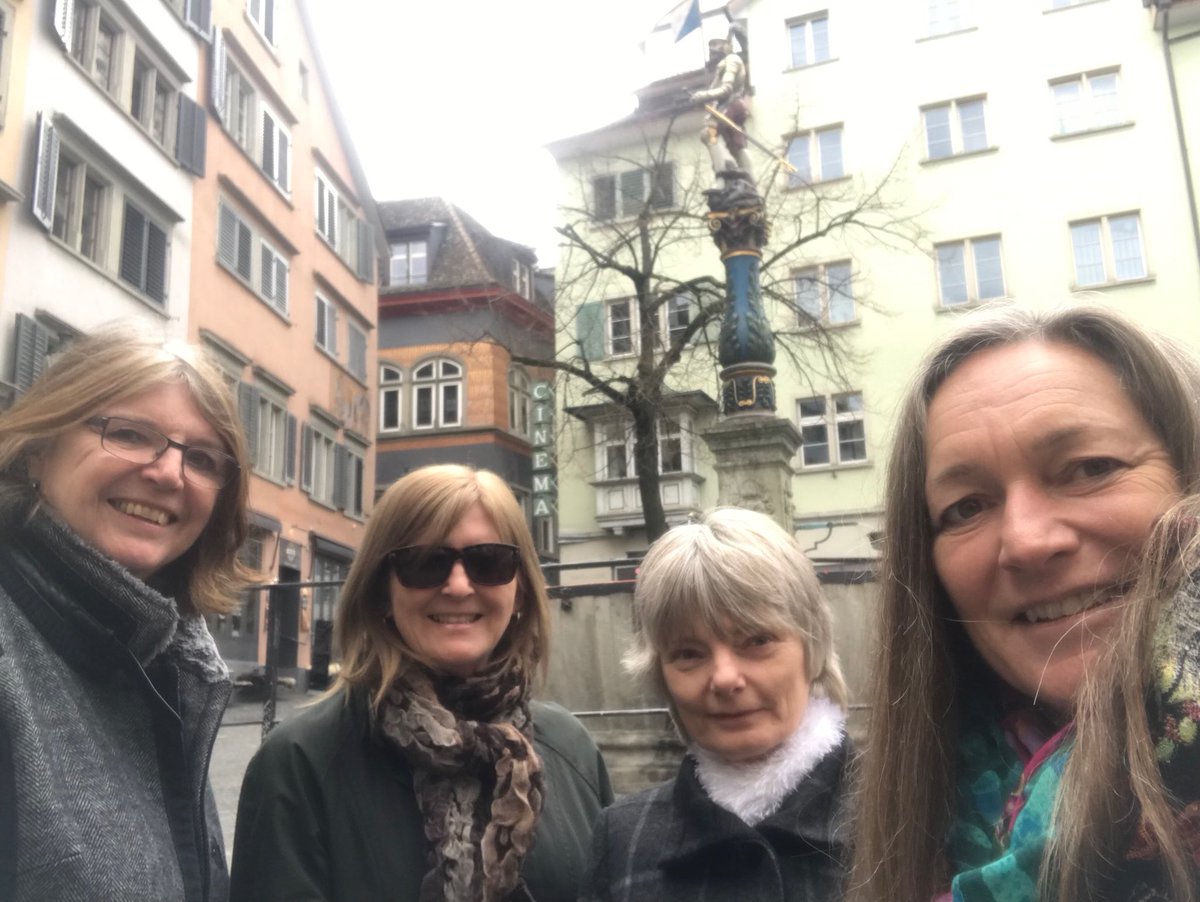
Living in Switzerland, as I do, can also be isolating – I can’t meet up with my Sister Scribes as often as I’d like – so imagine my delight when I connected with 3 other British writers who regularly meet up for ‘writerly lunches’! They all pen fabulous psychological suspense novels, with Louise Mangos (@LouiseMangos) published by HQ Digital, Alison Baillie (@alisonbailliex) by Bloodhound Books and Linda Huber (@LindaHuber19), who has a wide portfolio, by Bloodhound Books and their imprint, Bombshell Books. She also writes light romance novels under the name of Melinda Huber.

Aside from lunch and laughter, we share our thoughts and feelings on the sort of things writers value talking about: practical experiences, both in writing and publishing, our ups and downs, our current challenges and our plans for ‘what next’. Oh yes, and there’s the odd glass of Prosecco too!

So write and enjoy it. Embrace it, but if you get the chance, talk to other writers, preferably face to face. You won’t regret it!


Find out more about my retreat venue at https://thewritingretreat.co.uk.


Shadowlands Chichester Festival Theatre: review

Photo-Manuel-Harlan

Revered author of The Chronicles of Narnia, C.S Lewis (Jack) was also a leading Oxford professor. Setting out his stall right at the start of William Nicholson’s award-winning play, from the lecture podium he offers the theory that only through suffering can we comprehend God’s love absolutely.

Sharing a companionable domestic set-up with brother Warnie, where ‘down time’ consists of philosophical enquiry over a pint in the local with other scholars, it is a sedate and gentle existence.

Enter American writer Joy Gresham. Forthright, brash and with a young son in tow, when it becomes apparent that she needs British citizenship in order to remain in England Jack offers her a ‘technical’ registry office marriage. Soon after, Joy is diagnosed with cancer. Only then, fear and shock forcing his emotional intelligence to catch up with his academic prowess, does he realise that he truly loves her. Insisting on a ‘for real’ bedside wedding ceremony, Joy’s terminal diagnosis also reopens the painful wound of losing his mother to cancer as a boy.

Hugh Bonneville and Liz White inhabit the characters with such conviction that I doubt that I was alone in dabbing my eyes. Equally, the humour is delivered with panache and precision timing.

A terrific supporting cast includes Timothy Watson as Professor Riley, Andrew Havill as Warnie and Emilio Doorgasingh as Rev. Harrington. The role of nine-year-old Douglas Gresham is shared between two boys and on press night Eddie Martin acquitted himself with honours.

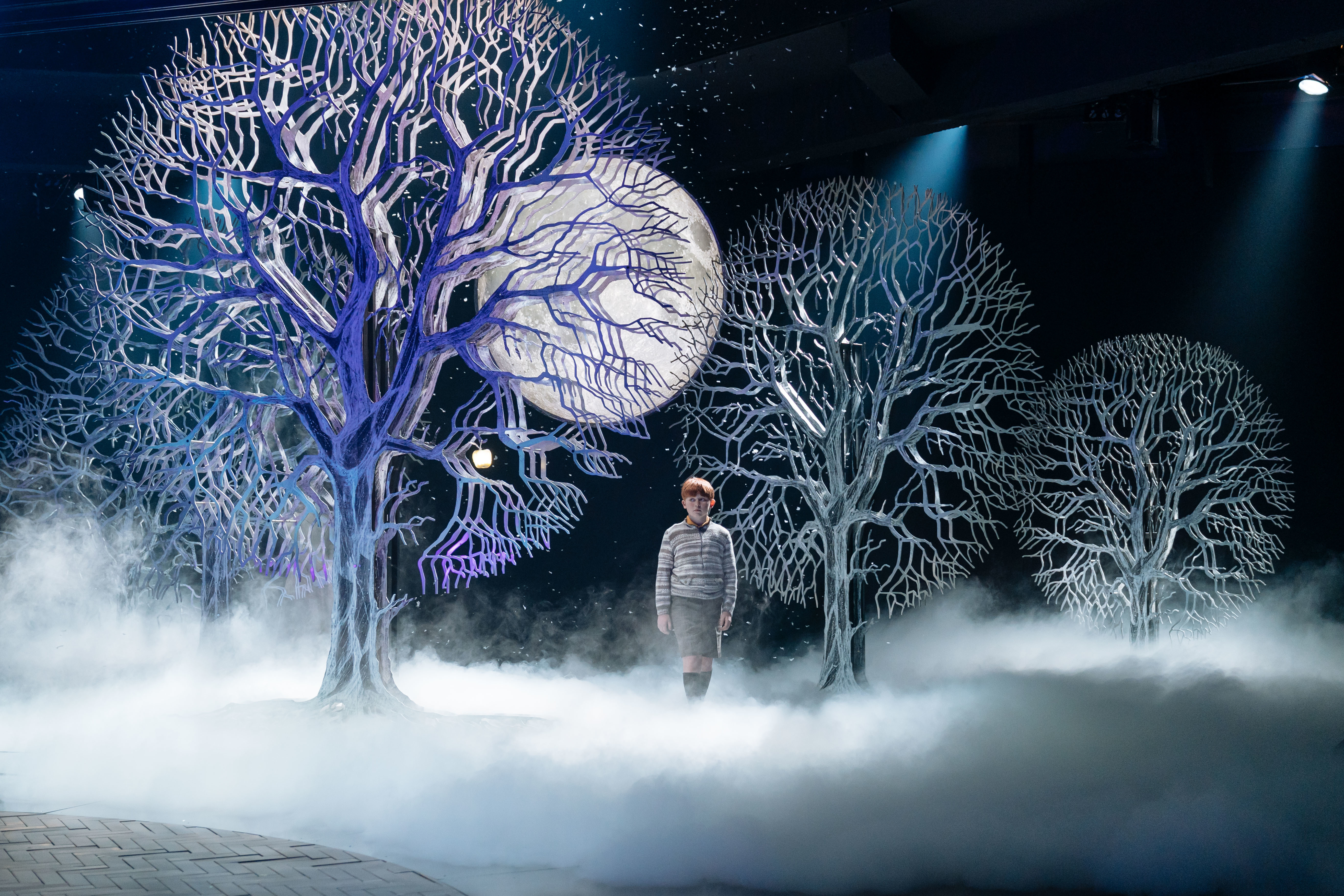
Peter McKintosh’s set is both beautiful and clever. Facilitating seamlessly fluid scene changes – vignettes of stylish choreography in their own right – glimpses of Narnia are dreamy and wistful.

Photo-Manuel-Harlan

Nicholson’s play may be nigh on thirty years old but Rachel Kavanaugh’s elegant revival hits home because the universal truth surrounding love and loss does not date: Tis better to have loved and lost than never to have loved at all.

In his exquisite book A Grief Observed C.S Lewis might have been countering Tennyson’s affirmation with a reminder that the poet’s romantic theory still demands a steep price: “The death of a beloved is an amputation.”

A stunning start to the Festival season.

At Chichester Festival Theatre until 25 May.

Tickets: 01243 781312 www.cft.org.uk

Books for the Bank Holiday

Yippee! another bank holiday and time to curl up with a book. If you’re looking for something funny, heartbreaking and uplifting why not take a chance with either of these newly published books. The sun might not make an appearance this weekend but you just might find a little warmth and sunshine between the pages of the latest books from bestselling authors Louise Pentland and Claudia Carroll. .

WILDE ABOUT THE GIRL BY LOUISE PENTLAND


After the year from hell, Robin Wilde has bounced back, her love life is ticking along nicely, and she’s finding that being a single mother is actually quite fun. She’s more than ready for whatever life throws at her and when an exciting opportunity at work arises, Robin excitedly steps up, ready to show everyone exactly what she’s made of.

But her best friend Lacey is struggling to conceive and coping with heartbreak, and her daughter Lyla is cultivating an attitude from someone at school. If that wasn’t enough she’s worried about Aunt Kath. Is that bubbly joyous, veneer really just a mask for loneliness?

When push comes to shove can Robin definitely trust the people she must depend on in her fabulous new role?

Life is about to throw a curve ball at Robin Wilde, and she’ll have to make some tough decisions if she’s to take care of those she loves and come out on top.

Louise Pentland is a parenting, lifestyle and beauty blogger, vlogger and fashion designer. Wilde About the Girl is the follow up to her bestselling novel, Wilde Like Me

Published by Zaffre Paperback RRP £7.99


THE SECRETS OF PRIMROSE SQUARE BY CLAUDIA CARROLL


No one really knows what goes on behind closed doors do they?

It’s late at night and the rain is pouring down on Dublin city streets.

In one quiet house a mother grieves for her dead child. She takes to standing outside the home of the teenage boy she believes responsible.

In a kitchen on the same square, a girl waits anxiously for her mum to come home. She knows exactly where she is, but she knows she cannot reach her.

A few doors down, and a widow sits alone in her room. She has just delivered a bombshell to her family during dinner and her life is about to change forever.

And an aspiring theatre director has just moved in to a flat across the street. Her landlord is absent, but there are already things about him that don’t quite add up . . .

Welcome to Primrose Square

Claudia Carroll lives in Dublin. She is the author of fourteen novels, selling more than half a million copies and gracing the best seller charts regularly.

Published by Zaffre RRP £7.99

How to Raise Successful People: Simple Lessons for Radical Results Esther Wojcicki

Being a parent is complicated – but the trick to succeed is simpler than you think.

It would be an understatement to say that parenting is hard. It is, by far, the hardest thing I have ever done. It is also the most wonderful and rewarding. But that is another story. I was interested when How to Raise Successful People: Simple Lessons for Radical Results by Esther Wojcicki arrived at Frost HQ. I do not tend to read parenting books. This one comes with some good credentials. Esther Wojcicki- known as Woj- has three wildly successful daughters: YouTube CEO Susan Wojcicki, 23andMe Co-Founder and CEO Anne Wojcicki and Fulbright Scholar and professor of Paediatrics at UCSF Janet Wojcicki. So far so impressive. Woj is a teacher and has taught many children to reach their full potential. She is certainly well-connected and a lot of what she says is spot on. Woj says that we tend to parent the way we were parented. Making the same mistakes as our parents is damaging to our children. We need to learn how to break the cycles of negativity and bad parenting. How To Raise Successful People is a brilliant book. It should be on the bookshelf of every parent. That does not mean I agree with it all. Woj thinks it is easy to put children to sleep. It is not, and if she disagrees she can come and take care of my daughter for a couple of nights. She also says people should stay married. Even forgiving infidelity. I think staying in a bad marriage is more harmful to children than getting divorced. We have come a long way from women having to stay in bad marriages because they have no rights and no freedom. That said, I did find so much excellent stuff in this book that I do not mind the occasional disagreement. Such is life, after all.

There are no Nobel Prizes for parenting or education, but if there were, Esther Wojcicki would be the bookies’ favourite. Known as the Godmother of Silicon Valley – or simply Woj – Esther’s three daughters have all gone on to huge success in their professional fields and, more importantly, their personal lives. What’s her secret?

As we face an epidemic of parental and childhood anxiety, Woj has the advice every parent wants to hear: climb out of that helicopter and relax.

Her tried and tested TRICK system will help you:

· Let your child discover their own passions
· Move on from past parenting mistakes
· Build rock-solid foundations for a lifelong relationship
· Be brave enough to give your child freedom
· Work with your children, not against them
· Set healthy relationships with technology

Your children are the future. If you change your parenting, you can change the world.

How to Raise Successful People: Simple Lessons for Radical Results by Esther Wojcicki is available here.