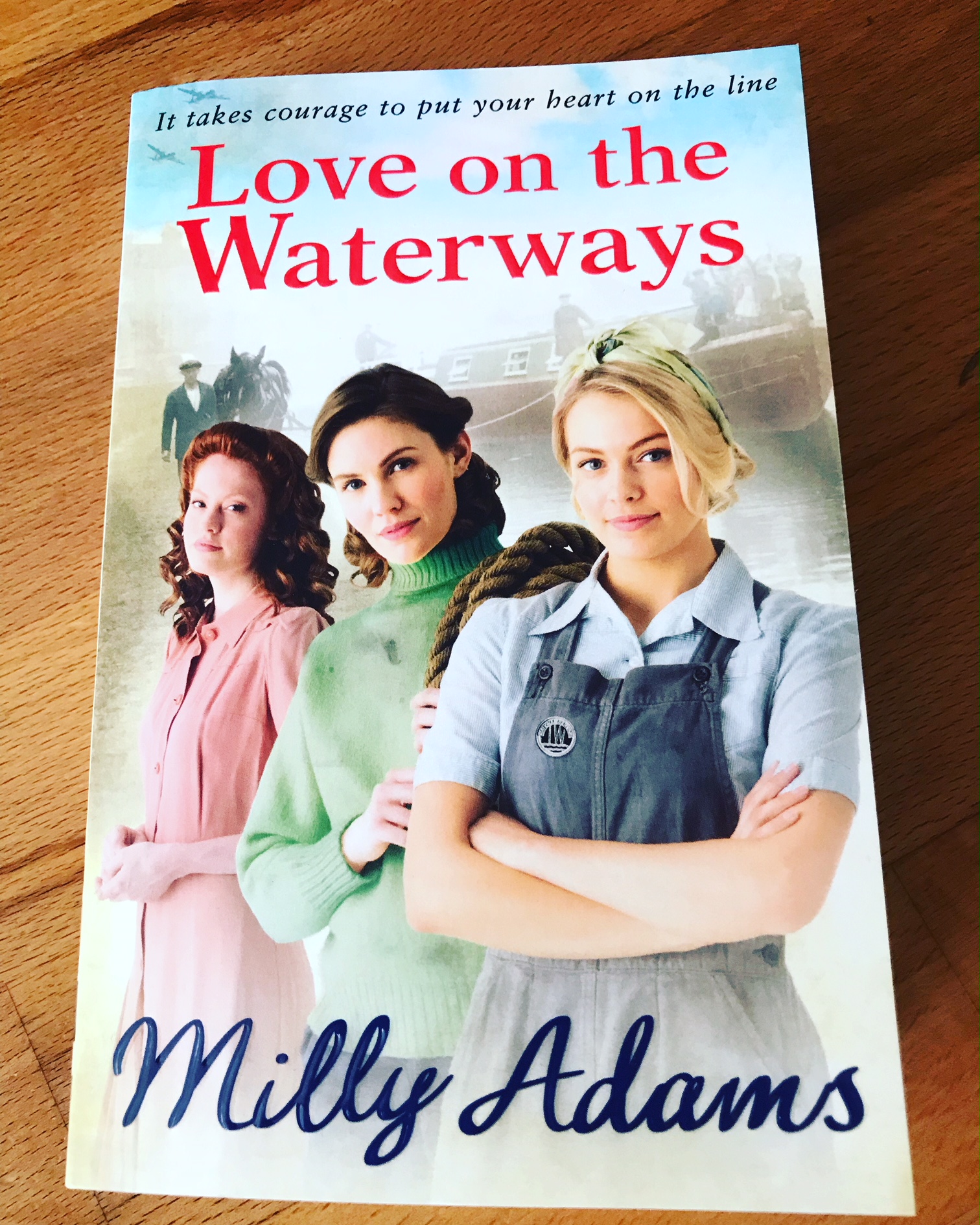
Love On The Waterways By Milly Adams Book Review


love on the waterwaysReading a Milly Adams novel is like having the perfect cup of tea on the sofa and talking to a friend. It is comforting, entertaining, and you always learn something new. The second novel in the Waterway girls series is as good as the first. I raced through it and loved every word. Get yourself a copy now. 


THE SECOND NOVEL IN MILLY ADAMS’ BRAND NEW SAGA SERIES. Perfect for fans of Daisy Styles and Nancy Revell.

March 1944, West London: it’s been five months since Verity Clement fled home for a life on Britain’s canals and she could never have imagined how tough it would get. Yet hauling cargo between London and Birmingham is far easier to face than the turbulence she’s left behind.

When Verity’s sweetheart returns unexpectedly from the front line, she dares to dream of a brighter future. But life aboard the Marigold is never smooth sailing. New recruit Sylvia is struggling with demons from her past while crewmate Polly must carry on in the wake of devastating news. Verity does her best to help, but a shocking discovery is about to turn her own life upside-down.

As the realities of war begin to take their toll, the waterway girls will have to pull together if they are to survive the uncertain times ahead…

Available from Amazon.

Good grief: how to write about death and loss in fiction

By Nicholas Leigh, exclusively for Frost Magazine

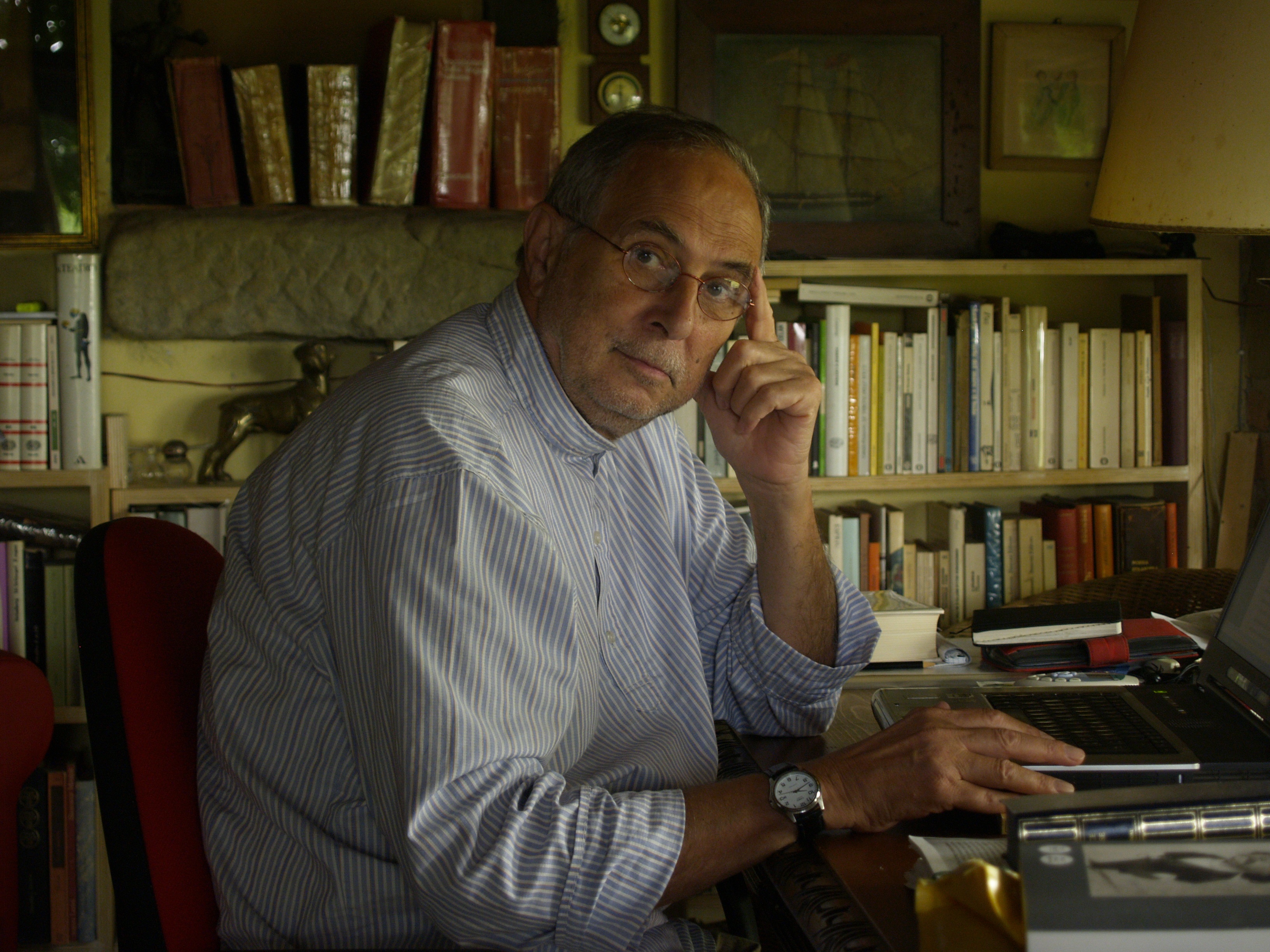
 author Nicholas Leigh with permission from  anthony.harvison@palamedes.co.uk

Death happens many times a day – loss is as common as taking a train. But when it is you who loses someone you love, it becomes a moment of rare devastation.

To write about loss and the grief that comes with it is, then, to write about the utterly constant and the crushing rarity at the same time. It falls to the writer to reflect the existence of these contradictory feelings within a single moment – in other words, to reflect real life. The pleasure and comfort of reading comes, as wise folk have said in the past, from a complete stranger saying to you, I have been through what you are going through now – and I understand how you feel. A writer telling a story about loss and its grief takes on the mantle not just of storyteller but also counsellor, and perhaps even healer. 

To honour this considerable responsibility, the issues that any writer intent on creating a good piece of work – how to form living, breathing characters, bring to life the world they live in and tell their story in an exciting, gripping manner – remain. Added on top is the question of how you respect the loss your reader has experienced, and recognise their grief, without undermining the story, or making it unreadable to others who just want to immerse themselves in a good, if emotional tale. To achieve this, it may help to consider yourself an archaeologist.

Loss – and in particular grief – is a many-layered experience. You cannot help someone who is grieving by simply saying, let me help you. As another wise person once said, if you were capable of sharing my grief, I would gladly let you have it all. Instead, you have to start at ground level, and then dig down through each of the layers of that relationship, descending through your character’s experiences with the person they have lost, the happy times and the difficult periods, the reversals of expectation, the times when it was not they who let your lead down, but vice versa. All of these layers need to be explored, deciphered, decoded, and it is this exploration that could form much of your story.

You must keep on going until you reach what lies beneath it all: the love that causes this grief to be so painful. For at the heart of the matter is the heart itself. To write about loss is to write about love. The writer must ensure that the love story at the centre of a tale about grief is well-drawn, convincing – perhaps even a little complicated.

Stories remind us of the people in our lives, and how we feel about them. So when you cry from reading, you are often really crying for yourself, and for those closest to you. To give your story the heart it needs to have the power you desire, open up the best resource you have available: yourself and your experiences. Write as if you were talking about those closest to you, even if your story takes place in the Fourteenth Century, or on a planet light years away. The simple humanity that comes from talking about simple human experiences will emerge and could provide readers you will never get to meet with a helping hand in dealing with their own grief just when they needed it the most. 

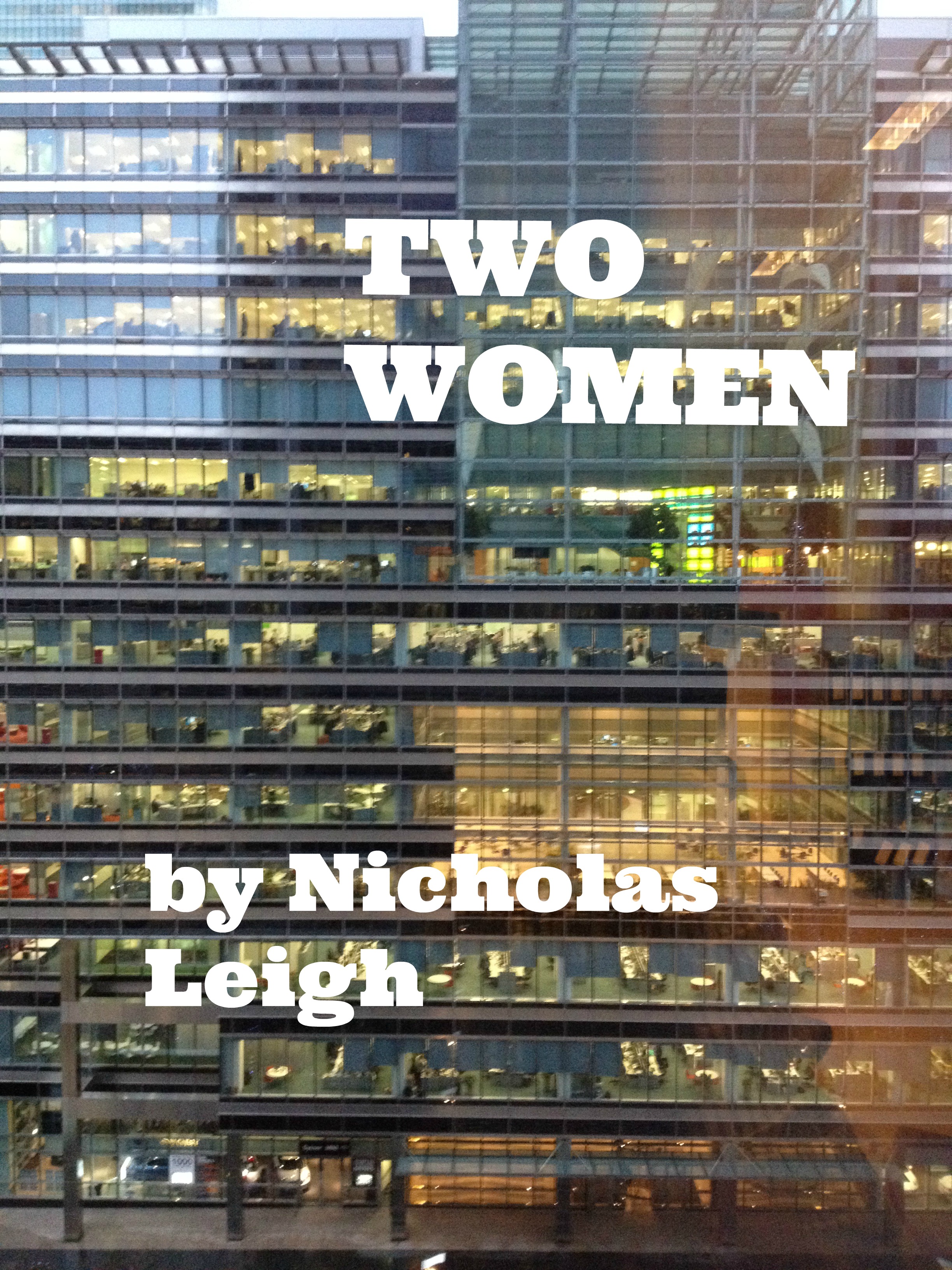
Nicholas Leigh is a British author whose intelligent and individualistic novels are based on relationships and human interactions. His books include Blood Harmonies, The Condition, The Confession of Dieter Berenson, and his latest novella, Two Women. All are available now through Liborwich Publishing on Amazon UK

BUSINESS OF BOOKS: FIRST, LAST, EVERYTHING – CHILDREN’S AUTHOR CHRISTOPHER JOYCE

What was the first piece of writing advice you received?

I armed myself with How Not to Write a Novel by Newman and Middlemark, which is both hilarious and packed full of tips, and The Art of Writing Fiction a rather more scholarly book by Andrew Cowan. 

The first book covers plot, character, style and much more. Each tip is accompanied by bad examples with headings such as ‘The Gum on the Mantelpiece’ where the author makes much play about said-piece of confectionery and then NEVER refers to it again. Anyone else guilty of that? Another of my favourites is a section entitled ‘Said the Fascinating Man” where the author tells the reader what you think of his writing. “Was it a fish?” the girl said eloquently.

The section on what not to name your cat in your story includes:

  • after a composer (Bartok, Mahler)
  • Mr + adjective + anatomical feature (Mr fluffy paws)
  • Magnificat – or similar pun

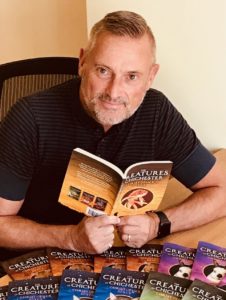
I think I got away with naming the cat in my book, The Creatures of Chichester – The One About The Smelly Ghosts. I decided on Purrcasso as she lives at the art gallery. What do you think? Did it stray into Magnificat territory?

Mr Cowan’s book is more learned with lots of writing exercises he used with his students at UEA, I believe. These include exercises on creating great dialogue, using all the senses and many more. I created a special notebook to do them all. It’s mostly still empty but – one day.


What was the most recent writing advice you gave or received?

Sometimes it really is okay to tell not show. Every course I’ve ever attended and blog you read talk about showing not telling. It can become obsessive. At some point, it’s better to just say: ‘it’s midnight’ rather than: ‘Bats passed silently by the ancient metal hands of the church clock as they moved into a vertical position.’ This is particularly true in children’s books where most kids want action. I am, however, a fan of using show not tell in dialogue though. Better to write His clenched fist was inches from her face, “I Hate you!” said Bob then “I hate you,” said Bob angrily. In fact, part of my editing process is to remove as many adverbs as I can.


What’s the piece of advice you’d most like to pass on?

Once you’ve written and edited your work get in proofread by a professional. This is not your sister, who is an English graduate; not your neighbour, who studied law and is very bright and NEVER yourself. It’s impossible. I would add that Grammarly is great at picking up many obvious errors, and it’s free too.

If you can afford an editor then this will also make a huge difference. There are lots of good books and courses on this but, like the proofreading tip above, it’s very hard to do this objectively yourself. reedsy.com is a great source of advice on what you need to consider and also provide experts who can do this for you.

Finally, if you decide to self-publish (as Mark Twain and the Bronte sisters did) then pay for a professional cover designer. If you’ve taken a year or more to write the best book you can, then surely this must be worth it? There are also lots of good books and webinars on this but it’s like me downloading a book on how to play the violin. All the information is there, but I can assure you that my mother would testify that even though I passed grade 1 at junior school, it does not make me a member of the orchestra. If you’re a good writer then write. Leave the editing, proofreading and cover design to somebody else.


Christopher Joyce has written six books in The Creatures of Chichester series and produced The Alien Cookbook with out-of-this-world recipes for kids of all ages. He also promotes self-publishing through CHINDI a group of independent authors in the UK. www.creaturesofchichester.com. www.chindi-authors.co.uk


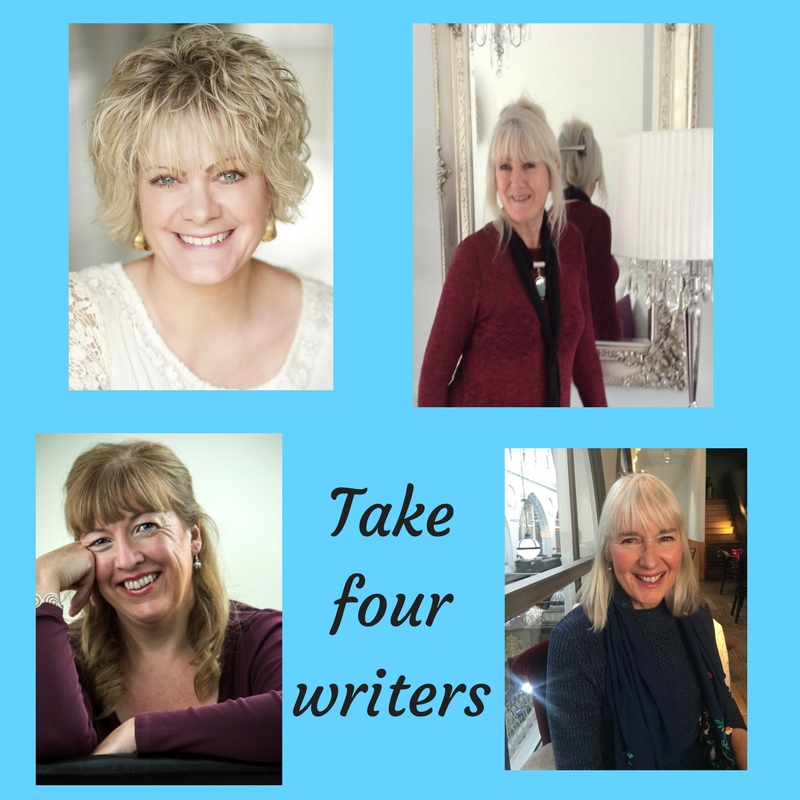
TAKE FOUR WRITERS: CELEBRATING, RESEARCHING, WEEDING, WAITING

JACKIE BALDWIN… CELEBRATING

A very exciting month! Publication Day of Perfect Dead came and went in a blur. I embarked on a blog tour organised by the fabulous Love Books Group. I’d already submitted the guest posts and extracts in advance so all that remained was trying to keep up with all the posts on social media. I also managed to trip over a boulder and smash up my face again, leaving me looking like I had taken up cage fighting!

I have to say, though, that publication day was not even close to being the highlight of my month. My proudest moment by far was watching my lovely daughter graduate in zoology from Aberdeen University. It was such a special day for all of us. I’m now home catching up on my blog tour before escaping to a Greek island on Friday to try and calm down!

 

LUCY COLEMAN… RESEARCHING

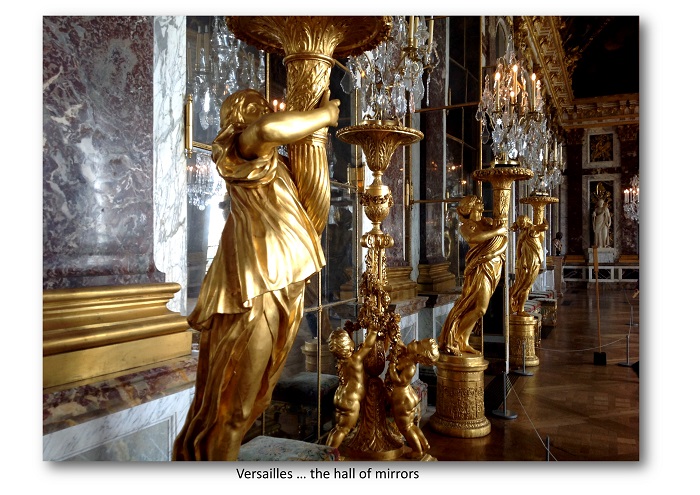
I’m a Gemini, so when asked what I wanted for my birthday I said ‘A trip to Versailles’ because I have an idea for a contemporary love story. I’ve been there twice before but I needed to soak up the ambience again – and grab photographs!

The final proof read of my next book, due to be released by Aria Fiction on 4 September 2018, arrived the day before I left for my holiday. But authors take their work with them, anyway, so after foot-wearying days my bedtime reading was sorted.

The palace at Versailles is enchanting, opulent and the stuff that dreams are made of – I fell in love with it all over again. Coming home I had to hit the ground running. New graphics to produce, two work-in-progresses on the go and a contract to sign … exciting times! But now I want to write about Versailles …


ANGELA PETCH… WEEDING

Suddenly, the writing road ahead is a flat path through wild flower meadows instead of a craggy climb. I always find calm in Tuscany where we live for six months each summer. After an initial panic over the edits needed for “Mavis and Dot”, I went for a long walk to untangle my thoughts and to face reality. I’m now acting on comments from my editor and Beta readers and rewriting sections. I’ve got my trowel out and I’m digging out the weeds, rearranging the beds. And I want “Mavis and Dot” to be as perfect as I can manage.

My husband helped devise a spread sheet for my illustrator. Her main job is busy editor of a Sussex based Arts Magazine called Ingenue, so she was pleased to work to a schedule. She hit the bullseye with two illustrations she subsequently sent and produced smiles of delight and relief.


CLAIRE DYER… WAITING

This month I want to talk about waiting. As a poet and an author I, like many others in the same fields, do a lot of it!

Consider this: I submitted some poems to a well-known literary journal in March of 2017. They accepted one of those poems in February: that’s eleven months of waiting. Also, I sent my agent a manuscript last September and waited for her valued and considered feedback which I got in December and it was well worth the wait! That manuscript then went on journeys out and about into the big wide world and there was more waiting and, as I write this, I still don’t know where its future might lie.

There are many more examples. In answer to the usual, ‘Where are you at the moment?’ the standard writer’s reply is ‘I’m waiting for my agent/editor/publicist/’ and/or, ‘I’m waiting to see the cover/get my first reviews/hear about a TV deal.’

Then there’s the fictional world of say, ‘The Truth about the Harry Quebert Affair’ by Joël Dicker where the fictional author is hounded by his fictional agent who calls constantly asking, ‘Where is the manuscript you promised me?’

I’m not sure how one goes from the one who waits to the one who is awaited, but there’s something tantalising about imagining this. Just think, one day I may get an email which says, ‘Dear Claire, We were wondering if your new book is ready as we have the perfect cover for it.’



BUSINESS OF BOOKS: FIRST, LAST, EVERYTHING – SAGA WRITER SUSANNA BAVIN

What was the first piece of writing advice you were given?

This wasn’t exactly writing advice as such. It dates back to when I was at grammar school and it was a regular feature of feedback on essays. I had a wonderful English teacher called Mrs Trueman, who taught me for five out of my seven secondary school years. From her I learned the importance of what she called elegant paragraph links – the natural flow of writing. To this day, if I am struggling to move along from one idea to the next, I can hear her voice in my head, insisting on, “Elegant paragraph links, girls.” It has also had an impact on me as a reader. I always notice a jerky transition between ideas. I hope my own writing is pretty seamless in that respect. If it is, it is thanks to Mrs Trueman!


What is the most recent piece of writing advice you gave or received?

Don’t get it right – get it written. I have joined in with the annual madness of NaNoWriMo several times and the advice there is all to do with getting the story down on paper – or on-screen – and worrying about perfecting it at a later date. I know there are plenty of writers who simply can’t do this. They have to get each section right before they can move on to the next; and there have been times when, instead of ploughing on, I have felt impelled to go back and change something in the WIP, because my brain refuses to carry on until I have done that tweak. But if you are able to produce a “dirty draft,” it makes a great starting point for the editing. I know plenty of writers hate the editing process, but I love it and find it rewarding.


What piece of advice would you most like to pass on?

I have offered this advice to a few writers and they have all told me it is a good idea, so I am happy to share it with you here: don’t stop writing today unless you know how you are going to start writing tomorrow. For me, being able to get going immediately is important, especially now that I am writing to deadlines. I recently gave up my day job, but when I was doing it alongside my writing, being able to switch into writing mode and get writing straight away was essential. I’m sure there are plenty of writers whose response to this advice will be to say that it wouldn’t work for them, because they want to be able to leave their writing when it is difficult, trusting that their subconscious will work on it and untangle the tricky bits. For me, following this rule means that, when I hit a problem and the writing becomes difficult, I always keep at it until I have got past the hard bit and things are flowing freely again… so that when I stop, I know how I’ll start again next time.


Susanna Bavin has worked as a librarian, a teacher, a carer and a cook. She lives in beautiful North Wales, but her writing is inspired by her Mancunian roots. Her sagas, The Deserter’s Daughter and A Respectable Woman, are published by Allison & Busby.

BUSINESS OF BOOKS: JANE CABLE ON BOOK BLOGS AND MAKING THE BIG BIRTHDAYS COUNT

All writers have slow news times and yet the voracity of social media means we always have to create news. My relationship with Frost means I’m very lucky as I can write about other people and still have plenty to share. But there comes a time when you have to focus back on yourself, even when you really have nothing to say.

I always knew that if I had a new book out at all this year it would be much later on, so there came a point when I was actively looking for something to celebrate. With three books becoming two when Endeavour Press went into liquidation and I decided not to sign with the successor company my writing CV suddenly seemed a little empty. Should I dash off a quick novella, write a few short stories to give away? No, I’m writing new material anyway and don’t want the distraction. So I decided to focus on what I already had.

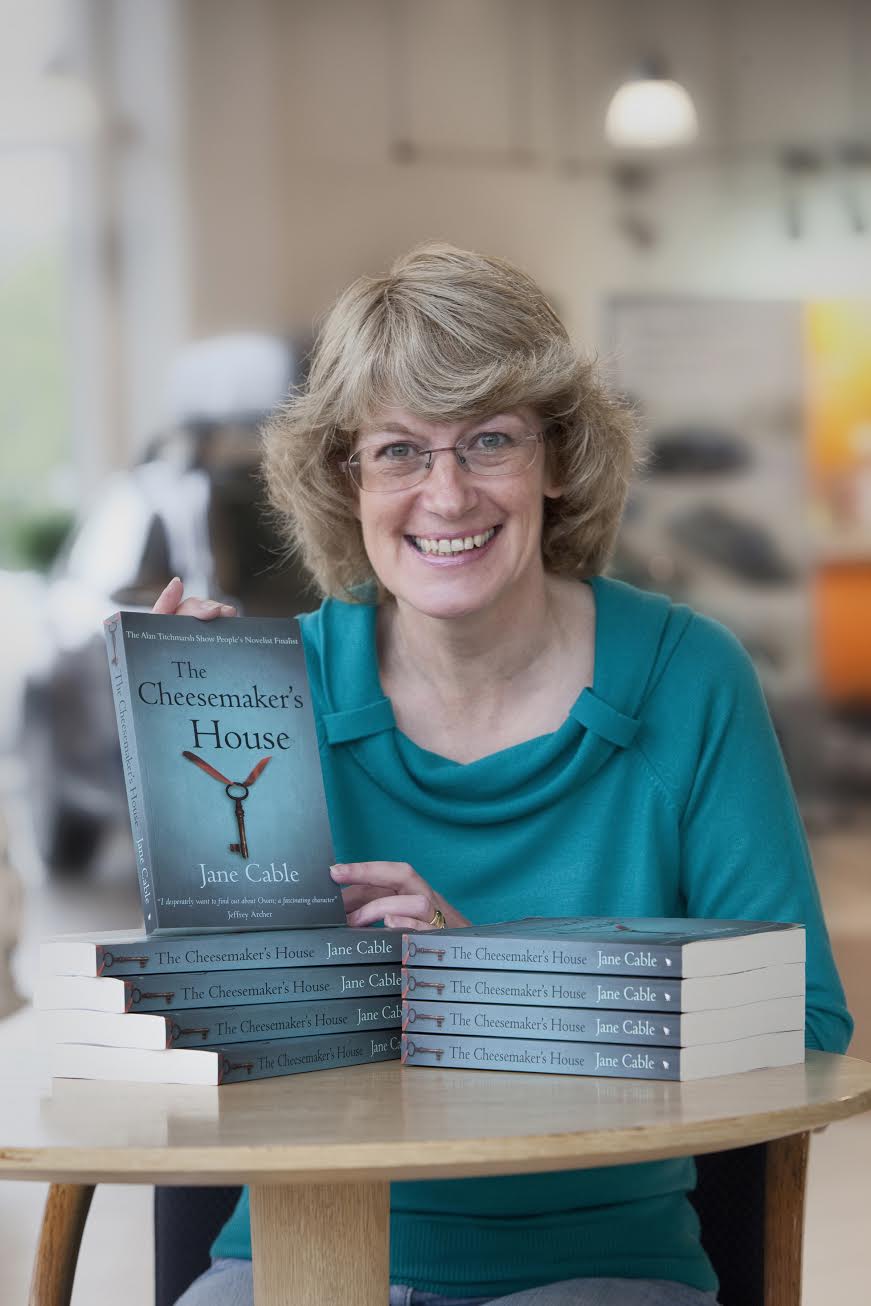
On 1st August my debut novel, The Cheesemaker’s House, will be five years old. Sales are still ticking along nicely, but I wanted to give them a boost and celebrating the anniversary seemed an excellent excuse to do it. I’d been impressed by the results achieved for my Chindi Authors’ buddy Helen Christmas by Rachel’s Random Resources so I decided to sign up for one of their book birthday blitz packages followed by a mini blog tour.

Rachel is an experienced book blogger who has recently started to offer a variety of promotional services for authors. I was concerned that as The Cheesemaker’s House was so old and has had so many reviews there wouldn’t be a great deal of interest but I couldn’t have been more wrong. Within eighteen hours of announcing the tour on her website no fewer than 28 bloggers had signed up, 23 of them promising a review, and I couldn’t have been more delighted.

I’d agreed on a multi-content tour so over the last week I’ve been answering Q&As, writing guest blogs and choosing extracts from the book. It was strange going back five years and telling the book’s story all over again but I’m really hopeful it will reach a new audience and it was such fun to do.

While I am more than happy to pay for Rachel’s services to organise the tour I would never actually pay for a review. This week – like many other weeks – I’ve had emails asking me to do just that. I won’t, because I believe it’s wrong on so many levels. Especially as I’m yet to see a review anywhere that says ‘this review was paid for by the author’.

It’s an issue that’s been bubbling around on social media recently as well, as yet again bona fide book loving bloggers have been attacked for ‘undermining the market’ by giving free reviews. Excuse me? Although some bloggers have book marketing related businesses on the side (as Rachel does) their reviews are the product of being total and complete bookworms who just love to share their passion. And that’s important. Because it’s why we can trust them.

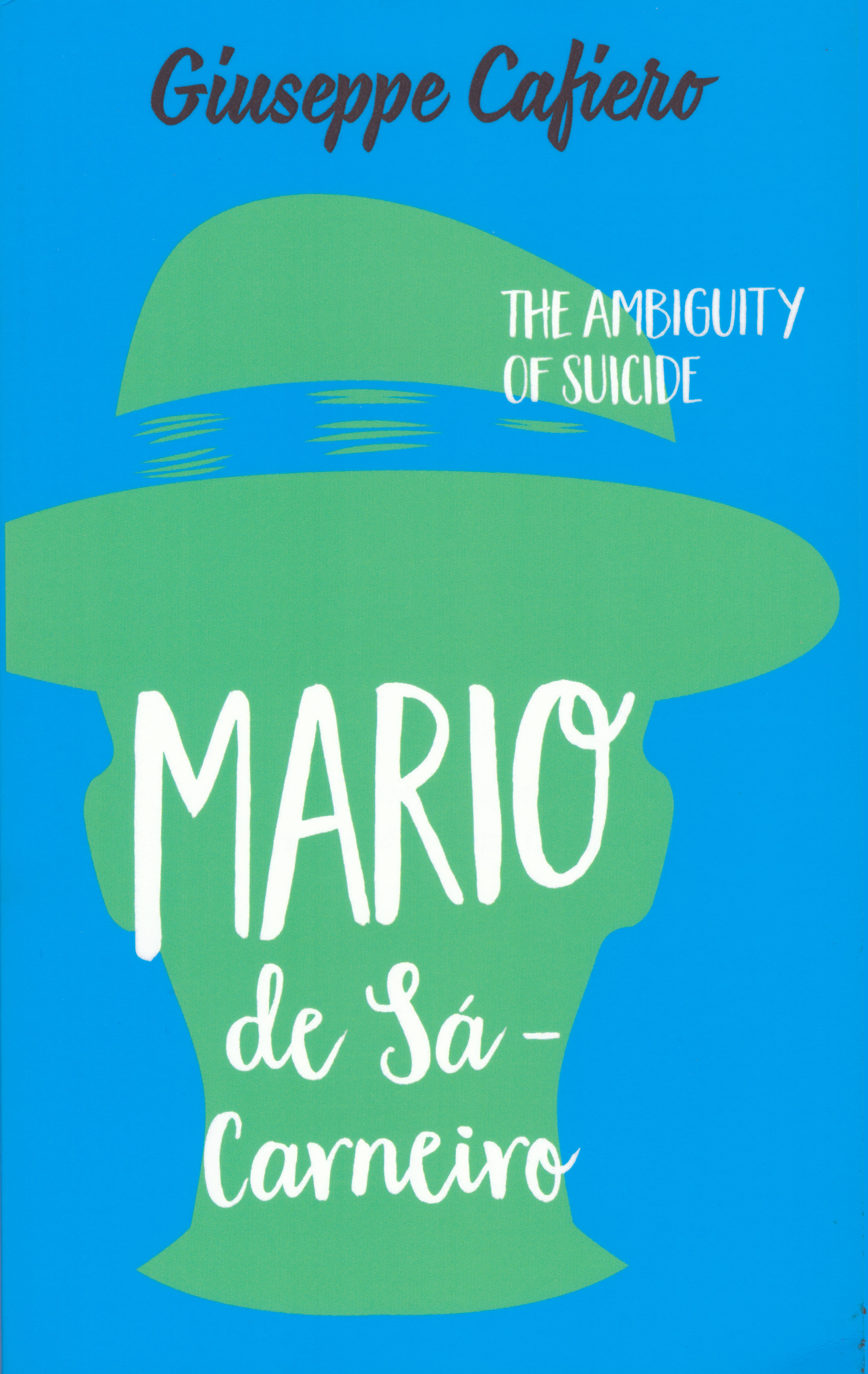
Mário de Sá-Carneiro – The Ambiguity of a Suicide, by Giuseppe Cafiero

By Staff Writer

Part biography, part historical travelogue and part detective story, this fictionalised investigation into the suicide of the Portuguese writer Mário de Sá-Carneiro is admirable on many levels. 

Part of the acclaimed ‘Ambiguities…’ series by Italian author and playwright Giuseppe Cafiero, Ambiguity of a Suicide is an artful, intriguing meander through the mind of a gifted yet troubled soul.

Cafiero’s works are described by the author himself as works of ‘bio-fiction’, a type of metaliterature that plays with the blending of fact and fiction. This literary form is particularly effective in telling the story of de Sá-Carneiro, an acclaimed avant-garde writer of the early 20th century whose mind was muddied by his taste for strong alcohol and a desire to numb his sense of ‘saudade’ (a uniquely Portuguese word best translated as ‘melancholy’).

The word is key to the novel’s depiction of a man apparently tormented by feelings of inappropriate desires, of  something ‘missing’ and of a general mournful malaise that could not be shifted by boozy nights in Lisbon and Paris, or dreams of making a new life in the Portuguese territory of Brazil.

The Ambiguity of Suicide follows the journey of de Sá-Carneiro’s close friend, fellow poet Fernando Pessoa; Mondine, a private detective; and Doctor Abilio Fernandes Quaresma, a ‘solver of enigmas’, as they retrace the tragic author’s footsteps in light of his recent death.

Together, they drink in his watering holes, eat in his favourite restaurants and talk to the characters that he came across before he took his own life in a desperate bid to shed light on the circumstances that led to his demise.

Cafiero effortlessly evokes the period and settings that shaped de Sá-Carneiro during his time in Lisbon and Paris, and there is a fitting sense of beautiful melancholy throughout the book, such as the following description: “Sea and salt air. Duino was then in his heart. A manor house corroded by time. White, skeletal, dried by the sun. Progenitor of imperial deaths. The ocean is another thing. Gusts of an Atlantic wind. Gazing at conquered lands. Lisbon”.

Following a trail that leads them into seedily sensual territories, the three characters come to understand a little more of Sá-Carneiro and his troubled mind,

but ultimately (and as the ‘ambiguity’ title suggests) they find there is never any simple answer to the ‘why?’ of a suicide. 

The translation from the original Italian is extremely well done, but so too are the translations from the original Portuguese – the text is dotted with direct quotes from the writer and poet’s works, as well as from his friend Pessoa (best known for The Book of Disquiet).

It is perhaps fair to say that the works of Mário de Sá-Carneiro are little known outside of Portuguese-speaking countries. It’s also fair to say, however, that readers willing to engage with the unfamiliar will glean a lot of enjoyment from this novel and will probably find themselves eager to familiarise themselves with de Sá-Carneiro’s back catalogue after reading it.

Mário de Sá-Carneiro – The Ambiguity of a Suicide by Giuseppe Cafiero (Clink Street Publishing) is available from Amazon UK, priced £1.13 in paperback and £1.07 in Kindle edition. Visit www.giuseppecafiero.com.


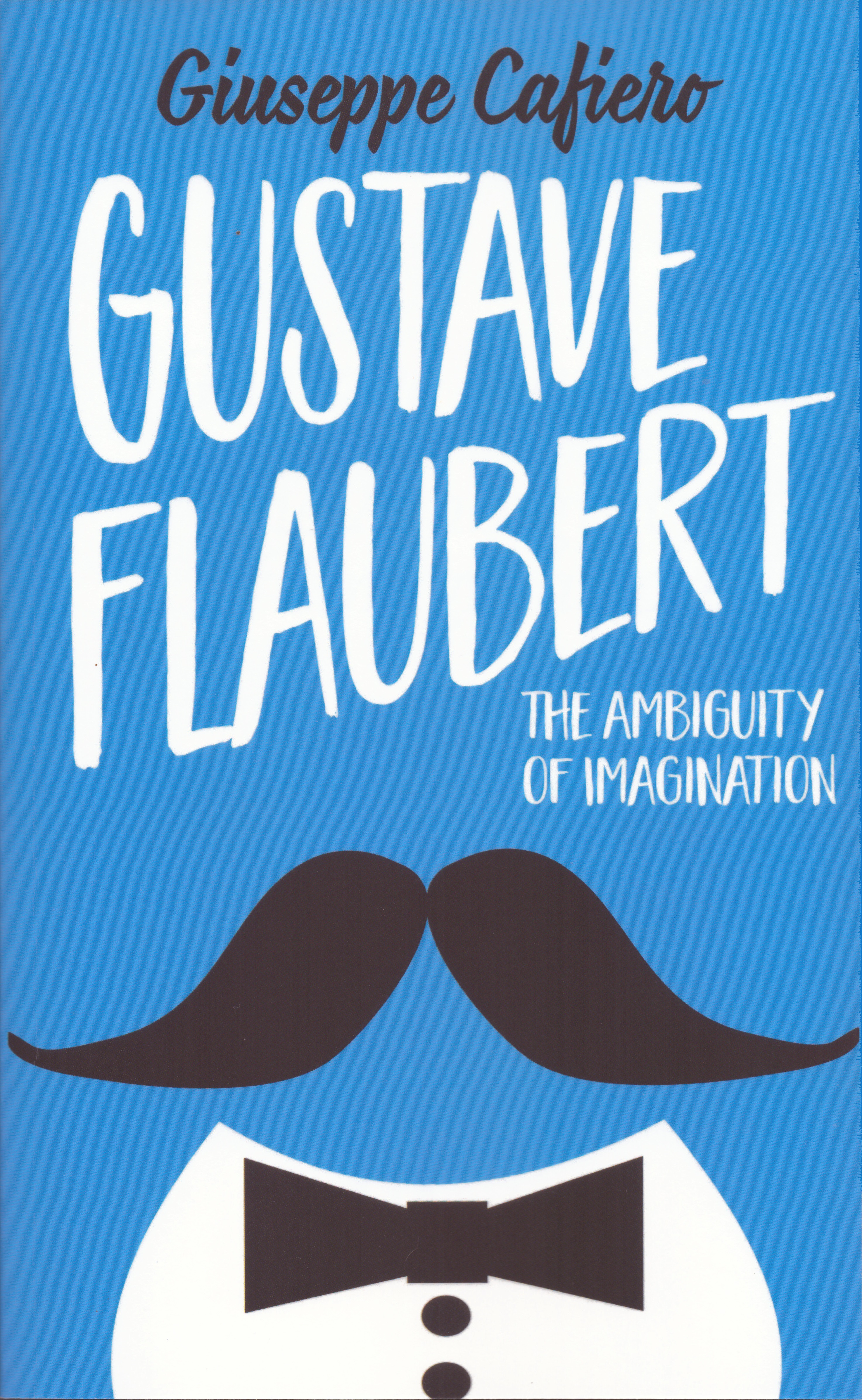
Gustave Flaubert: The Ambiguity of Imagination, by Giuseppe Cafiero

By Staff Writer

This latest novel from acclaimed Italian author Giuseppe Cafiero is a wry and racy journey through the world of French writer par excellence, Gustave Flaubert.

Gustave Flaubert: The Ambiguity of Imagination is part of Cafiero’s acclaimed ‘ambiguities’ series, which offers surreal and metafictional accounts of the lives of great authors and artists such as  Edgar Allan Poe (The Ambiguity of Death)  and Vincent Van Gogh (The Ambiguity of Madness).

Cafiero refers to this singular treatment as ‘bio-fiction’, a genre of his own creation and which is best defined as the playful interchange of truth and fiction in a broadly biographical account of its subject.

Rather than presenting a serious trawl through the life of the controversial, and somewhat seedy, Madame Bovary author, the novel takes its lead from a minor footnote in the works of Flaubert.

One of the books that Flaubert had planned to write, but never did, was entitled ‘Harel-Bey’, which as his letters attest would have been set in Middle East. In The Ambiguity of Imagination, that decision comes to haunt him – literally – as the titular Harel-Bey pops into existence with a huge grudge against his creator, both for leaving him a mere rough sketch and for writing him as a blind man.

Described by Cafiero as an “Arab who spent his life in the salon of the frères Goncourt, authors of a famous Journal, where he was born in an evening of drunkenness and carousal from the fervent imagination of Monsieur Gustave Flaubert”, Harel-Bey embarks on a voyage of discovery through the author’s oeuvre and correspondence, in the company of one Monsieur Bouvard – star of another unfinished Flaubert work, Bouvard et Pècuchet.

Like a spurned child, he has one mission in mind – to wreak revenge against the fully fleshed-out protagonists of Flaubert’s published novels and stories. In doing so, he visits locations described in Flaubert’s novels, and meets some of the characters therein, including the famed Madame Bovary.

Told in epistolary form, the novel – translated from the original Italian – is rich in period detail and liberally sprinkled with direct quotations from Flaubert’s works and letters, as well as deliberately evoking the distinctive literary style of the French writer himself.

The novel does hang – somewhat loosely – around the plot concerning Harel-Bey, but the real joy is in the fascinating, semi-biographical peek into the mind of a great writer and the fruits of his imagination.

However, to get the most out of this singular novel, its many allusions and references, it’s best that the reader should already have, or seek, acquaintance with Flaubert’s works beforehand. 

Gustave Flaubert: The Ambiguity of Imagination by Giuseppe Cafiero (Clink Street Publishing) is available now on Amazon UK, priced £9.99 in paperback and £2.84 in Kindle Edition. Visit www.giuseppecafiero.com