The Bomb Girl Brides by Daisy Styles | Recommended Reads

The Bomb Girl Brides by Daisy Styles

The latest Daisy Styles novel
___________

It’s 1944 and Britain is a country at war. The young women of the Phoenix munitions factory are giving their all to the cause, but romance is beckoning . . .

The life of a Bomb Girl isn’t usually glamourous. But Maggie is getting married, so she is going to make sure her wedding day is – even if she does have to spend every other day slaving on the factory floor.

This blasted factory was not what Julia had in mind either. She had always dreamed of attending Oxford University rather than getting her hands dirty and the easy laughter of the other women intimidate her terribly.

But they are all here together in this munitions factory in a Lancashire mill town, sharing firsts, pitching in and getting on. Despite rationing, dangerous hard work and new situations these Bomb Girls are going to do their best at work, and in love.

Available here.

BUSINESS OF BOOKS: FIRST, LAST EVERYTHING – MENTOR AND NOVELIST CATHIE HARTIGAN

What was the first piece of publishing advice you received?

The first piece of publishing advice I received wasn’t offered directly, but came in the form of a question. It was over ten years ago now and I was in my first one-to-one with an agent. After she set the timer ticking for ten minutes, and put it on the table between us, she said. ‘Tell me, when do you write?’ This took me completely by surprise; but I understood that she was looking for my commitment to being a professional author.

It also reinforced in my mind, that publishing is an industry, and unless you are that very rare literary writer who sells in large numbers, the commercial market is very likely to want you to write one, or even two books a year.

My answer to the agent by the way was all the time. Not that she took me on. I was disappointed at the time, but thankful now. I had yet to finish my first novel, and I’ve learned a great deal since.


What was the most recent publishing advice you gave or received?

Don’t be in a hurry to self-publish. I’m often approached for advice on the back of my own self-publishing success with my debut novel Secret of the Song. It’s impossible to predict how a book will fare once it’s out in the world. I was very fortunate, but I was also well connected within the writing community, as a creative writing teacher, co-author of a successful textbook, and organiser of the Exeter Novel, Story and Flash prizes. I feel sad for people who put so much effort into writing a novel, and then see it become plankton in the ocean of books available. Having said that, self-publishing can be a brilliant option for books that have a limited, but ready-made market, such as family memoirs or books about very niche subjects.


What is the piece of advice you’d most like to pass on?

If you’re going to self-publish, it’s important to go through the same steps as a mainstream publisher would prior to publication. Think carefully before using free resources unless you’re convinced about the result. It’s usually worth paying professionals for edits, proofing and cover design.


Cathie Hartigan is a novelist and founder of www.creativewritingmatters.co.uk which offers a range of services for writers, including competitions, mentoring and manuscript appraisals. Cathie’s novel, Secret of the Song, was recently shortlisted for the inaugural Hall & Woodhouse Dorchester Literary Festival Writing Prize.

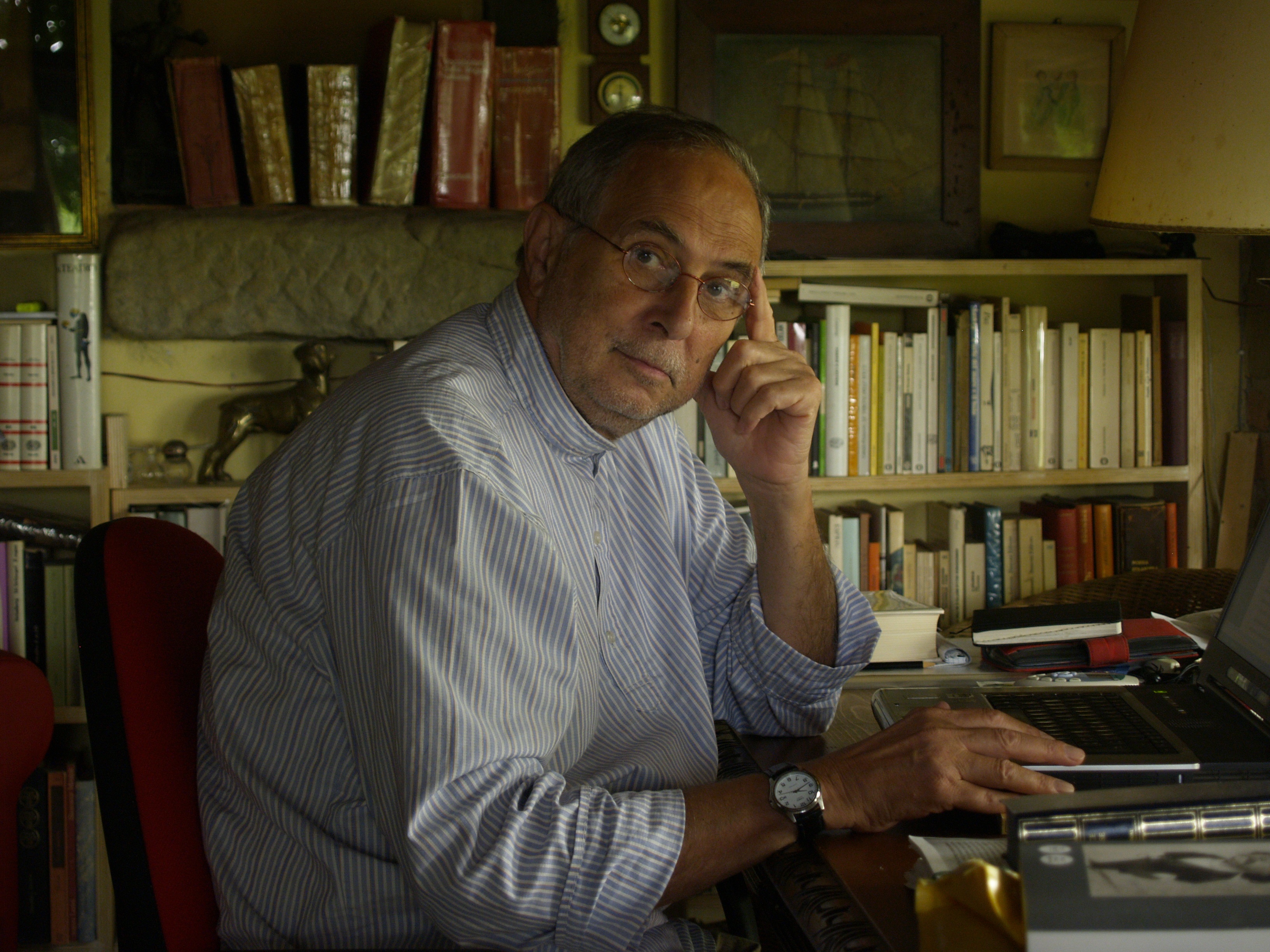
Stranger than fiction: Q&A with ‘bio-fiction’ creator, Giuseppe Cafiero

The acclaimed Italian author Giuseppe Cafiero has created a new literary genre that weaves traditional fiction with real-life biography. In this exclusive interview, he tells Frost Magazine what inspired his unique style of ‘bio-fiction’.

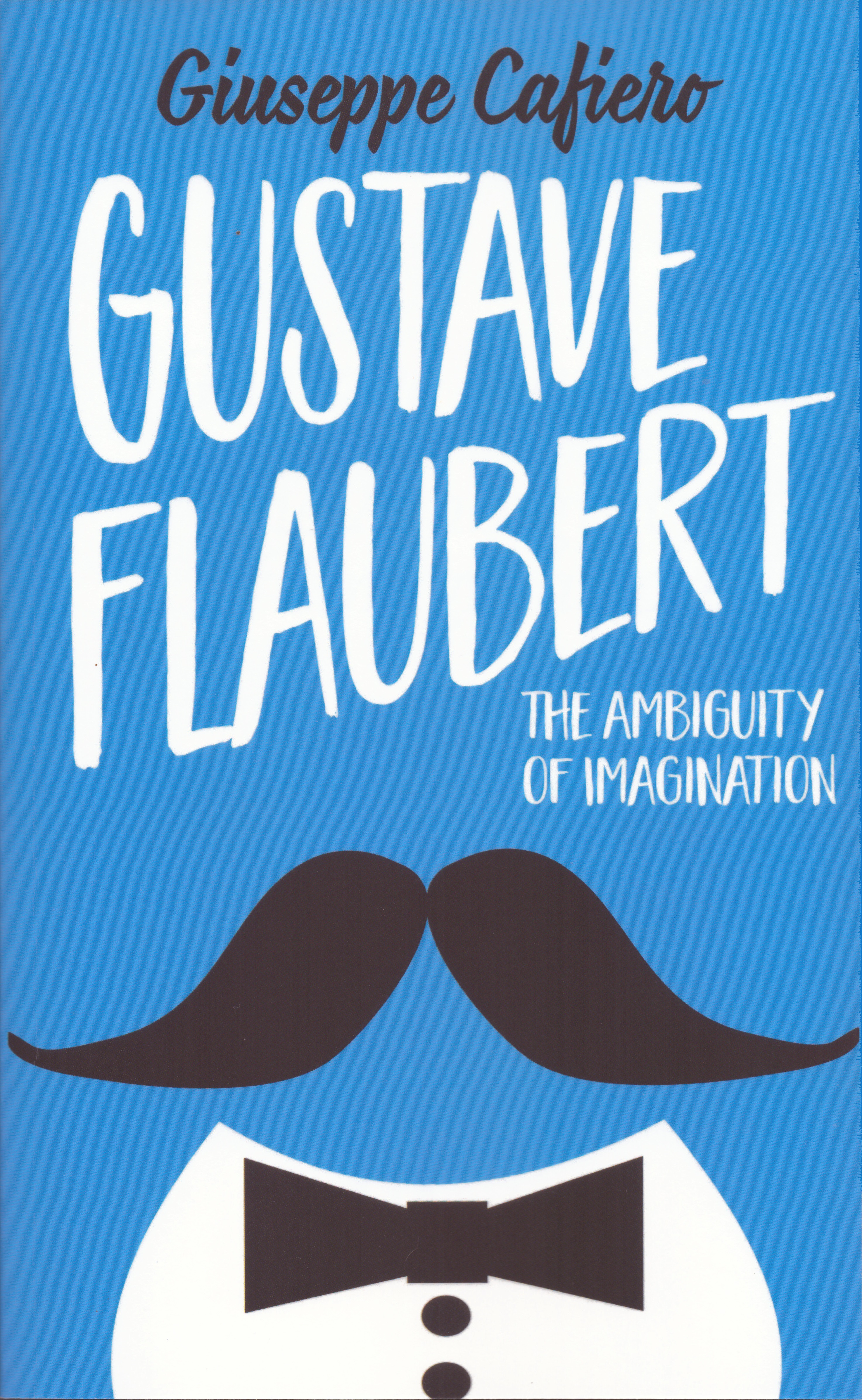
Frost Magazine (FM): Your novel, Gustave Flaubert: The Ambiguity of Imagination, describes in detail the life and writing of the famous 19th century author. What is the importance and lasting fascination of Flaubert?

Giuseppe Cafiero (GC): Flaubert’s attention to writing. He was very careful in choosing words. He was very scrupulous in the composition of the sentences. He was very much looking forward to the balance of dialogues.

FM: You are clearly a fan of Flaubert’s writing. Which of your novels or stories would you recommend as the best to read first, and why?

GC: An incomplete book: Bouvard and Pecuchet. This is the book that inspired me to write Gustave Flaubert: The Ambiguity Of Imagination.

FM: Your work is part of the surreal genres and metafictions. Why do you find these genres as satisfying as an author? What can the reader take from these genres that are not offered by other types of writing?

GC: Because it’s suggestive to talk about ambiguity. Because it is very suggestive to speak in a surreal way about the ambiguity of a writer. It’s necessary to engage the reader in different readings by looking at an author under another aspect that intrigues with the surreal

FM: You are the inventor of a literary genre that you have dubbed ‘bio-fiction’. What do you mean by this term and how does it differ from biography or fiction?

GC: My literary genre is neither fiction nor biography. I try to tell a story about the life of a writer in which a surreal element intervenes that modifies reality. This is only an interpretative ambiguity of events that changes what was considered an absolute truth

FM: In your novel, Flaubert presents himself as a rather flawed individual. Do you think that his sexual and mental obsessions were an essential factor in allowing him to write the great works of literature for which he is famous?

GC: Undoubtedly. It is precisely these obsessions that have made Flaubert a particular writer. Without these pathological obsessions Flaubert would have been perhaps an insignificant writer

FM: Which authors have had more influence on your writing and why?

GC: My writing was influenced very much by Jorge Luis Borges, because if Borges has viewed the world and influenced his writings through the use of duplicity, I have believed that ambiguity would be deciphering in the world in a different but also very suggestive way

FM: How do you decide which historical figures to give biofocus treatment? Are there any character traits you are looking for that make an ideal subject?

GC: There are some characters (writers, painters, musicians) that interest me a lot. Certainly these characters have had adventures or have had friends or loves that lend themselves very well to the game of ambiguity

FM: What other authors do you think to give to the “bio-fiction” treatment in the future and why?

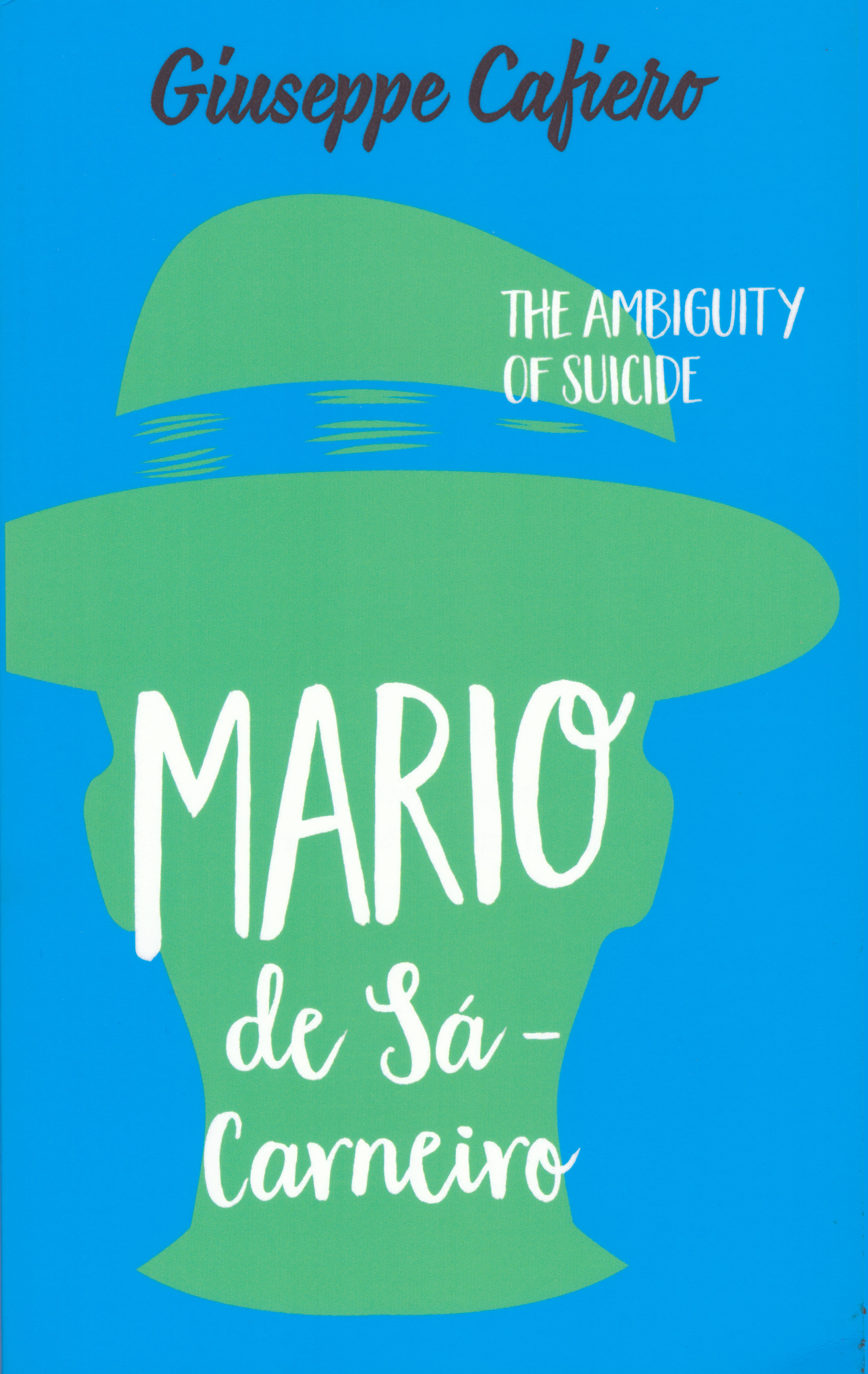
GC: The Portuguese poet Mario de Sa Carneiro for the ambiguity of his suicide. Virginia Woolf for the ambiguity of her lesbian love. James Joyce for the ambiguity of the epiphanies. Edgar Allan Poe for the ambiguity of his death for alcoholism.

FM: Your novels address the main theme of “ambiguity”. Why does this concept fascinate you and how does this idea link to what we can hope to understand as “truth” from literature and history?

GC: The theme of ambiguity fascinates me because it’s possible to look at the life and works of an artist in a different way through a keyhole that deforms things just because this keyhole is ambiguity. It is an ambiguity that can show another truth.

Gustave Flaubert: The Ambiguity Of Imagination and Mário De Sá-Carneiro: The Ambiguity Of A Suicide, both by Giuseppe Cafiero, are out now.


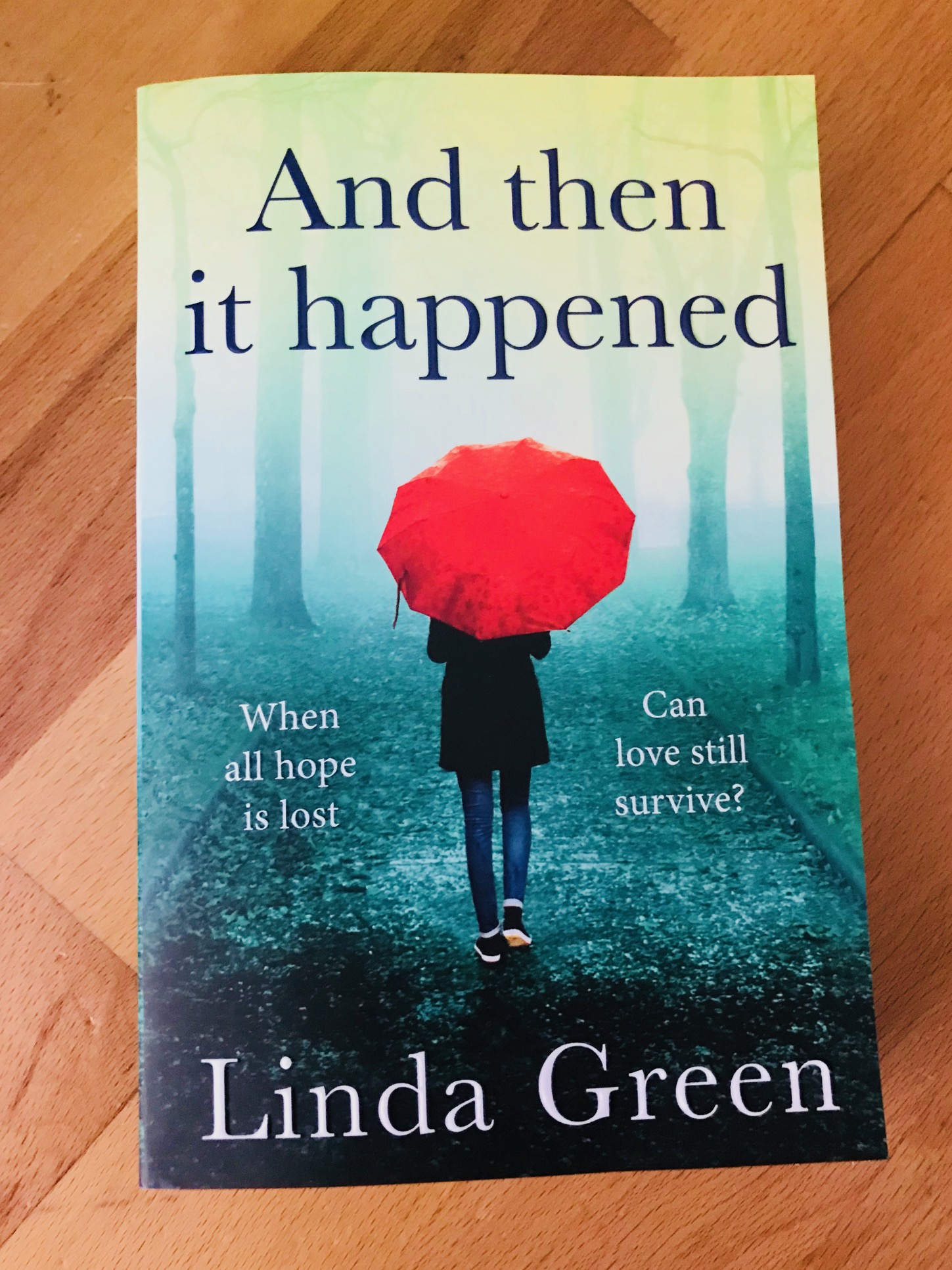
And Then it Happened By Linda Green | Book of the Week

and then it happened

Frost’s book of the week is And Then it Happened By Linda Green. A stunning book about love, family and strength. The book gives you a reminder to live in the moment and make the best of life. A heart-warming novel that will stay with you. 


The only man you’ve ever loved is slipping away…

Mel and Adam were childhood sweethearts and remain blissfully happy twenty years on.

And then it happens…

When tragedy strikes, Mel is faced with losing the only man she has ever loved. But what if he hasn’t really been taken from her at all – he just can’t find a way to let her know…

From the bestselling author of While My Eyes Were Closed comes a heart-breaking story of love against all odds.

Available here.

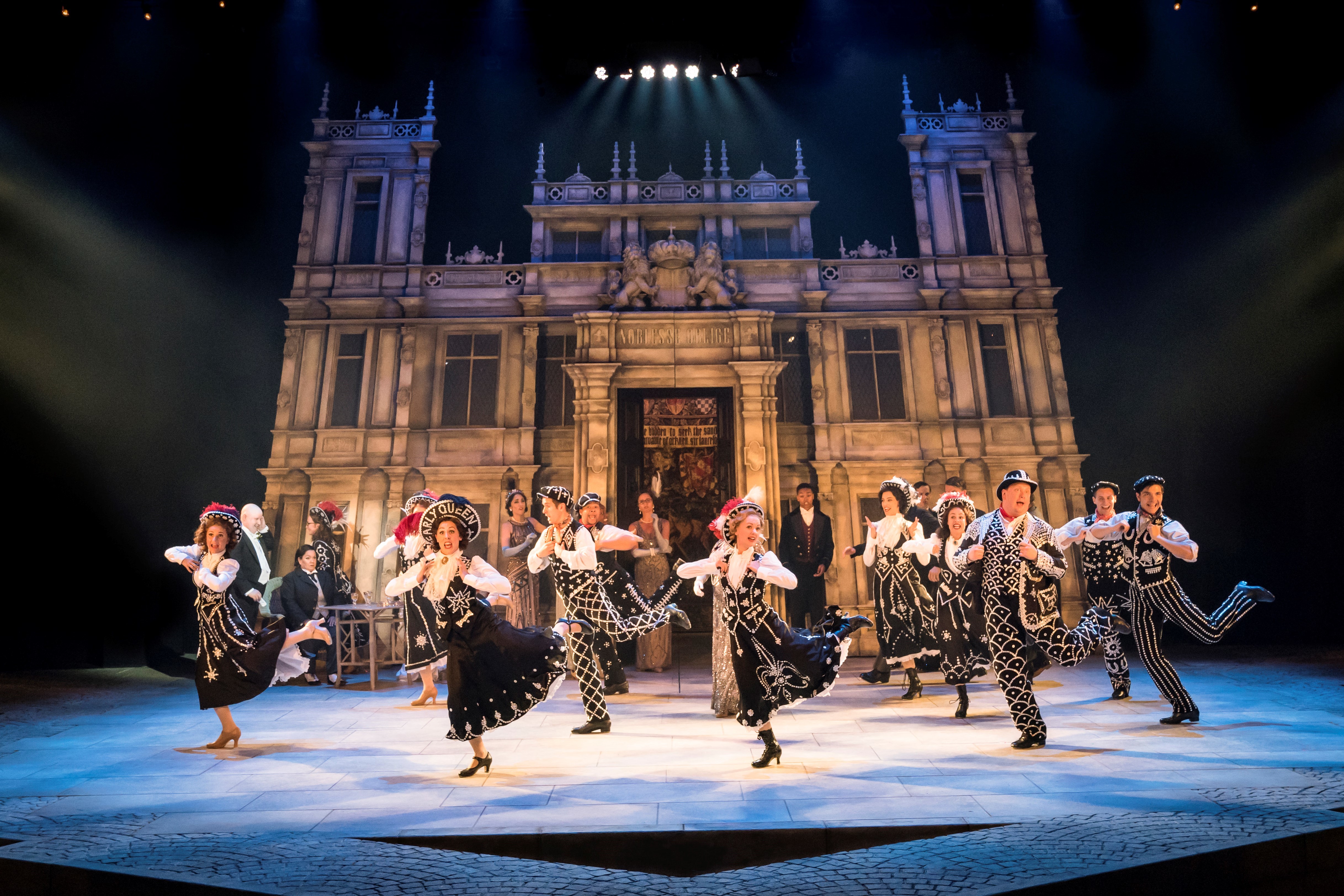
Review: Me and My Girl, Chichester Festival Theatre

Me and My Girl
Chichester Festival Theatre (until 25 August)
Tickets: 01243 781312; cft.org.uk

Credit: Johan Persson

Chichester Festival Theatre director Daniel Evans (also at the helm of the show) earned groans of disappointment in response to his on-stage announcement that Matt Lucas was under Doctor’s orders to rest his voice and would not be appearing. But all was not lost, he quickly reassured us. With just two hours’ rehearsal the understudy had gamely agreed to step into the role.
Ryan Pidgen can surely now step into any role he pleases. In a totally self-assured, flawless performance, had we not known that Lucas was the intended leading man then we would have been none the wiser. On note, in step and word perfect, not for a nanosecond were we even remotely short-changed.
Playing the South London cheeky chappie Bill Snibson who suddenly needs to ‘posh up’ in order to take up his birth right as the unlikely heir of Hareford, Pidgen was not merely competent. Giving Bill warmth, exuberance and sweetness, he bounced around the stage like an adorable scamp of a puppy and, as the kids say, performed like a boss.
The plot may be lightweight, but elsewhere performances are also rock-solid. Clive Rowe as Sir John twinkles in tweed, later revealing a shy and long-nurtured love for Caroline Quentin’s splendidly redoubtable Duchess. A feisty old matriarch with a good heart, by golly she can’t half hoof, too!
Alex Young as Bill’s ‘girl’ Sally is in sweetly soaring voice and balances cockney chirpiness with a touching vulnerability.
When it comes to musical numbers it is fair to say that the majority (give or take The Lambeth Walk and The Sun Has Got His Hat On) are not especially memorable, but the dazzling choreography (nice work, Alistair David) and superb singing (and you, Gareth Valentine, Doug Besterman and Mark Cumberland) make the very best of the raw material.
Lez Brotherston’s stunning set manages to be both traditional and fairy tale – Downton meets Hogwarts, interspersed with the London skyline and beautifully lit by Tim Mitchell.
The night, however, belonged to the heroic Mr Pidgen. As an understudy who endured several ‘thrust-into-the-limelight’ moments (albeit without anything like such professionalism and sheer talent) I absolutely salute you, sir.
The perfect shot-in-the-arm antidote to all things Brexit and Trump, Me and My Girl teems with Pearly kings and queens and exudes triple espresso energy. An unashamedly frothy and feel-good extravaganza, cor blimey you’ll miss out if you don’t nab a Wilson Pickett!

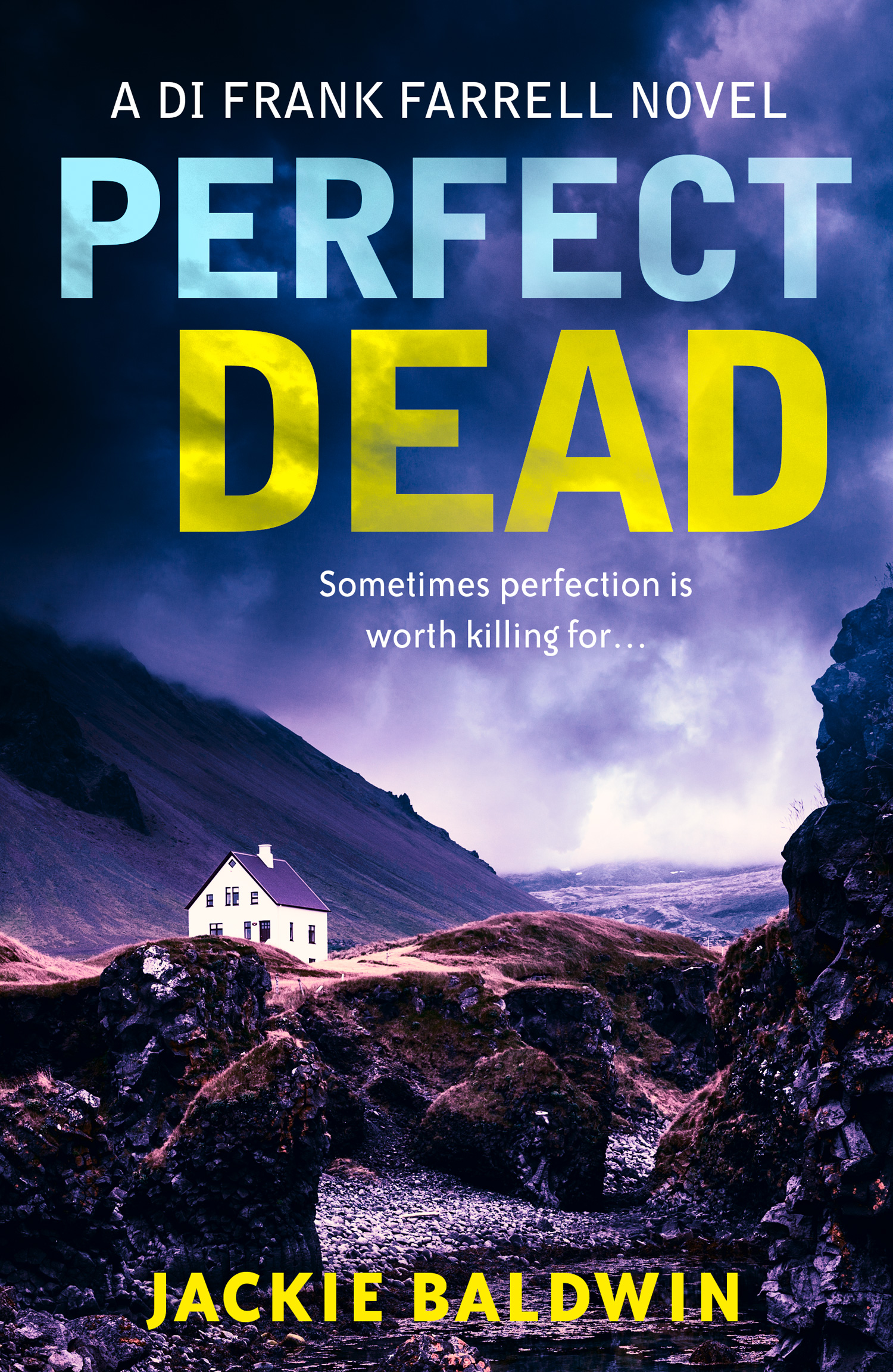
REVIEWING THE PERFECT CRIME

Jane Cable reviews the latest novel by one of Frost’s four writers

As regular readers of this column will know, to my shame I don’t read many books. The problem being that when I’m in my own characters’ heads I don’t want to be in anyone else’s. And with a good book I like to totally immerse myself in the world that the author has gone to so much effort to create.

It speaks volumes for Jackie Baldwin’s Perfect Dead, set in a freezing Scottish winter, that I actually felt cold reading it during a Cornish heatwave. I saw the ice on DI Farrell’s windscreen, experienced the damp chill of the remote cottage where the murder victim, artist Monro Stevenson, is found. The setting was brought so vividly to life that I was actually walking through the streets of the little coastal village, the salt tang of the sea in my hair, and driving down twisting lanes to remote country houses.

I have to admit that crime fiction is not my usual genre these days, although I do rather love watching re-runs of Midsomer Murders (I won’t call it a guilty pleasure because I fundamentally refuse to accept that any pleasure should be guilty). Cosy crime. Count the murders, find out who did it, save the last potential victim in a dramatic crisis then all go home for a cup of cocoa. Perfect. But not Perfect Dead.

What I am never sure about is whether it’s a good or a bad thing to be able to guess the perpetrator. Writing mysteries myself, I know only too well how hard it is to seed the story with just the right number of red herrings and clues. And Baldwin has a superb red herring in Perfect Dead – one I didn’t see coming until right at the last moment and which adds an extra layer of emotion to what is already an intense and gripping story.

This is a book where the characters’ internal journeys are as much an incentive to read on as solving the crime. Not just DI Farrell, working with the pull of the Catholic church in and around him, but the issues in the lives of his various colleagues are beautifully drawn and you find yourself caring as much about how these work out as you do about having the murderer brought to justice.

Perfect Dead is the second book in the DI Frank Farrell series so the characters’ lives are bound to pan out over time. This, and the quality of Baldwin’s writing, would in itself be enough to bring readers back for book three and my one argument with the Perfect Dead is that a major strand is left hanging, and far from being intrigued it left me feeling frustrated and a little short changed.

There’s something else I’ve discovered about crime books during this process – it is almost impossible to write a review of any length without giving away spoilers. So I won’t. Read the book for yourself and find out what happens. I promise you it’s worth it.


Love On The Waterways By Milly Adams Book Review


love on the waterwaysReading a Milly Adams novel is like having the perfect cup of tea on the sofa and talking to a friend. It is comforting, entertaining, and you always learn something new. The second novel in the Waterway girls series is as good as the first. I raced through it and loved every word. Get yourself a copy now. 


THE SECOND NOVEL IN MILLY ADAMS’ BRAND NEW SAGA SERIES. Perfect for fans of Daisy Styles and Nancy Revell.

March 1944, West London: it’s been five months since Verity Clement fled home for a life on Britain’s canals and she could never have imagined how tough it would get. Yet hauling cargo between London and Birmingham is far easier to face than the turbulence she’s left behind.

When Verity’s sweetheart returns unexpectedly from the front line, she dares to dream of a brighter future. But life aboard the Marigold is never smooth sailing. New recruit Sylvia is struggling with demons from her past while crewmate Polly must carry on in the wake of devastating news. Verity does her best to help, but a shocking discovery is about to turn her own life upside-down.

As the realities of war begin to take their toll, the waterway girls will have to pull together if they are to survive the uncertain times ahead…

Available from Amazon.

Good grief: how to write about death and loss in fiction

By Nicholas Leigh, exclusively for Frost Magazine

 author Nicholas Leigh with permission from  anthony.harvison@palamedes.co.uk

Death happens many times a day – loss is as common as taking a train. But when it is you who loses someone you love, it becomes a moment of rare devastation.

To write about loss and the grief that comes with it is, then, to write about the utterly constant and the crushing rarity at the same time. It falls to the writer to reflect the existence of these contradictory feelings within a single moment – in other words, to reflect real life. The pleasure and comfort of reading comes, as wise folk have said in the past, from a complete stranger saying to you, I have been through what you are going through now – and I understand how you feel. A writer telling a story about loss and its grief takes on the mantle not just of storyteller but also counsellor, and perhaps even healer. 

To honour this considerable responsibility, the issues that any writer intent on creating a good piece of work – how to form living, breathing characters, bring to life the world they live in and tell their story in an exciting, gripping manner – remain. Added on top is the question of how you respect the loss your reader has experienced, and recognise their grief, without undermining the story, or making it unreadable to others who just want to immerse themselves in a good, if emotional tale. To achieve this, it may help to consider yourself an archaeologist.

Loss – and in particular grief – is a many-layered experience. You cannot help someone who is grieving by simply saying, let me help you. As another wise person once said, if you were capable of sharing my grief, I would gladly let you have it all. Instead, you have to start at ground level, and then dig down through each of the layers of that relationship, descending through your character’s experiences with the person they have lost, the happy times and the difficult periods, the reversals of expectation, the times when it was not they who let your lead down, but vice versa. All of these layers need to be explored, deciphered, decoded, and it is this exploration that could form much of your story.

You must keep on going until you reach what lies beneath it all: the love that causes this grief to be so painful. For at the heart of the matter is the heart itself. To write about loss is to write about love. The writer must ensure that the love story at the centre of a tale about grief is well-drawn, convincing – perhaps even a little complicated.

Stories remind us of the people in our lives, and how we feel about them. So when you cry from reading, you are often really crying for yourself, and for those closest to you. To give your story the heart it needs to have the power you desire, open up the best resource you have available: yourself and your experiences. Write as if you were talking about those closest to you, even if your story takes place in the Fourteenth Century, or on a planet light years away. The simple humanity that comes from talking about simple human experiences will emerge and could provide readers you will never get to meet with a helping hand in dealing with their own grief just when they needed it the most. 

Nicholas Leigh is a British author whose intelligent and individualistic novels are based on relationships and human interactions. His books include Blood Harmonies, The Condition, The Confession of Dieter Berenson, and his latest novella, Two Women. All are available now through Liborwich Publishing on Amazon UK