Euler’s Pioneering Equation: The most beautiful theorem in mathematics

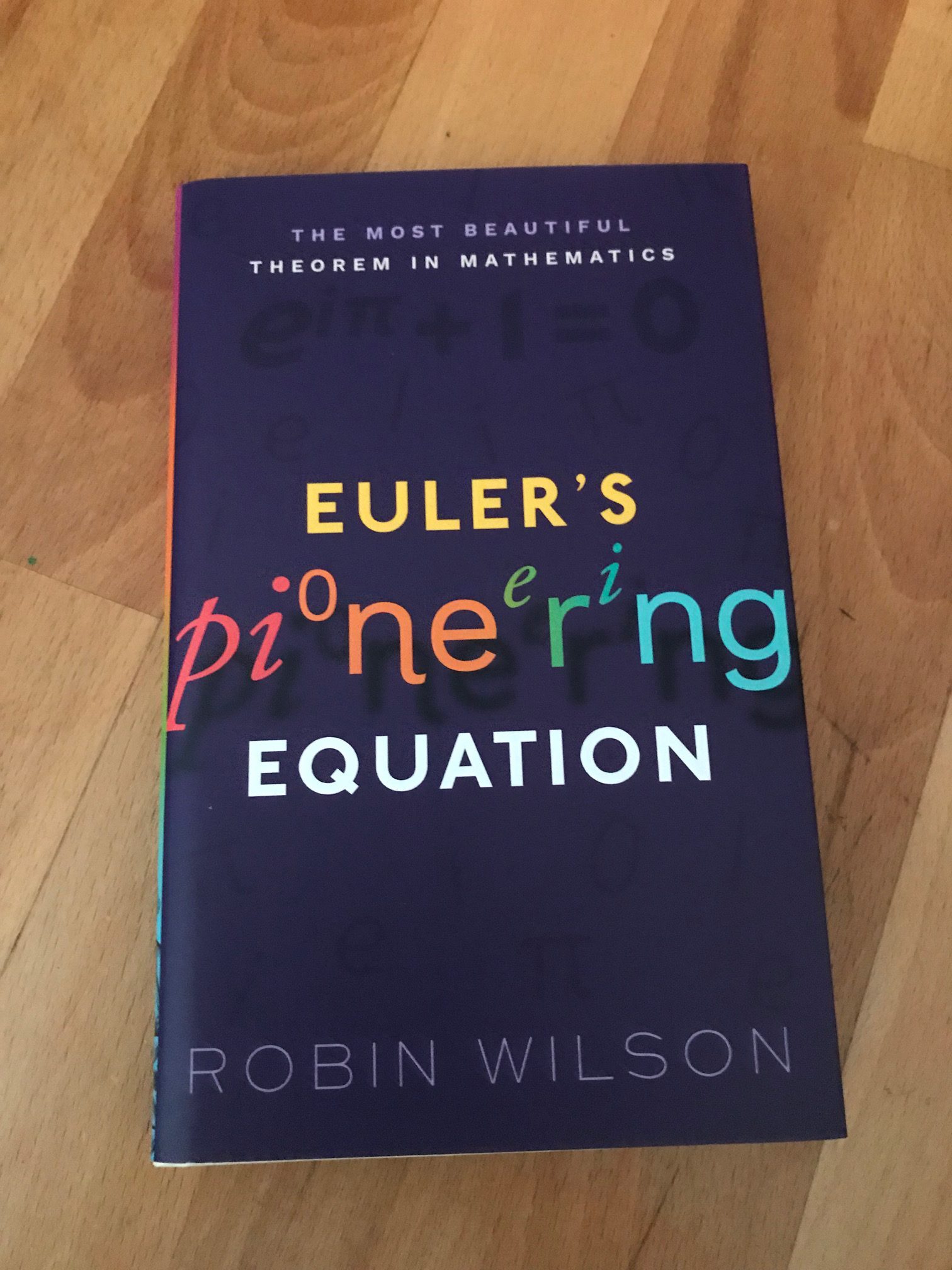
In 1988 The Mathematical Intelligencer, a quarterly mathematics journal, carried out a poll to find the most beautiful theorem in mathematics. Twenty-four theorems were listed and readers were invited to award each a ‘score for beauty’. While there were many worthy competitors, the winner was ‘Euler’s equation’. In 2004 Physics World carried out a similar poll of ‘greatest equations’, and found that among physicists Euler’s mathematical result came second only to Maxwell’s equations. The Stanford mathematician Keith Devlin reflected the feelings of many in describing it as “like a Shakespearian sonnet that captures the very essence of love, or a painting which brings out the beauty of the human form that is far more than just skin deep, Euler’s equation reaches down into the very depths of existence”.

What is it that makes Euler’s identity, e]iPi + 1 = 0, so special?

In Euler’s Pioneering Equation Robin Wilson shows how this simple, elegant, and profound formula links together perhaps the five most important numbers in mathematics, each associated with a story in themselves: the number 1, the basis of our counting system; the concept of zero, which was a major development in mathematics, and opened up the idea of negative numbers; π an irrational number, the basis for the measurement of circles; the exponential e, associated with exponential growth and logarithms; and the imaginary number i, the square root of -1, the basis of complex numbers. Following a chapter on each of the elements, Robin Wilson discusses how the startling relationship between them was established, including the several near misses to the discovery of the formula.

A beautiful book which is a love letter to Euler’s Pioneering Equation. The book is not for beginners but if you have a love of maths this is a well-written and imaginative book. 

Euler’s Pioneering Equation: The most beautiful theorem in mathematics is available here.


The Long Hangover: Putin’s New Russia and the Ghosts of the Past

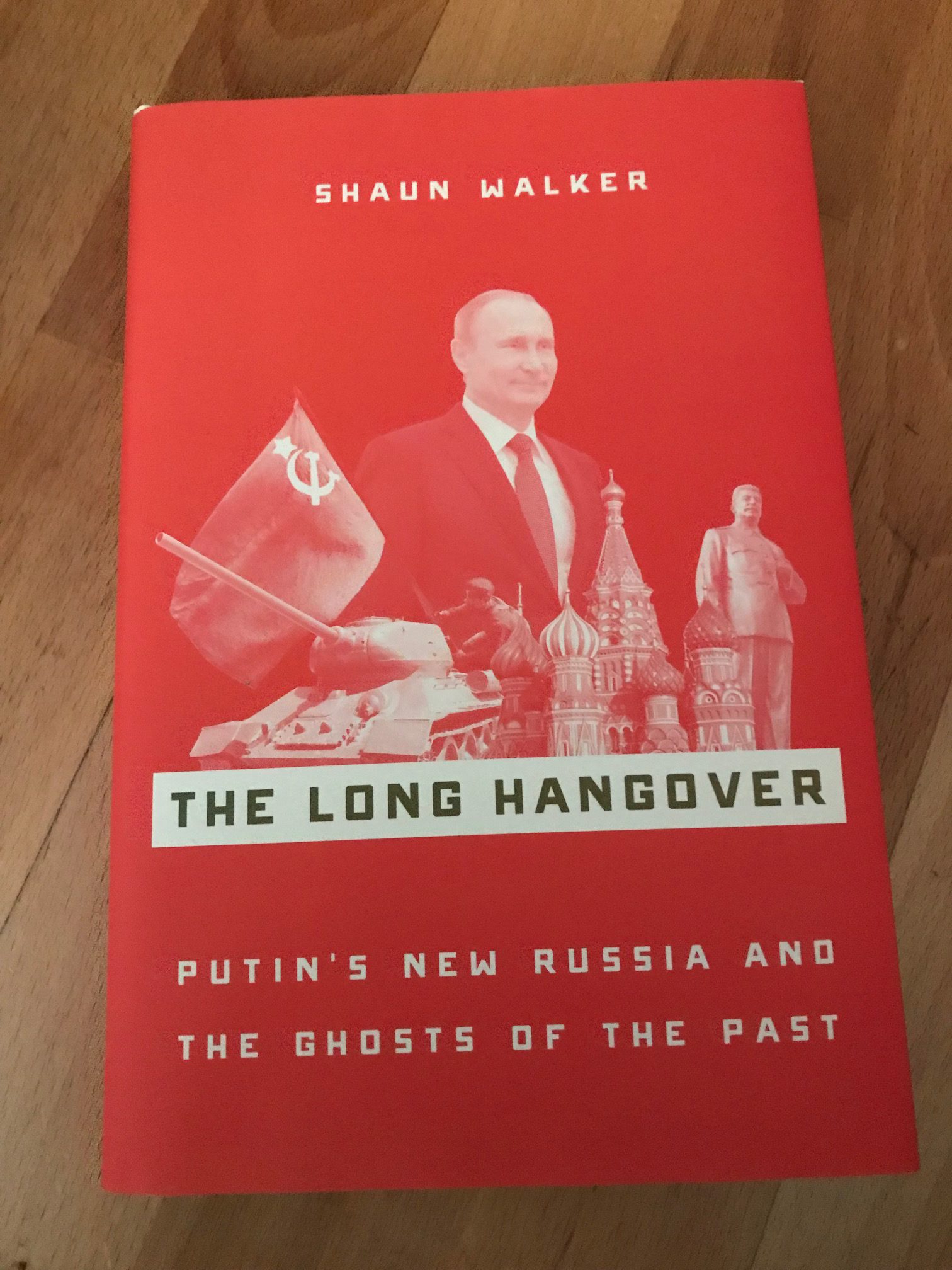
In The Long Hangover, Shaun Walker provides a deeply reported, bottom-up explanation of Russia’s resurgence under Putin. By cleverly exploiting the memory of the Soviet victory over fascism in World War II, Putin’s regime has made ordinary Russians feel that their country is great again.

Shaun Walker provides new insight into contemporary Russia and its search for a new identity, telling the story through the country’s troubled relationship with its Soviet past. Walker not only explains Vladimir Putin’s goals and the government’s official manipulations of history, but also focuses on ordinary Russians and their motivations. He charts how Putin raised victory in World War II to the status of a national founding myth in the search for a unifying force to heal a divided country, and shows how dangerous the ramifications of this have been.

The book explores why Russia, unlike Germany, has failed to come to terms with the darkest pages of its past: Stalin’s purges, the Gulag, and the war deportations. The narrative roams from the corridors of the Kremlin to the wilds of the Gulags and the trenches of East Ukraine. It puts the annexation of Crimea and the newly assertive Russia in the context of the delayed fallout of the Soviet collapse.

The Long Hangover is a book about a lost generation: the millions of Russians who lost their country and the subsequent attempts to restore to them a sense of purpose. Packed with analysis but told mainly through vibrant reportage, it is a thoughtful exploration of the legacy of the Soviet collapse and how it has affected life in Russia and Putin’s policies.

This is a brilliant and exhaustive book which tells you all you need to know about Russia and Putin. History with heart.
 

The Long Hangover: Putin’s New Russia and the Ghosts of the Past is available here.

When I Loved Myself Enough: Inspiring words to help you find happiness and joy

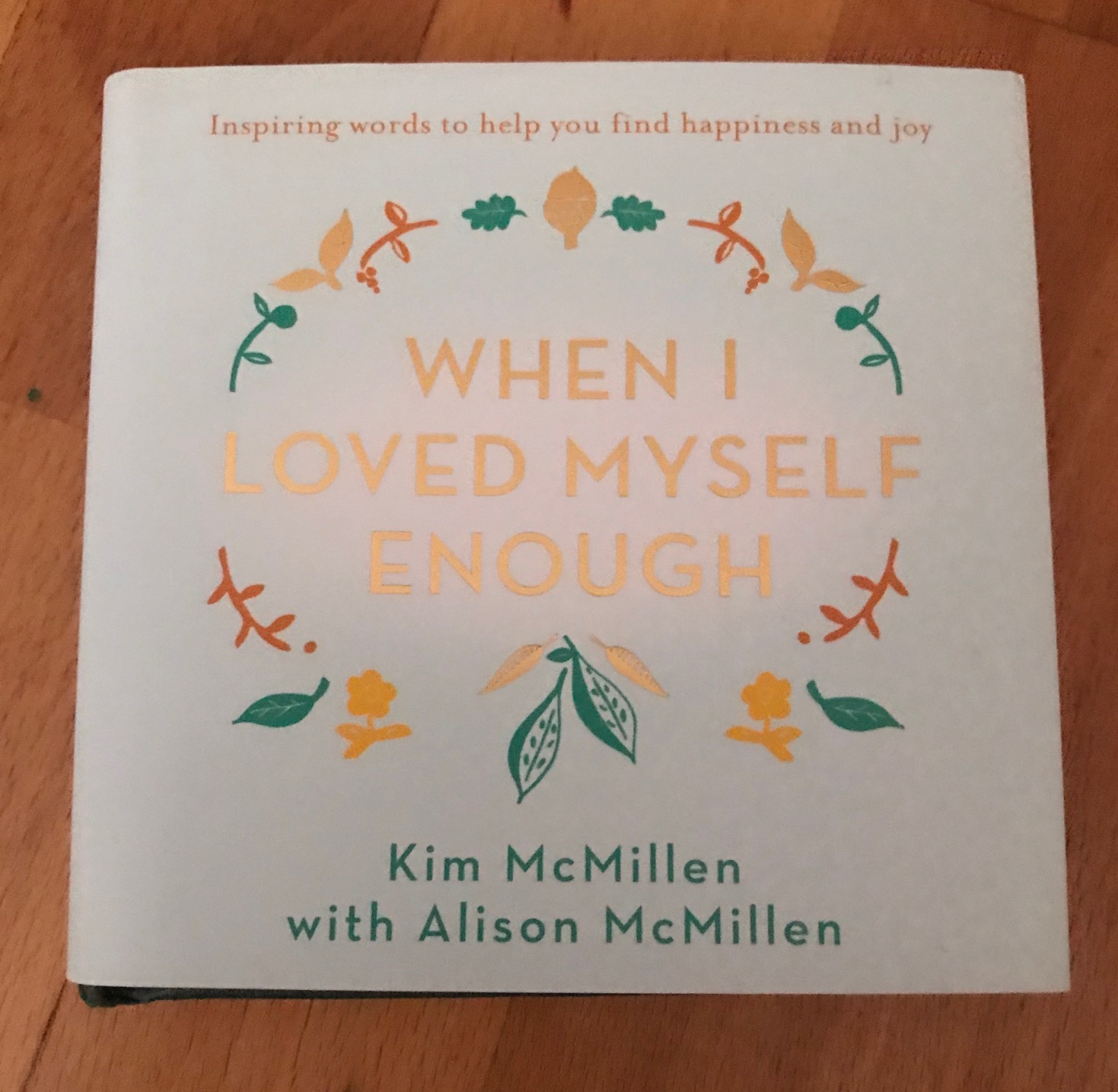
I really loved When I Loved Myself Enough. We live in a world where too many people are struggling to love themselves. Not everyone is good at knowing their own self worth. This book has a lot of beautiful collections of wisdom which make you really think. A brilliant book which should be kept to hand for when you need a pep talk. It is even more poignant as the author Kim McMillen died before finishing the book and her daughter finished it for her. It has many beautiful and honest points about life. This would make a wonderful present for someone you love who is struggling to love themselves.

When I Loved Myself Enough is a beautiful collection of wisdom that is startling in its simplicity. By the end of the book the message becomes clear: loving yourself holds the key to loving others and having others love you. By sharing her insights, the author also shows us how to feel the same sense of peace and quiet joy that illuminated her life.

This book began as one woman’s gift to the world, hand-made by Kim McMillen and handed out to friends. After Kim’s death her daughter Alison continued making the books – and word of mouth turned this into an underground bestseller in America. Today, over two decades later, it brings comfort and inspiration to readers around the world.

When I Loved Myself Enough: Inspiring words to help you find happiness and joy is available here.

BUSINESS OF BOOKS: FIRST, LAST, EVERYTHING – WRITER CLARE SWATMAN

Clare Swatman spent almost 20 years working in women’s weekly magazines. Her debut novel Before You Go was published last year, and her second, The Mother’s Secret, is published by Pan Macmillan on 22 February. She’s currently writing her third novel.

What was the first writing advice you were ever given?

‘Write about what you know’ is the advice most people give, and I was no exception. But for me it really did ring true, especially the first time round. When I started writing Before You Go it was with the idea that I just wanted to write something. I wanted to be able to say I’d given it a go, and never regret not having tried; I had no expectation that anyone would ever read it, or want to read it, so I was really writing it for myself, with the hope that some day, something might come of it – but it might not. And so, while concentrating on the plot and developing the characters, I found it really helpful to write about places I was familiar with; Newcastle, where I went to university, Crouch End, where I used to live, Doncaster, where my best friend lives. It meant there was one less thing to worry about getting right, and I could concentrate on the story in hand. I also used my experience of writing true life stories to develop the characters and the situations they find themselves in. Years of interviewing people about the things that have happened to them has given me a good insight into how people respond to happiness, heartache and difficulties – and it’s not always how you’d expect!

What was the most recent writing advice you were given?

There’s no magic bestseller formula (if there were we’d all be making millions of pounds!) – all you can do is write the best book you can. That’s it. And if you try and write to be a bestseller you’re more than likely going to set yourself up for disappointment. It’s a tough one to swallow, because of course as a writer you dream of selling lots of books and of everyone loving what you’ve spent years writing, but it’s easier to expect smaller things, and be pleased by them, otherwise you’d live in a perpetual state of disappointment and anxiety! So now I try to remember how pleased I am to be published and keep trying to write the best stories I can.

What Is the piece of advice you’d most like to pass on?

Don’t compare yourself to others. This has been a big hurdle to overcome, and I have to admit I’m still working on it! I love my social media, and think it has great value in my life. But there are times when I think it can work against you, and the publication of a new book can often be one of those times. I’ve found it always feels, rightly or wrongly, as though every other book being released, read or even written is mentioned all the time on Twitter, Facebook, Instagram – except mine! It also feels as though everyone else is selling hundreds of thousands of copies and getting huge success within days of publication. Of course this probably isn’t true, but as with everything, social media takes the shiny parts of people’s lives and magnifies them. So comparing your own life and career to the life and career of someone else portrayed online is not only pointless but can be damaging. So I’ve had to learn to stop – and I would definitely give this piece of advice to anyone starting out in writing or any other career. Just do you own thing, enjoy it, and stop worrying about everyone else!


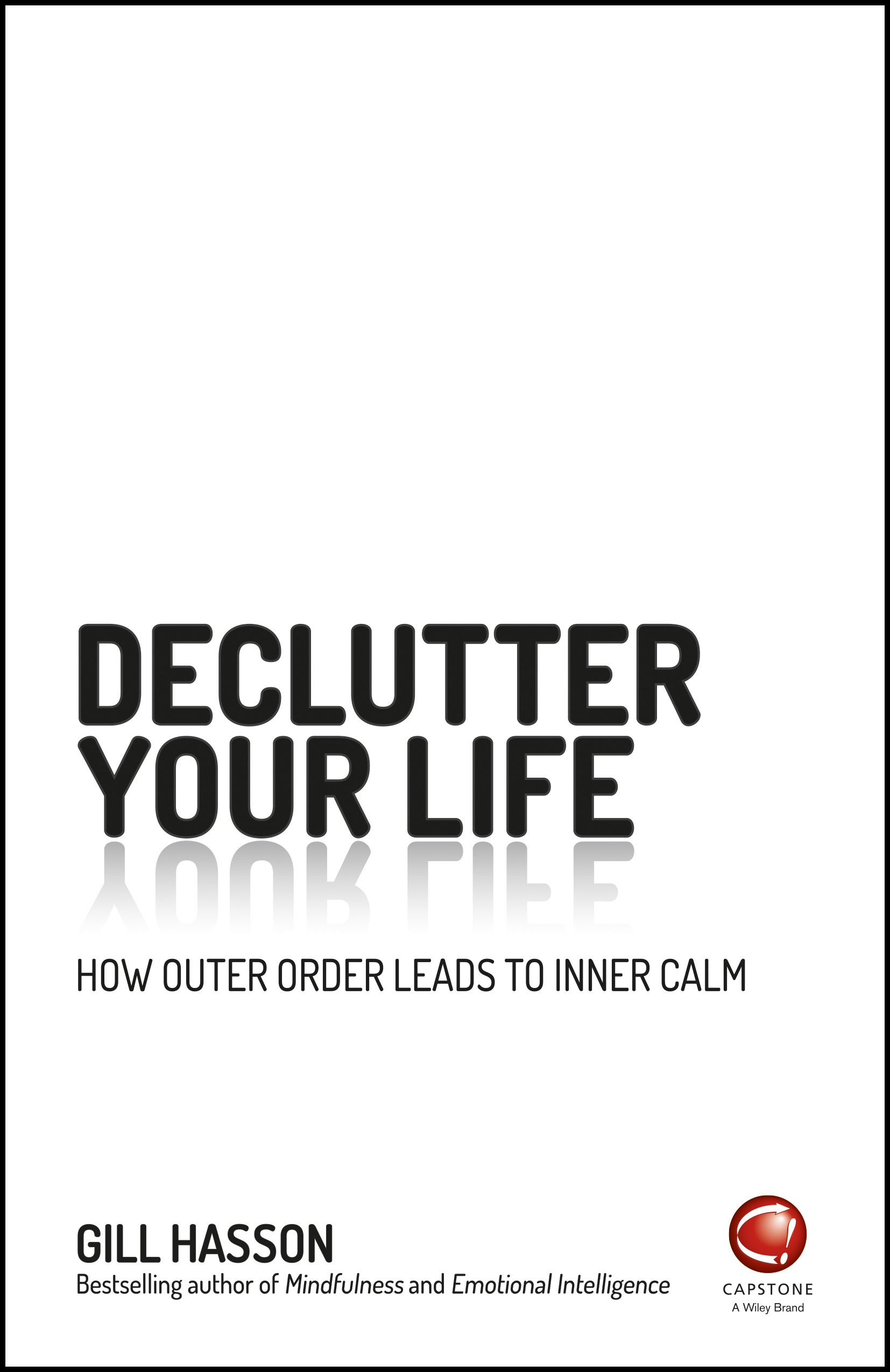
Declutter Your Life by Gill Hasson Book Review

Declutter Your Life:

How Outer Order Leads to Inner Calm By Gill Hasson

Decluttering has gone beyond a trend. We constantly want less in a consumeristic world that always thrusts more upon us. This book by Gill Hasson is like her other books: easy to read, informative and entertaining. It tells you not only how to declutter your home but also your entire life. I managed to read this book in one sitting and I found it immensely helpful. With two young children I am constantly trying to declutter the things that do not matter from our life. This book gives you the motivation you need to make a positive change to your life that will be permanent. Highly recommended.

Our homes and workspace are a mirror of what’s happening inside us, Declutter Your Life explains how you can change your relationship with the things you own. Instead of being weighed down with objects and possessions that keeps you stuck in the past, you can learn to think about your things in a new light; in a way that’s constructive and helpful to you.

There are plenty of ideas, advice, tips and techniques to help you. You’ll discover how outer order leads to inner calm. Declutter Your Life explains how the principles and steps taken to clear and simplify your living space can improve not just your home but also other aspects of your life; your work, relationships and general wellbeing.

An ordered environment leads to ordered thinking. When you stop allowing your life to revolve around things that don’t matter, you instantly gain the time, space and energy to focus on the things that do. Declutter Your Life will help you to:

Let go of guilt and get rid of the emotional baggage that keeps you stuck in the past
Feel less overwhelmed and stressed
Clear out your unnecessary commitments
Simplify and improve your work life
Declutter your relationships
Simple living doesn’t end at home. Declutter Your Life shows you how to reclaim your space, your time and your mind to achieve the life you want to live.

GET OUT FROM UNDER ALL THE CLUTTER, COMMITMENTS AND DEMANDS THAT ARE MAKING YOU FEEL STRESSED AND OVERWHELMED.

Let′s be honest, at least half of the stuff in your life – the objects, oddments, obligations and contacts – is just clutter and confusion.

Do you ever wonder what′s stopping you from parting with it, or how it would feel to let go of the stuff that consumes so much of your time and energy?

Decluttering doesn′t mean making do with less – it′s about creating space so that you can live your life unburdened by things, obligations and people you don′t really need.

IT′S TIME TO THINK ABOUT YOUR THINGS IN A NEW LIGHT.

Declutter Your Life opens your eyes to the effect all that stuff is having on your life. It explains how to let go of the things that don′t matter so that you have more time, energy and enthusiasm for the things that do.

Packed with insights, tips and proven solutions for getting past the physical and psychological barriers that are holding you back, Declutter Your Life shows you how to:

Simplify and improve your home and work life.
Let go of guilt and the emotional obstacles that keep you stuck in the past.
Feel less overwhelmed and stressed by information overload.
Identify and clear out unnecessary commitments.
Move on from negative relationships.
Clear out the clutter that′s getting in the way of you living a more simple, purposeful and fulfilling life.

Declutter Your Life by Gill Hasson is available here
.

MIND YOUR LANGUAGE: HARNESSING THE POWER OF THE SPOKEN WORD TO SPARK POSITIVE LIFELONG CHANGE

By James Carré-Rice

For better or worse our potential is shaped, and indeed kept in check, by the things we believe about ourselves. Let me give you an example of how this is plays out.

Many years ago, while serving time in Borstal, an officer took us outside to play football on the yard. Then, while standing alongside me before kick-off, he casually spoke about having watched ‘Last Night at the Proms’ on TV the night before. “Wonderful those young people,” he muttered, “educated, dignified, the future of our great land.” Then, giving me a sidelong glance, added, “unlike scum like you,” and wandered away. His words stung, but sadly, I figured that on the balance of it, he was probably right.

The damage caused by such condemnation comes partly in the saying, but primarily in the believing. Years later, after transforming my life through meaningful therapy, those past self-beliefs tried to hold me back at key moments of opportunity. For instance, on the eve of my driving test, which secured me a great job and helped provide my first mortgage, I came under a vicious emotional attack. Sickening waves of negativism arose, as if from nowhere, trying to stifle my progress. ‘Who on earth do you think you are?’ they demanded, trying to belittle me. ‘You’re not like decent people, now get back where you belong.’ Emotionally, it made me feel uncomfortably out-of-place and unworthy. However, having previously engaged in meaningful therapy and gained a firm understanding about my true worth, I was able to overcome that spiteful attack and prosper.

From an early age our personalities are affected by the things others say but primarily by the conclusions we reach about ourselves. No sooner do we bloom into the fullness of childhood than the process of maturity arises to cover most of it up. At that time, a powerful element known as the ego sets to work, shaping its opinion about who it thinks we are. The ego accepts that which we believe about ourselves and forms it into an internal model.

For instance, in the case of a little girl being utterly neglected by her father (a common story), her inner ego is likely to be self-critical about why that has happened. The usual conclusion reached by a young mind is, ‘I’m not good enough.’ Such an emotional belief, no matter how inaccurate, will damage her prospects in many areas of life; not least when dealing with men. Nobody, not even she, will understand why she went on to accept second-rate options and lived way below potential.

So, what can be done? In the case of self-limiting beliefs, it’s hard to avoid the prospect of therapy, in which the root of the storyline can be re-visited in safety. Egoic beliefs are like hardy bushes that survive trimming, being ignored and severe pruning. Therefore, in order to be rid of them, we have to get down to the roots.

Those with the wherewithal to confront deep-seated trauma discover something remarkable at the point of contact. Far from the trauma overwhelming us, our conscious observation neutralises it. Yes, there will be a fearful moment of intensity, and perhaps a few tears, but our very open-eyed awareness will diminish its power.

The reward for taking such a brave course of action is to break the chains that bind and go forth to leave our mark upon this life. As described in my own story, rooting out damaging internal narratives, unleashes our true potential.

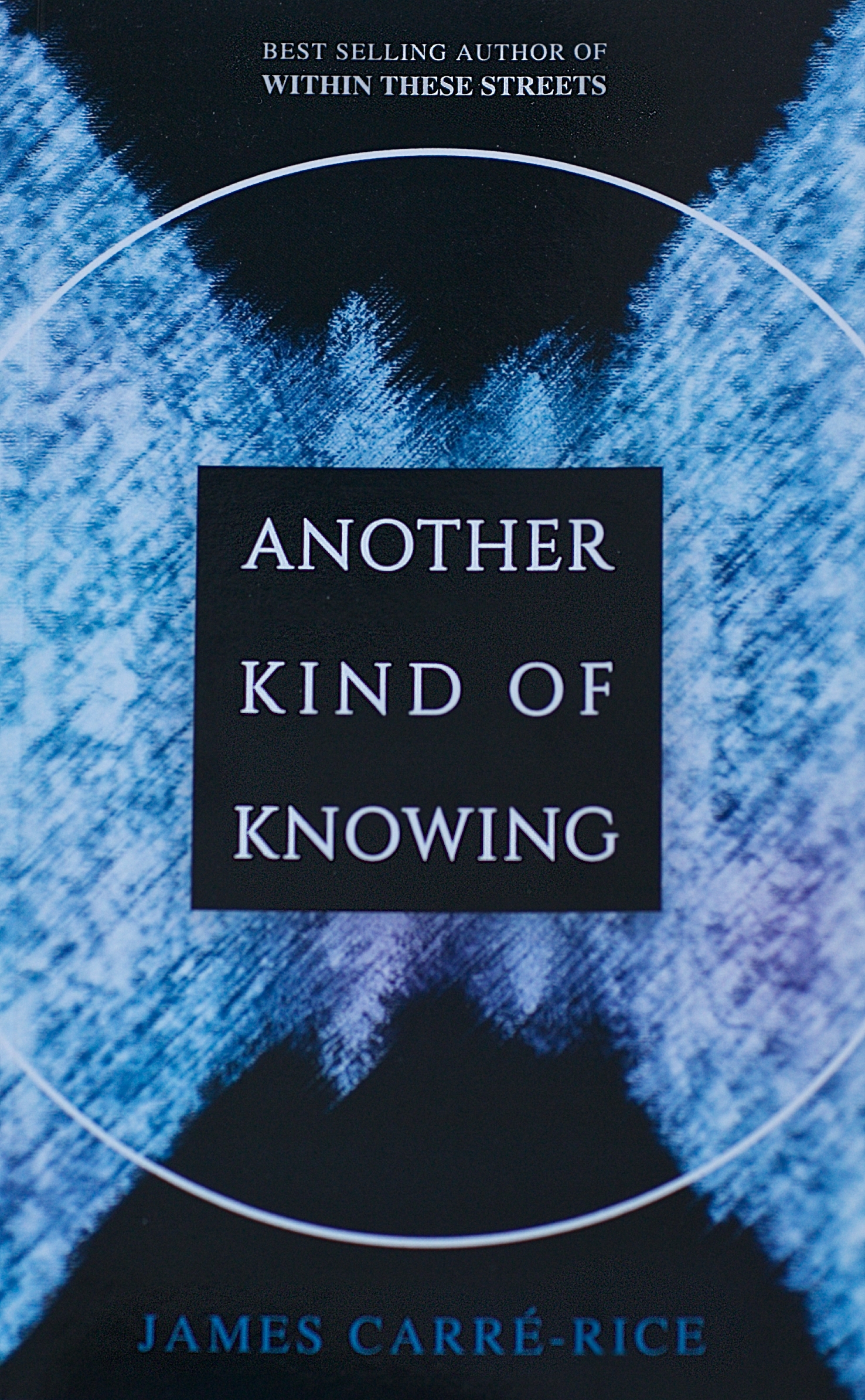
James Carré-Rice is a bestselling author, a renowned life coach, and a sought-after public speaker. But his life was not always so successful. As a young man, he was sentenced to a total of more than seven years at Her Majesty’s Pleasure for a string of violent offences. James, now 57, turned his life around and used his negative experiences of the penal system to develop a pioneering rehabilitative system for the New York State Criminal Justice Department that helped US gang members re-join society. Over 200,000 copies of his first book, Within These Streets, are in prisons here and abroad.

His new book, Another Kind of Knowing, is out now priced £7.99 from Amazon UK. For more information about James’ work, go to www.jamescarrerice.com

THE BUSINESS OF BOOKS: ONLY TAKE IT ON IF YOU CAN SEE IT THROUGH

Jane Cable considers what it takes to organise a successful event

Never one to ask others to do what I won’t myself, I thought that this year I would focus my own articles on advice given and received as well. Except as I have the privilege of writing my own column once a month I’m planning to focus each article on something relevant to my writing life.

So let’s start with writers’ events. I don’t know whether it’s because I’m willing, or I’m bossy, or I forget to duck below the parapet, but very often it seems to be me doing the organising. Last week I was at a library in Cardiff with two other Welsh authors, talking about routes to publication. It was a bitterly cold evening and it had snowed during the day. We’d already cancelled the afternoon event due to low bookings but were determined this one should go ahead. Perhaps, between us, we did know a significant number of people in the audience, but that was probably because they were writers yet to get a book out there and wanted to pick our brains. That said, we all enjoyed the evening and the library reported enthusiastic feedback from our guests.

So, what did I learn? And what advice would I give other writers looking to try their hand at connecting with their audience in this way?

  1. Only take it on if you can see it through If you initiate an event it is down to you to finish it. You may have a helpful venue (as we did in Cardiff last week), but if you promise something you have to deliver or your reputation will be at stake. This can mean finding other writers willing to take part, pulling together publicity material, sorting out IT and refreshments. If you can’t give it the time and the energy, don’t go there.
  2. Know your audience Think about who you would like to attend and find a venue, time and topic to suit them. Sometimes at least one of these will be fixed (eg a library or a festival) but there will always be something you can control to entice people in. Last week in Cardiff we over-estimated the appeal of an afternoon discussion about favourite books aimed at readers of romance. We were targeting retired people, thinking they would enjoy the interaction and not want to be talked at. What we didn’t factor in was the weather – the same event in the summer might well have been popular.
  3. Know when to quit We had six people signed up to that afternoon event and there were four presenters so it was a no brainer that it had to go. We, and the library, tried everything to up the numbers but to no avail so we pulled the plug and made sure everyone knew about it. But quitting isn’t always the right answer. A couple of years ago Chindi Authors organised a mini litfest to raise funds for Words for the Wounded. Tickets sold slowly for the main lunchtime event and I was ready to pull the plug, but the wonderful children’s author Christopher Joyce refused to let me and as it happened we would have struggled to fit another person in – and the weekend as a whole raised almost £1,000 for the charity.
  4. Only do it if you’re going to enjoy it There is no point putting all this effort in if, on the day, you’re going to be a gibbering wreck. If you hate public speaking then find another way to raise your profile. Nothing is compulsory. Play to your strengths.

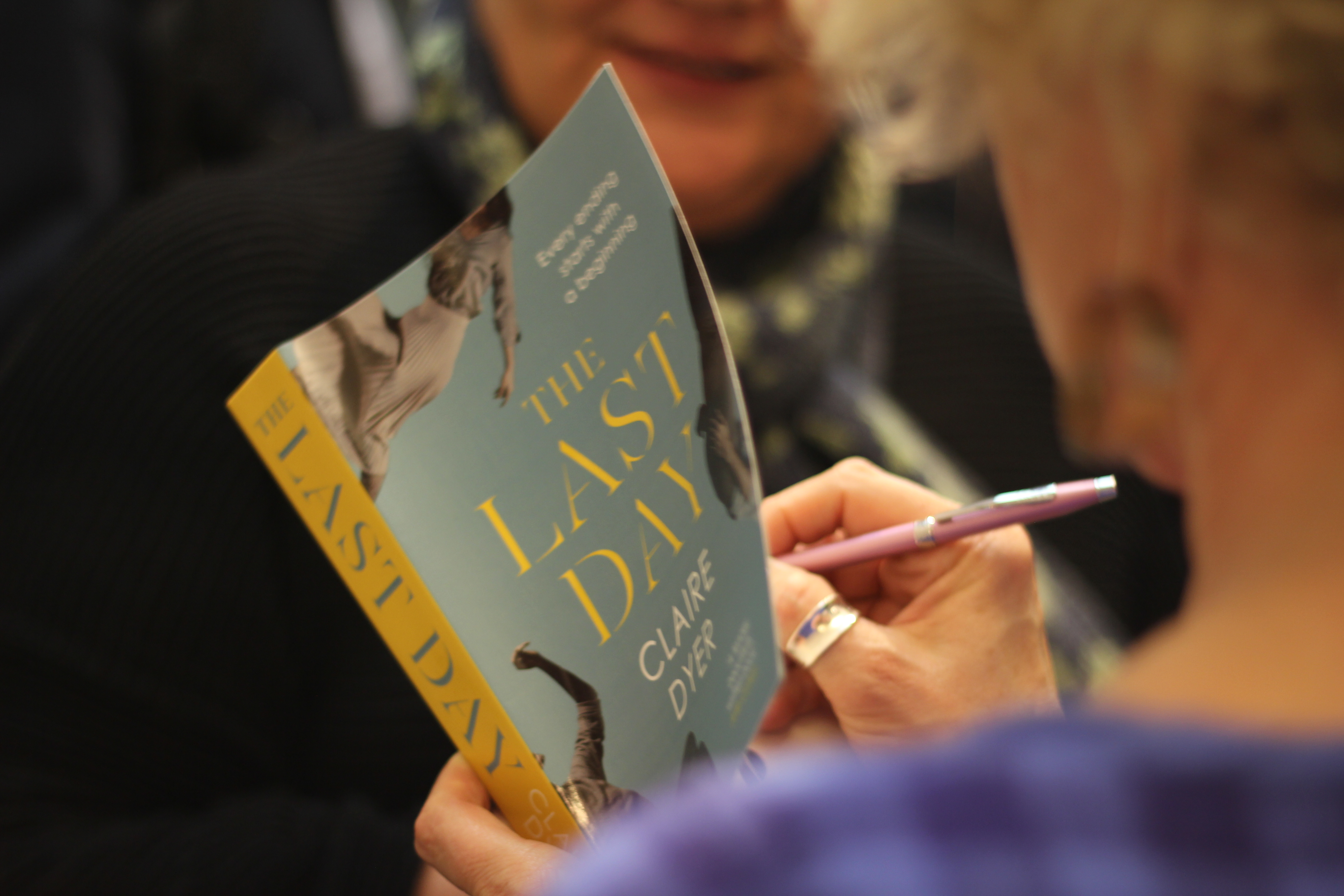
JANE CABLE REVIEWS: THE LAST DAY by CLAIRE DYER


This is a clever book on so many levels. Just as you are settling in with the characters Claire Dyer throws a curve ball which grips you and makes it impossible not to read on.

Vita, Boyd and Honey are not a love triangle. They can’t be; Vita got over Boyd years ago, but nevertheless it is a surreal situation for them all when Boyd and Honey need to move into Vita’s home in Albert Terrace. And of course they all have secrets – there have to be secrets. In fact there is only one character in book who doesn’t have one.

As days turn into weeks, and weeks turn into months, the new normality of life in Albert Terrace is punctured by glimpses of the past which tie the characters together, yet rip them apart. As time marches on towards the last day – which the reader knows has to come – secrets are revealed and slowly the jigsaw falls into place. Just one mystery remains: will the last day in fact be the first?

The Last Day is Claire Dyer’s first book for The Dome Press and she seems to have found the right home for her particular brand of character driven fiction. Dyer is also a poet and it shows; every word in this carefully constructed novel counts and has the feeling of being deliberately placed. Yet the genius is that this is still a smooth read which carries you to the Surrey small town world of the characters and keeps you there long after you’ve finished reading.

As the story takes off you forget about the writer’s skill and become immersed. You cease to notice that one character alone narrates in the first person, that the whole book is in the present tense. This is how it should be with great writing and Dyer, with her MA in Creative Writing, slips into the background as her story takes over.

Highly recommended.

The Last Day is published on 15th February 2018 by The Dome Press. Claire Dyer is one of four writers Frost’s Business of Books column is following this year. Look out for updates on the last Wednesday of every month.