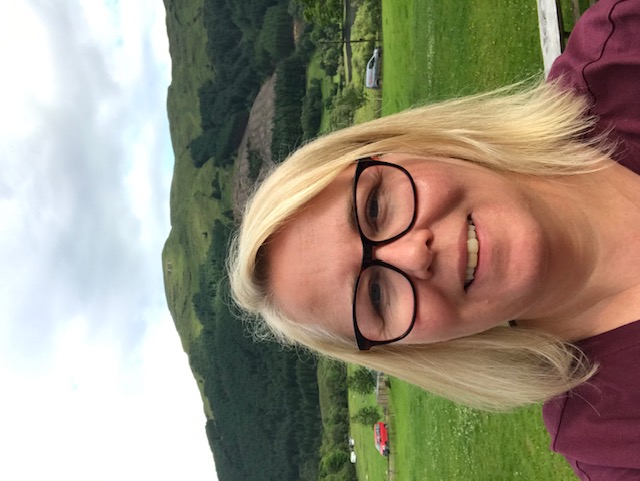
SUNDAY SCENE: SUSAN BUCHANAN ON HER FAVOURITE SCENE FROM SIGN OF THE TIMES

Travel is a major passion of mine, but without question, Bibbiena in north-east Tuscany is my favourite real setting in my books. The hilltop town set in the Casentino Valley is surrounded by lush greenery and vineyards. I have a natural love of Italy and all things Italian – I studied Italian at university and Bibbiena was the setting that inspired me to write my first book, Sign of the Times, which celebrated its tenth anniversary in March. I’d never been to this corner of Tuscany and it was one of those random lucky finds, but it will stay with me forever.

Probably the best way to do it justice is via an excerpt:

‘Holly’s thoughts returned to Dario as she padded down the windy road and up the hill to the centre of Bibbiena. It was a little as she had expected: bumblebee-striped canopies and green chairs stacked on top of tables, at what she could only assume was one of the restaurants on closing day. A group of teenagers stood around chatting and flirting. Holly strolled past them and spied twenty or thirty stalls with canvas awnings ahead of her. So, there is a market. Continuing, she passed a bar on the opposite side of the road, where four elderly men were playing chess. Holly watched them for a few minutes and then, conscious they had stopped chattering and were looking in her direction, waved then moved on.
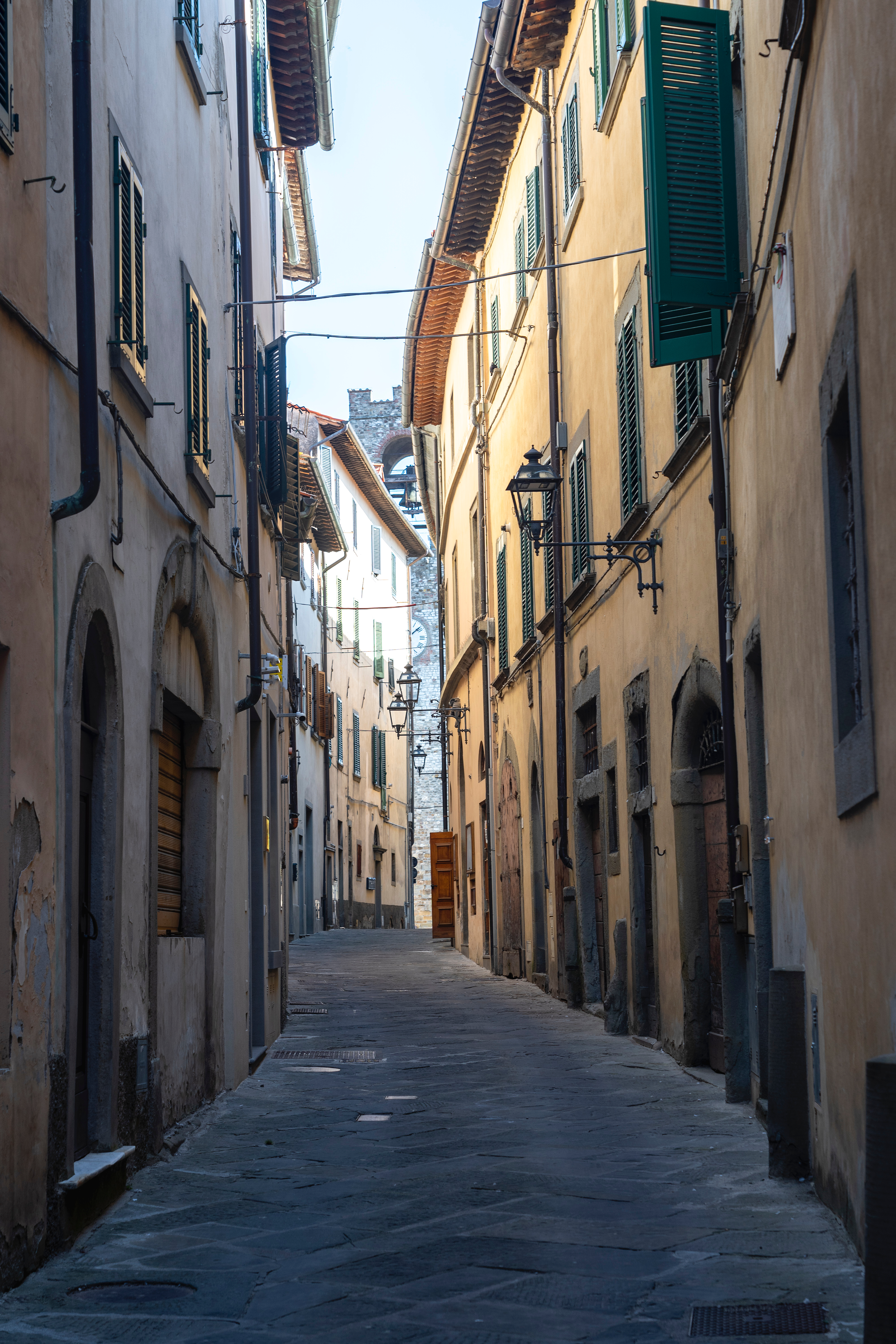
She crossed the road a little further along and turned up into the village centre, following the sign for the church. The reddish-brown buildings were of rough-hewn stone and Holly guessed they were eighteenth century. Today she wanted to absorb the atmosphere, without having to remember she had to write about it. She passed a tabacchi, a lawyer’s office, an accountant’s, until finally she came across a bottega. As she peered through the glass in the door, the owner sprang to open it, and she fell forward into the shop, almost colliding with him.

‘Scusi, signorina.’

Holly waved away his concern and then picked up jars and bottles, examining the contents and ingredients. The bottega was filled with mouth-watering goodies; pickled vegetables, zucchini, red peppers and cherry tomatoes filled with anchovies. The upper part of one wall consisted only of wine and the lower half entirely of olive oil. Holly had never seen so many different kinds of olive oil. Next to the cassa and the beaming shop owner lay a wide assortment of cold meats and cheeses. Holly wanted to buy up the whole shop. Then she clapped eyes on the counter of fresh pasta…mmm. Ricotta-filled ravioli, pumpkin stracci…’
Holly’s subsequent conversation with the shop owner, Giampiero, reveals much about small-town and village life, not least the warmth and friendliness of the people. He knows where she is staying, and when she tells him her landlady has invited her for dinner, he calls the butcher to ask if Viviana, the landlady, has been in, and if so, what she ordered. He gives Holly the story behind the prize-winning bottles of olive oil and once he knows what they’re having for dinner, he helps Holly pick out the perfect wine.

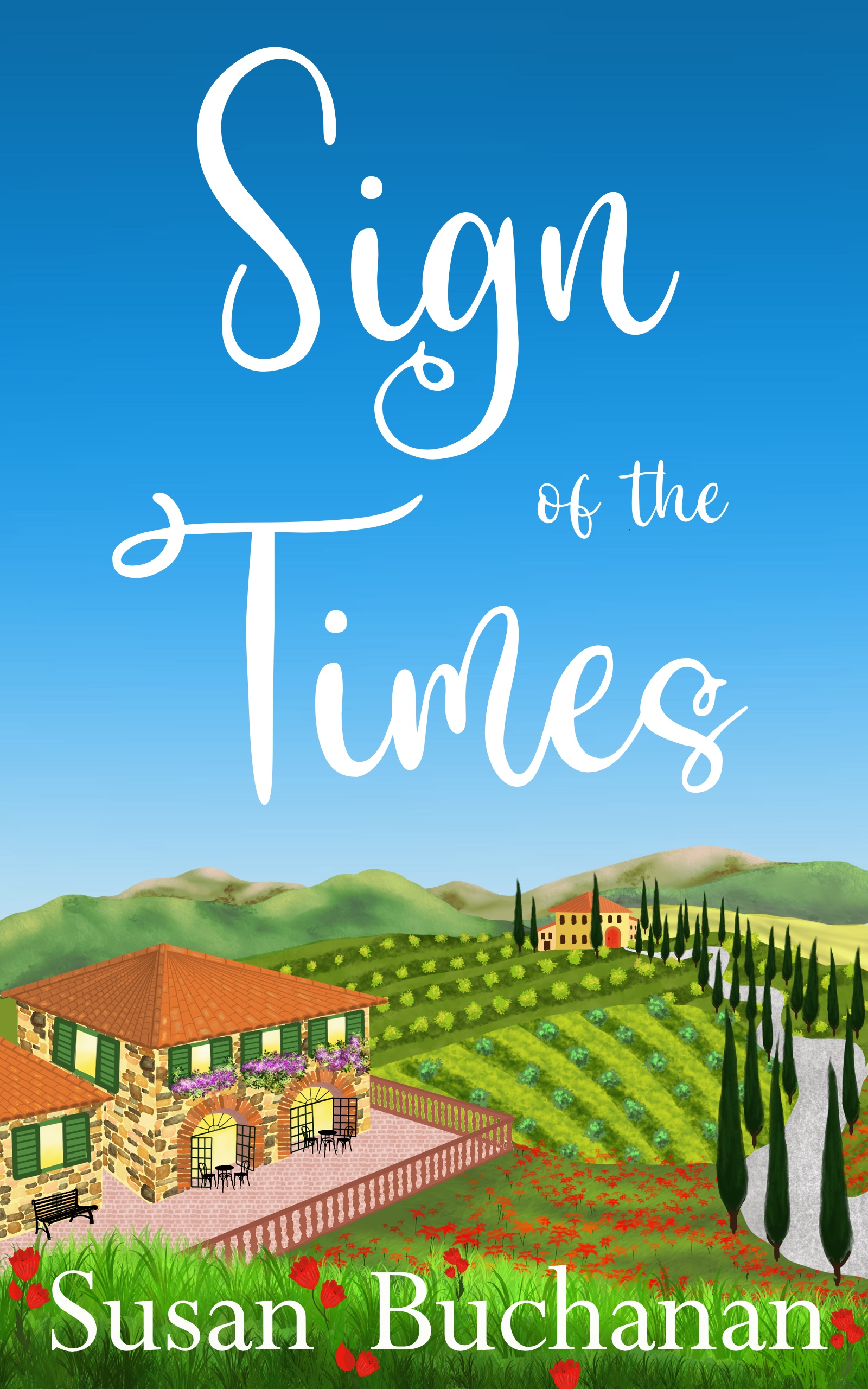
The villa on the cover is a representation of the one I stayed at, and the house in the distance, one I could see from my villa, and the location of a wedding in the novel.

After a ten-year break from writing about Bibbiena, I can’t wait to return to it in 2023. If you haven’t been to this gorgeous corner of Tuscany, please do. You won’t be disappointed.

 

www.susanbuchananauthor.com


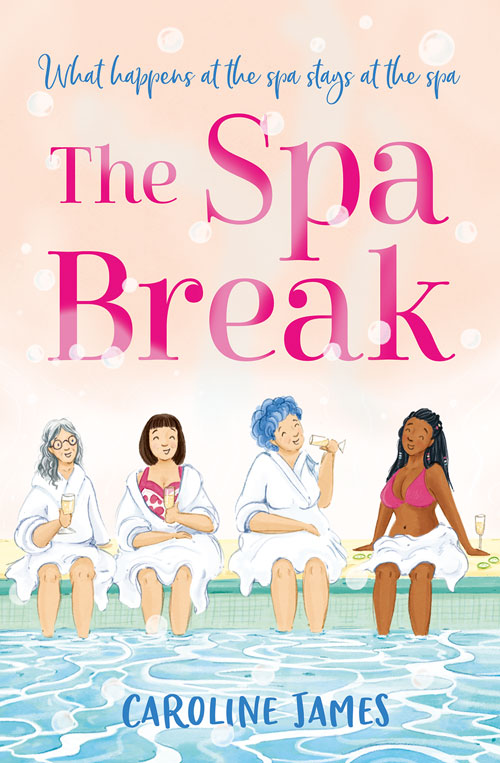
SUNDAY SCENE: CAROLINE JAMES ON HER FAVOURITE SCENE FROM THE SPA BREAK

In May 2021, I received a message on Twitter from a publisher asking if I would be interested in a potential project. At first, I thought it was spam. After all, publishers rarely approach an author. But over the next few days, I realised that the enquiry was genuine. Could I write about a spa break where four mature friends experience a life-changing weekend? You bet I could! I love writing about older protagonists making exciting life changes. As the saying goes, ‘You are as old as you feel.’

The novel is set in summer in Lancashire, the county where I live, close to an area called the Trough of Bowland, which is classed as an area of outstanding natural beauty. There are hills covered in heather and magnificent views as far as the eye can see. With vast rocky fields to roam over, sheep graze idly and a river meanders alongside a remote twisting road. The water is clear, cool and always inviting and nearby picnic areas are abundant.

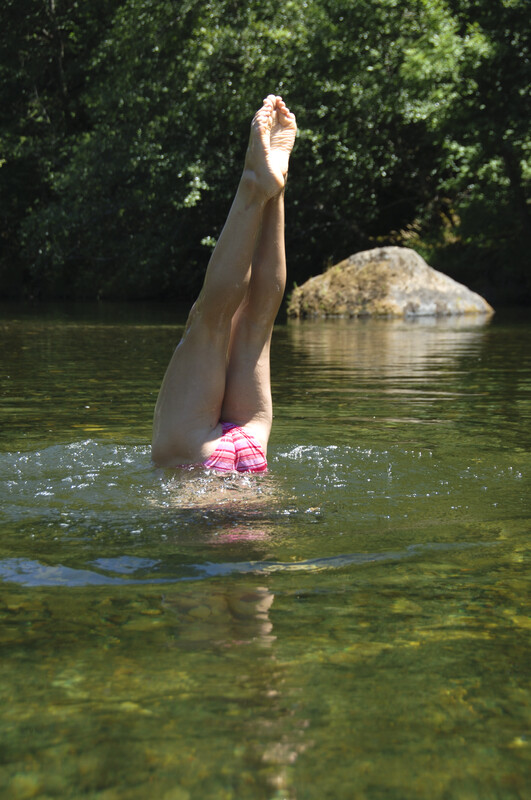
I began wild-water swimming later in life, and this area is ideal, with many pools and safe bathing places. One of my favourite scenes from The Spa Break finds the characters swimming in a river. As the friends Bridgette, Emily, Marjory, and Serena came to life, their wacky escapades at the spa began to fill the page and encouraged them to go out of their comfort zone. I imagined scenes where they bravely explored new possibilities, sometimes reluctantly.

In this scene, before arriving at the spa, the friends stop by the river for a coffee break. Unwilling Bridgette is encouraged to swim by the wild-water swimmer, Serena.

  ‘Are you ready?’ Serena asked and took hold of their hands. ‘One, two, three… swim!’ She tugged hard and plunged them into the water. Submerged to their shoulders and gasping at the cold, within seconds, the women were swimming. Cheers resounded from the riverbank as the bikers whistled and clapped.

  ‘Hang on! Wait for me!’ a voice suddenly called out.

  Everyone turned to see Bridgette, her short elf-like body running across the grass. With spontaneous applause, they took in the sight of her skirted swimsuit. The thin fabric of a generous sarong, knotted at her wide waist, billowed around her chubby legs. A rubber cap, red with colourful flowers, covered her hair and on her feet she wore a pair of latex bootees.

  ‘Bridgette!’ Serena yelled and, rising like a salmon leaping upstream, reached Bridgette’s side. ‘You made it.’ She laughed and leaned down, guiding her in.

  ‘I’m coming out of my comfort zone!’ Bridgette shrieked as she dipped into the water and, with furious strokes, began to paddle towards Emily and Marjory.

What is wild water swimming? It is swimming in a river, lake, pond, the sea – anywhere where the water is untamed. If you’ve never tried swimming outdoors, I can highly recommend this type of swimming. After the initial shock to the body, it is blissful to be at one with nature. As your breathing slows down, an exhilarating experience takes over. It is the perfect anecdote to the frustration and bewilderment of current world events. Reading novels may also help us recharge our batteries and escape into a fantasy world,  bringing light relief when needed.

I thank Frost Magazine for this opportunity and reiterate Bridgette’s words, ‘May you be blessed with friendships as solid and cherished as my own.’

www.carolinejamesauthor.co.uk


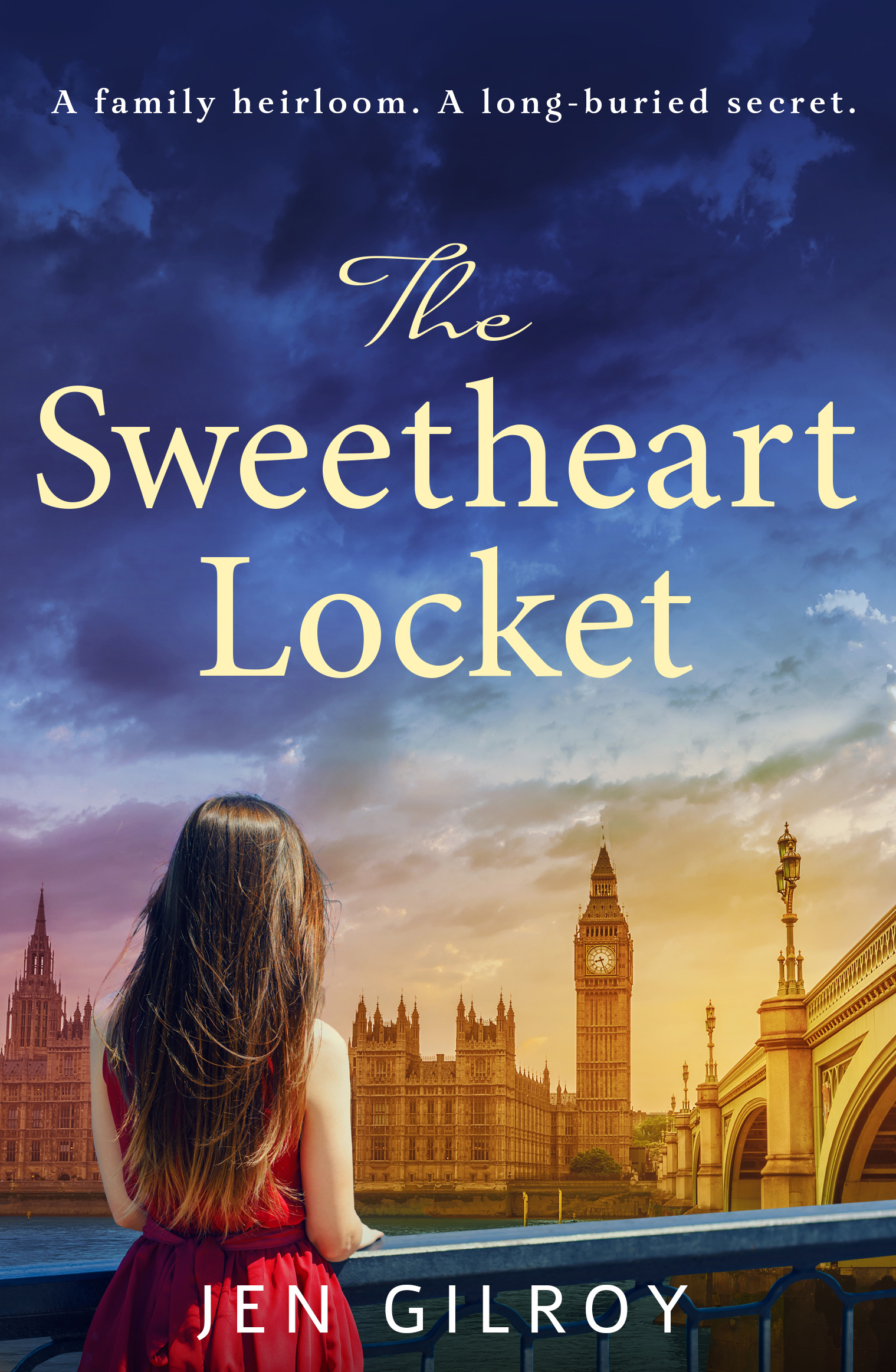
SUNDAY SCENE: JEN GILROY ON HER FAVOURITE SCENE FROM THE SWEETHEART LOCKET

My latest book is The Sweetheart Locket, released in ebook in March from Orion Dash with a paperback following later this year. Inspired by the ‘sweetheart jewellery’ members of the armed forces gave to loved ones at home, it’s a Second World War dual-time novel of love, loss and family secrets, wrapped up in courage, loyalty and hope.

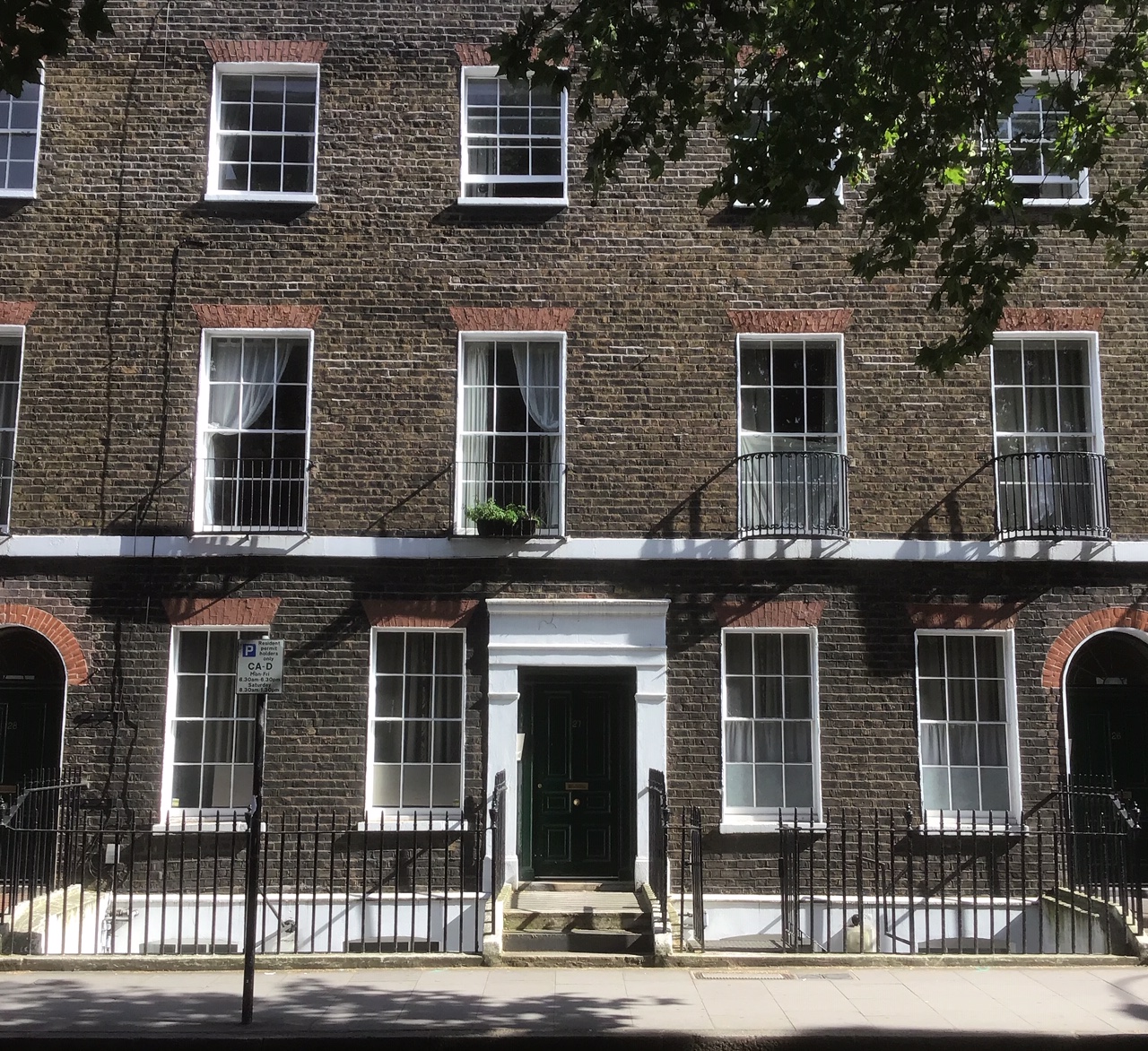
Spanning four countries and two continents, most of the story is set in England in places which have shaped my own life. Although I now live in Canada, I lived in England for many years, first to undertake postgraduate studies at University College London in the heart of Bloomsbury.

From student days long ago, London became my favourite city—the red double-decker buses and black taxis I’d seen in films; buildings, roads and parks familiar from my bookish childhood; and several thousand years of history under my feet.

In both the historical and contemporary strands of The Sweetheart Locket, London, and Bloomsbury in particular, have a starring role. Maggie, the heroine of the historical story lives in a hostel in Bloomsbury near where I once did, and important scenes take place in Russell Square Gardens, Russell Square Underground Station and Cartwright Gardens.

When Willow, the forty-something granddaughter Maggie never met, arrives in London from San Francisco for a work trip, she marvels she’s ‘finally here where her gran had once lived and walking along streets she might have known.’

My favourite scene comes from the historical story. It takes place in September 1939, soon after Maggie, a Canadian who’d been sent to school in England, defies her family, tears up her ticket home and decides to stay in London and ‘do her bit’ for the war effort.

Maggie crossed the road by the stately Hotel Russell and turned towards Russell Square where men piled sandbags around nearby buildings. One of the many signs that London was a city at war.

At eighteen, Maggie finds an office job and makes new friends, Evie and her brother, Will. This friendship sets Maggie’s life on a new path—one that later shapes Willow’s life too.

[Maggie] turned into [Russell] Square and found a bench in a sunny corner near a horse chestnut tree, spiny seedpods almost ready to split and scatter mahogany-brown conkers onto the path below.

…Although she’d escaped from her old life, at night in the hostel she couldn’t escape from herself and the thoughts that swarmed in her head like incessant insects. Unlike the men stacking sandbags, she wasn’t doing something useful for the war…Albeit in a different way, it was a kind of prison like her family and school had been.

As she talks with Evie and Will, Maggie realizes that for the first time in her life she’s an independent adult who can make her own decisions.

Will’s gaze was warm, and Maggie’s tummy lurched in a new but not unpleasant way.

Along with those fragments of her ticket, she’d thrown out the girl she used to be but who was the woman she might become?

Maggie in 1939 and Willow in 2019 are both at turning points in their lives. Connected by Maggie’s wartime Royal Air Force sweetheart locket, they’re on a quest discover who they are, what they want and, ultimately, find the courage to follow their dreams.

‘The three of us will be good friends, I know it.’ Evie tucked her arm into Maggie’s.

Maggie knew it too. Her old story was over and the new one had begun.


Connect with Jen: www.jengilroy.com


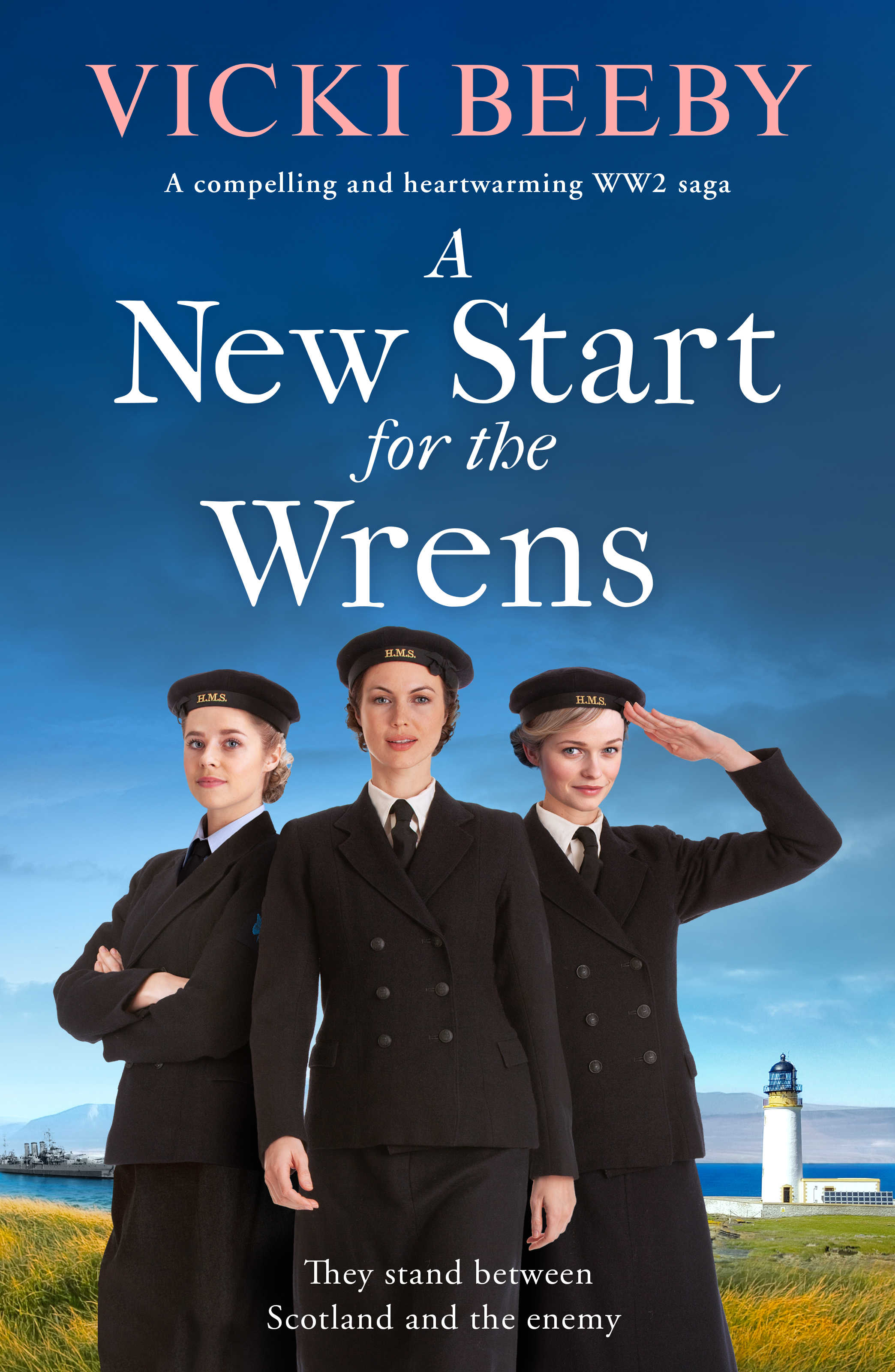
SUNDAY SCENE: VICKI BEEBY ON HER FAVOURITE SCENE FROM A NEW START FOR THE WRENS

The first time I visited Orkney, I’d gone to visit the fascinating Neolithic sites. However, I was surprised to find other, much more recent remains – the leftovers of Orkney’s wartime heritage. Along with ancient stone circles, tombs and stone houses, I saw concrete gun emplacements and the buildings still standing in Lyness on Hoy where there had been a huge naval base. Until then I hadn’t known about the large presence of the armed forces in Orkney during the war but after that I threw myself into research. When I learned that a lot of Wrens were posted to Orkney, it fired my imagination and I started to wonder what it must have been like for the young women who left the comforts of their homes to serve in Orkney.

It was a couple of years before I was able to start my story, and one of the first decisions I had to make when planning it was whether to make the setting wholly real or if I should blend real settings with fictional ones. In the end, lockdown made up my mind for me. The research trip I’d planned had to be postponed indefinitely and yet my deadlines were fixed and looming. As I was going to have to rely on my memories of my visit, plus maps and books, it made sense to create a fictional signal station where my Wrens would be based.

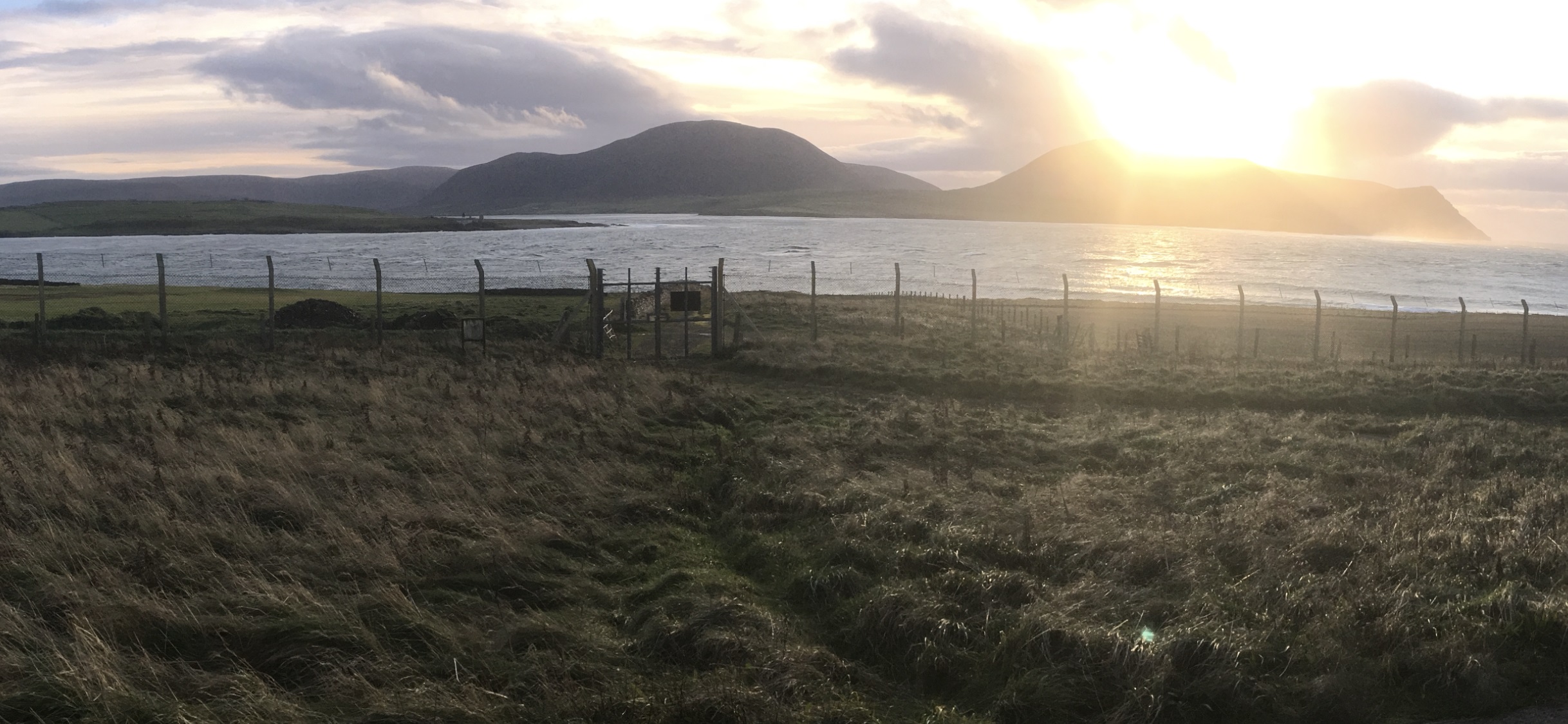
In the book they are tasked with challenging and monitoring all shipping entering and leaving Hoy Sound, the entrance to Scapa Flow, which was the wartime anchorage for Britain’s Home Fleet. I made up a headland, which I called Kyeness, where the signal station would be based, placing it just outside Stromness. Now I’m writing the third book in the series, it feels like a very real place to me, up on a high headland with stunning views across Hoy Sound, with the Hoy Hills beyond.

Another fictional location is the Wrennery, the large old house where the Wrens are billeted. However, it’s located in Stromness. It’s one of my favourite places in Orkney, with its narrow, winding streets and stunning views across the harbour. In one of my favourite scenes in the book, Iris, the heroine, goes for a walk with her sweetheart while recovering from a terrifying experience the night before. The route I describe is all real, starting in Stromness, and I spent ages studying maps and Google Street View, hoping I didn’t get anything wrong. When I visited Orkney again last November, I followed the same route myself and was relieved to find I’d described the scene correctly, although with the addition of barrage balloons and warships!

‘… they walked out of Stromness on the Howe Road. The road climbed steadily until, looking back, Iris could see across Scapa Flow. The waters were now still and a clear blue, reflecting the sunlit sky. ‘It’s hard to believe it was so stormy out there last night.’ With the daffodils dancing in the breeze along the verges and even the barrage balloons gleaming in the sunshine, Iris felt the lingering fear of the night fall away. Far across the bay, she could see the faint outline of ships at anchor. At that distance, the water looked like silver, the ships set upon the surface like toys. Thoughts of yesterday’s stormy weather and those terrifying moments when she was being dragged beneath the water were fast fading like a half-remembered nightmare.’


To find out more about me and my books, please visit my website: vickibeeby.co.uk


T. Orr Munro: My Writing Process


My Writing Routine

I write Mondays to Wednesdays from 9am until around 4 or 5pm. Occasionally I’ll write at other times but I find the distance of just a few days useful for honing ideas.


A bit about you.

I live in North Devon where I also grew up. I’m a freelance journalist, specializing in writing about policing, but, a long time ago, I was a CSI or Scenes of Crime Officer as they are also called.


What you have written, past and present.

I’ve a rather eclectic back catalogue! I’ve written a YA novel, ghostwritten the memoirs of a Battle of Britain pilot and a children’s history of Devon. I also have around five unpublished novels in my bottom drawer! I’m currently writing my second crime novel.


What you are promoting now.

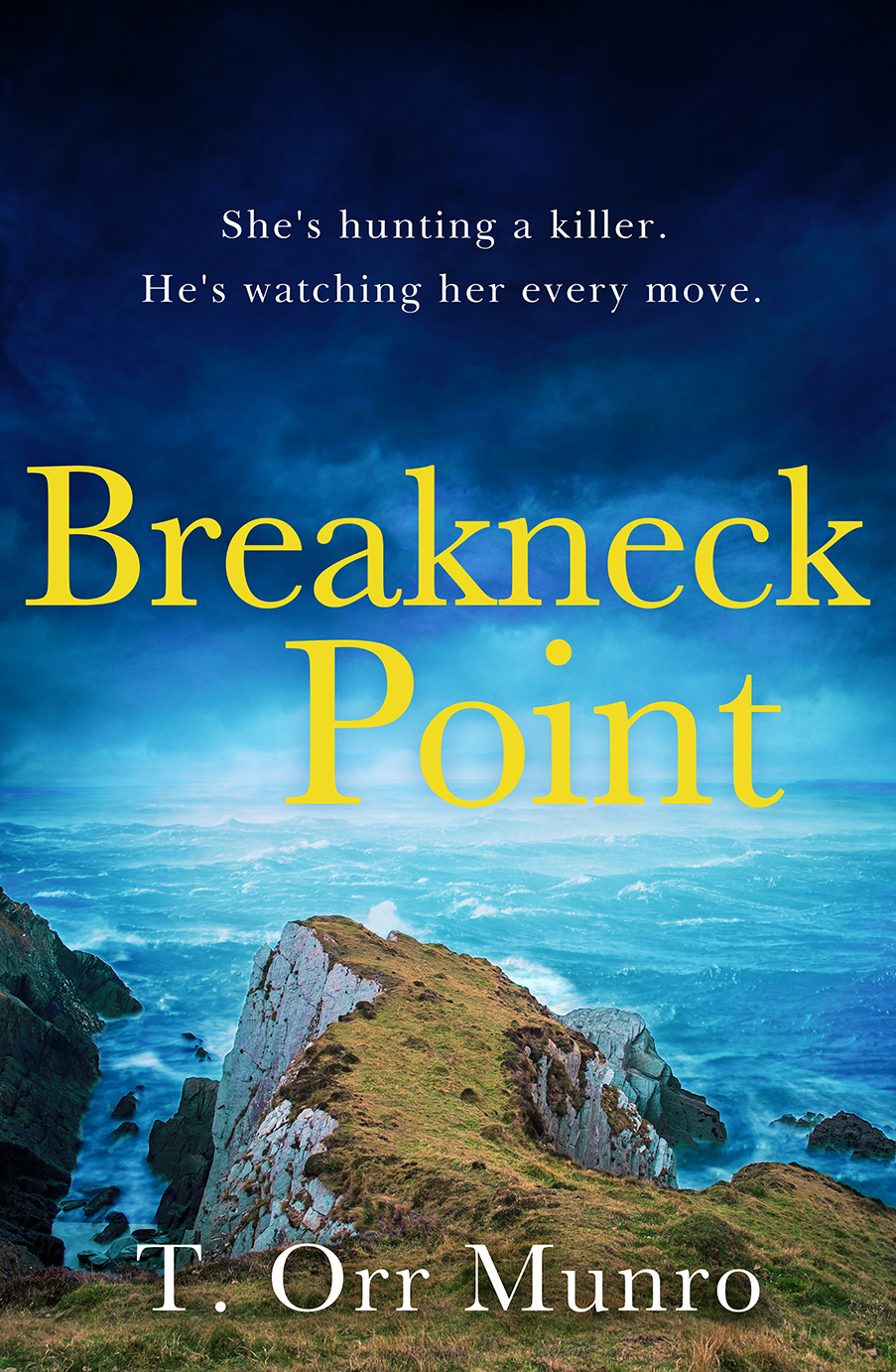
Breakneck Point is my debut crime novel out in April about CSI Ally Dymond who is redeployed to a Devon backwater after blowing the whistle on police corruption, but the sleepy coastal town of Bidecombe doesn’t turn out to be quite as quiet as she anticipated.


A bit about your process of writing.

I’m quite disciplined about writing. I think it comes from being a journalist and having to sit down and write even when I don’t always feel like it. I’m a ‘reviser’ rather than someone who aims to get it right first time which means that it is sometimes hard to know when to stop.


Do you plan or just write?

I’m a planner. I try to plot the entire book out before I start although it invariably changes. However, it means that I tend to know what I’m going to write before I switch my laptop on. I don’t write linearly either. I’ll often write a scene in a different part of the book because I’ve had a particular idea or I’m in the mood to do it. My head has to be in the right place to write difficult scenes, usually 3.00am in the morning when I can’t sleep.


What about word count?

I don’t set myself daily word counts. It’s too much pressure! I’m also one of those writers who underwrites and struggles to get enough words down on the page rather than one that writes too many and has to cut back. I dream of writing too many words! It’s a constant challenge for me. I blame starting out as a print journalist where I would constantly look to strip out words so the story would fit the page. Old habits die hard.


How do you do your structure?

My books often just start with an image which I then work into a story. For instance, I’m writing book two in the CSI Ally Dymond series and that began life as a single scene which happens towards the end of the book. I do use various reference books. I’m a bit of a magpie, taking the bits that work for me, but I find them helpful for getting me over a plotting blip. I regularly dip into Creating Character Arcs by K.M. Weiland. Save the Cat Writes a Novel by Jessica Brody is good for checking that I’m on the right track and I quite like the approach taken in Book Architecture by Stuart Horwitz.


What do you find hard about writing?

Finding myself hurtling down a blind alley! It’s that horrible feeling in the pit of your stomach when you know something isn’t working, but you can’t work out what and you’ve already written thousands of words that you also know are probably going to wind up in the trash. It’s when I come closest to giving up altogether.


What do you love about writing?

As soon as I learnt to read I was utterly enthralled by words and how they could be used to transport me to other worlds. When I learnt to write, I realized I too could use words, but to create my own worlds. I get to play god, basically!


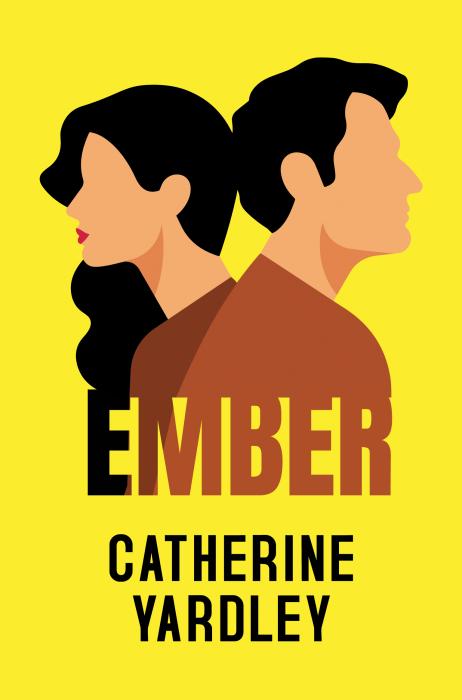
Catherine Yardley My Writing Process.

As a little girl my nose was always in a book. I would even read a book a day when I was ill. I loved Enid Blyton and Judy Blume. I started writing song lyrics because I was in a band when I was younger and then I changed the song lyrics to poems. I sent them off and one of them ended up in an anthology when I was eleven. It was the start of something for me. I also had a very good English teacher who really encouraged me and told me I could be a writer. All a young person needs is for someone to believe in them.

I have been writing since I was in single figures but I let it slide for a few years to go off and work in the film industry. I started again when I had children and I am so glad I did. I got taken on by one of the first agents I contacted and then I got a traditional publishing deal too. All from the first batch of submissions I sent off. I got offered two different publishing contacts for Ember and I decided to go with Pegasus. They have been amazing. I cannot recommend them enough.

What you have written, past and present.

I have written non-fiction in the past, as well as a lot of articles and such. I have been a travel writer, a restaurant critic and a theatre critic. Ember is my debut novel.

Ember, Catherine Yardley, author.

What you are promoting now. 

Ember is a story about a family who’s father left them on Christmas day when they were kids. Thirty years later the younger sister is getting married and that brings their father back into their lives. The story revolves around Dr Natalie Holmes and her boyfriend Rob in the present day, and her parents Tim and Jacqueline in the past.

Natalie goes off the rails when her younger sister gets married and pregnant before her, and her father comes back into their lives. She dumps her boyfriend on the side of the road and drives off in his car. The book is about love and family. A part of the book is about whether or not we should allow family in our lives if they have been left wanting. Can a family that has been torn apart ever heal their wounds? Will Rob and Natalie get back together? Read it and find out!

Here is the blurb:

A family torn apart by their father’s infidelity are forced to confront the past thirty years later. As Natalie’s younger sister, Amanda, prepares for marriage and impending motherhood, her plea for the family to reunite uncovers pent-up tension and animosity. Can they forget the past and become a family again?

Natalie’s life begins to unravel as their father starts to creep back into their lives and family tensions resurface, affecting her relationship with her boyfriend, Rob. Will the couple find their way back to each other, and can a family that has been torn apart ever heal their wounds?

Can you ever walk away from someone you love, or do some fires never die out?

A bit about your process of writing. 

This was my first novel which I wrote simultaneously with another novel. I would wheel my son around in his pram until he fell asleep and then I would write 2000 words on my iPhone. I always try to write the first draft as quick as possible. I like to keep up the momentum and the same energy. I do 2000-3000 words a day. Editing is always tough but I am as relentless as the editing. Ha.

I have three kids so I have to write whenever I can and focus on it. Having kids has trained me to be ruthlessly efficient when I need to.

Do you plan or just write?

I just write. Total panster. You need an idea and a handle on the character. Then just let yourself fly.

What about word count?

I do 2000-3000 words a day.

How do you do your structure?

My agent, Susan, says I have a great sense of structure and it is one of the nicest things anyone has said about me. I think it is because I read so much. I am with Stephen King. To be a good writer you need to both write and read a lot. Reading teaches you to be an excellent writer.

What do you find hard about writing?

Finding the time.

What do you love about writing? 

Everything.

Advice for other writers. 

Get on with it. Don’t give up. Write and then rewrite. Submit endlessly. Don’t let the rejection get you down. You have to be able to take rejection if you want to be a professional writer. Just take the feedback on board, edit and then send away somewhere else. You can do it!

Ember is out on the 31st March and is available from WH Smith, Waterstones, Amazon and The Book Depository.

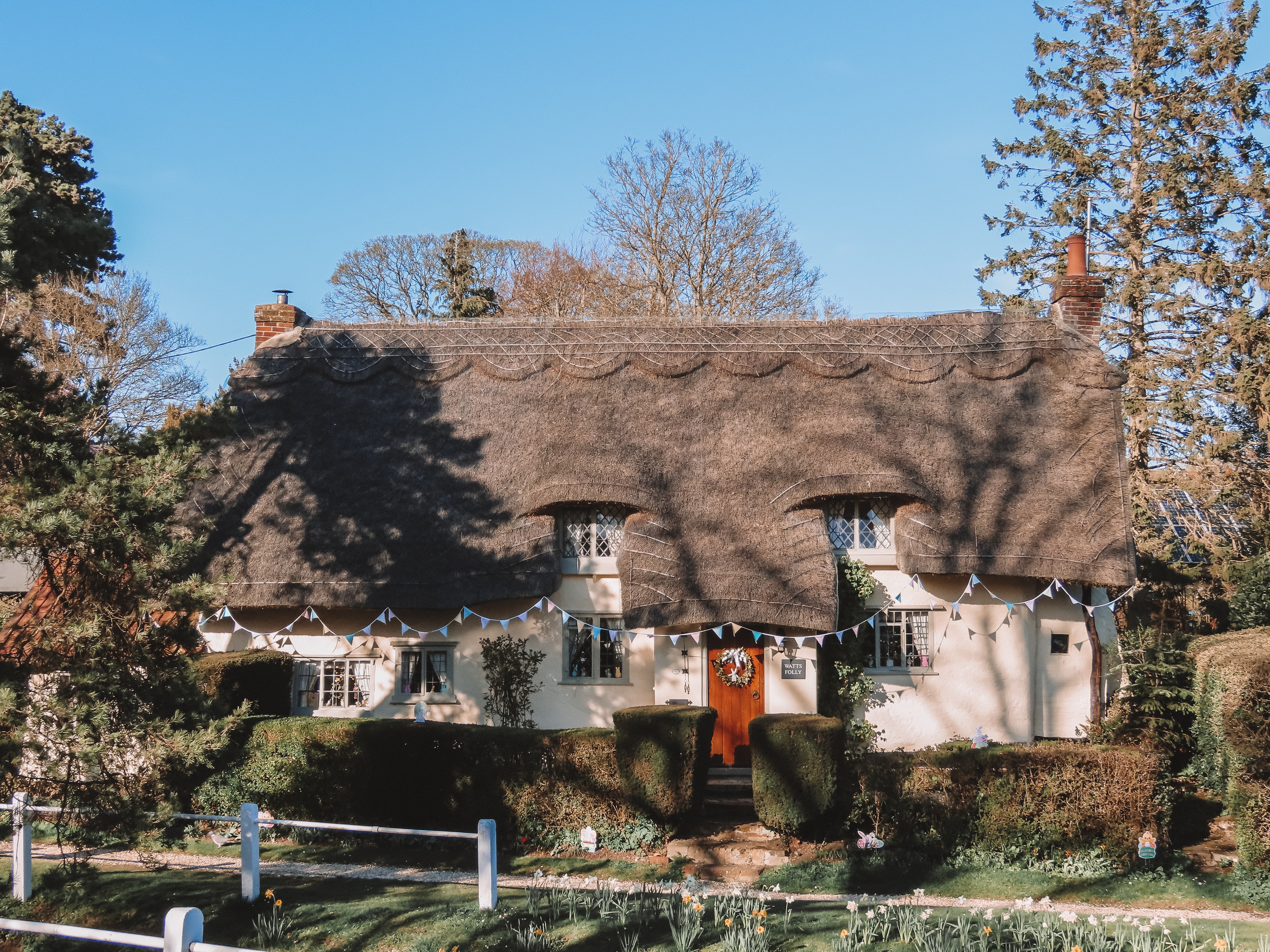
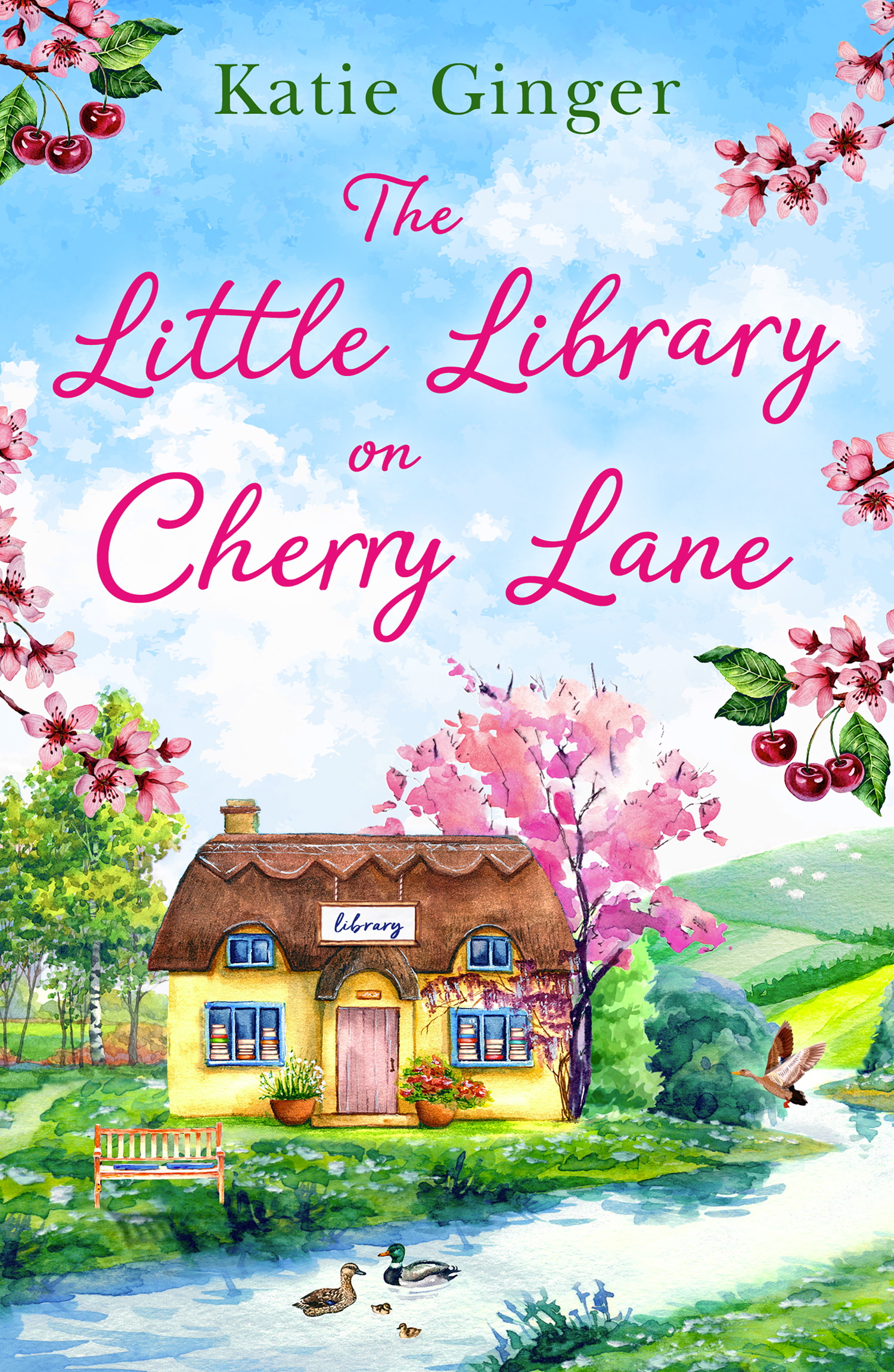
SUNDAY SCENE: KATIE GINGER ON HER FAVOURITE SETTING FROM THE LITTLE LIBRARY ON CHERRY LANE

I don’t think there’s a writer out there who doesn’t love libraries. Honestly, we just do! And it’s not just because we write books.

In an age when books are constantly pirated and stolen, borrowing books from your local library helps an author financially as we get a small payment for every book of ours loaned out (it’s currently about 10p, I think). But we also love them because we know the power of stories in bringing people together.

Books help us to feel less alone whether its diving into another world for some escapism when our own lives get rough or reading about an experience that we too have been through before, books give us a sense of connection and hope. But there’s also a lot more to them that sometimes goes unnoticed. Whatever your reading tastes or reason for visiting, libraries are crucial to our communities and my latest novel The Little Library on Cherry Lane is basically a love letter to these fabulous institutions, illustrating all the things they do aside from lending books.

Not only do stories connect with us on a personal level, but libraries bring people together. They help alleviate loneliness and give us an opportunity to connect with others. You only have to see the rise in parent and child groups, or community groups like ‘Knit and Natter’ to see how much people need to forge communities and friendship groups at a time when so much of our lives are lived online. For many older people, they are a lifeline and the only time they speak to people during the day.

In my novel, the local library in the tiny village of Meadowbank is under threat when a developer wants to buy the land and turn it into a housing development. Of course, there’s romance because that’s what I write but the setting simply had to be a library and Meadowbank library, like many others is at the heart of the village’s community.

My favourite scene comes quite early on when the new housing development is revealed to the local community, and we see the reaction of the village. There’s complete outrage from all those who love the library and even Elsie, the shy, quiet librarian can’t stop herself from speaking out (much to the chagrin of our handsome hero). She sees the value of the place for more than just the books it lends. The village is shocked by her visceral reaction but for the most part agrees wholeheartedly with her. There are of course a few people who disagree because otherwise there wouldn’t be any tension in the story!

I absolutely loved writing the back and forth between the two main characters where they’re batting away each other’s arguments. She’s surprised at herself and our handsome hero can’t help but find her attractive even though she’s trying to scupper all his plans.

If you haven’t taken a trip to your local library in a while, please do as soon as you have the chance. They’re wonderfully welcoming and I’m sure you’ll see for yourself just how many people use them to connect with others. Books are important, but so are the places that house them, and we must do everything we can to ensure that future generations get to visit these amazing places too!


If you’d like to know more about me or my books, you can find me here: www.keginger.com!


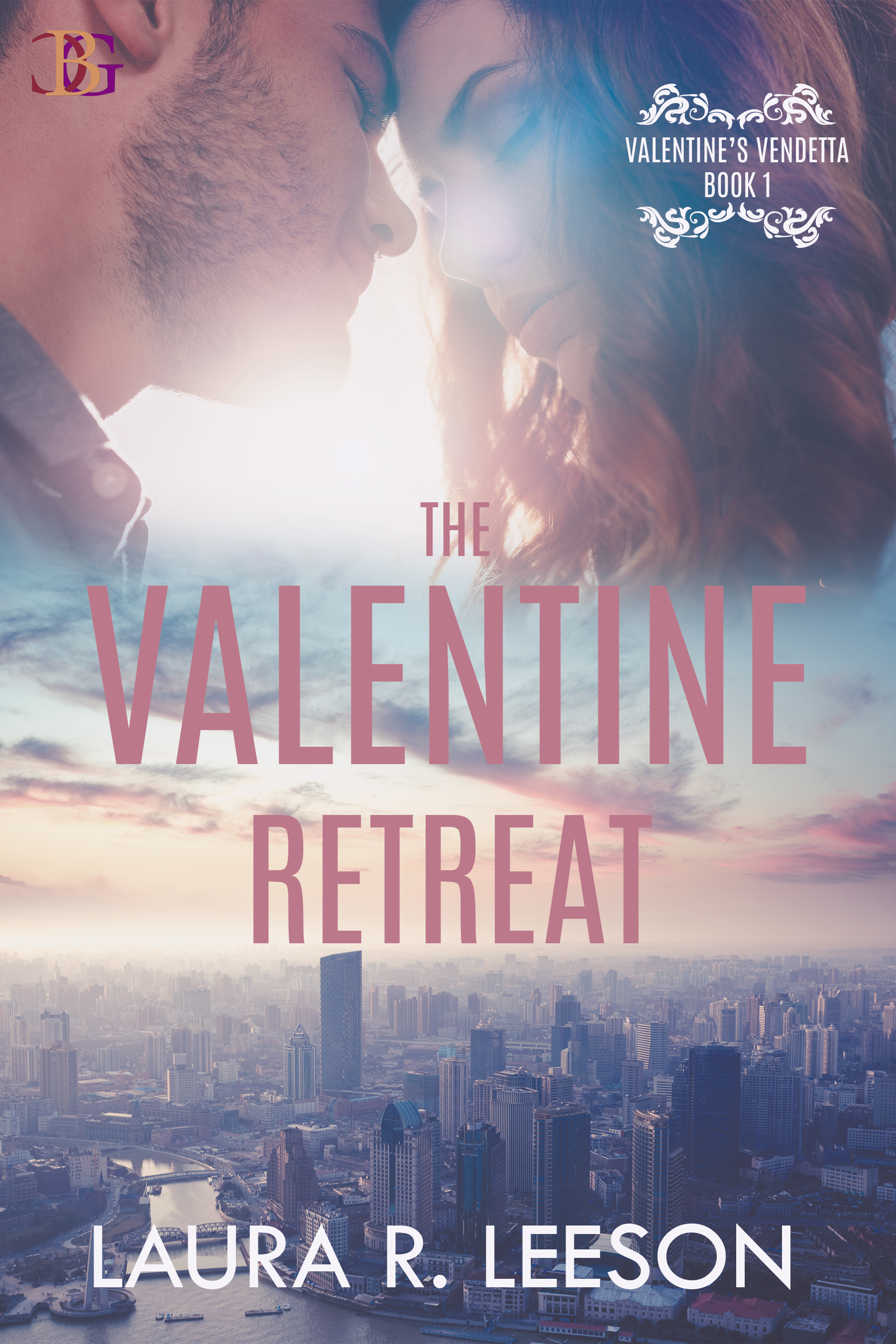
SUNDAY SCENE: LAURA R LEESON ON HER FAVOURITE SCENE FROM THE VALENTINE RETREAT

Twenty years ago, I spent time in California. As a naïve Brit, it was equal parts amazing and terrifying, and I remain fascinated by the diverse and nature of a society surprisingly different to our own. When it came to choosing a setting for my debut novel, Los Angeles seemed a natural choice – because rather like me, I wanted ex-pat Megan to find herself struggling to discover her place in an unfamiliar, challenging world.

Added to which, Megan is a survivor of a controlling relationship – what began as a fairy tale marriage to a high-profile, successful businessman has already disintegrated, so when she meets Jim on a weekend away at The Valentine Retreat, the last thing she thinks she’s looking for is romance.

The setting for a pivotal scene – where Megan tentatively looks to the future and begins to believe she might want it to include Jim – takes place in the hotel bar:


The pianist was in full flow as Megan entered the bar. His fingers moved across the keys with the kind of confidence only a seasoned professional possessed. The music he produced was quiet and understated, which was more than could be said for his shirt. The vibrant duck-egg blue and plum check of the fabric was highly visible under his beige linen suit, open at the neck and unapologetic.

Megan smiled. For the first time in such a long time, she felt a spike of anticipation about this evening.

The room was less populated this evening, the weekend buzz replaced by mellow groups seated at some of the low tables, visible through the waving fronds of the potted plants as she took a seat at the bar.

‘Hi.’
There was no need to turn, she recognised the voice. ‘Hi, Jim,’ she said as he shrugged his way out of his leather jacket. She looked more closely at his face. ‘What did you do?’
Jim’s hand travelled up, his fingers tracing over a small patch of damaged skin. ‘Would you believe me if I told you there were five of them and I took them all down single-handed?’
‘Um, no. Not really.’ Trying to appear serious, she couldn’t stop the corners of her mouth twitching in amusement.
‘Damn.’ He grinned. ‘Cut myself shaving.’
‘Does it hurt?’
‘It didn’t, until I put aftershave on without thinking.’ He pulled a face then shrugged. ‘A bit of pain reminds me I’m still alive.’
‘Do you need reminding?’ She kept her tone light, but it was a genuine question. She had spent months wondering if she was still alive.”


After living a lie for far too long, and desperate for honesty from others, this is the moment when Megan begins to believe in Jim. However, Megan’s past hasn’t finished with her, the hotel is not all it seems, and Jim is harbouring more than his fair share of secrets. Secrets which may cost them both a great deal more than their happiness.

In the time-honoured tradition of romantic suspense, The Valentine Retreat is a fast-paced and twisty novel, but at its heart lies the story of two people who just want to find someone to rely on, and trust with their deepest emotions.


For more information – please visit my website www.laurarleeson.com or search for me on social media @laura_R_Leeson