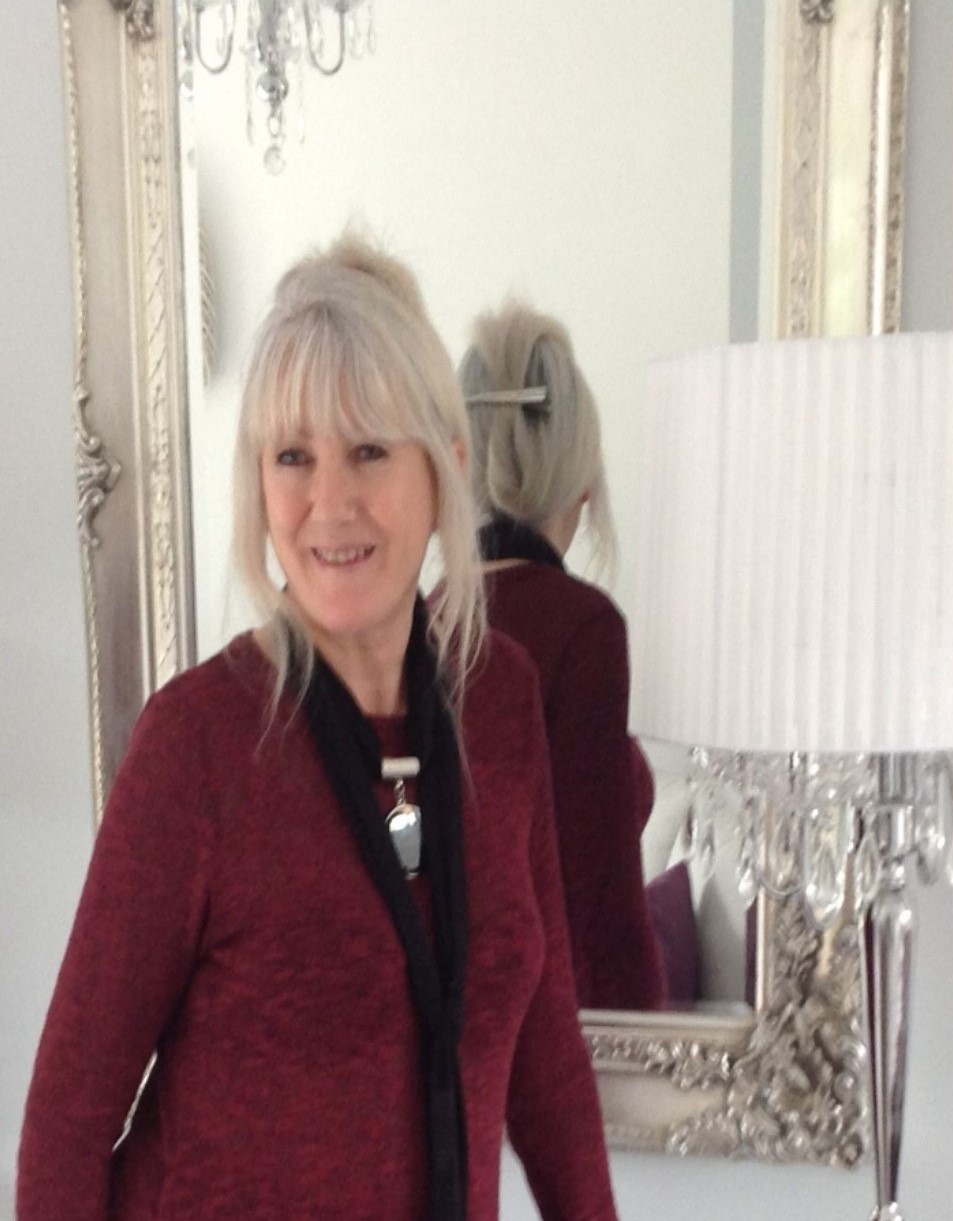
BUSINESS OF BOOKS: FIRST, LAST, EVERYTHING – INDIE AUTHOR JULIE STOCK

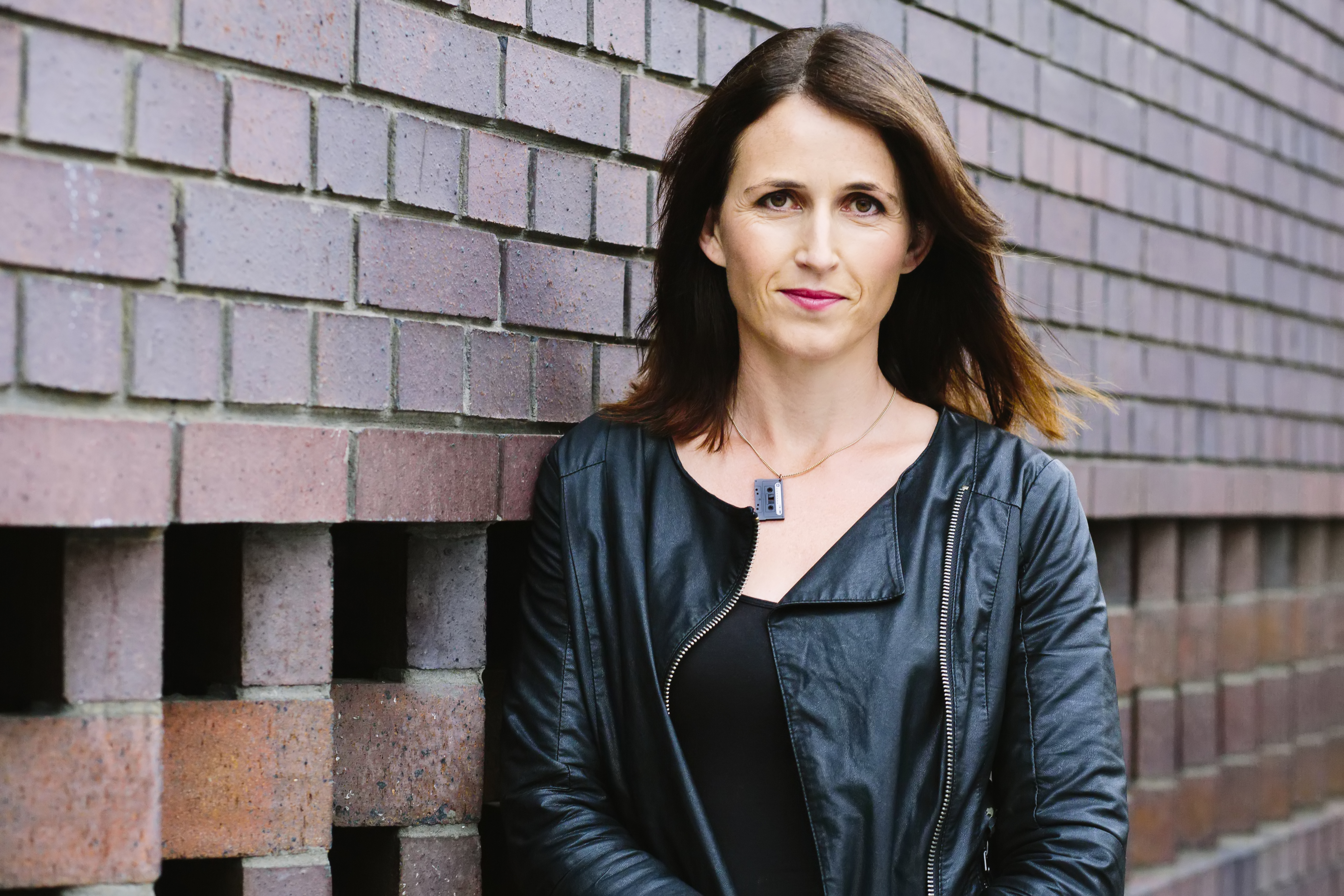
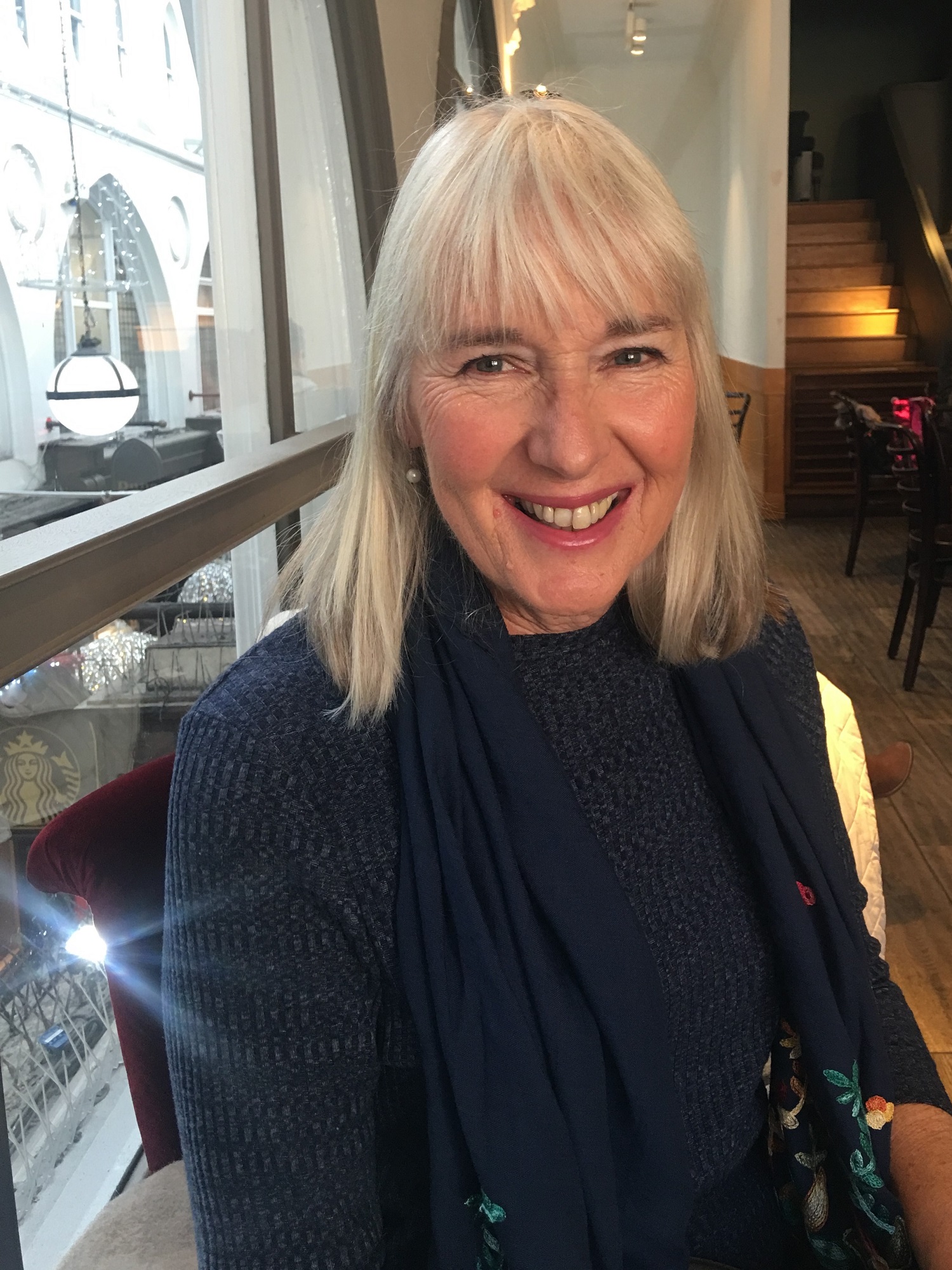
Julie Stock is an indie author of contemporary romance from around the world: novels, novellas and short stories. Her latest novel, Over You, is now available. Follow Julie on Twitter @wood_beez48

What was the first writing advice you were ever given?

The first writing advice I remember being given was in November 2013 when I attended a Festival of Romance in Bedford, near where I live. I’d been writing my début novel for about 8 months by then and I had about 80,000 words of my story written but I just couldn’t seem to finish it. I sought feedback from so many different places and my head was spinning from the conflicting advice I’d been getting.

I remember being so excited to find there was even going to be a Festival of Romance in Bedford, of all places! I went to a session in the morning where I saw Sue Moorcroft and listened to her reading from her latest book. Then I walked around the big hall in Bedford town centre, meeting romance authors who were selling their books. Straight after this, I sat down to listen to a panel of authors chatting about writing and publishing their books. Bravely at the end, I asked them for advice about my dilemma. That was when Phillipa Ashley and Rowan Coleman both advised me without a second’s hesitation to join the Romantic Novelists’ Association’s New Writers’ Scheme. I went on and joined in the January of 2014, and published that début novel the following year. I’m now an independent member of the RNA, and I wouldn’t have achieved that without their support.


What is the most recent writing advice you’ve been given?

Along with many writers, I suffer from doubts and insecurities about whether my writing is any good on a fairly regular basis! Usually, this happens when I’m struggling with a first draft or when I get feedback telling me that something in a book isn’t working. I find rewriting and editing the hardest job, and really have to force myself to do it. So, when I felt like this most recently and mentioned it to one of my writing friends, her advice was not to give up. She reminded me that I’d felt like this before and that I’d probably feel like it again.

It is hard to keep going when you’re finding it hard to write or to rewrite, but it is also true that you can find inspiration in the strangest of places. I know as well that rewriting has definitely made my books better, and sometimes this is all that keeps me going to get through to the end. Then when you publish and someone takes the time to tell you how much they enjoyed the book, it makes all the pain worthwhile!


What is the piece of advice you’d most like to pass on?

I didn’t start writing until I was in my late 40s. I was having a tough time in my job then and I began writing as a way of taking my mind off things. It became a form of therapy. When I started, I hadn’t even heard of self-publishing, although I had recently received a Kindle from my husband. Then I read Sealed With a Kiss by Rachael Lucas, and she explained how she’d self-published it. As I was approaching my 50th birthday by then, I didn’t want to waste any time approaching agents/publishers, I just wanted to get on and do it. And I did. So I think my advice is not to let yourself be put off from doing something you really want to do. Reinvent yourself if you want to – it’s never too late!


THE BUSINESS OF BOOKS: THE DREADED S WORD

Jane Cable tries to pick out the positives of writing a synopsis

Having completed the edits on one manuscript and having rescued my rights for Another You from Endeavour Press, this month has been all about considering submissions – which in most cases involves the bane of my writing life – the synopsis.

I’m not talking about the sort of synopsis you use as you create your novel, or to check structure and record plot points as you go along; I’m talking about that big, scary, one-and-only-chance-to-get-it-right document which accompanies your submission to agents and publishing houses. The synopsis as sales tool – in particular the short version – fills me with dread in a way no other blank page can.

This time, I thought I’d cracked it. Fellow RNA member and Choc Lit author Lynda Stacey very kindly sent me her template and using it made perfect sense. Like me, Lynda writes romantic suspense and has to shoehorn complex plots into a single page. I was happy with what I’d written, but when I showed it to Claire Dyer (an editor as well as an author) she drove a coach and horses through it. Clearly I need to improve.

So, what have I learnt from this sorry state of affairs.

A template to follow is really, really useful

When you are staring at a blank piece of paper there is nothing more helpful than something which lists the paragraphs you need and gives you some guidance about what to put in each. It helps you to have a method. For my short synopsis I set out the beginning of the book, then the end of the book, and filled in the middle last. It was also brilliant for pulling out the main plot strands and that focussed me through my final edits.

You’re going to need more than one carefully tailored synopsis

I’m concentrating on the direct submissions route for my novels and am hand picking the publishers I think would be right for them and who I’m really keen to work with. I don’t mean to sound arrogant, but I’m quite comfortable being an indie author if I can’t land that special deal. But what struck me when I was making my shortlist was that they all want something different; everything from a 3,000 word essay to a two paragraph blurb. It’s so important to tailor what you send to their requirements and to show you understand where your book would sit in their portfolio.

A synopsis is not a blurb It may be a selling document, but it’s not a blurb.

I was delighted when my first choice publisher asked for a blurb as I find them so much easier to write. Of course there are similarities – both have to grab the person reading it – but in different ways. A blurb entices, teases, reveals just enough. A synopsis tells the whole story. No surprises. The most important thing to bear in mind is that a publisher or agent will be thinking about how they can sell the story – a reader will be using the blurb to decide if they want to buy it.

Not everyone you submit to will need a synopsis

Yes. Really. But don’t use it as a cop out or to select who you submit to. Most agents require a synopsis, but the length varies. So will most publishers, but some have other priorities, such as finding out about your author brand – they will rely on your manuscript to see whether your book is worth taking on. You will need to become expert in selling your novel in all sorts of ways but one thing is certain: the better you become at all of them the more chance you have of landing a deal.


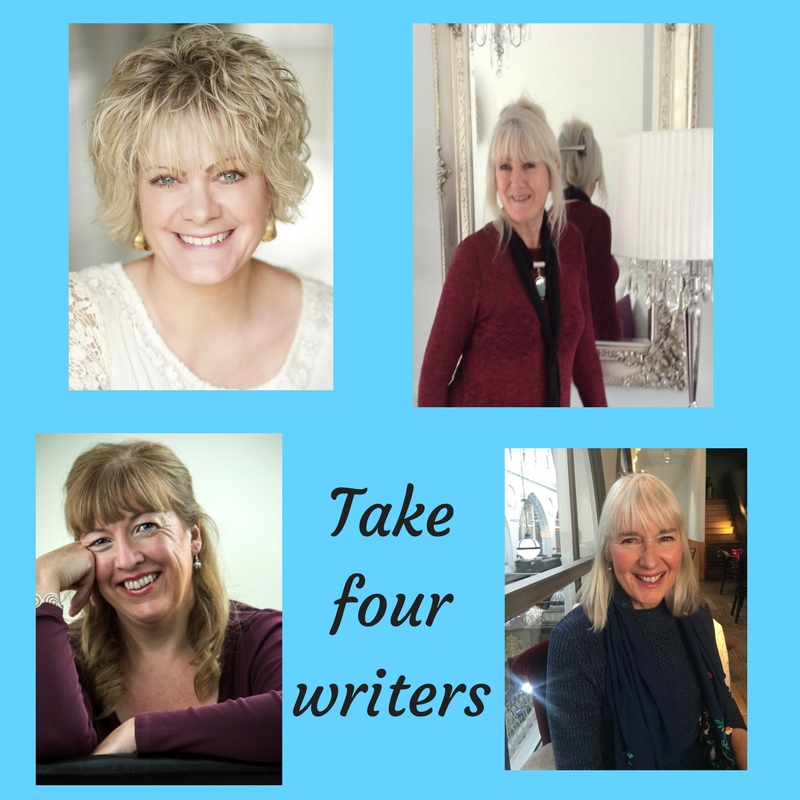
TAKE FOUR WRITERS: LAUNCHING, DRAFTING, EDITING & MULTI-TASKING

FEBRUARY UPDATE FROM OUR FOUR WRITERS…

CLAIRE DYER… LAUNCHING

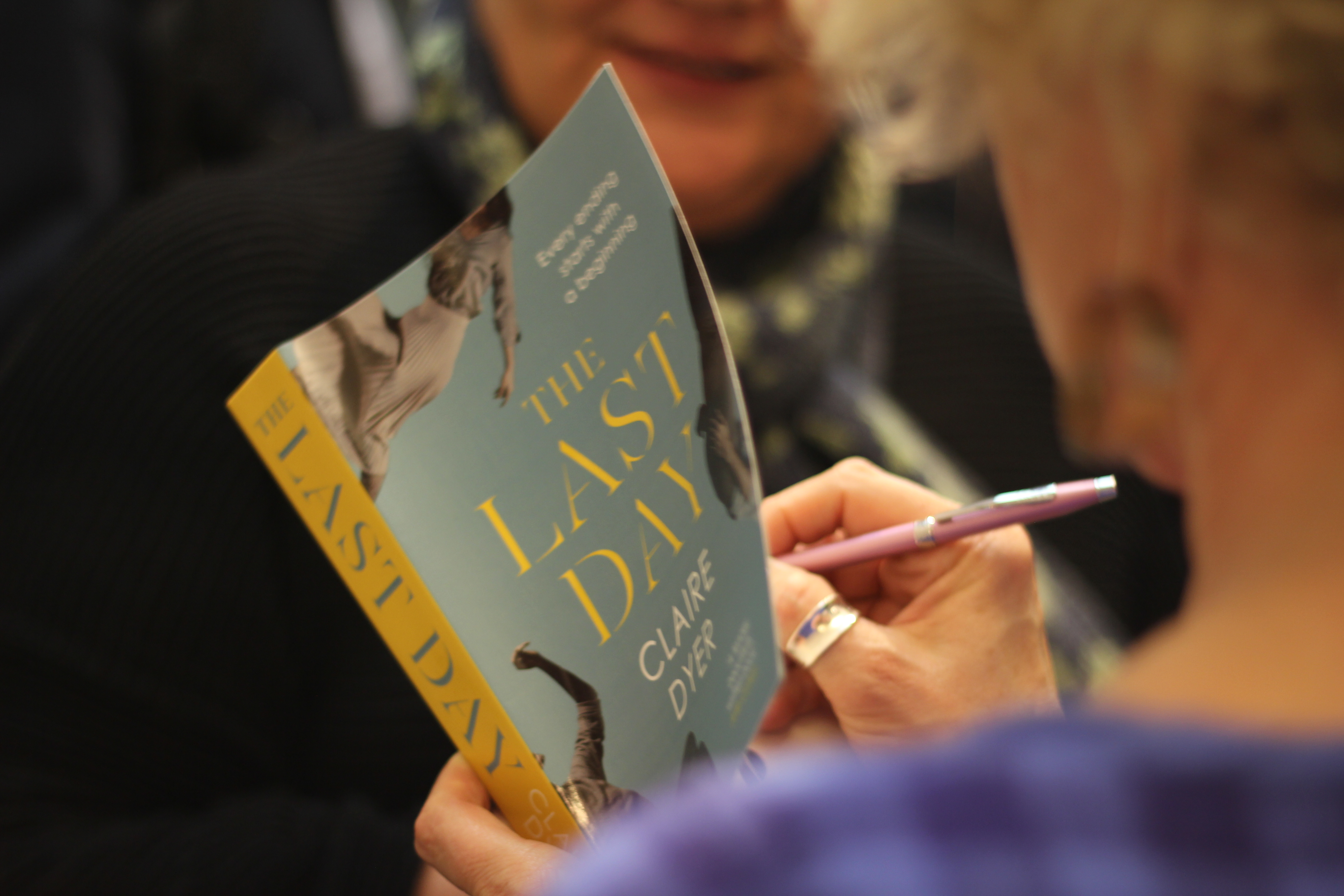
January and February have seen much excitement in the run up to and the actual launch of ‘The Last Day’. I have been overwhelmed by the love and support of my publishers, bloggers and fellow authors during this time, especially as no one knows the joy and despair of times like these like they do.

I’ve come to learn that it’s all about letting go. We tend to write in the privacy of our own homes and, for a long while, it’s all about just the two of us: ourselves and our book. And then if we’re lucky, we send it to our agent and, if we’re even luckier, thence to a publisher and eventually, if we cross our fingers and toes tightly enough, it goes out into the big wide world.

And this is where the joy and despair comes in. Will the world like it? That’s the despair. And, the joy? Well, that’s easy: the book I wrote is an actual real thing with pages and a cover and everything!

.

ANGELA PETCH… DRAFTING

I am almost three quarters through my writer’s draft of “Mavis and Dot” and I use walks along the sea to plan out the final chapters. There is something scary about finishing off a novel. In the meantime, I have been busy hunting for an illustrator. Unfortunately, my first three candidates dropped out, for reasons varying from cold feet and time factors. I hope I have at last found someone to work with. She is a very supportive editor of a local magazine and after tea and cakes (and discussion), she is on board. I am trying not to be too distracted from M & D but the publisher of my two first novels recently went into voluntary liquidation. It means a return to indie publishing but there is relief in the return of control. However, it entails more work. My other concern is to which cancer charity I should donate my profits. A writer’s work is never done…


JACKIE BALDWIN…EDITING

Hello, February has been a rather grim month. I have been completely immersed in my structural edit. Day after day I have sat at my desk from first thing in the morning until last thing at night editing. Then, eat, sleep, repeat. You get the idea! It’s a bad state of affairs when your characters have a better social life than you do. However, by the time you read this, I will be done! Hurrah!

I did get one overnight pass which was a wee trip to Newcastle to read at Noir at The Bar. It was the first time I had read the prologue from Perfect Dead. I also met loads of new crime writers and readers which was fun. During the day, I edited at the Lit and Phil which is a fab library. It even sells cake!

See you next month!


LUCY COLEMAN… MULTI-TASKING

February TO DO list:

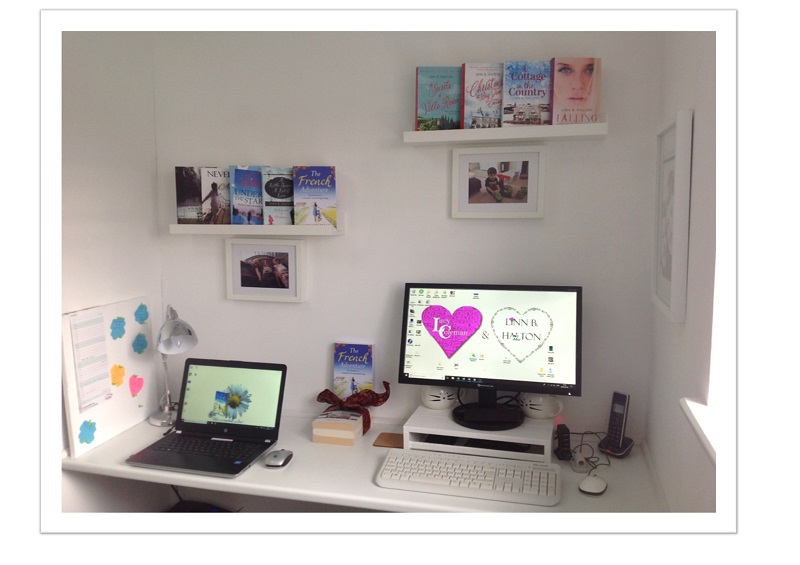
Set up new office and new computer equipment in new house.
Online celebrations for launch day of first book with Aria Fiction, under new pen name.
Daily social media activity to support TWO book tours running concurrently for new arrival.
Produce new graphics to celebrate latest book baby.
Complete and submit Aria book no. 3 manuscript to my agent for comments.
Complete round one of structural edits for my other publisher.
Action suggested revisions by my agent for book no. 3.
Keep up with normal daily social media for my other books and write blog posts etc.
Get through February with your sanity intact.

Okay, so I’m exaggerating a little because I did survive the month, but only just! My new laptop seemed to get slower by the day after its first round of software updates. If I action a retweet on Twitter it times out! The battle continues.

If only it was JUST about the writing …

BUSINESS OF BOOKS: FIRST, LAST, EVERYTHING – WRITER CLARE SWATMAN

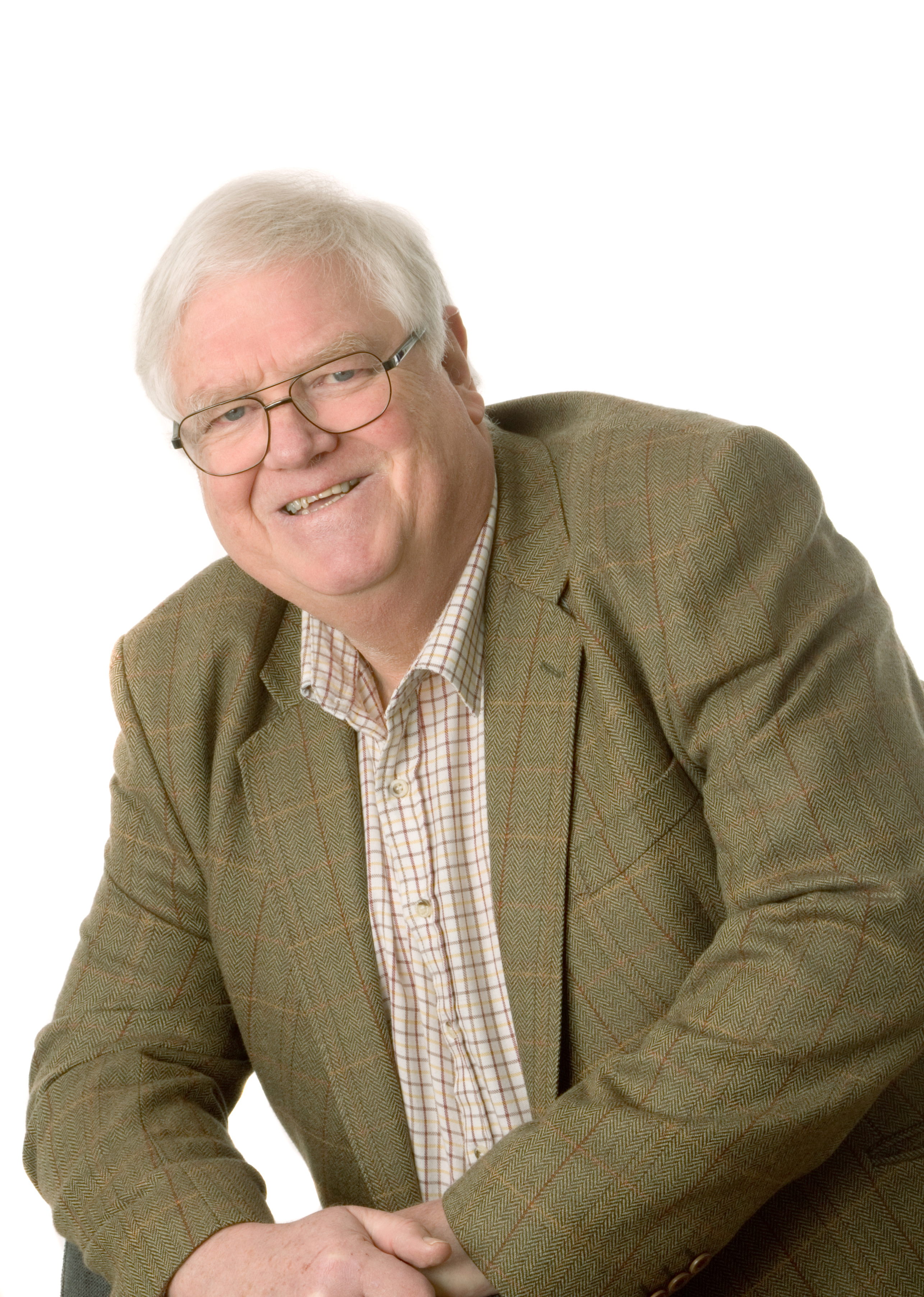
Clare Swatman spent almost 20 years working in women’s weekly magazines. Her debut novel Before You Go was published last year, and her second, The Mother’s Secret, is published by Pan Macmillan on 22 February. She’s currently writing her third novel.

What was the first writing advice you were ever given?

‘Write about what you know’ is the advice most people give, and I was no exception. But for me it really did ring true, especially the first time round. When I started writing Before You Go it was with the idea that I just wanted to write something. I wanted to be able to say I’d given it a go, and never regret not having tried; I had no expectation that anyone would ever read it, or want to read it, so I was really writing it for myself, with the hope that some day, something might come of it – but it might not. And so, while concentrating on the plot and developing the characters, I found it really helpful to write about places I was familiar with; Newcastle, where I went to university, Crouch End, where I used to live, Doncaster, where my best friend lives. It meant there was one less thing to worry about getting right, and I could concentrate on the story in hand. I also used my experience of writing true life stories to develop the characters and the situations they find themselves in. Years of interviewing people about the things that have happened to them has given me a good insight into how people respond to happiness, heartache and difficulties – and it’s not always how you’d expect!

What was the most recent writing advice you were given?

There’s no magic bestseller formula (if there were we’d all be making millions of pounds!) – all you can do is write the best book you can. That’s it. And if you try and write to be a bestseller you’re more than likely going to set yourself up for disappointment. It’s a tough one to swallow, because of course as a writer you dream of selling lots of books and of everyone loving what you’ve spent years writing, but it’s easier to expect smaller things, and be pleased by them, otherwise you’d live in a perpetual state of disappointment and anxiety! So now I try to remember how pleased I am to be published and keep trying to write the best stories I can.

What Is the piece of advice you’d most like to pass on?

Don’t compare yourself to others. This has been a big hurdle to overcome, and I have to admit I’m still working on it! I love my social media, and think it has great value in my life. But there are times when I think it can work against you, and the publication of a new book can often be one of those times. I’ve found it always feels, rightly or wrongly, as though every other book being released, read or even written is mentioned all the time on Twitter, Facebook, Instagram – except mine! It also feels as though everyone else is selling hundreds of thousands of copies and getting huge success within days of publication. Of course this probably isn’t true, but as with everything, social media takes the shiny parts of people’s lives and magnifies them. So comparing your own life and career to the life and career of someone else portrayed online is not only pointless but can be damaging. So I’ve had to learn to stop – and I would definitely give this piece of advice to anyone starting out in writing or any other career. Just do you own thing, enjoy it, and stop worrying about everyone else!


BUSINESS OF BOOKS: FIRST, LAST, EVERYTHING – AUTHOR JOHN JACKSON

Kicking off a new series for 2018, Jane Cable talks to romantic novelist and former seafarer John Jackson

What was the first writing advice you were ever given?

The first piece was one I worked out for myself before starting to write fiction.

In a previous life, I spent many years preparing safety manuals, policies and procedures. In the main, these were for non-native English-speaking ship’s crew, from the Philippines, Burma, Poland and the like.

Back in the day, companies, especially shipping companies, all thought that the only good manual was a BIG one. This saw many shipping lines having massive and all-encompassing manuals that nobody read. These weren’t written to help seafarers be better at their jobs, they were written with the sole aim of stopping the Company being sued.

To me, it soon became clear that “It’s useless writing something that nobody can read and understand.”

So, clarity is everything – and it’s a trait that I hope I bring to my fiction writing. Certainly, a feature of Heart of Stone’s reviews is that it is a “fast read” and a “real page turner”

I got into writing fiction at the behest of some friends who happened to be members of the Romantic Novelists Association. Their advice to me, to try and get onto the RNAs “New Writers Scheme” was certainly the best advice I received. As a man trying to make it in a genre dominated by women writers, I can only thank the RNA and its members for the unconditional help and support I have been given.

What was the most recent writing advice you were given?

With just one published book to my name, I know I am still “learning my craft.” Publishing, with all the ancillary professions, such as editors and agents, is an enormous and diverse business.

It is also a business that is changing and changing fast. Writing is a famously lonely occupation. In many ways, we are the bottom men on the totem pole. It is also very easy to forget that this is a BUSINESS. We might write because it’s just something that we want or have to do, but for everyone else, it’s a business, and their only decision is “can they make money from your work.”

This might not be advice that anyone would give you directly, but it is true, nonetheless.

Self-publishing and the rise of Amazon has also shrunk the market for the other professionals; it has made them even more reluctant to take on any but the most immediately marketable authors. The days of a publisher taking on a young author and nurturing their career in the hope of a bestseller down the line are long gone. Self-publishing is no longer considered vanity publishing. It is a valid and popular method of getting your work to market.

What is the piece of advice you’d most like to pass on? (writing or otherwise!)

Every manuscript needs a good editor. It is someone else’s eyes giving a professional and fresh look at your work. So many self-published books show very early in the read that they have never been properly edited.

I am very lucky in that Sue, my editor, is also a friend, and we work together well. Other friends are not so lucky, especially when contracted to one of the major publishing houses. Sometimes you may have to fight for what you want, but always remember – this is YOUR story, You have to have faith in it.

That’s what we are doing Telling a story – and everything you write should be towards that end. We are not writing textbooks or reference works, we are STORYTELLERS!

Keep the faith! Your writing WILL get better, and you WILL succeed. Sometimes this is hard but you need to believe in yourself.

Keep up with John on Twitter @jjackson42


BUSINESS OF BOOKS: TAKE FOUR WRITERS – INTRODUCING ANGELA PETCH

Hi! … can’t believe I’m on here. I’m excited, apprehensive and honoured to share in this venture.

I love reading. I don’t think you can be a writer without being a bookworm. I panic if I’m coming to the end of a good book and feel bereft until I’m lost in another story. Although I loved English at school, my degree is in Italian. I lived in Rome as a child, worked in Sicily, met my half-Italian husband there and now, in our retirement, we spend six months of each year in Tuscany, where we run a small holiday business. Although I’ve always written, only now that our three children are independent have I been able to settle seriously to the craft. I self-published two novels set in Tuscany and they’ve been taken on by Endeavour Press. Last year I had seven stories accepted by women’s magazines and I enjoy the discipline of this genre too, so hopefully I will sell more in 2018.

However, this year I am becoming a hybrid author and returning down the indie route to self-publish “something completely different”.

In 2006 my best friend discovered she was suffering from ovarian cancer. We did lots together, including hunting for bargains in charity shops and at auctions, nicknaming each other Mavis and Dot. She was extremely brave, but she had her darker moments too and I tried to cheer her up by writing silly stories about Mavis and Dot. They made her laugh and she drew cartoon sketches of the characters, which I still have hanging on the back of our loo door. Sadly, she didn’t recover from this silent killer and I filed away my anecdotes. A couple of years ago I pulled one out to read at a writing group and raised a laugh. So, I decided to develop the stories and put together a novella. There will be illustrations and I’m busy searching for the right artist as I type.

I feel rather wobbly about Mavis and Dot, but I dearly want them to succeed as I intend to donate any profits to Cancer Research. Humour is notoriously hard to pull off and my usual style is literary, so I have to banish the goblin from my shoulder telling me I am writing drivel that nobody will find amusing. My launch date is mid-November, but I know time whizzes by faster than a bargain snatched off a charity shop shelf. So, I need to get down to business. And that is the main cause of my wobbles. Going indie again means getting my act together with social media and marketing. When I see telecom engineers at the side of the road working on control panels, plugging wires into holes, it makes me think of me procrastinating over algorithms, metadata, BISAC codes, author platforms and networking. Which hole should I connect with, – when and how? However, I have also made virtual friends on-line with a whole bunch of supportive authors and bloggers in the past months and, although there’s a mountain to climb, I want to scale this peak.

Time is the thing, isn’t it? And discipline. We are blessed with three children and four very young grandchildren (with another on the way), and when we are in England during our six winter months they keep us busy.   I will stop bleating about that because I know there are many authors who burn the midnight oil and squeeze their writing into fewer hours than I have. Wish me luck, nevertheless. “Live where you fear to live”, said the 13th century poet, Rumi.


BUSINESS OF BOOKS: TAKE FOUR WRITERS – INTRODUCING LUCY COLEMAN

New year – new opportunities and a new name! Life doesn’t get much better, does it?

My first book – The French Adventure with Aria Fiction (Head of Zeus) – is due for release on 1 February 2018 and I’m elated! The launch of a new book is usually the culmination of more than a year’s work from penning the manuscript, going through the editing and proofing processes and preparations for the marketing to begin.

Now, this isn’t my first book – it’s my twelfth, full-length novel – throw in a couple of non-fiction titles and three novellas and that’s my writing career in a nutshell. But Christmas 2016 was a turning point for me. I remember going to a Romantic Novelists’ Association chapter meeting in Hereford a few months beforehand and someone raised the subject of submitting to agents. Had it crossed my mind before that? Well, yes, but I didn’t feel ready. I had successfully submitted and signed contracts with Endeavour Press, Harper Impulse and Choc Lit at that stage. The turning point for me was triggered by two things. The first one is that contracts aren’t easy to read and secondly, I was beginning to feel more and more like a team of one doing the best I can to steer my career. But secretly I was longing for a little professional guidance.

Now, I have a fantastic relationship with my editors and their support, nurturing and constant pushing to get me to up the bar has been a blessing. But I felt it was time to find that elusive someone who could help me look at my career on a longer-term basis. Up until that point I’d only considered it one manuscript at a time.

So, literally a couple of days before Christmas 2016 I submitted to three agents and by early March 2017 I had signed with the awesome Sara Keane, from the Keane Kataria Literary Agency. It wasn’t long before I was signing my first, four-book deal with Aria Fiction. As I’m still writing for Harper Impulse as Linn B. Halton, my books for Aria Fiction will go out under my new pen name of Lucy Coleman.

Having Sara in my corner, helping me to work on my finished manuscripts to make them the best they can be and introducing my work to Aria Fiction, has sharpened my focus. I’m no longer thinking one book at a time, but forward planning. As each day passes I’m feeling more and more like a Lucy, as well as a Linn … and 2018 promises to be frenetic, fun and fabulous!

It just took a little over a year in the planning, but it was a year well-spent and I can’t wait to begin promoting ‘The French Adventure‘.

Oh, and throw in the added little flurry of activity as my husband and I moved to a new house, in a new area, on 19th December 2017. A paint brush is never far from my hand these days, so it’s handy that I’m good at multi-tasking. The next stage of the journey is about to begin.

Happy New 2018, all!

BUSINESS OF BOOKS: TAKE FOUR WRITERS – INTRODUCING JACKIE BALDWIN

Hello everyone! I’m so excited to be sharing with you all the steps towards publication of my second crime novel, Perfect Dead. I’m a Scottish crime writer and live in Dumfries, SW Scotland which is where my series is set. For most of my working life I was a solicitor practicing in family and criminal law but for the last five years I’ve been working as a hypnotherapist which I really enjoy. I’m married and have two grown up kids and two golden retrievers. This is a great area to walk dogs as it has an abundance of forests, rivers and coastline to let them run free. Consequently, I spend a fair bit of time spattered in mud and with twigs tangled in my hair. Don’t be fooled by my author photo!

Writing my second book was very different to writing my first one. Writing a first book you can take all the time in the world. And I did! About 12 years to be precise, including three years when I didn’t write a single word. Friends and family viewed the whole tortured process as a harmless eccentricity. After a final rewrite I sent it to Killer Reads, a digital imprint of Harper Collins. Two weeks later I was holding an acceptance. I didn’t stop shaking until the next day. It was such a shock!

So, to go from that timescale to writing the second book in less than a year took some doing! It didn’t help that last February I developed angina culminating in a blocked coronary artery which required 3 stents in August. I have to say that my editor at Killer Reads was fantastic, no pressure whatsoever. The pressure came from within. Readers were asking for the next book in the series and I didn’t want to let them or my publisher down.

My first novel, Dead Man’s Prayer, I had plotted in advance of writing but, just to make life harder, I started the second novel deliberately with no idea of who had committed the crimes. This resulted in a bad case of ‘saggy middle’ where I had a complete crisis as my plot strands threatened to spiral out of control. It was time to commit and knit it all together. ‘It can’t be done,’ I wailed, adding my echo of despair to all the writers before me. I swear there have been times when I felt the words of this novel were bleeding onto the page a drop at a time, progress seemed so slow. But, to my surprise, and to the relief of my long suffering husband, it all came together in the end.

Perfect Dead will be published in ebook on 15th June and the POD paperback will be available on 23rd August. The action mainly takes place in the ‘Artists’ Town’ of Kirkcudbright, (Kircoobray). DI Farrell is faced with the apparent suicide of a promising young artist shortlisted for a major art prize. Human remains are then discovered on a MoD firing range. Both victims are connected to a shadowy Art Collective. The local police are further stretched investigating a forgery ring. Both investigations are hampered at every turn by secrets people will do anything to keep hidden. DI Farrell and his team are pushed to breaking point as they strive to catch a callous killer before he strikes again, this time much closer to home.

As you read this, I am waiting for my editor’s Notes to arrive so that I can start editing. A rather scary prospect! See you next month!