My Writing Process Sandie Jones

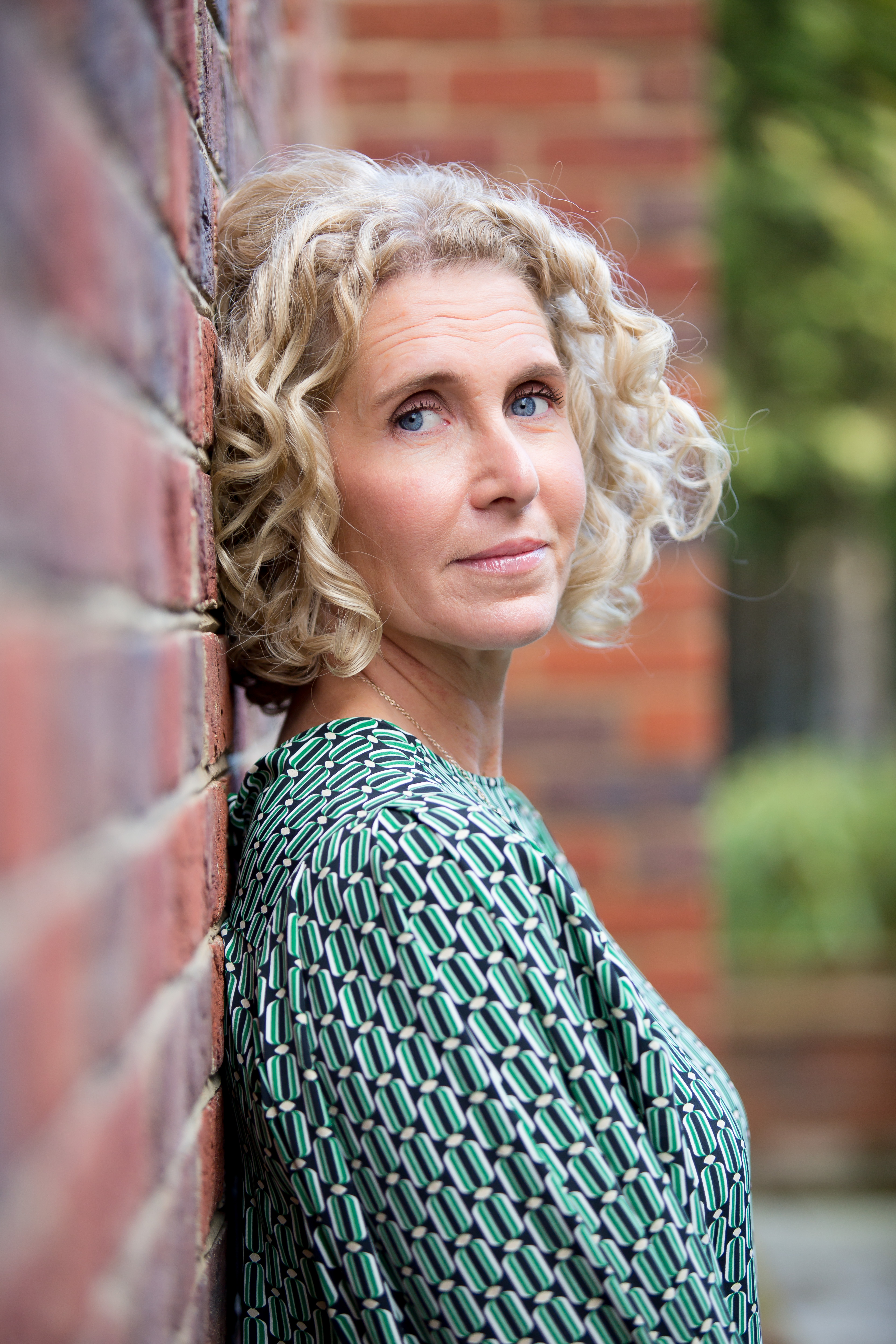
Sandie Jones, AuthorI’ve been a journalist for the past 25 years, interviewing celebrities for national newspapers and magazines. I started writing fiction in 2017, because writing a book was on my bucket list, but I never imagined it being read by my mother, let alone be published and reviewed by thousands!

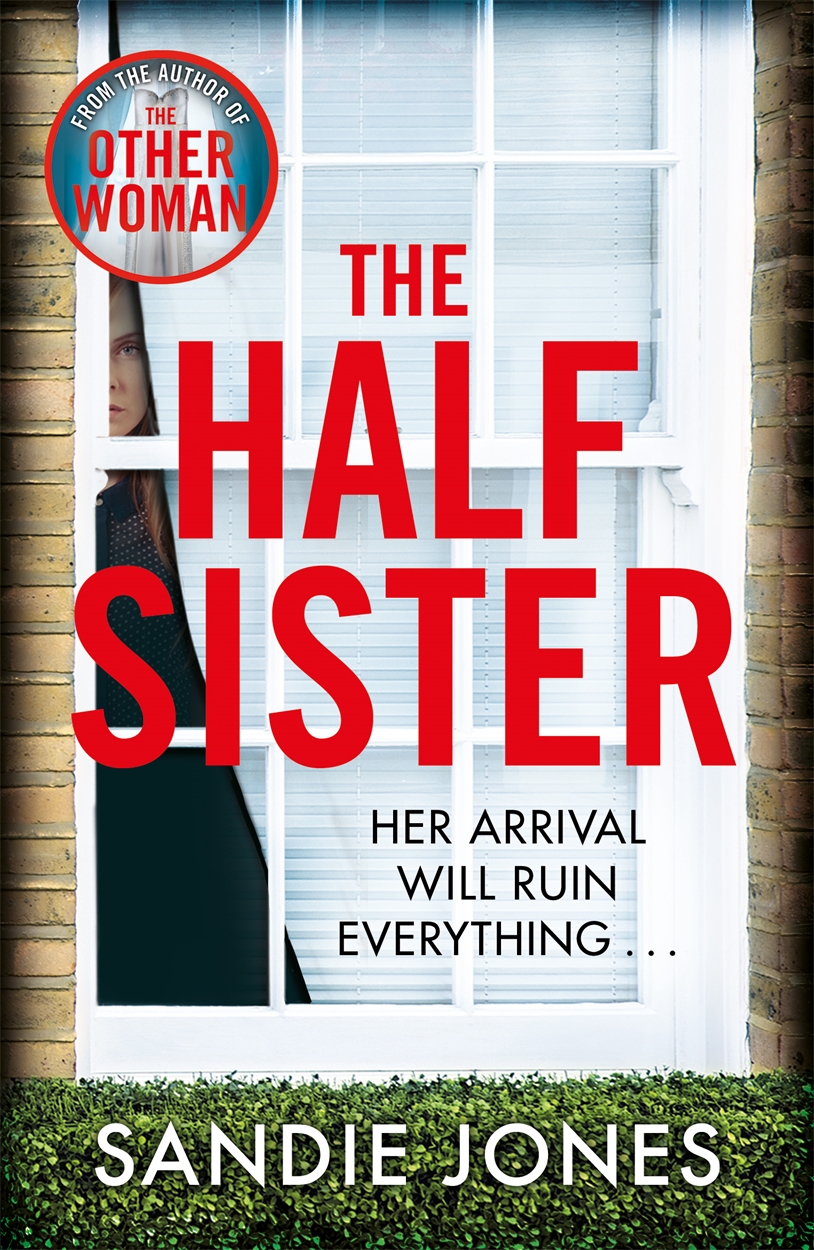
My debut The Other Woman was published in 2018 and was a New York Times Bestseller, as well as a Reese Witherspoon Pick. My second novel The First Mistake was published last summer and The Half Sister is out on 25th June.

What is your latest book?

The Half Sister, which is about Kate and Lauren,  two sisters who each feel that the other has the perfect life. When a woman turns up, whilst they’re having a family Sunday lunch, claiming to be their half sister, their worlds are turned upside down and it sends them in opposite directions, in their quest for the truth. But neither of them could ever imagine what they’re about to discover.

Please could you tell us a bit about your process of writing?

It’s changed since writing my first book, as I’m no longer doing it just for myself. There are editors and publishers involved now so instead of, quite literally, making it up as I go along, I now have to have a clear idea of what the story is, where it’s going and how best to get there.

Do you plan or just write?

It goes against my natural instinct to plan anything – I love to just write and see where we takes me, but as I say, I do have to have a solid outline of an idea before I start, which involves lots of spider diagrams and boxes on a whiteboard. Though once I get started, it all tends to change anyway!

How do you think about structure?

I used to think that the books I liked to read had one big twist at the end, but since writing myself, I’ve found that actually, reveals are peppered throughout. I tend to drop a bomb of some description at each third, so as to keep the reader interested and engaged.

Is there anything you find hard about writing?
The planning stage is particularly difficult for me as I feel I’m forcing myself to come up with every twist and turn in advance. However, I am learning that it’s good to have a loose structure to work to and I have understanding editors who know that my best ideas are likely to come when I’m writing.

What do you love about writing?

Everything else! I adore creating characters and getting to know them. I’m at the stage with my fourth book where I don’t want to put it down. It feels like I’m reading a story I’m really invested in and can’t wait to get back to it, to see what happens next. I forget that’s down to me to decide and that’s a great feeling!

Sandie Jones’s books are available here.

More information on Sandie Jones.

SISTER SCRIBES GUEST: TANIA CROSSE ON AN AWARD WINNING SAGA

Susanna invites Tania Crosse to talk about winning the first ever Saga of the Year award from the Romantic Novelists’ Association as it celebrates its Diamond Anniversary

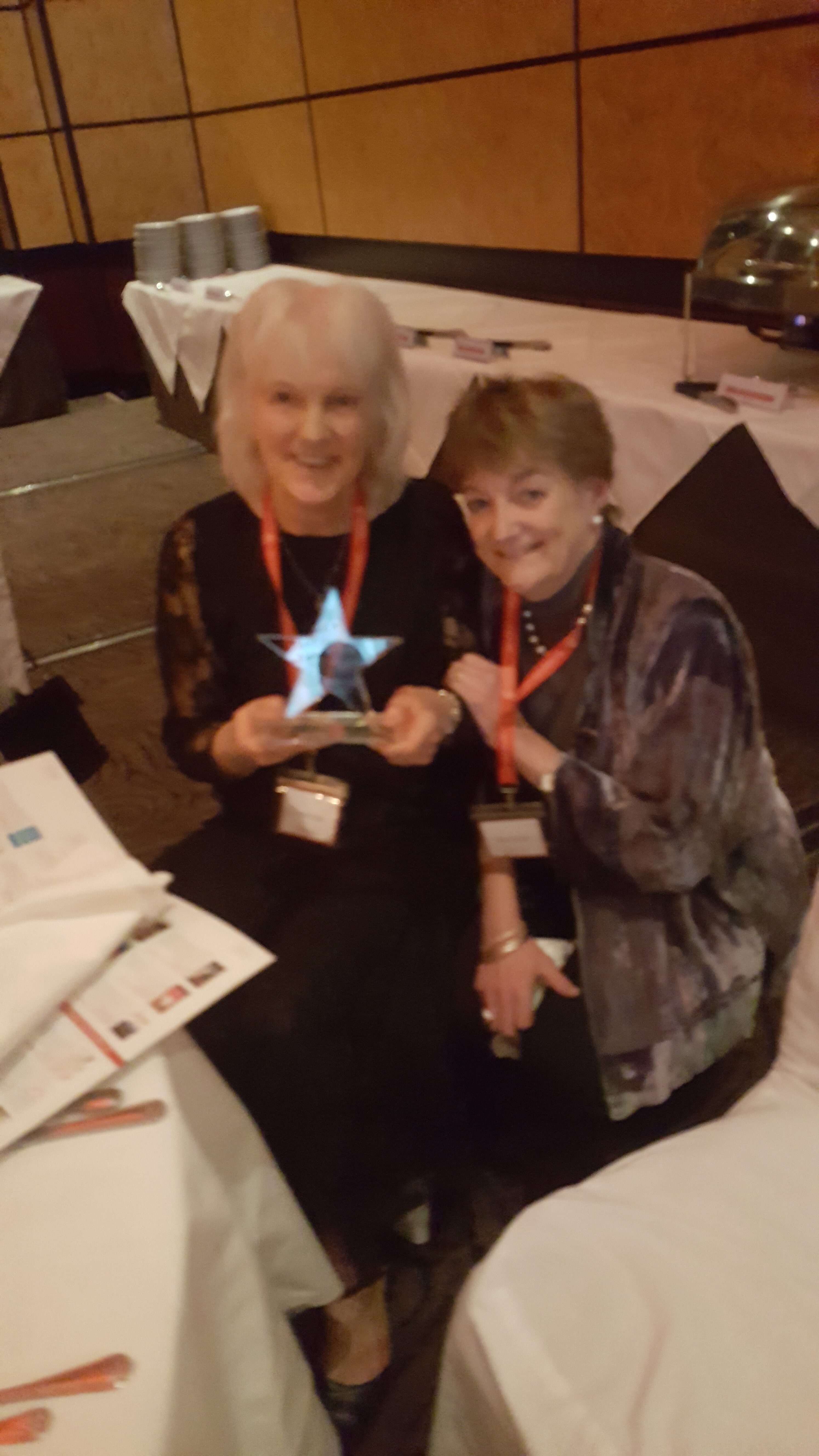
I was utterly thrilled when I learnt at Christmas that The Street of Broken Dreams had been shortlisted for the new saga category in the RNA’s major annual awards. With the other contenders, Lesley Eames, Jean Fullerton, Rosie Goodwin and Kate Thompson being such wonderful writers, I went to the ceremony in London with no expectations, just looking forward to a glittering evening out. So when my name was read out as the winner, I was totally overwhelmed. I managed to gabble a few incoherent words up on the podium, but I must confess, it was all a bit of a blur at the time.

It really is fantastic that this new saga award has come into existence. It remains an enormously popular genre, and the quality of so many of the brilliant sagas available, covering a huge range of different topics, deserves such recognition. I feel honoured that as the first ever recipient of this award, I can represent saga lovers everywhere.

Tania (left) with agent Broo Doherty

So what is considered ‘saga’? That is a good question, so here is my interpretation. Whatever length of time the story spans, the entire action must take place at least fifty years in the past. Secondly, the actual romance is not necessarily the main focus of the book. Characters must fight their way through extreme adversity, often – though by no means always – generated by the historical circumstances of the period, with the romance intertwined within it. Sagas are normally gritty, hard-hitting stories illustrating strong themes.

Like all sagas, The Street of Broken Dreams is a tale of spirit, warmth, courage and heart, and has been described as ‘searing emotional drama’ and as being ‘beautifully compelling and poignant’. It’s 1945 and WW2 is drawing to a close. But the consequences of war can be far reaching. Can dancer Cissie ever recover from the brutal night back in 1944 that destroyed her life? Will it take the love of a good man or the guilt and self-sacrifice of a stranger from across the sea to bring her peace? Does Mildred really know the man to whom she so hastily became engaged before he went off to war? Will she able to face the tearing conflict of loyalty on his return?  Can golden-hearted Eva, matriarch of the street and linchpin of the story, help them unite against the future?

I actually lived in Banbury Street, the street of the title, as a small girl, so writing the book brought back many childhood memories. Cissie’s story was inspired by an ‘encounter’ my mother experienced during the blackout, though fortunately it had a different outcome and my mother was unharmed. During the war, my father served in submarines in the Far East, which gave me the idea for Mildred’s story. Dance has been a lifetime passion of mine, and my ballet mistress with whom I kept in contact all her life, told me about her experiences as a dancer in wartime repertory, and this became the Romaine Theatre Company in the book.

So I think you can appreciate that this award means so much to me, not just in itself, but because so much of myself was poured into the book. As my fourteenth published novel, it feels like a lifetime achievement and I thank from the bottom of my heart the Romantic Novelists’ Association and the readers and judges who put me on the podium.

SISTER SCRIBES GUEST: ANDREA MICHAEL ON WRITING FRIENDSHIP IN FICTION

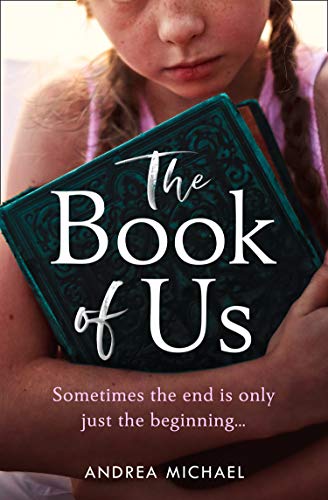
At Sister Scribes we often talk about how important friendship is within the writing community. Andrea Michael is one of those friends, we have shared publishers and parties, we share an agent and a similar sense of humour. I adored her latest book, a novel about the love involved in friendship, it made a change to reading about romantic love and was insightful and honest. With it out in paperback this month, I’m buying myself a forever copy. I’m so happy to host her on Frost, talking about writing friendship in fiction. Kitty x

When I wrote romantic comedies, it was easy to see the importance of a best friend. You needed someone to talk some sense into your main character, encourage risk, push them towards their destiny. They needed to be a support system, offering an opportunity to rant and rave and cry. That’s what best friends are for.

Without friends, it’s hard to convince your reader to trust your character. Why don’t they have people in their life? Why don’t we get to see more of who they are? Are they a real person? Are they loveable?

But most of the time this best friend never gets to have their own adventure, they always exist in relation to the main character. They are the equal opposite, the voice of reason or rebellion, depending on what the main character needs. They didn’t exist on their own.

And that was where the idea for The Book of Us came from. We so often focus on the romantic relationships that change our lives, but what about the important friends who have made us who we are?

Loll and Cass are two friends who fell out years ago. They became intensely close at university, Loll’s anxiety and shyness made smoother by Cass’ outgoing and wild nature. They evened each other out, knew each other’s traumas, weaknesses and dreams. And they planned to spend their life having adventures together.

But things change and sometimes when you make a close friend at that age, you want to know who you could be without them. Either you’re in the shadow or you’re always the leader, and either can be exhausting. Sometimes you just need a chance to grow apart before you come back to see if you still fit.

Writing friendship could be boring – after all the moments that make our friendships are often gradual, quiet and uneventful. We rarely have a manic pixie dream friend plonk herself in our laps and declare herself our best friend.

But much like with a love story, it’s about how it unfolds, how it falls apart, and why it comes back together. Nostalgia only really works when we bring in all the things our readers relate to – a seemingly carefree younger life. Staying out late, getting in trouble, thinking things were complicated when now you realise they were just so simple.

It’s the complexities and problems that I find the most interesting – the secrets and sore points and things unsaid. And the natural rhythms and waves that can come back into play a decade later. A true friendship, even one that ends (through big fireworks or a slow trudge) has an impact on who we are today. And that’s where the magic is, for your audience and your reader.

We just have to hope readers find friendships as complicated and precious as romances, just as they are in real life. Because sometimes your soul mate is your best mate.


Andrea Michael writes books to explore complicated relationships. Having trained in using writing for therapy, she really believes in the magic of stories to change your life. Failing that, sparkling wine and obnoxious sing-a-longs also do the trick.

Follow her on Twitter: @almichael_


Share Your Uplifting Stories With Frost Magazine

Frost fiction, short stories, poems, non fiction, fiction.
We are living through difficult times. The news is full of heartbreak and we are all struggling in our own way. Frost Magazine are all about being positive and sharing community spirit. We want to publish any uplifting stories that you have, whether they are fact or fiction. They can be poems, short stories or real-life pieces. We want to spread joy and happiness.

Send stories and poems from children or adults to frostmagazine@gmail.com. Maximum word count for short stories is 1750 words, 40 lines for poems and 1750 for general non-fiction.

Stay safe and lots of love.


SISTER SCRIBES GUEST: LINDA HUBER ON FAMILY SECRETS

I’m delighted to welcome the lovely Linda Huber, a prolific author and fellow Swiss resident, to Frost Magazine today, where she’s talking about how family secrets inspired her writing.

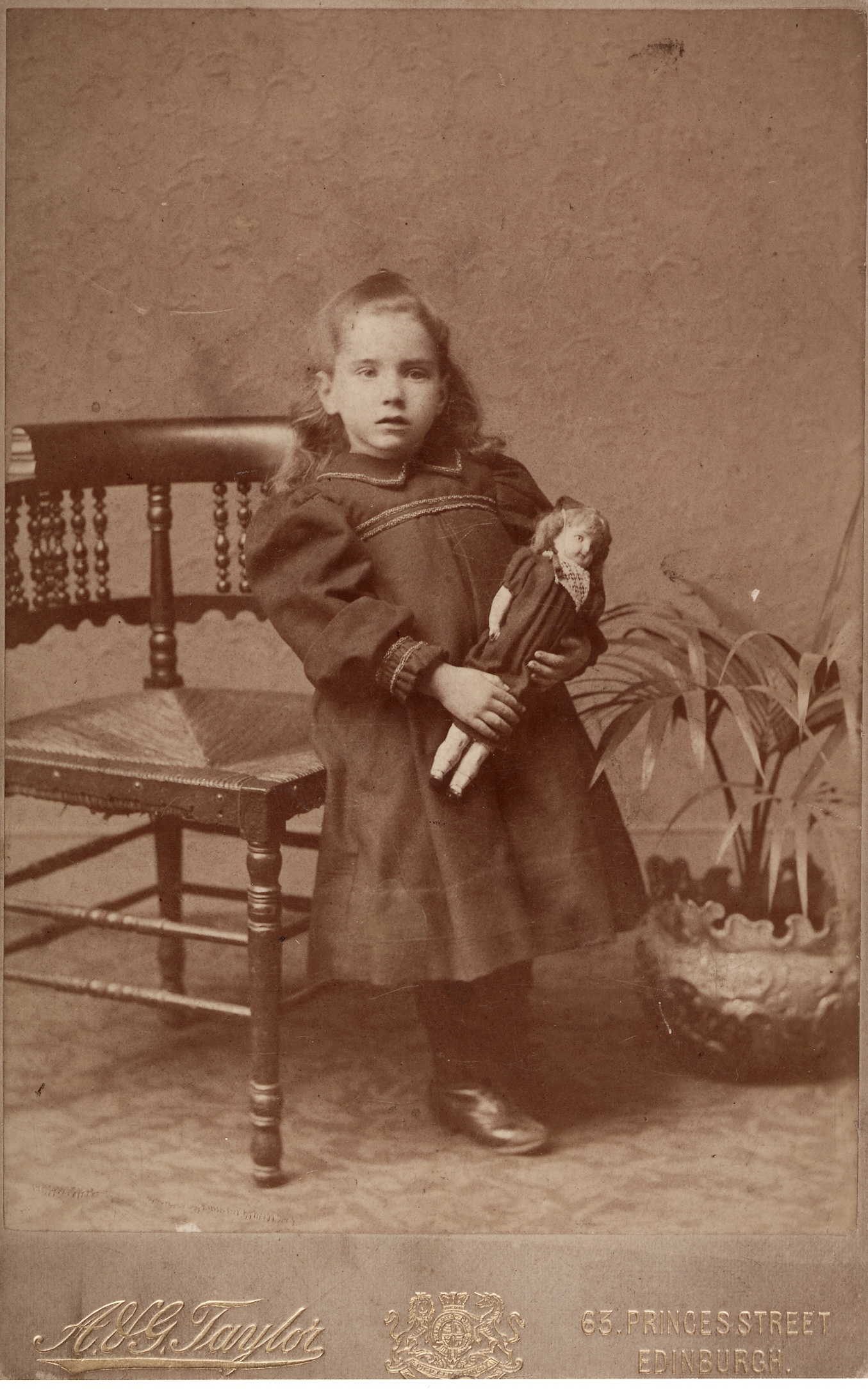
It’s always fascinating, talking to older family members and hearing their stories of days gone by. I remember my grandmother talking about her life growing up in Edinburgh with her parents and brothers. The family were keen photographers so we have a wealth of photos ranging from Granny as a toddler in 1890-something, all the way up to her last years, when she lived in Glasgow with her younger brother.

What she never mentioned was either of the wars she lived through, apart from the odd comment about food rationing. Another taboo was the death of my grandfather when my mother was just fourteen. He died in an industrial accident on the railway, where he worked, so Granny was given compensation – a return train ticket to London. It was her first and only trip outside Scotland. How I wish I’d been old enough to know I should be questioning her greedily, saving up her answers for my own children. I was still a teenager when she died, and there was too much Mum didn’t know either.

That’s how it is with family secrets, I think – usually, they’re not so much grisly skeletons in the closet as things that are just too hard to speak about. Or maybe, details are simply forgotten over time, not mentioned because nobody thinks to. When I was researching my family tree, I came across a distant little cousin who’d drowned in a Glasgow swimming pool in the 1940s, aged eleven. I’d never heard of her, and my mother could only just remember hearing her talked of. It was a tragedy lost over generations, though I’m sure little Agnes’s close family still remember.

Other secrets are grisly and terrible. A few years ago, I read a news story where someone had kept something truly awful from his nearest and dearest for over twenty years. I won’t say more because they are real people, but this man’s wife and children had no idea that the person they were living with was capable of what he had done. That started me thinking… and the end result is my ninth psychological suspense novel, The Runaway.

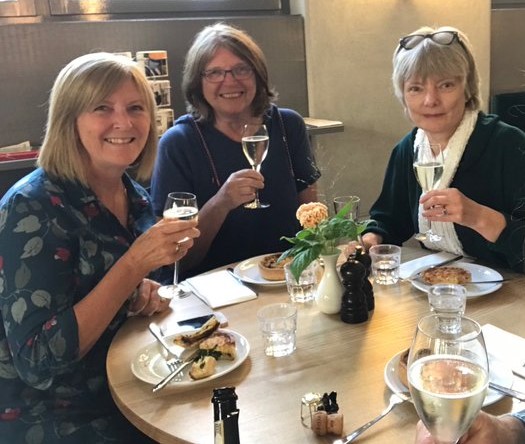
Cass (left) and Linda (right)

In the book, Nicola, Ed and Kelly Seaton relocate from London to lovely Cornwall. It should be a fresh start for them all – teenager Kelly had got in with a bad crowd, Ed had lost his job and Nicola was struggling to keep the family on an even keel. So they moved into Ed’s old family home by the sea. Nicola was determined to make a success of the new life, but little did she suspect what had happened in the house when Ed was growing up. He’d kept his secret well…

This is the third book I’ve set in Cornwall; I’m making no secret of the fact that I love the place! The Seaton family’s new home is near St Ives, which has fabulous beaches and a beautiful old town. It’s years now since I’ve been there, but one day I’ll go back. And meanwhile, I can write about it.


Linda Huber grew up in Glasgow but went to work in Switzerland for a year aged twenty-two, and has lived there ever since. Her day jobs have included working as a physiotherapist in hospitals and schools for handicapped children, and teaching English in a medieval castle.

Her writing career began in the nineties, when she had over fifty short stories published in women’s magazines before turning to longer fiction. The Runaway is her ninth psychological suspense novel.

Find out more about Linda at www.lindahuber.net or follow her on Twitter @LindaHuber19

SISTER SCRIBES: JANE CABLE ON HOW WINNING A FACEBOOK COMPETITION INSPIRED A BOOK

As an author, the most frequently asked questions are without a doubt about what inspires you. Sometimes it’s the very smallest thing, but wherever an idea starts it needs to become a snowball, slowly gathering size and pace, to create the perfect storm – if you’ll excuse my rather poorly mixed weather metaphors.

My lastest book Endless Skies had the strangest of starts. My husband Jim and I are huge fans of The Great British Menu, and when one of the then finalists, Colin McGurran, organised a Facebook competition to win a stay at his restaurant with rooms in Lincolnshire, Winteringham Fields, we decided to enter. It was a simple ‘yes or no’ question followed by a draw, so Jim decided to take ‘yes’ and I would take ‘no’. Unfortunately I never did complete my half of the bargain as my mother was rushed into hospital. Fortunately the answer was ‘yes’ and even more fortunately, Jim’s name was drawn out of the hat.

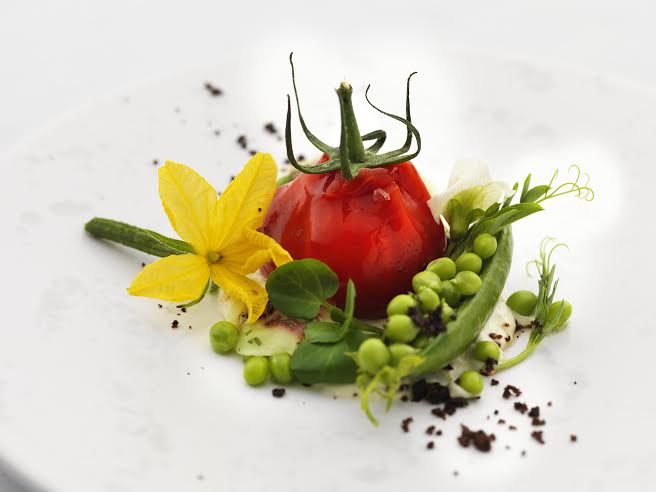
One of Colin’s signature dishes

We arrived at the village of Winteringham on the banks of the Humber on a glorious summer day and once we had checked in went for a walk. The skies above us were blue and quite immense – on a different scale to anything we had seen elsewhere – but half way back across a field of stubble we heard what sounded like thousands of running footsteps behind us. We turned, only to see a curtain of rain approaching. It was a scene so incredible it had to find its way into a book and a tiny seed was planted.

For a while it rattled around in my head as I was working on Another You. Eventually I did some research about the area and discovered it was where Ermine Street ended and the Romans probably tried to cross the Humber. What a great place for an archaeologist to find herself. Alone, under that vast, empty sky.

We returned to Winteringham Fields the next year to celebrate our twentieth wedding anniversary and explored the area further, including the wonderful museum and library at Scunthorpe, where I was able to find out more about archaeological digs in the area. By this time I was writing; Rachel was alive in my head and we were having such fun disappearing down Roman rabbit holes together.

The settings; gorgeous Winteringham with its spectral remoteness and the bustling city of Lincoln were firmly established and the characters were coming along nicely too. Not just Rachel, but her octogenarian friend Esther (based more than a little on my mother, who had died between our first and second visits), and then men in Rachel’s life; Ben, Jem and Jonathan. I had an intricate plot as well, but something just wasn’t working.

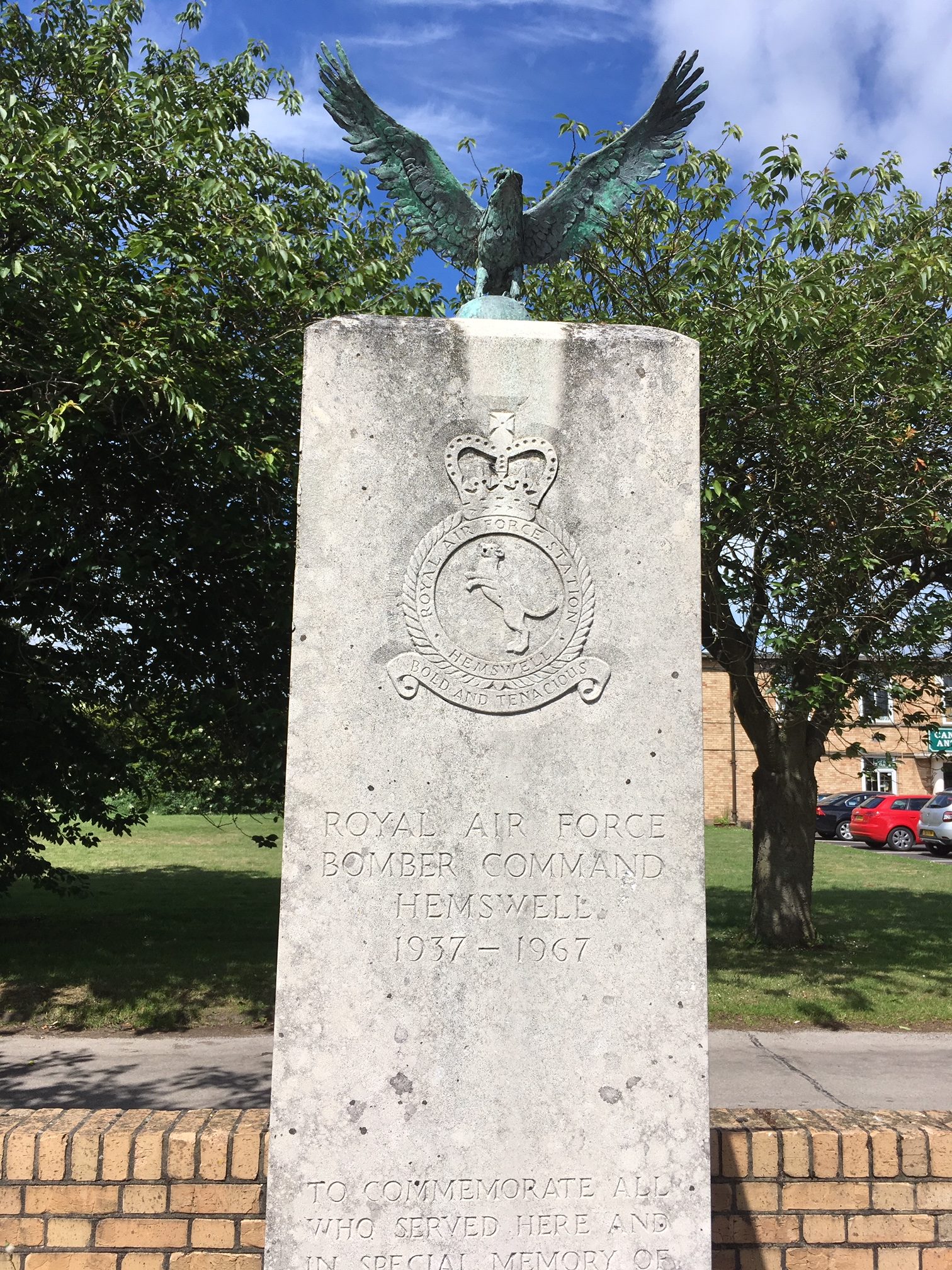
The war memorial at Hemswell

It took another visit to Lincolnshire to fathom it out. Jim is a keen cook and for his fiftieth birthday I arranged for him to spend a day in the kitchen at Winteringham Fields with Colin and his team. While he was up to his elbows in fish preparation I decided to visit the vast antiques centre at the old RAF base at Hemswell in search of a wooden towel rail for our spare room.

I found so much more. Standing in a quiet room at the back of the centre, with the sounds of schoolchildren in the playground next door drifting through the open window, it came to me. World War Two. I was in an old barrack block used by Polish airmen during the conflict and I could almost hear their feet on the lino as they ran down the stairs. The last piece of the jigsaw was in place and I could finish Endless Skies.


During our first visit to Winteringham Fields I reviewed it for Frost and you can read that review here. But not if you’re hungry.

Winteringham Fields Review


Read An Extract From Adele Parks New Book Just My Luck

Just My Luck, Adele Parks, extract , review

Lexi

Saturday, 20th April

I can’t face going straight home to Jake. I’m not ready to deal with this. I need to try to process it frst. But how? Where do I start? I have no idea. The blankness in my mind terrifes me. I always know what to do. I always have a solution, a way of tackling something, giving it a happy spin. I’m Lexi Greenwood, the woman everyone knows of as the fxer, the smiler (some might even slightly snidely call me a do-gooder). Lexi Greenwood, wife, mother, friend.
You think you know someone. But you don’t know anyone, not really. You never can.
I need a drink. I drive to our local. Sod it, I’ll leave the car at the pub and walk home, pick it up in the morning. I order a glass of red wine, a large one, then I look for a seat tucked away in the corner where I can down my drink alone. It’s Easter weekend, and a rare hot one. The place is packed. As I thread my way through the heaving bar, a number of neighbours raise a glass, gesturing to me to join them; they ask after the kids and Jake. Everyone else in the pub seems celebratory, buoyant. I feel detached. Lost. That’s the thing about living in a small village, you recognise everyone. Sometimes that reassures me, sometimes it’s inconvenient. I politely and apologetically defect their friendly overtures and continue in my search for a solitary spot. Saturday vibes are all around me, but I feel nothing other than stunned, stressed, isolated.You think you know someone.
What does this mean for our group? Our frimily. Friends that are like family. What a joke. Blatantly, we’re not friends anymore. I’ve been trying to hide from the facts for some time, hoping there was a misunderstanding, an explanation; nothing can explain away this.
I told Jake I’d only be a short while; I should text him to say I’ll be longer. I reach for my phone and realise in my haste to leave the house, I haven’t brought it with me. Jake will be wondering where I am; I don’t care. I down my wine. The acidity hits my throat, a shock and a relief at once. Then I go to the bar to order a second.
The local pub is only a ten-minute walk away from our home but by the time I attempt the walk back, the red wine had taken effect. Unfortunately, I am feeling the sort of drunk that nurtures paranoia and fury, rather than a light head or heart. What can I do to right this wrong? I have to do something. I can’t carry on as normal, pretending I know nothing of it. Can I?
As I approach home, I see Jake at the window, peering out.I barely recognise him. He looks taut, tense. On spotting me, he runs to fing open the front door.
‘Lexi, Lexi, quickly come in here,’ he hiss-whispers, clearly agitated. ‘Where have you been? Why didn’t you take your phone? I’ve been calling you. I needed to get hold of you.’
What now? My frst thoughts turn to our son. ‘Is it Logan? Has he hurt himself?’ I ask anxiously. I’m already teetering on the edge; my head quickly goes to a dark place. Split skulls, broken bones. A dash to A&E isn’t unheard of; thirteen-year-old Logan has daredevil tendencies and the sort of mentality that thinks shimmying down a drainpipe is a reasonable way to exit his bedroom in order to go outside and kick a football about. My ffteen-year-old daughter, Emily, rarely causes me a moment’s concern.
‘No, no, he’s fne. Both the kids are in their rooms. It’s… Look, come inside, I can’t tell you out here.’ Jake is practically bouncing up and down on the balls of his feet. I can’t read him. My head is too fuzzy with wine and full of rage and disgust. I resent Jake for causing more drama, although he has no idea what shit I’m deal- ing with. I’ve never seen him quite this way before. If I touched him, I might get an electric shock; he oozes a dangerous energy. I follow my husband into the house. He is hurrying, urging me to speed up. I slow down, deliberately obtuse. In the hallway he turns to me, takes a deep breath, runs his hands through his hair but won’t, can’t, meet my eyes. For a crazy moment I think he is about to confess to having an affair. ‘OK, just tell me, did you buy a lottery ticket this week?’ he asks.
‘Yes.’ I have bought a lottery ticket every week of my life for the last ffteen years. Despite all the bother last week, I have stuck to my habit.
Jake takes in another deep breath, sucking all the oxygen from the hallway. ‘OK, and did you—’ he breaks off, fnally drags his eyes to meet mine. I’m not sure what I see in his gaze, an almost painful longing, fear and panic. Yet at the same time there is hope there too. ‘Did you pick the usual numbers?’
‘Yes.’
His jaw is still set tight. ‘You have the ticket?’ ‘Yes.’
‘You’re sure?’
‘Yes, it’s pinned on the noticeboard in the kitchen. Why?
What’s going on?’
‘Fuck.’ Jake lets out a breath that has the power of a storm. He falls back against the hall wall for a second and then he rallies, grabs my hand and pulls me into the room that was designed to be a dining room but has ended up being a sort of study slash dumping ground. A place where the children sometimes do their homework, I tackle paying the household bills, and towering piles of ironing, punctured footballs and old trainers hide out. Jake sits down in front of the computer and starts to quickly open various tabs.
‘I wasn’t sure that we even had a ticket, but when you were late back and the flm I was watching had fnished, I couldn’t resist checking. I don’t know why. Habit, I suppose. And look.’ ‘What?’ I can’t quite work out what he’s on about, it might be the wine, it might be because my head is still full of betrayal and deceit, but I can’t seem to climb into his moment. I turn to the screen. The lottery website. Brash and loud. A clash of bright
colours and fonts. 1, 8, 20, 29, 49, 58. The numbers glare at me from the com- puter. Numbers I am so familiar with. Yet they seem peculiar and unbelievable.
‘I don’t understand. Is this a joke?’
‘No, Lexi. No! It’s for real. We’ve only gone and won the bloody lottery!’

Just My Luck by Adele Parks is published by HQ, HarperCollins in hardback, eBook and audiobook, and is available to buy here.

SISTER SCRIBES GUEST: KIRSTEN INTERVIEWS WRITER AND TUTOR CHRIS MANBY

Today I ask the questions of Chris Manby.  Chris was the tutor on my very first retreat and we have since become good friends. Over to you, Chris.

  • First off the blocks. Plotter or pantser?

Definitely a plotter! I used to be a pantser but a series of short deadlines meant I had to get a strategy. I use screenplay principles to work out what needs to happen when though of course I often stray from my plan

  • How do you organise your work?

I’m a real geek.  When I get my deadline, I work out a timetable with daily word count based on the average length of a novel.  I make sure I allow myself weekends off (though rarely take them).  Then I just get writing.  I don’t stick to rigid hours but I do stick to daily word counts.

  • What is the hardest part of writing?

Getting through the mid-section of a book without losing pace and enthusiasm. Plotting helps as it means I can write something from the end instead and often that will inform what needs to happen in the middle.

  • And what is the most rewarding?

Most rewarding is returning to a manuscript after a week or so away from it and thinking “that’s actually not so bad”.

  • How has your writing style developed over time?

Photo credit: Michael Pilkington

I’m not sure my style has developed much at all!  I still think the first short story I had published –when I was fourteen – is one of the most elegant things I’ve ever written.  But I do now avoid swearing in my books. American readers in particular don’t like it.

  • What do you see as the greatest success of your writing career?

In the noughties, I had a few top ten bestsellers. That was wonderful.  But what felt like real success was when my sister said she loved one of my novels! It was The Worst Case Scenario Cookery Club.

  • And what was the deepest disappointment?

Any book that doesn’t sell is a disappointment but after twenty years I’m learning not to equate sales figures with a book’s intrinsic merits. I know my best-selling books are far from my best work!

  • Talk us through how you develop your characters.

In the same way we get to know a new friend.  The more time you spend with them, the better you know their quirks, their hopes and their dreams. Sometimes characters surprise me.

  • Sister Scribes is all about women writers supporting each other. Do you have a ‘go to’ bunch of fellow female writers you value and rely on?

I met a wonderful bunch of women in 2000 when, together with Fiona Walker and Jessica Adams, I edited an anthology called Girls’ Night In for War Child. Lucy Dillon and Alexandra Potter are two great friends from those days.  They’re always up for a glass of fizz and a chinwag.  More recently, through the Place To Write I’ve made some fantastic new friends, who are always ready with a word of encouragement. I don’t often show writer friends my work in progress though. I’m easily discouraged by faint praise. Better not to risk it.

  • Can you tell us anything about your next project(s)

I’ve just finished a ghost-writing project and now have three months to write a novel.  Fortunately, it’s already planned to the “nth” degree.  It’s called “What the Heart Sees” and the hero is… well, he’s small, dark and very, very hairy.