BUSINESS OF BOOKS: FIRST, LAST EVERYTHING – MENTOR AND NOVELIST CATHIE HARTIGAN

What was the first piece of publishing advice you received?

The first piece of publishing advice I received wasn’t offered directly, but came in the form of a question. It was over ten years ago now and I was in my first one-to-one with an agent. After she set the timer ticking for ten minutes, and put it on the table between us, she said. ‘Tell me, when do you write?’ This took me completely by surprise; but I understood that she was looking for my commitment to being a professional author.

It also reinforced in my mind, that publishing is an industry, and unless you are that very rare literary writer who sells in large numbers, the commercial market is very likely to want you to write one, or even two books a year.

My answer to the agent by the way was all the time. Not that she took me on. I was disappointed at the time, but thankful now. I had yet to finish my first novel, and I’ve learned a great deal since.


What was the most recent publishing advice you gave or received?

Don’t be in a hurry to self-publish. I’m often approached for advice on the back of my own self-publishing success with my debut novel Secret of the Song. It’s impossible to predict how a book will fare once it’s out in the world. I was very fortunate, but I was also well connected within the writing community, as a creative writing teacher, co-author of a successful textbook, and organiser of the Exeter Novel, Story and Flash prizes. I feel sad for people who put so much effort into writing a novel, and then see it become plankton in the ocean of books available. Having said that, self-publishing can be a brilliant option for books that have a limited, but ready-made market, such as family memoirs or books about very niche subjects.


What is the piece of advice you’d most like to pass on?

If you’re going to self-publish, it’s important to go through the same steps as a mainstream publisher would prior to publication. Think carefully before using free resources unless you’re convinced about the result. It’s usually worth paying professionals for edits, proofing and cover design.


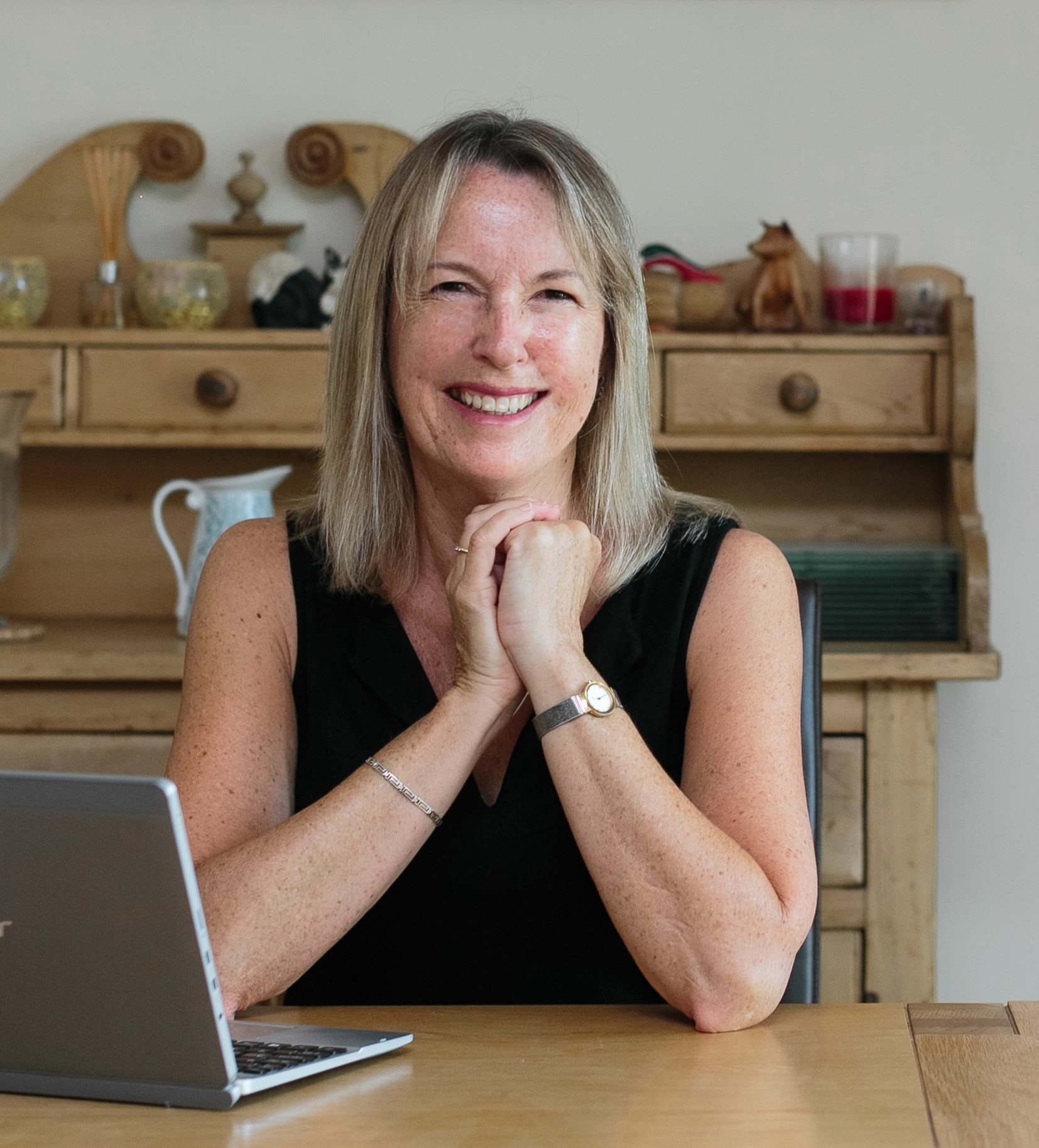
Cathie Hartigan is a novelist and founder of www.creativewritingmatters.co.uk which offers a range of services for writers, including competitions, mentoring and manuscript appraisals. Cathie’s novel, Secret of the Song, was recently shortlisted for the inaugural Hall & Woodhouse Dorchester Literary Festival Writing Prize.

Stranger than fiction: Q&A with ‘bio-fiction’ creator, Giuseppe Cafiero

The acclaimed Italian author Giuseppe Cafiero has created a new literary genre that weaves traditional fiction with real-life biography. In this exclusive interview, he tells Frost Magazine what inspired his unique style of ‘bio-fiction’.

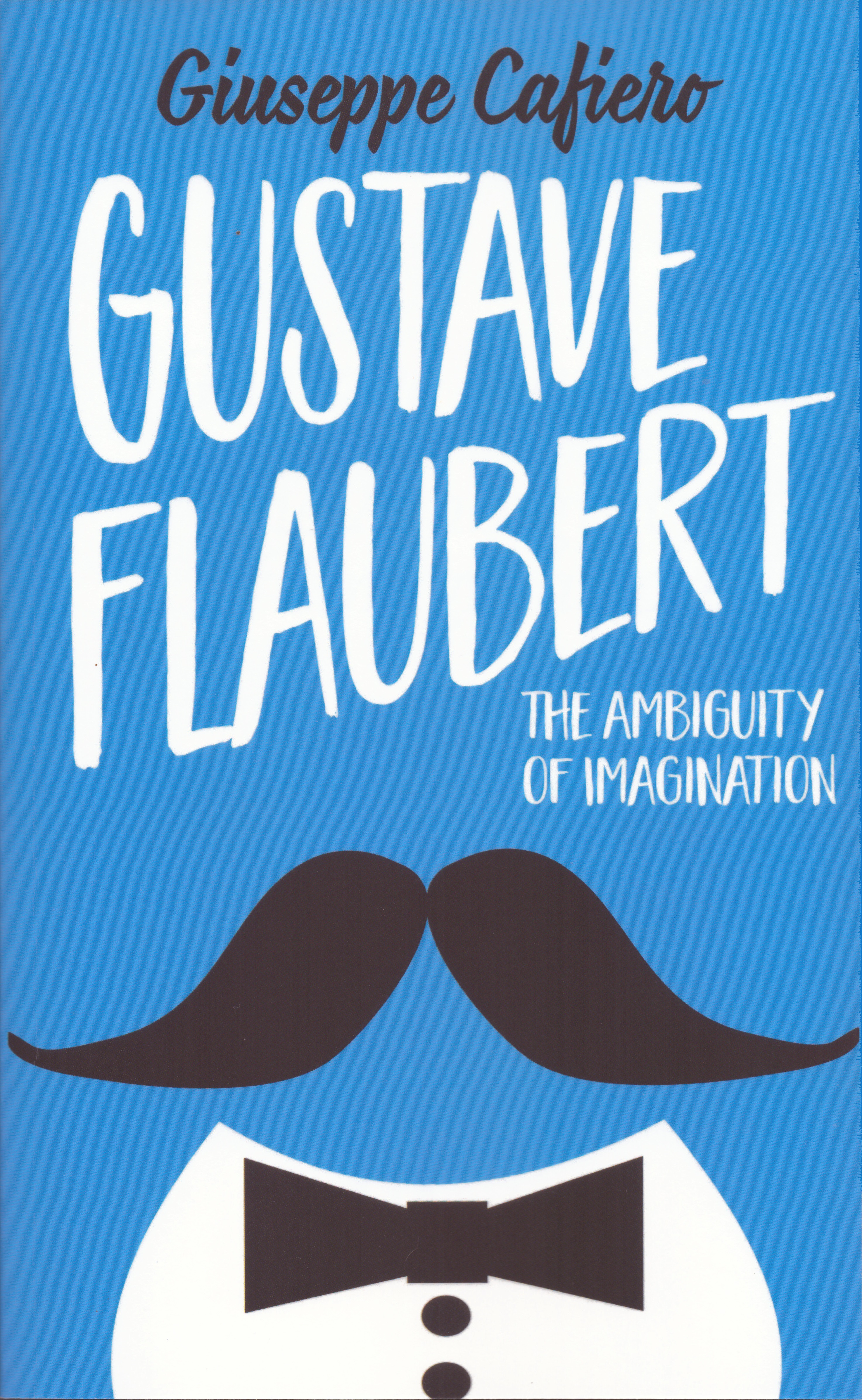
Frost Magazine (FM): Your novel, Gustave Flaubert: The Ambiguity of Imagination, describes in detail the life and writing of the famous 19th century author. What is the importance and lasting fascination of Flaubert?

Giuseppe Cafiero (GC): Flaubert’s attention to writing. He was very careful in choosing words. He was very scrupulous in the composition of the sentences. He was very much looking forward to the balance of dialogues.

FM: You are clearly a fan of Flaubert’s writing. Which of your novels or stories would you recommend as the best to read first, and why?

GC: An incomplete book: Bouvard and Pecuchet. This is the book that inspired me to write Gustave Flaubert: The Ambiguity Of Imagination.

FM: Your work is part of the surreal genres and metafictions. Why do you find these genres as satisfying as an author? What can the reader take from these genres that are not offered by other types of writing?

GC: Because it’s suggestive to talk about ambiguity. Because it is very suggestive to speak in a surreal way about the ambiguity of a writer. It’s necessary to engage the reader in different readings by looking at an author under another aspect that intrigues with the surreal

FM: You are the inventor of a literary genre that you have dubbed ‘bio-fiction’. What do you mean by this term and how does it differ from biography or fiction?

GC: My literary genre is neither fiction nor biography. I try to tell a story about the life of a writer in which a surreal element intervenes that modifies reality. This is only an interpretative ambiguity of events that changes what was considered an absolute truth

FM: In your novel, Flaubert presents himself as a rather flawed individual. Do you think that his sexual and mental obsessions were an essential factor in allowing him to write the great works of literature for which he is famous?

GC: Undoubtedly. It is precisely these obsessions that have made Flaubert a particular writer. Without these pathological obsessions Flaubert would have been perhaps an insignificant writer

FM: Which authors have had more influence on your writing and why?

GC: My writing was influenced very much by Jorge Luis Borges, because if Borges has viewed the world and influenced his writings through the use of duplicity, I have believed that ambiguity would be deciphering in the world in a different but also very suggestive way

FM: How do you decide which historical figures to give biofocus treatment? Are there any character traits you are looking for that make an ideal subject?

GC: There are some characters (writers, painters, musicians) that interest me a lot. Certainly these characters have had adventures or have had friends or loves that lend themselves very well to the game of ambiguity

FM: What other authors do you think to give to the “bio-fiction” treatment in the future and why?

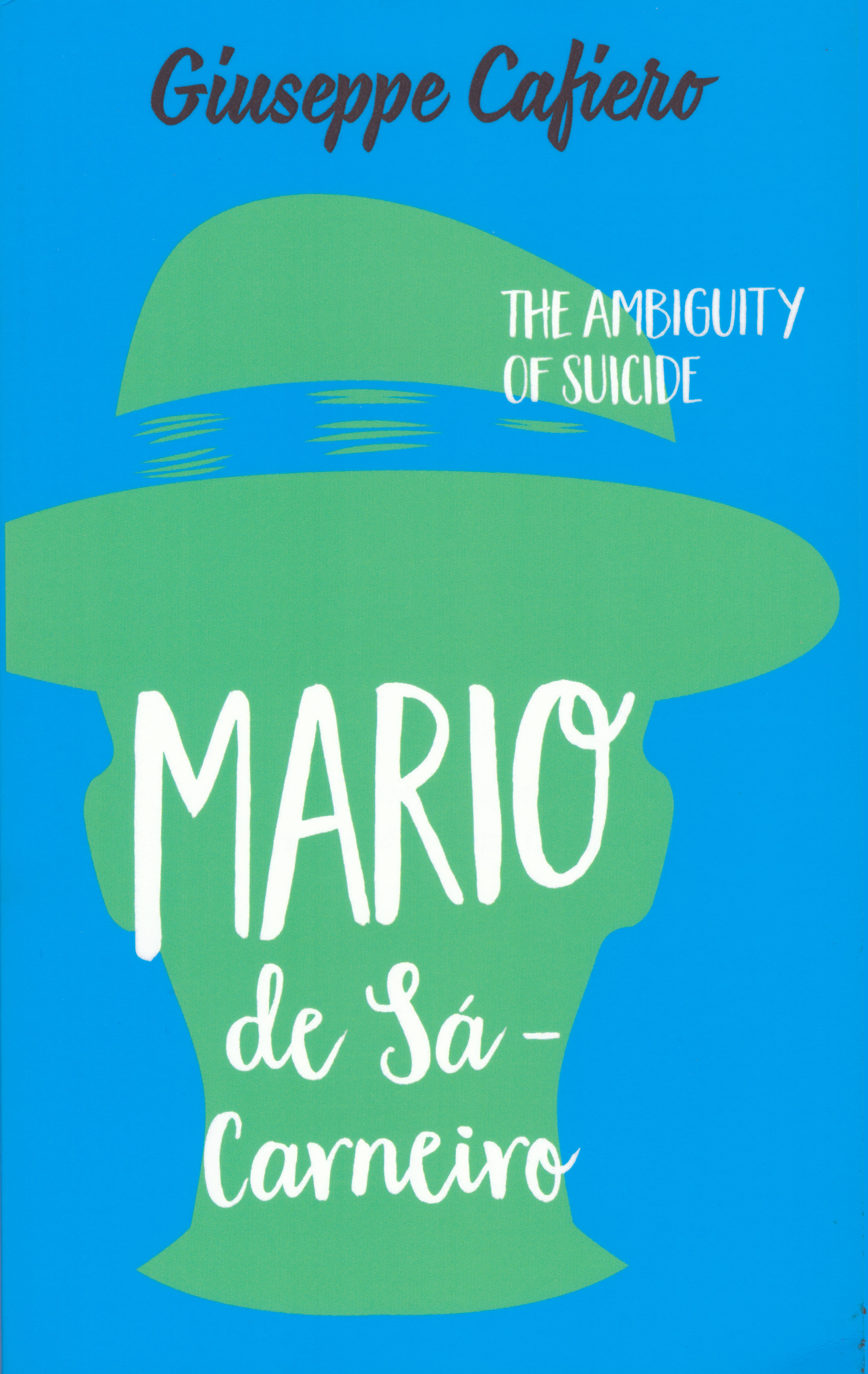
GC: The Portuguese poet Mario de Sa Carneiro for the ambiguity of his suicide. Virginia Woolf for the ambiguity of her lesbian love. James Joyce for the ambiguity of the epiphanies. Edgar Allan Poe for the ambiguity of his death for alcoholism.

FM: Your novels address the main theme of “ambiguity”. Why does this concept fascinate you and how does this idea link to what we can hope to understand as “truth” from literature and history?

GC: The theme of ambiguity fascinates me because it’s possible to look at the life and works of an artist in a different way through a keyhole that deforms things just because this keyhole is ambiguity. It is an ambiguity that can show another truth.

Gustave Flaubert: The Ambiguity Of Imagination and Mário De Sá-Carneiro: The Ambiguity Of A Suicide, both by Giuseppe Cafiero, are out now.


REVIEWING THE PERFECT CRIME

Jane Cable reviews the latest novel by one of Frost’s four writers

As regular readers of this column will know, to my shame I don’t read many books. The problem being that when I’m in my own characters’ heads I don’t want to be in anyone else’s. And with a good book I like to totally immerse myself in the world that the author has gone to so much effort to create.

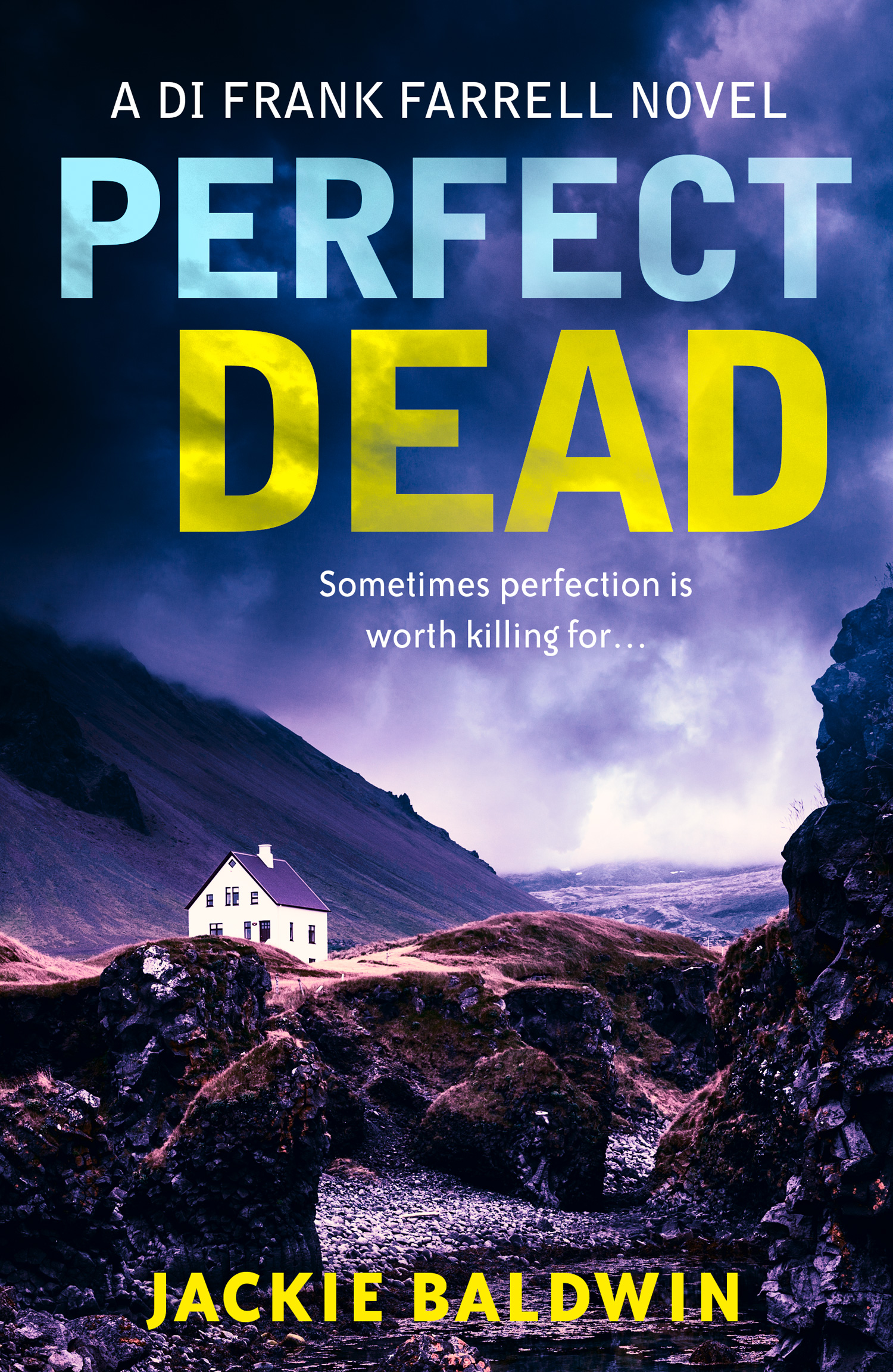
It speaks volumes for Jackie Baldwin’s Perfect Dead, set in a freezing Scottish winter, that I actually felt cold reading it during a Cornish heatwave. I saw the ice on DI Farrell’s windscreen, experienced the damp chill of the remote cottage where the murder victim, artist Monro Stevenson, is found. The setting was brought so vividly to life that I was actually walking through the streets of the little coastal village, the salt tang of the sea in my hair, and driving down twisting lanes to remote country houses.

I have to admit that crime fiction is not my usual genre these days, although I do rather love watching re-runs of Midsomer Murders (I won’t call it a guilty pleasure because I fundamentally refuse to accept that any pleasure should be guilty). Cosy crime. Count the murders, find out who did it, save the last potential victim in a dramatic crisis then all go home for a cup of cocoa. Perfect. But not Perfect Dead.

What I am never sure about is whether it’s a good or a bad thing to be able to guess the perpetrator. Writing mysteries myself, I know only too well how hard it is to seed the story with just the right number of red herrings and clues. And Baldwin has a superb red herring in Perfect Dead – one I didn’t see coming until right at the last moment and which adds an extra layer of emotion to what is already an intense and gripping story.

This is a book where the characters’ internal journeys are as much an incentive to read on as solving the crime. Not just DI Farrell, working with the pull of the Catholic church in and around him, but the issues in the lives of his various colleagues are beautifully drawn and you find yourself caring as much about how these work out as you do about having the murderer brought to justice.

Perfect Dead is the second book in the DI Frank Farrell series so the characters’ lives are bound to pan out over time. This, and the quality of Baldwin’s writing, would in itself be enough to bring readers back for book three and my one argument with the Perfect Dead is that a major strand is left hanging, and far from being intrigued it left me feeling frustrated and a little short changed.

There’s something else I’ve discovered about crime books during this process – it is almost impossible to write a review of any length without giving away spoilers. So I won’t. Read the book for yourself and find out what happens. I promise you it’s worth it.


Good grief: how to write about death and loss in fiction

By Nicholas Leigh, exclusively for Frost Magazine

 author Nicholas Leigh with permission from  anthony.harvison@palamedes.co.uk

Death happens many times a day – loss is as common as taking a train. But when it is you who loses someone you love, it becomes a moment of rare devastation.

To write about loss and the grief that comes with it is, then, to write about the utterly constant and the crushing rarity at the same time. It falls to the writer to reflect the existence of these contradictory feelings within a single moment – in other words, to reflect real life. The pleasure and comfort of reading comes, as wise folk have said in the past, from a complete stranger saying to you, I have been through what you are going through now – and I understand how you feel. A writer telling a story about loss and its grief takes on the mantle not just of storyteller but also counsellor, and perhaps even healer. 

To honour this considerable responsibility, the issues that any writer intent on creating a good piece of work – how to form living, breathing characters, bring to life the world they live in and tell their story in an exciting, gripping manner – remain. Added on top is the question of how you respect the loss your reader has experienced, and recognise their grief, without undermining the story, or making it unreadable to others who just want to immerse themselves in a good, if emotional tale. To achieve this, it may help to consider yourself an archaeologist.

Loss – and in particular grief – is a many-layered experience. You cannot help someone who is grieving by simply saying, let me help you. As another wise person once said, if you were capable of sharing my grief, I would gladly let you have it all. Instead, you have to start at ground level, and then dig down through each of the layers of that relationship, descending through your character’s experiences with the person they have lost, the happy times and the difficult periods, the reversals of expectation, the times when it was not they who let your lead down, but vice versa. All of these layers need to be explored, deciphered, decoded, and it is this exploration that could form much of your story.

You must keep on going until you reach what lies beneath it all: the love that causes this grief to be so painful. For at the heart of the matter is the heart itself. To write about loss is to write about love. The writer must ensure that the love story at the centre of a tale about grief is well-drawn, convincing – perhaps even a little complicated.

Stories remind us of the people in our lives, and how we feel about them. So when you cry from reading, you are often really crying for yourself, and for those closest to you. To give your story the heart it needs to have the power you desire, open up the best resource you have available: yourself and your experiences. Write as if you were talking about those closest to you, even if your story takes place in the Fourteenth Century, or on a planet light years away. The simple humanity that comes from talking about simple human experiences will emerge and could provide readers you will never get to meet with a helping hand in dealing with their own grief just when they needed it the most. 

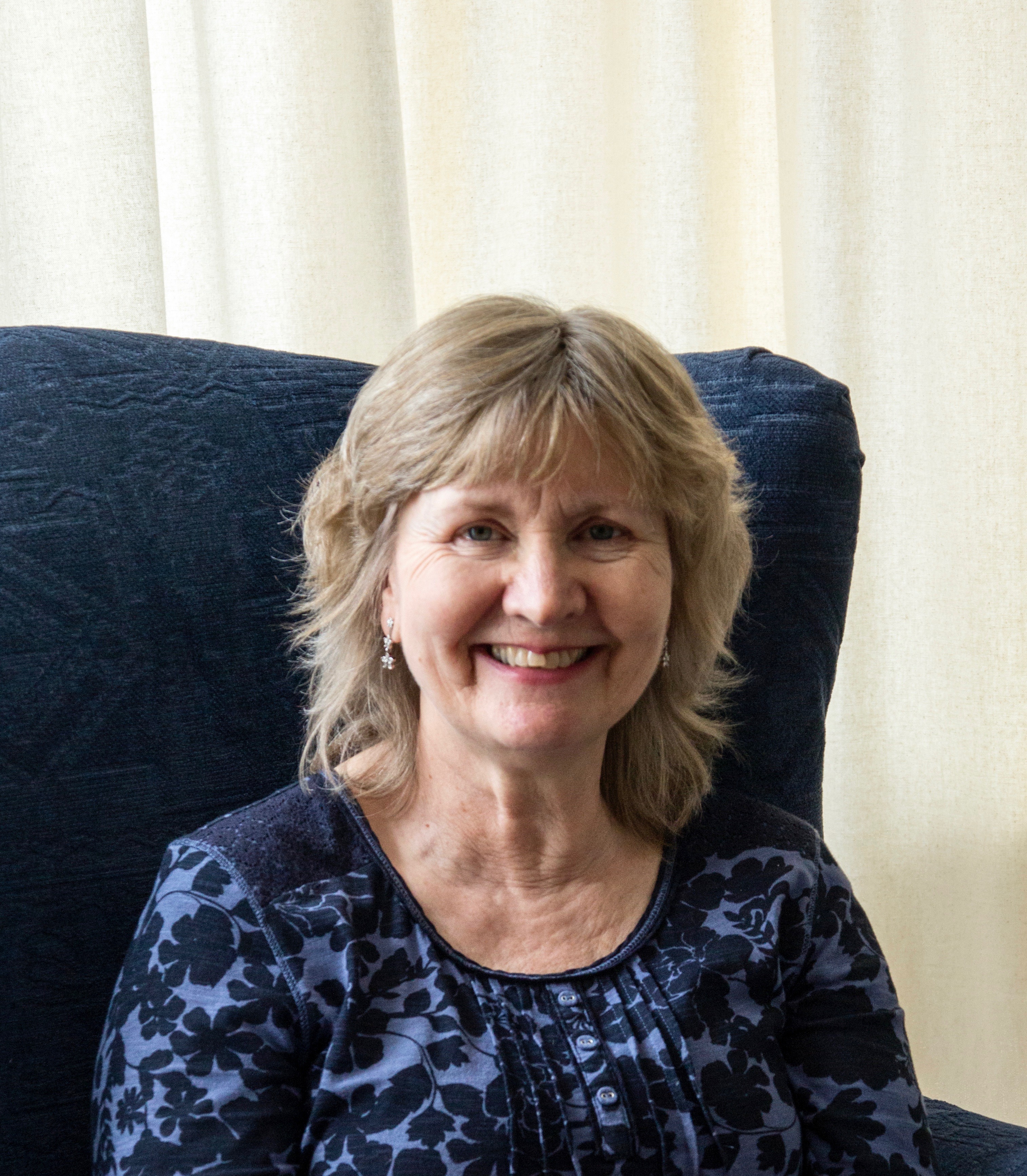
Nicholas Leigh is a British author whose intelligent and individualistic novels are based on relationships and human interactions. His books include Blood Harmonies, The Condition, The Confession of Dieter Berenson, and his latest novella, Two Women. All are available now through Liborwich Publishing on Amazon UK

BUSINESS OF BOOKS: FIRST, LAST, EVERYTHING – CHILDREN’S AUTHOR CHRISTOPHER JOYCE

What was the first piece of writing advice you received?

I armed myself with How Not to Write a Novel by Newman and Middlemark, which is both hilarious and packed full of tips, and The Art of Writing Fiction a rather more scholarly book by Andrew Cowan. 

The first book covers plot, character, style and much more. Each tip is accompanied by bad examples with headings such as ‘The Gum on the Mantelpiece’ where the author makes much play about said-piece of confectionery and then NEVER refers to it again. Anyone else guilty of that? Another of my favourites is a section entitled ‘Said the Fascinating Man” where the author tells the reader what you think of his writing. “Was it a fish?” the girl said eloquently.

The section on what not to name your cat in your story includes:

  • after a composer (Bartok, Mahler)
  • Mr + adjective + anatomical feature (Mr fluffy paws)
  • Magnificat – or similar pun

I think I got away with naming the cat in my book, The Creatures of Chichester – The One About The Smelly Ghosts. I decided on Purrcasso as she lives at the art gallery. What do you think? Did it stray into Magnificat territory?

Mr Cowan’s book is more learned with lots of writing exercises he used with his students at UEA, I believe. These include exercises on creating great dialogue, using all the senses and many more. I created a special notebook to do them all. It’s mostly still empty but – one day.


What was the most recent writing advice you gave or received?

Sometimes it really is okay to tell not show. Every course I’ve ever attended and blog you read talk about showing not telling. It can become obsessive. At some point, it’s better to just say: ‘it’s midnight’ rather than: ‘Bats passed silently by the ancient metal hands of the church clock as they moved into a vertical position.’ This is particularly true in children’s books where most kids want action. I am, however, a fan of using show not tell in dialogue though. Better to write His clenched fist was inches from her face, “I Hate you!” said Bob then “I hate you,” said Bob angrily. In fact, part of my editing process is to remove as many adverbs as I can.


What’s the piece of advice you’d most like to pass on?

Once you’ve written and edited your work get in proofread by a professional. This is not your sister, who is an English graduate; not your neighbour, who studied law and is very bright and NEVER yourself. It’s impossible. I would add that Grammarly is great at picking up many obvious errors, and it’s free too.

If you can afford an editor then this will also make a huge difference. There are lots of good books and courses on this but, like the proofreading tip above, it’s very hard to do this objectively yourself. reedsy.com is a great source of advice on what you need to consider and also provide experts who can do this for you.

Finally, if you decide to self-publish (as Mark Twain and the Bronte sisters did) then pay for a professional cover designer. If you’ve taken a year or more to write the best book you can, then surely this must be worth it? There are also lots of good books and webinars on this but it’s like me downloading a book on how to play the violin. All the information is there, but I can assure you that my mother would testify that even though I passed grade 1 at junior school, it does not make me a member of the orchestra. If you’re a good writer then write. Leave the editing, proofreading and cover design to somebody else.


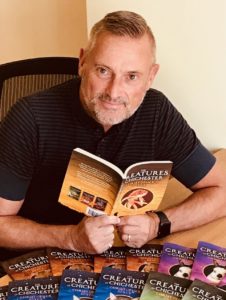
Christopher Joyce has written six books in The Creatures of Chichester series and produced The Alien Cookbook with out-of-this-world recipes for kids of all ages. He also promotes self-publishing through CHINDI a group of independent authors in the UK. www.creaturesofchichester.com. www.chindi-authors.co.uk


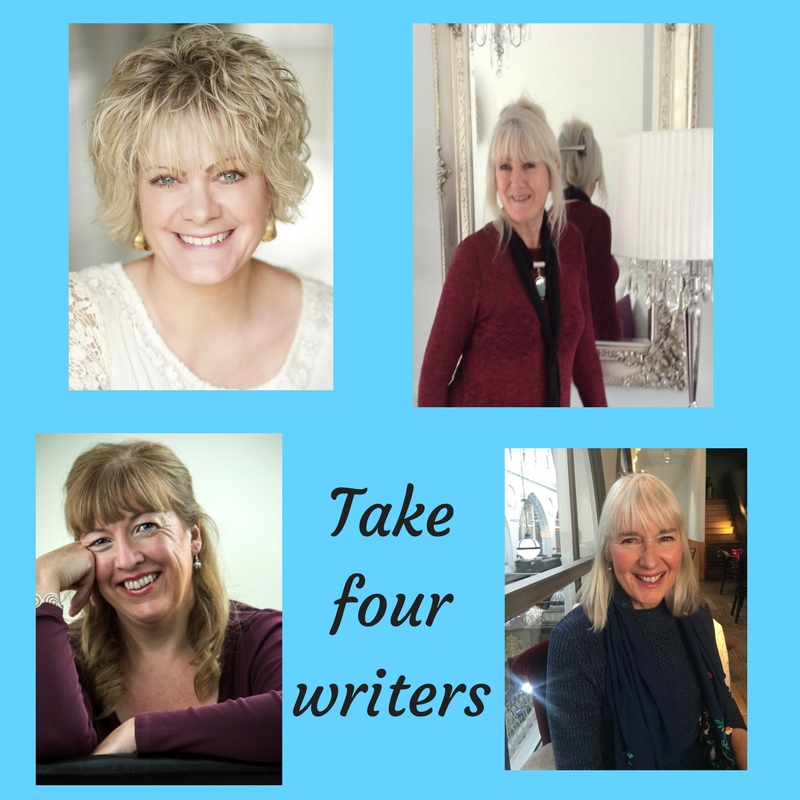
TAKE FOUR WRITERS: CELEBRATING, RESEARCHING, WEEDING, WAITING

JACKIE BALDWIN… CELEBRATING

A very exciting month! Publication Day of Perfect Dead came and went in a blur. I embarked on a blog tour organised by the fabulous Love Books Group. I’d already submitted the guest posts and extracts in advance so all that remained was trying to keep up with all the posts on social media. I also managed to trip over a boulder and smash up my face again, leaving me looking like I had taken up cage fighting!

I have to say, though, that publication day was not even close to being the highlight of my month. My proudest moment by far was watching my lovely daughter graduate in zoology from Aberdeen University. It was such a special day for all of us. I’m now home catching up on my blog tour before escaping to a Greek island on Friday to try and calm down!


LUCY COLEMAN… RESEARCHING

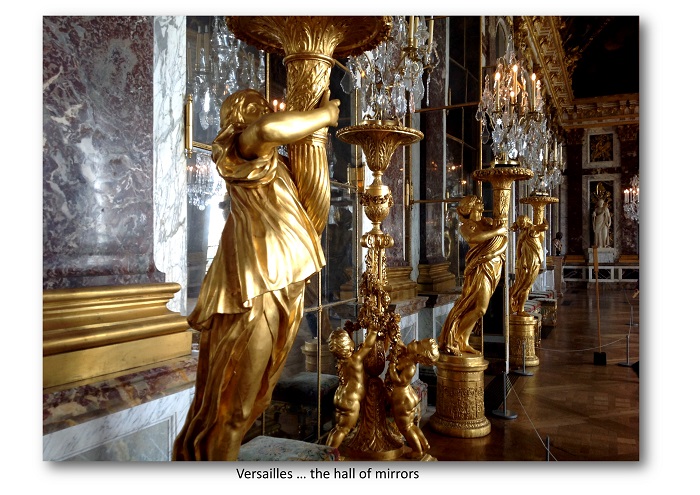
I’m a Gemini, so when asked what I wanted for my birthday I said ‘A trip to Versailles’ because I have an idea for a contemporary love story. I’ve been there twice before but I needed to soak up the ambience again – and grab photographs!

The final proof read of my next book, due to be released by Aria Fiction on 4 September 2018, arrived the day before I left for my holiday. But authors take their work with them, anyway, so after foot-wearying days my bedtime reading was sorted.

The palace at Versailles is enchanting, opulent and the stuff that dreams are made of – I fell in love with it all over again. Coming home I had to hit the ground running. New graphics to produce, two work-in-progresses on the go and a contract to sign … exciting times! But now I want to write about Versailles …


ANGELA PETCH… WEEDING

Suddenly, the writing road ahead is a flat path through wild flower meadows instead of a craggy climb. I always find calm in Tuscany where we live for six months each summer. After an initial panic over the edits needed for “Mavis and Dot”, I went for a long walk to untangle my thoughts and to face reality. I’m now acting on comments from my editor and Beta readers and rewriting sections. I’ve got my trowel out and I’m digging out the weeds, rearranging the beds. And I want “Mavis and Dot” to be as perfect as I can manage.

My husband helped devise a spread sheet for my illustrator. Her main job is busy editor of a Sussex based Arts Magazine called Ingenue, so she was pleased to work to a schedule. She hit the bullseye with two illustrations she subsequently sent and produced smiles of delight and relief.


CLAIRE DYER… WAITING

This month I want to talk about waiting. As a poet and an author I, like many others in the same fields, do a lot of it!

Consider this: I submitted some poems to a well-known literary journal in March of 2017. They accepted one of those poems in February: that’s eleven months of waiting. Also, I sent my agent a manuscript last September and waited for her valued and considered feedback which I got in December and it was well worth the wait! That manuscript then went on journeys out and about into the big wide world and there was more waiting and, as I write this, I still don’t know where its future might lie.

There are many more examples. In answer to the usual, ‘Where are you at the moment?’ the standard writer’s reply is ‘I’m waiting for my agent/editor/publicist/’ and/or, ‘I’m waiting to see the cover/get my first reviews/hear about a TV deal.’

Then there’s the fictional world of say, ‘The Truth about the Harry Quebert Affair’ by Joël Dicker where the fictional author is hounded by his fictional agent who calls constantly asking, ‘Where is the manuscript you promised me?’

I’m not sure how one goes from the one who waits to the one who is awaited, but there’s something tantalising about imagining this. Just think, one day I may get an email which says, ‘Dear Claire, We were wondering if your new book is ready as we have the perfect cover for it.’


BUSINESS OF BOOKS: FIRST, LAST, EVERYTHING – SAGA WRITER SUSANNA BAVIN

What was the first piece of writing advice you were given?

This wasn’t exactly writing advice as such. It dates back to when I was at grammar school and it was a regular feature of feedback on essays. I had a wonderful English teacher called Mrs Trueman, who taught me for five out of my seven secondary school years. From her I learned the importance of what she called elegant paragraph links – the natural flow of writing. To this day, if I am struggling to move along from one idea to the next, I can hear her voice in my head, insisting on, “Elegant paragraph links, girls.” It has also had an impact on me as a reader. I always notice a jerky transition between ideas. I hope my own writing is pretty seamless in that respect. If it is, it is thanks to Mrs Trueman!


What is the most recent piece of writing advice you gave or received?

Don’t get it right – get it written. I have joined in with the annual madness of NaNoWriMo several times and the advice there is all to do with getting the story down on paper – or on-screen – and worrying about perfecting it at a later date. I know there are plenty of writers who simply can’t do this. They have to get each section right before they can move on to the next; and there have been times when, instead of ploughing on, I have felt impelled to go back and change something in the WIP, because my brain refuses to carry on until I have done that tweak. But if you are able to produce a “dirty draft,” it makes a great starting point for the editing. I know plenty of writers hate the editing process, but I love it and find it rewarding.


What piece of advice would you most like to pass on?

I have offered this advice to a few writers and they have all told me it is a good idea, so I am happy to share it with you here: don’t stop writing today unless you know how you are going to start writing tomorrow. For me, being able to get going immediately is important, especially now that I am writing to deadlines. I recently gave up my day job, but when I was doing it alongside my writing, being able to switch into writing mode and get writing straight away was essential. I’m sure there are plenty of writers whose response to this advice will be to say that it wouldn’t work for them, because they want to be able to leave their writing when it is difficult, trusting that their subconscious will work on it and untangle the tricky bits. For me, following this rule means that, when I hit a problem and the writing becomes difficult, I always keep at it until I have got past the hard bit and things are flowing freely again… so that when I stop, I know how I’ll start again next time.


Susanna Bavin has worked as a librarian, a teacher, a carer and a cook. She lives in beautiful North Wales, but her writing is inspired by her Mancunian roots. Her sagas, The Deserter’s Daughter and A Respectable Woman, are published by Allison & Busby.

BUSINESS OF BOOKS: JANE CABLE ON BOOK BLOGS AND MAKING THE BIG BIRTHDAYS COUNT

All writers have slow news times and yet the voracity of social media means we always have to create news. My relationship with Frost means I’m very lucky as I can write about other people and still have plenty to share. But there comes a time when you have to focus back on yourself, even when you really have nothing to say.

I always knew that if I had a new book out at all this year it would be much later on, so there came a point when I was actively looking for something to celebrate. With three books becoming two when Endeavour Press went into liquidation and I decided not to sign with the successor company my writing CV suddenly seemed a little empty. Should I dash off a quick novella, write a few short stories to give away? No, I’m writing new material anyway and don’t want the distraction. So I decided to focus on what I already had.

On 1st August my debut novel, The Cheesemaker’s House, will be five years old. Sales are still ticking along nicely, but I wanted to give them a boost and celebrating the anniversary seemed an excellent excuse to do it. I’d been impressed by the results achieved for my Chindi Authors’ buddy Helen Christmas by Rachel’s Random Resources so I decided to sign up for one of their book birthday blitz packages followed by a mini blog tour.

Rachel is an experienced book blogger who has recently started to offer a variety of promotional services for authors. I was concerned that as The Cheesemaker’s House was so old and has had so many reviews there wouldn’t be a great deal of interest but I couldn’t have been more wrong. Within eighteen hours of announcing the tour on her website no fewer than 28 bloggers had signed up, 23 of them promising a review, and I couldn’t have been more delighted.

I’d agreed on a multi-content tour so over the last week I’ve been answering Q&As, writing guest blogs and choosing extracts from the book. It was strange going back five years and telling the book’s story all over again but I’m really hopeful it will reach a new audience and it was such fun to do.

While I am more than happy to pay for Rachel’s services to organise the tour I would never actually pay for a review. This week – like many other weeks – I’ve had emails asking me to do just that. I won’t, because I believe it’s wrong on so many levels. Especially as I’m yet to see a review anywhere that says ‘this review was paid for by the author’.

It’s an issue that’s been bubbling around on social media recently as well, as yet again bona fide book loving bloggers have been attacked for ‘undermining the market’ by giving free reviews. Excuse me? Although some bloggers have book marketing related businesses on the side (as Rachel does) their reviews are the product of being total and complete bookworms who just love to share their passion. And that’s important. Because it’s why we can trust them.