BUSINESS OF BOOKS: FIRST, LAST, EVERYTHING – JAMES FAKTOR, PUBLISHER AT ENDEAVOUR MEDIA

What was the first publishing advice you were ever given

I think the first piece of publishing advice I received came from an agent who came to lecture at my creative writing course (I forget her name!). She made a big impression on me, and said that the hardest thing about publishing is knowing what to turn down, and that there is no room to indulge. It was great advice because it kept forcing me to think with a commercial hat on rather than just what my personal preference was. As head of our sci-fi and fantasy imprint, I am by no means the biggest fan of the genre, but having a little distance from the books helps keep me impartial to their quality.

What was the most recent publishing advice you were given or gave

Our CEO Matthew Lynn suggested that we should be keeping our eyes open to other industries outside of publishing. You never know where the next big idea will come from, but with technology changing things so quickly now, it’s likely that other industries like advertising, marketing, tech and design will offer solutions to the next jump in publishing, and will rethink how we distribute and digest stories. The recent movement by Spotify to allow some audio books onto their platform is an example of how such cross-breeding could work.

What’s the piece of advice you’d most like to pass on

Put a name to a face quickly and always have a smile. Publishing is still quite a small world and conducting yourself in the right way will really keep your options open. You never know when you may need somebody’s help in the future!


James graduated from the University of York with a BA (Hons) in English Literature, before studying for an MA in Creative Writing at the University of Oxford. He joined Endeavour Media in 2018, and currently heads up our sci-fi imprint, as well as managing contracts.

Endeavour Media is an independent digital and print publisher based in London who work with over 800 authors, from talented debuts to top estates, to put both new and unfairly forgotten titles into the spotlight.

They specialise in championing out-of-print books by bringing them to the digital market under several different imprints, including their main list which is dedicated to thrillers, romance, historical fiction, biographies and history; a science-fiction, horror and fantasy imprint; a Western imprint; a German-language division; and a dedicated print arm.

Their mission is to publish enjoyable and important works of both fiction and nonfiction, as well as introduce new generations of readers to older classics. Find out more information at  www.endeavourmedia.co.uk


A Day in the Life of Rob Sinclair

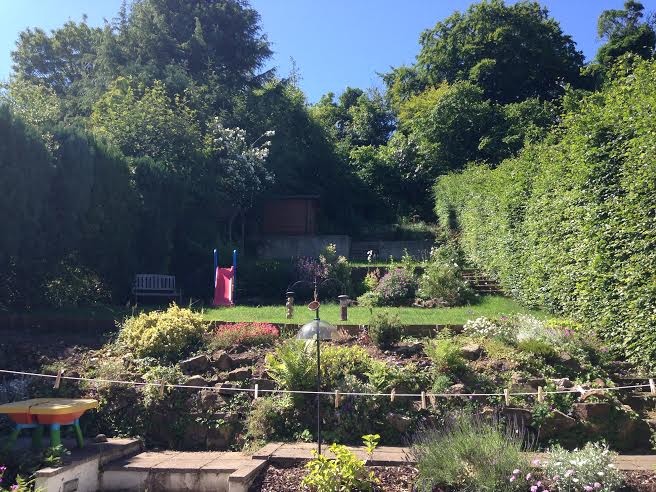
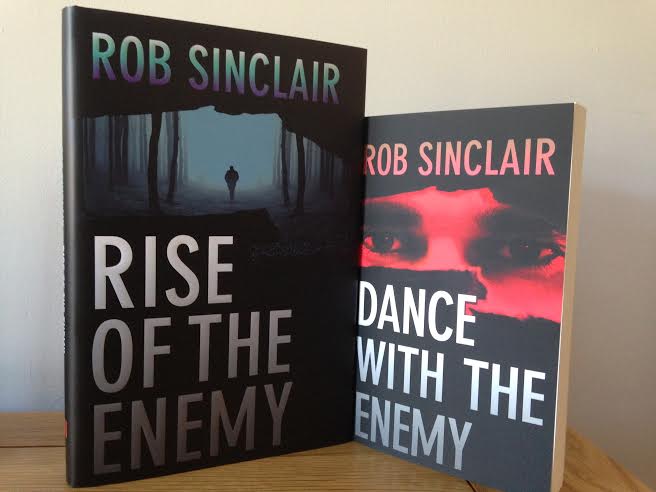
One of the hardest parts of my life as an author is actually finding the time to write. As I struggled with this realization while putting the finishing touches to my newest book, Rise of the Enemy, I wrote a blog post that was clearly tongue-in-cheek (see here). Again, on the day I’m writing this, I’ve just returned from a two week holiday so have a backlog of other tasks, starting with work in my garden which has turned into something of a jungle in the space of 14 days…

A Day in the Life of Rob Sinclair1

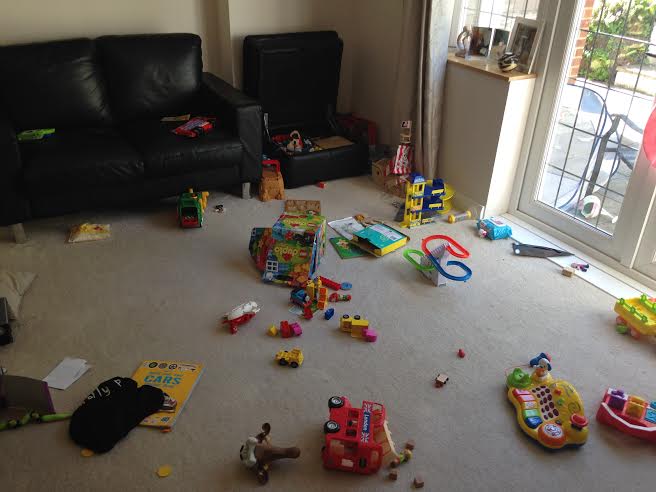
My life has changed immeasurably since I caught the writing bug some six years ago. At that time I was still working full time as a forensic accountant, but on the flip side I had no kids. Life was really quite straight forward, comparatively speaking. I drafted my first book, Dance with the Enemy, early in the morning before work, at lunch times, in the evenings and at weekends. It took a lot of dedication and commitment – I was spending every spare minute drafting and editing. Then something happened. I had two boys and my life was turn upside down – as was my house…

A Day in the Life of Rob Sinclair2

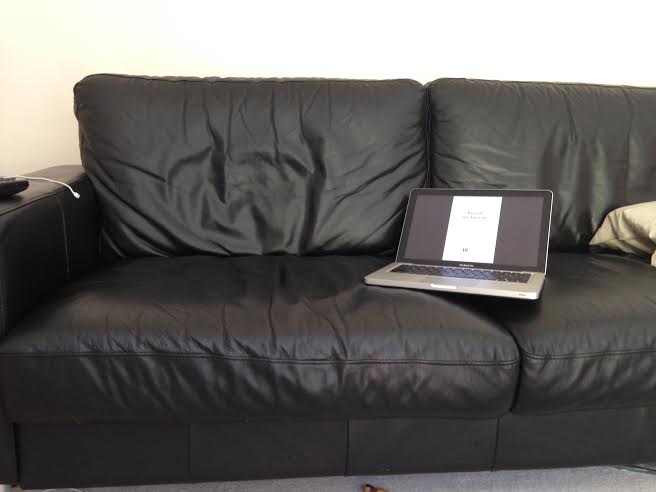
Both of my boys (they’re 4 and 2) go to nursery three days a week, so once they’re out the house at 7:30am it’s time for breakfast then exercise. By the time I’ve showered it’s usually about 9am before I start work. I do all of my writing sat on the sofa in the lounge with my laptop. Yes, that big dent right there is where I sit. Every day I feel like I’m a little closer to the floor.

A Day in the Life of Rob Sinclair3

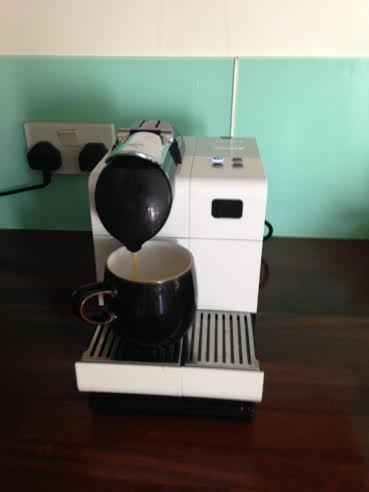
It’s that first session, in the morning, when I always feel most productive and creative. I’ll generally blast through until about midday, with a couple of five minute breaks to make a coffee with my beloved Nespresso machine (every coffee-lover should have one)…

A Day in the Life of Rob Sinclair4

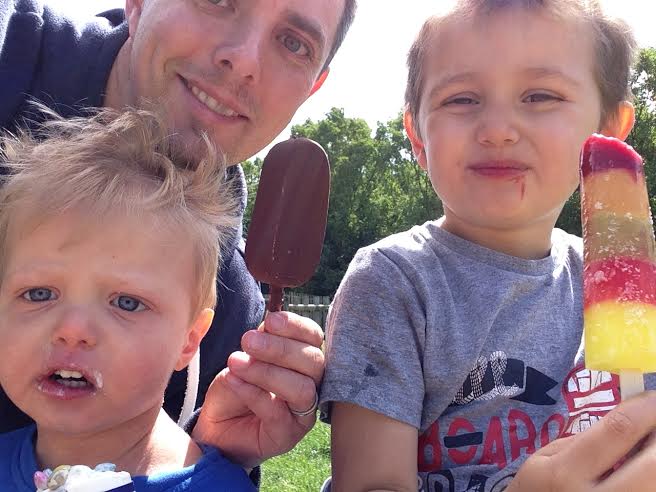
I break off at lunch and do a bit of housework before I get back to writing. By that point I generally feel a bit less enthused. Writing can be a mentally draining experience, particularly when you’re drafting and coming up with new ideas. The  afternoon session ends about 4pm, then have an hour spare before I pick up my boys – generally more housework or checking my Twitter and Facebook accounts.

A Day in the Life of Rob Sinclair5

By the time the boys are in bed and my wife has come home and we’ve had tea it’s about 8pm by which point I’ll look to do another hour or two of promotional work; social media largely but also blogs/interviews if I have the mental strength left (which is rare!).

Then it’s in bed safely tucked up with a book for ten minutes (if I’m lucky) before lights-off between 10pm and 10:30pm – what a rock n’ roll lifestyle, eh?!

A Day in the Life of Rob Sinclair6


A day in the life of Felicity Trew – literary editor

Newly appointed literary agent Felicity Trew describes a day in the life of one the top literary agencies, the Caroline Sheldon Literary Agency.

A day in the life of Felicity Trew – literary editorfelicity

By the time I get on the bus in the morning, I’ve already visited 50 different worlds… through my submission inbox. I never know where it’s going to take me.

I start my day meticulously trawling through the new manuscript adventures on an iPad, my portable office and library. I get hundreds of emails from hopeful authors each week with stories ranging from lovesick demons to 14th century political deviants. There is a lot that is not suitable for my list but every now and then I find a gem.

You can sum an agent in three words: talent-spotter, advocate and counselor. Our responsibility is to find the best authors and to bring out the best in them.
And book writing is 90 per cent idea, writing and 10 per cent editing that into something really rich and attention-grabbing.

So a substantial part of my morning is spent helping authors tighten their manuscripts into a powerful punch of literature for the publishers. Sometimes that can even mean sitting down with an author lost in a plethora of ideas and choosing the strongest option.

A day in the life of Felicity Trew – literary editorthecarefuledits

Most outsiders think the book world is a cosy industry of coffee cups and cupcakes, but it is a crowded business – which makes it tough but exciting. So after reaching out and responding to my clients, who come first, I tackle the contracts to get the day going.

The one reason a writer needs an agent is that legal document which exists for the lifespan of the book and controls everything from advances to film, TV, radio, theatre, eBook and merchandising rights. The contract can make or break an author. Get one sentence wrong and you’ve lost everything for a lifetime.

Agents feel a huge responsibility to give authors the best chance at carving out space on that cluttered bookshelf.  But it’s also a dynamic dance with the publishers. My job is to make sure all sides are happy, that the terms are clear and fair.

A day in the life of Felicity Trew – literary editorcupoftea
Lunch breaks are rarely breaks. They are spent negotiating details with publishing houses and putting forward our best and newest work – as well as tapping into what publishers and readers want.

Right now the time-tested solid trend is the saga: it is a natural development, people don’t want to feel abandoned by the characters they have grown to love after just one book. Escapism in the form of traditional fantasy and historical fiction are both definitely on the rise. But I always encourage my writers to write what they know and love irrespective of market trends.

The afternoon is spent preparing for the book fairs and literary festivals.

A day in the life of Felicity Trew – literary editorthethinking

The next big event on my calendar is the London Book Fair in April: a bustling marketplace of the international book world, where all the big deals are made and names forged.  Every major publisher, book seller, literary scout and agent descends on the sprawling venue – which this year is Kensington Olympia – hoping to buy and sell their wares.
It’s months of preparation: chasing authors with their deadlines, helping them shape their work, building eye-catching presentations and then networking to set up those all-important meetings to make sure our authors get heard above the crowd.

A day in the life of Felicity Trew – literary editorgoodbook
But book festivals are my real love – as it’s a chance to meet writers face-to-face, which is ultimately why I do my job.

This year, I’ve been asked to give several talks: an opportunity to offer advice to new authors.  The next is the Literary Festival in Wycombe in April at the Downley Community Centre, followed by the SCBWI retreat in May and Winchester’s Writers Conference in June.

The most frequent question I’m asked by new authors is how to approach a literary agent. The simple answer is: know your agent. Study their author lists, read their statements and their authors’ works, follow them on social media, find out what they are looking for and address that in your covering email. And do not send round robins or even worse accidentally address a rival agent (it has happened). Beware, the delete button beckons.

A day in the life of Felicity Trew – literary editoripadportablelibrary
After a busy day rushing between appointments, lunches and meetings the long bus journey home is an opportunity to catch up on industry news, looking at the latest signings, best sellers and mergers.

And maybe – just maybe – I might just read book of my own.


A Day in the Life of Lorna Windham

Jess on Helen's Polly 715.

I live in Northumberland.  With the Cheviots Hills, Rivers Tweed, Coquet and Wansbeck and endless beaches, I have plenty of choice about where to walk and think about writing. When I won the North Tyneside Short Story Competition with ‘Spirit of the Age’ and my children’s novel ‘Toby’s Secret’ was long listed in the Times Chicken House competition in 2008, I was hooked.


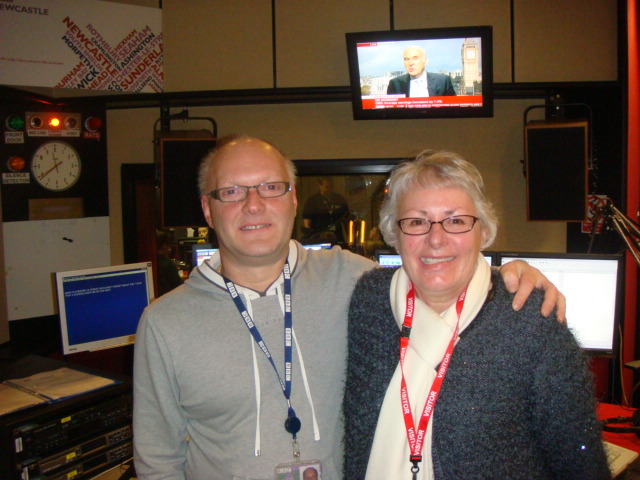
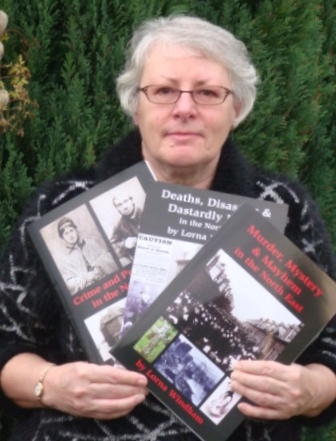
Spurred on by this success, I’m now the author of three local history books ‘Crime and Punishment’, ‘Deaths Disasters & Dastardly Deeds’ and ‘Murder, Mystery & Mayhem’ and in November I was invited to BBC Radio Newcastle to chat with Jonathan Miles about my latest effort.

pic4L

I often promote my writing by doing power point presentations for local history societies.  One talk I did was about ‘Deaths, Disasters and Dastardly Deeds’. It was a catastrophe.

Waking at 3am with a razor blade-throat, I used an old operasingers’ trick and gargled with gin. Numbness crept over my vocal chords. I slept. Hours later I was sure someone had performed surgery with a cheese grater. I grabbed a whisky bottle and gargled. My throat was completely anaesthetised. Success.

By that evening I had a dull headache and my eyes had more bags than Louis Vuitton. It was flu, but I had promised to do the talk.

“Something’s up with the heating again,” said the perspiring IT gent as I rehearsed the presentation.

“Really?” I croaked.

The audience trooped in at 5.00 pm. Thirty minutes later I pointed the IT gent’s laser repeatedly at the screen. Nothing happened. The audience groaned. “It’ll be the USB port, we’ve had difficulties with it before,” he said as he fiddled with leads.

Lorna & three books.


Should I kill him? I took a deep breath; at least he wasn’t piloting a plane. We began again. Everything worked, the audience clapped in anticipation. By 6.15 pm the talk was going really well. Emboldened by my success I started to move forwards, but couldn’t because my heel was stuck in a hole in the rostra. I was now attached to the stage. “Well,” I said wrenching myself free, “my talk is about disasters.”

Ten minutes later I was on the final furlong. My throat was raw, my head was about to explode and I was perspiring like a woman in labour. However, I was sure I’d delivered a talk which had mesmerised the audience by its sheer brilliance.

I glanced at the front row. One man’s eyelids were going down like blinds, his partner’s were closed and the woman beside him had her head on her chest. I finished quickly and thanked ‘EVERYONE’ for listening. They limped out adjusting whistling hearing aids, leaning on sticks and sucking teeth. Ah well, that’s what you get when you give a talk to octogenarians in an overheated auditorium.


Lorna & mouth of River Wansbeck.


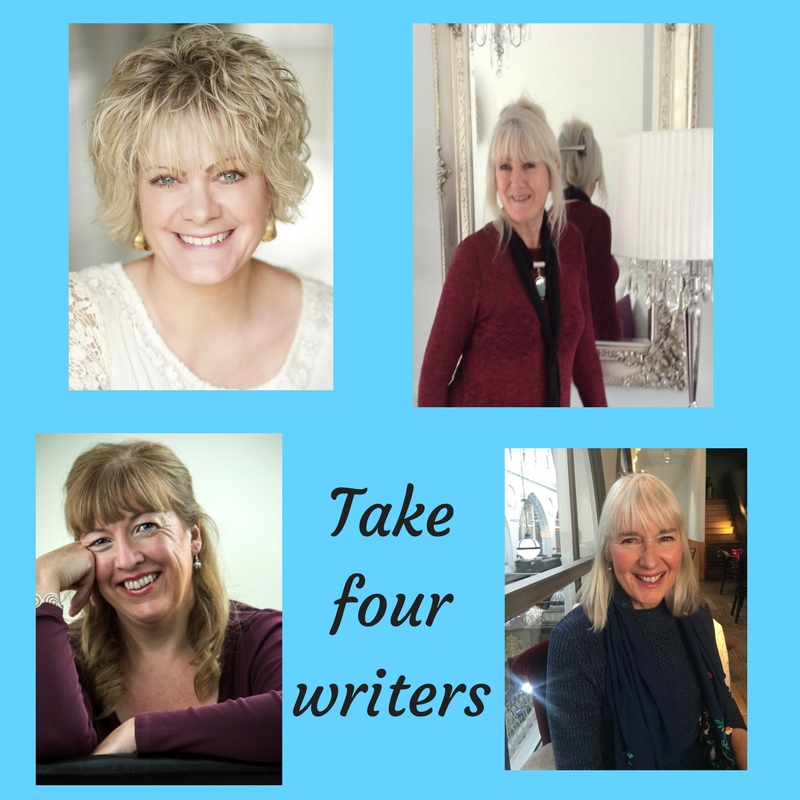
TAKE FOUR WRITERS: JUGGLING, REVEALING, PARTYING, BALANCING

CLAIRE DYER… JUGGLING

This month I want to talk about loyalty; not to our nearest and dearest, nor our publishers and/or agents but to our books.

Consider this: I have a book that’s just been published and I’m busy talking about it on social media, to library audiences and writers’ groups. I love this book. I have also written another one which is with my agent and which we’re still discussing and editing. I love this book too. And, I’m writing a new book and am at the brick wall that is 60,000 words. I don’t love this book very much at the moment but I should do, and hopefully I will when I’ve climbed over the wall and seen what’s on the other side.

So I’m carrying three books in my head all the time and this isn’t unusual, it’s par for the course for authors. Indeed, some carry even more and/or are different stages of the above process which will require them to concentrate on the intricacies of multiple novels at the same time.

And what does this mean in reality? It means we’re constantly torn; we juggle characters and settings, we have to remember who has which pet, what our heroine’s favourite food is, her deepest fear. Not only this but we have to remember with pinpoint clarity our plot lines and at all times believe in the magic: the alchemy that is writing. There are some days when my brain feels like scrambled egg, but then when it’s just me and screen and I’m back in the zone and it’s making sense, then it’s all worthwhile, believe me.


JACKIE BALDWIN… REVEALING

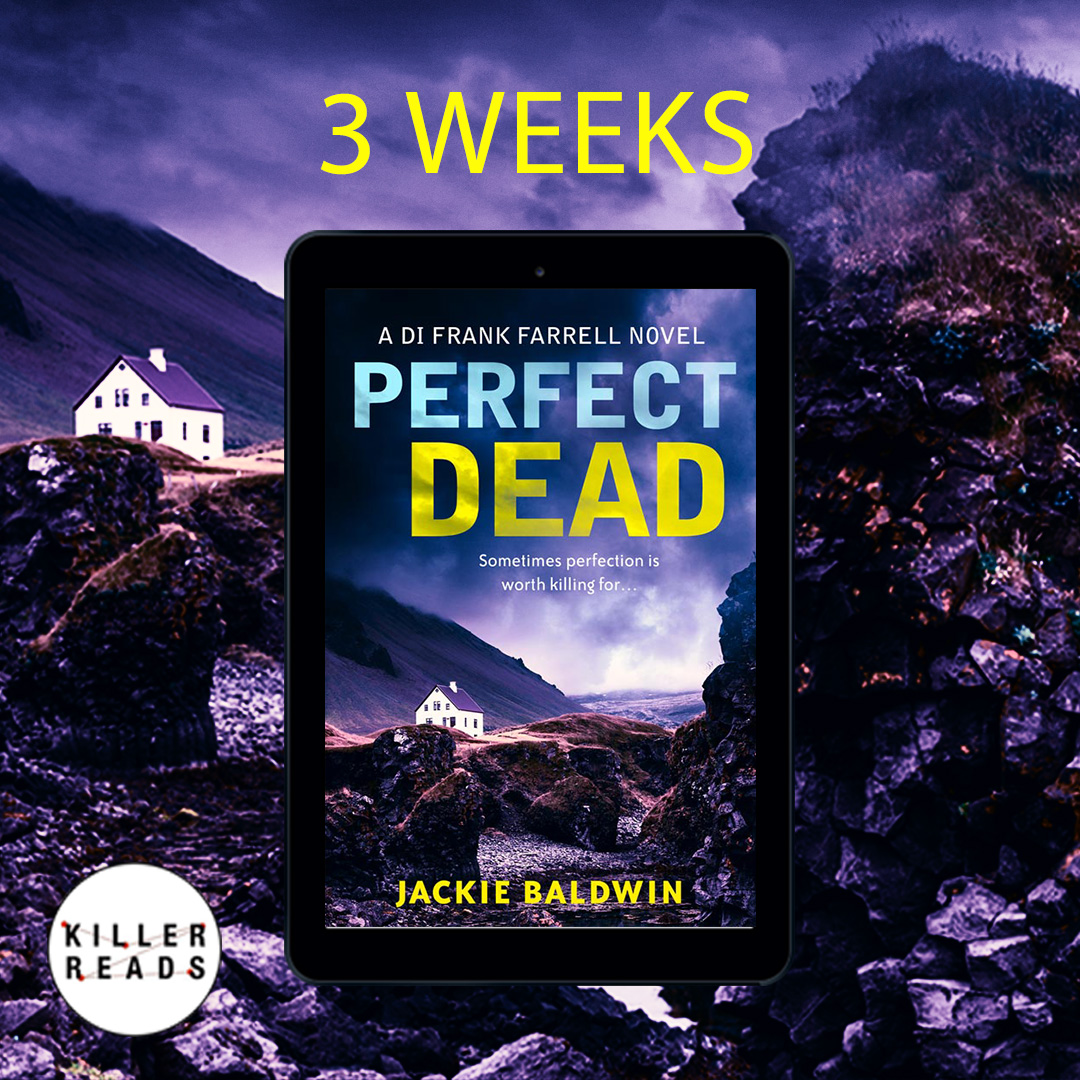
Hello, lots of excitement for me to report this month! First of all there was the Killer Reads Cover Reveal for Perfect Dead. I absolutely love the design! I’ve been getting ready for my Blog Tour, organised by Love Books Group so I’ve been busy writing guest posts, providing extracts etc.

I also had the most unexpected thing happen this month. My first novel, Dead Man’s Prayer had a one day Book Bub promotion and, to my surprise and delight, became an Amazon UK Kindle bestseller in two categories. I was absolutely over the moon! As I write this it is only three weeks until publication day on 15th June. This is always a nail-biting time for an author as you wait with baited breath for those reviews to start trickling in. Wish me luck!

See you next month!


LUCY COLEMAN… PARTYING

May has been an exciting month! The Romantic Novelists’ Association Summer Party prompted a trip to the Ashmolean Museum in Oxford. It was great to meet up with writerly friends old and new. Which, I might add, included fellow Frost Musketeer, lovely Claire Dyer.

A pre-party meet-up with a group of Aria Fiction authors, my lovely editor – Lucy Gilmore – and Melanie Price (who is a whizz on social media) was accompanied by Prosecco. It was a great start to the evening.

The week prior to that, structural edits arrived for the second manuscript in my four-book contract with Aria fiction, writing as Lucy Coleman. I despatched those very quickly and I’m now waiting to see the cover for this Christmas novel, set in Caswell Bay on the Gower coast.

Then back to work on book no. 4 which currently stands at around fifty-thousand words. Never a dull moment!


ANGELA PETCH… BALANCING

On May Bank Holiday, we loaded our car and set off for our six-month stay in our Tuscan home, stopping overnight in beautiful Alsace (I am itching to include this location in my next Tuscan novel … bizarre, but I have an idea).

May has been productive. “Mavis and Dot” are with my editor and while I wait for feedback, I have sent off a serial to The People’s Friend. My wonderful editor there instils calm, reiterating that good writing comes when you are at peace with yourself. Tomorrow I should receive my illustrator’s first designs for M and D. I have organised new covers for my two earlier novels. I have an appointment with a special Museum of the Diary in the valley for research for my third Tuscan novel. And, finally, I have been approached by a publisher for my Italian books. Decisions, decisions… but, ringing in my ears are my husband’s words: “Don’t take all the fun out of your writing.” Watch this space.


THE BUSINESS OF BOOKS: THE KITCHEN CLASS OF 2017

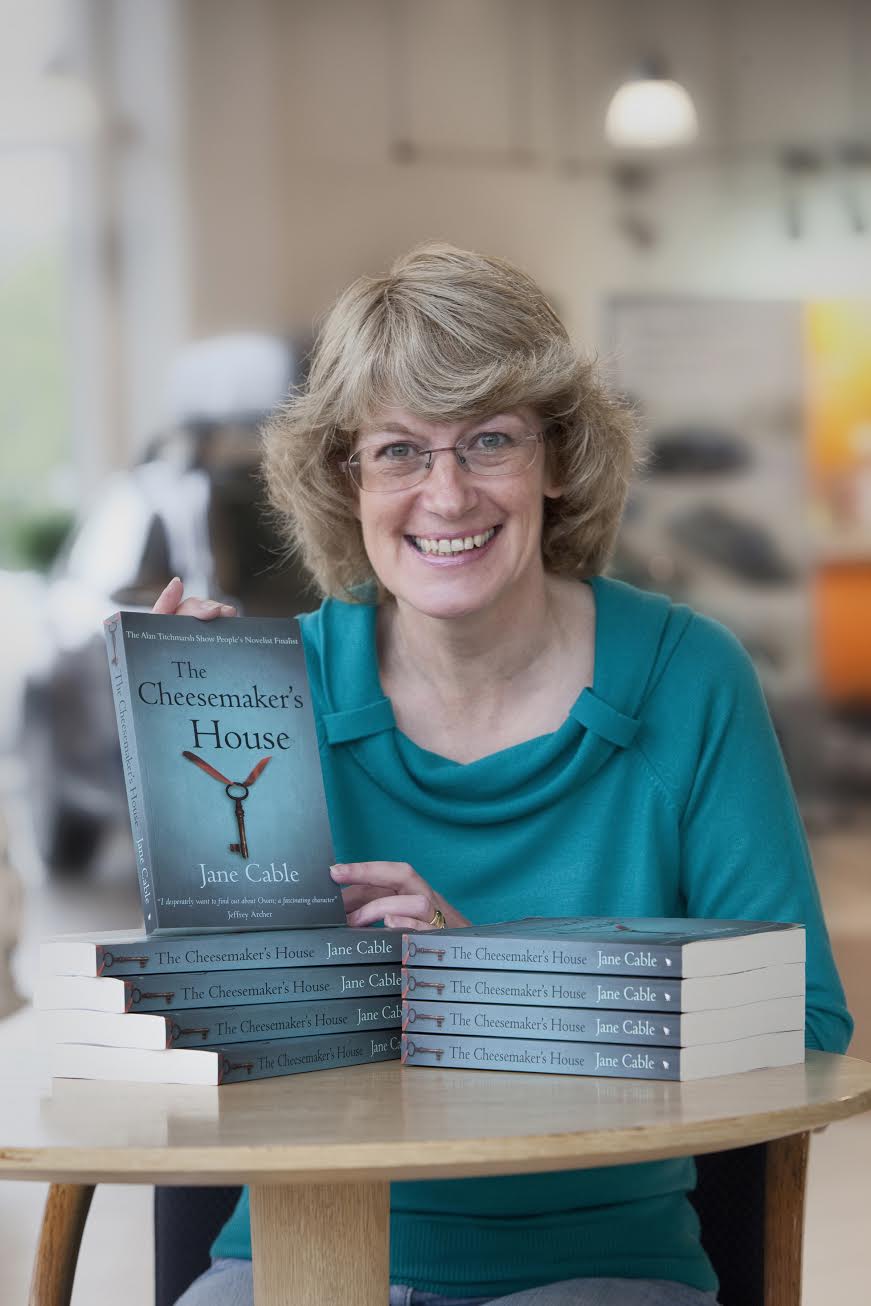
Jane Cable catches up with RNA friends

There is a tradition at Romantic Novelists’ Association conferences that the really important stuff happens in the kitchens of the shared accommodation. And for me (and I’m sure I’m not alone) the really important stuff was making friends with other writers. Almost a year later most of us have kept in touch and there have been many successes to celebrate. To be honest, I haven’t had the best year of my writing career but being able to cheer on my new friends had been a pleasure which has kept me going.

Jan Baynham, another writer from my home city of Cardiff feels the same: “No exciting publisher or agent news from me, I’m afraid, but I’ve been delighted to read about others’ successes this year. There’s been so much to celebrate! I’ve spent the time since the Conference submitting my first novel to publishers. Two recent rejections have given me very encouraging feedback and spurred me on. One editor said my novel fell into ‘the nearly-but-not-quite’ category, telling me why, but said she would be happy to consider further submissions from me. A second was even more complimentary about the quality of the writing and has asked to see my second mother-daughter saga that’s partly set in Greece. I’m working hard to get Whispering Olive Trees ready to submit to her.”

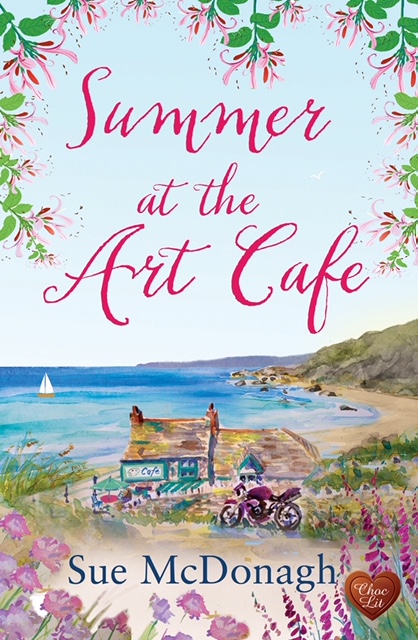
Jan’s travelling companion last year was Sue McDonagh whose debut novel has just been published by Choc Lit, but it hasn’t always been an easy road. “I wrote, learned and submitted until that magical ‘Yes’. There was joy – until the edits came in. Christmas to February, Writing Boot Camp, I rewrote almost every word, hacked back rookie errors of over-blown baddies and plot lines that went nowhere. My timeline was a joke.  I despaired that the ending would ever work. I couldn’t do it. I could, and it did, miraculously. I painted the front cover, another highlight. Published five days ago, Summer at the Art Café is already earning a slew of 5* reviews. I’m still learning – it’s a steep curve!”

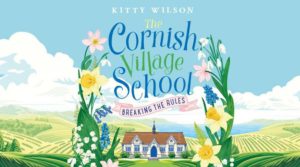
Another kitchen compatriot discovering the joy of a publishing deal was Cornwall based Kitty Wilson. “My writing life has been a whirlwind since we all sat around the kitchen table at the RNA conference last year. I have gone from wannabe novelist used to micro-expressions that flashed sympathy and suggested delusion to fully fledged author. By January I had landed myself my dream agent, had to choose which publisher to go with and spent a lot of time pinching myself – it was all so dreamlike. With my first book coming out next month, the second nearly completed and a whole series to write, 2018 is going to be a very busy, but very happy, year.” The cover of the first of her Cornish Village School books has just been revealed, ready for publication next month.

When we met last year Susanna Bavin already had her deal with Allison & Busby, and her writing career is going from strength to strength: “It’s been a year of dreams coming true for me. My debut saga, The Deserter’s Daughter, has been published in hardback, e-book, audiobook, large print and paperback. My second, A Respectable Woman, will appear in the same formats; and I have a contract for another two. The best moment? Out of a year of ‘best moments,’ the very best was listening to The Deserter’s Daughter as an audiobook read by Julia Franklin. I’ve listened to audiobooks for years and Julia is one of my two favourite readers, so having her as ‘my’ reader is wonderful.”

Last but not least, Kirsten Hesketh feels she’s on the verge of something big too: “What a year! The main thing I have learned over the past year is not to submit your work too early to agents! After a round of ‘good’ rejections last September, I spent the next few months editing, restructuring, polishing and then getting a critique from the marvellous Alison May whose advice made all the difference. Then I did it all again!  The result is …. I now have an agent! I am thrilled to be represented by the wonderful Felicity Trew and have just had the excitement of having my book taken to the London Book Fair. Fingers crossed!”


NEW BLOOD BOOSTS BRITAIN’S GOTHIC FANG CLUB

From Bram Stoker’s Dracula to Mary Shelley’s Frankenstein, Britons have been devouring gothic literature for over 200 years. But after more than two centuries is our appetite for the gothic finally starting to wane? To hell it is, writes novelist Katja Brown – it’s more alive than ever.

I’m often asked why the gothic still appeals. The genre is a creation that compels everyone from a lover of romantic fiction to a lover of blood and guts. Whilst it doesn’t hinge on these elements they add to it and create something that is constantly reinventing itself. The gothic is essentially the presentation of a ‘terrible beauty’, a collection of literary conventions that come together beautifully to scare, entrance and hook the reader. In what other genre could a character such as Dracula exist? He is a character you love to hate, the greatest anti-hero that has been thought up and is so loved by readers and authors alike that he has been revived ever since in one incarnation or another.

The gothic appeals because inside every reader there is still a spark, a need, a deep desire to be scared by something beautiful, something obscure and otherworldly. I think this genre inhabits the part of your imagination that wants to see the world differently, that imagines alternate possibilities to the norm and much like a vampire it doesn’t stay down for long. Once you pick up a gothic book it’s like a budding romance: you feel as if you have to know how it ends and the truth is… no one really knows why. It happens with other genres, sure, but the gothic has something special about it. You’ve heard that girls are attracted to the bad boys? Well it’s the same idea.

Throughout history the gothic has been the mother of great tomes and literary works of genius, manipulated and reshaped to fit the changing times. From Bram Stoker’s famous fanged fiend Dracula, to Mary Shelley’s Frankenstein, we’ve watched as this genre has survived the stress of time and made it here to 2018. Thanks to a wealth of fabulous new gothic books, and also to the Twilight series, I’ve no doubt that it will keep kicking long after. 

It has endured because we as humans want a thrill, we actively seek out the new and terrifying because we want to feel our hearts quicken, our palms get sweaty and the hairs on the back of our neck stand on end. It is the gothic that provides those sensations, every page walking the razors edge between dream and reality.

What’s so loveable is that behind the things that go bump in the night, behind the sublime descriptions, the complicated characters and the narrations I guarantee there will always be something to learn – from a moral lesson to something more practical (‘don’t go down the scary-looking corridor by yourself late at night). The gothic has and will probably always be used to impart some sort of wisdom from one person to the next and it doesn’t matter what piece of gothic literature you pick up, it’ll be there between the lines. All you have to do is look.

The gothic helps define us as people, understand our own identity by understanding what we are not. We are not immortal, so, unlike Dracula, we learn to live like there’s no tomorrow. We shape ourselves based on what knowledge we assimilate, but the gothic gives us imagination and way to step out of our lives for a few hundred pages, a chapter each night, a page between coffee and cake. That is why it appeals, why it still appeals, why it always will.   

Katja Brown is an acclaimed gothic novelist. Her seat-of-the-pants debut novel, The First Bride (Austin Macauley) is out now in paperback and eBook from Amazon UK.


BUSINESS OF BOOKS: FIRST, LAST, EVERYTHING – DEBUT NOVELIST & PERFORMANCE POET CLAIRE BALDRY

What was the first writing advice you were ever given?

The first piece of writing advice I was given goes right back to my early childhood. Not everyone can recall their primary schooldays in detail, but my memories of that stage in my life are crystal clear. The classroom environment suited me, and I wanted to please my teachers. I was, I think, destined at an early age to work full time in education.

So when my infant teacher told the ‘six year old’ me to think harder about who would be reading my work, and to stop starting every story with ‘Once upon a time’, I took her advice seriously. She had given me my first sense of audience. This was a major step forward in the life of a young writer who was beginning to develop her craft. That advice has lived with me ever since. Even when my job required me to deliver dry and often unemotional reports, I always tried to write in a way which would catch the reader’s attention. After all, if I couldn’t be bothered to interest my audience, then why should I expect anyone else to read my words?


What was the most recent writing advice you were given?

I would describe myself as a ‘half full’ person. I like to focus on the positive and build on my  experiences. I loved writing my first novel and was more than happy to receive feedback after publication to further develop my skills as a writer. However, I do sometimes fall in to the trap of focussing too hard on how I need to improve my work. This can very quickly turn into self-doubt and slow down, or even stop, the flow of my writing. The most helpful advice about writing, which I have received recently, was to remember to believe in my ability. Writing, for me, is a massively enjoyable activity, and the very best way to improve is simply to keep writing.


What is the piece of advice (writing or otherwise) you would like to pass on?

I’ll be sixty-three next month. I’ve had a professional career in education, run my own business, been married twice and brought up a family. I now use that experience to support my work in the voluntary sector, raise money for good causes and take on new challenges.  Sometimes friends of a similar age suggest I should slow down a bit. Although I have had to learn to say ‘no’ on occasions, my advice to anyone, who is polite enough to listen to me, is, whatever your age, stay active and keep embracing new challenges as much as you can. No one knows what lies ahead or how long their health will last. So set aside fear of failure and make the most of your abilities.  I wanted to write and perform poetry. I gave it a try and discovered I could do it. I wanted to write a novel, and, amazingly, I managed it.  Life is not a dress rehearsal. Jump over the obstacles and create your own opportunities. It is unlikely that anyone will create them for you.


Claire has self-published four booklets of lighthearted poetry and is a popular speaker and performer at clubs and other venues in the South East. Her debut novel ‘Different Genes was published by Matador in 2017. Claire’s next poetry booklet ‘Simply Modern Life’ will be published later this year. Claire and her husband, Chris, were awarded the Diabetes UK South East Inspire Award for their fundraising work in 2017.

www.clairebaldry.co.uk