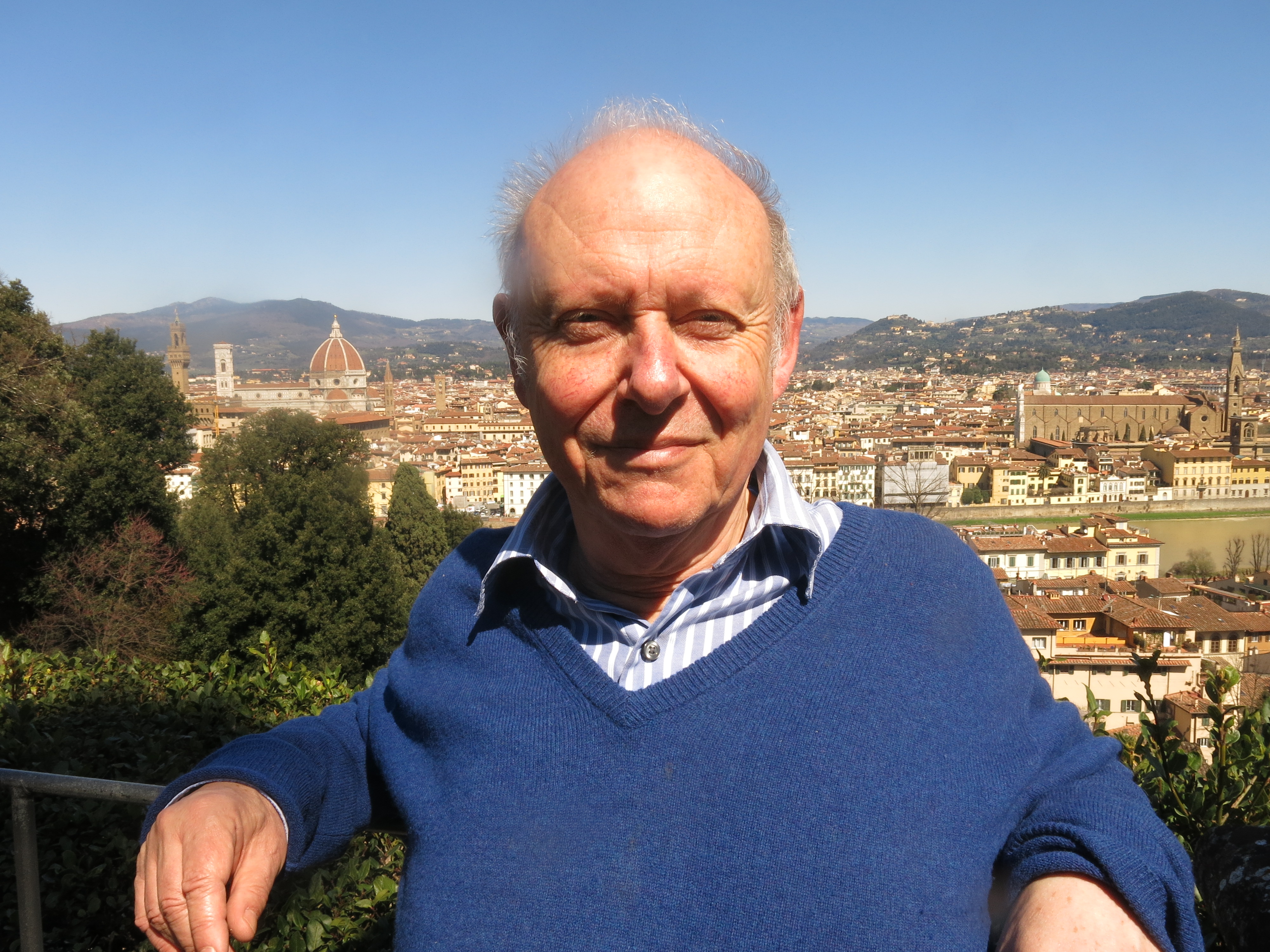
My Writing Process Charles Freeman

charles freemanWhat you have written, past and present.

I am a historian with a keen interest in world history. For many years I taught history courses with the International Baccalaureate. My first book came out in the late 1970s when I was writing for schools on such issues as terrorism and human rights.
In 1990 I got a big writing contract to work on a world history project. They ran out of money after three years but I rewrote the first three volumes as one, Egypt, Greece and Rome, Civilizations of the Ancient Mediterranean and it was taken by Oxford University Press. I have a longstanding interest in ancient history from my childhood and I loved working on this. It has sold well in the US and opened the doors to a lot of new contracts. The sort of lucky break all writers need.

What you are promoting now.

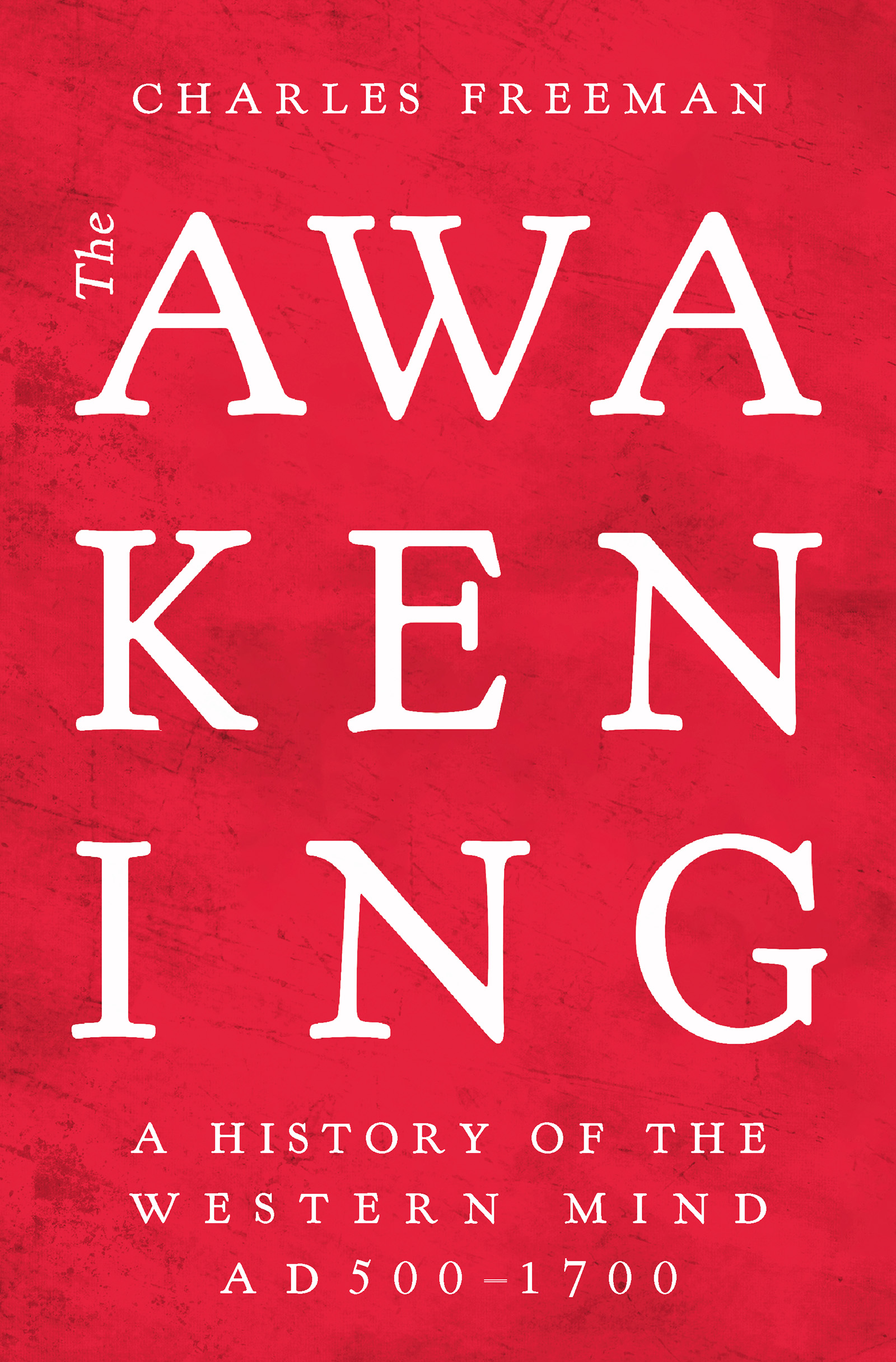
My new book, out on August 6th, is The Awakening, A History of the Western Mind AD 500—AD 1700, published by Head of Zeus. It is an ambitious book but it brings together of a lot of reading and travelling I have done over the past twenty years. So it deals with the survival of Greek and Roman culture into the Middle Ages, the ways in which Christianity developed over the centuries and the emergence of philosophy and science. It took four years to write.
Head of Zeus have illustrated it beautifully and so it is pricey at £40! I am encouraging my friends who can afford to buy the hardback to go to their local bookshop to help get them on their feet again.

A bit about your process of writing.

I am driven by interest in what I am writing. I pick subjects that I would enjoy learning more about and go from there. The trouble is that I am easily waylaid by exploring things that I cannot possibly fit into a book! (My middle name is serendipity –browsing around haphazardly to see what interests me.) I do not use time very efficiently but often I find what I need in odd places in books or on the tours I run in the Mediterranean.
On an actual text I rewrite continuously. A chapter might be rewritten twenty times, often with small changes but sometimes with a complete reordering of the material.
A good tip is to read aloud what you have written. You can then spot if the rhythm of a sentence is wrong and if you need to break up a sentence or insert or take away commas!
Zadie Smith once said that once you had finished a book you should lock it in a drawer for a year. I would not go so far but it is extraordinary what problems you can find if you reread what you have written three months later! Never try to rush a book. Let it mature. Once it is out you can’t change it and if it is not as good as it should be you might never get another contract.
It pays to have a set piece opening, something from anywhere in the book that draws the reader in and leaves them wanting to read more.
I look out for the best history writing on whatever topic in the hope that it will influence my own style. I always have a pile of well-reviewed books waiting to be read. However, you must find your own voice and that takes time. The reader likes to feel that there is a real person there even in a history textbook.
I was once described in a school report as a ‘harum-scarum character’ (those were the days when they told you it straight). I know what the teacher meant when I get back a book with a copy-editor’s corrections on it!
Do you plan or just write?

I need to have a clear idea in my head, an end point towards which the book will lead. I map out a book in advance so as to keep a balance between chapters. After I have done this I let myself be flexible.
Usually once you are into a subject you develop completely new ways of looking at it. Once I had to go cap in hand with my agent to a publisher to say that I had decided to write a completely different book from the one I had signed up for. One of my planned chapters needed to be the whole book! We did persuade him and the book, The Closing of the Western Mind, sold well.

What about word count?

My longest book, the third edition of my Egypt, Greece and Rome, is 345,000 words- it was more than we agreed but they did not notice and the printer had to diminish the script to fit it all in. I don’t work by daily word count, one good page is worth twenty rambling ones.

How do you do your structure?

For a historian much of this is set within a chronology so you need to fix a starting date and an end date. Then you have to find links between each chapter so that the reader has a feeling that it hangs together. Sadly you might then have to dump a chapter that does not work.

What do you find hard about writing?

The problem of selling a proposal and making any money from it is one that makes life hard for most writers. I have spent a lot of time on proposals that no one wanted -I even have a complete book that my agent has put through twenty publishers without success.
Personally I would find it difficult to be a full time writer. It can cut you off from people and the real world too much, so I organise study trips to the Mediterranean in the spring and autumn and then write largely over the winter. It helps to have a break from a text. See Zadie Smith’s recommendation above.
It is also important to have some other way of making some cash if you want to be a writer! So I do lectures, tours and act as consultant for the Blue Guides, cultural travel guides. And now at last I have my pension to help keep me going!
On a day to day basis the hardest is to ditch a piece of writing which might have taken some weeks of research but which just does not fit into the narrative.
When I am stuck I go for a long walk. I have a theory that the human brain works at its best when it is travelling horizontally at 2 ¾ miles an hour (even better when it is pulled along by a lively border terrier). It is amazing what gets untangled on a walk.

What do you love about writing?

It’s a peaceful and satisfying way of living and you can fit other things in around it. As a historian I am always finding out new ideas and authors that I would not come across otherwise so I feel that, even in my seventies, my mind is still developing. I often find that the research for a new book leads to all sorts of new interests.
Don’t write for money, write for the pleasure it gives you. Writing is in itself therapeutic. Don’t expect too much. I have seen too many friends assume that once their first book is out everyone will notice and applaud it and the money will come pouring in. Then it gets a couple of nice reviews and that’s it. Within six months it is way down on the Amazon bestsellers list along with thousands of others. It is a jungle out there and it is a long haul to get noticed, let alone make any money. (Only two of my twenty published books have made me more than the basic hourly wage.)
Publicity. I decided, with powerful support from my wife, that it might not be a good idea to pose naked behind a pile of my books as one female historian did- but her subject was a naughty eighteenth century duchess so perhaps it worked for her.
I don’t have a website. A good history book spreads by word of mouth. If you want to know more about me, then ‘Charles Freeman, Yale University Press’ has all the details and links to reviews of two of my books with them.
I worry that many good and committed writers get missed by publishers but there are other books so badly written that one wonders why they ever got published. The same as with artists. Standards of editing have gone down a great deal since I started writing.
Don’t try and copy a genre or theme. By the time you have finished the reading world will have moved on. It’s an original voice that matters, especially in fiction.
Keep at it. It’s about the fifth book that you write that you begin to get the hang of it! I think hopeful writers still underestimate how difficult it is to write well- it is a craft and needs thought and time. No easier than being an artist.
I have never done a creative writing course and I am sure they will help but there is no substitute for reading widely (the thriller writer Lee Child says that the only way to learn how to write is to read for forty years), experiencing the world and just getting down to actually doing it!
Support your local bookshop if you can. At the least they might give you a launch and put your book in the window!

Further details about Charles Freeman can be found at Charles Freeman.
Yale University Press.

The Awakening will be published by Head of Zeus on 6 August
These are the top 30 signs you are trustworthy

The signs you are trustworthy have been revealed – and include never being late, not cancelling plans at the last minute and being able to keep secrets.

Researchers who polled 2,000 adults identified the indicators someone can be relied upon – with being a good listener and a tendency to help others featuring on the list.

Someone who is self-aware, calm-headed, not judgemental, and always there when you need them is also likely to be worthy of trust.

Being respectful of boundaries is important too, as is adhering to the rules rather than breaking them.

Commissioned by technical outdoor brand Helly Hansen, as part of its ‘trust is earned’ campaign, the study found the typical adult trusts seven people.

But four in 10 think recent events have shown who is truly trustworthy.

A spokeswoman for Helly Hansen said: “Trustworthiness has always been an important trait – it’s arguably the foundation of all relationships, personal or professional.

“But it must be earned, whether that’s confiding in a colleague, trusting in yourself to take on a new challenge or hiking in the mountains with friends.

“The purpose of our research was to show what it takes to earn trust – whether it’s within yourself, another person, a team or your kit – and findings suggest trust is hard to achieve.”

The study found 85 per cent of adults consider themselves to be trustworthy people.

But those polled claimed to have had their trust broken on an average of 14 occasions since they became an adult.

This might explain why more than half find it difficult to trust other people and also why seven in 10 think once their trust has been broken it can never be restored.

However, a quarter said recent events have made them more willing to let bygones be bygones and forgive, while one in 10 believe they’ve become more trusting this year.

But, the Helly Hansen study carried out through OnePoll found a whopping 90 per cent agree trust is earned.

It also identified the most trustworthy people in society – with health professionals, namely doctors and nurses, coming out on top.

Those who work in fire and rescue came second, while dentists were third.

A spokeswoman for Helly Hansen added: “For professionals working in harsh environments where the stakes are high, success cannot be achieved without trust.

“Trust enables you to do your job and follow your passions with complete focus and determination.

“Trust in your gear, your partners and your knowledge of terrain and weather conditions make the difference between an epic or bad experience in the outdoors.”

Sailor Hannah Stodel, three times World Champion, four times Paralympian, and Helly Hansen ambassador, said about trust: “It’s ultimately everything in sailing; the team that you surround yourself with are what keep you alive.

“You trust that they have done their jobs right, you trust that the kit you’re using is the best for the job, you trust that it will keep you warm, safe and dry.

“You trust your boat will keep on pushing through, you trust that you will get to the finish line, and you trust in your own ability to get there.”

TOP 30 SIGNS OF TRUST

1. They are reliable

2. They aren’t manipulative

3. They don’t share things said in confidence with others

4. They are consistent in their behaviour

5. They have integrity

6. Their words and behaviour match up

7. They haven’t broken your trust before

8. They respect boundaries

9. They listen to you

10. You know them very well

11. They are considerate towards you

12. They are willing to help

13. They are considerate towards others

14. They have been in your life for a long time

15. They are authentic

16. They don’t cancel plans last minute

17. They aren’t judgemental

18. They tend to be rational

19. They trust you

20. They are transparent

21. They don’t have a temper

22. They give you emotional support

23. They are calm-headed

24. They follow the rules

25. They don’t go AWOL for days at a time and are there when you need them

26. They resolve conflict in a healthy way

27. They have self-awareness

28. They are never late

29. They make a positive difference to society /help others

30. You share their principles


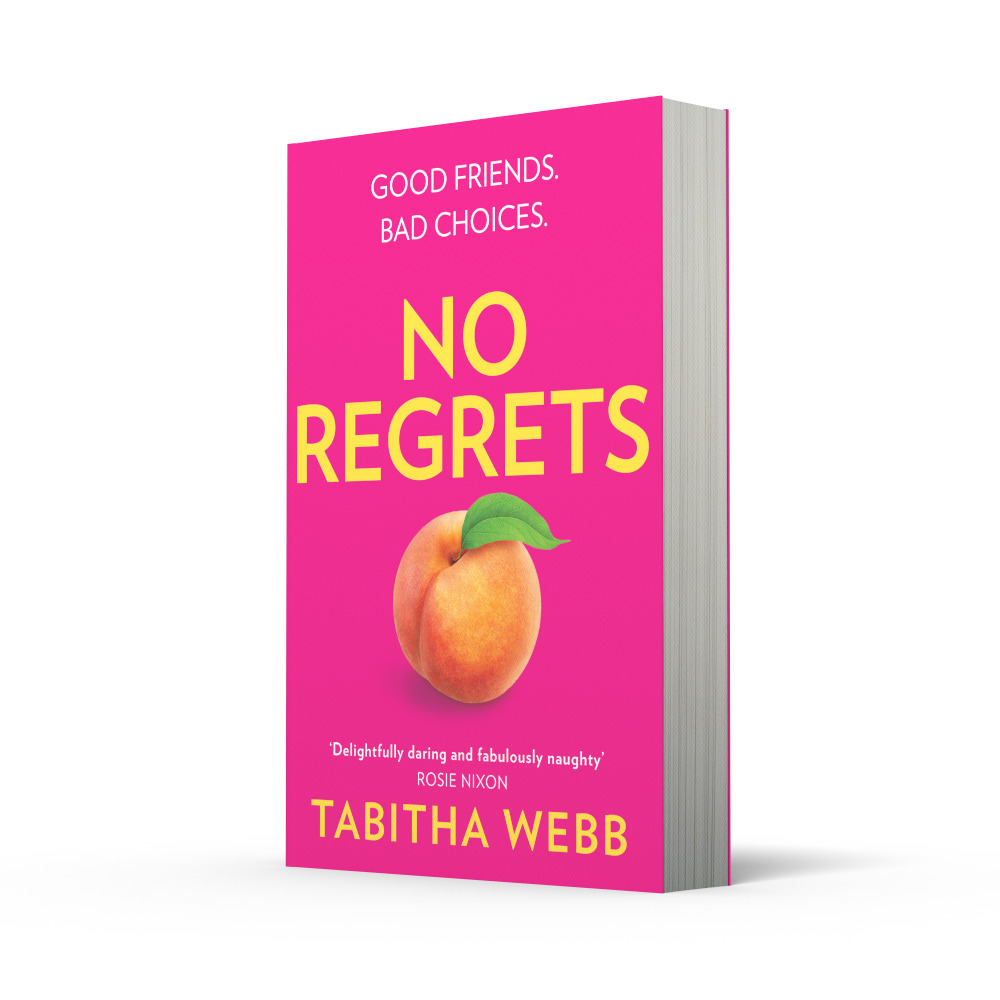
No Regrets by Tabitha Webb Book Review

Tabitha webb, No regrets, book, Ah, No Regrets. What a book you were. I enjoyed every minute of reading you. Most books have women as meek, mild little things. Not Tabitha Webb, though. She lets her characters roar. No Regrets follow three girlfriends as they fail, flounder and make bad decisions. Sometimes they are good, sometimes they are very, very naughty, but they are never not entertaining.

I saw Tabitha Webb talk about her book at a Harper Collins New Voices event at the beginning of the year and she was completely charming and funny, noting that she always thought her sex scenes were ‘PG, but turns out that is not the case.’

I only wish now I had elbowed my way in to have a chat with her. I reckon she makes the most fun, and loyal, friend ever. Anyway, back to the book: it is Jilly Cooper times ten. It is Jackie Collins and Helen Fielding rolled into one. It is both funny and outrageous and I cannot wait until I can read Tabitha Webb’s next book. Get it now, this is the perfect summer read. It will not fail to cheer you up in these covid times.


No Regrets is an outrageously funny, filthy and fabulous debut, focusing on the lives of three friends in their thirties and forties– Stella, Ana and Dixie. With shades of Sex and the City, this is the perfect summer read and carefree antidote to these troubled times.

Tabitha Webb was born in Ireland and grew up in Chicago, before being sent back to boarding school for her teenage years. She survived one term at university before packing her bags and chasing a hot surfer to America. During this period she was a rollerblading extra in the Robin Williams film The Birdcage, a dancer in a German pop video, and got held up at gunpoint.

After careers in TV and advertising, she made her first foray into fashion and now runs her eponymous fashion label, is happily married and has two daughters.

No Regrets was inspired by the love lives of women around the globe, coupled with a vivid imagination, and she can’t wait to shock and delight readers everywhere.

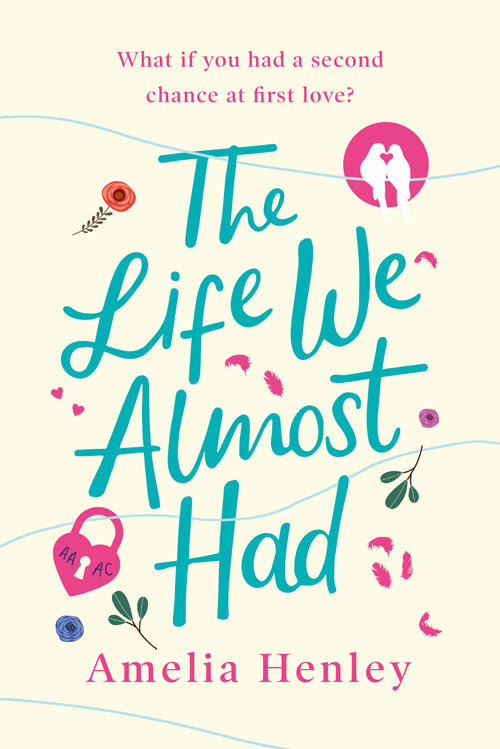
The Life We Almost Had by Amelia Henley | Book Review

the life we almost had, Amelia Henley , book, book review,

The Life We Almost Had has the twist least likely to be guessed of any book I can think of. The book is clever and well done. Of course the book is a love story, but it is a unique one. The book is unbearably sad in places, yet it pulls you up. It keeps you guessing all of the way to the end. Highly recommended reading, this book is a triumph for Amelia Henley. 

Anna wasn’t looking for love when Adam swept her off her feet but there was no denying their connection, and she believed they would be together forever. Years later, cracks have appeared in their relationship. Anna is questioning whether their love can really be eternal when a cruel twist of fate delivers a crushing blow, and Anna and Adam are completely lost to one another. Now, Anna needs Adam more than ever, but the way back to him has life-changing consequences. Is a second chance at first love really worth the sacrifice? Anna needs to decide and time is running out…

A beautiful and emotional love story that asks, how far would you go for a second chance at first love? Perfect for fans of The Man Who Didn’t Call and Miss You.

Amelia Henley is a hopeless romantic who has a penchant for exploring the intricacies of relationships through writing heart-breaking, high-concept love stories. Amelia also writes psychological thrillers under her real name, Louise Jensen. As Louise Jensen she has sold over a million copies of her global number one bestsellers. Her stories have been translated into twenty-five languages and optioned for TV as well as featuring on the USA Today and Wall Street Journal bestsellers list. Louise’s books have been nominated for multiple awards. The Life We Almost Had is the first story she’s written as Amelia Henley and she can’t wait to share it with readers.

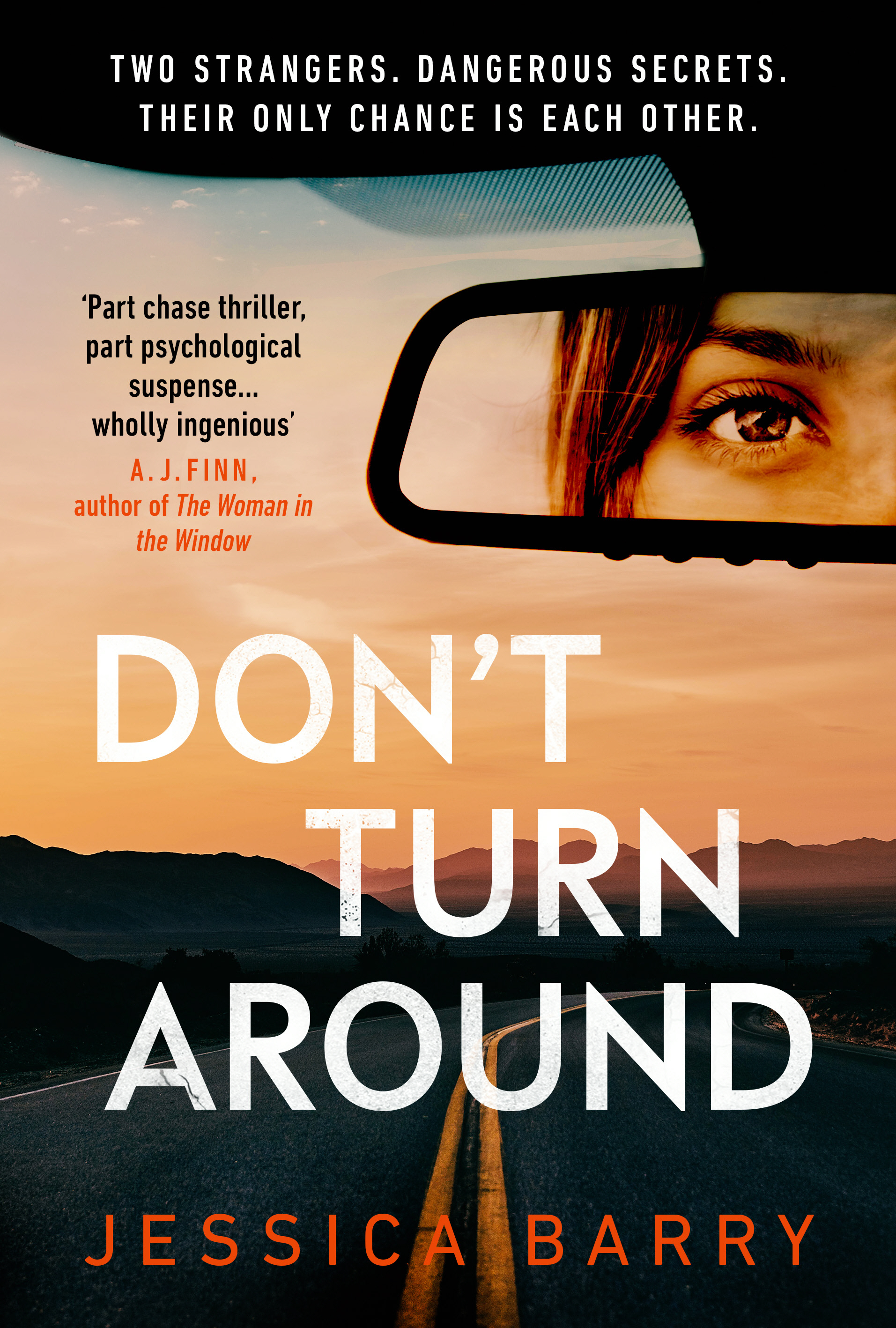
How Women Live with Fear and ‘Don’t Turn Around’ by Jessica Barry


Melissa Pimentel - Random House, author, writer, How Women live with fear and ‘Don’t Turn Around’ by ,Jessica BarryHow Women live with fear and ‘Don’t Turn Around’ by Jessica Barry – published by Harvill Secker at £12.99

I wanted to explore the female-specific relationship to fear in my new novel, Don’t Turn Around. The novel opens with Cait and Rebecca driving through the night on a deserted road. Their destination is unknown. Out of the darkness, a pair of headlights appear, intent on destruction. The two women – who, up until that night, were strangers to each other – are forced to dig into their pasts to understand who might want to kill them. 

The answer, as most women know, is not straightforward.

Is it someone from their past? Their present? Is it a complete stranger with a thirst for blood? 

Cait has experienced the full terror of online abuse first-hand. An article she wrote about a bad date was met with vitriol, and she became a figure of hate on ‘men’s rights’ chatrooms. She receives death threats from total strangers. Worse still, her home address was published on the internet without her consent, so anyone who wanted to make good on those threats can find her. Is it possible that an online troll has finally tracked her down in the flesh?

Rebecca is the wife of a prominent politician in conservative Texas. She’s spent years playing the happy campaign life, but now she finds herself in a desperate situation. Her husband has turned against her, and there’s no one she can trust to get her across the Texas state line. She has to rely on a stranger – Cait – to shepherd her to safety. But there’s no guarantee that her husband hasn’t had her followed.

What about the man at the diner who stared at them so openly? Or that strange man at the gas station? Danger lurks around every corner. The world bristles with possible menace. 

Every day, women live with fear. It’s a low-level constant, familiar as breath. We mitigate it, negotiate with it, rationalize it. We make thousands of tiny calculations and calibrations on its behalf. Is that man following me? Should I turn around and face him, or should I run? Will my shoes let me run fast enough, or should I take them off? If I scream, will it scare him? Or will it just make him angry? Is there anyone around who would hear me?

For women, the potential for danger is everywhere. Walking through an empty parking lot at night. Going for a run. Sitting alone at a bar, or in a park, and a stranger approaching you. A guy standing a little too close behind you in line at the grocery story. The car that followed you ten blocks, horn blaring, because the driver thought you cut him off.  The moment you post on social media expressing a political preference, or a divisive idea, or critique. The sickening drop a few minutes later, when the first commentator calls you a bitch.

The statistics speak for themselves. Over half of women in the US have experienced physical violence. A quarter have experienced physical or sexual assault at the hands of an intimate partner. One in five women are raped in their lifetime. One in six women are stalked. 

Things aren’t much rosier in the digital world. One study found that seventy-two percent of online harassment victims are women. Individuals using female-skewing usernames are sent threatening or explicit content twenty-five times more often than those with male-skewing or ambiguous usernames. Close to two-thirds of female journalists have been threatened, intimidated, harassed or been subject to sexist abuse online. 

Of course, men are also the victims of violence and harassment: I’m not pretending otherwise. But I think that that women view the world through a specific lens coloured by the constant potential for danger. 

Ask a man what precautions he takes before going out for a run in the morning and you’ll likely be met with a confused look. Ask a woman and she’ll tell you about pre-planned routes and high-traffic areas and the importance of keeping your headphones at a low volume so you can hear someone coming up behind you. These seemingly-minor decisions shape how we move through the world. 

To live as a woman in this world, the question isn’t so much ‘What if something happens’ but ‘When? Where? How? Who?’ And the answers are ‘Anytime. Anywhere. Anyway. Anyone.’ 

Anyone could be behind that pair of headlights. Anyone could be waiting for us around a darkened corner, waiting to strike.

So far, so dark: I know. But there’s a silver lining in all this, and that’s the way that this fear bonds women together and, in a way, it’s what makes us who we are. You know that old cliché, ‘feel the fear and do it anyway’? That’s a way of life for us. Those mental calculations make us sharper. Those keys clutched between fingers make us tougher. Those close calls and rough scrapes and stories of survival make us stronger.

In order to survive their night on the road and make it to safety, Cait and Rebecca will have to work together. They’ll have to draw deeply from their experiences and from their personal strengths, and above all, they’ll have to learn to trust each other. 

Lucky for them, they’ve had a lot of practice at the art of survival. 

Melanzane Parmigiana Recipe | Cooking

Parmigiana di Melanzane, aubergine, bake, recipe, melanzane, Everyone has their signature dish. My melanzane parmigiana is mine. Now my signature dish has changed over the years. It used to be spaghetti bolognese and lasagne. Both are simple and easy to make, but no one makes them better than I do.

My family and I rarely eat beef anymore so we have moved on to this tasty vegetarian dish. It is easy to make and so healthy. Well, until I load it with cheese. Ha.

You need:

An aubergine.

Two cans of tinned tomatoes.

An onion.

Two packets of Mozzarella. You can always add another type of cheese. I tend to use cheddar or red leicester to top it.

Two bulbs of garlic.

Olive Oil, pepper and salt to season.

You can also add basil and some bread crumbs on top. The Italians do not add breadcrumbs so neither do I. 

Cut the aubergine into even slices. Preheat the oven to 200 for a fan oven. Lay the aubergine on a baking tray. Add some olive oil, salt and pepper to season. I am generous with the olive oil. Pop it in the oven for twenty minutes.

While the aubergine is cooking chop the onion and the garlic. Add it to a pan with a little butter. Cook until the onions are golden. Then add two tins of chopped tomatoes to the pan. Leave it to cook, stirring occasionally.  Chop up the mozzarella and grate any cheese you are adding.

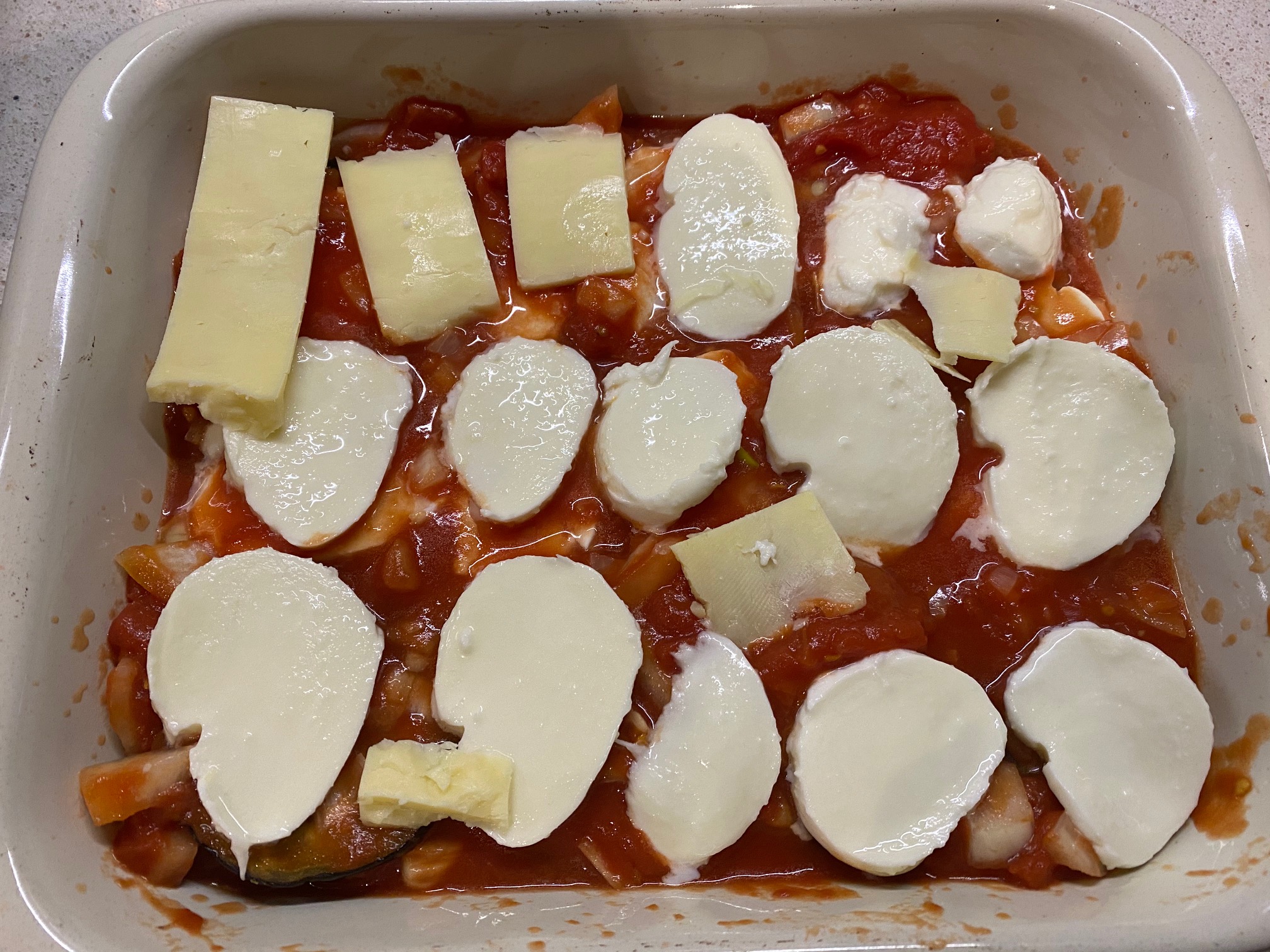
Take the aubergine out and lay out in a roasting dish. Add some of the sauce and then aubergine, more sauce and then the mozzarella. I do aubergine, mozzarella, auberinge and then mozzarella on top, along with the grated cheese. Pop it in the oven for forty-five minutes.

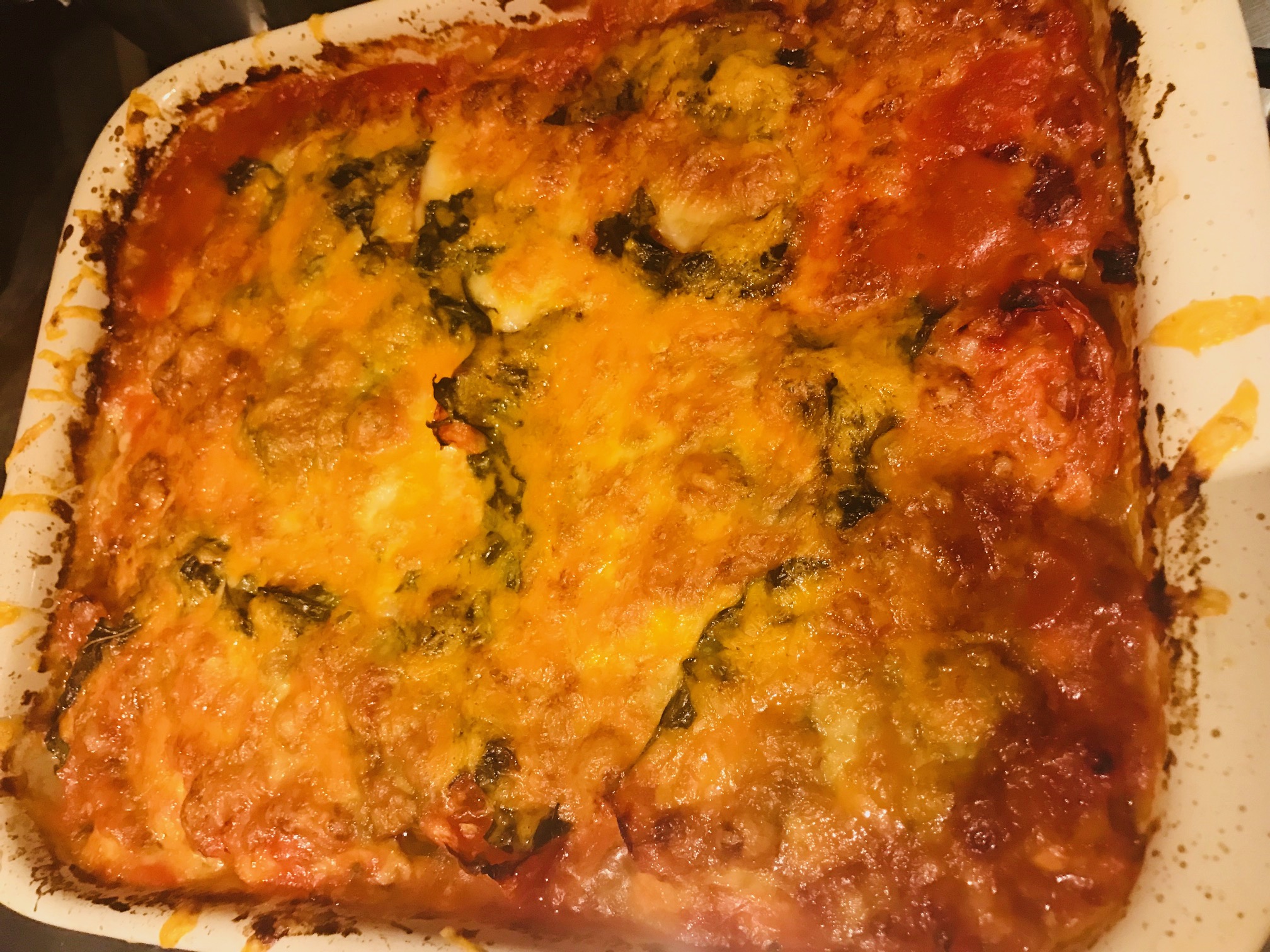
It is ready when the top is crispy and the sauce has been reduced. It tastes amazing with basil. you can add the basil to the sauce or on top. The best thing about this recipe is that there is usually leftovers. You can also change things to suit yourself. Add two aubergines if you are a bigger family and more onions if you like.

I hope you enjoy this recipe. Let me know if you make it and please share any signature recipes of your own.


5 Collectibles That Become More Valuable

wine, wine review, roséPeople who don’t collect items may believe that the primary reason for doing so is to make some money. Collectors would get their hands on rare items and over time, they would increase in scarcity even more and go up in value before being sold to the highest bidder for a tidy profit.

This is most likely quite far from the truth, as most collectors do so for the sheer passion they have for the item in question. Their pleasure comes from curating a vast stock of treasured pieces that other collectors in the same field might be envious of. It’s having the ability to talk to others in the community about where your collection is up to, what you want to get your hands on, and what is surplus to your requirements. It’s taking the time to scour your favourite sources for new finds and treating them with the respect they deserve.

It would, however, be remiss not to mention the fact that certain collectibles do indeed become more valuable over time. Let’s take a look at the 5 key categories that do so…

  1. Stamps – these remain one of the most popular items to collect thanks to their long history and huge variety. Over time, certain materials degrade (which would certainly be the case for stamps), items get lost, etc, so having a particularly old one and maintaining its quality would see its value increase over a long period of time.
  1. Coins – again, another popular collector’s item can feature coins from hundreds of years ago and also from all over the world. Carelessness and extended periods of time always increase the rarity of items which subsequently increases their value.
  1. Anime merchandise – items such as anime figures or comics are highly desirable to collectors because they are so striking. Original figures are made in limited quantities too, so they are exclusive from the outset. When characters die off or change the design, it immediately makes pervious merchandise more valuable as no more of it will be created. As anime collections grow in popularity too, more people than ever before are trying to source the same items which can create a bidding war.
  1. Trainers – fashions come and go but when it comes to trainers, some will never go out of style. Manufacturing and design techniques can require a lot of effort and when only a limited number is available, it makes them more desirable. All you need is something to become ultra-cool again or for an influential person to wear them and you’ll find they become even more expensive!
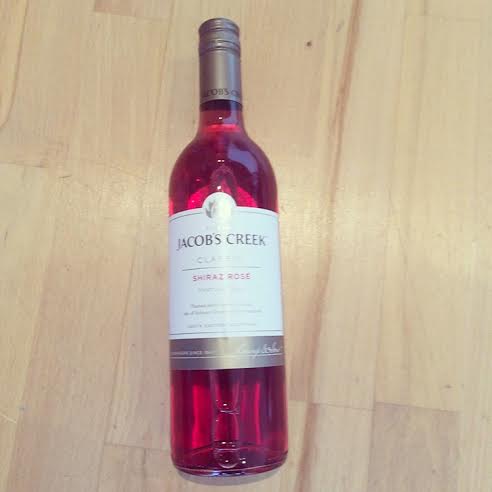
  1. Fine wines – the reason a wine would be deemed fine is not only thanks to the vineyard it comes from, the grape used and the manufacturing process but is also down to the weather too. That’s right – each season has a different yield of grape even when the owners do the same thing. Sometimes the planets align and the weather helps to create a wine so delicious it is talked about in sommelier circles. But of course, once all those grapes have been used, no more can be produced. And as a consumable item, it will eventually be gone. As the glasses go down on one bottle, the value goes up on another. 

Collections should come from a place of passion and enjoyment but there is certainly no harm in the fact you could make some money if you wished to sell some of your collectibles in time! 


 This is a brand collaboration post. 


How I Finally Got My Natural Birth.

working mother, mother, working, freelance, blogger, mummy blogger, blogger, parenting blogger, blogger, writing,, pregnancy, birth, childbirth, hypnobirthing, Catherine Balavage, trauma, childbirth, women on childbirth As I write this it is my sons fifth birthday. He is happily playing with his new toys and his toddler sister is playing with a train track. The pain of my sons birth has lessened this year. The pain is not as searing. I wanted a natural birth with my son. I had gone to an antenatal class at the hospital and they had skipped over most of the birth part due to time constraints. The one thing they did cover was pain relief, and it all looked awful. Even the epidural which they said was the ‘only thing that actually works’ looked so invasive. A catheter? No thanks. I would have a natural birth. It would hurt, but it would be worth it. 

The birth itself was a series of little mistakes leading up to an emergency C section. I ended up having pethidine and an epidural. I have always been sensitive to drugs. I hate the feeling of being high, but by the third day of labour I could not take anymore. The midwives bullied me for taking drugs saying, ‘how much more pethidine is that baby going to have?’, but at no point did anyone induce me during my over eighty hours of labour until the very end. One midwife shouted and screamed at me at the top of her lungs while my water broke. I was bullied, abused and I thought my child and I were going to die. We both almost did. 

That is not what I want to talk about today. Today I want to talk about what happened two-and-a-half years later: I got my VBAC. Having a natural birth with my daughter was the most healing experience of my life. I was thankful it was at a different hospital with better staff. 

The trauma from my sons birth lead me to research childbirth and talk to as many women as I could about their experiences. This lead to me writing my book Women on Childbirth: Tips and Experiences from Women who Have Done it. I read everything I could about natural birth as I did not want another C section or any drugs. A book I recommend is The Positive Birth Book from Milli Hill. I was humbled when Milli was kind enough to contribute her birth story to my book. I also have to mention the team at St George’s who were so supportive. I cannot thank them enough. 

I decided to try hypnobirthing and I read everything I could about it. I was confident I could breathe the baby out of my vagina as long as I was in the right environment. I knew if I was as calm as possible things would go well. I wanted the room to be as dark as possible. I did not want any drugs as they slow down labour. I refused to have anyone other than my husband there. I was treated terribly by the midwives at the other hospital and I knew that it would be partly luck if I got a good midwife or not. I was not going in on just luck however: I was going in empowered with information and a confidence in the abilities of my body. 

I was in labour for over twenty-four hours but most of that was the early labour part which is not as bad. The pushing part was a few hours but it seemed to go faster. I was so surprised when the amazing midwife Elle told me I was ten centimetres. During my last birth I did not even get to five. The breathing really helped with the pain. 

Did it hurt? Of course it did, but a natural birth is only more painful in the moment. It does not hurt as much afterwards and the recovery is much quicker. The moment I pushed out my daughter and she was on my chest was one of the proudest moments of my life. The female body is an amazing thing and we need to have confidence that our bodies can do what needs to be done, but we also deserve to have the right environment to birth in so our bodies are able to do that. Birth rights are human rights.