RNA announces contenders for 2020 Joan Hessayon Award

The Romantic Novelists’ Association (RNA) has announced the 2020 line-up for its prestigious Joan Hessayon Award for new writers.

The contenders for this award are all authors whose debut novels have been accepted for publication after passing through the Romantic Novelists’ Association New Writers’ Scheme. Each year 300 places are offered to unpublished writers in the romantic fiction genre. As part of the scheme, they can submit a complete manuscript for critique by one of the Association’s published authors as well as attend RNA events which offer opportunities to meet and network with publishers, agents and other published authors.

This year’s debuts show the wide range of stories encompassed by the romance genre, from the ever-popular romantic comedies, to fairy tale romance, romantic suspense, historical stories and paranormal thrills. From the house just down the street to the sun-soaked beaches of Italy and that different world that is the past, these books deal with themes we all recognise and hold close to our hearts.

Commenting on the contenders for 2020, Alison May, RNA Chair, said, ‘The New Writers’ Scheme is at the heart of the RNA’s commitment to nurturing romantic authorship and the celebration of the Joan Hessayon shortlist is a highlight in the Association’s year. This year has been different for so many reasons, but we’re still delighted for all these debut novelists and excited to announce our Diamond Joan Hessayon Award winner in this, our 60th Anniversary year.’

Imogen Howson, RNA Vice Chair, who previously co-ordinated the New Writers’ Scheme, commented, ‘In the midst of uncertain times, it’s immensely encouraging to see a record number of contenders this year for the Joan Hessayon Award. It speaks so well, not only of the hard work and talent of the authors themselves, but of the continuing health of the publishing industry.’

The Award will be announced on 5th September 2020 in an online presentation.

The Joan Hessayon Award is generously sponsored by gardening expert Dr. David Hessayon OBE, in honour of his late wife, Joan, who was a longstanding member of the RNA and a great supporter of its New Writers’ Scheme.

The full list of contenders for 2020 is:

Zoe Allison, Impervious, Totally Bound

Jan Baynham, Her Mother’s Secret, Ruby Fiction

Laura Bambrey, The Beginner’s Guide to Loneliness, Simon & Schuster

Victoria Garland, Finding Prince Charming, DC Thompson

Rosemary Goodacre, Until We Meet Again, Hera

Annette Hannah, Wedding Bells at the Signal Box Cafe, Orion Dash

Stephanie Harte, Risking It All, Aria

Stefania Hartley, Sun, Stars and Limoncello, Totally Bound

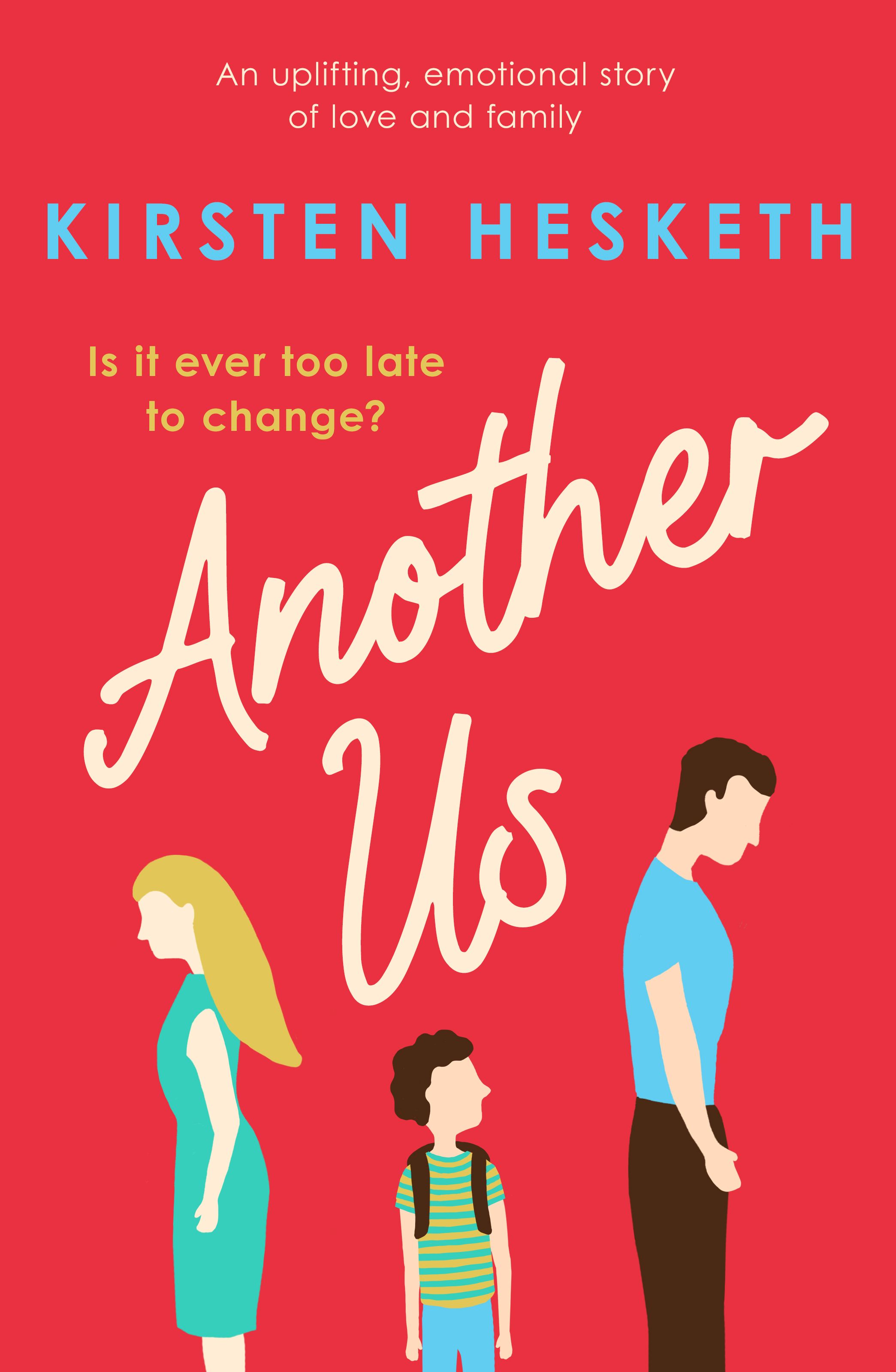
Kirsten Hesketh, Another Us, Canelo

Sharon Ibbotson, The Marked Lord, Choc Lit

Emma Jackson, A Mistletoe Miracle, Orion Dash

Lynn Johnson, The Girl from the Workhouse, Hera

Nina Kaye, The Gin Lover’s Guide to Dating, Orion Dash

Lucy Keeling, Make it up to you, Choc Lit

Ruth Kvarnström-Jones, Halleholm – Lovisas Choice, Printz Publishing

Mairibeth MacMillan, The Viking’s Cursed Bride, Tirgearr

Melissa Oliver, The Rebel Heiress and the Knight, Mills and Boon Historical

Maggie Richell-Davies, The Servant, Sharpe Books

Jacqueline Rohen, How to Marry Your Husband, Arrow

Kathleen Whyman, Wife Support System, Hera

Fiona Woodifield, The Jane Austen Dating Agency, Bloodhound Books

The New Writers’ Scheme has been run by the RNA since 1962 and is unique among professional writing associations. It aims to encourage fresh talent in the writing of romantic novels that reflect all aspects of love and life, contemporary or historical.

Manuscripts submitted under the scheme are from unpublished authors and are read by an experienced writer or editor who provides invaluable feedback. Any manuscript that is subsequently published as a debut novel is eligible for the Joan Hessayon Award. All eligible books are judged by a panel of experienced RNA members who are already published authors, and this year the final round judges are Rhoda Baxter, Author and Chair of Authors North, and Thorne Ryan from Hodder and Stoughton.
Delicious Gluten Free Cauliflower Cheese That Takes Less Than 30 Minutes

gluten free cauliflower cheese, cauliflower cheese recipe, cauliflower cheese, recipe, how to, ingredients. gluten free cauliflower cheese, cauliflower cheese recipe, cauliflower cheese, recipe, how to, ingredients. Cooking from scratch can be hard. Our lives are so busy and exhausting. So I want to share this great, easy recipes that I make for my family. All you need is cauliflower, cheese, mustard and milk. You can also add some cornflour or butter.

You need:

3 cups of cheese.

1 cup of milk.

A tbsp of mustard.

One cauliflower.

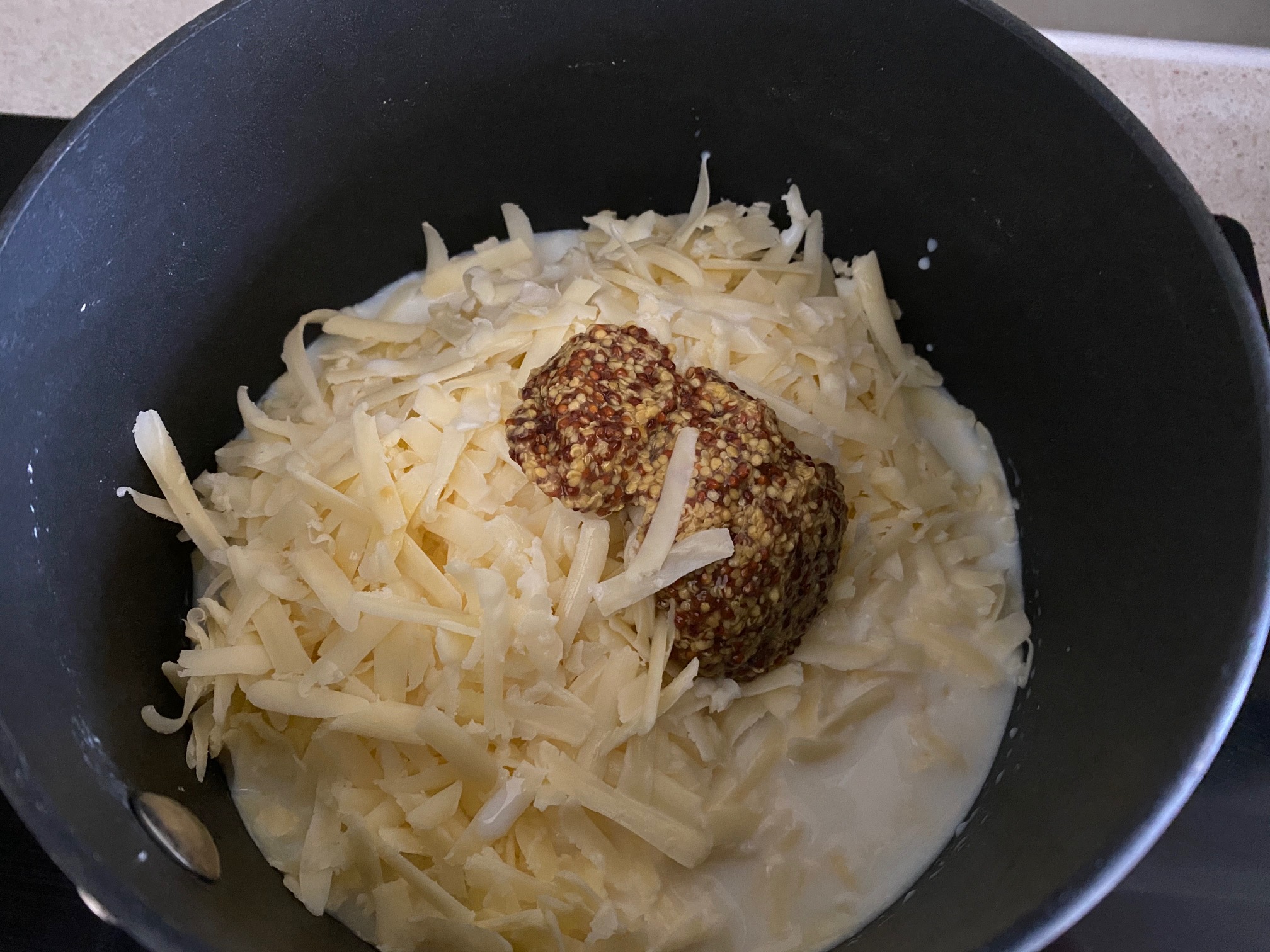
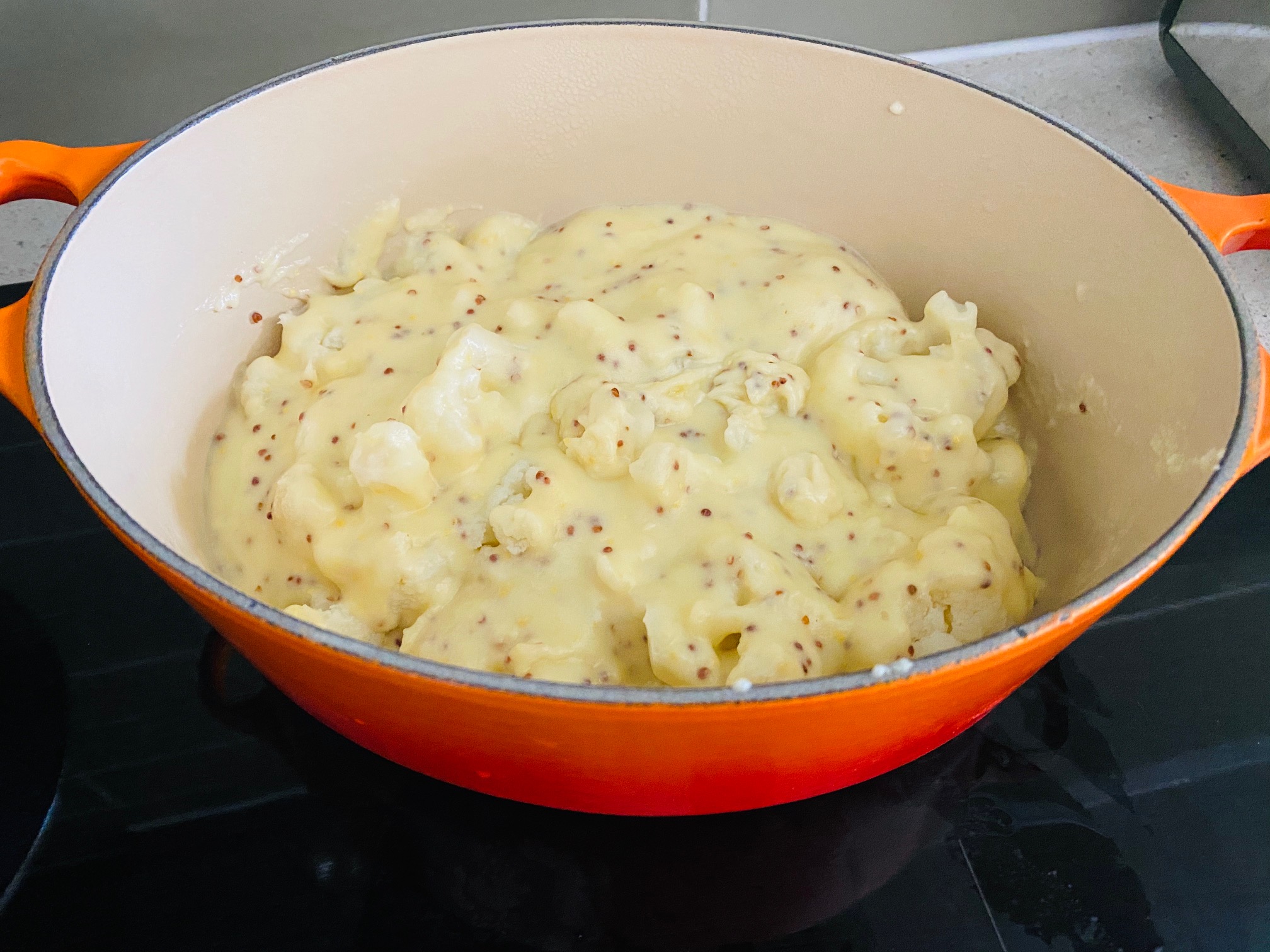
Cook the cauliflower. I boil it for 15 minutes in a pot with the lid on. While that is happening mix the cheese, milk and mustard in a pot. Stir until smooth.   Mix both together when the cauliflower is done. You can also add gluten free flour, cornflour or butter. I tend to add a dollop of butter. If you add too much milk the sauce will be too watery. If this happens you can add cornflour or gluten free flour. 4 tbsp does it.

This meal is delicious and you can make it in under 30 minutes. Let me know if you try this recipe and how you get on.


My Writing Process Sheila O’Flanagan

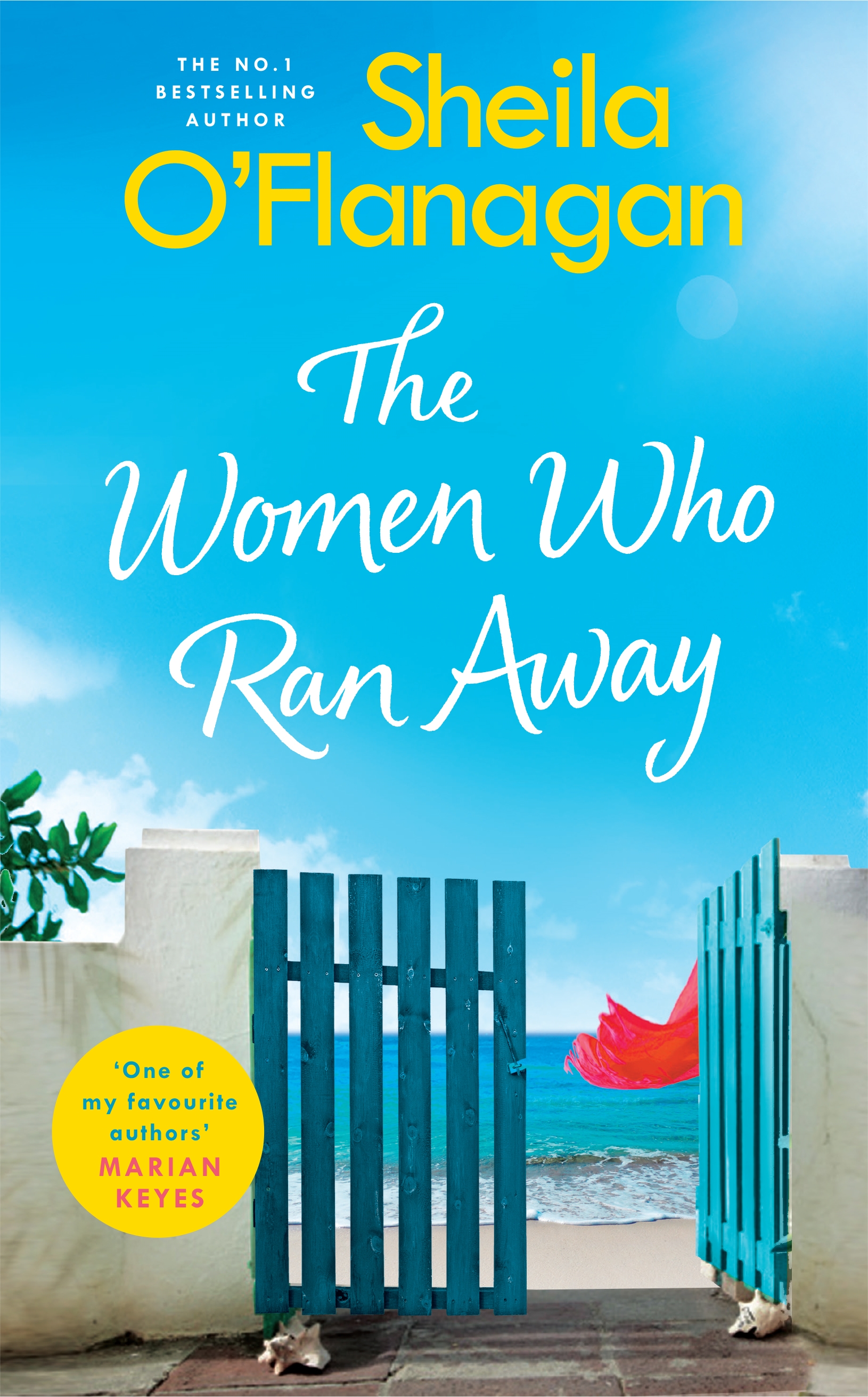
The Women Who Ran Away by Sheila O’Flanagan is published 16th July 2020 (Headline Review, £18.99). 

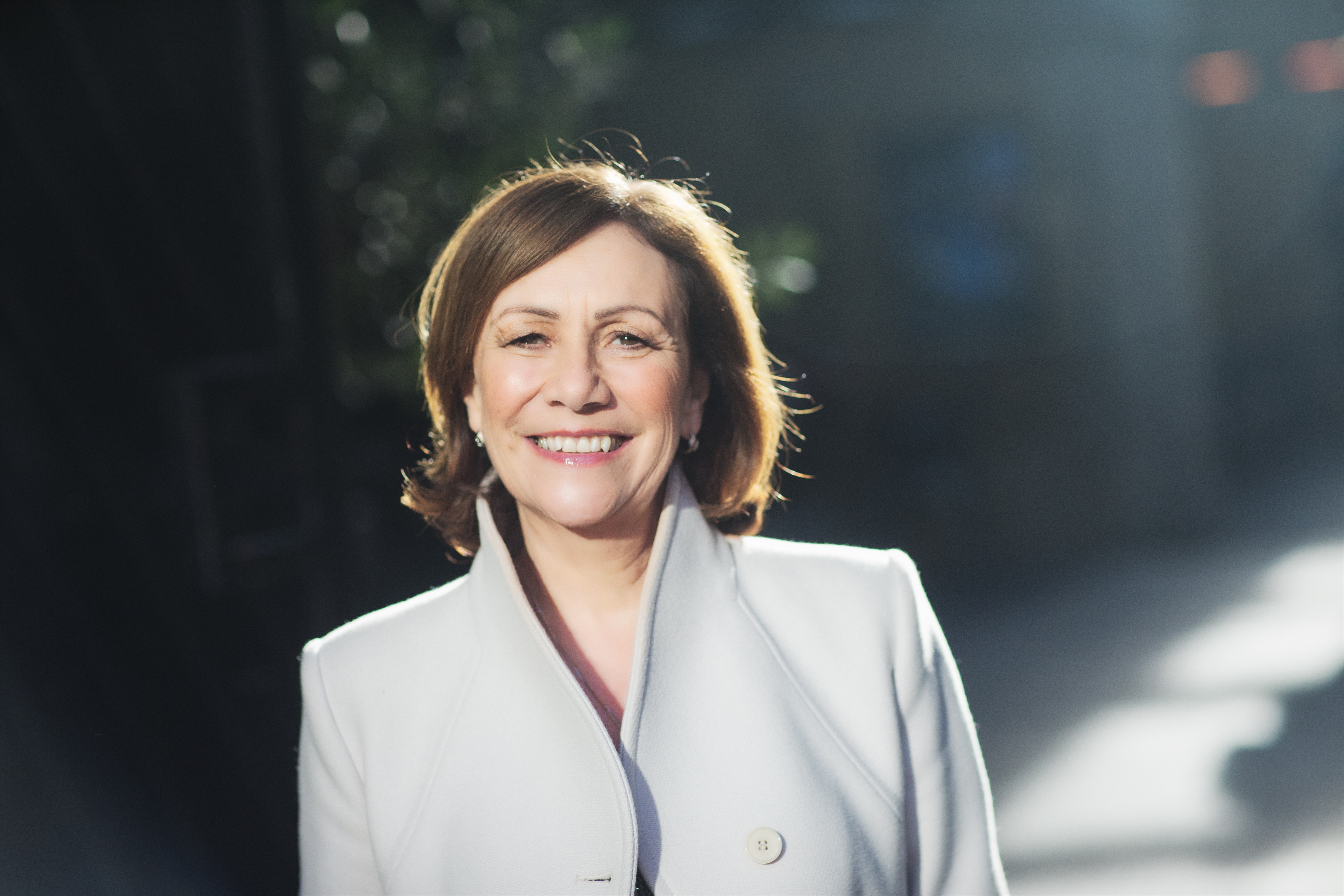
 Sheila O'Flanagan author imageI’ve always loved reading and used to write sequels to Enid Blyton stories when I was young because I always wanted to know what happened next. Everyone thought I’d end up, if not a novelist, at least working in a library or a bookshop. However I was offered job in a bank and got side-tracked into the world of finance. I occasionally wrote short stories in the evenings as a way of unwinding but I didn’t think I had the time to write a novel, even though I had lots of different ideas and would think about my various characters whenever I wasn’t working. Eventually I realised that if I wanted to fulfil my dream of being a published author I’d have to make the time to write – unfortunately the ideas don’t magically appear on the page. So I bought myself a laptop, opened a Word document, typed Chapter 1 and wrote every evening until it was finished. I’ve kept going ever since.

2. What you have written, past and present.

My first novel, Dreaming of a Stranger, was published in 1997. I’ve written 25 novels for adults, 3 collections of short stories, 2 children’s books and contributed to both the Quick Reads and Open Door series of short novellas.

3. What you are promoting now.
My latest book is The Women Who Ran Away and is about two women, Grace and Deira, who meet on a car ferry from Ireland to France. Both have reasons for travelling alone but a sudden change of circumstance mean that they end up driving together. As a friendship forms between them, Deira helps Grace try to solve a complicated mystery that her late husband has left her. This takes them on a spectacular journey along the French Atlantic coast and through the heart of Spain to Cartagena on the Mediterranean sea. By the end of the novel they’ve completed both a physical and an emotional journey as they discover that sharing their secrets turns out to be a strength and not a weakness, and that there’s always more than one solution to a problem.

4. A bit about your process of writing.

I try to write every day but that’s not always possible. I generally work for a couple of hours in the morning, then take a break and return for some more writing in the afternoon. I move backwards and forwards through the novel, writing a few chapters and then editing them before moving on.

5. Do you plan or just write?

I wish I was an author who planned! But I can’t. I start at the beginning with a vague idea and just hope for the best.

6. What about word count?

I don’t get hung up on a daily word count, especially at the start of the novel, but I try to write in scenes. If I finish a scene I’ll take a break before moving to the next one. That means sometimes writing a few hundred words, sometimes significantly more.

7. How do you do your structure?

Badly, to be honest. But the process of writing, then editing, writing, then editing helps. I usually come up with a slightly more formal plan about a third of the way through the novel when I have a better idea of the characters and how to move them through the story.

8. What do you find hard about writing?

Sitting at the laptop. It’s physically demanding even though you don’t realise it. Most of my author friends have bad backs and I’m no exception. I try to take more mini-breaks now. Distractions are more of a problem these days than they used to be with social media getting in the way. I’m more easily distracted now than before.

9. What do you love about writing?

Creating characters, seeing them grow and evolve and take control of their own stories. Sometimes the research is good too!

10. Advice for other writers?

Don’t get hung up on trying to write for a genre, or following weird rules about how your book should be structured. Write the story that’s inside you in the way that suits you best. Do remember, though, that while joining various groups about writing and following them on social media can make you feel less alone, the only thing that will get your book written is sitting down and writing it. Talking about writing isn’t actually writing. Reading about writing isn’t writing. The only person who can write your book is you.

Sheila is @sheilaoflanagan on Twitter and follow Headline too @headlinepg

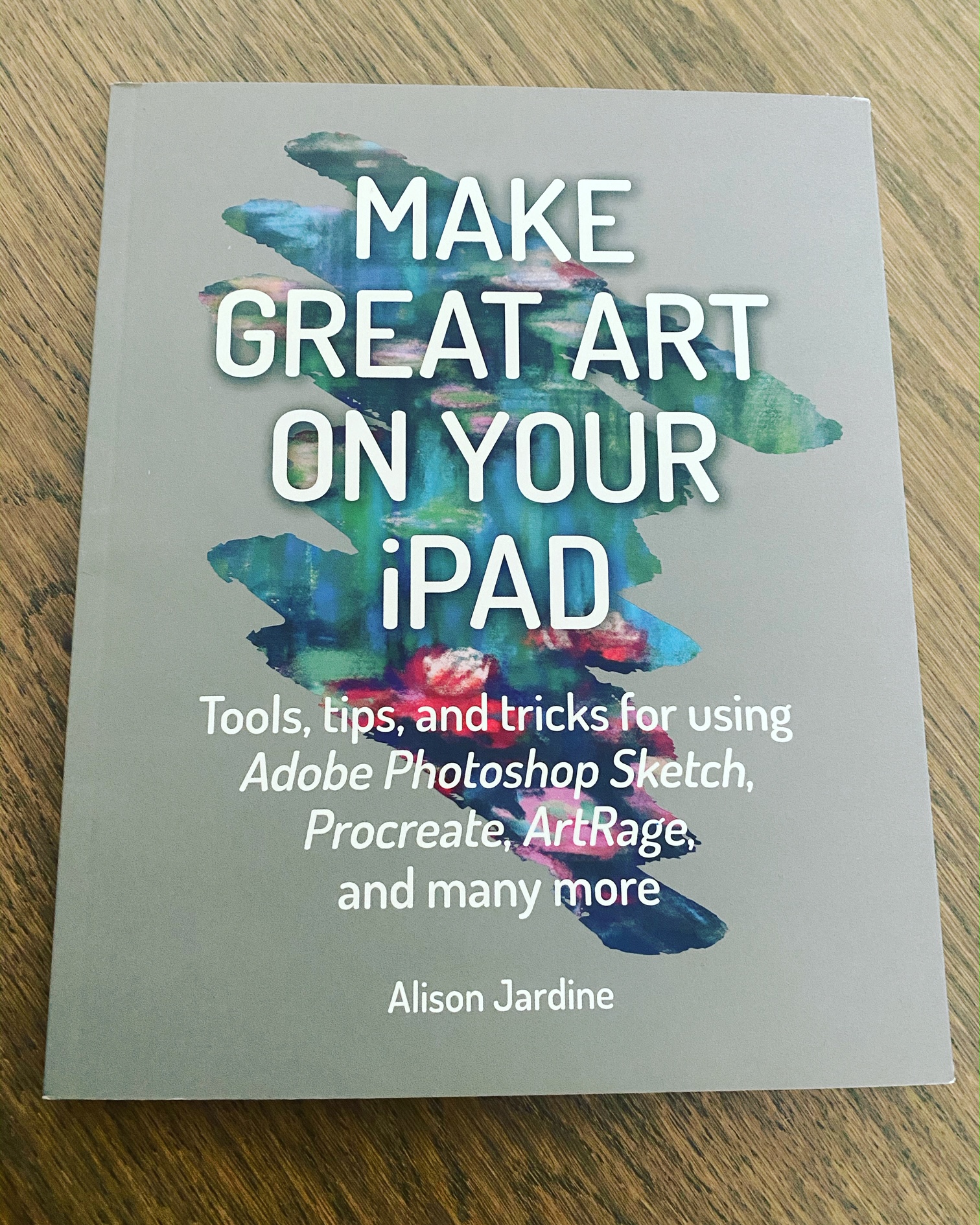
Make Great Art On Your iPad Book Review

When I was a child I loved to draw and would do it for hours. I have found it hard to continue to be an artist since I have become a mother. I never have the time nor the energy. I was excited when I saw Make Great Art on your iPad. I spent time on my iPad of course. It seemed the easiest way to get back to who I used to be.

This book tells you everything you could possible want to know, along with things you would never have thought to ask.  It is easy-to-read and to learn. It has all of the tips, tools and tricks you need. I highly recommend it.

Fully revised to reflect the latest updates in the most popular creativity apps, this is the original, best-selling guide to using creative apps on your Apple device to produce your very own masterpieces.

Artists like David Hockney have taken to creating art on the iPad, but you don’t have to be an artist to achieve great results on your device. This refreshingly accessible book is perfect for skilled artists and creative wannabes alike.

Alongside the step-by-step projects that teach the fundamentals of digital painting, there are also some easy and fun artistic tricks that anyone can try. You’ll master the most popular art apps, and you will learn new painting and drawing skills along the way.

Includes advice on using Procreate, ArtRage, Art Studio for iPad, Adobe Photoshop Sketch, Pen & Ink, Brushes and Tayasui Sketches Pro.

Make Great Art On Your iPad is available here.

My Writing Process Stephen Deutsch

Stephen Deutsch, author, writerI was born in New York, but have been living in Britain for fifty years! The first part of my career was spent as a pianist, composer and conductor.  Many of my works have been broadcast on the BBC, especially as scores for their Classic Serial, but that was some time ago. I live in Dorset with my wife and her garden.

What you have written, past and present.

A late arrival to novels, I had previously written TV plays, some of which were broadcast on the BBC. My first novel, Zweck, a historical comedy about music, was published four years ago. It concerns a fictitious nonagenarian composer who knew everyone and hated most of them. In this novel, the main characters are fictitious but everyone else is real. It is set in the 1970s.

What you are promoting now. 

My most recent novel, Champion, is a true story, a novel of persecution and heroism during the Second World War. It is based on the stories of two men from different worlds, both struggling in the febrile atmosphere of Nazi Dominated Europe. 

The first is Herschel Grynszpan, dark haired, slight, with deep-set eyes. He is an undocumented Jewish adolescent living in Paris. He receives a postcard from his parents – recently bundled from their Hanover flat, put on a train and dumped, with 12,000 others, on the Polish border. Enraged, Herschel buys a gun and murders a minor official in the German Embassy.  The repercussions trigger Kristalnacht, the nationwide pogrom against the Jews in Germany and Austria, a calamity which some have called ‘the opening act of the Holocaust’.

Intertwined is the parallel life of the German boxer, Max Schmeling, who as a result of his victory over the ‘invincible’ Joe Louis in 1936, became a poster boy of the Nazis. He and his movie-star wife, Anny Ondra, were feted by the regime – tea with Hitler, a passage on the Hindenburg – until his brutal two-minute beating in the rematch with Louis less than two years later. His story reaches a climax during Kristalnacht, where the champion performs an act of quiet heroism.

A bit about your process of writing. 

I try to write every day. Usually I write in the morning and revise in the afternoon (often something I had written some days before – one chapter might be revised several times, even in the first draft).  I try to read every word out loud, to get the sense of the rhythm of the words. This is especially true for dialogue, which I really enjoy writing. You can tell so much about a character by the slight variations in their speech patterns, not the ums and ahs, but the choice and order of the words they use. I like to feel that when the book is finished, I had written, read and weighed every word.

Do you plan or just write?

Both.  I normally have a plan, but once that scaffolding is in place, I let the characters do the writing themselves. It depends on the story.  In Champion, the events unfold as they actually happened, so I didn’t need to work out a plot structure. In the historical novel I am now writing, Dallas, fictional characters set in a real historical time and place, The structure is fluid, but to some extent needs to fit into the chronology of actual events. It isn’t set at the time of Kennedy’s assassination – I was at the parade, but didn’t witness the shooting. A story for another time.

What about word count?

Horses for courses, really. Zweck  was a heavyweight, coming it at 120,000 words. Champion is leaner and meaner, only 80,000 words.

What do you find hard about writing?

Starting.  It is a new problem every day. It’s easier to encourage myself to edit a previous chapter than to begin a new one. There are various subterfuges and helpers I can use to get started.  Dictating some random thoughts onto a recorder can grease the wheels. A blank page is less terrifying if it contains even the smallest thought, the shortest sentence.  Then you feel like going on. I also use a software package called ‘Scrivener’. This allows me to enter text, import web pages, and most importantly, to see and change the shape of the entire book as it develops.

What do you love about writing? 

Almost everything.  Each book, each situation teaches me new things. And of course the internet makes researching both pleasurable and far less tedious than it used to be – especially as I don’t live in a large urban area with libraries, etc., at my disposal. Sometimes, when researching a particular item, I accidentally find something else, which can liven up what I am writing. And the act of writing itself, passing the time with my characters, is immensely pleasurable.

Advice for other writers. 

Whatever your style or genre, literary fiction or mass market romances, my advice is always to write as well as you can. Write every word. Spot clichés and either remove them, or turn them on their heads. For example, ‘You make a happy man very old’ is a great twist on a sclerotic saying. The best advice I can give is to enjoy what you are doing, do it every day, and while doing it forget everything else.


In the Corridor of a College Lodgings. A Poem By Annie Clarke | Uplifting Stories


Who’s this?’ the lecturer asked my daughter.
She said, all bare midriff with tattoo peeping,
‘Only Mum. She’s carrying my plants,
helping to move me in.’
‘Hello, Mum,’ he said, not looking just brushing
the leaves as he passed.
It was a plant my daughter felt would make her room
look familiar, lived in. ‘Like you,’ she’d joked.
At her doorway I placed it in her arms,
but it was his bustling back I watched.
He turned this way and that
distributing greetings to other beasts of burden.
Not waiting for their replies, either.
I called, too loud perhaps. ‘My name is Margaret.
I usually wear stiletto shoes, and pink jackets,
when not camouflaged as a removal man.
I cycled off road across harsh terrain for charity. If you’d looked
You’d have seen highlights in my hair.
I belly dance and have a name.
My name, again, is Margaret.

‘Way to go, Mum,’ my daughter whooped
Up and down the corridor’s length and breadth
Plants and CD players were handed over.
Students were kissed with love. And left.
‘Yes, we have names,’ we all said.
As thoughts of achievements big and small
lent wings to trainers. ‘And places to go. And
lives to live.
Fashion statements to make, and parameters to break.

‘Goodbye, lecturer,’ we smiled, as we passed by.

The Power of Plants: eco-friendly, 100% natural and organic cleaning products

organic, eco friendly, cleaner, cleaning , environmentally friendly

Anyone who reads Frost regularly will known that I am a fan of sustainability. Anything that is good for the environment and cuts down waste has my attention. I also hate nasty chemicals and the fact that most mainstream cleaning products come in single use plastic bottles. Not okay. 

Squeeky cleaners caught my attention because they are 100% natural, organic, eco-friendly, pet safe and vegan friendly cleaning products. I tried out the multipurpose cleaner and I was impressed. It works well and, unlike loads of cleaners I have used, it does not feel like you are breathing in nasty chemicals. No stinging eyes. It works and it is good for you and the environment. What is there not to love? It is also made in the UK. I hope this company goes stratospheric. I cannot recommend them enough. 

It is no surprise that modern day living is more toxic than 30 years ago, more chemicals are used in the home than ever before and pollutants are all around, effecting people, pets, wildlife and our planet. With more pollutants in a normal home than air in some major cities, we do not always think about indoor air quality.

According to the British Lung Foundation types of indoor air pollution include particulate matter (PM) – microscopic particles of dust and dirt in the air, gases – carbon monoxide, nitrogen oxides, sulphur dioxide.

We may think our homes are sparkling clean, but air poor quality can affect asthma, COPD and allergies. Indoor air pollution can be caused by many things. These include: cooking, poor ventilation, damp, toiletries and chemicals in cleaning products.

Harsh toxic chemicals found in many household cleaners affect skin, airways, lungs and eyes, with long term research suggesting that certain chemicals cause cancer and can even change our DNA over a period of time.

Squeeky cleaners have created and range of 100% natural, organic, eco-friendly, pet safe and vegan friendly cleaning products which are great for the home and planet. Their products can bring comfort to householders who worry that modern day living cannot be clean and natural without the use of harsh chemicals. All their products are plant based and made with essential oils they are safe, yet powerful and kill over 99.9% of all germs and viruses.

Squeeky cleaners have a range of products to make all areas of the home and garden super clean. One of their most popular products is the Organic Limescale Remover Life Bottle Bundle which brings a super clean shine to bathrooms and kitchens, even to the most toughest stains. The bundle includes a reusable UK aluminium life bottle and refils for just £14.99. For more information visit Squeekyshop.co.uk


My Writing Process Caroline Walker

caroline walker, authorI came to writing through teaching. After graduating in Geology, I couldn’t find a job (in the 1970s it was virtually impossible for a woman to be employed in what was still considered a man’s world), so I changed direction and trained to teach English as a Foreign Language. It was a decision I’ve never regretted. I’ve taught teenagers, overseas graduates and business professionals both in the UK and abroad and a big part of my job was improving their writing skills for letters, reports and dissertations. It was good preparation for the writing I began at the end of 2006.

 What you have written, past and present?

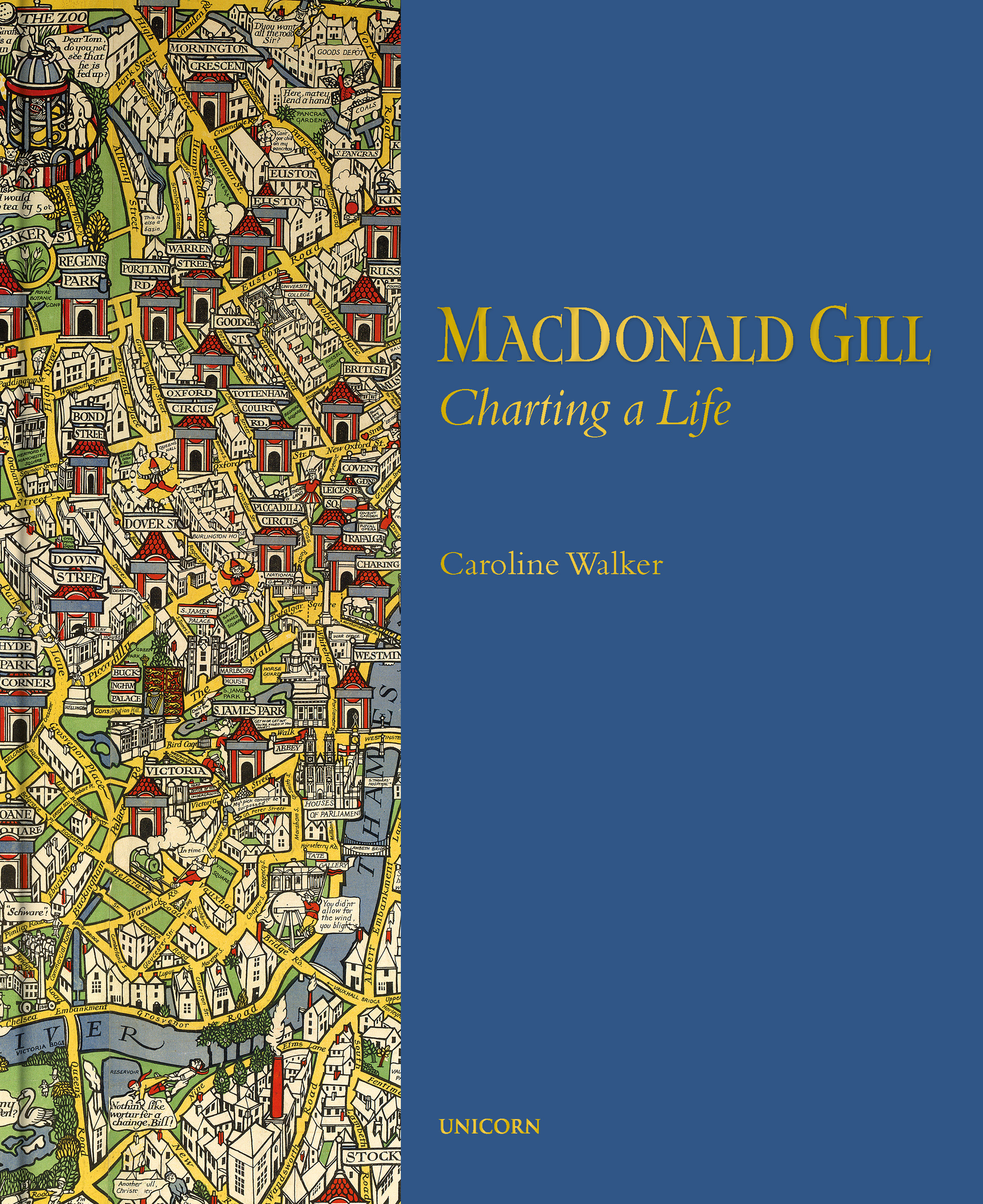
I’d become fascinated by my great-uncle MacDonald ‘Max’ Gill (1884-1947), artist brother of the controversial sculptor Eric Gill. Max was best known for the beautiful maps he painted for places like Lindisfarne Castle and the humorous posters he designed for the London Underground. I was astonished to find that his story had never been told so I decided to write it myself. Over the years I’ve curated several exhibitions of his work and written text for these as well as articles for magazines such as Country Life. This year – fourteen years after I started – my biography MacDonald Gill: Charting a Life has finally been published, receiving a five-star rating in its first national review.

What are you promoting now?

Recently I’ve been busy writing articles for various publications to promote the biography. I don’t have any plans for another book at the moment – this one has taken so long, I think I deserve a break!

A bit about the process of writing

The key to writing a good biography is meticulous research. This has been one of the greatest pleasures too – days spent delving in libraries and archives, the excitement of finding pieces of key information and long-lost artworks, and the joy of meeting hundreds of people eager to share their own connections to Max. A pivotal moment was the discovery of a major private collection of Max’s work and memorabilia. Thankfully, I was permitted to photograph all the letters, diaries and work documents, so I could pore over these at home. I made copious notes, highlighting important events and quotes that I might want to use later. I also kept separate lists of names, artworks and key dates. Setting aside good chunks of quiet time for writing was essential, as was having a table and space of my own.

Do you plan or just write?

I don’t write a plan although I do think it’s vital to have a basic structure in mind. With a biography, it’s quite easy as it’s a chronological narrative. Writing articles is different – I always think hard about the audience so that the angle, text and images are relevant.

What about word count?

As my publisher’s submission deadline for the biography came ever closer, it was clear the manuscript was far too long so I had to make some major cuts and revisions. It still ended up at just over 300,000 words! 

What do you find hard about writing?

I was unsure how to begin until a writer friend suggested: ‘Why don’t you start by setting down why you want to write this book?’ So that’s what I did. The words then flowed easily and I often found it hard to stop. I do sometimes agonise over sentences and even single words – I may change a passage umpteen times but end up with the original. 

What do you love about writing?

It’s an absorbing, creative process that – for me – has been the way to achieve recognition for a neglected artist and relative. And I now realise that I can actually write quite well!

Advice for other writers

Don’t be afraid of the blank page – just get something down – you can always change it. Use your own ‘voice’ – don’t be tempted to copy others. Remember to save when you’re writing (I once lost several pages when my laptop crashed). Avoid cliché and don’t be afraid of using tools such as a thesaurus if you can’t find the right word. And finally, have faith in yourself and enjoy the experience!

MacDonald Gill: Charting a Life is available here