The Olay Whip SPF30 Collection

Olay whip SPF30

I never leave the house without an SPF. Even in winter. I think it has made a difference to my skin. So much of ageing comes from sun damage. I like Olay and tend to use it a lot. Finding a moisturiser with SPF30 can be hard, and a good one harder. I was sent the Olay Luminous Whip to review. I like the packaging but it is what is in the inside that counts. What I find is a product that moisturisers like a heavy moisturiser but has the light and airy feeling of a lighter counterpart. It feels soothing and calming as it goes on. My skin feels like it has had a good, long drink. My skin looks well moisturised too. I will definitely keep using the Olay Whips SPF30 range. It gives an excellent light finish with high SPF protection. It also absorbs instantly. My skin does not feel like it is suffocating. Brilliant stuff. 


More than half of women (61%) claim they don’t use an SPF when UV levels aren’t strong

The UVA/UVB rays from the sun are a leading cause of premature ageing

The Olay Whips SPF30 range has a ‘light as air’ finish and instant absorption with high SPF protection

Whether she’s up and out of the door for the daily commute or taking herself on an early morning jog – one thing her skin needs day in, day out is SPF protection.

However, it seems that although women know the importance of incorporating a moisturiser with SPF into their daily routines, they don’t seem to be acting on it.

Olay consumer research reveals that despite women knowing the sun is damaging their facial skin and making it age faster, they still aren’t protecting it with a daily SPF. More than half (61%) claim they don’t use SPF when they think UV levels aren’t strong, even though UV rays damage the skins all-important moisture barrier and act as a trigger for other skin aging effects year-round. Could it be the thick, sticky nature of SPF moisturisers that’s holding them back?

The good news is, the days of heavy, hard-to-handle facial moisturisers are no more. Olay’s game-changing Whips moisturiser has launched an SPF30 collection – so you can enjoy the light as air texture and potent anti-aging skincare ingredients of Olay Whips, with the powerful protection of SPF30.

OIay Whip SPF collection offers a broad-spectrum UVA/UVB SPF30.

Olay Whips SPF30 promises its exclusive ‘light as air’ formula that is perfectly whipped for instant absorption to the skin, leaving a flawless finish either on its own or under makeup. The product range includes Active Rush Technology™ which can hold and quickly release 1000x its weight in hydration and active ingredients. Olay Whips transforms from cream to liquid on contact, flash absorbing into skin to deliver potent anti-aging skincare with a light as air touch. So, women on the go can reap the benefits from a lightweight moisturiser and their much-needed SPF30 in one step!

Olay Whips SPF30, available in the Regenerist, Luminous and Total Effects ranges, offers powerful skincare with a light as air feeling, and year-round protection from the sun’s harmful rays.

For more information on Olay products, visit www.Olay.co.uk

Stockists: Boots.com, Superdrug.co.uk, amazon.co.uk and all leading retailers
RRP: £34.99

My Writing Process – Kimberlie Hamilton

rebel dogs, book, I used to live in sunny Southern California and now live in misty Northern Scotland with four cats. Life has been a whirlwind ever since I moved to the UK a year and a half ago – lots of travel, enrolling in a Master’s programme at the University of Aberdeen, getting an agent, earning a coveted “Blue Peter” badge and publishing three books. I’m currently working on a new book (my third for Scholastic UK) and will be presenting at the Edinburgh International Book Festival for the first time this August  Really looking forward to that.

I have written all sorts of things over the years, including advertising copy, travel brochures and blogs, screenplays, newspaper articles, websites, PR and marketing materials, digital content and even some teaching materials (for my English language students in Kyoto, where I once lived). But my true passion is writing entertaining nonfiction books for children ages 8 to 12. 


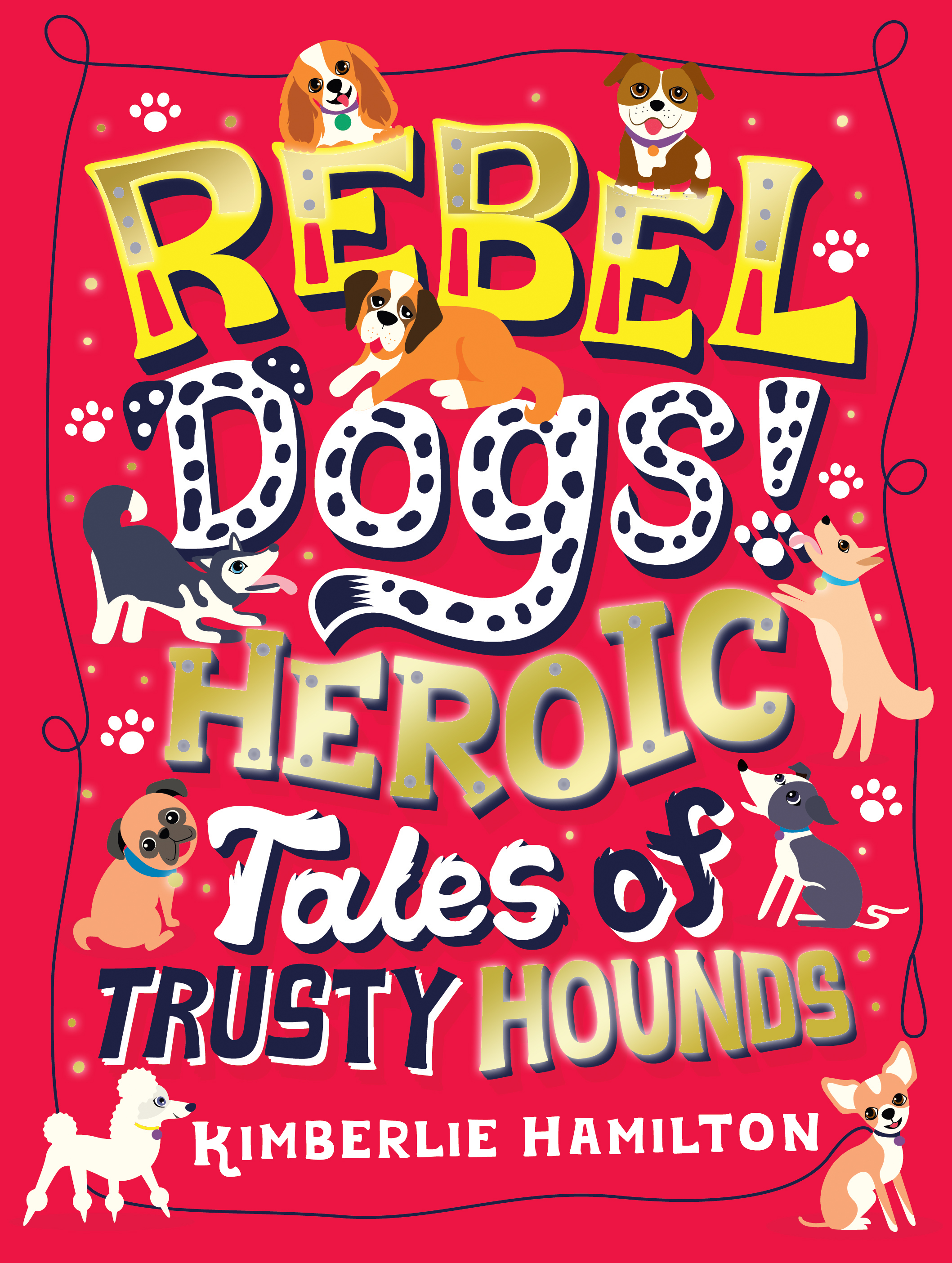
My latest book is Rebel Dogs! Heroic Tales of Trusty Hounds, published by Scholastic UK (August 2019). It features 30 real-life dogs that all did something amazing and memorable with their lives, plus pages and pages of fascinating trivia about canines across the centuries. It’s the follow up to Rebel Cats! Brave Tales of Feisty Felines (November 2018).


I write nonfiction and that requires a load of research, both online and the old-fashioned way, with proper books. After a stack of ‘source material’ starts to pile up, I go through everything, type up a rough outline, and begin distilling and editing. I always edit my manuscripts with a pen, then re-type all my messy scribbled notes the next morning to get myself back into a productive writing groove for the day.
Do you plan or just write?
I’m a Virgo, which means I always plan everything down to the tiniest detail. I’ve met other authors who work without a plan – they simply write a scene here and a scene there and somehow it all magically comes together in the end. I cannot relate to these people at all! I think most nonfiction writers need a structure of some sort.
What about word count?

In the initial phase of writing, I don’t think much about it. I tend to be a very concise writer, even when not writing for children, so there’s little chance of me ‘going off the reservation’ in terms of excess prose. With the Rebel titles, the books were designed and formatted while I was working on the manuscripts, so the Art Director was able to tell me precisely how many characters would fit on each page. I loved that. It was like a game for me, making sure everything fit just right.

What do you find hard about writing?
For me (and I suspect most writers), everything about writing is hard. I vastly prefer editing. Sometimes I think I write just so I have something to edit.

What do you love about writing?
I love the challenge of taking something based on fact and making it sound as playful and entertaining as a good piece of fiction. Tough to do so it’s very satisfying when I actually manage to pull it off.

Advice for other writers. 

My first real job after university was as an advertising copywriter, and everyone in the agency worked way too many hours. But my boss encouraged me to get out of the office and read and travel and see movies and try new things…to experience life to the fullest. He said that the creative spirit is like a battery that needs to be recharged now and then. Life experiences are what sparks and feeds creativity. 


@ScholasticUK  | youtube.com/ScholasticFilmsUK  | facebook.com/ScholasticUK  | instagram.com/scholastic_UK

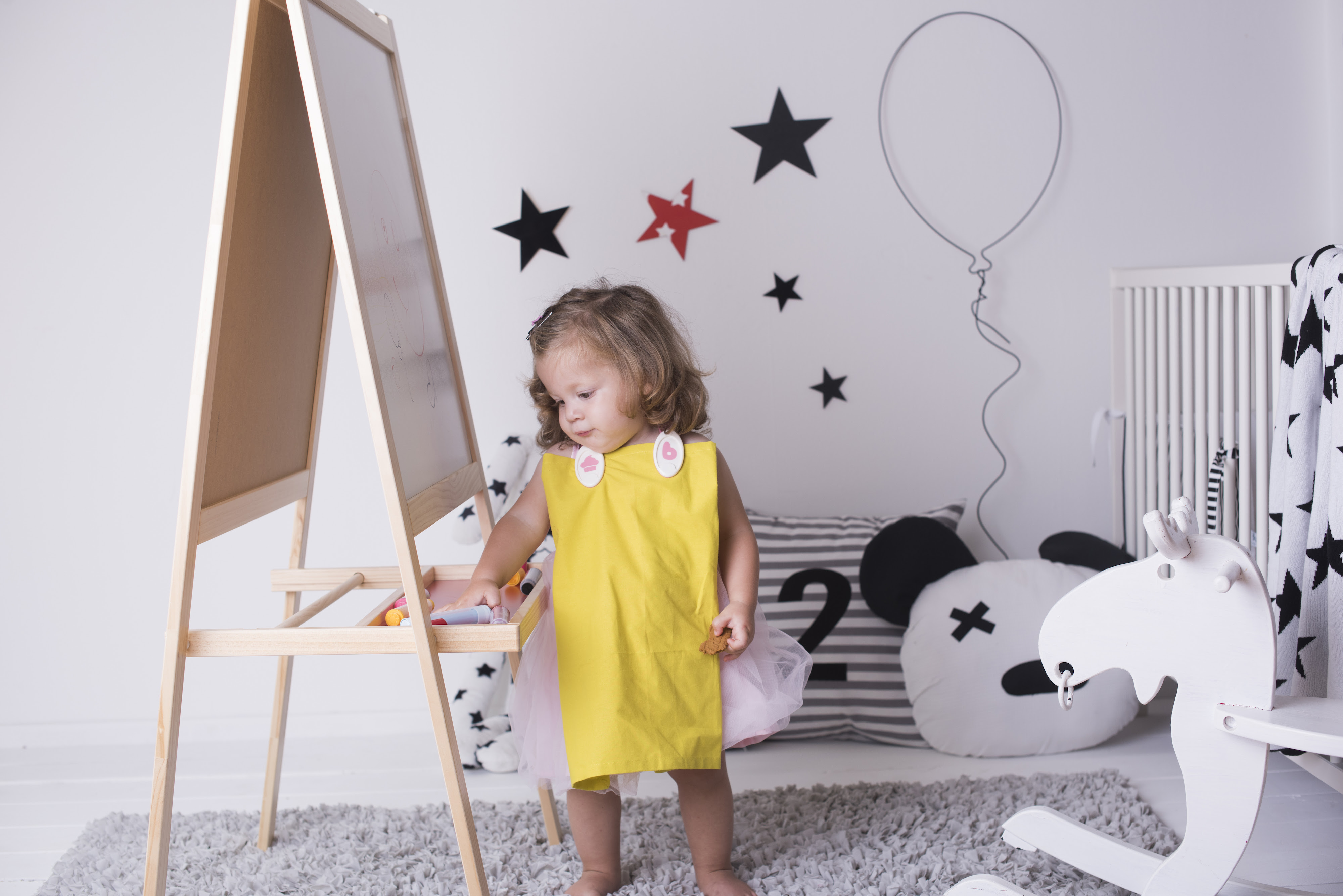
B’Clip: A Clever Invention For Children. Turn Fabric or Paper Into a Bib

I love this clever little clip. Small and portable, it turns fabric or paper into a bib. Perfect for eating or playing. It is also safe because it releases if pulled hard enough by your tot. Pretty cool. 

Transform any fabric or paper napkin to a bib with the ingenious B’Clip from Baby To Love. Ideal for meal time’s, painting, playing with clay and other messy activities, be rest assured with the B’Clip you will receive comfortable protection thanks to its ergonomic shape, flexible fit and soft touch material. Made from a 100% waterproof food-grade rubber that is easy to wash and clean, from 6 ages months + if you’re out and about, and limited on space, the B’Clip provides you with vital protection without been bulky and unnecessarily oversized.

B'clip, bib, parenting reviews

A life savour for your little ones most precious outfit’s, avoid one less bib on a mountain of laundry, simply use the B’Clip holder with a new paper napkin and throw away after use. The B’Clip incorporates an effortless wide opening so that you can fit even the thickest hand towel for those extra messy activities. Not to mention for protection against choking, if the napkin is pulled hard, the B’Clip is designed to release for baby safety.

After use keep the B’Clip close to hand, as it sticks to any fridge or other magnetic surfaces. Ready to throw in your bag for use when dining, visiting family, or traveling. An affordable, practical, yet stylish baby shower gift that any new parent would be grateful of.

The Magnetic Soft Silicone B’Clip (Grey Pencil, Blue Apple, Pink Cupcake) is available to buy online for £9.95 from BabyToLove.


My Writing Process – Dr Kathleen Thompson

I suppose I’m an unusual writer. I write lots of factual stuff for my day job – I’m a doctor and test new medicines to check they work and are safe. However I am also enjoying writing an Italian novel currently. I’m familiar with the Italian way of life, psyche and language and it’s fun to create an insight into the truth behind la vita bella d’Italia for the reader. 

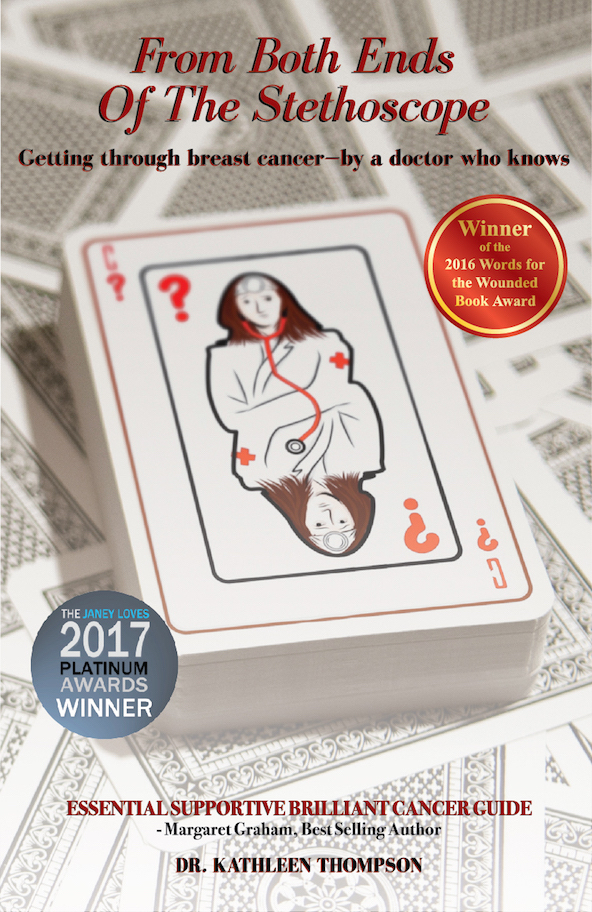
My first book was a self-help guide for breast cancer – From Both Ends of the Stethoscope: Getting through breast cancer—by a doctor who knows which won two book awards –the Words For The Wounded Book Award 2016 and the Janey Loves (Radio 2’s Janey Lee Grace) 2017 Platinum Award. When I had breast cancer myself, even I found the hospital experience confusing and frightening. How much harder for people without a medical background? So I wanted to provide the knowledge people needed, quickly but easily – people with cancer are in a state of shock and it’s hard to absorb things. I wrote the guide using my personal experience, whilst drip-feeding what people needed to know. You can read my book from start to finish, or dip into chapters – each one deals with a specific aspect of your cancer journey, and finishes with a summary and further information. Because of my background, I’m passionate about debunking internet medical ‘facts’. There is good information out there, but also much which is misleading or dangerous. I share simple rules for assessing the quality of the information in my book, and also summarise how to reduce cancer risks through life-style. 

Since then I’ve written articles for Frost Magazine, and Huffington Post. I love demystifying medical issues for people – it shouldn’t be complicated.

So how do I write? My biggest challenge is expressing emotion. As a scientific writer I’m used to stating facts, there’s no place for feelings in a scientific report. But people kept asking me what having breast cancer was like. So I had to take a deep breath and really describe my feelings. I’m getting better, but I still find it hard to let go and show my vulnerability. 

My breast cancer guide pretty much wrote itself. Odd things happened during the course of my cancer – unpleasant for me, but perfect material for a book – such as when my operation was nearly cancelled literally at the final hour, and when a doctor tried to give me radiotherapy to the wrong area – it was as though a writer in the sky were choreographing my life to make a perfect story. For novels, I try to write a plan first. I detail the synopsis, the characters and the chapters. 

I like to write concisely – and prune my work repeatedly. This lends itself to online journalism, like Frost Magazine, as people can see the whole article on a smartphone page. 

If you’re inspired to start writing, you should find a good creative writing course, run by an experienced published author. I learned so much about writing technique from my mentor, the best-selling author Margaret Graham. Join a writing group and share your work with your peers – you’ll get essential feedback. Writing a book takes longer than you think. Until you’re very experienced you’ll need to rewrite until it works. But if you enjoy it – keep going, it’s a lot of fun.


5 Ways How Can Parents Help Students at Home

Almost all people go to school and afterward, to a college or university. It’s not easy to learn and gain new knowledge and skills. That’s why parents should help their children. The role of parents should be compared to the value of teachers and professors. Educators encourage schoolers to learn. However, their efforts could be not enough for a kid.

Oftentimes, only parents can make their children be fully engaged in the learning process. Accordingly, all parents should help students right at home. If you are a parent and want your child to succeed with academics, use certain measures to secure that. We offer 5 effective ways to help your children. They are suitable for students of all ages and educational institutions.

Create an Appropriate Atmosphere at Home

First of all, you should create an environment that calls for action. In this case, we are talking about full engagement with studying. Create the working atmosphere in your child’s room. It should be provided with all the necessary materials – pens, pencils, notebooks, textbooks, maps, and similar stuff. Moreover, this room should have all conveniences. Make sure the desk fits the height of your kid. The room should receive enough light to never harm the sight.

  • Additional tips: Have a full list of education supplies for every subject. Discuss the terms and length of work with an educational advisor. Remain always at hand to provide guidance and answers if your child doesn’t understand something.

Develop Organizational and Disciplinary Skills

Secondly, pay attention to the discipline of your child and his/her organizational skills. Many schoolers get distracted by many things. Accordingly, your first measure is to remove any kinds of distractions. These are smartphones, video games, TV-set, and so on. Afterward, teach your kid how to focus on a concrete task.

You have to be strict sometimes. You ought to design a firm schedule that includes time periods for work and rest. In case the rules are violated, you should punish your child. The punishments may exist in the form of some deprivations. For example, your kid may not be allowed to go out for a couple of days or play video games. Think about adequate penalties for adult students.

As children learn disciplinary rules, they automatically develop discipline. It’s a good investment in the future. Further on, they will be able to follow the rules and remain organized.

  • Additional tips: Your schedule should be reasonably divided. Your student should have time to have a rest and enjoy leisure time. Add regular breaks to avoid exhaustion. For example, a high schooler should be allowed to have a rest every hour for 10-15 minutes.

Teach the Necessary Skills

Thirdly, teach your kid really important and necessary skills. Show how to break lengthy tasks into smaller ones. Develop the main learning skills – writing, speaking, and listening. Practice them to constantly improve them. Don’t forget to learn the curriculum to realize the scope of work you have to cover. It’s vital to define the most suitable learning style, which is dependent on practical skills.

  • Additional tips: To be sure you’re doing everything right attend parents’ meetings at school. Talk to experienced academic advisors. Ask them about the basic and advanced requirements for schoolers or college students.

Be an Example to Follow

Children tend to copy the behavior and habits of the grownups. This process happens naturally, and it’s an amazing chance for parents. Use this tendency to show your child that studying is good and helpful. Become an example for your little one.

You have to be involved in the learning process equally with your student. Every time you kid begins to do his/her homework, do some tasks too. Of course, you have your job responsibilities, and they should be fulfilled. It’s no problem because you may do some of your duties at home. Compare your job responsibilities to learning and labor alongside with your student.

  • Additional tips: If you don’t know how to get involved in the learning process, visit some helpful websites. They provide interesting data, which is given by teachers. They tell how to engage parents in learning together with their kids. The are crucial tips that help parents to support their children in the world of science and to dwell upon the basic and some advanced methods. If you don’t have time to help your children, you can always address online custom essay writing service with a professional team which will provide you with high-quality papers upon request.

Reward Your Child

Don’t forget to reward your child. It’s one of the most effective methods to encourage other people to do anything. Of course, education is no exception, as well. The habit to learn should be developed since early childhood. School students don’t need some plush and expensive rewards. A bicycle or a holiday near the riverside may be enough.

Adult college and university students have more expensive needs. Try to satisfy them all. Act on fair terms and reward only when your student really deserves that.

  • Additional tips: To reward your student with the things he/she needs, always learn what he/she prefers. Thus, you can encourage trying harder if you give the desired prize.

Follow these 5 simple tips, and you will sufficiently support your student. Make sure you carry out them correctly and are always fair with your child. Look for some other tips and recommendations. If you’re armed with the necessary knowledge, your support methods will become more effective.


Sponsored Post

My Writing Process – Tora Williams

A bit about you. 

I’m one of those people who was always wanting to write a book, but could never find the time to write. Not that I wrote nothing at all—I used to write fan fiction and short stories purely for my own entertainment—but I never quite believed that anyone else would be interested in reading anything I might write. Then about ten years ago I signed up for an Open University course on writing fiction and was encouraged by the feedback I got. Suddenly writing a novel didn’t seem such an impossible task, and I started writing seriously. Much to my parents’ horror, I resigned from my job and set up as a maths tutor and freelance proofreader to give myself more time to write.

What you have written, past and present.

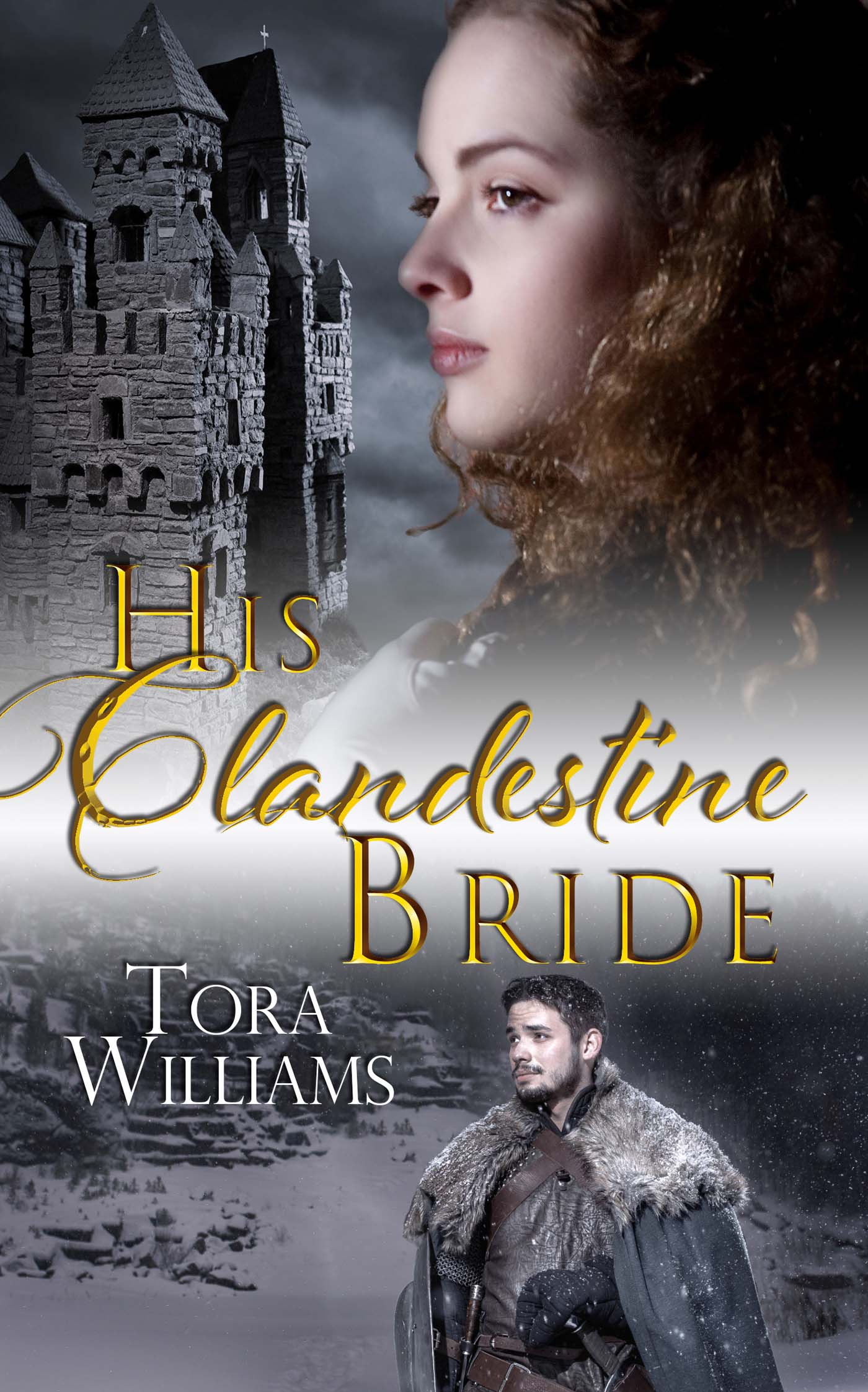
I write historical romance, set in medieval Wales and the Welsh Marches. My debut novel, Bound to Her Blood Enemy, was published by The Wild Rose Press last year. They’ve now published two more of my books, the latest one being His Clandestine Bride, published in March. I’m currently editing a fourth medieval romance with others at various stages of completion.

A bit about your process of writing. 

I try to get up early and write between about 5 and 7am. I then get on with my day job until mid-afternoon, then return to writing. If I don’t write first thing in the morning, I find it really difficult to write later in the day, so I have to be strict.

Do you plan or just write?

A bit of both. Before starting a new story, I plan the hero and heroine’s characters and have a rough idea of where the plot is going, but after that I write as the story comes to me.

What about word count?

I try to write 1000 words a day. If I can get down 500 words in the morning, writing another 500 later on never seems like too terrible a task.

How do you do your structure?

I don’t consciously follow a structure when writing the first draft, but when editing I always find the story falls roughly into a 3-act structure and I edit to firm up that structure.

What do you find hard about writing?

Every day it’s a struggle to force myself to silence the inner voice telling me the story is rubbish and no one will want to read it. Once I get going that voice goes away, but dragging myself out of bed every morning to turn on my computer is never easy. 

What do you love about writing? 

I love dreaming up the characters who inhabit my stories and get a real rush planning how they’re going to achieve their happy-ever-after. It’s the best job in the world. Who else can say they’re a professional daydreamer? 

Advice for other writers.

Take every opportunity to connect with other writers. Writing is a lonely business and rejections can be hard to handle. Meeting others going through the same experience can help you stay sane and provide the motivation and encouragement to keep going, especially when your family and friends think you’ve lost your mind!


Vogue Model Exposes Financial, Physical & Exploitation in the Fashion Industry

the model manifesto, modelling, fashion industry, exploitation,

I was interested to see this book on the modeling industry. I have worked as an actor and I have also done modeling in the past. There are no words for how much I hated working as a model. I was never actually a model, but the way women are treated is awful. On the other side, I have covered London Fashion Week many times. Seeing how thin and young the models were always tugged on my conscious. 

Leanne Maskell is a warrior. This brave book she has written should be read by every model and everyone who works in the fashion industry. It should indeed become a manifesto. Bravo to Leanne. I hope she sells millions of copies of this book. 

The Life of a Model: Physical, Financial and Emotional Exploitation

Vogue model releases an A-Z anti-exploitation manual for the fashion industry

Why this book matters:

  • Exploitation has become accepted in the industry, with 29.7% of models being inappropriately touched on a shoot and 28% of models facing pressure to sleep with someone at work.
  • Over half of all models start working before they are 16, yet America is the only country to legally enforce breaks, chaperones and limit working hours. The lack of restrictions led to 14-year-old model Vlada Dzyuba working herself to death in 2017.
  • The pressure on models to lose weight and the constant rejection from clients can leave them vulnerable to mental illness, with 31% suffering from eating disorders and 68% from anxiety and/or depression.
  • Models face intense financial exploitation, with hidden contracts signed on their behalf meaning agencies in the UK take as much as 45% commission and can charge required expenses such as transport, personal trainers, nutritionists and hairdressers to the model without their prior knowledge or consent.
  • Modelling can be very dangerous, with 77% of models said they had been exposed to alcohol or drugs while on a job and 50% exposed to cocaine.

Sixteen hour working days, forced onto starvation diet plans, waiting months to be paid, no changing rooms, hair bleached beyond repair, made to strip naked at work, swallowing cotton wool soaked in water to curb your appetite – this is the ugly truth behind the life of a model.


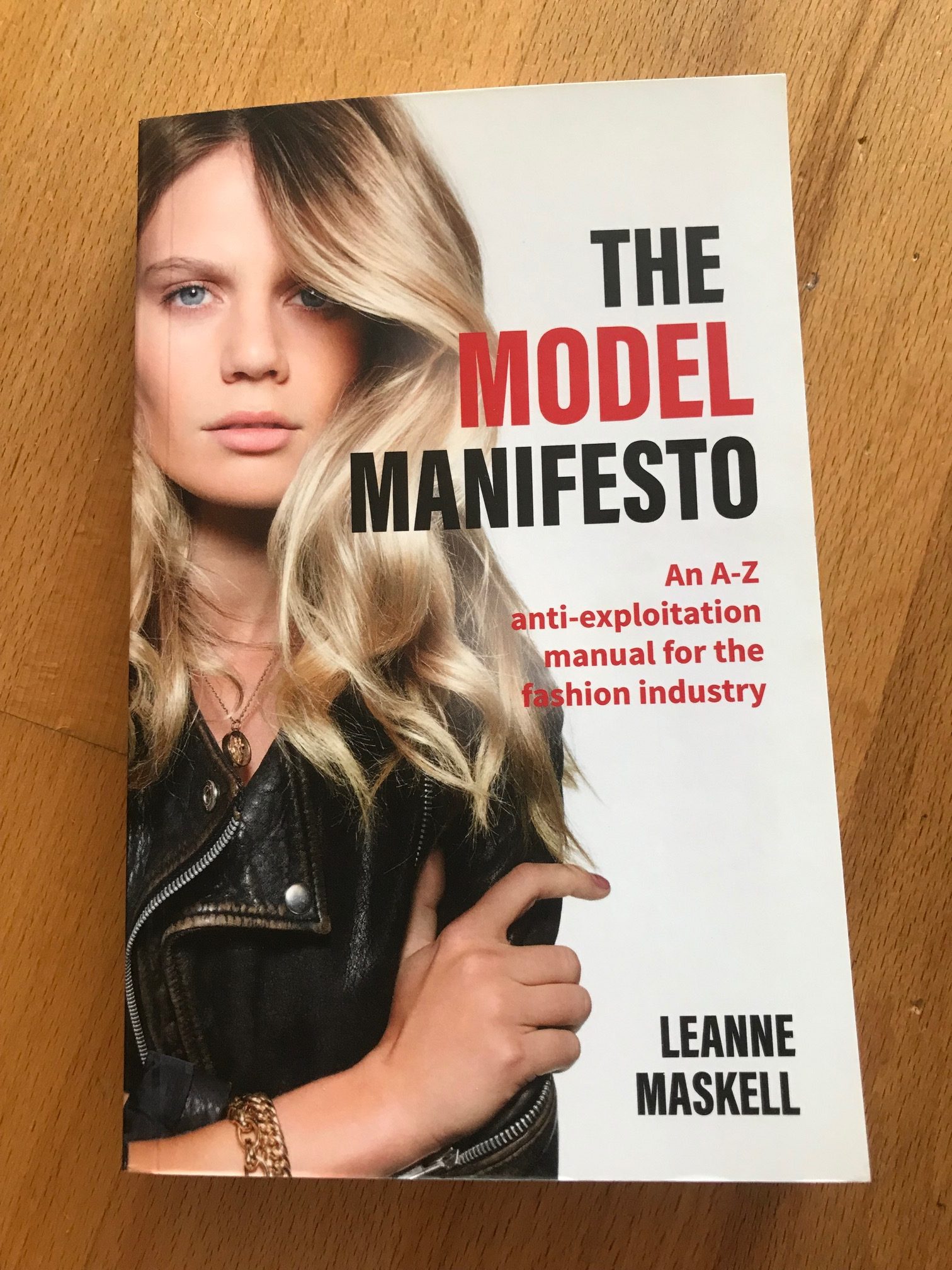
Leanne Maskell is the author of The Model Manifesto, an A to Z anti-exploitation manual to the fashion industry which aims to educate current and aspiring models on how to find success and avoid the pitfalls of physical, financial, and emotional exploitation.


The book’s advice covers essential topics every model needs to know including: finding the right agency, creating a portfolio, understanding tax, working aboard, the role of social media, avoiding hidden agency expenses and knowing your own legal rights.


Leanne Maskell, author, Vogue model and activist.


Leanne started modelling at the age of thirteen, working for clients such as Vogue and London Fashion Week. Now, with 13 years of experience working regularly for clients such as ASOS, Amazon and New Look, she has created a book to give models the information she wished she had been provided with throughout her career.


While she loved her career, she frequently suffered from exploitation, including two men changing her into tights on a shoot when she was 13, having her drink spiked, being heavily pressured into shooting revealing imagery and being sent to a hotel room for a “casting” for escorts by her agency. The cost of Leanne’s successful career was suffering from anorexia, bulimia and severe depression.


Leanne empowered herself by studying Law at University and has combined her legal and modelling experience to empower other models in the hope that they do not encounter the same pitfalls as she has. Whilst writing The Model Manifesto, she created policies to improve the modelling industry which has led to a legal career advising on immigration law & mental health law policy.


The Model Manifesto has been written to protect the 99% of models that don’t make it big – the ones who are treated as disposable objects. It also aims to educate those who wish to be models on how to avoid exploitation, empower themselves and enjoy the benefits of the job.” – Leanne Maskell


The Model Manifesto by Leanne Maskell is out 02 May 2019 and is priced at £14.99. To find out more go to: www.themodelmanifesto.com

Ditching the daily grind and taking off in a camper van was novelist Rosanna Ley’s fantasy. Then she and her husband actually tried it… 

Who doesn’t fantasise about getting away from it all? Escaping the daily grind, travelling to somewhere warm and wonderful? Who doesn’t occasionally dream of cloudless blue skies, golden beaches and a sparkly Mediterranean sea – not just for a week or two on an annual holiday, but for longer… much longer?

Ten years ago, my husband Grey and I resolved to make this fantasy a reality. We were both in our frivolous 50s. We had both spent our adult lives working full-time. And we were both a little weary. Where had the excitement in life gone? We seemed to have reached some sort of turning point – a bit ‘do or die’. Now that the children had left home – almost – shouldn’t we be thinking about doing something we’d always dreamed of?

Need Text

‘If we weren’t working,’ Grey said mournfully one day, ‘we could just up sticks and leave.’

‘Leave?’ I echoed. It sounded so final. My younger daughter was still living at home, although she too had the travel bug and was planning to visit Australia for a year. How could we just leave? And what about all our… stuff?

‘We’ve got far too much,’ he declared dismissively. ‘We’ll do a car-boot sale, put the rest of our stuff in storage, rent out the house and go.’

Grey made it sound so easy. I thought of those clear blue skies, imagined the writing inspiration that might be had from such a trip.

But this shared dream was just a fantasy – wasn’t it? Couples talk like this all the time – well, we do. We go somewhere on holiday and by day two we’re looking in estate agents’ windows. It doesn’t mean we’ll be moving there anytime soon.

But a few days later, we spent our savings on a camper van. (Yes, the woman who dithers over cans of beans in the supermarket can spend £20,000 on a second-hand camper van in the blink of an eye.)

Should we have done this earlier, later, never? Were we too young or too old for a camper van? Who cared? We so fell in love with that van and were soon trundling off happily for weekends in Dorset. But it wasn’t enough. It was like a drug. We needed more of the open road. We needed to be living our dream.

So we took the plunge. I gave up my teaching job, Grey wound down his client diary. We cleared the house and begged the loan of friends’ garages for storage of all our worldly goods. We organised shelter for my younger daughter until she went to Australia and for my elder daughter who had moved back home to save up for a trip to South America. What was going on with this family?
We redecorated the house and advertised it for rent – this would be our income. We would go on a road trip – for six months or more. We would live close to nature. We would make our own entertainment – Scrabble and reading, no TV for us! We would be free to go wherever the wind blew us. It was a fantasy, yes. But we would make it come true.

Our day of departure dawned. We waved goodbye to my daughters and headed for Dover. We had done it. We were on the road and heading for Italy.

The first two weeks were wonderful. OK, there were some minor hiccups. We hadn’t taken into account the hilly terrain in Liguria – many a steep, narrow road proved too much for our van. Nor had we realised that campsites in Italy were so expensive. And we hadn’t dreamed it would be so hot. (I will never complain about air-conditioning in an apartment in the Med ever again.)

Getting stuck up a mountain on a tight bend, damaging the camper van’s back panel in a complex manoeuvre designed to get us to the beachfront then getting lost while scrambling down a hillside of olive trees… Such things are bound to make tempers fray – especially in that heat. And in our haste to be free of all our possessions we had forgotten a few vital pieces of equipment – such as the coffee maker and the duct tape. But that’s what it’s all about, we reminded ourselves, as we settled in for another interminable game of Scrabble. It’s about having exciting adventures, new experiences, being free. And there’s always another camper vanner around with an unfeasibly large toolkit to help out in times of trouble.

But, two weeks in, things were not going as smoothly as we’d hoped. Our van was small – with the table erected, the person trapped on the far side could barely breathe, let alone move – and we had to make up the bed from scratch (or should I say slats?) every night. Yes, every night. It’s surprising – even when you have little else to do all day – how very tedious this can become.

It turns out that – surprise, surprise – size matters. Claustrophobia set in. We tried to stay outdoors most of the time but, actually, it rains quite a bit in Italy. Still, we remained cheerful. This was our shared dream, remember. If this was what it took to make that dream come true…

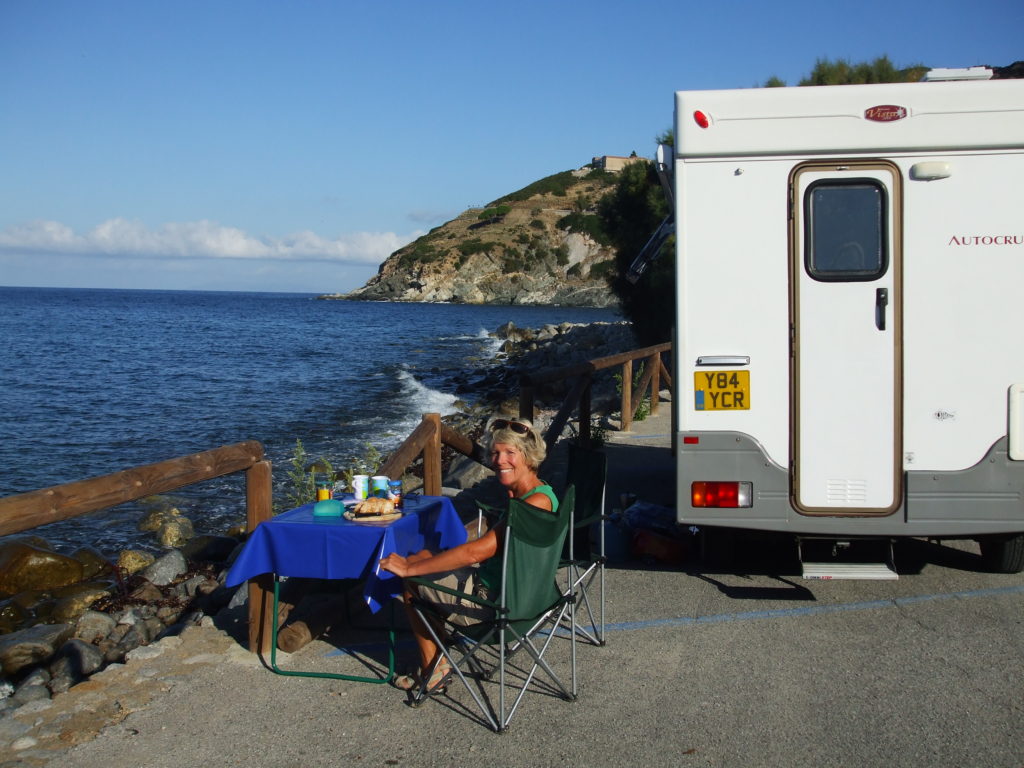
By week three, like Napoleon once was, we were exiled on the island of Elba. And very nice it was too, we agreed, as we sampled the delicious gelato. But money was getting tight, which meant two things. One, we had to eat in – every day. And two, we couldn’t afford to stay in campsites. But, hey, weren’t we at one with nature? Heating up bottles of water on the dashboard for an outside shower after a day on the beach only went to show how resourceful we had become.

And, as all camper vanners know, there is an alternative to campsites – it’s called ‘wild camping’. In our fantasy, this meant finding deserted beauty spots in which to park the van and gaze out at an unspoilt landscape. In reality, it meant car parks (marginally safer and quieter than roadside parking, though I didn’t say this the night half a dozen youngsters practised their motorbiking skills around the car park at 2am).

How to keep the shared dream alive

  • Remember that sometimes a fantasy is more fun when it stays in your head
  • Check from time to time that you still want the same things
  • Value what you leave behind – you won’t know how much you miss it till it’s gone
  • Have a back-up plan
  • And don’t forget the Scrabble dictionary!

In one such car park we met some friendly Italian camper vanners, immune to the hordes of mosquitoes we fought to escape from at twilight every night, who showed us around their (much larger and homelier) van with pride. There was a language barrier, which may explain why they left the car park and we stayed – only to wake up at 5am with a raucous Italian market setting up around us and no way out. But, well, it’s all part of the fun.

Back at home, we had friends, family and colleagues to chat to; on the road we had each other. It was good to have so much time to talk. But… in small spaces, over time, conversations with your nearest and dearest can become a little, shall we say, intense. Past misdemeanours and misunderstandings that you may or may not have forgiven may once again rear their heads. But we could get through this – together.

It was lucky we were so close, we kept telling ourselves. But did we want to be quite that close? All the time? We had given up material things – but had we also lost sight of civilisation? When we eventually left Elba, Grey was following a camper van with GB plates at breakneck speed. I glanced across at him (by this point we didn’t need words).

‘They’re British! Why don’t they pull over and talk to us?’ he asked me through gritted teeth.

This, let me tell you, is what travelling in a camper van can do to a person.

And then autumn arrived, and it began to get cold. We realised with a feeling of mounting horror what this meant – more time in the van, together. More talking, more Scrabble, more opportunity to examine our relationship. Did we really want that? Could we survive?

We considered travelling further south in search of sunnier climes. But funnily enough, driving was beginning to feel monotonous, too. And finding places to sleep at night was also becoming a strain. It was still great to be on the road – but wouldn’t it be even better to stop in one place for a while?

‘Why not just dump the van and rent an apartment?’ Grey suggested.

I stared at him. Dump the van? Rent an apartment? What about our shared dream?

‘Somewhere hot,’ he continued. ‘The Canaries?’

Which is how we came to leave our van in Italy – to be collected in the spring – and book a flight to Fuerteventura. Sod the expense. We rented an apartment with entire rooms to be alone in. It had a bed that remained a bed, day and night, and a bathroom with proper drains – no chemical toilet to empty and clean. Pure bliss.

We started enjoying each other’s company again. We began looking forward to returning home. That’s right. Going back home became our new shared dream.

Rosanna’s latest novel The Lemon Tree Hotel is published by Quercus in hardback, priced £20.99.