My Writing Process – Roger Bray


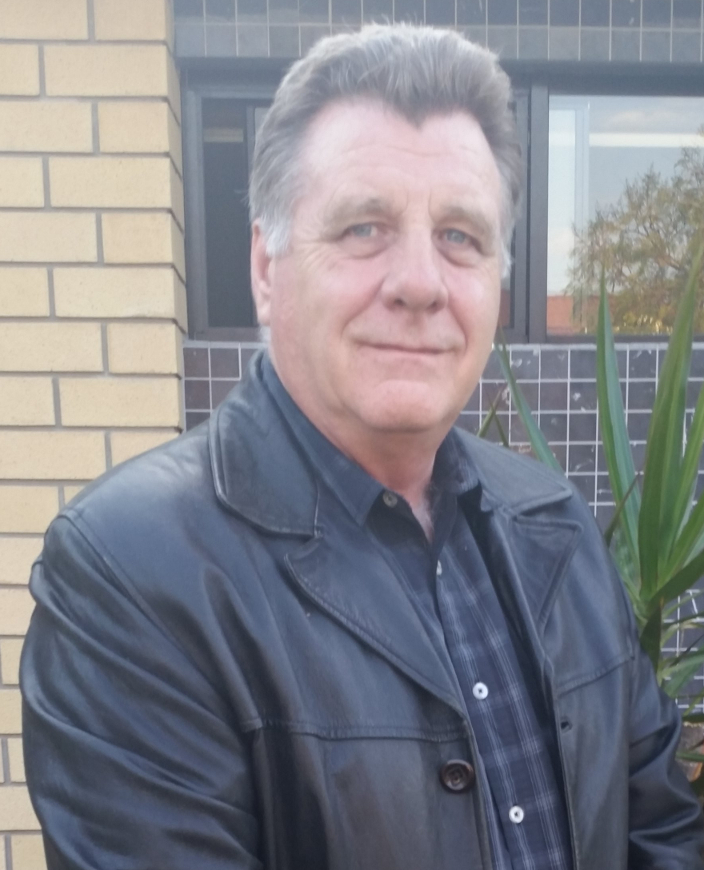
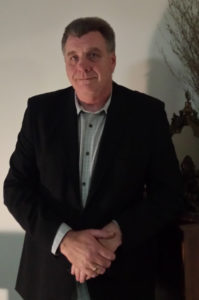
I was raised in Blackburn, Lancashire and served for ten years in the Royal Navy before coming to Australia in 1983, after I returned from the Falklands. Writing is something I have always enjoyed and fiction was a favourite.  I loved being able to write anything within the bounds of the particular subject and not be restrained by anything except my imagination.  One restraint I did learn at school was other people’s perceptions of what is age appropriate for a juvenile to be writing.  Apparently graphic death scenes weren’t. 

My writing stayed in the background for many years until I was invited to write short stories for a couple of magazines which were well-received.  I then dabbled with a novel for a couple of years before getting into my stride and writing my first publication The Picture.

At the moment I am halfway through my fourth novel, currently untitled.  It is a story set in the UK and across Europe and deals with sex trafficking and organised crime from the perspective of an investigative journalist who is fighting his own battle with past tragedy while trying, against his better judgement to report what he has found.

As with all my novels I come up with a very broad idea of where I can see the story going.  I write and rewrite parts and scenes in my mind until I see a path then I commence.  That is how far I plan, maybe I’ll do some research at the start to get me on the right track but broadly speaking, once I start I write linearly.  I stop and research as I go and edit sections before moving on.  My word count is whatever I manage for the day but overall I aim for 90 – 100,00 words for a novel +/- as the editing progresses from me to beta readers and to my editor.
My basic day of writing would be re-read what I had last written, editing as I go.  I find this gets me back into the moment.  I then continue and write until I run out of steam or find myself veering off or woffling to pad out the chapter.  Either way that is the end for the day be it 3 or 8 hours later.  Rinse and repeat the next day until finished.

The hardest part of writing isn’t any sort of blockage, though they happen but I tend to get over them by just writing — sitting down and writing, getting words onto the page is, I have found the best solution.  Even if what you have written isn’t great it gets the process moving along and gives you something to edit.  It is difficult to edit a blank page.  The hardest part for me is staying within the storyline.  I have some great ideas which, unfortunately, don’t fit the arc, but I can waste hours trying to make them fit because I think they are so good — usually mistakenly.

In my current novel I have edited the first 2/3 of the novel to delete some of these great ideas I had but have turned into a bit of a millstone later on, something I have to be firm about.

I find the least enjoyable part is the whole process from writing The End onward.  There are lots of moments of doubt once I release my latest to a broader audience (broader than me and my wife’s cat).  Is it great or is it rubbish?  Typos – the bane of my life, plot holes or bits that grate when read?  All these things need identifying and fixing.  Nothing wrong with having any of them, that’s life as a writer but the process of sorting it out is no longer writing, no longer imagination and art.  It’s a drudge.

Any advice I can give? Keep going — you don’t fail until you stop trying.  Writer’s block?  No such thing — keep writing through, it, you can edit rubbish, you cannot edit a blank, tear stained page.

Website https://rogerbraybooks.com/ 

Facebook https://www.facebook.com/rogerbraybooks/ 

Twitter https://twitter.com/rogerbray22 
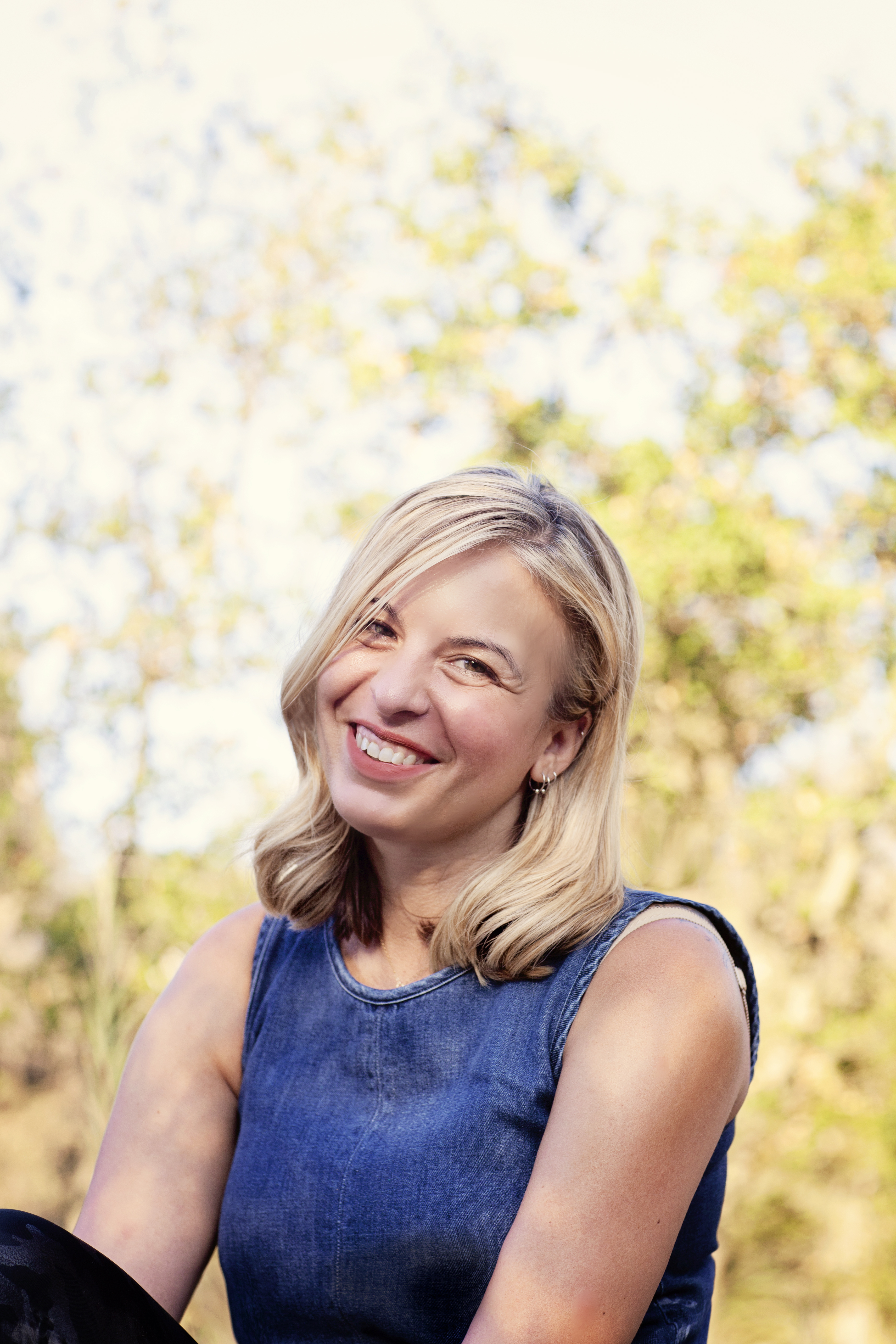
My Writing Process – Ada Bright

First, thank you very much to Frost Magazine for inviting me to be here, specifically during this week which is quite a big deal for me!

My name is Ada Bright and I am a writer born, raised, and still living in Southern California.  I make a point of it because I’ve learned that alot about me can be traced to this little factoid. I am laid back about life and stressed about that three pounds I gained in 2017, I don’t own a coat that can withstand temperatures below 68 degrees Fahrenheit, foodie menus float my boat, and I am very leary of how you store your dishes considering the fact that I’m ready for the earth to roll and shake beneath my feet at any moment. Also, I’m married to a very cute, blue-eyed guy who gave me no blue-eyed children (0/3), I have a photography following, and my mother lives with me and still does my laundry (but none of this stuff can be blamed on California living).

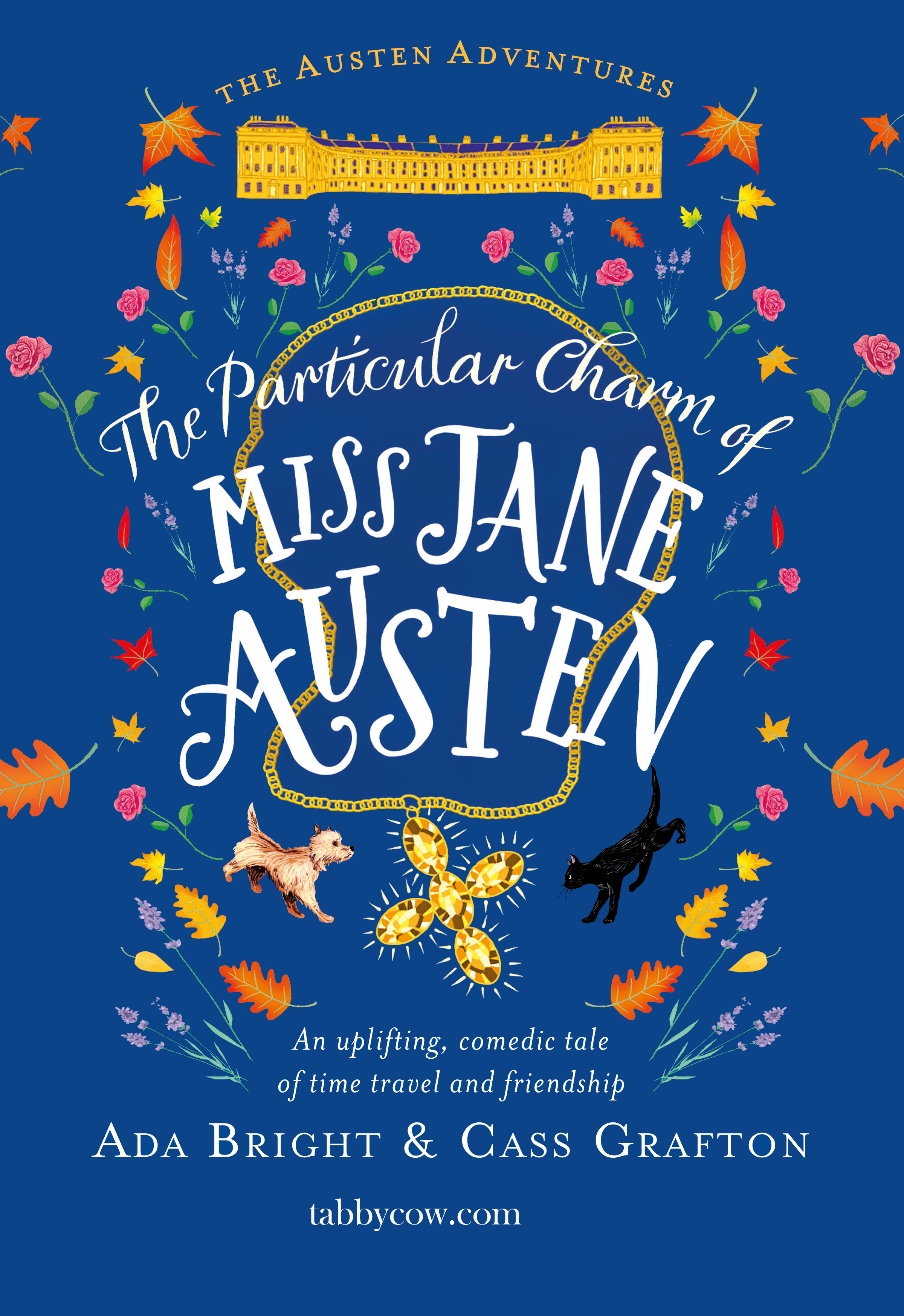
Today, September 12, Canelo Digital Publishing is releasing a book I wrote with British-born-and-raised Cass Grafton called The Particular Charm of Miss Jane Austen. It is the first book we’ve written together, but it’s sequel will follow shortly behind – being released in November of this year. The tagline for our first book is “a comedic tale of time-travel and friendship” and honestly, that about sums it up. Cass and I have been friends for nearly two decades and the many varied and often hilarious differences we’ve discovered in how our two cultures have shaped us is as much at the heart of this book as our love for Jane Austen’s novels.

Even as we work on the marketing for these novels (and start outlining a third in the series), I am also working on a romantic mystery set right in the US. This is quite a shift to try to work alone. I realize that what Cass does effortlessly (keep in mind the structure and order of the story throughout) I struggle with. My natural rhythm of writing is to compose a scene in my mind almost entirely, then write it all on the page in one quick lump of words (after that initial rush, I’ll slowly revise everytime I read through it). Therefore, I jump around from scene to scene as the inspiration strikes. Since I don’t have Cass to give me order, I’ve been meticulously writing scenes on sticky notes and moving them around on the floor to figure out the order they need to go in. It’s been fun and overwhelming and a bit of a housekeeping mess, but I think, in my own meandering way, I’ve found a way to thread it all together. 

Writing is like that for me. I write because the words give structure to my mind. I wrote as a child to understand my feelings and my choices. I wrote as a teenager to entertain my peers with “friend fiction” (Yes, that boy at the mall who took your lunch order did fall in love with you immediately! Or, even if he didn’t, I’ll write a story that will make you feel like he did). I write today because I hope that what makes me feel excitement, joy, and love will entertain others as well. 

Thank you again for having me, Frost Magazine! 


My Writing Process – Georgia Hill


Huge thanks to Jane Cable for inviting me! I write romance – romcoms and historical. I live on the Dorset coast with my two beloved dogs (a sprocker and a delinquent cockapoo puppy) my husband (also beloved but not at all delinquent) and a ghost called Zoe. I love Jane Austen, elephants and Strictly Come Dancing. I’m also a complete museum geek and find inspiration for my writing from the folklore and history of the many places in which I’ve lived.

I’ve worked in the theatre, for a charity and as a teacher and educational consultant before finally acknowledging that making up things was what I really wanted to do. I’ve been very happily living in a fictional world ever since.

My writing

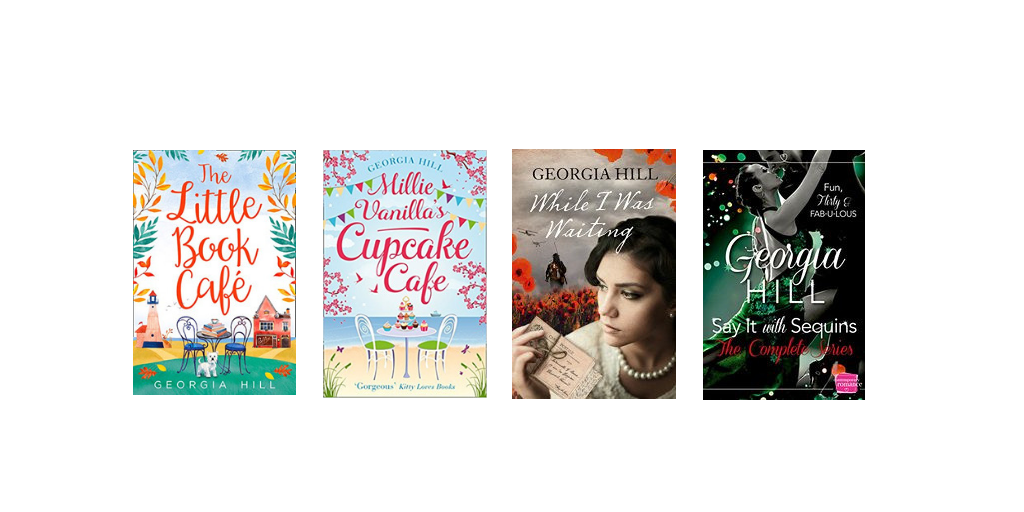
I began writing professionally in 2009, have had 6 novels published, a volume of short stories and have also written short stories for magazines. 

My writing process

I used to walk the dogs, then write throughout the day. Nowadays I find being glued to a screen for too long makes my eyes gritty and my shoulders stiff. I’m far more likely to write for an hour, put some washing in, write some more, make a cup of tea – you get the picture. I’m always thinking about the work in progress, so even when I’m not at the keyboard, I’m wondering about my characters. They become very real. There’s a certain amount of promo on social media to fit in too. Luckily I enjoy that.

Planner or ‘pantser’?

I’m a convert to planning – reluctantly! Using Post-its, I brainstorm the story, working backwards from the end listing the main plot points. Those are written up into bullet points as a crib sheet. This guides me through the story and avoids the ‘what was going to happen next?’ issue. However, characters often take on a life of their own and the crib sheet has to be rewritten as it’s scribbled over so much. If I’m writing one of my dual narratives, I have to plan out more carefully and often end up writing a chapter by chapter synopsis to help me keep track. Helps with the edits too.

Word count?

I keep a tally on the crib sheet when writing the very ‘dirty’ first draft. I tend to write that quickly and usually add about 20,000 words during the second draft so I usually know where I’m going.

Structure?

I have the three act structure in mind and occasionally have even been known to apply it! Instinct guides me more.

What’s hard about writing?

I love writing the first draft. It’s very rough and, as I’m not a skilled typist, has lots of strange typos and very little punctuation. I’m strong on dialogue so the first draft is often little more than that – with ADD DETAIL written in lots of places for the second! I love telling myself the story, which is why I’m a reluctant planner – I like to see where the characters are going to take me. Once their story is told, I lose interest and have to force myself to do the next round of edits – that’s when, for me, the hard work begins.

My advice to other writers

Keep abreast of social media, especially Twitter; you can pick up current trends, tips and useful features. Develop a writing community but choose your writing pals wisely and build up trust; they can be your most valued supporters. Read widely and often. Take a notebook absolutely everywhere. Do your research. And develop a very thick skin!

Links

www.georgiahill.co.uk

Facebook georgiahillauthor

Twitter @georgiawrites

Instagram @georgiahill5681


What should you do if you lose a permanent tooth?

There are two main ways you can lose a tooth: you will either undergo an extraction by your dentist or a nasty accident can result in you losing a tooth. Unfortunately, for many, the latter seems to be the more common scenario. 

If you do lose a permanent tooth, however, the damage can be repaired. If you act quickly, then there’s a better chance your dentist will even be able to save the tooth. So, here’s what to do if you lose a tooth.

Hold onto your tooth

It might sound unpleasant, but you want to hold onto your lost tooth. Once you’ve checked yourself over for injuries, then try to locate the missing tooth. However, you want to make sure to pick it up carefully and lift it by the crown, so as not to damage the root. 

If the tooth is dirty, continue to hold it by the crown and rinse it with milk. You want to keep the tooth moist also, either by dropping it into a glass of milk or carefully placing it between the cheek and gums. 

You can even try placing the tooth back into its socket, so long as it isn’t forced. Carefully push the tooth into the socket with your fingers, place it above the socket and close your mouth slowly. Once the tooth is level with your other teeth, hold it in place or bite down gently. If, however, your tooth will not go back into its socket then just keep it moist like mentioned above. 

Contact your dentist straight away

Losing a tooth is a dental emergency, so you want to contact your dentist right away. If your dental surgery is out of hours, still call as they might have instructions on their voicemail for what to do in the event of an emergency. Depending on your location, you can also look for an Emergency Dentist In London so you can get checked out right away and receive treatment should it be needed. 

It’s important to get help straight away if you have lost a tooth, and when you see your dentist, they will be able to decide the best treatment action. The sooner you can see a dentist, the better chance there is of saving the tooth. If you’ve managed to place your tooth back in its socket, then your dentist will check it’s in the right position and correct it if needed. For any tooth you’ve brought in milk for example, will be cleaned and the put back into socket. 

What if I lose a tooth and it’s damaged? 

Not all cases of a lost tooth are simple. Sometimes, it can be complicated, for example if your tooth or bone is broken. Again, it is important you contact your dentist straight away and get help for such a dental emergency. 

Your dentist will then be able to advise on the best treatment. Some cases may involve undergoing a root canal, while others might require composite bonds or dental implants. This will depend on the damage caused. Following your treatment, your dentist should then examine the tooth again in three to six months. 


Sponsored Post.


Make travelling with children easier

Travelling with children can be a trying experience. Tears and tantrums are a regular fixture and little ones tend to get easily bored. To help you make your next journey go more smoothly, follow our handy tips to ease your frazzled nerves.

The first – and arguably most important – step is to decide where to go. When the children are older, you can be more adventurous with your choices, but while they are young, hotels with childcare are invaluable. For older children, it is a good idea to book a hotel which has a variety of activities available that will keep them entertained – tennis courts, swimming pools and games rooms are all great options.

Think about what you can do when you get there. What does your destination have? If your children are toddlers or pre-schoolers, you might want to make sure there is a playground nearby. Select hotels even have toys available for kids to use. If there is a beach at your destination, then make sure you pack a bucket and spade. 

For the journey, as well as the holiday itself, essentials include books, crayons, paper and favourite toys. By downloading TV shows and cartoons from iPlayer or a similar streaming site before you leave, you can access them while you’re away, even if you don’t have an internet connection.

Packing for children can create its own list of complications. With only two adults, it can be a lot to carry. My husband and I usually take backpacks as that leaves our hands free. If you have a pram utilise it as much as you can but know that it will have to be folded down to be put in a car or plane. You can give children little backpacks if they want. It can carry a snack and a favourite toy. Suitcases with wheels are also handy. If you have a baby, I find baby slings invaluable. You can then have a rucksack too: I find it balances out the weight nicely. 

When my husband and I go on holiday we try to pack as little as possible. Sure, it would be nice to have a lot of outfit choices but space is limited so I find a pair of jeans with lots of t-shirts work. I usually bring one dress. A pair of sandals and a pair of trainers work well too. Minimalism is your friend when you have children.

Book your transport to the airport. Check out these airport transfers from Liverpool to Manchester and book in advance. The easiest way to make travelling with children easier is to be as organised as possible. It is also helpful to have any liquids in clear plastic bags before you get to the airport. A freezer bag works well. Another tip I have might be a little controversial but bribery is your friend when it comes to your kids! Have biscuits or chocolate on hand to help with any meltdowns. You might not let them have those kinds of treats usually, but, hey, on holiday different rules apply.

Make sure you have packed enough nappies and bottles. I find taking a training seat is a very good idea. This helps children go to the loo when they are somewhere new. This is especially important if you have just started potty training as little things can set children back.

Good luck on your travels. I hope you have a wonderful holiday.


Collaboration with Cyllenius.

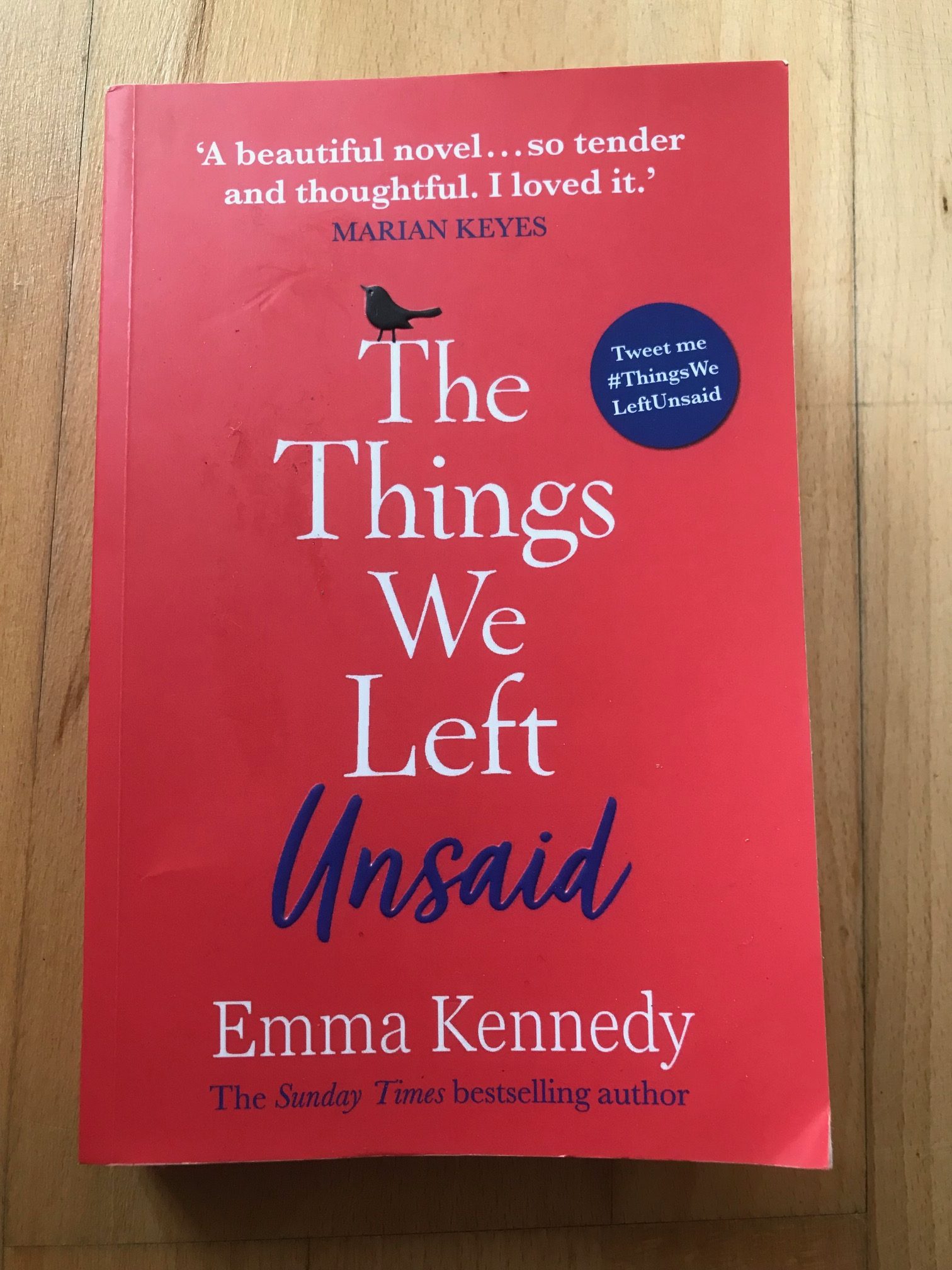
The Things We Left Unsaid: An unforgettable story of love and family by Emma Kennedy

the things we left unsaid, emma kennedy, book, review

The Things We Left Unsaid reads like an off-beat romantic comedy. It certainly has all of the ingredients: drama, complicated characters, conflict and resolution.

It has real, and sometimes unlikeable characters. The setting of the family country home is gorgeous and works well. The Things We Left Unsaid also talks a a lot about the human condition and how we are always searching for who we are and trying to find out the truth of the past. A good read. 


Rachel’s relationship with her mother, Eleanor, has always been far from perfect. Eleanor is a renowned artist born from the swinging sixties, and Rachel has forever lived in the shadow of her success.
When Rachel is left by her fiancé on the morning of their wedding she has no choice but to move back into her family home and spend an unbearably hot summer with a mother she feels distant from – in the presence of many painful memories.

It will take another turn of events before Rachel realises that sometimes the past holds exactly the comfort we need. And that behind the words left unsaid are untold stories that have the power to define us.

Imbued with warmth and full of characters who will steal your heart, THE THINGS WE LEFT UNSAID is a radiant novel in which past and present collide with life-affirming consequences.

Available here.

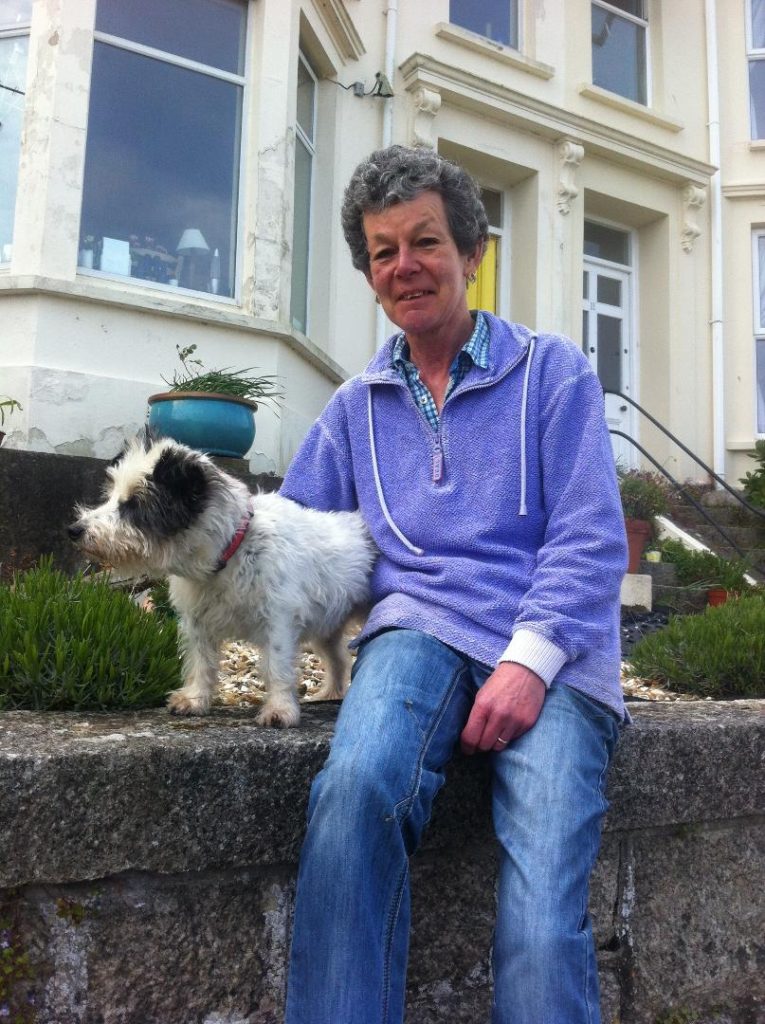
My Writing Process – Sue Kittow

I’m Sue Kittow, a Cornish author, freelance journalist, researcher and copywriter, been living in Falmouth for 25 years.

I have written five books on Cornish walks – Discover Cornwall, Walks in the Footsteps of Cornish Writers, Walks in the Footsteps of Poldark, Walks in the Footsteps of Daphne du Maurier and Walks in the Footsteps of Rosamunde Pilcher. I am also writing a novel set in Cornwall but don’t have an agent or publisher for that – yet!

As a freelance journalist I have interviewed many authors including Bill Bryson, Ian Rankin, Lionel Shriver and Rosamunde Pilcher. I have also written for Daily Mail, Cornwall Today, Writers’ Forum, Woman’s Weekly, Classic Boat and many other magazines.

I am currently promoting Walks in the Footsteps of Rosamunde Pilcher, published by Sigma Press August 2019.

Walks books need a lot of research and planning so my writing is quite structured – I write lots of notes for research then incorporate that into the walks as I transcribe them. It’s lovely playing the tape back and listening to the conversations we had, the birds and sea and whatever else going on. When I’m writing fiction it’s very different – I plot a lot and make notes on that but the writing itself is very free – I love the excitement of a first draft. Editing I find much harder.

As these are books on walks, a lot of planning and research goes into each one. My publishers like a geographical spread of walks around Cornwall, so I have to start off with ideas and make sure the walks are all over the county, not just focused on a few areas. Then research them, walk them, take photographs, transcribe them – it’s a lot of work!

My contract stipulates 35-45,000 words but that’s quite a loose guide.

The structure for each chapter is roughly the same so I’m used to it now – Introduction (about author, character, location), The Walk, incorporating more research as relevant, Factbox, Content, Photographs, Summing up.

The hard bit is always the editing, then the proofing and checking the maps. And self belief.

I love the physical part of writing – actually putting the words on the page and then transmitting the idea of the place – capturing the sounds, the sea, the birds, the trees etc, so that the reader can come on this walk with me while they read it.

Advice for other writers – find your voice. Read lots. Be realistic. Study agents and publishers carefully, see what’s happening online but don’t compare yourself to others – social media is full of people sharing their Amazon rankings, reviews etc. For every good review there is a not so good one (don’t read reviews!). Make sure your work is as good as it can be before you send it out – get advice from people you trust and listen to what they say. Good criticism can only improve your work. Persevere. This is a lonely business, so network with other writers. And write because you love it.


My Writing Process – Damaris Young

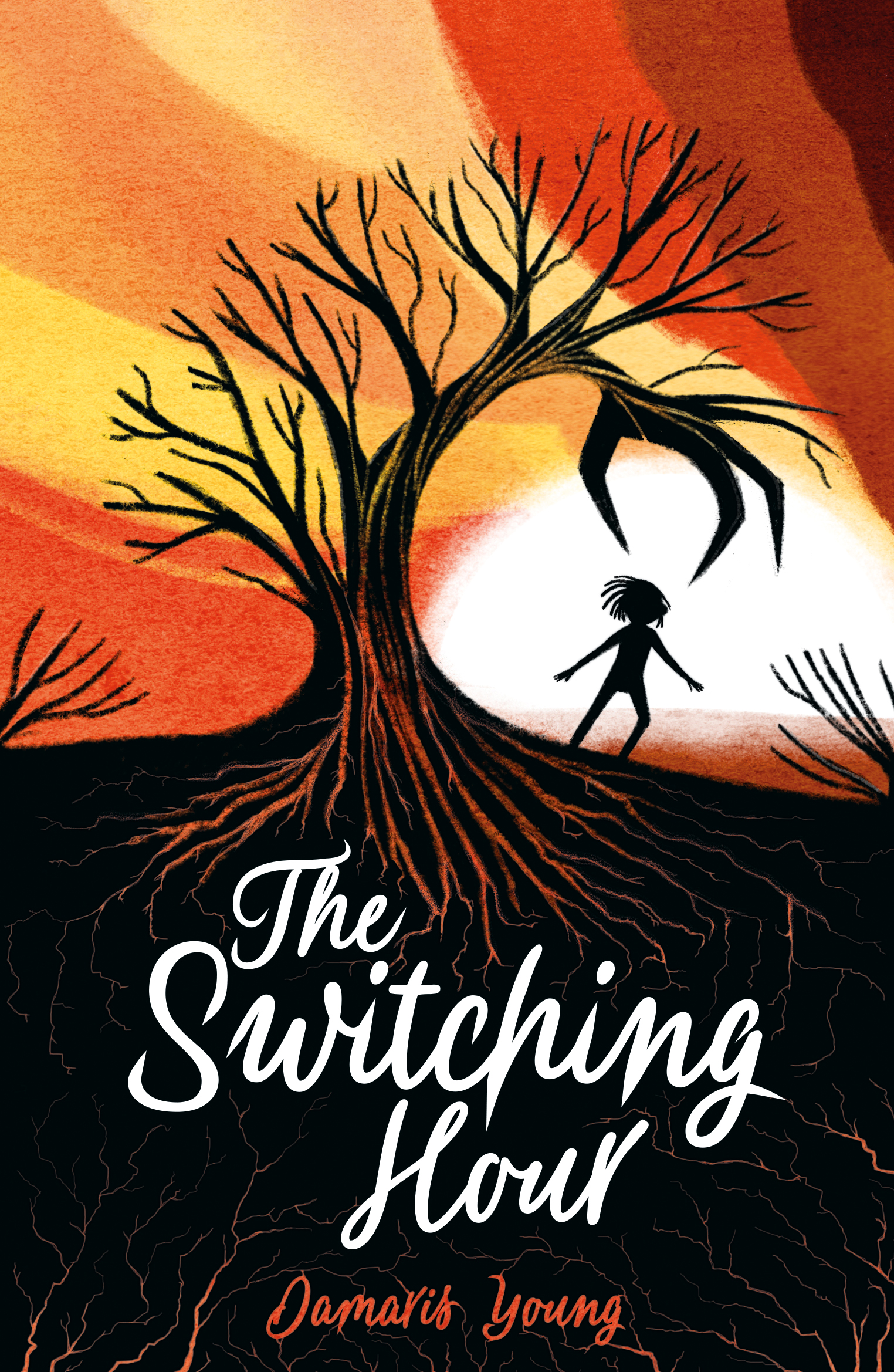
damaris young, author, the switching hourI was an avid reader growing up. I would try and copy my favourite stories, filling notebooks with fantastical worlds much like Alice’s wonderland. As my confidence grew, I started writing stories of my own, often to entertain my four younger brothers and sisters. When I moved to Bristol as an adult, I continued writing stories, eventually studying on the Bath Spa Writing for Young People MA, where I wrote my debut children’s novel, The Switching Hour. 

The Switching Hour is my first published book, but I have been writing stories ever since I can remember. I have so many half-written novels hidden away in my desk draw and on long-lost USB sticks!

What you are promoting now?

My debut The Switching Hour, a fantasy story aimed at young readers, is being published by Scholastic on the 1st August. It is about a girl called Amaya who lives with her grandmother, her small brother Kaleb and her pet goat in a land suffering a terrible drought. Every night, the doors must be locked after twilight, the Switching Hour, because the drought has awoken Badeko, a creature that snatches people away to eat their dreams. Three days later, the memory that they existed is gone from those that knew them, and those that are left are afflicted with The Sorrow Sickness – a grief which consumes a person without them knowing why. When Kaleb is taken by Badeko, Amaya must journey into the terrifying forest to find her brother before she forgets him.

The Bookseller has reviewed it as being ‘Highly atmospheric and genuinely spine-tingling, the power of family and female friendships shine in this assured debut’ which was wonderfully encouraging as The Switching Hour makes it’s way into the world for the first time.

A bit about your process of writing. 

I allow the seed of the story to grow by indulging in all the different ways the plot could go, no matter how ridiculous! I spend time thinking about the characters, how they talk and think and what they want most in the world. Once I have an outline for the story, I do lots of research. For The Switching Hour, I looked into what life would be like living through an extreme weather phenomenon, as well as being inspired by my experience growing up in central and southern Africa. I also had to do a lot of research into goat behaviour as my main character has a pet goat who is very much a part of the story!
Do you plan or just write?

I get the first draft down by furiously writing, without looking back on what’s been written. Once I have the first draft written down, I put it to one side and start from scratch all over again. This may sound quite discouraging, but for me the first draft is for getting a sense of the characters, testing out the plot and immersing myself into the story. The subsequent drafts are where the planning really starts and the manuscript begins to take shape. 

What about word count?

The Switching Hour is aimed at 8-12-year-old readers, so the general word count is expected to be around 50,000 words. I’m a ferocious editor of my own work so I do find it a struggle to keep my word count up!

What about structure?

I structure my story around the key narrative points, the exposition, the inciting incident, the peak and the resolution. When you’re writing for children it is especially important that you get to the inciting incident as soon as possible, to really capture the readers attention. In The Switching Hour, the inciting incident is when Amaya’s younger brother is taken by the Badeko and she must journey into the forest to find him. If you can create intrigue from the very first page all the better! I will always rewrite my opening chapters last, which may seem strange, but it helps to understand how the story ends in order to know where the best place is for it to begin. 
What do you find hard about writing?

Self-discipline. I write from home, sitting on my sofa with my two dogs snoring next to me and I’m easily distracted by social media, emails and even the washing up when I’m in the middle of a tricky chapter! It’s important to take time away from your laptop and just allow your mind to mull over the story, letting the character take up space in your head (and heart) but there’s no getting out of the fact that you have to just sit down and WRITE! 
What do you love about writing? 

I love getting swept away by writing, when I’m immersed in the story and I’m creating something that I really care about. I also love the way that my characters can surprise me by acting in ways that I hadn’t anticipated. Amaya in The Switching Hour was initially boisterous and outgoing (something I thought I wanted her to be) but I soon found out Amaya was actually a younger version of me, someone who felt unsure of herself and sometimes alone, yet fiercely protective of those she loved.

Advice for other writers. 

Believe in yourself and your writing. It’s all very well taking courses, reading books about writing and going on writing retreats (all things that will help you improve!) but if you don’t believe in your ability it will show on the page, so be your own biggest supporter! Another piece of advice would be; don’t follow trends. The publishing process can be slow and so by the time you have written the story about the latest trend, the publishing world will have most likely moved on. Write what you enjoy and aim to write it as best you can. And most importantly, just keep writing!

The Switching Hour is available here. 

@ScholasticUK  | youtube.com/ScholasticFilmsUK  | facebook.com/ScholasticUK  | instagram.com/scholastic_UK