IN THEIR 75TH ANNIVERSARY YEAR, THE FOLIO SOCIETY CELEBRATES ILLUSTRATORS AND LAUNCHES THE FOLIO BOOK ILLUSTRATION AWARD 2022


Such exciting news! The Folio Society, London publisher of award-winning and beautifully produced illustrated hardback books, available worldwide, announces that entries are open for the launch of the international Folio Book Illustration Award (Folio BIA). 

This new, free-to-enter competition aims to find new illustration talent from around the world for narrative fiction, a genre that The Folio Society publishes to great acclaim. An annual international competition, it is open to illustrators, student or professional, who have not previously been commissioned by The Folio Society. Entrants will illustrate a single scene of their choice from Edgar Allan Poe’s The Masque of the Red Death.

Selected from a shortlist of 6, the winning entrant will receive a £2,000 cash prize plus a £500 Folio Gift Voucher with the remaining 5 shortlisted artists each receiving a £500 Folio Gift Voucher.

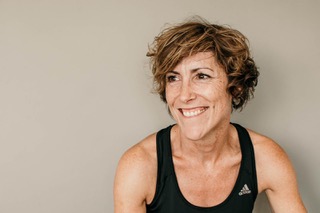
The expert judging panel is: Yuko Shimizu, award-winning New York-based illustrator and instructor;
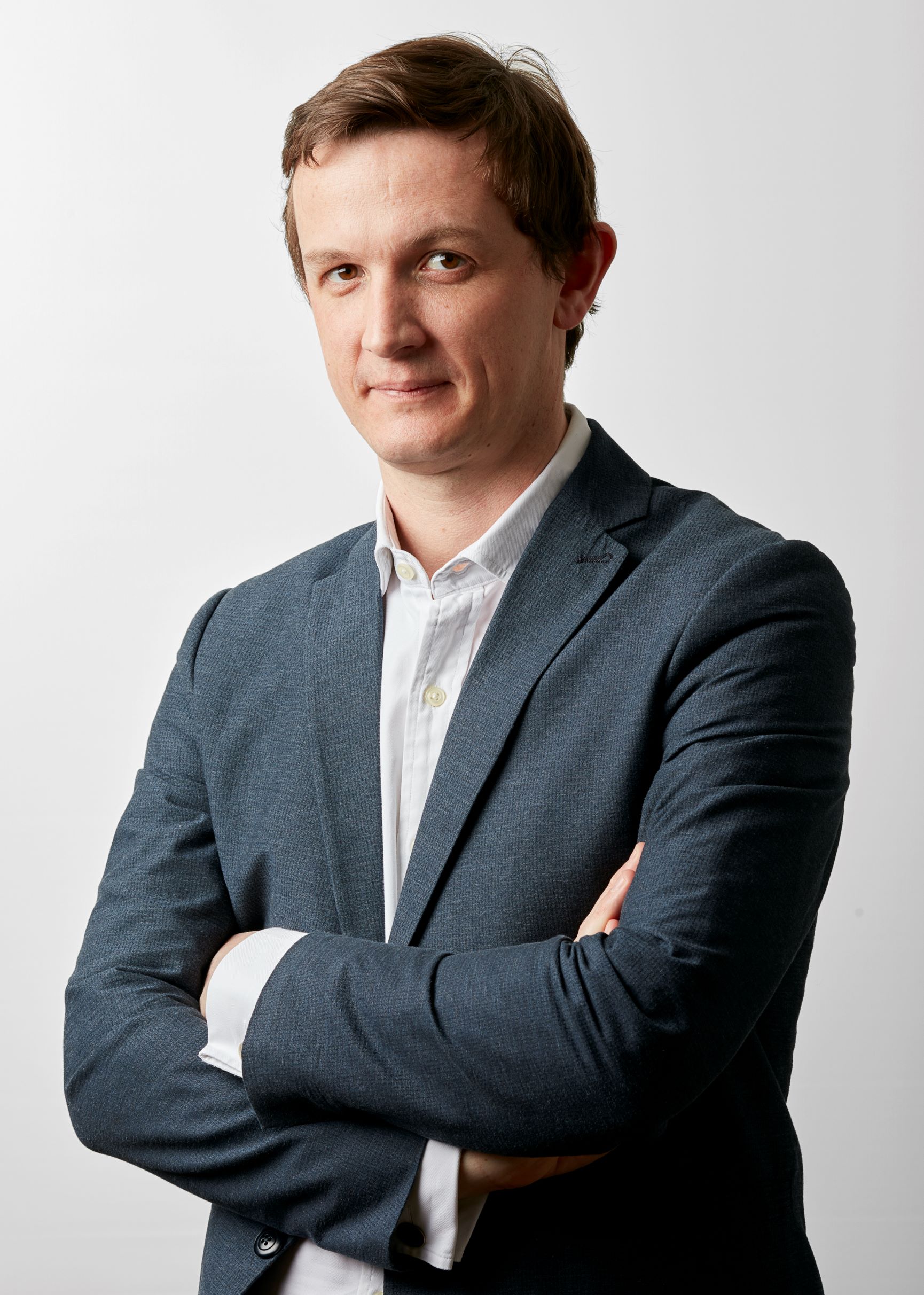
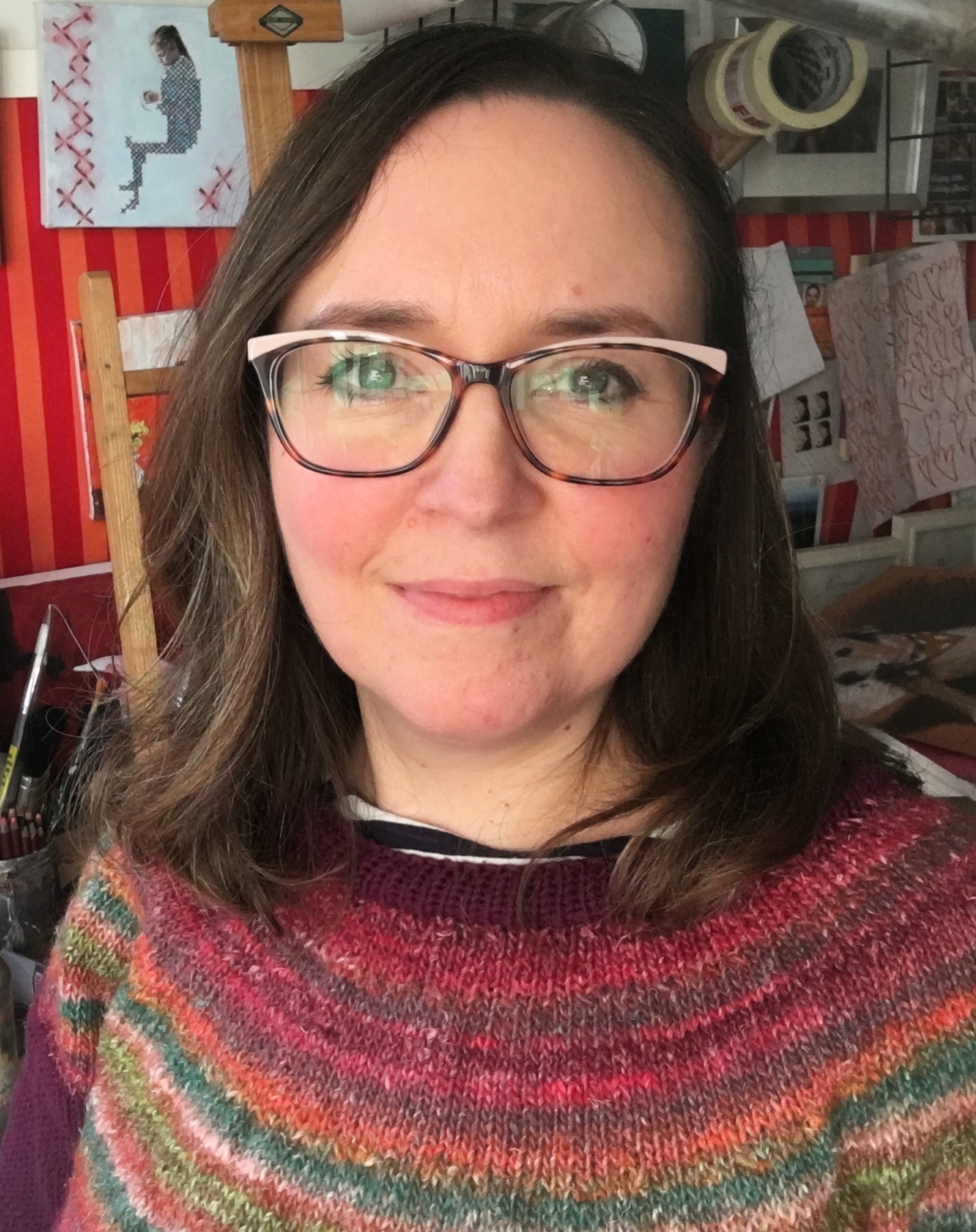
                                          

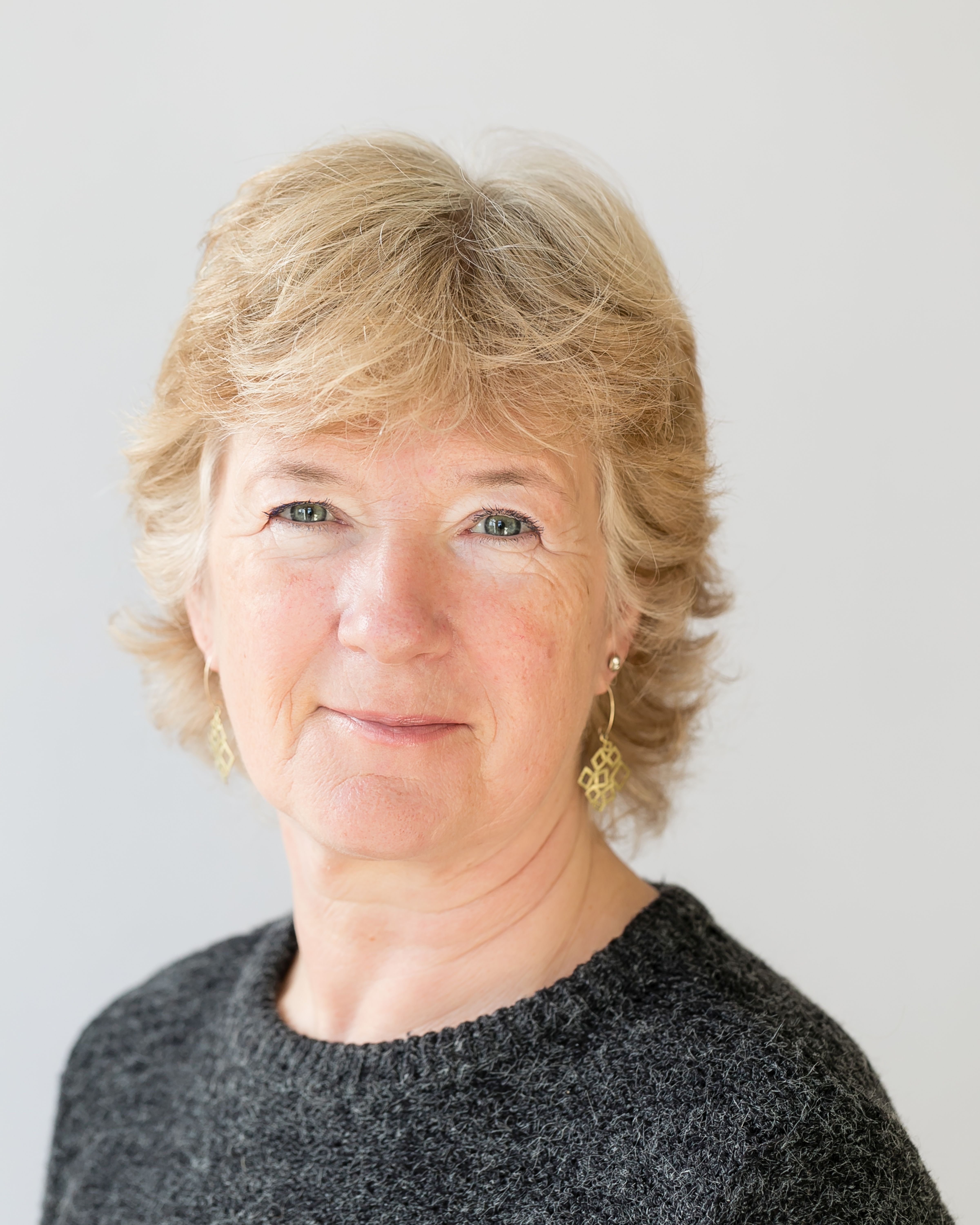
Tom Walker,                                                          Sheri Gee                                                Raquel Leis Allion

And  Sheri Gee, The Folio Society Art Director; Tom Walker, The Folio Society Publishing Directorand Raquel Leis Allion, The Folio Society Art Director. The winner and 5 shortlisted runners-up will be offered the opportunity of a portfolio review with the Folio Society Art Directors.
Commenting on the launch, Joanna Reynolds, CEO The Folio Society says, ‘The Folio Society has proudly published beautifully illustrated books and produced editions of the best of contemporary and classic narrative fiction for 75 years. What better way to recognise this, our 75th birthday and the fabulous contribution of illustrators everywhere, than through an accessible and international competition.

Tom Walker, Publishing Director, The Folio Society says: ‘Taking this classic American writer, and inviting visual interpretations of his evocative and timeless short story, we hope to discover amazing talent from a diverse and distinctly 21st century array of illustrators. We hope that artists from all over the world will bring their unique depiction of Poe’s chilling tale to contemporary and future generations. I am confident it will be the start of many new, great careers.

Sheri Gee, Art Director, The Folio Society adds, ‘At Folio, we’re always on the lookout for fresh talent suitable for our books and I’m itching to see the creative responses evoked by this spine-chilling story. The concept – to illustrate one short story, for the joy of seeing a multitude of responses rather than for publication – is going to prove invaluable for us in pursuit of great illustration for commissions to come.

More good news… There is no fee to enter the Folio BIA. The Masque of the Red Death by Edgar Allan Poe is available to download free of charge.

The Award opens 4 May 2022 and closes 30 June 2022. A longlist of 20 entries, chosen by the judges, will be exhibited on The Folio Society website from 18 July 2022 with the 6 shortlisted entries, one of whom will be the winner, announced online on 16 August 2022.

Illustrators can visit www.foliosociety.com/FolioBIA to find all the necessary details to enter this exciting competition.

 ABOUT THE FOLIO SOCIETY

The Folio Society, based in London, publishes beautifully produced books – available worldwide exclusively at foliosociety.com. Proudly independent for its 75 year history, in 2021, under the leadership of its CEO, Joanna Reynolds, The Folio Society was sold to its employees and is now an Employee Owned Trust. The accessible, diverse and inclusive values of The Folio Society are reflected in its new ownership that is committed to a progressive sharing of power and profit in publishing.

ABOUT THE FOLIO SOCIETY 75TH ANNIVERSARY: The Folio Society will celebrate its birthday through a number of events scheduled from May and throughout 2022

Find out more about The Folio Society at www.foliosociety.com


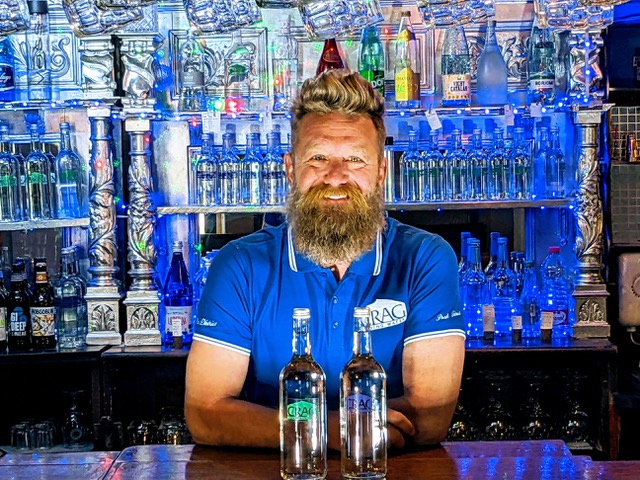
Crag Spring Water – Natural, Delivered And Eco-friendly – by Award Winning Author Dr Kathleen Thompson

I remember when we visited Italian relatives, we would join the locals who queue to fill water carriers, plus various other weird and wonderful old containers, with fresh spring water which flows freely from la fontana (the fountain) near the church. People celebrated and appreciated the amazing taste and purity of this simple gift from God, and even attributed magical powers to it – ‘if you drink this spring water you’ll always return here’ – or maybe that was just our rellies making sure we didn’t forget to visit? I’m not sure, but the water tasted so good and we would relish it like a fine wine.

There are numerous debates over the pros and cons of bottled waters versus tap water. Spring water is naturally filtered as it passes through underground rocks, where it also acquires important minerals for our health. In these days of intensive farming, one does wonder about the mineral content of vegetables and supplementing with natural spring water can only be a good thing. Plus these minerals give spring waters their unique and special taste, different from artificially chlorinated tap water.

If, however, you’re not lucky enough to have a natural spring within walking distance, is it really appropriate to buy from a distant source, in plastic bottles which are known to release (albeit in small amounts) harmful cancer-inducing chemicals into that water – not to mention the associated carbon footprint and plastic bottle mountains?

It’s a tricky balance, and as someone who has had breast cancer I’m wary of drinking regularly from plastic bottles. So I was excited to hear about Doran Binder’s family business – Crag Spring Water, which delivers fresh spring water direct from their spring, at The Crag Inn in The Peak District National Park.

When Doran discovered the Crag spring, or aquifer, he was advised by Richard Taylor, of testing company Blair Water, that not only was it safe to drink, but it was a source of exceptionally high-quality spring water, which having filtered through layers of sand and rock for centuries, is rich in trace minerals resulting in some of the silkiest, creamiest water ever to be tasted.

Passionate about this very special spring water, Doran has created a business model to bring you the good stuff without the downsides – and directly to your home.

Crag Spring Water delivers direct to doorsteps nationwide in reusable glass bottles. They then collect your empties and wash them, ready to be used again for the next delivery. To further reduce the carbon footprint of the deliveries they’ve partnered with the Modern Milkman.

At £12.50 for a crate (12 x 750ml or 20 x330ml bottles) of still and £15 for a crate of sparkling spring water (plus VAT and delivery) these waters are delicious, healthy, competitively-priced and convenient.

What are you waiting for? Give them a try at https://cragspringwater.co.uk/ – I tried them, and I can confirm they a real pleasure, and bring back happy memories for me of la fontana.

By Dr K Thompson, award-winning author of From Both Ends of the Stethoscope: Getting through breast cancer – by a doctor who knows
http://www.amazon.co.uk/dp/B01A7DM42Q http://www.amazon.com/dp/B01A7DM42Q
http://faitobooks.co.uk


Note: These articles express personal views. No warranty is made as to the accuracy or completeness of information given and you should always consult a doctor if you need medical advice.

Dantoy Create Toys From Recycled Maritime Materials

In 2018 dantoy launched its BIO-line which was made from sugarcane. In 2020 dantoy launched their GREEN BEAN line, which is products made from internal waste. Last year in 2021 dantoy launched their Take Back Strategy, in which they collect damaged dantoy toys to turn them into brand new toys.

Dantoy, toys, toy
Now in 2022, dantoy has presented its newest line – Blue Marine Toys, a unique solution in which toys are made from recycled maritime materials.

“Sustainability is not just a trend – it’s our DNA. By being open and welcoming the use of new materials, we can crack the need for new materials. It is a long and hard battle but here at dantoy it is a natural part of how we work and think” – Marck Matthiasen, CEO dantoy.

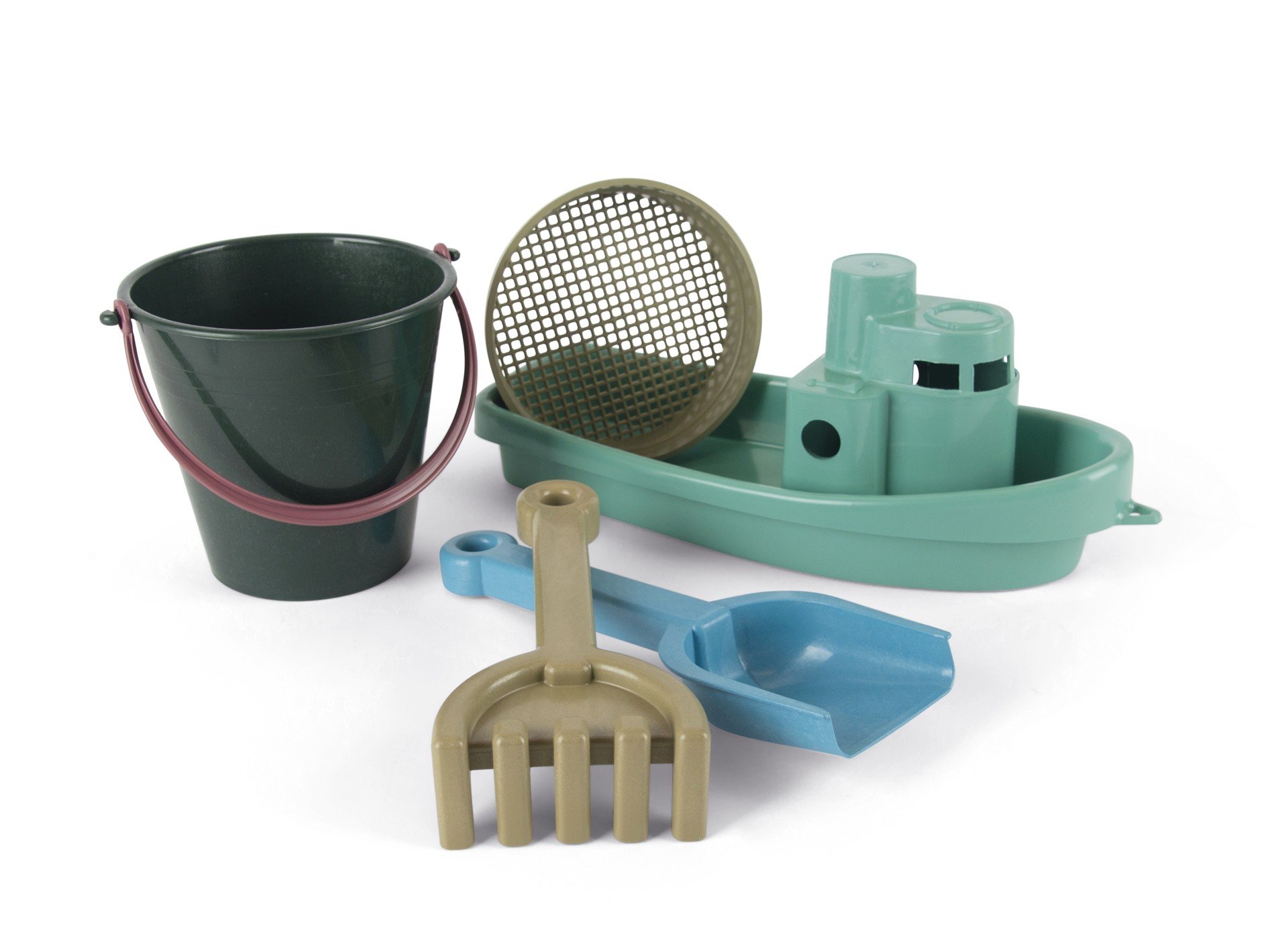
Blue Marine toys is the new and fascinating line produced from waste maritime materials, including fishing nets, ropes and trawls. At their factory in Hobro, Denmark, it then turned into sand and water play toys, all in bright and appealing shades. The colours and the surface of the products will be different from what we are used to, but this is international, to symbolize to retailers, parents, and children that the toys are 100% unique and fully sustainable.

“It is exciting and challenging to make colour mixes from fishing nets that have a dark green color as their base material. You have to think differently to achieve the different shades” – Inge S. Knakkergaard Quality and Environmental Coordinator, dantoy.

The toys are directly inspired by the ocean and are made from Blue Marine Toys is a line of sand- and water play toys. The colours and the shapes are inspired by sand, water, corals, etc. The development department at dantoy believes these all add an extra dimension to their newest line.

It is estimated that more than 12 million tonnes of plastic will end up in the sea every year. 10% of this is maritime waste, such as nets, lines, and ropes. dantoy believes it is a natural choice to develop a line where sustainability can improve our oceans.

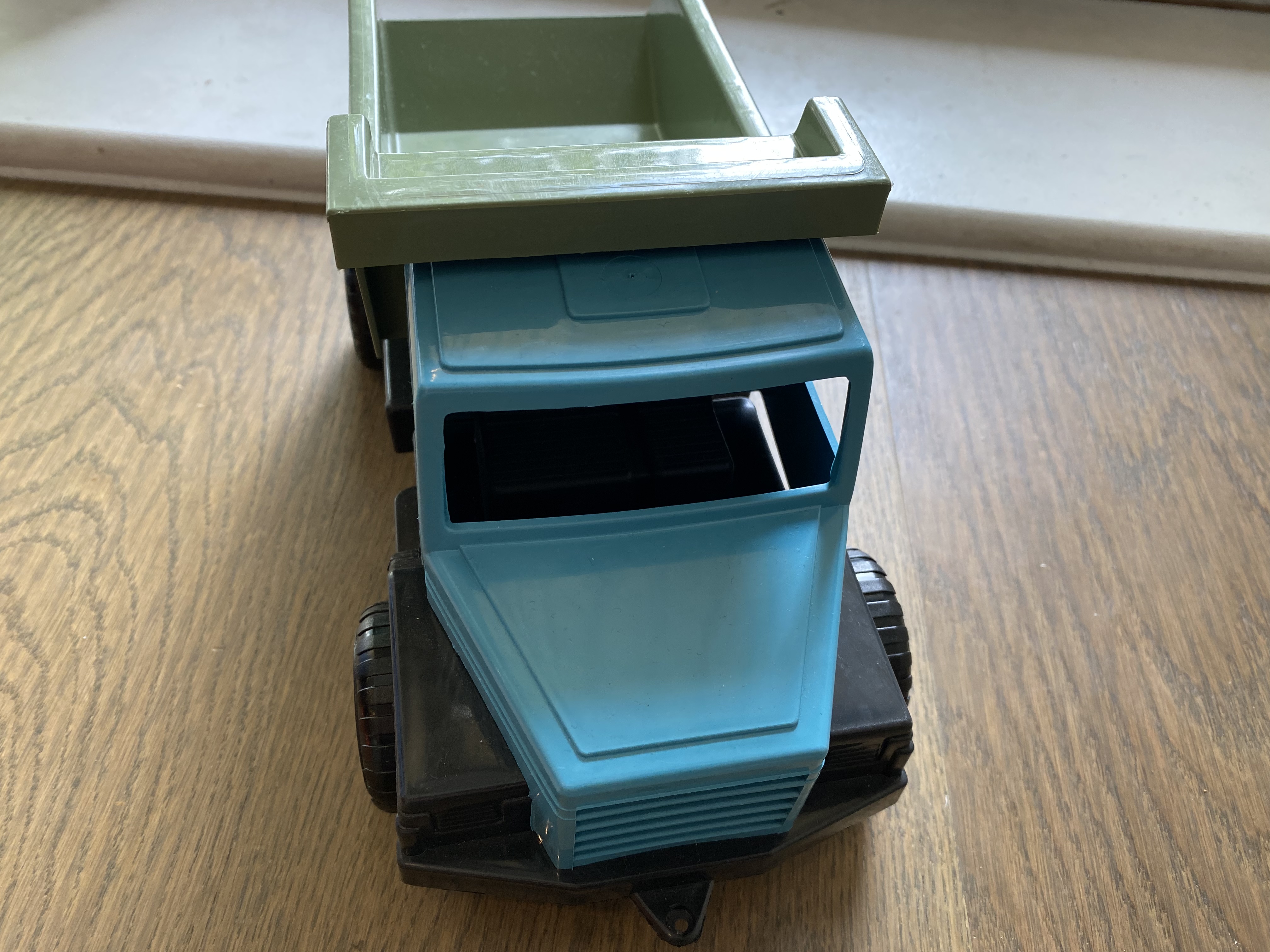
The dantoy Blue Marine Dumper costs £19 from Coolshop.co.uk

For more information visit dantoy.dk


The ARC – The Ashmore Rescue for Cats is a wonderful example of what can be achieved by a small group of determined people.


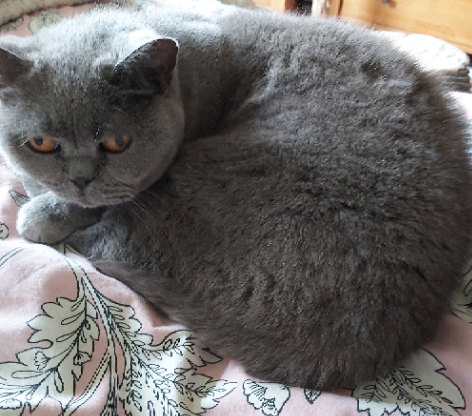
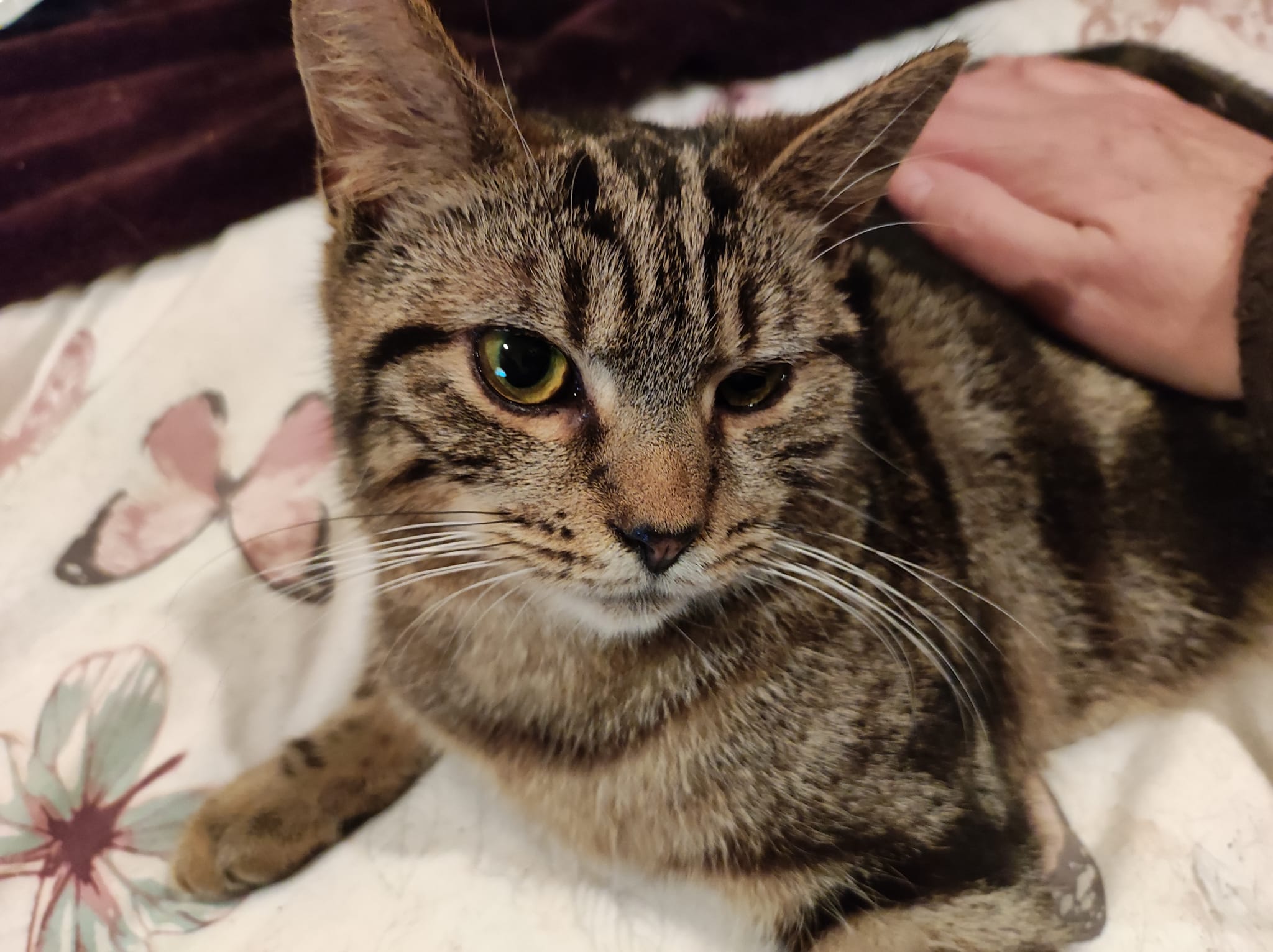
Here is Tilly, grumpy at being photographed. She is our editor’s cat. Tilly is the one who keeps the two dogs in order, not to mention Margaret and Dick, the two grown ups. Tilly was a rescue and is adored. So Frost Magazine loves to hear of other ‘rescuers’ who prove just how much can be achieved by a small committed group

The charity and non profit organisation The Arc, is just such a one. It is a small rescue for cats and kittens led by Sally who is helped by a small hectically busy team and based in Wolverhampton,  but which rehomes throughout the UK.

Sally told us that all cats and kittens are neutered. Why?  So that  none leave the care of The Arc to go on and reproduce thereby potentially adding to the increasing number of abandoned cats and kittens roaming our streets, or waiting for forever homes in  in rescue centres.

All The Arc’s ‘guests’ are vet-checked, vaccinated and micro chipped before leaving, though they are not vaccinated for FeLV simply because so many of the little fur balls who arrive have low immune systems due to neglect. You see, Sally tells us,  this particular vaccination can cause more harm than good in this situation. They are flea and worm treated and blood testsed for Fif needed.

Like so many of these good hearted rescue centres The Arc is self funded and money is tight, with every penny received in adoption fees put to good use with not a penny ill-spent. It makes perfect sense therefore that  The Arc reluctantly has to charge  adoptees £95  for all cats and kittens. Having seen the food, litter, flea and worm treatments The Arc requires for the well being of their cats and kittens, not to mention the vaccination, microchipping, blood tests, neutering and the often necessary vet fees  it is remarkably little in the scheme of things. Indeed, it became apparent that an much of the expense is borne by The Arc itself. Lord, aren’t rescue centres selfless.

This is why donations are of crucial importance too.  because of course, The Arc’s work does not end ‘in house’. So concerned with their cat and kitten welfare are they that there are home checks to make sure that the forever home is suitable, and let us remind you that The Arc rehomes nationwide.


Now Frost Magazine simply has to introduce its readers to Nico, the gorgeous young man featured above. Nico is about 9 months old and would dearly love a kind safe home. Nico loves nothing more than a cuddle, and a tummy stroke is heaven. He exudes relaxation interspersed with a bit of a play. Nico is of course neutered, and microchipped though, with the global shortage of vaccinations, The Arc has been unable to organise these.  Nico though is not the only one in need of a home. Do go onto The Arc to see more of these gorgeous creatures.
Oh by the way, rest assured that no cat or kitten is put down a The Arc unless they have illness or injuries beyond veterinary help, because, as The Arc insists: ‘Our aim is to save the poor souls that come through our doors and give them the future they all deserve.’
Margaret says that she has never regretted sharing her home with Tilly, except when she hid in a linen drawer under the bed, the consequence of which were that a search of the neighbourhood ensued, including the neighbours. on and on they trudged, putting up posters calling, calling. Soaked, cold, miserable Margaret and Dick returned, to hear Tilly meowing for her tea, very cross that though she had left her hidden nest tea was late.
To learn more about The Arc and all the details about  providing a forever home for one of their rescued cats or kittens, or to donate, you will find more information HERE

Public urged to Respect The Water as latest statistics show accidental drowning deaths increased again last year, with more dying at inland water than around the coast

There were 277 deaths in the UK from accidental drownings in 2021 across inland and coastal locations. This is an increase of 23 from the previous year. Accidental drownings form part of the total water-related fatalities in the UK – for 2021 the total number of deaths in water was 616, a decrease of 15 from the previous year.

The statistics and figures in the report are from the Water Incident Database (WAID), which is maintained by the National Water Safety Forum (NWSF), and the key accidental drowning death insights are as follows:


• Inland open waters, such as rivers, canals, lakes, reservoirs and quarries continue to be the leading locations with 62 per cent of deaths (N=168).

• Males continue to over represent with 83 per cent of deaths (N=230).

• 40 per cent of people had no intention to enter the water, such as those walking, with causes including slips, trips and falls, being cut off by the tide, or being swept in by waves (N= 107).

Following this concerning increase in accidental water-related deaths last year, the National Water Safety Forum (NWSF) is reminding people of the following lifesaving advice to help people enjoy our waterways and coastlines, particularly as warmer weather arrives, but water temperatures remain dangerously cold.

  • If you get into trouble in the water, Float to Live.
  • Lean back and use your arms and legs to help you float, then get control of your breathing before calling for help or swimming to safety.
  • If you see someone else in trouble in the water, call 999 or 112. If you are at the coast ask for the coastguard, if you are inland, ask for the fire service.

The collaborating members of the NWSF, come from a wide range of sectors including sports governing bodies, rescue services, charities, regulators, navigation and harbour authorities, local government, utilities and those representing quarry operators. Later this summer NWSF will be launching its new #RespectTheWater campaign ahead of UN World Drowning Prevention Day on July 25th. The campaign will be promoted nationally to raise awareness of key safety advice and support the Forum’s mission to reduce drowning.

Dawn Whittaker, CEO East Sussex Fire Rescue Service & NWSF Chair said: “The pandemic continued to present considerable challenges at our coastal and inland waterways last year as more people had staycations. The #RespectTheWater campaign is designed to help prevent further deaths and injuries in water.

“We urge the public to understand the dangers, to learn the importance of knowing how to float to live, and to call 999 if others are in trouble and if there is a water related emergency.

“We have seen increased numbers participating in water sports and water-based activities and consequently a rise of the number of incidents associated with activities such as Stand-up Paddle boarding and Open Water Swimming. We want people to enjoy the water safely, so we will continue to focus on guidance, education and awareness for the public.

“We will continue to work together to reduce deaths caused by drowning and water related injuries in the UK, and endeavour to reach our collective goal of halving accidental drownings in the UK by 2026. The global water safety community is onboard with a UN resolution recognising the scale and burden of drowning, calling for urgent international action.”

To view and download the WAID 2021 report visit: https://www.nationalwatersafety.org.uk/waid


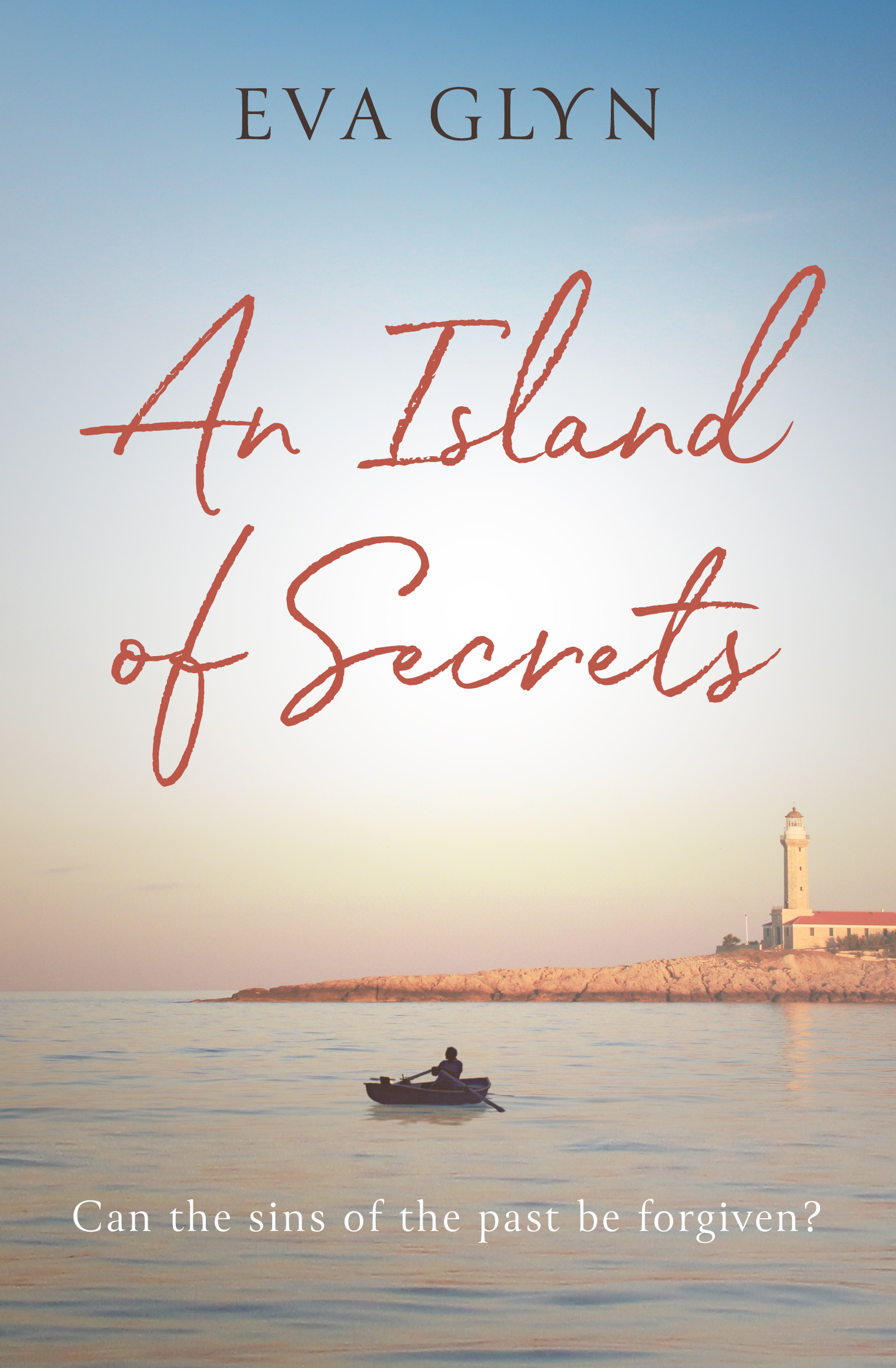
SUNDAY SCENE: EVA GLYN ON HER FAVOURITE SCENE FROM AN ISLAND OF SECRETS

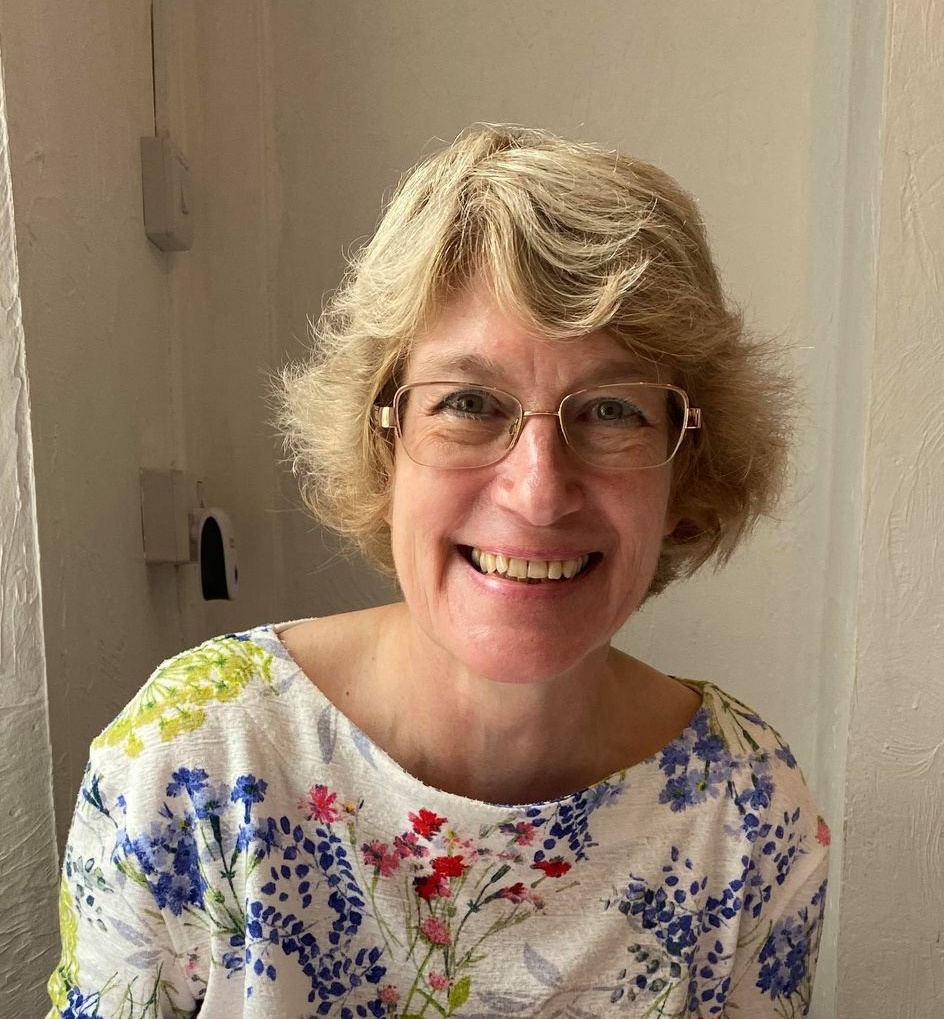
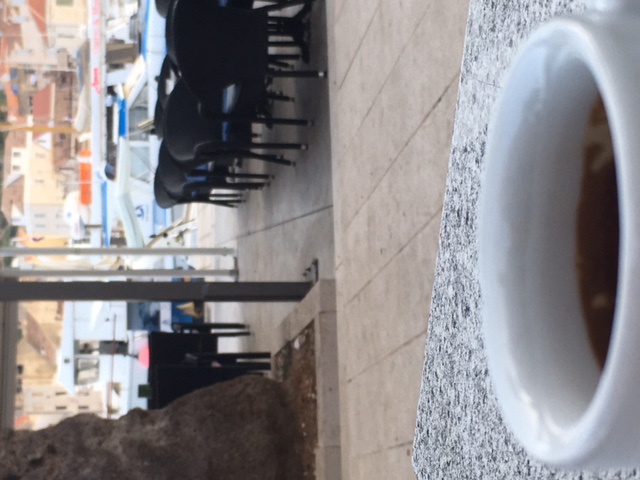
It’s every writer’s dream, isn’t it? To sit in the exotic location where you’ve set your book and actually write the scene. From exactly the same place as your character; to see what they see, hear what they hear, smell what they smell. Well, one morning when I was on the Croatian island of Vis researching An Island of Secrets, I made it happen when early one morning I picked up my notebook and strolled down to the harbour…


Although a few cafés were open at this hour Leo had chosen one in front of a broad flight of steps in a corner of the harbour, its tables tucked back into a narrow space between a pizzeria and a bakery. Not the one where she usually bought her bread, but today that might change too. Or it might not. If she was to stay in Komiža then something damn well had to – she’d been here a month and she couldn’t go on as she was.

Cigarette smoke drifted around her and music was playing from a radio further down the quay. A few local people were about and the crew of one of the holiday yachts moored on the mole had settled at a table somewhere behind her, but generally there was an air of peace about the place and she felt herself relax. A scrawny black and white cat with the swagger of a prize-fighter strolled past, but the tiny tabby cleaning itself under one of the chairs seemed unimpressed.

There were two reasons she had chosen this place to have her coffee. The first was that she could see The Fishermen’s House from here, and the second that yesterday she had found a photo from 1944 in the online archive of a museum in Split and she was pretty sure she recognised where it had been taken.

She pulled out her phone and looked again. Yes, that was definitely the narrow building where the tobacco shop now was, and the distinctive carved lintels above the windows of the property directly to her right were in the picture too. The palm trees were in the correct places, although in the photo they were barely taller than the men and now they towered more than four storeys high.

She had scanned the faces of the commandos in vain for anyone who looked vaguely like Grandad. But although she had been disappointed, she knew he might recognise some of the men and the thought made her tingle with excitement; she had already emailed the photo to Auntie Mo so she could show it to him. It was progress of a sort and there was pitifully little else to say. How the hell did you find out about some random woman who lived sixty years ago in a foreign land? Especially when you weren’t entirely sure who that woman was.


Leo is in Komiza to try to find out what happened to the woman her grandfather, Guy Barclay, had to leave behind when his commando unit pulled out in 1944. When Guy first arrived on Vis, the only part of Yugoslavia not occupied by the Germans, his mission had seemed straight forward, but then he stumbled across a brutal execution on a remote hillside that changed everything.

These executions – of female partisan fighters who had fraternised with their male colleagues – really happened, and at the time their British allies were powerless to do anything about it. But it made me wonder, what if one of them had tried? I had my hero and I had my story.


Find out more about my books set in Croatia at evaglynauthor.com


5 Critical Things You Must Know About Kratom Capsules

Kratom is a plant native to Southeast Asia used for centuries as a natural remedy for pain and depression. Today, it is gaining popularity in the USA as an herbal supplement, typically sold in the form of capsules. While kratom capsules may offer some potential benefits, some risks are also associated.

Research has shown that kratom contains compounds with essential analgesic properties, which can effectively treat chronic pain. Additionally, several studies have confirmed its effectiveness as an antidepressant, providing relief from symptoms like persistent sadness and low moods.

It is essential to buy kratom capsules from a reputable source like Kratom USA. This will ensure you get a quality product and avoid potential health risks.

1. What are the Ingredients Used in Kratom Capsules?

These capsules contain an extract from the leaves of the kratom tree. The leaves of this tree have been traditionally used for their medicinal properties, which are thought to come from the alkaloids they contain. These alkaloids interact with the body’s opioid receptors, resulting in pain relief and improved mood.

US citizens must be cautious while buying kratom as it is legal in some states, whereas it is banned in others. It is advisable to check the legal status in your state before buying it.

2. How Do Kratom Capsules Work, and What are Their Benefits?

At a basic level, these capsules consist of powdered extract that has been placed inside of a pill casing. Although there are different methods for taking this supplement, tablets are one of the most popular because they are convenient and easy to use.

They work so well because they effectively deliver the compounds in kratom directly to the bloodstream. This means that you get the maximum benefits from your dose with no wasted product. Additionally, some people find it difficult or unpleasant to take liquids or powders, so capsules provide an alternative method for ingestion.

3. How Should They Be Taken for Optimal Results?

For the best results, it is recommended that you take capsules on an empty stomach. This will help ensure that the body absorbs the tablets more quickly and efficiently.

It is also vital to stay hydrated while taking medicine, as this will help prevent any adverse effects from occurring.

4. What are Their Side Effects?

These tablets are generally considered to be safe when taken as directed. However, there are some potential side effects that you should be aware of. These include upset stomach, constipation, and headaches.

Studies show that US citizens use kratom for pain, anxiety, and depression. There are more than 30 vendors in the USA from whom you can buy these herbal supplements. Out of these, some vendors provide free shipping on specific orders.

5. What is the Cost of the Capsules in the USA?

The expense of kratom capsules in the United States varies depending on the source, but it is usually cheap.

$15 for a bottle of 50 capsules
$28 for a bottle of 100 capsules
$52 for a bottle of 200 capsules
$99 for a bottle of 400 capsules

Before taking any supplement or medication, it is always best to speak with a healthcare professional. They will be able to provide you with guidance on using them safely and effectively.

Conclusion

Overall, kratom capsules are very convenient and easy to take, which makes them a great choice for those who want to experience its benefits without any hassle.

Just ensure that you buy them from a reputable seller like Kratom USA so that you can be sure that you’re getting a quality product. So, what are you waiting for? Go ahead and try kratom capsules today!

Collaborative post with our brand partner.

The Anchor – Self-trust by Alex Bannard Wellness and Wellbeing Editor

I have learnt many important lessons during my menopause journey.

I have learnt to trust the process. We are inevitably going to be tripped up by life, it’s just what happens. Our power lies in trusting the process – that everything happens for a reason. That whatever happens there will be learning, healing & growth.

These hiccups don’t tend to de-rail us so much or so quickly & we start to take ‘failing’ less personally. We all experience it, isn’t unique to just us. We learn to look for the opportunities & possibilities in so-called setbacks & we may even start to look forward to these hiccups for what we will learn, how we will heal & grow.

I believe that we choose to incarnate on this earth at this time for all the lessons we have come here to learn. The Universe sends us gentle messages, if we learn to take heed of them when they are just a whisper the journey will less bumpy. But if we don’t, the lessons will get louder & more uncomfortable to get our attention.

So if it feels messy, guess what, it’s probably meant to be: that means it’s working – trust the process!

The fear of failing starts to diminish because, well, it’s not failing, it’s a lesson.

I also trust in a power greater than myself. I trust & believe that we are being taken care of, provided for. I find this comforting knowing that everything happens in divine timing & for the greatest good of us all.

It doesn’t mean that I don’t keep taking inspired action to achieve my dreams, it just means that if something doesn’t pan out as hoped I just trust that the Universe has a better plan.

But the final piece in the trust puzzle is trusting in yourself. Self-trust is the antidote to fear because when you trust in yourself you just know that you will be OK no matter what. You have an inner sense of peace & happiness that isn’t dependent on what’s going on out there because it comes from the inside not the outside. Happy, if you like, for no reason.

This is the anchor in the storm. What’s going on outside is like the waves on the top of the ocean, self-trust is like the anchor nestled into the sand on the seabed, keeping you grounded & safe.

Self-trust isn’t self-confidence. Self-trust is knowing that whatever happens you will learn something, heal, grow & work it out no matter if you mess up.

Self-trust is more a feeling than a thought or a belief. It feels different to everyone but it is a felt sensation within the body that feels grounded, centred, balanced, whole & at one, secure & connected.

Self-trust is a practice just like yoga & mindfulness & just like these practices the more you do the more you benefit & it is more accessible when you practice yoga & mindfulness. Like all these things the more you cultivate it, the easier it is to be, because it’s more about being, feeling & becoming than doing.

When you trust in yourself, in the process & in a higher power you are more decisive, trust your gut instinct more, are more hearted centred, take more chances & question yourself less.

If you would like to find out more about trust & being your own anchor in the storm check out Alex’s FB group: https://www.facebook.com/groups/mindfulnessyoga4selfcare

Or on Instagram: https://www.instagram.com/alexbannard/

Incorporate short yoga sequences & meditations as part of your self-care toolkit with guided practices on Alex’s YouTube Channel: https://www.youtube.com/channel/UCQlKZJ7MeyYc6lqkv6seISw

For more info check out www.alexbannard.com

Alex is based on the edge of the stunning Cotswolds & has been sharing her love for all things yoga & mindfulness for almost a decade, not just in the UK but also around the world. Having used her training & knowledge to navigate her own menopausal journey & create a life in which she is thriving, Alex is devoted in supporting other’s in this life changing transition.