Lysa Walder, bestselling author of Fighting for your Life, A Paramedic’s Story is in conversation with Natalie Jayne Peeke. Part 1


One of the first books that I read this year was the sensational and bestselling Fighting for your Life by Lysa Walder. I was absolutely blown away at how amazing it was to read but also everything that a paramedic goes through on a regular basis. Upon writing my review I knew I had to contact Lysa to see if she would be interested in doing a interview with little old me and I am not ashamed to say that I genuinely squealed when she agreed.

Lysa kindly took time out of her schedule to answer my questions. If you haven’t done so already then I urge you to pick up a copy of Fighting for your Life

Because we chatted for so long, I am dividing this interview , and part 2 will be published on Wednesday.

What prompted you to write a book ?

I wrote the book in 2008 primarily because I wanted my family and children to understand my work as a paramedic, which has been such an important part of my life for many years. Over the years I usually worked alone and I wanted to be able to ‘bring them along’ with me for the ride and for them to be able to visualise what it felt like to be me in those situations. They already know me as a mother, child, sister and I hoped that they would read my stories and get to know my professional personality as well. My unintended audience however, has been young people and students who are planning to study Paramedic Science at university – in particular young women. I imagine they Google the term ‘Paramedic’ and devour everything they find to satisfy the need to know as much as they possibly can before they commit. I am currently working on another collection of stories and I sincerely hope that this book will also be published.

How long did it take you to complete ?

When I wrote the book I used to get up extra early in the mornings and lay the bones of the story out and then I would usually put in the details during the evenings. I would hazard a guess that it took about 300 hours of typing time.

What do your family and friends think of your book ? Did they realise the extent of what a paramedic endures ?

My close family probably already had a fair idea of what types of calls we go to working in the ambulance service but some people did express surprise that our job entails, for example, witnessing the aftermath of brutal murder, dead or severely ill babies, delivering babies, major incidents and mental health crisis for example. I was very surprised that they were surprised by this as I didn’t think it was a revelation! We are usually called upon when someone is having a pretty awful day and we see the best and very worst of humanity. If you think about most of the nightmare scenarios that can happen in a person’s day it will normally result in contact with the emergency services.

What was the most difficult part of writing your book?

The most difficult part of writing my book was deciding how much of myself to put in there. Writing a biographical account means laying yourself bare and open to criticism and it scared me. For that reason, I held back a fair bit as an act of self protection. The other difficulty was that I found some of the stories were so incredible, so filled with coincidence, twists and turns that I felt people wouldn’t believe them, I had to leave a couple out for fear of undermining the credibility of the book. One other issue is that there’s a fine line when trying to introduce or include humour in to these types stories (not forgetting that humour is a necessary evil that gets us through some of the most dreadful situations) Patients say and do the most hysterical things and take my word for it, that’s a whole bookshelf in itself. However, describing these moments are really tough for me as I realise that they can easily descend in to ridicule or belittling of the patient which I would never intentionally do, so again these are the stories that I often avoided.

We will resume our fascinating chat on Wednesday.

Fighting for your Life by Lysa Walder is available here.


Highlights from Joffe Books this week, and they’re looking good


First a special offer: FROM CRADLE TO GRAVE  BY PATRICIA MACDONALD: Young mother Claire confessed to the double murder of her husband and newborn son.  Her best friend, Morgan, refuses to believe she could have done such a thing, but Claire’s perfect life is far removed from what it seems.
How well does she know her best friend? Morgan is willing to put her life at risk to find out the truth.

Out now. Half price for launch, get this gripping thriller for a bargain 99p / 99c.


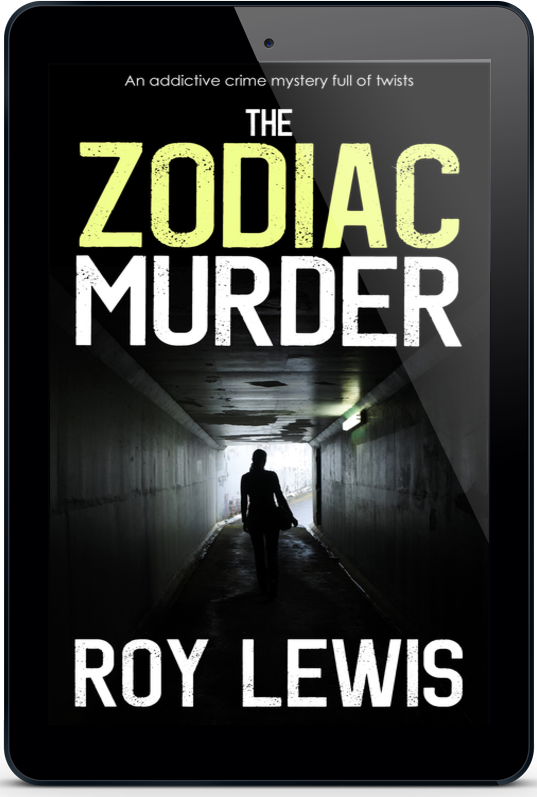
The Tutankhamum Murder by Roy Lewis OUT NOW – £1.99 / $2.99

“Emotionally tense, suspense-filled thriller from a master of investigative crime.” Kirkus
“Lewis writes with muscular authority . . . an excellent piece of work that will please his any fans.” Tangled Web
“Roy Lewis is a writer who believes in keeping his readers on their toes with plenty of twists and surprises.” Daily Telegraph

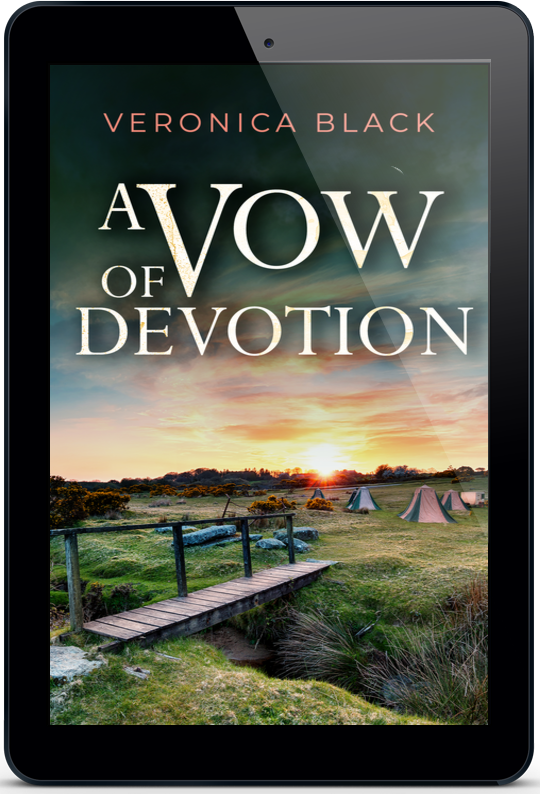
A Vow of Obedience Veronic Black   £1.99 / $2.99

Sister Joan remains the most refreshing and likable of the genre’s nun-sleuths.” Publishers Weekly 

A body is discovered in the convent’s schoolhouse. Dressed all in white, a garland of leaves has been delicately placed upon her head. A thin red line the singular disturbance upon the otherwise peaceful looking victim. Sister Joan finds herself torn between her religious duties and discovering the truth

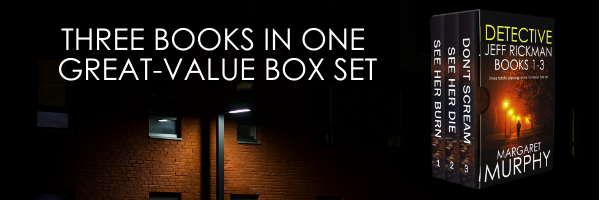
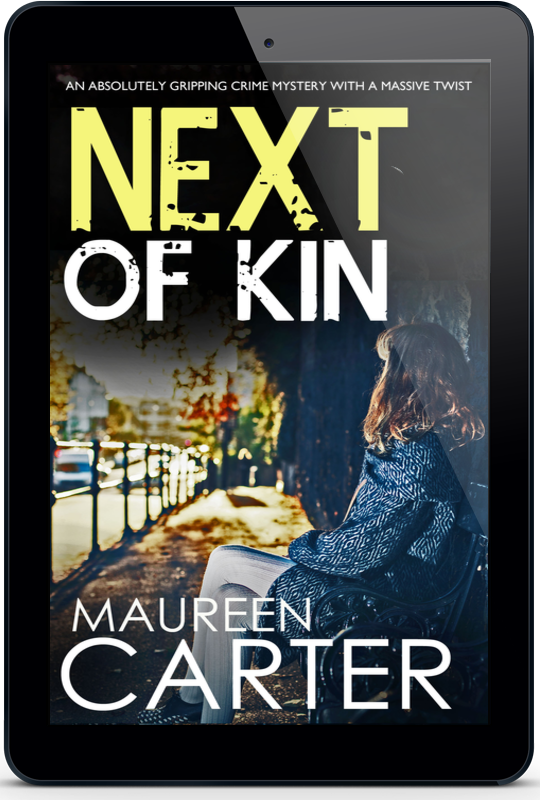
Dying Bad by Maureen Carter £1.99/$2.99. A gripping police procedural by a best selling author.

Detective Inspector Sarah Quinn and her team are having a terrible week. A badly beaten man but no leads. Another victim is left in a coma. Violence is stalking the streets of Birmingham. Has D I Quinn got a grip on it?

Plus plus plus:  GET FIVE ACTION-PACKED THRILLERS IN ONE BARGAIN BOX SET TODAY!   99p/99m Silver’s an ex-mercenary who will do whatever it takes to see people brought to justice.

And now more about NINA KICUL   ASSISTANT EDITOR who Frost Magazine has come to know, and like enormously for her professionalism and willingness to respond quickly.

WHAT I DO: I consider myself to be very lucky as I have the pleasure of working across lots of different departments at Joffe Books. This inevitably makes it hard to explain what I actually do, as I wear many hats, but a key part of my role is to ensure everything is running smoothly (no pressure!). This could involve formatting manuscripts ready for the next step, taking in corrections from freelancers, designing book covers, awards management or discussing book launches with authors, there’s never a dull day at Joffe Books!

WHAT I’M LOOKING FORWARD TO IN 2021: Finding and publishing more great books for our readers to devour! We also have an incredibly exciting event in the pipeline for later in the year (virus permitting, more on this soon!) for our authors and loyal readers, which we hope we can go ahead with. I’m also looking forward to seeing my colleagues again and attending industry events and festivals.

FAVOURITE BOOKS: This question shouldn’t be allowed, it’s just too hard! Some of my favourite books are holocaust survivor stories like The Tattooist of AuschwitzCilka’s Journey and The Choice. Although they’re harrowing, they also fill me with hope. Even in the darkest times we can still find some light and the strength to face our own demons and struggles – things can and will get better. Quite apt, no?

Find all these highlights, and the multitude of titles here Joffe

The Search for Great British Eccentrics – Paul Robbins is in conversation with Margaret Graham

Frost Magazine was thrilled when Thirsk u3a contacted the team, wanting to tell them  about a speaker who had zoomed into their sitting rooms.

‘Hilarious, interesting.’

‘I reckon we have a few eccentrics here,’ said one. ‘But not me, I hasten to add.’

So Margaret hauled in Paul Robbins for a virtual chat. It seems Paul is a man on a mission. By his own admission, he is an obsessive when it comes to his determination to share the rich and varied history of our wonderful country with a new generation of listeners – from the ages of nine through to ninety.

Paul told me that having retired early from a career as a senior manager with one of the world’s largest IT company’s, he developed a series of talks about Britain’s past in a unique series called “Step back in Time” These online talks have won him many fans all over the country, and they are indeed innovative and enjoyable, as the reaction of Thirsk’s u3a proved.

Paul explained “ I want others to appreciate how diverse, unique and fascinating our history really is”. He added. “ It is a history that has shaped us all. We should own, know, and cherish it.’

It’s clear that the highlight of Paul series of talks is his hugely popular “Great British Eccentrics’ presentation which features some of the oddest people that have graced the pages of our history and who  just happened to have been British. After all,  Paul explains “If there was a World cup for eccentrics then Britain would win every time, other countries wouldn’t even bother to turn up.”

‘But how do you choose who to include when we seem to have so many?’ I asked. Indeed, that has been the challenge for Paul – who to leave out of this classic exposé of Britain’s oddest people. But apparently he has narrowed it to a pool of around 50, so each talk is varied in terms of who is featured.

Paul does, however, have what he describes as his crème de la crème of eccentrics whose stories defy belief including a UFO obsessed peer of the realm, a habitual drunken Lord as well as a resident of an old people’s home who, let’s just say, became a real life femme fatale. When he told me more about this particular femme fatale, I was on the floor, laughing. We hadn’t even got to the Grim Reaper appearance either.  

Despite this wealth of eccentrics, Paul is always on the look out for other Britons who can join this peculiarly unique band.

So, come on, Paul, what makes a good Eccentric? Paul believes it’s someone who truly believes their own strange ideas are perfectly normal and who think the rest of us are the odd ones. Heavens, this could describe your Frost Magazine editor.

One thing Paul is sure about is that eccentrics add much to our society and culture and Britain would be a poorer place without them. Sometimes, though, the audiences offer up their own Eccentrics. Paul recently overheard a lady member of his audience say to her husband of many years “You know your Father always struck me as being a bit odd, an eccentric”.

My own favourite is Sir George Sitwell who, so Paul said, put a sign on his gate which read: I must ask anyone entering the house never to contradict me in any way, as it interferes with the functioning of the gastric juices and prevents me sleeping at night: I put it on my gatepost, but as him indoors, was inside at the time he clearly hadn’t read it.

You can find out more about Paul’s great talks, by visiting his website.  

https://www.stepbackintime.org/

To find out about the u3a, or one near you, and hear about their monthly meetings, and interest groups, go to: https://www.u3a.org.uk/   To find out about Thirsk u3a click: here


How To Appear Successful In A Business Environment

Creating a successful image of yourself is a big part of excelling in the business environment. 

When you look the part, you’re more inclined to feel the part. You’ll have the appearance of someone who knows what they’re doing, coming across as being confident and sure of yourself. Even during tense negotiations or important client meetings, you will still appear as if you are in control.  

Some workers have even found a way to look busy and successful without actually doing anything useful at their place of work. There is a power in a look, and one would be foolish to underestimate it. Of course, we are not recommending putting style over substance; only to fuse the two together in a mutually complimentary fashion.

Therefore, here are a few tips suggested by UtilitySavingExpert.com that will help you appear more successful in a business environment. 

Practice Good Hygiene

A successful image starts at basic hygiene. 

It might seem obvious, but no amount of fancy clothes or bottled odours can mask what is undoubtedly poor personal hygiene. Cleanliness is the starting point from which you can create your perfect persona, from which you can add more touches of character to polish up your air of success. 

Successful people have money, and money buys showers and soaps. Use them both well, because if you skip the wash, then every other effort you make to look successful will fall decidedly flat. Floss your teeth, trim your nose hairs, clean your hair with shampoos and conditioners, and keep your nails trimmed or clipped to a presentable standard too. 

If you can’t perform the basics of day-to-day life, then who can say that you can represent the interests of a company? The essentials can’t be missed, so commit yourself to them for the best results possible. 

Wear Luxury Accessories

It’s the extras that communicate real success, showing your ability to go the extra mile with your money. 

Desiring a quality timepiece? Certified Nomos watches sold by Chronext are all brand-new, backed up by a flurry of great reviews. Fast delivery times are also available, and you can search for over 7,000 excellent watches until you have found one that speaks to you. Such a range of choice is not only to be commended but utilised to the full also. These watches are a fresh update in the industry, being incredibly elegant thanks to their minimalist design, all of which is the will of a younger company. 

Accessories always lend extra dynamics to an ensemble, and the more depth your look has in the business environment, the better. It tells people that you pay attention to details, that you have an appreciation for tradition, and that you’re familiar with making good decisions. 

It’s not crass to celebrate the fruits of your labours, either. There’s a fine line between showing off and enjoying your success, and most accessories can help communicate the latter. Additions such as the watch have practicality as well as style, as do things like glasses, headbands, and bags, all of which have incredibly stylish variations if you search hard enough. Flaunt your success – you’ve earned it! 

Develop Your Body Language

Anyone can wear a fancy suit and flashy accessories. The real question is – will your demeanour help or hinder you in wearing them well?

A suit can only ‘suit’ you if you have the charisma and swagger to pull it off. One glance at the models who adorn them in the broadsheets will tell you that their attitude sells it. The character comes through the clothes, not from them. Adopting your body language when you’re wearing your business attire is what lets people know that you’re not only stylish, but serious about being so. 

Your success shines through in every movement you make. Great body language may include: 

  • Keeping Your Head Up: Averting your gaze to the floor might be perceived as a sign of weakness. Look everybody in the eye, and face everything in your working day head on. 
  • Holding Your Shoulders Back: Slumped shoulders will drag down the rest of your posture with them, likely stooping your back also. Keep them back to a degree, so that they can better accentuate a confidently bold pose. 
  • Uncrossing Your Arms: Many people interpret crossed arms as a sign of tension or confrontation. Keep your arms at your side, and you will have an air of openness about you, which is attractive to all your colleagues in clients for business-related enquires. 
  • Maintaining Handshakes: Much can be communicated in something as simple as a handshake. Early withdrawal can indicate nerves, too late an end might flag an overbearing nature. A strong grip and 2-3 shakes is the best way to land a positive first impression. 
  • Controlling Your Facial Expressions: Business can often be like a game of poker, whereby you don’t want to give away your true feelings on matters so easily. Maintain a pleasant demeanour, smile and schmooze, and master suppressing frowns or contorted expressions. Successful people are never broken. 

There’s a great deal of subtly in body language that can influence what direction things take in business. Some of the tips above may not be particularly revolutionary, but they can be reasons why people fail job interviews or land a bad impression with potential clients. Textbook ideas are textbook for a reason, so keep them in mind. 

Practice Your Speaking

You might think you have been able to speak since you were a small toddler, but business environments require something a little extra in the speech department. 

Clear diction, pronunciation, and a wide vocabulary are all incredibly useful assets. The ability to articulate yourself properly is vital in circumstances such as presentations, performance reviews, or any important series of meetings. Not only are you discussing the topic at hand, but you’re also using persuasion to subtly demonstrate your worth to the clients and colleagues around you. 

Short, minimal responses won’t impress anybody, neither will long-winded speeches that lead to nowhere. Try to land your own speech patterns somewhere in the middle, where you use every sentence to full effect. Consider seeking professional support, such as presentation skills training, to refine your delivery and maximize your impact. An aptitude for crisp storytelling and charming turns of phrase could serve you well also.

Public speaking is now required in many fields. In 2016, Jeannette Nelson who serves as head of voice at The National Theatre, said that “your voice […] carries your history as much as anything”, and that people tend to become more self-conscious when told such a thing. If you embrace that side of things openly, though, you can appear more successful as your confidence radiates through your speech patterns. 

Help Your Colleagues 

It might seem like a rather cheesy point to make but making time for others can be a great way to signpost your success. 

There has been an increase in schemes whereby colleagues can tip each other in “peer-to-peer micro-bonuses”, with small cash rewards being used to build team dynamics and boost performance. Therefore, it could be a good idea to recommend the scheme to your employers or participate in it if it exists in your firm already. 

Using your success for the betterment of others speaks volumes of your character. It shows that you’re a team-player, and that you value the performance of the business more than covering your own back and going home early. If you can sprinkle some of your own good fortune on those around you, you’ll be looked to as a leader, and that’s true success. 

Collaborative post with our partner.

Frost’s fortnightly Mindfulness Series starts today courtesy of the brilliant Mindfulness doyen, Alex Bannard who offers a free meditation to Frost readers each week of the course

Please email me with Frost ocean meditation in the title to secure your copy: alex@myananda.co.uk


Week 1: Mindfulness is quite the modern day buzz word but what exactly is mindfulness?

Well, mindfulness is the moment to moment awareness & acceptance of our thoughts, feelings, emotions & behaviours. It is an ability to be present, experiencing life as it happens in the here & now, the only moment that really matters. After all it’s only in the present moment that we can learn, grow, create & take action.

It’s about recognising that we are entrenched in worrying about the past or thoughts of the future – did you know we spend an estimated 50% of our time ruminating about the past, which has gone, or fretting about the future, which generally never quite pans out as we expected. That’s quite a lot of wasted time when we could be actively engaged in the present moment instead! Which brings to mind that old expression: the past is history, the future a mystery, the present is a gift which is why it’s called the present.

Mindfulness is also about acknowledging when we are distracted by thoughts & being able to see them as just thoughts, not necessarily fact. Being able to step back, taking on the perspective of an observer to our thoughts rather than getting swept away & down the rabbit hole with the storyline of them. This viewpoint can be extremely liberating. If you like you can try to imagine thoughts are clouds in a summer’s sky & you are just watching them float by.

Jon Kabbat Zinn, who introduced mindfulness to the West in the ‘80’s & is widely regarded as the father of mindfulness, defines it as: paying attention in a particular way, on purpose, in the present moment & non-judgmentally. Not judging whatever we discover when we come to the present moment, accepting, being kind to ourselves, curious, playful even, these are all attitudes which accompany mindfulness & I will be exploring these next time. In essence mindfulness is quite simple but it’s not very easy to do. If it was we’d all be doing it instead of wasting so much time brooding on the past & future, caught up in our thoughts, instead of actively engaged in the present.

So how can we practice mindfulness? Well, meditation is one way in which we can be more mindful but it is not essentially mindfulness.

Mindfulness is the art of being engaged in the present moment without judgment & criticism. Mindfulness is an awareness of thoughts, feelings, emotions, behaviours, an awareness of ‘something’ & can be practiced anywhere.

Whilst meditation is a way to practice mindfulness, it is the formal practice of mindfulness. It supports & enriches mindfulness just as being mindful in your meditation practice supports your meditation, they are interlinked & support one another but are subtly different.

Meditation is sometimes referred to as an awareness of nothing – although this simplifies meditation because often in meditation, particularly when we are new to the practice we use our breath or our body to anchor us in the moment & thus we are aware of these anchors. But essentially, when your practice deepens you get a sense of just being, with no distractions in your meditation space. Although of course as soon as you notice this, you are distracted & boom, the ‘nothing’ has evaporated!

Can you see how it’s not quite a simple as it first appears?


Meditation is not about controlling our thoughts we can’t stop our mind from doing what it does: thinking thoughts. But we can stop our thoughts from controlling us.
This subtle distinction enables us to avoid the frustration of the noisy & busy mind we notice when we settle down to meditate. You’re not doing anything wrong. When we get still & silent, we notice how busy & noisy our mind is, what many refer to as the monkey mind. Mindfulness is simply noticing this & guiding your attention gently back to your anchor. Every time you get distracted, is another moment of mindfulness, indeed if you can bring some gratitude to that momentary reminder this can also help.

So mindfulness is about noticing our mind has wandered (again & again & often again again!). And choosing instead of getting swept away with whatever it is we are thinking about, to acknowledge & observe that train of thought, that feeling, emotion or behaviour & gently anchoring ourselves back in the present moment using our breath or body, without judging what ever distracted us in the first place. Just accepting it. Sometimes being curious. It’s a little like guiding a puppy that has strayed from the path gently back onto it.

And meditation is one way to practice mindfulness. But we can also practice mindfulness by trying informal practices. Bringing mindfulness into our everyday & I will also be exploring these practices later in this series.So the differentiation between mindfulness & meditation is subtle. As is the impact of these practices – there are no monumental lightening bolts from the heavens but they bring about profound shifts. Establishing a mindfulness or meditation practice isn’t easy, it is after all why they are called practices, they take practice, but it is definitely worthwhile. These practices have changed my life which is why I am so passionate about sharing about them & trained to teach mindfulness.

With every episode in this mindfulness series I will be offering a different meditation free to every Frost reader. This week it’s the Ocean Meditation, which is an introductory meditation I often share with my clients when they embark on their mindfulness & meditation journey as it helps them to discover their intentions behind their practice. Please email me with Frost ocean meditation in the title to secure your copy: alex@myananda.co.uk

What’s Galentine’s Day? Well it’s only the best day of the year

Valentine’s is about who you love and who loves you. Created by one of our favourite fictional characters, Leslie Knope of Parks and Recreation, Galentine’s Day is a day dedicated to showering your closest girl friends with love and attention… more than you do already.

We’ve put together our top picks to show your bestie you love her. We love the Only Curls Satin Sleep Turban from onlycurls.com and the silk exfoliating glove no1illume.com. The Rubis tweezers are the best tweezers I have ever used. Quick, send your Galentine some love now….


WELSH WRITING WEDNESDAYS: WHAT I WRITE AND WHY – INTRODUCING EVONNE WAREHAM

Who am I, what do I write, and why?

Well, I’m either an academic and bureaucrat who has a second career in romantic fiction, or a romance writer with a blamelessly boring past and an academic streak – you can take your pick.

I’ve wanted to be a writer ever since I was a teenager, but it took me thirty odd years and a lot of dead ends and near misses before I actually achieved publication. I had a paying career in local government and charity administration, a large part of it in London, most of which I enjoyed as I climbed the career ladder. When I wasn’t enjoying it I would take a lurch into academia – with a Master’s degree and then a PhD in History. Alongside that I was always writing, and always romance. Part of that was because of the Romantic Novelists’ Association, which encourages unpublished writers through its new writers’ scheme, which requires you to submit a manuscript for professional critique every year. It meant a great deal for an aspiring writer to be able to mix with other hopefuls and also published writers, many of whom are very big names and are generous with their time and friendship. I also like writing romance – for me it’s positive and life affirming and I always want a happy ending. I’m a thoroughgoing escapist where my reading matter is concerned, and that’s what I write too.

Photo credit: Sian Trenberth Photography

During those years of apprenticeship I experimented with all types of romance from family sagas to Regency historicals. I eventually noticed that everything I wrote had an element of crime in it, but I knew I didn’t want to write police procedurals or psychological thrillers – I didn’t have the expertise. Then, eventually, when I’d almost given up, I read an American novel in the genre romantic suspense – a hot love story with a crime element – it was The Reef, by Nora Roberts. It made me think – can I do that?

It turned out that I could. It still took a while. I had some success in American competitions for unpublished authors, including a reality contest run by a big romance review magazine – that was a roller coaster and a lot of fun, although I didn’t get anywhere near winning. Then at last, I got a British publisher who liked what I was doing – American style but with European locations. I achieved a dream and my first published book – Never Coming Home – won the award that the Romantic Novelists’ Association gives for the best new writer each year.

I write across the romantic suspense spectrum – some books are grittier than others. At the moment I’m enjoying a series at the lighter end, set in resorts on the French and Italian Riviera – plenty of glamour and sunshine and a sexy encounter or two. For the future I’m looking to return to the grittier stuff, and I want to set a lot more of it in Wales, my home country, where I’m now living. I love the landscape, especially the National Parks, for their romance and their more sinister potential for a thriller writer. My books can be dark and scary, and they have a lot more dead bodies than your average romance, but there will always be a love story and always, always, a happy ending.


You can find out more about Evonne on her website https://www.evonnewareham.com/home and her weekly blog https://evonneonwednesday.blogspot.com/


Lovely news from Lily’s Kitchen for Valentine’s Day by Annie Clarke

Lily’s Kitchen, the award-winning creator of proper food for pets, was founded in London in 2009, by Henrietta Morrison who set out to feed her beloved dog, Lily, food she could trust. That’s fascinating  enough, but Lilys Kitchen has just announced the launch of the limited-edition ‘Be My Valentine’ tray for dogs, so that pet parents and pups can have a romantic meal for two this Valentine’s Day.

To help share the love this Valentine’s day, Lily’s will be donating the full sales price of the trays sold on their website to Dogs Trust, so that every pup feels the love.

Available through February, this limited-edition recipe is the ultimate surf and turf meal for our besties.  Made with fresh ingredients, pups can expect to tuck into  chunks of freshly prepared beef and  salmon with prawns – responsibly sourced which is wonderful. The Valentine’s dish is also packed with nourishing greens to give your dog a healthy boost, with asparagus and peas stirred throughout. As always with Lily’s Kitchen recipes, Be My Valentine is nutritionally complete, containing a blend of natural botanicals and herbs – giving dogs all the energy they need for hugs and kisses this Valentine’s Day.

Lily’s Kitchen were awarded a Royal Warrant by HRH The Prince of Wales. They’ve also won many other awards for their food, innovation and brilliant customer service    The brand became part of Nestlé Purina PetCare in April 2020, after having grossed over £85m in retail sales. With the belief that pets are family, Lily’s Kitchen operates as a standalone business and is still driven by its purpose of making cats’ and dogs’ lives better, by helping pet parents feed their pets properly whilst being kind to the planet. A bit of fun along the way, they say,  doesn’t hurt either.

The donation to Dogs Trust will support the charity’s ‘Change the Tale’ campaign, an initiative to support dogs, their families and pet parents who have been impacted by the pandemic.

The charity believes more people might have to make the heart-breaking decision to give up their beloved dogs if they struggle to cope with the fallout of the coronavirus crisis or life changes for them in a way they couldn’t have foreseen. Understanding the emotional heartbreak that comes with giving up a dog, especially when circumstances change unexpectedly, the charity’s dedicated team of experts help and advise wherever possible. Dogs Trust urges people to get in touch with them and they will do everything they can to help.

Dogs Trust is the UK’s largest dog welfare charity and normally cares for around 14,000 dogs across its network of 20 rehoming centres in the UK and one in Dublin. Dogs Trust has a non-destruction policy and will never put a healthy dog to sleep. The charity also focuses its efforts on understanding dogs and sharing that knowledge with the wider public to prevent problem behaviours that can result in relinquishment or abandonment. They say, ‘We are working towards the day when all dogs can enjoy a happy life, free from the threat of unnecessary destruction.’

‘Be My Valentine’ is available now direct from lilyskitchen with an RRP of £1.15 per tray.

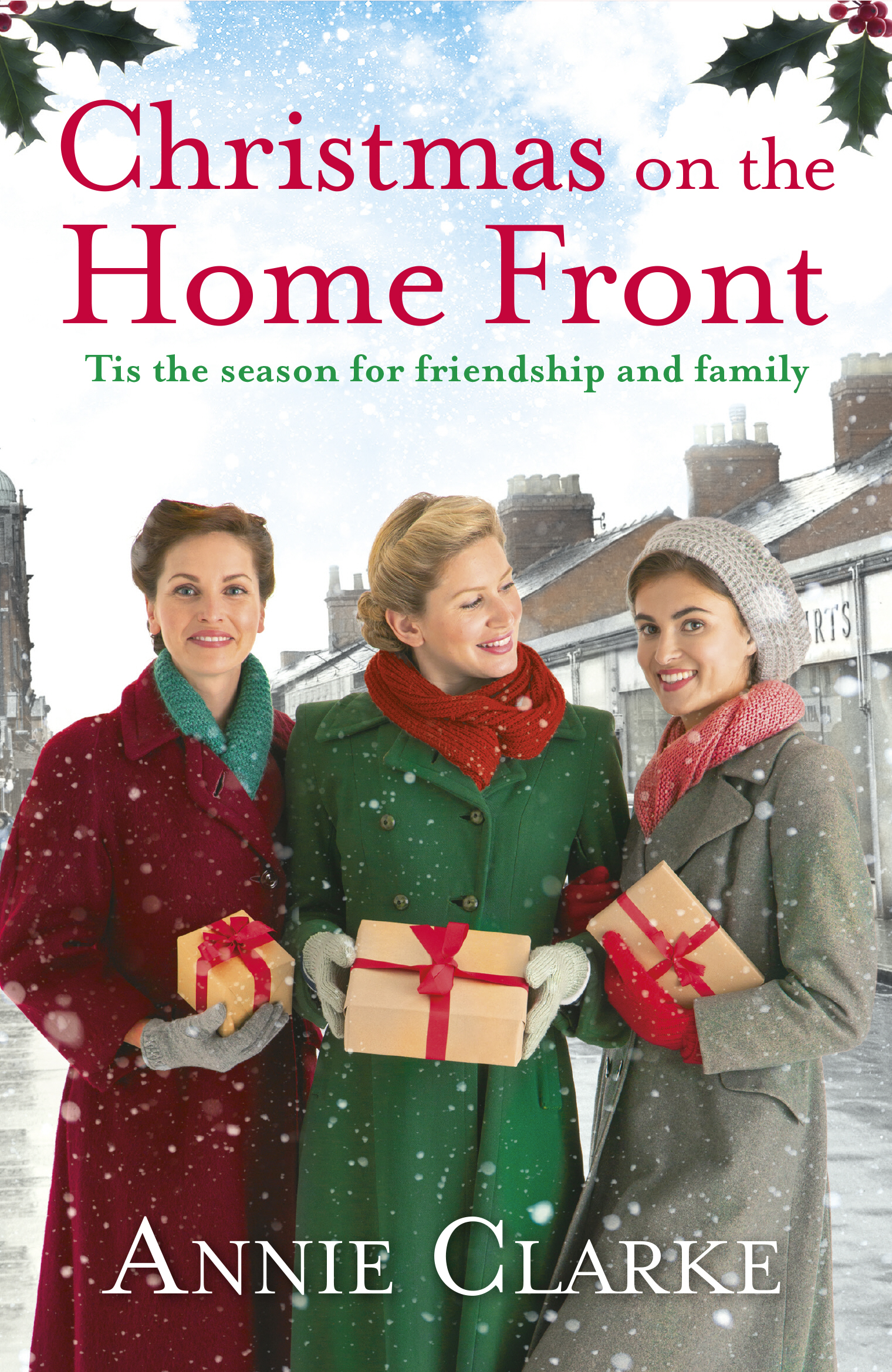
Annie Clarke is the author of the Home Front series. The latest of which is Christmas on the Home Front