JEAN FULLERTON ON THE RNA’S CHAPTER AND VERSE

I joined the Romantic Novelists’ Association way back in 2003 as part of the New Writers’ Scheme. I was so grateful for all the help, support and friendship I received from RNA members over the past seventeen years, I promised myself that when I no longer had a day-job, I would join the committee.

That opportunity came five years ago when I was able to wave goodbye to my job as a University lecturer and become a full-time writer.

When the committee was restructured last year, I took on the role of Educational Officer, and one area which I’m very hands-on with is the RNA chapters.

When I joined the Romantic Novelists’ Association over a decade ago, some of the first real writers I met were members of the London and South East Chapter.  I was a burbling newbie, but everyone welcomed me. They walked the stony path to publication alongside me and I now count them as close friends.

Although the RNA can appear to be all champagne, high heels and glitzy London parties the organisation’s bedrock is the 20+ chapters up and down the country. It is there that new and not so new writers can find support, encouragement, and friendships.
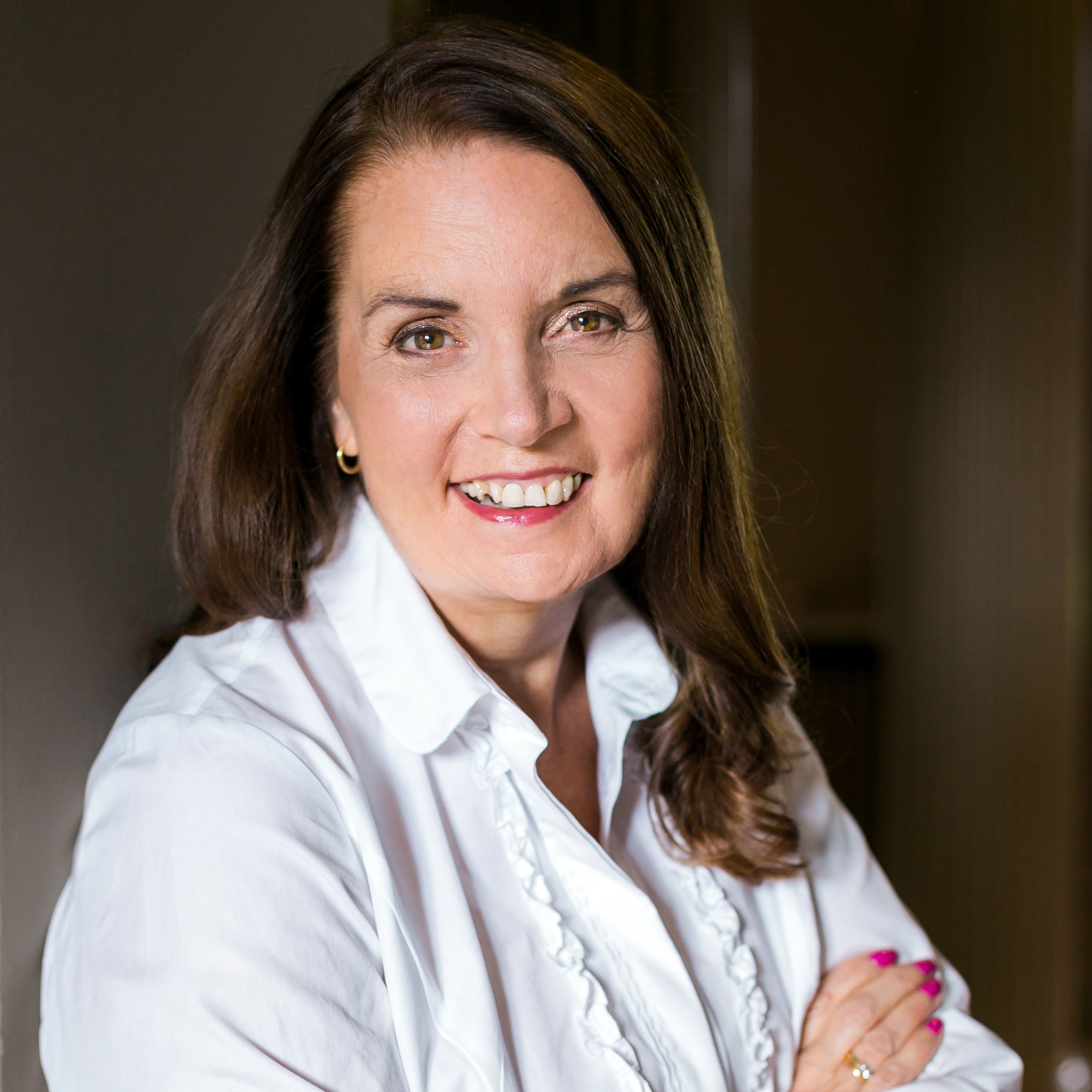
I felt so strongly about this that ten years ago I took on the role of Chapter liaison. Well, when I say took on the role, what I actually mean is I muscled my way into the then committee and said I  thought there needed to be someone to link with the chapters and I was willing to take on the role.

I liaise with chapters about events or workshops they might be planning, and the allocation of the Committee Annual Educational grant. I also introduce new members to their local chapter and assist anyone wanting to set up a new chapter; be that a physical, online or special interest chapters such as the Rainbow Chapter for writers who write or who are interested in LBGTQIA+ romance. I also, in conjunction with Liam, the RNA’s Diversity and Inclusion Officer, developed the chapter guidelines.

When I became chapter liaison I lived in East London so as I was just a hop, skip and a jump from most of the mainline stations in London, I set about visiting as many chapters as I could. If I made an early start, I could reach most of them in a day even the North West Chapter who meet in Southport.

Sadly, as I now live an hour outside London that is no longer possible, but I keep in regular touch with the chapters via email. And since all chapter meetings have been cancelled due to the Covid lock down, increasingly via Zoom.

Being a writer is a lonely profession, just you, your head and the computer most of the time but we need other writers. Unlike non-writing friends and loved ones when you explain to a fellow writer the problem you’re having with your heroine or plot line their eyes don’t glaze over.

In conclusion, although under the RNA umbrella, our chapters are open to RNA members and non-members alike. Therefore if any writers out there would like to find out more about an RNA Chapter near you then please email me on jeanfullerton@romanticnovelistassociation.org and I’ll point you in the right direction.  For more information about the RNA please visit www.romanticnovelistsassociation.org

Bio: Jean was born and bred in East London where her fifteen novels are set. She is a retired nurse and university lecturer. Jean is currently writing the final book in her Ration Book Series.  In addition, she leads writing workshop and is a regular speaker at WIs, U3As and cruise ships.
www.jeanfullerton.com

SISTER SCRIBES’ READING ROUND UP: JULY

Jane

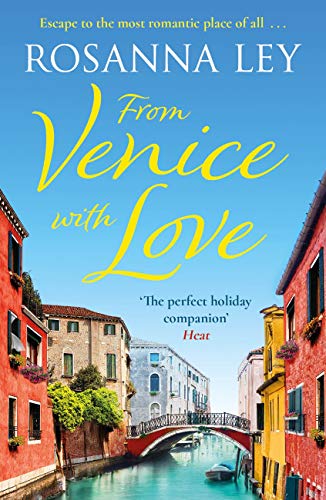
Rosanna Ley is one of my favourite novelists, which is the main reason I signed up for one of her writing retreats. That, of course, transported me to Spain, but her novels have taken me all over the world. From Venice with Love is no exception, as I followed Joanna not only to Venice, but to Lisbon and Prague, each city so beautifully described I felt I was really there. But it was Joanna’s sister Harriet’s story that held me, and she doesn’t even leave the Dorset village where they both grew up. She is an exquisitely drawn character, warts and all, and I felt as I was at her shoulder as she made a very different type of journey to her sister. Highly recommended.


Kitty

I listened to Candice Carty-Williams’ Queenie as an audiobook and it had me hooting with laughter whilst frantically winding the windows up in the car as some of her more detailed sexual exploits were narrated. The premise initially appears to be typical romcom with Queenie coming to terms with her break-up and with potential suitors popping up all over the place. However, as the book progresses we realise it encompasses far more and that Queenie is in no need of a hero. It takes a real deep dive into mental health and societal pressure and does so in a way that never loses humour or the readers attention. The family relationships had me squeaking with joy. The writing is hilarious, poignant and searingly insightful. Fabulous.

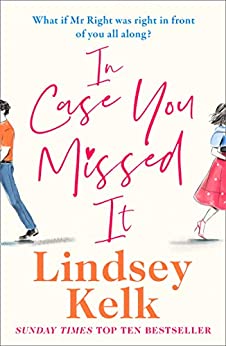
Lindsey Kelk really does deliver on all those descriptions applied to romantic comedy. Hilarious, laugh out loud, devastatingly witty – she hits them all. I have not yet read a book of hers I haven’t loved and In Case You Missed It is another example of her delivering the perfect romcom. It has a truly relatable heroine in Ros, a hero you quite want to bring home yourself, the coterie of well-defined and always amusing friends, the hideous boyfriend from her past, and beautifully described well-meaning but slightly cringy parents.

There is not a page that does not make me giggle and she manages to write comic scene after comic scene whilst developing a fabulous plot and proper romance along the way. Absolutely faultless.

I really enjoyed Clare Marchant’s dual timeline novel, Secrets of Saffron Hall. The book interweaves the story of a grieving mother in the modern day and a young wife in the time of Henry VIII’s marriage to Catherine Howard. Both were written sympathetically and I thoroughly rooted for both characters. However, it was the historical timeline I found absolutely captivating. I loved being immersed in Eleanor’s story – the fear and uncertainty of living under a capricious king in times of religious upheaval, and the sense of doom contributed to by the reader knowing what will befall the queen, although unsure of how that will impact this particular family. The farming of the saffron itself was also of great interest and whilst aware of the value of saffron, I felt like I was learning something as I read. The authors historical research was clearly well done and she held my attention throughout. I am looking forward to reading more of her books.


5 Collectibles That Become More Valuable

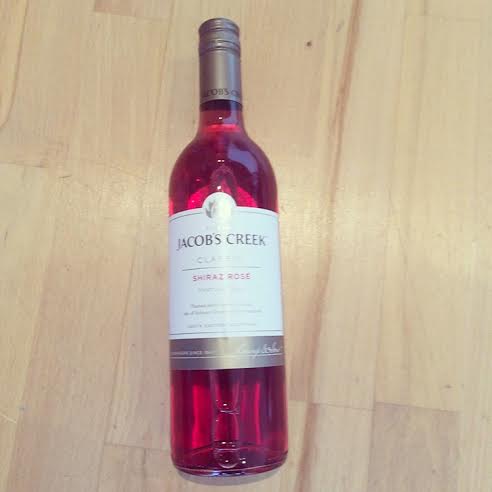
wine, wine review, roséPeople who don’t collect items may believe that the primary reason for doing so is to make some money. Collectors would get their hands on rare items and over time, they would increase in scarcity even more and go up in value before being sold to the highest bidder for a tidy profit.

This is most likely quite far from the truth, as most collectors do so for the sheer passion they have for the item in question. Their pleasure comes from curating a vast stock of treasured pieces that other collectors in the same field might be envious of. It’s having the ability to talk to others in the community about where your collection is up to, what you want to get your hands on, and what is surplus to your requirements. It’s taking the time to scour your favourite sources for new finds and treating them with the respect they deserve.

It would, however, be remiss not to mention the fact that certain collectibles do indeed become more valuable over time. Let’s take a look at the 5 key categories that do so…

  1. Stamps – these remain one of the most popular items to collect thanks to their long history and huge variety. Over time, certain materials degrade (which would certainly be the case for stamps), items get lost, etc, so having a particularly old one and maintaining its quality would see its value increase over a long period of time.
  1. Coins – again, another popular collector’s item can feature coins from hundreds of years ago and also from all over the world. Carelessness and extended periods of time always increase the rarity of items which subsequently increases their value.
  1. Anime merchandise – items such as anime figures or comics are highly desirable to collectors because they are so striking. Original figures are made in limited quantities too, so they are exclusive from the outset. When characters die off or change the design, it immediately makes pervious merchandise more valuable as no more of it will be created. As anime collections grow in popularity too, more people than ever before are trying to source the same items which can create a bidding war.
  1. Trainers – fashions come and go but when it comes to trainers, some will never go out of style. Manufacturing and design techniques can require a lot of effort and when only a limited number is available, it makes them more desirable. All you need is something to become ultra-cool again or for an influential person to wear them and you’ll find they become even more expensive!
  1. Fine wines – the reason a wine would be deemed fine is not only thanks to the vineyard it comes from, the grape used and the manufacturing process but is also down to the weather too. That’s right – each season has a different yield of grape even when the owners do the same thing. Sometimes the planets align and the weather helps to create a wine so delicious it is talked about in sommelier circles. But of course, once all those grapes have been used, no more can be produced. And as a consumable item, it will eventually be gone. As the glasses go down on one bottle, the value goes up on another. 

Collections should come from a place of passion and enjoyment but there is certainly no harm in the fact you could make some money if you wished to sell some of your collectibles in time! 


 This is a brand collaboration post. 


Living with Alzheimer’s – My Lockdown Sadness by Chris Suich

Tomorrow I am going to see Bob in the garden of his care home. He went into full time care 131 days ago – three days after lockdown was declared. From a full-time ‘on watch’ and caring role to the silence and loneliness of an empty house was unbearable. Worst of all, for most of the time I have only been able to wave to him from the road and look up to him at the first floor window.  The ache in my heart was real and I asked my eldest son if I was ill.

My stomach lurched at the thought of relinquishing his care to strangers. They would never look after him like I do. The cajoling and the patience needed. I knew his ways!  I wasn’t even sure I could manage to sleep on my own after having Bob’s hand in mine for so long. Even at night time he wanted the reassurance of holding hands. But I was so exhausted; I couldn’t do another day.

I knew it was getting close as I had been up every night but one for three weeks and the day times were not easy either. Bob was having night terrors; he was terrified and agitated, screaming that I was killing him or he was dying, or I was dying. He would get aggressive and squeeze my arms sometimes bruising me. Such a gentle man but his face in such anguish, it was very frightening. I managed to see our Dementia doctor and we doubled the Respiridon in the morning and the Tramazodone at night. Even that didn’t work, such was his fevered brain. My goodness, how strong must his anxiety be?  He wouldn’t settle and I ended up getting up with him and the daily start to the morning routine settled him. It was often 5am or earlier.

When Bob went into the home I was still working –  in school three days at first, then from home: preparing education health care plans, organising Annual Reviews, ringing parents and writing risk assessments for those front line workers’ children who could attend school. It was important work and I wanted to do a good job.

My primary concern was Bob but there were always other things to worry about, such is life. Our youngest got stuck in Australia on his year travelling.  He eventually found a job with his London company in an office in Sydney for 2 years. Another hurdle overcome. Of course Bob would want him to take the opportunity and live his life. But packing up his boxes of clothes for the courier was a little sad.

I also  felt constant concern for our son Joe who was working long shifts on the front line in infectious diseases dealing with the Covid 19 cases. It just seemed a constant worry.

At first Bob went into the care home on ‘Respite.’ It was the same place he went to on day care on Tuesdays when I was teaching or if I went for a little walking break. They told me a bed had become available on the Dementia wing. I thought it was what he already knew and would settle better there than a new care home. I knew some of the staff from when I picked him up. It was familiar for both of us. It cost £800 a week for Respite but three days later it had gone up by almost £50 a week. I was desperate and I thought we would get support from social services eventually as we were well below the £23,500 threshold.

During this time I was supported by two amazing women who had been with me on this journey: the dementia nurse who knew us well and the Admiral nurse, a specialist Alzheimer nurse.

Our boys were fully supportive and said I could have done no more. However my journey to get funding was a very different matter. Covid 19 did not help me as it was much slower to get help from the relevant services.

After a difficult fight for part funding for continuing healthcare from the NHS (which I won after doing a lot of research and reading their own legal documents) and after completing a favourable checklist with the Dementia nurse. I then endured a 3 hour panel meeting where I had to argue virtually every domain to get the rating that truly reflected Bob’s condition. It was challenging and difficult and a real endurance test (which I was determined to win for Bob) where the agenda was set at the start to minimise every aspect of his condition in order to make sure he didn’t get the funding for having oversight of nursing care  – which he clearly needed. The newly appointed social worker agreed he was eligible and she supported us in the meeting.

How on earth do other exhausted carers fight for their loved ones like I did? Most people don’t have the stamina.

I had made it my project. I went through 250 pages of Bob’s medical records and highlighted the evidence for the 12 domains, his care home notes for the last week before the meeting (I’d asked for them all), his consultant letters, my diary, the hospital discharge letters etc. I studied the law and I knew what was likely to happen. It is notoriously difficult to get this funding but I knew Bob would meet the severe criteria for several domains that were irrefutable – cognition, mobility and possibly behaviour and psychological /emotional well being.

Why did I bother?

Because it was the right thing to do and Bob deserved the right care. He had worked hard all his life and never asked for anything  – now he was at his most vulnerable.

I sent off all the intrusive evidence to Serco:  our bank statements, Bob’s pension statements, copies of our house deeds, our bills, outgoings. It was exhausting. But we then got some part funding from adult social care and this was then backdated to 14 th May but paid directly to the care home.

It was now July and I had paid the Respite costs of almost £850 each week up to the end of June. I was bleeding money. The care home needed a  further £248 a week third party top up as the contract of ‘respite’ had changed to ‘long term care’ from 14 th May. I couldn’t afford it and so decided to move Bob to another home.

I have visited twice a week since this began, sometimes a lot more and now we are able to meet in the beautiful grounds of the home. Bob’s health has declined. He cannot understand why I was not inside with him holding his hand in the days during lockdown. He scratched the glass or tried to put his fingers through the gap in the window to touch my fingertips. He kissed the pictures in the memory book I gave him and he repeated the children’s names over and over and called for them.

It is heart -breaking. He cannot walk or weight bear and is usually sat in a chair or in the wheelchair I bought for him. He doesn’t ask for the toilet anymore. His hair is long, no hairdressers allowed.

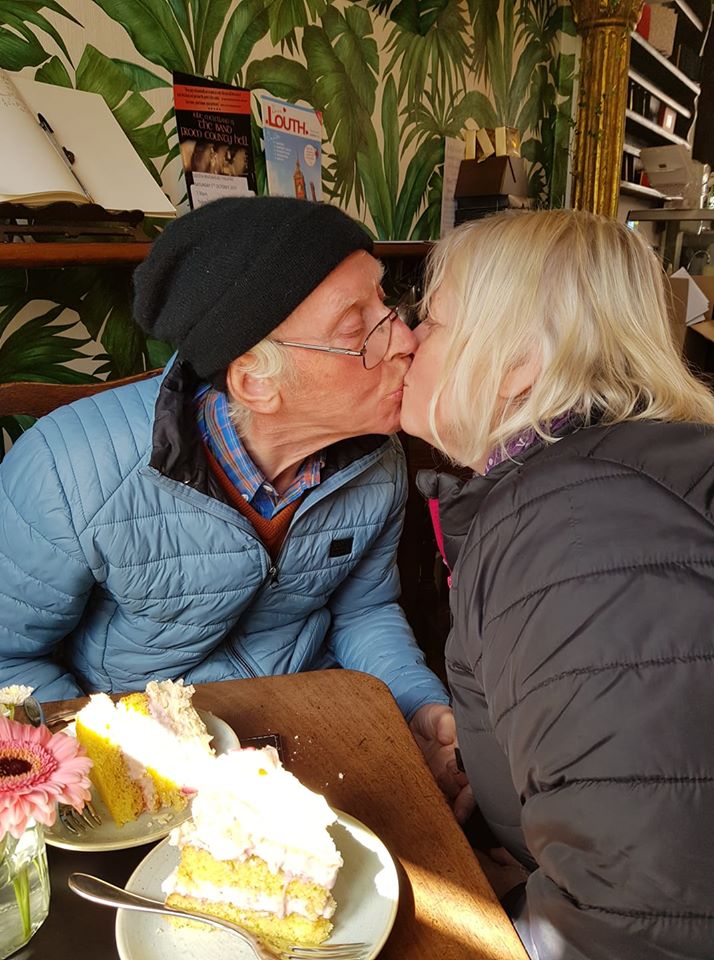
My darling Bob is a shell of what he once was but sometimes his face lights up when he remembers me and for those minutes it is worth it. My love for him is endless. I know somewhere deep inside him he remembers me. Sometimes he says ‘ she’s lovely’ or he tries to kiss me by mouthing kisses. I am filled with a strange mixture of terror and anticipation when I go to see him. My stomach rolls at what I might see and how he might be. All I know is I have to see him in order to settle myself. Then I try to get on with my life for the next few days until I am pulled back to him. My Bob.


Olew Hair Products – Natural Organic And Made With Love by Dr Kathleen Thompson


As we emerge from lockdown with overgrown hairstyles and far-too-visible roots, it’s time to take our hair back to its former glory – after all, people can see us now –there’s no more pretending your Facetime isn’t working. Some of us sprinted to the hairdressers the minute they reopened, for others, that’s still one step too far. Maybe we’re loving our new-found long hair and just need to improve its condition?

So what a perfect time to discover Olew, created by the lovely Elinor.

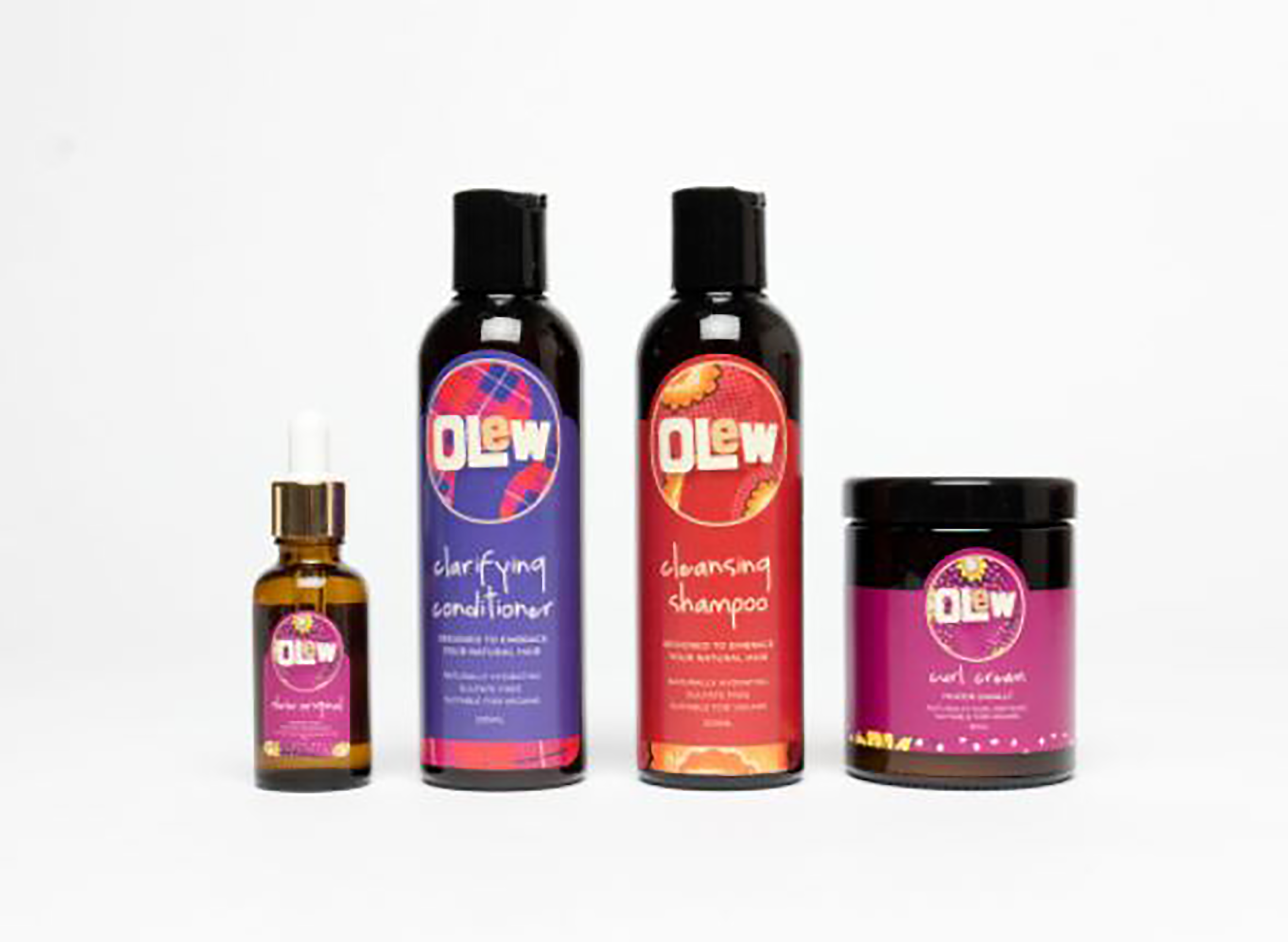
And what’s the secret of Olew? Well the clue’s in the name (if you happen to speak Welsh) – Olew is Welsh for oil and Elinor (a Welsh girl living in London) created her own recipes – simple but effective: 100% organic and ethically-sourced avocado, sweet almond, argan and other natural oils, fused with strengthening vitamins to encourage hair growth, elasticity and shine. They’re packed with antioxidants, but not with sulfates, parabens or silicones.

Olew products are specifically for naturally curly hair, like Elinor’s – that’s why she knows what works. So ditch the straighteners and flaunt your glorious curls.

I have to be honest – I don’t have naturally curly hair, but my lockdown-long, straight hair was desperate for some love, and the Olew products sounded so good, I was keen to road test them – albeit under false pretences.

So let me share my experience.

The package came with a personal note from Elinor herself, and a set of very useful instructions (below).

The Cleansing Shampoo and Clarifying Conditioner both had a delicate, natural perfume. I dabbed a little of each on the back of my hands. As I rubbed, they felt pleasantly oily, but were completely absorbed in seconds, leaving my skin wonderfully silky. Well if that was the effect on my hands, how would it be on my hair?

I was not disappointed. I used the shampoo and conditioner as directed by Elinor, then I massaged in a little Olew Original – an all natural nourishing and hydrating hair oil – you only need a small amount. Like the first two products, I could feel the oil but it was very light and I didn’t need to rinse it out.

Finally I gave the Curl Cream a whirl – yes I know I don’t actually have any curls to cream, but this special blend of jojoba, avocado and aloe apparently nourishes, moisturises, smooths and minimises frizz, so I wasn’t going to miss out.

And the results? My hair has been thanking me all morning. It feels and looks great, moisturised but light and fresh. I can’t stop flicking it from side to side, which the postman seemed to find a little disconcerting.

So whatever your hair type, these are really lovely products. However if you are blessed with a head of curls – they’ve been specially formulated just for you – so give them a try. And check out the Olew website to find some useful haircare tips too.

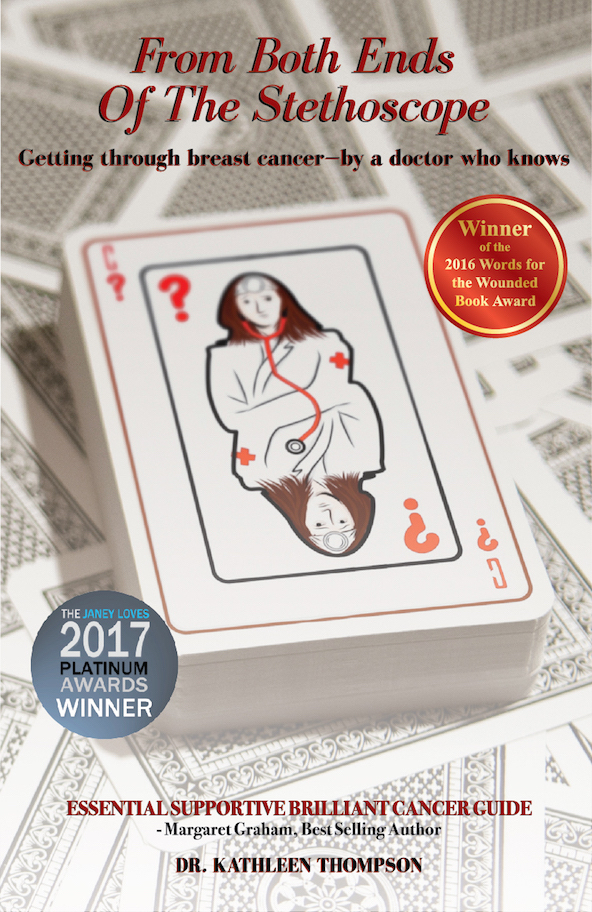
By Dr K Thompson, author of From Both Ends of the Stethoscope: Getting through breast cancer – by a doctor who knows

http://www.amazon.co.uk/dp/B01A7DM42Q http://www.amazon.com/dp/B01A7DM42Q

http://faitobooks.co.uk

Note: These articles express personal views. No warranty is made as to the accuracy or completeness of information given and you should always consult a doctor if you need medical advice.

Jose Cuervo Tequila – Your Chance To Win – Just Push The Button by Dr Kathleen Thompson


Tequila is very popular in the UK nowadays, and why not? When we think of Tequila we picture licking salt, tossing a shot to the back of our throat and sucking a lime in quick succession.

It’s fun – but the hedonist in me feels that there’s so much more to this fabulous spirit.

So what is so especial about Jose Cuervo Tequila Especial? Well Tequila is pretty exclusive – it’s only made in Mexico, and only four states are allowed to produce it. Naturally these regions include Tequila city, where, guess what, the Jose Cuervo distillery has been making Tequila since 1758. The process is slow and careful – huge blue agave plants are nurtured for anything from seven to fourteen years, then the piña, the very heart of the plant, is roasted and crushed to release the wonderful juices which are fermented and distilled. So after all that effort, how should we enjoy this very special and unique spirit?

Shots are traditional but it’s great sipped slowly on the rocks, or how about a delicious cocktail? The classic Margarita is my favourite, but there are some fabulous new alternatives too. You can find some really fun suggestions on the Jose Cuervo website.

Now for some great news. Jose Cuervo have created a new cocktail called Push The Button, in celebration of National Tequila Day (24th July if it isn’t in your diary). The recipe for Push The Button is below and frankly it’s heavenly (I’m sipping it now).

But, but, but, this new cocktail is named after an amazing competition to win a year’s supply of Jose Cuervo. If you win, you will literally just have to push a button and a bottle of Jose Cuervo Tequila will be sent automatically, directly to your door – for free, up to once a month for a whole year.

So here you go, enter now through the social media platform of your choice:

I: @JoseCuervoUK #PushTheButton #NationalTequilaDay

F: @JoseCuervo.uk

T: @JoseCuervoUK #PushTheButton #NationalTequilaDay

And if you win, or even if you don’t – enjoy your Tequila but drink responsibly.

By Dr K Thompson, author of From Both Ends of the Stethoscope: Getting through breast cancer – by a doctor who knows

http://www.amazon.co.uk/dp/B01A7DM42Q http://www.amazon.com/dp/B01A7DM42Q

http://faitobooks.co.uk

Note: These articles express personal views. No warranty is made as to the accuracy or completeness of information given and you should always consult a doctor if you need medical advice.

How I Finally Got My Natural Birth.

working mother, mother, working, freelance, blogger, mummy blogger, blogger, parenting blogger, blogger, writing,, pregnancy, birth, childbirth, hypnobirthing, Catherine Balavage, trauma, childbirth, women on childbirth As I write this it is my sons fifth birthday. He is happily playing with his new toys and his toddler sister is playing with a train track. The pain of my sons birth has lessened this year. The pain is not as searing. I wanted a natural birth with my son. I had gone to an antenatal class at the hospital and they had skipped over most of the birth part due to time constraints. The one thing they did cover was pain relief, and it all looked awful. Even the epidural which they said was the ‘only thing that actually works’ looked so invasive. A catheter? No thanks. I would have a natural birth. It would hurt, but it would be worth it. 

The birth itself was a series of little mistakes leading up to an emergency C section. I ended up having pethidine and an epidural. I have always been sensitive to drugs. I hate the feeling of being high, but by the third day of labour I could not take anymore. The midwives bullied me for taking drugs saying, ‘how much more pethidine is that baby going to have?’, but at no point did anyone induce me during my over eighty hours of labour until the very end. One midwife shouted and screamed at me at the top of her lungs while my water broke. I was bullied, abused and I thought my child and I were going to die. We both almost did. 

That is not what I want to talk about today. Today I want to talk about what happened two-and-a-half years later: I got my VBAC. Having a natural birth with my daughter was the most healing experience of my life. I was thankful it was at a different hospital with better staff. 

The trauma from my sons birth lead me to research childbirth and talk to as many women as I could about their experiences. This lead to me writing my book Women on Childbirth: Tips and Experiences from Women who Have Done it. I read everything I could about natural birth as I did not want another C section or any drugs. A book I recommend is The Positive Birth Book from Milli Hill. I was humbled when Milli was kind enough to contribute her birth story to my book. I also have to mention the team at St George’s who were so supportive. I cannot thank them enough. 

I decided to try hypnobirthing and I read everything I could about it. I was confident I could breathe the baby out of my vagina as long as I was in the right environment. I knew if I was as calm as possible things would go well. I wanted the room to be as dark as possible. I did not want any drugs as they slow down labour. I refused to have anyone other than my husband there. I was treated terribly by the midwives at the other hospital and I knew that it would be partly luck if I got a good midwife or not. I was not going in on just luck however: I was going in empowered with information and a confidence in the abilities of my body. 

I was in labour for over twenty-four hours but most of that was the early labour part which is not as bad. The pushing part was a few hours but it seemed to go faster. I was so surprised when the amazing midwife Elle told me I was ten centimetres. During my last birth I did not even get to five. The breathing really helped with the pain. 

Did it hurt? Of course it did, but a natural birth is only more painful in the moment. It does not hurt as much afterwards and the recovery is much quicker. The moment I pushed out my daughter and she was on my chest was one of the proudest moments of my life. The female body is an amazing thing and we need to have confidence that our bodies can do what needs to be done, but we also deserve to have the right environment to birth in so our bodies are able to do that. Birth rights are human rights. 


RNA announces contenders for 2020 Joan Hessayon Award

The Romantic Novelists’ Association (RNA) has announced the 2020 line-up for its prestigious Joan Hessayon Award for new writers.

The contenders for this award are all authors whose debut novels have been accepted for publication after passing through the Romantic Novelists’ Association New Writers’ Scheme. Each year 300 places are offered to unpublished writers in the romantic fiction genre. As part of the scheme, they can submit a complete manuscript for critique by one of the Association’s published authors as well as attend RNA events which offer opportunities to meet and network with publishers, agents and other published authors.

This year’s debuts show the wide range of stories encompassed by the romance genre, from the ever-popular romantic comedies, to fairy tale romance, romantic suspense, historical stories and paranormal thrills. From the house just down the street to the sun-soaked beaches of Italy and that different world that is the past, these books deal with themes we all recognise and hold close to our hearts.

Commenting on the contenders for 2020, Alison May, RNA Chair, said, ‘The New Writers’ Scheme is at the heart of the RNA’s commitment to nurturing romantic authorship and the celebration of the Joan Hessayon shortlist is a highlight in the Association’s year. This year has been different for so many reasons, but we’re still delighted for all these debut novelists and excited to announce our Diamond Joan Hessayon Award winner in this, our 60th Anniversary year.’

Imogen Howson, RNA Vice Chair, who previously co-ordinated the New Writers’ Scheme, commented, ‘In the midst of uncertain times, it’s immensely encouraging to see a record number of contenders this year for the Joan Hessayon Award. It speaks so well, not only of the hard work and talent of the authors themselves, but of the continuing health of the publishing industry.’

The Award will be announced on 5th September 2020 in an online presentation.

The Joan Hessayon Award is generously sponsored by gardening expert Dr. David Hessayon OBE, in honour of his late wife, Joan, who was a longstanding member of the RNA and a great supporter of its New Writers’ Scheme.

The full list of contenders for 2020 is:

Zoe Allison, Impervious, Totally Bound

Jan Baynham, Her Mother’s Secret, Ruby Fiction

Laura Bambrey, The Beginner’s Guide to Loneliness, Simon & Schuster

Victoria Garland, Finding Prince Charming, DC Thompson

Rosemary Goodacre, Until We Meet Again, Hera

Annette Hannah, Wedding Bells at the Signal Box Cafe, Orion Dash

Stephanie Harte, Risking It All, Aria

Stefania Hartley, Sun, Stars and Limoncello, Totally Bound

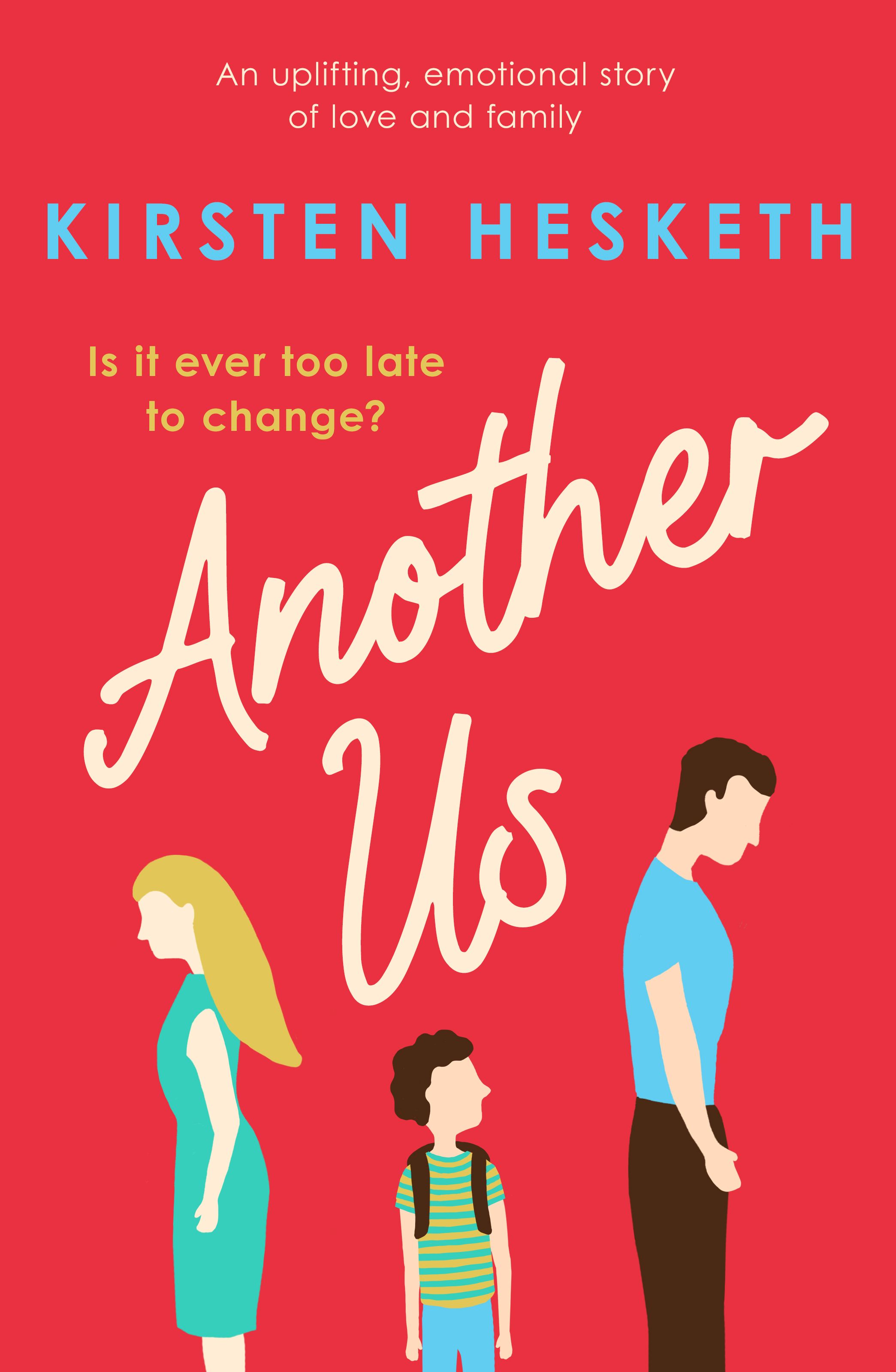
Kirsten Hesketh, Another Us, Canelo

Sharon Ibbotson, The Marked Lord, Choc Lit

Emma Jackson, A Mistletoe Miracle, Orion Dash

Lynn Johnson, The Girl from the Workhouse, Hera

Nina Kaye, The Gin Lover’s Guide to Dating, Orion Dash

Lucy Keeling, Make it up to you, Choc Lit

Ruth Kvarnström-Jones, Halleholm – Lovisas Choice, Printz Publishing

Mairibeth MacMillan, The Viking’s Cursed Bride, Tirgearr

Melissa Oliver, The Rebel Heiress and the Knight, Mills and Boon Historical

Maggie Richell-Davies, The Servant, Sharpe Books

Jacqueline Rohen, How to Marry Your Husband, Arrow

Kathleen Whyman, Wife Support System, Hera

Fiona Woodifield, The Jane Austen Dating Agency, Bloodhound Books

The New Writers’ Scheme has been run by the RNA since 1962 and is unique among professional writing associations. It aims to encourage fresh talent in the writing of romantic novels that reflect all aspects of love and life, contemporary or historical.

Manuscripts submitted under the scheme are from unpublished authors and are read by an experienced writer or editor who provides invaluable feedback. Any manuscript that is subsequently published as a debut novel is eligible for the Joan Hessayon Award. All eligible books are judged by a panel of experienced RNA members who are already published authors, and this year the final round judges are Rhoda Baxter, Author and Chair of Authors North, and Thorne Ryan from Hodder and Stoughton.