SISTER SCRIBES: CASS GRAFTON ON THE CHALLENGE OF NAMING CHARACTERS

What’s in a name? Or perhaps that question should be, ‘who’s in a name’?

I’ve realised that I have a two-tier approach to naming the characters in my novels. For the leads, I go to extreme lengths not to use names of people I know personally, but for all the background characters, I am more relaxed and confess a few of my friends have popped up—in name only, I stress—over recent years!

However, I certainly couldn’t use a first name for one of my leads—someone I spent a lot of time with, got to know and had probably fallen in love with—and then in a later book give the same first name to an unpleasant character.

This is not something I share with Jane Austen, who seems to have had a much more prosaic approach, often using a first name for a heroine in one novel and then giving it to an unpleasant character in another. These names were also prolific amongst her close family, including frequent use of names shared by her brothers and their wives and children!

One of the best examples is Elizabeth Bennet in Pride & Prejudice. She’s a strong, confident young woman, a character Jane Austen had clearly become attached to, as shown in a letter written to her sister, Cassandra, the day after the book’s publication:

“I must confess that I think her as delightful a creature as ever appeared in print, & how I shall be able to tolerate those who do not like her at least, I do not know.” 29th January 1813
Yet in her last completed novel, Persuasion, the author gives the name Elizabeth to Miss Elliot, who is cold, haughty and self-centred.

More amusing is Austen’s aversion to the name Richard. In the opening paragraph of Northanger Abbey, she refers to the heroine’s father as ‘a very respectable man, though his name was Richard’.

She does use the name across several of her novels, but only for non-speaking characters, with the most scathing reference in Persuasion.

“…that the Musgroves had had the ill fortune of a very troublesome, hopeless son; and the good fortune to lose him before he reached his twentieth year… He had, in fact… been nothing better than a thick-headed, unfeeling, unprofitable Dick Musgrove, who had never done anything to entitle himself to more than the abbreviation of his name, living or dead.”

Of course, there’s always the option of simply not giving a lead character a first name, something Daphne du Maurier did in one of my all time favourite novels, Rebecca. The book’s title is the name of the first Mrs de Winter, and the story is narrated by the second. This Mrs de Winter’s name is never revealed.

The author was often asked why this was so, and in a book she later wrote about her novels and writing career, Daphne du Maurier gave this explanation:

“…why did I never give the heroine a Christian name? The answer to the last question is simple: I could not think of one, and it became a challenge in technique, the easier because I was writing in the first person.”

Charles Dickens is, of course, notable for thinking up names to suit a characters’ nature or profession: Sloppy, Wopsle, Sweedlepipe, Pumblechook, Skimpole, Bumble and Toodle, to name but a few.

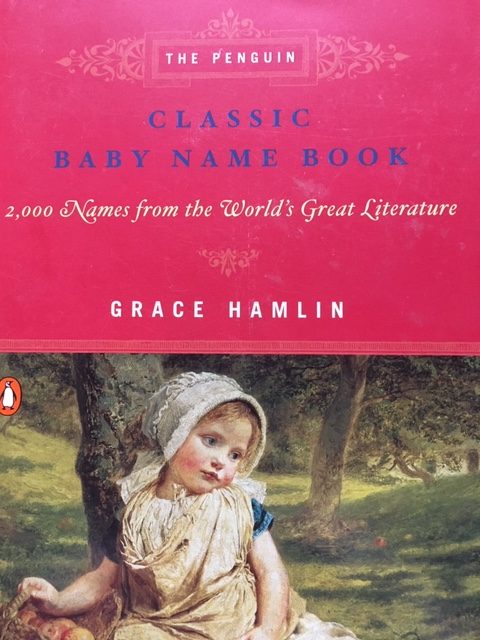
I think we can be pretty certain these weren’t people he knew in person, but—fabulous as they are—I don’t think it’s a talent I have. Perhaps it’s time to browse the Penguin Classic Baby Name Book for some inspiration…


Sources: Jane Austen and Names by Maggie Lane and The Rebecca Notebook and Other Stories by Daphne du Maurier and Jane Austen’s Letters, edited by Deirdre le Faye.

 

The Family Tree by Sairish Hussain – we all bleed the same


I don’t usually do tear-jerkers. Life can be heartbreaking enough as it is, and whilst I don’t want my fiction sugar-coated as such, I do object to being strung up by my heartstrings for kicks. More often than not, I find, it’s just not worth the emotional payout.

And yet. Sairish Hussain’s epic debut The Family Tree had me crying on four or five separate occasions – I can’t actually remember the last novel that had me cry once – and I didn’t resent the emotional bleed one bit. What’s more, I felt sort of gratified by it.

Let me back track a bit. When I first heard of this book, at a debut author showcase at HQ publishing, it wasn’t sold as an emotional rollercoaster. Hussain gave an impassioned 60 second introduction of her novel, lamenting the stereotyped and stigmatised representation of Muslims in fiction – terrorism, forced marriage and every other trope – which ultimately informed her tale of a regular British Muslim family, facing the kind of hardships that could befall anyone, anywhere. Well, she sure succeeded. And then some.

There are no shortage of hardships that befall the Sharif family.

The Family Tree traverses 20 years, beginning in 1993, when Amjad loses his wife during childbirth, leaving him with the care of his young son Saahil and newborn daughter Zahra. Understandably, Neelam’s untimely death remains a defining marker in their lives. An emblem remains in the form of a Pakistani shawl – a gift from her own mother – worn by Neelam as she died. Interwoven in its fibres is a tree, decorated with a bird montage. A grieving Amjad comforts his baby with the fabric, anointing each bird with a name from their family. At the top, watching, her mother. Literally, a family tree.

Enough spoilers.

Hussain has crafted a tale that is alive with culture. Amjad and his family are of Pakistani extraction, speaking both Punjabi and Urdu, as well as English. I can relate. As much as I adore cultural markers in any story, as a way of bringing them to life, I’ve taken a particular pleasure in enjoying the Pakistani or desi offerings in the books I’ve been reading of late. Hussain does this particularly well, from the trials of roti training, chilling with chai and flying chicken botis. I revelled in it all.

Diversity matters, people. For children, but for adults too, a bit of positive representation goes a long way. Especially for the generations who grew up without it.

Truly, this is a great book. I am in awe that Hussain – particularly as a debut author – never once shies away from the big issues, all of which we are all guilty of sweeping under the carpet. The Family Tree grapples with bereavement, homelessness, addiction, identity, race and all manner of cultural and political issues with a directness and sensitivity that is quite masterful for one so young to the craft. And yet, at heart, it remains a personal and a familial novel. This, I think, is Hussain’s unique brand of magic in bringing about The Family Tree.

I don’t, after all, cry easily. Perhaps I have learned to harden my heart over the years. Yet Sairish Hussain carries her characters with such intelligent empathy that you cannot help but open your heart to them. Feel for them. Weep for them.

Thank you for leaving my heart a little softer and a little warmer. And my mind just that little bit more aware.

Reviewed by Nadia Tariq

The Family Tree by Sairish Hussain will be realesed on Feb 20th, by HQ

Author Cara Hunter talks to Natalie Jayne Peeke our West Country Correspondent


credit Justine Stoddart

  1. Your latest novel All the Rage is the fourth  in the DI Adam Fawley series, tell me a little about it and how the series came to be?

The series started with Close to Home, which is a story about a missing child. The heart of that story came to me in the form of the final twist. I remember Sophie Hannah once saying that you always know if you’ve got a good twist if you can get it down to four words (look at Murder on the Orient Express – ‘They all did it’). Close to Home was a four-word twist – and no, I’m not going to tell you what it is! I then ‘worked backwards’, as it were, and developed the plot that led up to that final moment. That included creating the police team who investigate the case. So that, in essence, was the birth of Adam Fawley! I had no idea, of course, that the book would even get published, never mind become a series, but I’ve been very lucky that the characters I came up with for the first book have turned out to be so interesting. I’m learning things about them now that I never knew at the start!

As for All the Rage, this new story starts with the discovery of a young girl in a distressed state on an Oxford road. She’s clearly been assaulted, but refuses to press charges. But why? And then another girl goes missing…


  1. When did you first realise that you wanted to be a writer and how did you pursue your dream?

I used to write all the time when I was a little girl – I think every writer starts out that way. I always had a passionate love of reading too, and ended up studying English at Oxford (that was a dream-come-true as well). After that I spent a long time working in completely unrelated jobs like finance and PR, but I eventually found myself working as a freelance copywriter, which gave me some time to start writing creatively again. And the rest, as they say, is history.

  1. Where do you get your information and ideas from?

I watch a lot of true crime on TV (my husband teases me endlessly about it!). I find real-life crime particularly fascinating, not just because of what people do, but why they do it. It’s the motivation for crime that intrigues me most. But that’s just one source – I pick things up all over the place, like a magpie. My brain is a bit like a great big melting pot, where I throw all sorts of bits and pieces: something I see in the paper, a person’s face glimpsed in the street, something remembered from a dream, something overheard in a coffee shop. And eventually, if I’m patient, some of those scraps start to cluster together and a story starts to emerge.


  1. What do you like to do when you’re not writing?

See above! I also reads a lot (more crime!), I enjoy theatre and music and art, and I adore travelling. We just got back from Iceland, which was out of this world.


  1. Out of all the books you have written, which one is your favourite and why?

I have a fondness for Close to Home, because it started this whole rollercoaster ride, and because it was a Richard & Judy book. I think No Way Out probably contains some of my best writing, and my husband’s favourite is In the Dark. So I love them all in different ways – I guess it’s the same with children!


  1. What advice would you give to a new or aspiring writer?

Three things: practice, practice, practice! You also need a lot of determination in this game, and a thick skin, because there’ll always be someone who doesn’t like what you write (go and have a look at one-star Amazon reviews for the great classic novelists like Austen or Dickens for proof – it’s absolutely hilarious!).

credit Justine Stoddart

  1. How do you develop your plots, characters and settings?

One of the advantages of writing a series is that I have my police team already in place, so each time I sit down to start a new Fawley book it’s like meeting up with old friends. The same goes for my setting, Oxford. Everyone knows this city, and everyone can picture it, and that gives me the freedom to take readers to parts of the city which are darker and edgier. As for the characters in each separate story, like my plots, they come from all over the place – things I’ve seen or read, my own imagination, even bits of my own past, all mixed up together and reinvented as something new.


  1. Who is your favourite author?

I have many! I’ve loved Tolkien since I was a child, I still read English classic fiction, and I admire many of the great crime novelists writing today – Ian Rankin, Shari Lapena, Fiona Barton, Peter James, Nicci French…


  1. What books or authors have most influenced your own writing?

Those I just mentioned, and many others, both on page and screen. Joan Smith for her Loretta Lawson novels; Agatha Christie for her twists, Jed Mercurio for his mastery of pace, Ruth Rendell for her dark imagination. The list goes on.


  1. If you could tell your younger self anything, what would it be?

Be more confident. I so envy the self-assurance young people have now. I’ve never had that.


  1. What would you choose for your mascot/spirit animal?

A cat, no question. I have two (as readers of my newsletter and social media feeds will know!).


  1. If you could invite any 3 people alive or dead, real or fictional, to a dinner party who would you invite?

Bryan Ferry (yeah, yeah, I know).

The Romantic poet Samuel Taylor Coleridge, who was not only a genius but apparently the greatest talker of his generation (no danger of awkward silences there, then!).

And Joan Collins, because I know she’d make me laugh.

All the Rage by Cara Hunter is available in all good bookshops and Amazon, in kindle, audio and paperback.


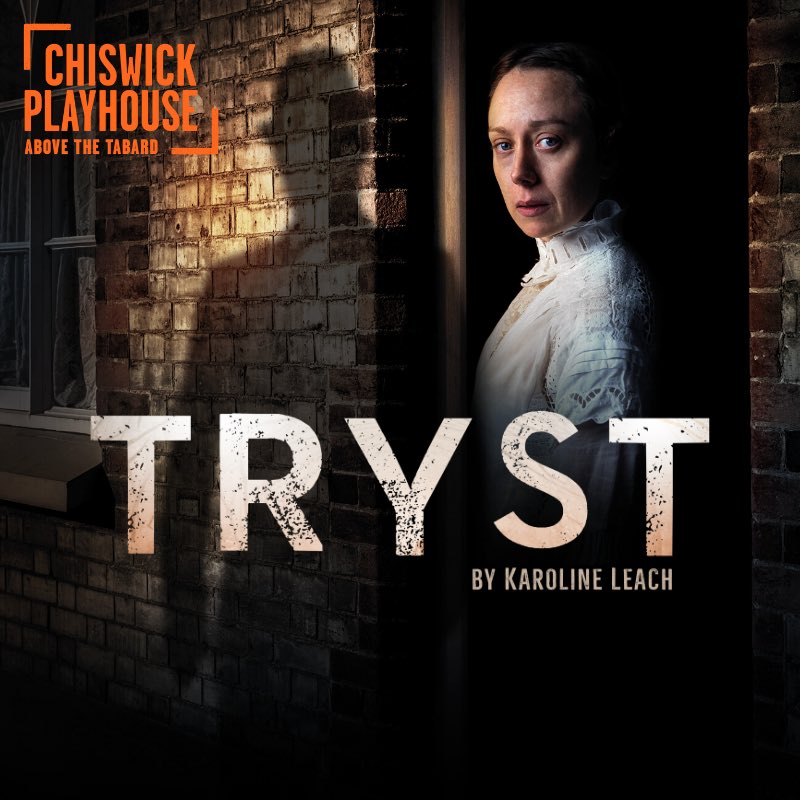
Tryst at Chiswick Playhouse, London Review by Paul Vates

dark and suspenseful, but, sadly, a little too on the safe side’

This play is based on a true story about the serial fraudster George Love, who, at the start of the 20th Century, took pride in tricking young women to marry him, then after the wedding nuptials he would take their money and disappear into the night. So far, so good…. or not, depending on where your sympathies lie.

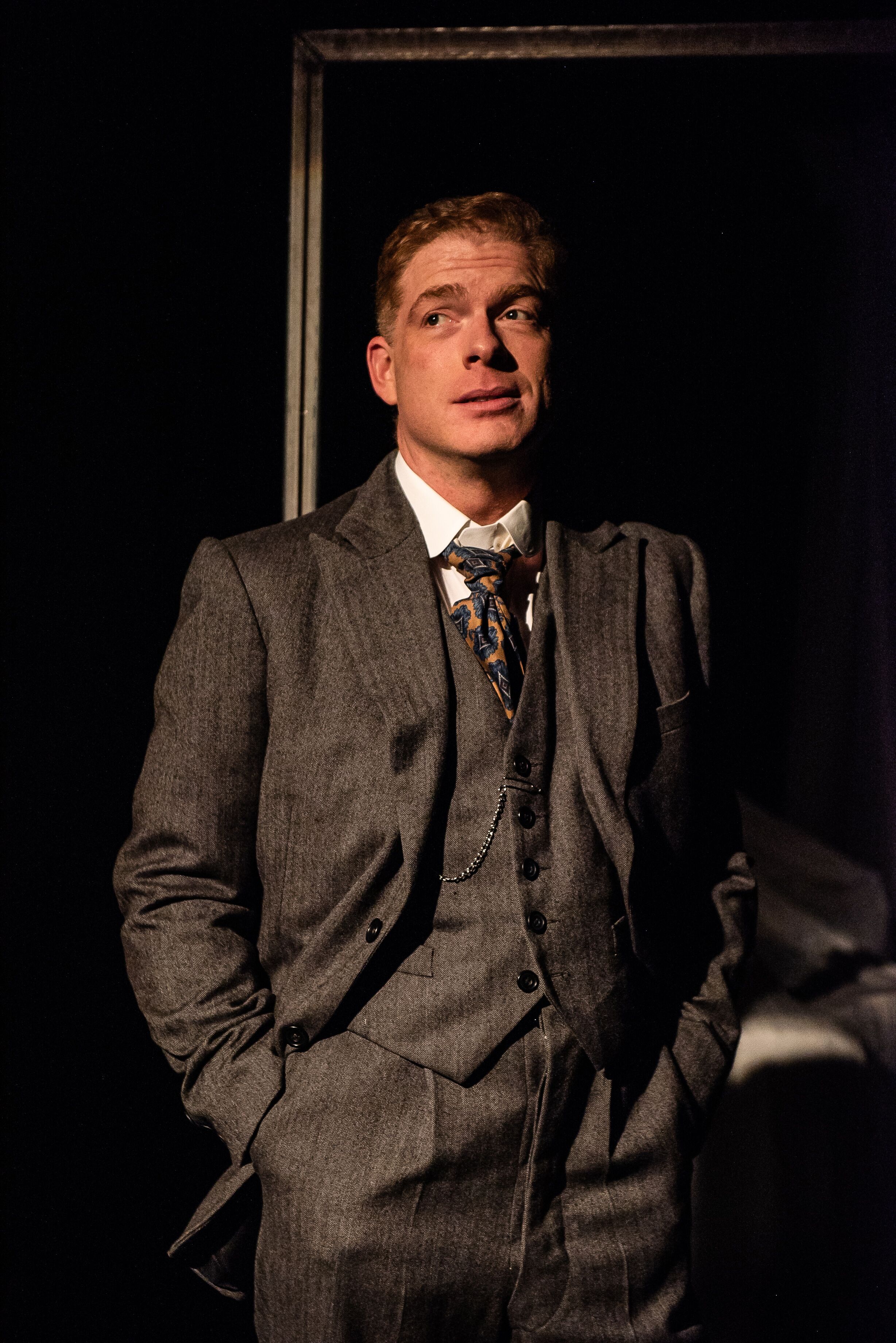
[Fred Perry as George]

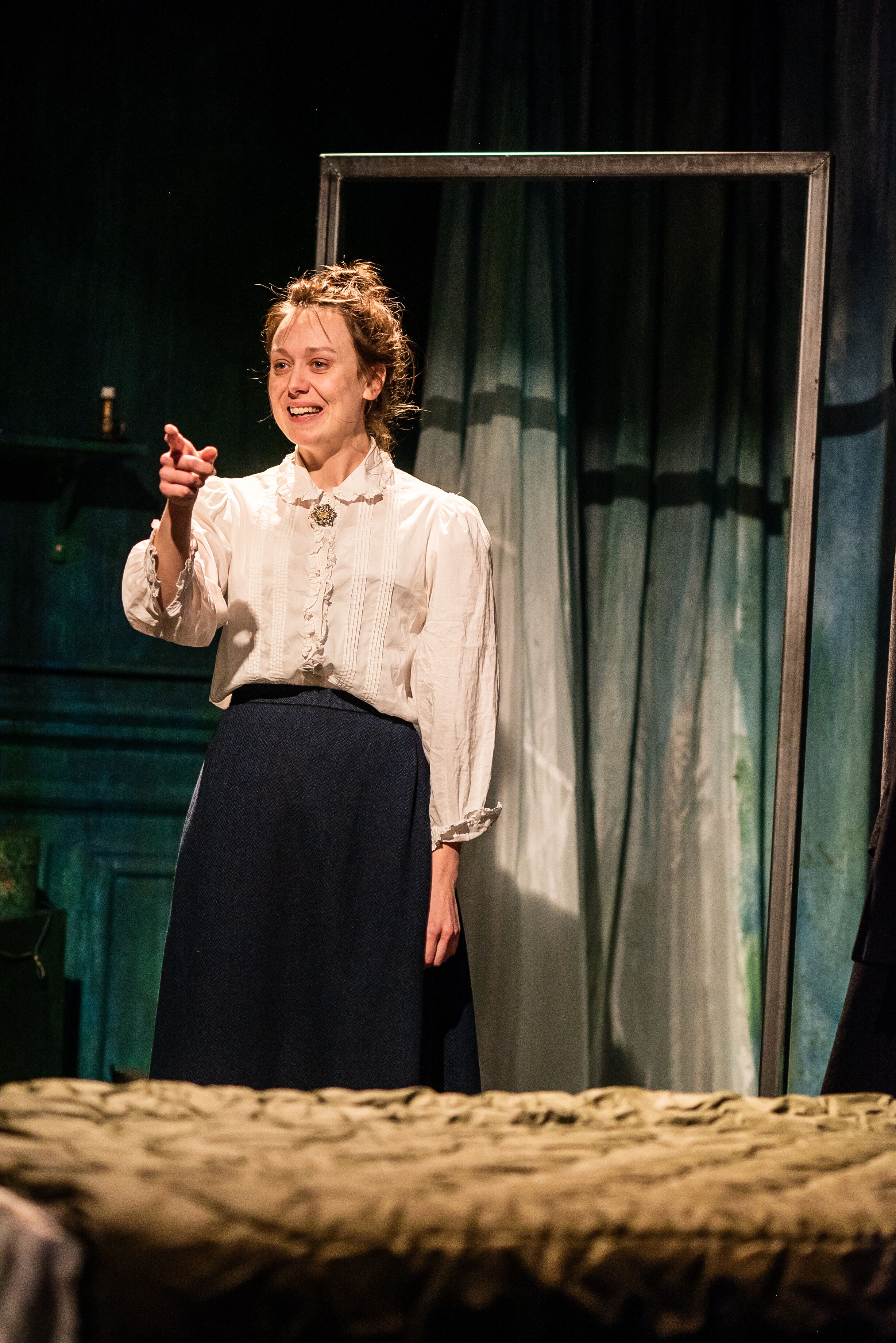
Fred Perry plays George – with that enormous task of making a rogue both likeable and believable. He has to win us over quicker than his victim, otherwise the whole exercise will be in vain. In that task, Perry succeeds. He is immensely watchable – as is Scarlett Brookes, all innocence and shocking vulnerability as Adelaide.

[Scarlett Brookes as Adelaide]

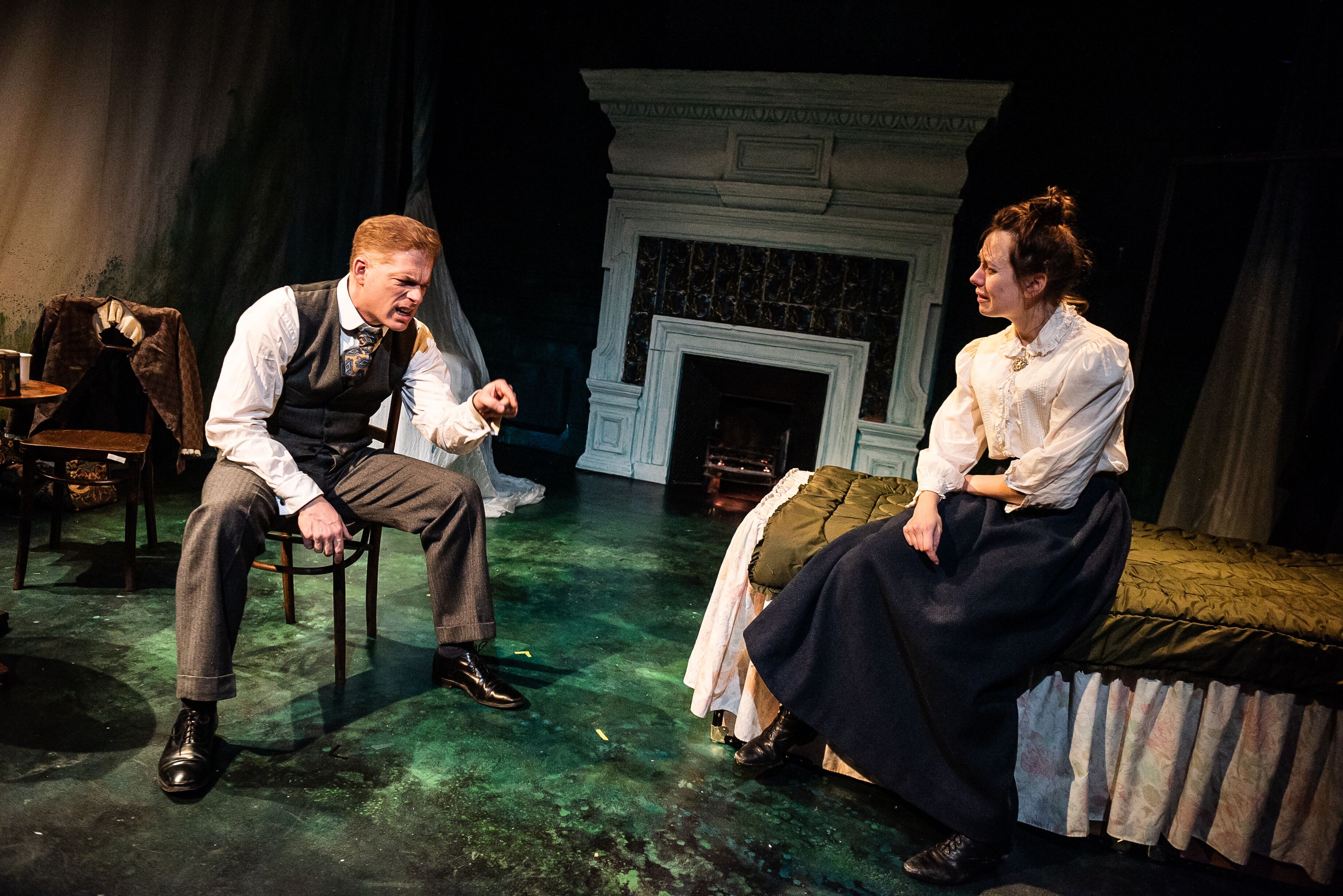
However, were it not for these two strong performances, the weaknesses in the play would be even more apparent. There is a confusion of styles: reportage and straight play – fourth wall and no fourth wall, as it were. Also the design is messy rather than stylish, at times I found my eyes just as confused as my ears. Karoline Leach’s script has a few monumental jumps in logic as the characters have their psychological battles. Who is in charge here? Is it George? Adelaide? The script? Hard to tell.

[Fred Perry and Scarlett Brookes]

Director Phoebe Barran has tried to make a serious thriller out of something not quite as clever as it thinks it is. Overall, there are many worse ways of spending an evening in the theatre – Tryst is dark and suspenseful, but, sadly, a little too on the safe side.

Paul Vates.

Photography ℅ Savannah Photographic

Producer Chiswick Playhouse Productions

Writer Karoline Leach

Director Phoebe Barran

Cast Fred Perry and Scarlett Brookes

Designer Jessica Statton

Running Time 85 mins (no interval)

Ages 11+

Performances until Saturday 29th February 2020 – Monday to Saturday at 7.30pm

Venue Chiswick Playhouse, 2 Bath Road, London W4 1LW

Tube Turnham Green (District Line and, occasionally, the Piccadilly Line)

Tickets Box Office and www.chiswickplayhouse.co.uk

Twitter @ChiswickPlay, #TrystChiswick

5 Things That Helped Me Get Fit & Healthy | Wellness

health, wellness, lose weight, women's health, wellness, Catherine Balavage, fit, fruit, strawberries, blueberries, spinach, tomatoes, When someone decides to go on a health kick there is usually a reason why. A health scare, a baby on the way, or maybe seeing a picture of themselves and thinking they need to lose a few pounds. My first health kick started when I was trying to get pregnant with my firstborn four years ago. A back injury had left me overweight and I had irregular periods. I was about to get married. In total I lose twenty-two pounds. Everybody thought I did it for the wedding pictures but, no, I did it for the blue-eyed boy I have now.

I got pregnant almost immediately. My second health kick happened when, you guessed it!, I started trying for baby number two. I lost less weight this time because I switched up my training, but I become the healthiest I have ever been and my body looked amazing. She took her time but nine months later I was pregnant again. Becoming a parent has made me health conscious. I want to be around to see my children grow up and take care of them. While consistency is still something I am working on, here are five things that helped me lose weight and get super fit.

1: I tracked what I ate.

I recommend everyone tracks what they eat. Even if it is just for a few weeks. The results will be shocking. We all underestimate how many calories we take in. You will also probably be horrified about how much sugar you consume. Healthy eating is hard. I was horrified that I was doing the classic mummy thing of allowing myself chocolate because I deserved it after a hard day. What I really deserved was to respect my body and not to load it up with sugar everyday. One day I had consumed over 100 grams of sugar. The recommended daily allowance is 30 grams!  MyFitnessPal or Lose It! are great apps for your phone to make tracking easy. You can also find out if you are having enough protein, fibre and carbs.

2: I exercised.

There are two kinds of people in this world: those who exercise and those who lie and say they have no time. Don’t be the latter. I love Fitness Blender and PopSugar. Both are on YouTube. Saying you hate exercise is like saying you hate food. You just have to find the kind that you like. The amazing Joe Wicks does Fit in 15. Excellent fifteen minute cardio workouts. You can forty-five minutes a week. Everybody can.

3: I made little lifestyle changes.

I gave up having sugar in my tea. Yes, I hated it at first but my taste buds changed and now I hate the taste of sugar in tea. I also made sure I upped my veg and fruit intake. Five-a-day is a minimum.

4: I stayed active.

The school run helps me to stay active. That and running around after my toddler. Walk more, do more housework or even just dance in the kitchen. Sitting down a lot leads to an early death.

5: I educated`myself.

There is a wealth or resources to help you stay healthy and fit. The NHS.co.uk has a huge amount of information about losing weight and getting fit. YouTube.co.uk has every kind of exercise video you can think of, plus talks on health. I love Women’s Health magazine and I also listen to podcasts. Channel 4 also have a great series called How To Lose Weight Well. It is important to keep looking for inspiration and new things. Losing weight and getting fit is only the beginning. Staying fit and heathy is just as hard.

I will share more things that inspire me and help me on my way to wellness. Good luck and please feel free to get in touch. I am on Twitter @Balavage or @Frostmag

Please note I am not a doctor or a medical professional. This article is about my experience.

DIAMOND DEAL AT THE HEART OF ROMANCE

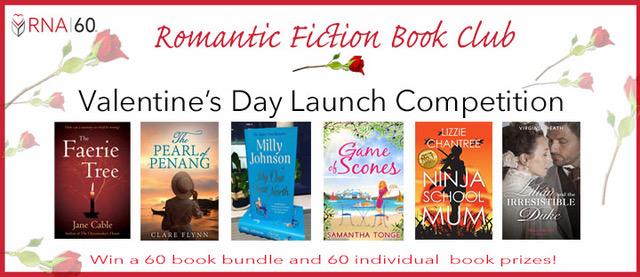
Like to win sixty romance novels to celebrate RNA60? Jane Cable on how – and why – you can.

Those who follow Sister Scribes will know the Romantic Novelists’ Association is very close to my heart. After all, I’ve made so many friends through it and it’s a wonderfully supportive organisation. But how to give something back? I’m not a committee person… I invariably end up wanting to run screaming from the room… so what to do?

Over a year ago I had an idea. It stemmed from a conversation on the RNA’s private Facebook group and it dawned on me that the RNA had nowhere on the platform to communicate with readers. Surely lovers of romantic fiction would flock to a page to chat about – and with – their favourite authors, especially with the strength of the organisation’s brand behind it.

Several other like-minded people commented on the thread so we got in touch and wrote a proposal for the RNA committee to consider, the result of which was a pilot of the Romantic Fiction Book Club with invited volunteer authors, bloggers and readers. All went well and it made sense for the launch to be part of the celebrations for the RNA’s diamond anniversary. We were given a date at the heart of Romance Reading Month – 14th February – but how to make a splash?

We toyed with Facebook live events and launch parties and various other concepts at the limits of our technical ability and then I came up with a crazy idea. What about a competition to win so many books it would make a massive splash? Sixty books, in fact. And sixty more for individual runner up prizes.

At the RNA last year conference I’d met Charlotte Ledger, editorial director of Harper Collins’ digital first arm, 0ne More Chapter. Heart in mouth I emailed her to ask if there was any chance at all they could provide sixty books. She came back within hours with a resounding yes, telling me her marketing manager would be in touch because she had some ideas.

Not just ideas, as it turned out, but expertise and enthusiasm. The competition could be hosted on their platform, they would administer it and provide promotional material as well as the prizes. I was practically dancing around the table with joy. Now all I had to do was find sixty RNA members willing to give a signed book as runner up prizes.

A post in the RNA’s private Facebook group and within twenty-four hours they were all pledged, which just goes to show what a fabulous organisation it is. As I write this the hard work is continuing behind the scenes to co-ordinate this aspect and the whole admin team is getting involved. The group is already open for new members but on launch day we can really start promoting it and the bookish chat should really take off.

“But how do I win sixty books?” I hear you cry. Simple… the link to the competition is here, and there are a number of ways you can enter. Just make sure one of them is to join the Romantic Fiction Book Club. https://gleam.io/EIObQ/one-more-chapter-and-rna-diamond-anniversary-book-giveaway

My heartfelt thanks go to the team at 0ne More Chapter and fellow admins of the Romantic Fiction Book Club, Lizzie Chantree, Julie Morris, Michele Josie and Ellie Henshaw who have worked so hard to make this competition happen.

The Living Wisdom of Trees by Fred Hageneder: Review by Mary Cooper

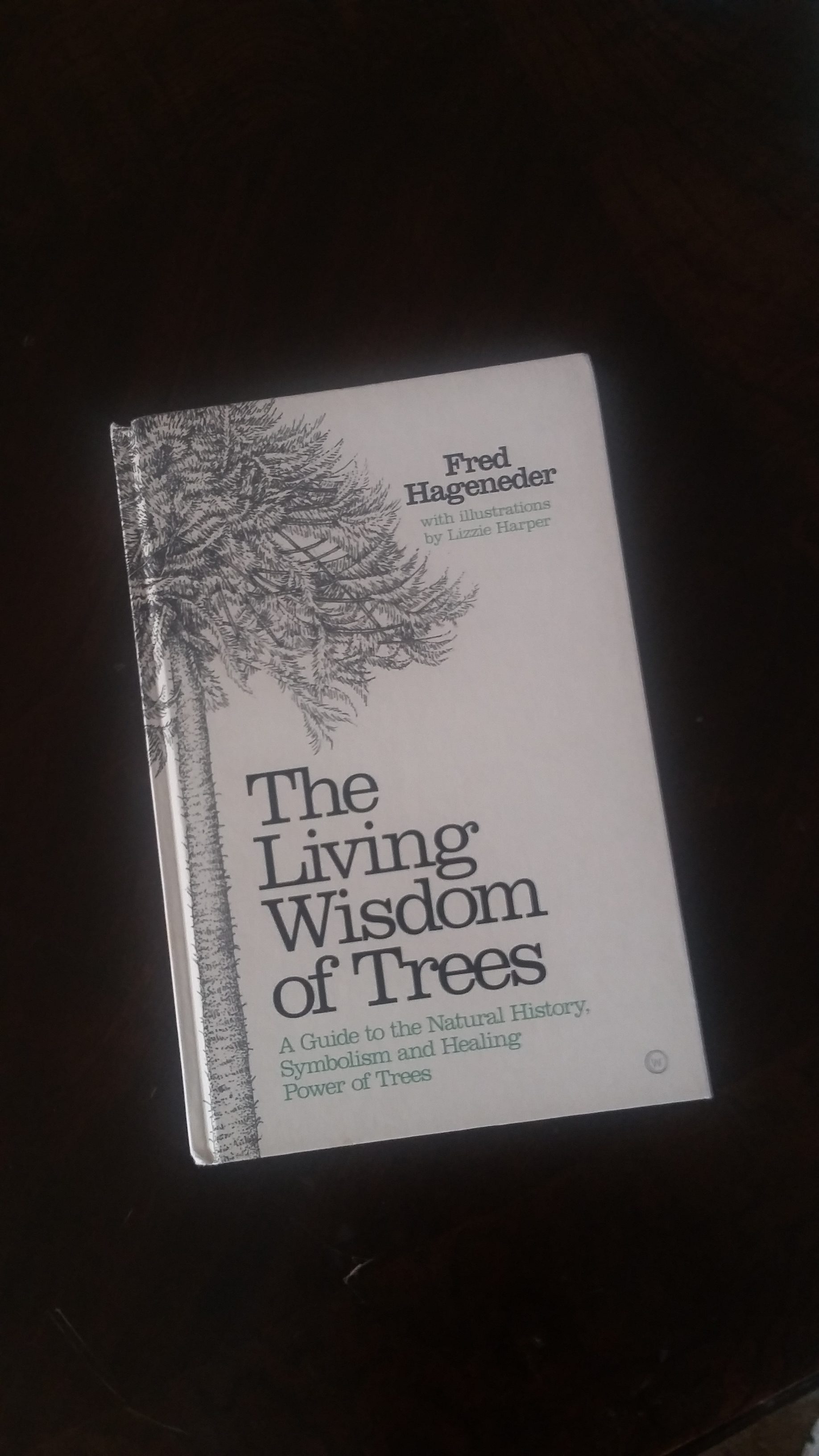
Fred Hageneder is in love… with trees. This is obvious from the passion emanating from his impeccably researched and illustrated book, The Living Wisdom of Trees (illustrations by  Lizzie Harper) 

Full of stimulating facts, thought-provoking symbolism and intriguing knowledge of the healing power of trees, it is a book that should be absorbed slowly. 

Run your hand over the sepia cover with its beautifully simple illustration of a monkey-puzzle tree. Open it and smell the innocence of childhood, to a time when libraries were magical places of silence and learning, and you will see that each tree — intricately but simply illustrated by Lizzie Harper, a talented natural history and botanical illustrator — is given its place.

From the humble apple tree with its quirky habit of regrowing thorns when left to its own devices, to the majestic willow tree; the bark of which is still used as an anti-inflammatory, then the giant redwood; believed to be capable of living for up to two thousand years, and the humble, thought-provoking yew. 

In the hollow trunk of the yew, a new ‘root’ develops, destined to take over the business of keeping the tree alive. Eventually the old trunk falls away, creating an apparently young tree. This, as you can imagine, makes the age estimation of yew trees very difficult.

In these days of uncertainty, when we are torn between instant profit and the long term future of our planet, take time to be transported on a reflective journey of times past, and allow yourself to be led into a world of hope for the future that is The Living Wisdom of Trees.

HB and Kindle available on Amazon.co.uk

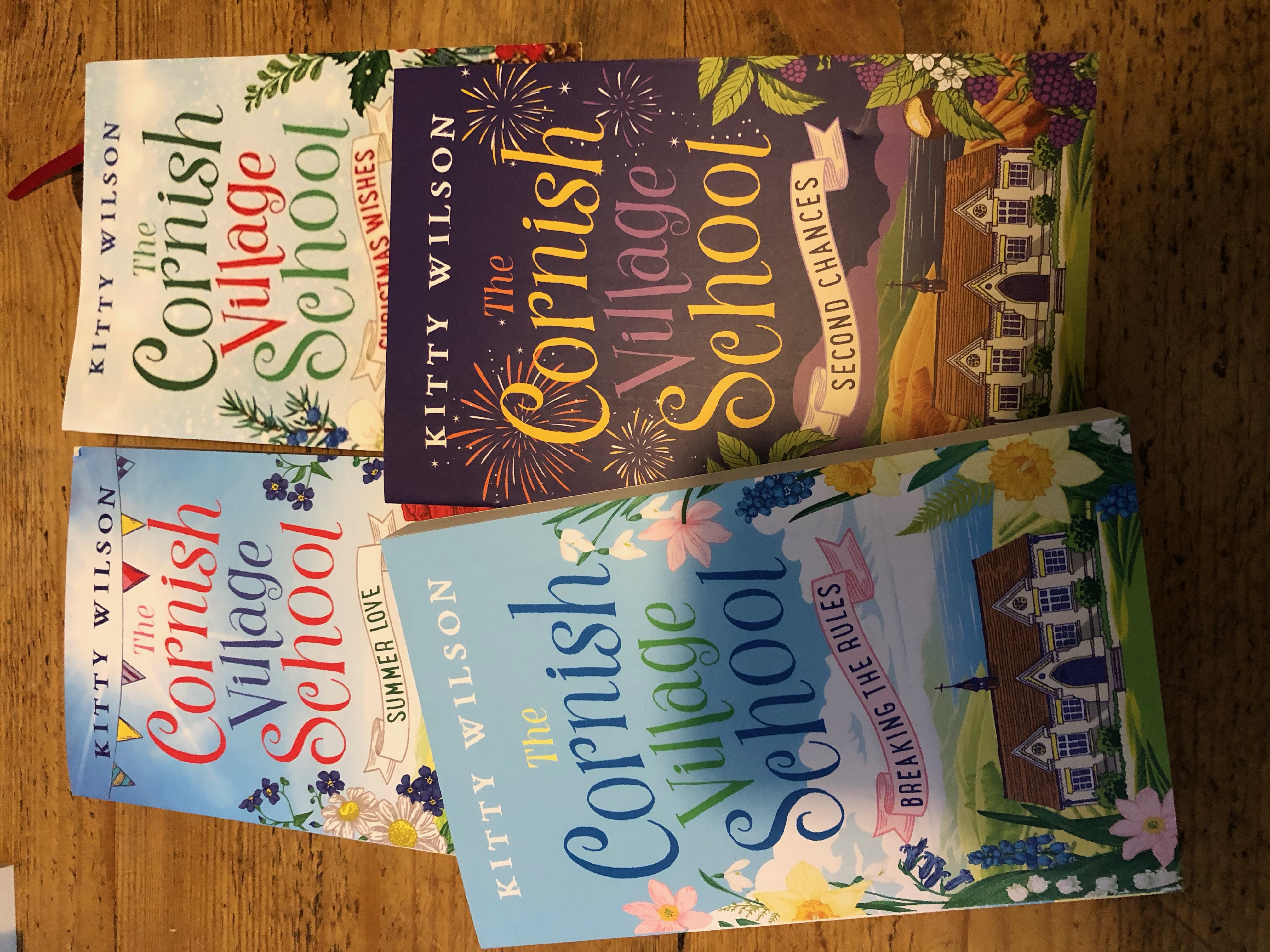
SISTER SCRIBES: KITTY WILSON ON WRITING A SERIES

When I wrote the first book in The Cornish Village School I had initially intended for it to be a stand-alone. The thought of turning it into a series wasn’t something that had occurred to me, not for one moment. But my publisher suggested that this was a great idea and I happily agreed. Being a self-flagellating writer type – many of us are –  I was astonished at the suggestion that readers would want to read about Penmenna School more than once but was very willing to do as I was told (such a good girl). I was worried though about what I would write about, how many single teachers can one small school have?

I am currently finishing writing the fifth and final in the series and have loved every minute of my time in Penmenna. It has expanded from a tale of a headteacher to a series that has embraced the highs and lows of a whole community and I am saddened that this is my last foray into the village. It was my choice but is bittersweet all the same. On the other hand whilst it feels odd to be on the brink of creating a brand-new world – I have inhabited Penmenna for the last three years – it’s exciting too. A whole new blank sheet to fill with whatever and whomever I want.

As a reader, I read the most when I was an adolescent, before the responsibilities of adult life caught up with me and I loved a series, then they were often trilogies. I devoured everything I could find on my mother’s shelves, the Jalna books come to mind, Norah Lofts, and R F Delderfield.

Why did I enjoy reading these books so much? With a series each book feels like returning to good friends. The start of a new book within a series is both comfortable and exciting, you have created a bond with the characters, feel you know them, where they’re going, and it’s exciting willing them on. The end of a book often feels as if it’s come around too soon, you want more time with them, you’re not ready to say goodbye.

The same is true when it comes to writing. Currently I am finishing up Marion’s story. She began in the first book as a velociraptor draped in Cath Kidston and was the ultimate baddie, loathsome. Having a series means I have been able to develop her and turn her into a heroine. I am fully rooting for her now and really hope readers will do the same as her story finishes.

But it’s not all been plain sailing. The tricky thing with writing a series, unless you plan every last detail (and I am a planner), something will come back to bite you. I have had so many plot possibilities pop into my head, have written chapters and then realised I can’t use them because they contradict something miniscule I wrote in one of the other books. So, whilst you know your characters better – a bit like real people – certain things have happened in their world which prevent them from moving on in a way that would be helpful to your current plot. And you have no-one to blame but yourself.

Do keep your eyes peeled for the cover reveal of the final book in The Cornish Village School series, it will be coming on Valentine’s Day and I cannot wait to share it with you.