Living with Alzheimers – A New Challenge for 2020 by Chris Suich

 new challenge for 2020 Bob Suich Chris Suich

Welcome to the New Year 2020! Christmas came and went. We had a pleasant enough one without incident. Can’t say that of the new year though.

The first few days of 2020 were a bit of a challenge. I noticed Bob’s ankle was a bit puffy after his bath. I’ll have to keep an eye on that, I thought. Perhaps his sock was too tight around his ankle, but I thought I’d put on his open topped non-elastic ones.

The next day his lower left leg was huge and his foot resembled a block of lard. No understanding or pain noted from Bob.  It was Saturday, no GP available. I went on the NHS website to check and rang 111 just to make sure I wouldn’t be wasting anyone’s time if I took him to the ’Walk in Care’ at the local hospital. I realised it probably was a blood clot as the answers pointed to that. The lady rang me back from the NHS helpline to tell me I’d got an appointment for 8.30pm and to take him in. We were seen by 11.30pm.

It was an endurance test for us both. Bob wanted to go to bed, he’d been saying this every two minutes since 3pm and was getting more and more distressed.

‘Let’s do a runner,’ he whispered conspiratorially. It crossed my mind. Then he’d ask everyone if they were a doctor and that he thought it was ridiculous that there were no doctors there. If someone spoke loudly or a child squealed it upset him.

There was a blood clot. He had a scan to confirm on the following Monday. We had to go in again on the Sunday and Monday for an Injection of blood thinner in his tummy; another endless wait.

Finally, I think the penny dropped that waiting for hours for a two minute injection was stressful for Bob and the waiting audience of patients. I was presented with 10 injections, a safe needle disposal box and told to get on with it. Nurse Suich at your service!

Poor Bob. I was now the baddy, hurting his tummy every night. What fights we had getting that needle in – and how close did I come to getting it in me, not Bob.  A Carry On film comes to mind.

I still feel though the physical side of caring isn’t the hardest part: the hardest part is the loss of freedom, the absolute tie, the relentlessness of the duty, the repetitive nature, the hyper vigilance of constant watching, the fact you can no longer call your life your own.
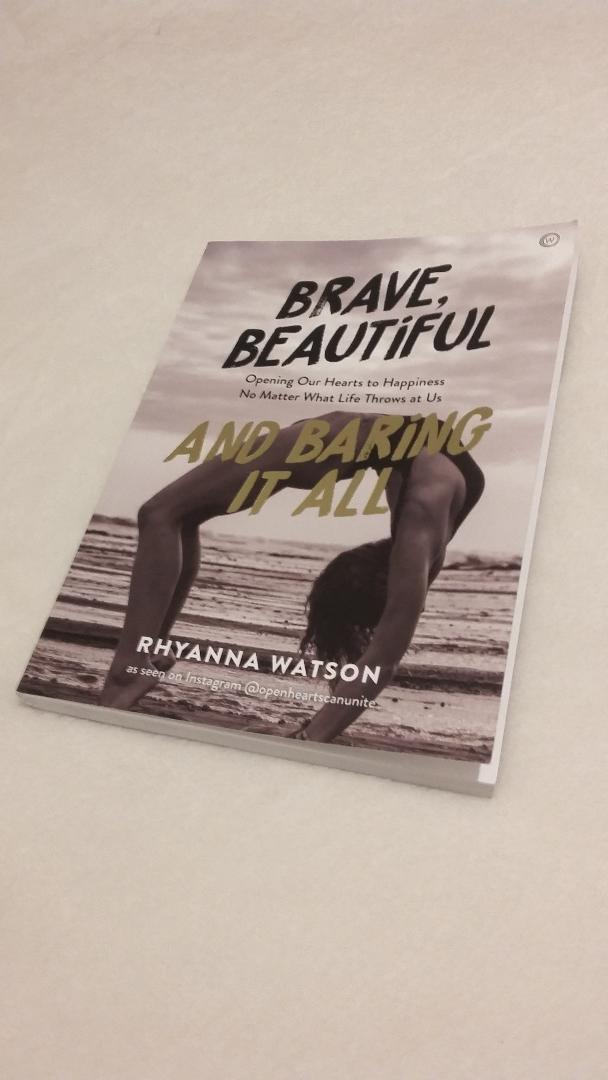
BRAVE, BEAUTIFUL AND BARING IT ALL by RHYANNA WATSON: Reviewed by Mary Cooper


When I first picked up Brave, Beautiful and Baring it All, by Rhyanna Watson, I instantly judged her; questioning her motives for using naked and semi-naked photos of herself throughout the book, for sharing her experiences with strangers, deriding it, not taking her seriously.

Not listening to what I was reading, I cast it aside.

Luckily, I picked it up again and opened it: page seventy-two, Befriend your inner critic.

I was horrified to realise that I had been hyper critical of Rhyanna Watson, and her book before I had even read it.

What would I say to her if she was standing in front of me, if she was a friend? Would I be so critical of what she had chosen to share with me? Would I scoff at her photos? No, I would not. I would tell her that she is brave and that I wish I had her courage.

I am so glad that I went back to the beginning and, closing my critical eye, read as if she were a dear friend.

The difference was astounding.

I began questioning my inner voice; asking myself the reason behind feelings, reactions and my blind responses to them. And although I know with a certainty that as a sixty-four year old grandmother with a mummy tummy, it is very unlikely that I will bare my body to the world, but I do intend to listen honestly to what people are saying to me, and think honesty about what I’m going to say before I open my mouth.

Didn’t someone say that whatever we focus on becomes stronger?

Brave, Beautiful and Baring it All, is an exciting self help book which incorporates yoga teachings and meditations, it encourages us to stop and take stock from time to time; to focus on the good in others and how wonderful life is.

Rhyanna Watson, you are a brave, beautiful and honest human being.

Brave and Beautiful is available here.


SISTER SCRIBES: CASS GRAFTON ON WHY WRITING IS A NEVER-ENDING ADVENTURE

For me, pursuing a career as a writer is not just a journey; it’s an expedition into a world I’m still discovering. It’s ‘the world inside my head’ meets ‘the world out there’, and they are only on their third date. It seems fair to say, therefore, that I’m not only a writer but also an explorer.

I’ve been published since 2013, a combination of solo and co-writing across seven novels, some indie published and some with a publisher, Canelo Escape. Everything I’ve written so far has had, at its core, a love story —I love romantic storylines.

So, how is my writing career now on its third ‘date’? It’s to do with the genre of romance and the many categories that further define it. I’ve published in two of these ‘sub’ categories: historical romance (Regency era) and time-travel romance. These were the first two ‘dates’, and they went quite well—I’m certainly going to be seeing them again—but for now I’m rather excited about my upcoming third. This date is with contemporary romance.

When I was young, I dreamed of writing love stories, but always in the present day. No breeches and fluttering fans; no flitting to and fro through the centuries courtesy of a charmed necklace. My dream was of writing modern romances—relatable, believable and with characters doing everyday things, but always, ultimately, falling in love.

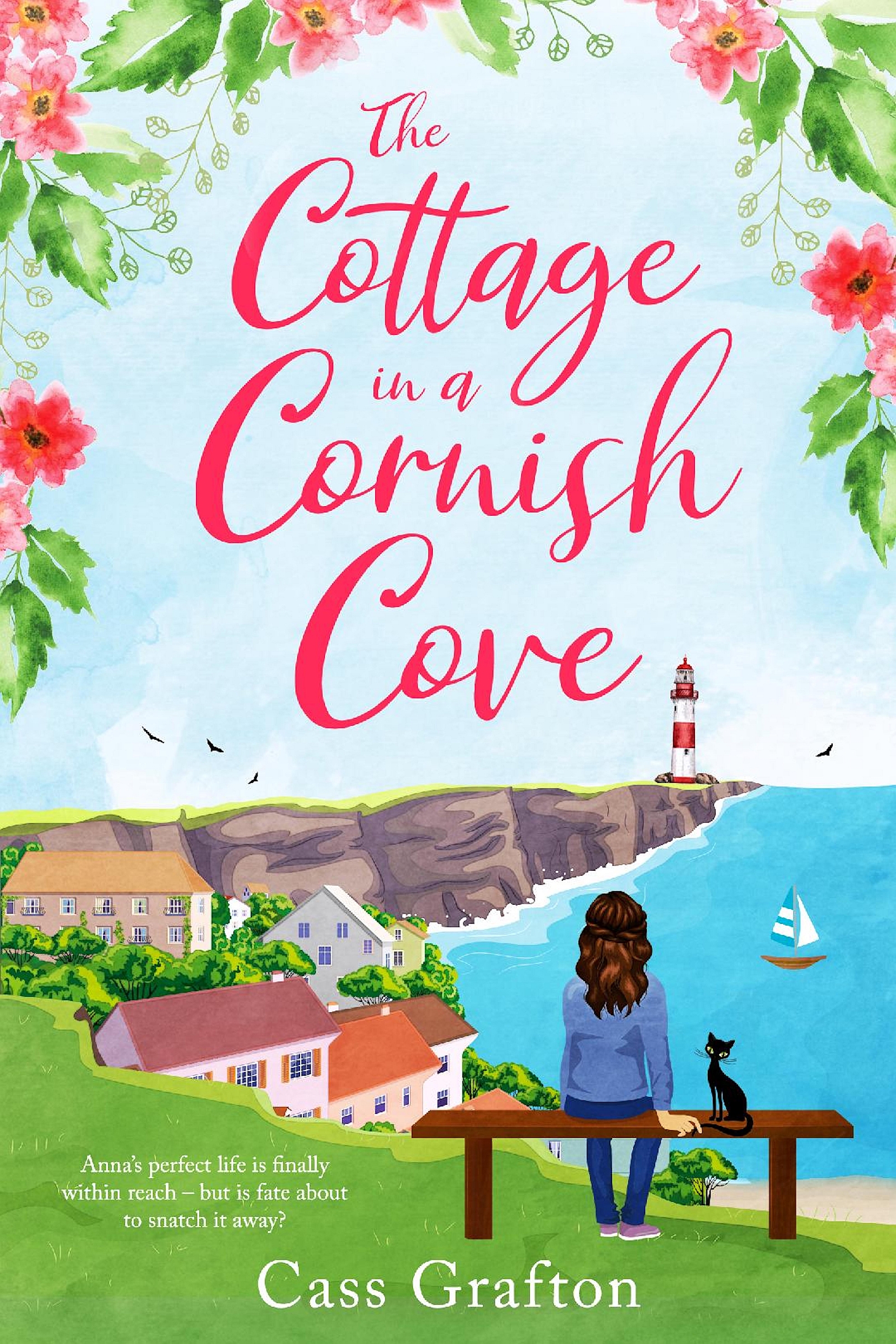
I’ve been toying with the idea behind The Cottage in a Cornish Cove since the days when my hair was a box-shaped perm, my shoulder pads needed scaffolding to support them and keeping in touch with non-local friends was done by a landline phone or with good old pen and paper.

Although the story I’ve now written bears little resemblance to those initial ideas other than the inciting incident that sets the plot in motion, I view it with the affection of an old friend, one of those worlds inside my head that simply took a long time to emerge and meet the world outside.

So what’s it about, I pretend to hear you cry?

It’s a heart-warming tale of discovering all you never wanted is exactly what you need.

Much of Anna Redding’s happiness as a child came from the long summer holidays spent with an elderly family friend, Aunt Meg, in the charming village of Polkerran.

With Aunt Meg’s passing, Anna is drawn back to the West Country, relocating to the Cornish cove where she was once so happy. Settling into her new life, and enjoying her work for the older, reclusive and—to be honest—often exasperating Oliver Seymour, Anna is delighted when Alex Tremayne, an old crush of hers, reappears in Polkerran and sweeps her off her feet.

The stars finally seem to be aligned, but just as Anna thinks all she’s ever wished for is within reach, a shock discovery reveals she’s living a dream that isn’t hers…


As for those other dates, is the adventure over? Definitely not! They are part of my on-going expedition, my journey as a writer, so I won’t be deserting them. Ada Bright (my co-writing partner) and I still have a third time-travel romance up our sleeves, and I have two Regency romances in the works, which I hope to finish soon.

In the meantime, though, if you’re up for a bit of eavesdropping on my third date, come and join us in gorgeous Cornwall, wallow in the quaintness of Polkerran, get to know the locals and fall in love with romance all over again.

The Cottage in a Cornish Cove will be released on 11th February 2020.


SISTER SCRIBES: JANE CABLE ON PLANNING FOR CREATIVITY

It’s the first morning of the decade and I’m making plans. Or rather I’m ordering dreams and prioritising my wish list, licking them into some sort of order. But shouldn’t the magic of creativity just be allowed to flow?

To my mind that’s a ridiculously self indulgent approach when you have chosen writing as a career. Having some sort of plan is so much better than sitting at a crossroads scratching your head. I have so many ideas for books I’ll probably never write them all – but which should I be following up? And what else needs to be done to make them successful?

Over the last few years I’ve developed a plan for planning – an easy ‘to do’ list for January 1st (or thereabouts), which keeps me on track.

  • Scrawl a quick review of the previous year in two sections – what went well, and what didn’t. Coming straight off the top of your head helps focus on what’s been important to you; what you need to do more of and what needs putting right.
  • Consider how you’d like to develop your writing life this year in each and every direction. For me the most important things are to understand more about (and hopefully write!) books with stronger hooks, and to find out more about winning at Amazon. Once you’ve worked out what your priorities are, allow yourself to dream a little – where would you like to be in five years’ time? How will this year’s plans help you to get there?
  • Now you have the basics you can set out your goals for the year. In my business life I had many clients who used the SMART system (specific, measurable, attainable, relevant and timely) and they’re a pretty good rule of thumb for writing too. Except I quibble a little with ‘attainable’ here, because I like to think in writing we continue to grow beyond our current skill sets – and what’s wrong with stretching ourselves anyway?
  • Next write down what you’re not going to do this year. It may sound a bit negative, but most people are prone to a bit (or a lot) of time wasting so cutting the draining tasks from your life is actually one of the most productive things you can do. One of my weaknesses is volunteering for too much so I’ve promised myself nothing new this year.
  • Then write down what you are going to do – the things that will make the biggest difference to your reaching your goals. What works in your writing life? What makes you feel good about it? What do you have to do more of to succeed?
  • The last part of my plan is to break down my goals and put them on a timeline. I do a rough quarterly guide, then an action plan for the first few months of the year. This will develop as projects move on. I also use quite small boxes for each month so I’m not tempted to overfill them and tackle too much too soon. I have a tendency to want everything to happen now, so this is very useful in spreading the workload. And, of course, it leaves room for some all important flexibility. Because even in the most ordered of worlds, real life happens.

So all this comes with a caveat: you can only plan everything when you are in control of everything. And in writing, as with most careers, you’re not. I was expecting my next book to be out by now, but it isn’t. Nobody’s fault – just one of those things. And I suspect when I look back this time next year there will be other things that haven’t happened too. But without any plan at all, I wouldn’t even know where to start.


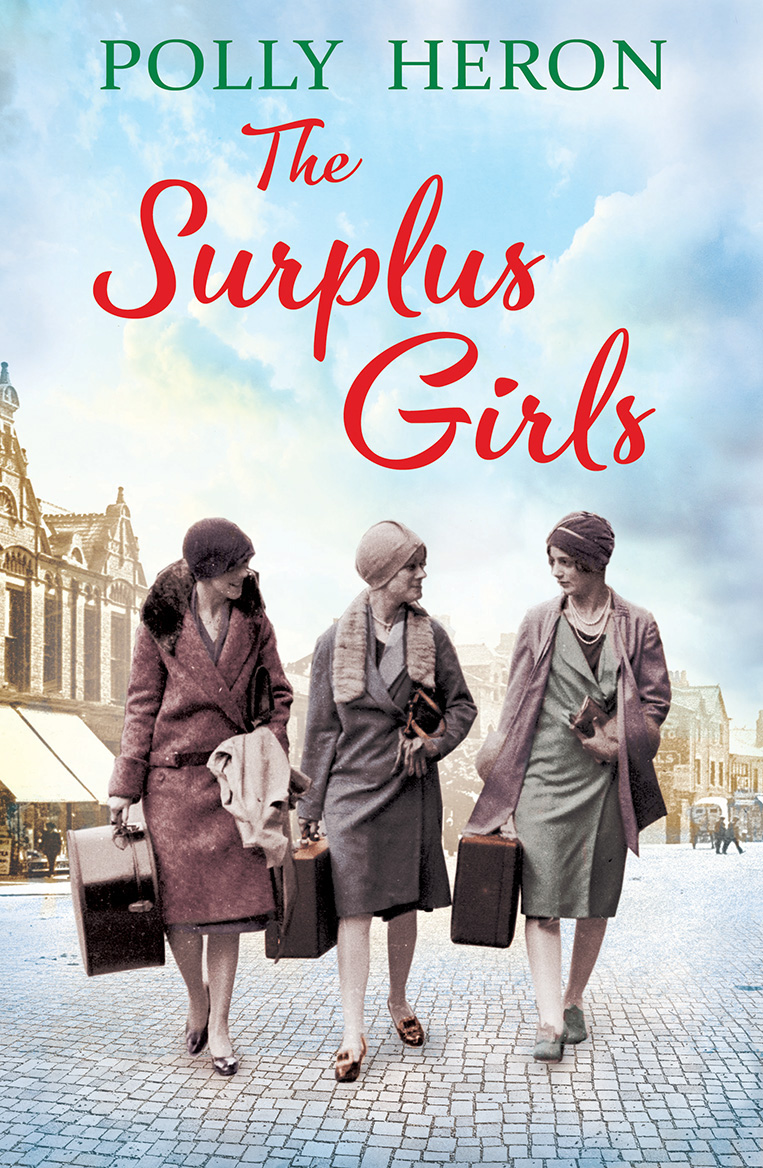
The Surplus Girls by Polly Heron

I’ve been excited about The Surplus Girls ever since fellow Sister Scribe Susanna Bavin (writing for Corvus as Polly Heron) told me about the concept over a year ago. It is just such a brilliant idea to write about the lives of these neglected women, living in the aftermath of the first world war, in the form of a series of sagas.

The surplus girls were, quite simply, the women who lost fiancés and boyfriends (or even just potential partners) in the war. Whatever their class they had been brought up to expect marriage and children, but now there were not enough men to go around and they were ill prepared for any other sort of life. Most would need to find gainful employment with little or no training, and all would have to look for other ways to make their lives as fulfilling as possible.

The Surplus Girls is set in the suburbs of Manchester in the early 1920s, with a cast of characters from both working and middle classes. Belinda Layton, a mill worker, lives with her late fiancé’s family and after four years of deep mourning is beginning to feel a little smothered by their kindness and intense grief. Belinda’s own family is even further down the social scale, living hand-to-mouth as her feckless father drinks away what little they have.

When Belinda bumps into her old teacher she hears the term ‘surplus girls’ for the first time and is forced to consider her future, beginning to dream of leaving the mill and working in an office. At first this seems hopeless, but then she is introduced to spinster sisters, Prudence and Patience Hesketh, who have their own reasons for opening a business school for young ladies.

Polly Heron has a rare talent for portraying the atmosphere of a setting with a few carefully selected sentences, which never detract from the pace of the plot. And pacey plot it is, making The Surplus Girls hard to put down.  The detail of the era is there, forming a rich background tapestry, but I never once felt I was bogged down by it. While I could see, hear and breathe the world the characters inhabited, as I reader I was free to enjoy being transported there and immerse myself in their story. And it takes a great deal of skill for an author to achieve that.

A PUBLISHER’S YEAR: DECEMBER – PUBLICATIONS AND PROSPECTS

Hello and welcome to the final Sapere Books update of 2019! We’ve had a fantastic year and it’s all thanks to the incredible authors who have trusted us to publish their books. We aren’t signing up many new authors at the moment because we already have such a great list we are looking after, but we are leaving our submissions page open in case anything pops up that we just can’t say no to!

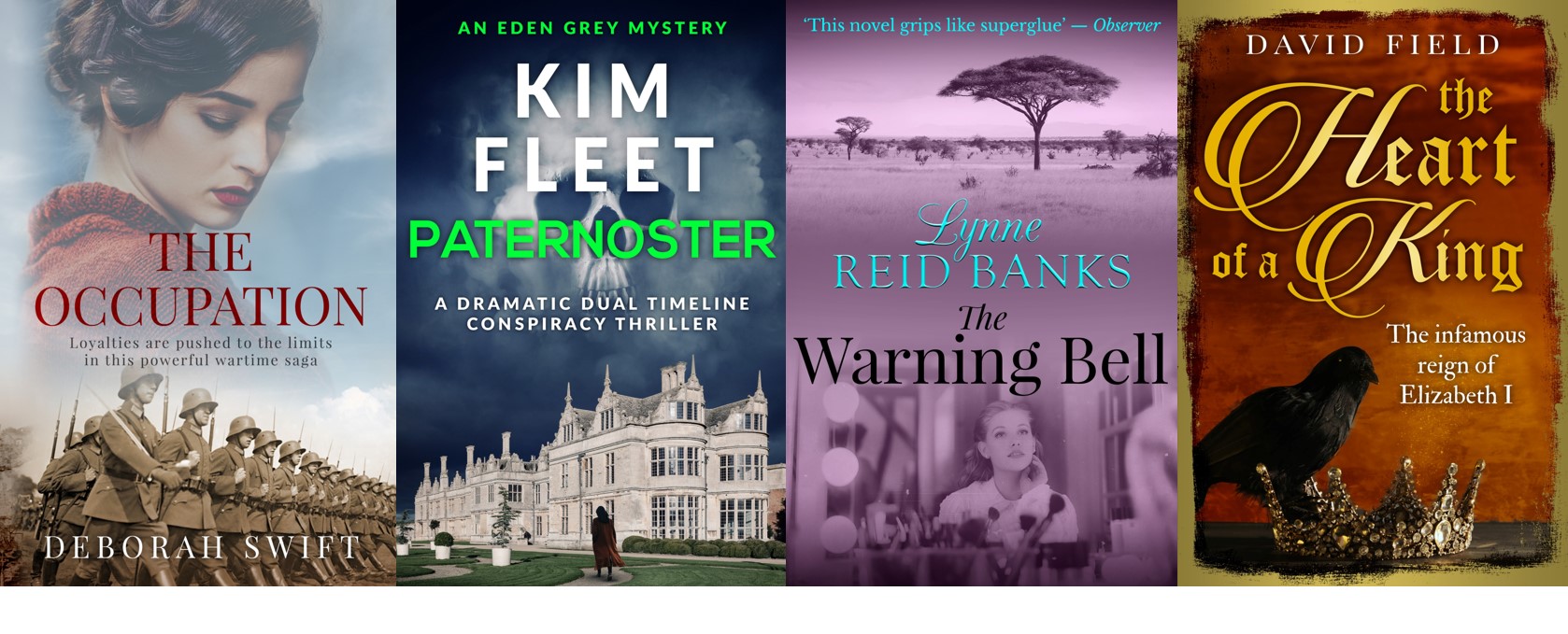
We are rounding up the year with the publication of some more brilliant fiction. Over the past few weeks we have reissued three of Alan Williams’ classic espionage novels, published THE OCCUPATION – a brand new Second World War saga by Deborah Swift, launched the last book in David Field’s Tudor series and republished PATERNOSTER – the first book in Kim Fleet’s time slip thriller series. We also reissued THE WARNING BELL – a historical novel by award-winning author Lynne Reid Banks.

All of our authors are busy with new works in progress and we have lots of exciting projects to launch in the new year. As well as our thriving fiction list, we will soon be launching our non-fiction list. Richard Simpson, one of my fellow co-founders is currently looking for military history books, in particular backlist titles, and he is preparing the first few to launch on our second anniversary next March.

Thank you to everyone who has been following these update, and to Frost Magazine for hosting us, and we hope you all have a wonderful Christmas and a prosperous New Year! We are very excited to see what will happen in 2020. Watch this space!


Amy Durant

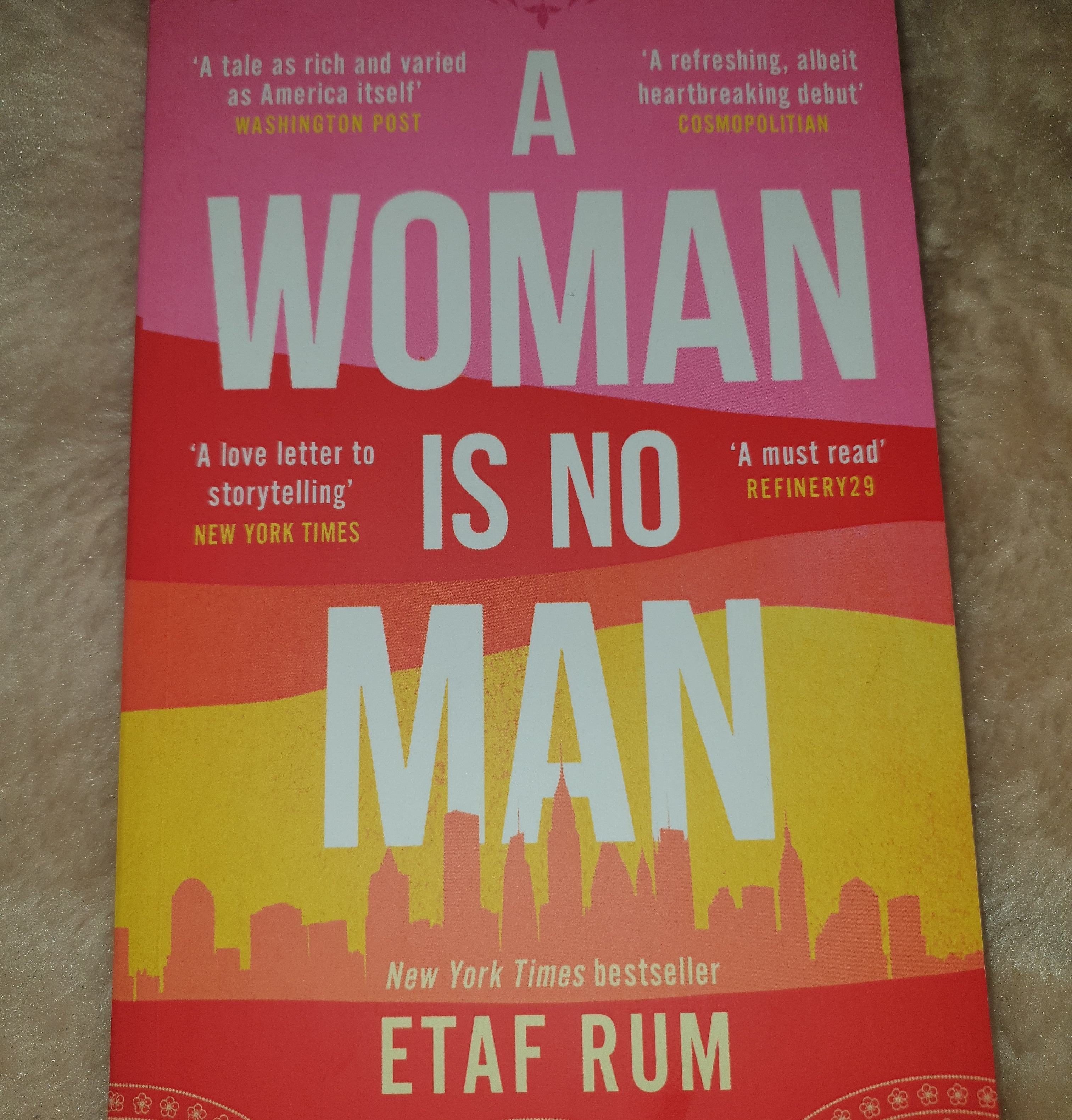
A woman is no man by Etaf Rum reviewed by Natalie Jayne Peeke


Palestine 1990

Seventeen-year-old Isra prefers reading books to entertaining the suitors her father has chosen for her. But, succumbing to her parents’ wishes, the naïve and dreamy girl finds herself betrothed and married to a American man. Before long she is living in Brooklyn, a strange land, becoming a mother to four daughters and her life changed forever.

Brooklyn 2008

Eighteen-year-old Deya, Isra’s oldest daughter, must meet with potential husbands at her grandmother’s insistence, though her only desire is to go to college. But fate has a will of its own, and soon Deya will find herself on an unexpected path that leads her to shocking truths about her parents, the past, and her own future.

A truly eye-opening journey from Palestine to Brooklyn, Etaf Rum’s sublime debut is steeped in culture, history, courage and most importantly friendship. It is easy to take picking up a book or popping to the local shop for granted. For Isra her life is a living nightmare, one she must escape by any means necessary.

Eighteen years later her own daughter is heading down the very same and miserable path to live a life that she does not want, with a man that she does not love until a unexpected family member returns to keep Deya from her doomed fate and will leave her questioning everything she thought she knew about her parents.

Published on 12th December 2019

Paperback £8.99

Available in eBook and Audiobook


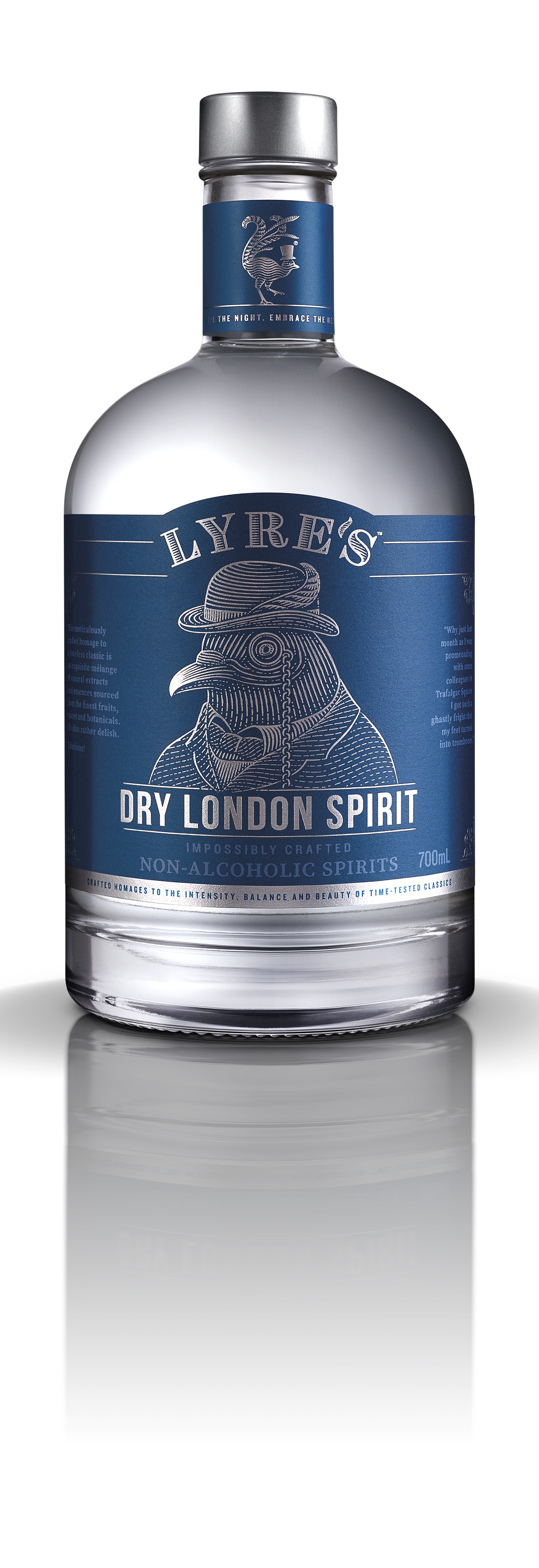
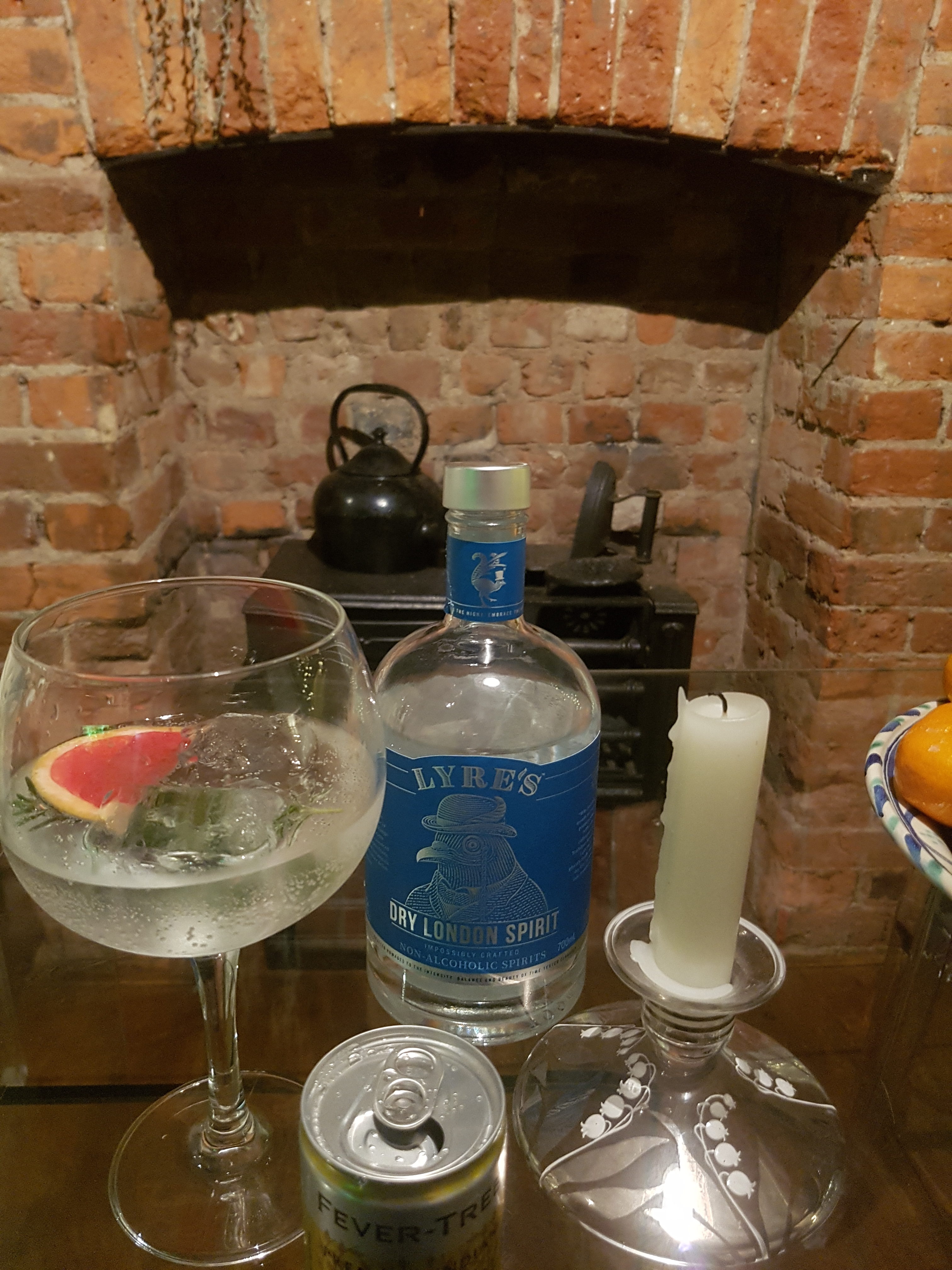
Little wonder that Michael Rowan, our self-confessed doubting Thomas is seeing flying elephants now that he has discovered Lyres Dry London Spirit the non- alcoholic spirit

As a child, one song from the Walt Disney film, ‘Dumbo’, never failed to intrigue me.

The scene in question, is when a group of Crows sing about witnessing impossible things and ends with the line which says how they’ll have seen EVERYTHING when they see an elephant fly.

In a former life, I could easily have been one of those crows, because I didn’t believe that it was possible to make an alcohol – free gin, maybe I should have remembered, that Dumbo the Elephant, did indeed fly.

January and in particular Dry January, was invented to taunt someone as weak willed as myself and I have lost count of the number of failed good intentions to give up alcohol for 31 consecutive days.

There always seems to be a party, a leaving ‘do’, or a dinner party invitation, that comes along and shatters my good intentions. Well, no more, thanks to Lyres range of alcohol- free spirits.

Then there are the occasions when my wife utters those dreaded four little words, ‘Your turn to drive,’ to be honest the Lyres London Dry Spirit tasted so good that I may even volunteer next time.

Could my latest find, Lyres Dry London Spirit, come to my rescue?

Unbelievably, Lyre’s outstandingly diverse range consists of 13 different variants, including Gin, Whisky, Rum, Campari, Dry and Sweet Vermouth, Absinthe, Triple Sec, Amaretto and Coffee Liqueur. Perhaps I should stop using the words unbelievably when discussing Lyre’s Alcohol- Free Spirit.

Clearly a lot of effort has gone into developing this range. Imagine a tell-tale burn of alcohol and the closest match possible of bouquet, taste and palate-weight to your favourite tipple: that’s what Lyre’s have created.

Given the work that has gone into this London Dry Spirit (gin) I was determined to afford it the respect that it deserved. The Copa glass does not need to be filled with ice as this is alcohol free. To garnish a sprig of Rosemary and a slice of Grapefruit or a piece of Orange Peel could also work and you could even add some pink peppercorns to complete the look. Use good tonic, which in my case is Fever Tree Tonic Water but do experiment. Personally, I prefer the Mediterranean Tonic but there are plenty to choose from.

However, it is the taste that counts and in the case of London Dry, this is a little more subtle than Gin but you can taste the botanicals and there is no denying that this is a grown -up drink and very pleasant it is too.

Bartenders and mixologists now have the convenience of simply reaching for a different bottle when making a cocktail in a non-alcoholic format. Think a Lyre’s Espresso Martini, Amaretto Sour, Negroni, Old Fashioned and Italian Orange Spritz, to give you a flavour of the immense possibilities the range offers.

Launched in the UK in late November these are available online from Master of Malt and Booze Free and from January, Lyre’s London Dry Spirit (gin), Lyre’s American Malt (Bourbon), and Lyre’s Spiced Cane (spiced Rum) will be available from Sainsburys priced £22.00.

The art work found on the label is inspired by the Australian Lyrebird, the world’s greatest mimic, though I might argue second greatest, given the taste of this alcohol- free spirit.

Now where did that Elephant fly off to?

Instagram@lyresspiritco