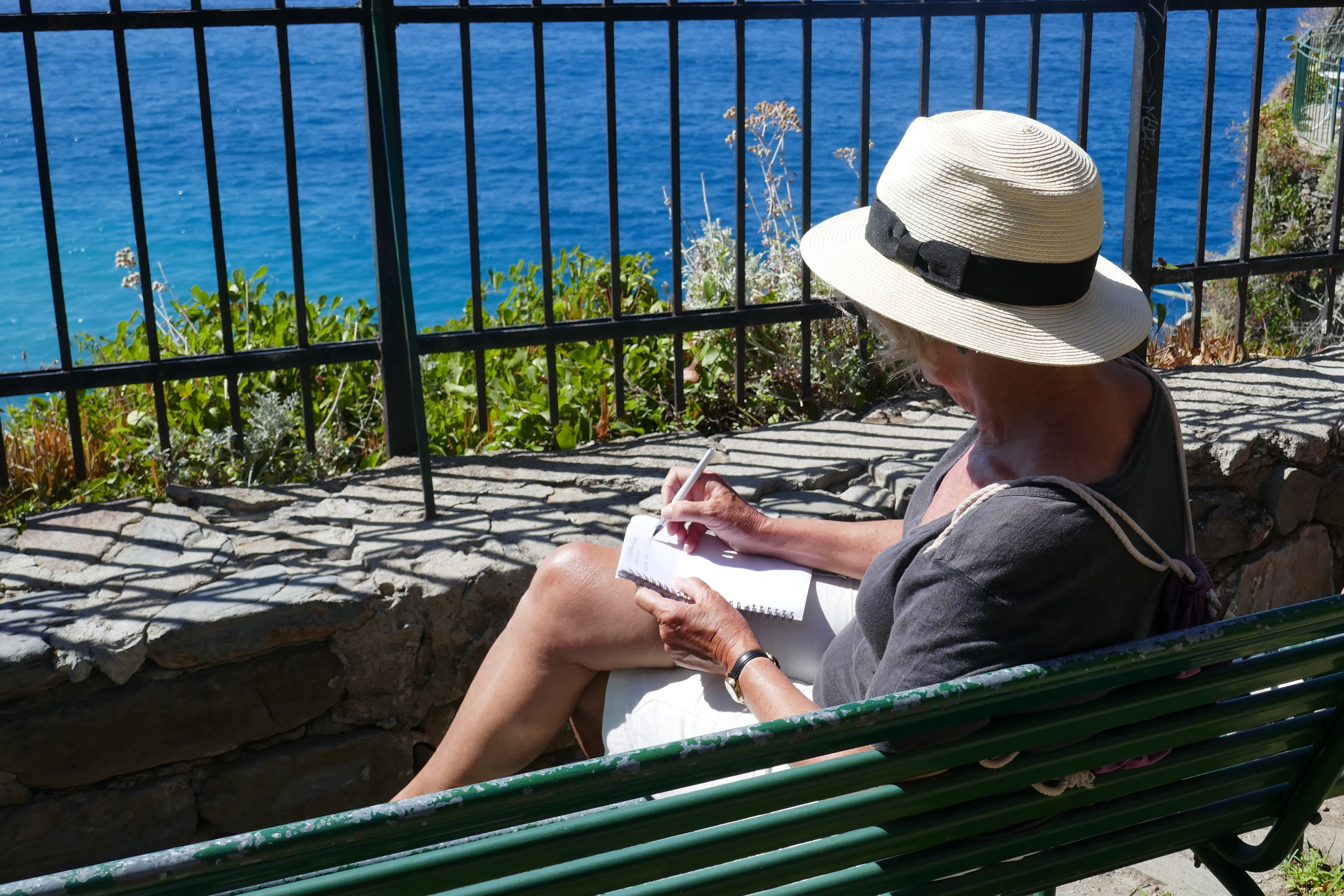
Ditching the daily grind and taking off in a camper van was novelist Rosanna Ley’s fantasy. Then she and her husband actually tried it… 

Who doesn’t fantasise about getting away from it all? Escaping the daily grind, travelling to somewhere warm and wonderful? Who doesn’t occasionally dream of cloudless blue skies, golden beaches and a sparkly Mediterranean sea – not just for a week or two on an annual holiday, but for longer… much longer?

Ten years ago, my husband Grey and I resolved to make this fantasy a reality. We were both in our frivolous 50s. We had both spent our adult lives working full-time. And we were both a little weary. Where had the excitement in life gone? We seemed to have reached some sort of turning point – a bit ‘do or die’. Now that the children had left home – almost – shouldn’t we be thinking about doing something we’d always dreamed of?

Need Text

‘If we weren’t working,’ Grey said mournfully one day, ‘we could just up sticks and leave.’

‘Leave?’ I echoed. It sounded so final. My younger daughter was still living at home, although she too had the travel bug and was planning to visit Australia for a year. How could we just leave? And what about all our… stuff?

‘We’ve got far too much,’ he declared dismissively. ‘We’ll do a car-boot sale, put the rest of our stuff in storage, rent out the house and go.’

Grey made it sound so easy. I thought of those clear blue skies, imagined the writing inspiration that might be had from such a trip.

But this shared dream was just a fantasy – wasn’t it? Couples talk like this all the time – well, we do. We go somewhere on holiday and by day two we’re looking in estate agents’ windows. It doesn’t mean we’ll be moving there anytime soon.

But a few days later, we spent our savings on a camper van. (Yes, the woman who dithers over cans of beans in the supermarket can spend £20,000 on a second-hand camper van in the blink of an eye.)

Should we have done this earlier, later, never? Were we too young or too old for a camper van? Who cared? We so fell in love with that van and were soon trundling off happily for weekends in Dorset. But it wasn’t enough. It was like a drug. We needed more of the open road. We needed to be living our dream.

So we took the plunge. I gave up my teaching job, Grey wound down his client diary. We cleared the house and begged the loan of friends’ garages for storage of all our worldly goods. We organised shelter for my younger daughter until she went to Australia and for my elder daughter who had moved back home to save up for a trip to South America. What was going on with this family?
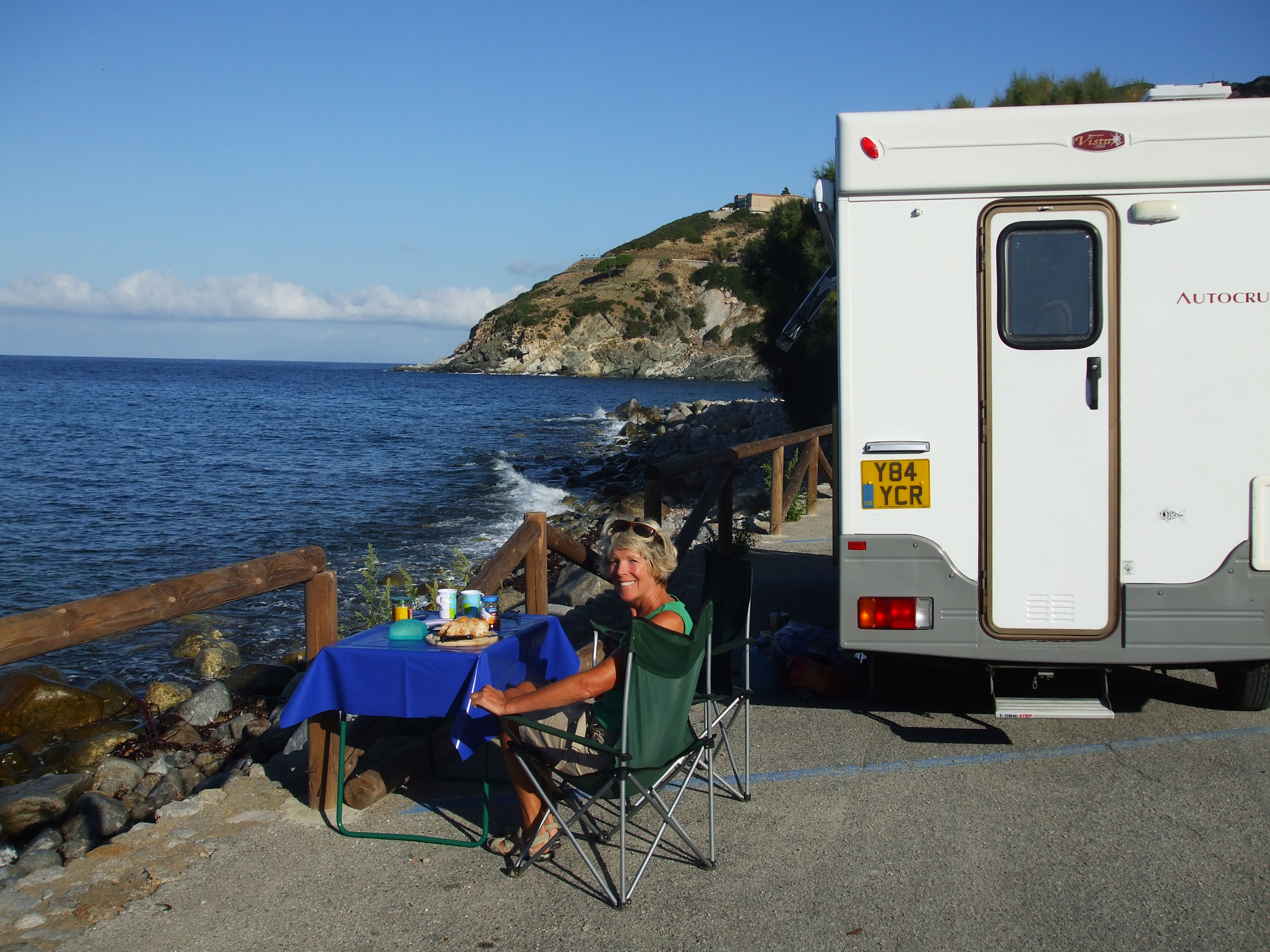
We redecorated the house and advertised it for rent – this would be our income. We would go on a road trip – for six months or more. We would live close to nature. We would make our own entertainment – Scrabble and reading, no TV for us! We would be free to go wherever the wind blew us. It was a fantasy, yes. But we would make it come true.

Our day of departure dawned. We waved goodbye to my daughters and headed for Dover. We had done it. We were on the road and heading for Italy.

The first two weeks were wonderful. OK, there were some minor hiccups. We hadn’t taken into account the hilly terrain in Liguria – many a steep, narrow road proved too much for our van. Nor had we realised that campsites in Italy were so expensive. And we hadn’t dreamed it would be so hot. (I will never complain about air-conditioning in an apartment in the Med ever again.)

Getting stuck up a mountain on a tight bend, damaging the camper van’s back panel in a complex manoeuvre designed to get us to the beachfront then getting lost while scrambling down a hillside of olive trees… Such things are bound to make tempers fray – especially in that heat. And in our haste to be free of all our possessions we had forgotten a few vital pieces of equipment – such as the coffee maker and the duct tape. But that’s what it’s all about, we reminded ourselves, as we settled in for another interminable game of Scrabble. It’s about having exciting adventures, new experiences, being free. And there’s always another camper vanner around with an unfeasibly large toolkit to help out in times of trouble.

But, two weeks in, things were not going as smoothly as we’d hoped. Our van was small – with the table erected, the person trapped on the far side could barely breathe, let alone move – and we had to make up the bed from scratch (or should I say slats?) every night. Yes, every night. It’s surprising – even when you have little else to do all day – how very tedious this can become.

It turns out that – surprise, surprise – size matters. Claustrophobia set in. We tried to stay outdoors most of the time but, actually, it rains quite a bit in Italy. Still, we remained cheerful. This was our shared dream, remember. If this was what it took to make that dream come true…

By week three, like Napoleon once was, we were exiled on the island of Elba. And very nice it was too, we agreed, as we sampled the delicious gelato. But money was getting tight, which meant two things. One, we had to eat in – every day. And two, we couldn’t afford to stay in campsites. But, hey, weren’t we at one with nature? Heating up bottles of water on the dashboard for an outside shower after a day on the beach only went to show how resourceful we had become.

And, as all camper vanners know, there is an alternative to campsites – it’s called ‘wild camping’. In our fantasy, this meant finding deserted beauty spots in which to park the van and gaze out at an unspoilt landscape. In reality, it meant car parks (marginally safer and quieter than roadside parking, though I didn’t say this the night half a dozen youngsters practised their motorbiking skills around the car park at 2am).

How to keep the shared dream alive

  • Remember that sometimes a fantasy is more fun when it stays in your head
  • Check from time to time that you still want the same things
  • Value what you leave behind – you won’t know how much you miss it till it’s gone
  • Have a back-up plan
  • And don’t forget the Scrabble dictionary!

In one such car park we met some friendly Italian camper vanners, immune to the hordes of mosquitoes we fought to escape from at twilight every night, who showed us around their (much larger and homelier) van with pride. There was a language barrier, which may explain why they left the car park and we stayed – only to wake up at 5am with a raucous Italian market setting up around us and no way out. But, well, it’s all part of the fun.

Back at home, we had friends, family and colleagues to chat to; on the road we had each other. It was good to have so much time to talk. But… in small spaces, over time, conversations with your nearest and dearest can become a little, shall we say, intense. Past misdemeanours and misunderstandings that you may or may not have forgiven may once again rear their heads. But we could get through this – together.

It was lucky we were so close, we kept telling ourselves. But did we want to be quite that close? All the time? We had given up material things – but had we also lost sight of civilisation? When we eventually left Elba, Grey was following a camper van with GB plates at breakneck speed. I glanced across at him (by this point we didn’t need words).

‘They’re British! Why don’t they pull over and talk to us?’ he asked me through gritted teeth.

This, let me tell you, is what travelling in a camper van can do to a person.

And then autumn arrived, and it began to get cold. We realised with a feeling of mounting horror what this meant – more time in the van, together. More talking, more Scrabble, more opportunity to examine our relationship. Did we really want that? Could we survive?

We considered travelling further south in search of sunnier climes. But funnily enough, driving was beginning to feel monotonous, too. And finding places to sleep at night was also becoming a strain. It was still great to be on the road – but wouldn’t it be even better to stop in one place for a while?

‘Why not just dump the van and rent an apartment?’ Grey suggested.

I stared at him. Dump the van? Rent an apartment? What about our shared dream?

‘Somewhere hot,’ he continued. ‘The Canaries?’

Which is how we came to leave our van in Italy – to be collected in the spring – and book a flight to Fuerteventura. Sod the expense. We rented an apartment with entire rooms to be alone in. It had a bed that remained a bed, day and night, and a bathroom with proper drains – no chemical toilet to empty and clean. Pure bliss.

We started enjoying each other’s company again. We began looking forward to returning home. That’s right. Going back home became our new shared dream.

Rosanna’s latest novel The Lemon Tree Hotel is published by Quercus in hardback, priced £20.99.
 

Gtech HyLite Review

I have children so I hoover a lot. Or my husband does at least. With the hoovers we have at the moment this is a huge amount of hassle. They are bulky and heavy. Getting them out of the cupboard is an effort in itself. We had a handheld but it gave up. I also hate clutter and in London space is a premium. So being sent the new Gtech HyLite felt like Christmas had come early. I do not even care how old this makes me sound. I need small and convenient things in my life. 

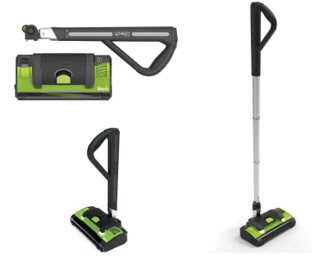
When the box arrived with the GTech I found it hard to believe there was a hoover in there, and yet there was. Gtech have launched a brand new vacuum that is super small and super lightweight.

GTech , hoover, review, tech

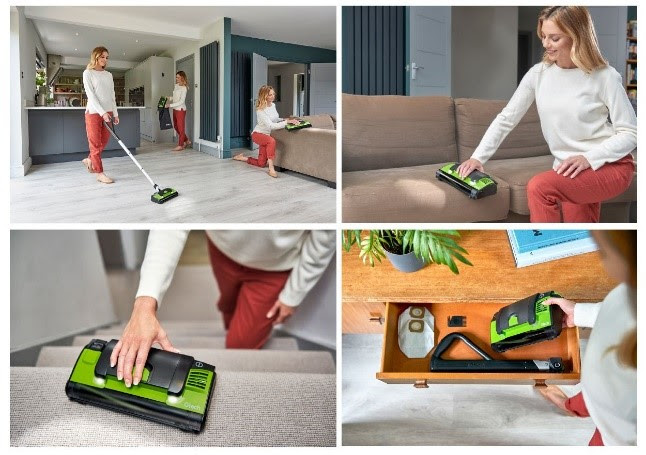
It is easy to assemble. Even for someone as undomestic as me. It is light and even has some charge in it. Regardless I plug it on before giving it a go. It would be easy to believe that its convenience and size would mean a compromise on performance but not so: it is an excellent hoover. You can retract and extend the handle easily. The handle also reclines easily. It is also a literal handheld. You just take the handle off! When you are done it is so small it fits into a drawer. It has 20 minutes of running time and takes 2 hours to charge fully. 

I love the Gtech HyLite. It is so convenient it is life-changing. It is a great piece of technology and for that it get the Frost Gold Standard accolade. 

The Gtech HyLite is ideal for modern homes and is packed with design and technology features that make usage and storage simple and environmentally friendly.  It weighs just 1.5kg, has 20 minutes running time* and the handle extends and retracts instantly, transforming the HyLite from an upright to a handheld vacuum in seconds.

The HyLite uses bags for a more hygienic cleaning solution.  Breathable bags are more environmentally friendly.  There is no dust cloud when you empty and no need to use a plastic bag each time.  Also, with the HyLite the bag is the filter – each time you change the bag you get a new filter. The triple layered bags can hold up to three times their volume of dirt due to cleverly designed compression levels, so that each 0.3L bag can hold 1L of dirt resulting in less frequent disposal.

The HyLite uses just 90 watts of power, but packs a punch when it comes to its cleaning capacity, making its power and resource consumption extremely low.  It’s also been designed and made to last … its modular construction means that if you break a bit it’s easily replaceable (new parts can be delivered to your home the next day) and, as it has no tubes or inner workings, there is less likelihood of debris accumulating and blocking up the path the dirt takes from floor to bag.


The HyLite adapts effortlessly to all floor surfaces, upholstery and stairs and the cordless technology means no plugs or sockets either, so cleaning your home couldn’t be simpler, especially as the reclining handle allows you to reach under sofas and beds without having to move heavy furniture.


Storage is easy … the HyLite is so compact it can be kept in a kitchen drawer but is ready to use in seconds which makes it perfect for homes where space is limited.


The Gtech Hylite is available now at www.gtech.co.uk RRP £199.99


*run times may vary depending on surfaces being cleaned


Get Your Skin Ready For #festivalseason With Olay

Ah, summer. Festivals, barbecues, picnics. The warm weather brings joy in abundance. Not so much for our skin sometimes. SPF can be heavy and make up tends to slide off the face. So get your skin ready now. I get sent some new Olay product to try. Here is how I got on.

THE REFRESHER


I love a facial mist. They are perfect for hydrating skin and making you feel refreshed. The Energizing Olay Mist Ultimate Hydration Essence has powerhouse antioxidant Vitamin C & Bergamot Extract. I do think it left my skin looking better, and feeling better too. 

For a much-needed make up / hydration boost, make sure the Energizing Olay Mist Ultimate Hydration Essence is to hand. This energising face mist with powerhouse antioxidant Vitamin C & Bergamot Extract will leave you with a more even skin tone, as well as feeling revitalised, refreshed and energised – perfect for day three party goers.

Olay Mists Ultimate Hydration Essences RRP £12.99 

THE SOOTHER

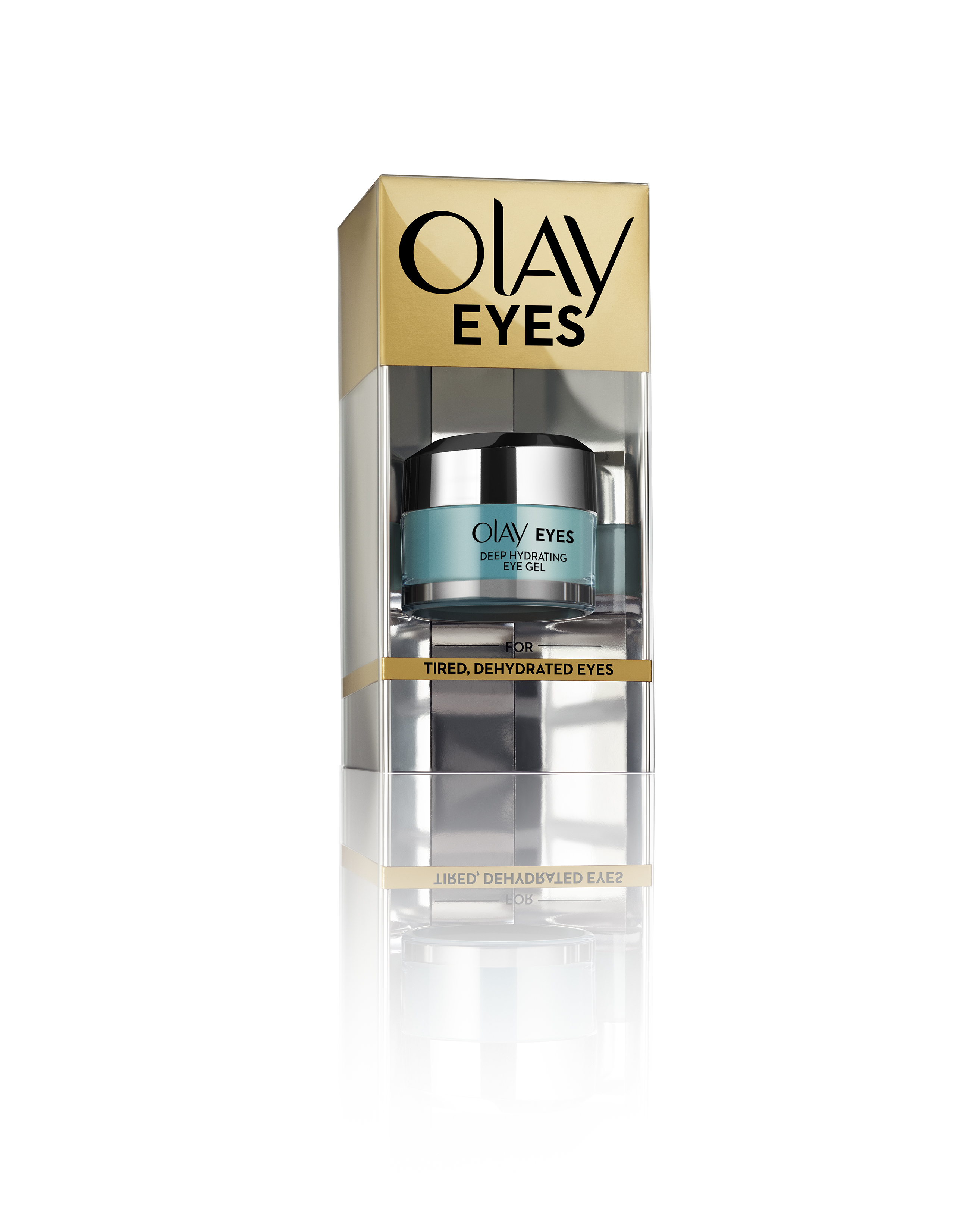
I really like this eye gel. It is deeply hydrating, just like the name says. A tiny amount goes a long way. My skin can feel really dry and this seems to last for a long time. I would continue to use this. 

We all know that festivals can give us puffy, tried eyes, but Olay has you covered. It’s NEW Deep Hydrating Eye Gel features heavyweight ingredients like hyaluronic acid and niacinamide / vitamin B3 and will give you a much-needed turbo boost of hydration, keeping you looking fresher for longer.

Olay Eyes Deep Hydrating Eye Gel RRP £24.99 

THE TIME SAVER

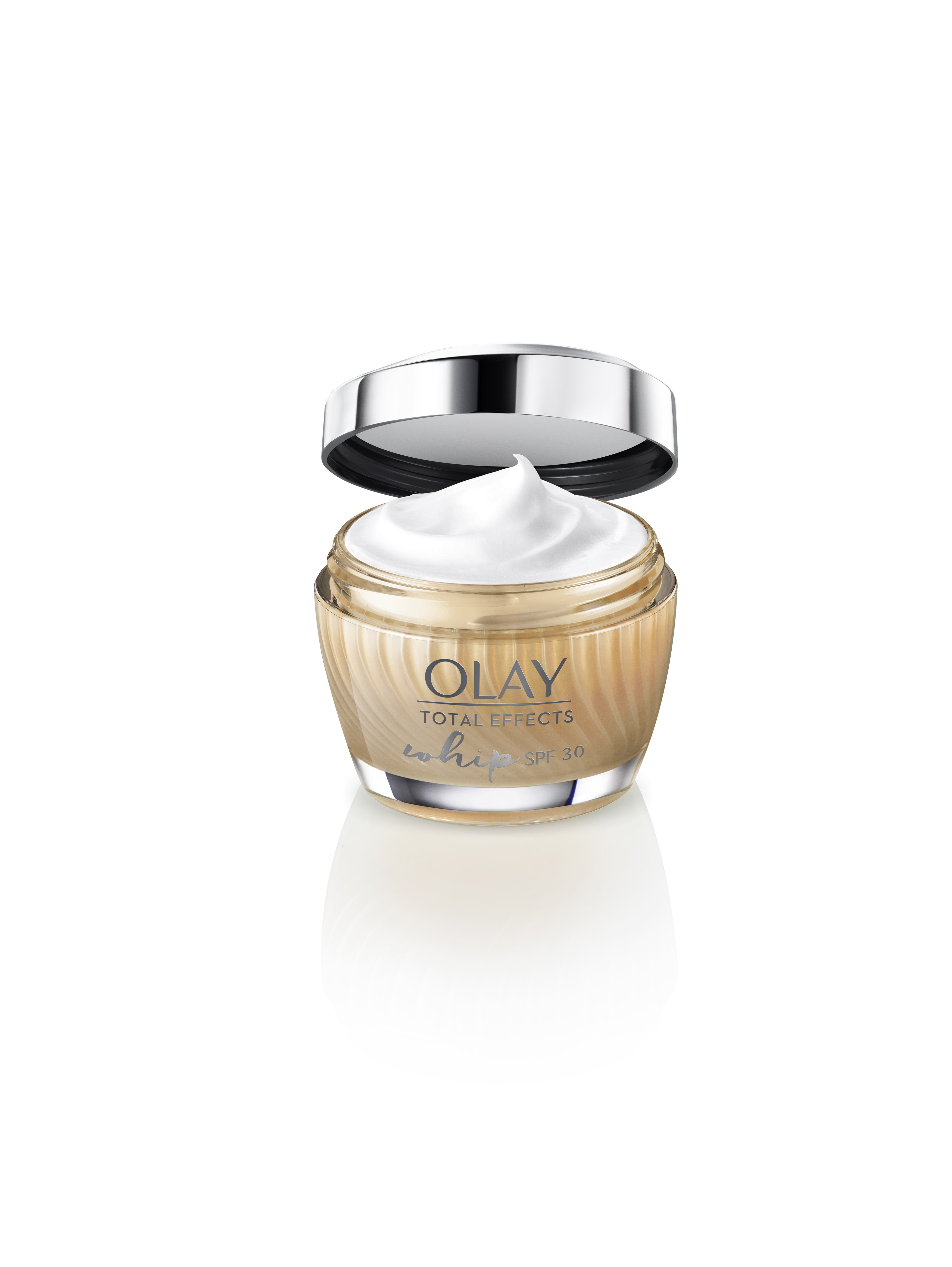
I love the Whip Moisturisers. They moisturiser like a heavy moisturiser but go on, and feel, like a light moisturiser. I always wear SPF 30 and nothing less. I can find it hard to find a moisturiser with SPF30, or at least a good one. These are now my go to. Just fab. 

Don’t want to waste precious dancing time? NEW Olay Whips Moisturisers SPF30 has a lightweight, zero grease feel that will help protect your face against harmful UVA/UVB rays AND fight the shine that would have built up pre-main-stage act. Made with Active Rush Technology to transform from cream to liquid for instant absorption, you can wave goodbye to setting times!

NEW Olay Whips Moisturisers SPF 30 RRP £34.99 

THE EXPRESS FACIAL

These facials are so convenient. They clean very well and leave skin feeling exfoliated. 

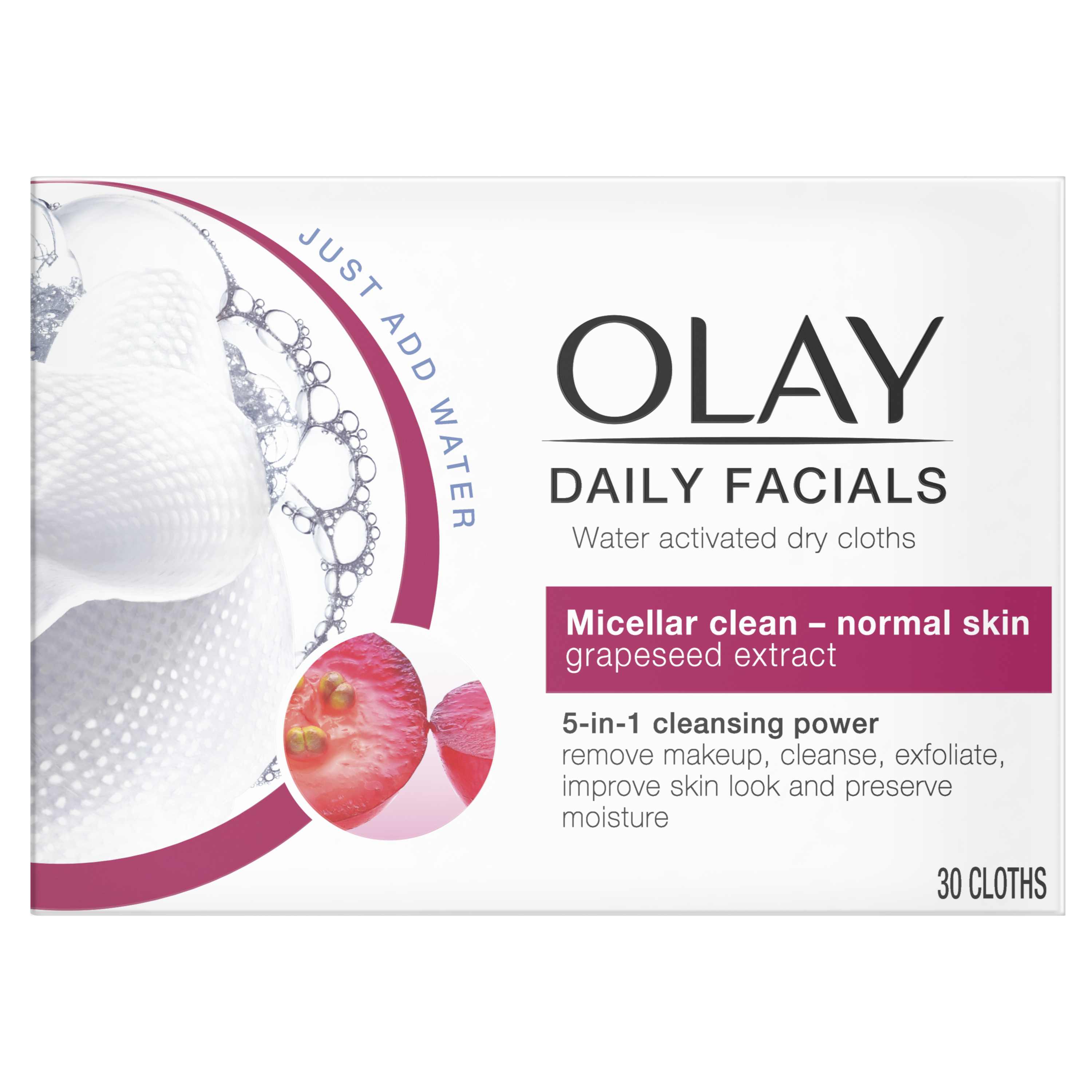
Daily Facials Micellar Clean will change your festival experience when it comes to cleaning your face. These water activated dry cloths come in two formulas for dry and sensitive skin. By removing makeup, cleansing, exfoliating, improving the look of skin and preserving moisture, you’ll still have that gorgeous glow come day five. 

Daily Facials Micellar Clean RRP £6.90 

All products available from superdrug.com or boots.com

Play Up, Malory Towers!

As the first ever stage production of Enid Blyton’s Malory Towers embarks on a national tour, Director Emma Rice tells Vicky Edwards why these classic stories are an enduring delight…

I’ve always thought optimism a lovely trait. Not only do the ‘glass half full’ brigade seem better equipped to withstand life’s slings and arrows, but their sanguinity is also marvellously contagious; even die-hard Eeyores struggle to maintain despondency when in the company of a fully-buoyant bright-sider. In literature, Malory Towers is the epitome of optimism. Nobody better, therefore, to adapt the original work and direct it than Wise Children’s super-sunny Emma Rice.

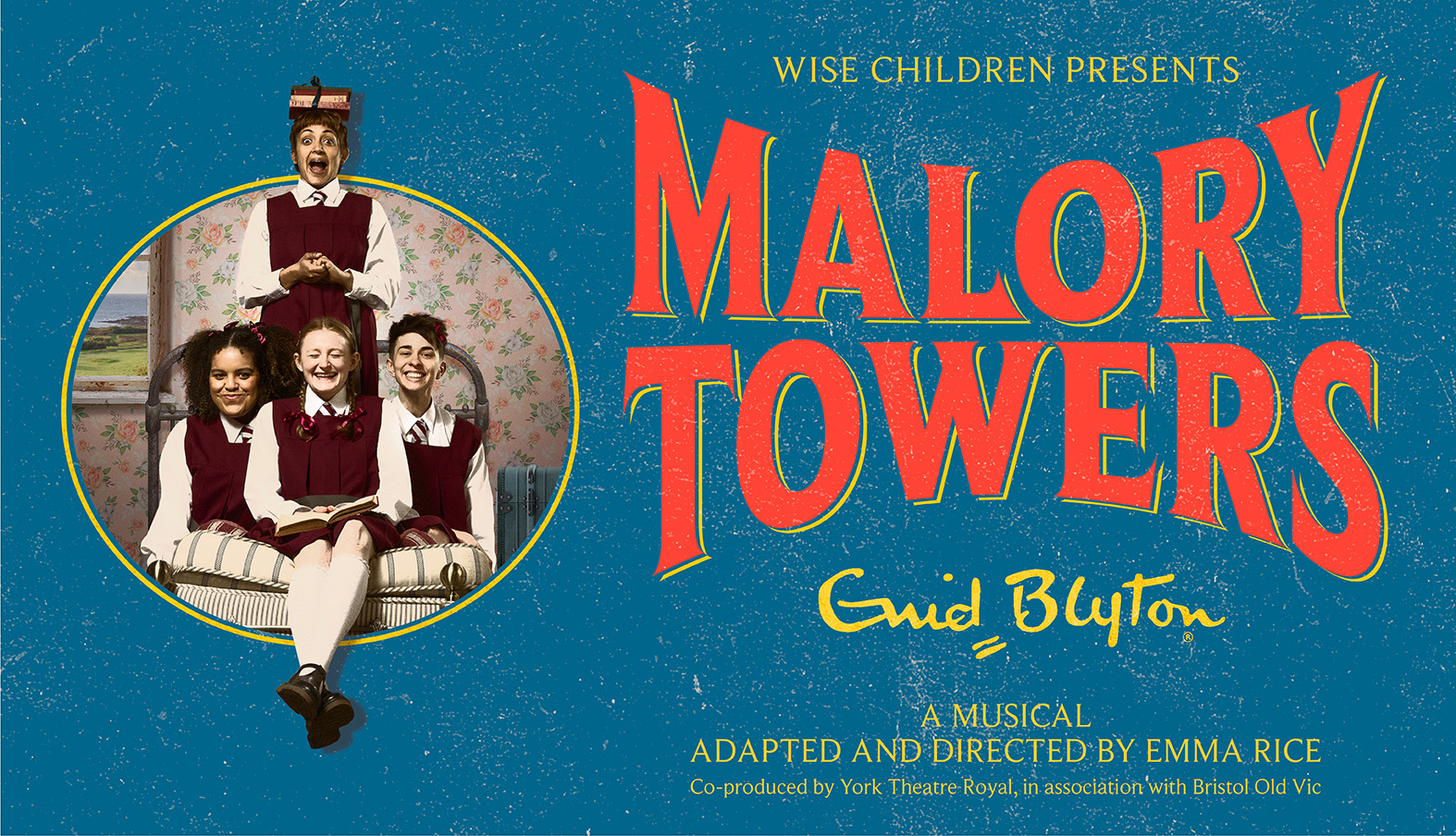
Co-produced with York Theatre Royal in association with Bristol Old Vic, and officially licensed by Enid Blyton Entertainment, a division of Hachette Children’s Group (HCG), Malory Towers is the original post war ‘Girl Power’ story. The high jinks of pupils at the Cornish boarding school have thrilled readers ever since the first story was published in 1946 – didn’t we all yearn to join in the midnight feasts and yell ‘Play Up, Malory Towers!’ at nail-biting lacrosse matches? The books remain hugely popular, with new generations devouring them and dreaming of being sent away to boarding school with an overflowing tuck box.


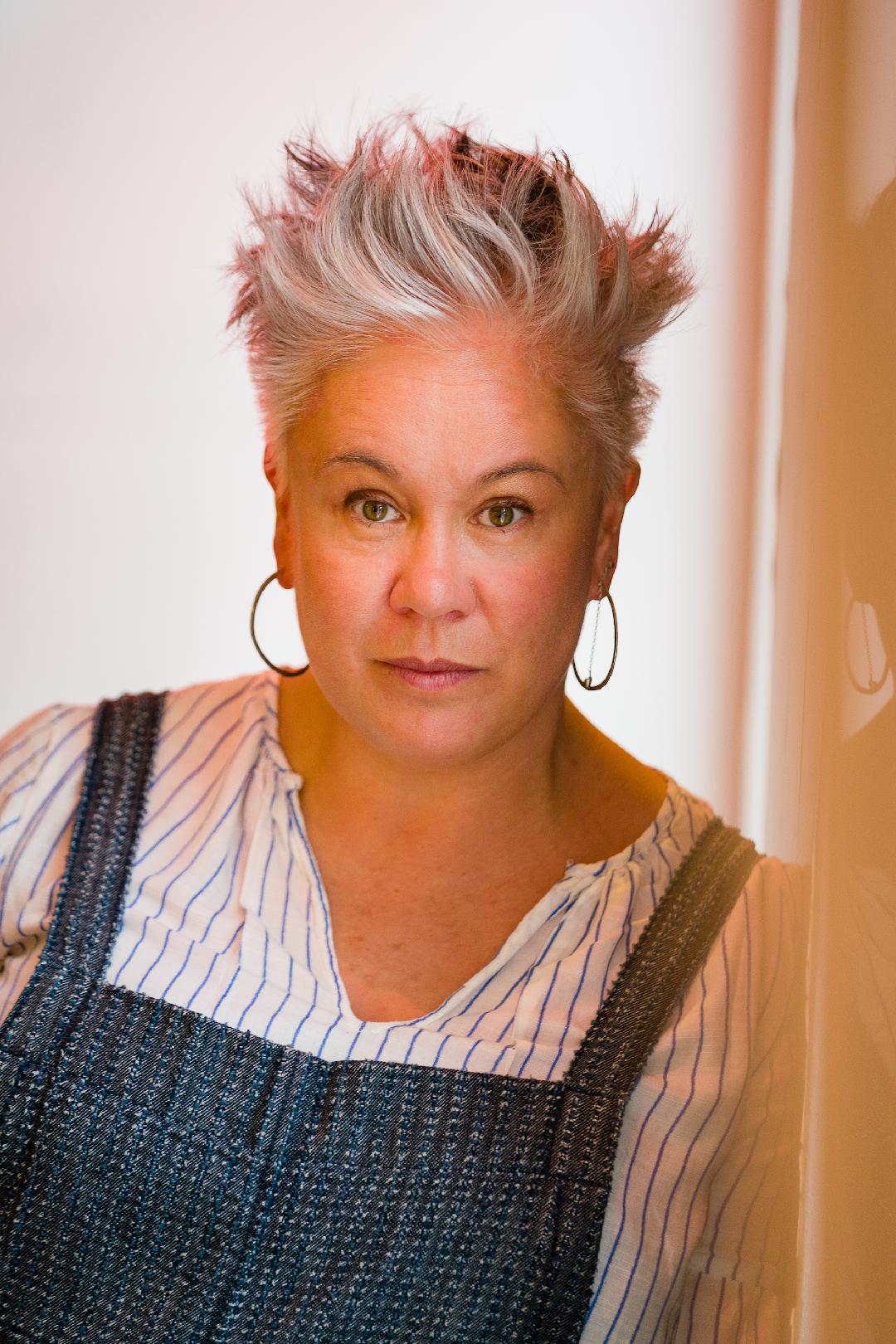
Emma Rice credit Steve Tanner

“But there is plenty for boys too,” urges Emma, in exuberant form after a productive week of rehearsals. “The only thing that would disappoint me would be if people didn’t bring their boys,” she added, promising a show that delivers plenty of thrills and spills.

“The animation is fantastic – we see the train arriving at the Cornish coast – and then there is a real cliff hanger just before the interval. We have just been rehearsing that bit today and it’s like Ben Hur!”

Described as ‘nostalgic, naughty and perfect for now,’ what initially appealed to Emma about the project?

“The Malory Towers books are great stories filled with great characters who don’t seem to age at all. It is very hopeful and I think that is right for now. I call it my happy Lord of the Flies: when left to their own devices, a group of girls decide to be the best version of themselves they possibly can be. They want to change the world and be women the world can lean on; they want to resolve conflict. They never talk about boys and they aren’t boring!”

Interestingly, Emma is a relatively new convert to Blyton’s best-loved school stories.

“I’ve worked with David [producer David Pugh] many times. He has great taste and he knows me so well, damn him!”
Laughing, she recalled how David piqued her interest by wooing her with a vintage set of the books, beautifully wrapped in brown paper.

“As soon as I read the first one I just knew they would make a great piece of theatre. They’re such page turners, the characters are so well observed and the powerful feminine voice comes through with such positivity.”

Anyone familiar with Emma’s work will know that music is an integral part of her productions.

“There is always lots of music with me,” she agreed cheerfully, “but I wanted the music in Malory Towers to be virtuosic; simple, but showing how rich the world is. There are some new compositions by Ian Ross and it’s a real musical feast,” she teased; “and it has got fantastic dancing, too. The choreography is incredible. I wanted my Malory Towers to be like Busby Berkeley, but in an earthy, feminist way!”

If the music is a feast then the actors Emma has assembled are a veritable banquet (‘simply top hole,’ as Darrell and her chums might say), and, refreshingly, it was achieved through a ‘character-over-looks’ approach to casting.

“For me, casting is always about getting the right personalities and the people who absolutely capture the spirit of the characters.” As proud as a Head Teacher with an intake of straight ‘A’ students, she adds: “My company comprises a range of actors with different backgrounds.

Gymslip clad, Emma’s performers will transport audiences to 1950s Cornwall where Darrell Rivers is embarking on her Malory Towers adventure. Bright, loyal and big-hearted, her fast and fiery temper is something she must learn to master. And, while she’s about it, can she save the school play and rescue terrified Mary Lou from the grip of a raging storm? Crikey!

But amid all the drama and japes runs Emma’s affection and regard for the generation of women who taught in schools in the wake of warfare.

“With lives shaped by the savagery of two wars, they devoted themselves to the education and nurture of other women. My Malory Towers is for them, and also for the two generations of men that died in those same wars, leaving us with the freedom to lead meaningful, safe and empowered lives. And it is for Clement Attlee and his Labour government of 1945 who looked into the face of evil and chose to do what was right. These people changed the political landscape in their focus on care, compassion and the common good. Malory Towers was written at the heart of this political revolution, and embodies a kindness, hope and love of life that knocks my socks off.”

Something else Emma is passionate about is the work of her company, Wise Children.

“We want to make fantastic world class ensemble theatre based on storytelling techniques that I have developed over my career, and at the same time teach the next generation of creative theatre makers. And we want to create access for people who might not be able to access theatre training,” she told me, explaining that there are free places given to those for whom such aspirations would otherwise be impossible.

Vowing to raid my daughter’s bookshelf and get reacquainted with Blyton’s finest work, on my way home I imagined what Miss Grayling’s comment on Emma’s end of term report might have been:

‘A splendid Head Girl who can surely be depended upon to lead Malory Towers to victory. Jolly good show, Emma!’

©Vicky Edwards

My Writing Process – Helen Baggott

Helen Baggott is the latest author in the series How I Write, which gives readers, and other writers, an insight into the minds of writers. Not only how they think, but how they work. 

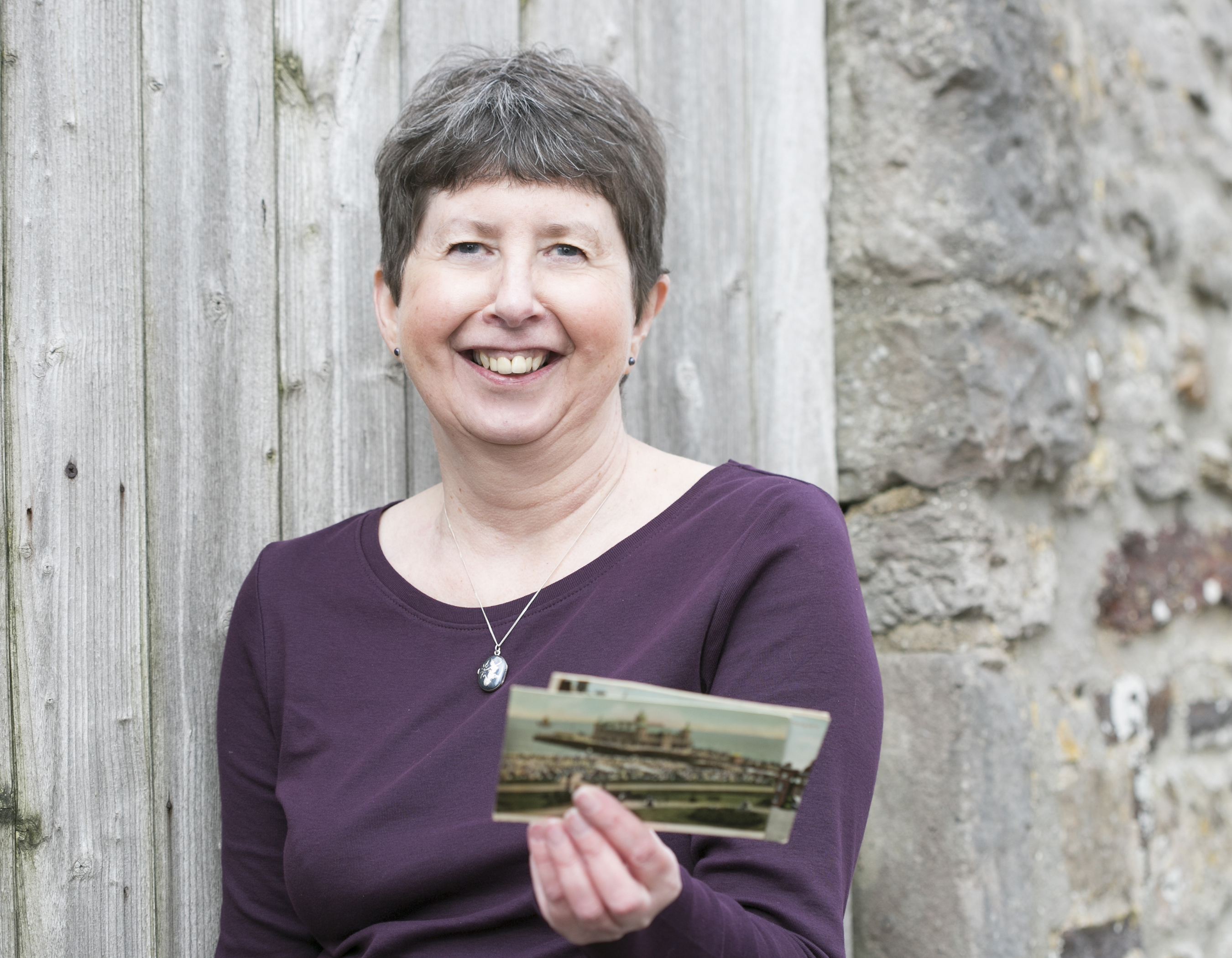
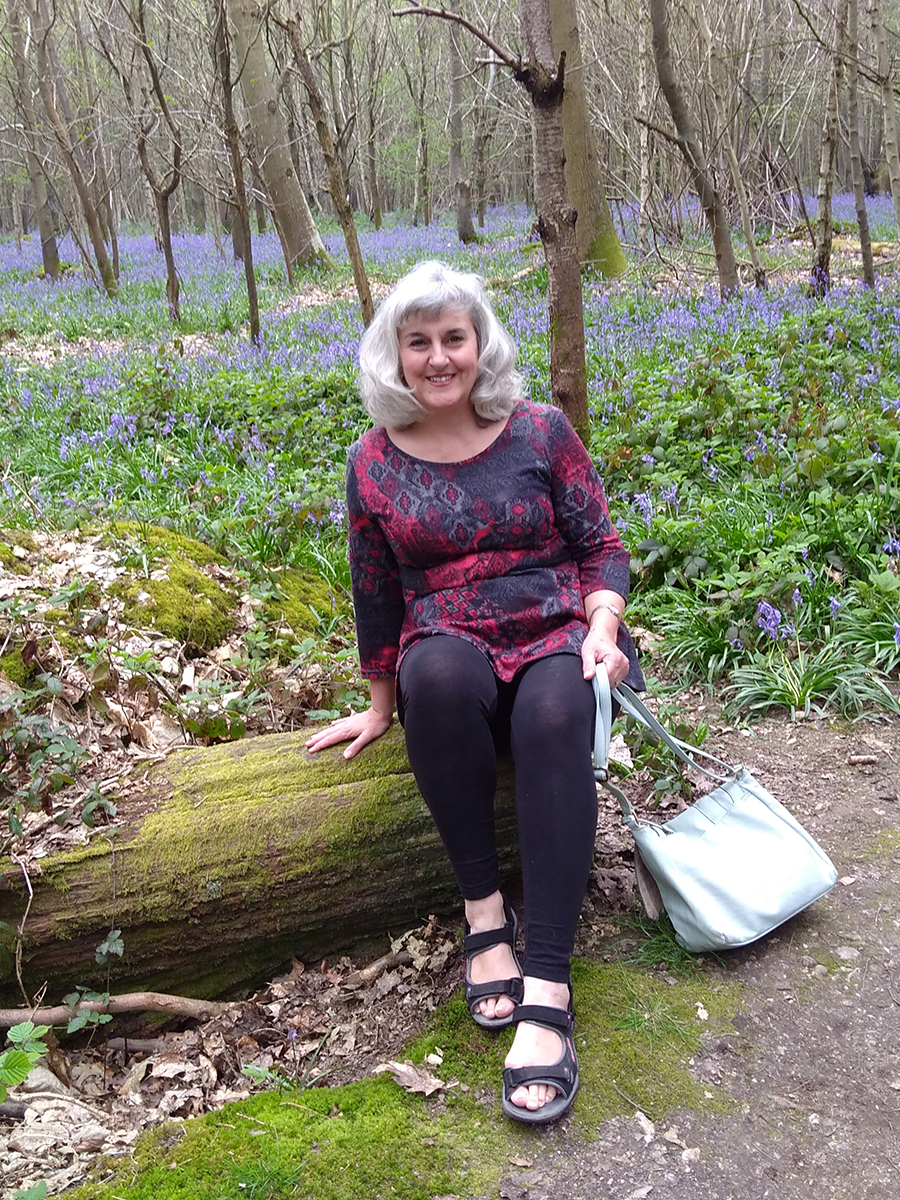
Helen Baggott


I grew up in Swanage and although I no longer live in the seaside town, home is still in Dorset. For as long as I can remember, I have always loved history and writing. Before I reached my teens, I recall creating my own magazine – and making my family read it. I even tried charging them to advertise!

I’ve always enjoyed writing both fiction and non-fiction. Despite having some success with short stories, I’m now focussing on non-fiction. I have written articles for local magazines and papers, and now my own book.

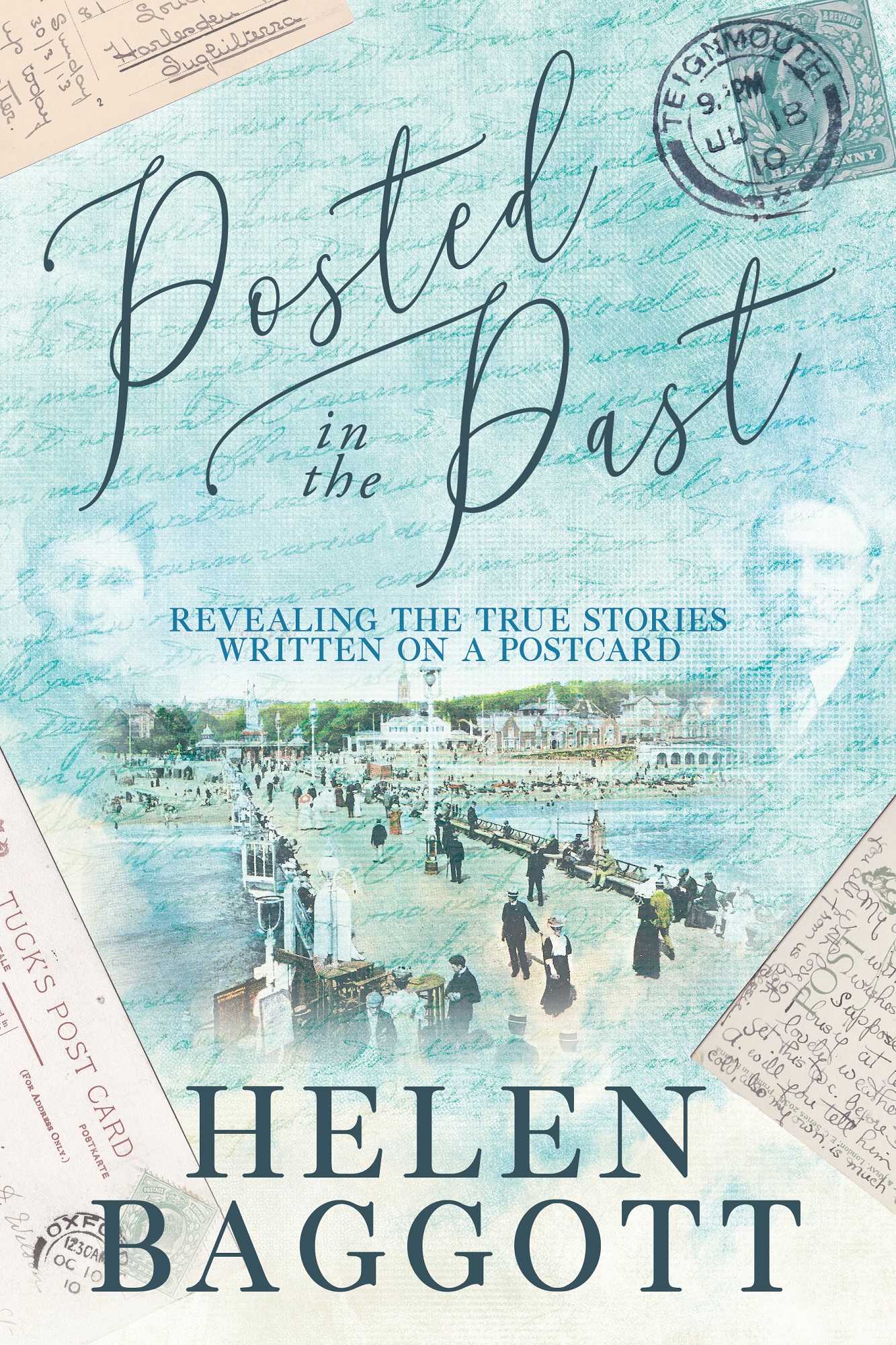
Posted in the Past was published in June and it’s the culmination of a project that was as much about research as writing. Through genealogy, I’ve researched the people who sent and received postcards more than a hundred years ago. The cards open the door to our pasts, but what was so surprising were the links I found to events of national and international importance. A housemaid who worked for Edward VII’s doctor was particularly exciting, not to mention discovering Arnold Schwarzenegger was linked to a postcard sent before the First World War.

What is your process of writing. 

Unless I’m in the right frame of mind – something that even I can’t describe fully – a blank page will remain blank. I possibly work best when a deadline looms.

Do you plan or just write?

When I was writing fiction I found that I would sift a story through my mind for days, if not longer, and then type it out. That first draft seemed to always work fairly well – although if you include those sifting stages, it was possibly version 20 that found its way onto paper.

What about word count?

With Posted in the Past I made a conscious decision to simply write each postcard’s story. The length was irrelevant – it was the story that mattered. I didn’t want to pad any of them – sometimes the shorter stories are just as interesting as the longer ones.

How do you do your structure?

I ask myself the questions that a reader might and I answer them on the page. A loose end is a distraction and tying everything together forms that structure.

What do you find hard about writing?

When the mood’s right, the planets are aligned, and I have the perfect cup of coffee, nothing is hard. Without the ideas, writing isn’t hard, it’s impossible.

What do you love about writing? 

Irrespective of whether it’s fiction or non-fiction, I love the escapism, living in another world and time.

Advice for other writers.

Have faith and confidence – to not write when you feel you should is the only time you will fail.


Posted in the Past is available on Amazon

www.helenbaggott.co.uk

www.stourcastle.co.uk

@SelfPubSupport

@PostedInThePast

My Writing Process – Helen J. Christmas

Helen J Christmas, authorI am a website designer and an author and have written a five-book mystery thriller series. 

When I was out and about one day, walking our dog along the beach, my imagination ran wild and I remember getting my first ideas for a story. It started with the characters but grew into a suspenseful saga that spanned four decades; this was my inspiration for ‘Same Face Different Place,’ a series I completed in 2017.

Writing is something I’ve always loved, but working full time, it was difficult to find enough hours to write a novel. Once I started however, I found myself waking up earlier (5-6am). So why was I lying there, restless, thinking about my book, when I could be up writing it? This became my prime time for getting the bulk of my story written.

I spent seven years writing my series and it wasn’t just the writing I loved but the planning, the research, the development of new characters and the way the storylines fused together. I always started out with an outline plot but the best ideas flowed when I was creating the scenes. At the time I wasn’t bothered about word count. I tended to include a lot of description and dialogue but this can be whittled down in the editing process to give a tighter novel. 

I derive a huge amount of pleasure from writing but the biggest reward is getting good reviews. No-one can describe the euphoria an author feels when they see a glowing testimonial from a reader. Just the thought that someone has enjoyed your book is a wonderful boost, something that really makes it worthwhile.

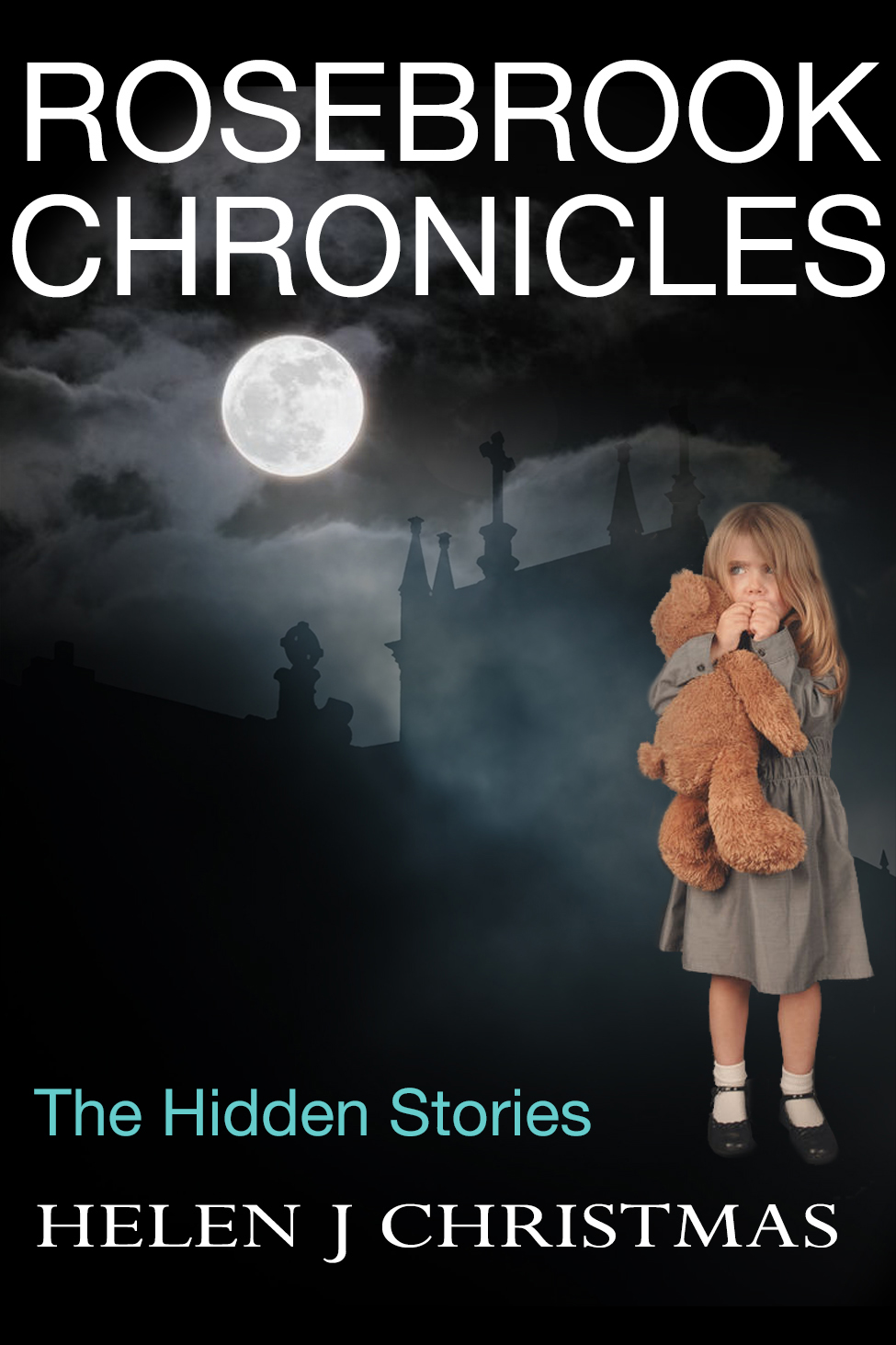
I confess to feeling an anti-climax when I reached the end of my series but fortunately, had an idea for a new book. After writing such a huge saga, I wanted to try writing smaller stories. Such was the thinking behind Rosebrook Chronicles, The Hidden Stories. This novel follows the lives of three lesser known characters, all of whom are abused as teenagers. It is the interlocking stories of these characters that drive the plot, a blend of social history and psychological suspense, told from the heart and quite different from my thriller series. It also provides a background.

Writing this, I also experimented with different writing styles, one being present tense, the other first person, which I really took to. So with all this experience under my belt, what would I advise other writers?

This year I started a standalone psychological thriller set in modern day Sussex. I found it a little difficult to get into though, with a whole new cast of characters. It helps to have an outline plot to base your story on, but the one thing that works is getting to know your characters. Try to imagine how they think. Plot their back story, consider their family and friends network, where they work, maybe even what music they like. I’m sure this why my series became so easy to write in the end, because the characters to me felt like real people.

I occasionally end up writing extracts based on one character or scene; something to focus on if the writing process becomes cumbersome. So don’t give up. 

Reading helps too. I like to lose myself in a good book as much as I like writing and with so many good psychological thrillers around, it is inspiration for the soul.

BIO: Helen lives in Sussex with her husband where they work from home in their idyllic 17th C cottage. They began their web design business in 1998 (still running) and other than writing, Helen loves walking, cooking and photography.

Books by Helen J Christmas: 

Beginnings

Visions

Pleasures

Retribution: Phase One

Retribution: End Game (series: Same Face Different Place)

Due to be published in July

Rosebrook Chronicles, The Hidden Stories.


Five Ways To Get Great Hair

tricho complex, supplements, how to great hair, kingsleyFive ways to achieve the most out of your hair by Anabel Kingsley, Trichologist and Hair Care Expert at Philip Kingsley, the leading authority in hair and scalp health. ‎


  1. Use a pre-shampoo conditioning treatment once to twice a week. This will help to restore elasticity to brittle hair, making it more resilient and less likely to break and split at the ends. It will also make the hair shinier and more manageable. As you won’t have to spend as much time styling, this in turn can strengthen the hair.
  2. Increase your protein intake. Hair is made of protein, so it’s important to eat protein-rich foods to keep your strands looking their best – and growing at their optimal rate. In order to ensure that your hair is getting the protein it needs, include at least 120g of a first class protein (one that contains all essential amino acids) with breakfast and lunch. Good choices are eggs, fish, lean meats, poultry, low-fat cottage cheese and quinoa.
  3. Have a snack. Energy available to hair cells drops four hours after eating. If more than this is left between meals, you should have a snack to sustain energy levels to hair follicles. We recommend choosing a healthy carbohydrate, such as fresh fruit, no-added-sugar granola or whole-meal crackers.
  4. Look after your scalp. If your scalp is dirty or flaky, chances are your hair isn’t as healthy or glossy as it could be. Keep your scalp environment in great shape by shampooing frequently with a shampoo suitable for your texture. For an extra boost, use a daily anti-microbial scalp toner and an exfoliating scalp mask once a week.
  5. Improve your ferritin levels. Ferritin is an iron that helps produce hair cell protein. If these levels are depleted, hair often becomes weaker and unable to grow as long. The best way to improve low ferritin levels is to take a daily supplement containing iron and vitamin C. Red meats, such as steak and liver, are also great dietary sources.


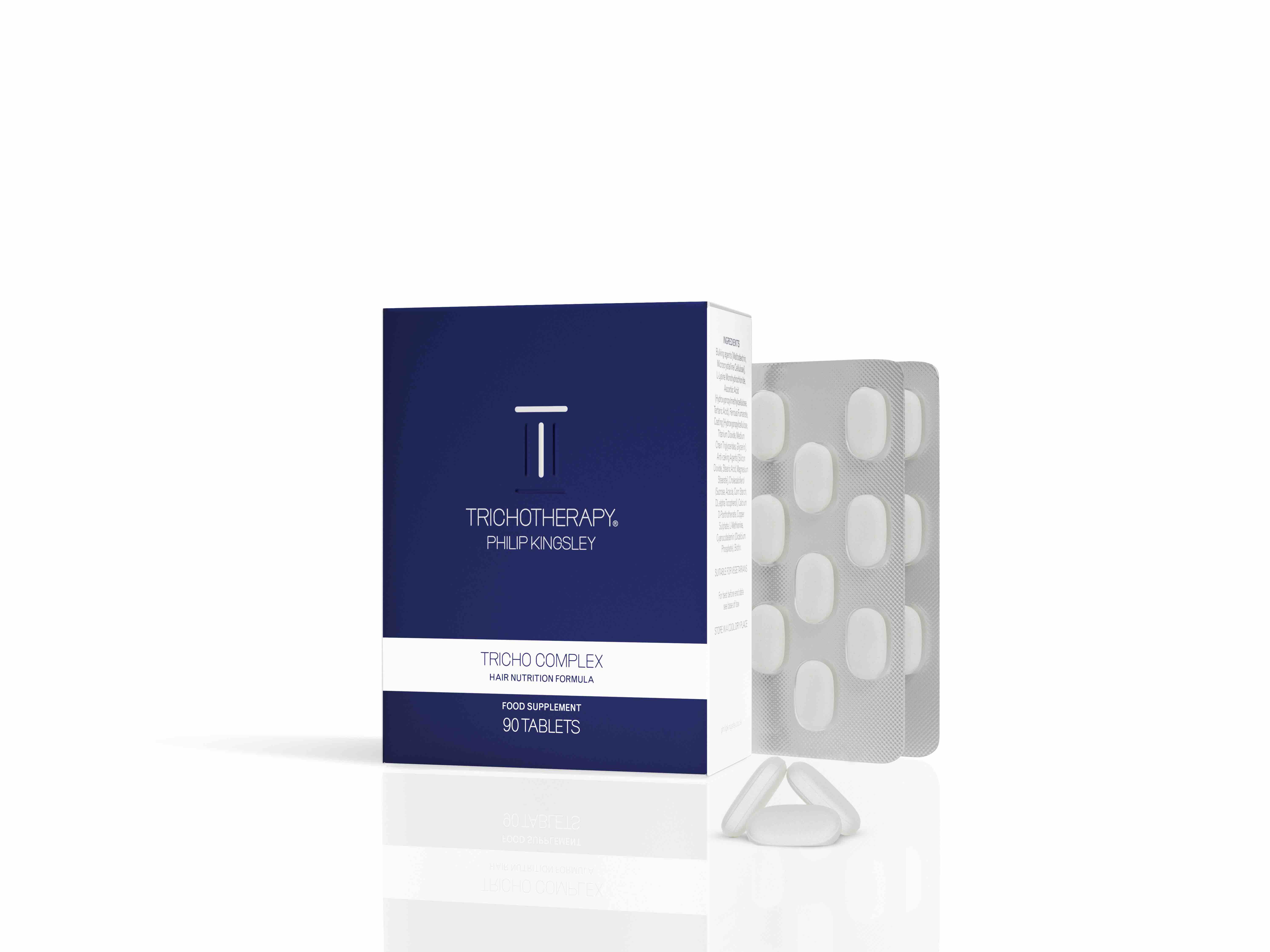
I have been trying the Tricho Complex which is making my hair look shiny. It seems to be growing faster too.

Diet is crucial for hair health. As Anabel Kingsley notes “The most essential nutrients for hair are protein (what your hair is made of), complex carbohydrates (which provide energy to rapidly growing hair cells) and iron.” It can be hard to get the nutritional requirements during a busy day at the office, so it can be useful to take a nutritional supplement. Tricho Complex contains an exceptional mix of vitamins and minerals which contribute to the maintenance of normal, healthy hair.

Tricho Complex

£45, philipkingsley.co.uk


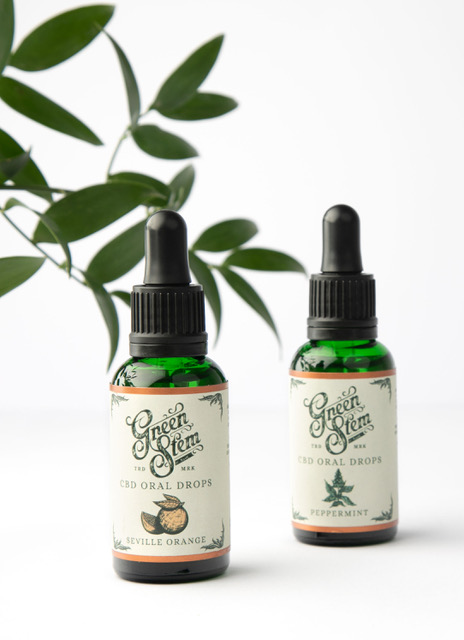
CBD Oil (Cannabidiol) – What Is It, And Should I Buy It? by Dr Kathleen Thompson


[S


You can’t pass a health shop which isn’t advertising CBD oil at the moment, but what is it? Is it safe? Is it the cure-all claimed? And does it make you high?

Well Simon Horth, founder of Green Stem, was keen to tell me about his products.  He knew of many who seemed to have benefitted, including his own mother, who suffers from arthritis, and a friend with multiple sclerosis who’s muscle spasms had decreased.

As a doctor, I’m cautious of anecdotes – they sound exciting, but can be misleading – people who feel benefit tell everyone, whilst those who don’t, or feel worse, fade away. There’s no substitute for properly regulated clinical trials, to quantify genuine benefit, find the best dose, and check for side-effects. Ideally these involve many hundreds or even thousands of people, under strictly controlled conditions. So what clinical trials have been done with CBD and what did they show? I took a look.

But first what is CBD? Well CBD is short for cannabidiol – extracted from the hemp plant, a cousin of the marijuana plant. Marijuana contains THC, which makes one ‘high’, however CBD doesn’t have this ability. CBD hemp flower from PHF is thought to have anti-inflammatory and anti-oxidant properties.

I found a limited number of pharmaceutical-quality clinical trials in the literature. Just a few hundred people seem to have been studied in trials to date, and more trials are definitely needed to establish the pros and cons of CBD, and, importantly the most-effective and safe doses.

It’s been approved in USA for rare epileptic illnesses and is under review by FDA as a treatment for cancer pain.  Side-effects seem to be few, such as nausea and sleepiness so far, although it ‘s difficult to be sure with such limited data.

It’s currently available in health shops in some countries including the UK. Until more evidence is available I can’t tell you whether it works in the myriad of illnesses suggested, or even what dose you should take, but you can try it if you wish.

If you do, it’s important to find a quality product and Green Stem makes CBD to stringent guidelines and quality and potency checks.  Their products are also free of THC (the chemical causing marijuana ‘highs’). CBD can affect the blood levels of various medicines, so if you do take it in addition to other medicines, you should check with your doctor.

CBD is absorbed best when inhaled, or as drops under the tongue. Green Stem produce products suitable for inhalation, oral use or skin application and their website has some useful information.


By Dr K Thompson, author of From Both Ends of the Stethoscope: Getting through breast cancer – by a doctor who knows

http://www.amazon.co.uk/dp/B01A7DM42Q http://www.amazon.com/dp/B01A7DM42Q

http://faitobooks.co,uk

Note: These articles express personal views. No warranty is made as to the accuracy or completeness of information given and you should always consult a doctor if you need medical advice