SISTER SCRIBES’ READING ROUND UP: JULY

Cass:

“Everyone should be adopted, that way you can meet your birth parents when you’re old enough to cope with them.” So says Pippa Dunn, the eponymous heroine of Alison Larkin’s debut novel, The English American (which has its roots in her autobiographical one-woman comedy show of the same name).
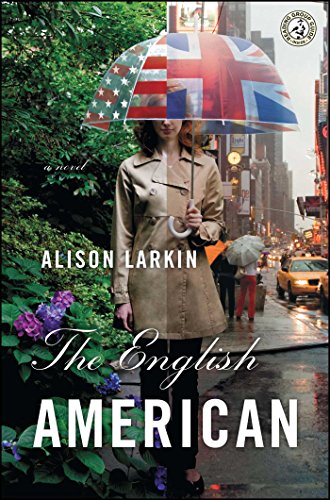
Adopted as an infant and raised terribly British (attending a posh boarding school, able to make a proper cup of tea and in the ‘love’ camp for Marmite on toast), Pippa – now 28 – discovers her birth parents are American. Finally, she begins to understand why she’s so different from everyone she knows.

Pippa sets off for America, soon meeting her creative birth mother and her charismatic birth father. Moving to New York to be nearer to them, Pippa believes she’s found her ‘self’ and everything she thought she wanted. Or has she?

This is a hilarious yet poignant story where you are laughing out loud one moment and holding back tears the next. Pippa’s journey is very funny, yet deeply moving, and I highly recommend The English American to anyone who loves to finish a book with a smile on their face and a warm feeling in their heart.


Kitty:

I’ve been in editing mode this month so have listened to audiobooks to relax, sitting there as the words wash over me reminds me of story tapes and childhood and I quickly sink into a blissful state.

Helping me do this was Celeste Ng’s Little Fires Everywhere.  Having read rave reviews and knowing it had been optioned made me curious and I was greatly rewarded for being so. I got utterly caught up in the story of the families in this book, Ng’s characterisation deft and skilful with surprises around every corner as she explores themes of motherhood and social class.

I’m currently listening to Sally Rooney’s Normal People and again can’t help but admire the way she captures that insecurity and self-doubt of adolescence that lies behind the masks we don. Two remarkably skilful writers that I highly recommend.

I’ve also devoured Jill Mansell’s Don’t Want To Miss A Thing – in book form. As ever, Jill Mansell can be relied upon to be utterly perfect as she delivers that hit of escapism and brings a smile to your face. Faultless.


Jane:
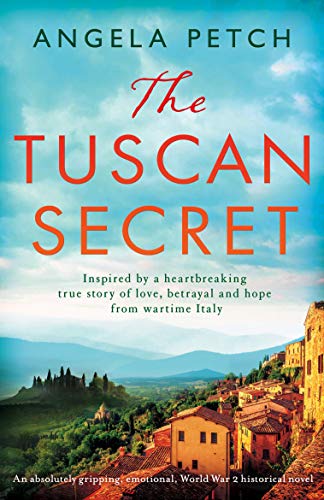
I’ve been reading two books set in Italy this month; both romances and both by members of our ‘Take Four Writers’ team from last year. But apart from that they couldn’t have been more different and it was a joy to be reminded how broad the church of romantic fiction is.

The first was The Tuscan Secret by Angela Petch. This is a dual timeline between the present day and the Second World War and the historical part is loosely based on Angela’s husband’s family. Tuscany is a part of the world she knows very well and her love for it shines through in the achingly beautiful descriptions of the settings. This very gifted writer can certainly take you with her, both in terms of location but also the richness of the story. It’s a much loved trope (daughter is left to discover mother’s secret after her death) and so well told I really missed the characters when I had finished reading.

In complete contrast Lucy Coleman’s Summer on the Italian Lakes is a thoroughly modern love story. After a rather nasty bout of writers’ block, romance author Brie Middleton agrees to help out at a summer retreat on Lake Garda, and of course love is just around the corner. What I particularly liked about this book was the ‘shape’ of the romance – it wasn’t formulaic or predictable – but to say more would be a spoiler. The characterisation was fabulous too and it makes a great holiday read.
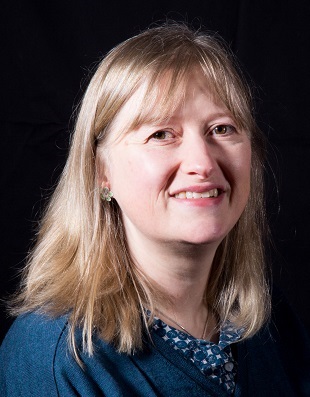
A Taste of Summer by Dr Kathleen Thompson


Having recently been ill, I am enjoying relaxing, guilt-free, in this lovely sunny weather. But how do you bottle this sunshine and make it last all year round? Well Opies literally do this (OK, not literally sunshine, but their bottled products are as good as).

Opies is an old family business, based in Kent since the 1920s, and the local fruit and nut trees have influenced their passion for making amazing preserves over the years.

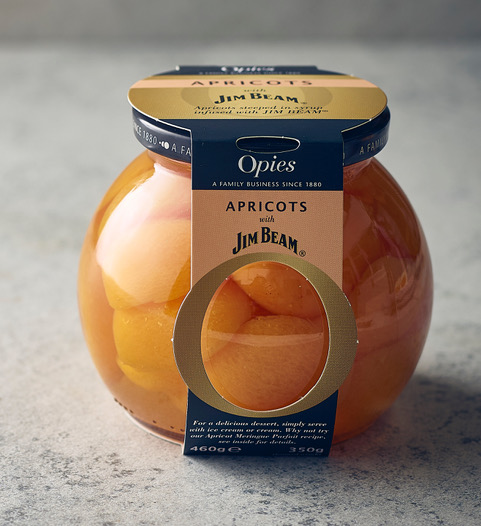
For those with a sweet tooth I can highly recommend their fruits preserved in syrup and various alcohols. They are delicious in various recipes which are available on their website, or if you are feeling lazy and decadent, just put a generous dollop of their Apricots with Jim Beam on some some vanilla ice-cream – perfect.

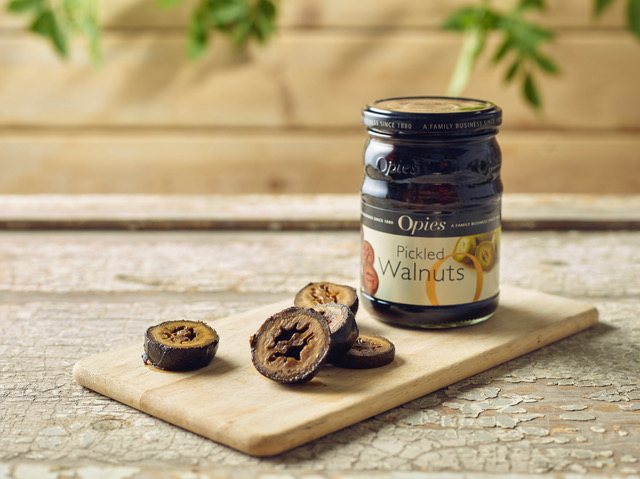
However my favourite is the pickled walnuts. When Len Goodman used to threaten to pickle his, I had no idea about this scrumptious delicacy. Opies have enlightened me. They take the green walnuts, whilst the shell is still soft and prepare them by hand for pickling. The result is an earthy flavour, with a distinctive tangy after-taste. Absolutely delicious as a slice on top of biscuits and cheese, or adding a couple to a stew will provide depth and interest.

But don’t take my word for it – try any of their products. They also make lovely gifts.


Photos provided by Splat Marketing

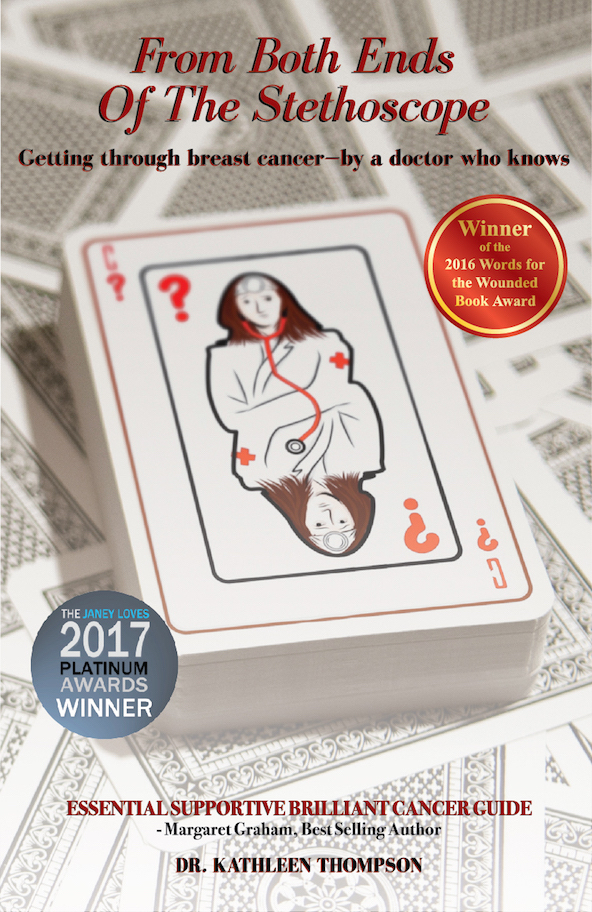
By Dr K Thompson, author of From Both Ends of the Stethoscope: Getting through breast cancer – by a doctor who knows

http://www.amazon.co.uk/dp/B01A7DM42Q http://www.amazon.com/dp/B01A7DM42Q

http://faitobooks.co.uk


My Writing Process – Dr Kathleen Thompson

I suppose I’m an unusual writer. I write lots of factual stuff for my day job – I’m a doctor and test new medicines to check they work and are safe. However I am also enjoying writing an Italian novel currently. I’m familiar with the Italian way of life, psyche and language and it’s fun to create an insight into the truth behind la vita bella d’Italia for the reader. 

My first book was a self-help guide for breast cancer – From Both Ends of the Stethoscope: Getting through breast cancer—by a doctor who knows which won two book awards –the Words For The Wounded Book Award 2016 and the Janey Loves (Radio 2’s Janey Lee Grace) 2017 Platinum Award. When I had breast cancer myself, even I found the hospital experience confusing and frightening. How much harder for people without a medical background? So I wanted to provide the knowledge people needed, quickly but easily – people with cancer are in a state of shock and it’s hard to absorb things. I wrote the guide using my personal experience, whilst drip-feeding what people needed to know. You can read my book from start to finish, or dip into chapters – each one deals with a specific aspect of your cancer journey, and finishes with a summary and further information. Because of my background, I’m passionate about debunking internet medical ‘facts’. There is good information out there, but also much which is misleading or dangerous. I share simple rules for assessing the quality of the information in my book, and also summarise how to reduce cancer risks through life-style. 

Since then I’ve written articles for Frost Magazine, and Huffington Post. I love demystifying medical issues for people – it shouldn’t be complicated.

So how do I write? My biggest challenge is expressing emotion. As a scientific writer I’m used to stating facts, there’s no place for feelings in a scientific report. But people kept asking me what having breast cancer was like. So I had to take a deep breath and really describe my feelings. I’m getting better, but I still find it hard to let go and show my vulnerability. 

My breast cancer guide pretty much wrote itself. Odd things happened during the course of my cancer – unpleasant for me, but perfect material for a book – such as when my operation was nearly cancelled literally at the final hour, and when a doctor tried to give me radiotherapy to the wrong area – it was as though a writer in the sky were choreographing my life to make a perfect story. For novels, I try to write a plan first. I detail the synopsis, the characters and the chapters. 

I like to write concisely – and prune my work repeatedly. This lends itself to online journalism, like Frost Magazine, as people can see the whole article on a smartphone page. 

If you’re inspired to start writing, you should find a good creative writing course, run by an experienced published author. I learned so much about writing technique from my mentor, the best-selling author Margaret Graham. Join a writing group and share your work with your peers – you’ll get essential feedback. Writing a book takes longer than you think. Until you’re very experienced you’ll need to rewrite until it works. But if you enjoy it – keep going, it’s a lot of fun.


5 Ways How Can Parents Help Students at Home

Almost all people go to school and afterward, to a college or university. It’s not easy to learn and gain new knowledge and skills. That’s why parents should help their children. The role of parents should be compared to the value of teachers and professors. Educators encourage schoolers to learn. However, their efforts could be not enough for a kid.

Oftentimes, only parents can make their children be fully engaged in the learning process. Accordingly, all parents should help students right at home. If you are a parent and want your child to succeed with academics, use certain measures to secure that. We offer 5 effective ways to help your children. They are suitable for students of all ages and educational institutions.

Create an Appropriate Atmosphere at Home

First of all, you should create an environment that calls for action. In this case, we are talking about full engagement with studying. Create the working atmosphere in your child’s room. It should be provided with all the necessary materials – pens, pencils, notebooks, textbooks, maps, and similar stuff. Moreover, this room should have all conveniences. Make sure the desk fits the height of your kid. The room should receive enough light to never harm the sight.

  • Additional tips: Have a full list of education supplies for every subject. Discuss the terms and length of work with an educational advisor. Remain always at hand to provide guidance and answers if your child doesn’t understand something.

Develop Organizational and Disciplinary Skills

Secondly, pay attention to the discipline of your child and his/her organizational skills. Many schoolers get distracted by many things. Accordingly, your first measure is to remove any kinds of distractions. These are smartphones, video games, TV-set, and so on. Afterward, teach your kid how to focus on a concrete task.

You have to be strict sometimes. You ought to design a firm schedule that includes time periods for work and rest. In case the rules are violated, you should punish your child. The punishments may exist in the form of some deprivations. For example, your kid may not be allowed to go out for a couple of days or play video games. Think about adequate penalties for adult students.

As children learn disciplinary rules, they automatically develop discipline. It’s a good investment in the future. Further on, they will be able to follow the rules and remain organized.

  • Additional tips: Your schedule should be reasonably divided. Your student should have time to have a rest and enjoy leisure time. Add regular breaks to avoid exhaustion. For example, a high schooler should be allowed to have a rest every hour for 10-15 minutes.

Teach the Necessary Skills

Thirdly, teach your kid really important and necessary skills. Show how to break lengthy tasks into smaller ones. Develop the main learning skills – writing, speaking, and listening. Practice them to constantly improve them. Don’t forget to learn the curriculum to realize the scope of work you have to cover. It’s vital to define the most suitable learning style, which is dependent on practical skills.

  • Additional tips: To be sure you’re doing everything right attend parents’ meetings at school. Talk to experienced academic advisors. Ask them about the basic and advanced requirements for schoolers or college students.

Be an Example to Follow

Children tend to copy the behavior and habits of the grownups. This process happens naturally, and it’s an amazing chance for parents. Use this tendency to show your child that studying is good and helpful. Become an example for your little one.

You have to be involved in the learning process equally with your student. Every time you kid begins to do his/her homework, do some tasks too. Of course, you have your job responsibilities, and they should be fulfilled. It’s no problem because you may do some of your duties at home. Compare your job responsibilities to learning and labor alongside with your student.

  • Additional tips: If you don’t know how to get involved in the learning process, visit some helpful websites. They provide interesting data, which is given by teachers. They tell how to engage parents in learning together with their kids. The are crucial tips that help parents to support their children in the world of science and to dwell upon the basic and some advanced methods. If you don’t have time to help your children, you can always address online custom essay writing service with a professional team which will provide you with high-quality papers upon request.

Reward Your Child

Don’t forget to reward your child. It’s one of the most effective methods to encourage other people to do anything. Of course, education is no exception, as well. The habit to learn should be developed since early childhood. School students don’t need some plush and expensive rewards. A bicycle or a holiday near the riverside may be enough.

Adult college and university students have more expensive needs. Try to satisfy them all. Act on fair terms and reward only when your student really deserves that.

  • Additional tips: To reward your student with the things he/she needs, always learn what he/she prefers. Thus, you can encourage trying harder if you give the desired prize.

Follow these 5 simple tips, and you will sufficiently support your student. Make sure you carry out them correctly and are always fair with your child. Look for some other tips and recommendations. If you’re armed with the necessary knowledge, your support methods will become more effective.


Sponsored Post

My Writing Process – Tora Williams

A bit about you. 

I’m one of those people who was always wanting to write a book, but could never find the time to write. Not that I wrote nothing at all—I used to write fan fiction and short stories purely for my own entertainment—but I never quite believed that anyone else would be interested in reading anything I might write. Then about ten years ago I signed up for an Open University course on writing fiction and was encouraged by the feedback I got. Suddenly writing a novel didn’t seem such an impossible task, and I started writing seriously. Much to my parents’ horror, I resigned from my job and set up as a maths tutor and freelance proofreader to give myself more time to write.

What you have written, past and present.

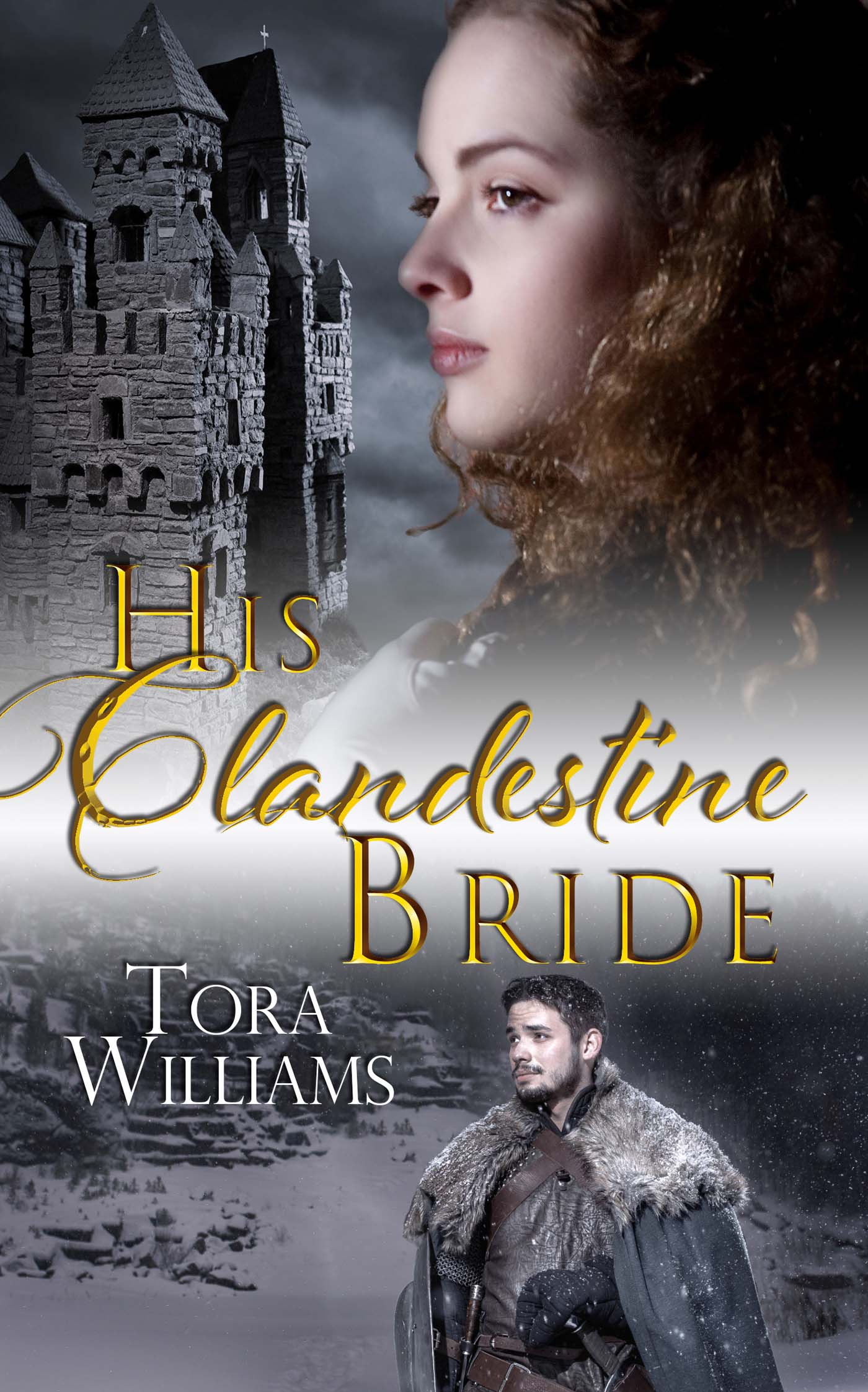
I write historical romance, set in medieval Wales and the Welsh Marches. My debut novel, Bound to Her Blood Enemy, was published by The Wild Rose Press last year. They’ve now published two more of my books, the latest one being His Clandestine Bride, published in March. I’m currently editing a fourth medieval romance with others at various stages of completion.

A bit about your process of writing. 

I try to get up early and write between about 5 and 7am. I then get on with my day job until mid-afternoon, then return to writing. If I don’t write first thing in the morning, I find it really difficult to write later in the day, so I have to be strict.

Do you plan or just write?

A bit of both. Before starting a new story, I plan the hero and heroine’s characters and have a rough idea of where the plot is going, but after that I write as the story comes to me.

What about word count?

I try to write 1000 words a day. If I can get down 500 words in the morning, writing another 500 later on never seems like too terrible a task.

How do you do your structure?

I don’t consciously follow a structure when writing the first draft, but when editing I always find the story falls roughly into a 3-act structure and I edit to firm up that structure.

What do you find hard about writing?

Every day it’s a struggle to force myself to silence the inner voice telling me the story is rubbish and no one will want to read it. Once I get going that voice goes away, but dragging myself out of bed every morning to turn on my computer is never easy. 

What do you love about writing? 

I love dreaming up the characters who inhabit my stories and get a real rush planning how they’re going to achieve their happy-ever-after. It’s the best job in the world. Who else can say they’re a professional daydreamer? 

Advice for other writers.

Take every opportunity to connect with other writers. Writing is a lonely business and rejections can be hard to handle. Meeting others going through the same experience can help you stay sane and provide the motivation and encouragement to keep going, especially when your family and friends think you’ve lost your mind!


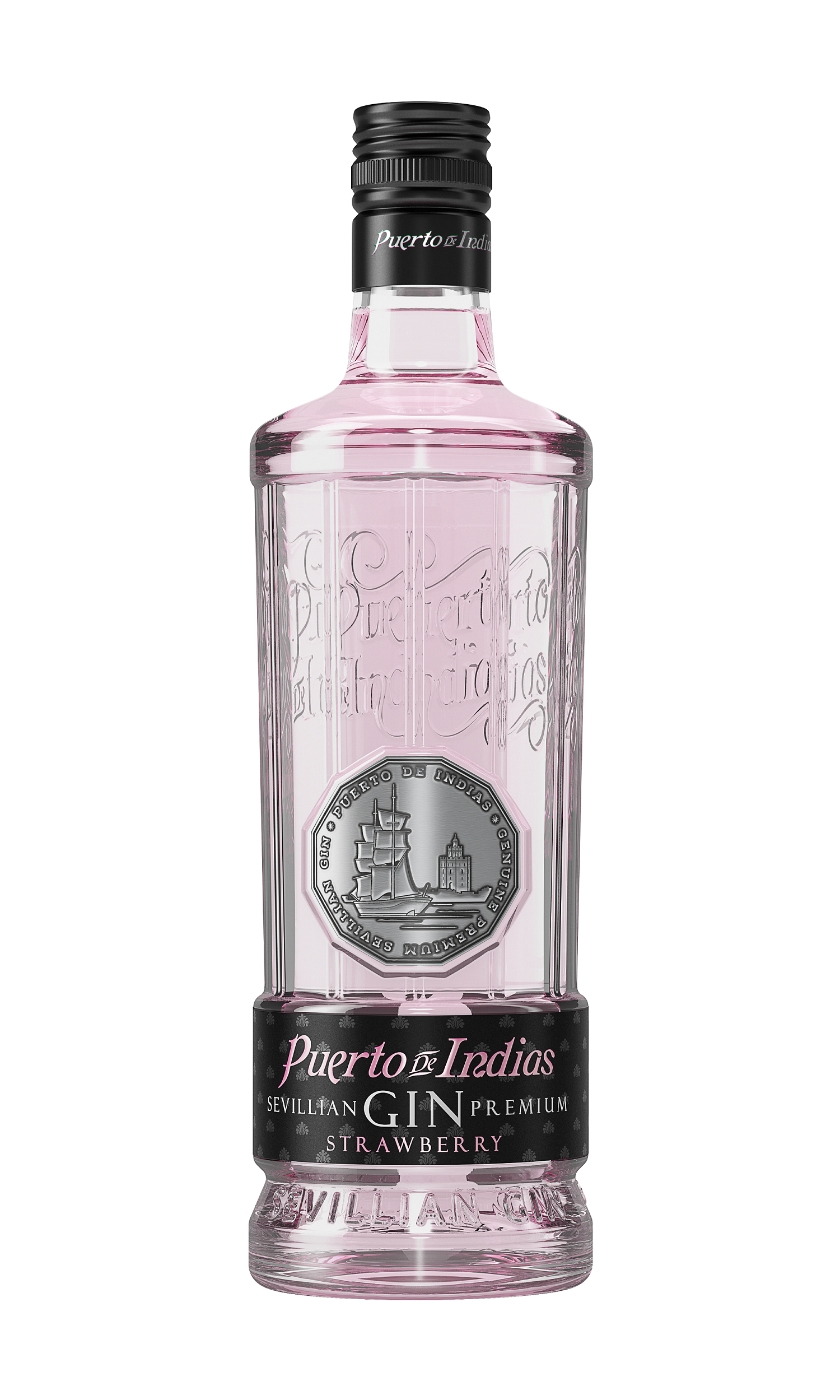
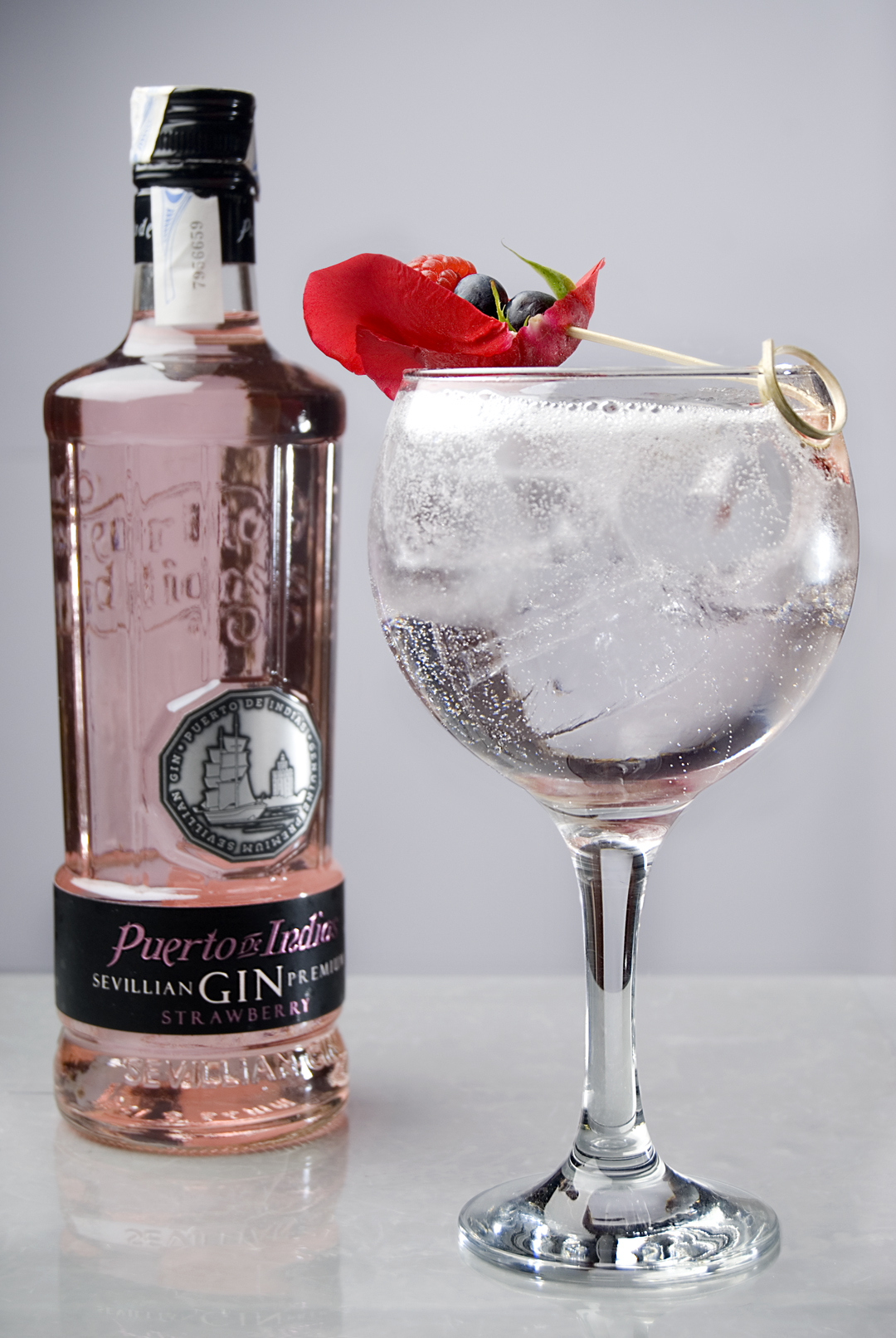
Gin – Michael Rowan discovers the spirit of Strawberry Fair thanks to Puerto de Indias, the Original Spanish Strawberry Gin.


We seem to have reached that point in the year that I call ‘Peak Summer.’ It’s that time where the summer feels as though it will go on forever. A time for planning picnics and eating in the garden, of languidly turning the pages of that holiday novel whilst sipping a long cool summer drink or laying in the shade close to a swimming pool.

And whilst there are a number of drinks that I can turn to, I am always on the lookout for something new, so, imagine my delight to discover this wonderful Puerto de Indias,

Strawberry Gin.

Light fresh and with the unmistakable taste of fresh strawberries what could be more  perfect? Puerto de Indias Strawberry Gin is crafted with fresh distilled strawberries grown locally in Seville.

On the nose, the gin has subtle hints of strawberry and a touch of juniper and aniseed. This gin begs to be teamed with good tonic water, plenty of ice and of course a few chopped strawberries.

The sweetness of the strawberries is offset by the gin making this perfect summer drink. Fruity and sweet, you can enjoy this Gin over ice as an aperitif, with tonic or in cocktails.

So, with a timely nod to the Wimbledon Tennis Tournament they have invented the ‘Perfect Serve’

The Perfect Serve

50ml Puerto de Indias Strawberry Gin

200ml premium tonic water

Fresh strawberries & lime wedge

Method

Build the cocktail in a Copa glass over ice, garnish with fresh strawberry slices and a wedge of lime, stir and serve.

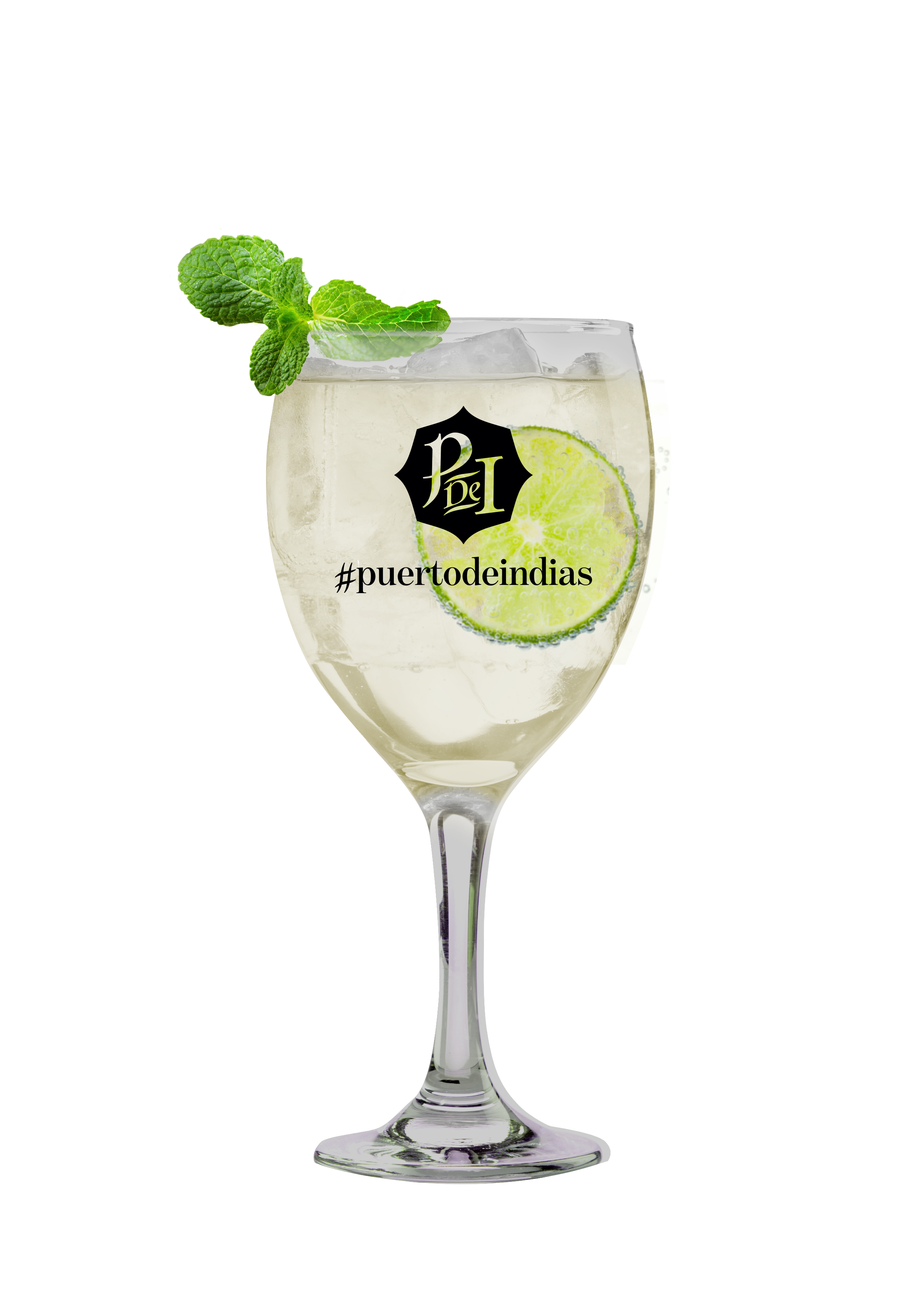
Alternatively, you could try the Strawberry Mule,


Strawberry Mule

50ml Puerto de Indias Strawberry Gin

200ml premium ginger beer

Juice of ½ lime

Mint leaves & lime slice

Method

 Build the cocktail in a branded Copa glass, stir and serve.

Or you could experiment and devise your own cocktail which would be quite appropriate

given that like many a great discovery, this unique strawberry gin was born from a mistake,

when a master distiller was attempting to make a strawberry liqueur; he took his fresh

mashed strawberries and added them to a new recipe gin he was working on, and the rest is

history!

Puerto de Indias has an ABV of 37.5% per 70cl bottle, available at RRP of £27 from Amazon, Master of Malt, Whisky Exchange and the Drinks Supermarket.


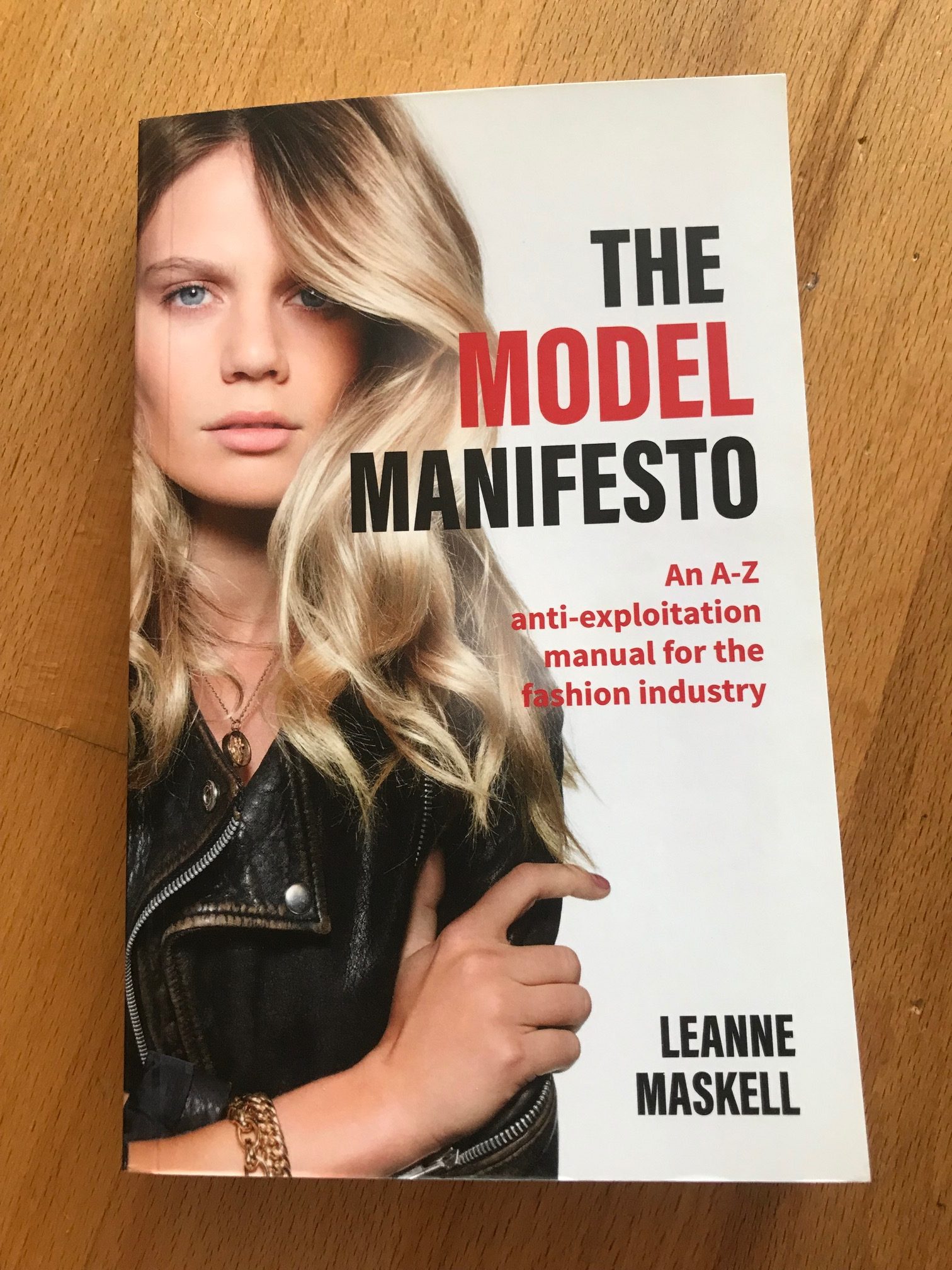
Vogue Model Exposes Financial, Physical & Exploitation in the Fashion Industry

the model manifesto, modelling, fashion industry, exploitation,

I was interested to see this book on the modeling industry. I have worked as an actor and I have also done modeling in the past. There are no words for how much I hated working as a model. I was never actually a model, but the way women are treated is awful. On the other side, I have covered London Fashion Week many times. Seeing how thin and young the models were always tugged on my conscious. 

Leanne Maskell is a warrior. This brave book she has written should be read by every model and everyone who works in the fashion industry. It should indeed become a manifesto. Bravo to Leanne. I hope she sells millions of copies of this book. 

The Life of a Model: Physical, Financial and Emotional Exploitation

Vogue model releases an A-Z anti-exploitation manual for the fashion industry

Why this book matters:

  • Exploitation has become accepted in the industry, with 29.7% of models being inappropriately touched on a shoot and 28% of models facing pressure to sleep with someone at work.
  • Over half of all models start working before they are 16, yet America is the only country to legally enforce breaks, chaperones and limit working hours. The lack of restrictions led to 14-year-old model Vlada Dzyuba working herself to death in 2017.
  • The pressure on models to lose weight and the constant rejection from clients can leave them vulnerable to mental illness, with 31% suffering from eating disorders and 68% from anxiety and/or depression.
  • Models face intense financial exploitation, with hidden contracts signed on their behalf meaning agencies in the UK take as much as 45% commission and can charge required expenses such as transport, personal trainers, nutritionists and hairdressers to the model without their prior knowledge or consent.
  • Modelling can be very dangerous, with 77% of models said they had been exposed to alcohol or drugs while on a job and 50% exposed to cocaine.

Sixteen hour working days, forced onto starvation diet plans, waiting months to be paid, no changing rooms, hair bleached beyond repair, made to strip naked at work, swallowing cotton wool soaked in water to curb your appetite – this is the ugly truth behind the life of a model.


Leanne Maskell is the author of The Model Manifesto, an A to Z anti-exploitation manual to the fashion industry which aims to educate current and aspiring models on how to find success and avoid the pitfalls of physical, financial, and emotional exploitation.


The book’s advice covers essential topics every model needs to know including: finding the right agency, creating a portfolio, understanding tax, working aboard, the role of social media, avoiding hidden agency expenses and knowing your own legal rights.


Leanne Maskell, author, Vogue model and activist.


Leanne started modelling at the age of thirteen, working for clients such as Vogue and London Fashion Week. Now, with 13 years of experience working regularly for clients such as ASOS, Amazon and New Look, she has created a book to give models the information she wished she had been provided with throughout her career.


While she loved her career, she frequently suffered from exploitation, including two men changing her into tights on a shoot when she was 13, having her drink spiked, being heavily pressured into shooting revealing imagery and being sent to a hotel room for a “casting” for escorts by her agency. The cost of Leanne’s successful career was suffering from anorexia, bulimia and severe depression.


Leanne empowered herself by studying Law at University and has combined her legal and modelling experience to empower other models in the hope that they do not encounter the same pitfalls as she has. Whilst writing The Model Manifesto, she created policies to improve the modelling industry which has led to a legal career advising on immigration law & mental health law policy.


The Model Manifesto has been written to protect the 99% of models that don’t make it big – the ones who are treated as disposable objects. It also aims to educate those who wish to be models on how to avoid exploitation, empower themselves and enjoy the benefits of the job.” – Leanne Maskell


The Model Manifesto by Leanne Maskell is out 02 May 2019 and is priced at £14.99. To find out more go to: www.themodelmanifesto.com

SISTER SCRIBES GUEST: DAISY TATE ON GAL PALS

I’m over the moon to invite the wonderful Daisy Tate to the blog today. I met Daisy at a conference a couple of years ago and have reached out to her many times for the huge amount of wisdom she carries. From worries about contracts to the far more personal she is never anything but supportive, perceptive and insightful. Daisy, you’re a queen. 


Hello and thank you so much for letting me thumb a proverbial ride with the Sister Scribes.

The sun is sort of shining, the cows are out to pasture, and I’m counting myself a lucky bean as in a couple of week’s time my first book is coming out and let me just say…this baby wouldn’t have seen the light of day if it weren’t for my gal pals.

Happy Glampers is a four parter about four women (there’s a theme here) who were roomies in uni, lost touch, and are now rekindling their friendships en plein air. You can indulge in little one quarter reads or go mad and read the whole thing as they’re releasing all of them in a oner. One of the best parts about writing it was staring up at my corkboard where I pinned pictures of friends who are constant reminders of just how special female friendships can be. I was never a clique girl. Terrified of them in fact. Terrified because I was afraid of being kicked out for being the kooky, lone wolfish, drama nerd that I was. But now that I am a (vaguely) grown up woman, I am finally beginning to realise just how important the risk taking is. Is it scary to let someone close? Always. Are the rewards of a tight friendship incalculable? Absolutely.

Firstly, a good friend will tell you if there is spinach in your teeth. And a whole lot more. Like reading the early drafts of your novel for instance. I cringe to think of how awful my book was in the beginning (sheer genius, obviously glinting through, but…there was a lot of dreck to chisel away). None of that shiny polished prose would’ve seen the light of day if it hadn’t been for my gal pals who read this book over and over until it was finally deemed ready for the general public. Trusting that you’re going to get honest feedback is a huge thing. Trusting that your friendship can survive  constructive criticism is also a rather stupendous experience.

Being invited to appear with the Sisters Scribe-tastic is a testament to just how supportive women writers are. When I first entered the magical world of writing a few years ago I was prepared to get my very short nails out and, well, not claw my way to the top because I have zero upper body strength – but at least fend off any scary foes. THERE ARE NO FOES in the world of women’s fiction. (Please let this not be the moment where I unearth a mortal enemy). Along this windy path I’ve walked, I have only met people who are there to help others (like Kitty Wilson!). All of which is a hugely long-winded way of saying if you think you’re in this journey alone? You don’t have to be. You’ve got a host of friends – ready and willing to stand up by, beside and for you. So go for it.


Daisy Tate loves telling stories. Telling them in books is even better. When not writing, she raises stripey, Scottish cows, performs in Amateur Dramatics, pretends her life is a musical and bakes cakes that will never win her a place on a television show. She was born in the USA but has never met Bruce Springsteen. She now calls East Sussex home.

Twitter:  https://twitter.com/DaisyTatetastic

Facebook:  https://www.facebook.com/daisy.tate.92167

Instagram:  https://www.instagram.com/daisytatewrites/

Goodreads:  https://www.goodreads.com/author/show/18660359.Daisy_Tate