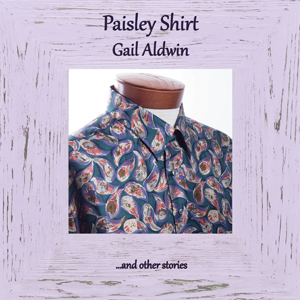
Paisley Shirt by Gail Aldwin


Flash Fiction is a relatively new but growing phenomena and Gail Aldwin is a master of the craft. Her latest book, ‘Paisley Shirt’ is a fascinating collection of 27 stories that explore many facets of life in the 21st century. They reflect a wide range of emotions and experiences that we may all be familiar with, even if only observed from afar.

The stories may be brief but every word counts, creating vivid images and strong characters with few words. A perfect example is Stone, barely a paragraph but quite perfect in its expression of love. The characters and settings throughout are vividly drawn and the expressive use of language a tell-tale sign of the poet.

If you’re not a lover of poetry then flash fiction may be the perfect alternative for a short but satisfying read. The brevity it offers gives the reader the ability to devour one in spare moments but to be left thinking about them long afterwards.

Paisley Shirt is published by Chapeltown and is available from www.bookdepository.com


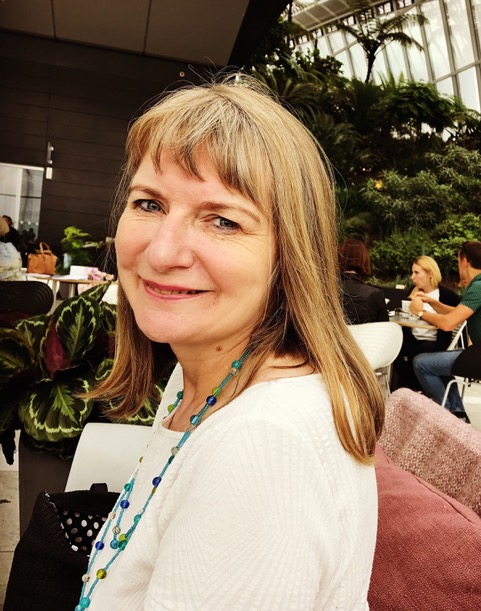
Gail Aldwin is a prize-winning writer of poetry and short fiction. Chair of the Dorset Writers’ Network, she works with the steering group to support writers across the county. She is a visiting tutor at Arts University Bournemouth and her work can be found online at Ink, Sweat & Tears and Slamchop and in print anthologies including What I Remember (EVB Press, 2015) Dorset Voices (Roving Press, 2012) and The Last Word (Unbound Press, 2012).

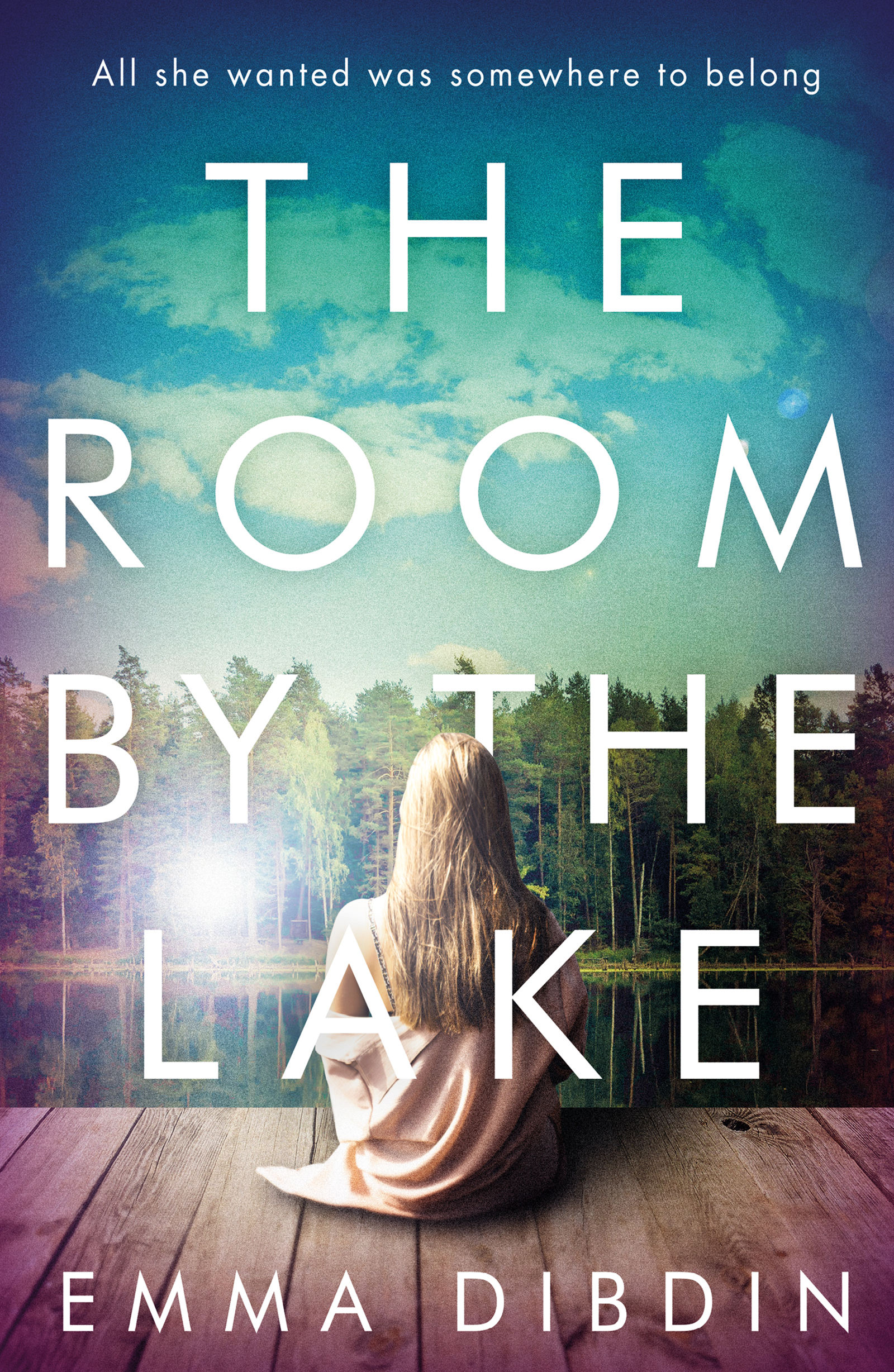
The Room by the Lake by Emma Dibdin


Caitlin never meant to stay so long. But it’s strange how this place warps time. Out here, in the middle of nowhere, it’s easy to forget about the world outside.

It all happened so fast. She was lonely, broke, about to give up. Then she met Jake and he took her to his ‘family’: a close-knit community living by the lake. Each day she says she’ll leave but each night she’s back around their campfire. Staring into the flames. Reciting in chorus that she is nothing without them.

But something inside her won’t let go. A whisper that knows this isn’t right. Knows there is danger lurking in that quiet room down by the lake…


Most of us have wanted to do this at one time or another, haven’t we? When life got too stressful and there didn’t seem to be any way you could find a happy ending. So what if we could  pack a bag, buy a ticket to anywhere and disappear until we sorted ourselves out? Caitlin doesn’t just think about it, she acts on it and sets off for New York.

Dibdin gives the reader a sense of the desolation and confusion Caitlin feels after the loss of her mother as she wanders the streets of Manhattan, filling the endless hours, and introduces Jake who takes advantage of her vulnerability and whisks her off to the Lake House to meet his family. Except the reality of his family was not what Caitlin had imagined.

We immediately get a strong sense of Caitlin’s fragile mental state that leads to her making the choices she does – it is all so  plausible, and as we read we are unsettled by a growing unease that all is not as it seems.

A gripping thriller that explores how vulnerable we can all be given the circumstances and how easily it is to fall prey to false appearances.

The Room by the Lake RRP £7.99


Emma-dibdin

AUTHOR

Emma Dibdin grew up in Oxford, and now lives in New York. She is a writer and journalist whose work has appeared in Esquire, Marie Claire, Harper’s Bazaar, Cosmopolitan, and Total Film. This is her first novel.


Catherine Walker Couture – Two Never-Before-Seen Outfits Added To Diana: Her Fashion Story at Kensington Palace


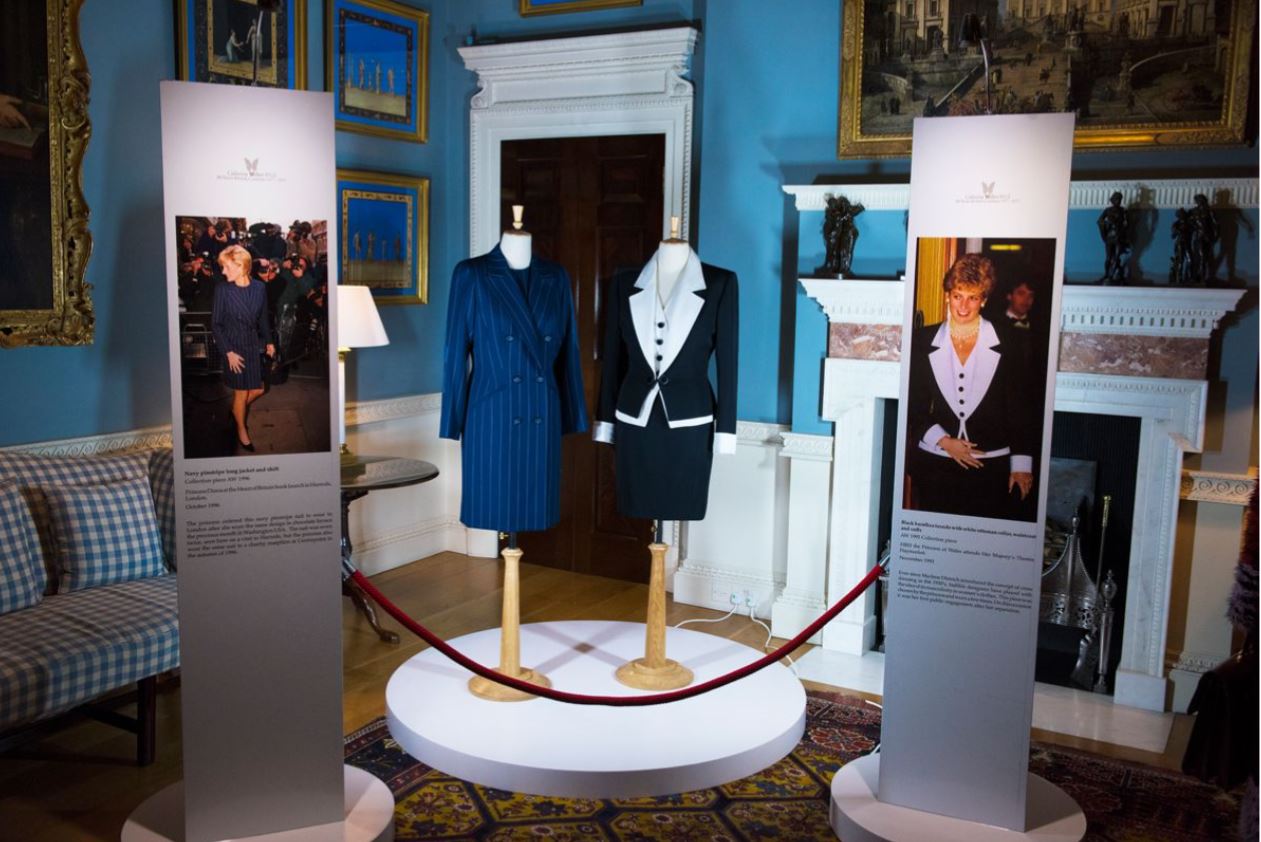
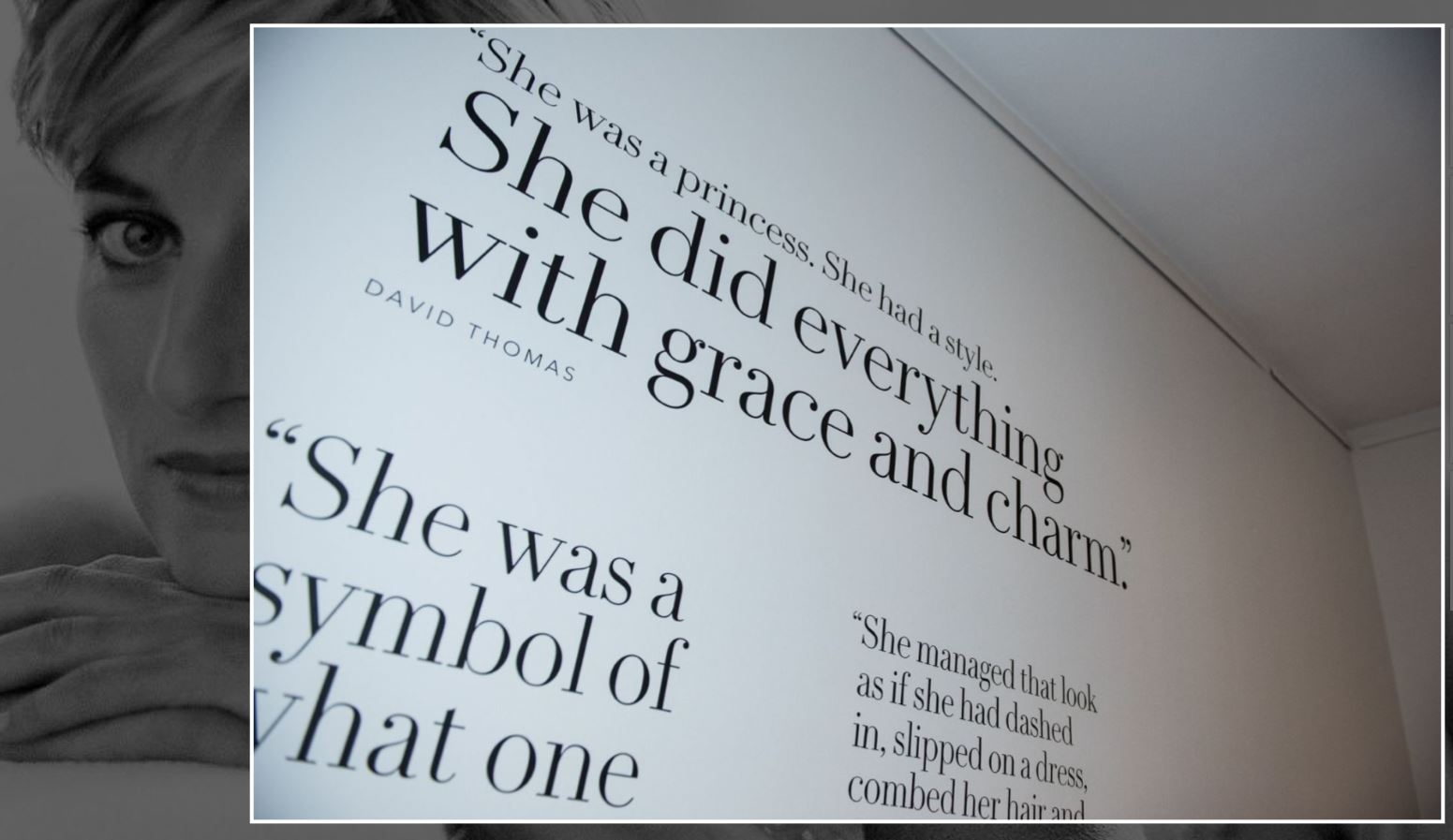
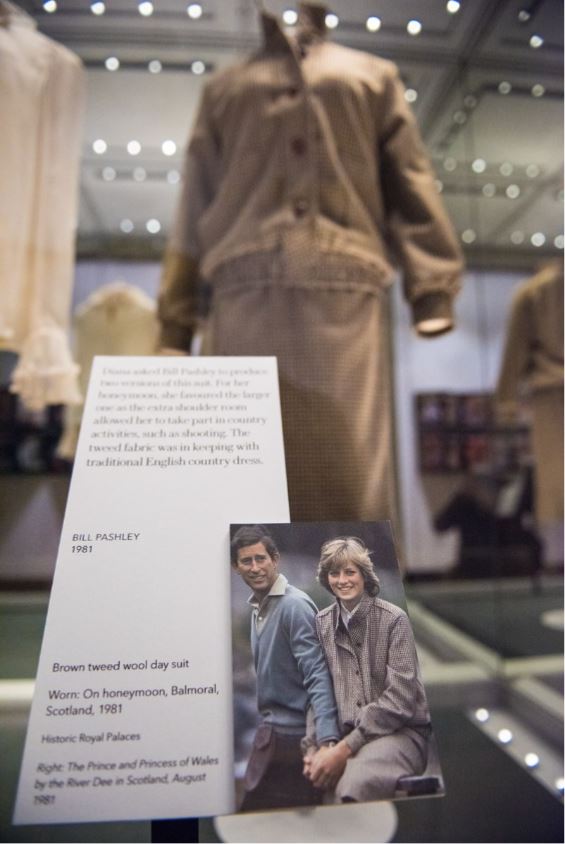
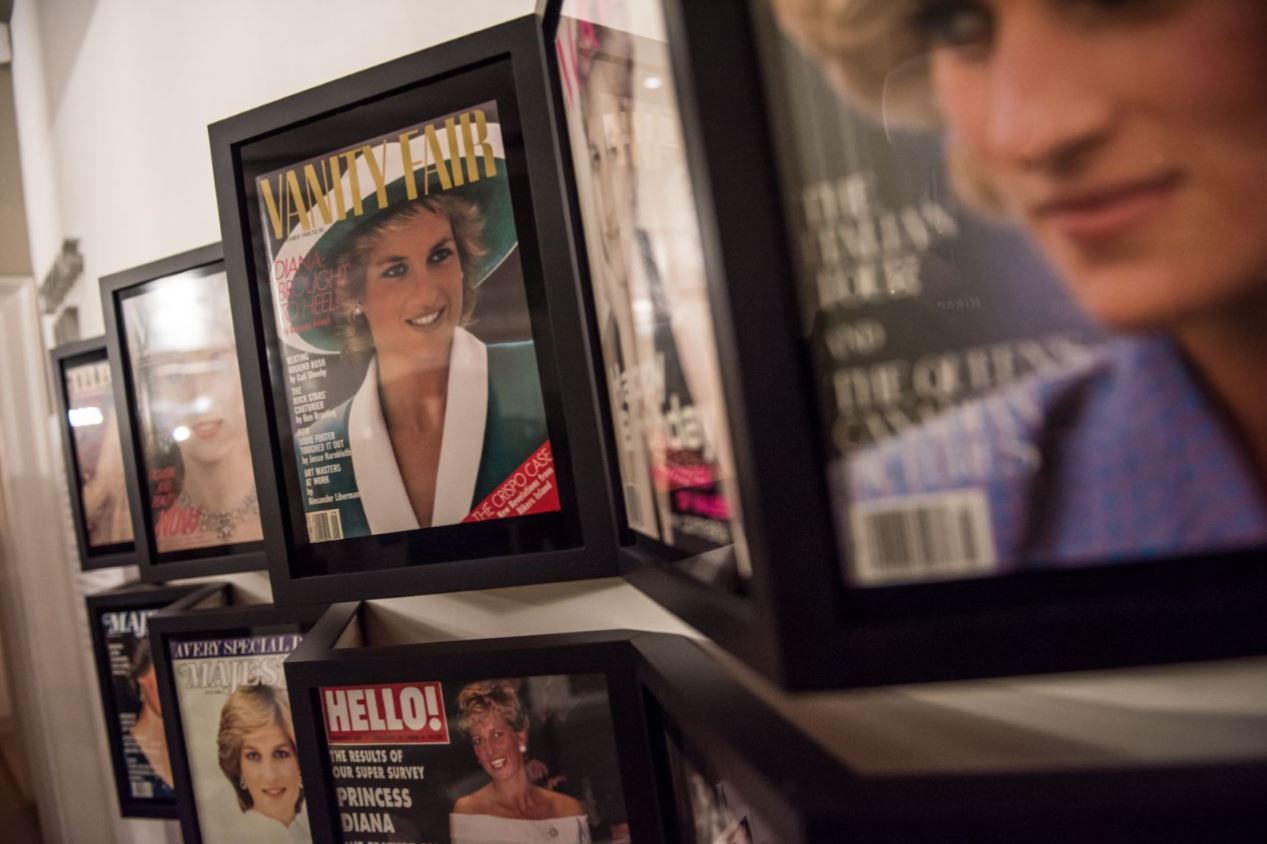
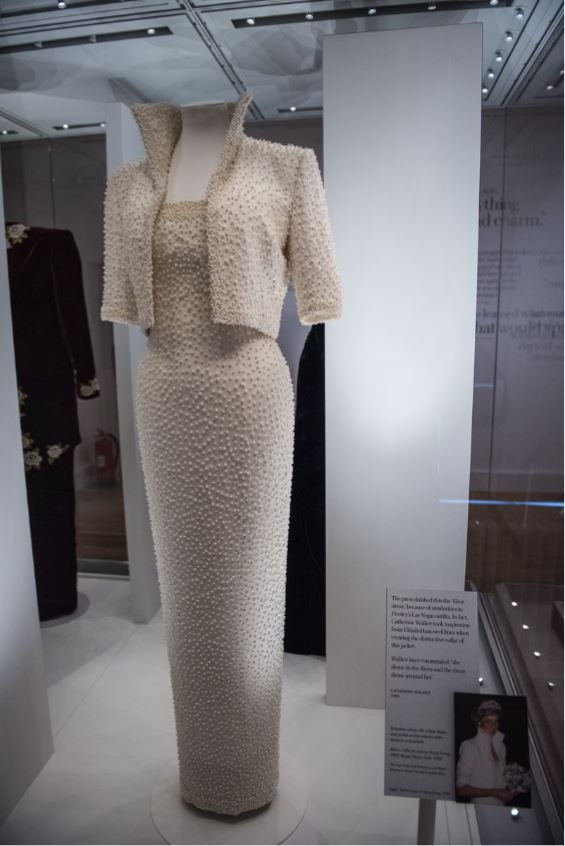
From April 26th 2018, visitors to the existing Diana: Her Fashion Story exhibition at Kensington Palace will be able to view eight new outfits, including two by designer CATHERINE WALKER.

The CATHERINE WALKER fashion house designed a number of Princess Diana’s outfits, with the chief designer, Catherine Walker sharing a mutual trust with the People’s Princess over a 16-year period.

After her death in 2010, Catherine Walker’s husband, Said Cyrus, (who co-founded in the company) continued in the capacity of Head Designer and has recently celebrated the 40th anniversary of the brand.

Frost Magazine was recently invited to a private viewing at the Spencer family’s London residence, Spencer House, of some of the iconic dresses worn by Diana, that saw her through the pomp and formality of state occasions, along with a number of classic outfits, carrying the Catherine Walker label.

Exhibition images:  Shane Finn at VOUZ! Photography

“To have a piece of clothing made for you is one of the most intimate things you can do, both intellectually and physically. Intellectually, because what you choose to wear says everything about you, so to let someone design a piece of clothing for you is to allow them to tell your story to the world. Physically, because, as you stand semi-naked in front of the mirror, you are exposing yourself, literally. This is why a deep trust is so essential in the relationship between the designer and the client. You must trust that the designer sees you, listens to you and seeks to understand you…”

Kate Reardon

Editor, Tatler magazine

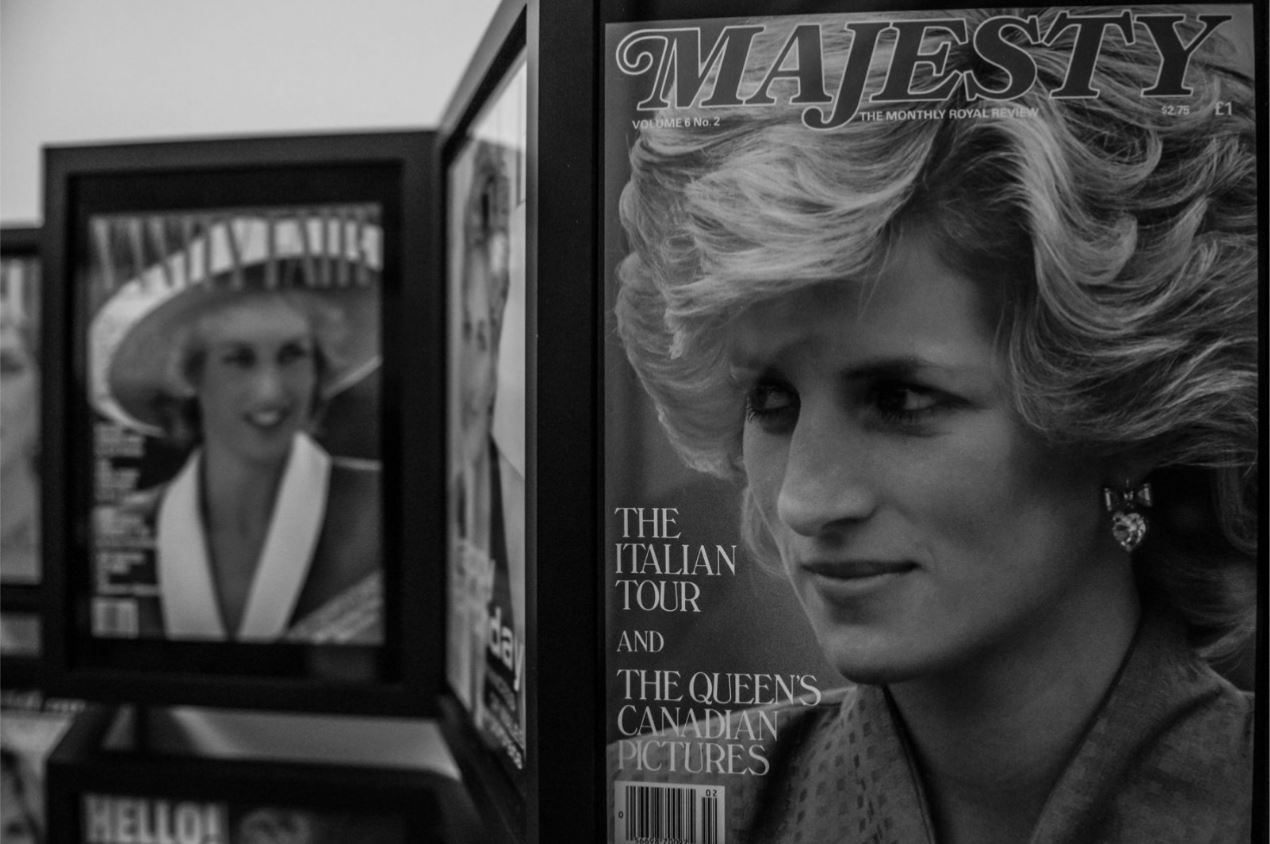
DIANA: HER FASHION STORY exhibition at KENSINGTON PALACE

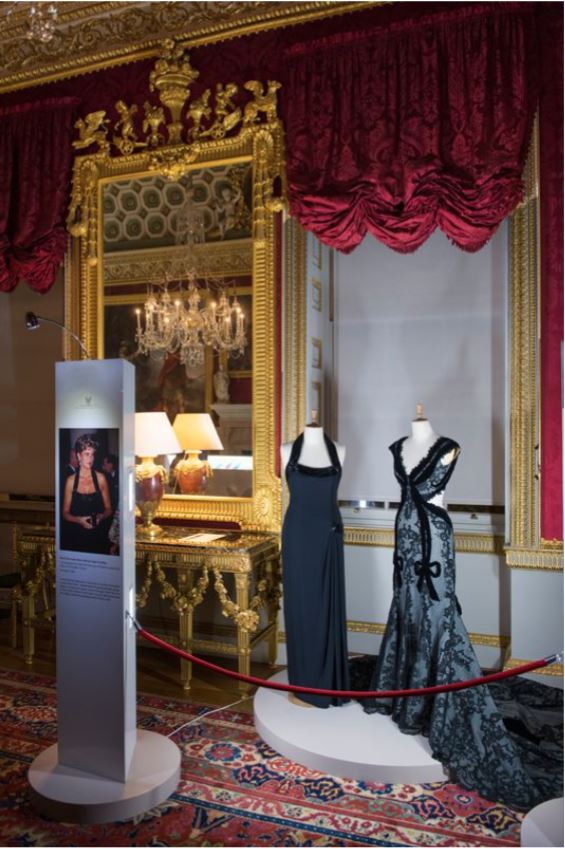
One of the new outfits being shown at the Diana: Her Fashion Story exhibition at Kensington Palace is the light blue silk Catherine Walker day dress which was worn on an official tour of New Zealand in April 1983.

Also on display is the stunning Catherine Walker black and red evening gown worn to a Pavarotti concert at the Royal Albert Hall in aid of the Red Cross 125th Birthday Appeal in 1995.

Diana:  Her Fashion Story exhibition will be closed between 16th to 25th April 2018 and will re-open on 26th April 2018, running until 6th January 2019

Kensington Palace

From 26th April (peak)  Adults: £19.50, children: £9.70, concessions: £15.50, members admission: free.

Book online…

Corinne Tuddenham-Finn at VOUZ! Magazine and Frost Magazine

Exhibition imagery:  Shane Finn at VOUZ! Photography


Amazon Announces Return of Literary Prize, The Kindle UK Storyteller Award


Winning author to receive £20,000 cash prize and be recognised at central London award ceremony later this year

Amazon UK announces The Kindle Storyteller Award 2018, a literary prize recognising outstanding work by authors, independent of genre around the country. The prize is open to all authors who publish their book through Kindle Direct Publishing on Amazon.co.uk from 1st May 2018 to 31st August 2018.

Readers will play a significant role in the competition with the award shortlist compiled based on a number of factors that measure customer interest in the titles, followed by an esteemed panel of judges made up of book and publishing industry experts who will select the Kindle Storyteller 2018 winner.

The prize will be announced at a central London ceremony in the Autumn, with the winning author awarded a cash prize of £20,000 and a marketing campaign to support the book on Amazon.co.uk as well as the opportunity to have their book translated for international sales.

David Leadbeater, the winner of the 2017 UK Kindle Storyteller Award said, ‘Winning the 2017 Storyteller Award has been a dream, and its enabled me to go further in my career than I ever thought possible, taking my readers along with me. When I started publishing independently in 2011, Kindle Direct Publishing changed my life. I can’t wait to see what tales and stories authors come up with for this year’s competition’.

The Kindle Storyteller prize is open to submissions of new English language books from eligible authors and genres, and entries must be submitted using Kindle Direct Publishing. Titles must be previously unpublished, with a minimum of 24 pages in paperback. Readers can access all titles entered into the prize in print or in the Kindle store on any device with the free Kindle app for iPhone, iPad, Android phones and tablets, PC and Mac, and on Kindle e-readers and Fire Tablets.

For the Kindle Storyteller Award, at least five books from all submissions will be selected for the shortlist. The shortlist is ultimately chosen by the readers themselves, as positive reviews are a focal point of the shortlisting process. The judging panel will then select a winner.

The Kindle Storyteller Award 2018 opens for entries on 1st May 2018, and titles must be entered into the KDP Select programme and remain there for the duration of the competition. For further information authors can visit www.amazon.co.uk/storyteller.


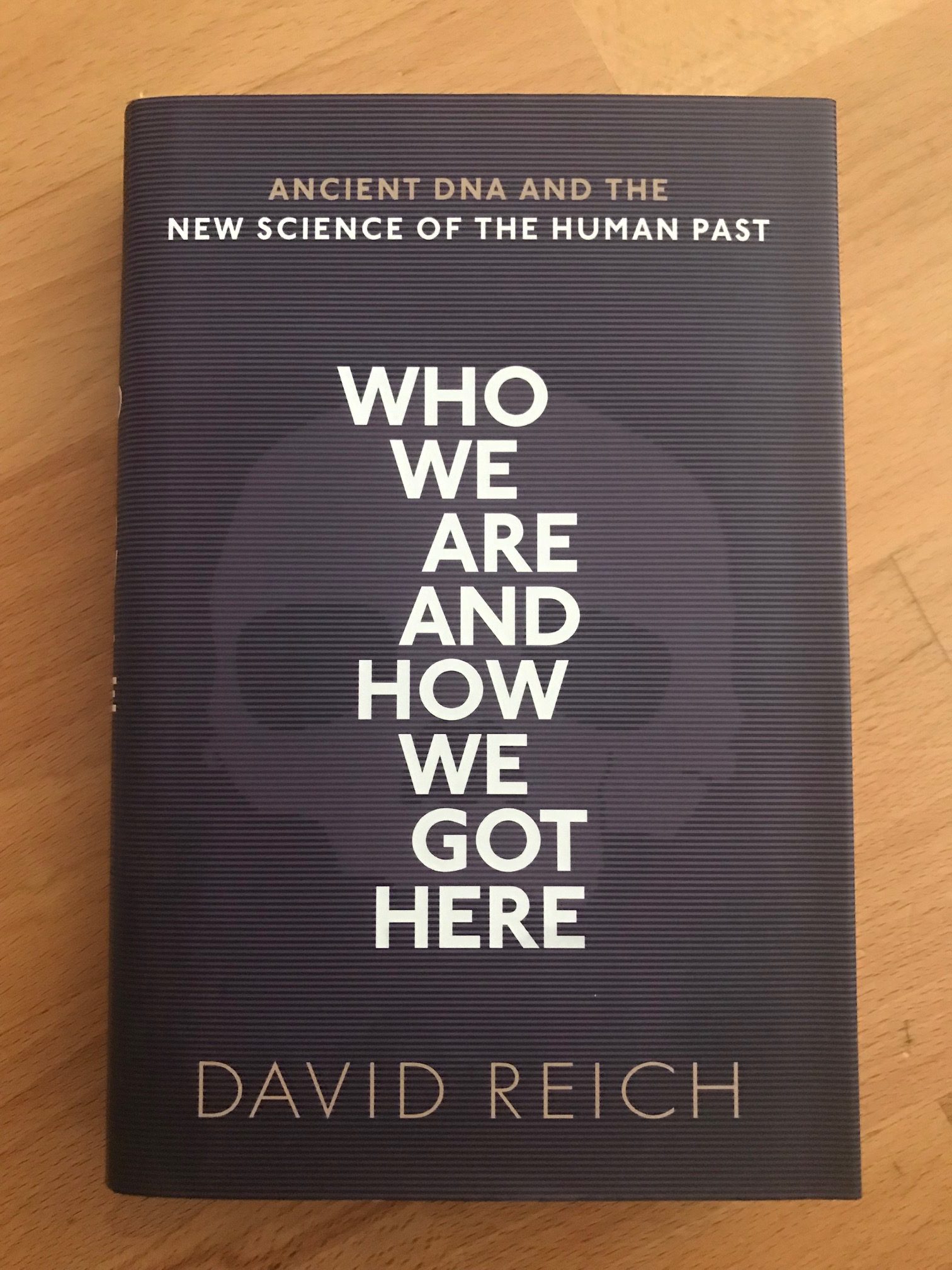
Who We Are and How We Got Here: Ancient DNA and the new science of the human past

The past few years have witnessed a revolution in our ability to obtain DNA from ancient humans. This important new data has added to our knowledge from archaeology and anthropology, helped resolve long-existing controversies, challenged long-held views, and thrown up remarkable surprises. The emerging picture is one of many waves of ancient human migrations, so that all populations living today are mixes of ancient ones, and often carry a genetic component from archaic humans. David Reich, whose team has been at the forefront of these discoveries, explains what genetics is telling us about ourselves and our complex and often surprising ancestry. Gone are old ideas of any kind of racial âpurity.' Instead, we are finding a rich variety of mixtures. Reich describes the cutting-edge findings from the past few years, and also considers the sensitivities involved in tracing ancestry, with science sometimes jostling with politics and tradition. He brings an important wider message: that we should recognize that every one of us is the result of a long history of migration and intermixing of ancient peoples, which we carry as ghosts in our DNA. What will we discover next?

This is a fascinating and well researched book. An Amazon No 1 Bestseller and it is easy to see why. 

The past few years have witnessed a revolution in our ability to obtain DNA from ancient humans. This important new data has added to our knowledge from archaeology and anthropology, helped resolve long-existing controversies, challenged long-held views, and thrown up remarkable surprises.

The emerging picture is one of many waves of ancient human migrations, so that all populations living today are mixes of ancient ones, and often carry a genetic component from archaic humans. David Reich, whose team has been at the forefront of these discoveries, explains what genetics is telling us about ourselves and our complex and often surprising ancestry. Gone are old ideas of any kind of racial âpurity.’ Instead, we are finding a rich variety of mixtures. Reich describes the
cutting-edge findings from the past few years, and also considers the sensitivities involved in tracing ancestry, with science sometimes jostling with politics and tradition. He brings an important wider message: that we should recognize that every one of us is the result of a long history of migration and
intermixing of ancient peoples, which we carry as ghosts in our DNA.

What will we discover next?

Available here.

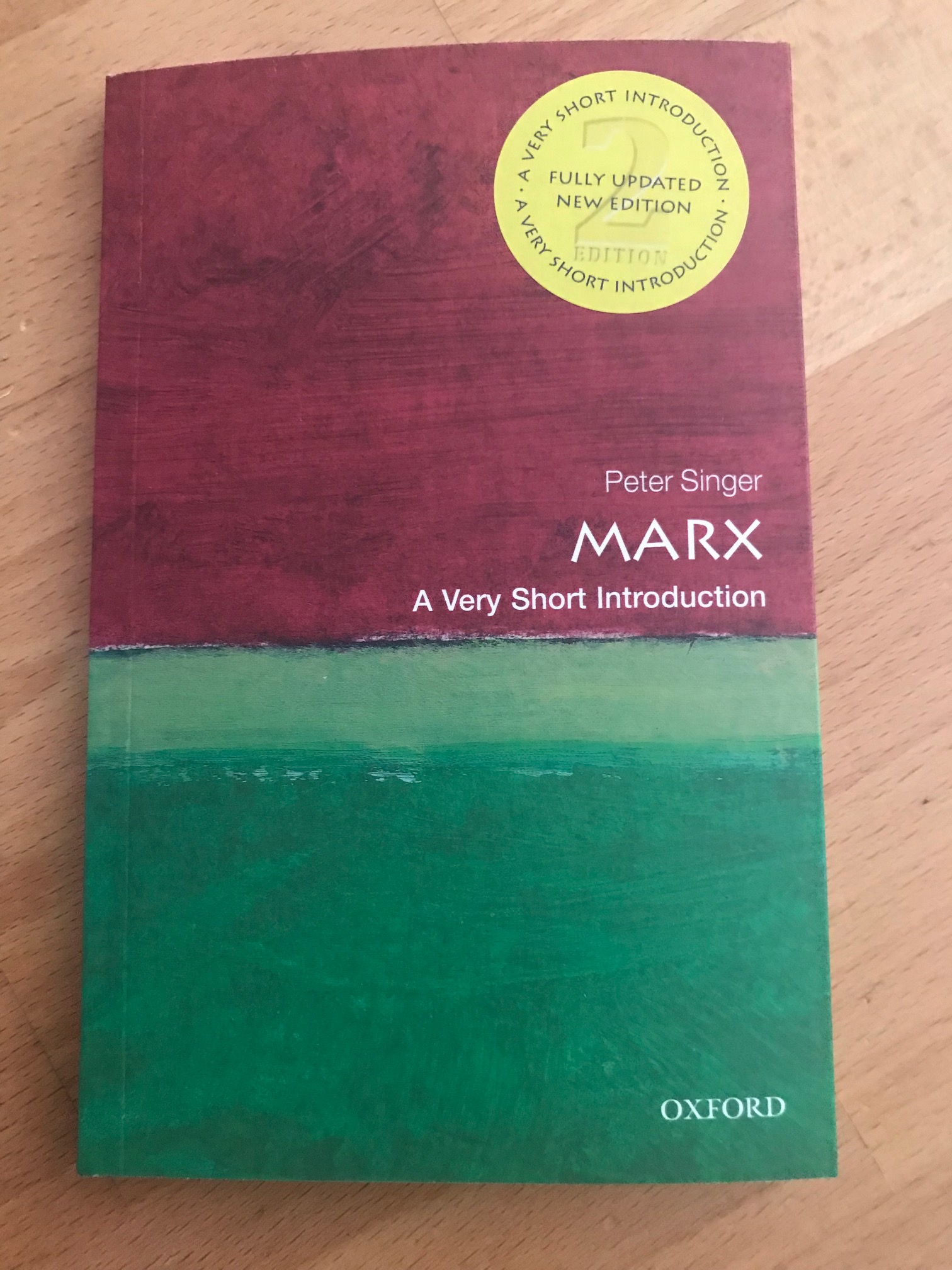
Marx: A Very Short Introduction

marx, a short introductionMarx: A Very Short Introduction is Marx made easy. A brilliant and balanced book that is essential for anyone interested in Marx.

In Marx: A Very Short Introdution, Peter Singer identifies the central vision that unifies Marx’s thought, enabling us to grasp Marx’s views as a whole. He sees him as a philosopher primarily concerned with human freedom, rather than as an economist or a social scientist. In plain English, he explains alienation, historical materialism, the economic theory of Capital, and Marx’s ideas of communism, and concludes with an assessment of Marx’s legacy.

About the Series: Combining authority with wit, accessibility, and style, Very Short Introductions offer an introduction to some of life’s most interesting topics. Written by experts for the newcomer, they demonstrate the finest contemporary thinking about the central problems and issues in hundreds of key topics, from philosophy to Freud, quantum theory to Islam.

Available here.

THE BUSINESS OF BOOKS: FROM PITCH TO PUBLICATION

Jane Cable picks up a good book.

Doubts happen to every writer, at every level. For me, at this precise moment, it’s about whether I’ve written the right book. It’s a book I wanted to write, with characters I’m passionate about and a story I believe in, but as I begin the submission process the doubts have set in.

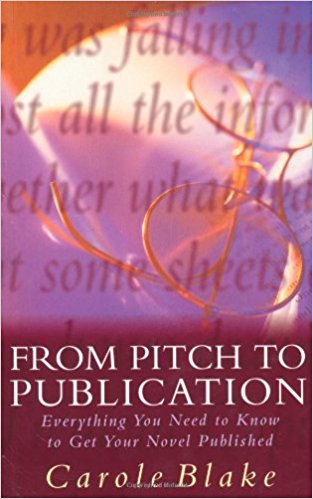
As ever, it was a writer friend who gave me a helping hand out of the hole I was rapidly digging for myself. Take a bow, Barbara Copperthwaite, for recommending an excellent book; From Pitch to Publication by the late, great literary agent Carole Blake. Barbara credits reading the book with helping her to land her agent and publishing deal. “Turns out I was doing it all wrong,” she told me. And because I know ‘all wrong’ was nothing to do with the quality of her writing, I downloaded the book straight away.

It isn’t a book you read cover to cover – you keep it by your side and refer to different chapters at different stages of your life as a writer of commercial fiction. And some of the advice seems just a tiny bit dated, written as it was in the days (not that long ago) before direct submission and digital only publishers became major players in the market. But the first chapter alone gave me plenty to think about.


So, what have I learnt from this wonderful tome?

What is the right book?

The very first pages start with the question that had been haunting me. And answered it from a very commercial angle. Yes, write what moves you but with an eye on the eventual market. Trends are impossible to spot but there are certain aspects of a novel you can build in from the start which will help it appeal to publishers; for example the right well-researched location, the right choice of profession for your protagonists. Both need a touch of glamour – or at least desirability. Keep the word ‘aspirational’ in mind and you can’t go far wrong.
Follow your genre’s rules

Genre is massively important in commercial fiction terms and you need to understand the rules of your genre inside out. To do that you need to read a lot of it. While your idea and your voice need to be sparkling and original, your story needs to meet your readers’ expectations. Romances have to end HEA or HFN (happily ever after or happy for now). Every genre has its optimum length. But never, ever, pick a subject because you think it’s going to be the next best thing – your lack of passion for it will show in your writing.
There is a checklist… a magical checklist

I’m not going to give the whole game away, because that wouldn’t be fair and if you’re serious about a career as a commercial writer then you need to buy this book. But here are just a few of the items on it which seemed most important to me:

Is the world where the novel is set one in which readers will want to spend time even before they have come to know the characters?

Is my central character fully developed and someone readers can readily identify with?

Are my plot strands so overly complicated that readers will get confused?

Can I sum up my storyline in one sentence?


And finally, the magical triangle

This had never entered my head but it makes the most sense of all. As a writer you need to be able to build and control the relationship not only between writer and character, but between writer and reader – and reader and character. Not just for one book, but in a way that will forge a lengthy career. It’s a huge question but one, as writers, we really need to ask.


From Pitch to Publication by Carole Blake is published by Macmillan

Common Breastfeeding Problems

breastfeeding, benefits of breastfeeding, mum, baby, what age to stop breastfeedingDr Emma-Jane Down offers insight into common breastfeeding woes…

Why people say ‘breast is best’

Breast milk is regarded as nature’s natural food for your baby and it’s certainly full of essential nutrients.

According to Unicef, research has shown that breastfeeding provides babies with various health benefits, including essential nutrients that offer protection from infections and diseases.

Plus, women who breastfeed have a lower risk of developing cancers such as breast and ovarian cancer.

Breastfeeding for beginners 

Since 2003, the Department of Health has recommended that women should ideally feed their baby with breast milk for the first six months of an infant’s life, before introducing any other food or drink.

But like any skill, learning to breastfeed can be difficult to start with, and some women can be affected by health issues during feeding.

If you’re finding it difficult or painful to breastfeed, be assured that you are not the only one to feel this way. “It’s important to ask for help if you aren’t finding it easy or comfortable,” advises GP at AXA PPP healthcare, Dr Emma-Jane Down. “It does get easier.”

Breastfeeding health conditions

Sometimes health conditions can occur during breastfeeding, creating difficulties for mum and baby. These include issues such as blocked milk ducts, mastitis, abscesses and thrush.

Blocked milk duct

“Occasionally a blocked milk duct can occur, causing a swollen, red area on the breast,” explains Dr Down.

Mastitis 

Mastitis occurs when a blocked milk duct doesn’t settle after one to two days, making the breast infected. “It will become red, hard, painful and swollen, and you may develop a fever and feel very unwell. You need antibiotics to clear this up, along with continuing to feed from that breast to clear the blockage,” advises Dr Down.

Breast abscess

“A breast abscess is another rarer complication causing a red painful, hard lump.” This contains a collection of pus and needs draining quickly by a doctor, along with a course of antibiotics.

Thrush

Breast thrush causes severe nipple or breast pain and can be spread from mum to infant. “Thrush is treated with prescribed anti-fungal medications, usually cream for the mother and drops or gel for the baby’s mouth,” explained a spokesperson for Unicef. Painkillers may be required too to help ease pain.

How to make breastfeeding comfortable

Breastfeeding can be an important way of bonding with your baby. The skin-to-skin contact helps comfort your baby and the more you feed, the more milk you produce. So it’s worth persevering with it, even if it doesn’t feel comfortable at first.

Some of the issues that can contribute to making breastfeeding difficult, suggests Dr Down, include not latching on properly, timed or scheduled feeding and the overuse of pacifiers and dummies.

“Latching on and getting into the correct position for mum and baby is key,” she says. “This helps prevent sore nipples and blocked milk ducts.”

Tips to make breastfeeding go more smoothly

To help breastfeeding go more smoothly, the National Childbirth Trust (NCT) suggests these tips:

.       Sit comfortably before you start feeding. Make sure you relax your arms and shoulders.

.       Make sure your baby’s head and body are in a straight line. This will help them swallow more easily.

.       Position your baby’s nose level with your nipple, so they can reach up and attach easily to your breast.

.       Ensure your baby’s neck, shoulders and back are well supported.

If your baby needs encouragement to feed, try stroking their top lip to encourage them to open their mouth wide.

“If your baby is difficult to feed or seems unhappy, then do ask for help,” emphasise the NCT.

Feeding with formula

If breastfeeding doesn’t work for you and your baby, then the next best step is formula feeding.

“No mother should be made to feel ashamed or guilty for using formula,” believes Dr Down.

“It may not be quite as good for your baby as breast milk, but is a safe alternative if you’re not able to breastfeed the baby,” she says. “A happy mum makes a happy baby, so sometimes you have to do what is best for you too.”

Tips on making up formula milk 

When you’re making up formula milk, Dr Down advises:

.       Follow the instructions carefully.

.       Don’t change the ratio of powder to water, as it’s not safe.

.       Always carefully wash and sterilise bottles to avoid dangerous vomiting or diarrhoea bugs – they can quickly grow in formula milk that’s left hanging around in unsterilised bottles.


If you have any concerns or worries about feeding your baby, then do speak to your GP, midwife or health visitor for advice and support.