JANE CABLE VISITS THE KILLING FIELDS

“Listen – the birds are singing. I’ve missed that.”

She’s right. All through Vietnam there has been hardly any birdsong, but now we’re in Cambodia, at Choeung Ek, the most famous of the hundreds of killing fields, there is.

Perhaps we hear them because our normally ebullient group is stunned into silence as our guide explains the process into our headsets, his tone without emotion. He was a tiny child when this happened. He is only alive today because his father saw what was coming and prepared accordingly. Even so, the family barely managed to keep their heads below the parapet until it was over.

In three years, eight months and twenty days from 17th April 1975 Pol Pot’s regime killed somewhere north of 1.5 million people. No-one was safe, least of all the children of between 10 and 15 years old who were brainwashed into carrying out the killings. The regime figured they would tire of it but couldn’t afford for them to talk. After eight months or so they joined their victims in the mass graves.

At Choeung Ek no-one survived. They were very careful. The victims arrived by  truck, having been told they were being taken from prison to a new life. Shackled and blind-folded they were held in a wooden shelter and taken one at a time to the edge of the graves then hit over the back of the head. Then their throats and wrists were slit. Particularly sadistic killers would use the serrated edges of palm fronds instead of knives. All of this while music blared from speakers hanging in trees to drown out their screams. For children and babies the process was simpler – swing them by the feet and bash their brains out on a tree trunk studded with nails.
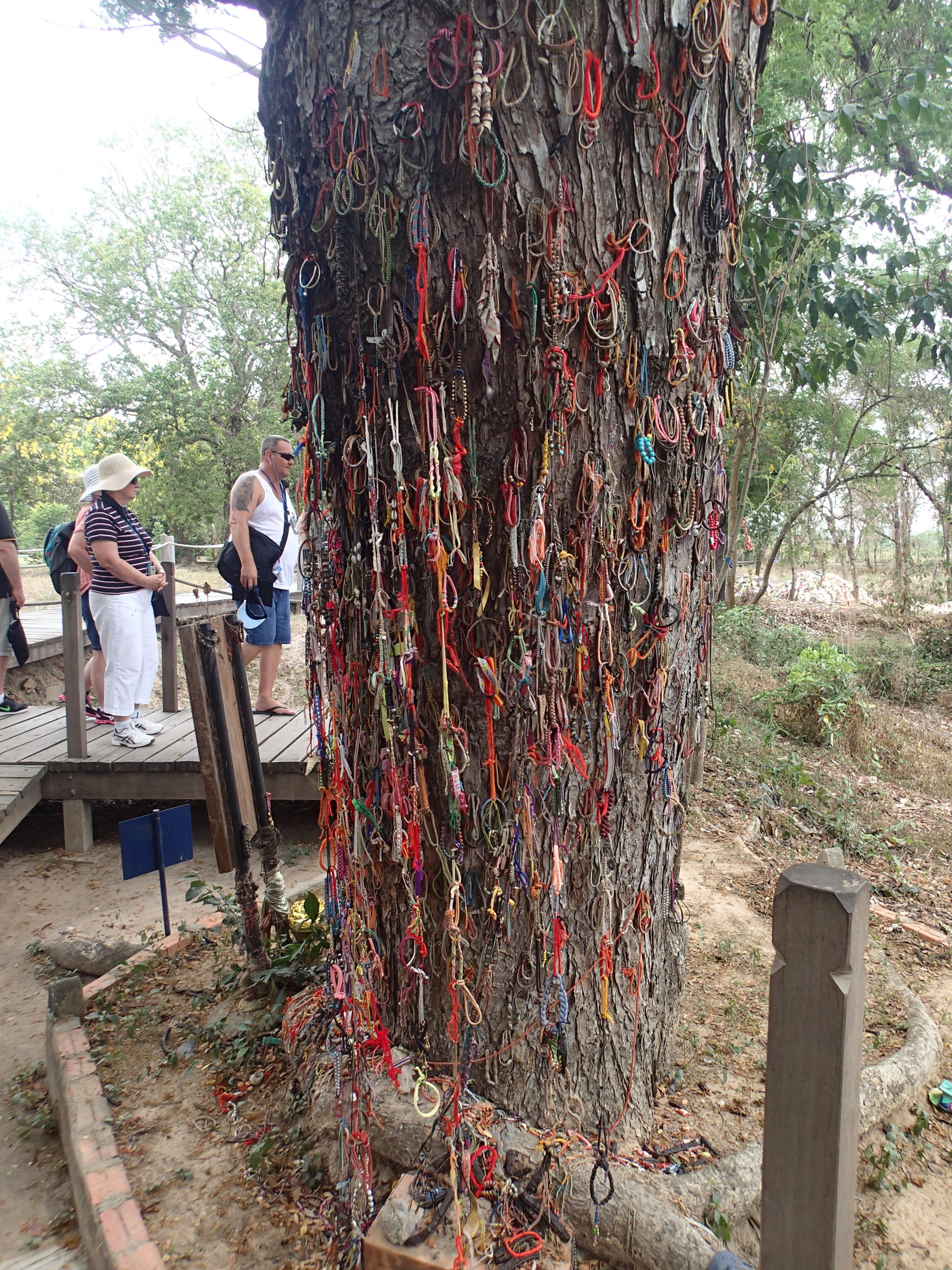
Why kill babies too? Simply because the regime believed they were born with their parents’ beliefs. And the regime wanted to restock Cambodia with only the genes of 40,000 carefully chosen party members. Everyone else would die. The population of the country at the time was around 7.5 million.

Had I been born in Cambodia I would have been one of the first to go. I wear glasses, you see. And glasses were a sign of wealth and education. Education was a dangerous commodity. Even 20,000 Cambodians studying at universities abroad were lured back to the country to be part of a brave new world then imprisoned the moment their planes touched the ground. Imprisoned and killed – the same fate as any foreigner who had the mischance to be in the country at the time.

The killing field at Choeung Ek pulls no punches. The memorial at the centre contains shelf after shelf of skulls, many gazing out through the windows over the lumpy ground. Enough graves were excavated to demonstrate the scale of the atrocity and the rest left in peace. But even so as you walk around you spot the odd bone near the path or under a tree. Some of the graves have been fenced in and to these fences are fixed hundreds of friendship bracelets. They also adorn the tree where the children were killed, as far up the trunk as a human arm can reach.

The idea is to tell people, make sure the world knows so that nothing like this can happen again. But in Cambodia children are no longer taught about it in school. Perhaps because some of those associated with old regime have returned to positions of power. What seems inconceivable to us is not to a country which is fundamentally Buddhist – you do not seek revenge, you forgive. Because punishment will be dealt with after this life and is not the preserve of mortals.

While I applaud this approach it worries me that it leaves the country vulnerable. The real safety valve is probably that Cambodia is looking to build its future in large part on tourism so needs to remain an attractive destination. Which recent history aside it most definitely is.


BUSINESS OF BOOKS: FIRST, LAST, EVERYTHING – FREELANCE EDITOR J L DEAN

What was the first publishing business advice you were given?

Be clear and be on time. There’s the myth of the maverick writer who delays and delays only to appear at the eleventh hour with a work of genius. Editors can’t do that. The role of the editor is to make a piece of writing the best piece of writing it can be. That can mean anything from a little judicious rephrasing here and there to hitting the alarm bell when a character inexplicably undergoes a personality change halfway through a novel. Editing is primarily a support role. Yes, it takes a lot of skill and yes, a good reputation will make for an excellent career. However, you’re not the star, the writer is. Editing someone else’s book is not an opportunity to rewrite it in your own writerly image. Respect their style and adapt your approach accordingly.

By being clear, I mean when the writer received their edited manuscript from you, the only queries should be regarding the suggestions you have made. It is fine if they disagree or want to challenge, but you should be concerned if they have to ask you to explain yourself. Again, you’re there for support. Don’t be cryptic, be helpful, encouraging and reassuring.


What was the most recent piece of publishing advice you gave or received?

I did a lot of academic proof-editing for German clients when I lived in Bonn. More often than not I’d have to go back to them and ask, “UK or US English?” A lot of the time, they wouldn’t know. I had a young client was writing an article on the Nuremberg trials for publication in England so I contacted the publisher directly and asked for their house style. My advice to him, at the beginning of his academic career, was always to ask the publisher or publication for which he is writing for a copy of their house-style. Most have them and failing to follow it can mean instant rejection or, if you’re lucky, a lot of extra work within a very short space of time. No editor, however brilliant, can save you if you overlook that piece of advice. Make life easier for yourself and make sure you get it right from the start.


What is the piece of advice you’d most like to pass on?

Graham Norton asked Michael Morpurgo the same question in an interview a couple of days ago. Michael’s response; “Live an interesting life”. That’s got to be my answer too. It seems to me that, at this point in time, there’s a lot of emphasis on academic qualifications in creative writing. Agents are even starting to ask for that information in submissions. I feel very uneasy about that; I think it’s the wrong route for the publishing industry to take but that’s another article! For me, writing comes from within and it needs to be fed from within.

So my advice would be; don’t rush to be the ingénue novelist who has known nothing but the inside of a university lecture hall. OK, you’ll look good in the publicity photos and the press will adore you for the full fifteen minutes, but what experiences are you drawing on. What are you really giving the reader, and therefore the world? Go out and live your life, meet people and challenge yourself. No matter if you want to write medieval crime thrillers or contemporary romance; stories are about people and people are the key to stories; even in their absence, there’s a story. You won’t learn about people in a classroom. Get out there, but take your notebook.


J L Dean is an a freelance editor and historical novelist, recently returned from three years living in Germany, she divides her time between work, law studies and that difficult second novel.


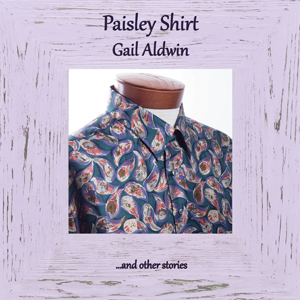
Paisley Shirt by Gail Aldwin


Flash Fiction is a relatively new but growing phenomena and Gail Aldwin is a master of the craft. Her latest book, ‘Paisley Shirt’ is a fascinating collection of 27 stories that explore many facets of life in the 21st century. They reflect a wide range of emotions and experiences that we may all be familiar with, even if only observed from afar.

The stories may be brief but every word counts, creating vivid images and strong characters with few words. A perfect example is Stone, barely a paragraph but quite perfect in its expression of love. The characters and settings throughout are vividly drawn and the expressive use of language a tell-tale sign of the poet.

If you’re not a lover of poetry then flash fiction may be the perfect alternative for a short but satisfying read. The brevity it offers gives the reader the ability to devour one in spare moments but to be left thinking about them long afterwards.

Paisley Shirt is published by Chapeltown and is available from www.bookdepository.com


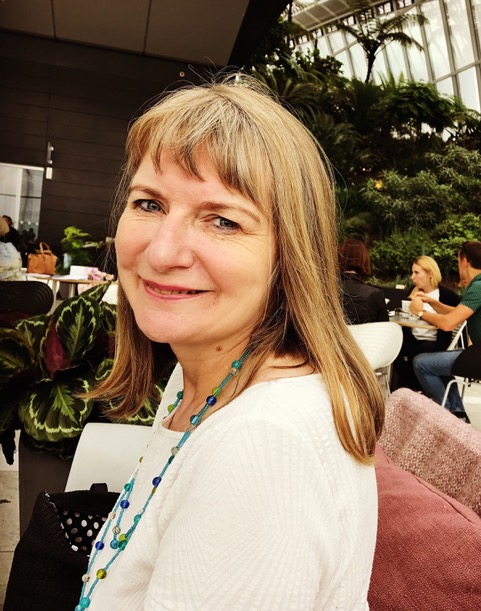
Gail Aldwin is a prize-winning writer of poetry and short fiction. Chair of the Dorset Writers’ Network, she works with the steering group to support writers across the county. She is a visiting tutor at Arts University Bournemouth and her work can be found online at Ink, Sweat & Tears and Slamchop and in print anthologies including What I Remember (EVB Press, 2015) Dorset Voices (Roving Press, 2012) and The Last Word (Unbound Press, 2012).

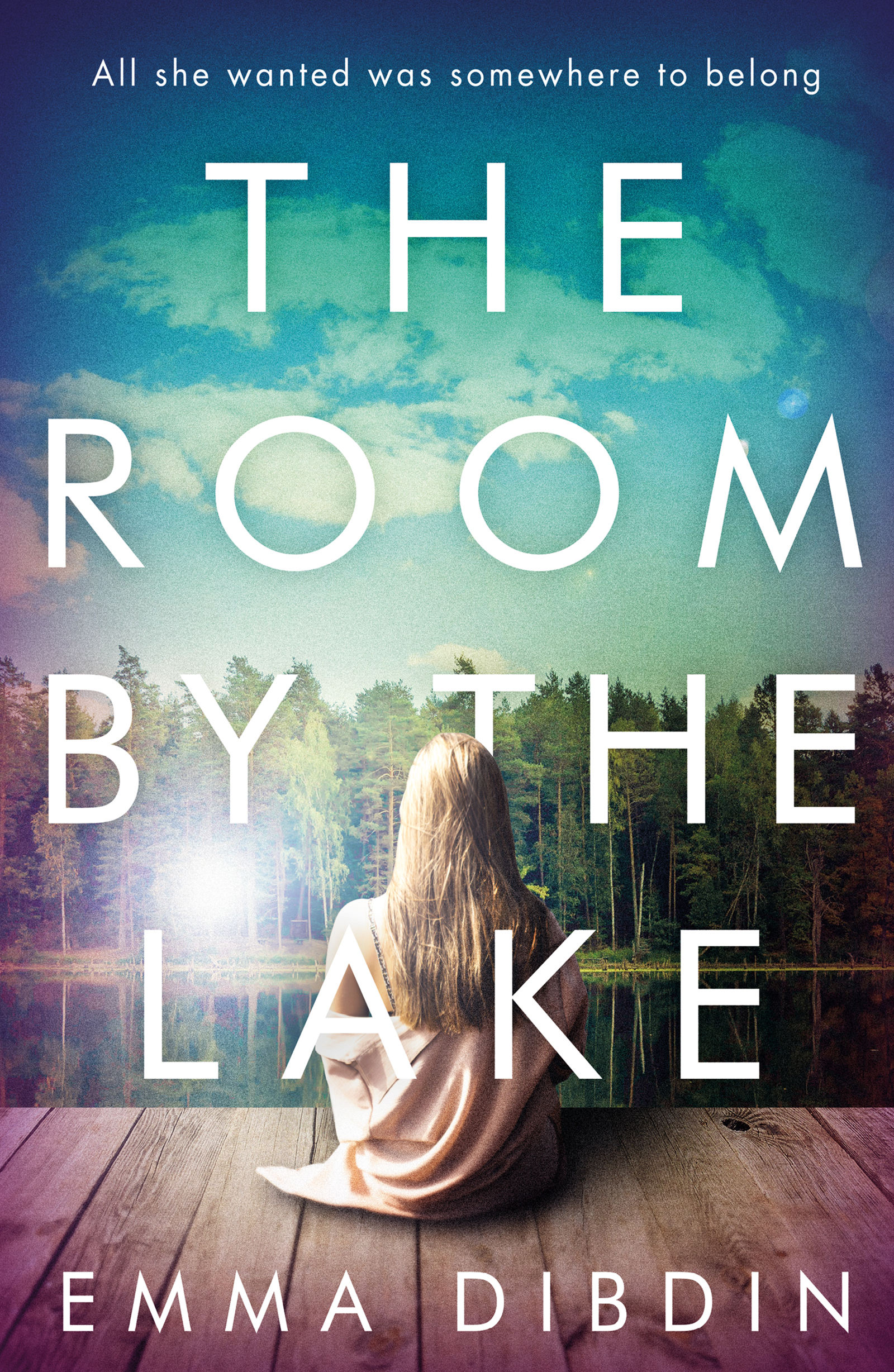
The Room by the Lake by Emma Dibdin


Caitlin never meant to stay so long. But it’s strange how this place warps time. Out here, in the middle of nowhere, it’s easy to forget about the world outside.

It all happened so fast. She was lonely, broke, about to give up. Then she met Jake and he took her to his ‘family’: a close-knit community living by the lake. Each day she says she’ll leave but each night she’s back around their campfire. Staring into the flames. Reciting in chorus that she is nothing without them.

But something inside her won’t let go. A whisper that knows this isn’t right. Knows there is danger lurking in that quiet room down by the lake…


Most of us have wanted to do this at one time or another, haven’t we? When life got too stressful and there didn’t seem to be any way you could find a happy ending. So what if we could  pack a bag, buy a ticket to anywhere and disappear until we sorted ourselves out? Caitlin doesn’t just think about it, she acts on it and sets off for New York.

Dibdin gives the reader a sense of the desolation and confusion Caitlin feels after the loss of her mother as she wanders the streets of Manhattan, filling the endless hours, and introduces Jake who takes advantage of her vulnerability and whisks her off to the Lake House to meet his family. Except the reality of his family was not what Caitlin had imagined.

We immediately get a strong sense of Caitlin’s fragile mental state that leads to her making the choices she does – it is all so  plausible, and as we read we are unsettled by a growing unease that all is not as it seems.

A gripping thriller that explores how vulnerable we can all be given the circumstances and how easily it is to fall prey to false appearances.

The Room by the Lake RRP £7.99


Emma-dibdin

AUTHOR

Emma Dibdin grew up in Oxford, and now lives in New York. She is a writer and journalist whose work has appeared in Esquire, Marie Claire, Harper’s Bazaar, Cosmopolitan, and Total Film. This is her first novel.


Catherine Walker Couture – Two Never-Before-Seen Outfits Added To Diana: Her Fashion Story at Kensington Palace


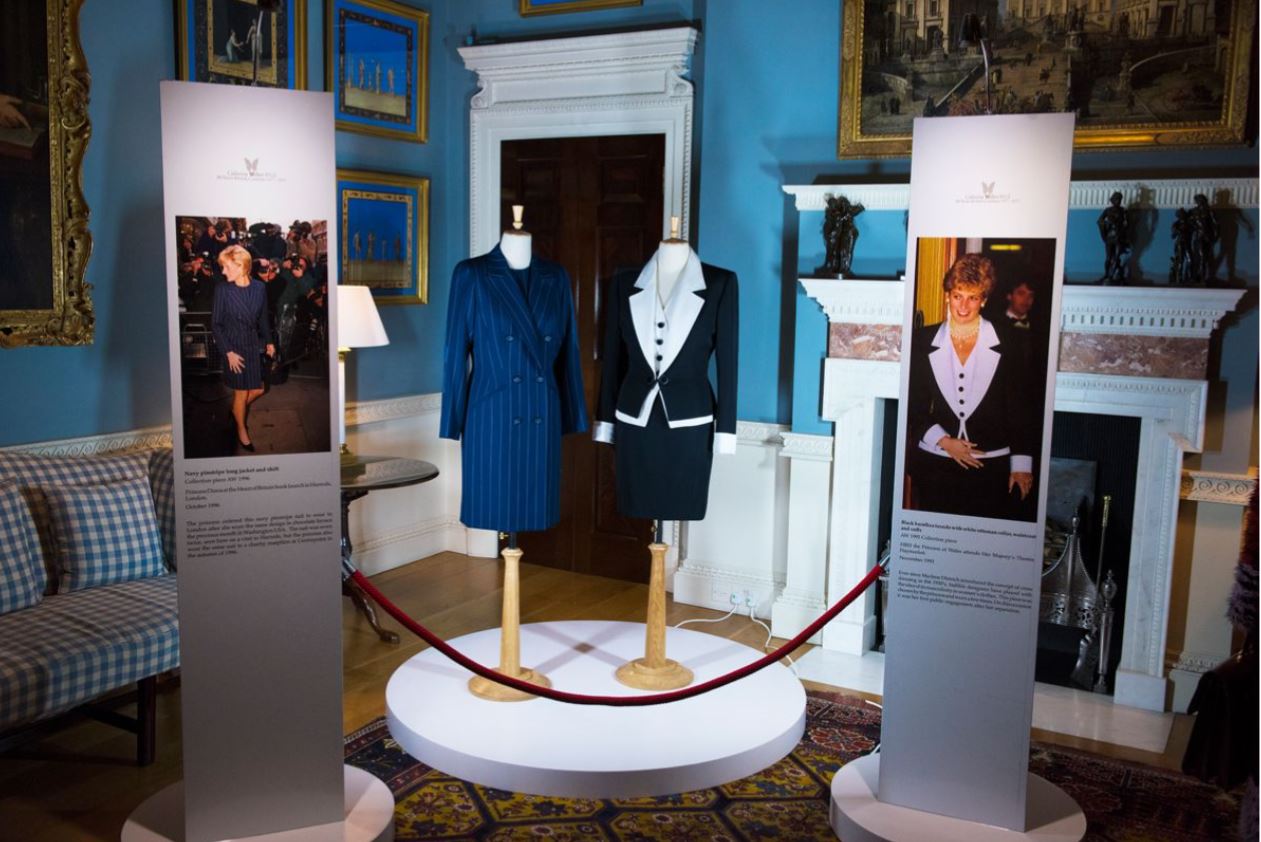
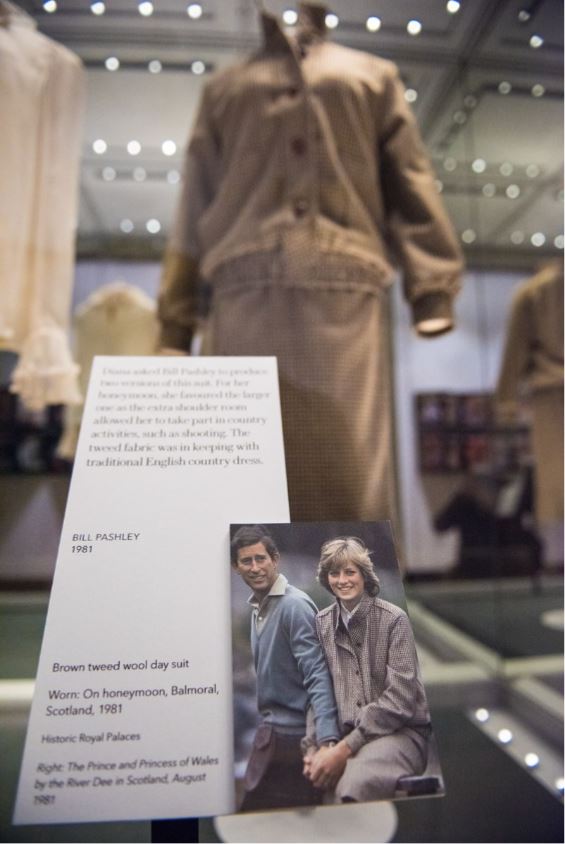
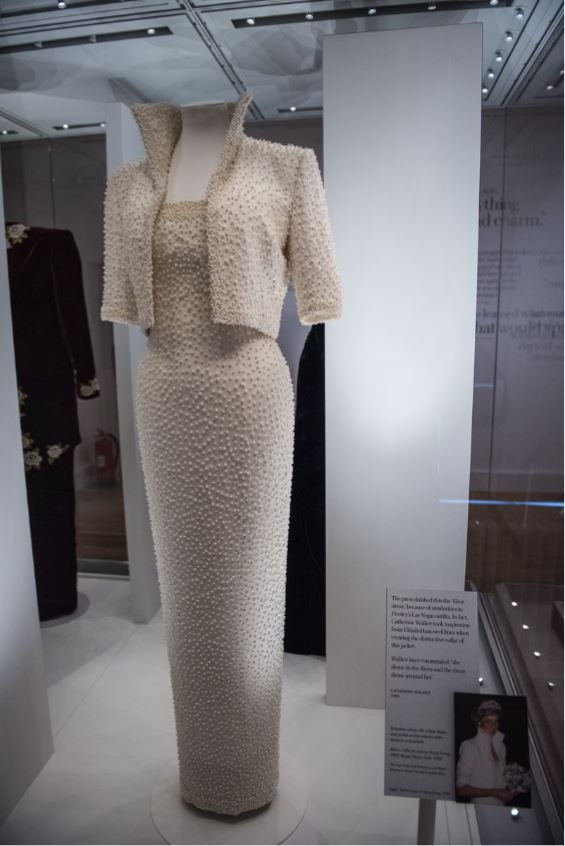
From April 26th 2018, visitors to the existing Diana: Her Fashion Story exhibition at Kensington Palace will be able to view eight new outfits, including two by designer CATHERINE WALKER.

The CATHERINE WALKER fashion house designed a number of Princess Diana’s outfits, with the chief designer, Catherine Walker sharing a mutual trust with the People’s Princess over a 16-year period.

After her death in 2010, Catherine Walker’s husband, Said Cyrus, (who co-founded in the company) continued in the capacity of Head Designer and has recently celebrated the 40th anniversary of the brand.

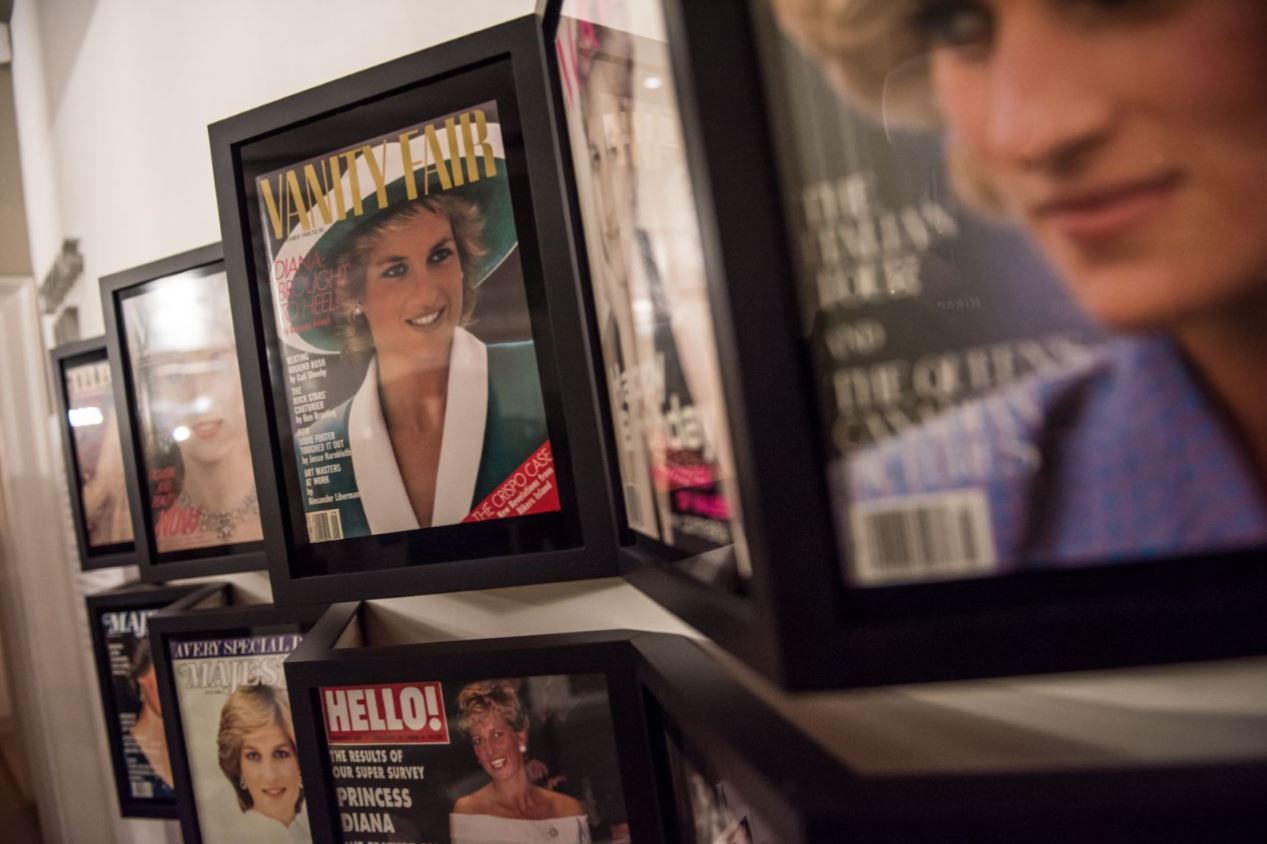
Frost Magazine was recently invited to a private viewing at the Spencer family’s London residence, Spencer House, of some of the iconic dresses worn by Diana, that saw her through the pomp and formality of state occasions, along with a number of classic outfits, carrying the Catherine Walker label.

Exhibition images:  Shane Finn at VOUZ! Photography

“To have a piece of clothing made for you is one of the most intimate things you can do, both intellectually and physically. Intellectually, because what you choose to wear says everything about you, so to let someone design a piece of clothing for you is to allow them to tell your story to the world. Physically, because, as you stand semi-naked in front of the mirror, you are exposing yourself, literally. This is why a deep trust is so essential in the relationship between the designer and the client. You must trust that the designer sees you, listens to you and seeks to understand you…”

Kate Reardon

Editor, Tatler magazine

DIANA: HER FASHION STORY exhibition at KENSINGTON PALACE

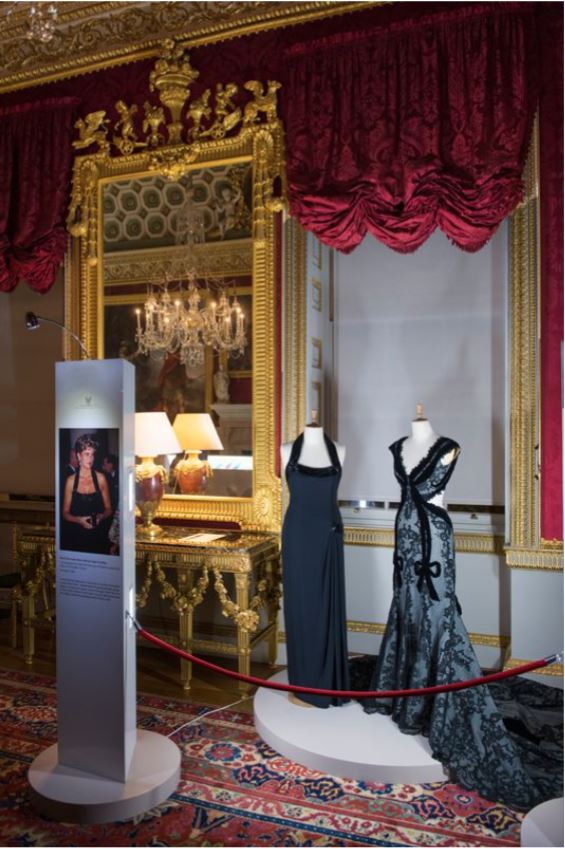
One of the new outfits being shown at the Diana: Her Fashion Story exhibition at Kensington Palace is the light blue silk Catherine Walker day dress which was worn on an official tour of New Zealand in April 1983.

Also on display is the stunning Catherine Walker black and red evening gown worn to a Pavarotti concert at the Royal Albert Hall in aid of the Red Cross 125th Birthday Appeal in 1995.

Diana:  Her Fashion Story exhibition will be closed between 16th to 25th April 2018 and will re-open on 26th April 2018, running until 6th January 2019

Kensington Palace

From 26th April (peak)  Adults: £19.50, children: £9.70, concessions: £15.50, members admission: free.

Book online…

Corinne Tuddenham-Finn at VOUZ! Magazine and Frost Magazine

Exhibition imagery:  Shane Finn at VOUZ! Photography


Amazon Announces Return of Literary Prize, The Kindle UK Storyteller Award


Winning author to receive £20,000 cash prize and be recognised at central London award ceremony later this year

Amazon UK announces The Kindle Storyteller Award 2018, a literary prize recognising outstanding work by authors, independent of genre around the country. The prize is open to all authors who publish their book through Kindle Direct Publishing on Amazon.co.uk from 1st May 2018 to 31st August 2018.

Readers will play a significant role in the competition with the award shortlist compiled based on a number of factors that measure customer interest in the titles, followed by an esteemed panel of judges made up of book and publishing industry experts who will select the Kindle Storyteller 2018 winner.

The prize will be announced at a central London ceremony in the Autumn, with the winning author awarded a cash prize of £20,000 and a marketing campaign to support the book on Amazon.co.uk as well as the opportunity to have their book translated for international sales.

David Leadbeater, the winner of the 2017 UK Kindle Storyteller Award said, ‘Winning the 2017 Storyteller Award has been a dream, and its enabled me to go further in my career than I ever thought possible, taking my readers along with me. When I started publishing independently in 2011, Kindle Direct Publishing changed my life. I can’t wait to see what tales and stories authors come up with for this year’s competition’.

The Kindle Storyteller prize is open to submissions of new English language books from eligible authors and genres, and entries must be submitted using Kindle Direct Publishing. Titles must be previously unpublished, with a minimum of 24 pages in paperback. Readers can access all titles entered into the prize in print or in the Kindle store on any device with the free Kindle app for iPhone, iPad, Android phones and tablets, PC and Mac, and on Kindle e-readers and Fire Tablets.

For the Kindle Storyteller Award, at least five books from all submissions will be selected for the shortlist. The shortlist is ultimately chosen by the readers themselves, as positive reviews are a focal point of the shortlisting process. The judging panel will then select a winner.

The Kindle Storyteller Award 2018 opens for entries on 1st May 2018, and titles must be entered into the KDP Select programme and remain there for the duration of the competition. For further information authors can visit www.amazon.co.uk/storyteller.


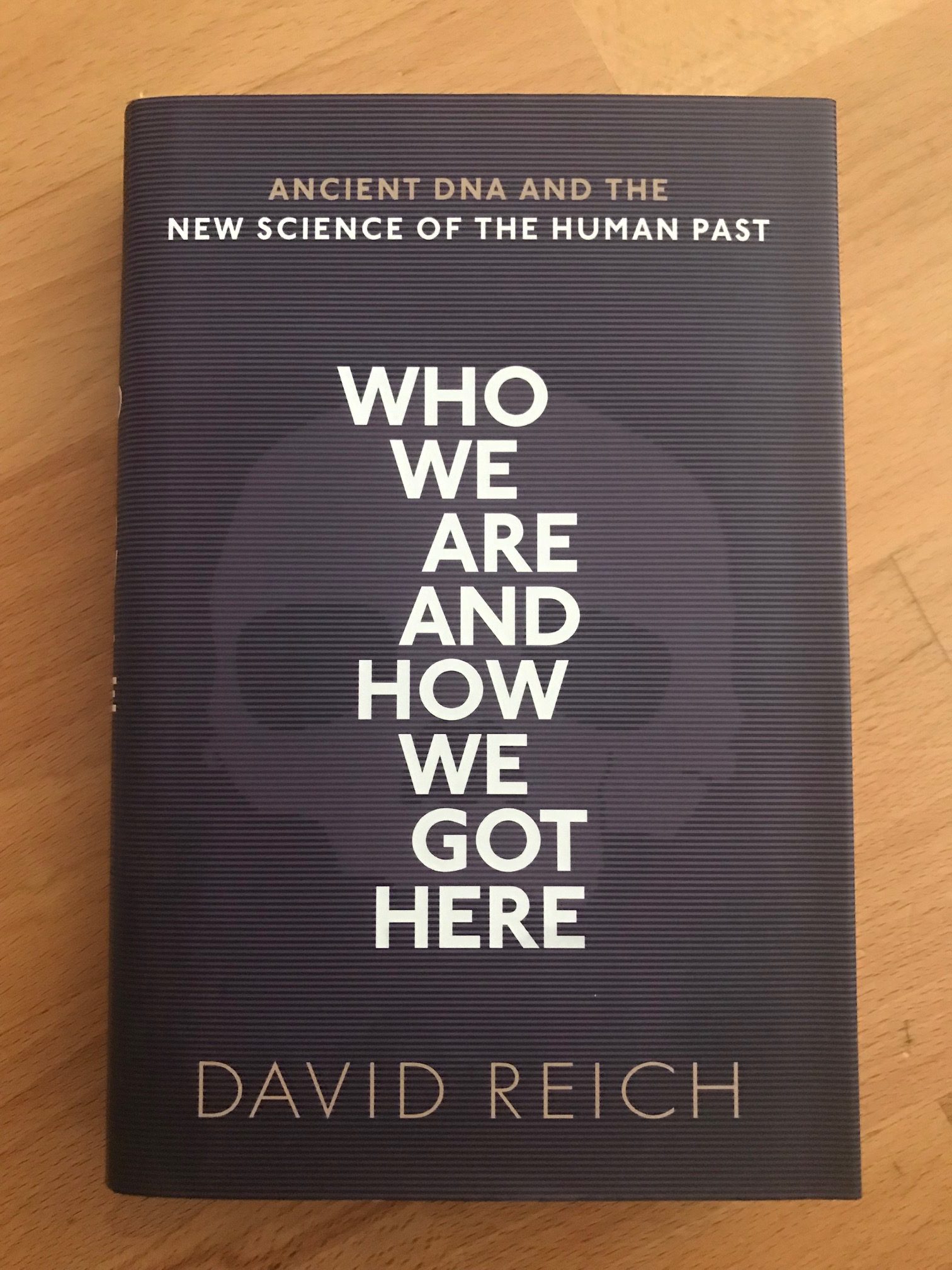
Who We Are and How We Got Here: Ancient DNA and the new science of the human past

The past few years have witnessed a revolution in our ability to obtain DNA from ancient humans. This important new data has added to our knowledge from archaeology and anthropology, helped resolve long-existing controversies, challenged long-held views, and thrown up remarkable surprises. The emerging picture is one of many waves of ancient human migrations, so that all populations living today are mixes of ancient ones, and often carry a genetic component from archaic humans. David Reich, whose team has been at the forefront of these discoveries, explains what genetics is telling us about ourselves and our complex and often surprising ancestry. Gone are old ideas of any kind of racial âpurity.' Instead, we are finding a rich variety of mixtures. Reich describes the cutting-edge findings from the past few years, and also considers the sensitivities involved in tracing ancestry, with science sometimes jostling with politics and tradition. He brings an important wider message: that we should recognize that every one of us is the result of a long history of migration and intermixing of ancient peoples, which we carry as ghosts in our DNA. What will we discover next?

This is a fascinating and well researched book. An Amazon No 1 Bestseller and it is easy to see why. 

The past few years have witnessed a revolution in our ability to obtain DNA from ancient humans. This important new data has added to our knowledge from archaeology and anthropology, helped resolve long-existing controversies, challenged long-held views, and thrown up remarkable surprises.

The emerging picture is one of many waves of ancient human migrations, so that all populations living today are mixes of ancient ones, and often carry a genetic component from archaic humans. David Reich, whose team has been at the forefront of these discoveries, explains what genetics is telling us about ourselves and our complex and often surprising ancestry. Gone are old ideas of any kind of racial âpurity.’ Instead, we are finding a rich variety of mixtures. Reich describes the
cutting-edge findings from the past few years, and also considers the sensitivities involved in tracing ancestry, with science sometimes jostling with politics and tradition. He brings an important wider message: that we should recognize that every one of us is the result of a long history of migration and
intermixing of ancient peoples, which we carry as ghosts in our DNA.

What will we discover next?

Available here.

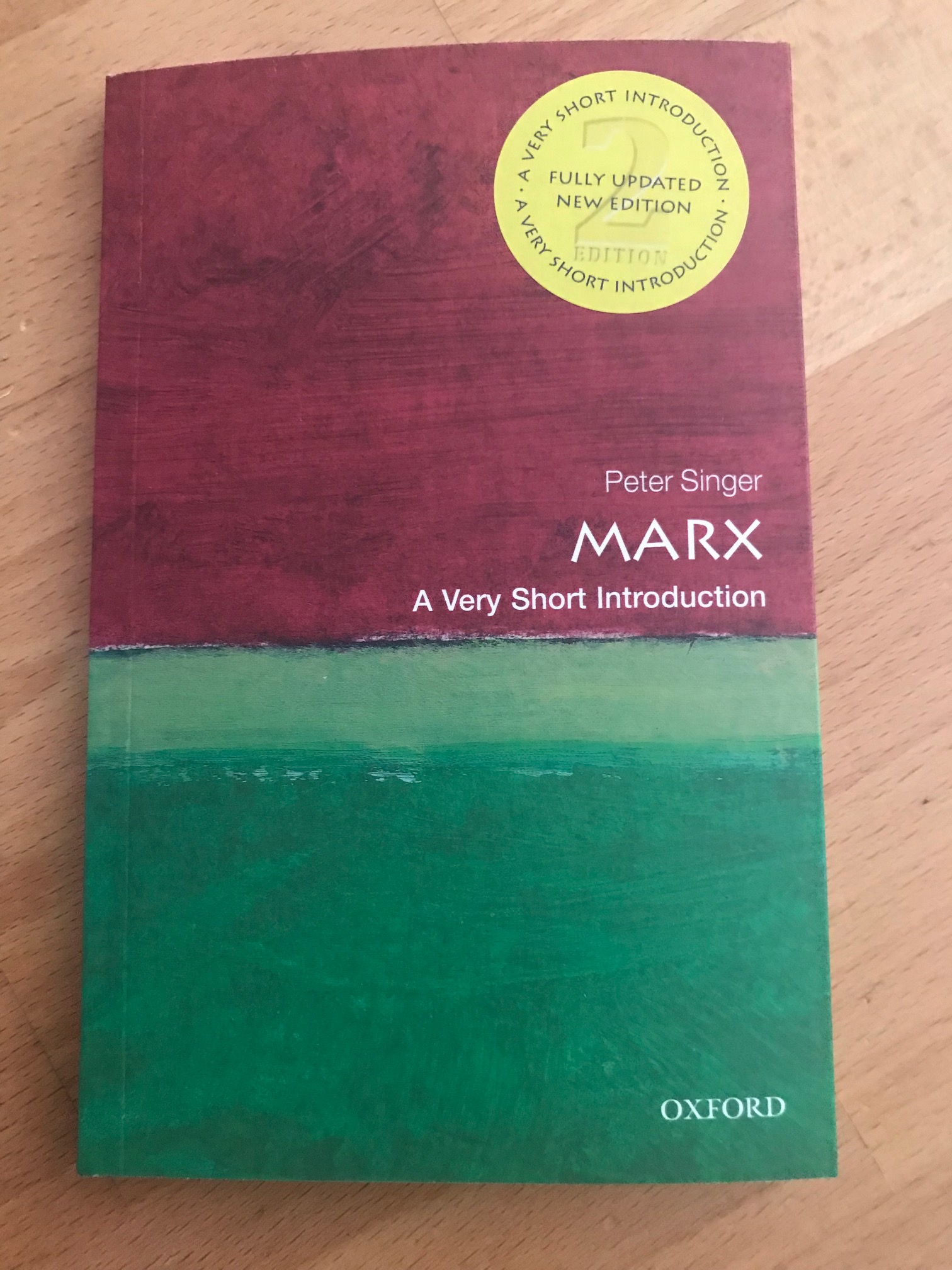
Marx: A Very Short Introduction

marx, a short introductionMarx: A Very Short Introduction is Marx made easy. A brilliant and balanced book that is essential for anyone interested in Marx.

In Marx: A Very Short Introdution, Peter Singer identifies the central vision that unifies Marx’s thought, enabling us to grasp Marx’s views as a whole. He sees him as a philosopher primarily concerned with human freedom, rather than as an economist or a social scientist. In plain English, he explains alienation, historical materialism, the economic theory of Capital, and Marx’s ideas of communism, and concludes with an assessment of Marx’s legacy.

About the Series: Combining authority with wit, accessibility, and style, Very Short Introductions offer an introduction to some of life’s most interesting topics. Written by experts for the newcomer, they demonstrate the finest contemporary thinking about the central problems and issues in hundreds of key topics, from philosophy to Freud, quantum theory to Islam.

Available here.