The Doppel Gang

The Doppel Gang

Tristan Bates Theatre from 17th January – 11th February 2017.


The Doppel Gang fuses classic British comedy with the endless energy of the Marx Brothers, who at the time the play is set were dominating the comedy scene in the US. With its precision timing and authentic 40s soundtrack, the audience are transported to wartime London and the antics used to boost morale.

The Doppel Gang, a new comedy by Dominic Hedges, explores the wild wit of iconic comedy giants The Marx Brothers. Presented by Just Some Theatre Company, The Doppel Gang has generous helpings of British humour and humility.

As the Blitz ravages London, a hopeless theatre manager persuades a desperate double act and a not-so-convincing male impersonator to join him in an audacious stunt – impersonating The Marx Brothers. With one last roll of the dice, this group of entertainers battle to save the theatre from closure. The curtain is about to rise but so are the stakes as an unprecedented series of revelations leads to an exhilarating chain of events. Will anyone believe they are the real Marx Brothers?


Tristan Bates Theatre, 1a Tower Street, London WC2H 9NP

The Doppel Gang

Tuesday 17th January – Saturday 11th February 2017 Tuesday to Sunday, 7.30pm

Sunday matinees, 3pm

1 hour 35 minutes
@justsometheatre, @TristanBates, #DoppelGang

Tristan Bates Theatre, 1a Tower Street, London WC2H 9NP

www.tristanbatestheatre.co.uk

Box Office Tickets are available priced £16 (£14 concessions) Tristan Bates Theatre Box Office and www.tristanbatestheatre.co.uk or 020 3841 6611 or boxoffice@tristanbatestheatre.co.uk


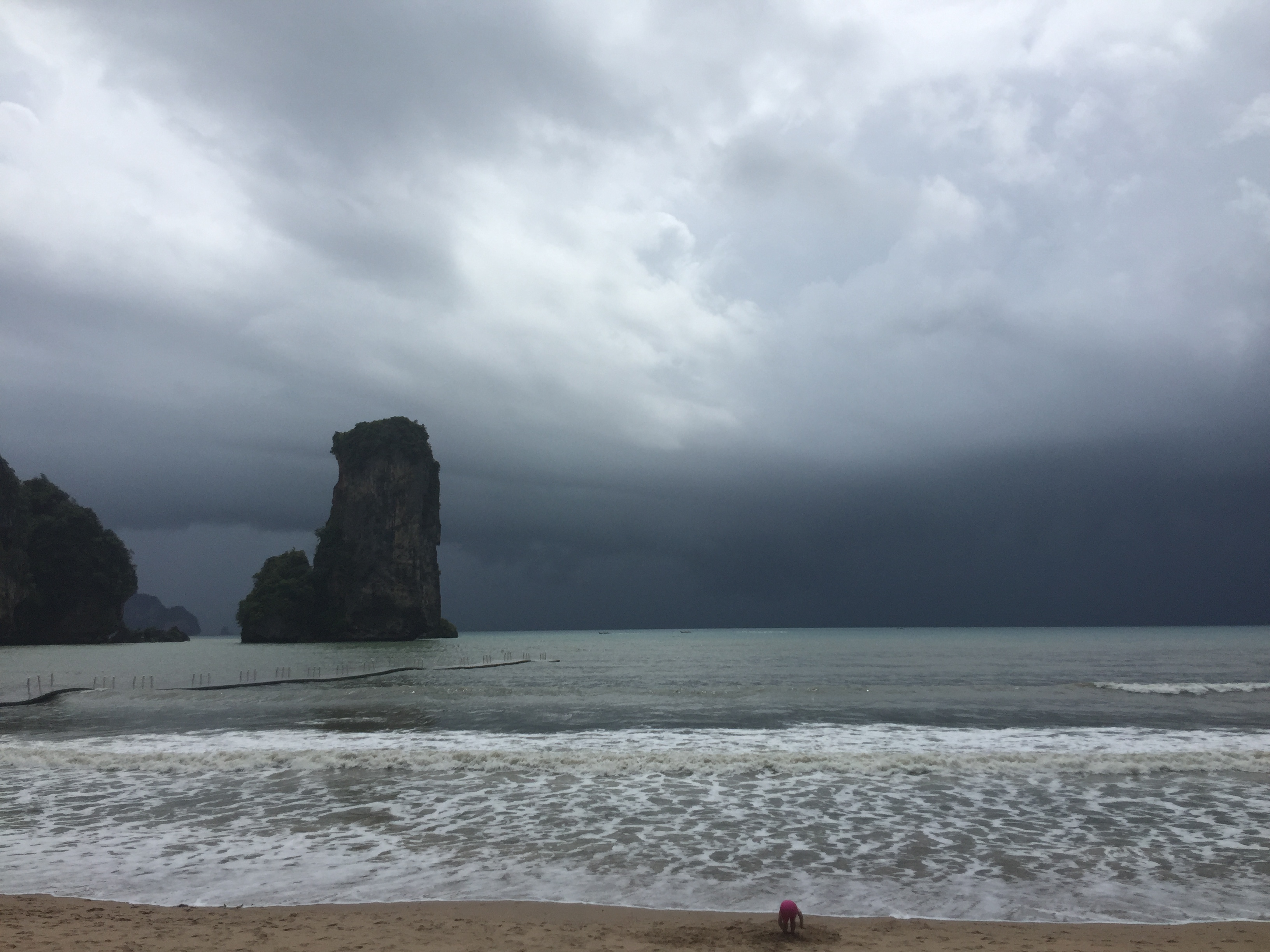
Rainy season in Thailand, by Alex Bannard our Bangkok Correspondent


pic a.storm


Sitting down to write after Christmas I reflected on the festivities, but was disturbed by the rain drizzling down outside in what is actually the dry season, so it seemed more apt to reflect on – well the rain.


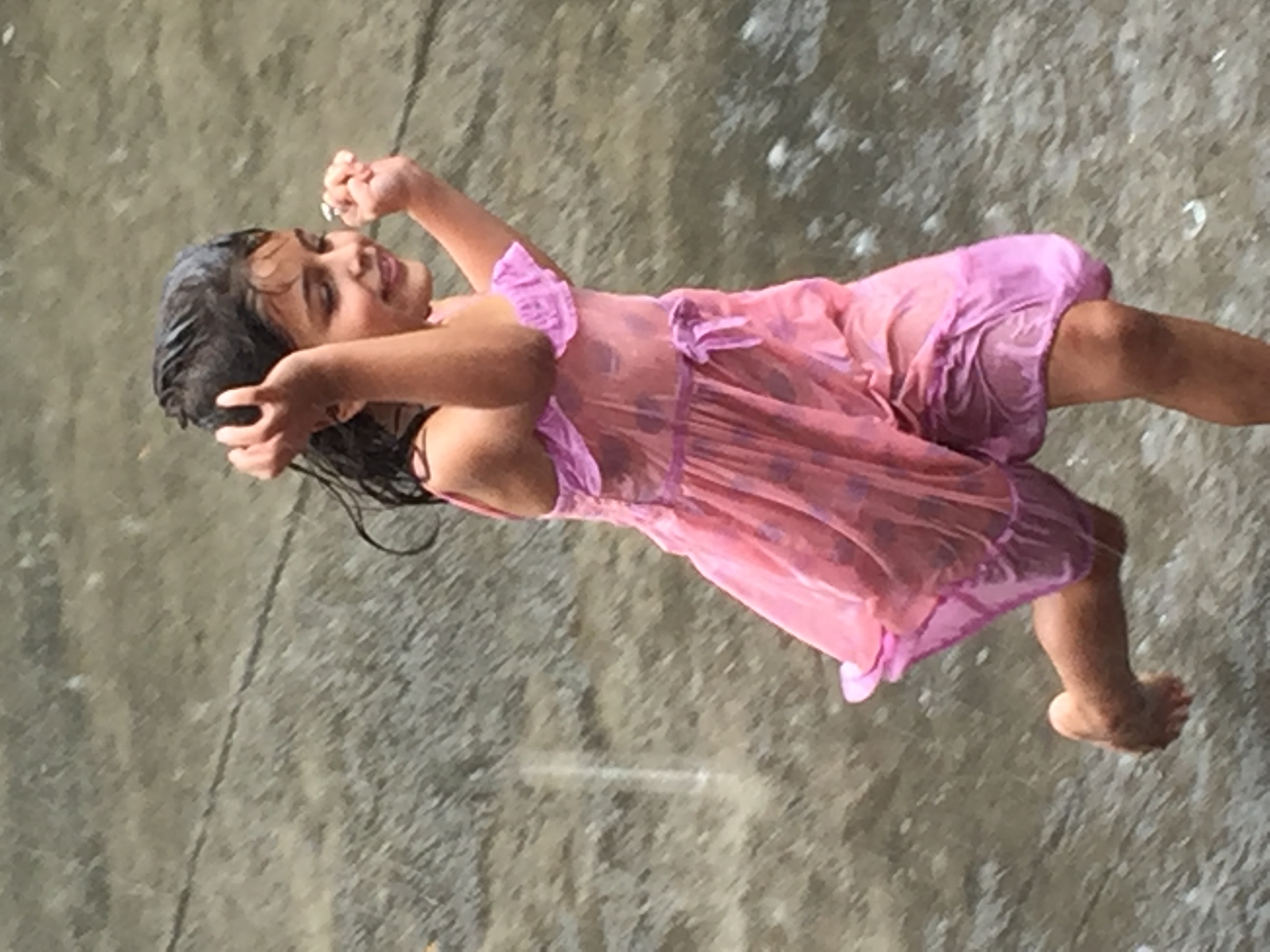
Monsoon season is one of my daughter’s favourite times of the year in Bangkok. I clearly remember the first downpour as she stripped off and ran through the puddles with glorious gay mad abandon and it is almost the same every time.


pic 1 indie

She never tires of it: whether it’s frolicking at school with her bestie, jumping up and down in muddy puddles the look of pure glee on their faces or stripping down to her knickers and literally rolling around in the mud with our neighbour, she loves it. And I absolutely love her fabulous spirit and lust for life, even in the rain.

Even if it is not raining we have fountains, which come on for an hour every Saturday & Sunday evening, which she will happily substitute with unadulterated joy all over her face.

Our first year in Bangkok, the rainy season was, well, not so wet. One of the driest on record it was a disappointment for the muddy puddle monster. This year was a whole different kettle of fish, quite literally. It kicked off with torrential rains all night and we awoke to floods in the moobaan. Our lovely driver arrived with his trousers rolled up, shoes in hand.

We were, however, lucky the floods were only inches high and no one was injured and nothing ruined. As the skies cleared I walked to my meditation class as if I was heading to Glasto, shorts and wellies on. But the flood waters took all day even in the burning sunshine to abate.

The storms were quite something else. All thunder bolt and lightening, very very frightening, Galileo, Galileo, Galileo Figaro magnifico-o-o-o. It was an glorious opportunity for me to break into song on a regular basis – the dramatic effect of course being lost on the kids, unaccustomed as they are the to the intricacies of Queen lyrics.

However they still managed to milk the dramatic effects and use it as a perfect opportunity to join mummy in bed, with the dog and all their teddies. To be fair some nights the storm raged overhead with such fire and brimstone I was glad of their company.


pic 4


And then there was the incident when it rained fish. See? I told you it was quite a different kettle of fish. One morning after another deluge and deep puddles all around I discovered a fish swimming in one of the puddles. ‘My god it’s raining fish!’ I thought. ‘The end of the world is nigh!’ and all that. (I am quite the one for catastrophizing when I want be.)

I called our housekeeper to see this biblical event and before I knew it we had launched a rescue attempt as it clearly wasn’t going to fit back through the grates into the drains from whence it came.

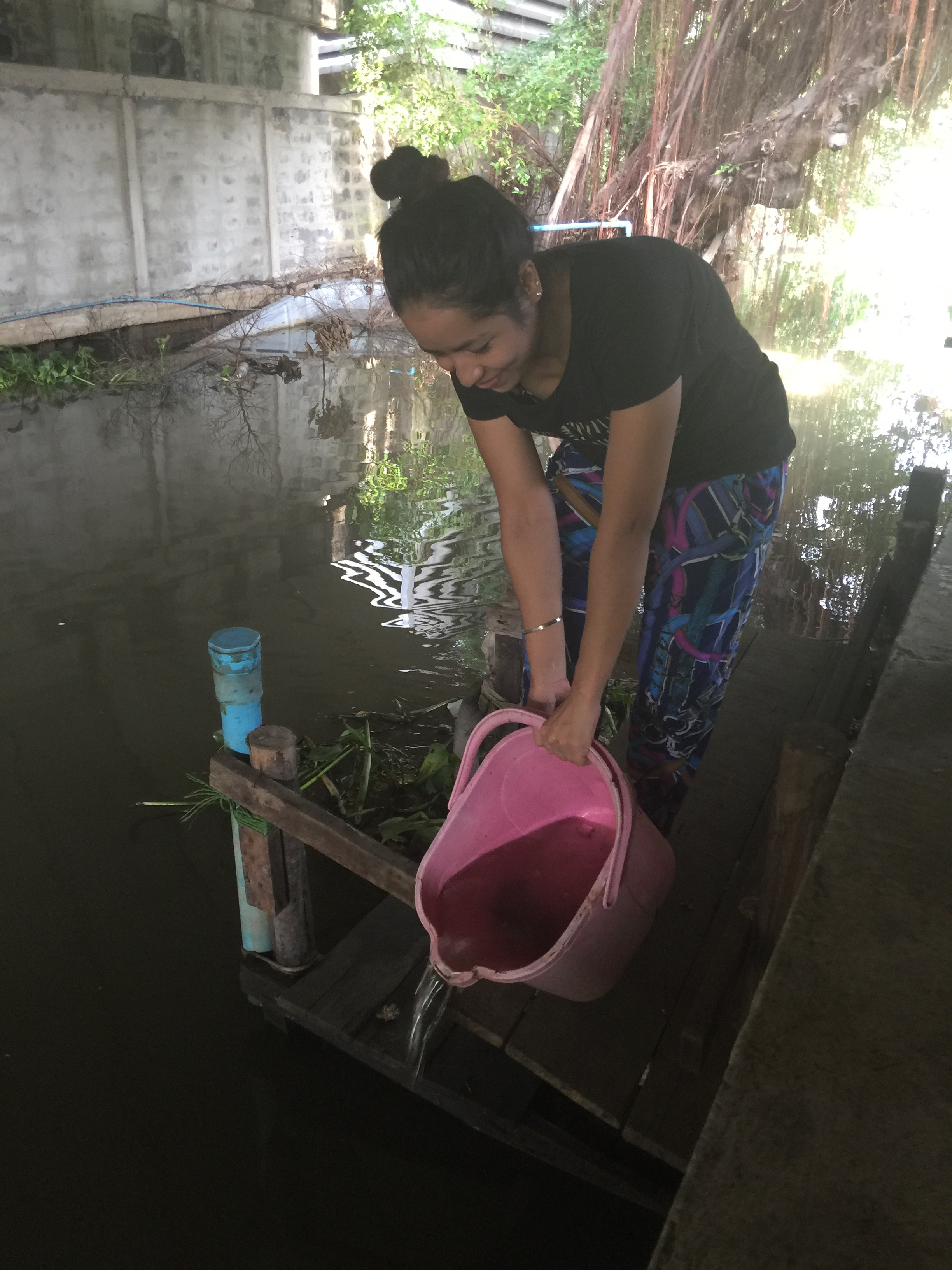
Sable was amazing and did not give up as she tried to grab hold of it and throw it in a bucket, whilst her ‘madam’ stood on the sides shrieking like the useless farang I am. Finally we (in the broadest sense of the word, I may have held the bucket) got it into the bucket and I went off for a run.

Only to discover another fish on the other side of the moobaan. ‘Hell’s teeth,’ I thought, ‘How many more?’ This one was flailing in the sunshine, its puddle had evaporated. I sprinted home and grabbed Sabel and another bucket. Cue more girly screams and utter ineptness from me whilst she grabbed the reluctant slippery wriggly beast and put it in another bucket.

When the kids arrived home from school we showed them our catch and I declared we were going to walk to the klong and set them free. It all felt very Deadly 60. As we set off, one of the fish leapt out of the bucket kamikaze style and the wrestle to get it back into the bucket began again, much to the delight of the kids.

We abandoned the walk, drove to the moobaan entrance and walked to the kong with another bucket on top of the first to prevent escapees. The dog must have felt a little short changed on her walk that day. When it actually came to setting them free, I swear the fish faltered in their bucket before launching themselves back into the festering waters. As well they might.

Of course, the rains are not always a cause for light relief. At the beginning of December, which usually marks the beginning of the dry season here in Thailand, heavy rains in the southern provinces caused major flooding affecting over 90,000 people and leading to at least 14 deaths. It was a disaster and not just because it ruined a few holidays. A real disaster and floods around the world continue as global weather systems shift and sadly it is usually the most poor and most disadvantaged that suffer, whilst the privileged few splash around in muddy puddles.


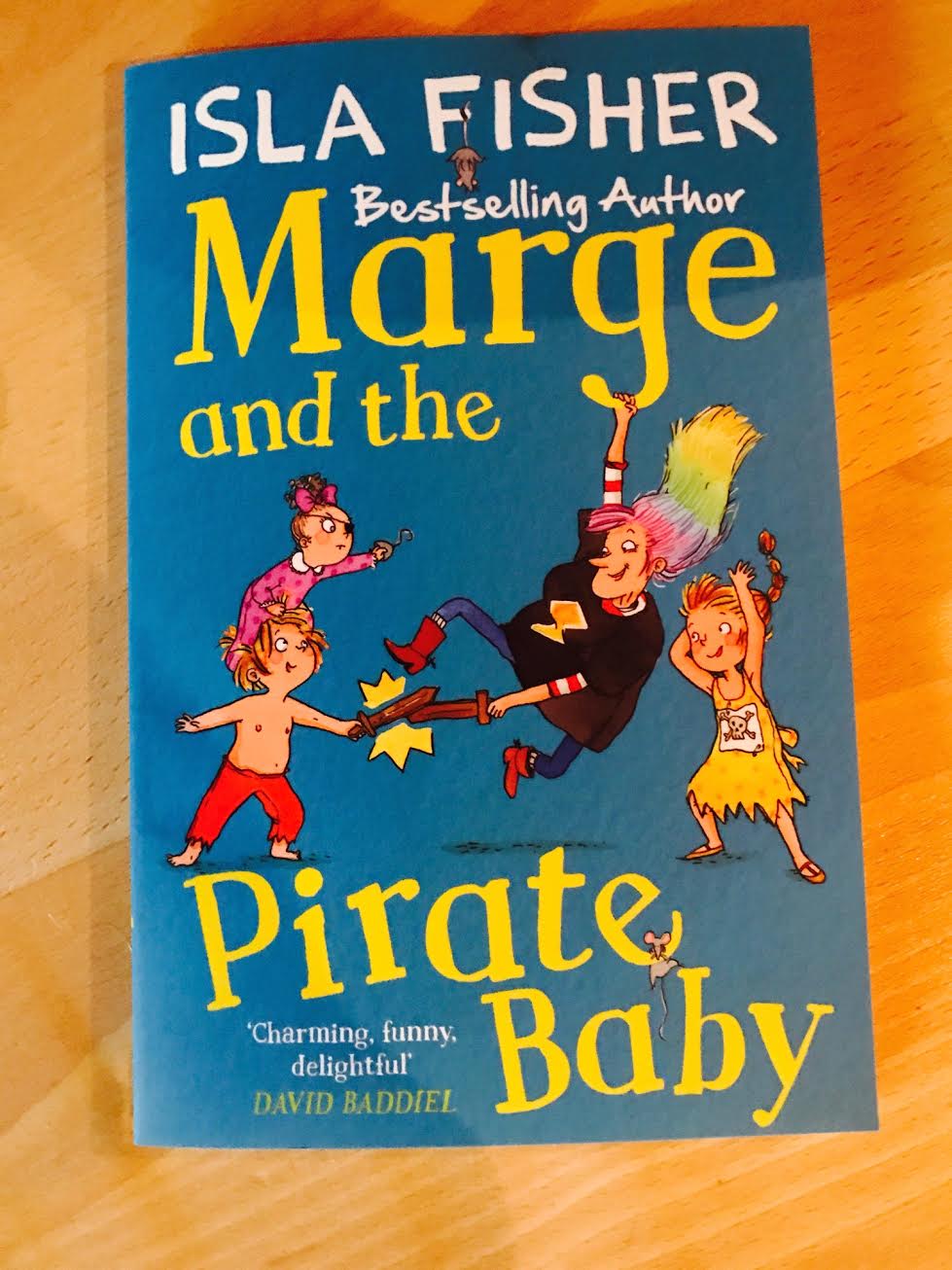
Marge And The Pirate Baby by Isla Fisher

isla fisher, book, children's book.

Lets start with what you are thinking: yes, THAT Isla Fisher. She of Home & Away (if you are of a certain age, ahem), Wedding Crashers and Shopaholic. Her comic ability in acting transfers to the written world. She is now a bestselling children’s author. Isla has three children and has been making up stories at bedtime for them every night since they were born. She wrote her books to remind her children of all the fun they have had reading books and sharing stories.

Illustrated by the wonderful Eglantine Ceulemans, this book is the second in the Marge series and it is warm and witty, funny and mischievous. A great read for kids, but also enjoyable for adults to read. A real winner.

The second fun family story in the MARGE series by actor & comedian Isla Fisher, illustrated with wit and warmth by Eglantine Ceulemans.

Marge is back and exploring the neighbourhood with the kids! With some help from Jemima and Jake, can she stay in charge and keep ‘pirate’ baby Zara under control? And can the children make sure Marge behaves at Uncle Desmond and Annie’s wedding?

Marge and the Pirate Baby

Are We Overworking Our Children?

children, parenting, exhausted, children working too hard, studyShattered kids are ‘working’ for over 46 hours a week, according to a new survey.

The shock research shows that parents are over-timetabling their children with extra-curricular activities in addition to their school commitments.

This means exhausted children are actually working harder than the average parent who only completes a 37.5 hour week at work.

The average child already completes 30 hours and 50 minutes a week at school Monday to Friday, as well as seven hours and 51 minutes of clubs and homework each week.

Actively reading with parents daily accounts for a further five hours and 49 minutes a week.

And finally, the Center Parcs study of 2,000 parents found the average child also helps with housework for up to an hour and 37 minutes each week.


In response to the findings, Center Parcs has commissioned Channel 4 child psychologist Dr Sam Wass to develop a Recommended Daily Allowance (RDA) for Free Time – which equates to three hours and 51 minutes every day.

The RDA, which was inspired by the government guidelines we use for fruit and vegetables, is based on three hours on a week day and six hours a day at the weekend, calculated using time needed for a variety of free-time activities which will allow children to use their imagination and develop their creative thinking.

Dr Sam Wass said: “Many parents are desperate to do the right thing for their children – we shuttle them back and forth from school, to football, to an after-school club, and then get them home and sit and ensure they do their homework.

“But in fact, research suggests that it’s much more beneficial for children if their time is not always so structured. It’s the down-time, when there is not such much going on and the child has to entertain themselves, when they do their best learning.

There is a huge amount of research that suggests that this child-led, unstructured free play is vital for stimulating imagination and creativity, as well as helping the child to become more self-sufficient.”

The poll reveals 54 per cent of parents feel it is important to encourage children to participate in as many clubs as possible to give them the opportunity to excel at what they like.

A further 44 per cent think it is important to further their children’s learning, while 53 per cent say clubs give their kids essential social skills.

A quarter of parents questioned simply like their children to be busy – and as such the average child will have experienced swimming lessons, football, gymnastics and either brownies or cubs.

Researchers for Center Parcs also polled 1,000 children aged six to 11, to find out their views on how much they have to do in a day – it shows 44 per cent of kids reckon they do more in a day than their own parents.

And a quarter of kids questioned admitted they only take part in after school activities because their parents tell them to.

In particular, children most dislike swimming lessons, followed by football and foreign language lessons.

Colin Whaley, Marketing Director for Center Parcs continues: “This report shows that parents are really going above and beyond to do what they think is best for their child. As a parent myself, I was initially taken aback by the suggested recommended daily allowance, but it gave me food for thought about whether or not my own children currently achieve it.

“Clubs and sport play an important role for their development and life skills but creating a balance with some more simple time out together is clearly very important.”


AVERAGE CHILD’S WEEKLY TIMETABLE

Activity

Time/week

School

30 hours 50 minutes

Clubs & Homework

7 hours 51 minutes

Reading

5 hours 49 minutes

Housework

1 hour 37 minutes

TOTAL

46 hours 7 minutes


Business of Books: Claire Dyer

the-business-of-books-interviewswithjanecableClaire Dyer is a novelist and poet from Reading, Berkshire. Her novels are published by Quercus and her poetry collections are published by Two Rivers Press. She likes love stories and cheese!

How much of your working life does the business of books take up?

I’d say all of it. Until recently I balanced my writing life with a part-time job in London and bringing up my family. However, now that my kids have grown up and left home and my husband is happily ensconced in a new business venture, I am in the very fortunate position of being able to live a full-time writing life.

It’s interesting that you use the phrase ‘business of books’ in the question though, because I do very much consider what I do as a job. My working week comprises of days when I’m at my desk by 9.00 am and finish around 5.00 pm and then two nights a week I teach Creative Writing for Bracknell & Wokingham College. I also attend a regular poetry class in London and am out most other evenings at writing-related events, including workshops, book launches, poetry readings, etc., etc.

However, if you were to ask what I do during those hours at my desk I’d struggle to give it definition because it’s so varied. There’s a lot of networking to do, of course, and lesson planning and I do try and set aside chunks of time to write, but my commitments as Chair of Reading Writers, Poets’ Café Rep for Reading’s Poets’ Café and the work I do for my Fresh Eyes clients also keep me busy. No two days are ever the same and I never quite know what will come through on email or what poem might insist on being written, and if and when I’m involved in writing, editing or rewriting a novel then that’s a whole different kettle of fish altogether!

So I hope I’ve answered the question OK because, for me, being a novelist and poet is a full-time job even though I don’t write novels or poems all the time!

What’s your business model to earn a living from writing?

I guess that unless you’re a regular best-selling author (preferably with a film deal!) or a poet whose work wins major prizes or secures lectureships at high-ranking academic institutions, it’s hard to make a living from writing as many will testify, and I’m afraid I’m not very hard-nosed when it comes to financial things.

I have been lucky enough to earn some money from my fiction, including advances, royalties and the sale of foreign rights, and poetry competition wins and fees earned from Fresh Eyes clients and running workshops have brought in some other income, but my teaching role is done more for love than money, as are the voluntary roles I have within the local writing community.

So I would say overall that my business model is very ad hoc, not thought-through and definitely would not sustain even the lowliest of writing garrets! However, I live in hope that one day I’ll become a regular best-selling author (with a film deal) AND a poet whose work wins major prizes, secures lectureships, etc. etc.!
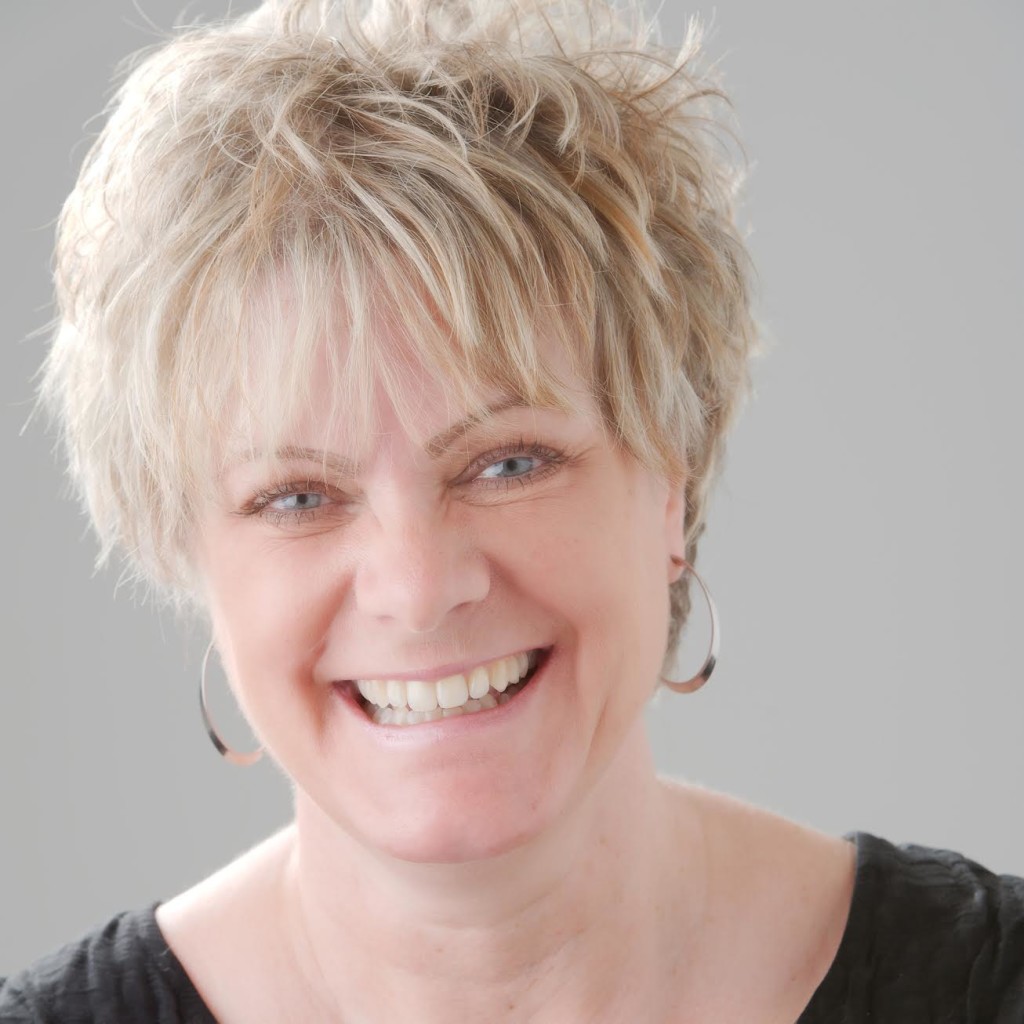
Claire Dyer - credit Dale Strickland-Clark

Claire Dyer – credit Dale Strickland-Clark

What do you write and what do you consider to be your major successes?

I write novels which I hope would appeal to quite a wide range of readers and which are probably better defined by what they’re not, than what they are. They aren’t really light commercial women’s fiction, nor are they literary fiction but they do (I hope) tell convincing stories about emotional dilemmas in a prose style which is both succinct yet lyrical!

With regard to my poetry, again I would say I’m more of a lyric poet than anything else. I do, however, believe very strongly in the crossover between poetry and fiction; both tell stories and both need the careful placing of just the right words in the right order!

My major successes must be my published works which include (so far, she says hopefully!) 2 novels and 2 poetry collections and my academic qualifications (I have 3 degrees but alas can’t sing nor do I own a sparkly dress!)

However, success in the writing world is a strange thing to quantify. As I say above it isn’t always (and can’t be) about money; it can be about reputation though and about being supportive to other writers; it can also be about stretching yourself to write more honed and precise poems and novels which could in time prove memorable.

As a novelist and poet I feel I’m always learning and am always challenging myself and I would consider myself successful if I could become a better writer and poet, a better champion for the written word in whatever form this takes and to continue to love what I do.

Tell me about your latest project.

I have a couple of projects ongoing at the moment.

I’ve just finished rewriting a novel in concert with my wonderful agent and have had a huge amount of fun and have learned heaps during the process. I will also be putting together a new collection of poetry over the next few years (the last one took 4 years to complete) and in the meantime am working on a collaborative poetry project with two amazing poets and have started a new novel (with I’m glad to say the approval of my aforementioned wonderful agent)!

I’m not sure what 2017 will bring because the writing life is nothing but unpredictable: good news and/or bad news could be on their way, the only thing for sure is that what any writer needs is a big heart, a huge amount of courage, a thick skin and plenty of chocolate!

A Day in the Life of Victoria Fox

I wake up, wondering why I’m not on a beach in the Seychelles. Where is the sound of the ocean, the gentle sway of my hammock? This is the life a bonkbuster author ought to have: glamour, cocktails, lazy mornings spent penning a chapter in my satin bathrobe, all elegant turban and painted nails… Or maybe a gilded office in an LA mansion, surrounded by glossy ornamental panthers, à la the late, great Jackie Collins.

A Day in the Life of Victoria Fox1The reality is neither of these things. Instead, it’s downstairs in my Bristol cottage to warm a bottle of milk for my one-year-old. She’s already singing to herself, talking to her toys Michael, Jean and Trudi (I have to give proper names to every toy she owns, I don’t know why: she has a Duncan, for heaven’s sake). It takes us a long time to get dressed, interspersed as this is with removing every book I own from the bookshelves and having a good rummage in my underwear drawer), and all the while I’m imagining what happens next in my book. This was a trick an author friend told me a while back: when time is tight and opportunities are few, write the story in your head. That way, when you do get a chance to sit down and get to grips with the word count, it’s all there waiting for you. (This is advice I’d give any aspiring writer, by the way. Whether you’re on the bus, doing the washing up or queueing at the supermarket, write it in your head. It makes that blinking cursor much less scary.)


We go for a walk in the morning, up the hill to look at the lake. It’s beautiful, sunny, and there are a few sailboats on the water. I’m hoping she’ll drop off to sleep so I can sneak back and do an hour’s writing, but invariably she’s still babbling about something or other by the time we get home. Perhaps we’ll see a friend before lunch, or build that tower of colourful blocks for the six hundred and sixteenth time.

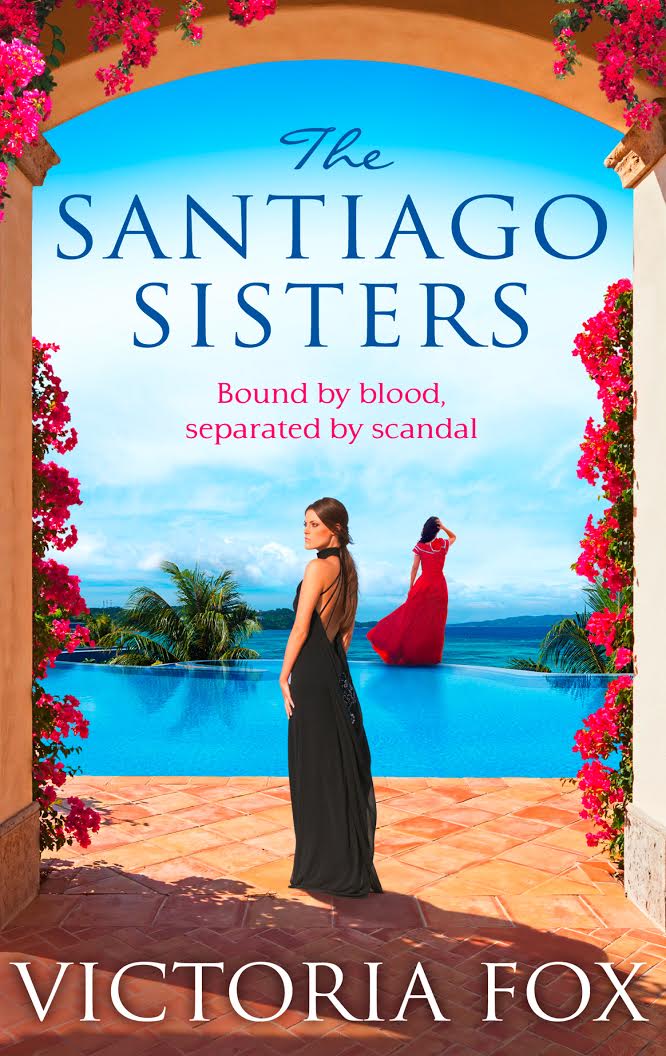
A Day in the Life of Victoria Fox2Ah, a nap! Early afternoon and I sit down to write. It pours out – and, oh, it’s nice to think about something that has nothing at all to do with babies. For a precious forty-five minutes, I’m whisked away to Italy (where my next book is set), drifting through the grounds of a fragrant Tuscan villa and getting lost in the lemon groves. Maybe I’ll answer some interview questions on my latest novel The Santiago Sisters, and immediately I’m transported back to Argentina, where the story begins and where I went on honeymoon. It seems a world away, before I even knew my daughter. In Patagonia, we rode horses and camped beneath the stars. I was always destined to know her, I realise: she was always in my stars.


Speaking of which, there she is, a squeak from upstairs. I’ve missed her a little and scoop her up for a hug. We decide to go to the zoo. She enjoys pointing at a gorilla, who is not impressed, and then she talks all the way home in the car: there are important messages to communicate but I have no idea what they are. I make the most of playing my music, because before long I’ll start getting requests from the crowd.


My husband comes home early evening. He asks me about my day. Judging by the washing up in the sink and the remnants of supper on the high chair, it looks like any other day. But I did get a mini-break to Italy, and to South America…and maybe tomorrow will be the same.


Victoria Fox’s The Santiago Sisters is out now.


Comforting Recipes from Nicola Millbank AKA Milly Cookbook: Brie and Cranberry Waffles

brieandcranberrywafflesfour-comforting-recipes-from-nicola-millbank-aka-milly-cookbook
Brie and Cranberry Waffles
Makes 4

Stuck with what to do with that leftover piece of Brie at Christmas and New Year? Turn it into a delicious brunch with my comforting waffles recipe.

Ingredients:

– 1 free range egg
– 1 cup of self-rasing flour
– 1 tsp. of baking powder
– A pinch of salt
– 200 ml of milk
– 1 tbsp. of honey
– A handful of brie, ripped up
– 4 tbsp. of cranberry sauce

Method:

– In a bowl mix the egg, flour, baking powder, salt, milk and honey together until it forms a smooth but sticky batter. Allow to sit for at least 15 minutes.
– Preheat your waffle iron to the highest setting.
– Dollop half a ladle full into each section of the waffle machine, scatter with brie and spoon in a tablespoon of cranberry sauce per waffle. Ladle the other half a ladle over the brie and cranberry and close the machine, cooking for a few minutes until golden on either side.
– One golden brown, serve immediately. Cut in half and let the brie ooze out.

Recipe by Nicola Millbank AKA Milly Cookbook. Milly’s debut book, Milly’s Real Food will be published by Harper Collins in hardback, priced at £20 and released on 4th May 2017. For more information and additional recipes see: http://millycookbook.com/

A Day in the Life of Troubador Marketing Part 3


A Day in the Life of Troubador Marketing – Part 3

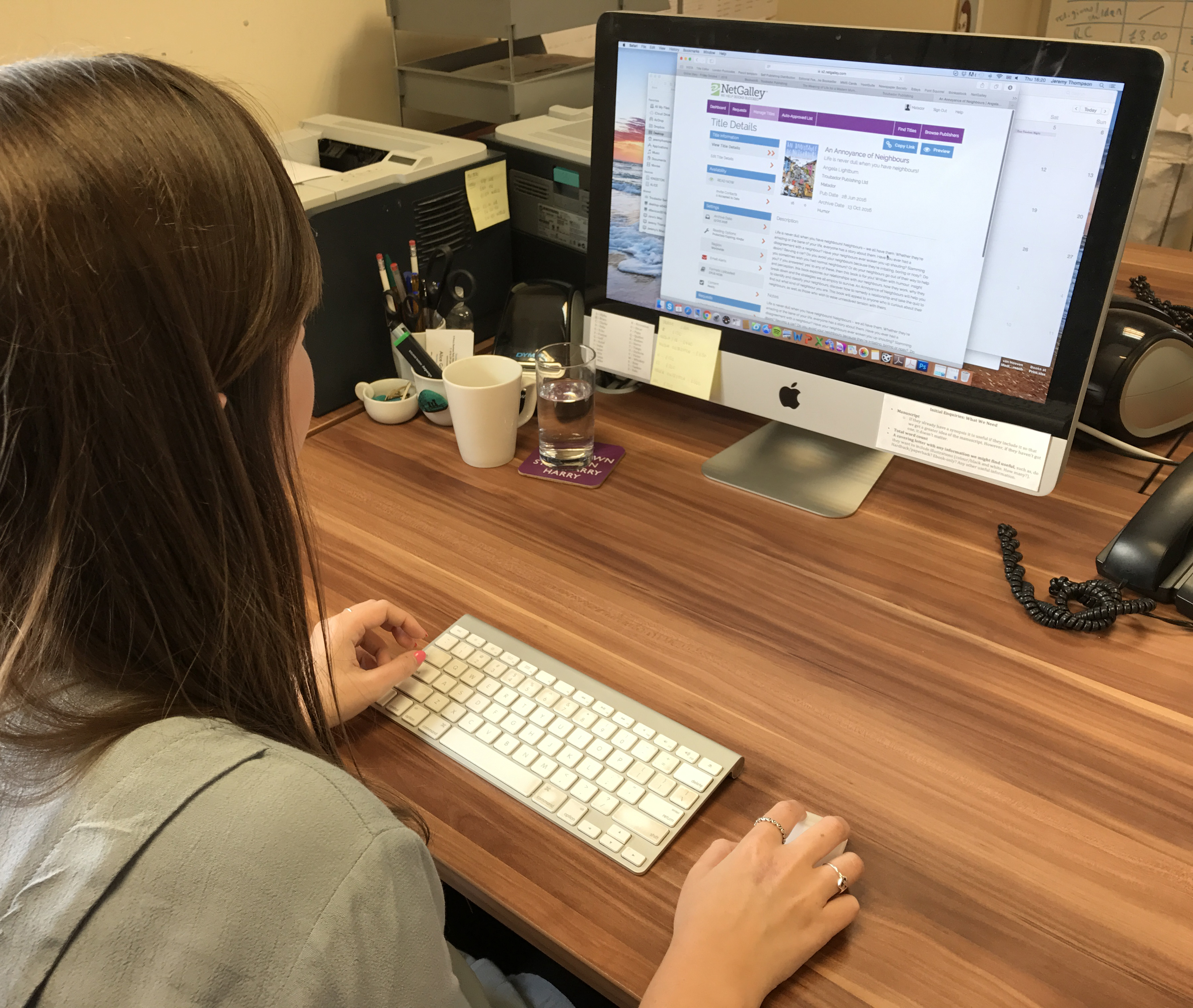
On publication: Ebook Marketing. This involves us making the ebook available for bloggers, reviewers and journalists to download through a protected channel in order to generate reviews.

pic-2-alice-graham-sets-up-an-authors-ebook-entry-on-netgalley

 Alice Graham sets up an author’s ebook entry on NetGalley

As well as working with authors looking to market their physical book, we also work with those looking to publish their title digitally – either solely as a standalone ebook, or as an additional format to their printed book.


For authors that choose to do so, it’s important to think about how you’ll market your ebook – whether alongside a paperback or not. How will buyers know it’s available, and how will reviewers and bloggers spread the word? These are important questions to ask. Marketing is vital to the commercial success of a title and without it you stand very little chance of selling copies of your ebook. Not only that, but marketing a digital title is very different to that of a paperback.


Unlike with a physically printed book, sending copies of an ebook out for review is a much more difficult than it first seems. Firstly, you can’t simply pop a copy in an envelope to literary editors and ask them to read it – it all has to be done digitally, and with great care. Sending out your ebook file might sound like the only way to get your book out to a reviewer, but it poses some security issues. Sending out a source ebook file (most commonly an epub) means it won’t be protected by Digital Rights Management (DRM), which means that anyone who you send the file to can simply pass it on. This makes your ebook vulnerable to piracy and re-publication.


At Matador, we strongly advise against sending the epub file out in a email – even if you trust the reviewer. Even sending a watermarked PDF with your contact details and a ‘copyright’ stamp is more secure than simply sending an epub, but there’s an even easier way to do it.


We use a website called NetGalley, the leading ebook media review service, where ebooks have a chance of being seen by over 300,000 journalists, bloggers, reviewers and retailers worldwide. NetGalley takes your source epub and adds DRM protection, meaning that it can be downloaded in a safe, protected way that’s free to the reviewer.


Users can browse the site by subject, publisher or keyword, and then download copies of ebooks that they want to review. Making your ebook available via a service like NetGalley can not only lead to media coverage, reviews and book sales, but it also gives your books an equal footing with the books published by other companies using the site – for example, Penguin Random House and HarperCollins list their titles on NetGalley.


Ebook marketing is a particularly great way of generating coverage both from bloggers who have their own websites, along with those who post book reviews on sites like Amazon and Goodreads.


If you’re publishing your book in dual format, you might be inclined to focus on the paperback marketing only, thinking that that will in turn increase sales of your ebook. While this might be true to an extent, ebook marketing is as crucial as any other part in the publishing process – and it opens your work up to a completely different section of the media – which is why a lot of the authors who publish with us opt for both ebook and physical book marketing.


In addition to opening up your book to a different audience of reviewers (remember some reviewers do all their reading on e-readers!), it also allows you to reach reviewers and bloggers on an international scale.

About us…

Matador offers a bespoke, comprehensive and high-quality self-publishing service. (www.troubador.co.uk/matador). We also offer standalone marketing and distribution services for authors who publish elsewhere (http://www.troubador.co.uk/distribution.asp) and standalone design and editorial services via our sister company, Indie-Go (http://www.indie-go.co.uk).

Our annual Self-Publishing Conference, held on 22nd April 2017, offers sessions on all aspects of the publishing process and can be tailored to each delegate’s requirements – registration is open now for £65 per person: (http://www.selfpublishingconference.org.uk).